
Cruise ships operate with their own set of unwritten social codes, and violating them can result in serious consequences. The most egregious offenders may find themselves confined to their cabins while security investigates their behavior. Understanding what constitutes genuinely problematic conduct helps passengers avoid ruining their vacation and facing potential legal action. Ship staff take safety and passenger comfort seriously, which means even seemingly minor infractions can escalate quickly. Knowing these boundaries ensures a smooth sailing experience for everyone onboard.
The Fake Illness Trick

Passengers who fabricate medical emergencies to skip charges or avoid consequences have learned the hard way that cruise lines investigate everything. Security reviews security footage and cross-references passenger behavior before and after claimed illnesses. Claiming to be too sick for mandatory safety drills or excursion payments puts guests on an immediate watch list. Medical staff can distinguish between genuine emergencies and opportunistic falsehoods through their professional training and experience. This deception frequently results in cabin confinement and formal warnings that follow passengers into future cruise line databases.
Pool Deck Intoxication

Excessive alcohol consumption in public areas of the ship creates safety hazards that crew members cannot ignore. Passengers who become belligerent, aggressive, or unable to care for themselves face immediate removal from common areas. Security monitors pool decks continuously because intoxicated guests pose drowning risks and threaten other vacationers. Cabin confinement allows staff to ensure the passenger’s safety while preventing further disturbances. The cruise line documents these incidents and may refuse passage on future voyages.
Theft From Public Areas

Stealing towels, glasses, deck chairs, or other ship property is taken far more seriously than most casual thieves realize. Security cameras cover every inch of the ship and staff can identify exactly when and where items disappeared. Passengers caught smuggling items into their cabins face accusations of theft, formal investigations, and potential legal prosecution. The value of stolen items becomes irrelevant once authorities determine intentional removal occurred. This offense almost always results in confinement and potential involvement of port authorities.
Unauthorized Room Entry

Attempting to access other passengers’ cabins or restricted crew areas triggers immediate security lockdown procedures. Key card systems create electronic records of every door access, making it impossible to deny entry attempts. Guests who claim to have entered the wrong cabin twice are flagged as security risks. Unauthorized access to maintenance areas, kitchens, or staff quarters puts the entire ship at potential risk. This violation results in immediate cabin confinement pending investigation and possible law enforcement involvement.
Sexual Harassment or Assault

Any unwanted physical contact or sexually aggressive behavior reported to staff results in swift and severe consequences. Crew members are trained to document complaints thoroughly and isolate accused passengers immediately. The ship’s authority supersedes normal legal jurisdiction, giving captains broad powers to detain passengers. Victims’ safety becomes the priority while investigations proceed in confined spaces. Passengers convicted of these acts face federal charges upon reaching port in addition to immediate confinement.
Vandalism and Property Damage

Intentionally damaging ship property beyond normal wear and tear constitutes a serious violation of cruise line policies. Passengers who punch walls, break fixtures, or deliberately destroy furniture face bills that often exceed thousands of dollars. Security investigates the extent of damage and determines whether it indicates dangerous behavior patterns. Confinement allows crew to prevent further property destruction while documenting evidence. Charges typically include replacement costs plus additional penalties assessed by the cruise line.
Bringing Prohibited Items Onboard

Passengers caught with weapons, illegal drugs, or large quantities of alcohol face immediate confiscation and cabin confinement. Security screening catches most prohibited items, but those who slip past initial inspection face serious consequences. Ship authorities work with port authorities to coordinate legal proceedings once the vessel reaches its next destination. The consequences extend beyond the current voyage, affecting future travel privileges. Federal charges often accompany the cruise line’s own disciplinary actions in these cases.
Harassing Crew Members

Staff members deserve respect and professionalism from guests, and those who cross the line face serious repercussions. Verbal abuse, unwanted flirtation, or demands for special treatment that turns aggressive create hostile work environments. Crew documentation of incidents provides evidence that security uses to determine appropriate responses. Repeat offenders or particularly severe cases result in immediate cabin confinement and potential port authority involvement. Passengers may find themselves banned from future cruises with the same cruise line entirely.
Disruptive Cabin Parties

Late night gatherings that disturb other passengers generate noise complaints that escalate quickly up the chain of command. Crew members respond to the first complaint with warnings, but subsequent disturbances trigger security involvement. Excessive noise between designated quiet hours constitutes a violation of the passenger agreement signed at embarkation. Security can confine passengers to their cabins if disturbances continue after initial warnings. The cruise line prioritizes sleep and comfort for all guests, making noise violations taken very seriously.
Sneaking Into Restricted Venues

Passengers attempting to access crew-only areas, premium lounges they did not pay for, or secure zones face immediate detection and confinement. Electronic key card systems track exactly which areas guests enter and alert security to unauthorized access. Crew members are instructed to document and report all attempts at unauthorized entry regardless of intent. The ship maintains separate spaces for safety, sanitation, and operational reasons that guests cannot simply override. Repeated attempts result in formal written warnings and potential expulsion from future voyages.
Photographing Other Passengers Without Consent

Taking photos or videos of other guests without permission violates privacy and can constitute stalking depending on the circumstances. Reported incidents trigger security reviews of images and investigations into the photographer’s intentions. Passengers who engage in this behavior face complaints from other guests and formal warnings from staff. Continuing after being warned puts guests at risk of cabin confinement and potential legal action. The cruise ship protects passenger privacy as aggressively as it protects passenger safety.
Creating False Emergency Situations
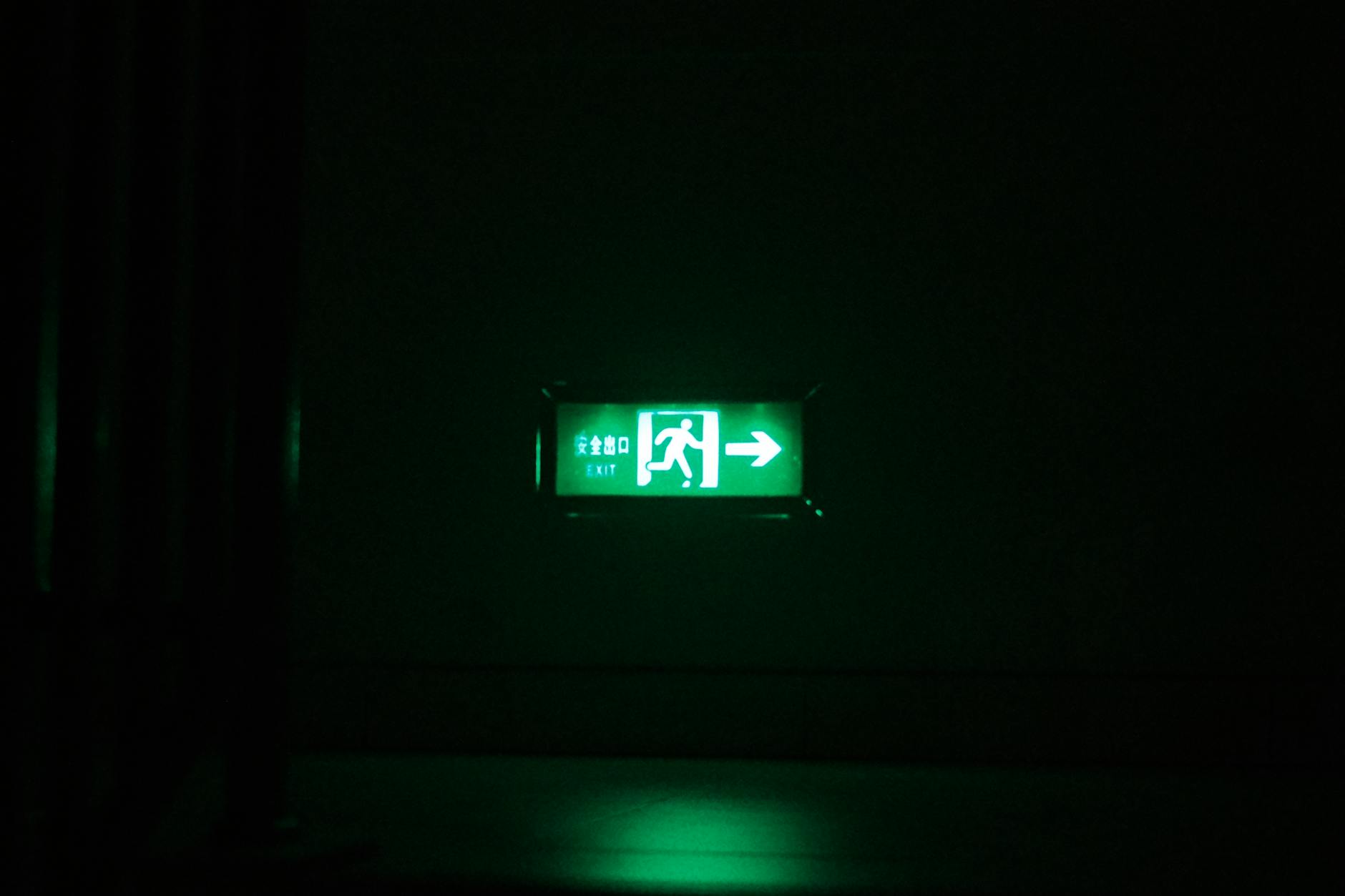
Pulling fire alarms as pranks, reporting fake safety threats, or triggering security alarms without genuine cause poses massive risks to everyone aboard. These false reports divert crew attention from real emergencies and put the entire ship at risk of unnecessary evacuations. Federal law treats false emergency reports seriously, and cruise lines prosecute these cases to the fullest extent. Passengers found responsible for false alarms face cabin confinement, substantial fines, and potential federal charges. The consequences extend beyond the vacation, affecting the person’s permanent record and future travel privileges.
Refusing Mandatory Safety Drills
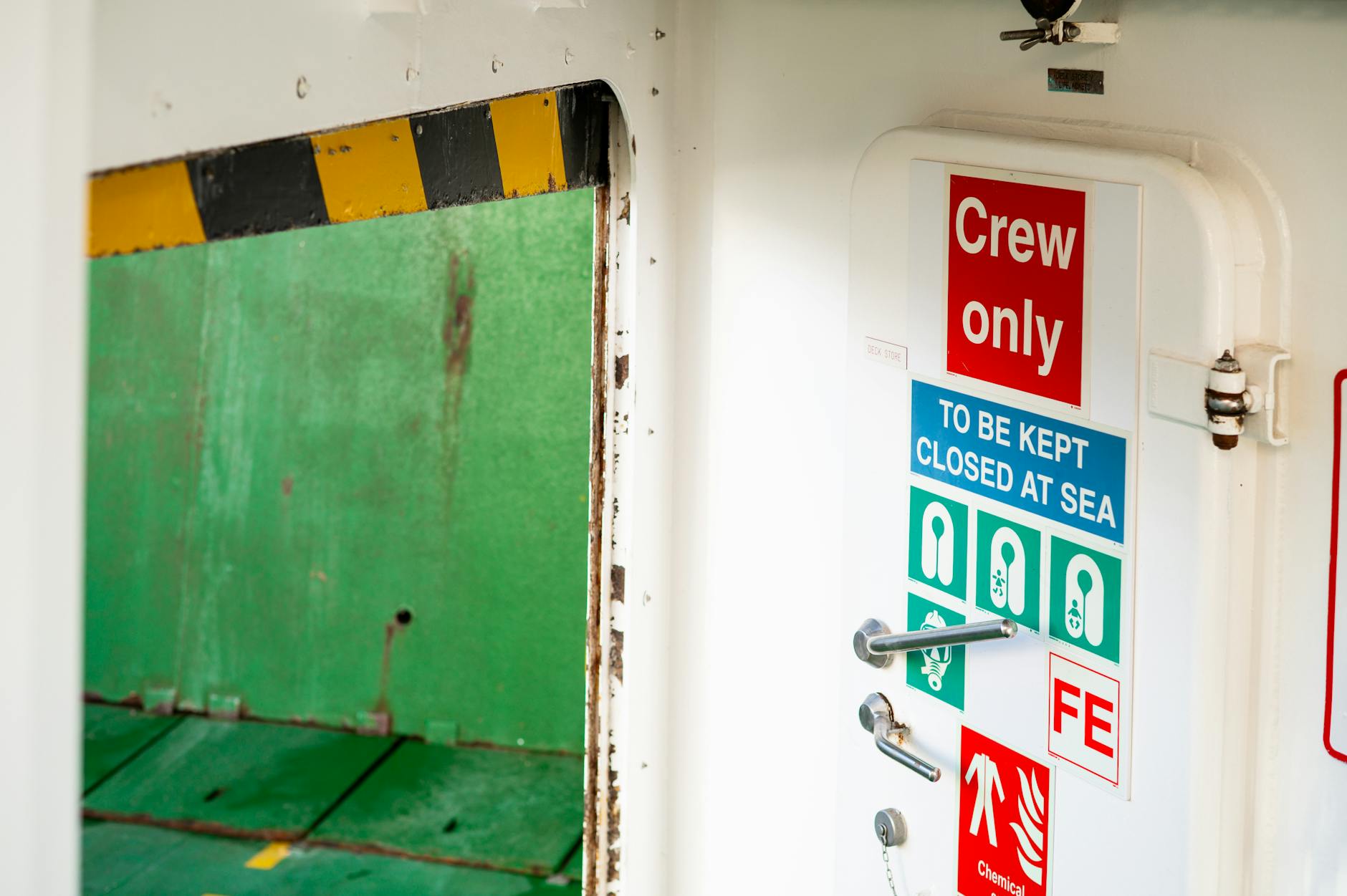
The safety drill attendance requirement exists because maritime law mandates it and lives depend on passenger familiarity with procedures. Passengers who skip drills or refuse to participate face escalating consequences starting with written warnings. Repeated refusal results in security personnel escorting guests to the muster station or confining them to cabins. The captain has absolute authority to enforce safety regulations, and no passenger exemption exists regardless of circumstances. This offense demonstrates contempt for the law and endangers everyone on the ship.
Conducting Unauthorized Business

Passengers attempting to use the cruise as a platform for sales, recruiting, or business transactions without the cruise line’s permission face immediate shutdown. Crew members are trained to identify and report any commercial activity attempted by guests in public or private spaces. Security investigation determines the scope of the activity and whether it violated passenger agreements. Unauthorized business activities result in cabin confinement and potential port authority involvement if fraud occurred. Passengers may face bans from future cruises and civil litigation from the cruise line.
Stowing Away or Identity Fraud
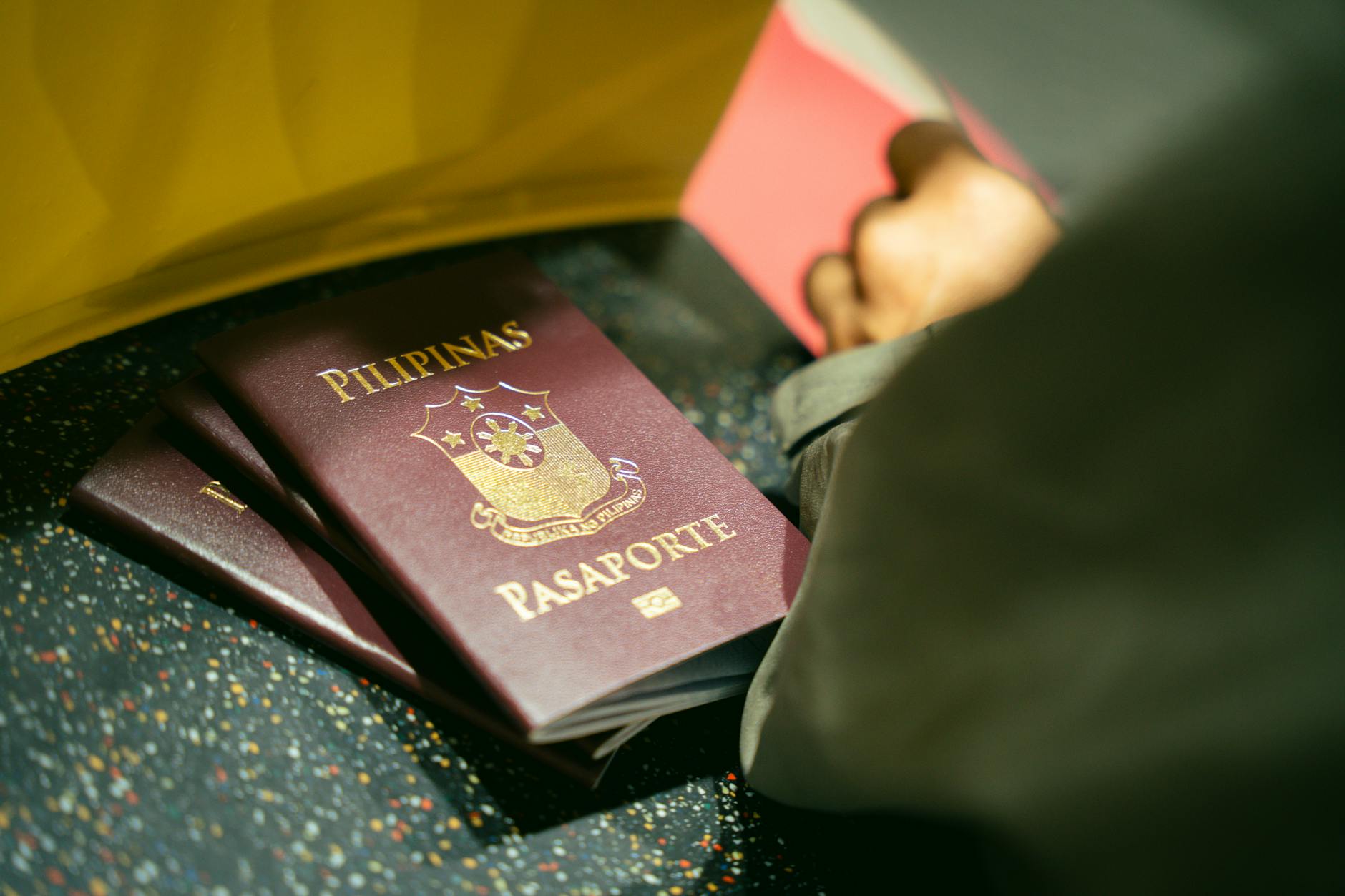
Passengers who board under false identities or attempt to hide additional people in their cabins face immediate arrest and serious federal charges. Cruise lines verify passenger information against government databases and flag discrepancies that appear during embarkation. Security conducts random cabin inspections that quickly uncover stowaways or fraudulent occupancy. These offenses constitute federal crimes that can result in years of imprisonment regardless of intent. Port authorities become involved immediately, and prosecution follows standard federal maritime law procedures.
Threatening Violence or Making Terroristic Comments

Any statement suggesting violence, terrorism, or harm to the ship or passengers triggers an immediate security response and confinement. Crew members are trained to take all threats seriously and report them to the captain and maritime authorities. Joking about bombs, weapons, or attacks receives no leniency and results in the same serious consequences as genuine threats. The ship can alter course to reach the nearest port for law enforcement to board and arrest the passenger. Federal charges for terroristic threats accompany any additional civil action from the cruise line.
Exposing Yourself or Public Indecency

Passengers who expose their genitals or engage in sexual acts in public areas of the ship face immediate arrest and confinement. Crew members are instructed to separate the offender from other guests and document the incident thoroughly. Security footage provides evidence for both cruise line prosecution and potential criminal charges upon reaching port. These offenses violate maritime law and federal indecency statutes regardless of the offender’s claimed intent. Passengers convicted of these acts face sex offender registration requirements in many jurisdictions.
Contaminating Food or Water Supply

Tampering with food, beverages, or the ship’s water system constitutes a serious federal crime with severe consequences. Crew members who discover contamination immediately alert the captain and secure the affected area. Investigation determines the scope of contamination and whether anyone consumed tainted food or water. The offender faces both cabin confinement and federal charges related to food tampering and endangerment. Prosecution typically results in substantial prison sentences given the serious threat posed to hundreds of passengers.
Violating Quarantine Orders

Passengers instructed to remain in their cabins due to illness who attempt to leave or break quarantine face escalating enforcement. Health officers have authority to confine sick passengers to prevent disease spread to other guests and crew. Attempts to leave a quarantine cabin result in security enforcement and potential additional penalties. Crew members monitor quarantined cabins and report any breach attempts immediately. Violating quarantine orders can result in additional fines and charges beyond those for the original illness.
Recording Crew Members Inappropriately

Filming crew members without consent in sensitive areas or for inappropriate purposes violates privacy laws and cruise line policies. Passengers discovered taking videos of staff in crew areas, locker rooms, or during private moments face immediate cabin confinement. Security confiscates recording devices and investigates the content and the passenger’s intentions. These violations can constitute voyeurism depending on jurisdiction and the nature of the recordings. Passengers may face criminal charges, civil lawsuits, and permanent bans from cruise travel.
Engaging in Drug Use or Distribution

Any use or distribution of illegal drugs onboard results in immediate cabin confinement and involvement of law enforcement. Crew members receive training to identify drug paraphernalia and suspicious behavior patterns. Security and port authorities work together to prosecute drug offenses with maximum severity. The ship stops at the nearest port to allow law enforcement to board and take custody of the offender. Federal drug charges compound the cruise line’s own disciplinary actions and result in serious prison sentences.
Assaulting Other Passengers or Crew

Physical violence against anyone aboard the ship results in immediate restraint and confinement pending investigation. Security uses whatever means necessary to separate assailants from victims and protect all persons aboard. The incident is documented thoroughly and reported to maritime authorities and port law enforcement. Assault charges carry federal penalties and substantial prison sentences when committed aboard international vessels. The cruise line pursues civil damages in addition to any criminal prosecution initiated by authorities.
What behavior have you witnessed on a cruise ship that crossed the line, and how do you think it should have been handled, in the comments?




