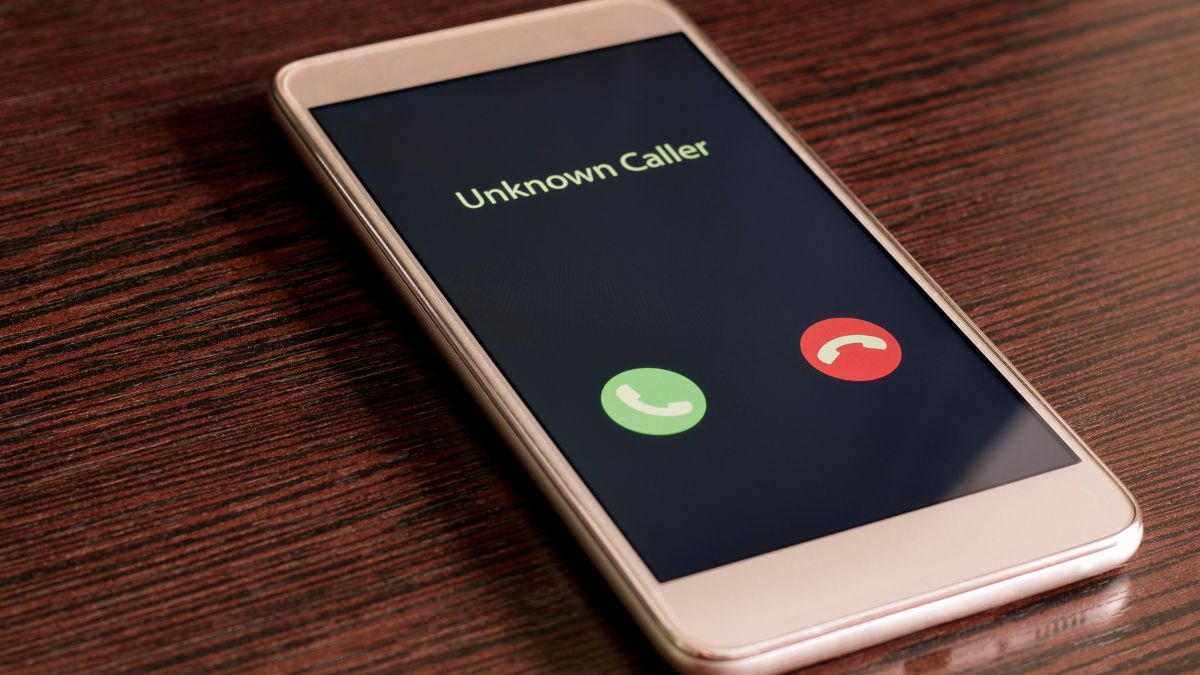
Phone scams seem to be popping up more frequently these days, leaving many people feeling uneasy every time their phone rings with an unknown number. A security expert from Truecaller named Clayton LiaBraaten recently shared insights on why this surge is happening. He pointed out that shifts in technology combined with tough economic conditions give scammers new opportunities to exploit vulnerabilities. These fraudsters act as skilled social engineers who prey on desperation during uncertain times by offering fake financial help or solutions to made-up problems. Anyone can fall victim, though older adults often get targeted because they appear more trusting.
Scammers frequently use personal details they claim to already know about you as a way to build false trust right from the start. They might leave voicemail messages about a supposed pending credit request that requires extra information, urging you to call back immediately. In reality, no such request exists, and returning the call could connect you directly to the fraudster while racking up unexpected charges. Persistent ringing is another major red flag, with some victims reporting five to twenty calls a day from different numbers but always pushing the same urgent story. Legitimate companies rarely bombard people like this or demand instant action over the phone.
The pressure tactics rely heavily on creating confusion and a fear of missing out, which is why scammers discourage questions or verification. If you answer or even press an option to unsubscribe, it often just signals that your number is active and leads to even more calls flooding in. Experts from the Federal Trade Commission note that these callers impersonate banks, government agencies, or tech support teams to extract sensitive data like account numbers or passwords. Never share personal information during an unsolicited call, and avoid clicking any links they provide since those can install malware or lead to phishing sites designed to steal your identity.
One of the smartest defenses involves slowing down and refusing to engage at all. Simply hanging up without saying a word disrupts their script and prevents them from gathering more details about you. LiaBraaten emphasizes that every extra second you take to think reduces their power because they thrive on quick emotional reactions rather than careful consideration. If a caller claims to represent your bank or a familiar company, end the conversation and dial the official number from your statement or website instead of using any contact they give you. This verification step alone stops most scams in their tracks before any damage occurs.
Technology changes have made spoofing caller IDs easier than ever, so even a familiar area code or name on your screen offers no real guarantee of legitimacy. Scammers now blend old tricks with new ones, such as using artificial intelligence for voice cloning in so-called grandparent emergencies where a fake relative begs for quick cash. In these cases, the best response is to hang up and reach out to your family member directly using a known number to confirm everything is fine. Registering with services like the National Do Not Call list helps reduce some unwanted rings, but combining it with built-in phone blocking features and apps from your carrier provides stronger protection against persistent fraudsters.
Staying proactive means treating every unknown call as suspicious until proven otherwise, which builds a habit that keeps your finances and personal data secure. Avoid wiring money, sending gift cards, or using payment apps at the request of a stranger, as those methods make recovery nearly impossible once the funds leave your account. By recognizing the patterns of urgency, unsolicited personal knowledge, and demands for immediate action, you empower yourself to sidestep these traps without second-guessing. Regular awareness of evolving scam methods, including those powered by new technology, ensures you remain one step ahead in a world where phone fraud continues to adapt.
What phone scam experiences have you had or heard about, and how did you handle them? Share your thoughts in the comments.




