
The automotive repair industry is built on trust, and the vast majority of mechanics honour that trust with skill and integrity. However, a small number of dishonest operators have developed techniques for creating problems rather than solving them, turning the workshop into a place where a car enters with one fault and leaves with several. Understanding how these practices work does not require mechanical expertise but it does require knowing what to look for and what questions to ask. Consumer protection bodies in multiple countries consistently rank automotive repair among the top sectors for complaints related to fraud and deliberate damage. Awareness is the most reliable defence a driver can carry into any service centre.
Loose Battery Terminals
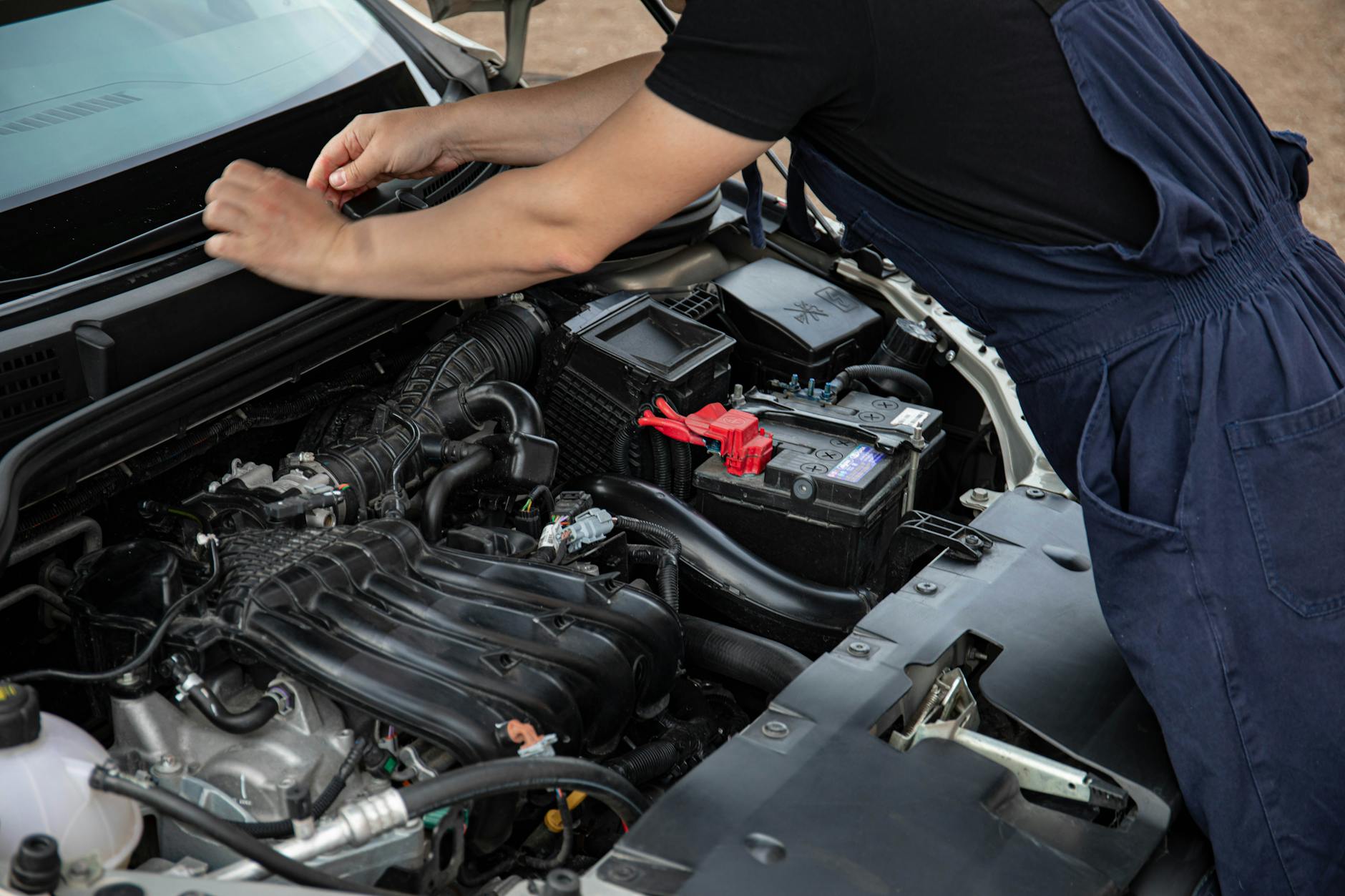
One of the most commonly reported forms of deliberate workshop sabotage involves the loosening of battery terminal connections after a service has been completed. A partially disconnected terminal causes intermittent electrical faults that are difficult to trace without returning the car to a workshop. The symptoms mimic a failing battery or alternator, both of which represent significant repair costs for the unsuspecting owner. The fix itself takes approximately thirty seconds and requires no tools beyond a basic spanner. Checking terminal tightness immediately after collecting a vehicle from any service is a straightforward habit that eliminates this particular vulnerability entirely.
Valve Stem Damage
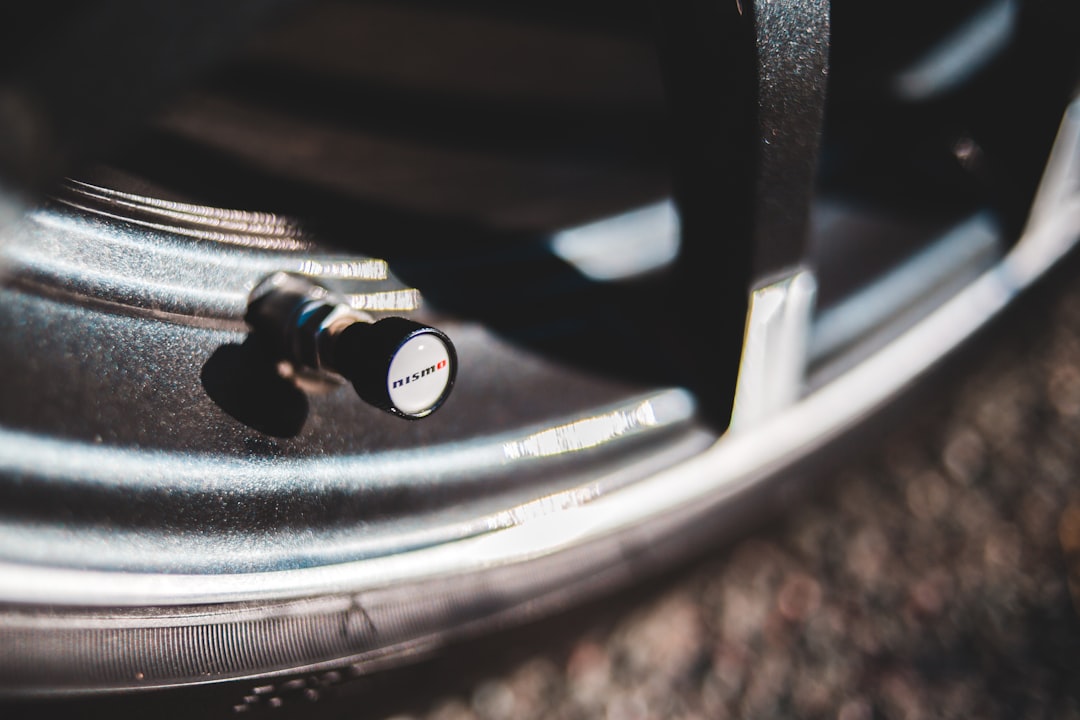
Tyre valve stems are small, inexpensive and almost entirely unexamined by drivers collecting their vehicles after a service involving wheel removal. A mechanic with dishonest intentions can nick or partially cut a valve stem in a way that causes a slow leak developing over days rather than immediately. The driver experiences a flat tyre far enough from the original workshop to make the connection seem implausible. Purchasing new valve stems is typically recommended whenever tyres are replaced, a service that also removes any tampered originals from the equation. Inspecting valve caps and stems visually before driving away after any tyre-related work adds less than two minutes to the collection process.
Air Filter Contamination
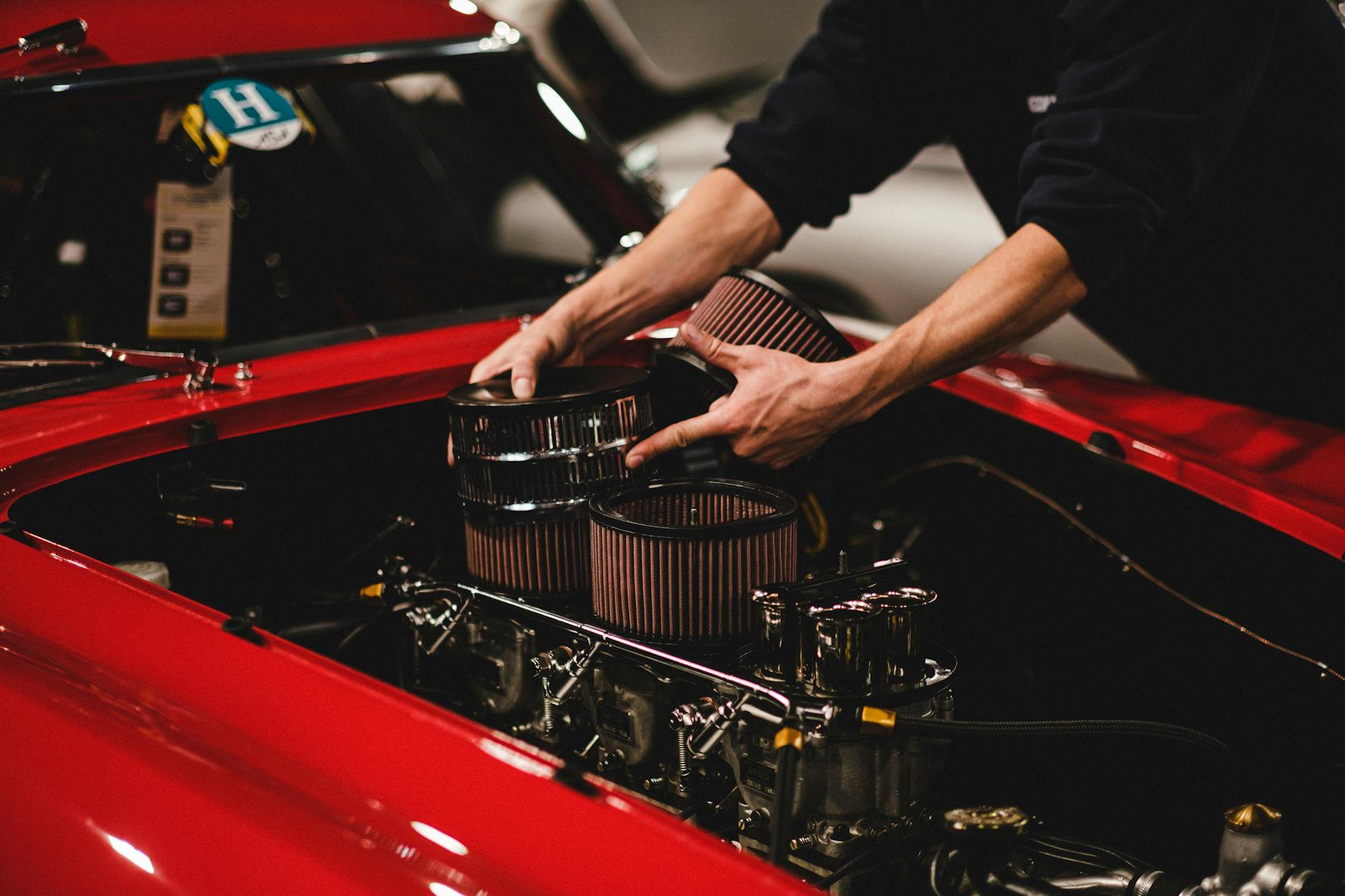
A clean air filter can be made to appear catastrophically dirty in seconds by rubbing workshop debris, oil residue or dust directly into the filter medium. Dishonest mechanics exploit the fact that most drivers have no reference point for what a filter at their specific mileage should genuinely look like. The upsell is presented as urgent because a blocked air filter does genuinely affect engine performance and fuel economy. Keeping a record of when filters were last replaced and cross-referencing that mileage against manufacturer intervals makes it straightforward to challenge a replacement recommendation that arrives too early. Photographing major consumable components at each service provides documentary evidence that is difficult for any workshop to argue against.
Coolant Dilution

Engine coolant that has been deliberately diluted with water loses its freeze protection and corrosion inhibiting properties while appearing superficially normal to an untrained eye. The consequences of running diluted coolant through an engine in cold weather can include cracking the block or head, representing repair costs that dwarf the price of the original service. A basic coolant tester purchased for a negligible sum can verify concentration levels in under a minute and is available at any automotive supply retailer. Dishonest workshops rely on the assumption that customers will never test fluids they cannot directly observe being changed. Bringing a coolant tester to a post-service check is an unconventional but entirely legitimate act of self-protection.
Spark Plug Loosening
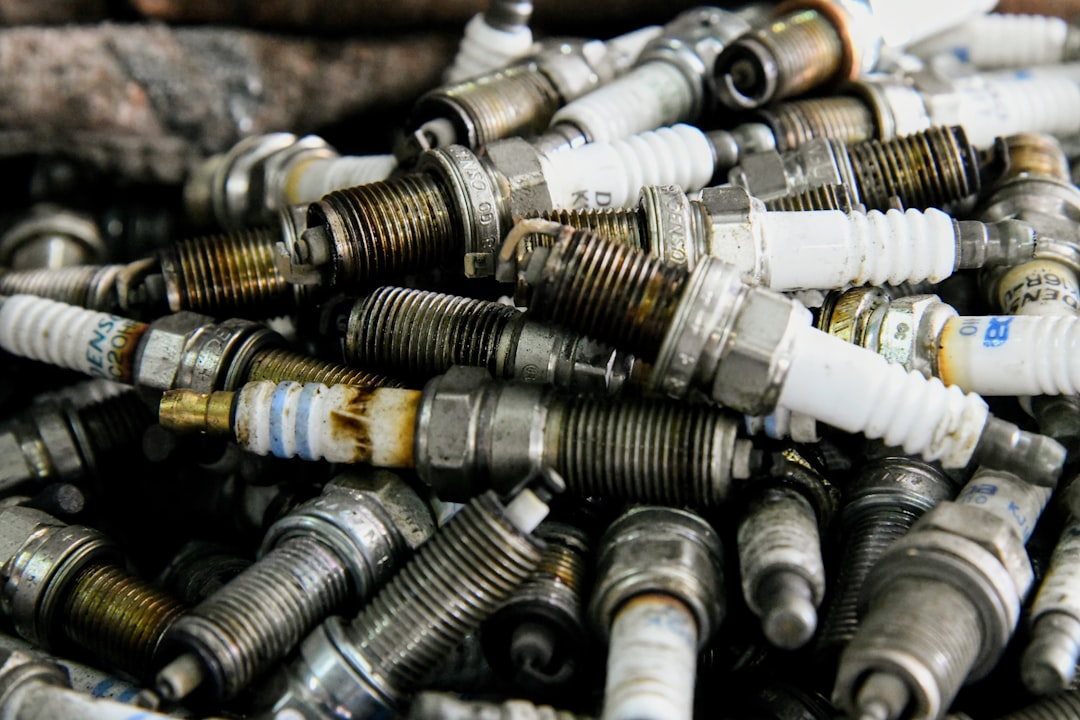
Spark plugs that have been deliberately under-torqued after a service sit loosely in their threads and work free gradually through the vibration of normal driving. A plug that ejects from the cylinder head at speed causes catastrophic engine damage that is both expensive and difficult to attribute to workshop negligence after the fact. The symptoms of a loosening plug begin as minor misfires and rough idling before escalating rapidly to severe running problems. Torque specifications for spark plugs are published in every vehicle service manual and a torque wrench check requires only minutes. Any workshop that objects to a customer verifying torque settings on accessible components after a service is displaying a warning sign worth noting.
Brake Fluid Contamination
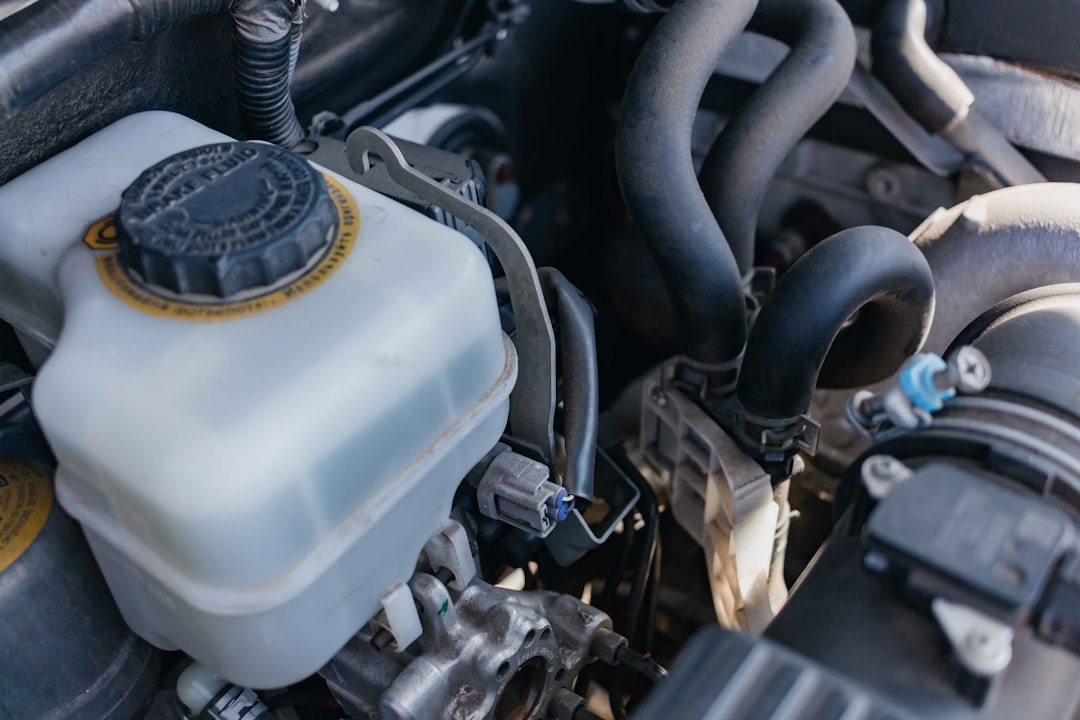
Brake fluid is hygroscopic and degrades naturally over time, but the degradation process can be accelerated dramatically by introducing water or an incompatible fluid into the reservoir. Contaminated brake fluid lowers the boiling point of the hydraulic system, creating a risk of brake fade under hard use that the driver will not experience during a gentle test drive after collection. The symptoms emerge under conditions of stress such as long descents or repeated heavy braking, precisely the circumstances where brake failure carries the highest consequences. A brake fluid test strip costs negligible amounts and changes colour in under a minute when dipped into the reservoir. Testing fluid quality before and after any service involving the brake system takes less time than queuing to pay the invoice.
Oil Underfill
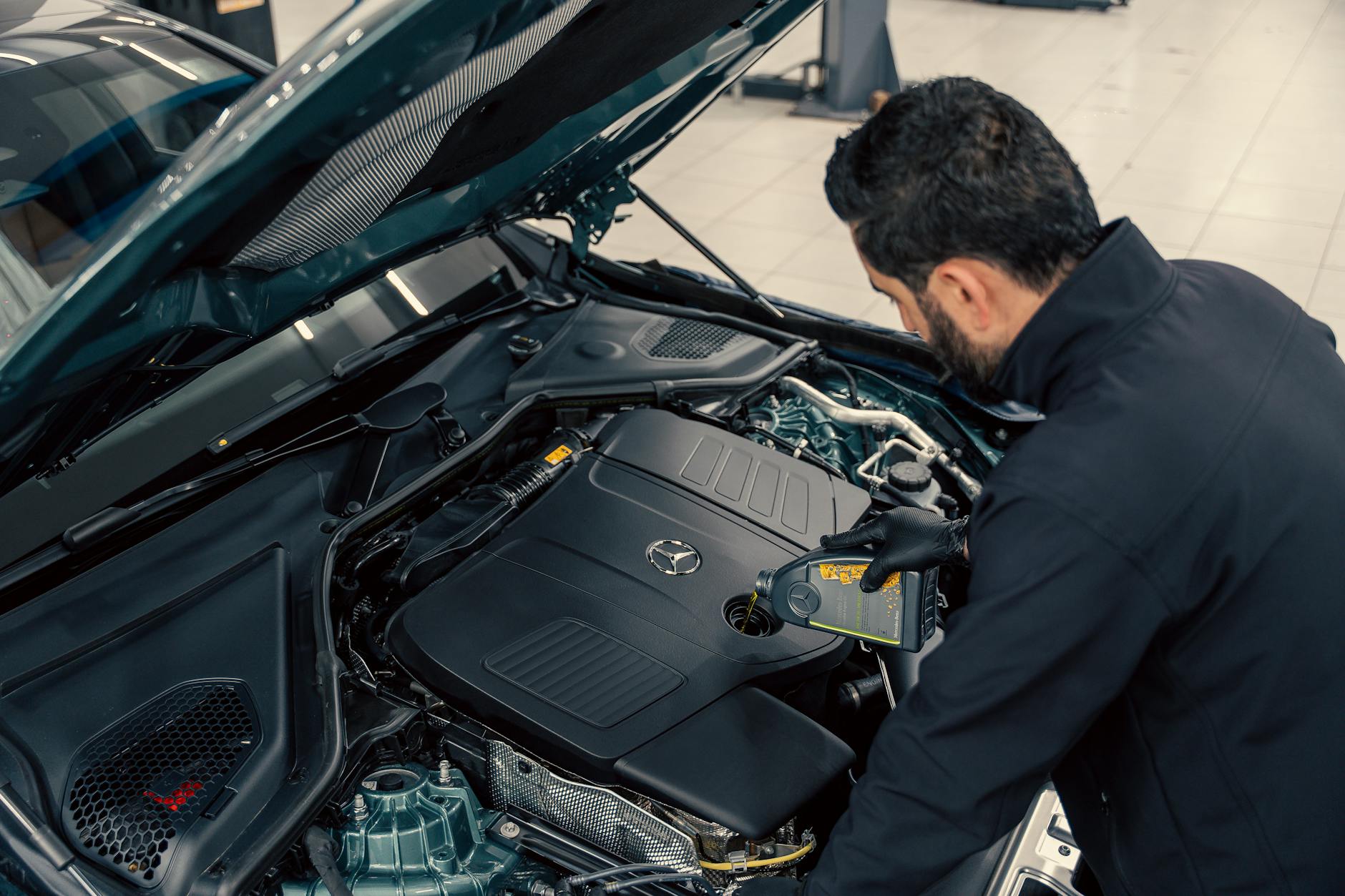
An engine returned with oil filled to a level below the minimum mark on the dipstick will suffer accelerated wear and potential seizure during subsequent driving. The practice of underfilling is difficult to detect without checking the dipstick personally before leaving the forecourt, a step most drivers omit in the assumption that a paid oil service includes the correct quantity. Some dishonest workshops charge for a full quantity of premium oil while using a lesser amount of a cheaper grade, retaining the difference in both product and cost. Checking the dipstick immediately after a service, before the engine has been started, provides the clearest reading of actual fill level. Making this check a non-negotiable part of every collection routine removes the opportunity entirely.
Steering Component Interference

Steering and suspension components that have been deliberately loosened or left improperly torqued after inspection create handling characteristics that deteriorate progressively rather than catastrophically. The driver initially notices minor vagueness or a slight pull that they may attribute to road camber or tyre pressure rather than workshop interference. Returning with these complaints gives the dishonest mechanic a second billing opportunity for work that should have been completed correctly the first time. Independent post-service inspections carried out by a trusted second workshop are an effective countermeasure when steering behaviour changes noticeably after a service. Documenting the car’s handling characteristics before any suspension work provides a baseline that makes post-service changes easier to identify and describe precisely.
Deliberate Sensor Disconnection
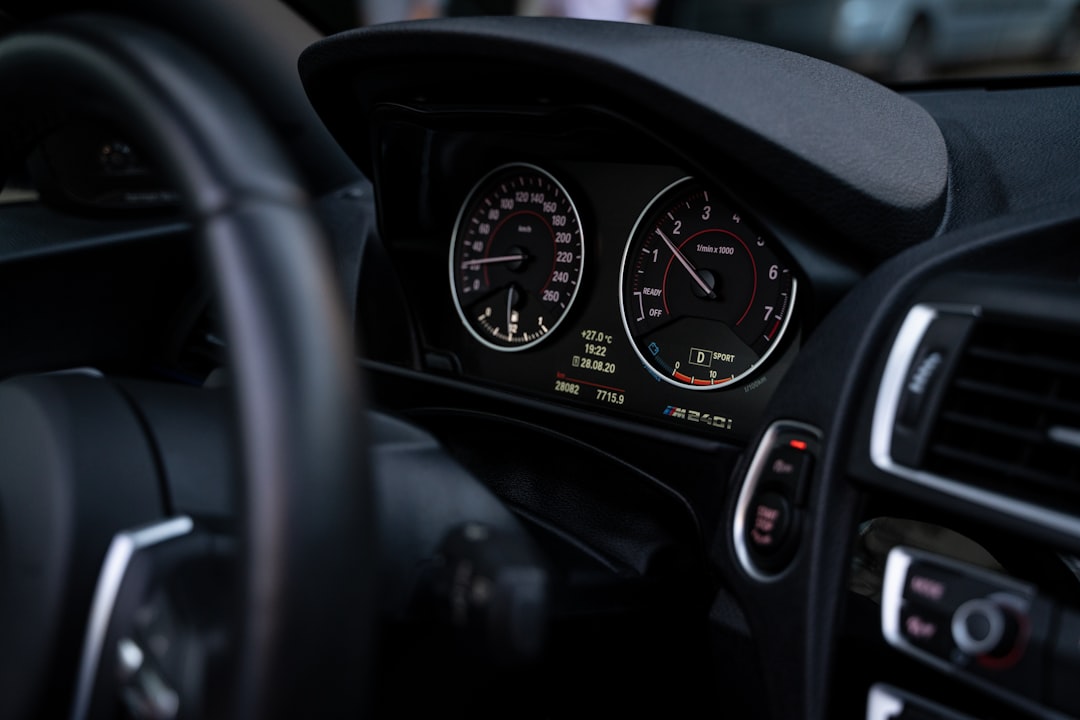
Modern vehicles rely on a network of sensors whose disconnection produces fault codes and warning lights that the driver interprets as new mechanical problems requiring diagnosis. Unplugging a mass airflow sensor, an oxygen sensor or a wheel speed sensor takes seconds and leaves no physical evidence of interference. The resulting warning lights typically appear after the driver has travelled far enough from the workshop to make an immediate return feel inconvenient. A basic OBD reader purchased for modest cost allows any driver to read fault codes independently before agreeing to a diagnostic session at a workshop. Clearing codes after reconnecting a sensor resolves the issue without further expense and reveals the nature of the original interference.
Exhaust System Loosening
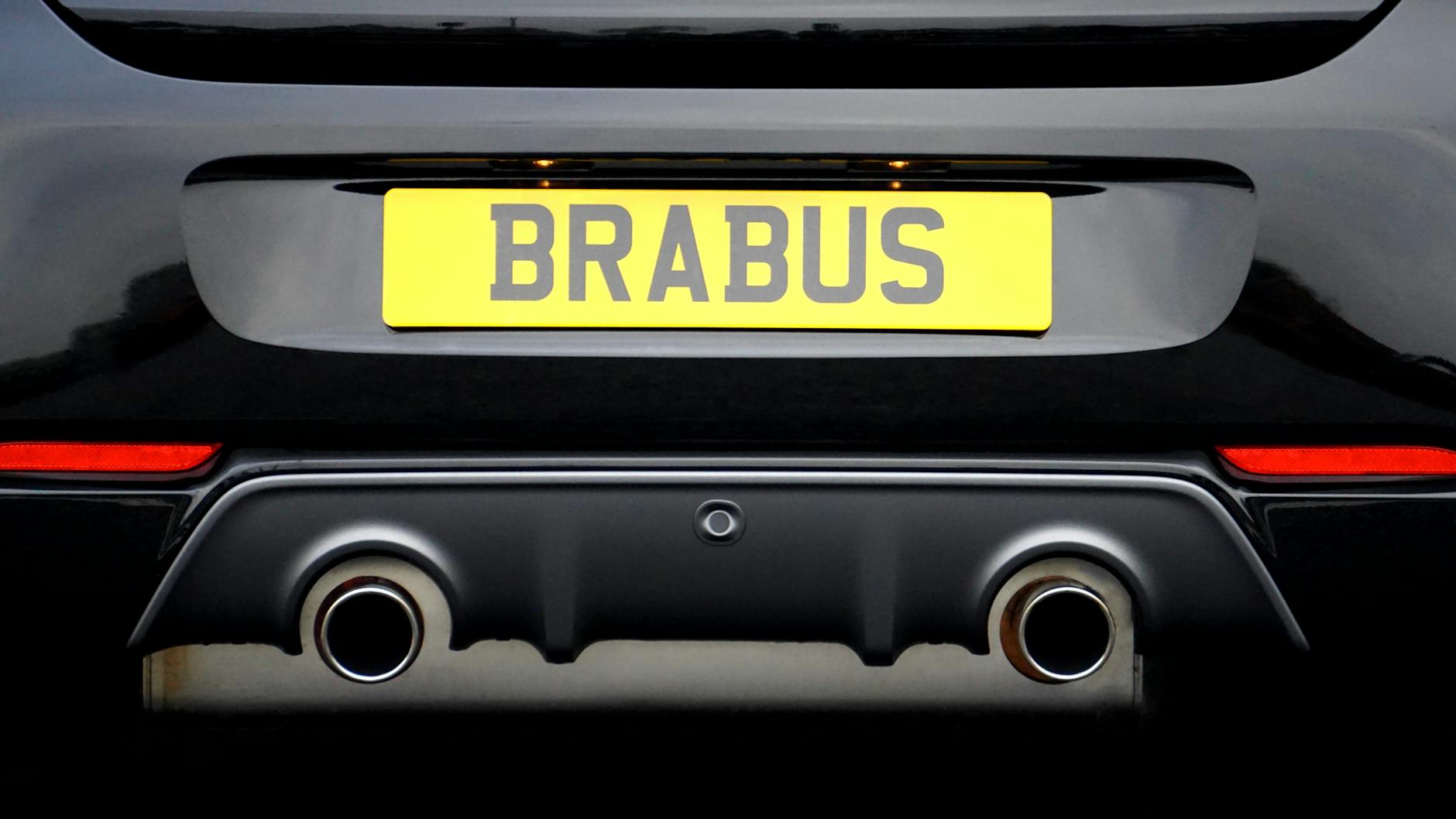
Joints within the exhaust system that have been left deliberately loose or had their clamps removed partially produce rattles, reduced performance and eventually leaks that expose the cabin to carbon monoxide. The noise produced by a loose exhaust section is alarming enough that most drivers return to the workshop immediately, providing a second service opportunity. Carbon monoxide ingress from a compromised exhaust system represents a genuine safety risk that goes beyond financial damage to the vehicle owner. A visual inspection of accessible exhaust joints and clamp positions during the post-service walkround takes only moments and requires no tools. Any rattling or blowing noise from the exhaust that was not present before a service should be treated as a workshop issue until proven otherwise.
Radiator Hose Interference
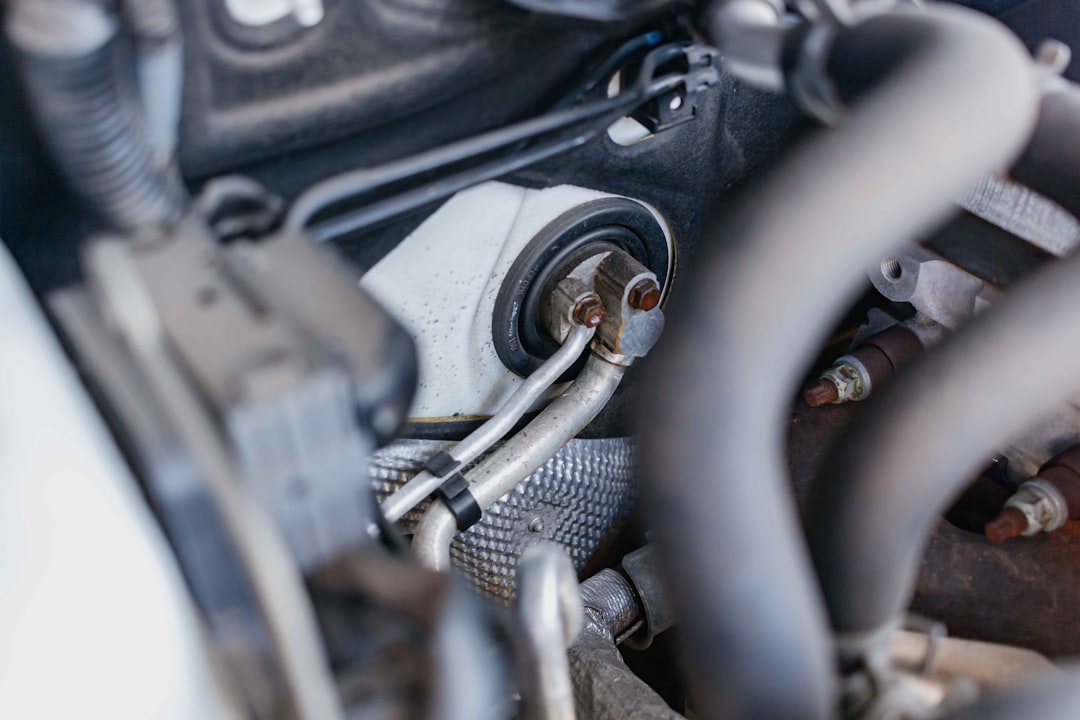
Radiator hoses that have been partially cut, perforated with a fine implement or simply left unclipped after a coolant service will fail predictably under the pressure and temperature of normal engine operation. The failure typically presents as sudden and dramatic overheating that appears to the driver as a random mechanical event unconnected to the recent service visit. An overheated engine can warp the cylinder head, destroy gaskets and in severe cases crack the block, producing repair bills that dwarf the original service cost. Running a finger along accessible hose sections during the post-collection check and confirming that all clips are properly seated takes under a minute. Any moisture around hose joints after a coolant service warrants an immediate return before the car is driven any further.
Tyre Pressure Manipulation
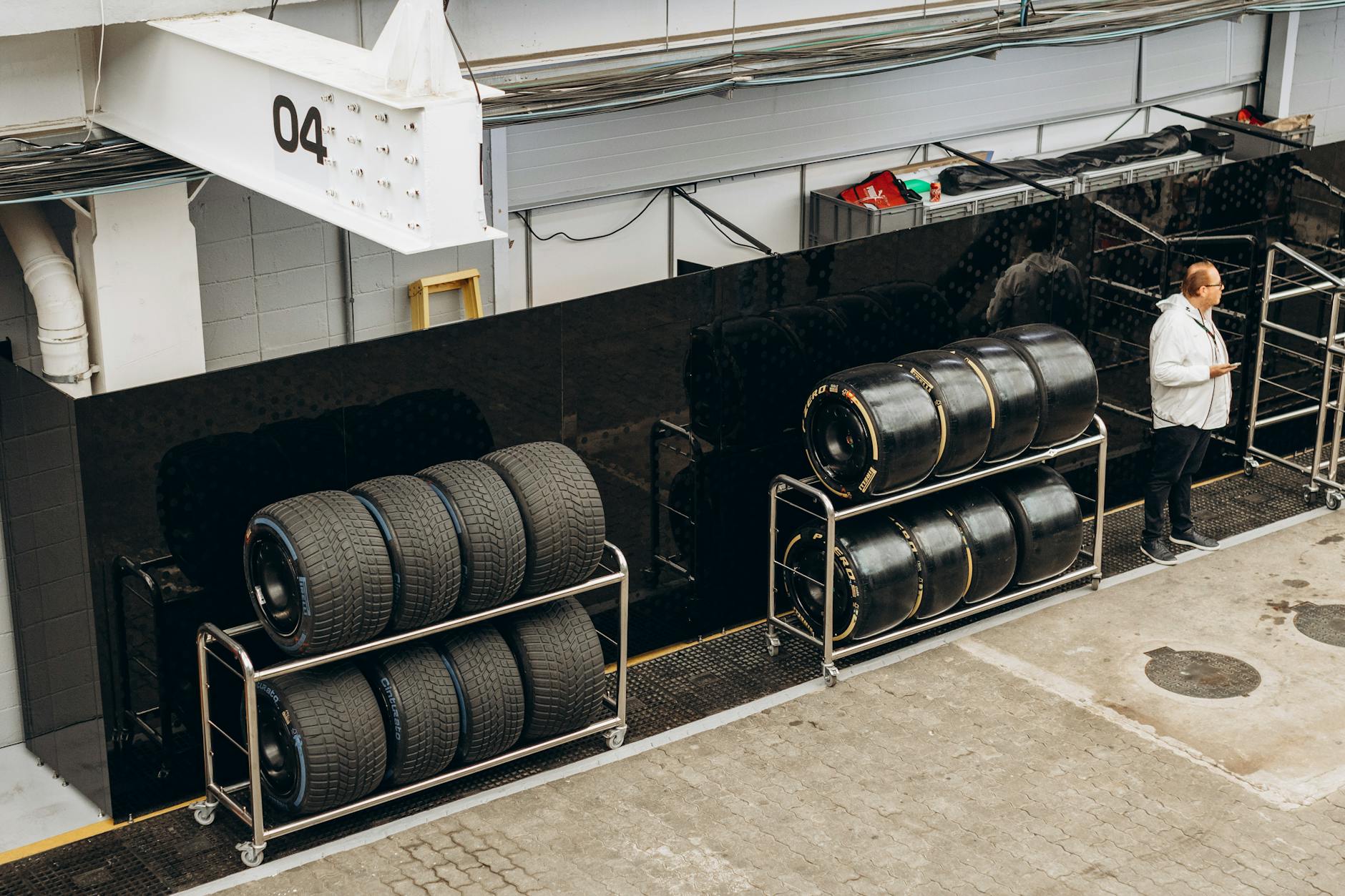
Deliberately over or under-inflating tyres after a wheel service creates handling instability and accelerated tyre wear without producing any immediately obvious mechanical symptom. A severely over-inflated tyre is vulnerable to blowout under load, particularly in hot weather or at motorway speeds, creating a safety risk that is life-threatening in the wrong circumstances. Under-inflation increases rolling resistance and heat build-up in ways that degrade the tyre casing over weeks of use rather than producing an immediate dramatic failure. Carrying a reliable tyre pressure gauge and checking all four tyres before leaving any forecourt costs nothing and takes under three minutes. Pressure should be checked against the figures on the door jamb placard rather than any figure quoted by workshop staff.
Windscreen Washer Tampering
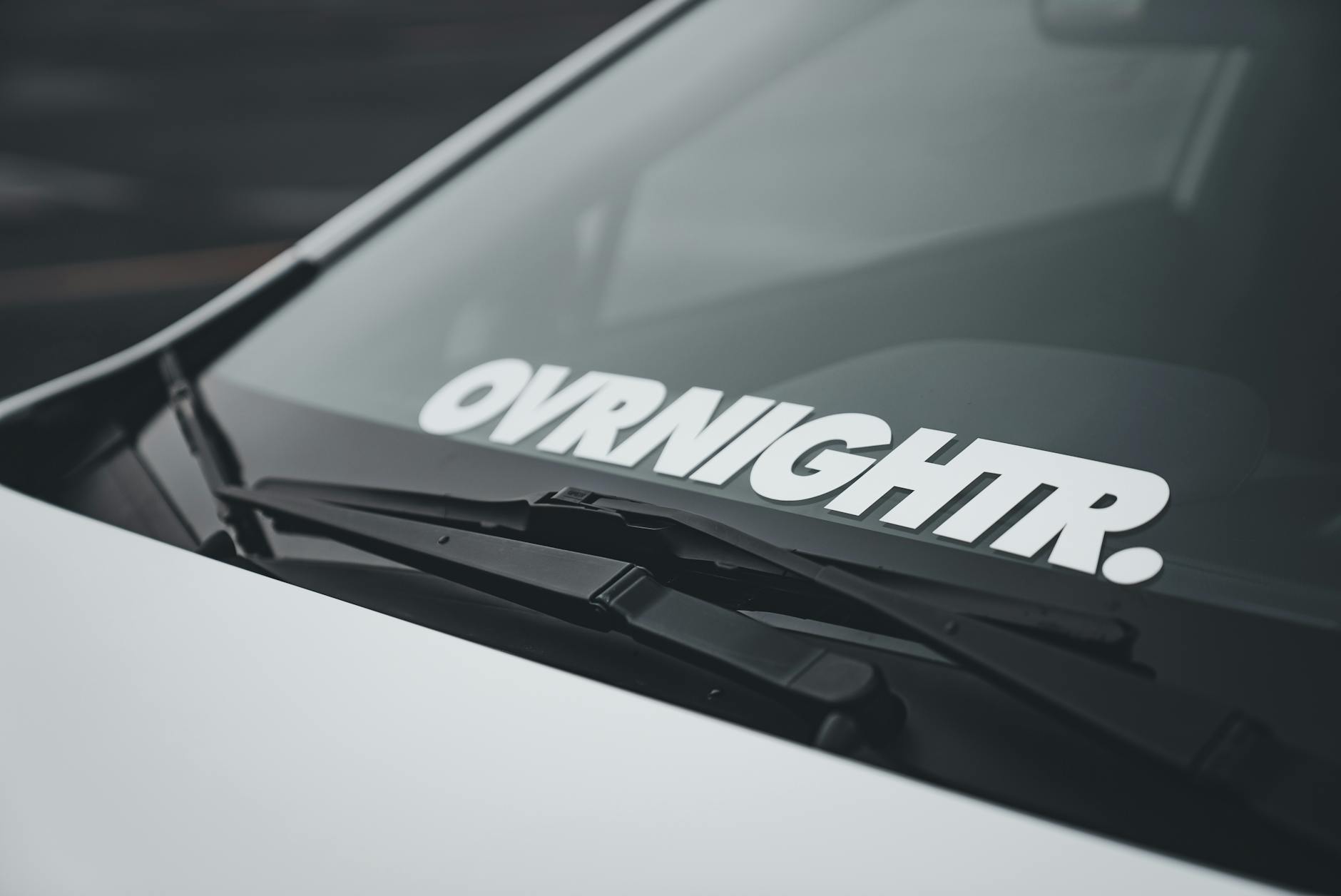
Windscreen washer fluid tanks are rarely inspected by drivers and represent an easy target for a mechanic wishing to create a chargeable fault during a subsequent visit. Introducing a contaminant into the washer reservoir can block the pump, degrade the nozzles or produce a smeared rather than cleaned screen that impairs vision in wet conditions. The problem typically presents some days after the service visit when the driver first uses the washers in rain, creating a plausible distance from the workshop event. Flushing the washer reservoir and refilling with a quality fluid containing anti-freeze in winter removes any introduced contaminant before it causes downstream damage. Noting the washer fluid level before any service provides a reference point for verifying that the tank has not been tampered with during the visit.
Dipstick Manipulation

An oil dipstick that has been wiped and reinserted without the engine running after a fill gives an inflated reading that conceals an actual underfill of the sump. Some dishonest mechanics rely on the fact that most drivers check the dipstick immediately after collection when the engine is warm and oil has not yet fully settled back into the sump. The correct procedure for an accurate dipstick reading involves parking on level ground, switching off the engine and waiting at least five minutes before withdrawing and reading the stick. Carrying out this procedure the morning after a service, before the first drive of the day, provides the most reliable indication of actual oil quantity in the sump. An underfill confirmed by this method represents grounds for returning the car to the workshop and requesting the service be completed correctly at no additional charge.
Timing Belt Interference
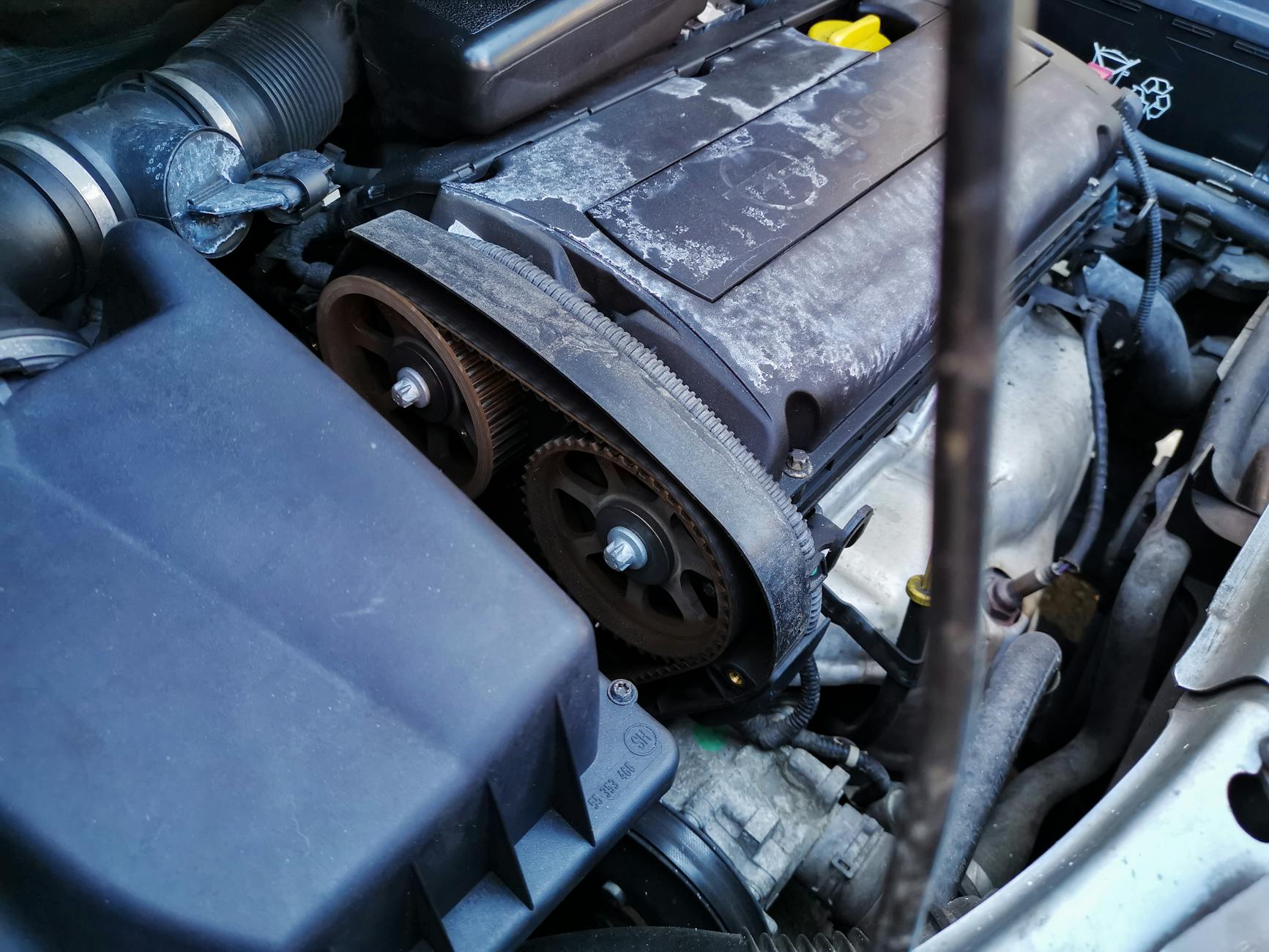
The timing belt is among the most critical components in an engine and its failure at speed produces damage serious enough to write off the entire unit in many vehicle designs. A belt that has been nicked, improperly tensioned or incorrectly routed after an inspection will fail at a point that appears entirely random to the driver and impossible to attribute to workshop negligence. The cost of an engine rebuild or replacement following a timing belt failure runs from several hundred to several thousand pounds depending on the vehicle. Requesting photographic documentation of the timing belt condition and routing as part of any service that involves access to that area of the engine creates an accountability trail. Independent verification of belt replacement by a second trusted mechanic when the first service is completed by an unfamiliar workshop is a reasonable precaution on high-value vehicles.
Fuel Additive Fraud
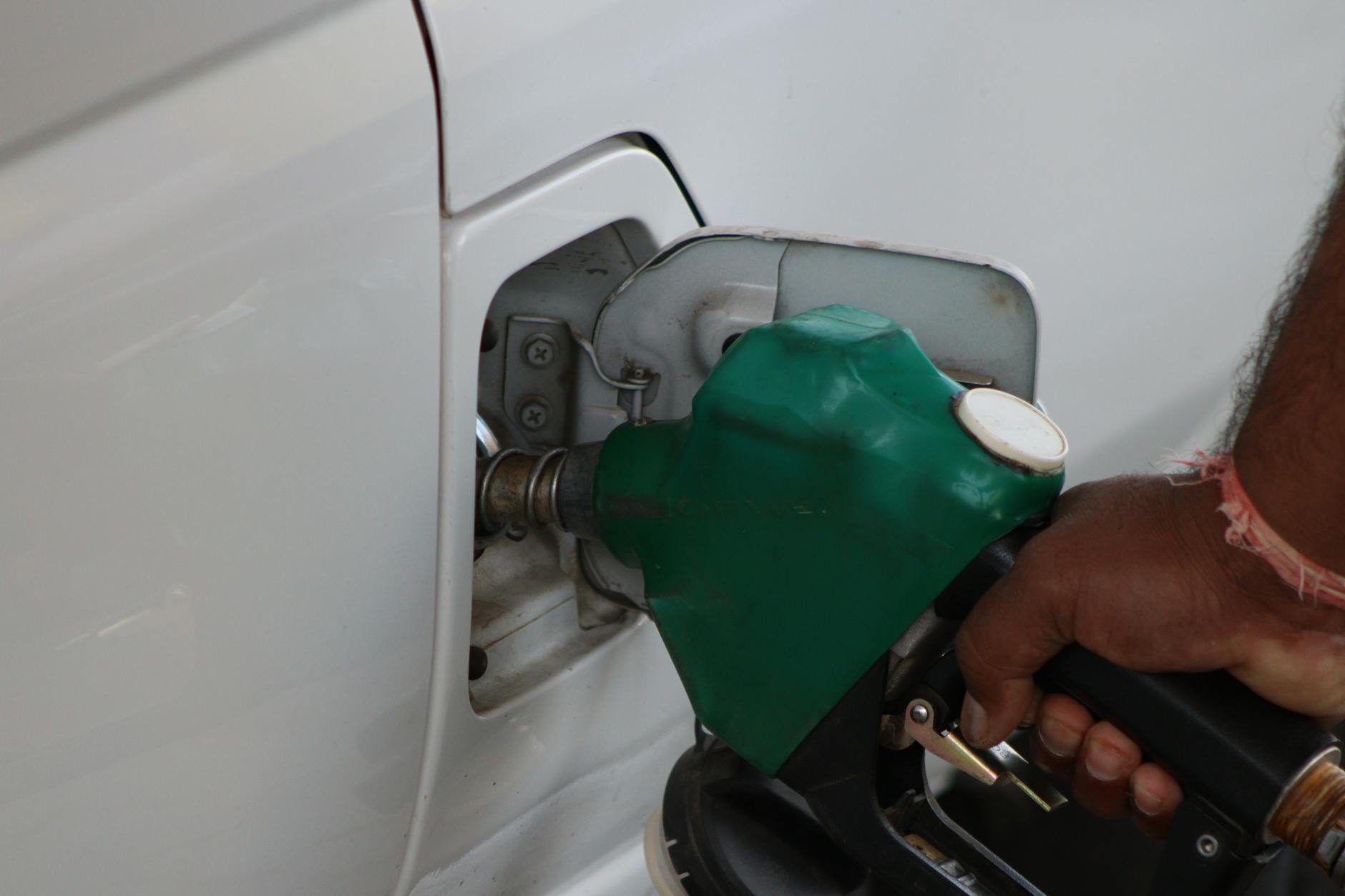
Workshops that add unauthorised or incorrect substances to the fuel tank during a service can alter engine running characteristics in ways that produce symptoms over subsequent weeks rather than immediately. Some additives cause injector fouling, fuel pump degradation or combustion irregularities that result in the driver returning with performance complaints unconnected in their mind to the original service. The introduction of petrol into a diesel system or vice versa in small quantities produces damage that manifests gradually and expensively. Requesting a full account of every product introduced to the vehicle during any service appointment is a reasonable and entirely legitimate demand. Workshops that cannot provide this information clearly and completely are demonstrating an opacity in their process that warrants caution.
Cabin Filter Deception
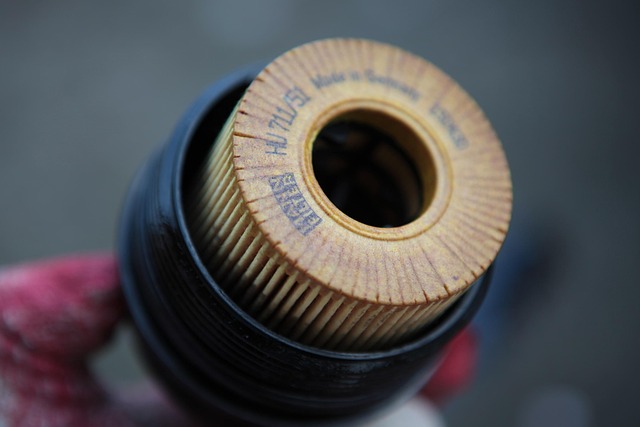
The cabin air filter sits in a location that varies by vehicle but is typically accessible without any specialist tools and invisible to the driver under normal circumstances. Dishonest mechanics exploit this invisibility by presenting a filter from a different vehicle as the one removed from the customer’s car, using a visibly dirty example to justify a replacement that may not be needed. Photographing the cabin filter location and the filter itself at the beginning of a service visit creates a straightforward record that makes this deception impossible to sustain. The cabin filter is one of the cheapest consumable items in any vehicle and is worth replacing on schedule regardless, which removes the deception opportunity entirely by pre-empting the upsell. Knowing the location of the cabin filter in your specific vehicle and inspecting it yourself takes the power entirely out of this particular dishonest technique.
Alternator Load Testing
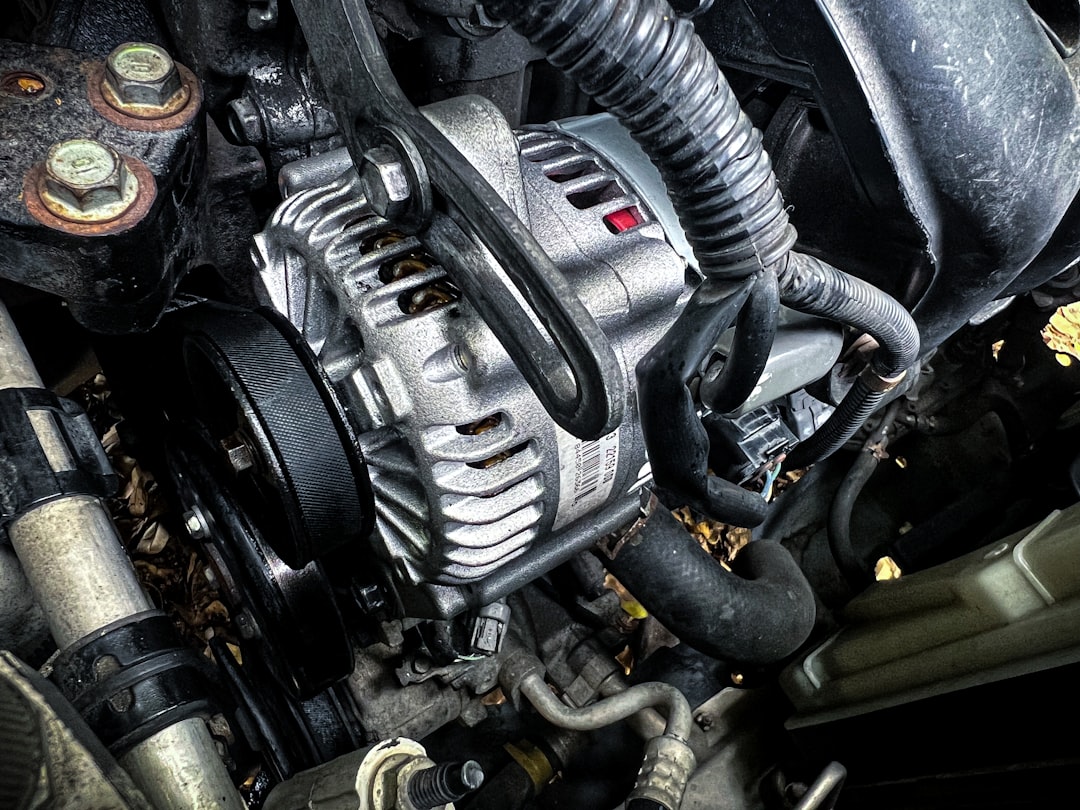
An alternator that has been subjected to deliberate overloading or physical interference during a service can be made to produce borderline output readings that justify a replacement recommendation on a unit that would otherwise have lasted for many more years. Alternator output testing using an independent meter available at most automotive supply retailers allows a driver to verify the actual output voltage under load before agreeing to any replacement. The difference between a genuinely failing alternator and one that has been compromised in the workshop is undetectable after the fact, making prevention the only reliable strategy. Keeping a record of alternator condition assessments across multiple services at different workshops provides a longitudinal view that makes a sudden change in assessment more visible and questionable. Any diagnosis recommending alternator replacement on a vehicle that showed no charging symptoms before the service visit deserves independent verification before work proceeds.
Power Steering Fluid Depletion
Power steering fluid that has been partially drained during a service produces a characteristic whine and increasing stiffness in the steering that drivers typically interpret as a developing mechanical problem rather than evidence of fluid removal. The return visit triggered by these symptoms gives the workshop a second billing opportunity for fluid and a potential diagnosis of pump or rack wear. Electric power steering systems have largely eliminated this specific vulnerability in newer vehicles but hydraulic systems remain common across the age range of cars most likely to be brought to budget workshops. Checking fluid levels in every accessible reservoir before leaving any service centre is a two-minute procedure that establishes a baseline for comparison. Any reservoir found to be below its minimum mark immediately after a service should be queried before the vehicle is accepted back from the workshop.
Suspension Bush Interference
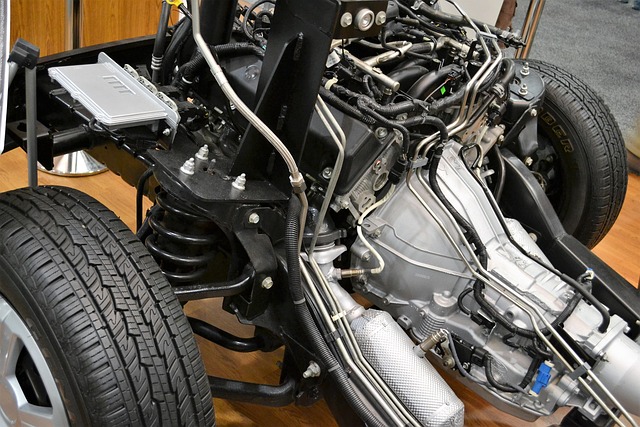
Rubber suspension bushes that have been cut, perforated or coated with a degrading substance during an inspection will deteriorate over weeks and months in a way that appears entirely consistent with natural wear. The driver notices increasing noise and harshness from the suspension that arrives gradually and seems unrelated to any specific event or workshop visit. The replacement cost of suspension bushes across a full vehicle can represent a significant invoice and the work is not readily challenged once the original components have been disposed of. Requesting that any suspension component removed for inspection be retained for the customer’s examination is a legitimate request that any reputable workshop will honour without hesitation. An independent inspection of suspension bush condition before any disputed service appointment creates a documented baseline that is difficult for a dishonest workshop to argue against.
Documentation Fraud

Service records that describe work not carried out, parts not fitted or inspections not performed create a paper trail that misleads future workshops, prospective buyers and the owner throughout the vehicle’s service life. A service stamp in a logbook without corresponding parts receipts, old components for inspection or at minimum a detailed written report of findings provides no reliable evidence that any work was completed. Consumer law in most jurisdictions entitles a customer to itemised documentation of every part fitted, every fluid used and every reading recorded during a service appointment. Requesting this documentation at the point of booking rather than at collection signals to the workshop from the outset that the customer operates at a level of engagement that makes fraud considerably more difficult. Service fraud discovered at resale can reduce a vehicle’s value significantly and create legal liability for the seller who unknowingly presented fraudulent records.
Gearbox Oil Contamination
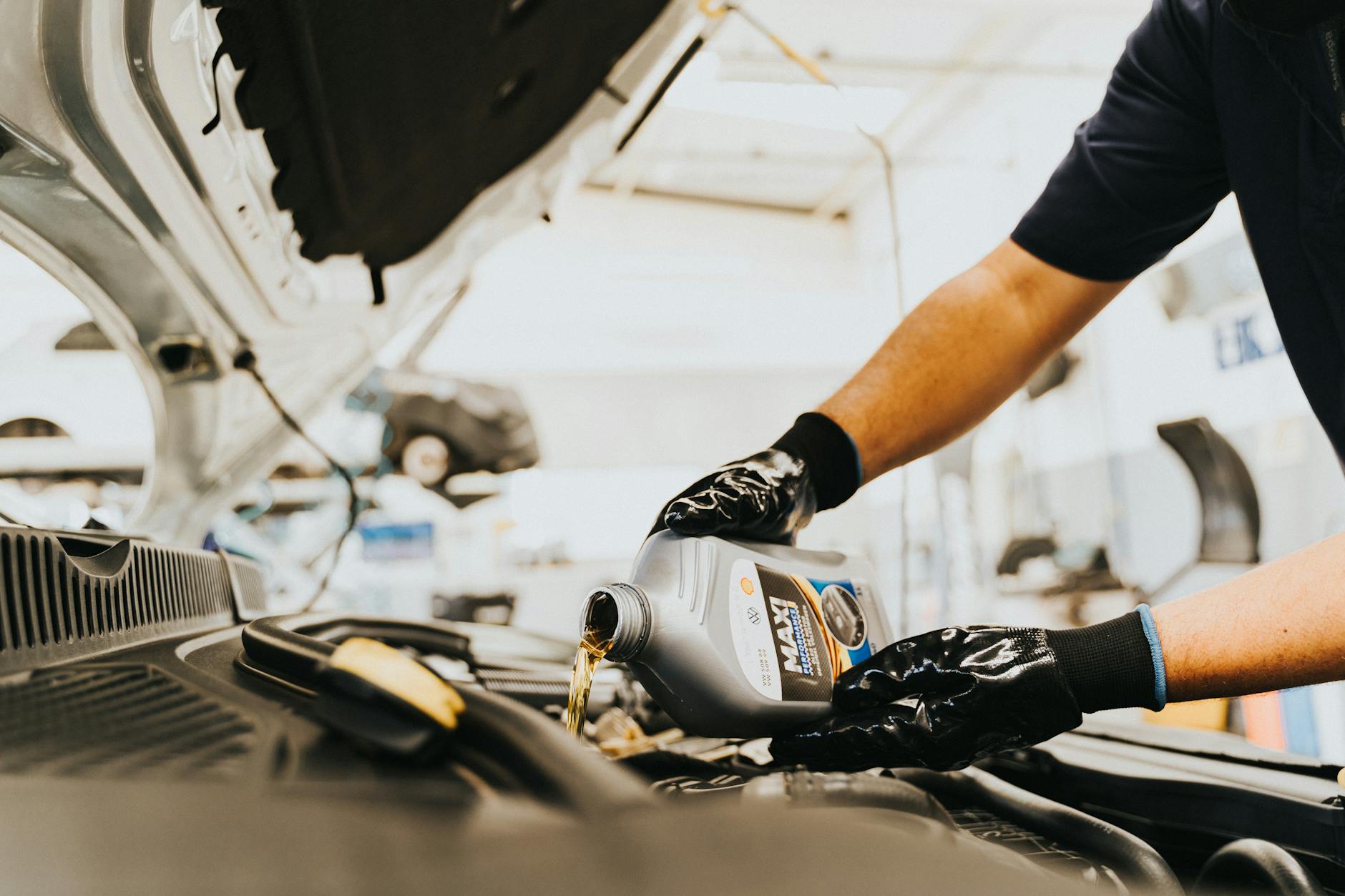
Gearbox oil that has been introduced with an incorrect grade during a service causes progressively worsening gear selection characteristics that the driver initially attributes to normal cold-weather behaviour or driving style adjustment. The damage accumulates internally across thousands of miles before becoming serious enough to trigger a return visit, by which point the connection to the original service is entirely invisible. Manual and automatic gearboxes have fundamentally different oil requirements and the consequences of confusion between them range from accelerated wear to complete unit failure. Requesting the part number and specification of any gearbox oil used during a service allows independent verification against the manufacturer’s requirement for that specific vehicle. Keeping a log of gearbox oil changes including the grade used provides a reference that a subsequent workshop can use to identify an incompatible fill introduced by a previous operator.
Under-Torqued Wheel Nuts
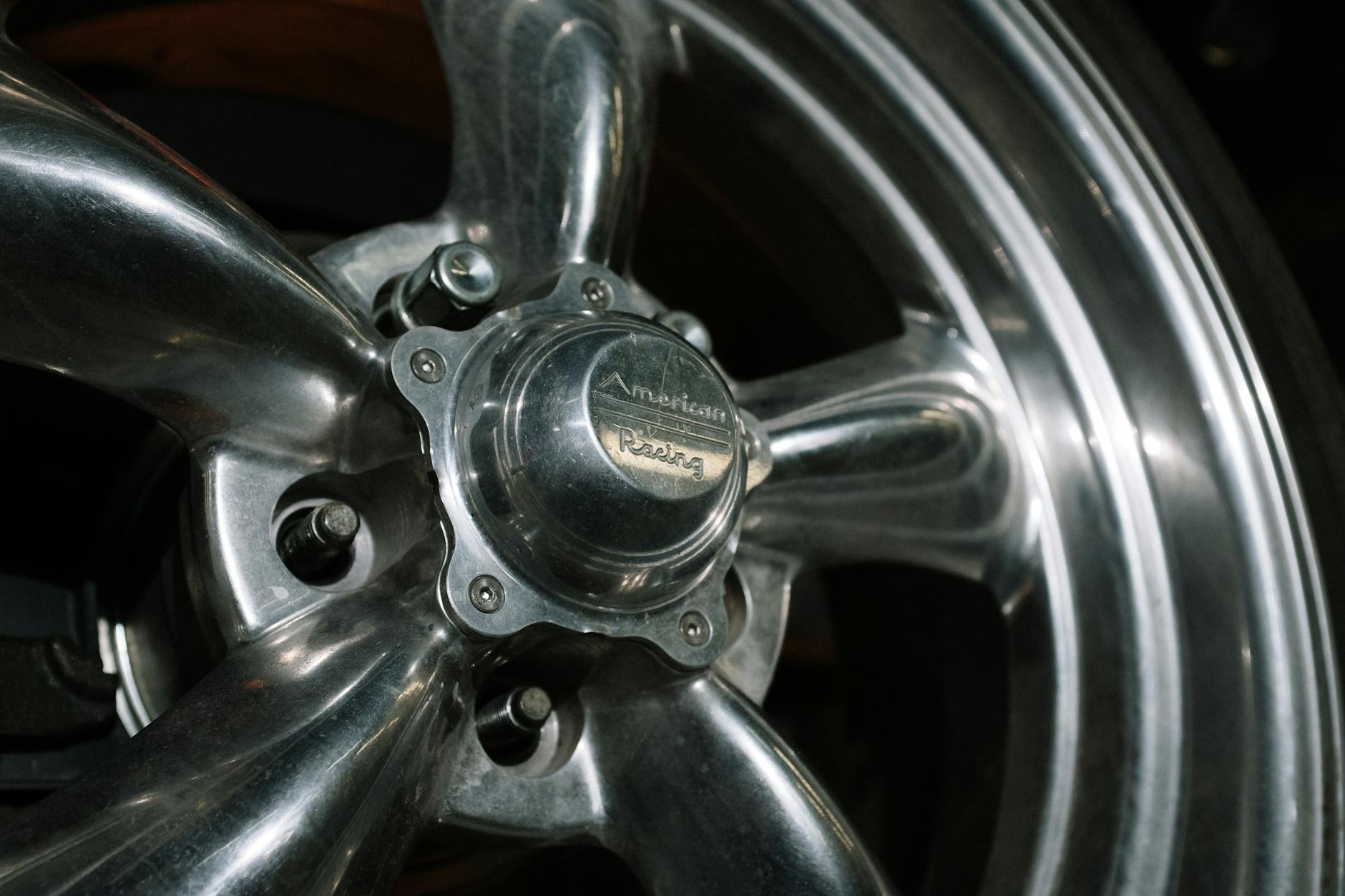
Wheel nuts that are left deliberately under-torqued after a tyre rotation or brake service can work loose over a short distance of driving, producing a wobble that escalates rapidly to a genuinely dangerous situation. The driver associates the sensation with a new tyre imbalance or a road surface problem rather than workshop negligence, particularly if it develops gradually over the first few miles after collection. A wheel that separates from the vehicle at speed represents one of the most catastrophic outcomes of any form of workshop sabotage and has resulted in fatalities in documented cases. Carrying a torque wrench set to the correct specification for the vehicle’s wheel nuts and checking all four wheels before driving away costs less time than a coffee stop. Many tyre retailers now provide a torque check receipt as standard practice, a document that should be requested and retained after any work involving wheel removal.
Headlight Misalignment

Headlight aim that has been deliberately altered during a service involving the front of the vehicle produces a beam pattern that is either dangerously low, blinding oncoming drivers or directed away from the road surface where it is needed. The adjustment is made with a simple screwdriver and takes seconds, leaving no evidence of interference and producing a problem that the driver is unlikely to detect until driving in darkness after the service is complete. Incorrect headlight aim is an MOT failure point in the United Kingdom and equivalent roadworthiness test failure point in many other countries, creating a return visit to the workshop and an associated charge. Checking headlight aim against a flat wall or garage door before and after any service involving front-end access takes under a minute and requires no equipment. Any change in beam pattern visible after a service warrants an immediate return before the vehicle is used in darkness.
Injector Seal Interference
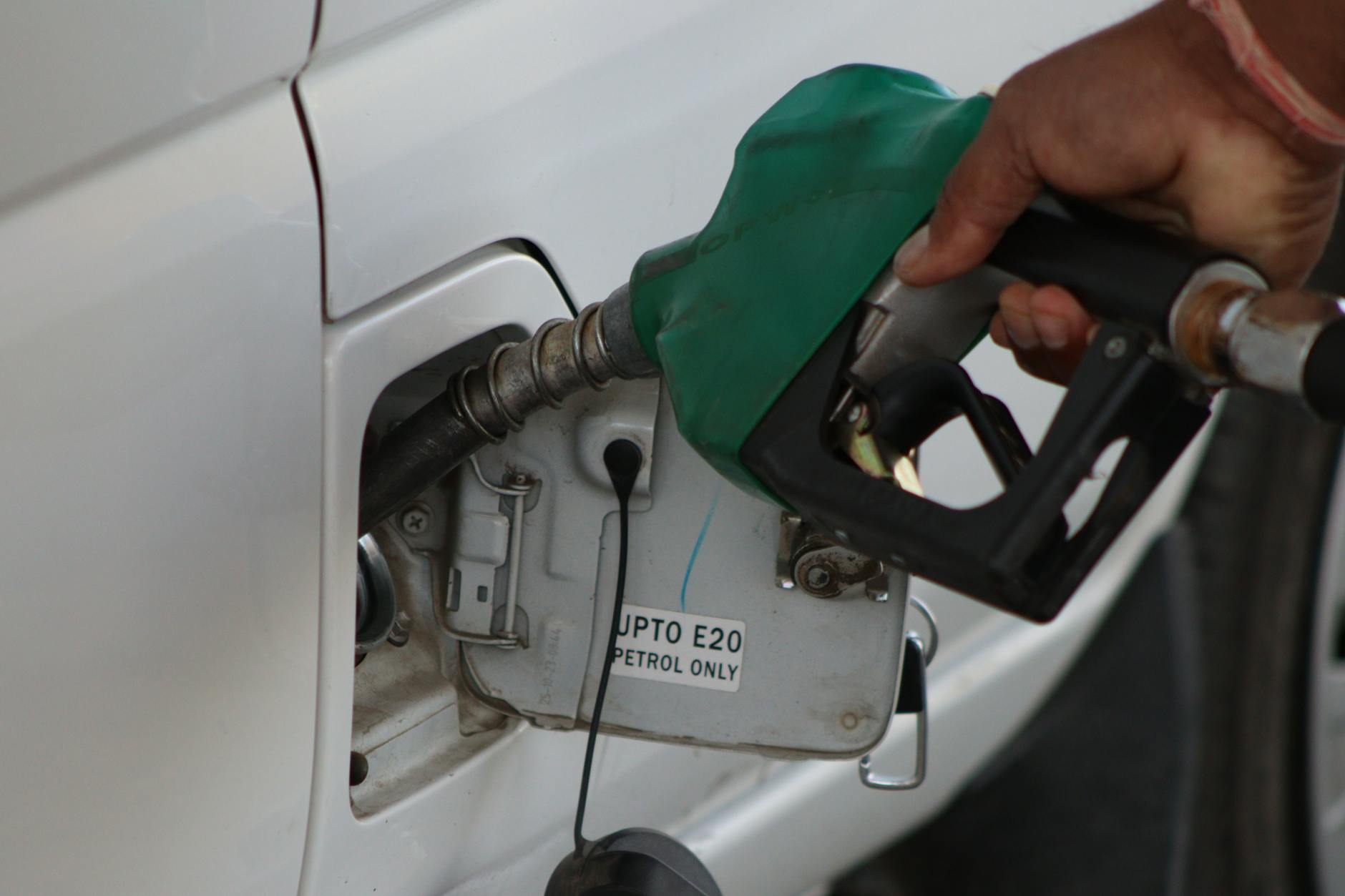
Fuel injector seals that have been damaged or incompletely replaced during engine work allow fuel vapour to escape into the engine bay, creating a fire risk in addition to performance problems and a fuel smell that the driver may initially dismiss. The symptoms develop gradually as the compromised seal degrades further under the heat cycles of normal engine operation, with the fire risk increasing as fuel contacts hot exhaust components. A persistent fuel smell from the engine bay after any service involving injector access is a warning that warrants an immediate return to the workshop before further driving. Workshop liability for fire damage resulting from a poorly sealed injector is a matter of documented legal precedent in multiple jurisdictions, making accurate record-keeping about service scope critically important. Requesting a fire safety check as part of any post-service acceptance process is not an unreasonable demand and any workshop reluctant to provide this assurance is exhibiting a concerning level of resistance to accountability.
Thermal Imaging Evasion
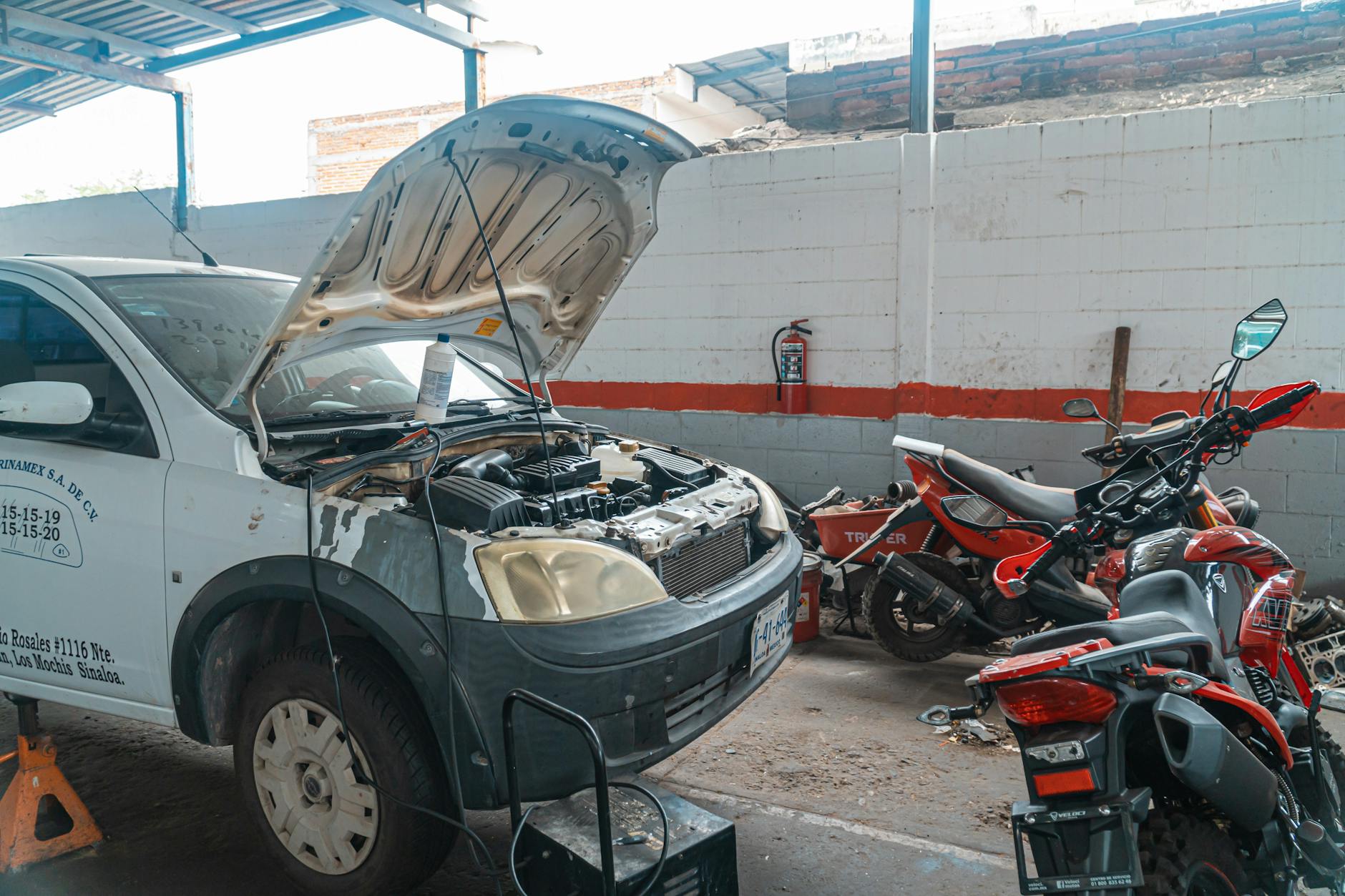
Dishonest workshops occasionally exploit the fact that most customers accept verbal assurances about component temperatures and friction levels that are genuinely measurable with inexpensive tools available to any consumer. A brake disc that has been artificially scored to create dust and noise can be compared with brake dust from the opposite wheel using a basic inspection to reveal inconsistency between sides that has no natural mechanical explanation. Thermal imaging cameras available as smartphone attachments for modest cost can identify abnormal heat patterns in brake, suspension and exhaust components that indicate interference rather than natural wear. Arriving at a collection appointment with a basic inspection tool signals a level of automotive engagement that measurably reduces the likelihood of deliberate interference with the vehicle. The investment in basic diagnostic tools for personal use is repaid the first time they prevent an unnecessary repair bill or identify genuine workshop negligence before it escalates into a safety incident.
Written Authorisation Refusal
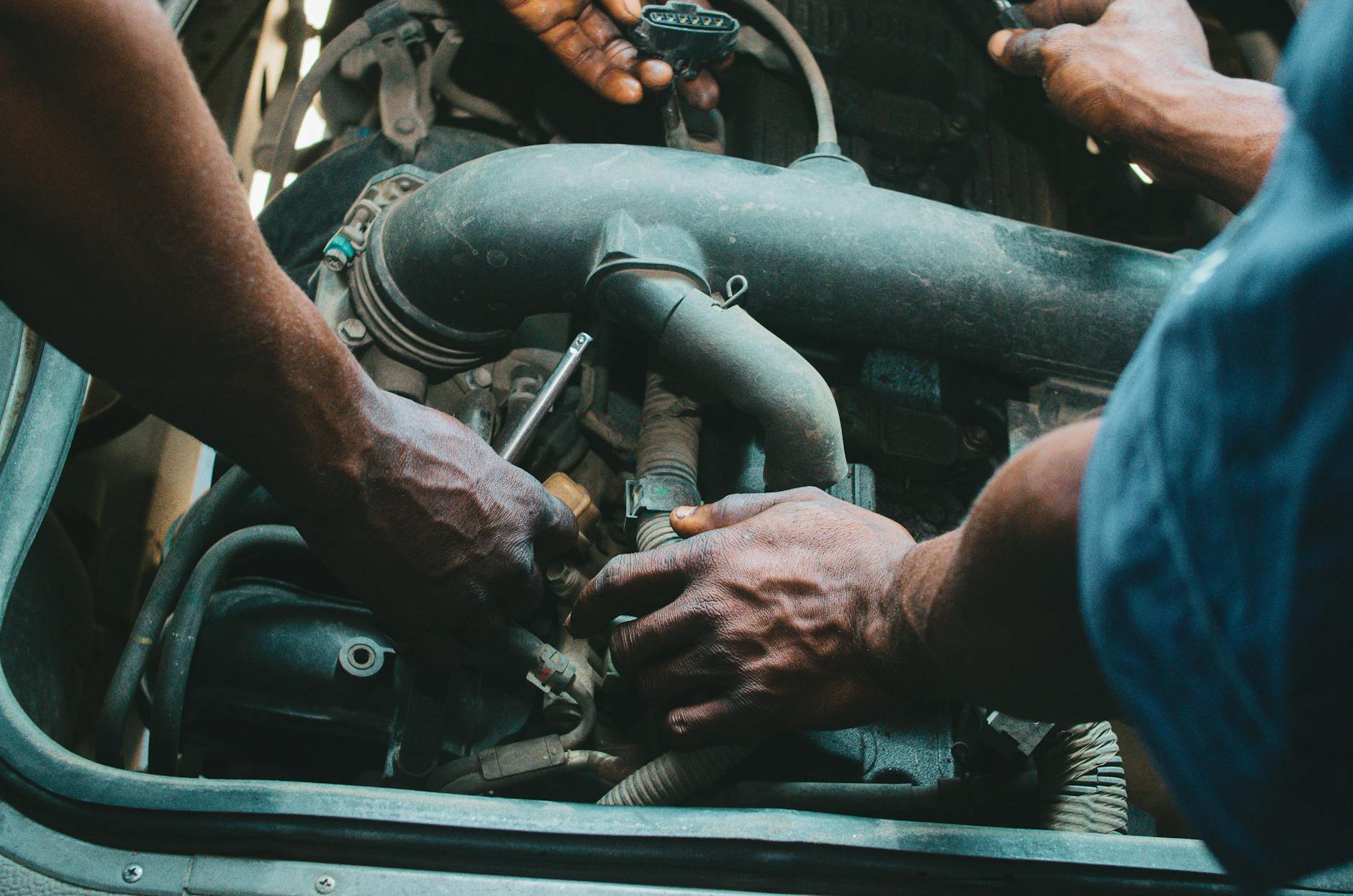
A workshop that resists providing written confirmation of the specific work authorised before beginning any service is operating in a way that makes accountability for subsequent damage considerably more difficult to establish. Consumer protection law in most developed countries requires that work above a specified value be authorised in writing before it commences, a protection that only operates if the customer insists on exercising it. Verbal agreements about service scope are routinely disputed by dishonest workshops who expand the work claimed to have been carried out after the vehicle has been returned. Insisting on a written job sheet signed by both parties before any work begins creates a document that defines the scope, the parts to be used and the expected cost in terms that limit subsequent manipulation of the invoice. Any workshop that frames this entirely reasonable request as an expression of distrust rather than a standard business practice is providing important information about how it chooses to operate.
If this has made you think twice about your own workshop experiences, share what happened to you in the comments.




