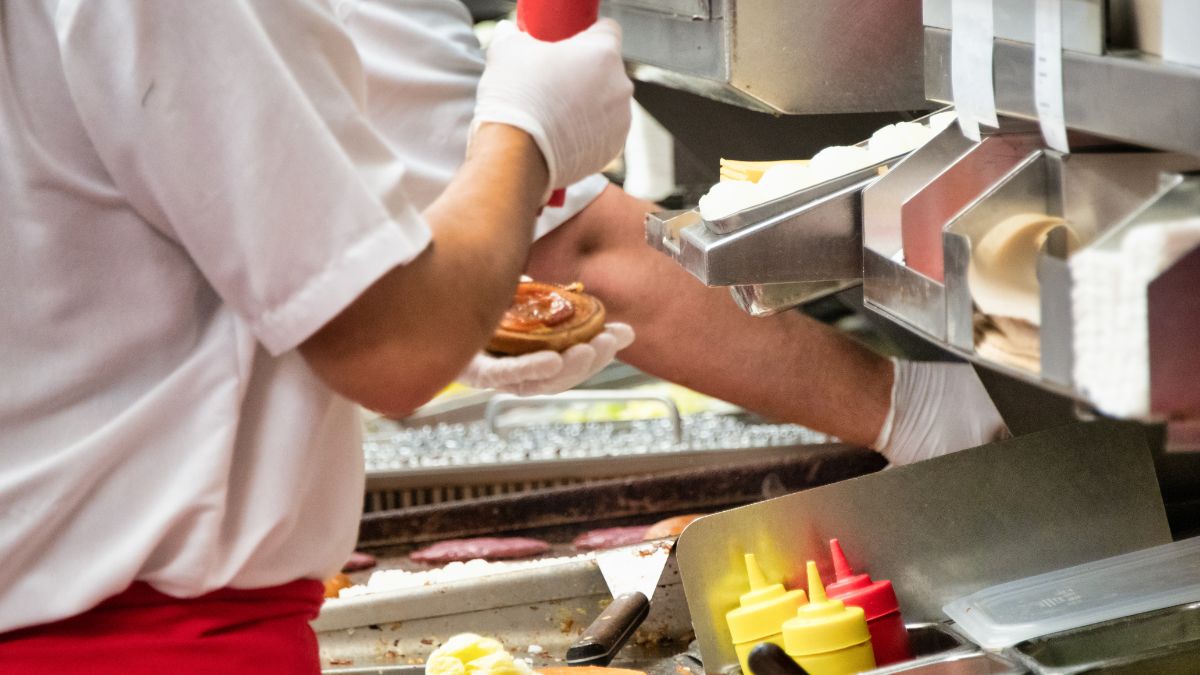
The relationship between fast food staff and customers exists under conditions that most office workers would find extraordinary. Shifts run at relentless pace, abuse from the public is a routine occupational hazard and the pay rarely reflects the emotional labour involved in maintaining composure under pressure. When a customer crosses the line from reasonable complaint into deliberate cruelty or sustained disrespect, the human response from staff does not always remain entirely professional. Consumer researchers and former industry workers have documented a surprisingly consistent repertoire of minor retaliatory behaviours that surface in kitchens and service areas around the world. None of what follows represents endorsed or acceptable conduct but understanding it offers a revealing window into the daily reality of fast food work.
The Slow Build
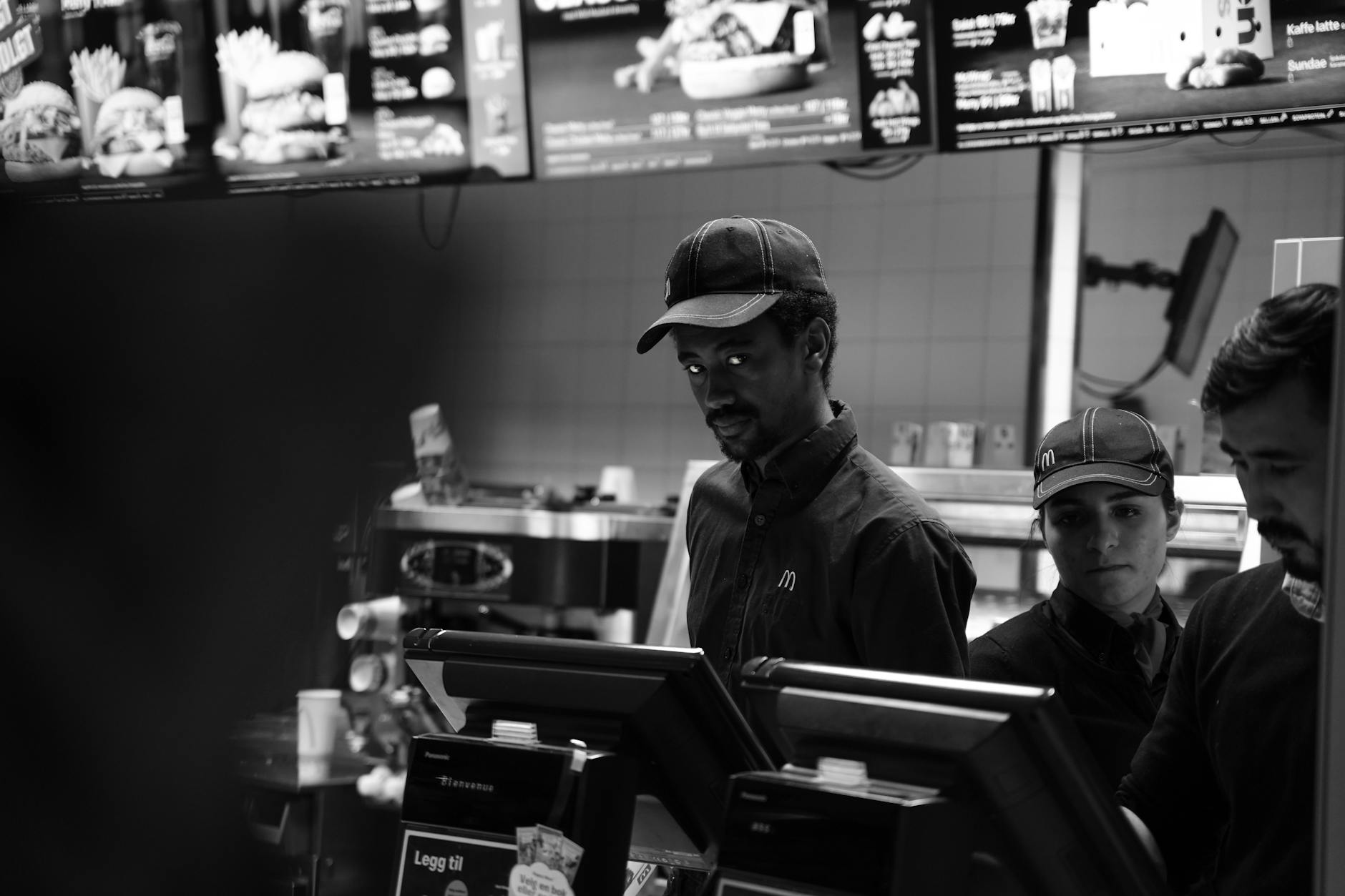
When a customer has been particularly unpleasant, staff sometimes coordinate to ensure that every single element of that order is assembled with theatrical deliberateness rather than the usual urgency. Each component is located, considered and added with a care that would be admirable in a fine dining kitchen but is devastating when applied to a drive-through queue at lunchtime. The customer watches through the window or across the counter as their simple order becomes the apparent subject of a lengthy internal process. No rule is broken and no instruction is ignored but the message is communicated with precision through pace alone. Other customers behind the offender begin to register impatience and the social pressure compounds the effect considerably.
The Forgotten Sauce
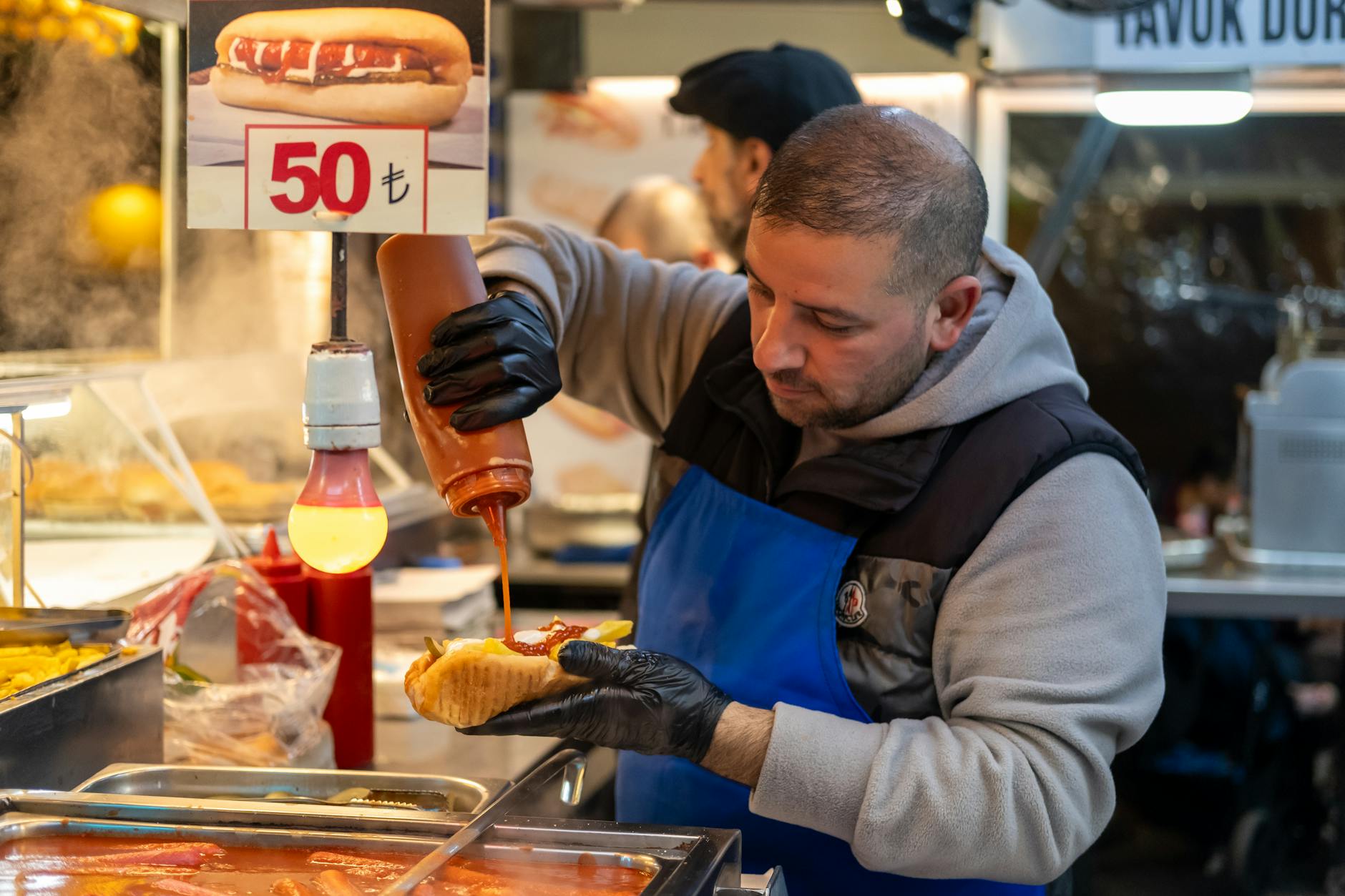
Condiment packets represent one of the most reliable tools in the petty revenge repertoire because their absence is irritating, entirely deniable and impossible to prove was deliberate. A customer who has been rude about their order will frequently find that the bag handed over contains everything requested except the specific dipping sauce they mentioned twice. The discovery typically happens in the car, at the office or at home, at which point the inconvenience is complete and the opportunity for correction has passed. Staff are aware that the sauce omission sits in a category of error so minor that no reasonable person could make a formal complaint about it without appearing disproportionate. The genius of this particular act of micro-resistance is that it lands precisely where the customer is least able to respond.
Aggressive Ice

A cup filled with ice to a ratio that leaves almost no room for actual beverage is one of the most elegantly passive forms of retaliation available behind a fast food counter. The cup looks full, the drink looks correct and the transaction appears to have been completed with every appearance of professionalism. The customer takes their first sip and discovers that the remaining liquid constitutes approximately a quarter of the volume they expected. Refills are available in many locations but the point has already been made in the ten seconds it took to construct the cup. Industry insiders refer to this as giving the customer mostly ice with a flavouring, a description that captures the precision of the inconvenience involved.
The Strategic Bag Fold
A takeaway bag folded in a way that makes it almost impossible to open without tearing or spilling its contents is an act of sabotage so subtle it borders on performance art. The folds are applied with just enough overlap and tuck that the structural integrity of the bag becomes an obstacle rather than a convenience. A customer in a car attempting to access their food at a red light will find the bag resists every reasonable attempt at opening in a way that feels inexplicably personal. No single fold is incorrect and no instruction about bag preparation specifies the angle of the final tuck. The friction introduced into what should be a simple action is the entire point and it is delivered without a single word being exchanged.
The Warm Drink

Ice-based cold drinks prepared with ice added last rather than first, or with the ice allowed to sit and partially melt before the beverage is added, arrive at a temperature that is noticeably warmer than the standard product. The difference is subtle enough that it cannot be measured without equipment but significant enough to register on the first sip as disappointing rather than refreshing. A customer who complained loudly about temperature or quality will find that their replacement or original order arrives at the precise threshold between acceptable and unsatisfying. Returning to complain about a drink that is merely warm rather than cold places the customer in the difficult position of articulating a grievance that sounds petty even to their own ears. The symmetry of using pettiness to address pettiness is not lost on the staff involved.
Minimal Fries

The quantity of fries transferred from the holding tray to the carton is a matter of some discretion at the point of service, a discretion that can be exercised generously or with considerable restraint depending on the staff member’s assessment of the customer. A carton that has been filled to just below the level at which it would appear obviously underfilled contains fewer fries than a standard portion while maintaining plausible deniability about whether the shortfall reflects anything other than a busy service period. The customer who complained about their previous portion will notice that something seems different about the new one without being able to articulate precisely what. Returning to the counter to complain about the quantity of fries in a carton that appears visually similar to a standard portion requires a confidence that most customers do not possess. The entire interaction concludes in the staff member’s favour without a single detectable rule having been broken.
The Structural Burger
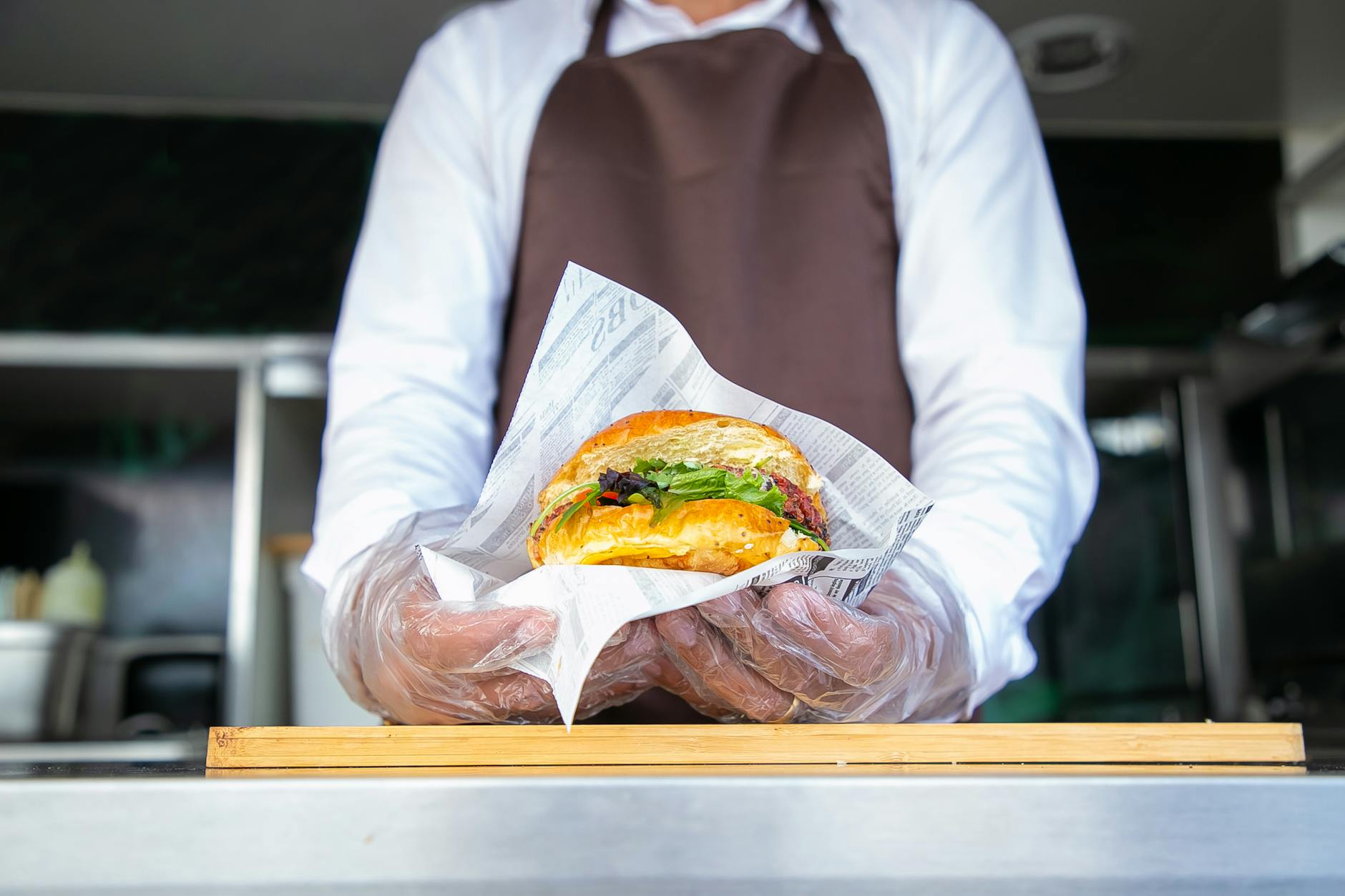
A burger assembled in a configuration that causes it to collapse the moment it is unwrapped is a small masterpiece of plausible incompetence. Lettuce placed on the bottom bun rather than above the patty, sauce applied to a surface that causes the upper components to slide and a wrap so loosely executed that the contents redistribute before the first bite are all individually defensible as simple errors of assembly. The customer who ordered the burger after berating the staff about their previous one opens their replacement to find an object that is technically correct in its components but functionally impossible to eat with any dignity. Reconstructing a collapsed burger in a public space is an undignified experience that many customers find more frustrating than the original complaint that triggered the exchange. The invisibility of intent is precisely what makes this technique both effective and essentially unaddressable.
The Receipt Delay

Withholding the receipt until the customer has already moved away from the counter or drive-through window, then calling them back to collect it, introduces a minor interruption into the customer’s departure that serves no practical purpose beyond mild inconvenience. In a drive-through context this requires the customer to either reverse, walk back or simply abandon the receipt, all of which produce a small but perceptible frustration. Staff in some locations have refined this to the point of presenting the receipt only after the customer has visibly begun to drive away, necessitating a window tap and a brief awkward pause. The interaction is entirely explicable as a simple timing oversight on a busy shift and is impossible to characterise as deliberate without appearing paranoid. Its repetition as a response to difficult customers across multiple locations suggests a shared understanding of its effectiveness as a tool of mild inconvenience.
Literal Order Compliance
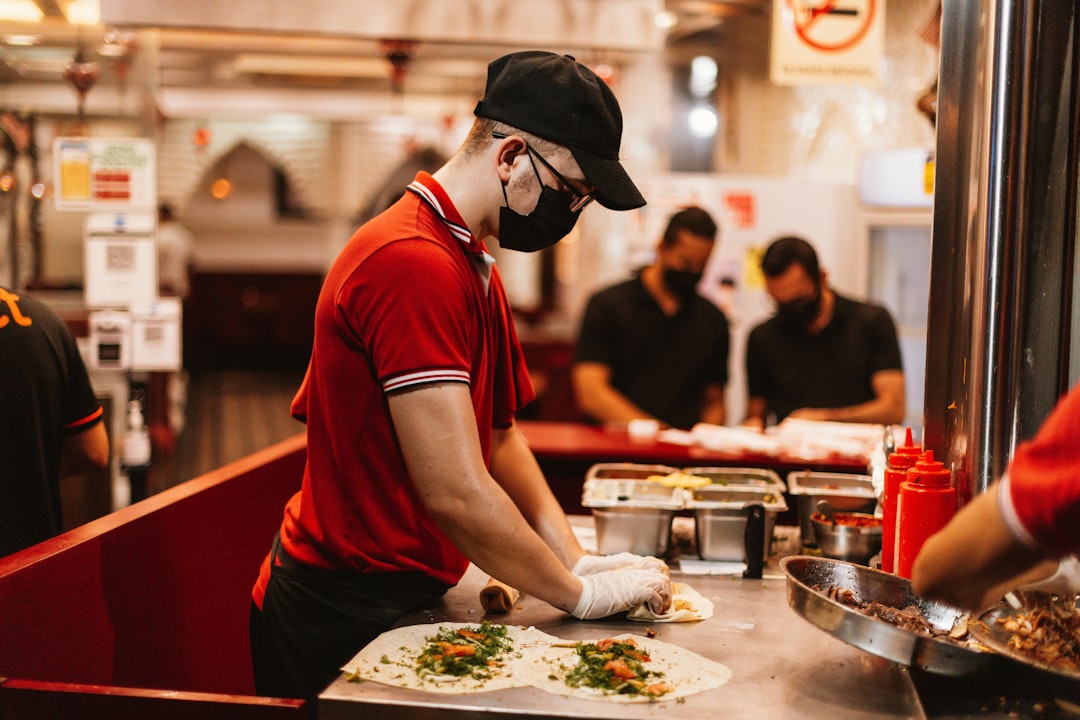
A customer who has been highly specific and demanding about their order will sometimes receive an interpretation of their instructions that is technically correct but practically absurd. A request for extra pickles delivered as an overwhelming quantity that makes the burger inedible, or a no-sauce instruction applied so literally that the bun arrives dry and untoasted, fulfils the letter of the order while subverting its intention entirely. The customer asked for exactly what they received and the staff member followed every instruction to the word, a defence that is impeccable in its simplicity. Complaining about receiving exactly what was ordered requires a level of self-awareness that customers in a confrontational mindset rarely possess in the moment. Legal scholars who study contract interpretation would recognise the technique immediately as the culinary equivalent of malicious compliance.
Napkin Rationing

A bag containing a single napkin for an order that includes multiple items with sauces, dressings and liquid condiments is a small act of logistical unkindness that makes itself felt within the first minute of eating. The standard provision of napkins is generous enough that their absence registers only when hands or clothing become casualties of an order that assumed a normal supply would be available. A customer who complained about cleanliness, presentation or the condition of their previous order will find that the replacement arrives equipped for a level of neatness that the food itself does not support. Returning to the counter to request napkins after having already complained twice in a single visit requires a resilience that most customers find difficult to maintain. The second trip to the counter for something that should have been included produces a social visibility that most people experience as disproportionately embarrassing relative to the nature of the request.
The Naming Ceremony

In locations where customer names are taken for order collection, a difficult customer’s name becomes an opportunity for creative interpretation when called out across the restaurant. A minor mispronunciation that falls just within the range of plausible mishearing, an emphasis placed on an unexpected syllable or a volume calibrated to draw attention from nearby tables all serve to make the collection moment slightly more public than the customer would prefer. The customer must either correct the pronunciation, which extends the interaction, or accept the mispronunciation and collect their order without comment. Neither option is comfortable and both are experienced as a small social humiliation by people who have already demonstrated sensitivity to perceived disrespect. The plausibility of genuine unfamiliarity with an unusual name provides complete cover for the performance.
The Straw Situation

A drink handed over without a straw in a location where straws are available but stored behind the counter requires the customer to request one, returning them to the point of interaction they presumably wanted to conclude. The straw itself is then provided with a degree of ceremony that renders the exchange maximally visible to other customers and staff. In locations where straws must be requested rather than self-served, this technique costs the staff member nothing and introduces a small but measurable friction into the customer’s experience of an interaction they had considered complete. The inconvenience is real, the deniability is total and the investment required from the staff member is limited to a single omission at the point of order completion. Consumer experience researchers note that small incomplete transactions produce disproportionate levels of dissatisfaction relative to their objective significance.
Temperature Calibration
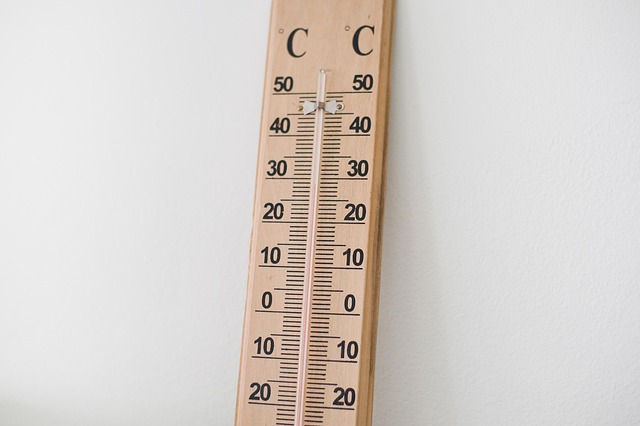
Food held at the cooler end of its acceptable serving temperature before being presented to a customer who complained about a previous order arrives technically within specification while delivering an experience that is noticeably less satisfying than the standard product. A burger that has rested for the maximum permissible holding time before plating, fries transferred from a tray that was nearing the end of its service window and a drink assembled from equipment that has not been recently cleaned all meet their individual standards while combining into an order that falls short of what the location is capable of producing. The customer receives everything they ordered within the framework of every applicable food safety standard. The gap between what the kitchen can produce at its best and what it has chosen to produce for this particular customer is the precise width of the grievance being communicated. It is a message written entirely in degrees.
The Overloaded Tray
A tray loaded beyond the practical capacity for a single person to carry without risk of spillage introduces a physical challenge into an interaction that the customer presumably expected to be straightforward. Items placed at the edges of the tray, drinks positioned without adequate spacing and a bag balanced on top of a cup create a carrying configuration that demands complete concentration from a customer who may be managing children, a phone or other belongings simultaneously. The tray is correctly loaded in the sense that every item ordered is present and accounted for but its arrangement reflects a considered indifference to the practical reality of transporting it across a restaurant floor. Any spillage that results is attributable to the customer’s failure to manage the tray rather than to the configuration in which it was presented. The setup is engineered for deniability from the moment it leaves the counter.
The Vigorous Shake

A sealed drink cup handed over with a brief but enthusiastic agitation before release ensures that the carbonated beverage within is in an unstable state that will express itself the moment the customer attempts to open it. The gesture is invisible to any observer not specifically watching for it and lasts less than a second in its execution. The consequence unfolds at the customer’s table, in their car or at their desk, at a remove from the service interaction that makes attribution impossible. Carbonated drinks in sealed cups are handled constantly during a service shift and the difference between standard handling and the specific technique involved is imperceptible without the context of intent. The customer is left with a mess, a wet surface and a drink that has lost a portion of its carbonation, all without a single observable act of misconduct having taken place.
Queue Position Consequences
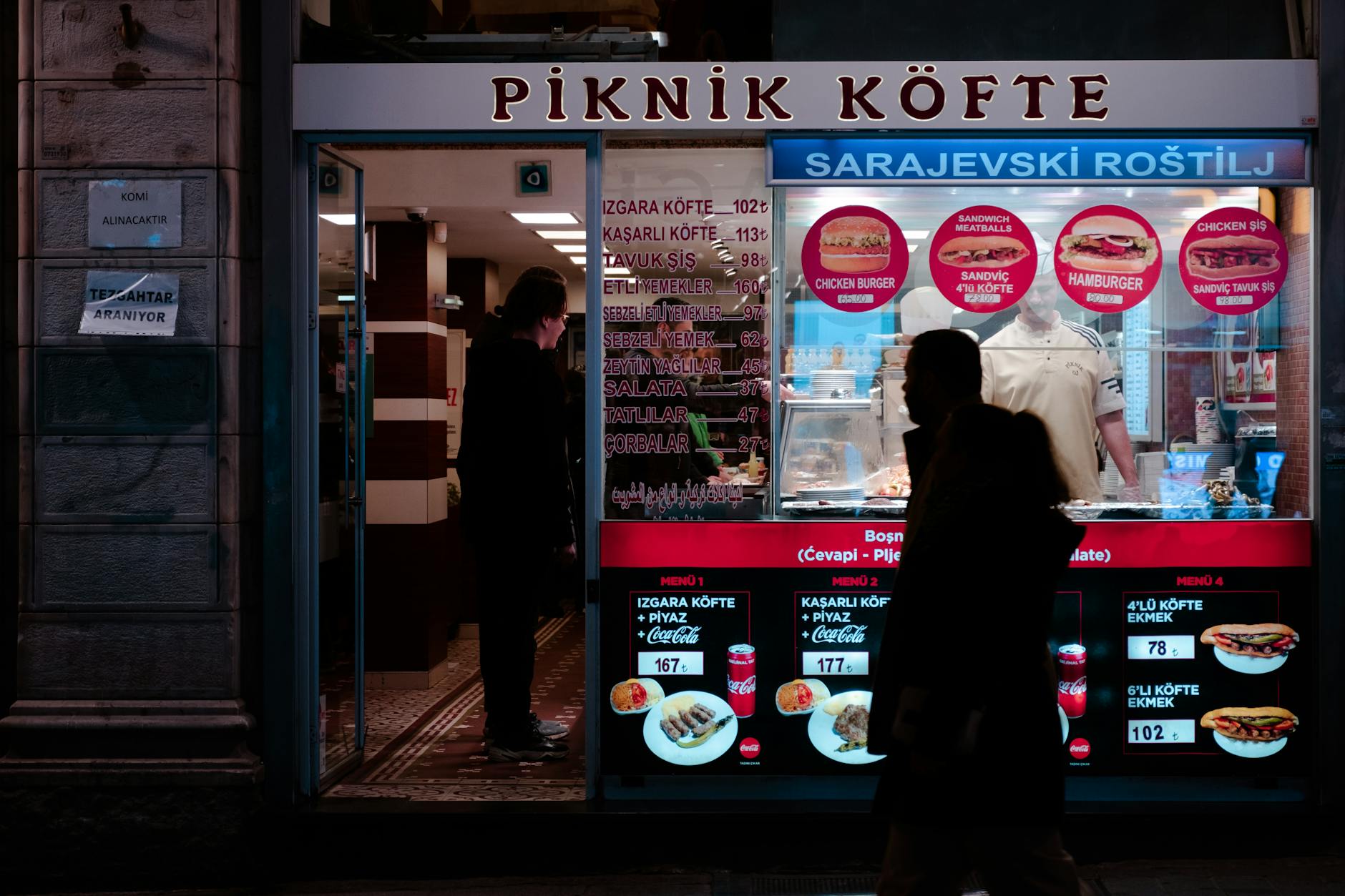
A customer who complained loudly and held up the line during their original order may find that a subsequent visit during a busy period results in their order being deprioritised within the preparation sequence in ways that are entirely invisible from the service side of the counter. Orders prepared out of strict sequence are a normal feature of fast food service when items have different preparation times, a characteristic that provides ideal cover for the deliberate deferral of a recognised difficult customer’s food. The customer waits beyond the normal time for their order while watching others who arrived after them collect theirs, an experience that is both frustrating and difficult to raise at the counter without appearing aggressive. Any complaint about wait time is met with a reference to preparation complexity or equipment availability that is technically accurate in its framing. The wait itself is the message and it is delivered without a single accusable act.
The Lidless Moment

A drink cup placed on a tray or into a bag without its lid firmly secured creates a situation that resolves itself the first time the customer adjusts the cup’s position, picks up the bag or places the drink in a cupholder. The lid sits on the cup with every appearance of having been correctly applied and will survive the journey from counter to table or counter to car under controlled conditions. The failure occurs at the first moment of normal use, which is precisely the point of maximum inconvenience for the customer and maximum distance from the service interaction. The incident is attributable to the universal human experience of a lid that was not quite right rather than to any deliberate act by the staff member who prepared the drink. Industry observers note that the distinction between a lid applied carelessly and a lid applied with intent is a distinction that exists only in the mind of the person who placed it.
The Quiet Upsell Omission

A customer who has been upgraded as a goodwill gesture after a complaint, or who has paid for an additional item as part of their resolution, will sometimes find that the premium element of their order has been substituted for the standard version without comment. The large drink that replaced a medium as an apology becomes a medium again in the revised order, or the extra portion offered as a resolution is quietly reduced to a standard serving before it reaches the tray. The customer who notices must raise a second complaint about the resolution of the first, a recursive situation that places them in an increasingly difficult social position with each iteration. Most customers in this position absorb the shortfall rather than extend an already uncomfortable interaction. The technique relies entirely on the calculation that a customer’s appetite for confrontation has a finite limit that has probably already been approached.
The Wrapper Architecture
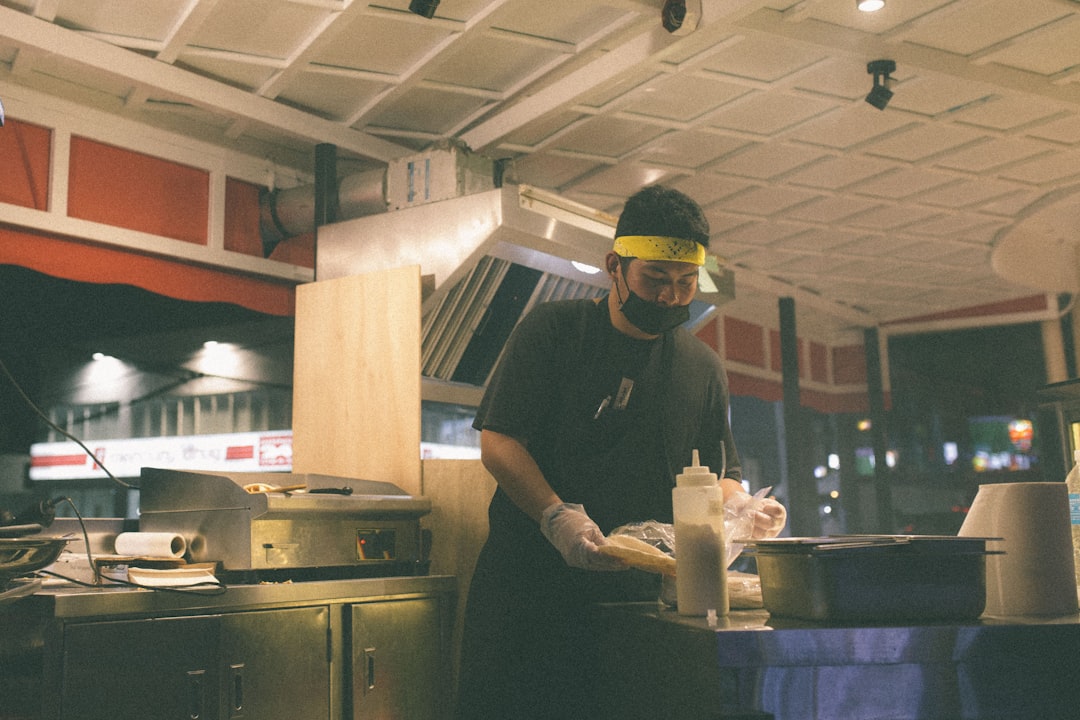
A burger wrapped in a way that makes it appear significantly smaller than the same product wrapped normally is a technique that exploits the customer’s reliance on presentation as a proxy for portion size. Tight wrapping that compresses the bun, folded rather than rolled paper that flattens the contents and a final tuck that removes any visible height from the package all contribute to an object that looks, from the outside, like a diminished version of what was ordered. The contents are identical to any other example of the same product but the experience of unwrapping it delivers a moment of disappointment before the actual dimensions of the food become apparent. For a customer who has complained about portion size, this moment of apparent confirmation is the specific discomfort being engineered. The unwrapping reveals nothing wrong but the first impression has already been delivered.
The Ambient Comment
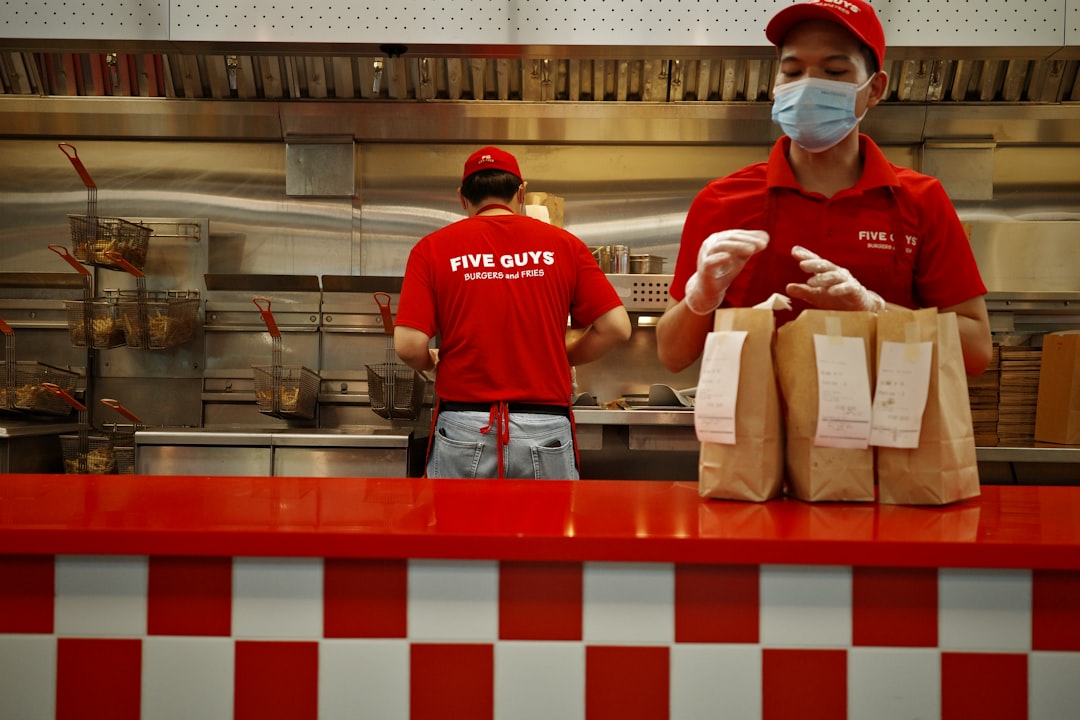
A remark made between staff members that is pitched at a volume precisely calibrated to reach the difficult customer without being clearly attributable as a direct address occupies the grey area between private conversation and public statement. The customer hears enough to understand that they are the subject of the exchange without hearing enough to quote anything specific in a formal complaint. The laughter that follows is self-contained within the staff group and deniable as relating to any other topic of conversation. This technique requires coordination between at least two staff members and is most effective in a lull between service moments when the ambient noise level drops enough for a moderate volume exchange to carry across the counter area. The customer experiences a social discomfort that they cannot address without appearing to have overheard a conversation that was not directed at them.
The Goodbye Gap
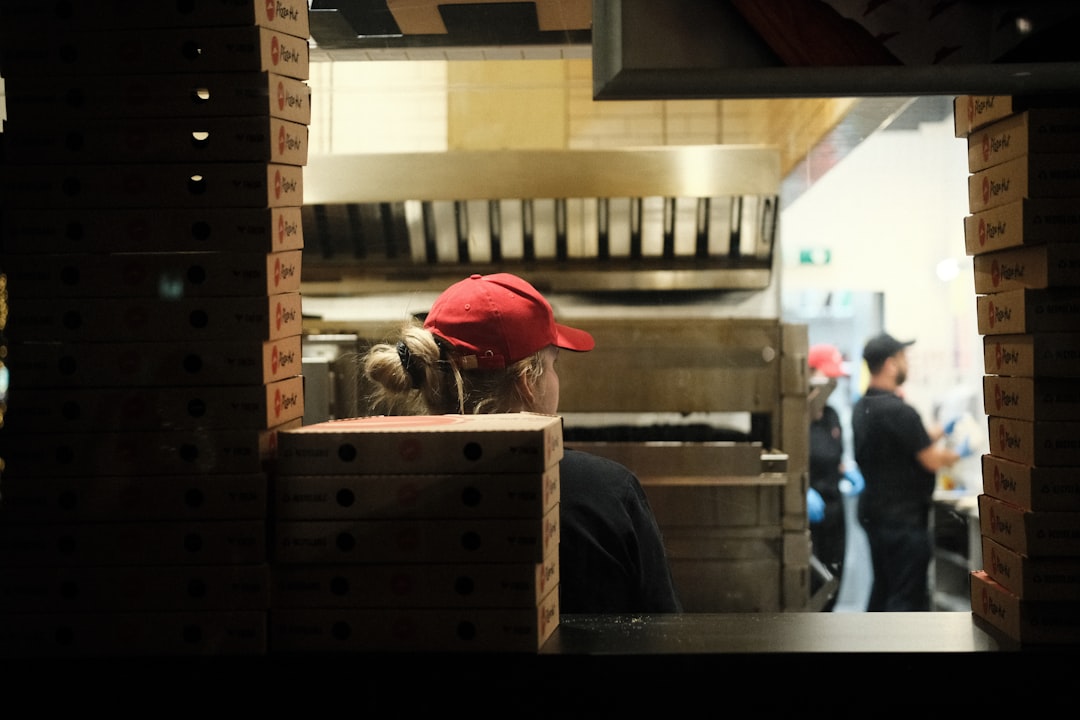
The standard closing exchange of a fast food transaction includes some variant of farewell that signals the interaction has been completed on terms acceptable to both parties. A customer who has been difficult will sometimes find that this closing exchange is simply absent, replaced by a deliberate shift of attention to the next customer or task before any acknowledgement of the transaction’s conclusion has been offered. The omission is small enough that raising it would require the customer to ask specifically for a farewell, a request that even the most entitled customer would find difficult to make with a straight face. The gap where the goodbye should have been is nevertheless experienced as a small social dismissal that lands with a precision that a conventional insult could not achieve. It is the conversational equivalent of a door closed slightly faster than courtesy requires.
The Uniform Slowness
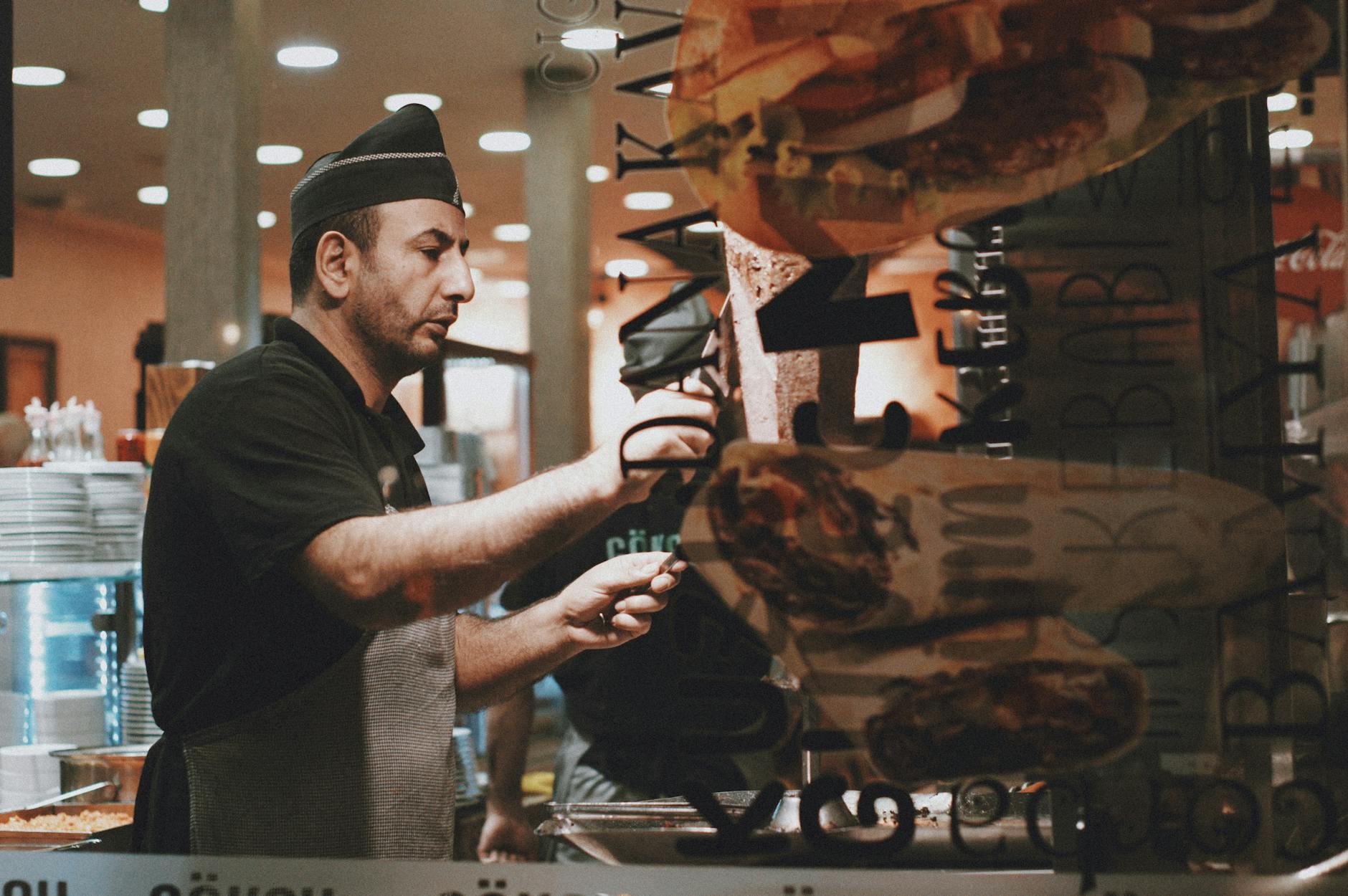
A particularly refined version of the pace-based retaliation involves every member of the team present performing at their normal individual speed while the coordination that normally accelerates output between staff members is quietly suspended. Fast food efficiency depends on team members anticipating each other’s movements, pre-staging components and communicating order status without being asked. When this coordination is withheld for a specific order, the preparation time extends in a way that has no single identifiable cause and cannot be attributed to any individual member of the team. The customer waits while observing a team that appears to be working at a reasonable pace, unable to identify the specific mechanism producing their extended wait. The collective nature of the technique distributes accountability across the group in a way that makes it effectively invisible to any observer including management.
The Structural Lid
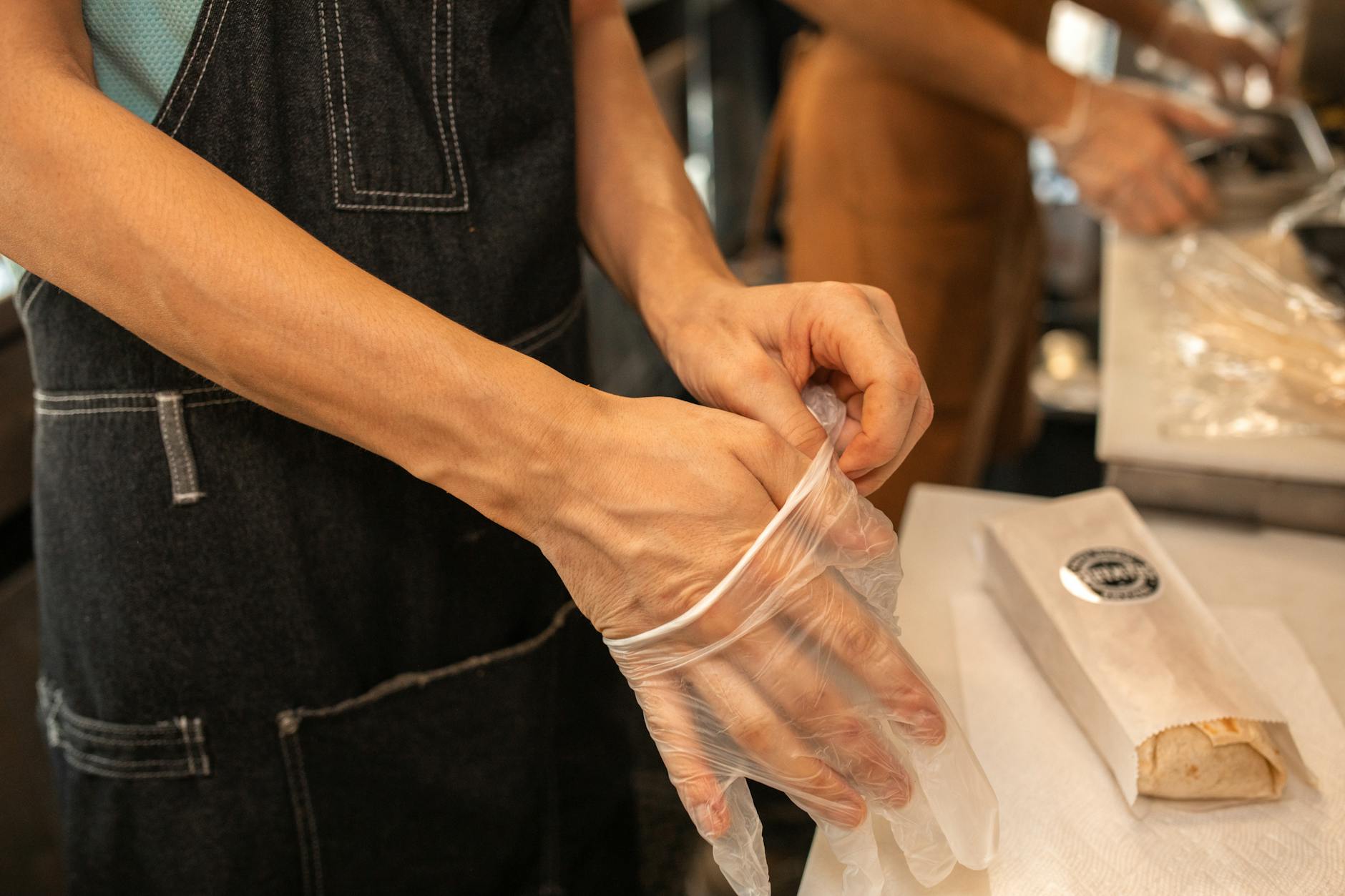
A cup with a lid applied at a slight angle that is insufficient to cause an immediate leak but sufficient to compromise the seal under the pressure of a sip through a straw delivers its consequence in the private space of the customer’s car or table rather than at the counter. The straw creates a pressure differential that finds the imperfect seal and the customer discovers the issue at the moment of maximum inconvenience. The lid passes visual inspection from above and the fault only reveals itself under the specific conditions of use for which it was presumably prepared. Any complaint about a leaking lid cup is met with an offer to replace the lid, an intervention that resolves the physical problem while leaving the social dynamic of the original interaction entirely unaddressed. The replacement is carried out with complete apparent goodwill and the transaction concludes in a way that offers no surface for further complaint.
The Final Receipt Detail

A receipt handed over at the conclusion of a difficult transaction sometimes includes a survey invitation with a code that the customer is verbally encouraged to use, delivered with a warmth that reads as genuine customer care. The survey in question goes to the corporate parent rather than to the local management team and the code connects to an interaction log that will be reviewed by people who were not present for the original complaint. Some staff members are aware that customers who complete surveys about transactions where they behaved poorly sometimes find their account of events contradicted by transaction data, security footage timestamps and staff witness accounts that were documented during the interaction. The invitation to share their experience is extended with complete sincerity and the customer is left to decide what version of events they wish to commit to in writing. It is the most elegant of all the techniques available because its only requirement is honesty.
If you have witnessed or experienced any of these moments from either side of the counter, share your story in the comments.




