There is something uniquely powerful about hearing life lessons from people who have truly lived them. Older generations have witnessed everything from world wars and political upheavals to the rise of technology and countless personal triumphs and losses. With decades of experience behind them, they carry a perspective that younger people rarely get access to, and when they speak, it is worth listening carefully. These are the kinds of conversations that don’t happen often enough, but when they do, they tend to stay with you.
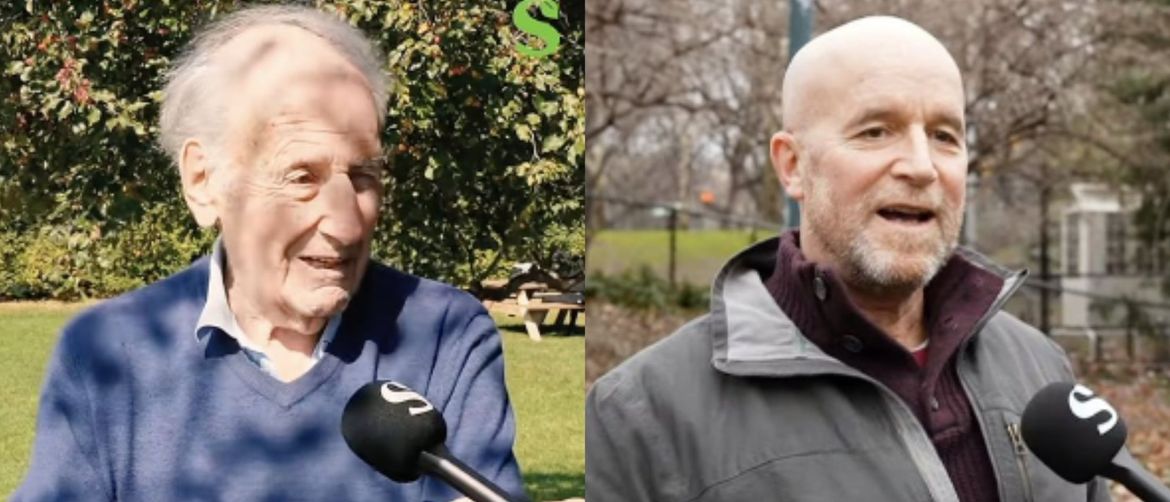
A YouTuber known as Brian Beers, who runs the channel Sprouht, decided to take to the streets and ask elderly people between the ages of 60 and 90 some deeply personal questions. He wanted to know what their biggest regrets were, what they used to worry about unnecessarily, and what advice they would give to their younger selves. What came out of those conversations was a series of short video clips that quickly spread across the platform X, where they resonated with a massive audience. Most of the people he interviewed gave strikingly similar answers, suggesting that a certain wisdom tends to emerge when you have enough years and enough perspective behind you.
One of the most memorable voices in the series was a 95-year-old man who offered a remarkably simple piece of guidance. “Try to be as positive as possible, because tomorrow will be a better day, unless you make it worse,” he said, summing up a philosophy of life that is as plain as it is profound. His words carry the weight of nearly a century of experience, and they serve as a reminder that attitude shapes reality far more than most people realize when they are young. It is the kind of advice that sounds almost too easy until you consider how rarely people actually live by it.
— Brian Beers (@brianbeers) May 16, 2024
A 64-year-old man delivered perhaps the most emotionally striking message in the entire collection. “Don’t take things as seriously as you should, because in the last 30 or 40 years, many of my friends have died, gotten sick, had accidents. You don’t know when it will end. So relax. Enjoy life,” he shared with quiet conviction. His words carry a particular weight given how many personal losses he has witnessed, and they serve as a sobering reminder that life is far more fragile and finite than we tend to acknowledge in our busy daily routines.
I found a guy on YouTube who asks 60, 70, 80, and 90-year-olds:
— Brian Beers (@brianbeers) May 16, 2024
• Their biggest mistakes
• What they used to worry about
• One piece of advice for their younger self
Wildly enough, they all pretty much mention the same things.
Here are my top 7: pic.twitter.com/EsxmQRVoDC
A woman in the group offered a complementary perspective, advising people to actively protect their mental environment. “If there’s something unpleasant in life, stay away from it. Don’t dwell on the negative. It’s not necessary,” she said, speaking from the kind of clarity that only comes with age. Her husband, standing nearby, gave what might be the most self-aware answer of all, saying he had no desire to offer advice because, as he put it, “They’ll figure it out on their own.” There is a certain wisdom in that restraint too, a recognition that some lessons can only be truly absorbed through the act of living.
— Brian Beers (@brianbeers) May 16, 2024
Perhaps the most thought-provoking commentary came from another woman who connected the current state of the world to a broader crisis of happiness. “I think Covid changed a lot of things. It showed many, many people that we’re not that safe. The world, as it is today, with what’s happening in Israel, what’s happening in Ukraine, has awakened reality in people. We’re in this, somewhat, comfortable American world. But it could actually change,” she observed with quiet seriousness. When asked what her ultimate piece of guidance would be, her answer was measured and grounded: “Stay calm. Keep going. You have to maintain a certain level of composure and focus.” She then added, “Appreciate life. Gratitude is super important.”
— Brian Beers (@brianbeers) May 16, 2024
What is striking about these conversations is not just the content of the advice but the remarkable consistency of it. Across different ages, backgrounds, and life experiences, the message that kept coming back was the same: stop worrying so much, embrace positivity, protect your peace, and appreciate what you have while you still have it. These are not revolutionary ideas, but they carry a completely different weight when they come from someone who has had 60, 70, 80, or even 95 years to test them against real life.
Research in psychology and gerontology consistently supports what these older voices expressed so naturally. Studies show that as people age, they tend to focus more on positive experiences and less on regret or conflict, a shift researchers sometimes call the positivity effect, which is associated with greater overall life satisfaction. This pattern has been observed across cultures and appears to be a natural part of emotional development over a lifetime. Gratitude practices in particular, which several of the people in Brian Beers’ interviews referenced either directly or indirectly, are strongly linked to improved mental health, stronger relationships, and even better physical health outcomes according to ongoing research in the field.
Share your thoughts in the comments on which piece of advice from an older person has stayed with you the most.




