
The moment a car rolls into a service bay, an experienced mechanic begins reading it the way a doctor reads a patient, picking up on dozens of subtle signals that tell a precise story about how the vehicle has been treated between visits. Most drivers assume that what happens behind the wheel stays behind the wheel, but the physical evidence of driving behavior is recorded in the wear patterns, fluid conditions, component stress, and mechanical degradation that accumulates in every system of the car. Mechanics who have spent years in the trade develop an almost intuitive ability to match specific damage signatures to the habits that caused them, often identifying the culprit before they have even spoken to the owner. What feels like a harmless or convenient habit to the driver frequently registers as a clear and costly pattern to the professional examining the result. Here are 25 disgusting habits people do while driving that mechanics notice instantly.
Riding the Brake
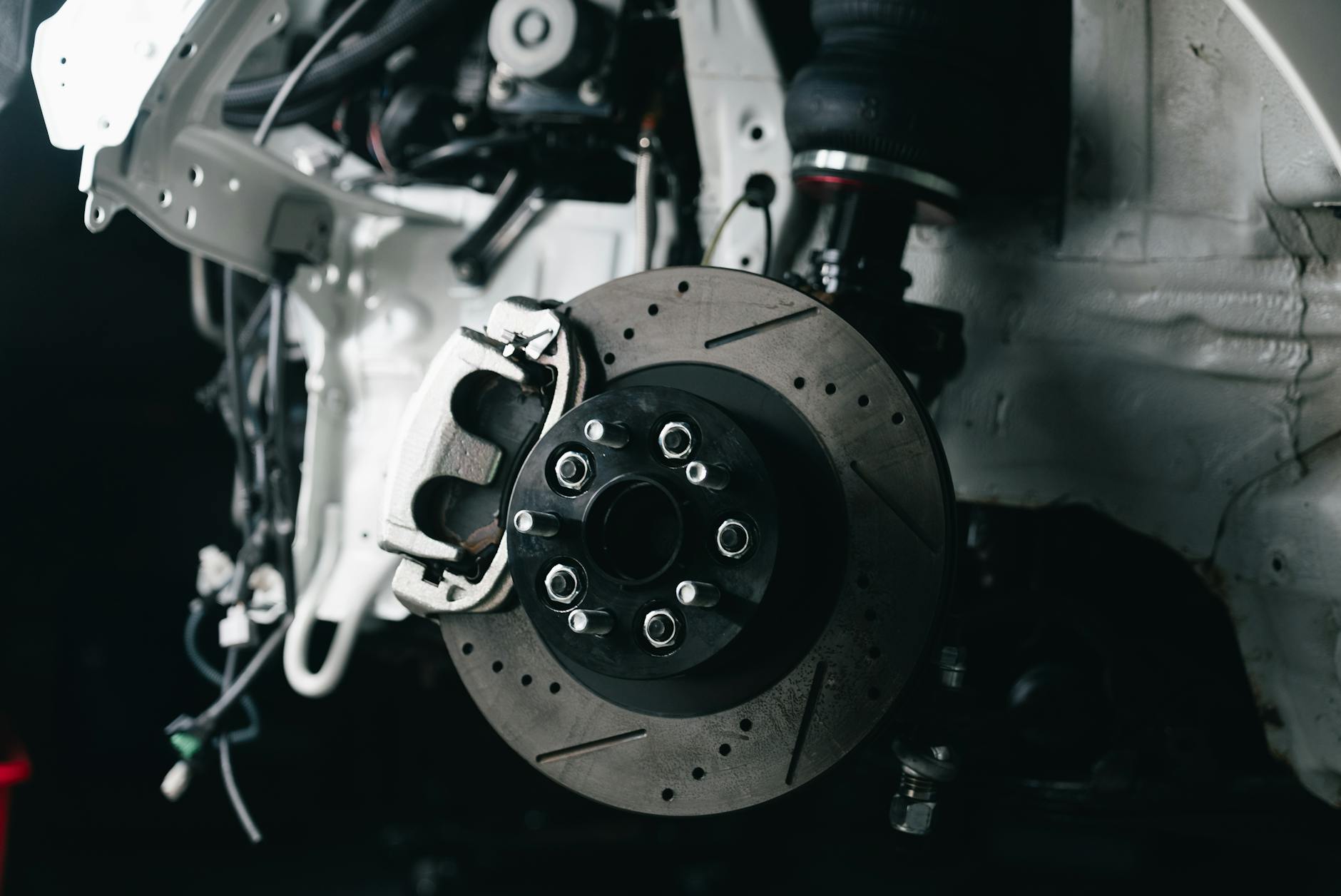
Resting a foot lightly on the brake pedal while driving is one of the most immediately obvious habits a mechanic encounters when inspecting a vehicle’s braking system. The constant light pressure generates continuous friction between the brake pad and rotor, producing heat that glazes the pad surface and scores the rotor face in a pattern entirely different from normal braking wear. Rotors from a vehicle whose driver rides the brake display a distinctive polished central band surrounded by unaffected metal at the inner and outer edges, a signature that is immediately recognizable during a brake inspection. The heat generated by continuous light contact also degrades brake fluid at an accelerated rate, lowering its boiling point and increasing the risk of brake fade under heavy use. A mechanic examining a vehicle with this wear pattern will often find that the brake components have reached end-of-life at a fraction of the mileage they should have lasted.
Late Hard Braking
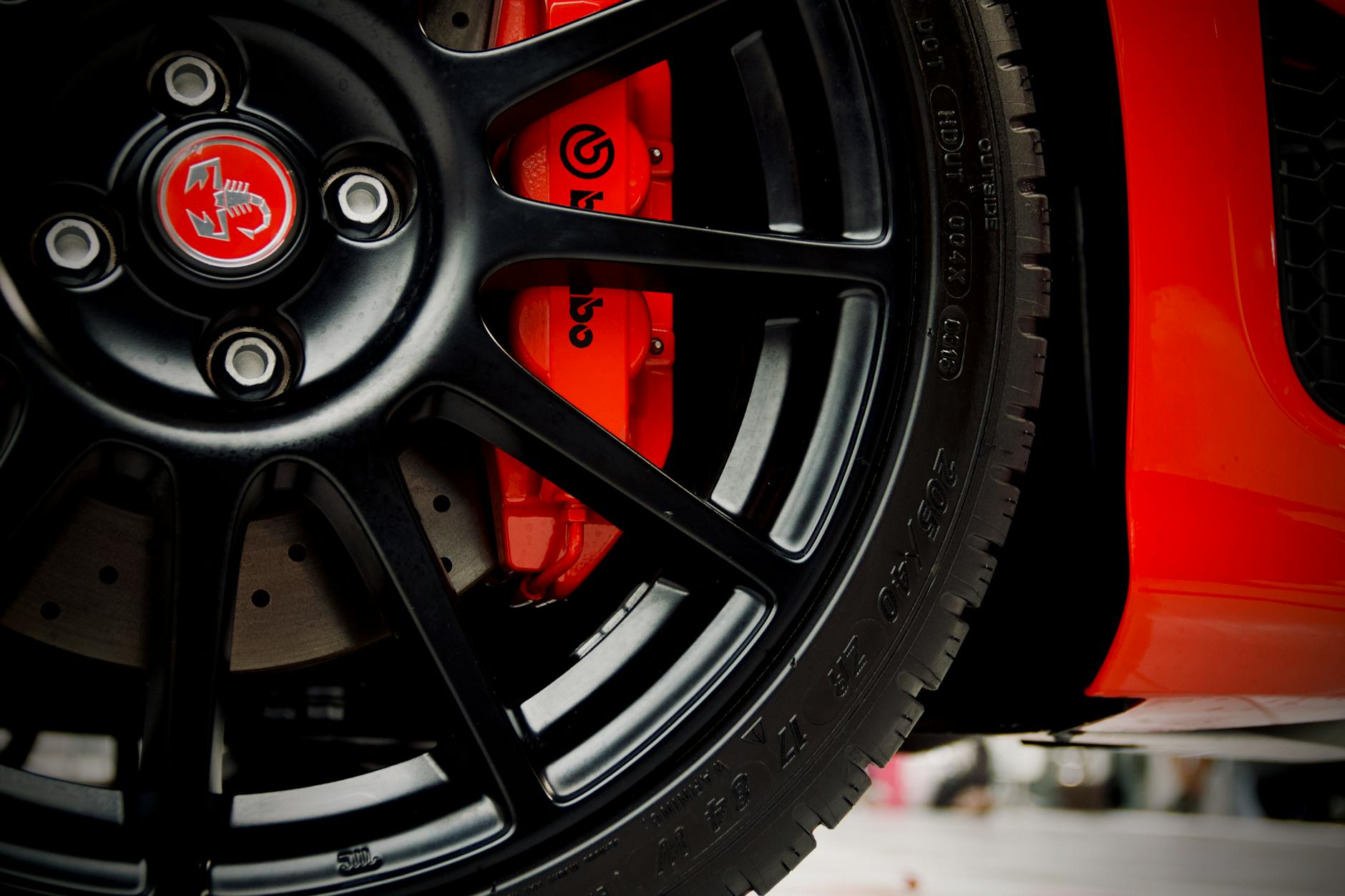
The opposite of riding the brake, late and aggressive braking from high speeds produces an equally distinctive and damaging wear signature that mechanics identify within seconds of examining the braking system. Rotors subjected to repeated emergency-style braking develop heat stress fractures, deep scoring grooves, and in severe cases, visible heat bluing where the metal has been subjected to temperatures far beyond normal operating range. Brake pads from a habitual late braker are worn unevenly across their surface, with the leading edge showing significantly greater material loss than the trailing edge due to the direction of force during aggressive deceleration. The brake calipers on these vehicles frequently show signs of heat damage to their rubber seals, producing brake fluid seepage that a mechanic will trace back to repeated thermal overload. Suspension components including ball joints and tie rod ends also show accelerated wear on vehicles driven with this pattern, as the forces involved in repeated hard braking transmit significant shock loads through the front end.
Resting on Gear Stick
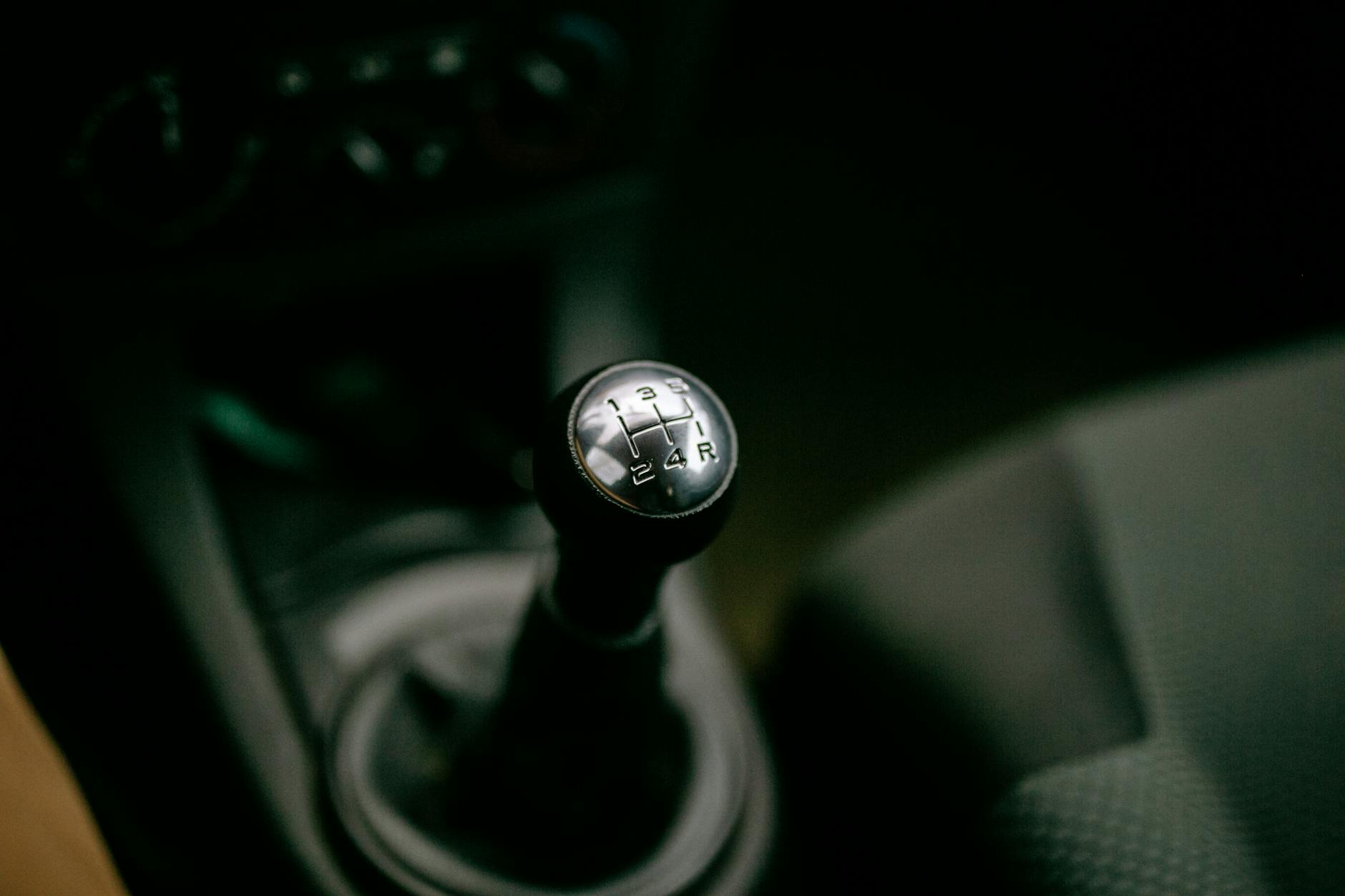
Resting a hand on the manual gearshift while driving is a habit so common that many drivers are entirely unaware they do it, but the mechanical damage it causes is immediately apparent to any mechanic opening the gearbox. The gear selector inside a manual transmission is connected to selector forks that bear against rotating collars, and any external pressure on the shift lever transmits directly to these forks, holding them in light contact with moving parts when they should be fully disengaged. The result is accelerated wear on the selector fork faces, which mechanics find when a gearbox is opened for unrelated repair work, discovering prematurely worn components that should have years of service life remaining. Transmission fluid from a vehicle driven this way often shows elevated metal particle contamination detectable through a simple fluid inspection. A gearbox rebuilt after years of this habit will reveal the precise wear signature of the selector forks against the collar surfaces, a pattern that cannot result from normal gear selection alone.
Ignoring Warning Lights
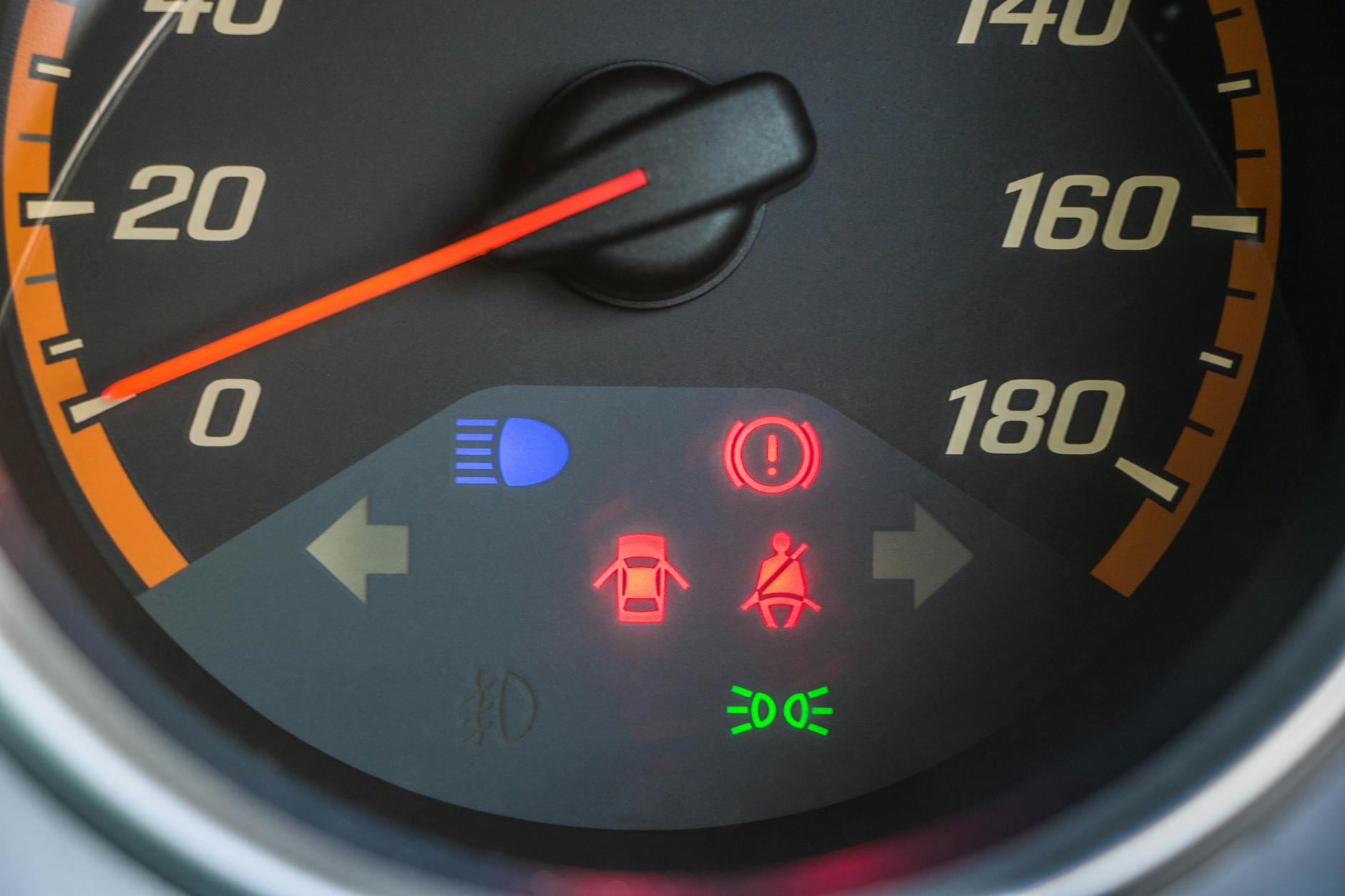
The evidence of ignored warning lights is written throughout a vehicle’s mechanical systems in a language that every mechanic reads fluently. An oil pressure warning light ignored for even a short period produces dry bearing wear that leaves scoring marks on crankshaft journals and bearing surfaces visible only during engine disassembly but detectable through oil analysis showing elevated metal content. A coolant temperature warning ignored through repeated overheating events leaves a trail of warped cylinder head gaskets, cracked head surfaces, and compromised coolant passages that a mechanic identifies through pressure testing and visual inspection. The most revealing evidence of warning light neglect is found in vehicles presented with a new problem while an older unresolved fault code still sits in the diagnostic system, indicating that the driver has driven through multiple warning events without seeking assessment. Mechanics who retrieve fault code histories from a vehicle’s onboard diagnostic system can often reconstruct a precise timeline of ignored warnings that preceded the current failure.
Aggressive Acceleration
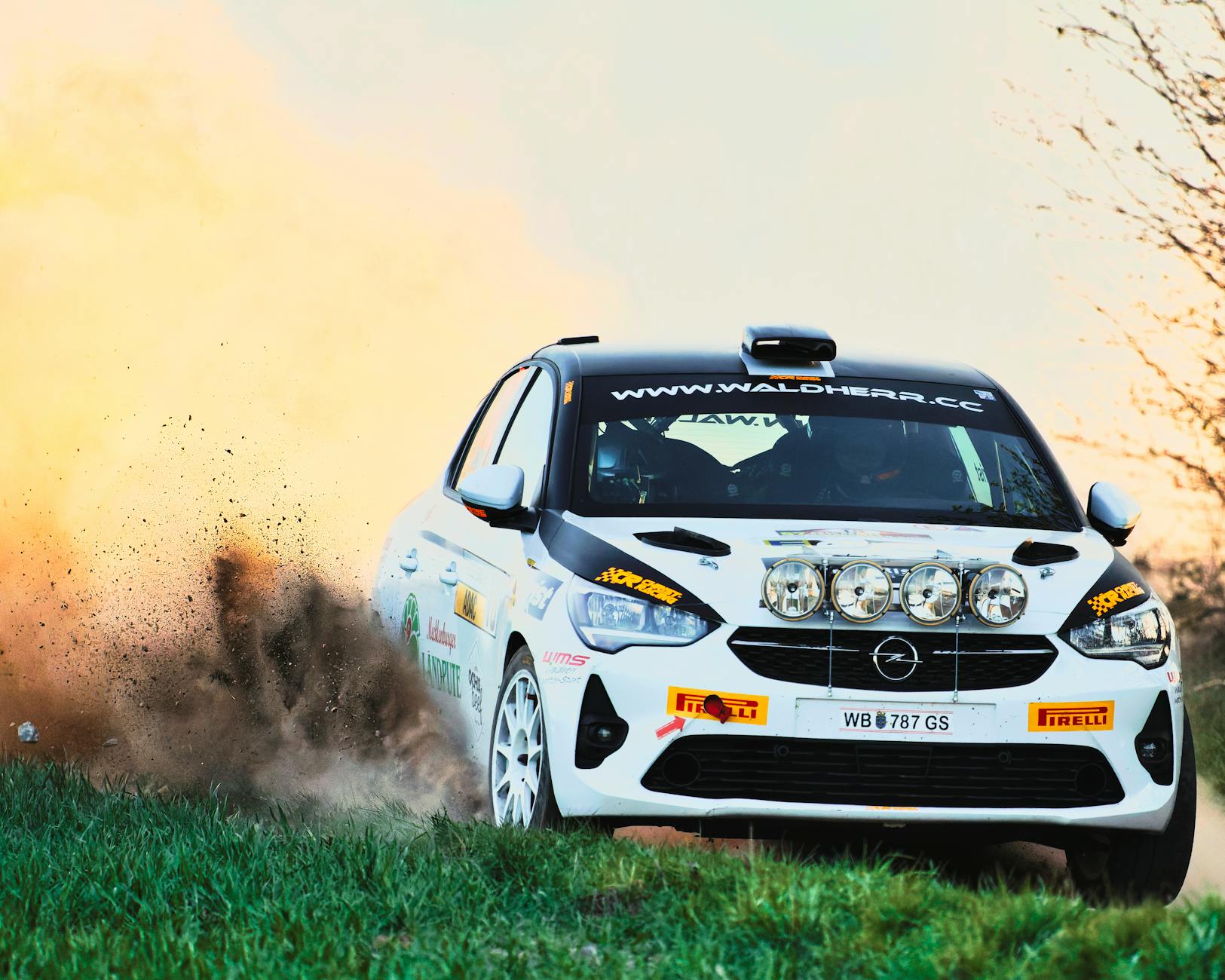
The habit of accelerating hard from every stop or traffic light leaves traces throughout the drivetrain that mechanics encounter before the vehicle has even been lifted onto the ramp. Tire wear from aggressive acceleration is concentrated at the center of the contact patch on driven wheels and shows a distinctive feathering at the inner shoulder that differs from both underinflation wear and alignment-related wear patterns. The differential on vehicles driven with consistent aggressive acceleration shows elevated temperatures during operation and degraded gear oil that a mechanic smells and sees the moment the differential drain plug is removed. Driveshaft universal joints and constant velocity joints on these vehicles wear at significantly accelerated rates, with the joint bearing surfaces showing pitting and corrosion from repeated high-torque loading that the joint was not designed to sustain continuously. Engine mounts on hard-accelerating vehicles deteriorate rapidly, and a mechanic will find collapsed or cracked mounts that allow excessive engine movement visible during a routine underbonnet inspection.
Clutch Riding

Keeping the clutch pedal partially depressed rather than fully engaging or disengaging it is a habit that destroys the clutch release bearing and pressure plate with a reliability that mechanics find predictable and immediately identifiable. The release bearing on a vehicle driven by a clutch rider operates under continuous load rather than being engaged only during gear changes, running against the pressure plate fingers without the lubrication interval that normal use provides. Mechanics removing a clutch assembly from a vehicle with this habit find release bearings that have collapsed, overheated, or shed their bearing cage material into the clutch housing at a fraction of their expected service life. The pressure plate fingers on these clutches show a distinctive wear groove where the release bearing has been held against them during driving, a mark that should not exist at all under normal operating conditions. Clutch disc friction material from a habitual clutch rider shows overheating discoloration and glazing that reduces clamping efficiency and accelerates slipping under load.
Skipping Neutral at Lights

Sitting at a red light with the clutch pedal fully depressed and first gear engaged rather than selecting neutral places the entire load of the release mechanism on the clutch release bearing for the duration of every stop. A vehicle driven by someone who never selects neutral at traffic lights arrives at the mechanic with a release bearing in a state of advanced wear disproportionate to the overall clutch disc condition, creating an imbalance that immediately communicates the driving habit to the technician during inspection. The throwout bearing on these vehicles runs continuously under load against the spinning pressure plate fingers rather than being engaged only during the brief moment of gear change, generating heat and wear that accumulates across every minute spent waiting at intersections. Mechanics in urban areas where stop-and-go traffic dominates see this pattern frequently, as the habit is most destructive in precisely the driving conditions most city drivers experience daily. The repair involves replacing a component that should last the life of the clutch assembly independently, adding cost to a clutch job that was already avoidable.
Overloading the Car

The evidence of chronic vehicle overloading is distributed across so many systems simultaneously that a mechanic examining such a vehicle finds it difficult to know where to begin the list of stress-related wear. Rear suspension components including springs, shock absorbers, and subframe bushings on chronically overloaded vehicles show compression set and fatigue damage consistent with sustained loading beyond design specification, visible during a basic undercarriage inspection. Wheel bearings on overloaded vehicles fail prematurely and consistently, with the rear bearings showing the most severe wear from the concentrated weight distribution that results from loading the cargo area or rear seats beyond their rated capacity. Brake components are affected throughout the system, as the additional mass the brakes must manage on every stop generates heat loads beyond the thermal design capacity of standard brake specifications. Tyre sidewalls on chronically overloaded vehicles show cracking and structural fatigue at the sidewall flex zone that is distinct from age-related deterioration and immediately identifiable to a mechanic familiar with load-related wear patterns.
Flooring on Cold Start
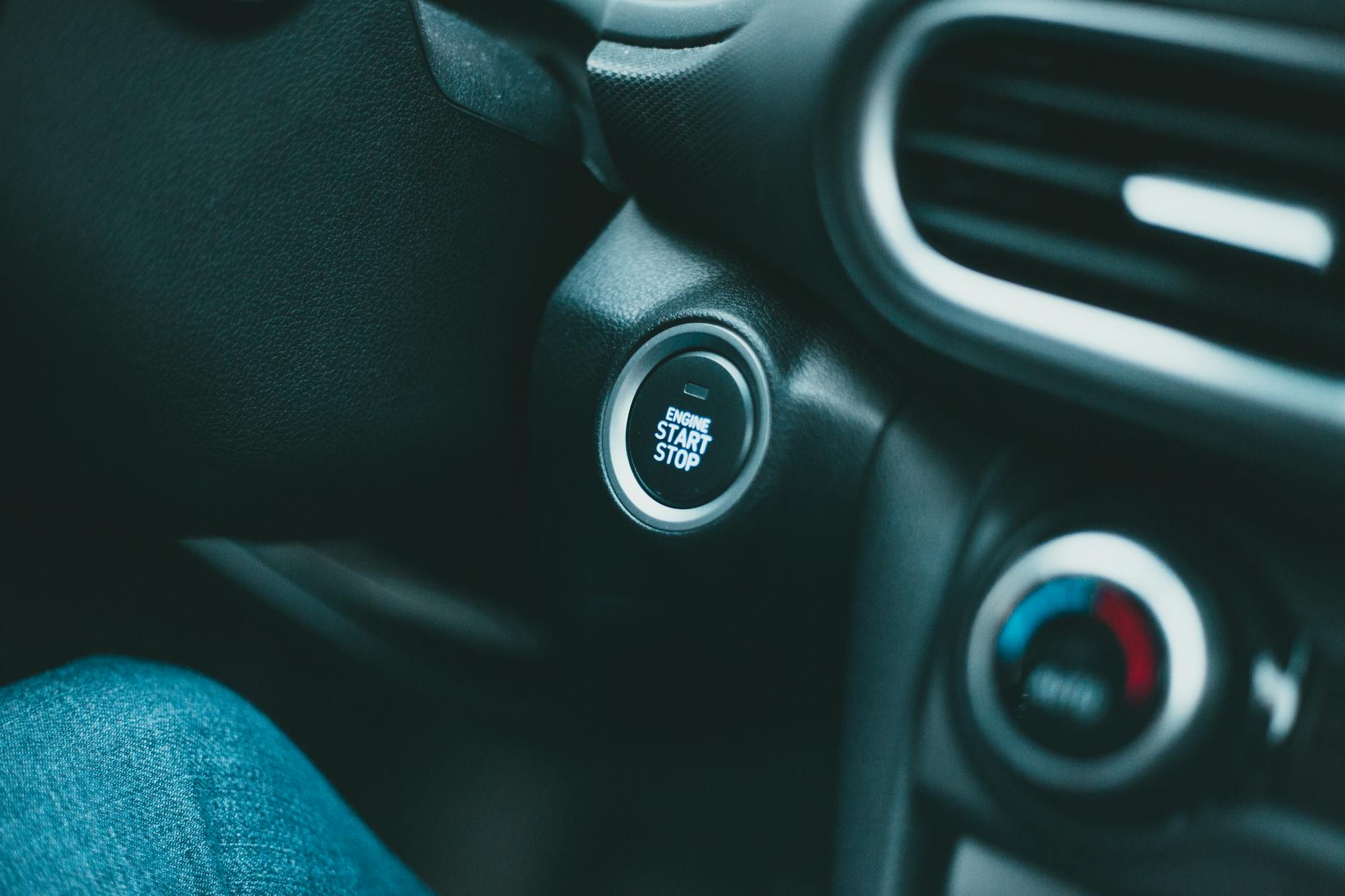
Accelerating hard immediately after a cold start before the engine oil has reached operating temperature and distributed fully through the lubrication system is a habit that leaves permanent evidence in the engine’s upper components. Cold oil is significantly more viscous than warmed oil and takes time to reach the valve train, camshafts, and upper bearing surfaces through the pressurized lubrication circuit, meaning aggressive acceleration on a cold engine runs critical components with inadequate lubrication for a period that causes measurable wear. Camshaft lobes and follower faces on engines driven hard from cold starts show a distinctive polish and micro-pitting pattern that differs from normal wear and indicates repeated metal-to-metal contact during the oil distribution phase. Mechanics performing a valve train inspection on these engines find evidence of accelerated camshaft wear that has no explanation other than repeated lubrication starvation during cold operation. Turbocharger bearings are among the most immediately vulnerable components during cold hard acceleration, and mechanics rebuilding turbos on high-performance vehicles often identify cold-start abuse as the primary cause of premature bearing failure.
Resting Foot on Clutch
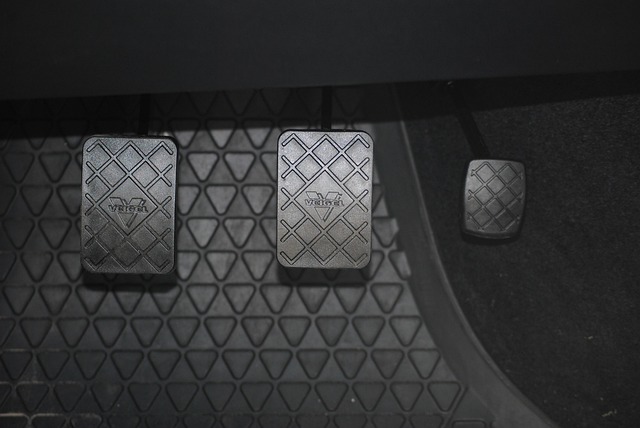
The distinction between riding the clutch and resting a foot on the clutch pedal is one of degree, but both habits produce immediate and recognizable damage that mechanics identify at different points of clutch system inspection. Even light foot contact with the clutch pedal that does not produce partial disengagement still transmits weight through the clutch linkage, pre-loading the release fork and creating slight contact between the release bearing and pressure plate that generates continuous low-level wear. Mechanics who identify release bearing wear inconsistent with the overall mileage of the vehicle and the condition of the clutch disc will specifically ask the driver whether they tend to rest a foot on the pedal, frequently receiving confirmation of the habit. The clutch pedal return spring on these vehicles wears at an accelerated rate from the continuous light opposing load, and mechanics replacing a clutch on these vehicles routinely replace the return spring and pivot components alongside the main clutch assembly. Vehicles with hydraulic clutch systems show premature seal deterioration in the slave cylinder from the continuous low-level pressure that foot resting maintains in the hydraulic circuit.
Shifting Without Full Clutch
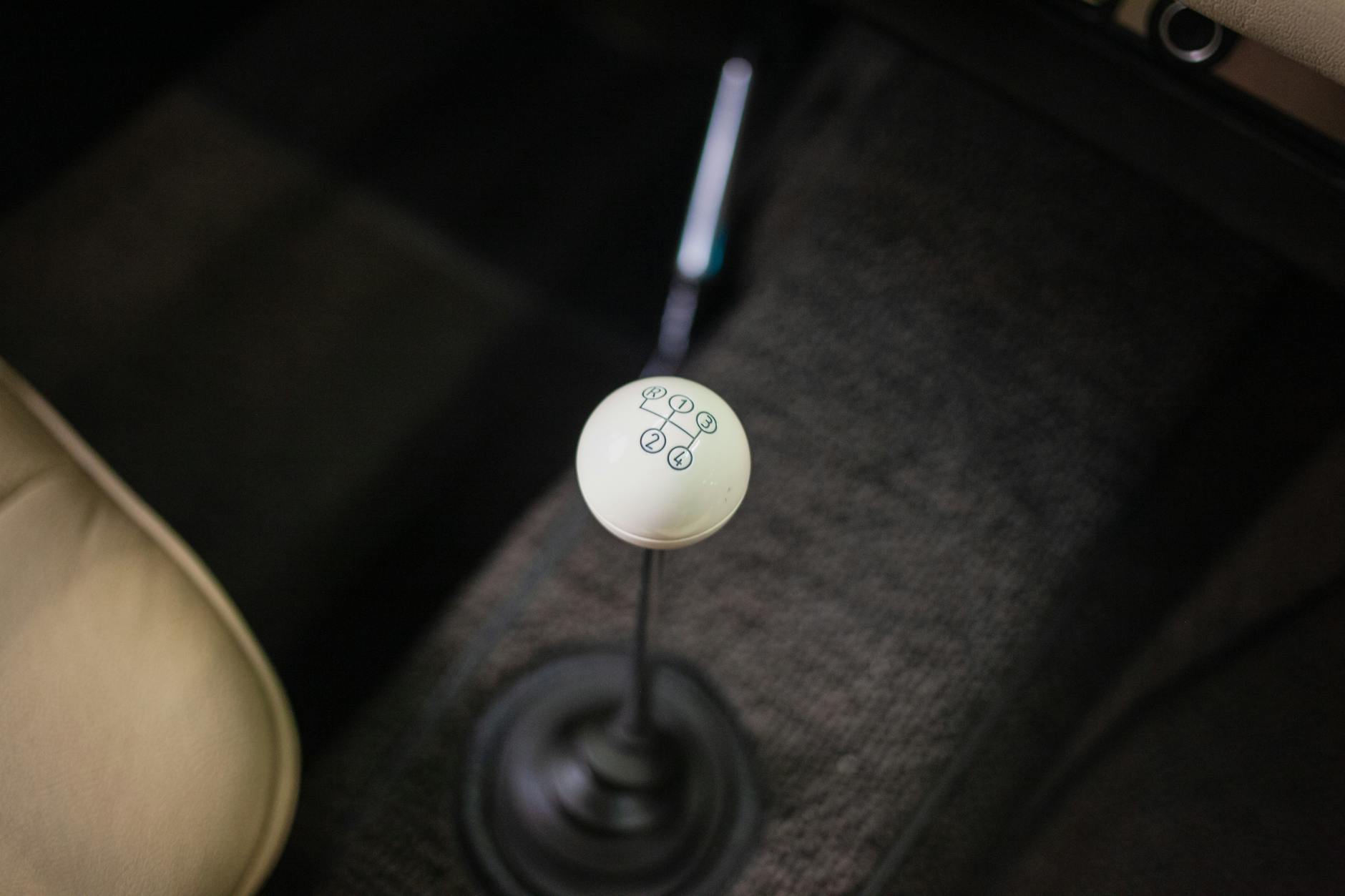
Changing gears without fully depressing the clutch pedal before engaging the next gear is a habit that produces grinding, crunching, and long-term synchronizer damage that mechanics find immediately upon gearbox inspection. The synchronizer rings in a manual gearbox are precision components designed to match shaft speeds during a clean gear change, and partially engaged gear shifts force them to manage speed differences they were not designed to handle, wearing their cone surfaces at an accelerated rate. A gearbox removed from a vehicle driven with this habit reveals synchronizer rings with worn or absent friction material on their cone faces, brass particles in the drained gear oil, and selector fork wear from the increased force required to complete incomplete clutch engagements. The difficulty in engaging certain gears that the driver may have reported as a presenting complaint is the end-stage manifestation of synchronizer wear that began with the first incomplete clutch depression. Mechanics who find this damage pattern in a gearbox will often note that the clutch itself is in relatively good condition, confirming that the issue originates in the shifting technique rather than clutch wear.
Ignoring Fluid Levels

The consequences of ignoring fluid levels between service intervals are readable in virtually every system of the vehicle by the time it reaches a mechanic’s ramp. An engine operated with chronically low oil produces a characteristic increase in valve train noise as the thinner oil film under reduced pressure fails to fully separate metal surfaces, a sound that mechanics hear the moment the engine is started during intake. Power steering systems run on low fluid develop air in the hydraulic circuit that produces a groan or whine during steering maneuvers, and mechanics inspecting the reservoir on these vehicles find fluid that is discolored, aerated, and contaminated with debris from increased pump wear. Brake fluid that has never been changed and has absorbed moisture to well beyond its safe threshold is identified during a simple moisture content test, with fluid removed from neglected systems often appearing dark brown or black rather than the pale amber of fresh fluid. Mechanics who inspect vehicles where fluid levels have been chronically low find that the financial cost of component damage caused by fluid neglect vastly exceeds the cost of the fluid that would have prevented it.
Potholes at Speed

The habit of driving through potholes, speed bumps, and road irregularities at speed rather than reducing to an appropriate velocity before impact leaves an unmistakable signature in the vehicle’s suspension and wheel components. Alloy wheels on vehicles driven through potholes at speed show radial cracking at the spoke roots, impact deformation at the rim edge, and in severe cases, complete rim fracture that forces a rapid pressure loss from the tyre. Suspension components absorb the energy of high-speed impacts in ways that cause immediate and latent damage, with ball joint dust boots rupturing on impact and admitting contamination that destroys the joint from within after the impact event. Shock absorbers on these vehicles show bent piston rods and damaged seals from the force of bottoming out during severe impacts, a failure that compromises ride control and is detectable through simple bounce testing during a routine inspection. Wheel bearing damage from pothole impacts is often latent, developing into a detectable rumble weeks or months after the causative impact as the bearing races develop fatigue spalling from the shock load.
Not Using Handbrake
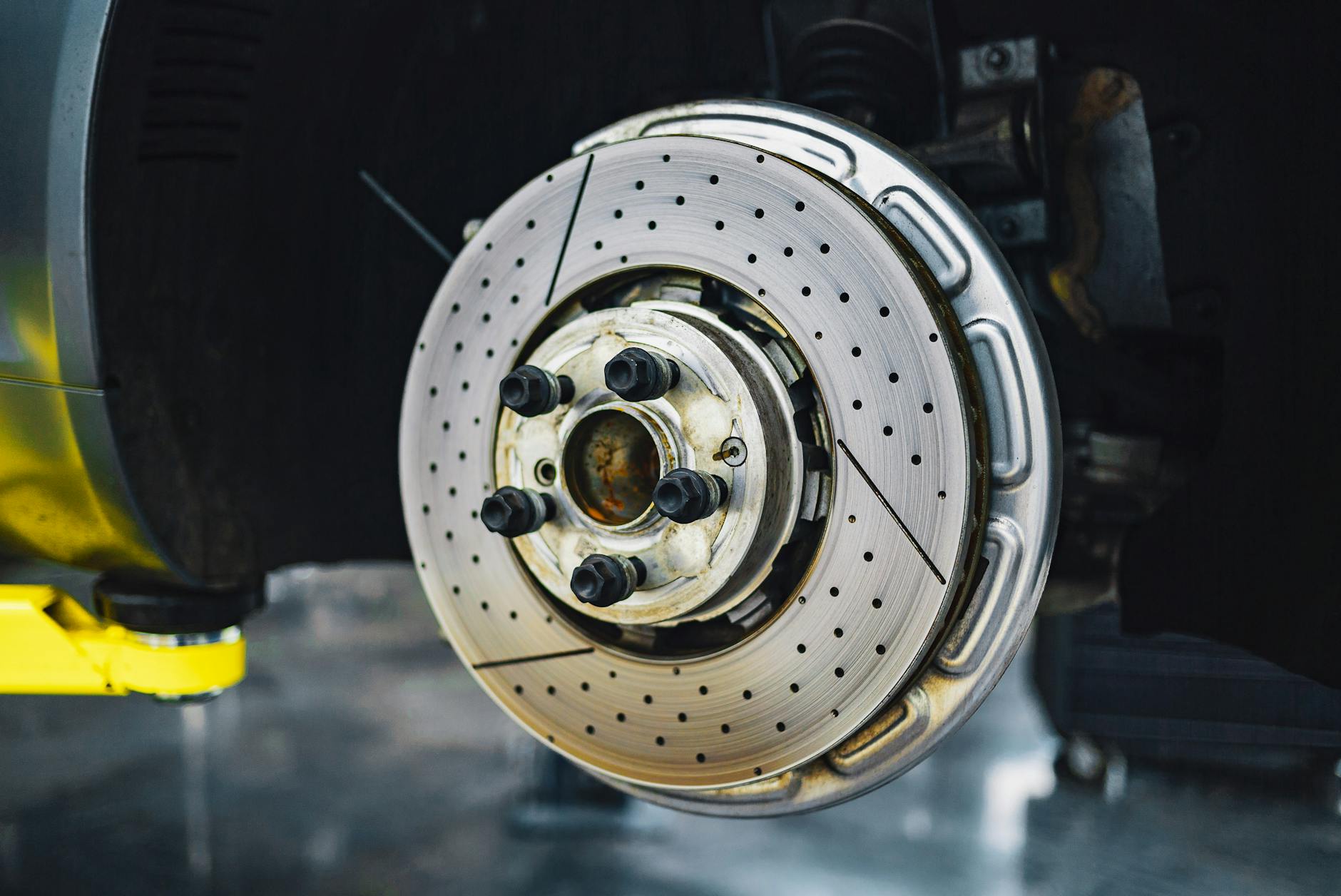
Relying on the transmission to hold the vehicle on slopes rather than applying the parking brake is a habit that damages transmission components in manual vehicles and creates a specific brake system problem in automatics. In manual vehicles, leaving the car in gear without applying the handbrake concentrates the entire weight of the vehicle on the transmission’s gear teeth and synchronizer components, generating static loads that the gearbox was not designed to sustain for extended periods. In automatic vehicles, the habit results in the parking pawl inside the transmission absorbing the full weight of the vehicle on slopes, wearing this small component prematurely and risking catastrophic pawl failure that leaves the vehicle without any parking retention. The rear brake shoes or pads on vehicles whose drivers never use the parking brake seize in their guides from lack of use and cleaning action, often to the point where they require replacement when first applied forcefully after months of inactivity. Mechanics inspecting the parking brake system on these vehicles find seized cables, corroded adjusters, and in drum brake systems, brake shoes that have bonded to the drum surface through rust formation during extended periods of non-use.
Skipping Gear Changes
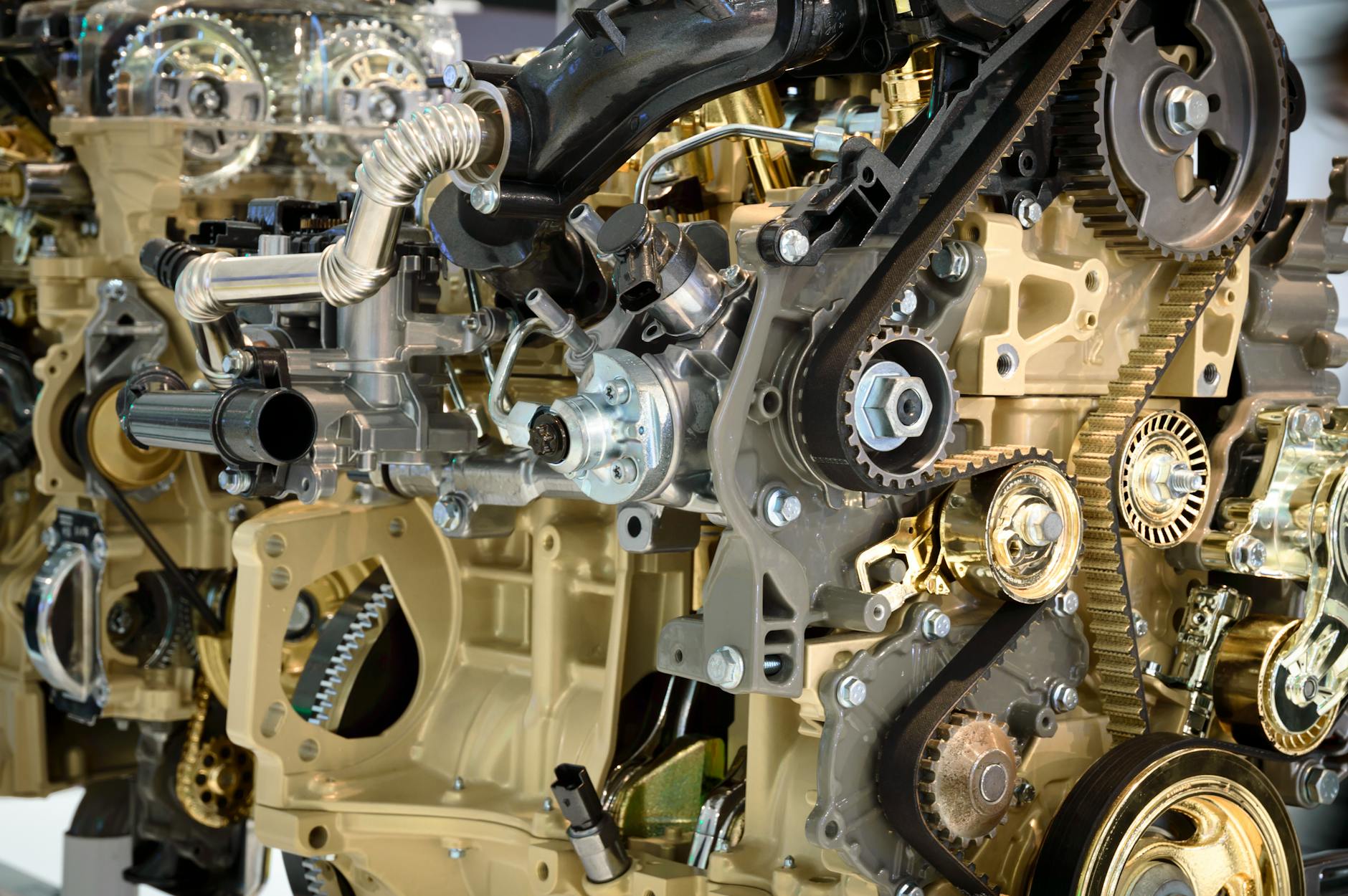
Skipping multiple gears during acceleration or deceleration in a manual vehicle places load on the drivetrain components that the transmission and clutch system were not designed to manage smoothly during those transitions. Downshifting multiple gears simultaneously to achieve engine braking on a descent produces clutch slip and synchronizer stress that mechanics identify through accelerated wear patterns on the clutch friction disc and the synchronizer assemblies for the frequently used target gears. The engine mounts on vehicles driven with extreme gear-skipping habits show asymmetric wear from the directional torque loads generated during large ratio gear changes, visible during a routine undercar inspection. Driveshaft center bearings and universal joints on rear-wheel-drive vehicles absorb the shock of these gear changes and develop wear patterns consistent with repeated high-torque loading events rather than the gradual wear of normal operation. Mechanics who identify this pattern of wear will typically find it concentrated on the second and third gear synchronizers, which are the most common landing gears when skipping from high to low ratio during deceleration.
Driving on Reserve
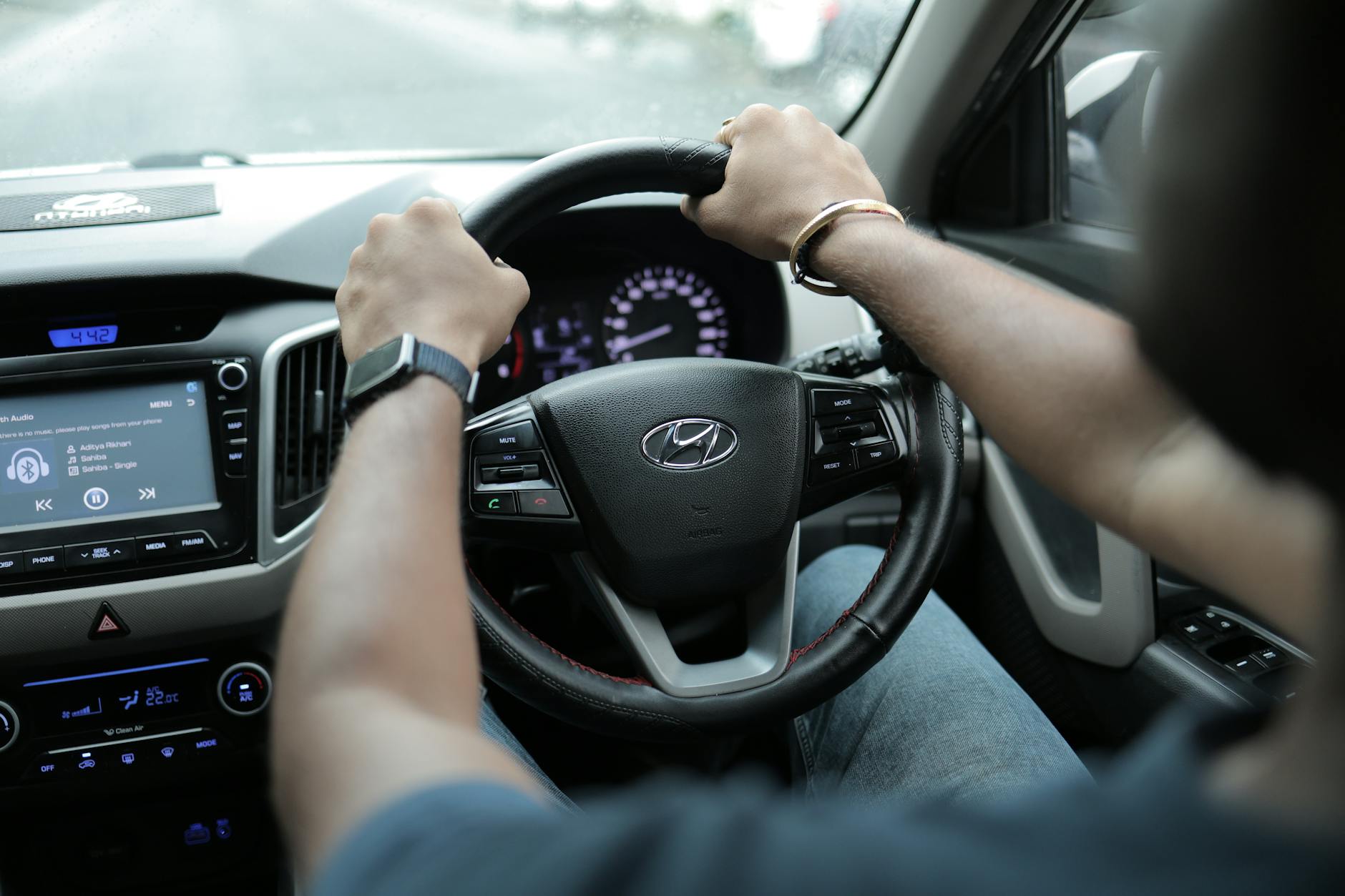
The habit of routinely running the fuel tank to or below the reserve level damages the fuel delivery system in ways that accumulate progressively and eventually produce a bill that dwarfs the cost of the extra fuel stops that would have prevented it. The fuel pump in most modern vehicles is mounted inside the fuel tank and relies on submersion in fuel for both lubrication and cooling, meaning a pump that regularly runs in a nearly empty tank operates at elevated temperature without adequate lubrication across every low-fuel driving event. Mechanics replacing fuel pumps on high-mileage vehicles driven by reserve-fuel drivers find pump assemblies that show heat discoloration, worn brushes, and failed commutators consistent with repeated thermal stress rather than simple age-related wear. Fuel sediment and contamination naturally settle to the bottom of the tank, and a fuel system consistently drawing from near-empty levels sends this concentrated sediment directly through the fuel filter and into the fuel injectors. Injectors removed from vehicles driven with this habit show distinctive clogging patterns from sediment accumulation that reduces spray pattern quality and fuel delivery precision in ways that affect both performance and emissions.
Resting Wrist on Wheel
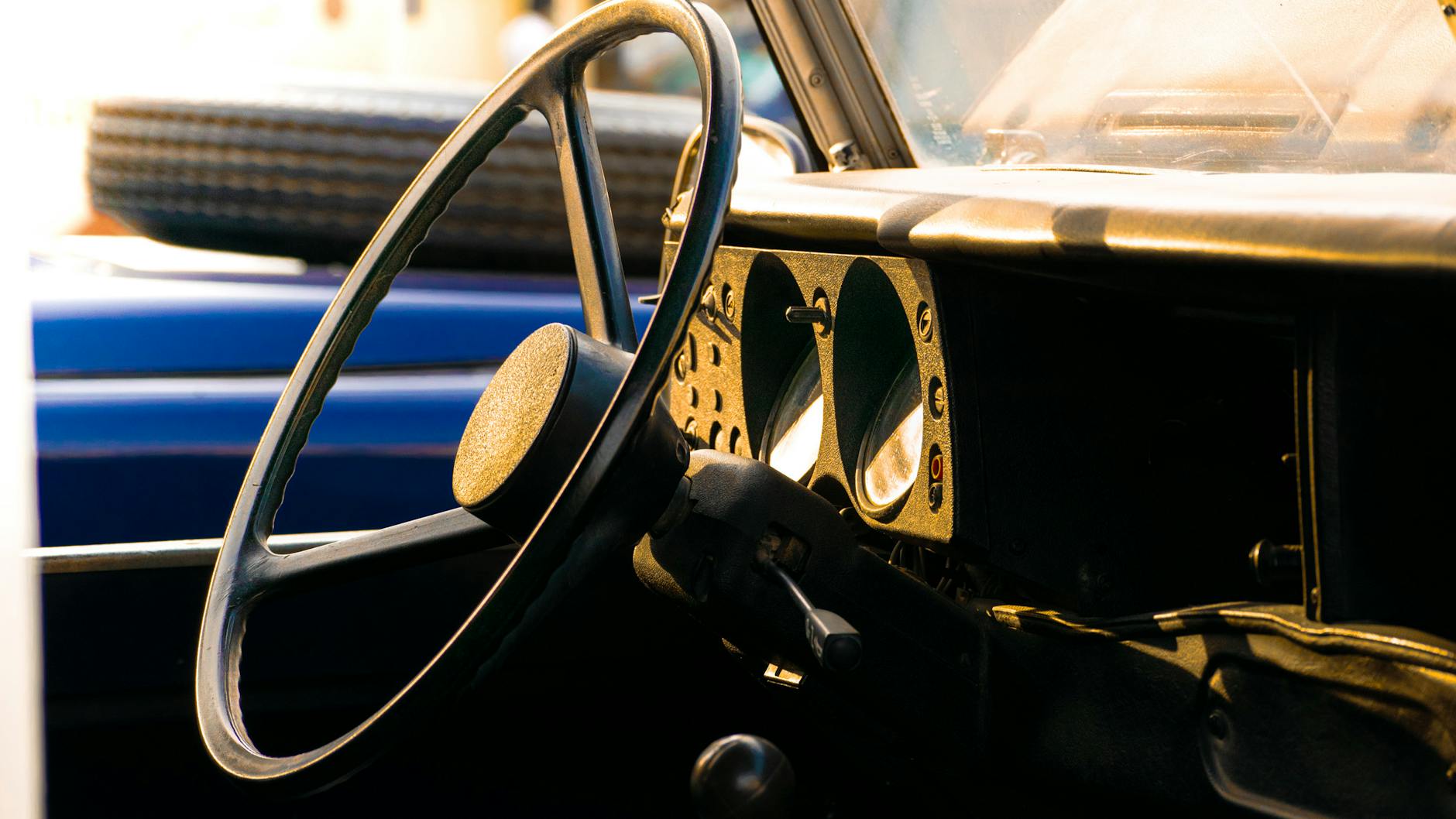
Steering with one wrist resting on top of the steering wheel rather than maintaining a proper grip produces a vehicle control pattern that mechanics do not observe directly but that manifests in the inconsistent and damaging steering inputs the habit generates during normal driving. The reduced control precision of wrist-top steering results in more frequent minor kerb contact during parking maneuvers, visible in the kerbing damage to alloy wheel rims that mechanics observe routinely on vehicles owned by drivers with poor steering habits. Power steering rack components on these vehicles show wear patterns consistent with frequent end-of-travel contact when parking, as the reduced control sensation from wrist steering makes it harder to feel the steering approaching full lock. Front tyre inner shoulder wear from habitual minor kerb contact is a pattern that mechanics identify during a tyre rotation service and attribute to parking behavior. The casualness of wrist steering also correlates with a tendency to make larger and later steering corrections during driving, producing increased wear on steering linkage components from the directional reversals involved in correction steering.
Ignoring Tyre Pressure
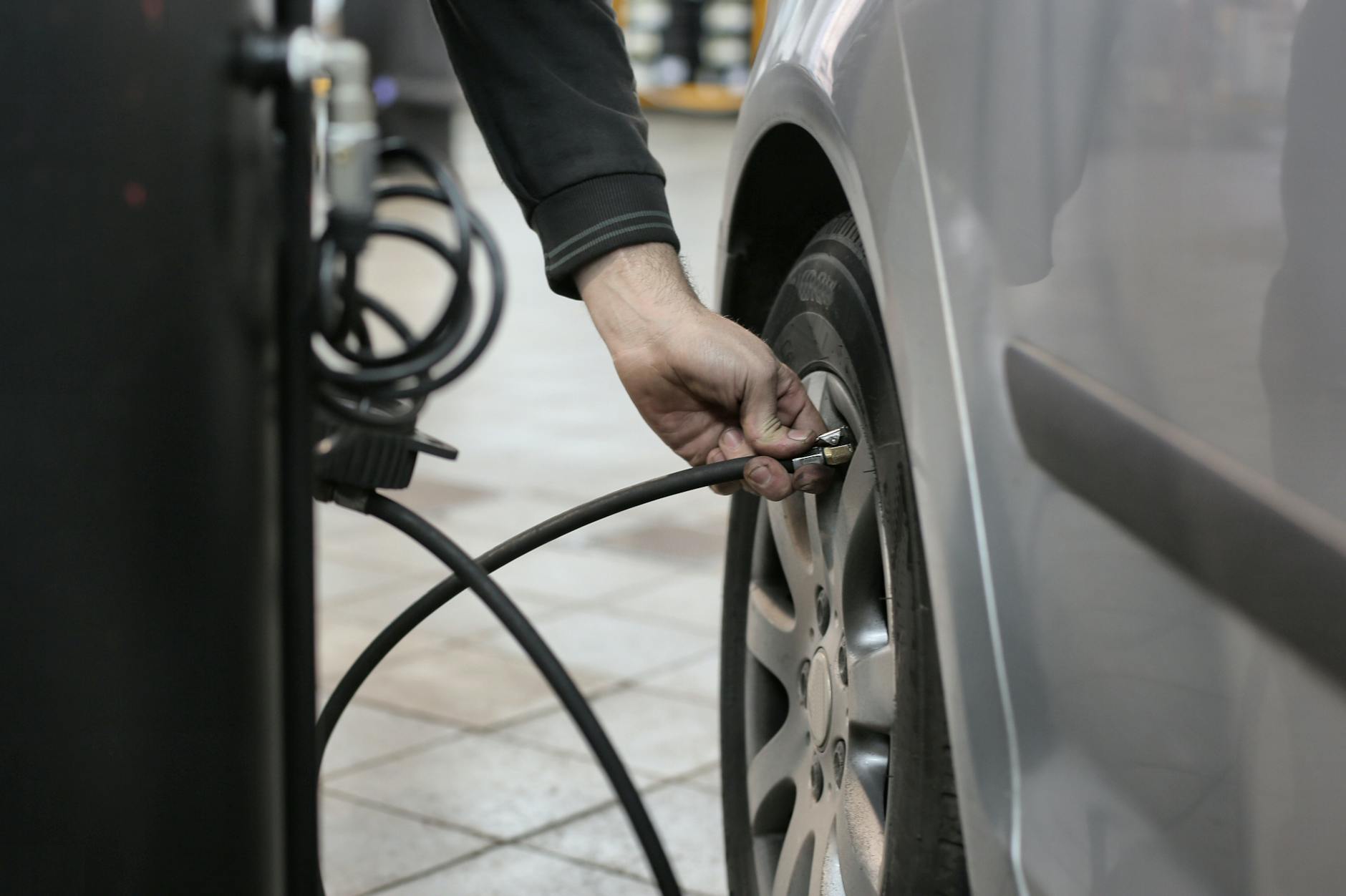
The evidence of chronically underinflated tyres is so obvious to a mechanic that it is frequently the first thing observed when a vehicle enters the service bay, requiring no inspection equipment to identify. Underinflated tyres wear heavily at both outer shoulders of the tread while the center tread remains relatively intact, a wear pattern that is the mirror image of the center wear caused by overinflation and immediately diagnostic of chronic low pressure operation. The sidewalls of tyres run at low pressure show flex cracking and heat crazing from the increased flexion the sidewall undergoes with every rotation, degrading the structural integrity of the tyre in ways that are not always visible from outside the vehicle. Wheel bearings on vehicles driven with chronically underinflated tyres experience increased radial loads from the altered contact patch geometry, accelerating wear at a rate that produces premature failure relative to comparable vehicles maintained at correct pressure. Fuel economy data retrievable from some modern vehicles’ onboard computers shows a pattern of elevated consumption consistent with the increased rolling resistance of underinflated tyres, providing additional corroborating evidence of the habit.
Not Signaling Lane Changes
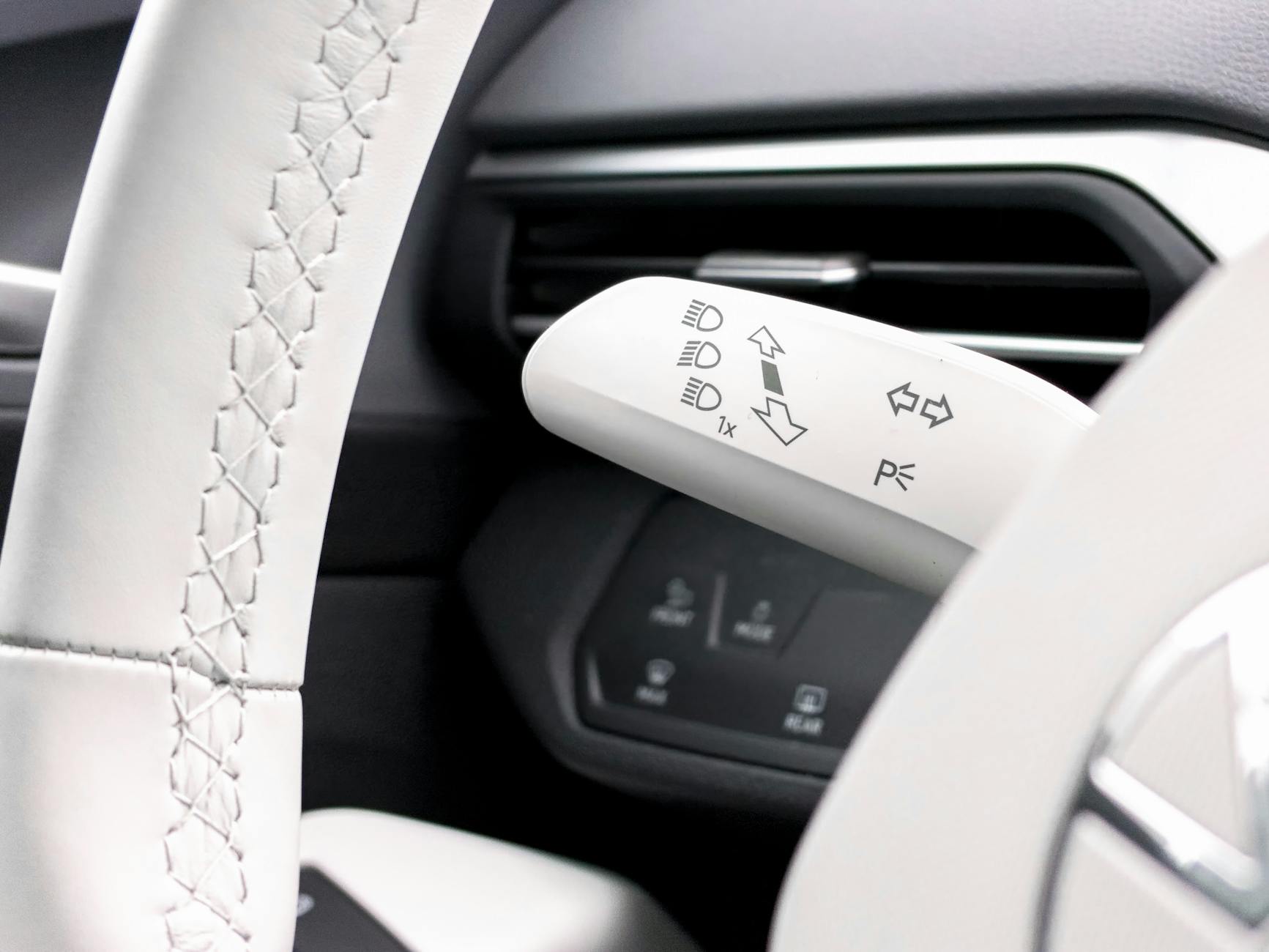
The failure to signal before changing lanes is not a mechanical habit but its consequences are sometimes visible to mechanics through the evidence of the abrupt steering inputs that unsignaled lane changes tend to involve. Drivers who change lanes without signaling are also typically drivers who monitor mirrors less carefully and make more reactive steering corrections, producing a steering and suspension wear pattern associated with abrupt directional inputs rather than gradual lane-change steering. Front suspension compliance bushings on vehicles driven with habitually abrupt steering show accelerated deterioration from the lateral shock loads generated during sharp direction changes, wear that mechanics identify during a front-end inspection. The evidence of a collision with another vehicle during an unsignaled lane change is of course the most dramatic version of this mechanical record, with body damage and structural misalignment that persists in the vehicle’s history regardless of any subsequent repair work. Wheel alignment data retrieved at the start of a service appointment sometimes reveals a pattern of repeated misalignment events suggesting impact damage rather than gradual drift from normal road use.
Eating While Driving

The mechanical evidence of eating while driving is found not in the drivetrain but in the interior of the vehicle, where it creates conditions that mechanics and detailers observe immediately and that cause long-term damage to upholstery, electronics, and HVAC systems. Food debris that falls between seats and into seat rail mechanisms causes binding and wear in the electric seat adjustment motors on vehicles with powered seats, with mechanics finding jammed mechanisms packed with compressed food matter when investigating seat adjustment failures. Liquids spilled during vehicle motion work their way under center console trim panels and into the wiring harnesses that run beneath them, causing corrosion on electrical connectors that produces intermittent faults that are among the most time-consuming and expensive electrical problems to diagnose and repair. The air intake for the cabin HVAC system draws from inside the vehicle, and persistent food odors embedded in the headliner, carpet, and upholstery recirculate through the climate control system, contaminating the evaporator surface with biological material that mechanics encounter during cabin air filter replacement and evaporator cleaning services. A mechanic or detailer entering a vehicle with years of accumulated eating-while-driving evidence encounters a specific combination of odors, stains, and mechanism damage that is entirely distinct from normal interior wear.
Short Tripping
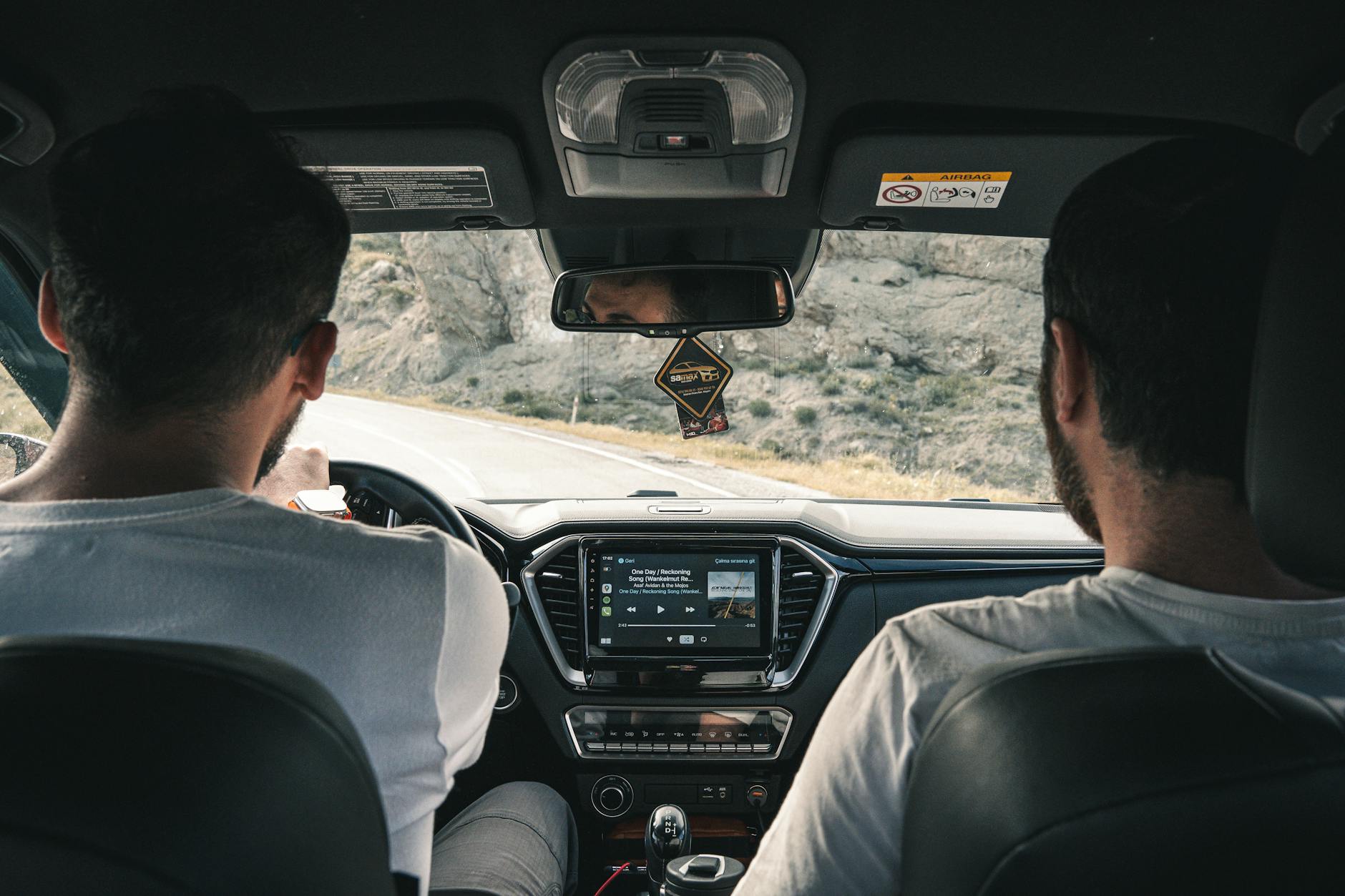
The habit of using a vehicle exclusively for very short journeys of less than ten minutes duration is one of the most damaging operational patterns a driver can inflict on a car, and mechanics identify its effects immediately through oil analysis and engine inspection. A cold engine that never reaches full operating temperature cannot burn off the condensation moisture that accumulates in the crankcase during the warm-up phase, allowing water to accumulate in the engine oil and produce the distinctive creamy emulsion visible on the oil filler cap that mechanics describe as mayonnaise. The combustion process in a cold engine running on an enriched cold-start fuel mixture produces fuel wash-down of the cylinder walls, diluting the oil film that protects the piston rings and cylinder bores and accelerating wear in these components over time. Catalytic converters on short-trip vehicles never reach the light-off temperature required for full efficiency, accumulating unburned hydrocarbon deposits that reduce their effectiveness and eventually require replacement at a fraction of the mileage a properly warmed catalyst should last. Exhaust systems on short-trip vehicles corrode from the inside out due to the condensation that forms in the exhaust pipe during the warm-up phase and never fully evaporates during the brief journey duration.
Curb Parking

The habit of parking against kerbs without reducing speed sufficiently before the front tyre contacts the kerb edge produces a specific pattern of damage that mechanics identify during tyre, wheel, and alignment inspections. Repeated kerb impact at even low speeds causes deformation of the tyre bead in the contact area, weakening the structural ring that maintains the tyre’s seal against the wheel rim and eventually causing slow air loss that the driver attributes to a slow puncture. The wheel rim in the area of habitual kerb contact develops gouging and deformation visible on the inner flange, with the damage pattern on the inner face of the rim diagnosing the parking habit more precisely than the outer cosmetic kerbing damage that the driver can see. Front wheel alignment is progressively disturbed by repeated kerb impact, with toe and camber settings shifting away from specification in ways that produce asymmetric tyre wear and steering pull that drivers notice as a gradual handling change rather than a specific incident. Mechanics reviewing the alignment history of a vehicle with chronic kerb parking damage find a pattern of repeated return to incorrect alignment settings despite consecutive adjustment services.
Drag Racing at Lights

The habit of treating traffic light changes as racing starts produces one of the most comprehensive and expensive patterns of simultaneous drivetrain damage that mechanics encounter in everyday passenger vehicles. Wheelspin from aggressive standing starts transfers enormous torque shock loads through the driveshafts, differential, and transmission simultaneously, stressing every rotating component in the drivetrain during the fraction of a second of maximum acceleration. Differential components including ring and pinion gears on vehicles driven with this habit show impact wear patterns on the gear tooth faces that are distinct from the gradual wear of normal use, detectable when the differential is drained and inspected during a routine service. The limited-slip clutch packs in limited-slip differentials on these vehicles degrade at accelerated rates from the repeated high-slip events of wheelspin acceleration, losing their locking effectiveness and producing the characteristic chattering on tight turns that mechanics use to diagnose clutch pack wear. Launch-related torque loads also produce stress cracking in transmission and differential mounting brackets visible during an undercar inspection, with crack patterns that develop from single-point stress concentration rather than the distributed fatigue of normal vibration loading.
Phone Distraction Driving

The mechanical evidence of distracted driving from phone use is recorded in the vehicle’s systems as a pattern of late and reactive inputs that produce specific wear signatures throughout the steering and braking systems. Drivers who are regularly distracted by phone use apply braking later and more forcefully than attentive drivers, producing the elevated brake wear and thermal stress patterns associated with repeated hard braking that mechanics identify during brake inspections. The steering correction inputs made by a driver returning attention to the road after phone distraction are characteristically abrupt and large, generating the suspension and steering wear patterns associated with reactive rather than progressive steering behavior. Modern vehicles equipped with event data recorders accumulate a history of hard braking events, rapid steering inputs, and stability system activations that a mechanic with access to the vehicle’s diagnostic data can review as a behavioral profile of driving attention. The correlation between phone use-related distraction and the frequency of minor collision damage visible on a vehicle’s body panels is something mechanics who perform both mechanical and bodywork services observe regularly in the profiles of specific repeat customers.
Ignoring Strange Noises
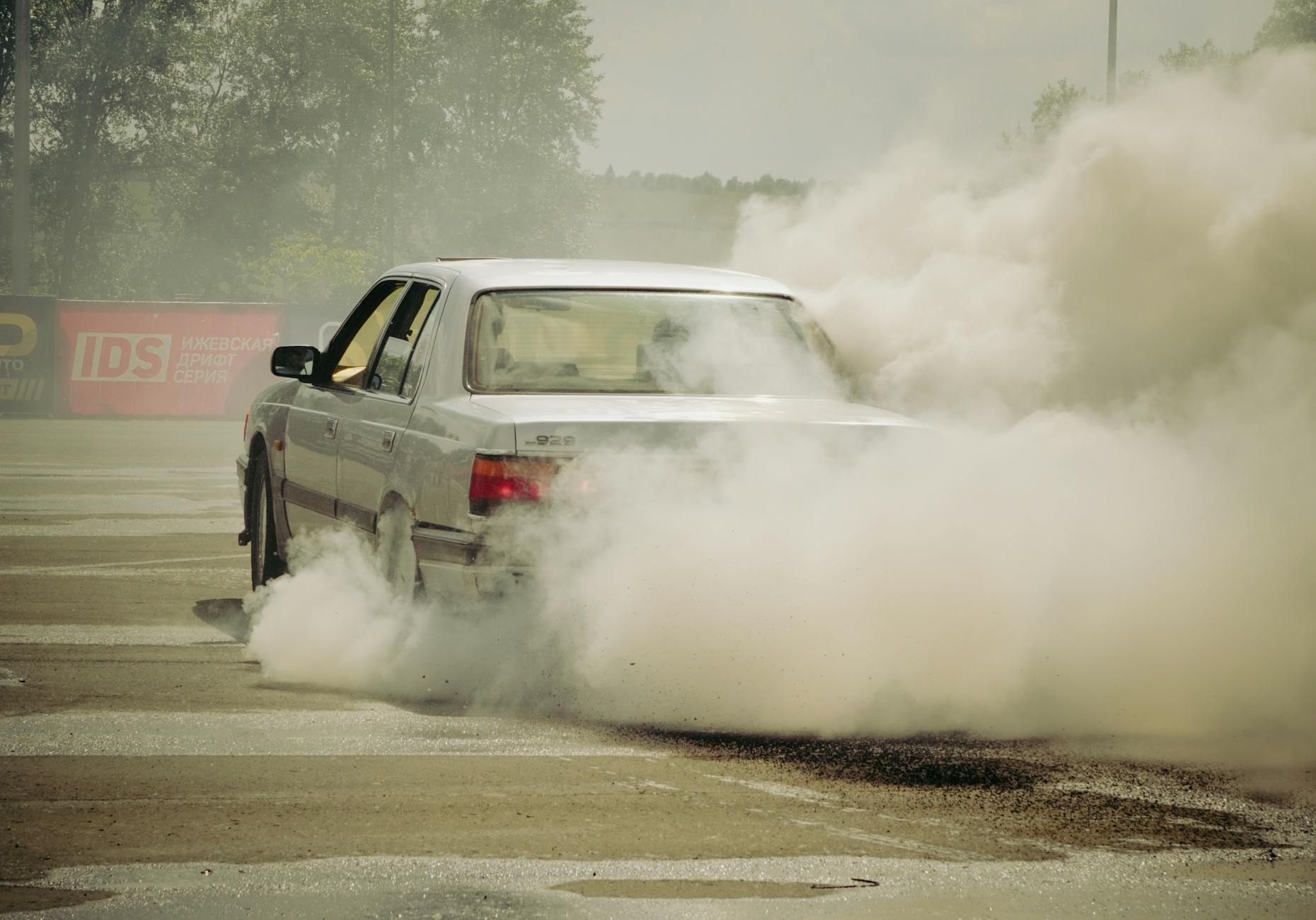
The mechanical consequences of ignoring abnormal vehicle sounds are recorded in the progressive damage that every noise, if left unaddressed, causes to the components it originates from and those adjacent to it. A wheel bearing that produces an audible rumble is already in a state of advanced wear, and the metal particle contamination it generates as it continues to deteriorate spreads through the hub assembly and onto the brake rotor surface in ways that mechanics find during inspection of a bearing that was ignored to failure. A timing chain that develops rattle on startup is warning of inadequate tension that will eventually result in chain skip or failure, and mechanics who remove timing covers from engines where this sound was ignored for extended periods find chain guides that have worn through their plastic surface and chains that have stretched beyond the adjustment range of the tensioner. Brake components that have worn through their friction material and begun producing a grinding noise continue to operate while machining the rotor surface into a condition that requires replacement rather than the resurfacing that would have been sufficient had the noise been addressed at the warning squeal stage. The financial escalation from ignoring a noise compared to addressing it at first occurrence is something mechanics observe in virtually every case of sound-related neglect, with the ignored component invariably damaging surrounding systems in proportion to the duration of the delay.
If any of these habits hit close to home, share your worst driving confession in the comments.




