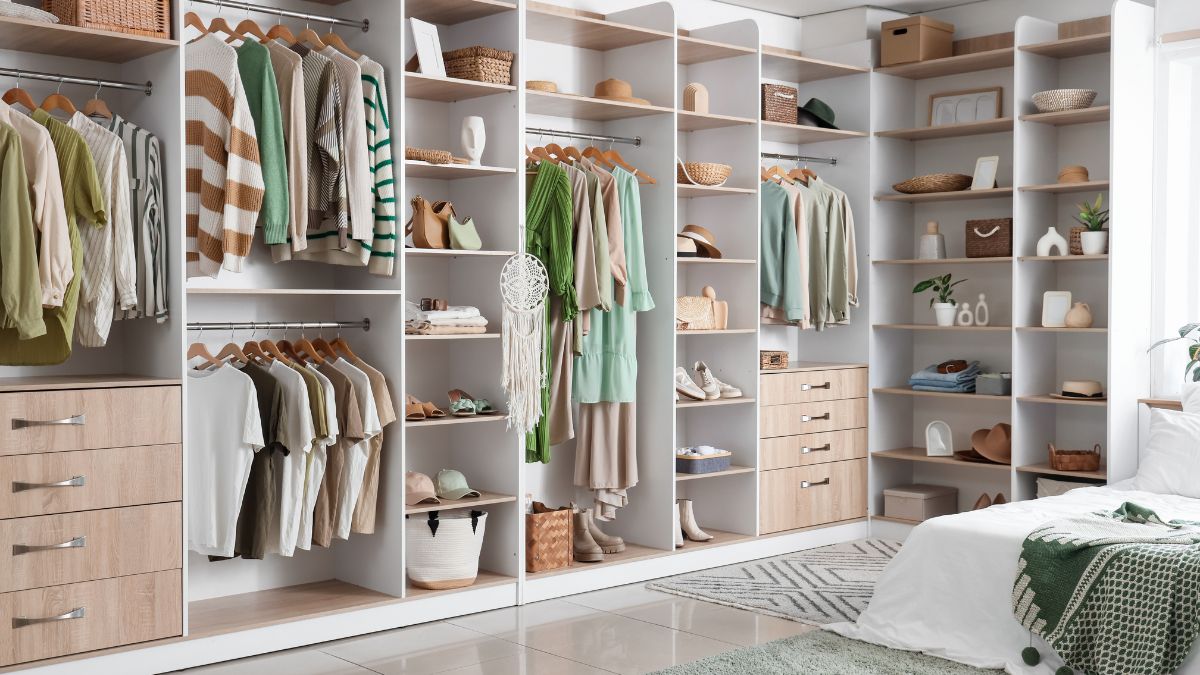
Style advice has a long and occasionally tyrannical history of telling people what they cannot wear, what they must discard, and which rules govern the difference between dressing well and dressing badly, with the implicit promise that compliance will result in an elevated and admirable personal aesthetic. What makes wardrobe advice genuinely useful rather than merely prescriptive is its willingness to challenge the received wisdom that most people absorbed from magazines, well-meaning relatives, and the fashion industry’s particular financial interest in making existing wardrobes feel perpetually insufficient. The rules that actually transform how a person dresses are rarely the safe and comfortable ones, tending instead toward the counterintuitive, the initially uncomfortable, and the occasionally contentious territory where real style lives. Personal style is not a destination reached by following instructions but a practice developed through experimentation, honest self-assessment, and the willingness to discard advice that does not serve the specific person standing in front of the mirror. Here are 24 controversial wardrobe refresh rules that instantly elevate your style.
Expensive Basics
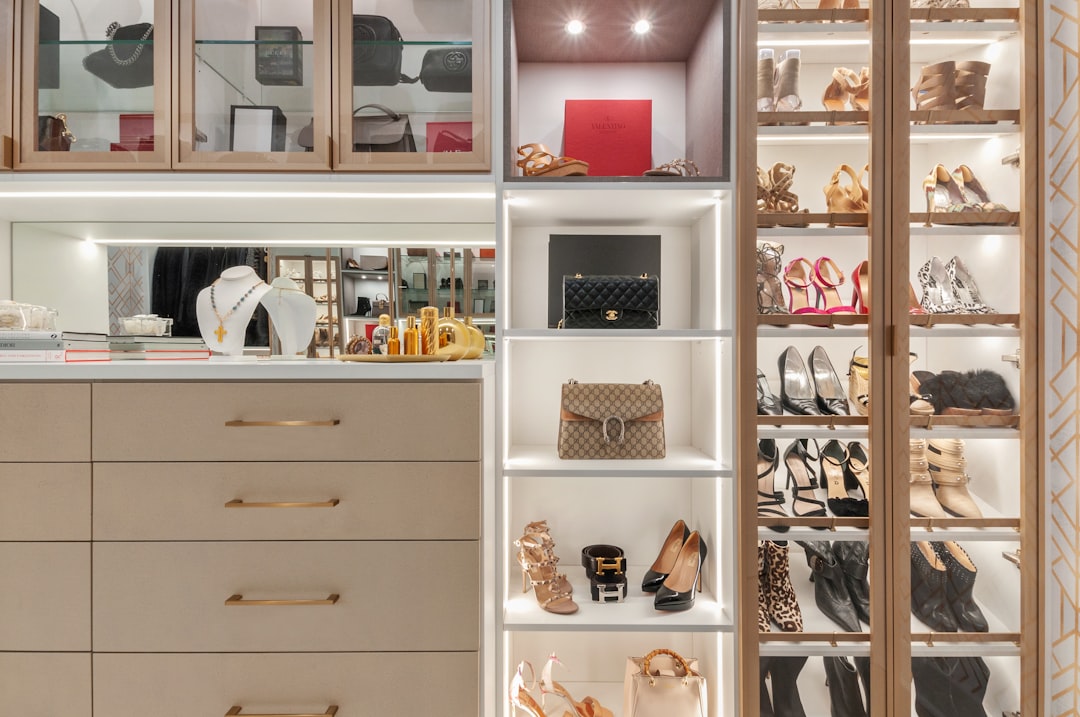
The single most impactful financial reallocation available to anyone serious about elevating their wardrobe is moving money away from statement pieces and toward the quality of foundational basics that form the structural core of every outfit. A white shirt, a navy crewneck, a well-cut pair of dark trousers, and a simple wool coat in a neutral color will be worn more frequently, photograph better, and maintain their appearance longer when made from quality materials than their inexpensive equivalents, which pill, distort, and lose their shape within months of regular wear. The counterintuitive reality of wardrobe economics is that spending significantly more on a plain white t-shirt than feels comfortable produces a better long-term cost-per-wear ratio than buying ten cheaper versions that each last a fraction of the time and never quite achieve the drape and fit that makes the expensive version worth wearing. Most people’s wardrobes contain an inverse relationship between quality and frequency of use, with the expensive statement pieces worn rarely and the cheap basics worn constantly in a deteriorating state that undermines the overall impression of every outfit they anchor. Redirecting the majority of a clothing budget toward the items worn most frequently, and accepting that quality basics require a higher initial investment than feels proportionate to their simplicity, is the financial reframe that produces the most visible and immediate improvement in overall wardrobe standard.
Tailoring Cheap Clothes
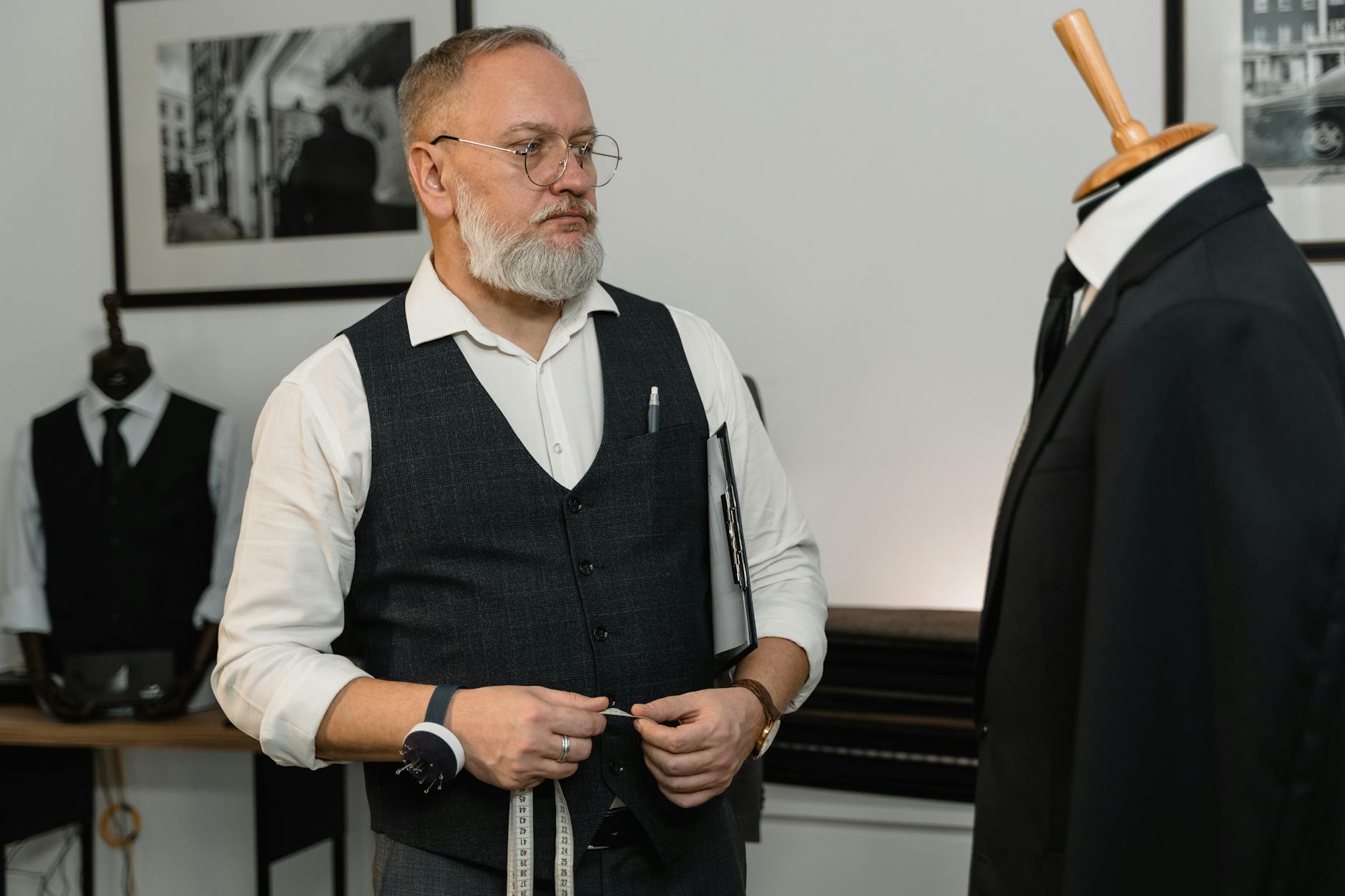
The single most cost-effective style intervention available to anyone at any budget level is spending money on tailoring clothes that already exist in the wardrobe rather than replacing them with new purchases that will have the same fit problems as their predecessors. A thirty-dollar alteration that takes in the waist of a jacket, shortens a trouser hem to the correct break, or takes up the shoulders of a shirt produces a fit improvement that a two-hundred-dollar replacement cannot guarantee without the same tailoring investment being made again. Most people discard clothes because they do not fit correctly rather than because the fabric, color, or style has genuinely exhausted its usefulness, creating a cycle of replacement purchasing that never addresses the underlying fit problem that makes everything look worse than it should. The transformative effect of correct fit on the appearance of any garment is something that fashion professionals cite unanimously as the primary variable separating well-dressed from average-dressed, a variable that is entirely addressable through tailoring regardless of the original price or quality of the garment. Building a relationship with a good local tailor and factoring alteration costs into the total price of any significant clothing purchase changes the wardrobe equation from one of constant replacement to one of progressive refinement.
Ignoring Trends

Developing immunity to trend cycles is one of the most stylistically elevating decisions a person can make, not because trends are inherently worthless but because building a wardrobe around them creates a perpetual state of inadequacy that serves the fashion industry’s financial interests rather than the wearer’s long-term style development. The person whose wardrobe is anchored in well-chosen pieces that reflect their genuine aesthetic preferences and lifestyle requirements looks consistently better than the person who has chased three consecutive trend cycles and now owns a collection of items that were briefly relevant and are now merely dated. Trends that align with an existing personal aesthetic are worth incorporating selectively, but the practice of wholesale wardrobe refresh in response to seasonal trend reporting is a cycle that depletes budgets, fills landfills, and produces a wardrobe that never develops the coherent personal identity that makes someone genuinely memorable for how they dress. The most consistently well-dressed people observed across decades of street style documentation are those whose aesthetic remains recognizable and consistent rather than those who have most accurately mirrored each season’s directional reporting. Identifying the trend pieces that genuinely suit your coloring, body, and lifestyle and ignoring the remainder is the selective trend engagement that produces style rather than fashion consumption.
Colour Analysis
Understanding which colors work with your specific skin tone, eye color, and natural hair color rather than buying colors because they are personally appealing on a hanger or culturally associated with sophistication is a self-knowledge investment that transforms the coherence and impact of everything worn. Color analysis as a formal practice has experienced a significant revival in contemporary style discourse, and the core principle that certain color temperatures, saturations, and undertones create harmony with a given complexion while others create conflict has a straightforward physiological basis that personal experience confirms the moment the right and wrong colors are held against the face in natural light. The difference between a color that makes the wearer’s skin appear luminous, their eyes appear vivid, and their overall presence appear vital and a color that makes them look washed out, tired, or unwell is not subtle and does not require professional training to observe once the contrast has been demonstrated. Most people’s wardrobes contain a significant proportion of colors purchased because they were attractive in isolation rather than because they work with the specific person wearing them, a common buying error that produces a closet full of clothes that never quite achieve the effect they seemed to promise in the shop. Establishing a personal color palette through experimentation, consultation, or formal analysis and purchasing primarily within that palette produces a wardrobe where almost everything works together and everything flatters.
Capsule Wardrobe Myth

The capsule wardrobe concept as typically presented, a strictly limited collection of neutral, interchangeable pieces that eliminate the decision burden of dressing, is a useful organizational principle that becomes a style-limiting ideology when applied with the rigidity that its most enthusiastic proponents advocate. A wardrobe of thirty pieces in grey, navy, white, and camel produces outfits that are coherent, appropriate, and entirely forgettable, a result that serves the goal of sartorial invisibility rather than personal style expression in a way that many people find satisfying until they observe how indistinguishable they have become from every other capsule wardrobe practitioner. The genuine value in capsule thinking lies in its emphasis on quality over quantity, intentional purchasing, and the elimination of clothes that are never worn, principles that are worth applying universally without the associated requirement to drain the wardrobe of color, pattern, personality, and the specific pieces that make a person’s style recognizable as their own. A well-edited wardrobe that contains sixty pieces including some unexpected colors, a few statement items, and enough variety to reflect the actual range of a person’s life and personality serves better than a thirty-piece neutral collection that requires supplementation for every occasion that falls outside its deliberately narrow scope. The wardrobe refresh that eliminates only what is genuinely not worn or genuinely not flattering, rather than everything that falls outside a prescribed neutrals palette, produces a more livable and more personally expressive result than strict capsule adherence.
Breaking Dress Codes
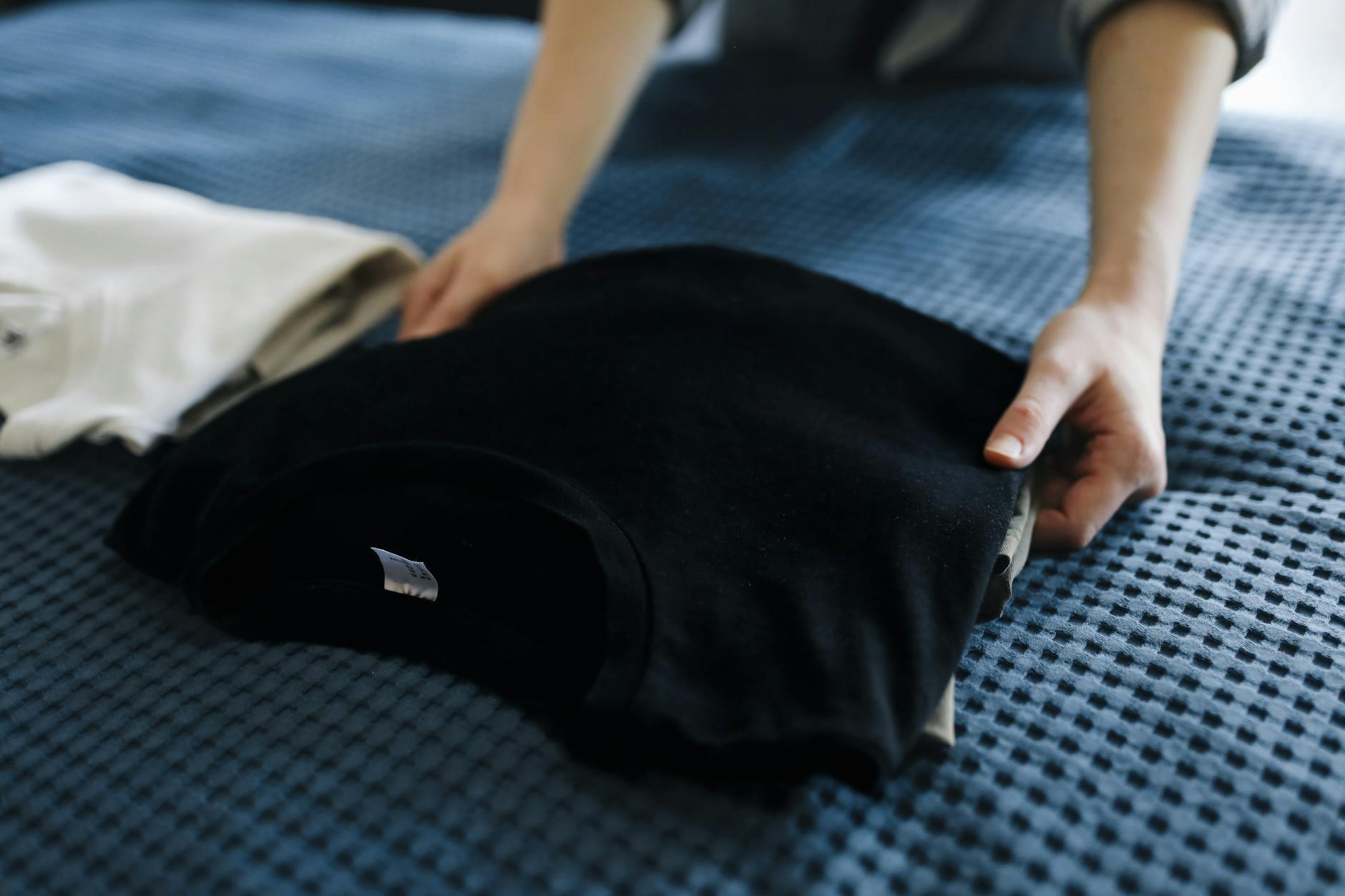
The strategic and knowledgeable violation of dress codes, in which a person deliberately pitches their outfit slightly above or below the stated formality of an occasion in a way that reads as confident personal style rather than confusion, is a technique that the best-dressed people in any room practice with a consistency that appears effortless but reflects a sophisticated understanding of how clothing communicates. Wearing a beautifully cut suit to a smart casual event, pairing a formal blouse with jeans for a daytime occasion, or introducing one unexpectedly relaxed element into a formal look creates the impression of a person who understands the rules well enough to edit them, which is the universal definition of personal style across every fashion culture that has ever codified it. The worst-dressed people at any event are typically those who have complied most literally with the stated dress code without any interpretive personal contribution, producing an outfit that reads as dutiful rather than considered. The risk of deliberate dress code deviation is real and requires genuine knowledge of both the code being violated and the social context in which the violation will be read, making this a technique that rewards sartorial confidence and punishes guesswork. Developing enough knowledge of dress codes, fabrics, and occasion dressing to know precisely how far a deviation can go before it becomes an error rather than a statement is the stylistic literacy that separates personal style from accidental non-compliance.
Wearing Less

The discipline of removing one item from a completed outfit before leaving the house is a styling principle so consistently recommended by professional stylists that its frequency of repetition has made it feel like a cliché, which has not diminished its effectiveness as a practical tool for preventing the over-accessorized, over-layered, and over-considered appearance that undermines otherwise strong outfits. The impulse to add rather than subtract when dressing is almost universal, driven by a combination of uncertainty about whether the outfit is complete, a desire to demonstrate effort, and the specific anxiety that simplicity will read as insufficiency rather than confidence. An outfit that has been edited down to its most essential components reads as intentional in a way that an outfit wearing all its decisions simultaneously does not, with each additional element competing for visual attention in a way that dilutes the impact of the whole rather than adding to it. The items most frequently identified as candidates for removal before leaving the house are the ones added last, during the final uncertainty phase of the dressing process, when the outfit that was working well has been supplemented with something that addresses insecurity rather than a genuine stylistic requirement. Practicing the discipline of the final edit, looking at a completed outfit and identifying the one element that the look would be stronger without, produces a consistent improvement in the visual clarity of any personal style.
Secondhand First

Establishing secondhand and vintage purchasing as the primary rather than supplementary shopping channel for clothing represents a style philosophy that simultaneously improves wardrobe individuality, reduces the environmental impact of personal consumption, and frequently produces better quality at lower prices than contemporary retail in comparable categories. The case for secondhand-first purchasing as a style elevation strategy rests not on its ethical credentials but on the straightforward observation that vintage and secondhand markets contain a higher proportion of quality construction, interesting fabric, and distinctive design than contemporary fast and mid-market retail, particularly for classic categories including outerwear, tailoring, knitwear, and leather goods. A secondhand cashmere coat, a vintage silk blouse, or a pre-owned designer jacket purchased at a fraction of its original retail price is both a better quality garment and a more individually distinctive one than a new equivalent purchased from a high-street retailer producing current seasonal stock in volume. The style individuality produced by a wardrobe assembled primarily from secondhand sources is inherently greater than that produced by retail purchasing, as the pieces are not available to every other shopper in the same city at the same moment in time. Developing the patience, knowledge, and curation skills required to shop secondhand effectively is a style investment that pays returns in wardrobe quality, individuality, and financial efficiency simultaneously.
Proportion Play
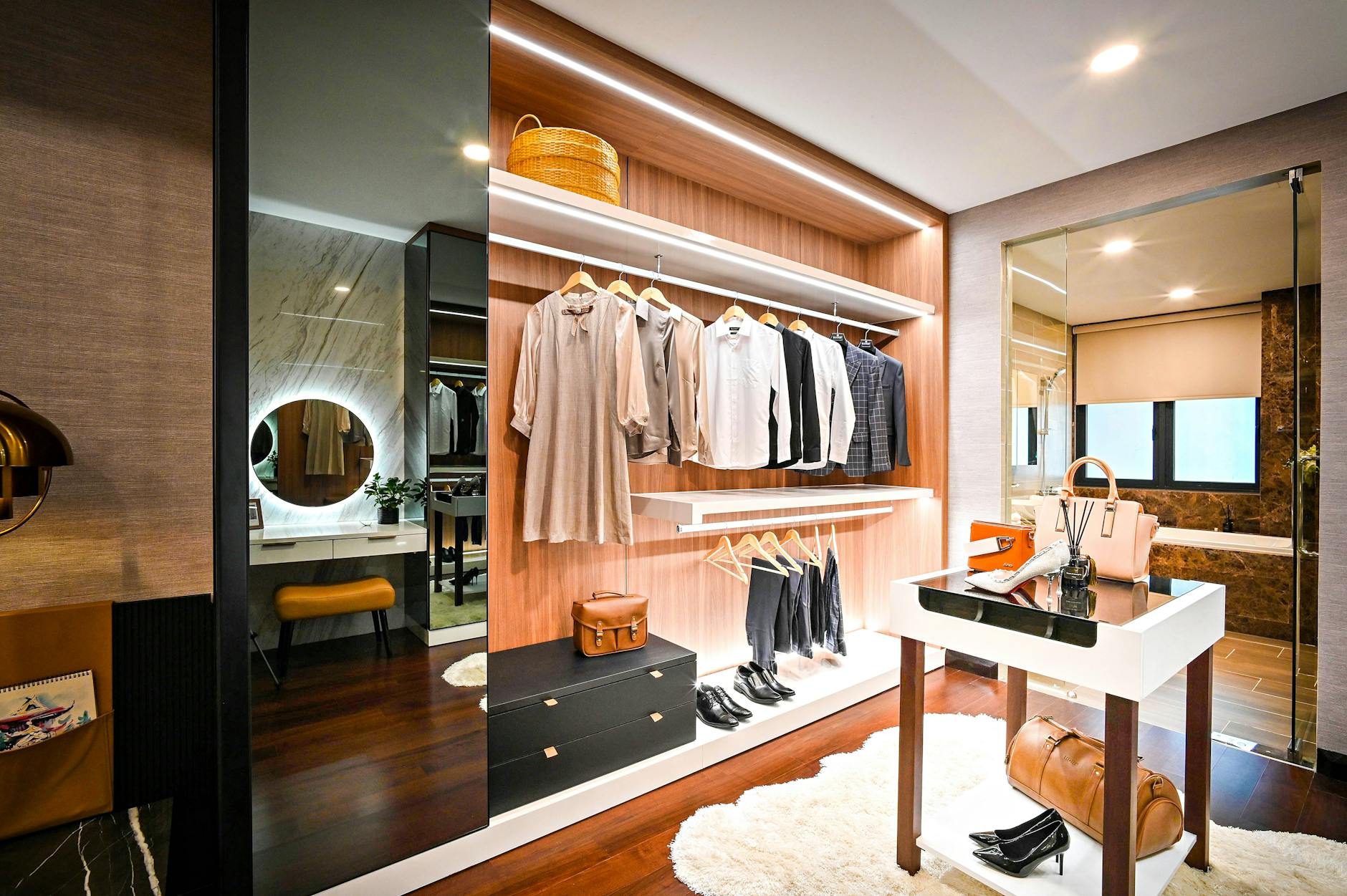
Deliberately experimenting with clothing proportions in ways that contradict the received wisdom about dressing for body type is a style practice that consistently produces more interesting and more genuinely personal results than the cautious dressing that body type advice typically prescribes. The conventional advice to balance proportions by pairing wide with narrow, voluminous with fitted, and long with short produces outfits that are visually balanced to the point of visual neutrality, eliminating the proportion interest that makes contemporary dressing genuinely exciting in favor of a corrective approach that treats the body as a problem to be managed rather than a shape to be dressed with intention. The most influential silhouettes in contemporary fashion consistently violate proportion balance rules, pairing oversized tops with wide-leg trousers, cropped jackets with floor-length skirts, or voluminous coats with equally voluminous trousers in combinations that conventional body type advice would prohibit but that produce a visual impact that balanced dressing cannot achieve. Experimenting with proportion play requires a willingness to try combinations that feel wrong before they reveal whether they work, a process that produces occasional failures alongside the genuinely successful discoveries that conventional advice would have prevented. The body type rule that most consistently limits personal style development is the one that has been most uncritically accepted, making the deliberate experiment of violating it a productive and frequently revelatory style exercise.
Signature Item
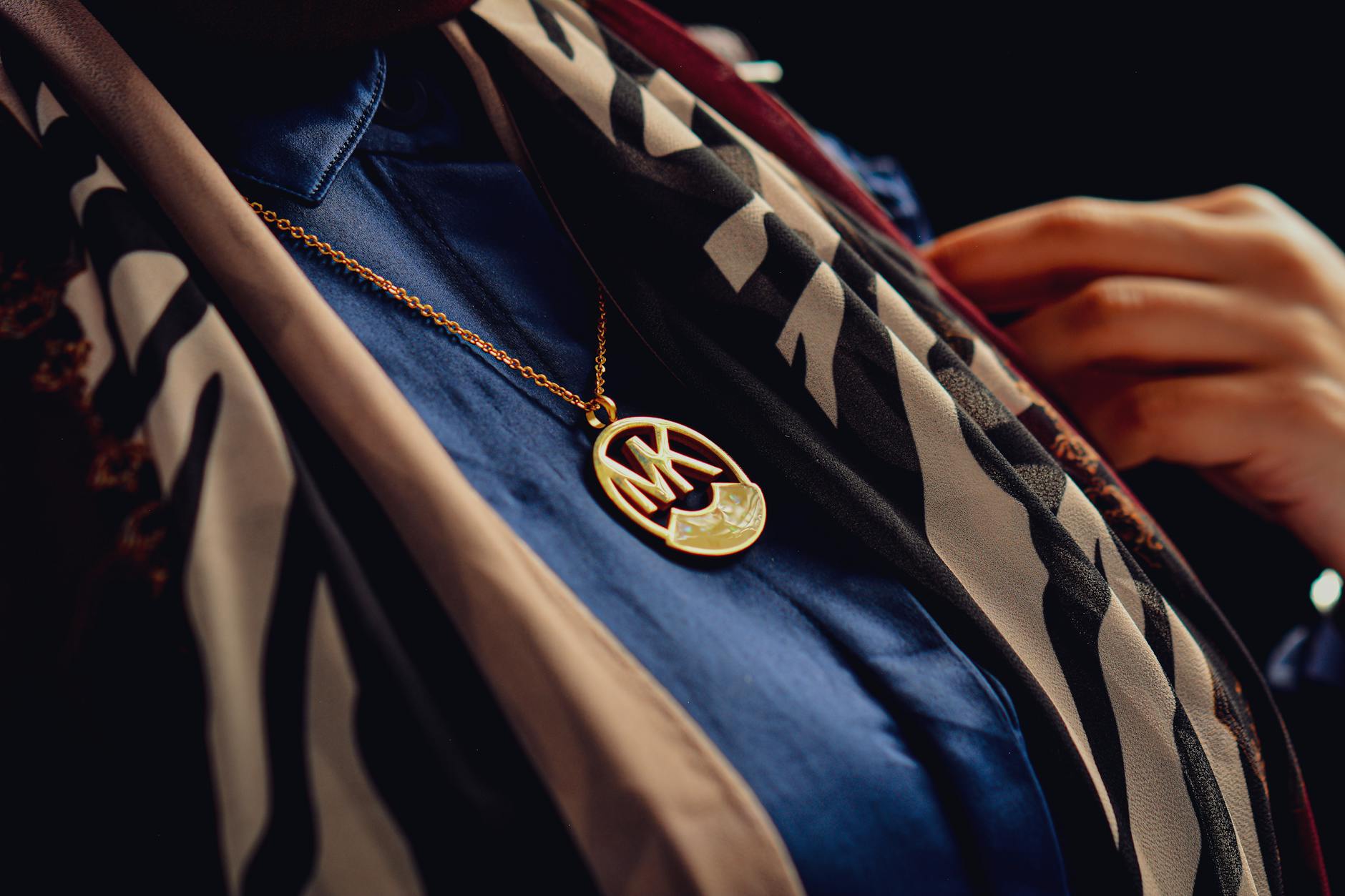
Developing a signature item or element that appears consistently across different outfits and occasions creates the impression of a considered personal aesthetic that sporadic or purely occasion-driven dressing rarely achieves, even when the individual outfits are well executed. A signature item might be a specific category of accessory worn daily, a consistent color used as an accent across varied outfits, a particular silhouette returned to repeatedly, or a specific fabric or texture that appears in different forms throughout the wardrobe, any element that creates recognizable continuity across the variety of an individual’s dressing. The people who are consistently described as having strong personal style are almost universally those whose aesthetic has a recognizable throughline visible across different contexts and occasions, a consistency that reads as intention rather than accident to anyone who observes their dressing over time. Identifying a signature requires honest reflection about which elements of existing dressing recur naturally rather than by prescription, as the signature that works is always the one that reflects a genuine and pre-existing preference rather than a consciously adopted affectation. The wardrobe refresh that includes identifying and consciously developing a signature element produces an organizing principle for future purchasing that makes subsequent buying decisions more coherent and the resulting wardrobe more visually unified.
Eliminating Safety Pieces
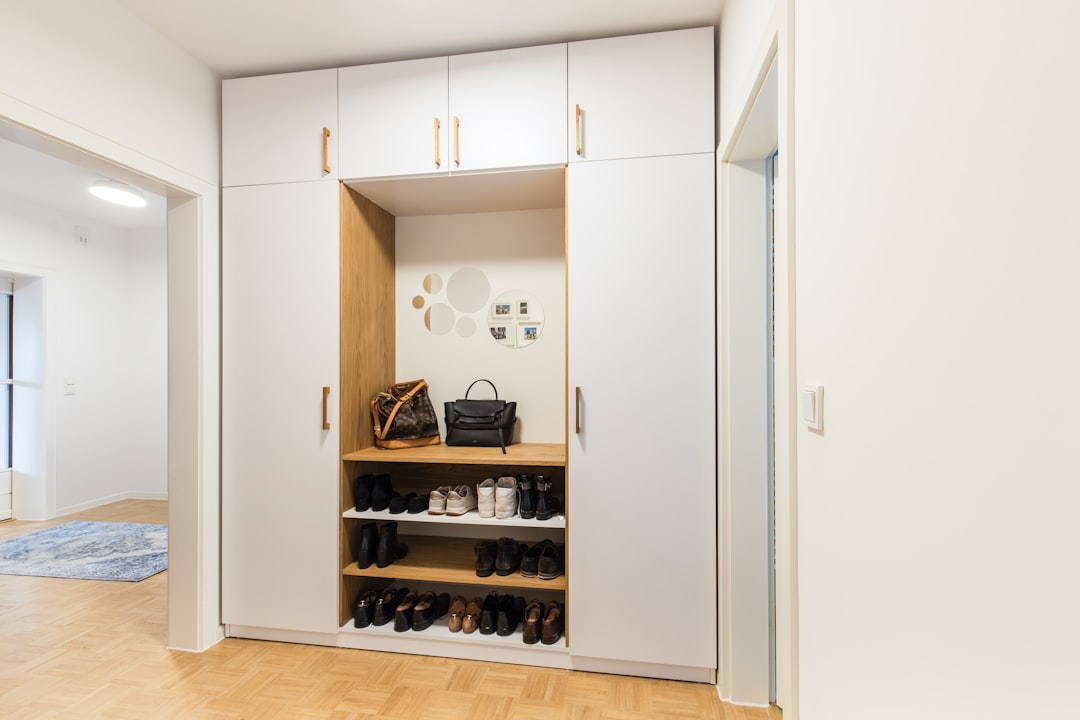
Identifying and removing the clothes that are worn exclusively because they feel safe rather than because they are genuinely flattering, personally expressive, or practically necessary is one of the most confronting and most effective wardrobe editing exercises available to anyone seeking to elevate their personal style. Safety pieces are identifiable by the specific emotional function they perform, providing the comfort of blending in, of not being noticed, of not making a statement that might generate any form of commentary, functions that are understandable but that consistently produce a dressing outcome below the wearer’s actual stylistic potential. A wardrobe audit that asks of each item not whether it is wearable but whether it is genuinely the best available choice for any occasion the wearer actually faces will identify the safety pieces with precision, as they are almost never the best available choice but are consistently the most automatically reached-for option when confidence is low. The removal of safety pieces creates a short-term wardrobe anxiety that most people experience as the wardrobe feeling suddenly thin or restricted, a sensation that passes as the remaining pieces, which are genuinely good rather than merely comfortable, begin to be worn with a frequency that reveals their actual quality. Replacing safety pieces with items chosen for quality, fit, and genuine personal resonance rather than for the emotional comfort of invisibility is the wardrobe transition that produces the most visible difference in how confidently and consistently well a person dresses.
Investing in Shoes
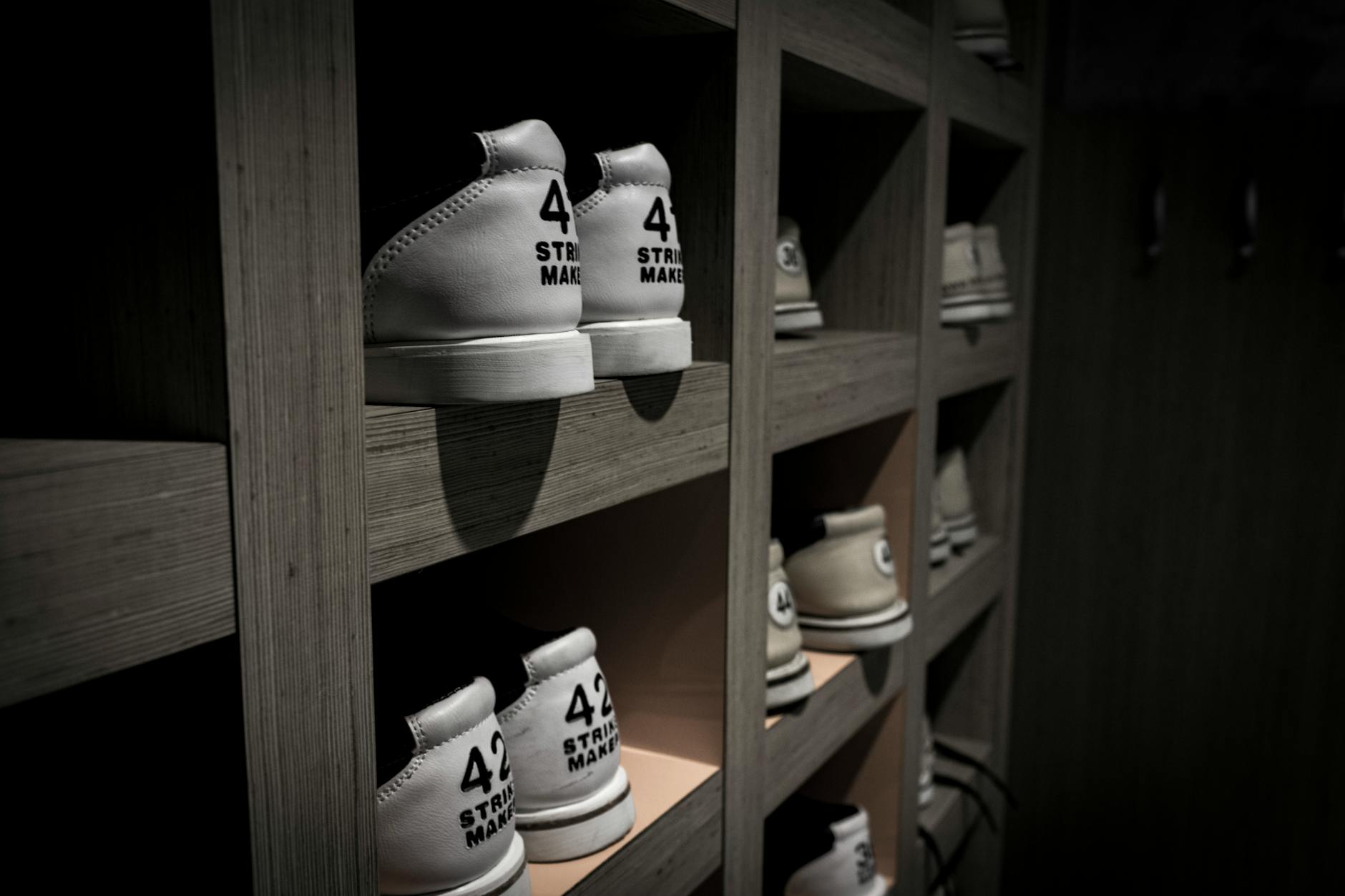
Allocating a disproportionate share of the clothing budget to footwear relative to its volume in the overall wardrobe reflects the straightforward observation that shoes are among the most visible, most evaluated, and most quality-differentiating elements of any complete outfit, with the impact of a beautiful shoe on the overall impression of an outfit exceeding what its proportional size relative to the total look would suggest. The quality difference between excellent and poor footwear is immediately legible to any observer who has developed any interest in dressing, communicated through the leather quality, construction method, sole specification, and shape maintenance of the shoe in ways that cannot be concealed by any amount of polishing or care applied to a shoe of inferior original quality. A single pair of genuinely excellent shoes worn repeatedly creates a better overall impression than five pairs of inexpensive shoes rotated through a wardrobe in various states of rapid deterioration, a quality-versus-quantity calculation that applies with particular force to footwear because the wear and aging of shoes happens in the most visible possible location. The categories of footwear that benefit most from significant investment are those worn most frequently and across the widest range of outfit types, typically including a clean white sneaker, a leather boot, a loafer or flat shoe, and a simple heel if the wearer’s lifestyle includes occasions requiring one. Building a small collection of genuinely excellent shoes and maintaining them with appropriate care produces a wardrobe foundation that elevates every outfit assembled above it regardless of the price level of the clothing itself.
Pattern Mixing
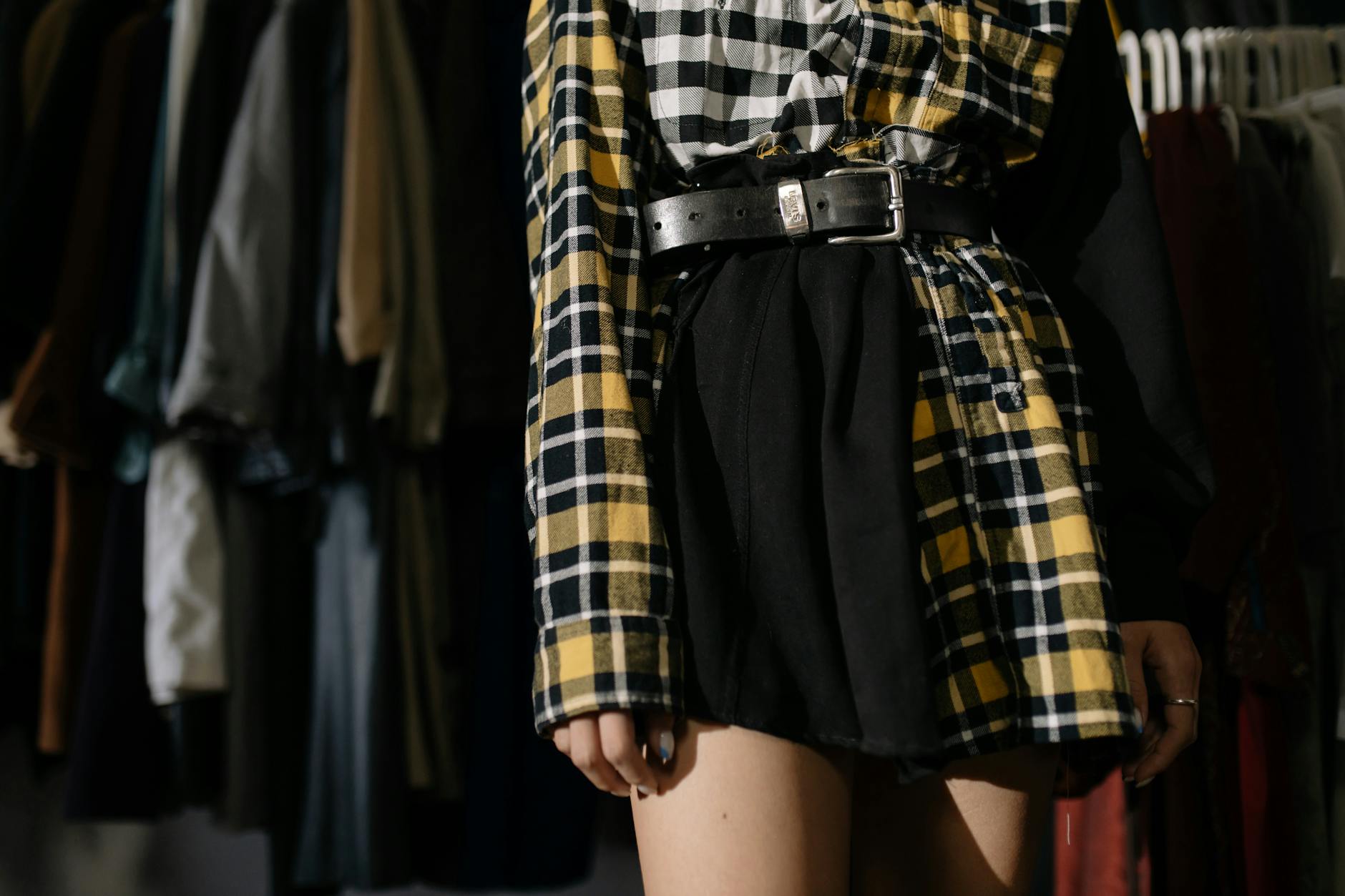
Deliberately combining patterns within a single outfit in ways that conventional style advice prohibits is a technique that, when executed with attention to scale variation and color family coherence, produces an outfit with far more visual interest and personality than the safe approach of limiting each look to a single pattern or none at all. The conventional prohibition against mixing patterns stems from a legitimate concern about visual conflict between competing motifs, a conflict that is genuinely unattractive when patterns of similar scale and unrelated color families are combined but that disappears when the patterns share a color connection and differ sufficiently in scale to read as complementary rather than competing. A large floral combined with a small geometric, a wide stripe paired with a fine check, or a bold animal print alongside a delicate abstract all work when the colors in each pattern overlap enough to create visual coherence across the combination. Pattern mixing that works feels bold but not chaotic, creating the impression of confident aesthetic decision-making rather than accidental combination, and the distinction between these two outcomes rests entirely on whether the patterns share enough color and differ enough in scale to work as a deliberate composition. Practicing pattern mixing in low-stakes contexts, with pieces that can be returned to their single-pattern use if the combination does not succeed, builds the visual literacy that eventually makes the technique reliable rather than experimental.
Fabric Priority
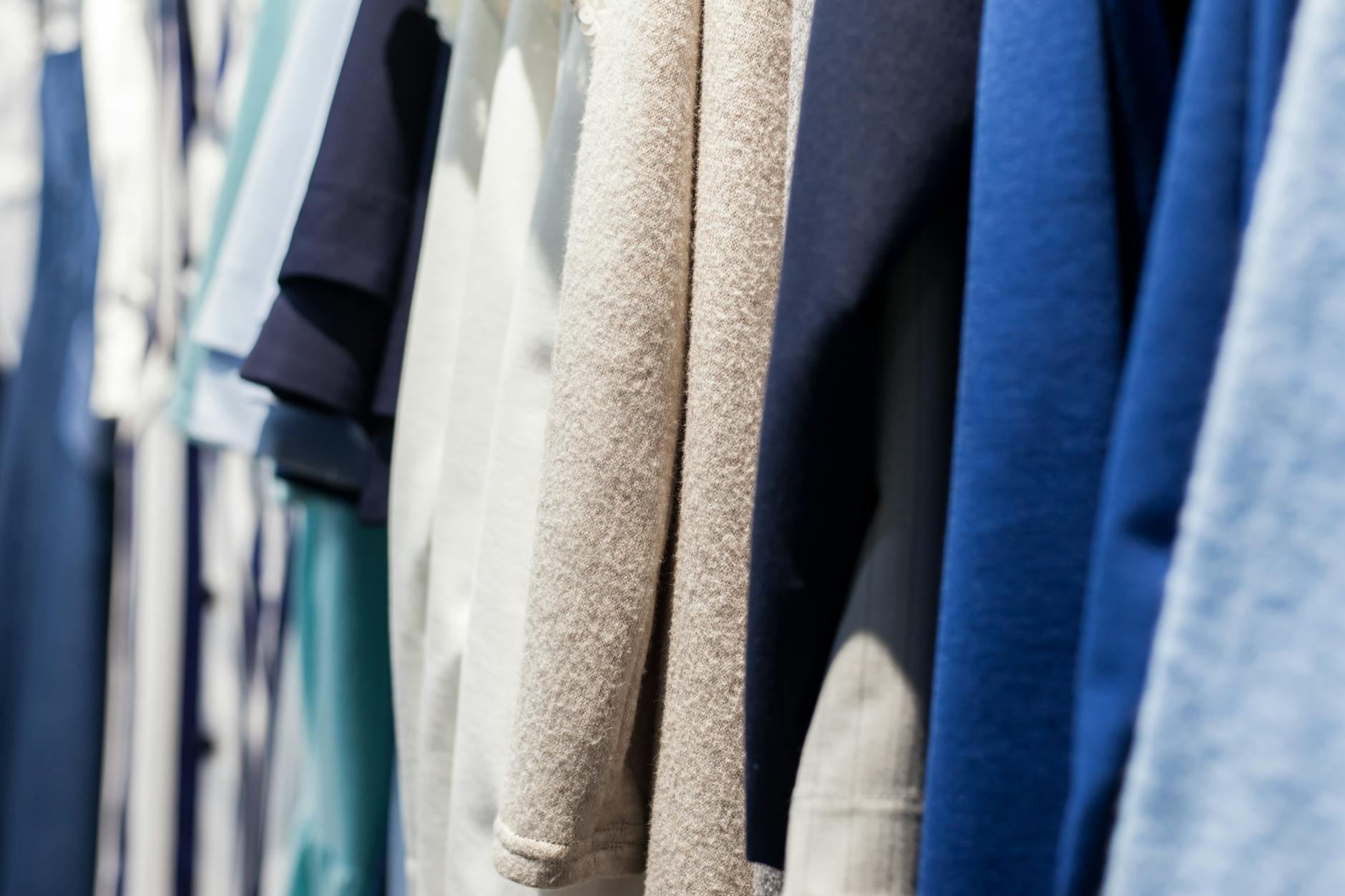
Developing the habit of evaluating fabric quality as the primary criterion in any clothing purchase, above color, trend relevance, price, and even fit, produces a wardrobe that improves in overall quality with each acquisition because fabric is the one element of a garment that cannot be improved after purchase through tailoring, styling, or care. A garment in a beautiful natural fiber that fits imperfectly can be tailored to fit correctly, but a garment in a poor synthetic fabric that fits well will pill, cling, distort, and age in ways that no amount of alterations, styling, or care can prevent, because the deterioration is inherent to the material rather than correctable through any external intervention. The ability to assess fabric quality by touch, drape, and label examination is a practical skill that develops quickly with deliberate practice and that produces an immediate improvement in purchasing decisions by making the difference between quality and poor material immediately detectable rather than discovered after the garment has been worn and washed several times. Natural fibers including wool, cotton, linen, silk, and cashmere age better, feel better against the skin, drape more elegantly, and maintain their appearance through repeated wear and washing at a rate that synthetic equivalents consistently fail to match. The wardrobe that prioritizes fabric quality over volume of acquisition contains fewer items that are better in every measurable way, a trade that most people find entirely favorable once they have experienced the difference that material quality makes to daily dressing.
No Shopping Rules
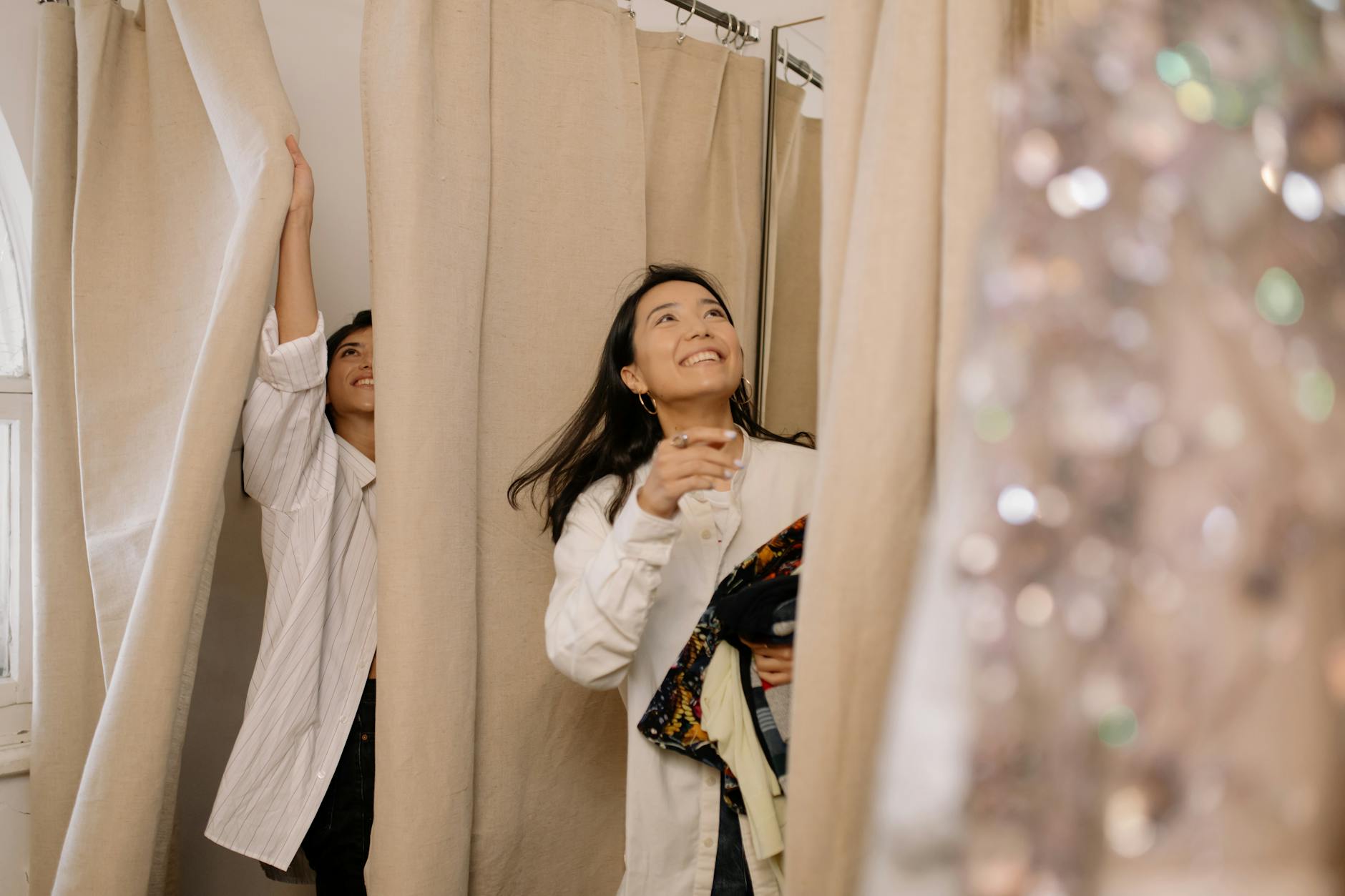
Imposing a complete moratorium on clothing purchases for a defined period, typically between three and six months, is a wardrobe refresh strategy that works not by adding to the wardrobe but by forcing a comprehensive re-engagement with what the wardrobe already contains, revealing forgotten pieces, generating new combinations, and clarifying which genuine gaps exist rather than which imaginary needs marketing has created. The experience of being unable to purchase anything new reframes the existing wardrobe as a finite resource that must be worked with creatively rather than supplemented whenever a combination feels insufficient, and this reframing consistently produces the discovery that the wardrobe contains more than was being actively used, with pieces being avoided for reasons of habit rather than genuine unsuitability. A no-shopping period also provides the time distance from habitual purchasing behavior needed to evaluate which items are genuinely missed when unavailable for purchase, information that clarifies where real wardrobe gaps exist as opposed to where impulse or trend pressure has been creating the impression of need. The items identified as genuinely missed during a no-shopping period are the specific purchases that the subsequent shopping budget should be directed toward, making the period of abstinence a research exercise that produces more intelligent and satisfying buying decisions when it ends. Most people who complete a no-shopping period report that they dress better during it than before, a finding that is both encouraging about the existing wardrobe’s potential and challenging about the purchasing behavior that had been obscuring that potential.
Dressing for Now
The wardrobe filled with clothes purchased for a future self who is thinner, more confident, more formally employed, or living a differently structured life than the current reality represents one of the most common and most style-limiting forms of aspirational purchasing that affects people across every income level and lifestyle category. Clothes that do not fit the current body, suit the current lifestyle, or reflect the actual occasions and environments of present daily life are not investments in a future version of the self but emotional placeholders that occupy wardrobe space, generate daily guilt, and prevent the existing self from dressing in a way that reflects who they actually are rather than who they intend to become. The wardrobe audit that removes everything purchased for a future self rather than the present one is frequently the most emotionally challenging editing exercise available, requiring the release of aspiration items that carry significant emotional investment alongside their physical presence in the wardrobe. What remains after this edit is a wardrobe that serves the actual person rather than the projected person, and dressing from it produces the consistent and immediate improvement in daily presentation that comes from wearing clothes chosen for current reality rather than future possibility. Purchasing for the present body, lifestyle, and occasion range, and trusting that a changed future self will have different resources to dress from, is the honest wardrobe philosophy that produces the best daily dressing outcomes.
Accessory Reduction

Reducing the total number of accessories owned to a small collection of genuinely excellent pieces used frequently rather than maintaining a large collection of varied accessories used occasionally is a wardrobe simplification that improves the quality of the overall dressing impression while reducing the daily decision burden that an extensive accessory collection creates. The accessory drawer or box that contains dozens of options produces a selection paralysis that typically resolves in the same predictable choices every day, with the majority of the collection remaining unworn while a small rotation of favorites does the entire work of the collection. A single excellent leather belt, two or three genuinely beautiful necklaces at different lengths, one exceptional bag used across multiple occasions, and a small selection of earrings that work with the existing wardrobe outperform a large and varied collection in both daily usability and the quality impression they create when worn. Accessories are the wardrobe category most susceptible to accumulation through impulse purchasing, gift receipt, and trend-driven acquisition, making them the category where ruthless editing produces the most immediate improvement in the quality-to-quantity ratio of what remains. The accessory edit that removes everything worn fewer than ten times in the past year, everything that no longer works with the current wardrobe, and everything kept for vague future possibility rather than genuine current use typically reveals that the remaining small collection serves the entire wardrobe more effectively than the full collection ever did.
Mirror Honesty
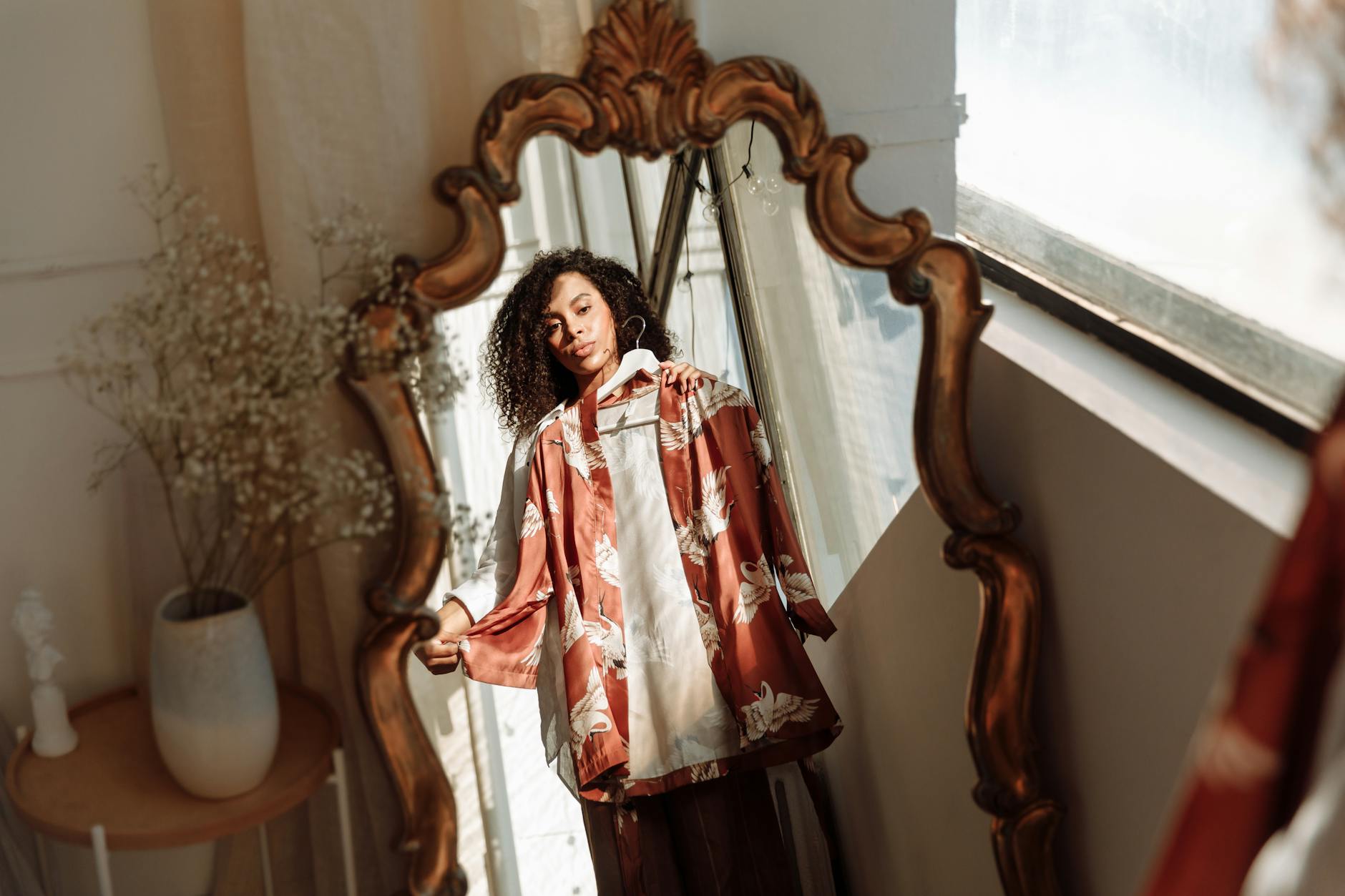
Developing the practice of assessing how clothing actually looks from a critical distance in good lighting rather than accepting the optimistic impression created by a small changing room mirror in flattering artificial light is a self-knowledge discipline that produces better purchasing decisions, more effective wardrobe editing, and a more accurate understanding of which clothes genuinely serve the wearer’s appearance. The gap between how clothes look in the environment where they are purchased and how they look in the daylight and neutral lighting of daily life is responsible for a significant proportion of the wardrobe items that are worn once and then avoided, as the flattering conditions of the point of purchase obscure fit problems, color conflicts, and proportion issues that become visible in less forgiving lighting. Photographing outfits in natural daylight rather than assessing them in bathroom or bedroom lighting provides a more accurate impression of how they read to other people, as the camera captures the total look with the same neutral objectivity as an outside observer rather than the emotionally invested perspective of the wearer examining their own reflection. The willingness to engage honestly with this more accurate self-assessment is the foundation on which genuinely improved personal style is built, as all style advice is rendered ineffective by the inability or unwillingness to see clearly what is actually working and what is not. Regular outfit photography in consistent lighting conditions, reviewed with the same critical distance applied to any other aesthetic assessment, is the feedback mechanism that accelerates personal style development faster than any amount of advice or inspiration consumption.
Wearing Color Boldly

The decision to incorporate genuinely bold color into a wardrobe that has defaulted to neutrals is one of the highest-impact style changes available to anyone whose existing wardrobe has become a reliable but uninspiring rotation of black, grey, navy, and camel. The resistance to bold color is typically rooted in a fear of being noticed, a concern about what specific colors communicate, or an inherited belief that neutrals are inherently more sophisticated than saturated hues, none of which withstands scrutiny when applied to the actual experience of seeing a person confidently wearing a color that works brilliantly with their complexion and personal aesthetic. Bold color that is correctly matched to the wearer’s palette is not a style risk but a style asset, creating the kind of memorable visual impression that an equivalent outfit in neutral tones cannot produce regardless of the quality of its construction or the precision of its fit. The practical approach to introducing bold color into a neutral-dominated wardrobe is to begin with accessories or a single statement piece in a color identified through honest color analysis as genuinely flattering, allowing confidence to build through positive reception before committing to more significant bold color investment. The wardrobe that contains at least one piece of genuinely bold, genuinely flattering color in every season creates a dressing range and a personal style visibility that the all-neutral wardrobe, however beautifully curated, cannot achieve.
Fit Over Brand
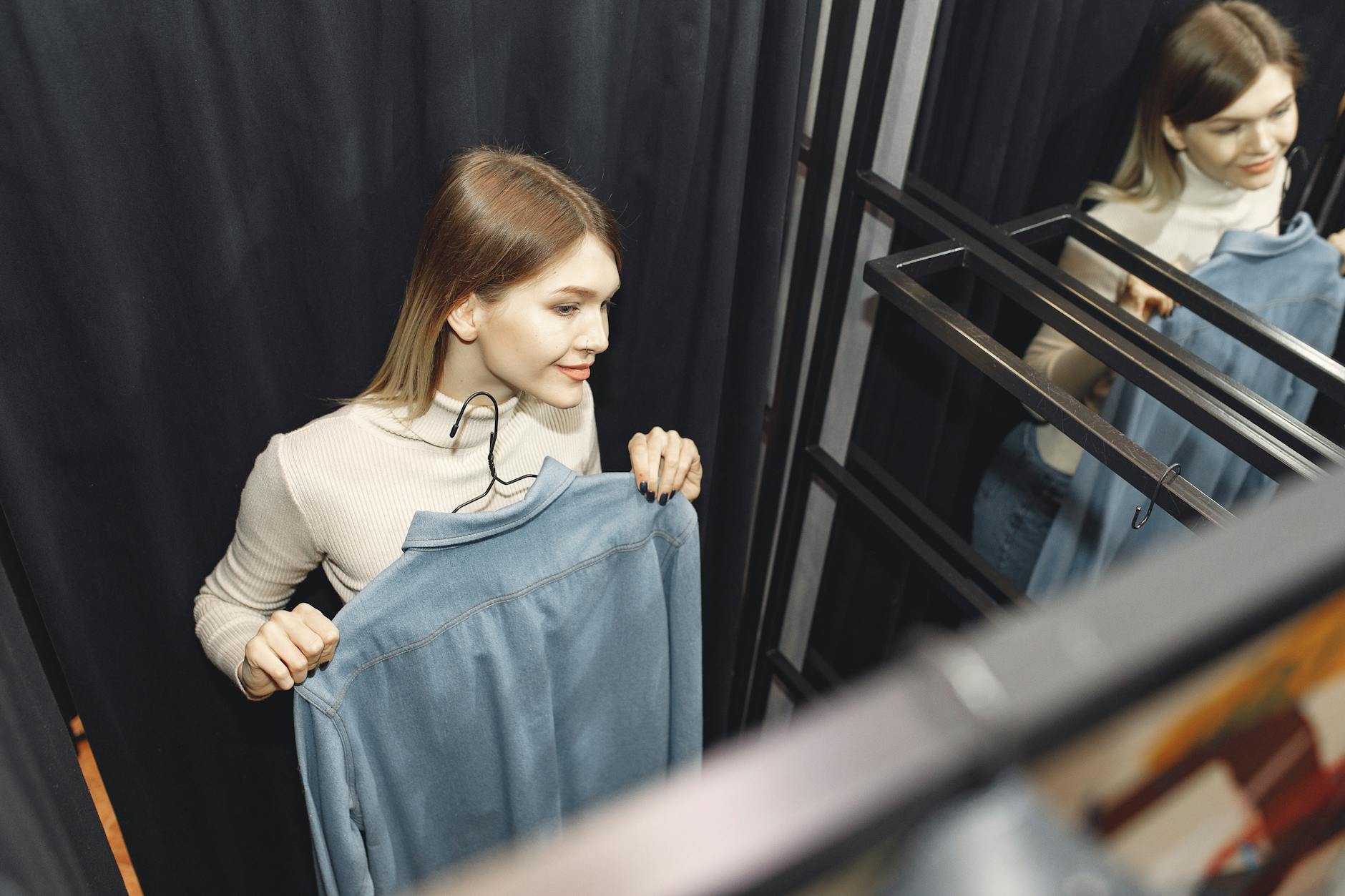
Prioritizing fit above brand name, trend relevance, and price point when making every clothing purchase is the single most universally applicable style principle available and the one most consistently violated in actual purchasing behavior. A well-fitting garment from an unrecognized brand in an affordable price range creates a better overall impression than a poorly fitting garment from a prestigious brand at a premium price, because fit is the primary variable that determines whether clothing enhances or undermines the appearance of the person wearing it, and no brand recognition or price signal compensates for clothing that does not fit correctly. The specific fit elements that matter most vary by garment category but consistently include shoulder placement in any top or jacket, chest or bust ease across structured garments, trouser rise in relation to the wearer’s torso length, and hemline positioning in skirts and dresses, with each of these elements having a specific correct relationship to the wearer’s body that creates or destroys the visual success of the piece regardless of every other quality it possesses. The cultural emphasis on brand as a proxy for quality has created a purchasing environment in which people regularly pay for the label rather than the garment, acquiring pieces that fit poorly but signal correctly rather than pieces that fit beautifully and signal nothing beyond the confidence of a person wearing clothes chosen for their relationship to the body rather than their relationship to a logo. Developing the discipline to reject any garment, regardless of brand, trend relevance, or price, that does not fit correctly at the point of purchase and cannot be tailored to fit correctly without prohibitive cost is the purchasing standard that produces a wardrobe where everything worn does its fundamental job of making the wearer look their best.
Timeless Investment Pieces
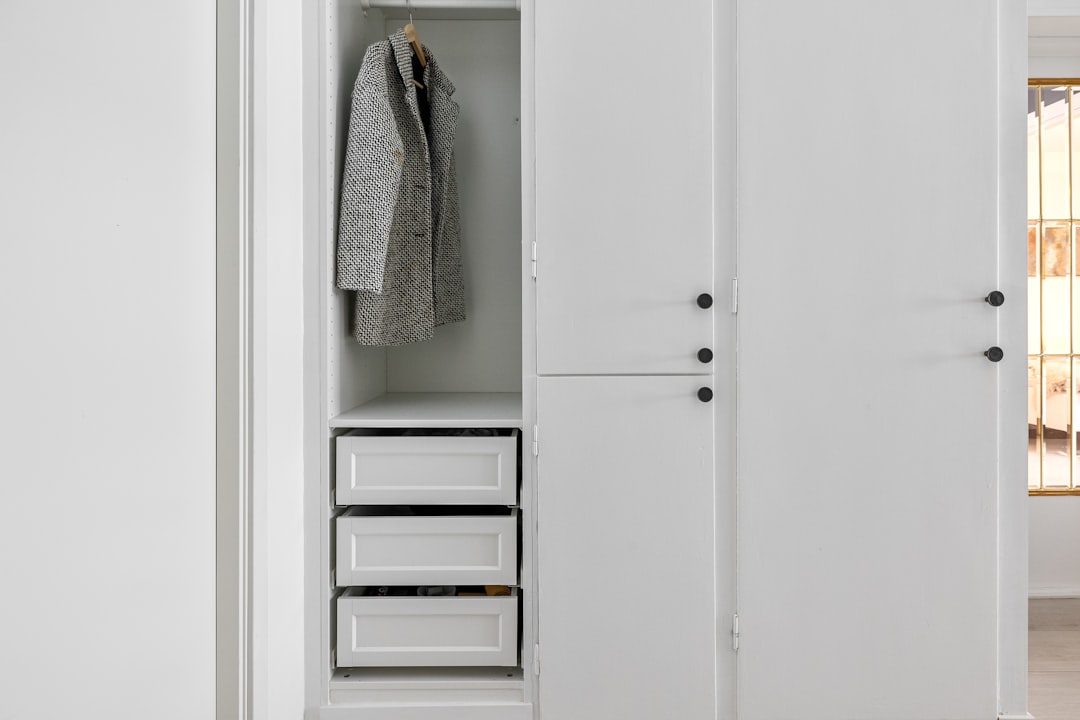
Identifying the specific categories of clothing where long-term quality investment produces returns across many years of use and directing a disproportionate share of the clothing budget toward those categories is a wardrobe strategy that improves overall quality while reducing the frequency of replacement purchasing in the areas where it matters most. The categories that consistently reward significant investment include outerwear, tailored jackets and blazers, leather goods, quality knitwear, and foundational footwear, all areas where the difference between excellent and adequate quality is immediately legible, where quality pieces age beautifully rather than deteriorating, and where the cost-per-wear calculation over a ten-year ownership period makes the high initial price genuinely economical relative to repeated replacement of lower-quality alternatives. A beautiful wool overcoat purchased at a significant price and worn across fifteen winters represents a better financial and aesthetic outcome than three successive mid-quality coats purchased at one-third the price and replaced every five years because their construction, fabric, and shape have not held up to regular use. The investment piece philosophy requires resisting the appeal of trend-driven purchasing in favor of the slower and more considered acquisition of pieces whose quality and design will still be serving the wardrobe well a decade from the date of purchase. Building a wardrobe around a small number of genuinely excellent investment pieces and filling the remainder of the wardrobe with well-chosen, quality-appropriate basics produces a result that improves with age rather than deteriorating toward it.
Dressing With Intention
Approaching the daily act of dressing as a deliberate practice rather than a default routine performed on autopilot while mentally already in the day ahead produces a cumulative improvement in personal style that no amount of wardrobe purchasing can replicate. The difference between dressing intentionally and dressing habitually is not the amount of time spent but the quality of attention applied, with an intentional approach asking whether the chosen outfit suits the day’s specific occasions, reflects a genuine aesthetic choice, and represents the best use of the available wardrobe rather than simply the most automatic available option. Most people’s wardrobe consists of a small rotation of habitually chosen pieces and a larger collection of rarely worn items that would serve better than the habitual rotation if the daily dressing process involved enough attention to consider them. The intentional dresser treats each morning as an opportunity to practice and develop personal style rather than as a logistical problem to be solved as quickly as possible with the path of least resistance. Building even ten minutes of genuine attention into the daily dressing process, including advance planning for days with specific occasions, produces a consistent improvement in dressing outcomes that the wardrobe’s existing contents make possible but that habitual dressing prevents.
If these rules have challenged your thinking about your own wardrobe, share the style rule you find most controversial in the comments.




