
The human brain is wired with predictable patterns that can be strategically used to boost output without relying on willpower or discipline alone. Researchers in behavioral psychology have identified specific cognitive mechanisms that, when triggered correctly, push the mind toward completion almost automatically. These techniques work beneath conscious awareness, making them surprisingly effortless to apply once understood. The following tricks tap into how the brain naturally processes goals, rewards, and momentum to get more done in less time.
Zeigarnik Effect

The brain has a built-in tendency to fixate on unfinished tasks, creating a low-level mental tension that drives people back to incomplete work. This phenomenon was first documented by Soviet psychologist Bluma Zeigarnik after she observed that waiters remembered unpaid orders far better than settled ones. Starting a task for just two minutes activates this effect and makes the brain treat it as open and urgent. That persistent mental nudge reduces procrastination significantly and pulls attention back naturally without any forced motivation.
Temptation Bundling

This method involves pairing a task that feels tedious with an activity that feels genuinely enjoyable and rewarding. Behavioral economist Katherine Milkman found that people who only allowed themselves to enjoy a favorite podcast or playlist while working completed significantly more hours of effort. The brain begins to associate the previously dreaded task with positive anticipation rather than resistance. Over time the habit loop strengthens and the unpleasant task becomes a trigger for pleasure rather than avoidance.
Implementation Intentions

Rather than setting vague goals the brain responds far more powerfully to plans structured around a specific time and a specific place. Psychologist Peter Gollwitzer found that people who mapped out exactly when and where they would act on a goal were dramatically more likely to follow through. This works because the brain pre-loads the decision so it does not need to rely on motivation in the moment. The situational cue essentially fires the behavior automatically the same way a smell can trigger a vivid memory.
Two Minute Rule

Productivity researcher David Allen identified that any task taking less than two minutes should be completed immediately rather than deferred to a list. This rule works because the mental cost of tracking a small undone task is consistently higher than the cost of just finishing it on the spot. Clearing these micro-tasks prevents them from accumulating into a psychological backlog that drains cognitive energy. A lighter mental load makes it significantly easier to focus on larger and more demanding work throughout the day.
Body Doubling

Working in the presence of another person even one who is doing entirely different work measurably increases focus and task completion rates. Psychologists believe this effect is linked to social accountability and the primal human tendency to perform better when observed by others. Virtual body doubling sessions conducted over video call have been shown to replicate the same benefits for remote workers. ADHD researchers have noted this technique as one of the most effective low-effort interventions for sustaining attention over long periods.
Progress Principle

Harvard researcher Teresa Amabile found that the single greatest motivator in daily work life is the feeling of making progress on meaningful tasks. Even small wins activate dopamine pathways in the brain that reinforce continued effort and forward momentum. Breaking large projects into micro-milestones gives the brain frequent opportunities to register success rather than waiting for a distant endpoint. Tracking progress visually with a checklist or progress bar amplifies this effect by making invisible momentum feel tangible and real.
Noise Masking
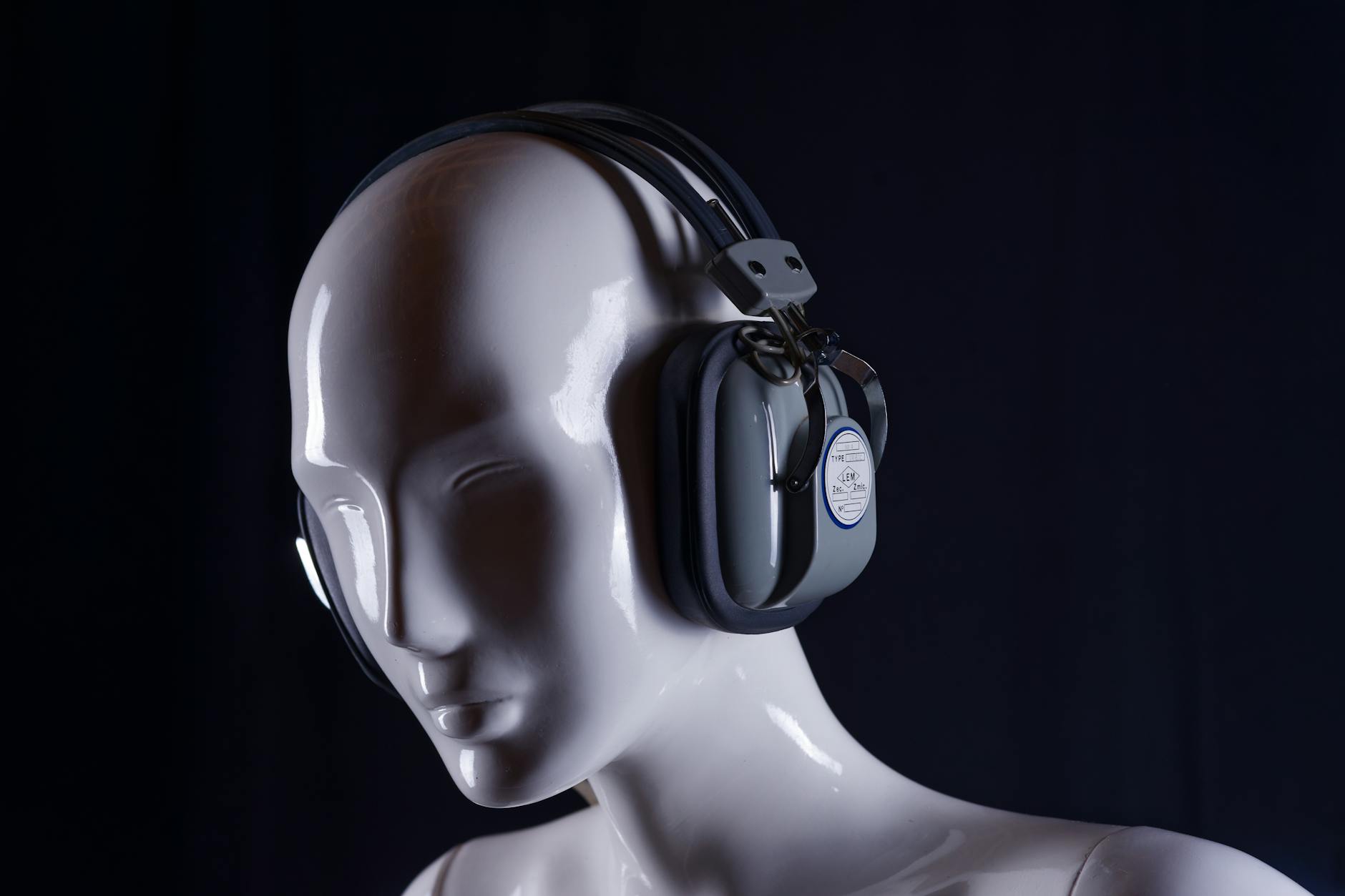
Moderate levels of ambient sound have been shown to enhance creative output and improve cognitive task performance compared to complete silence. A study published in the Journal of Consumer Research found that around 70 decibels of background noise represents the optimal range for boosting abstract thinking. Coffee shop environments have long been associated with productivity precisely because they naturally fall within this auditory sweet spot. White noise machines and ambient sound apps replicate this environment for home or office settings with consistent results.
Fresh Start Effect

Behavioral scientists have identified that people are significantly more likely to pursue goals following temporal landmarks such as the start of a new week or a birthday. These natural break points create a psychological separation from past failures and a renewed sense of a clean slate. Even manufactured fresh starts such as the beginning of a new notebook page or the first hour after lunch can trigger the same motivational reset. Scheduling important or challenging work immediately after these landmarks consistently improves follow-through rates.
Task Chunking

The brain processes large complex projects as vague and threatening which triggers avoidance and delay as a protective response. Breaking work into small discrete units removes ambiguity and makes each step feel manageable and concrete to the prefrontal cortex. Research in cognitive load theory shows that reducing the perceived complexity of a task significantly lowers the mental barrier to beginning. Each completed chunk also delivers a minor dopamine reward that makes continuing to the next step feel natural rather than forced.
Reward Substitution
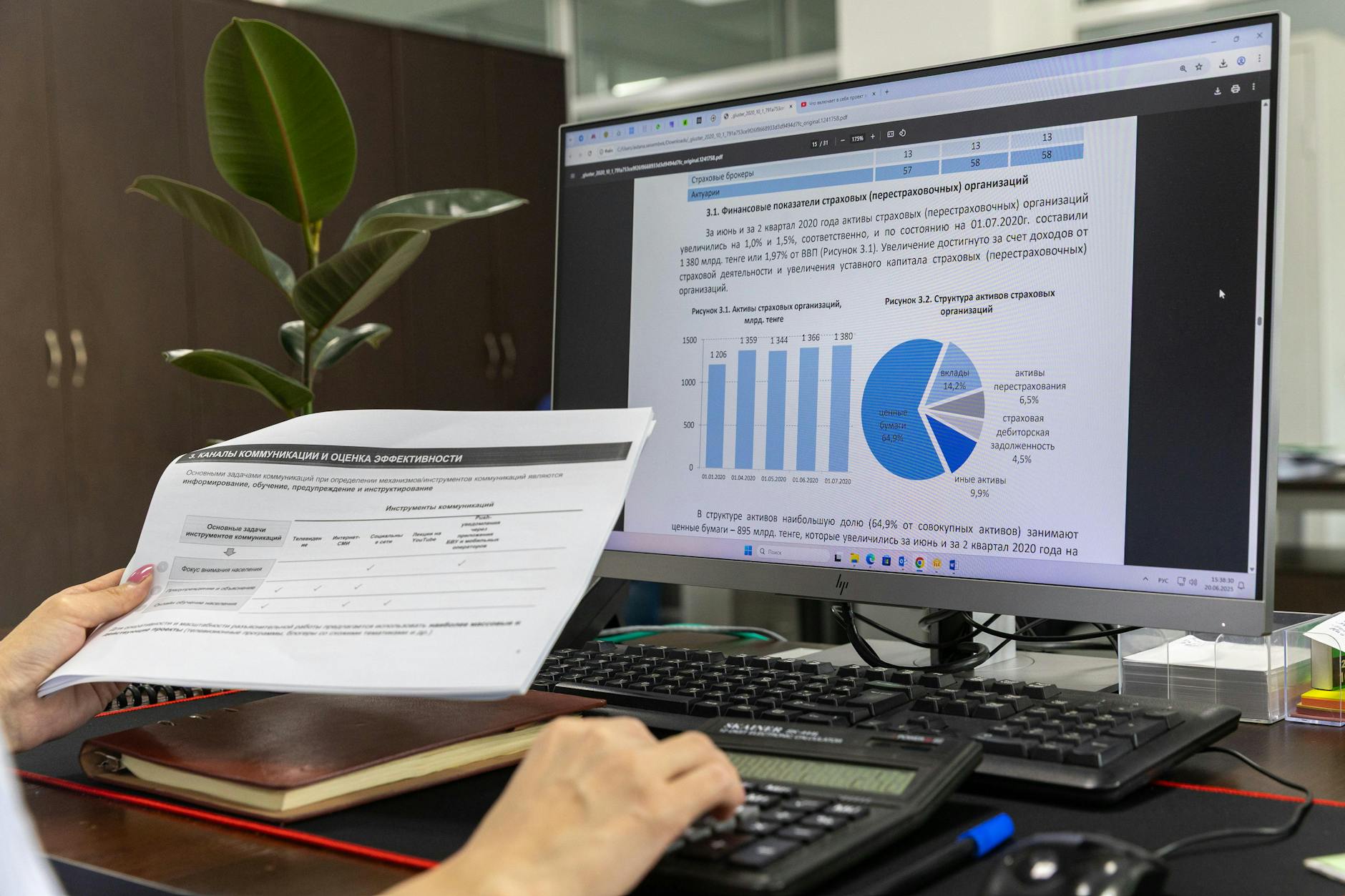
The brain does not naturally reward long-term effort because it is wired to prioritize immediate gratification over delayed outcomes. Reward substitution involves creating an artificial short-term incentive that the brain can anticipate while doing work that has no immediate payoff. This technique hijacks the brain’s reward circuitry and attaches it to productive behaviors that would otherwise feel thankless in the moment. Studies in behavioral economics consistently show that immediate small rewards outperform large distant ones in sustaining effort and task completion.
Environmental Design

The physical arrangement of a workspace has a direct and measurable impact on the mental energy available for focused work. Research in environmental psychology shows that cluttered or visually noisy spaces deplete cognitive resources before a task even begins. Designing an environment where the tools for a desired task are visible and accessible lowers the activation energy required to start. Friction reduction through strategic placement of materials is one of the most reliable passive techniques for increasing follow-through.
The Ovsiankina Effect

This lesser-known psychological phenomenon describes the spontaneous tendency to resume a task that has been interrupted before reaching completion. First described by Maria Ovsiankina in 1928 the effect reveals that interruption rather than completion leaves a task in a mentally active and unresolved state. Deliberately stopping work mid-task rather than at a natural stopping point makes it significantly easier to re-engage the following day. Writers and researchers have long used this approach instinctively by ending a session in the middle of a sentence or thought.
Ultradian Rhythms

The human brain naturally cycles through periods of high focus and low focus approximately every 90 to 120 minutes throughout the day. These ultradian rhythms were identified by sleep researcher Nathaniel Kleitman who found the same basic rest-activity cycle operating during waking hours. Aligning deep focused work with peak phases and routine tasks with low phases optimizes output without requiring additional willpower. Taking a genuine rest break at the end of each cycle restores cognitive resources and prevents the cumulative fatigue that silently degrades performance.
Cognitive Labeling

Naming an emotion or identifying a feeling out loud has been shown to reduce its interference with cognitive performance by engaging the prefrontal cortex. Neuroscientist Matthew Lieberman found that labeling negative states such as anxiety or frustration visibly reduces activity in the amygdala which is responsible for distress responses. Applying this technique before a challenging task lowers the emotional noise that competes with focus and executive function. A simple mental note or written phrase acknowledging a current feeling is enough to activate the regulatory effect.
Precommitment Devices

Economist Thomas Schelling introduced the concept of binding your future self to a course of action in advance by making deviation costly or difficult. Practical applications include scheduling work sessions publicly announcing a deadline or removing the option to access distracting apps during work hours. The technique works because it removes the need for in-the-moment willpower by making the desired behavior the path of least resistance. Ulysses is the classical reference point for this strategy as he had himself tied to the mast to resist the Sirens without needing to resist them in real time.
Attention Restoration Theory

Psychologists Rachel and Stephen Kaplan proposed that exposure to natural environments replenishes directed attention capacity which is the mental resource most depleted by sustained focused work. Even brief exposure to greenery open landscapes or natural light measurably restores the ability to concentrate and resist distraction. This is why short walks in nature consistently outperform indoor rest breaks in terms of cognitive recovery. Incorporating even small natural elements into a workspace or break routine has a documentable positive effect on sustained attention over a full working day.
Eat The Frog

Productivity writer Brian Tracy popularized the principle of tackling the most demanding or dreaded task first thing in the morning before any other activity. This approach works because cognitive resources including decision-making capacity and willpower are at their highest in the early hours for most people. Completing the hardest task first also eliminates the psychological weight of anticipating it throughout the remainder of the day. The compounding effect of repeated early wins creates a reliable pattern of daily momentum that self-reinforces over time.
Pomodoro Technique

Francesco Cirillo developed this time management method in the late 1980s using a tomato-shaped kitchen timer to structure work into 25-minute focused intervals followed by short breaks. The fixed time constraint activates a mild urgency that sharpens focus and discourages task-switching during the work interval. Research on time boxing confirms that defined limits reduce perfectionism and the tendency to over-complicate tasks beyond their necessary scope. Regular breaks built into the system prevent cognitive fatigue and sustain a higher average level of performance across a full working day.
Decision Fatigue Reduction

Psychologist Roy Baumeister’s research demonstrated that the quality of decisions deteriorates progressively as the number of choices made throughout a day increases. Each decision draws from a finite reservoir of mental energy leaving less available for work that requires genuine focus and judgment. Standardizing routine choices such as meals clothing and scheduling removes these micro-decisions from the cognitive load entirely. This is the documented reasoning behind the famously simple wardrobes of figures such as Steve Jobs and Barack Obama who cited decision preservation as a deliberate professional strategy.
Social Commitment

Publicly stating an intention to complete a task to another person creates a social accountability loop that measurably increases follow-through rates. Researchers at the Dominican University of California found that people who shared written goals with a friend and sent weekly progress updates achieved significantly more than those who kept goals private. The mechanism is rooted in the human need for social consistency and the discomfort of being perceived as unreliable by someone whose opinion matters. Even a brief check-in message to a colleague or accountability partner activates this effect without requiring a formal structure.
Strategic Self-Talk

Research published in the European Journal of Social Psychology found that addressing oneself in the second or third person during self-talk produced significantly better performance outcomes than using first-person language. Saying “you can do this” or using one’s own name creates a slight psychological distance that mimics the clarity of advice given to a friend rather than to oneself. This distancing reduces emotional interference and allows the brain’s rational systems to guide behavior more effectively during high-pressure or low-motivation moments. Athletes coaches and high performers have long used structured internal dialogue as a deliberate preparation and performance tool.
Cognitive Offloading

The practice of externalizing information onto paper screens or physical objects reduces the burden placed on working memory which has a strictly limited capacity. When the brain is relieved of the need to hold multiple items in mind simultaneously it can dedicate more resources to the actual work of processing and producing. Writing down tasks ideas or steps before beginning a project is not just organizational but neurologically restorative for sustained focus. Research in cognitive science confirms that a trusted external system consistently reduces mental load and anxiety associated with the fear of forgetting important information.
Mental Contrasting

Developed by psychologist Gabriele Oettingen this technique involves vividly imagining both the desired positive outcome of a goal and the specific internal obstacles that could prevent it from being reached. Unlike pure positive visualization which research shows can actually reduce motivation mental contrasting keeps the brain in a realistic and energized problem-solving state. Pairing this approach with implementation intentions forms a method known as WOOP which stands for Wish Outcome Obstacle and Plan. Studies across academic athletic and professional settings consistently show that this combined approach improves goal attainment more reliably than motivation or optimism alone.
If any of these psychological tricks have changed the way you work or think about productivity share your experience in the comments.




