Most people treat their wallet as a portable filing cabinet without realizing how much risk that habit quietly creates every single day. A lost or stolen wallet can expose far more than cash when it contains the wrong combination of documents and cards. Identity theft, financial fraud, and personal safety risks are all directly linked to what people routinely carry without a second thought. Clearing out these items is one of the simplest and most underestimated steps toward protecting personal security in modern life.
Social Security Card
The Social Security number is the single most valuable piece of information an identity thief can obtain from a stolen wallet. Once this number is compromised it can be used to open fraudulent credit accounts file false tax returns and access government benefits in someone else’s name. The physical card itself offers no daily practical value since the number is rarely needed in person and can be memorized or stored securely at home. Federal agencies and consumer protection organizations consistently advise keeping this document locked in a secure location rather than carried on a person.
Passport
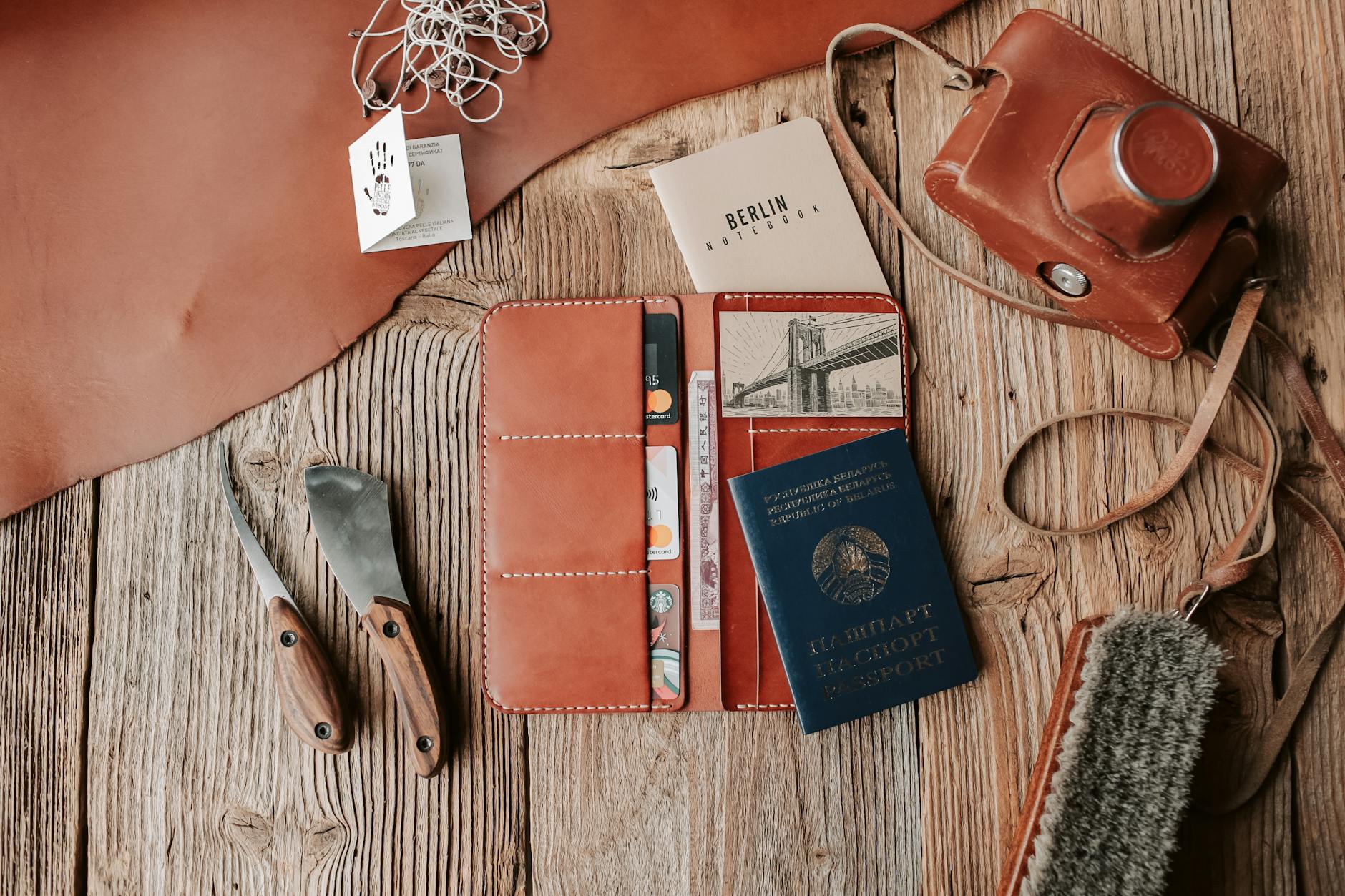
Carrying a full passport as everyday identification exposes one of the most powerful identity documents a person can own to unnecessary risk of loss or theft. A stolen passport can be used to cross international borders fraudulently or sold on black markets for significant sums. Most daily transactions that require identification can be handled with a standard government-issued driver’s license or state ID card instead. When traveling internationally the passport should be stored in a hotel safe or a secure money belt rather than a regular wallet or handbag.
Multiple Credit Cards
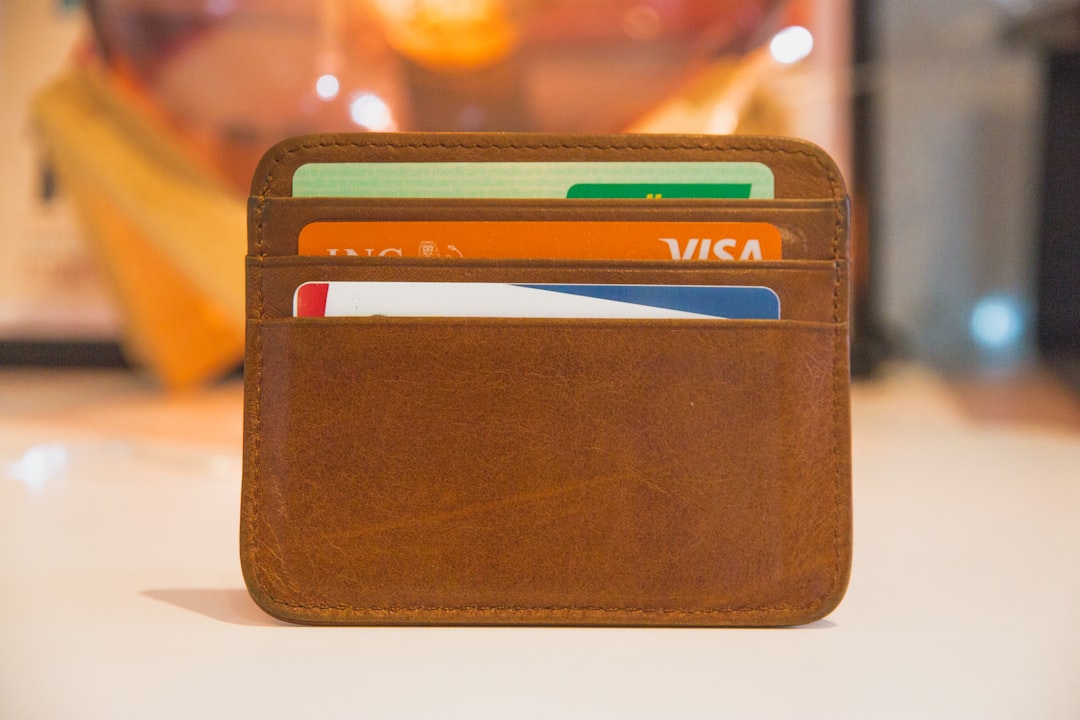
Carrying every credit card owned in a wallet at once multiplies the damage that a single theft or loss event can cause dramatically. Each additional card represents another account that must be frozen another fraud report that must be filed and another potential line of credit exposed to unauthorized use. Financial security experts recommend carrying only one or two cards for daily use and storing the remainder in a secure location at home. Minimizing the number of active cards in a wallet also makes it significantly easier to monitor transactions and detect suspicious activity quickly.
Blank Checks

A blank check contains a person’s full bank account number and routing number printed directly on its face making it a complete toolkit for financial fraud. Anyone who finds or steals a blank check can use that information to create counterfeit checks drain accounts through electronic transfers or set up unauthorized direct debits. Online banking and mobile payment options have made carrying physical checks almost entirely unnecessary for routine daily transactions. Checks should only be brought along when specifically needed for a planned transaction and removed from the wallet immediately afterward.
Birth Certificate
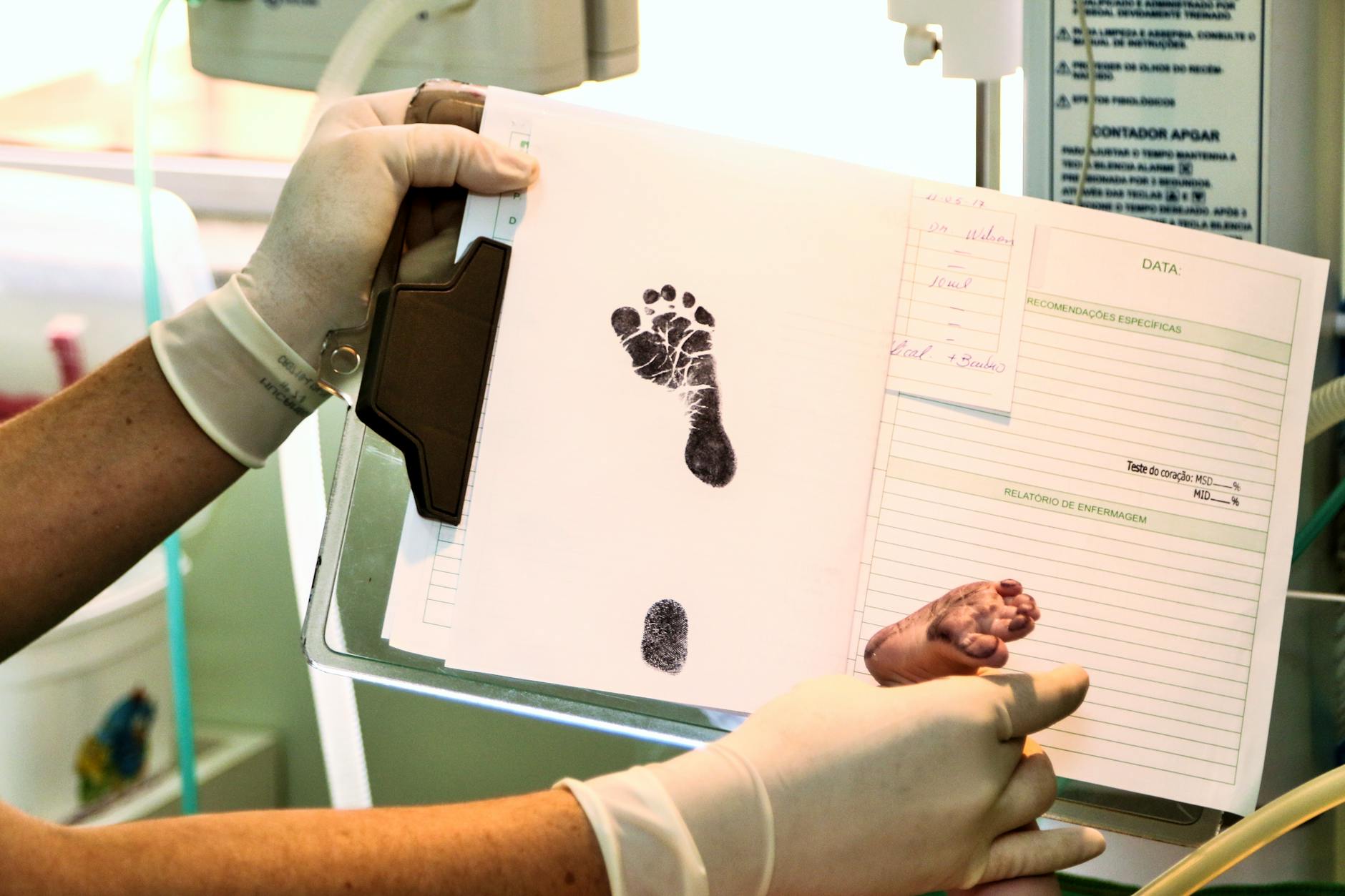
A birth certificate is a foundational identity document that can be used alongside other stolen information to build a completely false identity from scratch. Unlike a driver’s license it contains no photograph making it easier to misuse without matching physical appearance to the document. This document is rarely if ever required for everyday interactions and should be stored alongside other vital records in a fireproof home safe or secure document folder. Carrying it unnecessarily creates a significant vulnerability with virtually no corresponding practical benefit.
PIN Numbers Written Down
Writing down a PIN number and keeping it in the same wallet as the card it belongs to is the financial equivalent of leaving a house key under the front door mat. If the wallet is stolen the thief gains immediate and effortless access to bank accounts and cash withdrawals without any additional effort. Strong PINs should be memorized rather than recorded and if memory aids are genuinely needed they should be stored in encrypted digital form on a password-protected device. Banking institutions and cybersecurity professionals uniformly identify written PIN storage as one of the most preventable sources of financial loss.
Receipts
Paper receipts frequently contain partial card numbers merchant names and transaction details that can be pieced together with other stolen information to facilitate fraud. A wallet stuffed with accumulated receipts also becomes a detailed record of spending habits locations visited and financial activity that no stranger should have access to. Digital receipt options offered by most modern retailers eliminate the need to carry paper entirely while making expense tracking more organized and secure. Any receipts that must be kept for returns or records should be filed at home and removed from the wallet the same day they are received.
Spare House Key
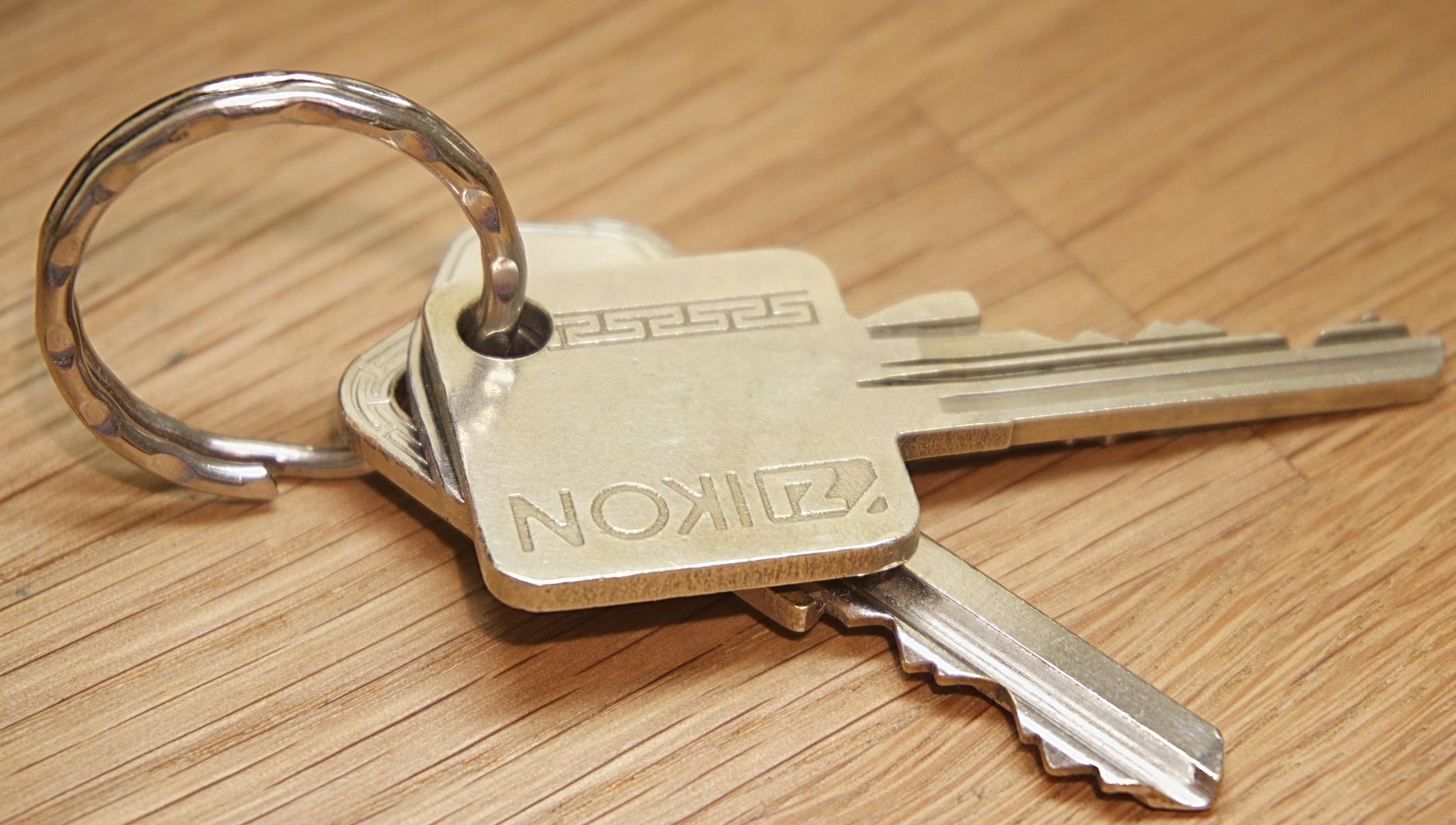
Storing a spare house key in a wallet alongside items containing a home address such as a driver’s license or utility bill creates a direct and immediate physical security threat. A thief who finds both pieces of information gains not only financial access but also potential access to a person’s home and everything inside it. Spare keys are far more safely left with a trusted neighbor family member or friend than carried as a daily wallet item. Smart lock systems and coded key boxes are modern alternatives that eliminate the need for physical spare keys to be transported at all.
Medicare or Insurance Cards
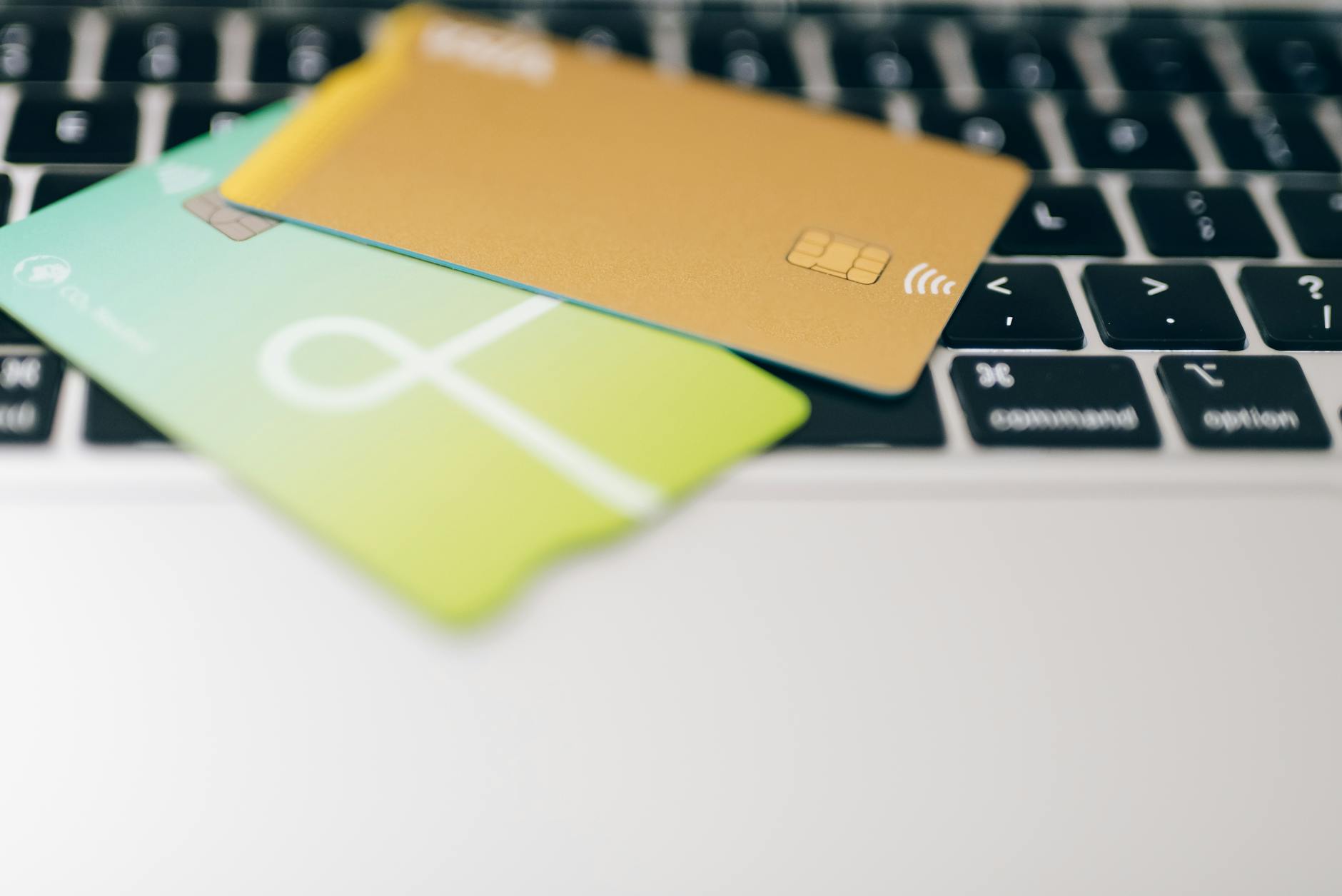
Original Medicare cards issued before the transition to new formats displayed a Social Security number directly on the card making them an extremely high-value target for identity thieves. Even updated insurance cards contain policy numbers member IDs and personal details that can be exploited for medical identity theft or fraudulent billing. Many insurance providers now offer digital card options accessible through smartphone apps that eliminate the need to carry a physical card for routine visits. Physical insurance cards should be brought only when specifically needed and stored securely between those occasions rather than kept permanently in a wallet.
Passwords on Paper
A handwritten list of passwords or login credentials stored in a wallet represents a catastrophic security vulnerability in a single portable object. If that wallet is lost or stolen every account on that list from email to banking to social media becomes instantly accessible to whoever finds it. Dedicated password manager applications provide encrypted secure and accessible storage for login credentials without any of the physical risk. Cybersecurity professionals consistently rank written password storage among the highest-risk behaviors in personal digital security regardless of how carefully the paper is folded or hidden.
Large Amounts of Cash
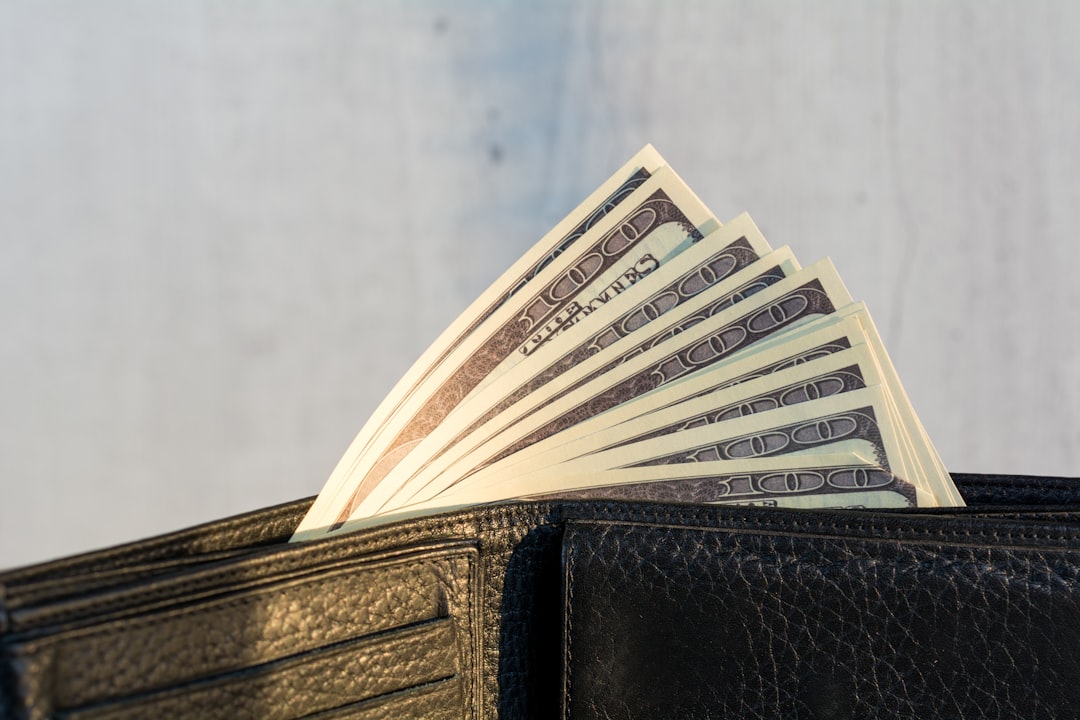
Carrying substantial amounts of cash in a wallet means that any loss or theft results in an immediate and entirely unrecoverable financial loss with no fraud protection whatsoever. Unlike credit and debit cards cash transactions cannot be disputed reversed or reimbursed through any banking or consumer protection mechanism. Contactless payment systems digital wallets and bank cards have made large cash reserves unnecessary for virtually all everyday transactions in most urban and suburban environments. Keeping only a small emergency amount in a wallet and relying on traceable payment methods for regular spending significantly reduces financial exposure.
Old Gift Cards

Depleted or near-empty gift cards create unnecessary clutter in a wallet while also posing a minor but real security risk if they retain any stored value. Some gift card numbers can be used for small online purchases without requiring a PIN making even a low-balance card worth protecting or discarding properly. Checking balances through retailer apps or websites and loading active cards into a digital wallet removes the need to carry physical versions at all. A wallet free of expired and redundant cards is also considerably easier to organize and search quickly when a specific card is genuinely needed.
Lottery Tickets
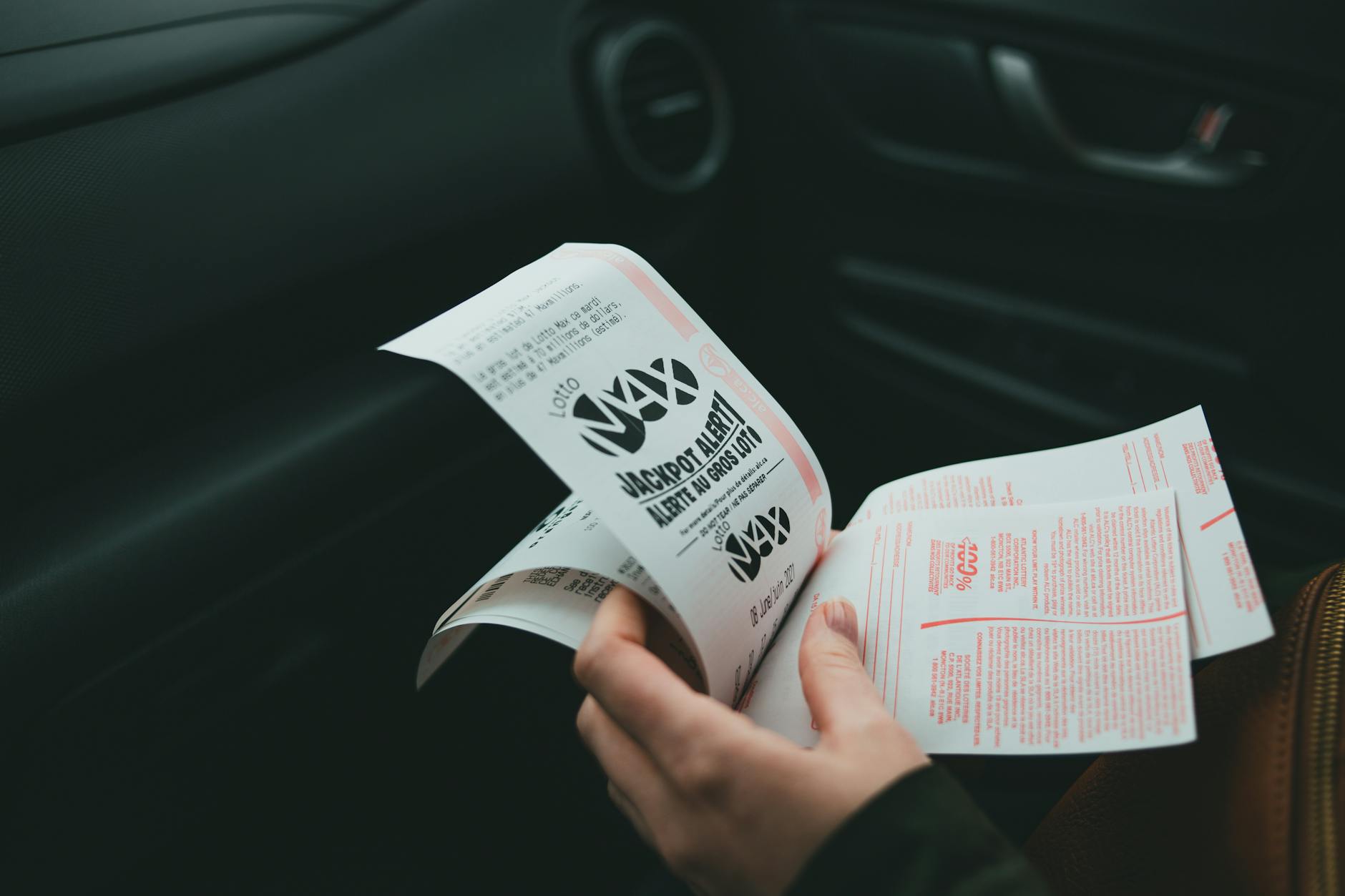
Physical lottery tickets are bearer documents meaning that whoever presents them is entitled to claim any prize regardless of who purchased the original ticket. Carrying active lottery tickets in a wallet that could be lost or stolen means potentially handing over a winning ticket to a complete stranger with no legal recourse. Most major lottery operators now offer digital ticket options or account-based play that ties winnings directly to a registered profile rather than a physical slip. Tickets that must be kept in physical form should be signed immediately upon purchase and stored in a secure location at home rather than mixed into a wallet.
Professional Licenses
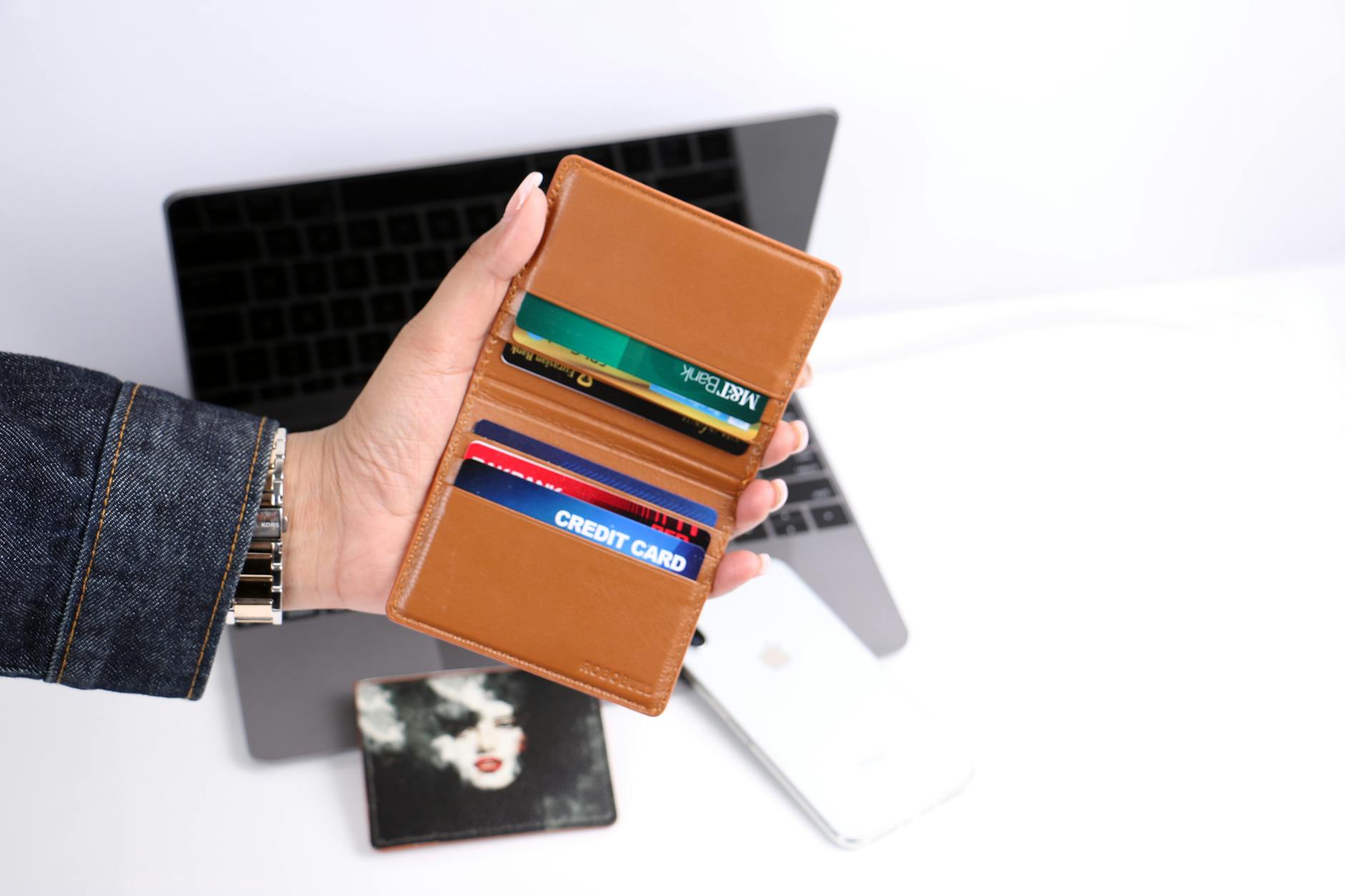
Carrying original professional license documents such as nursing licenses contractor certifications or legal credentials in a wallet exposes them to unnecessary risk of damage loss or theft. These documents are typically required only for specific professional contexts and can usually be presented as digital copies or verified through official online registries in most modern settings. Replacement processes for lost professional licenses are often time-consuming bureaucratic and sometimes costly depending on the issuing authority. Laminated copies or digital scans stored on a secure device are sufficient for most situations where proof of credentials is needed on the go.
Donor Cards
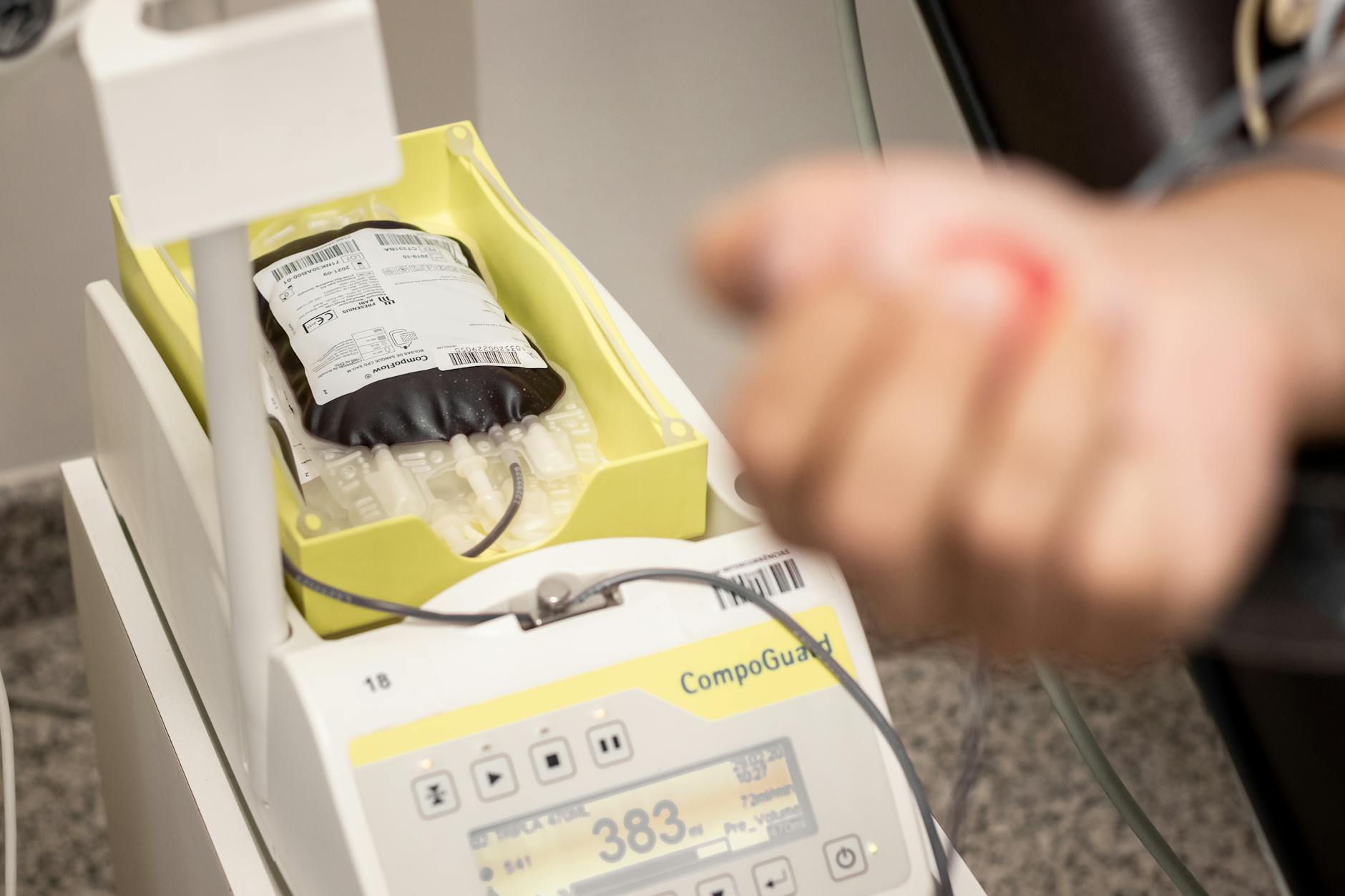
In many regions physical organ donor registration cards have been made redundant by national and regional digital registries that automatically record donor status during the driver’s license application or renewal process. Carrying a paper donor card in a wallet does not guarantee that wishes will be honored in an emergency as medical teams rely primarily on verified registry systems rather than physical documents found at a scene. Confirming registration through an official government registry and informing family members of donor wishes is a far more reliable method of ensuring those decisions are respected. The physical card adds no security benefit and simply contributes to wallet clutter without meaningful practical purpose.
Car Rental Agreement

A car rental agreement contains a significant amount of sensitive personal information including home address driver’s license number credit card details and insurance information all in one document. Leaving this paperwork in a wallet rather than secured in a glove box or photographed digitally and discarded creates an avoidable data exposure risk. Rental companies store all agreement details digitally making it straightforward to retrieve a copy through their app or customer service if needed. The physical document should be kept in the rental vehicle itself or securely stored at accommodation rather than carried in a wallet throughout a trip.
Handwritten Medical Information
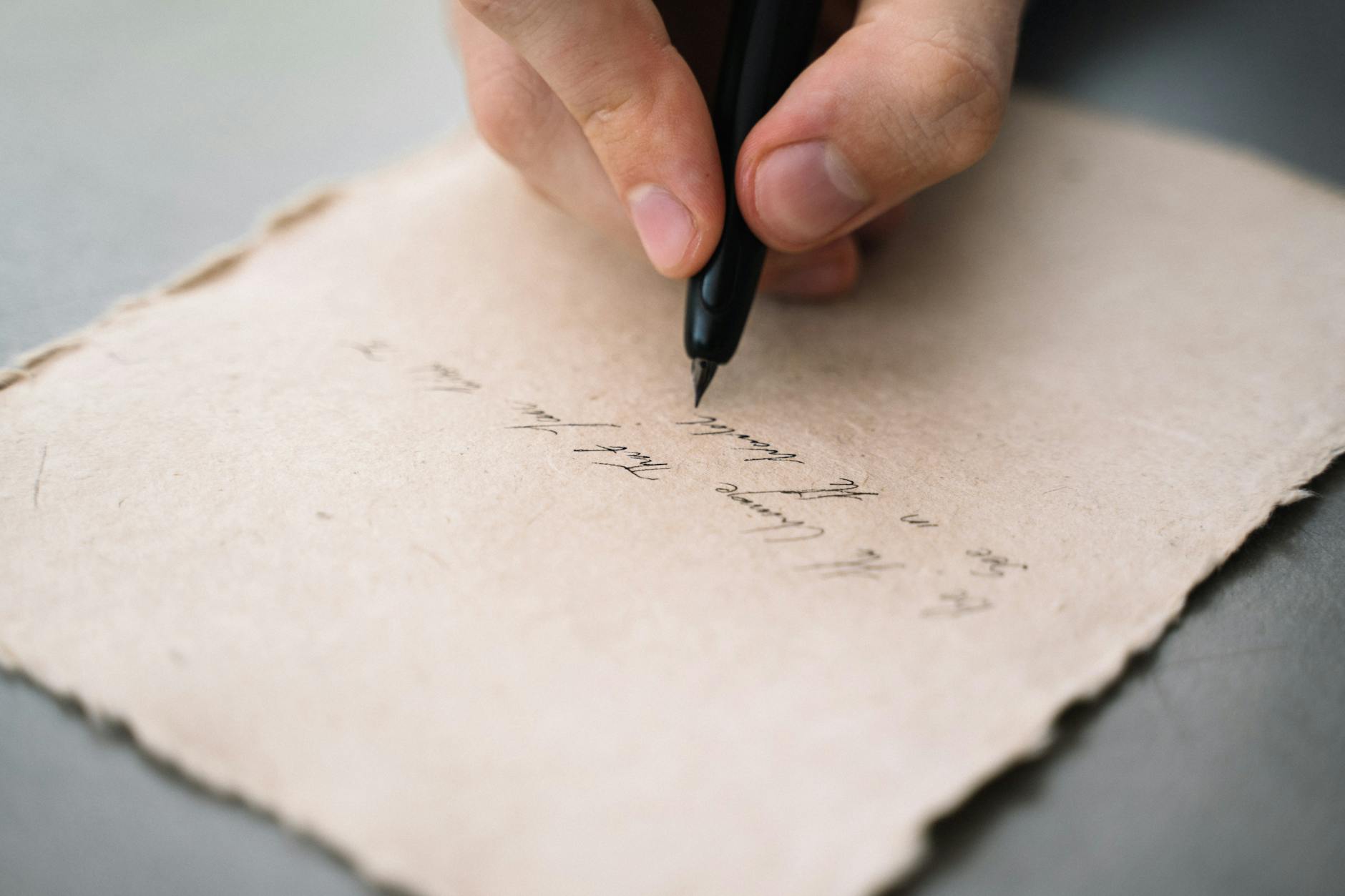
Keeping handwritten notes about medical conditions prescriptions or doctor contact details in a wallet may seem practical but it creates a significant privacy risk if that wallet is lost or stolen. Medical identity theft is a growing category of fraud in which stolen health information is used to obtain prescriptions insurance reimbursements or medical procedures fraudulently. Secure health apps and digital medical ID features available on most modern smartphones provide an accessible and encrypted alternative for storing emergency medical information. These digital solutions can be configured to display critical health details on a locked screen for emergency responders without exposing the full record to anyone who picks up a lost device.
Store Loyalty Cards
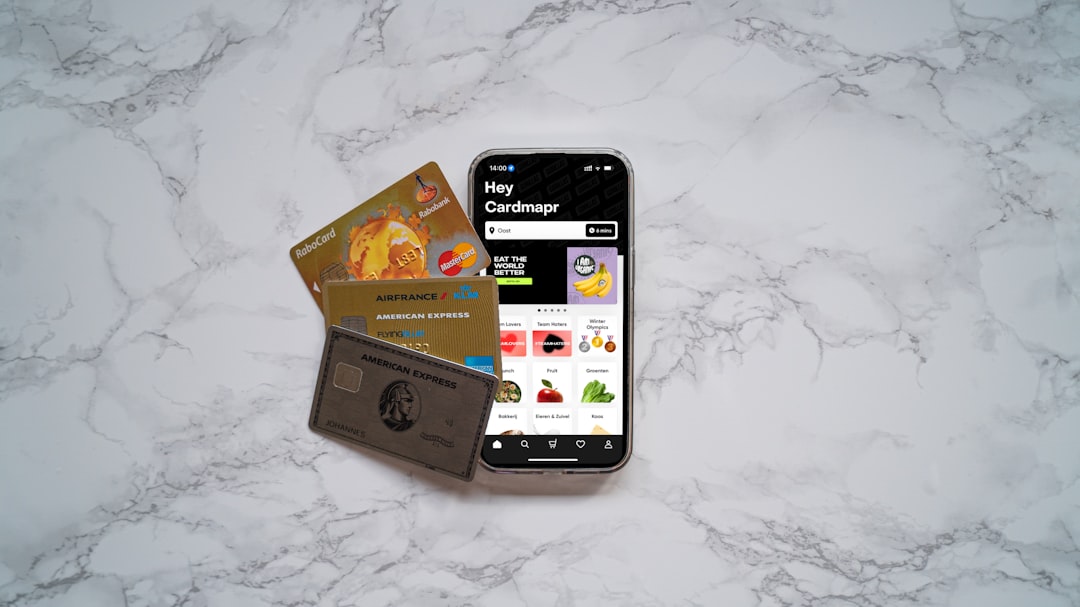
The average person carries multiple physical loyalty cards for retailers coffee shops pharmacies and supermarkets that collectively add significant bulk and weight to a wallet. The majority of these programs now offer fully functional digital alternatives accessible through branded apps or by providing a phone number at the point of sale. Physical loyalty cards also sometimes contain account numbers or member IDs that when combined with other stolen information could be used to access linked profiles and stored payment methods. Migrating all loyalty memberships to digital platforms streamlines the wallet considerably while often providing easier access to rewards balances and personalized offers.
Temporary Checks
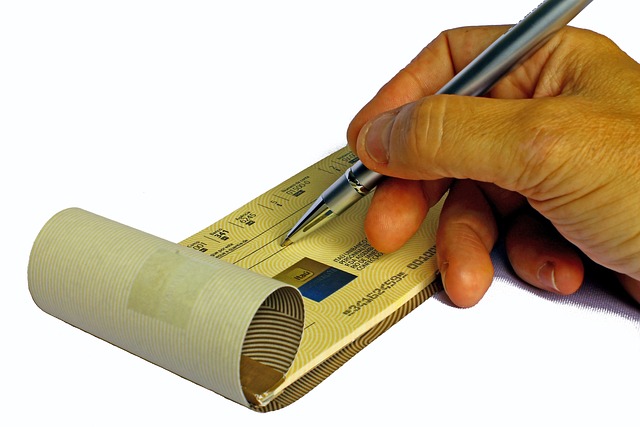
Temporary checks issued by banks at the time of account opening are particularly risky wallet items because they typically display the full account number routing number and sometimes even a home address in printed form. These checks lack the personalization of standard printed checks which can at least carry a signature for visual verification purposes. They are rarely if ever needed for daily transactions in an era of digital payment options and should be deposited at home or shredded if no longer needed. Keeping them in a wallet alongside other identity documents creates a concentrated package of financial information that is extremely useful to anyone engaged in check fraud.
Travel Itinerary

A printed travel itinerary left in a wallet tells anyone who finds it exactly when a home will be unoccupied how long the owner will be away and where they plan to be on specific dates. This information is directly useful to burglars who monitor social media and lost property for exactly these kinds of scheduling details. Digital itineraries stored in a travel app or email account provide the same accessibility without creating a physical document that broadcasts personal plans to strangers. Any printed travel documents should be kept only for the duration of the specific journey and disposed of securely rather than carried indefinitely.
Children’s Information

Documents containing a child’s name date of birth school name or health information should never be carried in a wallet as a routine practice. This information can be used in targeted social engineering scams impersonation attempts or in the worst cases to facilitate harm toward a minor. Emergency contact details and medical information for children are better stored digitally in a secure family health app or shared document accessible to trusted caregivers rather than on paper in a vulnerable physical object. Parents and guardians are generally advised by child safety organizations to treat a child’s personal information with the same level of protection as their own financial credentials.
Gym Membership Cards

Physical gym membership cards typically carry a barcode or magnetic strip that links directly to a member account which may have a stored payment method attached to it for automatic renewals and in-facility purchases. A stolen gym card could allow someone to access a facility under a false identity or exploit any linked billing information associated with the account. The overwhelming majority of fitness chains and studios now support digital check-in through branded apps or biometric systems at the front desk making the physical card entirely redundant for most members. Deactivating a lost physical card while retaining digital access is also significantly faster and easier than replacing a card that was unnecessarily carried in the first place.
Foreign Currency
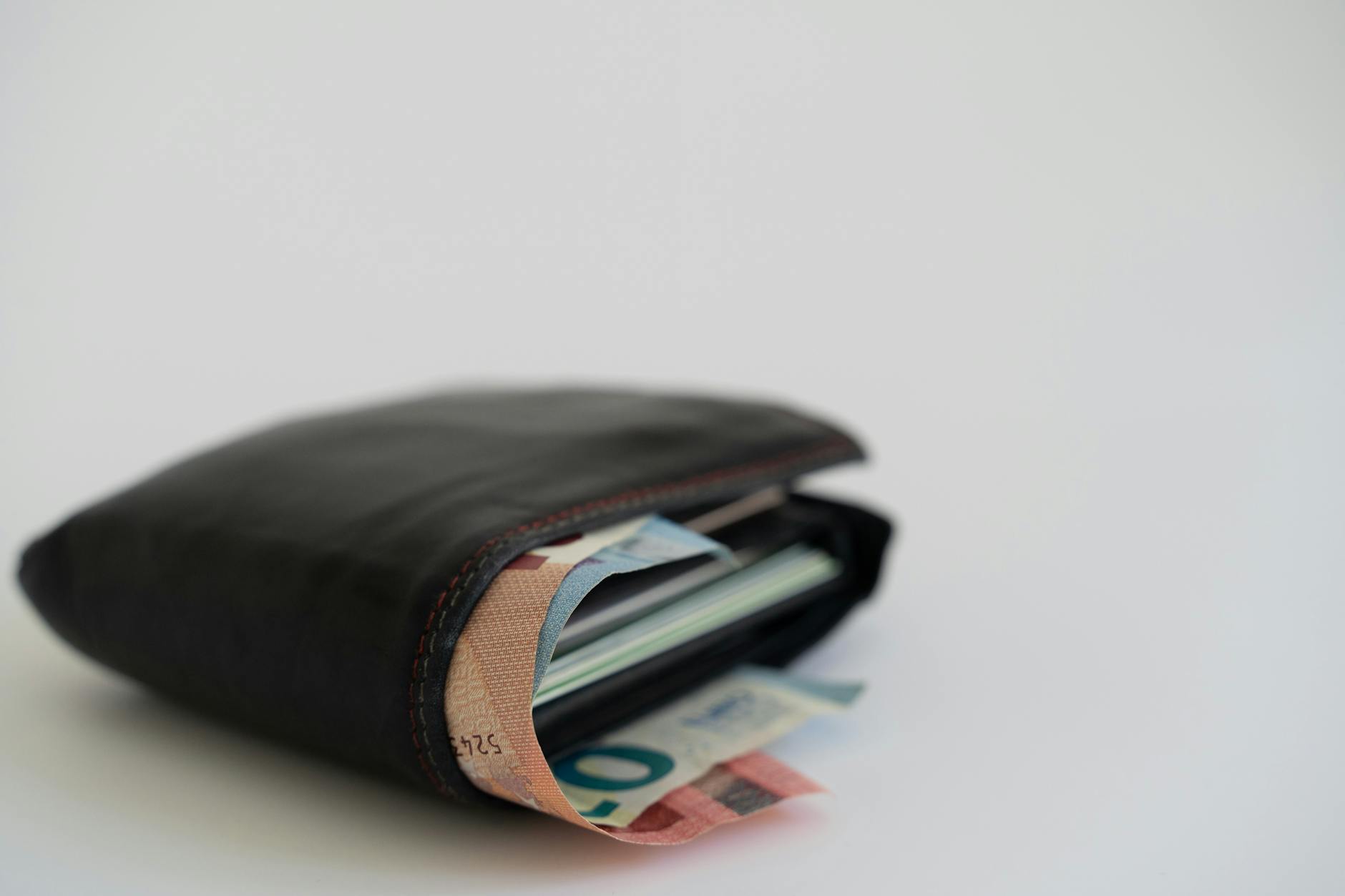
Keeping leftover foreign currency from a previous trip in a wallet does nothing productive while gradually mixing with current currency and creating confusion at payment moments. Exchange rates shift constantly meaning that idle foreign notes lose value incrementally relative to their home currency the longer they sit unexchanged. Most international airports banks and currency exchange services accept leftover notes and coins for conversion back into home currency or for donation to recognized charity programs. Clearing foreign currency from a wallet after returning from travel is a straightforward habit that keeps finances organized and prevents small financial losses from accumulating over multiple trips.
Outdated Emergency Contacts

A handwritten card listing emergency contacts that has not been updated in years may contain phone numbers that are no longer active people who have moved away or contacts whose relationship to the carrier has fundamentally changed. Relying on outdated physical contact information during a genuine emergency can cause dangerous delays at a moment when speed and accuracy are critical. Modern smartphones allow users to store detailed emergency contact information including medical details within the native health or lock screen settings making a physical card redundant and less reliable. Reviewing and updating digital emergency contact records twice a year ensures that first responders always have accurate and current information accessible in a crisis.
If this list has made you rethink what you carry every day share what you are removing from your wallet in the comments.




