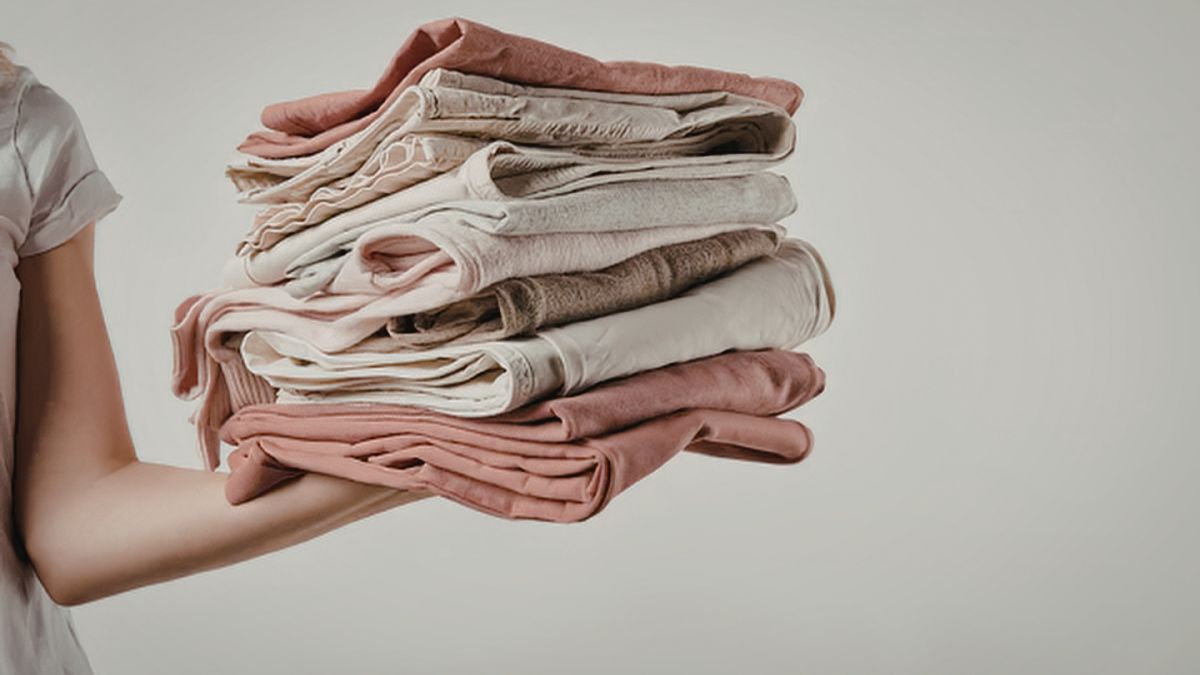
Behind the polished exterior of professional cleaning services lies a surprisingly unconventional world of personal laundry habits that rarely make it into any official training manual. The people who spend their working lives creating immaculate homes for others often develop their own highly idiosyncratic approaches to handling fabric at home. Many of these methods would raise eyebrows in a conventional domestic setting yet deliver results that outperform standard household techniques by a considerable margin. What follows is a rare look inside the private laundry routines of the people who know clean better than anyone else.
The Burrito Roll
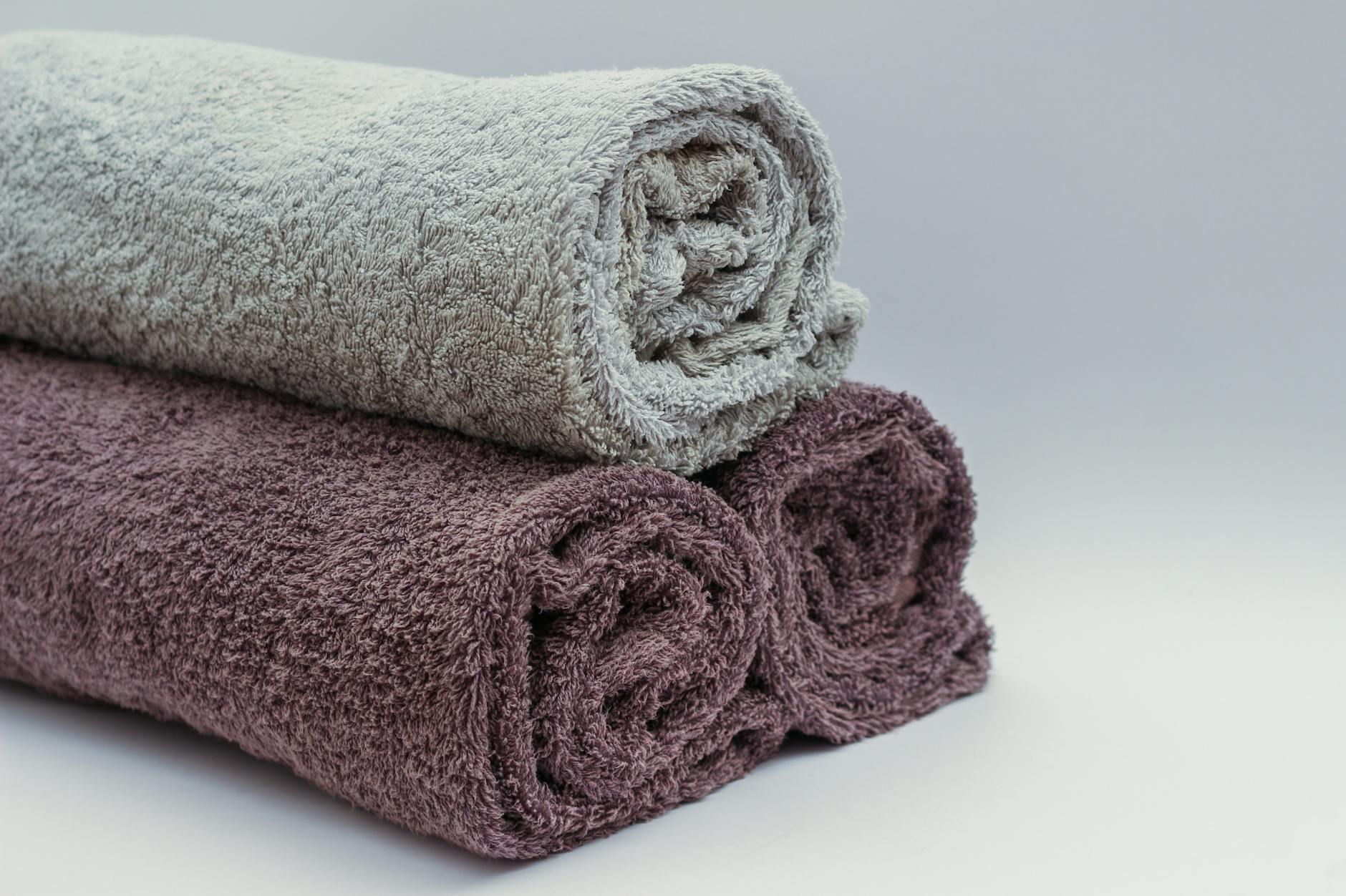
Professional cleaners who work extensively with hotel-grade linens frequently adopt a tight cylindrical rolling technique for all rectangular fabric items rather than using any form of flat fold. The method involves laying the item completely flat, folding in the two longest edges toward the center and then rolling from one short end to the other with firm consistent pressure throughout. The resulting cylinder stores vertically in drawers, eliminates all visible creasing along fold lines and allows an entire drawer of items to be surveyed at a single glance without disturbing any other piece. Cleaners who switch to this method privately report never returning to conventional folding regardless of what technique they use professionally on the job.
The Gravity Hang

A number of professional cleaners bypass folding altogether for certain fabric categories and instead hang items directly from a tension rod installed inside a dedicated cupboard, allowing gravity to remove creases passively over several hours before storage. The technique works particularly well on cotton and linen items that respond to their own weight and requires no ironing, no steaming and no physical manipulation of the fabric beyond the initial hang. Items are transferred to storage only once the natural drape has settled and any heat-set creases from the dryer have fully relaxed out of the weave. Cleaners who use this method cite a dramatic reduction in the time spent managing difficult fabrics at home compared to their earlier folding routines.
The Pocket Inversion
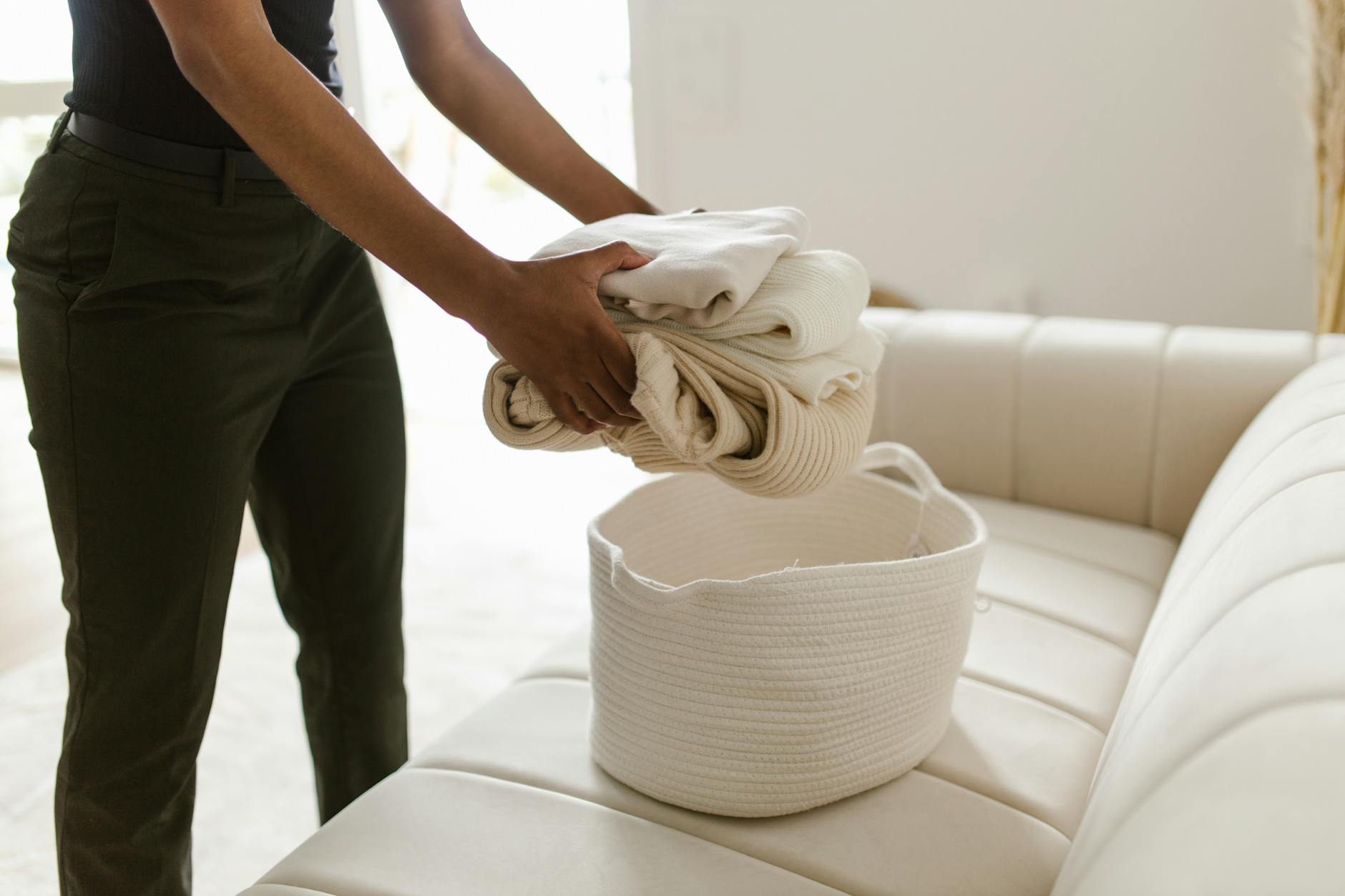
Several professional cleaners who specialize in garment care use a technique where trousers and shorts are stored with all pockets fully pulled outward and inverted before any fold is applied to the item. The inside-out pockets allow the fabric to breathe more evenly during storage and prevent the characteristic curved bulge that develops along pocket seams when trousers are folded and stacked repeatedly over time. The pockets are returned to their normal position only at the point of wearing rather than before storage, which also serves as a quick functional check that nothing has been left behind. This habit is considered unusual enough in domestic settings that cleaners who use it rarely mention it to family members without prompting.
The Newspaper Insert
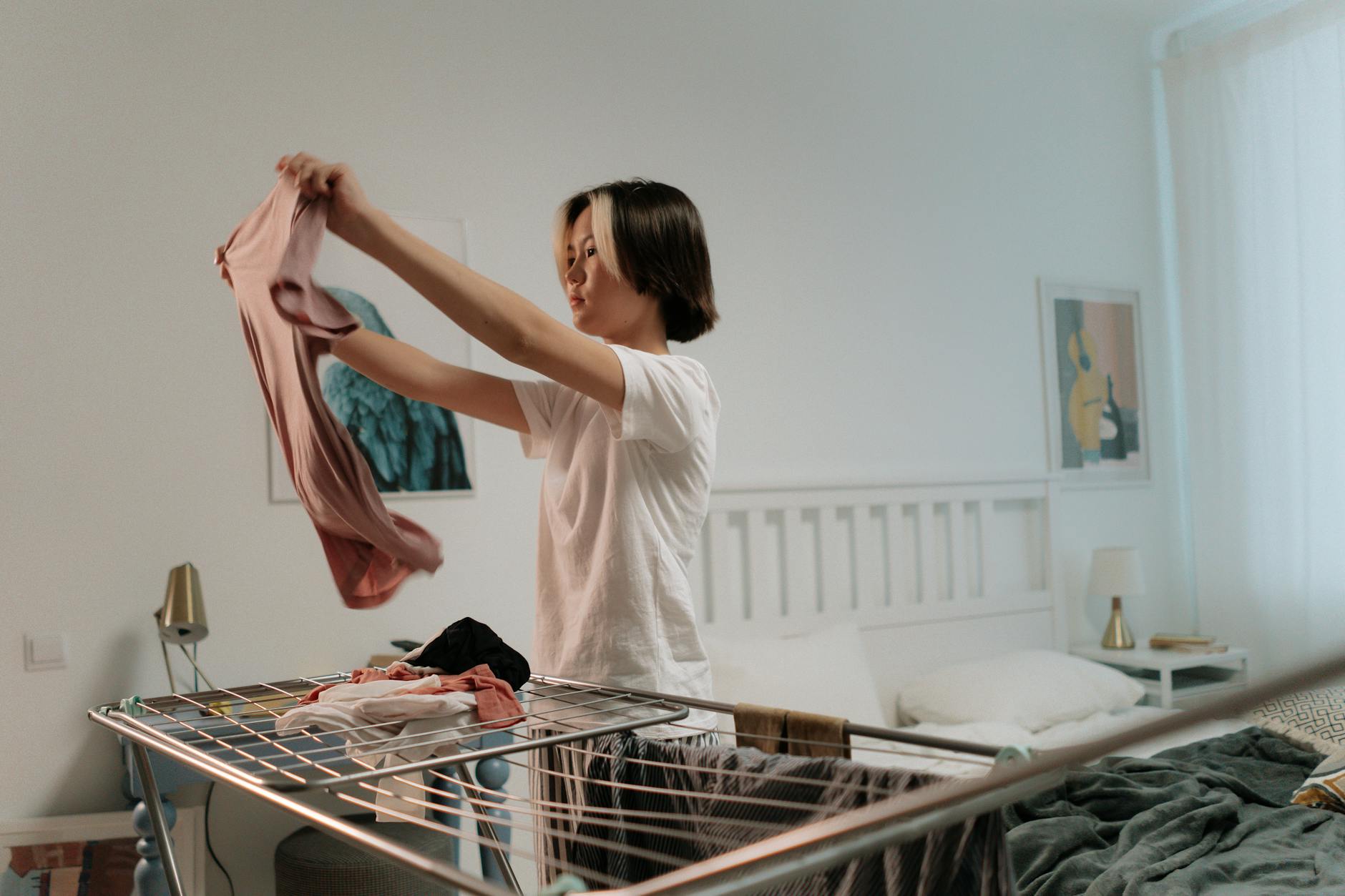
A small but dedicated group of professional cleaners place a single folded sheet of unprinted packing paper or tissue inside structured items such as blazers, thick knitwear and padded garments before folding, using the insert to maintain the three-dimensional shape of the item during compression in a drawer or shelf. The paper absorbs residual moisture that would otherwise create a damp microclimate inside a densely folded garment and simultaneously prevents the kind of aggressive crease formation that occurs when two thick fabric layers press directly against each other over days or weeks. The insert is removed and discarded at the point of wearing and replaced with a fresh sheet after the next wash cycle. Professional cleaners who handle high-value wardrobes credit this technique with significantly extending the presentable lifespan of structured garments between professional pressing appointments.
The Air Dry Snap
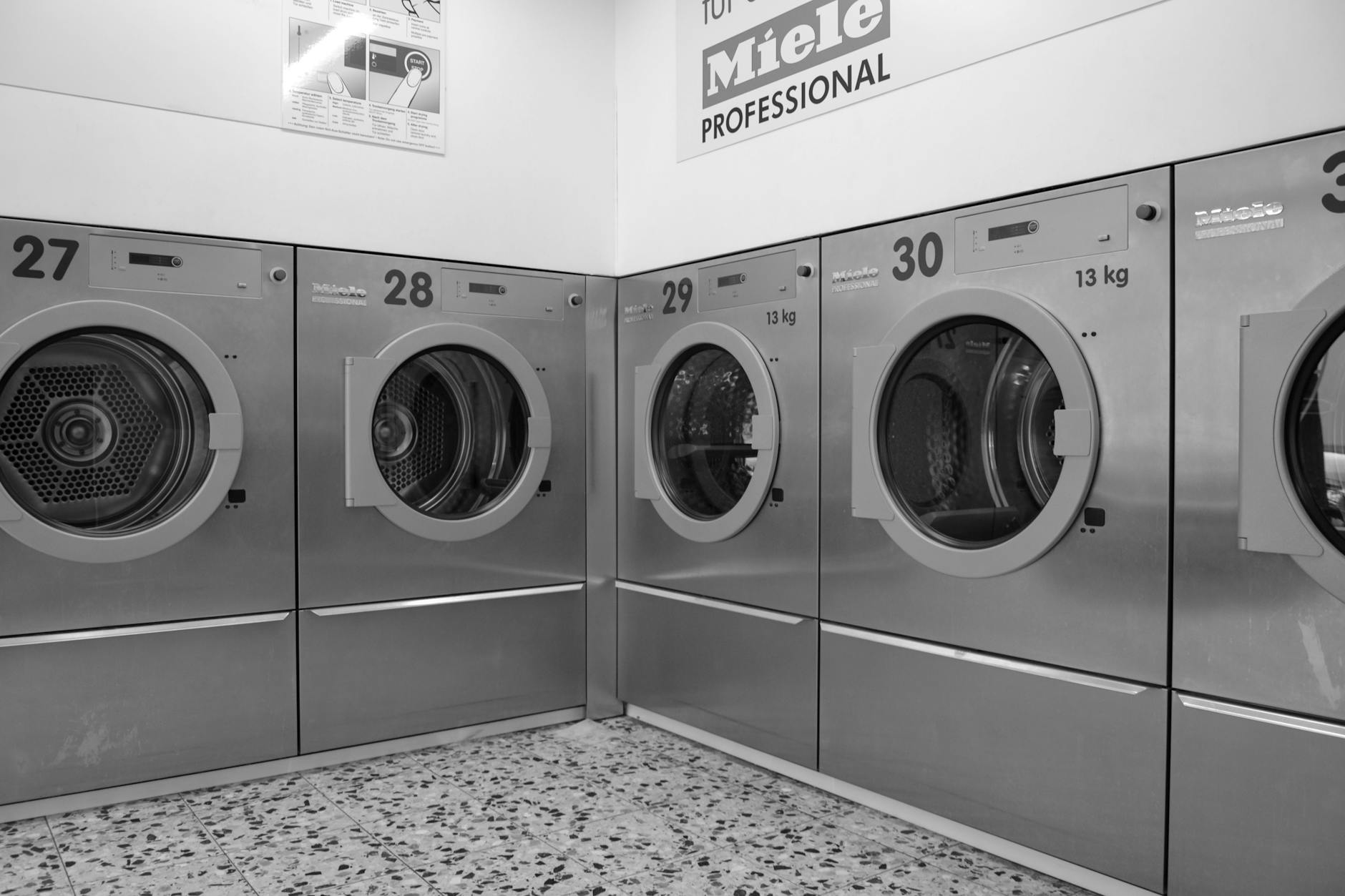
Before any folding takes place, a number of professional cleaners perform a sharp two-handed snap of each garment immediately upon removal from the line or drying rack, using a rapid outward wrist motion to create a brief tension wave through the entire length of the fabric. The snap realigns the fiber structure that becomes compressed and distorted during the drying process and reduces the number of subsequent folds needed to achieve a smooth finish by relaxing surface creases before they are set by the fold itself. Cleaners who use this technique apply it to every single item without exception and describe the habit as so deeply ingrained that they perform it automatically without conscious thought. The sound alone has become a recognized marker in professional cleaning households that the folding stage of laundry is about to begin.
The Tile Method
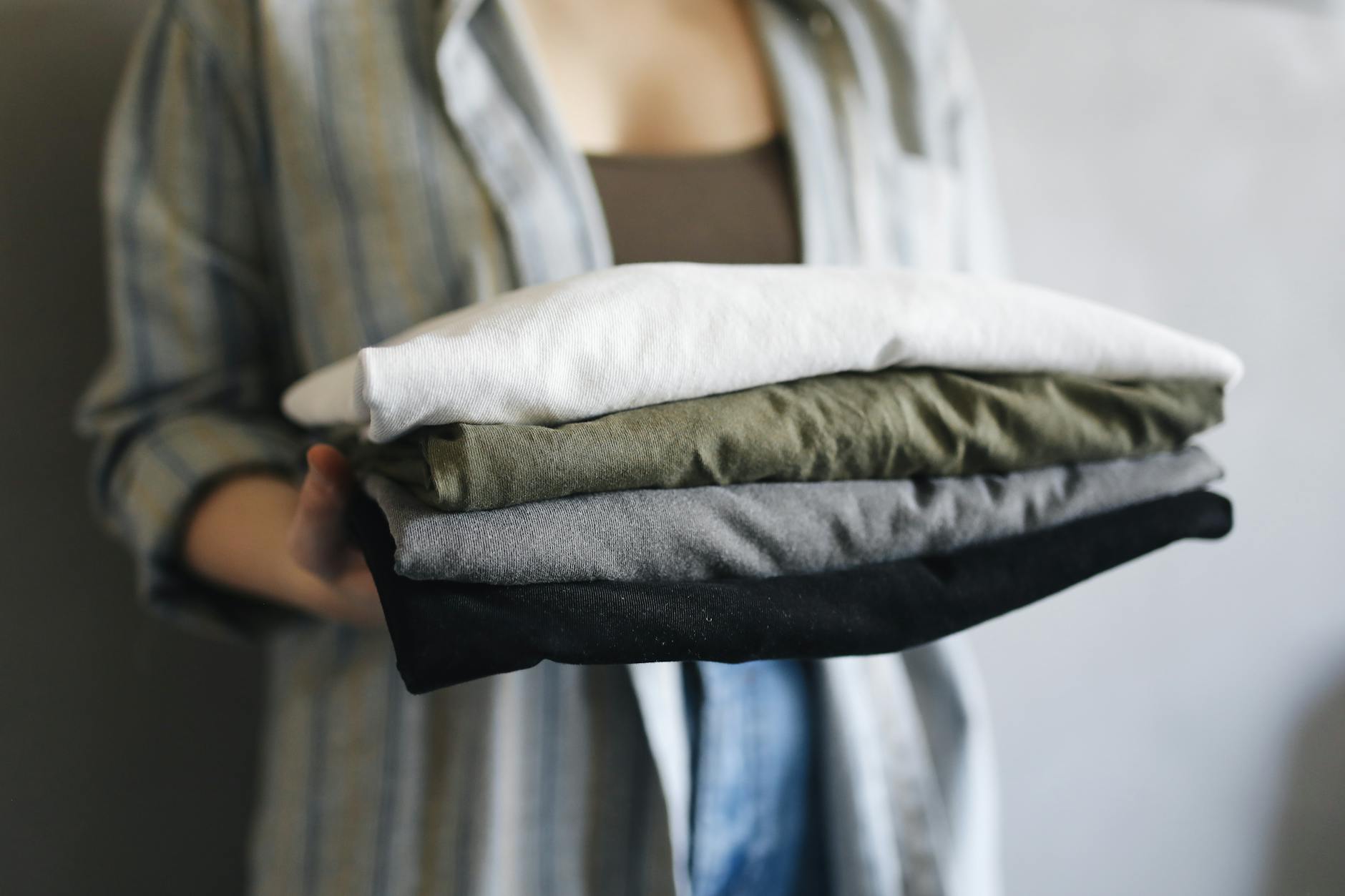
Some professional cleaners fold all clothing into identical square units of the same approximate dimensions regardless of the original size or shape of the garment, treating the storage drawer as a grid that must be filled with consistent tiles rather than accommodating items of varying folded sizes. Large items are folded more times to reduce them to the standard unit size and smaller items receive fewer folds, but the final stored shape is always a consistent square that sits flush with its neighbors. The uniformity of the grid makes it immediately apparent when an item has been removed and not returned and allows the entire drawer to be restacked quickly after a disruption. Cleaners who adopt this system frequently apply the same tiling logic to every drawer in the home regardless of what category of item is being stored.
The Warm Fold
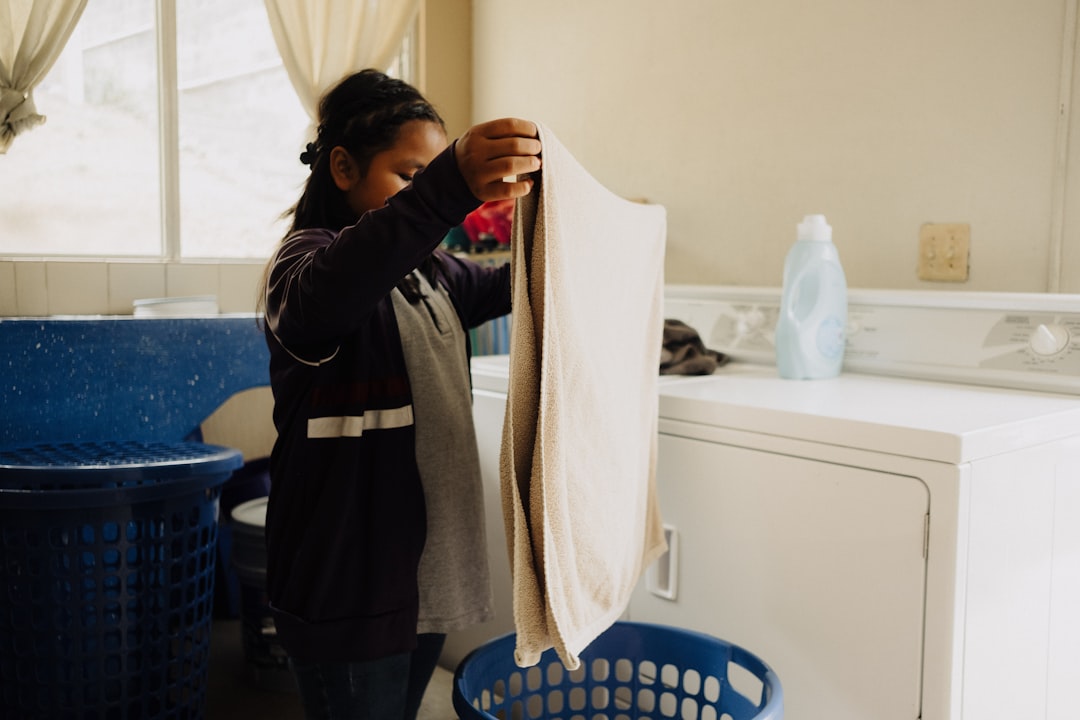
Professional cleaners who work with high-thread-count fabrics routinely fold items while they are still faintly warm from the dryer rather than waiting for them to cool completely to room temperature, exploiting the residual heat to set crisp fold lines that hold their shape for significantly longer than cold folds applied to the same fabric. The technique requires working quickly and confidently because the window in which the heat remains useful is narrow and hesitant or slow folding during this period produces no advantage over folding at room temperature. Items folded in this way require noticeably less ironing when retrieved from storage and retain a more structured appearance throughout their time on the shelf. The method is considered basic knowledge within professional cleaning circles but remains almost entirely unknown in mainstream domestic practice.
The Weight Stack
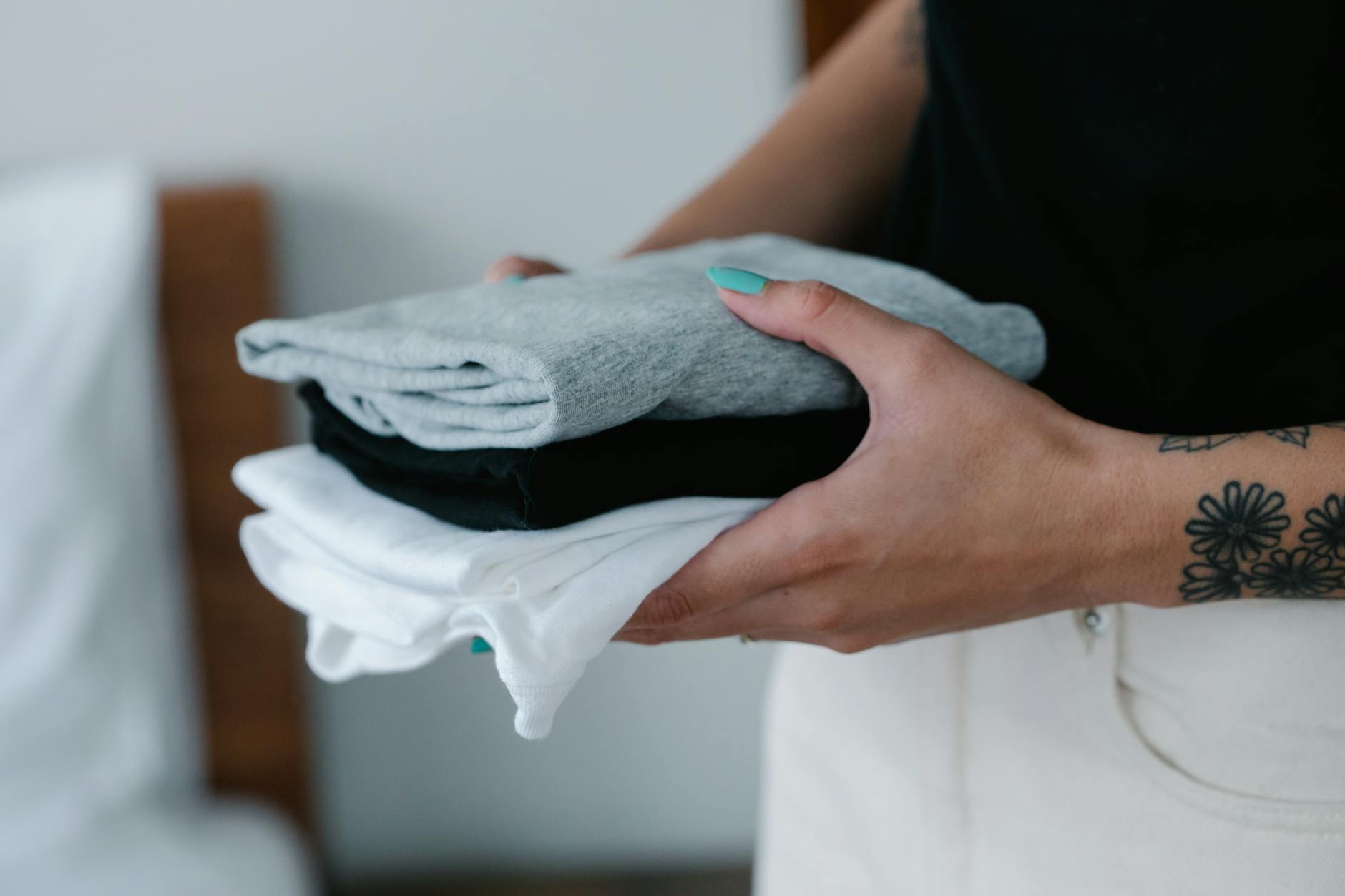
Certain professional cleaners deliberately store their heaviest and most structurally dense folded items at the top of a vertical stack rather than at the bottom, inverting the conventional logic of weight distribution to use the mass of heavier items as a passive pressing mechanism for the more delicate pieces stored beneath them. The weight compresses lighter fabrics gently over time in a way that mimics a low-pressure press and tends to smooth out minor surface irregularities without the aggressive crease lines that result from storing a heavy item directly on top of a fragile one. The technique requires a level of precision in item selection and placement that most domestic folders never develop but which becomes intuitive with professional experience. Cleaners who use this method describe it as their most counterintuitive habit and the one that generates the most skepticism when mentioned in conversation.
The Shadow Fold
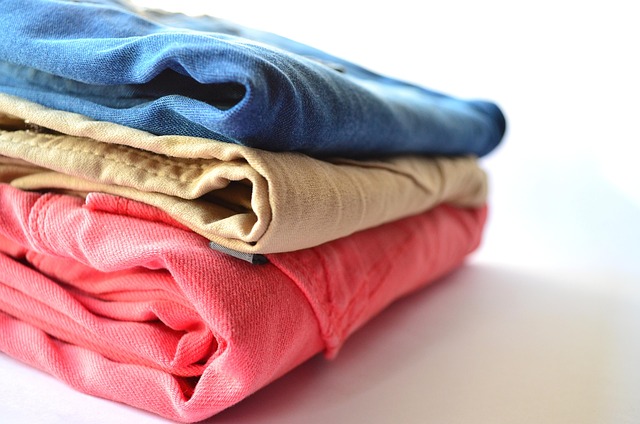
A number of professional cleaners fold patterned or printed garments with the design facing inward rather than outward, storing the item with only the plain reverse side visible and using the exterior pattern as a structural guide for the fold lines rather than a display surface. The inward-facing pattern protects the print from the low-level abrasion that occurs between stored garments and preserves color saturation and print clarity over many more wash and storage cycles than conventional outward-facing storage allows. Retrieving the correct item from a drawer requires the cleaner to develop a tactile and positional memory of where each garment sits, which professional cleaners typically develop within a few weeks of beginning the practice. The visual uniformity of a drawer full of plain fabric reverse sides is also noted by users as a calming organizational aesthetic with no small appeal of its own.
The Elastic Band Cylinder
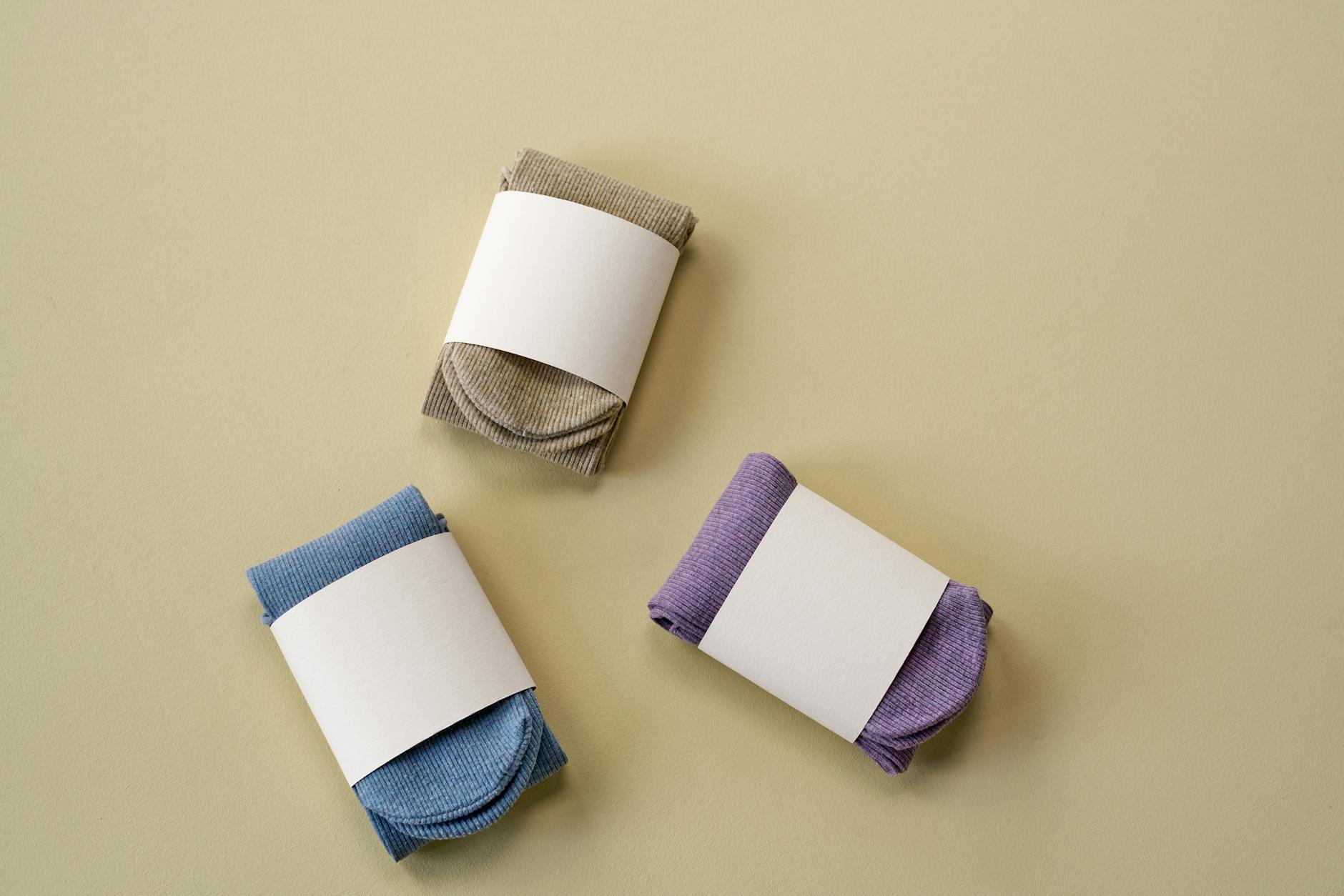
Some professional cleaners who handle large volumes of socks and underwear roll each sock pair into a tight cylinder and secure it with a single small elastic band around the center rather than folding one sock cuff over both in the conventional manner. The conventional cuff fold stretches the elastic in the sock cuff over time and progressively degrades the fit at the ankle in a way that is gradual enough to go unnoticed until the damage is already significant. The banded cylinder protects both cuffs entirely and stores more compactly than folded pairs in a deep drawer. Cleaners who adopt this practice frequently purchase small elastic bands in bulk because the efficiency gain is considered large enough to justify the minor ongoing cost of the bands themselves.
The Vertical Bath Sheet
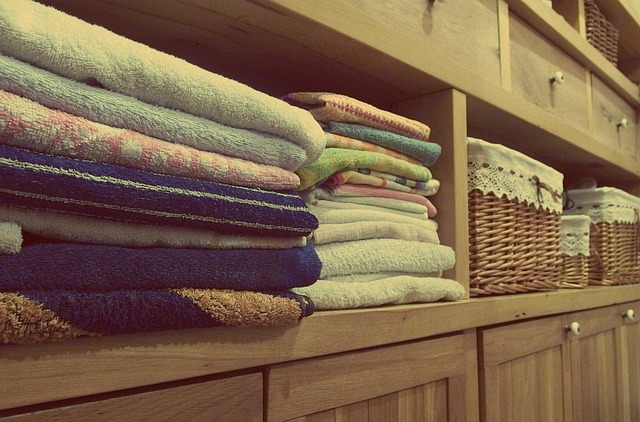
Professional cleaners who handle oversized bath sheets and beach towels frequently store them folded into thirds lengthwise and then rolled tightly from the short end into a dense upright cylinder that stands independently on a shelf rather than lying flat in a stack. The standing cylinder format eliminates the compressive distortion that flat-stacked towels develop in their lower layers over time and allows every towel in a collection to be accessed individually without disturbing any of the others. The cylindrical rolls are arranged in a single layer across the shelf like a row of standing logs, making the total inventory immediately visible and the oldest or least recently used towels easy to identify and rotate to the front. Hotel linen rooms operate on a version of this same principle and professional cleaners who are familiar with hospitality standards tend to replicate it at home without being asked.
The Seam Align
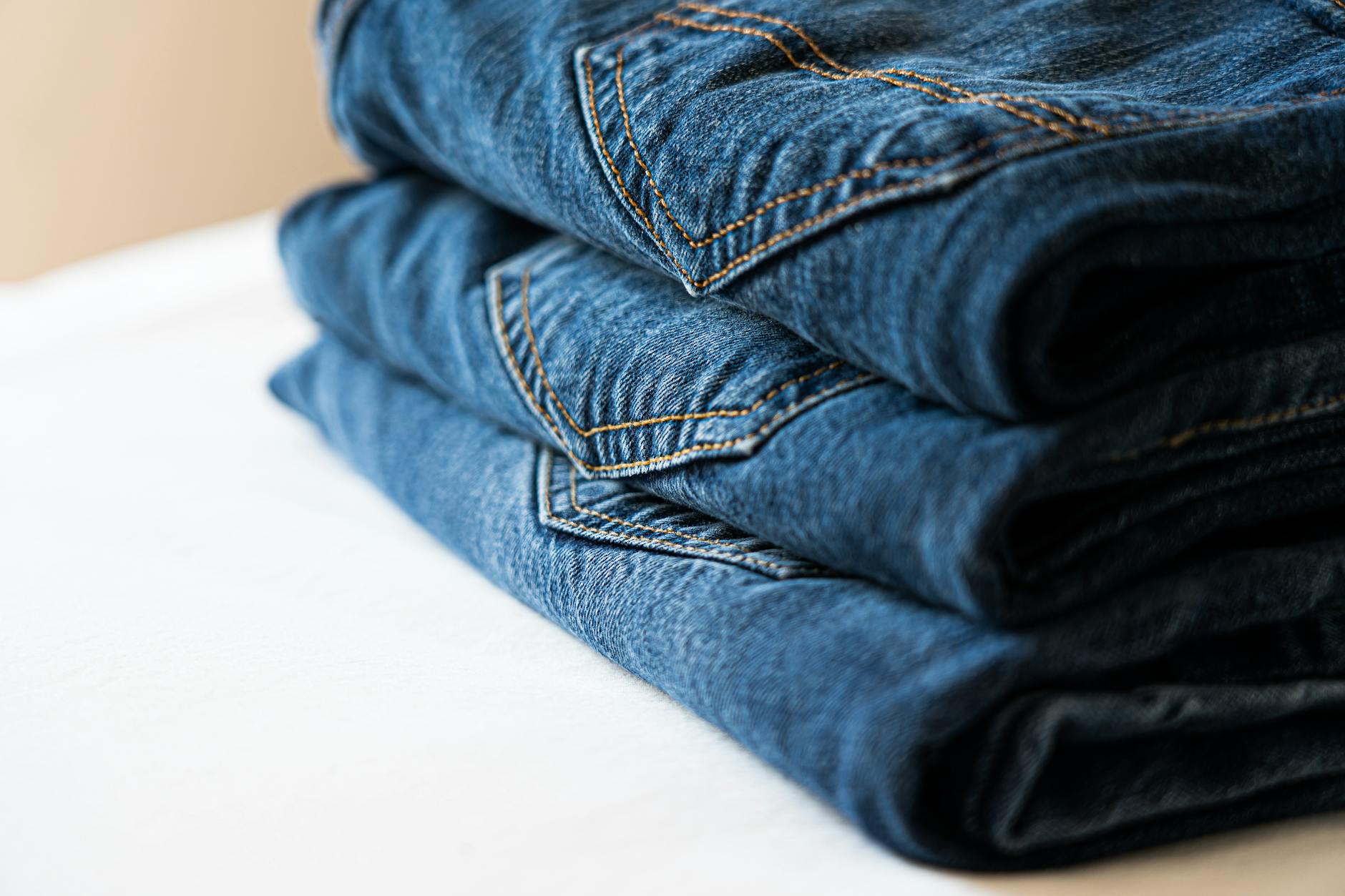
Before folding any garment, a group of professional cleaners take the time to locate and align all internal seams so that they sit precisely on top of one another rather than offsetting during the fold, treating seam alignment as the foundational step from which all subsequent fold quality derives. A garment folded with offset seams develops a slight twist in its stored shape that manifests as a diagonal pull across the front panel when the item is worn, a defect that requires either ironing or wearing in to correct. Aligning the seams before the first fold takes an additional few seconds per item but eliminates this structural distortion entirely and produces a flatter more stable folded unit that stacks without sliding. Experienced professional cleaners describe seam alignment as one of those habits that once learned cannot be unlearned because the results are immediately and visibly superior.
The Category Exile
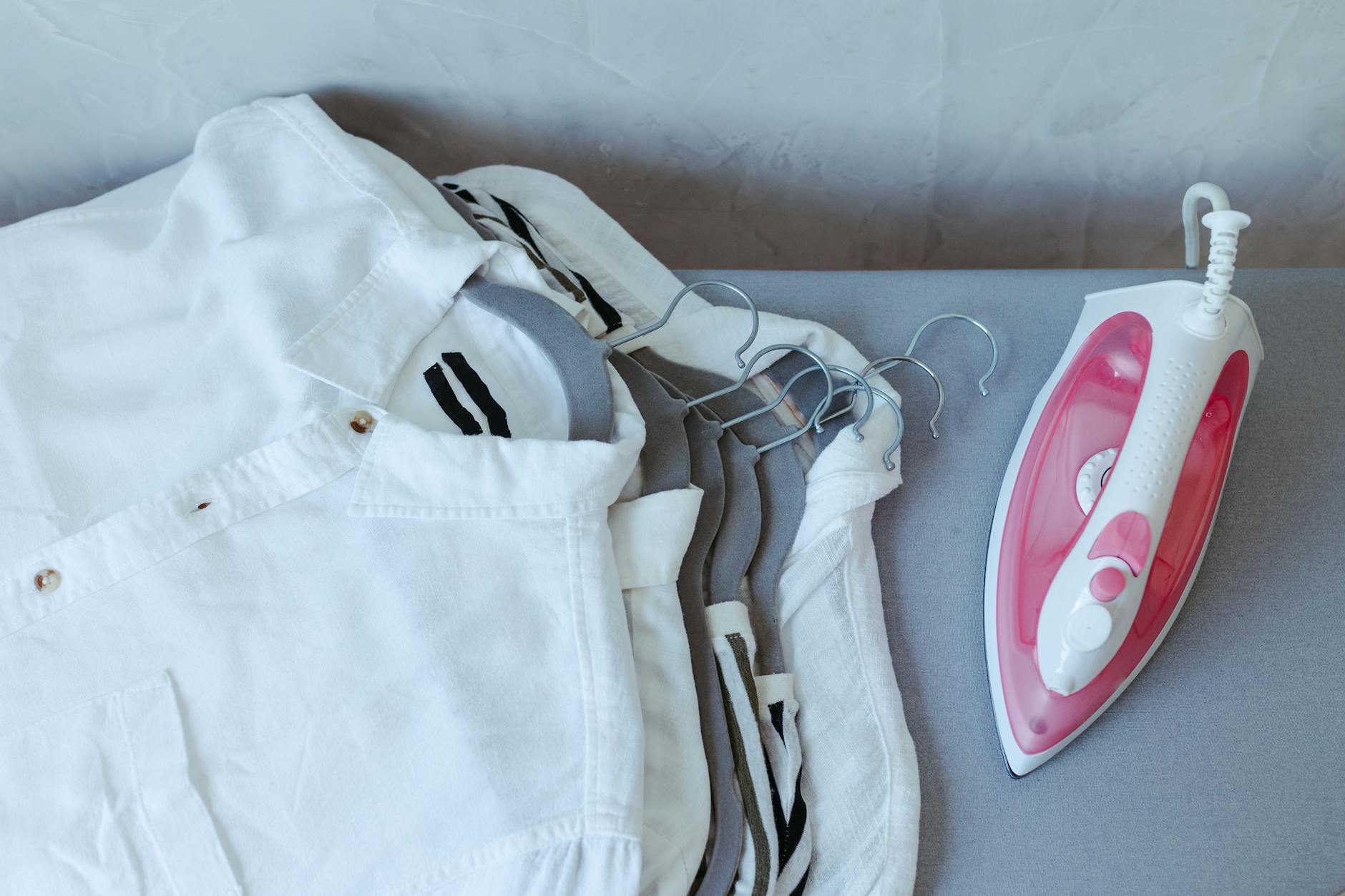
Several professional cleaners maintain an absolute rule that certain fabric categories are never stored in the same drawer or shelf space as any other category regardless of how convenient proximity might be, treating category separation as a contamination-prevention measure as much as an organizational one. Workout clothing is stored in a physically separate location from formal wear because the residual fiber and chemical transfer between high-elastane activewear and natural fiber dress garments is considered by professional cleaners to cause measurable long-term degradation in the texture of the formal items. The exile principle is applied with the same logic used in professional cleaning storage facilities where incompatible fabric types are separated by physical distance rather than just divided by a drawer organizer. Domestic households that adopt this system typically require a modest reorganization of existing storage furniture but report a noticeable improvement in the longevity of their most valuable garments within a single season.
The Dryer Ball Pre-Sort
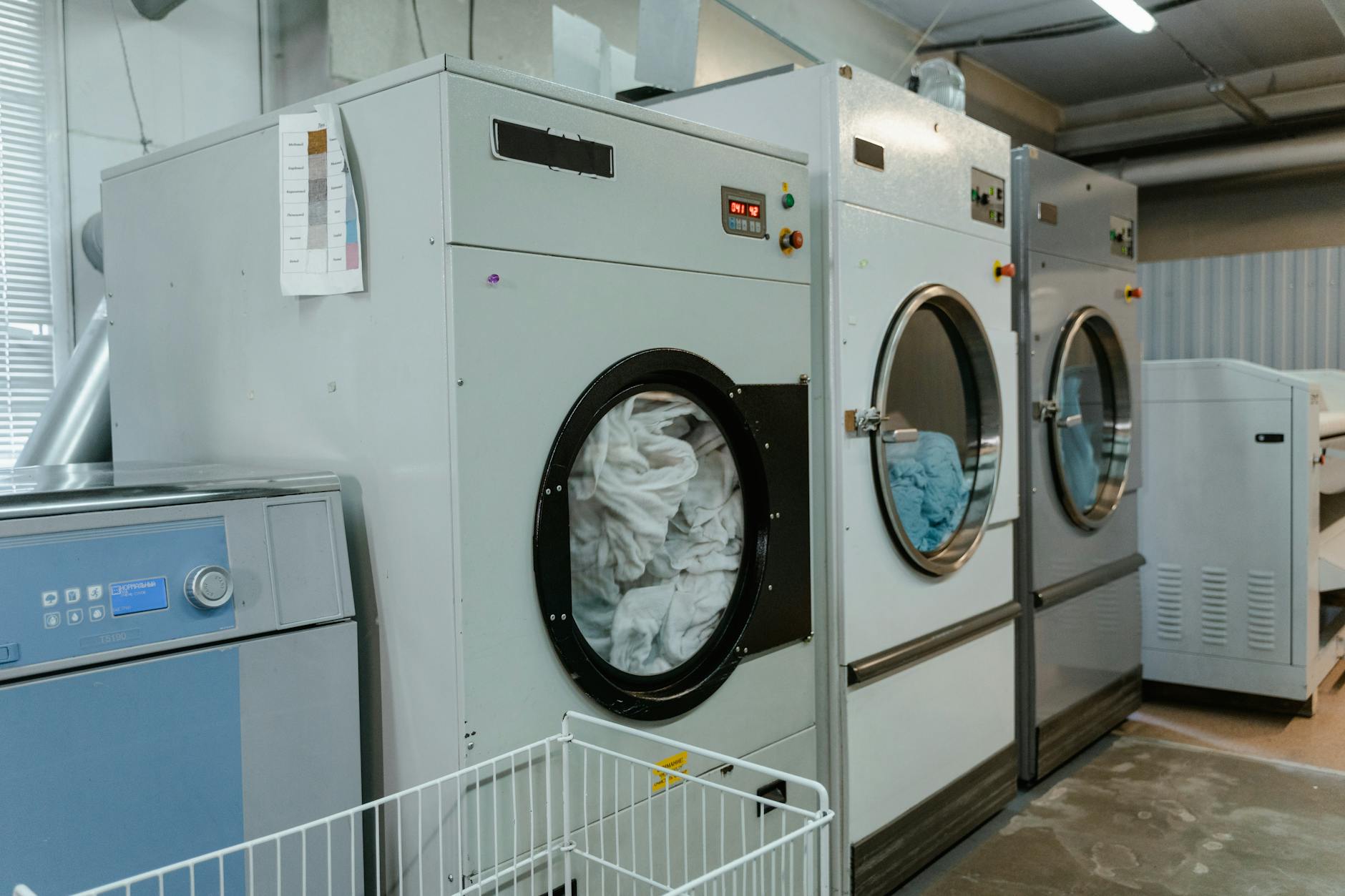
A number of professional cleaners pre-sort their laundry loads specifically to optimize the performance of wool dryer balls rather than sorting primarily by color or fabric weight as conventional advice recommends. Loads are assembled to create a specific ratio of heavy and lightweight items that allows the dryer balls to move freely and generate maximum impact throughout the drum rather than being trapped between dense items for extended periods. The resulting airflow through the load reduces drying time and fabric compression simultaneously and the lighter items in the load benefit from the movement generated by the heavier pieces without sustaining the fiber stress that would result from being washed alongside them. Cleaners who organize their laundry around dryer ball dynamics describe the method as fundamentally reordering the logic of how a wash is assembled from the ground up.
The Fold Map
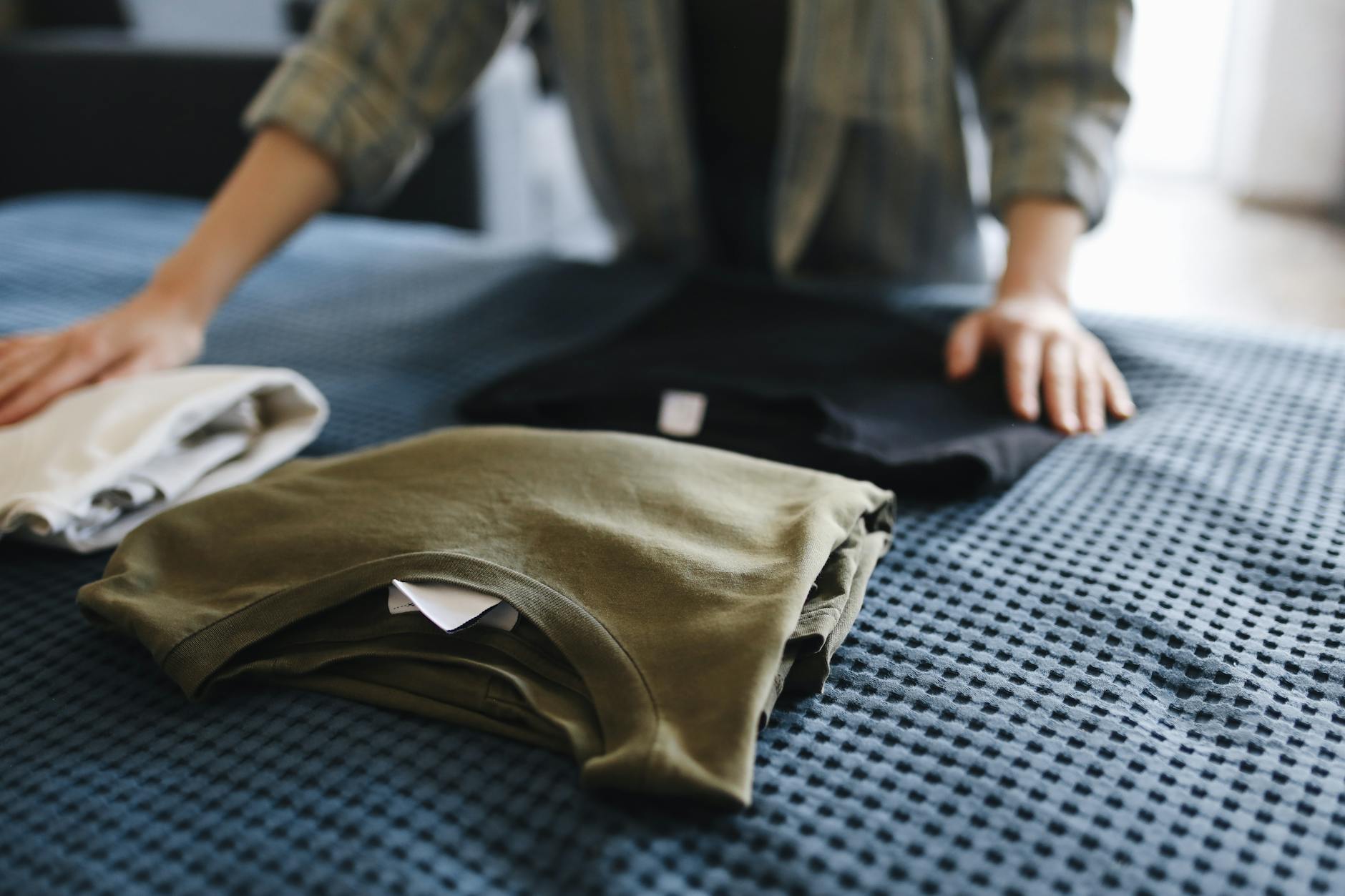
Some professional cleaners who manage large household wardrobes maintain a hand-drawn or photographed reference map of exactly how each item in a given drawer is folded and positioned, updating the map each time the drawer is reorganized and using it to return items to precisely the same position after laundering. The map ensures that the drawer always looks identical after restocking and eliminates the gradual drift toward disorganization that typically occurs when items are returned to a shared storage space without a fixed position reference. Professional cleaners who develop this habit at work sometimes extend it to their own homes as a private organizational practice that household members are rarely aware of. The discipline required to maintain the map is considered by its practitioners to be less onerous than the recurring effort of reorganizing a drawer that has gradually lost its original structure.
The Chemical Sequester
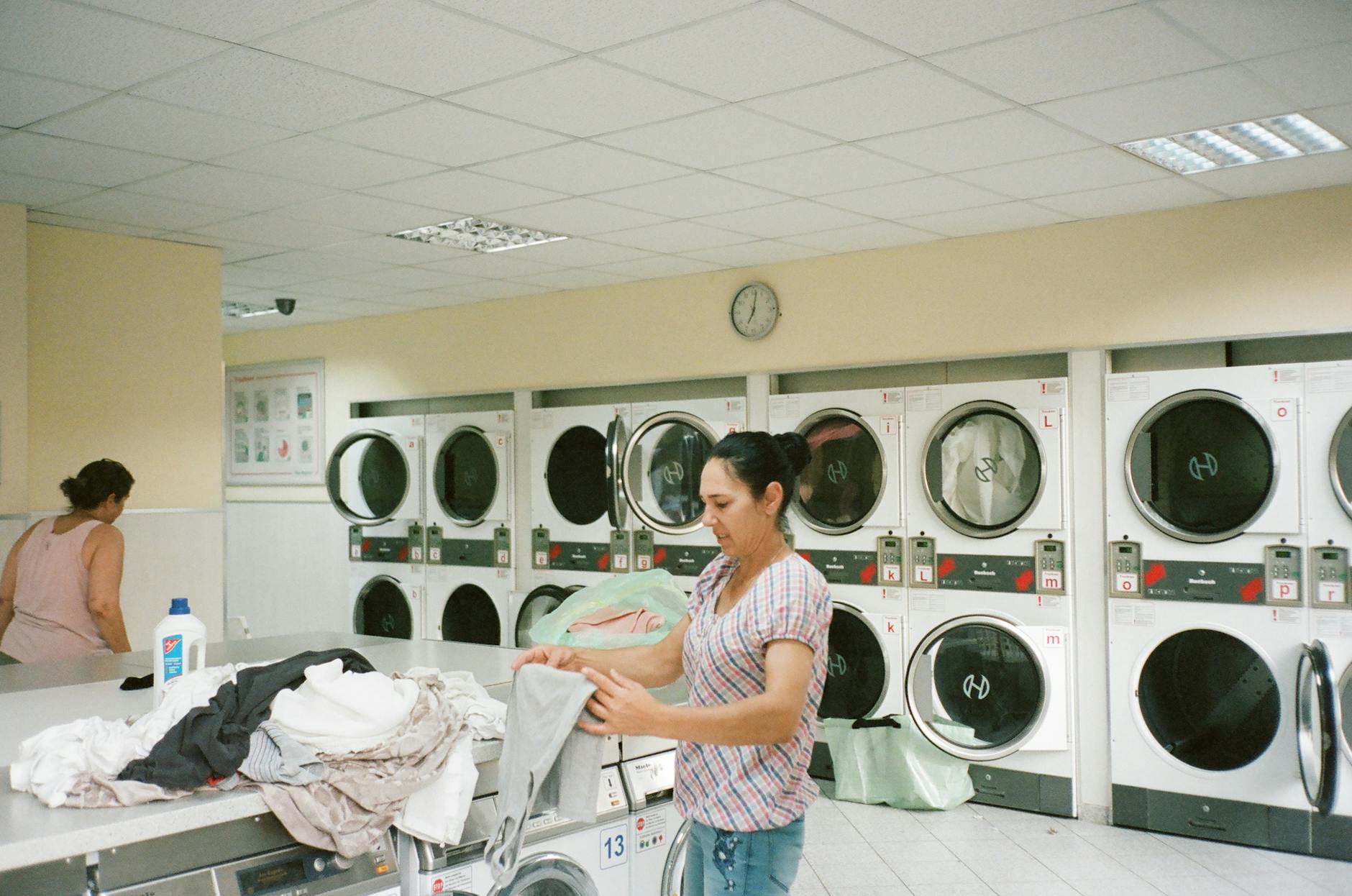
Professional cleaners are unusually consistent about storing all laundry chemicals including detergents, fabric softeners, stain removers and bleach alternatives in a physically separate room or sealed cabinet located outside the primary laundry folding area, never allowing chemical products to share space with clean folded items even in sealed containers. The off-gassing of even sealed detergent containers is considered sufficient to alter the scent profile of fabrics stored nearby over extended periods in a way that is subtle but cumulative. This sequestering habit developed through professional experience of what happens to garments stored in commercial cleaning environments where chemical and fabric storage were not adequately separated. Domestic adoption of this principle is rare but professional cleaners who practice it privately describe a noticeable improvement in the neutral freshness of their stored clothing that persists far longer than fabric softener scent alone.
The Cotton Cocoon
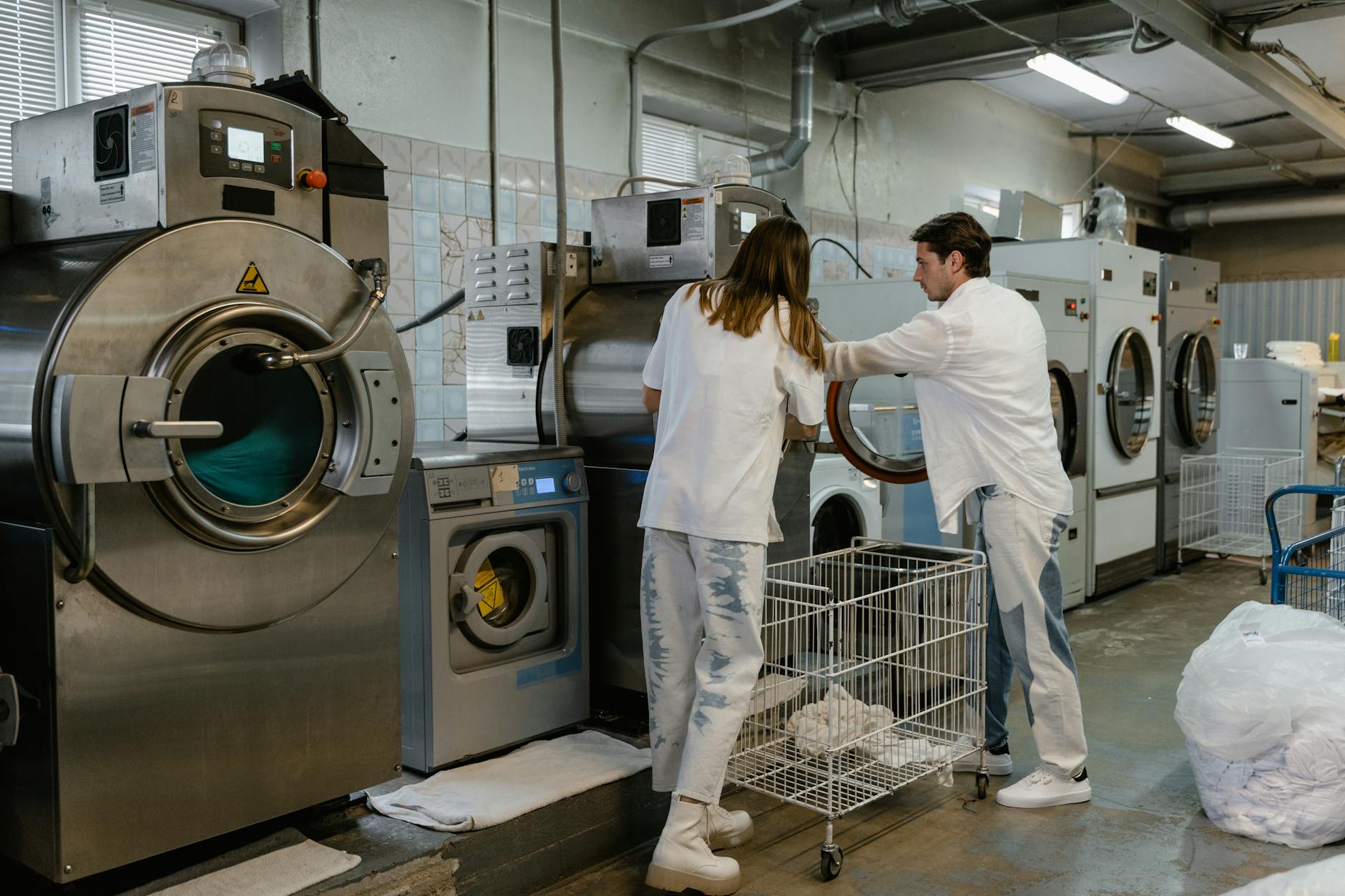
Several professional cleaners wrap high-value knitwear items individually in a single layer of unbleached cotton muslin before folding and storing them, using the thin breathable wrapper as a protective barrier against fiber transfer from adjacent garments and as a gentle structural support during storage. The muslin wrapper is loose enough to allow the knit to breathe and avoid moisture accumulation while being snug enough to prevent the item from unfolding or shifting position within the drawer during normal use. Items wrapped in cotton cocoons are also considerably easier to handle as a unit when the drawer is being restocked because the wrapper holds the fold intact during the transfer from folding surface to storage. Professional cleaners who use this technique typically reserve it for their most expensive or sentimental knitwear and describe it as one of the few domestic habits that makes them feel they are genuinely applying professional-grade care to their own belongings.
The Flat Shirt Board
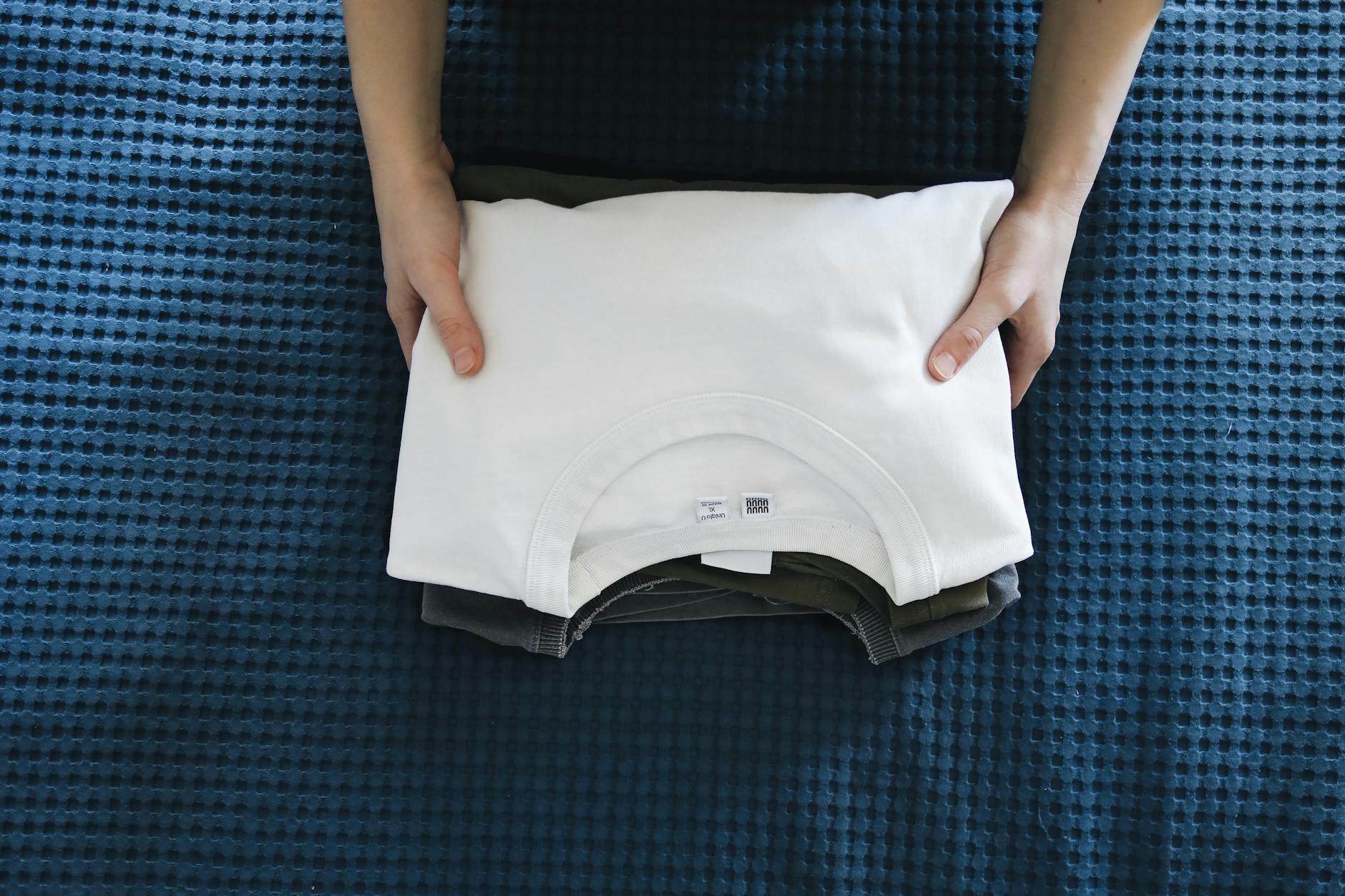
A number of professional cleaners use a rigid flat board cut to a specific standard size as the template around which every shirt and top in the household is folded, wrapping the garment around the board and then sliding the board out to leave a perfectly dimensioned flat rectangle every time without variation. The board method eliminates the inconsistency that results from freehand folding and produces a stack of shirts that maintains its structural integrity even when items from the middle of the stack are removed. Commercial shirt packaging in retail environments uses this same principle and professional cleaners familiar with garment presentation standards tend to replicate it privately as a matter of professional habit. The board itself is typically cut from a piece of lightweight cardboard or thin acrylic sheet and costs nothing beyond the few minutes required to cut it to the preferred dimension.
The Inside-Out Wash Fold
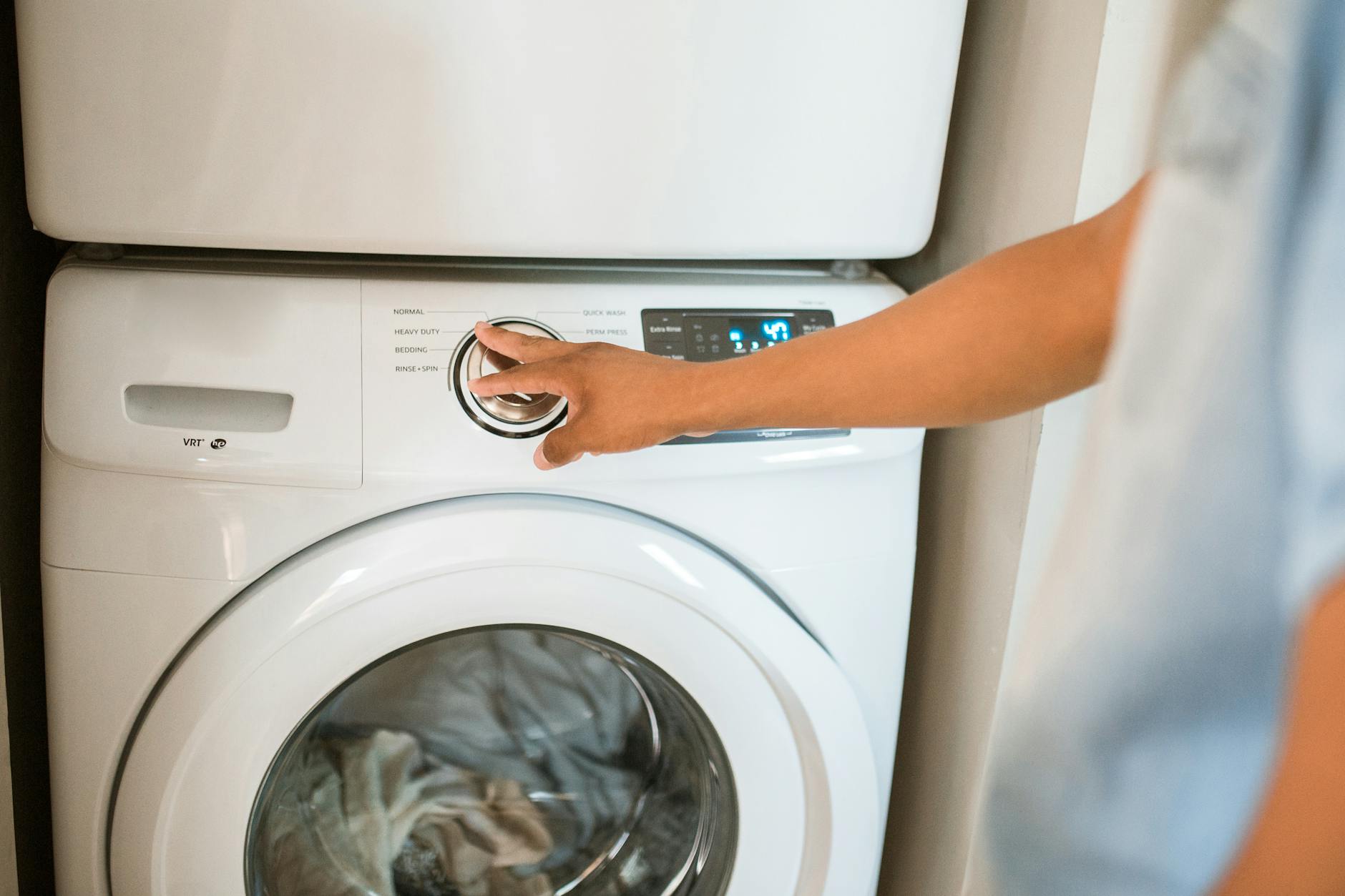
Professional cleaners who are serious about preserving print and color integrity wash and dry printed garments inside out and then fold and store them inside out without ever turning them right side out until the moment of wearing. The folded inside-out storage extends the protection begun during the wash and dry cycle and means that any minor abrasion occurring during storage affects only the plain interior surface of the garment rather than the decorated exterior. Printed garments stored by this method over a period of years show measurably less print cracking, color fading and surface pilling than identically washed items that are turned right side out before storage. The habit requires the wearer to develop a new step in their dressing routine but professional cleaners who use it consider the trade-off entirely worthwhile given the visible results on their most-worn printed items.
The Tension Test
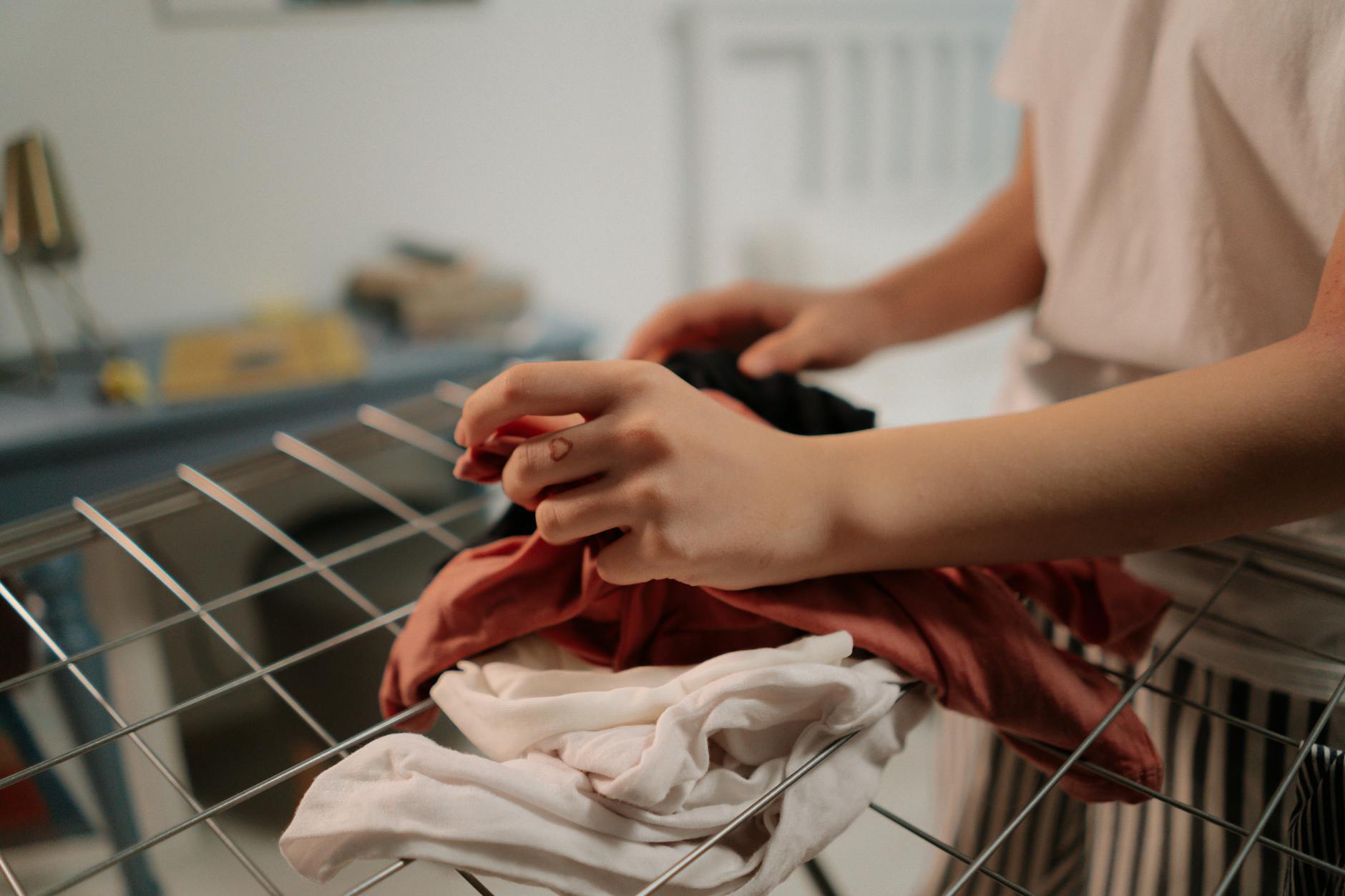
Before committing to a fold, certain professional cleaners hold each garment up to a light source and perform a brief visual tension inspection along the seam lines to identify any areas of fabric stress or early stitching failure that would be set and potentially worsened by applying a fold under compression. Garments that show any sign of tension at stress points are set aside for repair rather than folded and stored, because compression during storage is understood to accelerate seam failure in a way that is disproportionate to the modest time saved by skipping the inspection. This triage habit means that garments arrive at the repair stage in a far more recoverable condition than they would if the problem were only noticed at the point of wearing when it is often too late for a simple fix. Professional cleaners describe the tension inspection as taking less than five seconds per garment once the eye has been trained to know what it is looking for.
The Diagonal T-Shirt
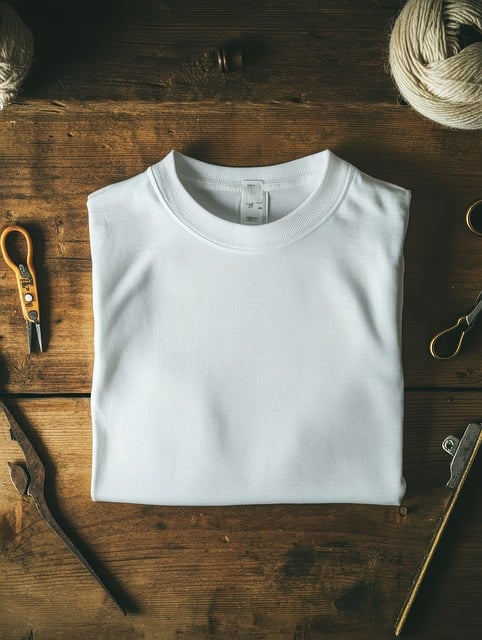
A small group of professional cleaners fold t-shirts along a diagonal axis rather than the conventional vertical center line, folding one shoulder corner down to meet the opposite lower hem corner before completing the fold into a compact triangle. The diagonal fold distributes the stress of compression away from the center front panel where printed graphics are most commonly located and produces a triangular unit that tessellates efficiently in a deep drawer without any wasted corner space. The technique takes marginally longer to execute than a standard fold until the motion becomes habitual but produces a noticeably more compact storage format for large t-shirt collections. Cleaners who adopt the diagonal method describe it as one of the few folding innovations that genuinely changes the total usable capacity of a standard chest of drawers without any modification to the furniture itself.
The Linen Freeze
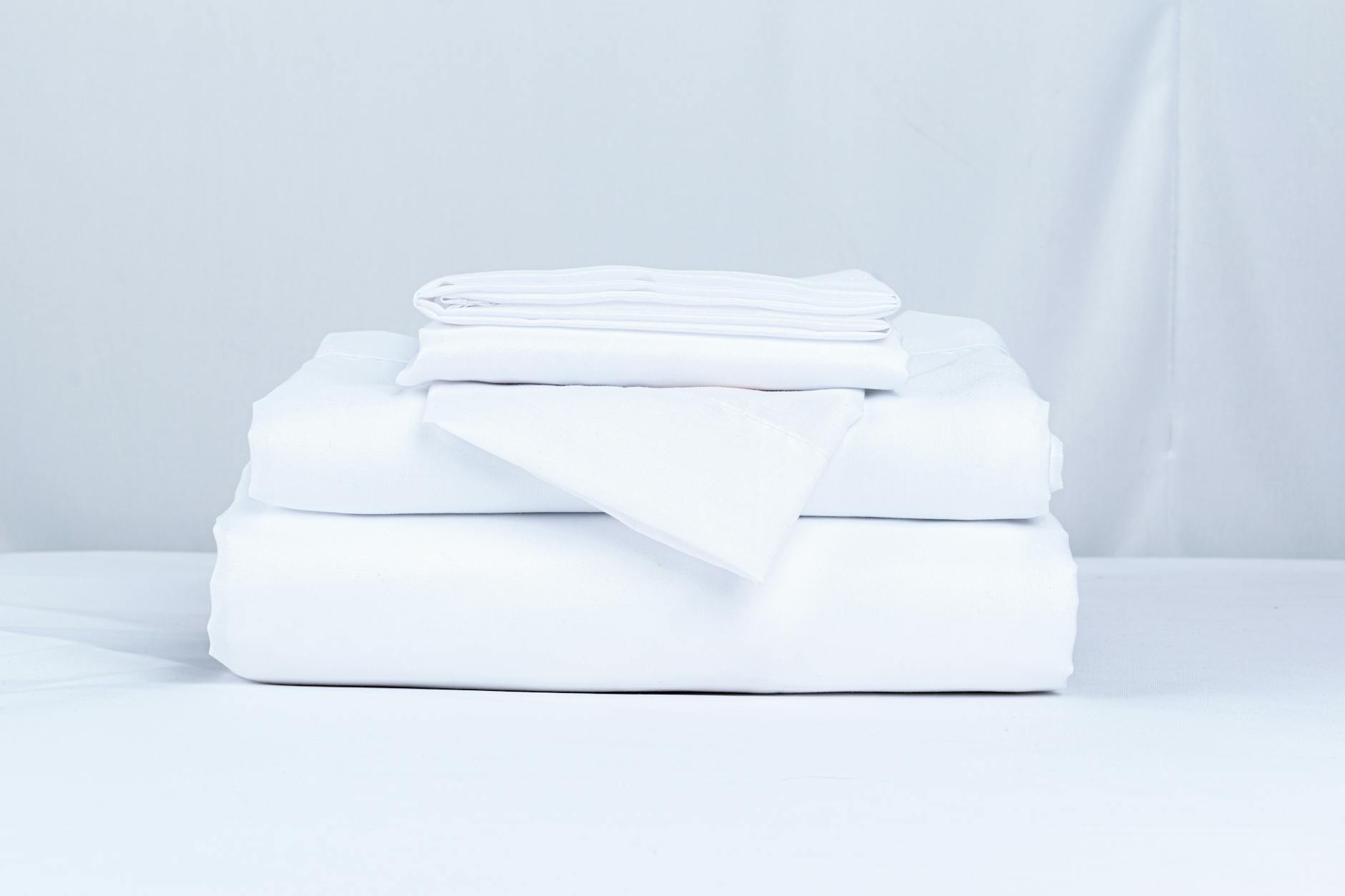
A number of professional cleaners who work extensively with natural linen report storing washed but not yet folded linen items flat in the freezer for a period of thirty to sixty minutes before folding, using the cold exposure to stiffen the fiber temporarily and allow crisper more precise fold lines to be set than are achievable at room temperature. The freezer step requires forward planning and an available shelf in a domestic freezer but is described by cleaners who use it as producing a folded linen finish that is closer to professional pressing than any alternative cold technique they have encountered. The stiffening effect dissipates within an hour of the item being removed from the freezer so the folding must be completed promptly during the cold window. Cleaners who use this technique most often reserve it for tablecloths, napkins and formal linen shirts where fold precision carries the most visible impact.
The Dedicate Press Cloth
Several professional cleaners keep a dedicated smooth cotton press cloth specifically for use between folded items in drawers and on shelves, placing a single layer of the cloth between each row of stored garments as a separator that prevents fiber transfer and color migration between items stored in direct contact. The press cloth layer also acts as a subtle structural element that keeps the rows of folded items stable and prevents them from leaning or toppling when an item is removed from the middle of a stack. Commercial laundry facilities use separator sheets for precisely this purpose and professional cleaners who transfer the habit to a domestic context describe it as one of the most low-effort high-return organizational changes they have ever made to their personal storage system. A single meter of plain cotton fabric cut into drawer-width strips provides enough separator cloth for an entire household wardrobe at negligible cost.
The Rotation Log
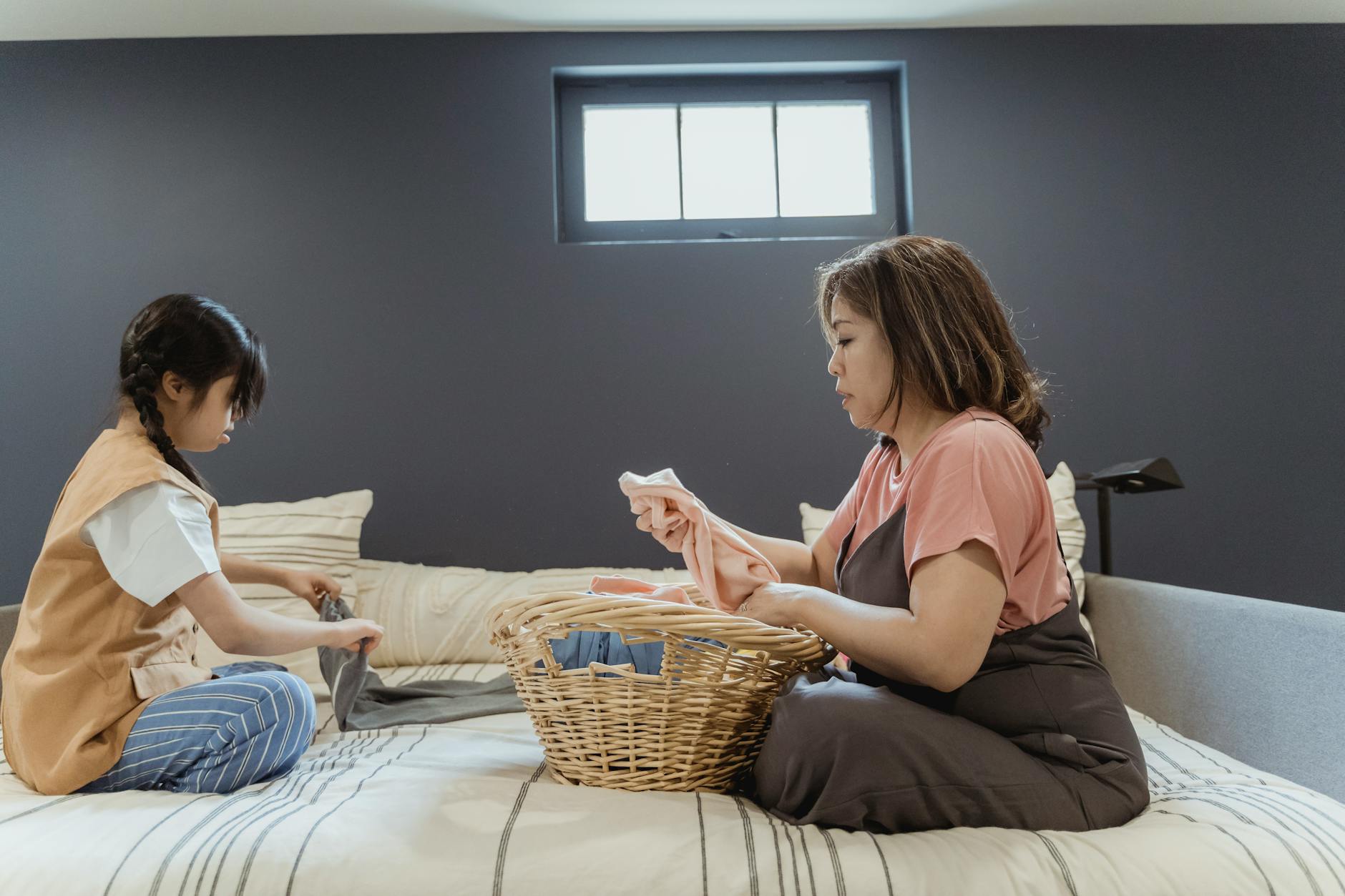
A number of professional cleaners maintain a simple written or digital log tracking the last date each category of household item was rotated from the back of the storage shelf to the front, applying the same stock rotation logic used in professional linen management to their personal domestic laundry to ensure that every item in the household receives equal wear and washing frequency. Items that are never rotated to the front of a shelf accumulate disproportionate storage time and develop the kind of long-term fold creasing and fabric compression damage that is difficult to reverse through ordinary washing alone. Even a basic rotation log maintained on a piece of paper inside a drawer requires only a few seconds to update after each laundry cycle but delivers a compounding benefit to the overall condition of the household linen over months and years. Professional cleaners who use this system describe it as the single habit most likely to extend the functional lifespan of household fabric items beyond any other technique in their private routine.
If any of these unconventional methods have changed how you think about your own laundry routine, share your reactions and experiments in the comments.




