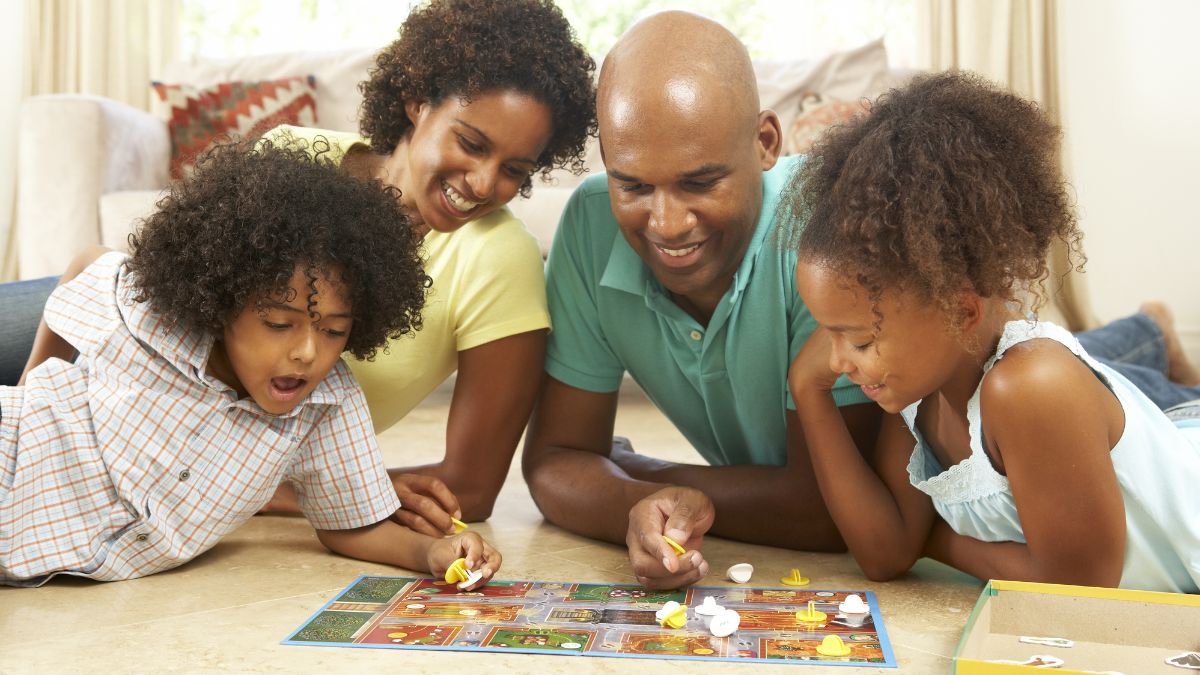
Family game night is one of those rare rituals that brings people of all ages together around a shared table, away from screens and daily stress. The mood lives and dies by the words people choose, and certain phrases have a way of derailing the fun faster than any bad dice roll. Whether you are playing with young children, competitive teenagers, or opinionated relatives, knowing what not to say keeps the evening enjoyable for everyone. Here are 23 things best left unsaid during family game night.
Sore Loser Talk

Blaming the game, the dice, or anyone else at the table when things do not go your way poisons the atmosphere almost instantly. Losing gracefully is a skill that younger players learn directly from watching adults at the table. Phrases that deflect personal responsibility onto external factors model exactly the wrong behavior. Every game has an element of chance, and accepting that is part of playing well with others.
Rule Lawyering

Interrupting the flow of the game to argue over technicalities and fine print takes the joy out of what should be a relaxed evening. Most house rule disagreements can be settled quickly with a simple majority vote or a quick check of the instructions. Turning every ambiguity into a prolonged debate exhausts everyone at the table. The goal is fun, not a courtroom victory.
Age Insults

Pointing out that someone is too young to understand the game or too old to keep up with it is unkind and entirely unnecessary. Game night works precisely because it levels the playing field across generations. Comments like these make people feel excluded before a single turn is even taken. Every player at the table deserves to feel capable and welcome.
Phone Distraction
Announcing that you are bored enough to check your phone mid-game sends a clear message that you would rather be somewhere else. It disrupts the rhythm of play and signals to others that their company and effort are not worth your attention. Even a quick glance at a screen during someone else’s turn can feel dismissive. Full presence at the table is a small but meaningful act of respect.
Early Quitting

Declaring that you are done and walking away from a game before it is finished leaves everyone else in an awkward position. It disrupts the structure of the game and can genuinely upset younger players who were invested in the outcome. If something is genuinely wrong, a calm conversation is far better than a dramatic exit. Finishing what you started together is part of the social contract of game night.
Score Obsessing
Constantly announcing the score, calculating everyone’s standing, and fixating on who is winning or losing turns a fun evening into a stress-inducing competition. For younger or less experienced players, this kind of running commentary can feel humiliating. Keeping score is part of the game, but narrating it obsessively is not. Let the numbers speak for themselves at the end.
Cheating Accusations
Publicly accusing another player of cheating without clear evidence creates immediate tension and can genuinely hurt feelings. Even when something suspicious has occurred, there are calmer and more private ways to address it. Throwing accusations across the table in front of everyone tends to escalate quickly. Assume good faith first and address concerns quietly if needed.
Unsolicited Coaching
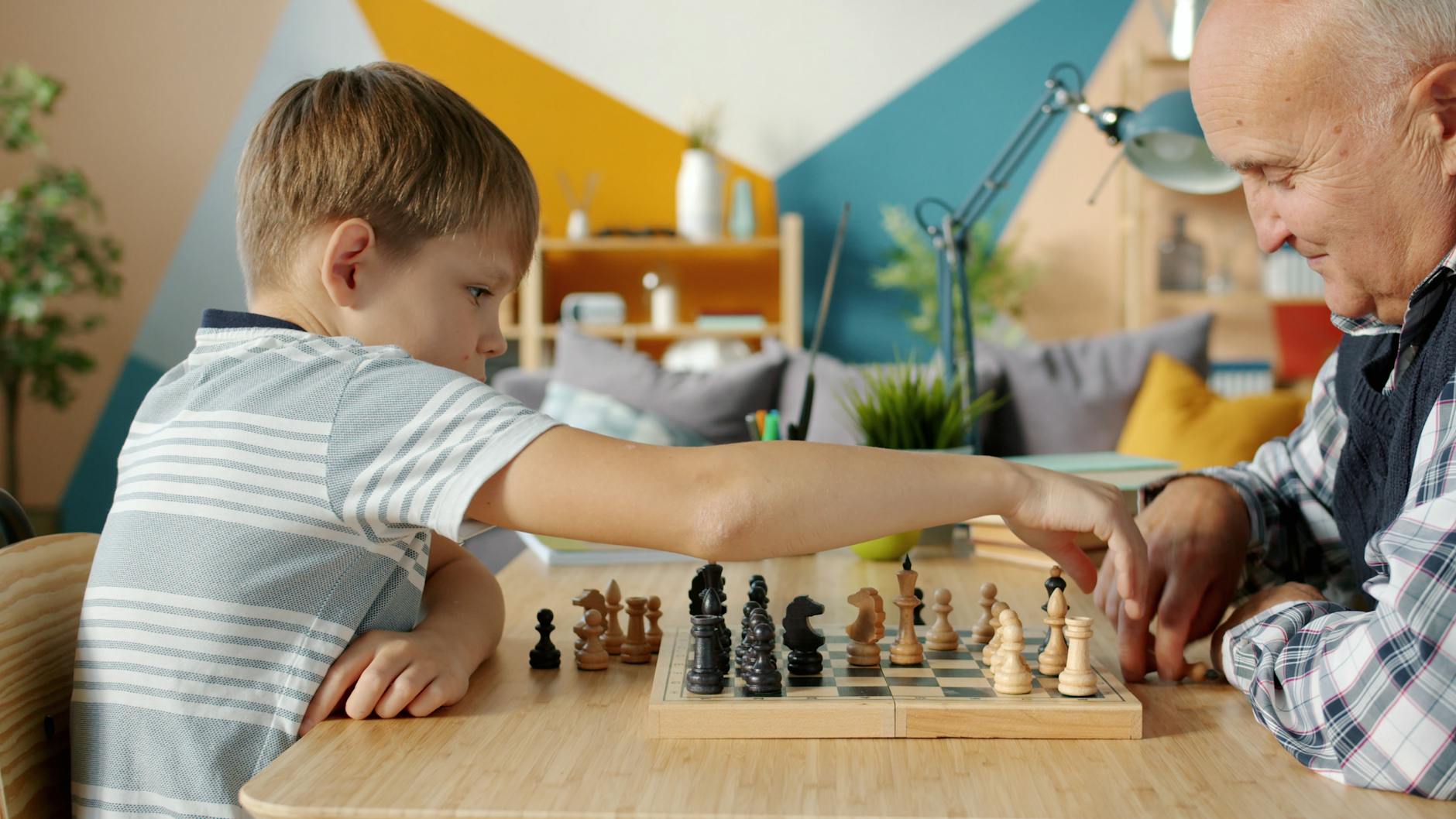
Telling another player what move they should make, criticising their strategy mid-turn, or sighing at their choices takes away their autonomy and enjoyment. Everyone has the right to play the game in their own way, even if it is not the most strategic approach. Unsolicited coaching is particularly discouraging for children who are still learning. Let people play their own game.
Intimidation Talk

Using aggressive or intimidating language to psych out another player might feel playful to one person but genuinely uncomfortable to another. Trash talk has its place in certain competitive settings, but a family living room is rarely one of them. Younger players especially can take this kind of language to heart. Keep the tone light and genuinely friendly rather than performatively fierce.
Gender Stereotyping

Suggesting that a game is better suited to one gender over another, or that a player is performing the way they are because of their gender, is reductive and unwelcome. Game night should be one of the spaces where those kinds of labels are left at the door entirely. These comments, even when meant as jokes, land badly and linger in the room. Every player is just a player.
Favouritism Comments
Remarking that a parent is going easy on a sibling, or that certain players are receiving special treatment, introduces a social dynamic that is hard to walk back. Even if there is a kernel of truth to it, raising it publicly rarely improves the situation. It shifts the mood from competitive fun to interpersonal grievance. Address concerns about fairness directly and calmly rather than airing them at the table.
Complexity Complaints
Repeatedly saying that the game is too complicated, too long, or too boring communicates that you resent being there at all. If the game genuinely is not working, a group conversation about switching is always an option. Voicing frustration repeatedly without offering a solution just drains the energy from the room. Commit to the game you are playing or suggest a change constructively.
Victory Gloating
Celebrating a win so enthusiastically that it makes other players feel small turns a positive moment into an uncomfortable one. There is a meaningful difference between genuine joy and rubbing a victory in someone’s face. For children in particular, watching an adult gloat sets a poor example of how to handle success. Win with the same grace you would want to see from others.
Rushed Pressure
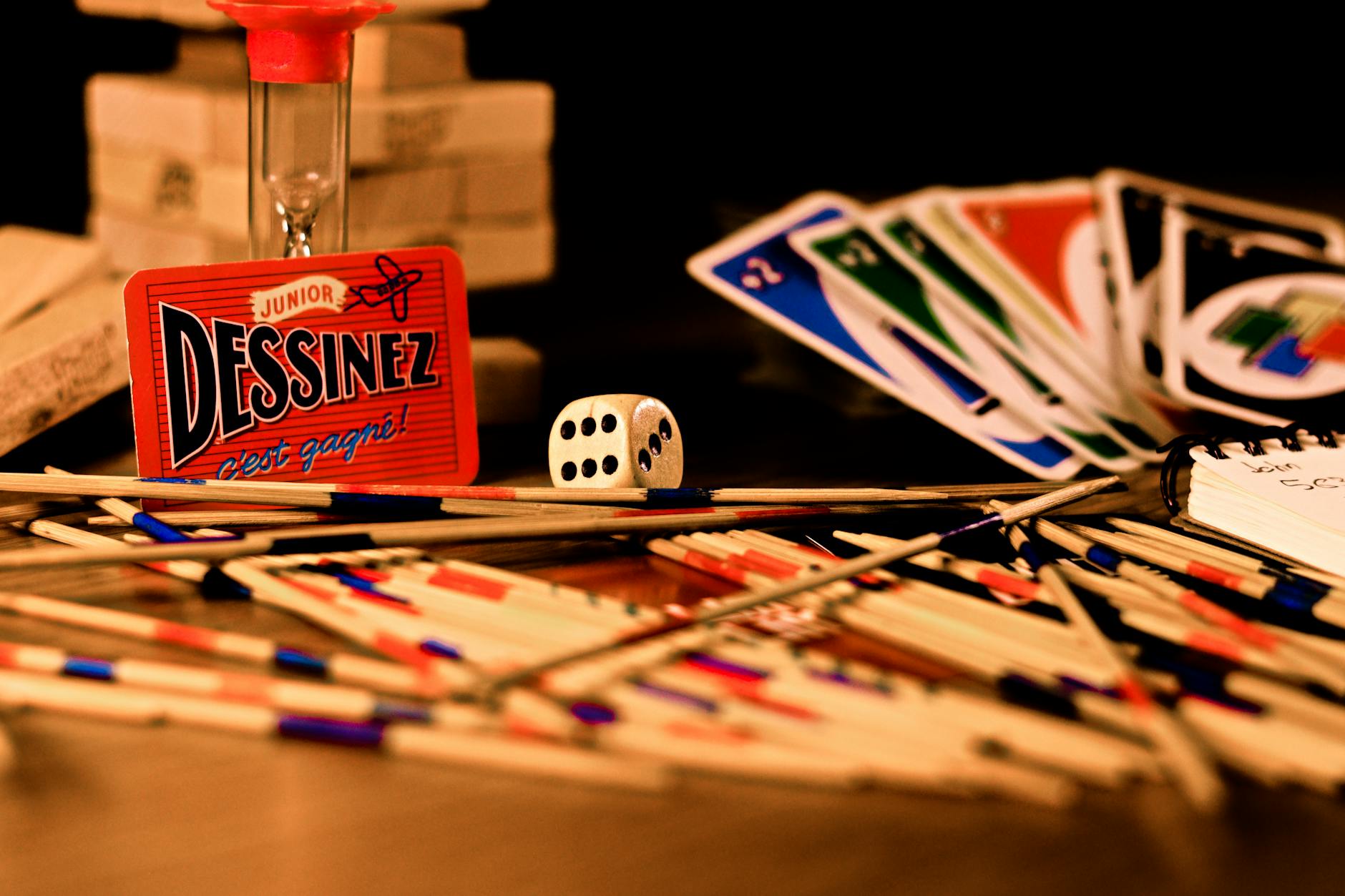
Pressuring another player to hurry up and take their turn creates anxiety and strips them of the chance to think and enjoy the process. Not everyone processes at the same speed, and that is entirely fine. Tapping the table, sighing loudly, or counting down out loud is needlessly stressful. Patience at the table is a quiet but powerful act of generosity.
Dismissive Laughter
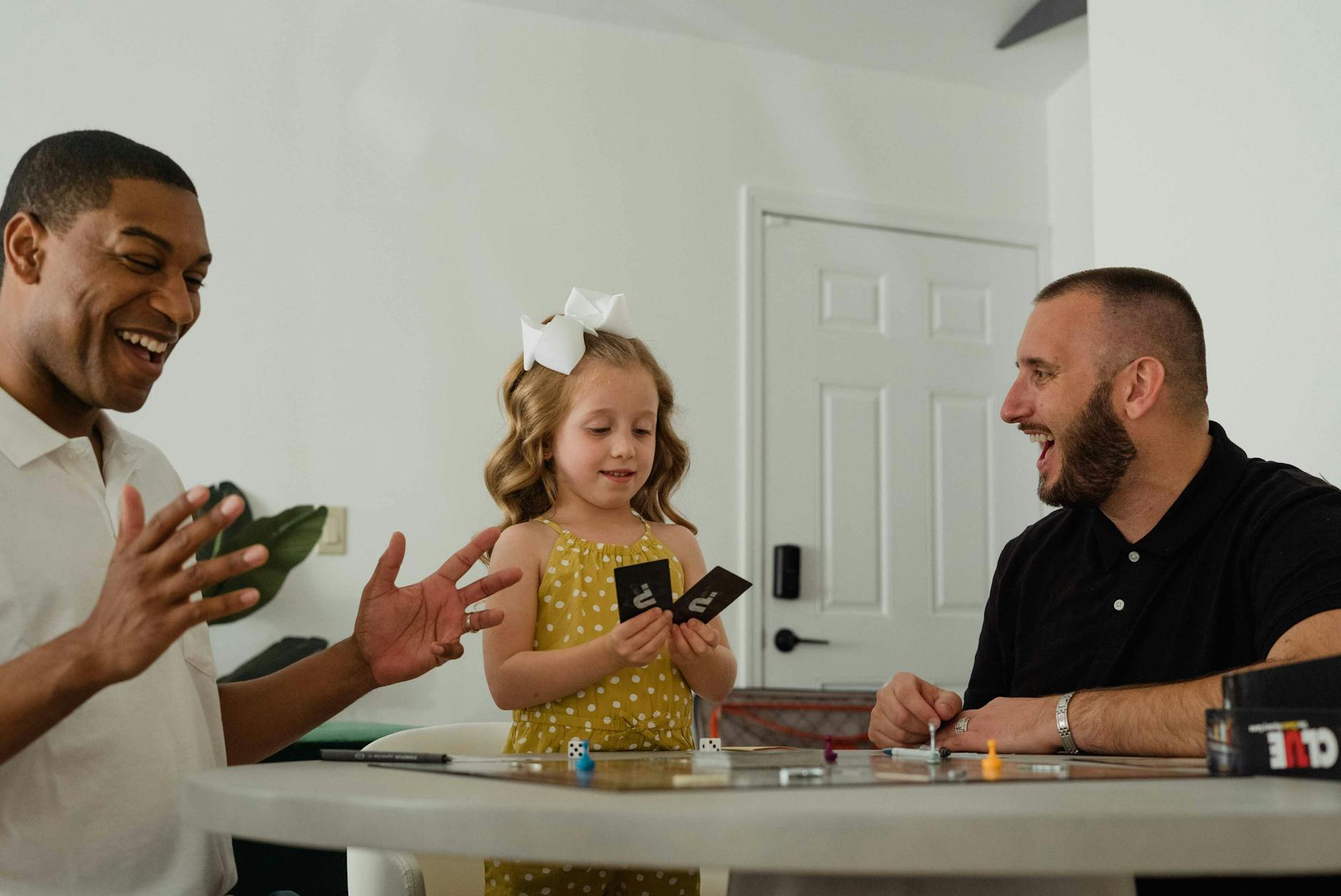
Laughing at another player’s mistake in a way that feels mocking rather than light-hearted shuts people down very quickly. There is a world of difference between laughing together and laughing at someone. Children are especially sensitive to this distinction and will remember how it felt long after the game is over. Keep humour inclusive and warm rather than pointed.
Alliance Exclusion

Openly forming alliances against a single player and making sure they know it is a form of social isolation that has no place at a family table. Even in games where alliances are a legitimate mechanic, how they are communicated matters enormously. Making one person feel ganged up on turns the game into something that feels personal. Play strategically but treat everyone with dignity.
Technology Comparisons

Suggesting the game would be better as a video game or that screens are more entertaining undermines the entire point of gathering around a physical game. Part of the value of game night is the unplugged, face-to-face experience it creates. These comparisons tend to come from a place of disengagement rather than genuine feedback. Be present in the analogue moment.
Past Game References
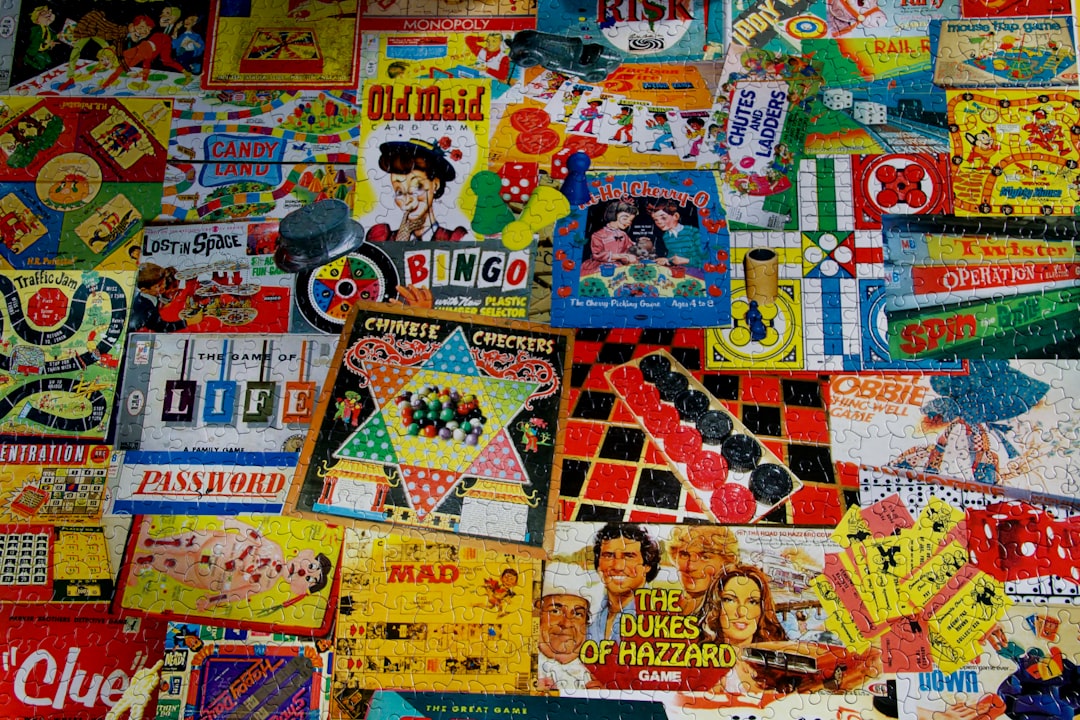
Bringing up who won or lost last time, or referencing a previous argument from a past game night, reintroduces old tension into a fresh evening. Every game night deserves to start on neutral ground without the weight of historical scores to settle. Dredging up old defeats or victories suggests the games matter more than the people playing them. Let the past stay in the past.
Negative Predictions
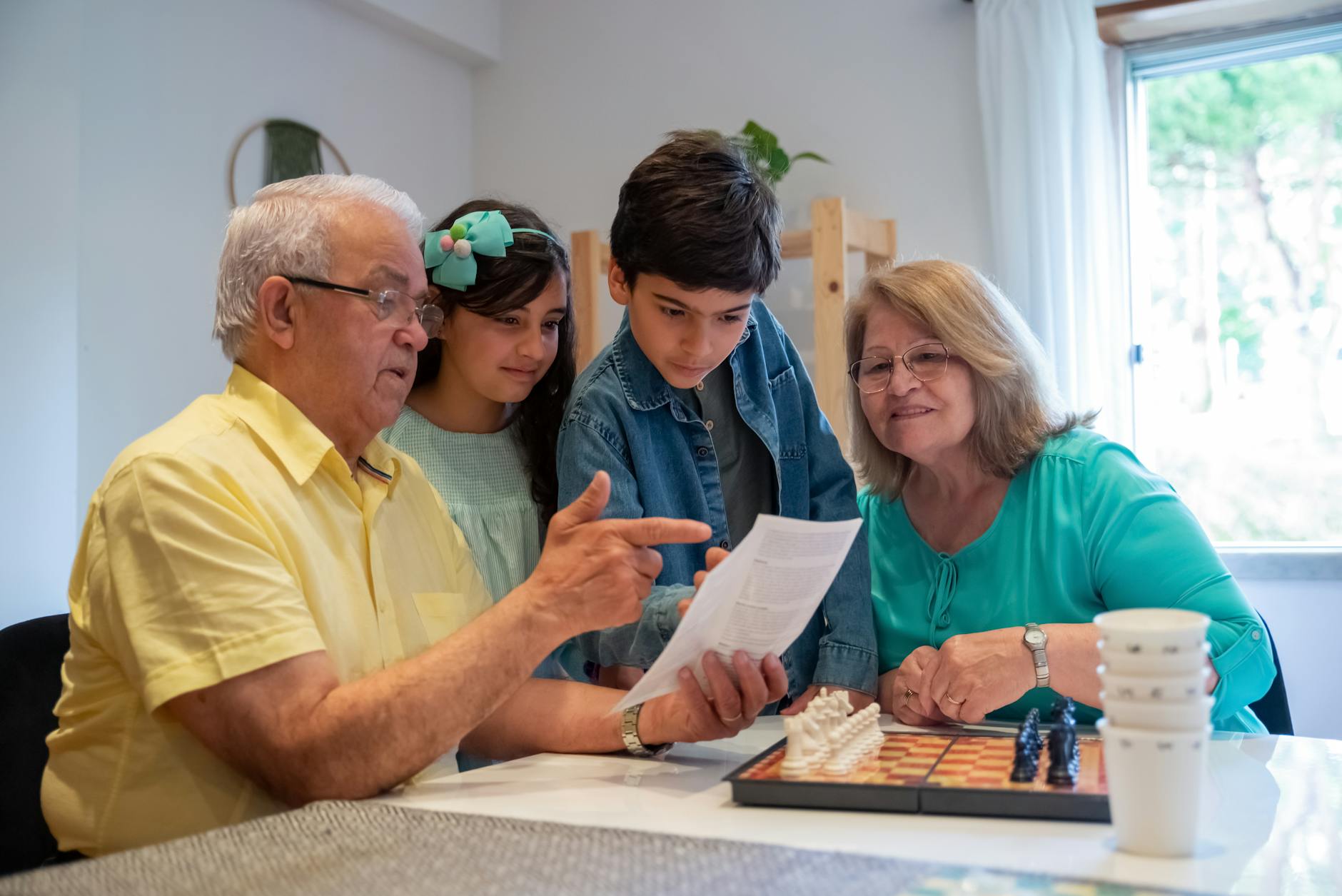
Announcing at the start of a game that it is going to be boring, that you always lose, or that tonight will end in an argument becomes a self-fulfilling prophecy. Attitude shapes the experience before the first card is even drawn. Negative forecasting discourages others and sets a defeatist tone for the entire evening. Approach each game with at least a baseline of open-minded goodwill.
Exclusion Suggestions

Suggesting that a particular family member should not play because they are too young, too slow, or not good enough at the game undermines the inclusive spirit game night is built on. Everyone at the table is there to belong, not to perform. Exclusionary comments, even casual ones, carry real social weight. If the game has genuine age requirements, handle that conversation kindly and privately.
Excessive Rematch Demands

Demanding a rematch immediately after a loss, and then another after that, turns game night into an exhausting endurance test driven by one person’s ego. There is nothing wrong with wanting to play again, but the group’s energy and willingness matter too. Pushing past the point where others are still having fun is a sign that winning has become more important than the evening itself. Read the room and respect when people are done.
Rules Refusal
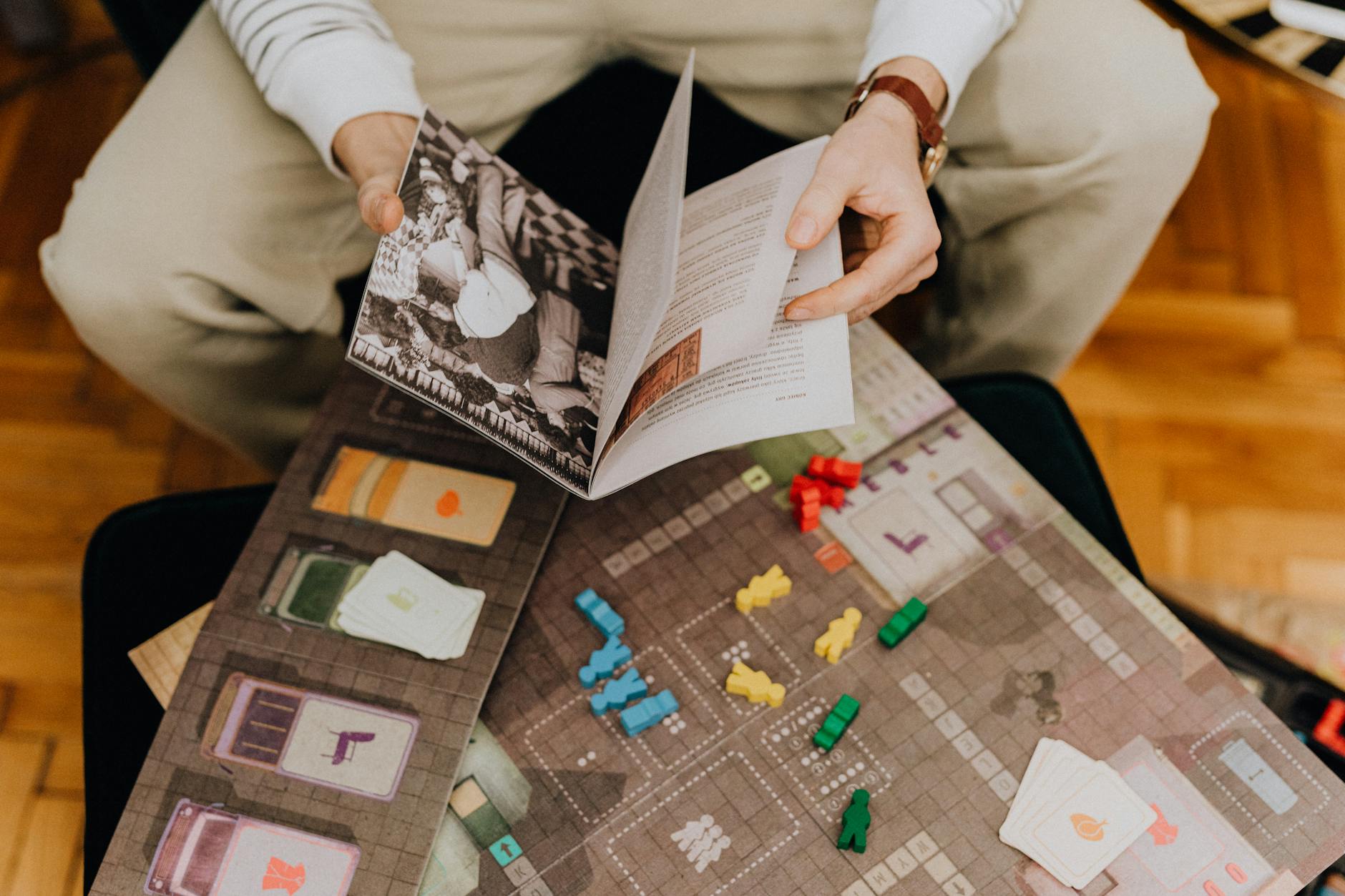
Flatly refusing to follow the agreed rules because they do not suit your preferred style of play is a form of quiet sabotage that frustrates everyone at the table. Rules create the shared framework that makes the game playable for everyone at once. Selectively ignoring them, even in small ways, erodes trust and creates resentment. Play the game as it was designed or agree on changes together before you begin.
Meaningless Minimising

Telling someone their win does not count because of luck, an easier starting position, or some other qualifier robs them of a moment they earned. Every win, however it came about, happened within the same rules everyone else was playing by. Minimising someone’s victory is a way of managing your own disappointment at their expense. Acknowledge the result honestly and move on with grace.
What phrases have you heard ruin a perfectly good game night? Share your thoughts in the comments.




