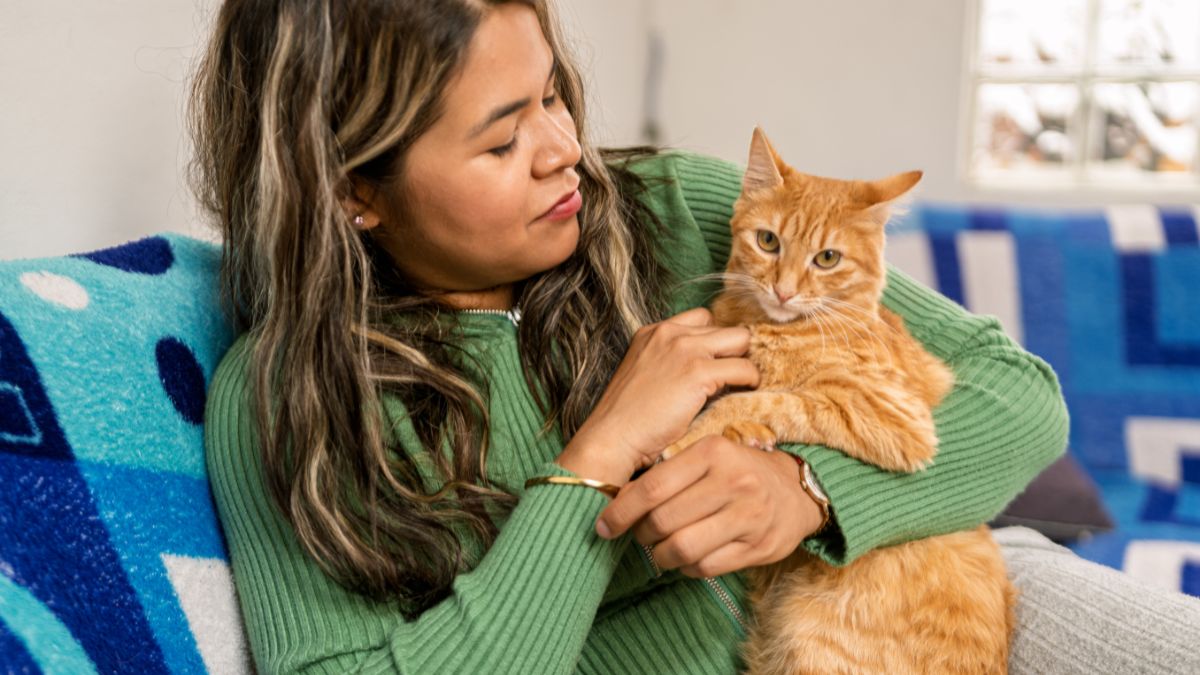
Every pet owner wants a calm, contented animal, and most assume that achieving it requires expensive products, professional training, or specialist equipment. The reality is that some of the most effective calming habits cost absolutely nothing and look quietly unconventional to anyone watching from the outside. These are the small, strange, and surprisingly powerful rituals that devoted pet owners swear by, backed by animal behaviour science that the mainstream pet industry rarely talks about. Here are 25 bizarre pet care habits that create the calmest animals without spending a cent.
Purposeful Blinking

Slowly and deliberately blinking at your cat is one of the most well-documented ways to communicate safety and trust in feline body language. Cats use the slow blink as a signal of relaxed non-threat, and returning the gesture tells them their environment is secure. Doing this consistently during quiet moments builds a foundation of calm that carries through the rest of their day. Many cats will initiate the exchange themselves once the habit is established.
Floor Sitting
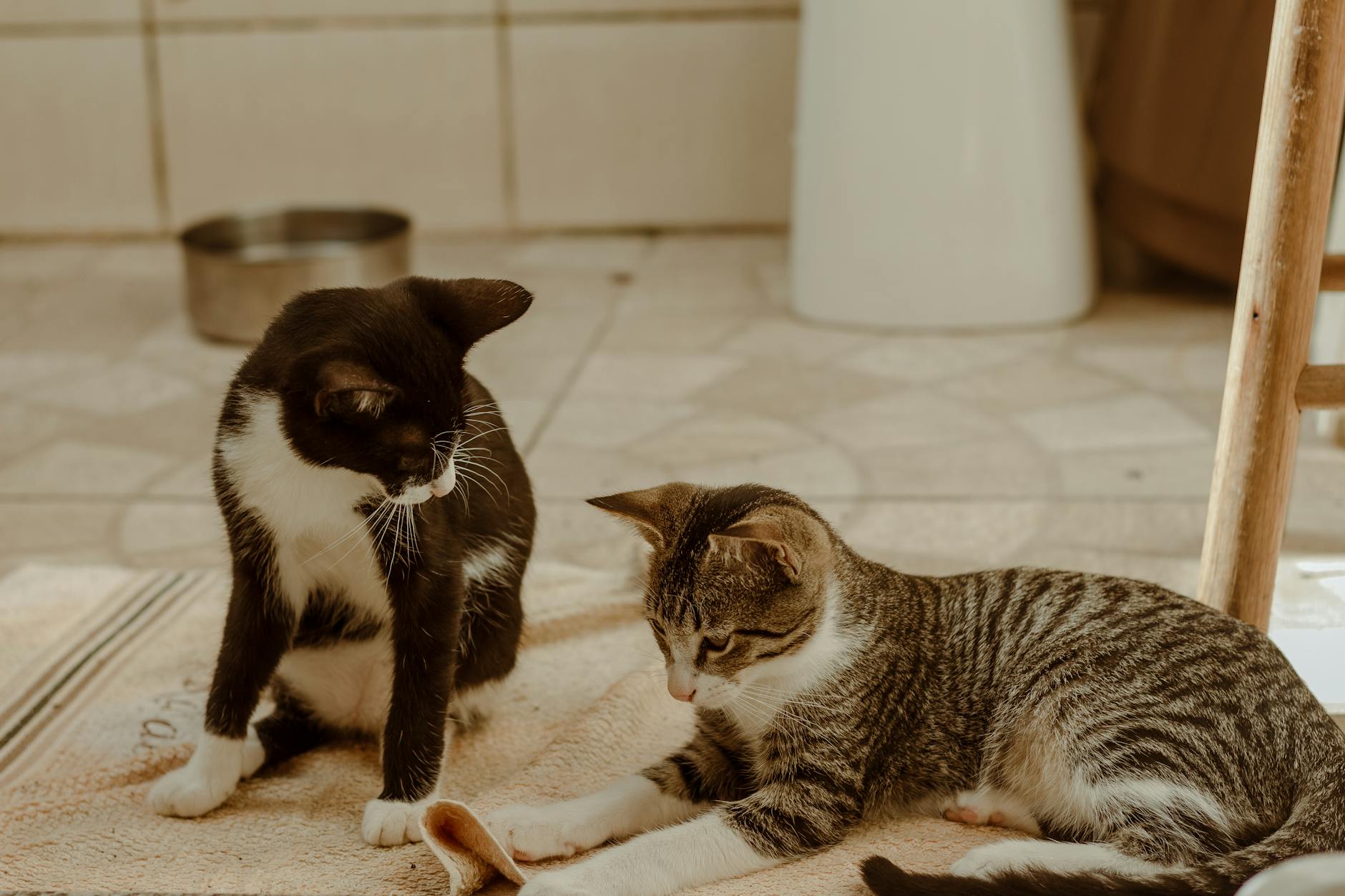
Choosing to sit on the floor rather than on furniture when spending time with your pet removes the height differential that many animals experience as a subtle form of dominance pressure. Dogs and cats both respond to lowered human posture with measurably reduced stress signals. It costs nothing and requires no equipment, just a willingness to meet your animal at their level. Over time, pets whose owners regularly sit at floor level tend to display more relaxed resting postures throughout the day.
Scent Swapping
Rubbing a soft cloth on your own skin and then placing it in your pet’s sleeping area transfers your personal scent into their most vulnerable resting space. Animals rely heavily on olfactory information to assess safety, and the presence of a trusted human’s scent in their den area creates a powerful calming signal even when you are not physically present. This is particularly effective for animals with separation anxiety. The reverse works too, placing your pet’s bedding near your own sleeping space to reinforce mutual familiarity.
Monotone Narration
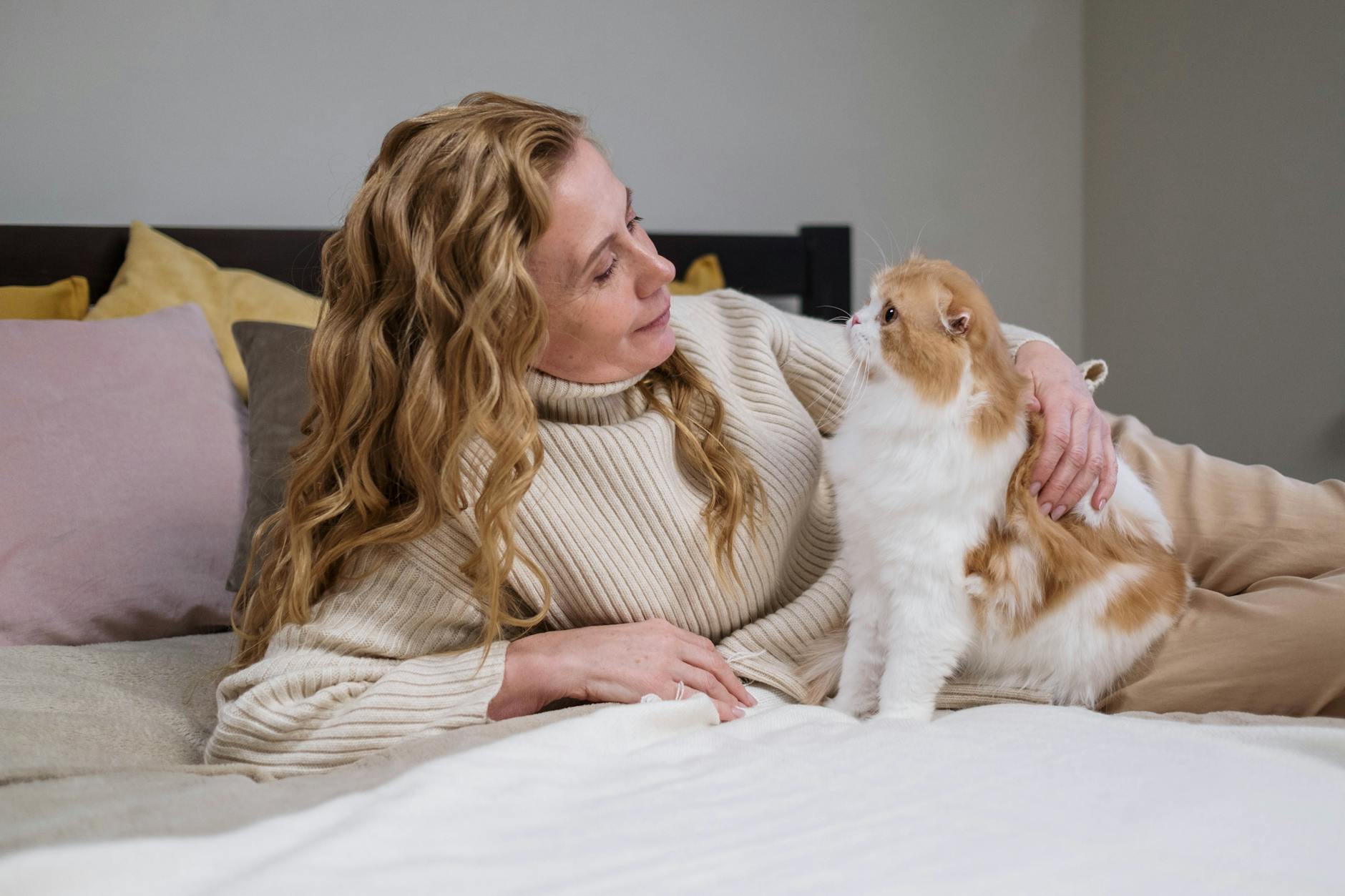
Speaking to your pet throughout the day in a calm, low, unhurried monotone while going about your normal tasks creates a continuous audio backdrop of human presence that many animals find deeply reassuring. The content of what you say is entirely irrelevant to the animal. What matters is the steady, predictable rhythm of a familiar voice with no emotional spikes or sudden changes in volume. Pets raised with this kind of verbal environment tend to be significantly less reactive to unexpected sounds.
Predictable Exits
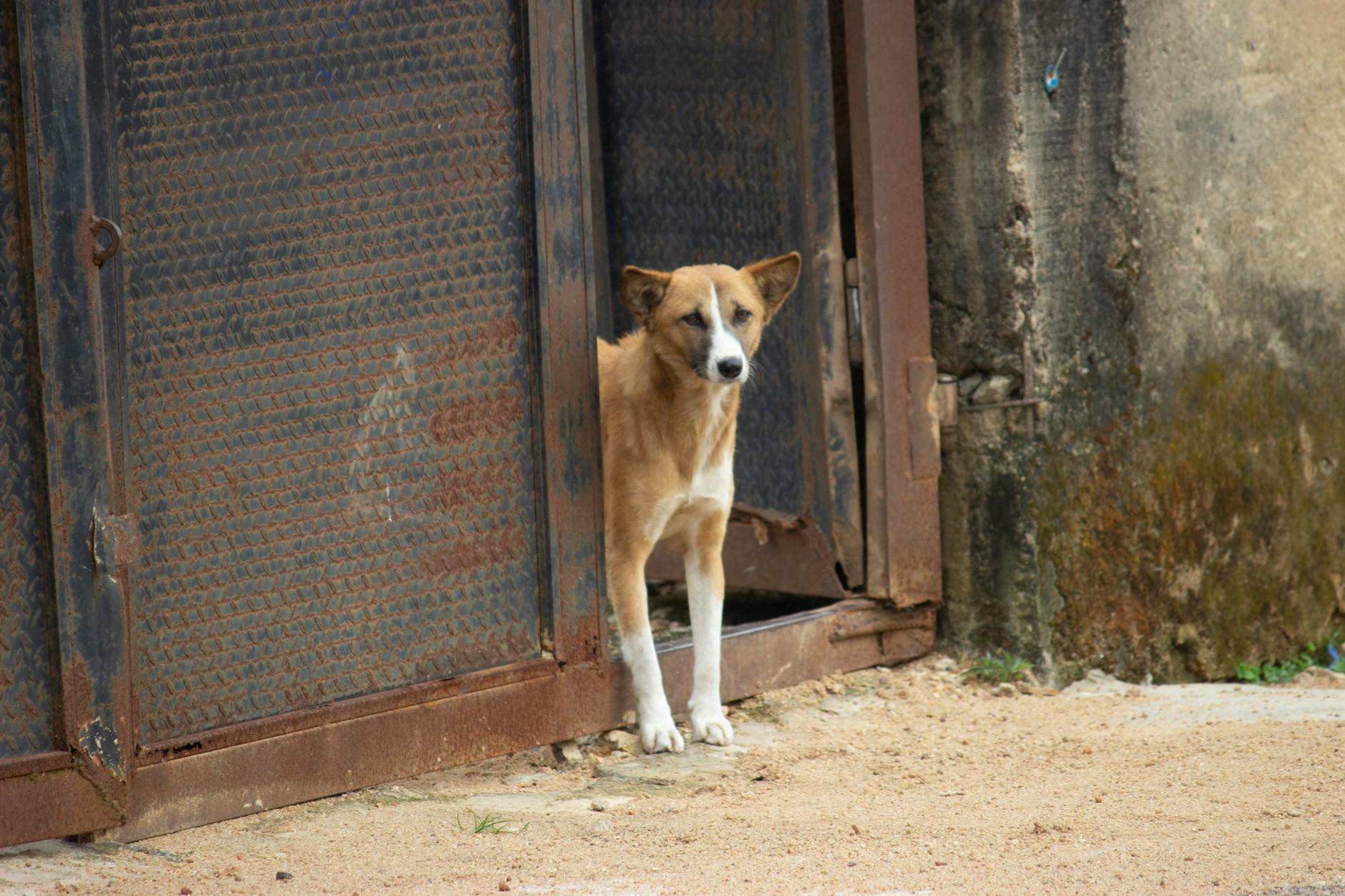
Leaving the house in exactly the same calm, unremarkable way every single time removes the anticipatory anxiety that builds in pets who learn to read pre-departure cues. Picking up keys, putting on shoes, and walking out the door in a consistent low-energy sequence trains the animal’s nervous system to treat departures as routine rather than alarming. Elaborate goodbyes, extended fussing, or guilty body language all amplify separation distress. The calmer and more repetitive your exit ritual, the calmer your pet’s response will become.
Breath Matching
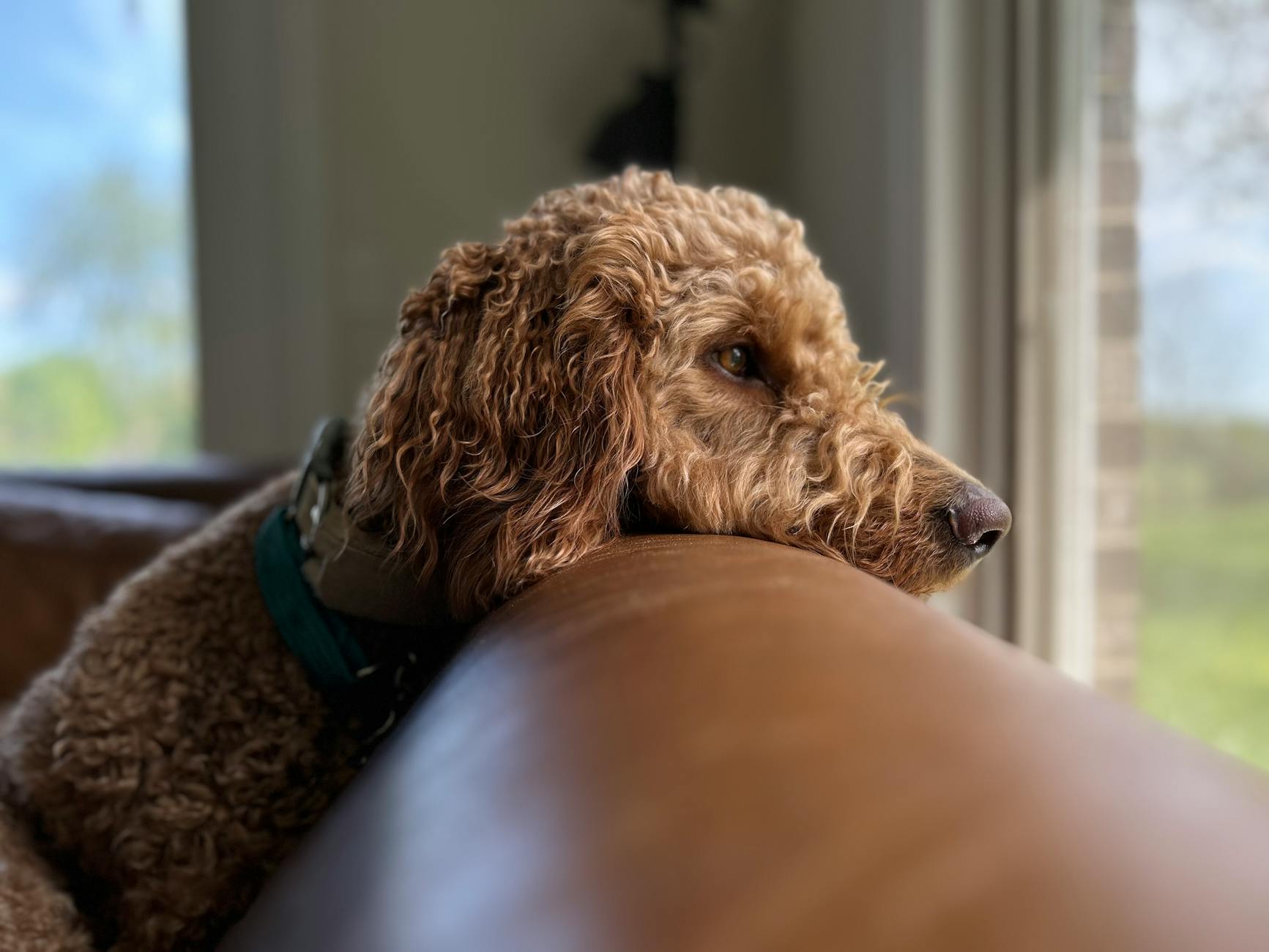
Consciously slowing your own breathing when sitting near an anxious pet creates a physiological ripple effect that many animal behaviourists have observed but rarely publicise. Animals are acutely sensitive to the respiratory rate of the humans around them and will often begin to mirror a calm breathing pattern within minutes. This works particularly well with dogs, horses, and rabbits, all of whom have strong co-regulatory responses to human physiological states. No tools, no training, just slower breath.
Routine Sniffing Time
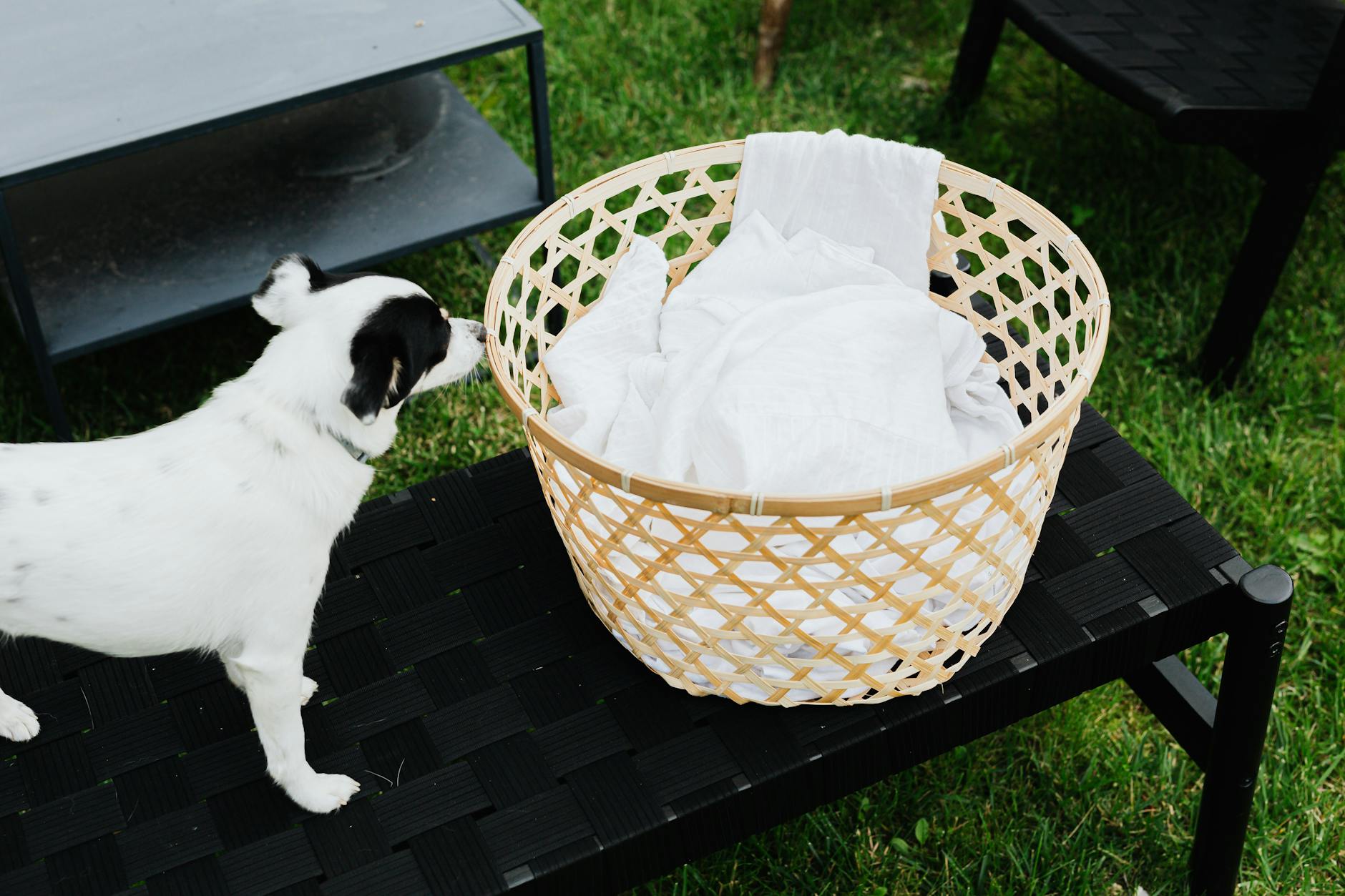
Allowing dogs to stop and sniff freely during walks rather than pulling them along at a human pace is one of the most effective and underused calming tools available to any dog owner. Sniffing activates the parasympathetic nervous system in dogs and lowers their heart rate in ways that physical exercise alone does not. A twenty-minute sniff-led walk produces more genuine calm than an hour of brisk marching. Releasing control of the pace costs nothing and transforms the quality of your dog’s mental state.
White Noise Ambience
Leaving a fan, a softly running tap, or a radio tuned to a talk station on low volume creates a layer of ambient sound that buffers pets from the jarring unpredictability of household and outdoor noise. Sudden sounds are one of the primary triggers of chronic low-level anxiety in domestic animals. A consistent background hum reduces the contrast between silence and noise spikes enough to keep the nervous system from constantly activating. Most homes already have everything needed to implement this immediately.
Textile Nesting
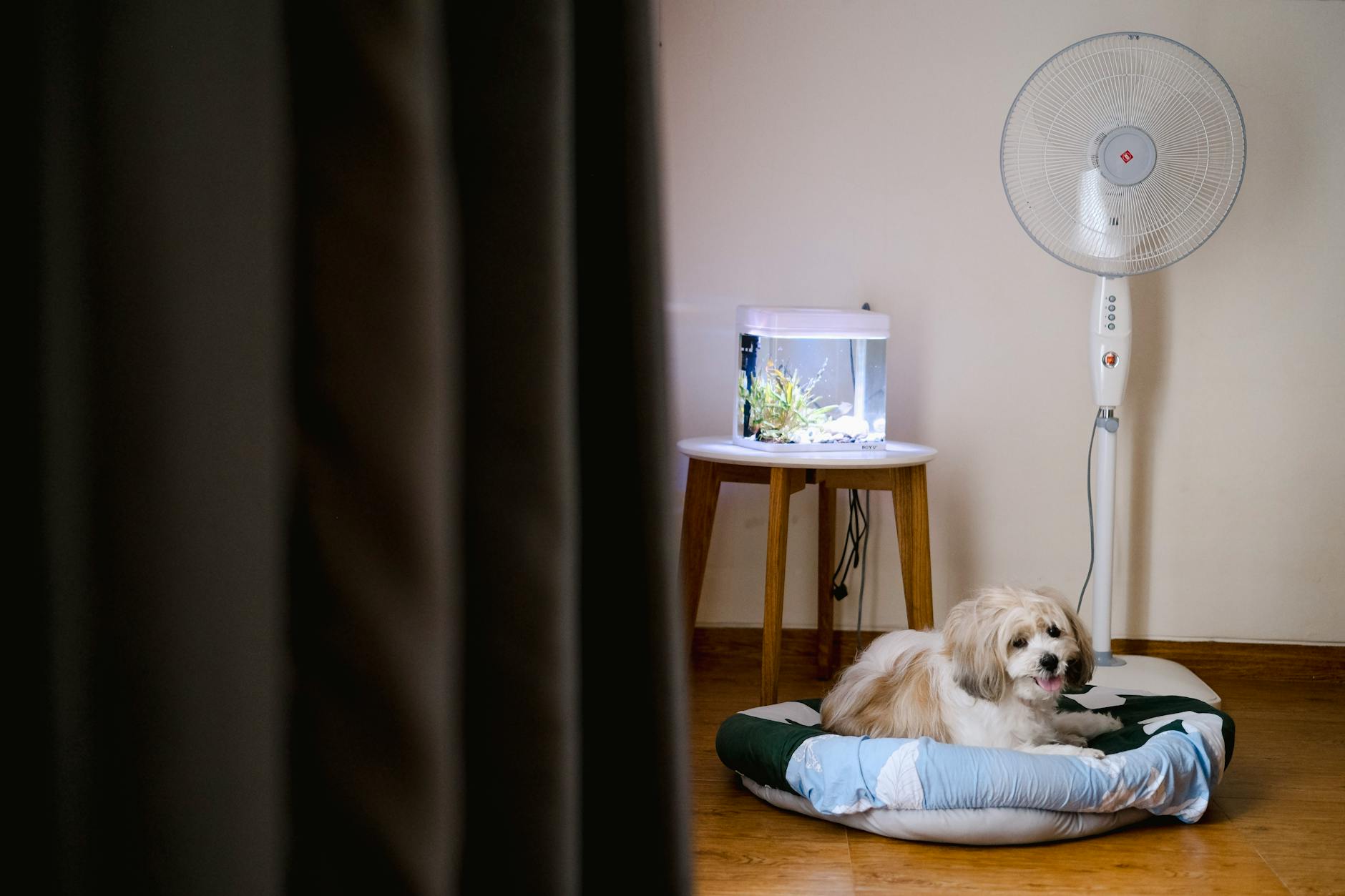
Gathering worn clothing, old towels, and soft household textiles and arranging them into a loose nest structure in your pet’s favourite resting spot creates an environment that mimics the physical sensation of being surrounded. The pressure and texture of layered fabric activates calming receptors in many animals in much the same way that weighted blankets work for humans. Cats, small dogs, rabbits, and guinea pigs all respond particularly well to this kind of den-like arrangement. Every item needed is already in your home.
Silent Companionship
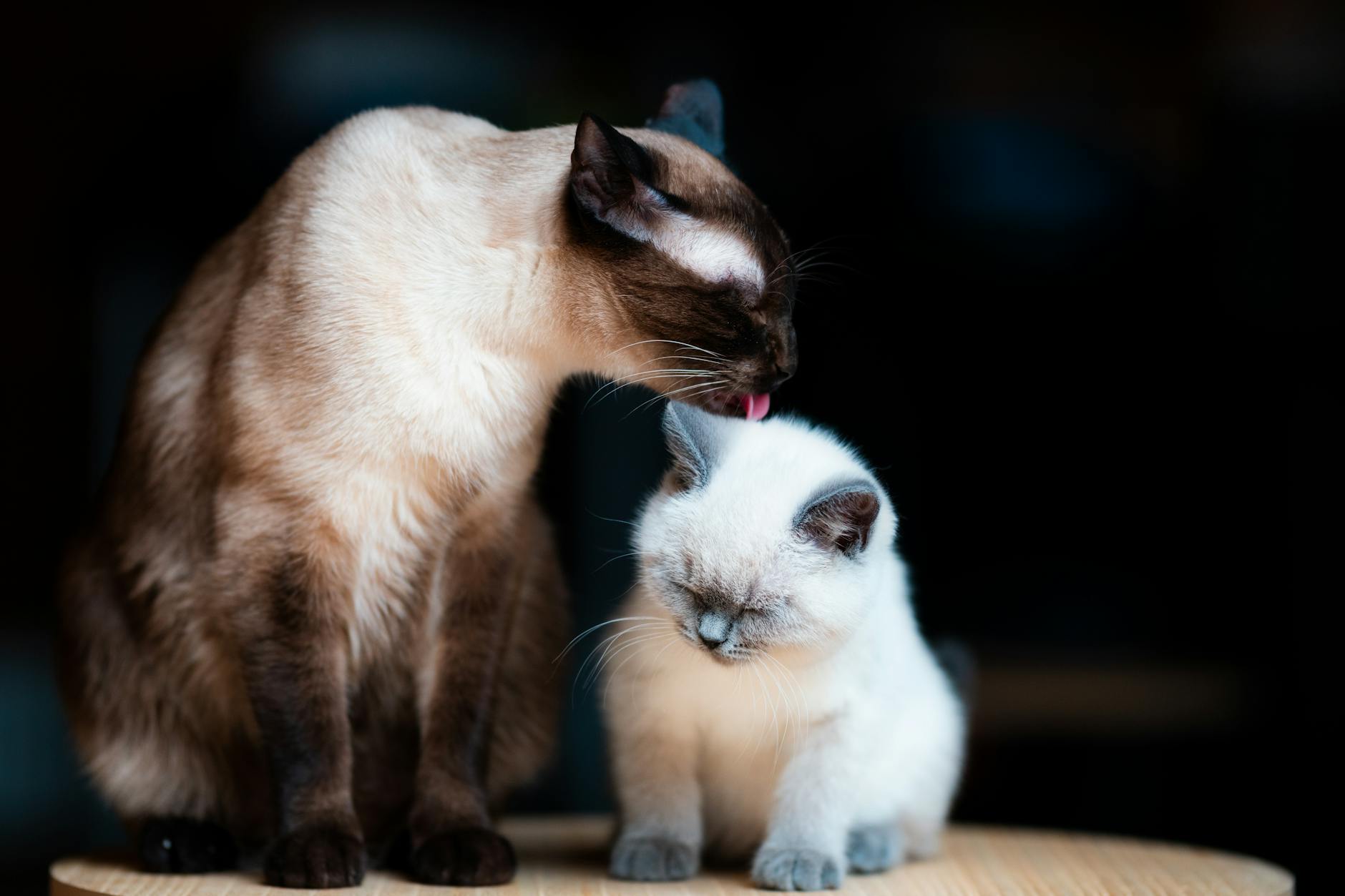
Sitting quietly near your pet without making direct eye contact, initiating touch, or attempting interaction is a practice that many animals respond to with deep relaxation. Constant engagement, however well-meaning, can actually be a form of low-level stimulation that prevents an animal from fully resting. Simply being present in the same room while reading, working, or resting yourself teaches your pet that human proximity does not always require a response. This form of parallel calm is one of the most underrated gifts you can give an anxious animal.
Ear Massage Technique
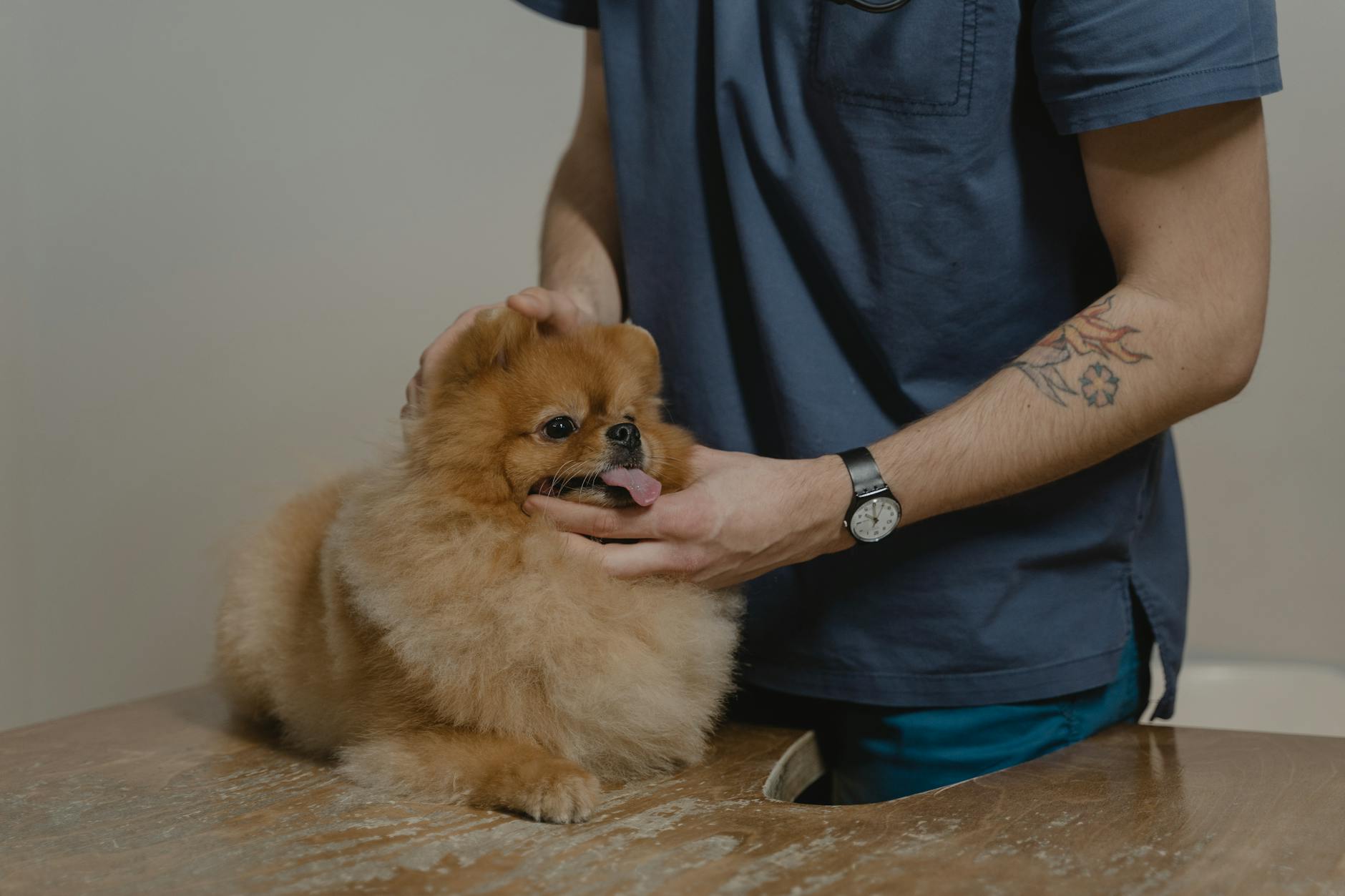
Gently stroking the base of your pet’s ears in slow, circular movements activates a concentration of nerve endings connected to the vagus nerve, which directly regulates the parasympathetic calming response. This works across a wide range of species including dogs, cats, rabbits, and horses, all of whom have dense nerve clusters at the ear base. The technique requires no products, no training certification, and no equipment beyond a calm hand. Consistent ear massage during quiet times of day becomes a reliable trigger for relaxation over time.
Mealtime Stillness
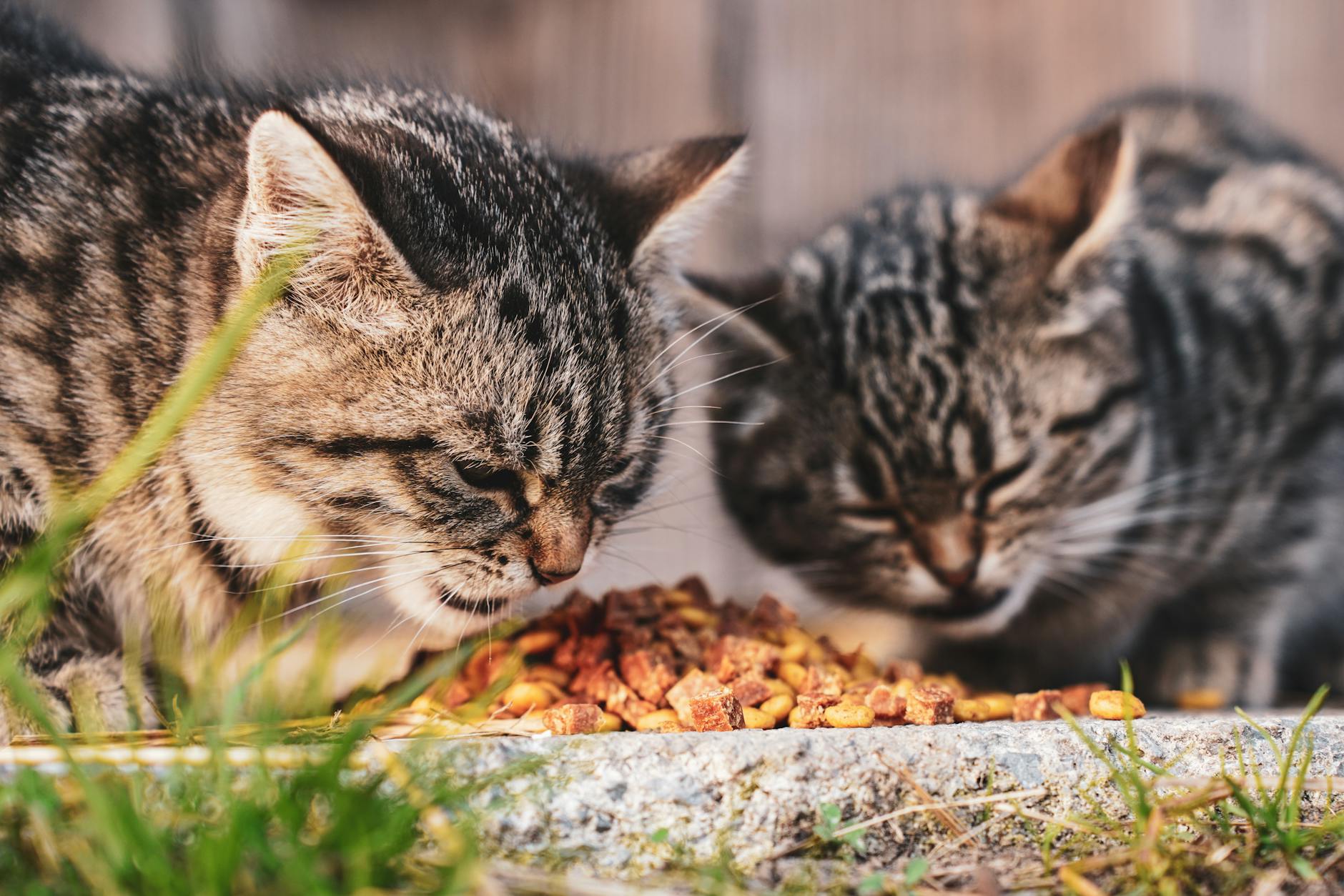
Standing or sitting quietly and completely still while your pet eats, rather than moving around the kitchen or engaging with other tasks, removes ambient unpredictability from one of the most biologically significant moments of their day. Eating is a vulnerable act for animals and a calm, stable human presence during feeding communicates that the environment is safe. Many animals that eat quickly out of anxiety begin to slow down and settle when this stillness is consistently offered. It costs nothing and takes only the length of a meal.
Yawn Signalling
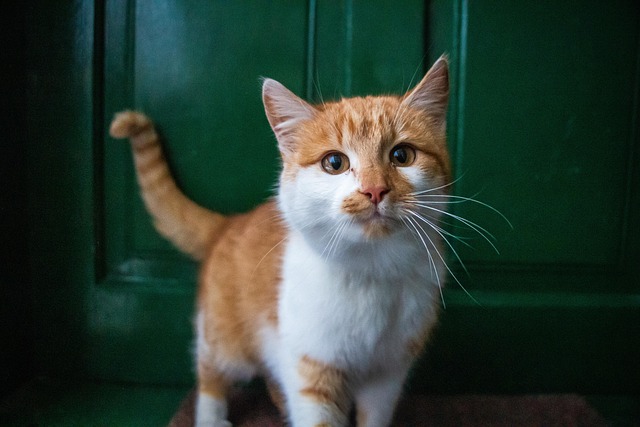
Deliberately yawning in front of your pet during moments of mild tension is a behaviour borrowed directly from dog calming signal research and works across several species. In canine communication, a yawn is a recognised appeasement and de-escalation signal that communicates non-threat. Using it intentionally during stressful moments such as vet preparation, visitors arriving, or loud weather events helps shift the animal’s nervous system reading of the situation. It looks absurd to human observers and works remarkably well regardless.
Foraging Simulation

Scattering a small portion of your pet’s regular food across grass, a mat, or a textured surface instead of placing it in a bowl engages natural foraging behaviour that activates a deeply calming neurological reward pathway. The act of searching for food rather than simply consuming it from a dish provides mental engagement that reduces restlessness and anxiety throughout the day. This works for dogs, cats, birds, rodents, and many reptiles. Everything needed is already in your home.
Touch Pausing
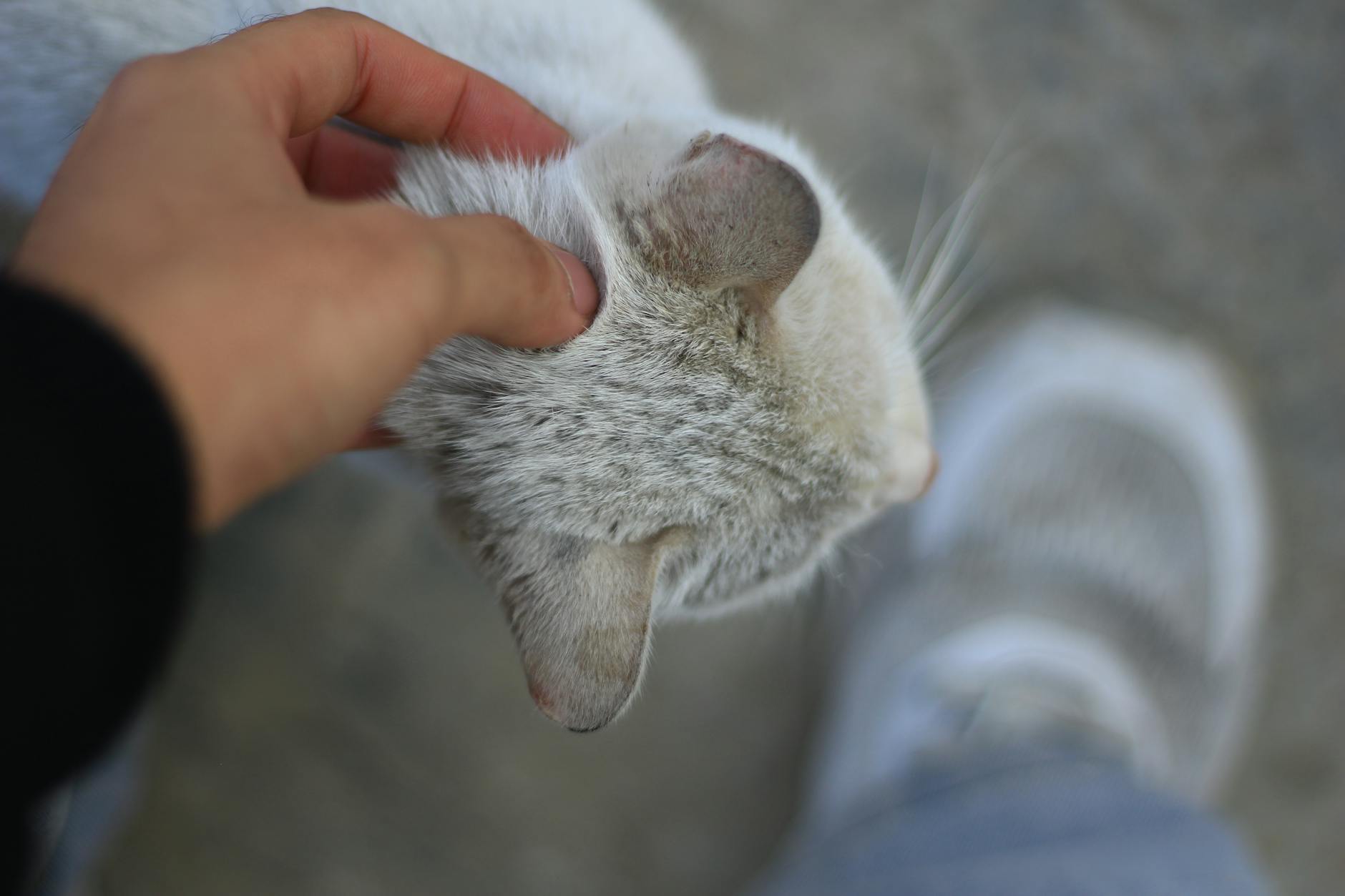
Interrupting a petting session with deliberate, still pauses where your hand rests calmly on your pet without moving teaches them to experience human touch as something other than constant stimulation. Many pets become overstimulated by well-meaning but relentless stroking and begin to associate human hands with a kind of pleasant but exhausting unpredictability. Still, warm, grounded contact communicates presence without demand. Animals handled this way tend to actively seek physical closeness rather than retreating from it.
Groom Reciprocation
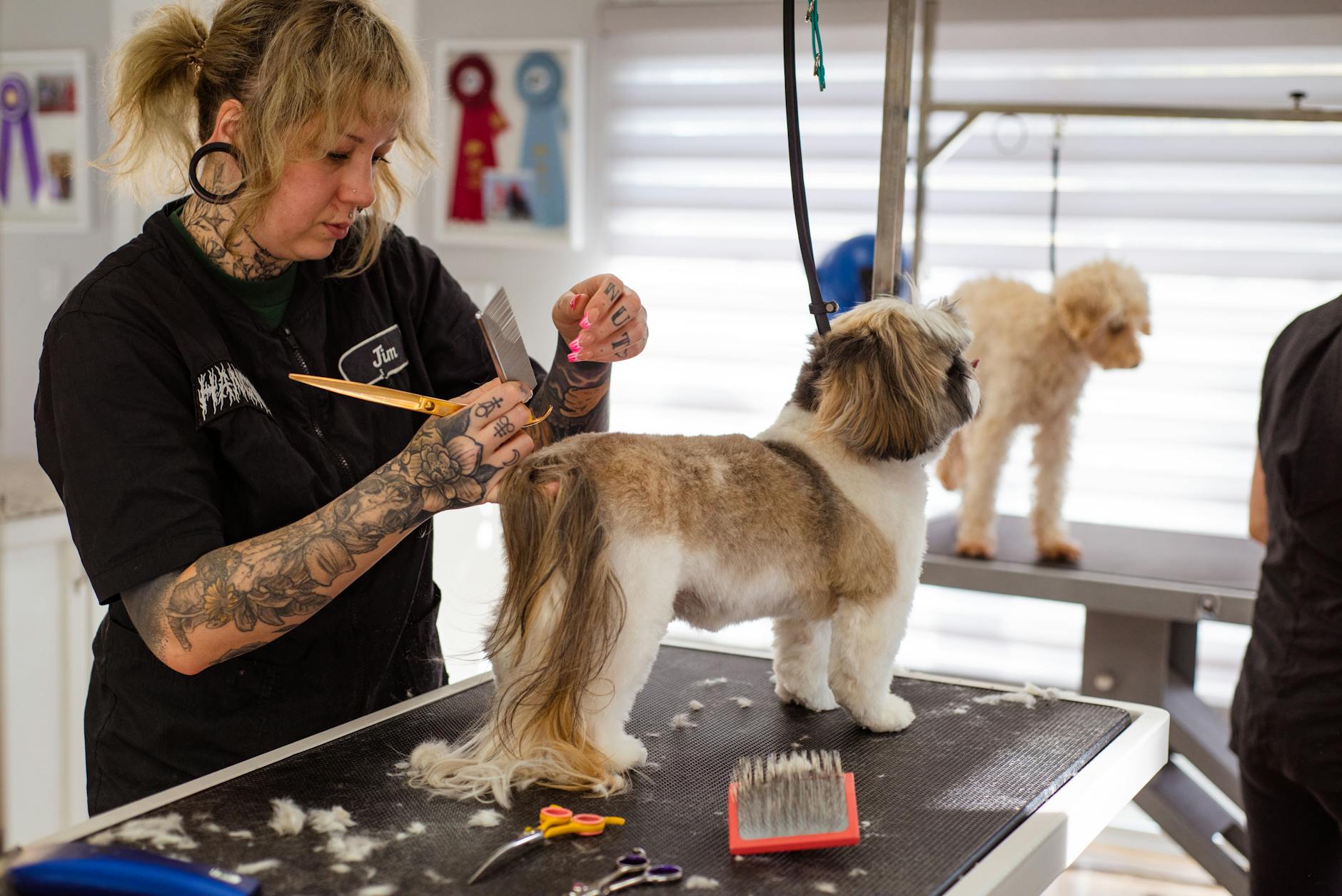
Mimicking the gentle grooming gestures your pet directs toward you, such as returning a lick with a soft finger stroke in the same location or matching the pressure of a head butt with a gentle forehead press, reinforces the social bonding signals that animals use to regulate each other’s emotional state. Mutual grooming behaviour activates oxytocin release in both the animal and the human participant. This kind of species-sensitive reciprocity communicates that you understand their language. No training or tools are required, only attention and willingness.
Threshold Waiting
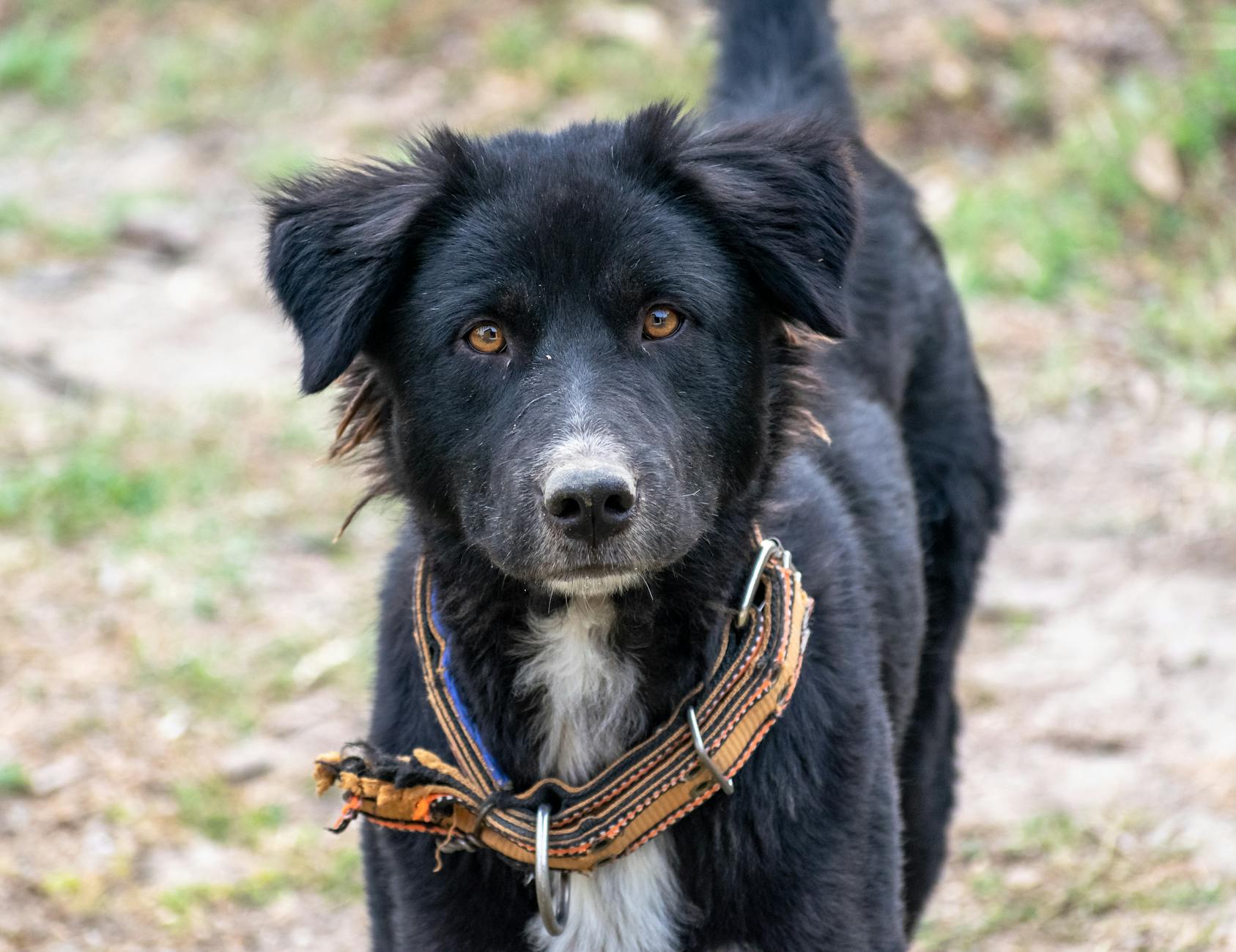
Training yourself to pause briefly at doorways and thresholds before moving through them creates a micro-moment of stillness that many dogs and cats unconsciously mirror. Rushing through doors and between rooms creates a frenetic energy pattern that animals living in close proximity to humans absorb and replicate. The simple act of pausing for two or three seconds before crossing a threshold introduces a rhythm of calm into the physical flow of daily household life. Over weeks, the effect on the resting state of pets in the home becomes genuinely noticeable.
Darkness Scheduling
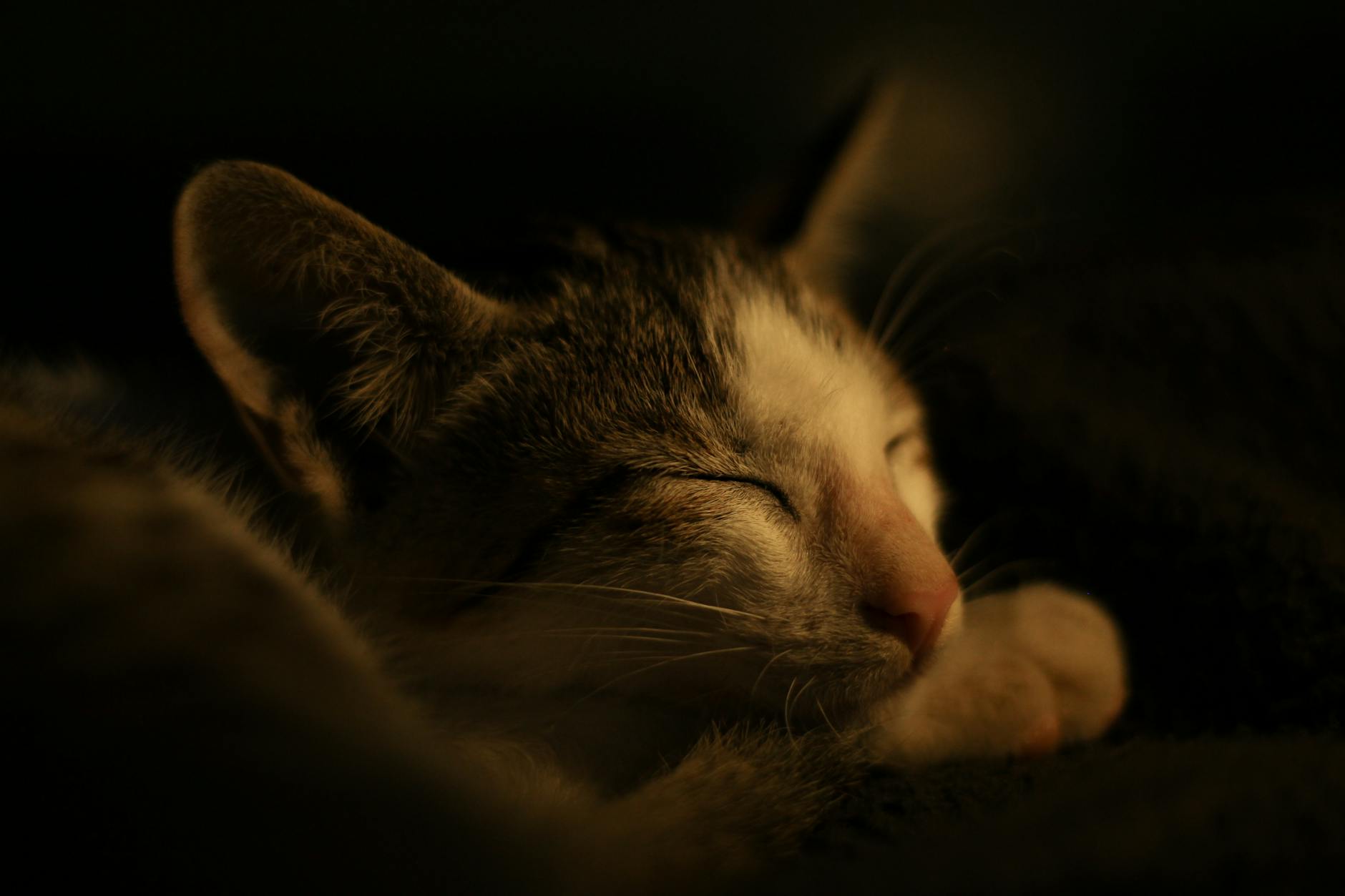
Allowing a period of natural or near-total darkness in the evening before your pet’s sleep time signals to their circadian system that rest is coming, reducing the hyperarousal that artificial light sustains well into the night. Many domestic pets live in homes that are lit until the moment their owners go to bed, which disrupts melatonin rhythms and produces animals that are restless and slow to settle. Dimming lights gradually in the hour before sleep costs nothing and works with the animal’s biology rather than against it. The same habit also tends to improve the quality of human sleep.
Verbal Consistency
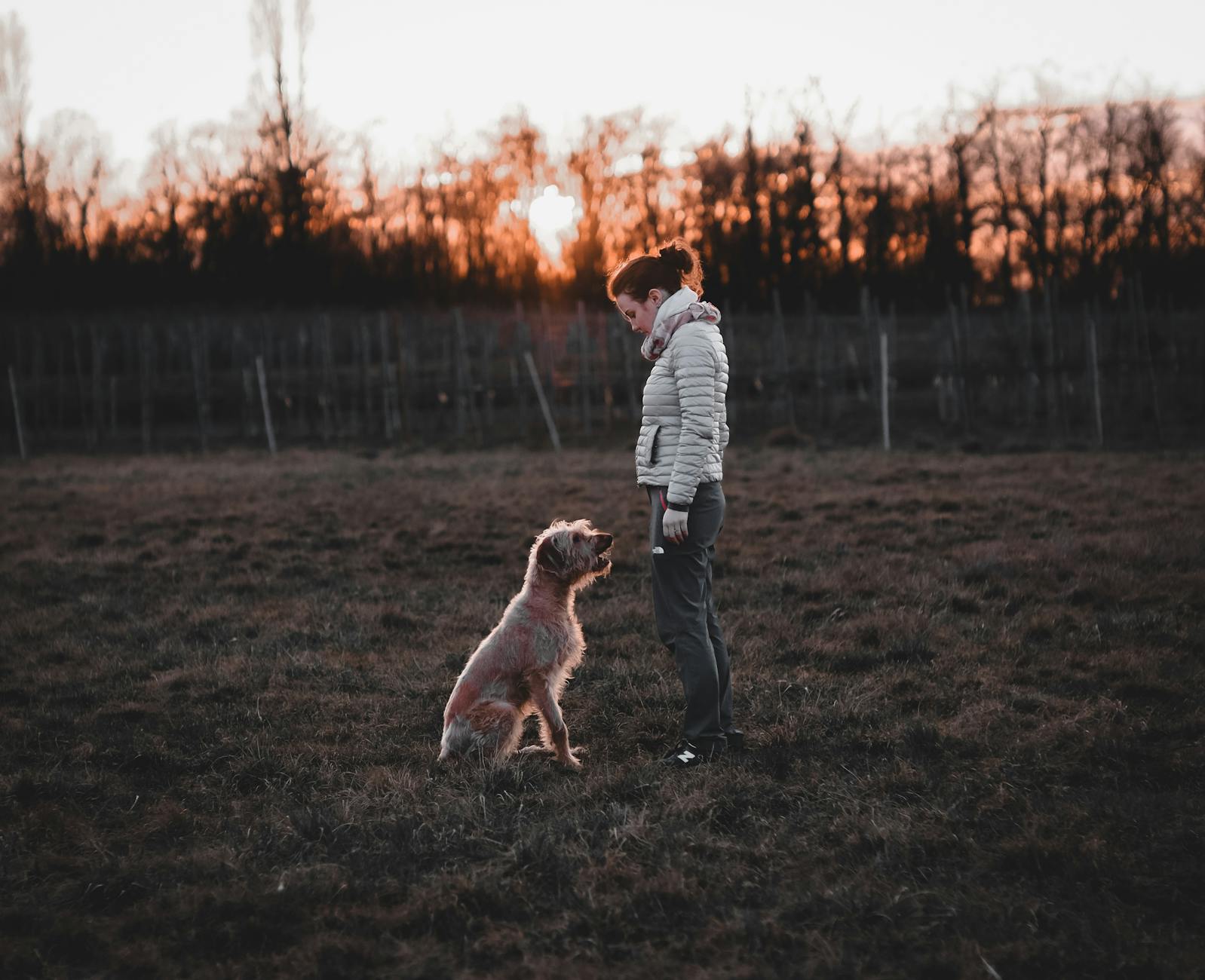
Using exactly the same words, in exactly the same tone and sequence, for recurring daily events such as feeding, walks, sleep time, and your arrival home builds a linguistic map of the day that helps animals predict what comes next. Predictability is the foundation of calm in domestic animals, and a consistent verbal environment removes the constant low-level uncertainty of an unpredictable household. It does not matter what words you choose, only that they stay the same. Animals calibrated to a consistent verbal routine display markedly lower ambient stress levels.
Post-Storm Normalcy

Immediately returning to completely normal, calm, unbothered behaviour after a thunderstorm, fireworks, or other frightening event rather than offering extended comfort and sympathy teaches your pet that the world is safe again faster than any reassurance can. Excessive post-event soothing inadvertently confirms to the animal that something genuinely alarming occurred and that continued vigilance is warranted. A calm return to routine is the fastest possible signal that the threat has passed. This counterintuitive response takes conscious effort but produces noticeably faster recovery in anxious animals.
Ground Lying
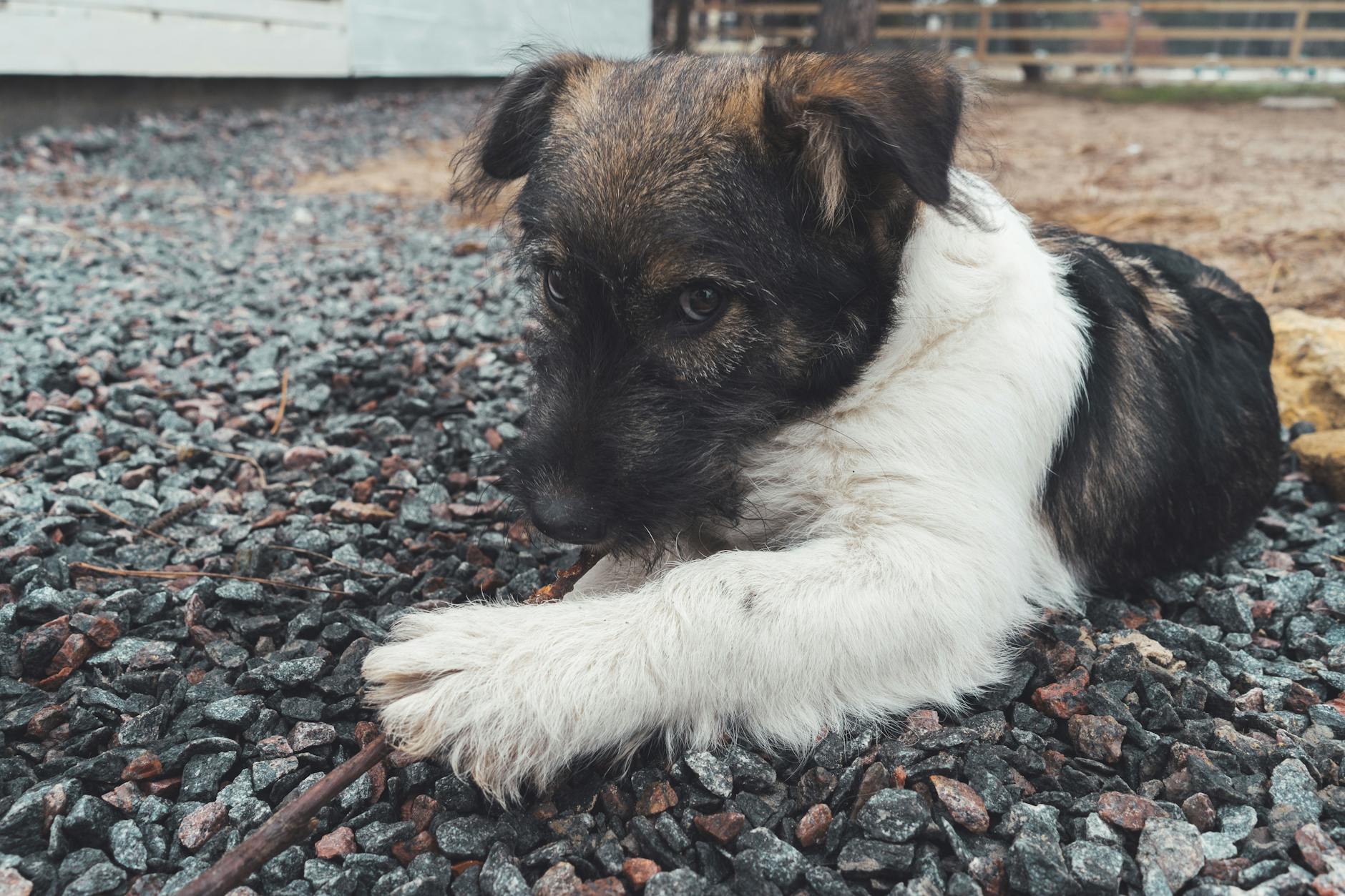
Lying flat on the floor near your pet during their rest periods is one of the most powerful physical signals of safety you can offer an animal that is still building trust. It communicates complete vulnerability and non-dominance in a way that no amount of verbal reassurance can replicate. Rescue animals and newly adopted pets respond to this gesture with particular speed. The only cost is a few minutes on a floor and a willingness to look unconventional.
Paper Bag Exploration

Leaving a plain paper bag open on the floor for your cat or small pet to investigate at their own pace provides sensory enrichment, physical engagement, and an improvised den experience using something that would otherwise be recycled. The rustling texture, the contained space, and the novelty of the object engage curiosity in a way that calms rather than excites the nervous system. Supervised exploration of everyday household objects is one of the most underused enrichment strategies available to any pet owner. The item is free and the benefit is immediate.
Window Perch Access
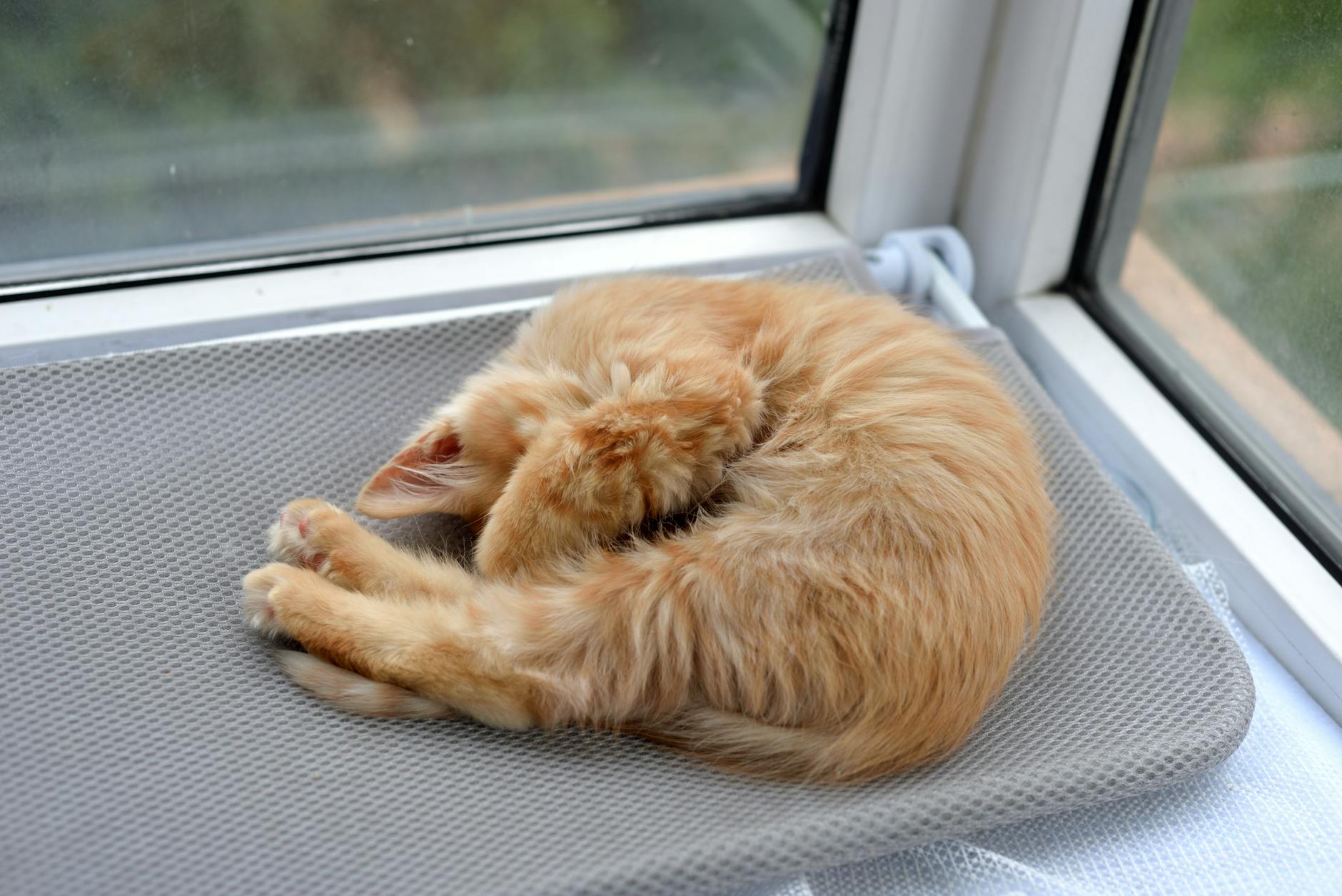
Positioning a chair, box, or folded blanket at a window to give your pet a consistent and comfortable viewing point provides hours of passive environmental stimulation that reduces boredom-driven anxiety at no cost. For cats, birds, and small dogs especially, watching the outside world from a safe interior position satisfies predatory observation instincts without any physical or financial investment. Pets with reliable access to an outdoor view tend to be calmer and less destructive indoors. Everything needed to create this is almost certainly already in your home.
Handling Desensitisation
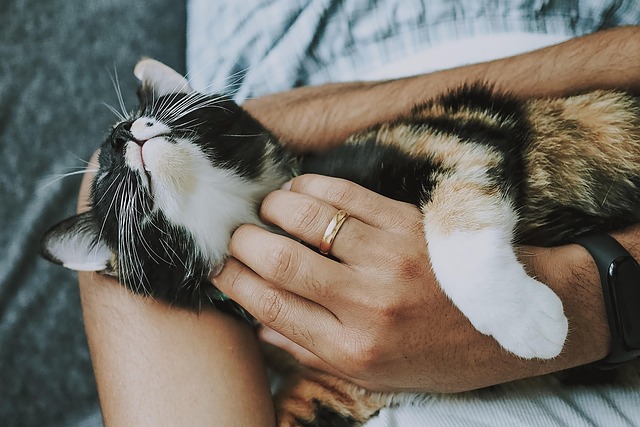
Spending a few minutes each day gently touching your pet’s paws, ears, mouth, and tail during calm, relaxed moments builds a body-wide tolerance for handling that prevents fear responses during grooming, veterinary care, and accidental contact. Animals that are only touched in these areas during stressful necessary procedures develop strong negative associations that generalise into overall anxiety. Regular calm handling during neutral moments rewires those associations entirely. The investment is only time and consistency.
Sleep Proximity
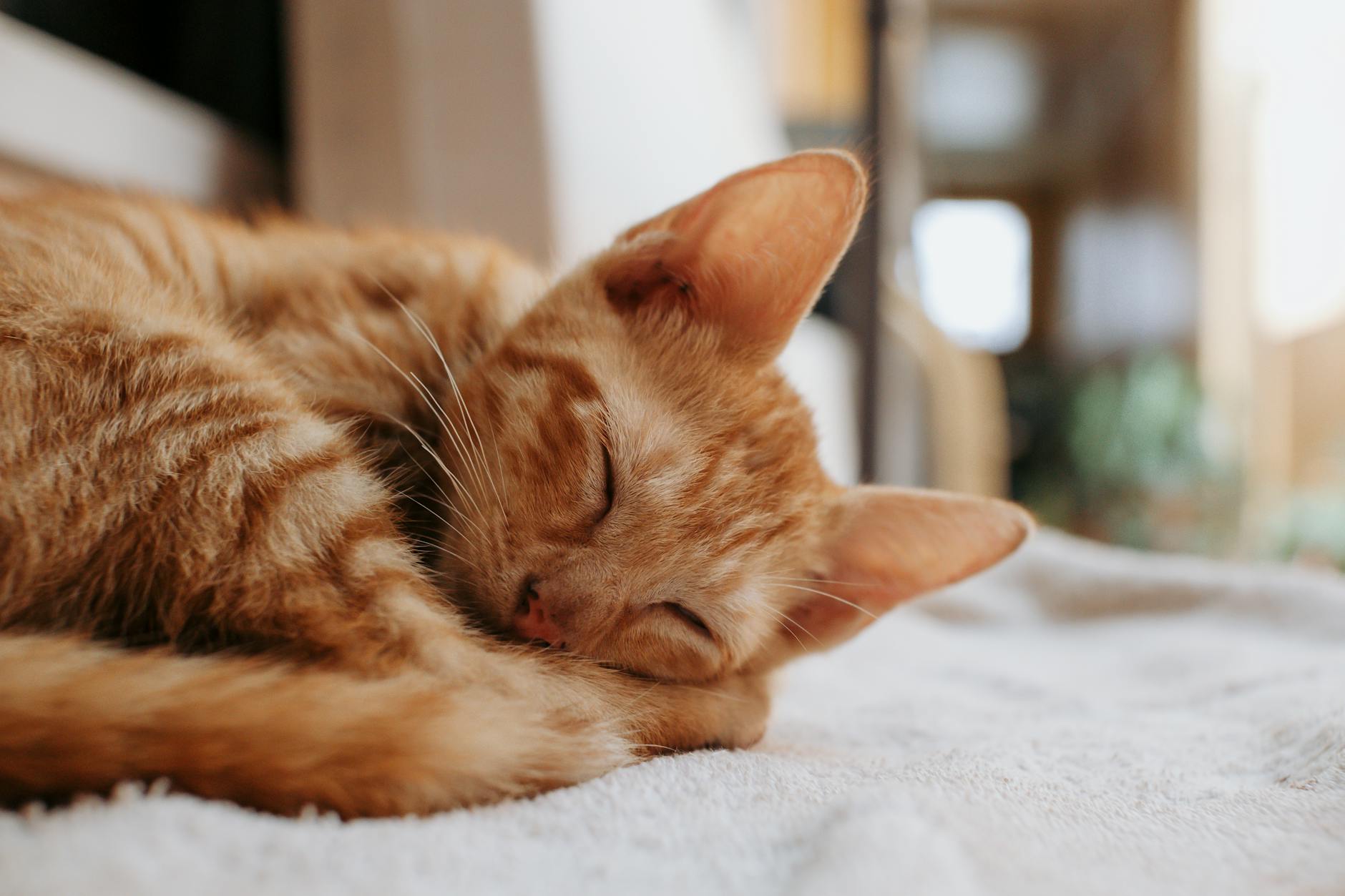
Choosing to sleep in closer physical proximity to your pet, whether by moving their bed nearer to yours or allowing them to rest at the foot of your bed, harnesses the powerful co-regulatory calming effect that shared sleep environments produce in social species. Dogs and cats are both naturally inclined toward group sleeping arrangements and experience measurably lower overnight cortisol levels when sleeping near a trusted companion. The change costs nothing and requires only a small adjustment to an existing routine. Many owners who try this report that their pet’s daytime behaviour improves within days.
Do you have a strange pet habit that keeps your animal wonderfully calm? Share your thoughts in the comments.




