
Elite trainers operate by a set of unspoken principles that rarely make it into mainstream group classes or beginner programs. These rules challenge conventional wisdom and reframe how serious athletes approach movement, recovery, and progress. Understanding them can unlock a level of physical development that most gym-goers never reach. The gap between what trainers teach publicly and what they practice privately is wider than most people realize. These are the 25 fitness rules that exist just beneath the surface of the industry.
Soreness

Delayed onset muscle soreness is not a reliable indicator of an effective workout and elite trainers know this well. A well-trained body adapts efficiently and may experience minimal soreness even after intense sessions. Chasing soreness as a goal often leads to overtraining and poor movement quality. The absence of soreness after a session does not mean the stimulus was insufficient for growth.
Cardio Timing

The widely promoted concept of fasted cardio as a superior fat-burning tool is far more nuanced than most fitness classes suggest. Total caloric expenditure and overall training consistency outweigh the specific timing of cardiovascular work in most cases. Elite trainers schedule cardio based on individual recovery capacity and performance goals rather than generic morning protocols. Heart rate zones and session intensity matter far more than the hour on the clock.
Static Stretching

Performing static stretches immediately before strength training has been shown to temporarily reduce muscle force output. Elite coaches prioritize dynamic warm-up sequences that activate the nervous system and prepare joints for loaded movement. Static stretching is most effective when placed at the end of a session or during dedicated mobility work. This distinction is almost never explained in group fitness environments where static stretching before exercise remains standard.
Protein Timing

The anabolic window surrounding a workout is far longer than the 30-minute post-session rush that fitness culture has popularized. Total daily protein intake distributed across meals is the primary driver of muscle protein synthesis. Elite trainers focus on consistent consumption throughout the day rather than obsessing over immediate post-workout nutrition. The urgency around protein shakes immediately after lifting is largely a marketing construct rather than a physiological necessity.
Rest Days

Taking two or more full rest days per week is a practice elite trainers protect fiercely despite the hustle culture that dominates public fitness messaging. Muscular adaptation and strength gains occur during recovery rather than during the training session itself. Overreaching without adequate rest suppresses hormonal function and increases injury risk over time. The most advanced athletes in any discipline treat rest as a structured and non-negotiable training variable.
Machine Weights
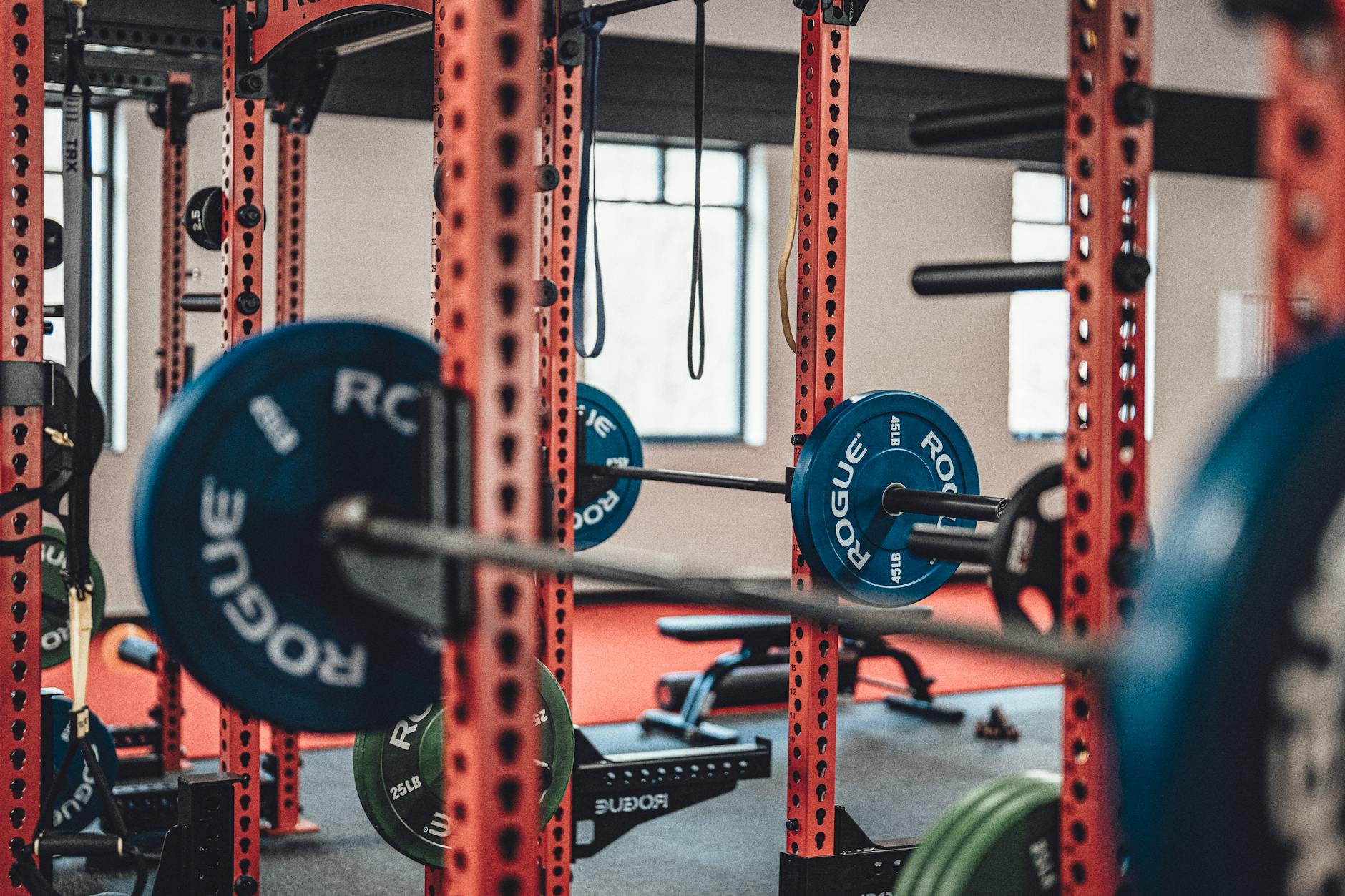
Resistance machines are frequently dismissed in elite training circles as inferior to free weights yet they serve a highly specific purpose that trainers use strategically. Machines allow for targeted hypertrophy in specific muscle groups without taxing the stabilizers or the nervous system as heavily. They are particularly valuable at the end of a session when fatigue has accumulated and form on compound movements would otherwise break down. Trainers use them precisely and deliberately rather than avoiding them out of ideology.
Breathing Patterns

Breathing mechanics directly influence intra-abdominal pressure and spinal stability during loaded movement in ways that are almost never addressed in public classes. Elite trainers teach a bracing strategy that coordinates the diaphragm and pelvic floor before any heavy lift is initiated. Improper breathing during resistance training significantly increases the risk of lower back injuries over time. The breath is treated as a technical skill rather than an automatic background process.
Caloric Surplus

Building meaningful muscle mass requires a sustained caloric surplus and elite trainers are explicit with their athletes about this physiological requirement. The fear of gaining any body fat while trying to build muscle creates an environment where neither goal is achieved effectively. Attempting to lose fat and gain muscle simultaneously produces very limited results in anyone beyond the beginner stage of training. Periodizing nutrition to align with training goals is a practice the fitness industry rarely communicates clearly to general audiences.
Grip Strength
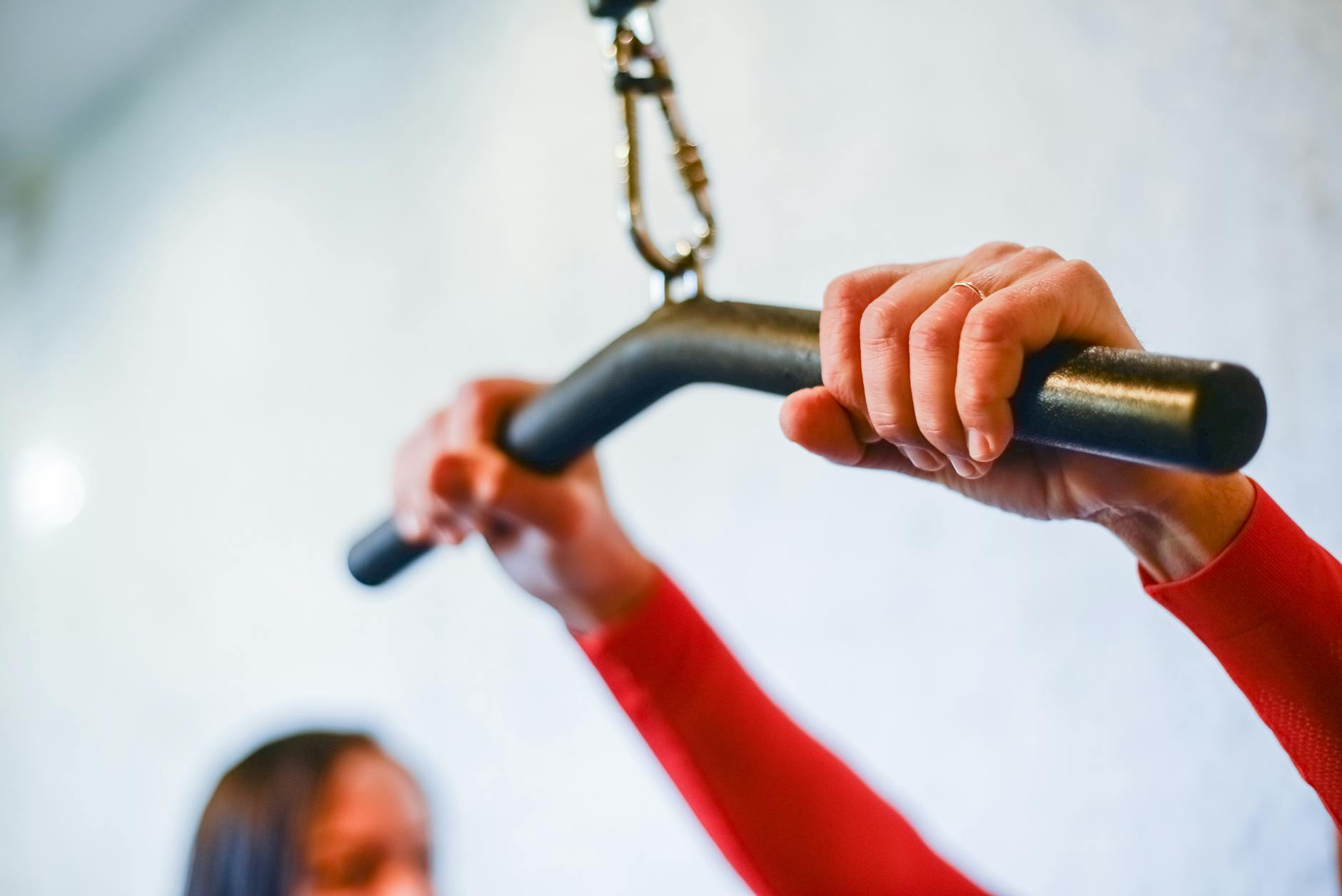
Grip strength is treated as a fundamental performance indicator by elite trainers and is trained deliberately rather than left as a byproduct of other work. Weak grip limits pulling strength and directly reduces the effectiveness of rows, deadlifts, and pull-up variations. Dedicated forearm and grip training improves overall lifting capacity across multiple movement patterns. This training variable is almost entirely absent from mainstream fitness programming despite its outsized impact on performance.
Warm-Up Sets

Working up to a top working weight through progressive warm-up sets is a practice elite trainers never skip regardless of time constraints. Jumping straight into working weight without preparation elevates injury risk and reduces neuromuscular efficiency on early sets. Warm-up sets also serve as real-time feedback about readiness and allow adjustments to be made before peak effort is demanded. Group fitness formats rarely accommodate this process because of the structured class timeline.
Sleep Quality

Sleep is consistently ranked above all other recovery tools by elite trainers and is treated as the single most powerful performance variable available. Growth hormone secretion peaks during deep sleep stages and is essential for tissue repair and adaptation. Chronic sleep deficiency impairs reaction time, reduces maximal strength output, and disrupts appetite regulation. No supplement or training protocol compensates meaningfully for poor sleep quality.
Ego Lifting
Lifting weights heavier than current technique can support is one of the most common and most costly errors that elite trainers systematically eliminate from their own practice. Submaximal loads performed with precise mechanics produce superior hypertrophy and far lower injury rates than maximum loads performed with compensated movement. Elite coaches frequently train at intensities that would appear modest to casual observers in a gym environment. The goal is cumulative stress on the target tissue rather than an impressive number on the bar.
Deload Weeks

Scheduled periods of reduced training volume and intensity are used strategically by elite trainers to allow the body to fully absorb previous training blocks. Most recreational athletes skip deload weeks entirely and accumulate fatigue that eventually manifests as stalled progress or injury. A deload does not represent a loss of fitness and elite trainers understand that performance rebounds strongly after structured rest. Programming deloads proactively rather than reactively is a key distinction between advanced and intermediate training approaches.
Core Training

The core is trained in elite environments as a system of stability and force transfer rather than as a group of muscles to be isolated and fatigued. Endless repetitions of crunches and sit-ups address only a fraction of core function and neglect the deep stabilizing muscles that protect the spine under load. Anti-rotation and anti-extension exercises are prioritized because they reflect the actual demands placed on the core during athletic movement. This functional approach to core training rarely appears in mainstream group class formats.
Training Frequency

Training a muscle group two to three times per week produces superior hypertrophy outcomes compared to the traditional once-per-week body part split that dominated gym culture for decades. Elite trainers distribute volume across the week to take advantage of the elevated muscle protein synthesis window following each session. Higher frequency with appropriate volume management leads to faster skill acquisition in movement patterns as well. The five-day body part split persists in popular culture largely due to tradition rather than evidence.
Fiber Types

Understanding the dominant muscle fiber composition in different body parts changes how elite trainers program exercise selection and rep ranges. Muscles with a higher proportion of slow-twitch fibers respond well to higher repetitions and shorter rest intervals. Fast-twitch dominant muscle groups require heavier loading and longer recovery between sets to be trained optimally. Applying a single universal rep scheme across all muscle groups is a significant oversight that most fitness classes never address.
Joint Mobility

Elite trainers invest significant time in maintaining and improving joint mobility as a direct performance and longevity strategy. Restricted hip mobility affects squat depth and lower back health simultaneously while restricted thoracic mobility compromises pressing mechanics and shoulder function. Mobility work is scheduled and tracked with the same rigor as strength training rather than treated as optional supplementary activity. The long-term capacity to train consistently depends more on joint health than on any other single factor.
Hormone Health
Hormonal environment is treated as a foundational variable by elite trainers and directly influences training outcomes at every level of development. Chronically elevated cortisol from overtraining, poor sleep, and high psychological stress blunts anabolic signaling and slows recovery significantly. Testosterone and growth hormone levels are influenced by training volume, rest quality, body fat levels, and nutritional adequacy in measurable ways. Managing lifestyle factors that support healthy hormonal function is considered as important as the training program itself.
Nervous System

The central nervous system fatigues independently of the muscular system and elite trainers monitor this distinction carefully when designing training programs. Heavy compound movements like deadlifts and squats create significant neural fatigue that extends well beyond the muscular soreness they produce. Programming sessions that stack multiple high-demand neural exercises in the same week leads to performance decrements that are often misattributed to poor recovery or motivation. Recognizing the difference between muscular fatigue and systemic fatigue is a skill that separates elite programming from average programming.
Movement Patterns

Elite trainers organize training around fundamental movement patterns rather than individual muscle groups as the primary organizing principle. Pushing, pulling, hinging, squatting, carrying, and rotating are the categories through which exercise selection is evaluated and balanced. This approach naturally ensures structural balance and reduces the blind spots that body part training frequently creates. Naming workouts by the muscles they target is a framework that elite coaches tend to abandon early in their professional development.
Progressive Overload
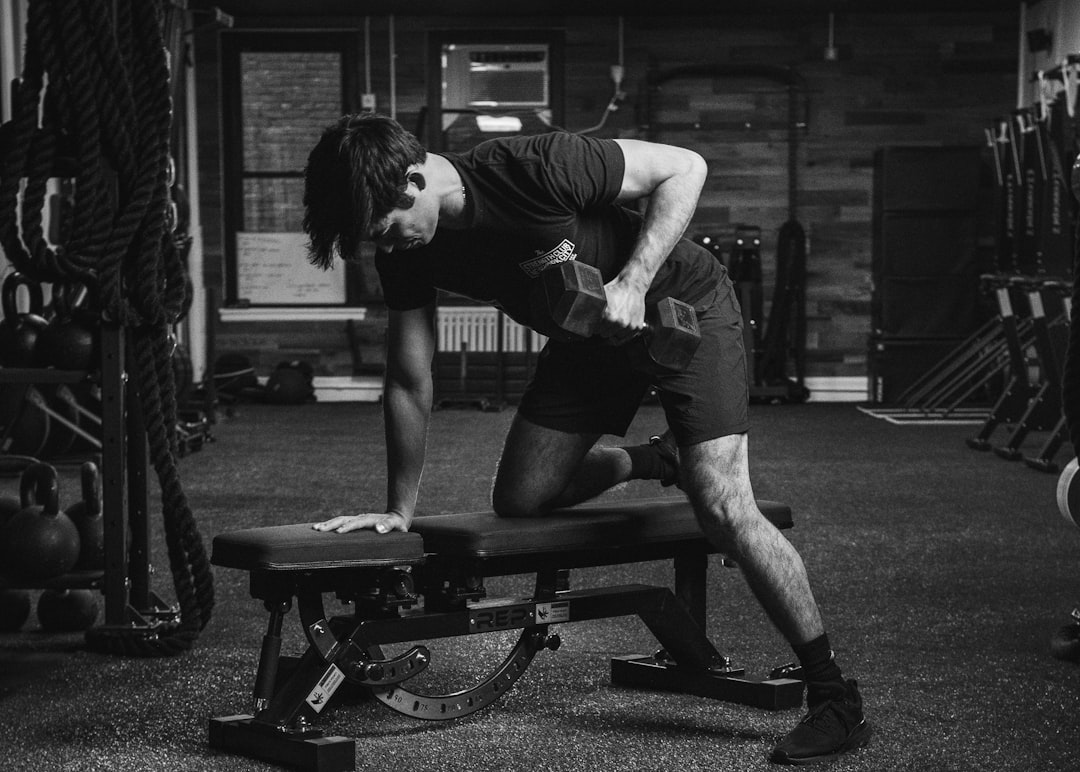
Progressive overload applied through multiple variables beyond simply adding weight is a concept elite trainers use constantly and explain to general audiences almost never. Volume load, time under tension, range of motion, tempo, and rest period manipulation are all legitimate and effective forms of progression. Stalling on a lift does not mean progress has stopped if other training variables are being improved systematically. The singular focus on adding plates to the bar ignores the complexity of how adaptation actually occurs.
Body Composition

Body fat percentage measured in isolation is considered a far less meaningful metric by elite trainers than the ratio of lean mass to body fat relative to functional performance. Two individuals at the same body weight and body fat percentage can have dramatically different muscular development and functional capacity. Elite trainers assess body composition in the context of strength levels, movement quality, and training history rather than as a standalone number. The fitness industry’s fixation on a single body fat number often drives counterproductive behaviors that undermine long-term health.
Compound Movements

Compound movements are protected as the non-negotiable foundation of every training program that elite coaches construct regardless of a client’s specific aesthetic or performance goals. Squats, deadlifts, presses, and rows create the systemic hormonal and structural adaptations that isolation exercises cannot replicate at scale. Removing these movements from programming in favor of machine-only or isolation-only training significantly limits long-term development regardless of volume. The compound lift is the most time-efficient tool available for producing widespread physiological adaptation.
Individualization

No single training program is optimal for every individual and elite trainers treat the customization of programming as their primary professional skill. Genetics, training history, injury background, sleep quality, stress levels, and hormonal status all create meaningful variation in how individuals respond to identical programs. The pursuit of a universal perfect routine is a concept that elite coaches abandon early and that the fitness industry continues to sell aggressively. Effective training requires ongoing observation and adjustment rather than adherence to a fixed and unchanging protocol.
Long Game

Consistency measured across years and decades is the variable that elite trainers identify as the single greatest determinant of physical development outcomes. The optimal program executed inconsistently will always produce inferior results compared to a merely good program executed with discipline over time. Injury prevention, sustainable intensity, and lifestyle integration are prioritized over short-term intensity because they protect the ability to keep training. Elite trainers are not chasing transformation timelines but building physical capacity that compounds gradually and permanently.
If any of these principles challenge what you thought you knew about training share your experience and questions in the comments.




