The anti-aging supplement industry generates billions of dollars annually by promising to slow the clock and restore vitality at the cellular level. What consumers rarely discover is that many of the most aggressively marketed products contain ingredients that create oxidative stress, disrupt hormonal balance, or interfere with natural biological processes in ways that speed up aging rather than slow it. Dermatologists, endocrinologists, and longevity researchers have quietly accumulated evidence that contradicts the label claims of some of the most popular products on the market. The gap between what supplement packaging promises and what peer-reviewed research confirms is wider than most people realize. These are 28 surprising truths about anti-aging supplements that the industry would prefer to keep out of mainstream conversation.
Beta-Carotene

High-dose beta-carotene supplementation was once celebrated as a powerful antioxidant strategy for skin health and cellular protection. Landmark clinical trials found that synthetic beta-carotene supplements significantly increased lung cancer risk in smokers and had no meaningful anti-aging benefit in the general population. The body regulates its own conversion of beta-carotene from food sources but synthetic megadoses bypass this natural control mechanism entirely. Obtaining beta-carotene through whole vegetables and fruits remains safe while isolated high-dose supplementation carries documented risks.
Resveratrol
Resveratrol became a cultural phenomenon after early studies suggested it could activate longevity pathways in yeast and mice by mimicking caloric restriction. Human bioavailability of resveratrol is extremely poor and the compound is metabolized so rapidly that meaningful tissue concentrations are almost impossible to achieve through oral supplementation. Later research found that high-dose resveratrol actually interfered with the beneficial adaptations produced by exercise in older adults. The anti-aging promise of resveratrol supplements remains largely unsupported in human clinical evidence despite decades of enthusiastic marketing.
Vitamin E
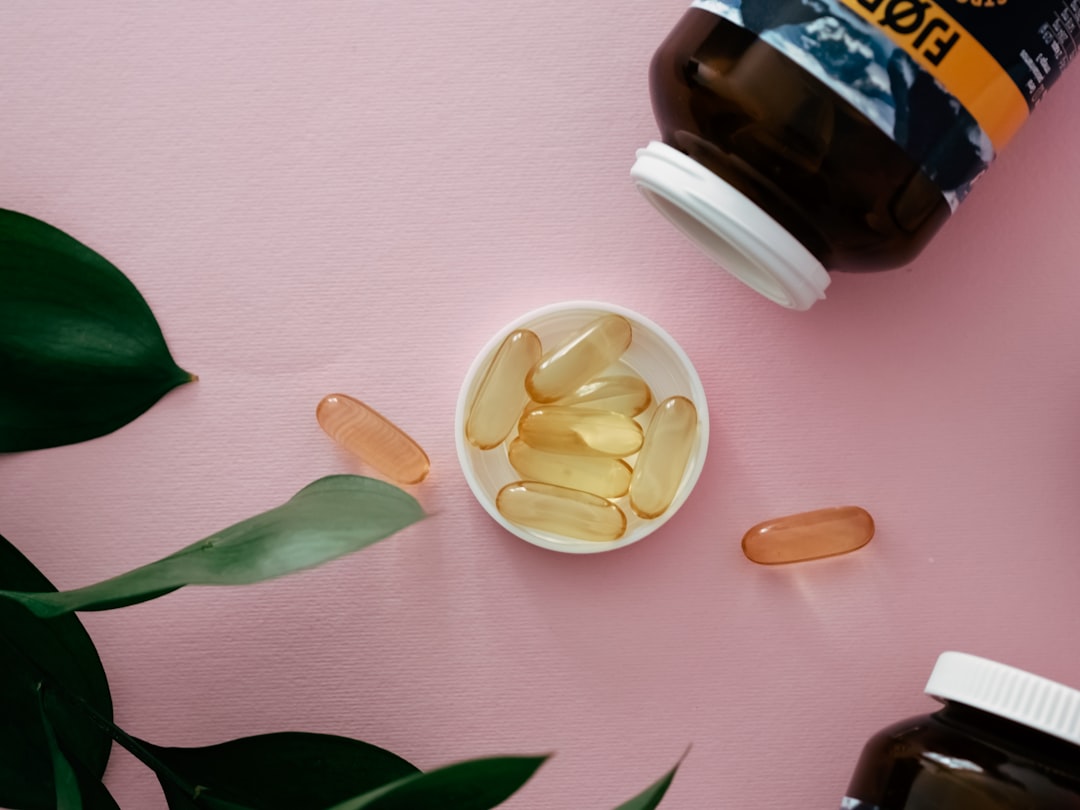
Synthetic vitamin E supplements sold in high doses have been associated in multiple large-scale studies with increased all-cause mortality rather than the longevity benefits their labels suggest. The natural form of vitamin E found in food consists of eight distinct compounds while most supplements contain only one synthetic form that can displace the others and create nutritional imbalances. High-dose supplementation has also been linked to increased hemorrhagic stroke risk in certain populations. Whole food sources including nuts, seeds, and leafy greens provide vitamin E in its most bioavailable and balanced form.
DHEA

Dehydroepiandrosterone supplements are widely marketed as a hormonal fountain of youth that restores the levels of a precursor hormone that declines significantly with age. Exogenous DHEA supplementation suppresses the body’s own production of the hormone and disrupts the endocrine feedback loops that regulate hormonal balance throughout the body. Excess DHEA can convert to estrogen or testosterone in ways that are highly individual and potentially problematic without clinical supervision. The long-term effects of unsupervised DHEA supplementation on cardiovascular health and cancer risk remain insufficiently studied.
Collagen Powder
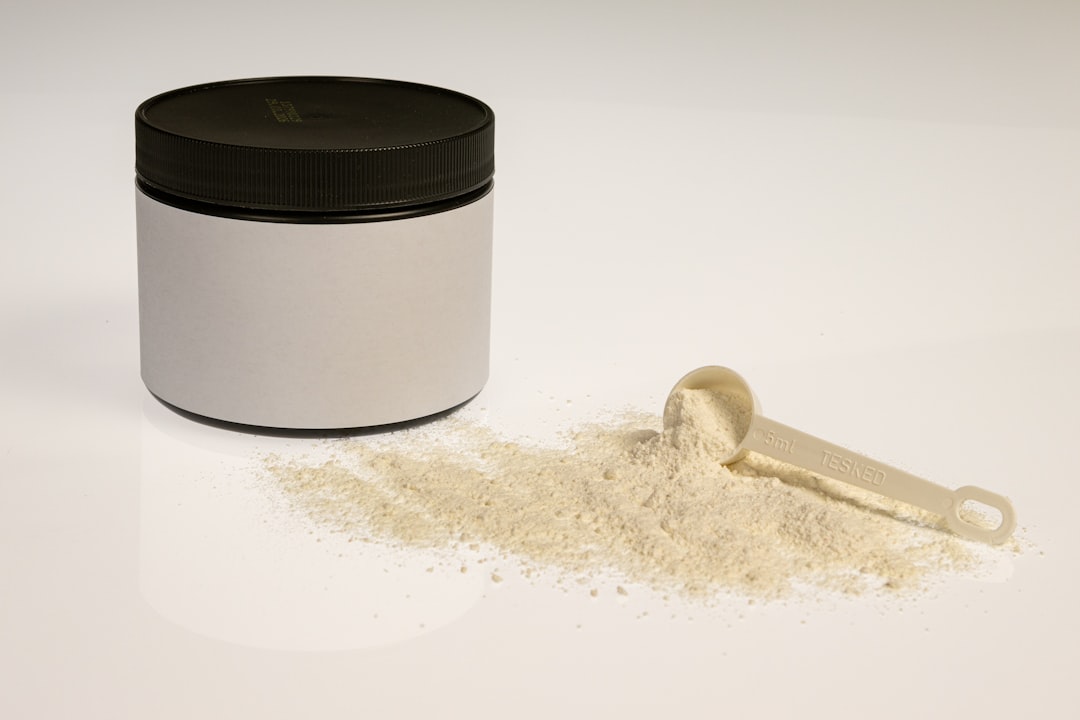
Oral collagen supplements are digested like any other dietary protein and broken down into amino acids before entering the bloodstream rather than being delivered intact to the skin. The marketing claim that consuming collagen directly rebuilds skin collagen contradicts basic gastrointestinal physiology. Some collagen products are derived from sources with poor quality control and may contain heavy metals or contaminants that generate oxidative stress at the cellular level. Supporting the body’s own collagen synthesis through adequate vitamin C, zinc, and dietary protein is a more physiologically sound approach.
Iron
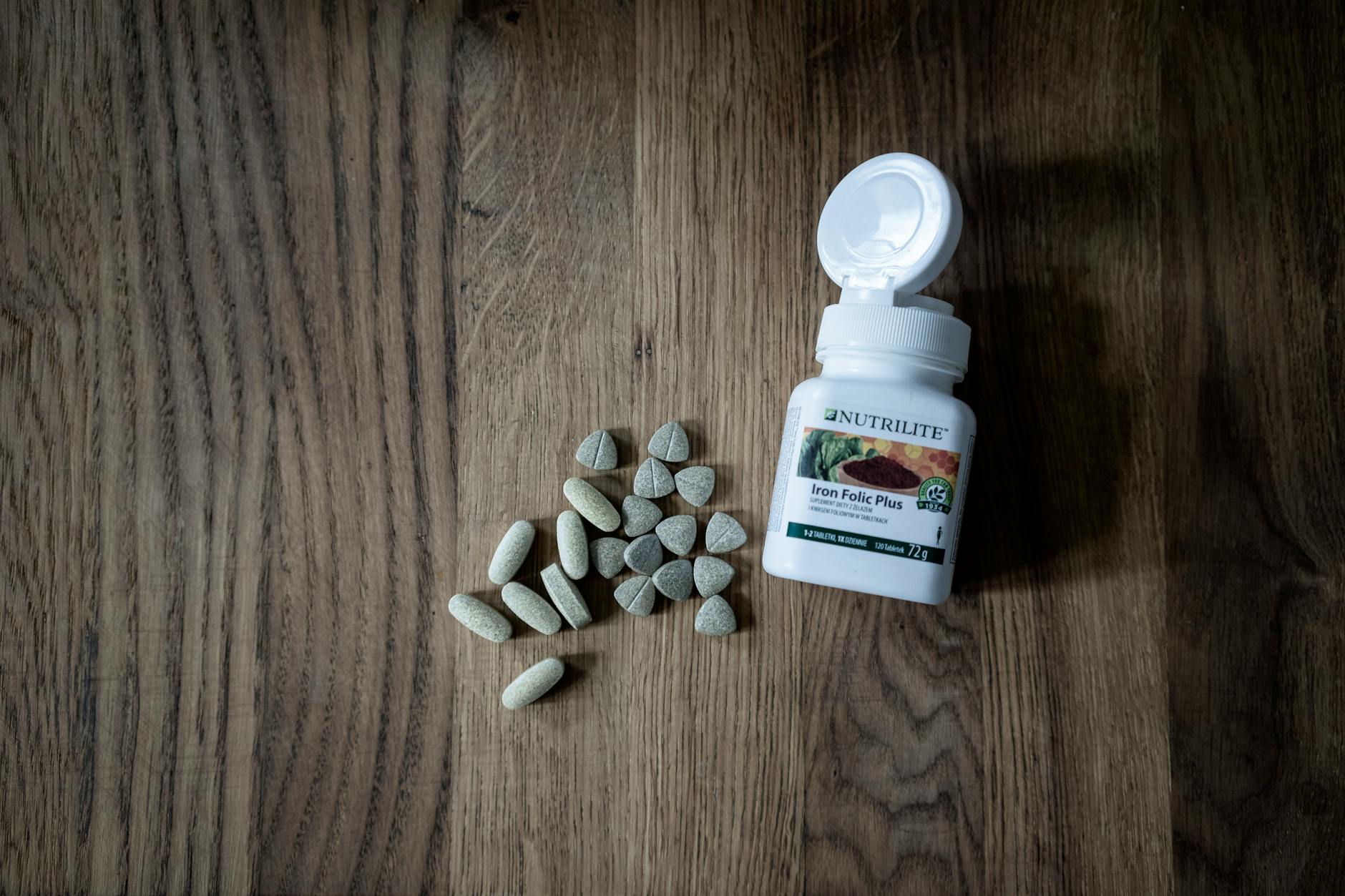
Iron supplements taken without a confirmed deficiency accelerate a process called oxidative stress through a mechanism involving free radical production that directly damages DNA and cellular membranes. Excess iron accumulates in tissues and organs over time and has been associated with increased risk of cardiovascular disease, liver damage, and neurodegenerative conditions. Post-menopausal women and men rarely require supplemental iron yet many continue taking multivitamins that contain significant iron doses. Routine supplementation with iron in the absence of clinical deficiency is considered counterproductive to longevity by most evidence-based clinicians.
Melatonin

Melatonin supplements taken in the doses commonly available in commercial products are dramatically higher than the amounts the pineal gland produces naturally during sleep onset. Chronic high-dose melatonin supplementation can downregulate the body’s endogenous production of the hormone and impair the natural circadian signaling that governs cellular repair processes. The timing of melatonin release is as important as its presence and supplementation at the wrong point in the circadian cycle can disrupt rather than enhance sleep architecture. Physiological doses of 0.1 to 0.5 milligrams rather than the standard 5 to 10 milligram commercial tablets are what research supports for sleep regulation.
Antioxidant Blends
High-dose antioxidant supplement blends disrupt a phenomenon called hormesis through which mild cellular stress from exercise and natural metabolic activity triggers the body’s own repair and adaptation mechanisms. Flooding the system with exogenous antioxidants blunts the signaling pathways that activate the body’s endogenous antioxidant defenses including superoxide dismutase and glutathione. Research has shown that high-dose antioxidant supplementation can actually reduce exercise-induced health adaptations in muscle tissue and cardiovascular function. The body’s internally produced antioxidant systems are far more powerful and precisely regulated than any supplement combination can replicate.
Pregnenolone
Pregnenolone is marketed as a master hormone precursor that can restore youthful neurological and hormonal function but its conversion pathway in the body is highly unpredictable. Supplementing with pregnenolone can inadvertently elevate downstream hormones including estrogen and cortisol in ways that promote inflammation and accelerate cellular aging rather than preventing it. The neurological effects of unsupervised pregnenolone use are poorly characterized in long-term human studies. Hormonal precursor supplementation without clinical testing and monitoring creates hormonal environments that may be counterproductive to the goals of longevity.
Selenium

Selenium is an essential trace mineral required for antioxidant enzyme function but the therapeutic window between sufficiency and toxicity is extremely narrow. High-dose selenium supplementation has been linked in large clinical trials to increased risk of type 2 diabetes and has shown no meaningful cancer prevention benefit in populations that are not deficient. Selenosis resulting from chronic excess selenium intake causes hair loss, nail brittleness, neurological symptoms, and skin changes that represent an acceleration of visible aging markers. Most people in developed nations obtain adequate selenium through diet without any supplementation.
Growth Hormone Secretagogues
Supplements marketed as natural growth hormone boosters stimulate pulsatile growth hormone release but chronic elevation of growth hormone signaling has complex and potentially harmful effects in adult physiology. Elevated insulin-like growth factor pathways associated with high growth hormone activity have been linked in epidemiological research to increased cancer risk in older adults. The longest-lived human populations globally tend to show reduced rather than elevated growth hormone signaling in later life. Stimulating growth hormone through supplementation without medical oversight may accelerate cellular proliferation in ways that are not consistent with longevity.
Niacin
High-dose niacin supplements are aggressively marketed for cardiovascular benefits and NAD+ pathway support despite clinical trial evidence showing no reduction in heart attack or stroke risk when added to standard care. Very high doses of niacin cause liver inflammation with chronic use and trigger a flushing response that generates significant oxidative stress in vascular tissue. The niacin flush is frequently described in marketing as evidence the supplement is working when it actually reflects prostaglandin-mediated inflammation. Niacinamide rather than niacin is a far better tolerated option for NAD+ support with a substantially lower risk profile.
Copper

Copper supplements are sometimes included in anti-aging stacks to support collagen cross-linking and connective tissue integrity but excess copper is pro-oxidant rather than protective. Elevated copper levels have been strongly associated with increased oxidative damage to neural tissue and are implicated in the progression of neurodegenerative diseases including Alzheimer’s disease. Copper and zinc compete for absorption and supplementing one without accounting for the other disrupts the balance of both minerals simultaneously. Most balanced diets provide adequate copper without the need for isolated supplementation.
Fat-Soluble Vitamins
Fat-soluble vitamins including A, D, E, and K accumulate in body tissues rather than being excreted in urine like water-soluble vitamins and can reach toxic concentrations with chronic high-dose supplementation. Hypervitaminosis A causes bone thinning, liver damage, and paradoxically accelerates the skin aging it is marketed to prevent. High-dose vitamin D without adequate vitamin K2 and magnesium co-factors can drive calcium into arterial walls rather than bones and promote vascular aging. Fat-soluble vitamin supplementation requires far more individualization and clinical monitoring than marketing materials suggest.
L-Carnitine
L-carnitine supplements have been marketed for fat metabolism, energy, and anti-aging benefits but research has revealed a concerning interaction with gut bacteria that produces a compound called trimethylamine N-oxide. Elevated trimethylamine N-oxide levels are strongly associated with accelerated cardiovascular aging and increased risk of heart attack and stroke. The gut microbiome composition of an individual determines how much trimethylamine N-oxide is produced from L-carnitine and this varies dramatically between people. This metabolic interaction is absent from supplement labeling and almost entirely unknown to consumers purchasing L-carnitine for its marketed benefits.
Testosterone Boosters

Over-the-counter testosterone booster supplements frequently contain herbs and compounds that have minimal evidence for actually raising testosterone levels in healthy adults. Products that do produce meaningful hormonal effects risk suppressing the hypothalamic-pituitary-gonadal axis through negative feedback mechanisms and reducing the body’s natural testosterone production over time. Chronic disruption of this hormonal axis accelerates the age-related hormonal decline it is marketed to prevent. Clinical evaluation and physician-supervised hormone optimization are substantially more effective and safer than unregulated commercial testosterone boosters.
Spirulina
Spirulina and other blue-green algae supplements are frequently contaminated with microcystins produced by competing cyanobacteria strains during cultivation and these compounds are potent liver toxins. Regular low-level exposure to microcystins through contaminated spirulina accelerates hepatic aging and disrupts the liver’s central role in detoxification and metabolic regulation. Quality control in spirulina production varies enormously between manufacturers and contamination is not always detectable through standard label testing. The nutritional benefits attributed to spirulina can be obtained from whole food sources without the contamination risk.
Glutathione
Oral glutathione supplements are largely broken down in the digestive tract before reaching systemic circulation because glutathione is a tripeptide that is not efficiently absorbed intact through the intestinal wall. The marketing of oral glutathione as a master antioxidant that directly elevates cellular levels misrepresents the physiological reality of its absorption and distribution. Some liposomal delivery formats improve absorption modestly but do not approach the efficiency of strategies that support endogenous glutathione synthesis. Consuming precursors including N-acetylcysteine, glycine, and glutamine supports the body’s own production far more effectively.
Saw Palmetto
Saw palmetto is widely used for hormonal balance and marketed with anti-aging implications despite clinical trial evidence consistently showing it performs no better than placebo for its primary marketed application. Some formulations contain undisclosed estrogenic compounds that can disrupt hormonal balance in both men and women with regular use. The quality and concentration of active compounds in commercial saw palmetto products varies dramatically with no reliable standardization across the industry. Hormonal effects attributed to saw palmetto are poorly characterized and essentially unmonitored in the context of long-term use.
Ashwagandha
Ashwagandha is broadly marketed as an adaptogen that lowers cortisol and supports hormonal youth but emerging case reports have documented thyroid disruption and liver injury associated with its use. The withanolide compounds in ashwagandha can interact with thyroid hormone pathways in ways that are clinically meaningful for individuals with existing thyroid conditions. Chronic use in healthy individuals has not been studied in long-term trials and the cumulative effects of daily ashwagandha consumption over years are unknown. Adaptogenic claims remain largely unregulated and the supplement industry applies them broadly without standardized clinical support.
Iodine
High-dose iodine supplements marketed for thyroid support and metabolic anti-aging can paradoxically suppress thyroid function through the Wolff-Chaikoff effect when consumed in excess. Chronic excess iodine intake has been linked to both hypothyroidism and hyperthyroidism depending on individual thyroid status and existing autoimmune conditions. Hashimoto’s thyroiditis can be significantly worsened by high iodine intake and the condition is frequently undiagnosed in the populations most likely to purchase thyroid support supplements. Thyroid health is a nuanced clinical matter that requires testing rather than generic supplementation.
Herbal Estrogens

Phytoestrogen supplements derived from plants like red clover, black cohosh, and soy isoflavones are marketed for hormonal balance and menopausal anti-aging support but carry significant complexity. These compounds bind to estrogen receptors in ways that are tissue-specific and can produce estrogenic effects in some tissues while blocking them in others through mechanisms that are not fully understood. Estrogen-sensitive conditions including certain breast cancers, endometriosis, and fibroids may be influenced by phytoestrogen supplementation in ways that are not reflected in general marketing. The blanket recommendation of phytoestrogens for hormonal aging requires individualized clinical context.
Activated Charcoal
Activated charcoal supplements are marketed as detoxifying and anti-aging agents despite having no physiological mechanism for removing systemic toxins from tissues or organs. Activated charcoal binds indiscriminately in the gastrointestinal tract and can impair the absorption of prescribed medications, essential minerals, and fat-soluble vitamins taken around the same time. Regular use of activated charcoal supplements may create nutritional deficiencies that accelerate biological aging through micronutrient insufficiency. Its legitimate clinical use is limited to acute poisoning management under medical supervision and it has no established role in everyday wellness.
Biotin
High-dose biotin supplements are among the most aggressively marketed products in the anti-aging and beauty supplement space despite most people having no biotin deficiency that would make supplementation meaningful. Biotin at doses commonly found in hair, skin, and nail formulas interferes with numerous laboratory diagnostic tests including thyroid panels and cardiac troponin tests in ways that can produce dangerously misleading results. The FDA has issued safety communications about this interference risk and the condition remains widely unknown among consumers taking biotin products. Hair and nail changes attributed to biotin supplementation in healthy people are poorly supported by controlled clinical evidence.
Lipoic Acid
Alpha-lipoic acid is promoted as a universal antioxidant capable of regenerating other antioxidants and protecting mitochondrial function but high doses may actually inhibit the very mitochondrial biogenesis it is marketed to support. Research has shown that supraphysiological doses of lipoic acid can suppress the AMPK pathway which is a key regulator of cellular energy sensing and longevity signaling. Its interaction with thyroid hormone metabolism at high doses has been documented in animal studies with clinical implications that have not been fully characterized in humans. Therapeutic doses used in research differ substantially from the amounts found in commercial anti-aging supplement products.
Enzymes
Systemic enzyme supplements marketed for anti-inflammatory and anti-aging effects are largely denatured by stomach acid before they can exert any systemic biological activity. The premise that orally consumed proteolytic enzymes survive digestion and meaningfully reduce inflammation throughout the body contradicts established gastrointestinal physiology in most available commercial formulations. The body produces its own highly regulated enzymatic activity and introducing exogenous enzymes does not predictably augment these systems. Marketing claims for systemic enzyme therapy are substantially ahead of the clinical evidence base that would be required to support them.
Caffeine Pills

High-dose caffeine supplements marketed for metabolic anti-aging and fat oxidation chronically elevate cortisol levels which is one of the most well-characterized drivers of accelerated biological aging at the cellular level. Sustained cortisol elevation shortens telomeres, promotes visceral fat accumulation, impairs sleep architecture, and degrades skin quality through multiple simultaneous pathways. The thermogenic and fat-oxidation benefits of caffeine are modest and dose-dependent while the cortisol-elevating effects scale with dose and frequency of use. Habitual high-dose caffeine supplementation optimizes for short-term energy at the expense of long-term hormonal and cellular health.
NAD+ Precursors
NAD+ precursor supplements including nicotinamide riboside and nicotinamide mononucleotide have generated significant scientific excitement but the human evidence for meaningful anti-aging outcomes remains preliminary and inconsistent. Some research has raised the concern that elevating NAD+ levels systemically may also support the metabolic needs of precancerous cells given that cancer cells are highly dependent on NAD+ for their own proliferation. The optimal dose, timing, and duration of NAD+ precursor supplementation for aging humans has not been established through rigorous long-term clinical trials. Consumer enthusiasm for these compounds has substantially outpaced the clinical evidence required to supplement with confidence.
Zinc Megadosing
Zinc is an essential mineral that plays critical roles in immune function, DNA repair, and hormonal health but supplementing in excess creates a cascade of problems that accelerate rather than slow biological aging. High-dose zinc supplementation depletes copper which is essential for the function of superoxide dismutase one of the body’s most critical endogenous antioxidant enzymes. Copper deficiency caused by zinc megadosing impairs neurological function and connective tissue integrity in ways that directly undermine the goals of anti-aging supplementation. The interaction between zinc and copper is one of the most clinically significant and least discussed risks in the consumer supplement market.
If any of these findings challenge what you currently have in your supplement cabinet share your thoughts and questions in the comments.




