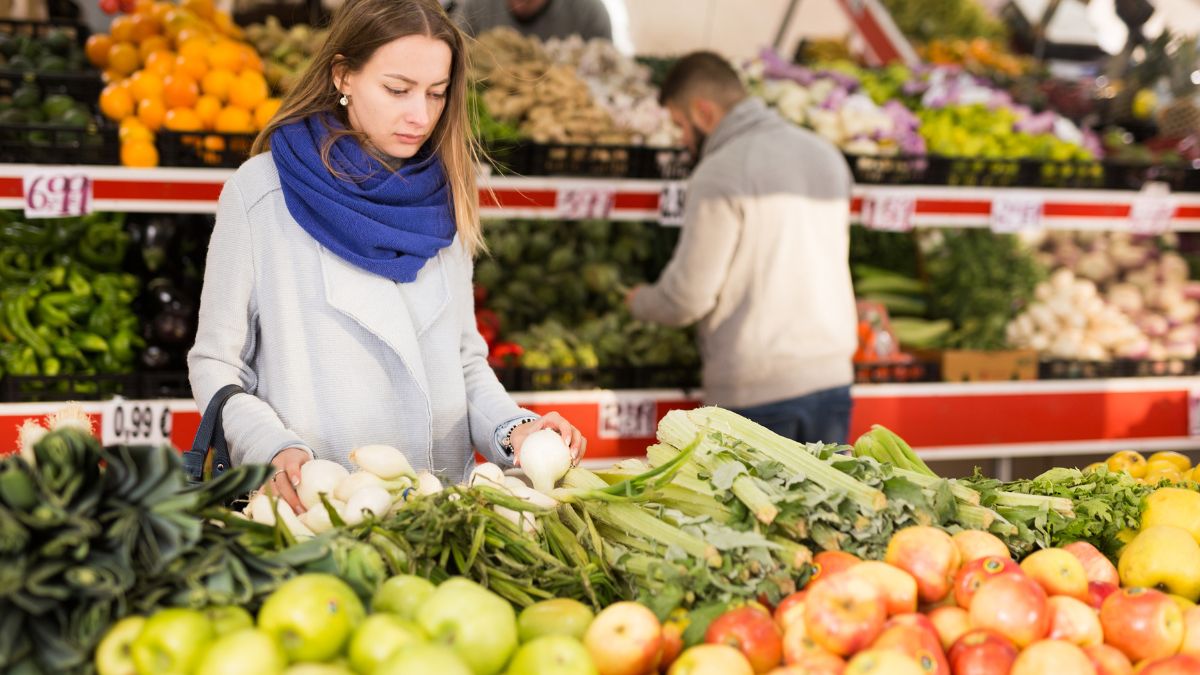
The health food industry and mainstream grocery retail have merged into a sophisticated psychological architecture that most shoppers navigate without any awareness of its deliberate design. What appears to be a straightforward shopping environment built around consumer choice and nutritional transparency is in fact a carefully engineered system of sensory cues, spatial decisions, pricing structures, and visual hierarchies designed to maximize spending under the protective cover of wellness language. Retailers have discovered that health-conscious consumers are among the most profitable demographic segments in the store because their values-driven purchasing creates emotional investment that overrides price sensitivity and rational evaluation. The wellness halo that surrounds organic produce sections, superfood aisles, and clean-label packaging generates a psychological state in shoppers that measurably reduces critical thinking and increases basket size. These are 24 silent psychological tricks grocery stores use to make you overbuy healthy food.
Entrance Placement
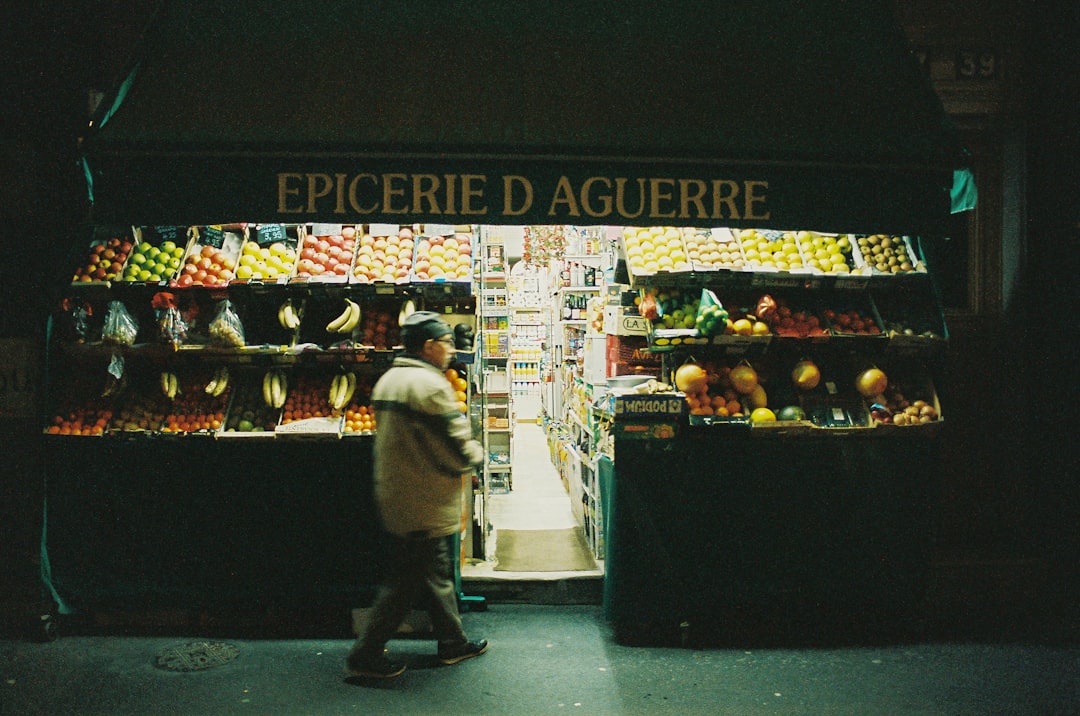
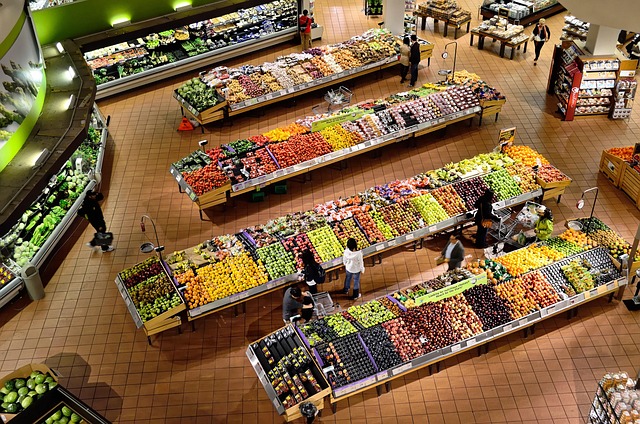
Positioning the produce section immediately at the store entrance is one of the most studied and deliberately executed decisions in grocery retail design. Filling a basket with colorful fruits and vegetables at the beginning of a shopping trip creates what behavioral economists call a licensing effect in which early virtuous choices grant shoppers unconscious psychological permission to make less disciplined decisions later in the journey. Research consistently shows that shoppers who load up on produce at the entrance spend significantly more in total across the entire store rather than less because the healthy start generates a sense of earned latitude. The produce placement feels intuitively logical and health-forward when it is in practice a revenue optimization strategy built on decades of consumer psychology research.
Misting Systems

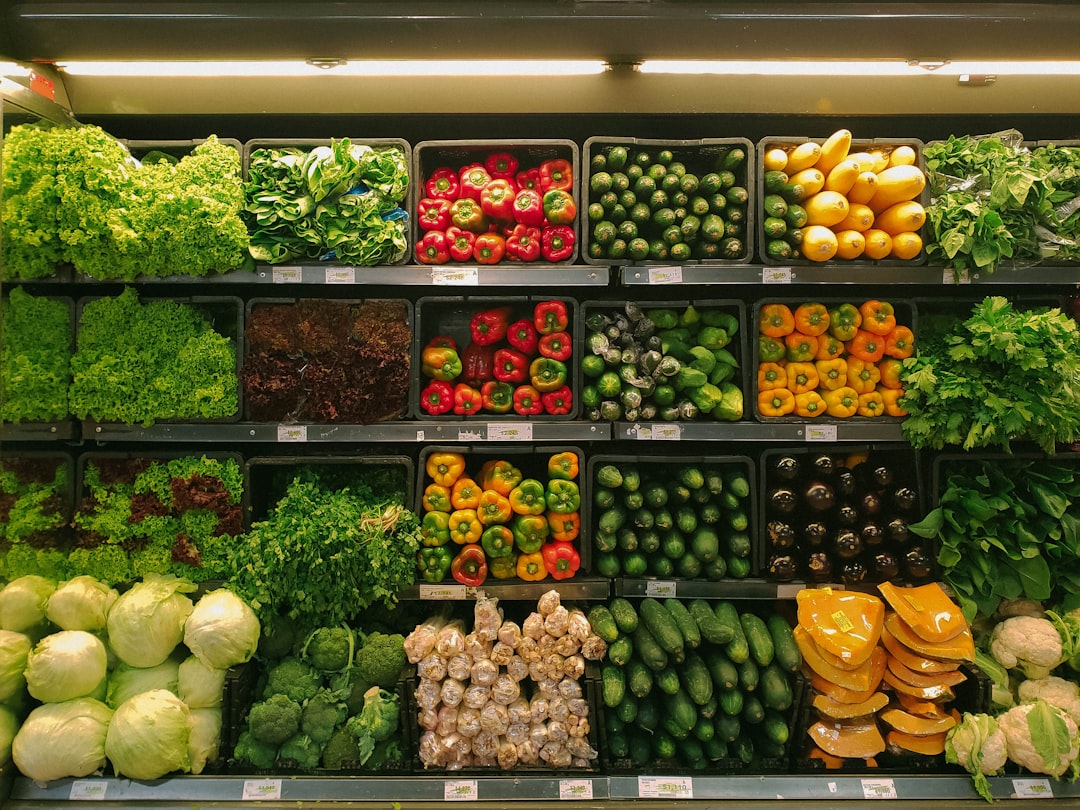
The fine water mist systems that spray over fresh produce sections at regular intervals serve no meaningful preservation function for the majority of vegetables they coat and in some cases accelerate rot by introducing excess moisture into leafy greens. The misting exists entirely to trigger sensory associations with freshness, morning dew, and natural abundance that activate purchasing behavior through emotional rather than rational channels. The visual of glistening vegetables creates a perception of premium quality and superior nutrition that shoppers assign to the produce without any evidence that it reflects actual freshness or nutritional content. Retailers invest significantly in misting infrastructure precisely because the emotional return on that investment appears directly in produce sales volume.
Organic Positioning
Premium organic products are systematically placed at eye level and at the front of category sections while conventional equivalents are positioned lower, higher, or further back on the shelf in a spatial hierarchy that communicates value without using a single word. The eye-level position is the highest-converting location in any retail shelf section and its consistent assignment to organic and premium health products is a deliberate merchandising decision rather than a neutral organizational choice. Shoppers who must physically reach down or search further along the shelf for conventional options are subtly penalized for the choice through inconvenience in a way they almost never consciously register. The spatial language of the health food aisle communicates a values hierarchy that guides purchasing decisions before a single ingredient label has been read.
Ambient Lighting

Specialty grocery retailers and health food sections within mainstream supermarkets use warmer and more directional lighting than the rest of the store to create a visual environment that signals premium quality, artisanal care, and boutique authenticity. The lighting makes produce colors appear more saturated and vibrant, packaging appears more considered and premium, and the overall atmosphere shifts from functional retail toward an experience that feels closer to a farmers market or specialty food shop. Shoppers in warmer-lit retail environments have been shown to spend more time in those sections, evaluate products more favorably, and make more purchase decisions than in identically stocked sections under standard fluorescent retail lighting. The lighting investment communicates nothing about the actual quality of the food but generates consistent measurable revenue uplift in the categories it serves.
Chalkboard Signage

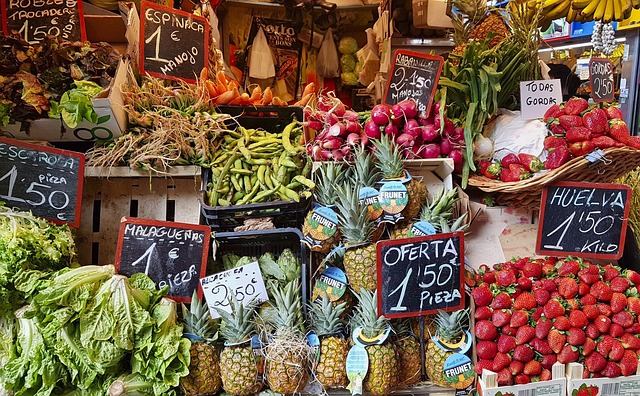
Handwritten chalkboard signs used throughout natural food sections and health-oriented grocery stores activate a set of psychological associations including local sourcing, artisanal production, human craftsmanship, and small-scale authenticity that printed signage cannot replicate. The visual language of chalk on a board communicates that a human being made a considered choice to recommend this product in a way that feels fundamentally different from corporate marketing despite being produced by the same retail marketing team. Shoppers assign higher quality ratings, greater trustworthiness, and stronger purchasing intention to products accompanied by chalkboard signage compared to identical products displayed under standard printed retail signs. This effect is strongest among health-conscious shoppers who are most motivated to believe they are purchasing outside of conventional commercial systems.
Bulk Bin Psychology
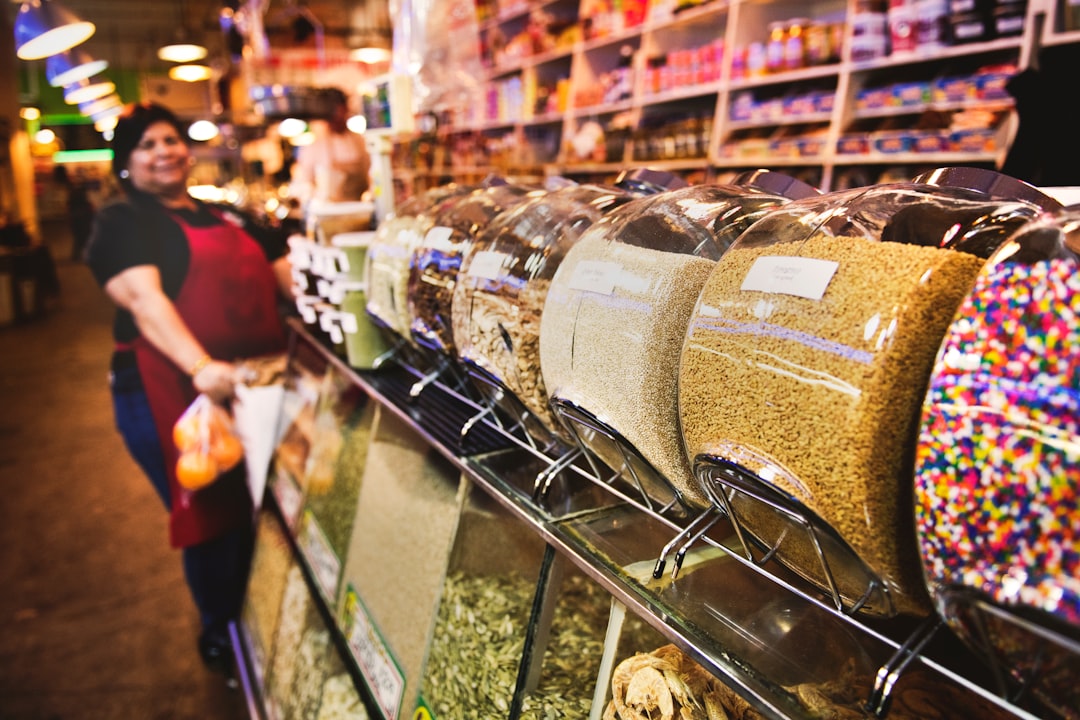
Bulk food sections create a powerful combination of psychological effects that reliably increase purchase volume beyond what shoppers originally intended when they approached the bins. The absence of fixed package sizes removes the natural stopping point that pre-packaged products provide and shoppers filling a bag by hand consistently overfill relative to their actual needs because there is no visual or tactile cue equivalent to a package boundary. The perception of value created by bulk purchasing and the environmental virtue signal of avoiding packaging creates a purchasing environment in which normal quantity constraints dissolve. Retailers who offer bulk sections understand that the combination of value perception, environmental identity, and the sensory pleasure of self-selection produces some of the highest margin-per-transaction outcomes in the entire store.
Superfood Signage

The word superfood carries no regulatory definition, no nutritional standard, and no scientific threshold yet its presence on in-store signage and shelf talkers reliably increases product selection rates by significant margins across all demographic groups. Retailers use superfood designation as a merchandising tool applied to products with the highest margin contribution in a category rather than to products with the most robust nutritional evidence. Shoppers who select a product because of its superfood designation report higher satisfaction with their purchase and greater likelihood of repurchase regardless of whether they experienced any tangible benefit from consuming it. The regulatory vacuum around the term makes it an infinitely flexible and commercially powerful label that costs nothing to apply and generates consistent revenue uplift wherever it appears.
Strategic Sampling
In-store food sampling positioned in health food sections operates through a psychological mechanism called the reciprocity principle in which receiving something of value creates an unconscious social obligation to give something in return. The obligation generated by accepting a small cup of kombucha or a piece of artisan cheese is not consciously experienced as pressure but reliably produces elevated purchase rates among samplers compared to non-samplers by margins that justify the sampling program’s cost many times over. Sampling in health food contexts carries an additional layer of effectiveness because the tasting experience creates a personal relationship with the product that bypasses the skepticism shoppers normally apply to unfamiliar premium-priced items. Retailers and brands invest heavily in sampling programs in health food environments precisely because the conversion rates in this context are measurably superior to those produced by any equivalent advertising expenditure.
Scent Engineering
The deliberate diffusion of bread-baking aromas, citrus scents, and fresh herb fragrances in and around health food sections creates an olfactory environment that activates appetite, increases time spent in the section, and generates positive emotional associations that transfer directly to the products being considered. In-store bakery placement is frequently positioned to allow bread aromas to drift through produce and health food sections rather than being contained within the bakery itself because the cross-category emotional effect on purchasing behavior makes the spatial decision commercially rational. Scent-based retail manipulation is among the most effective and least consciously detected forms of environmental influence on consumer behavior because the olfactory system connects directly to emotional and memory centers of the brain without passing through the rational evaluation process. Shoppers who experience pleasant food-adjacent scents while shopping report greater enjoyment of the experience, spend more time in the store, and leave with larger baskets.
Wellness Language Creep
Terms including nourishing, wholesome, clean, mindful, intentional, and plant-powered appear throughout health food retail environments as ambient linguistic conditioning that gradually shifts the shopper’s self-concept toward a health-conscious identity that then demands to be expressed through purchasing behavior. This wellness language operates as a form of identity priming in which repeated exposure to values-laden terminology activates a self-image that shoppers then feel motivated to be consistent with through their product choices. A shopper who has been linguistically immersed in wellness vocabulary for fifteen minutes of store navigation is measurably more likely to select premium health products over conventional alternatives even when those products offer no meaningful nutritional advantage. The language environment of the health food store is a carefully constructed identity mirror designed to reflect back to shoppers a version of themselves that spends more.
Price Anchoring

Strategically placing extremely high-priced premium health products at the front of a category section establishes a price anchor that makes adjacent moderately expensive products appear reasonable by comparison even when those products are priced well above their conventional equivalents. A forty-dollar cold-pressed juice cleanse positioned prominently in a refrigerated section makes the eighteen-dollar single bottle beside it feel like a considered and moderate choice rather than an extravagant one. Health food retailers are particularly skilled at price anchoring because their shopper base is less price-sensitive than conventional grocery shoppers and more motivated by quality signals that make higher prices feel like evidence of superiority rather than excess. The anchor product rarely needs to sell in high volume to justify its shelf space because its primary function is to reposition the price perception of everything around it.
Color Psychology

The deliberate use of green as the dominant color in health food retail environments from packaging to signage to store fixtures activates deeply embedded cultural associations between the color and concepts of nature, safety, health, and environmental responsibility that operate below conscious awareness. Shoppers in green-dominant retail environments assign higher nutritional value, greater environmental credibility, and stronger purchase intention to products than in identically stocked environments using neutral or alternative color schemes. The green health halo is so well established in consumer psychology that retailers and brands apply it to products with minimal nutritional distinction from conventional alternatives solely to capture the perceptual premium it generates. Product reformulations that change packaging to green without altering the nutritional profile consistently produce measurable sales uplift in health-conscious consumer segments.
Farmers Market Theater

The visual vocabulary of farmers market aesthetics including wooden crates, burlap sacking, handwritten labels, loose product displays, and imperfect produce shapes is deliberately recreated within grocery retail environments to generate authenticity associations that no amount of conventional retail merchandising can produce. This aesthetic signals small-scale production, local sourcing, and human-scale agriculture to shoppers even when the products being displayed are sourced from the same industrial supply chains as their conventionally displayed equivalents. Retailers understand that the perceived provenance of food is as commercially powerful as actual provenance and invest substantially in display materials and merchandising labor that communicate a supply chain story the actual supply chain does not support. The farmers market theater is most effective with shoppers who are most motivated to believe they are opting out of industrial food systems.
Health Halo Bundling
Grouping products together in curated health-themed displays creates a guilt-by-association effect in reverse where the nutritional credibility of one genuinely healthy product transfers unconsciously to adjacent products that share its display space but not its nutritional profile. A display combining fresh berries with a premium granola, a coconut oil spread, and an agave-sweetened beverage treats the latter three products as nutritional equals of the berries through spatial association alone. Shoppers selecting from a health-themed bundle display purchase more items from the bundle than they intended before approaching it because the collective health narrative of the display is more persuasive than any individual product’s label. Retailers charge premium slotting fees for positions within these curated health bundles because the halo effect is measurable and reliable across product categories.
Nutritional Noise
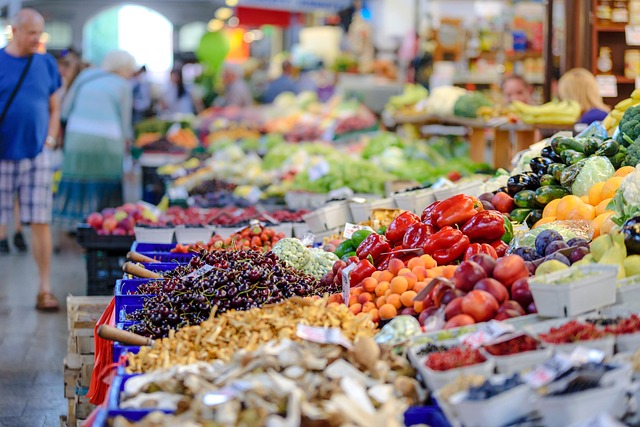
An excess of nutritional claims on packaging and in-store signage creates a state of information overload that paradoxically reduces critical evaluation and increases reliance on simple heuristics like price, brand familiarity, and visual appeal to make purchasing decisions. When every product in a category claims to be high in protein, low in sugar, rich in antioxidants, and free from seventeen different ingredients the shopper’s evaluative capacity is overwhelmed and decision-making defaults to emotional and social signals rather than nutritional analysis. Health food retailers benefit from nutritional noise because it maintains shopper engagement and perceived complexity while simultaneously neutralizing the critical thinking that would allow shoppers to identify products that do not justify their premium positioning. The loudest nutritional claims in any category are frequently found on the products with the most modest actual nutritional distinction.
Loyalty Program Design

Grocery loyalty programs in health food retail environments are structured to reward purchasing frequency across premium categories rather than to deliver genuine savings and the data they generate is used to identify and deepen the spending patterns of the most health-motivated and therefore most profitable customers. The points architecture of these programs creates an investment psychology in which shoppers feel committed to a retail relationship that they have built equity in through their spending history and this commitment reduces price comparison behavior and competitive shopping. Health-focused loyalty programs frequently offer early access to new products, exclusive wellness events, and nutritional content as non-monetary rewards that deepen identity alignment between the shopper and the retail brand. The loyalty program is less a savings mechanism than a behavioral data collection infrastructure that funds increasingly precise targeting of the customers most likely to spend more.
Refrigeration Theater
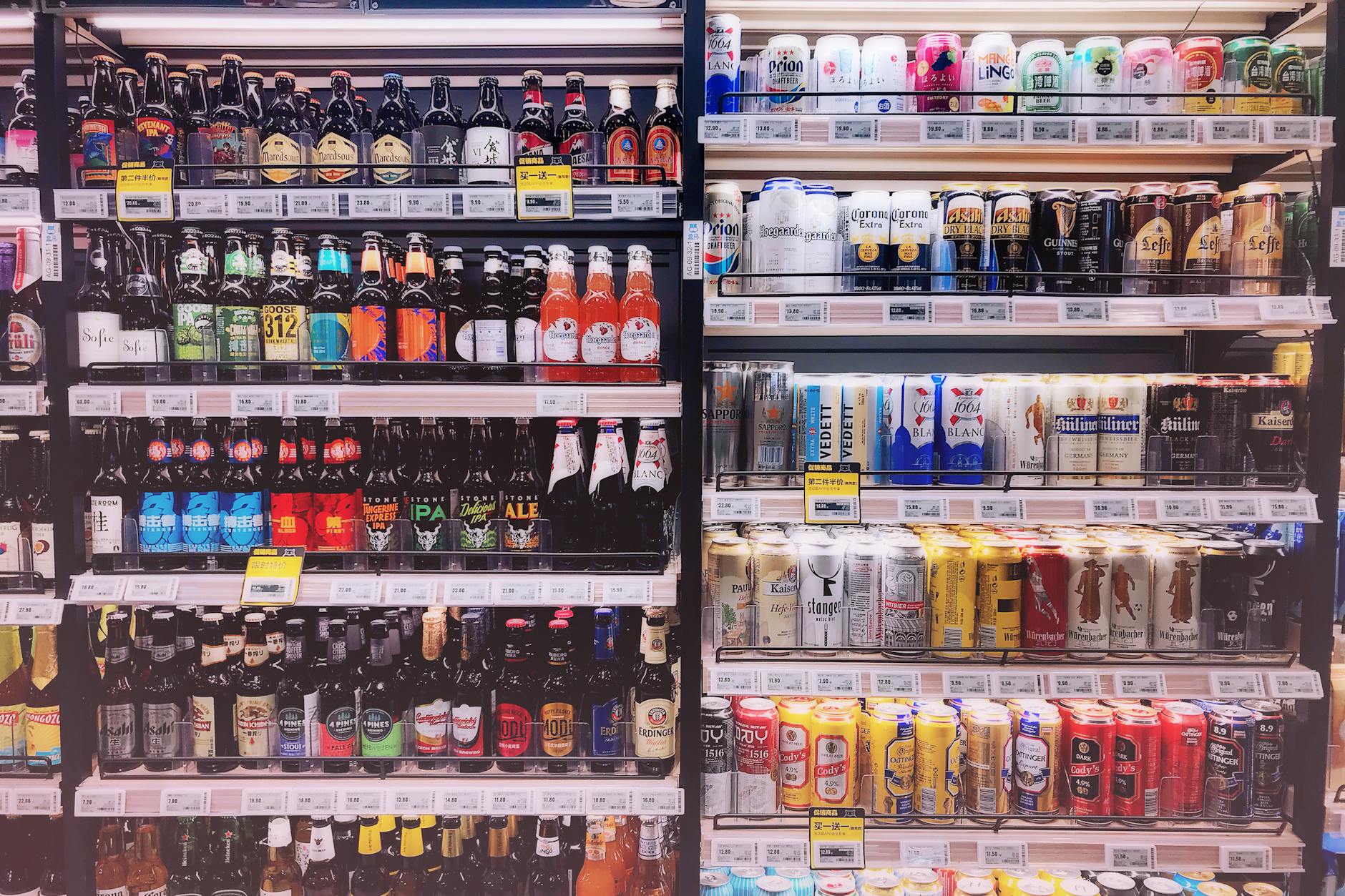
The expansion of refrigerated sections in health food retail to include products that do not require refrigeration for safety or quality reasons creates a powerful freshness perception that justifies premium pricing and drives purchase urgency. Refrigerating a product that could be shelf-stable signals to shoppers that it is minimally processed, close to its natural state, and time-sensitive in ways that elevate its perceived value without any change to its actual composition. Cold-pressed juice, refrigerated nut butters, chilled coconut water, and refrigerated energy bars are examples of categories where refrigeration communicates freshness rather than necessity and the premium those products command reflects the perception rather than the production difference. Retailers invest in expensive refrigerated real estate for shelf-stable products because the return on that investment through price premium and purchase frequency justifies the infrastructure cost.
Unit Pricing Obscurity
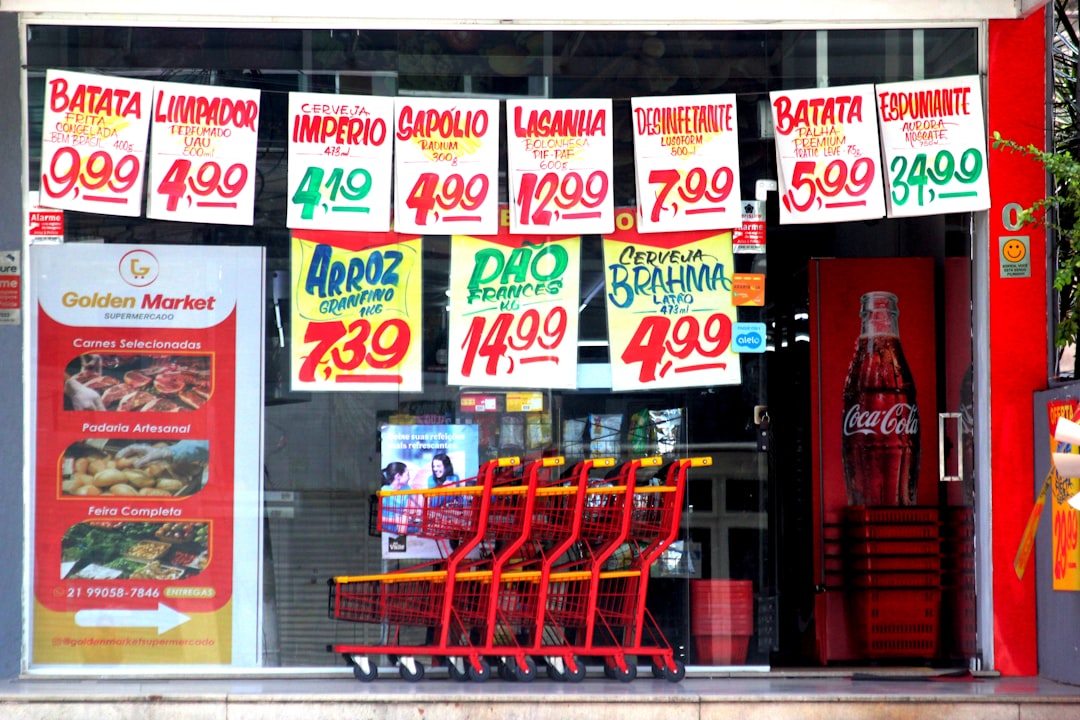
Health food retailers frequently present unit pricing in inconsistent formats across a category so that direct price comparison between products requires active mental calculation that most shoppers do not perform in the flow of a shopping trip. Comparing a price per hundred grams against a price per serving against a price per unit across three adjacent products on a shelf requires a level of arithmetic attention that the ambient sensory environment of a grocery store is poorly suited to support. The inconsistency is not accidental and is most prevalent in high-margin health categories where the price differential between comparable products is most significant. Shoppers who do not perform unit price calculations in health food categories consistently overestimate the value of premium products and underestimate the price gap between them and conventional equivalents.
Social Proof Signage
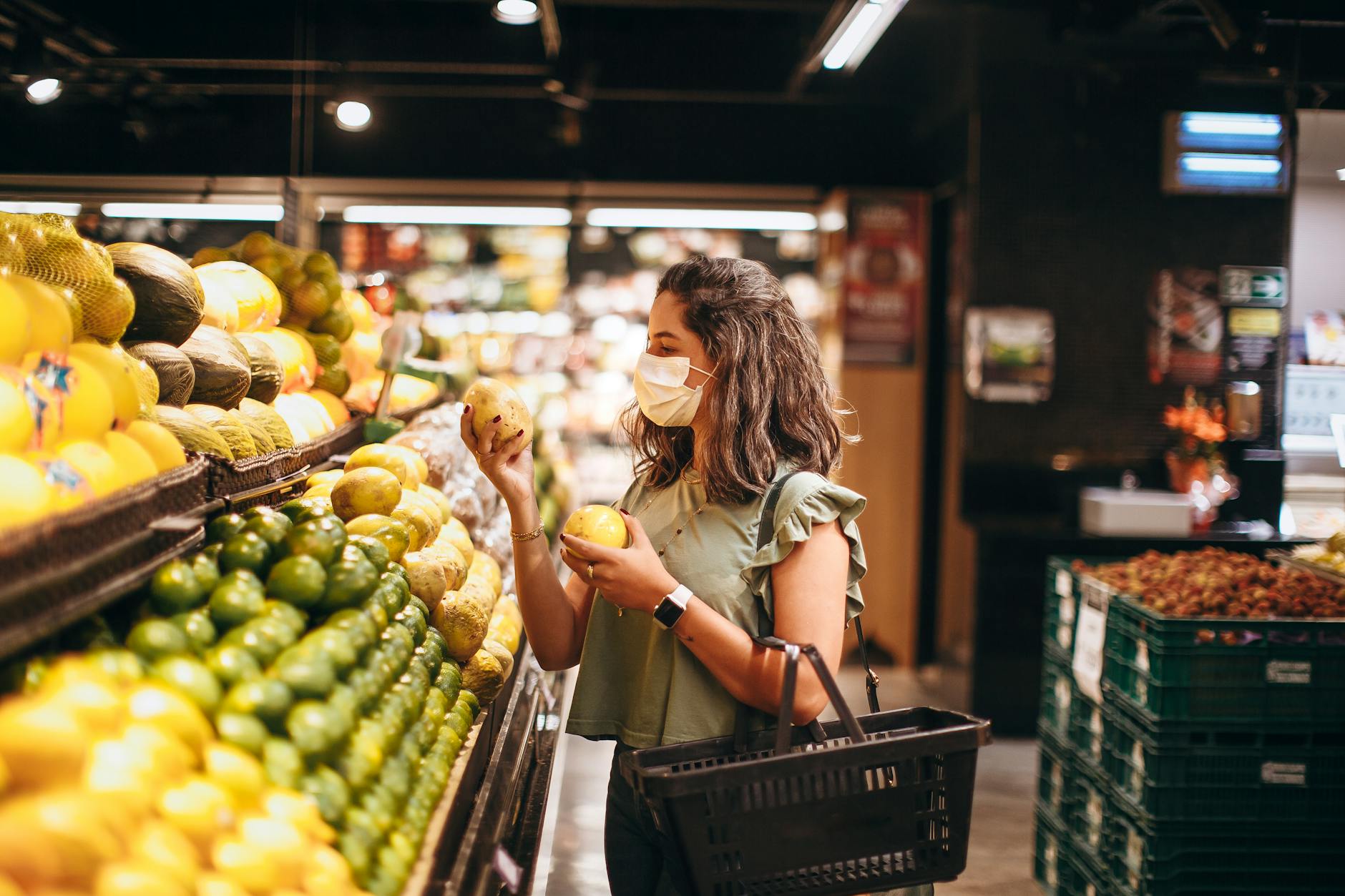
Shelf talkers and promotional signage using phrases indicating that a product is a customer favorite, a staff pick, or the most popular item in its category deploy social proof as a purchasing trigger that is particularly effective in the health food context where shoppers feel uncertain about navigating unfamiliar ingredients and emerging categories. Social proof reduces decision-making friction by outsourcing the evaluative responsibility to an implied community of other health-conscious consumers whose choices can be trusted as a proxy for quality and efficacy. The products designated as staff picks or customer favorites in health food retail are selected through a commercial negotiation process that involves brand marketing budgets rather than through any systematic assessment of product quality or customer satisfaction. The social proof signal is genuine in its psychological effect and fictional in its representational claim.
Checkout Placement
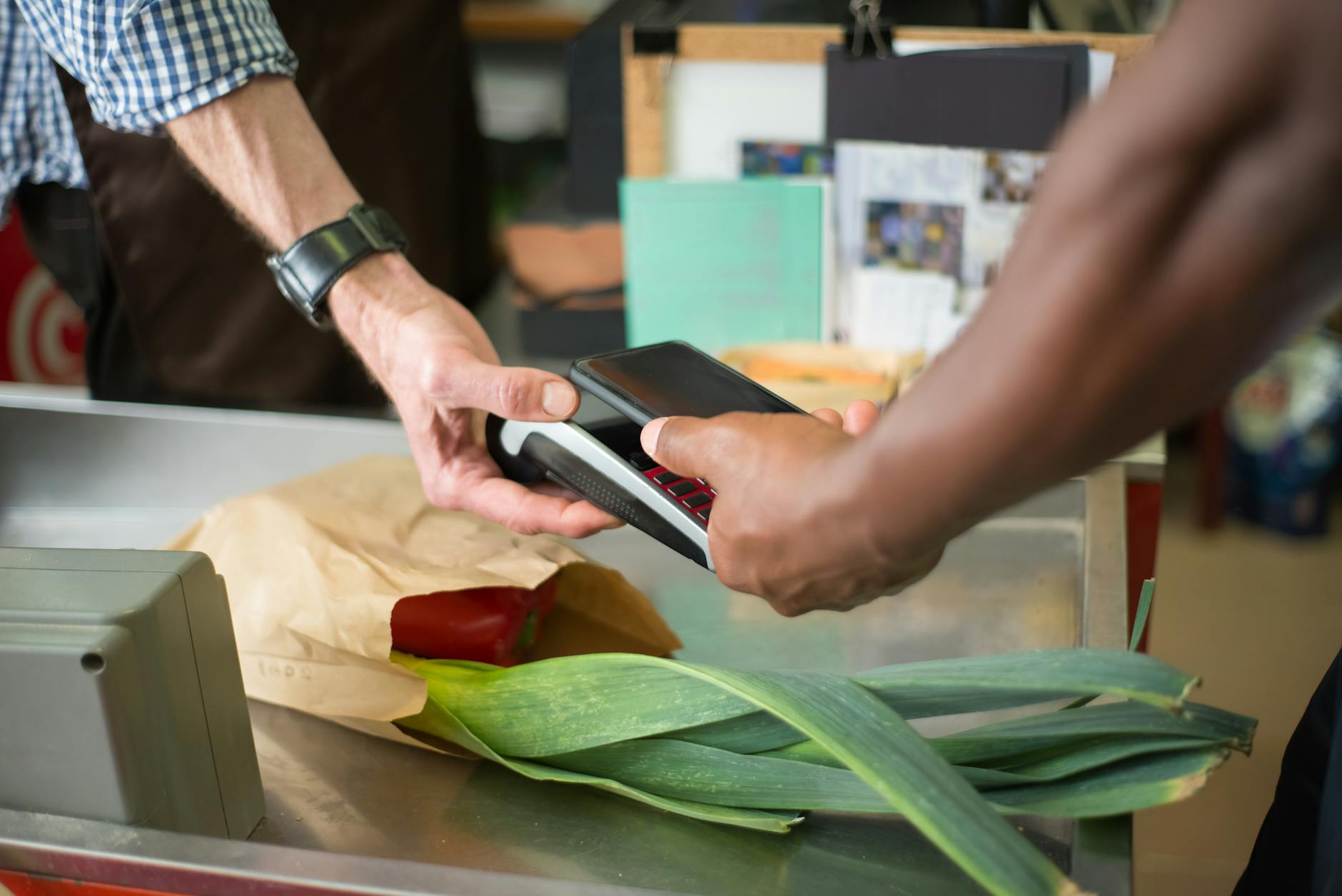
The impulse purchase zone at grocery checkout in health food stores is populated with products specifically selected to appeal to the health identity of a shopper who has just spent thirty minutes reinforcing that identity through their basket choices. Individually portioned supplements, superfood snack bars, functional beverages, and wellness-branded confectionery positioned at checkout capture a shopper whose identity investment in health is at its peak and whose cognitive resources have been partially depleted by the decision-making demands of the main shop. The checkout health products are almost universally the highest margin items in their respective categories and their placement in the impulse zone is among the most valuable commercial real estate decisions a retailer makes. A shopper who adds two checkout items to a basket that already reflects strong health motivation has not deviated from their values but has in fact been guided to express them one additional time at maximum margin.
Seasonal Urgency
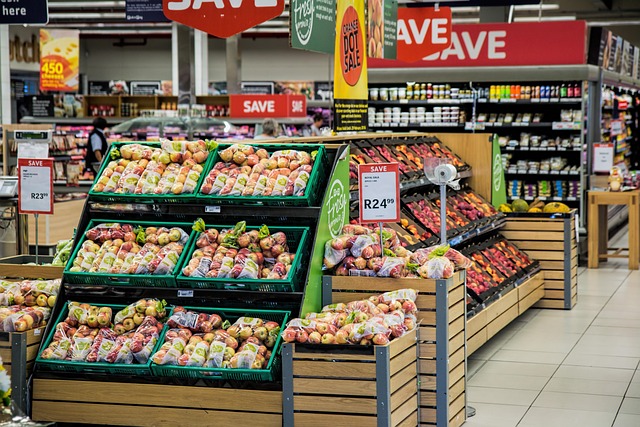
Rotating health food displays built around seasonal superfood narratives create artificial urgency and novelty that prevent shoppers from settling into stable purchasing patterns that would reduce their exposure to new and premium-priced products. The emergence of a new seasonal berry, adaptogenic mushroom, or heritage grain as a featured category creates a discovery narrative that health-motivated shoppers find compelling and that motivates trial purchasing beyond their normal repertoire. Seasonal urgency in health food retail is largely a merchandising construct because the products featured are typically available year-round through the supply chain and their seasonal designation is a marketing decision rather than an agricultural reality. The effect of seasonal framing on trial rates and basket expansion in health food categories is well documented and drives significant investment in seasonal campaign development by both retailers and brands.
Free-From Pricing

Products labeled as free from gluten, dairy, soy, nuts, or other commonly avoided ingredients command price premiums that bear no consistent relationship to the actual cost of producing them without those ingredients. In many cases the free-from version of a product is simpler and less expensive to produce than its conventional equivalent and the price premium is entirely a function of the demand signal generated by the label rather than any production cost reality. Shoppers who do not have a clinical need to avoid these ingredients but purchase free-from products for general wellness reasons are paying a values premium for a benefit that does not apply to their physiology. The free-from category is one of the fastest-growing and highest-margin segments in grocery retail precisely because the label creates perceived value that is entirely independent of nutritional or functional superiority.
Narrative Packaging
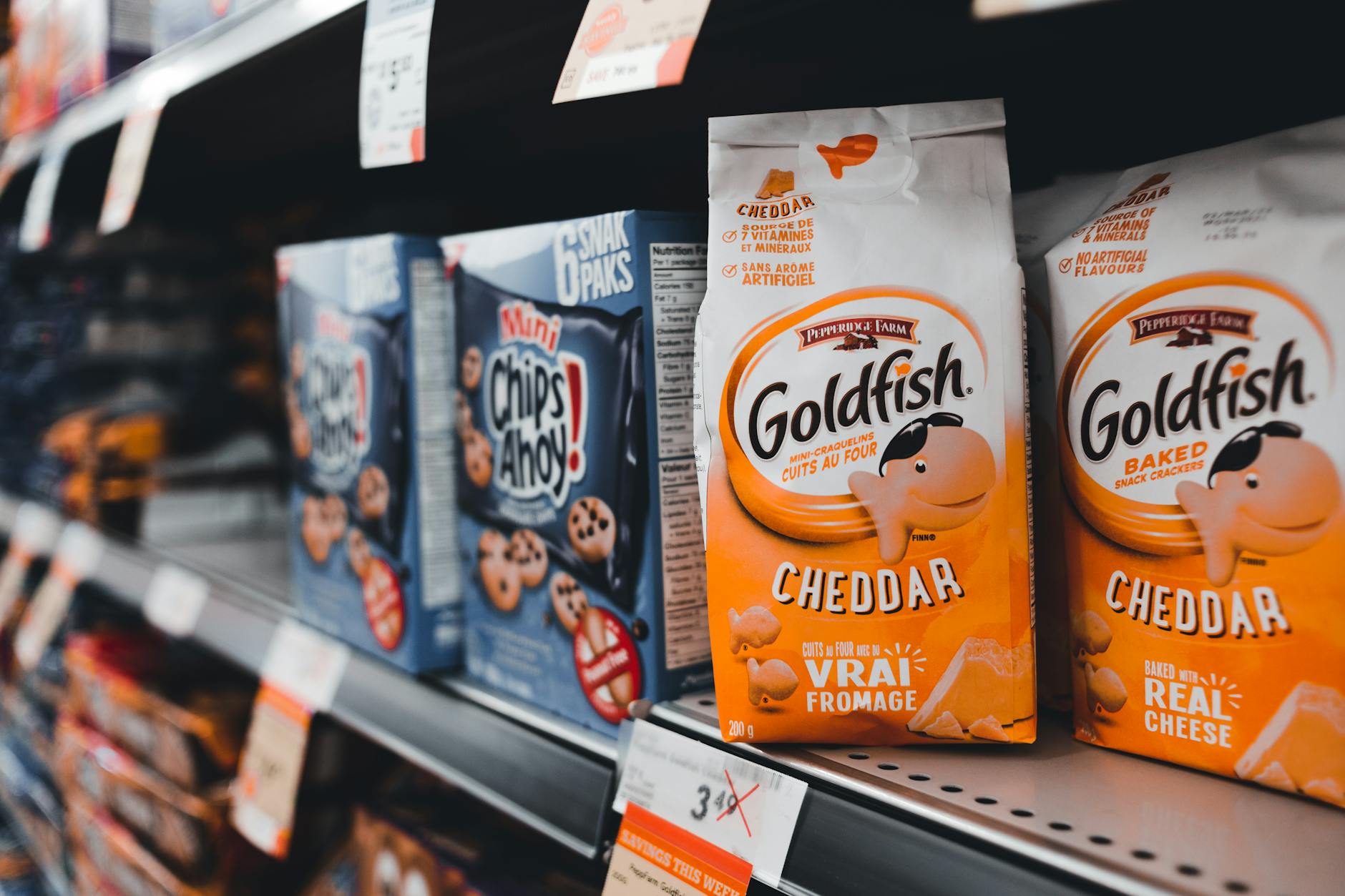
Extended storytelling on health food packaging including founder origin stories, farm location details, production philosophy descriptions, and mission statements creates an emotional relationship between the shopper and the product that functions as a powerful purchasing and repurchasing motivator. Shoppers who feel they know and share the values of the people behind a product are demonstrably less price-sensitive, more loyal, and more likely to advocate for the product within their social networks than shoppers who relate to a product purely on functional terms. The narrative on health food packaging is constructed by brand marketing teams and may have limited relationship to the operational reality of the business but its psychological effect on the health-motivated consumer is genuine and commercially significant. Products with compelling founder narratives command price premiums of between twenty and forty percent over functionally equivalent products in the same category with minimal narrative presence.
Proximity Suggestion
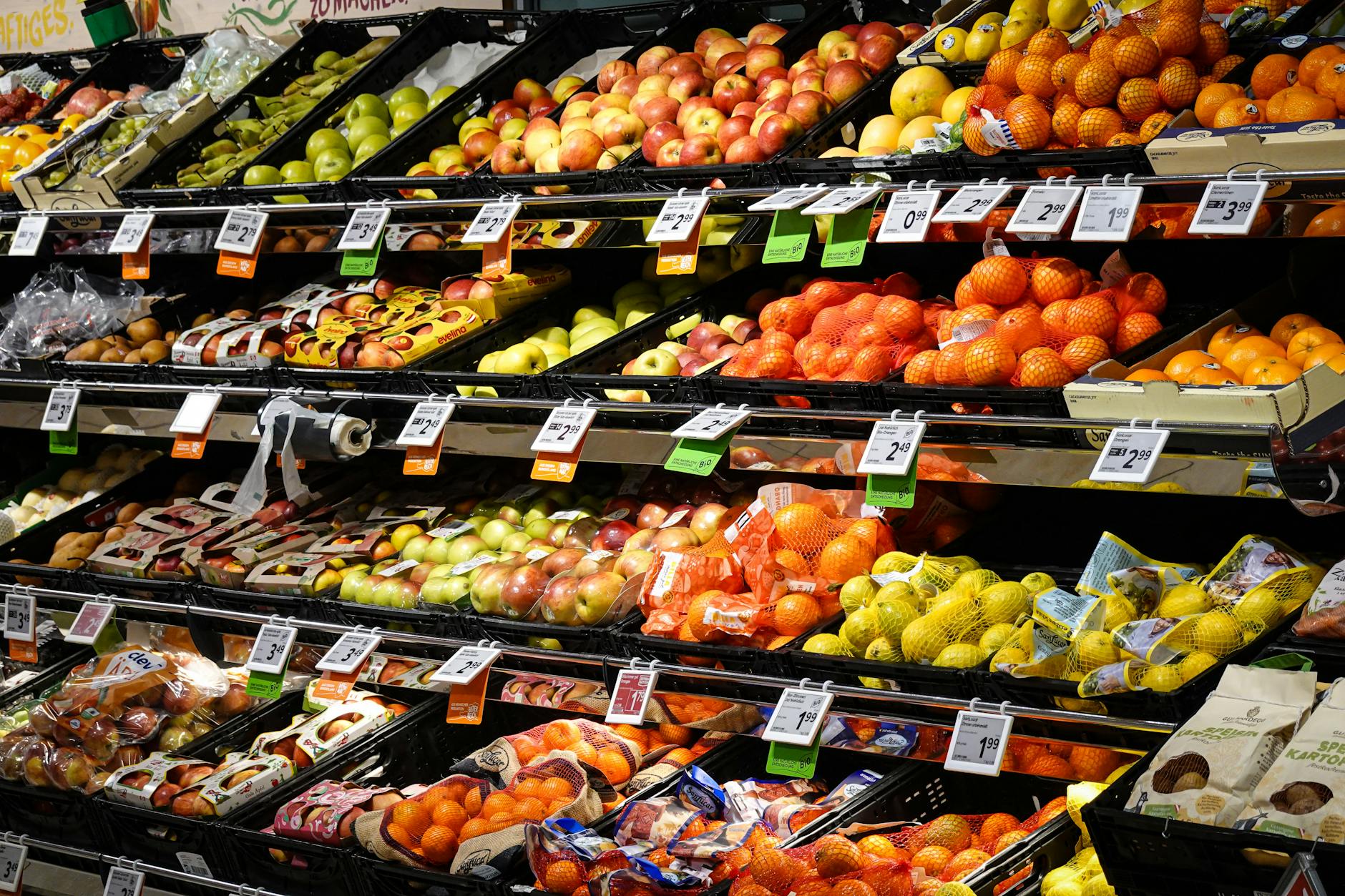
Placing complementary health products in physical proximity to one another without explicit recommendation creates an implied pairing suggestion that increases multi-item purchase rates without the commercial transparency of a formal promotional bundle. Positioning collagen powder beside coffee, placing magnesium supplements next to chamomile tea, and displaying chia seeds alongside smoothie ingredients communicates a usage context and a lifestyle coherence that individually motivates the selection of multiple items a shopper may have only intended to select one of. The proximity suggestion works because health-motivated shoppers are receptive to information that helps them optimize their wellness practice and interpret spatial product relationships as expert curation rather than commercial placement. Brands pay significant co-location fees to appear beside complementary categories in health food retail because the multi-item lift generated by proximity is measurable and reliable.
If any of these retail tactics have influenced your own shopping habits in ways you never noticed before share your experience in the comments.




