
The instinct to share the milestones, personalities, and everyday moments of children with an extended network of family, friends, and acquaintances is one of the most natural expressions of parental pride in the digital era. What the overwhelming majority of parents do not fully reckon with is that every photograph, anecdote, location tag, and identifying detail shared online becomes a permanent data point in a digital profile that their child had no opportunity to consent to and no power to control. The legal frameworks governing digital privacy were designed for adults making autonomous choices about their own information and they offer almost no meaningful protection for the data trails that parents are creating on behalf of children who cannot yet understand what is being built in their name. Researchers studying the emerging field of sharenting have begun documenting the downstream consequences of childhood digital exposure including identity theft, social difficulties, professional complications, and the profound psychological experience of discovering that one’s most vulnerable moments were made public without permission. These are 23 things you should never post about your kids online if you genuinely value the privacy and autonomy they will one day have every right to claim.
School Names

Posting photographs that include school uniforms with visible logos, tagging the name of a child’s school in captions, or mentioning the institution by name in any public or semi-public post creates a locational anchor that narrows a child’s whereabouts to a specific address on specific days at specific times. This information is the foundational data point that predatory individuals seek because it transforms a child from an abstract online presence into a physically locatable person with a predictable daily schedule. The school name combined with a child’s first name, approximate age, and physical description from photographs constitutes a profile detailed enough to enable real-world contact by someone with harmful intent. Parents who would never distribute this information to a stranger on the street routinely publish it for audiences that include people they have not spoken to in years and whose current circumstances and intentions they cannot verify.
Medical Details
Sharing a child’s diagnosis, treatment history, medication information, developmental assessments, or therapy attendance online creates a permanent medical record outside of any protected health information framework that exists entirely beyond the child’s future ability to manage or retract. Insurance companies, employers, educational institutions, and personal relationships may all be influenced by medical information that was disclosed during childhood by a well-meaning parent and that surfaces through routine digital background processes years or decades later. Children with conditions including mental health diagnoses, learning differences, autoimmune conditions, and developmental variations deserve the right to choose if, when, how, and to whom they disclose that information as adults navigating their own relationships and professional lives. A parent’s decision to share a diagnosis publicly in search of community, validation, or awareness eliminates that future choice permanently and without the child’s knowledge or consent.
Behavioral Issues

Documenting a child’s meltdowns, disciplinary incidents, social difficulties, explosive moments, or emotional dysregulation in any format that is shared online creates content that fundamentally violates the child’s dignity regardless of the parent’s intent in sharing it. Parents who post videos or descriptions of children in states of distress frequently frame the content as relatable parenting humor or as advocacy for understanding childhood behavior but the child at the center of that content experiences no benefit and assumes all of the long-term reputational risk. A teenager discovering that their most vulnerable and unregulated childhood moments were broadcast to hundreds or thousands of people for entertainment or sympathy purposes has a legitimate grievance that no parental explanation fully addresses. The audience for this content includes future classmates, romantic partners, employers, and the child themselves at an age when the discovery carries the most psychological weight.
Location Patterns
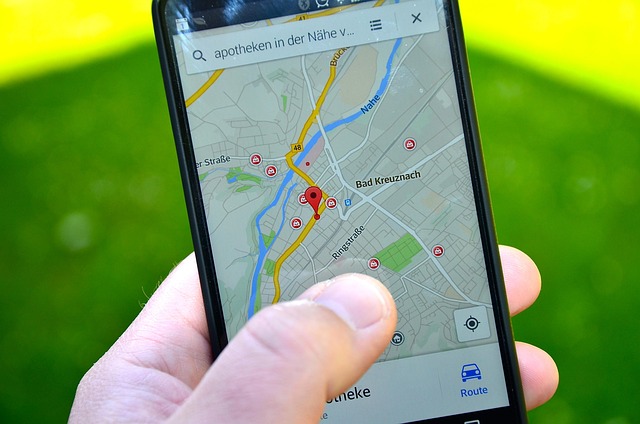
Consistently posting photographs and updates that establish a child’s routine location patterns including the park visited every Saturday morning, the after-school activity attended on Wednesdays, the grandparent’s home visited monthly, and the vacation destination frequented annually creates a behavioral map that is far more dangerous than any single location disclosure. Individual location posts appear innocuous in isolation but aggregate over time into a predictable schedule that removes the most fundamental protective uncertainty surrounding a child’s whereabouts. Parents who maintain location privacy in individual posts but whose overall posting pattern reveals consistent routines have effectively published the same information in a format that is actually more reliable because it is corroborated by repeated evidence. The aggregation of individually harmless location information into a detailed behavioral pattern is one of the least understood privacy risks in contemporary parenting culture.
Full Names

Using a child’s full legal name in online posts connects all content associated with that child into a searchable, retrievable, and permanently indexed digital identity that will exist independently of any future privacy preference the child develops. Search engines index public social media content and the combination of a child’s full name with their photograph, school location, age, and physical description creates a profile that requires no additional research to be immediately useful to someone with harmful intentions. Many parents use nicknames or first names only in posts but include the full name in caption tags, comments, or responses to questions from followers in ways that inadvertently complete the profile they intended to protect. The full legal name is the indexing key that connects all other information and its consistent omission from online content about children is one of the most meaningful privacy protections a parent can maintain.
Potty Training

Photographs and videos documenting potty training milestones represent a category of content that most parents share with genuinely innocent celebratory intent and that most children will experience as a profound violation of privacy and dignity when they encounter it as teenagers or adults. The bathroom context, the physical vulnerability, and the deeply personal nature of this developmental stage make it categorically different from other milestone documentation and yet it appears with remarkable frequency in parenting social media content. Content shared in supposedly private family groups routinely migrates beyond its intended audience through screenshots, resharing, and the eventual access that the child themselves gains to family digital archives. No future version of the child whose most private physical moments were documented and shared will look back on that content and feel anything other than the wish that it had never existed.
Financial Details

Discussing a child’s financial circumstances online including details about inheritance, trust funds, college savings amounts, family wealth levels, or conversely financial hardship and benefit dependency creates information that can be used for targeted fraud, social manipulation, and identity-based exploitation both during childhood and in the child’s adult financial life. Children whose families publicly discuss specific financial details online are more vulnerable to social engineering schemes that use that information to establish false credibility with the child or with institutions acting on their behalf. Financial information shared casually in the context of parenting discussions, crowdfunding appeals, or family milestone announcements enters a permanent record that financial criminals specifically harvest from social media to build profiles of vulnerable targets. The child’s future financial autonomy and security are directly compromised by detailed financial disclosures made on their behalf during childhood.
Religious Affiliation

Publicly associating a child’s identity with a specific religious tradition, practice, or community online assigns a belief system to an individual who has not yet had the opportunity to examine, question, or choose their own spiritual framework. In geographic, professional, and social contexts where religious affiliation carries consequences including discrimination, social exclusion, or safety risks the parent’s public disclosure permanently precedes any choice the child might have made about how to present that aspect of their identity. Children who grow up to hold different beliefs from those publicly associated with their childhood identity face the additional burden of a documented religious history that does not reflect their adult self and that they cannot remove from the record. The right to religious privacy and to the personal journey of belief formation is among the most intimate freedoms an individual possesses and it begins to be eroded the moment it is publicly assigned to a child who cannot consent.
Friendship Conflicts
Posting about a child’s social difficulties including friendship conflicts, exclusion experiences, bullying incidents, or peer relationship dynamics discloses sensitive information about other children without their families’ consent while simultaneously creating a public record of the target child’s social vulnerabilities. The child at the center of the conflict is identifiable to their own social community regardless of whether their name is used because their classmates, neighbors, and social circle all know the context that makes the disclosure specific. A teenager who learns that their most painful social experiences were narrated publicly by a parent for audience engagement has had their most vulnerable moments converted into content without their permission at precisely the age when social belonging feels most existentially significant. The social consequences of these disclosures ripple outward to affect the child’s relationships within their existing community in ways that can compound the original difficulty substantially.
Ethnic Background
Publicly detailing a child’s ethnic heritage, racial background, or cultural identity in combination with their name, photograph, and location creates disclosed demographic information that the child has not chosen to share and that carries genuine safety implications in social and geographic contexts characterized by racial or ethnic tension. The right to navigate one’s own ethnic and cultural identity on one’s own timeline and to choose the contexts in which that identity is disclosed or emphasized is a meaningful form of personal autonomy that public parental disclosure preempts permanently. Adopted children, children of mixed heritage, and children navigating complex questions of cultural belonging are particularly affected by parental decisions to publicly define their identity before they have developed their own relationship with it. Cultural celebration and community connection do not require the creation of a permanent public record that removes a child’s future agency over one of the most personal dimensions of their identity.
Embarrassing Moments
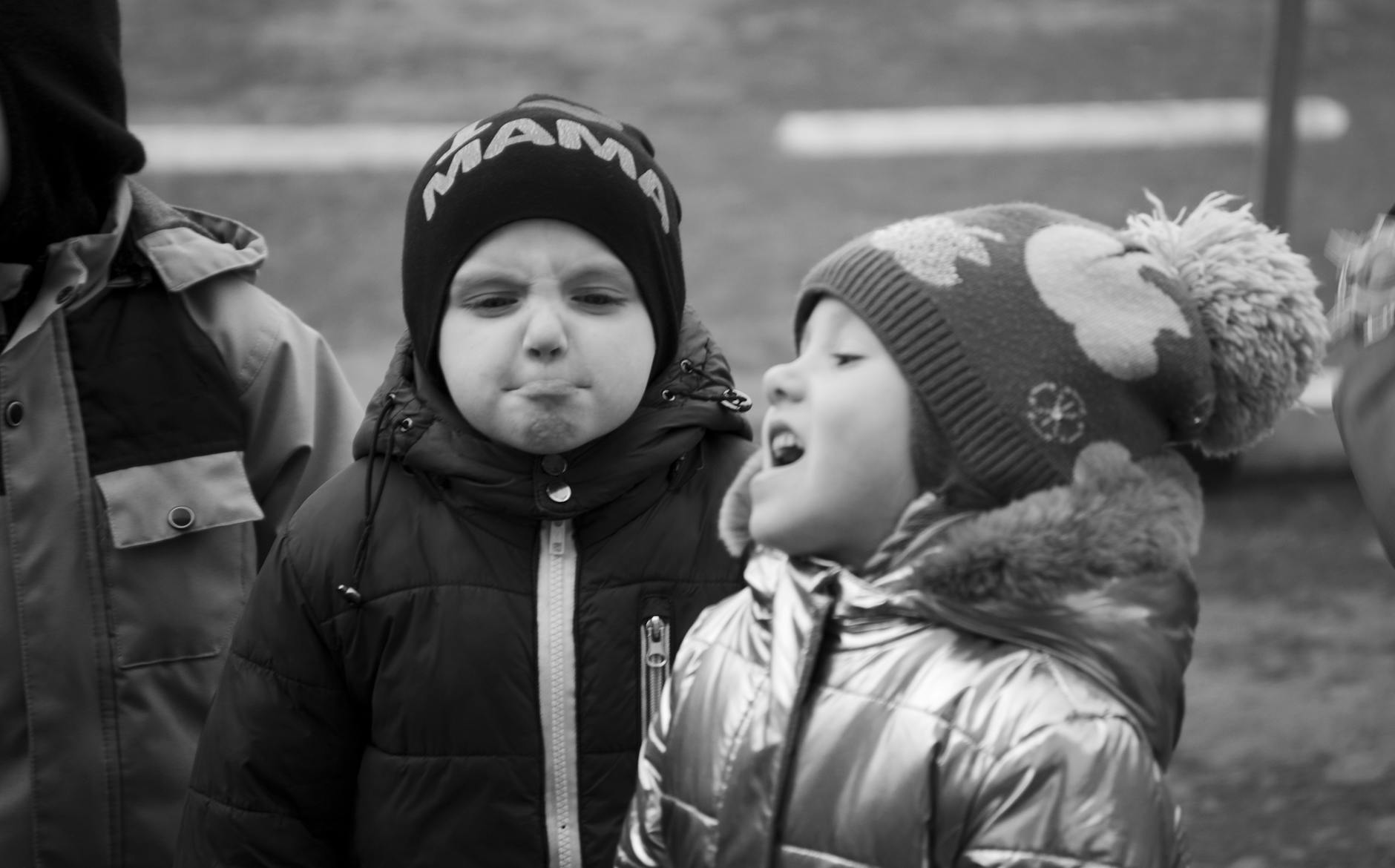
The category of content labeled as funny parenting moments or relatable family content frequently documents children in states of embarrassment, failure, confusion, nakedness, emotional overwhelm, or social awkwardness that the child would not choose to share and will not find funny when they encounter it from the position of the person whose dignity was sacrificed for audience engagement. The humor in this content is structurally dependent on the child’s lack of awareness that they are being recorded and shared which means it is built on a foundation of exploitation regardless of the warmth and affection with which it is intended. Parents who find their children’s vulnerable moments entertaining have a legitimate private experience of that amusement that does not require documentation, sharing, or permanent publication to be meaningful. The distinction between privately treasuring a funny family memory and broadcasting it to an indefinite audience is the distinction between parental delight and the use of a child’s dignity as content.
Mental Health Struggles
Sharing details of a child’s anxiety, depression, trauma responses, therapeutic interventions, psychiatric diagnoses, or emotional crises online creates a mental health record that exists entirely outside the privacy protections that govern clinical information and that will follow the child into every future context where digital background information is accessible. Employers, academic institutions, insurance providers, and personal relationships are all domains in which a documented history of childhood mental health struggles can generate discrimination, exclusion, or altered treatment that the child will experience without understanding its source. Parents who share this information in pursuit of destigmatization, community support, or advocacy for mental health awareness are making a values trade-off that costs their child’s privacy while benefiting an abstract social goal the child did not choose to contribute to. The decision about whether and how to disclose one’s own mental health history is among the most consequential and personal choices an adult makes and it belongs entirely to the individual whose history it is.
Biometric Features
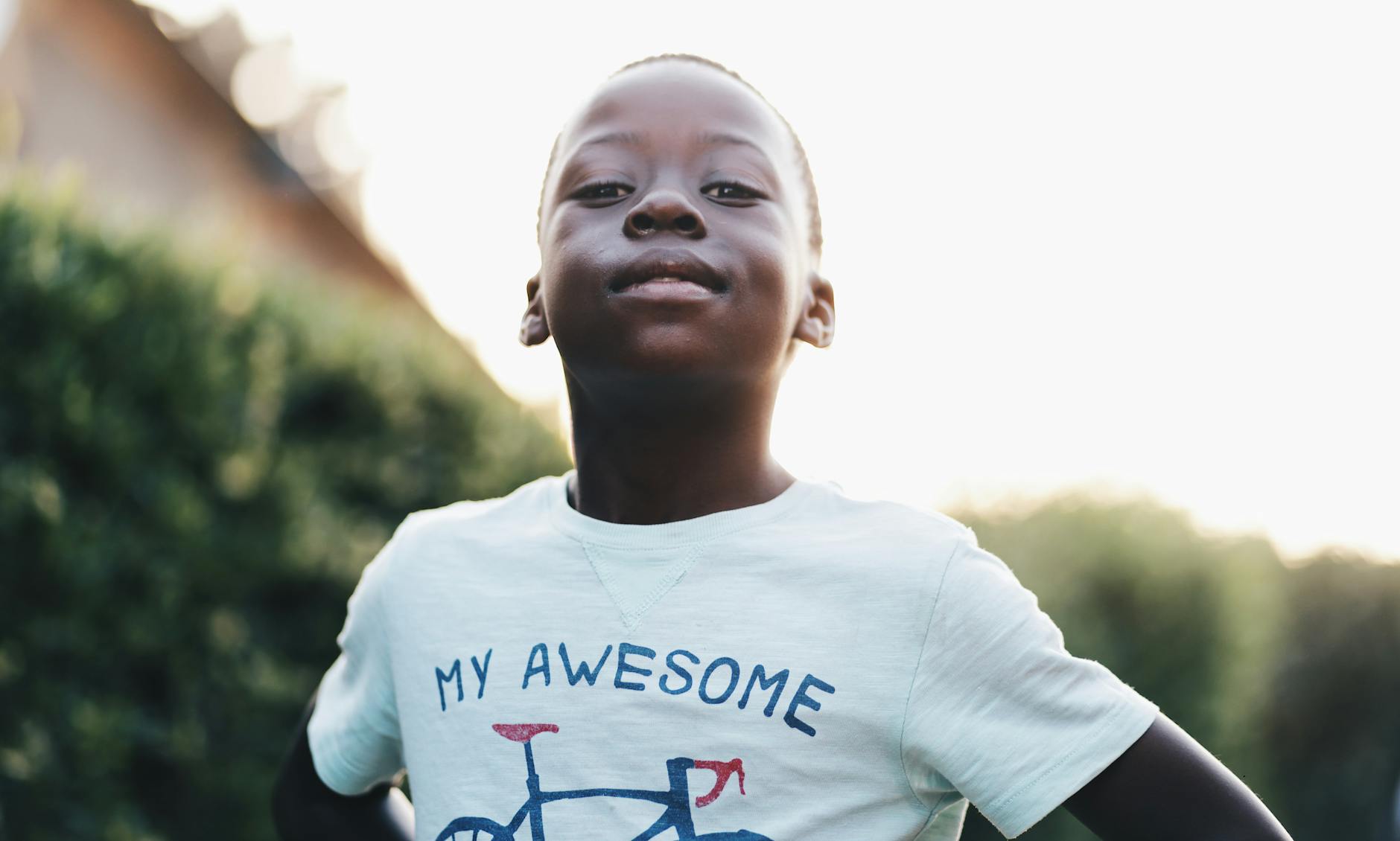
Photographs that clearly capture a child’s facial geometry, iris patterns, distinctive physical features, gait, or other biometric identifiers contribute to facial recognition databases that operate across the internet with essentially no regulatory constraint in most jurisdictions. Technology companies, data brokers, and surveillance infrastructure routinely harvest publicly available photographs to train and populate biometric identification systems and a child whose face has been extensively photographed and publicly shared from infancy onward has an unusually detailed biometric profile built without any consent from themselves or meaningful informed consent from their parents. The future applications of biometric data are still emerging and the consequences of childhood biometric exposure will be determined by technological and regulatory developments that cannot be predicted from the current moment. Limiting the public photographic record of a child’s face is one of the most forward-looking privacy protections available to parents because biometric data cannot be changed if it is later found to have been compromised.
Academic Performance
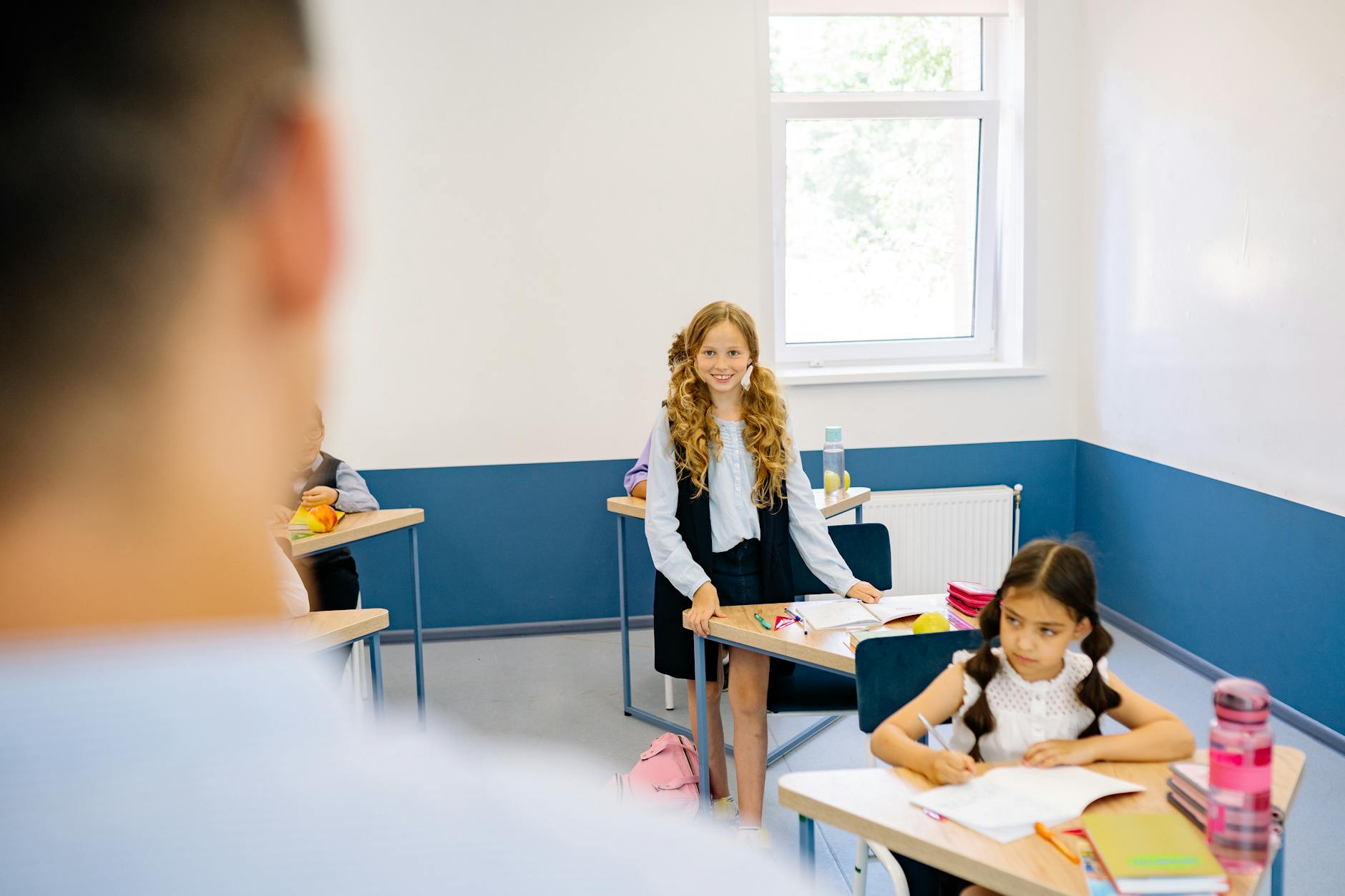
Sharing a child’s grades, test scores, academic rankings, learning assessments, or educational evaluations online creates a permanent academic performance record outside of any institutional privacy framework and associates it with the child’s identity in ways that will outlast the developmental context that produced it. A child who struggles academically at age eight and whose difficulties were publicly documented will carry that record into academic and professional contexts where early performance has no predictive relevance but where the existence of the public record may generate assumptions and limitations regardless. Conversely, children whose exceptional academic performance is extensively publicized face a different set of pressures including identity rigidity, social complications, and the burden of a public reputation built on a single dimension of their developing self. Academic history in all its forms is information that belongs to the child and that they deserve the right to disclose selectively and strategically as adults navigating their own educational and professional trajectories.
Immigration Status
Disclosing information online that reveals or implies a child’s immigration status, citizenship situation, documentation circumstances, or national origin in any detail that could attract government, institutional, or public attention creates a safety risk of the most serious and immediate kind. This category of information requires no future consequence to be harmful because the present-tense implications for family safety, legal standing, and community security are severe and the permanence of online disclosure means that the information remains retrievable long after the original post is forgotten by its author. Even posts framed as advocacy, celebration of naturalization, or community solidarity can contain details that expose family members to risks the parent did not intend to create. The intersection of immigration status and children’s digital privacy is an area where the stakes of casual online disclosure are highest and the capacity for harm is most immediate.
Sleep Schedules

Regularly posting about a child’s sleep schedule, the times they wake, the hours they are in bed, and the routine of the household during nighttime hours establishes a detailed pattern of domestic vulnerability that communicates when the household is least alert and least able to respond to an external threat. This information is among the most operationally useful data available to individuals planning physical intrusion or child-targeted contact because it identifies the hours when children are alone in their rooms, when parents are asleep, and when the household transitions between states of awareness. Parents who share sleep content in the context of parenting humor, sleep training communities, or exhaustion solidarity do not experience it as a security disclosure but the information it contains is functionally identical to publishing a household vulnerability schedule. The domestic routine details that feel most innocuously personal are frequently the details that are most operationally useful to someone with harmful intentions.
Custody Arrangements

Sharing information about custody schedules, co-parenting arrangements, visitation patterns, or the legal circumstances of a family separation online creates a predictability map of the child’s location and caretaking situation that is directly useful for anyone seeking unauthorized access to the child. Beyond the physical safety implications the public documentation of custody disputes, parental criticism, and legal proceedings involving children creates a permanent record of family conflict that the child will eventually access and that has the capacity to damage their sense of security, their relationship with both parents, and their understanding of their own early history. Courts in numerous jurisdictions have begun treating parental social media posts about custody matters as evidence of poor judgment relevant to custody determinations and the content that parents believe is directed at their adult social network is increasingly consequential in legal proceedings affecting the child directly. Children deserve to construct their understanding of complex family circumstances on their own timeline with appropriate support rather than through the discovery of a public narrative created without their knowledge.
Physical Descriptions
Compiling a public record that includes consistent documentation of a child’s height, weight, distinctive physical features, clothing style preferences, hair color and length, and identifying marks creates a physical identification profile that removes one of the most fundamental protective barriers surrounding a child’s safety in public spaces. The individual posts that contribute to this profile appear entirely innocent in isolation and it is their aggregation over time that creates the danger because someone seeking to identify and approach a specific child in a public setting would find this compiled information immediately useful. Parents who maintain strict privacy around location information but who extensively document physical appearance have effectively published the identification information while withholding the locational information in a trade-off that is less protective than it appears. A detailed physical description is most dangerous precisely when combined with the location and schedule information that parents typically believe is the sensitive category requiring protection.
Geotags

Embedding active geotag metadata in photographs shared from smartphones publishes the precise GPS coordinates of the image capture location in a format that is invisible to casual viewers but immediately accessible to anyone with basic digital literacy or data extraction tools. Parents who believe they are sharing a photograph of a child at home, at school, or at a favorite recreational location without disclosing the address are frequently publishing the exact coordinates of those locations in the photograph’s metadata without any awareness that the information is present. Disabling location services for the camera application and social media applications on smartphones used to photograph children is a technical step that most parents have not taken and that the platforms themselves do not proactively communicate because location data is commercially valuable to them. The geotag embedded in a single photograph can identify a child’s home address, school, and daily locations with a precision that no amount of cautious captioning can compensate for if the metadata itself is being published.
Future Plans

Sharing detailed information about a child’s intended educational path, career ambitions, college applications, scholarship pursuits, planned relocations, or major life transition plans creates future-oriented profile information that can be used for targeted fraud, institutional manipulation, and social engineering in contexts the parent cannot anticipate at the time of disclosure. College application fraud, scholarship scams, and educational institution impersonation are documented categories of crime that rely on pre-existing knowledge of a target’s educational intentions and a child whose plans have been extensively publicized is a more accessible and lower-effort target than one whose future is not part of their public profile. Beyond the fraud implications the public documentation of a child’s aspirations creates a social audience for their success or failure in achieving those goals and introduces a layer of public accountability into deeply personal decisions that the child may later wish to make quietly and on their own terms. The freedom to change direction, abandon a plan, or pursue an unconventional path without reference to a public record of stated intentions is a meaningful form of autonomy that extensive future-planning disclosure permanently compromises.
Voice Recordings
Publishing video and audio content that captures a child’s voice, speech patterns, verbal tics, accent, and characteristic expressions contributes to a biometric voice profile that emerging audio identification technology is increasingly capable of exploiting for identity verification fraud and social engineering attacks. Voice synthesis technology has advanced to the point where a relatively small corpus of recorded speech is sufficient to generate convincing voice replicas and the extensive audio record that many children have accumulated through years of parental video sharing provides substantially more raw material than this threshold requires. The emotional authenticity of a child’s voice in a recording designed to replicate it for fraudulent purposes is particularly effective because it activates the protective instincts of the adults being targeted in ways that adult voice synthesis does not. The combination of a voice profile with name, physical appearance, school location, and family relationship information creates the foundation for social engineering attacks that become more sophisticated and more dangerous as the child grows older and enters financial and institutional systems.
Political Views

Publicly associating a child’s identity with specific political positions, partisan affiliations, protest attendance, or ideological frameworks assigns a political identity to an individual who has not yet developed the cognitive and experiential foundation for genuine political belief formation. In polarized social environments the public documentation of a child’s political adjacency creates social vulnerabilities, potential safety implications, and a recorded affiliation that the child may find in direct conflict with the views they develop independently as a politically aware adult. Children used as participants in politically themed content including photographs at rallies, videos expressing political opinions, and social media content framing them as representatives of particular ideological positions are being enlisted in adult political discourse without the capacity to understand or consent to that enlistment. The right to form and disclose political views independently and on one’s own timeline is a foundational element of political autonomy and it cannot be exercised by a child whose political identity has already been publicly constructed by their parents.
Daily Routines

The comprehensive documentation of a child’s daily routine including wake times, meal schedules, transportation methods, extracurricular activities, homework habits, and bedtime patterns creates a behavioral blueprint that removes the protective unpredictability that is one of the most basic elements of personal safety. Individually each routine detail appears entirely harmless and the cumulative picture assembled from weeks or months of parenting content creates a document of daily life that is more detailed and more reliable than any surveillance operation would need to establish. Parents who share routine content as part of lifestyle documentation, parenting community participation, or family connection with distant relatives are not consciously publishing a safety vulnerability but the information architecture of what they create is functionally identical to one. The solution is not the elimination of all documentation of family life but a consistent awareness of the difference between the warmth of sharing and the risk of establishing a publicly accessible record of predictable patterns surrounding a child who cannot protect themselves.
If any of these categories have made you reconsider what you currently share about the children in your life share your thoughts in the comments.




