
Luxury minimalism has constructed one of the most seductive aesthetic and philosophical identities in contemporary consumer culture by promising that the deliberate removal of excess will produce not just visual calm but a psychological freedom that cluttered and consumption-driven lives structurally cannot provide. What the movement’s most influential practitioners, the architects of its visual language, and the brands that have built billion-dollar businesses on its principles have almost no commercial interest in examining is the growing body of evidence suggesting that the version of minimalism sold at a premium price point is producing anxiety, perfectionism, identity fragility, and a new category of consumption compulsion in the very people who adopted it as an escape from those experiences. The paradox at the heart of luxury minimalism is that its execution requires a level of continuous vigilance, financial investment, aesthetic maintenance, and self-surveillance that is structurally incompatible with the effortless ease it performs so convincingly in the controlled environments of its most polished representations. Researchers studying the psychology of environmental perfectionism, conspicuous restraint, and identity-based consumption have begun documenting a pattern of anxiety that is specific to the minimalist lifestyle and that differs from conventional consumer anxiety primarily in the sophistication of the cultural framework that conceals it. These are 22 hidden ways luxury minimalism is actually making people more anxious.
Decision Fatigue

The minimalist promise that owning fewer objects eliminates decision fatigue is one of the movement’s most compelling and most empirically contested claims because it conflates the volume of decisions with their cognitive weight and ignores the significant evidence that high-stakes low-frequency decisions are more cognitively costly than low-stakes high-frequency ones. A minimalist wardrobe containing thirty carefully curated items does not eliminate the decision cost of dressing but concentrates it into the acquisition decisions that precede it where the requirement that each piece justify its inclusion against an elevated standard of versatility, quality, and aesthetic coherence generates a decision burden that is qualitatively more demanding than simply choosing from a larger and less curated collection. The anxiety produced by a decision framework in which every choice must be optimal rather than merely adequate is well documented in the psychological literature on maximizing versus satisficing decision styles and luxury minimalism structurally orients its practitioners toward the maximizing end of this spectrum by establishing aesthetic and functional standards that routine decisions must continuously satisfy. The wardrobe that contains only perfect pieces requires that every addition be a perfect decision and the cognitive cost of that requirement accumulates in ways that the movement’s imagery of serene white spaces consistently obscures.
Object Hypervigilance
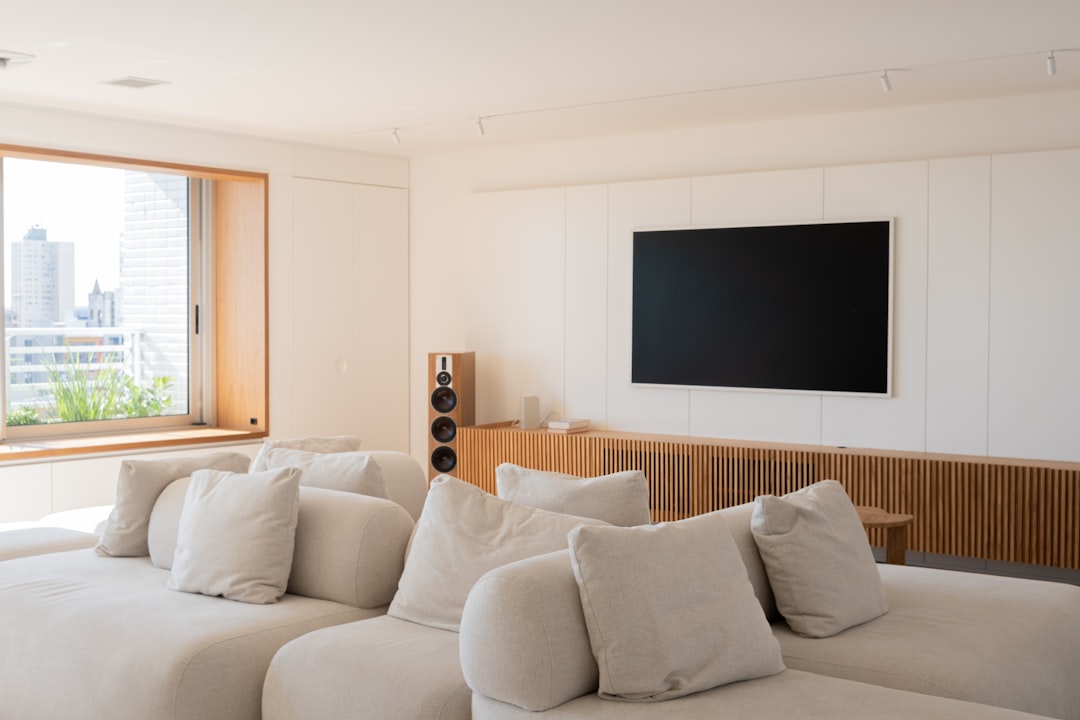
Living in a deliberately minimalist environment creates a perceptual sensitivity to the presence of out-of-place objects that functions neurologically as a low-level continuous threat-monitoring system directed at the domestic environment rather than at genuine threats. The visual order that minimalist spaces produce is maintained through a form of environmental hypervigilance in which every misplaced object, every surface accumulation, and every deviation from the curated baseline registers as a disruption requiring correction and generates a mild but persistent stress response that has no equivalent in environments where visual complexity is the established norm. Psychological research on the relationship between environmental standards and anxiety consistently finds that higher environmental standards produce more frequent stress responses rather than fewer because the frequency of standard violations increases with the precision of the standard being maintained. The minimalist home that produces calm in its photographed state produces anxiety in its lived state because the gap between the ideal and the inhabited is continuously visible and continuously demanding of attention and corrective effort.
Identity Fragility
Adopting minimalism as a core identity framework rather than as a practical organizational approach creates a psychological vulnerability in which the integrity of the self-concept becomes dependent on the continuous maintenance of a lifestyle standard that real life conditions routinely and inevitably challenge. The minimalist who experiences a period of domestic disorder due to renovation, illness, family circumstances, relocation, or the simple accumulation pressures of a complex life is not merely experiencing a messy home but is experiencing an identity threat that produces the shame, self-criticism, and anxiety associated with perceived failure to be the person they have publicly and privately committed to being. Identity-based lifestyle frameworks are particularly vulnerable to this dynamic when they are visually expressed and socially performed because the gap between the performed identity and the lived reality becomes a source of cognitive dissonance that requires either behavioral correction at personal cost or narrative revision that threatens the coherence of the self-concept. Luxury minimalism’s social media ecosystem intensifies this dynamic by providing a continuous reference standard against which practitioners measure their own adherence and a social audience for whose benefit the identity performance must be maintained.
Acquisition Perfectionism
The minimalist requirement that every acquisition be justified against a standard of genuine necessity, exceptional quality, and long-term versatility creates an acquisition perfectionism that produces more anxiety around consumption decisions rather than less by raising the psychological stakes of each purchase to a level that casual or ordinary consumption never reaches. The person who believes that every object they own must earn its place through a rigorous evaluation of its functional and aesthetic value cannot make a routine purchase without engaging a complex internal adjudication process that transforms ordinary shopping into a philosophical examination of need, quality, and alignment with values. Acquisition perfectionism produces the paradoxical outcome that minimalist practitioners frequently spend more time, more cognitive effort, and more money on individual purchases than they did before adopting the framework because each purchase now carries the weight of being a deliberate and values-consistent choice rather than a practical response to a functional need. The anxiety that precedes each acquisition decision in this framework is a form of consumption-related distress that is structurally indistinguishable from the anxiety that drives compulsive consumption in the consumer culture minimalism positions itself against.
Social Comparison
The social media ecosystem of luxury minimalism creates a comparison environment of exceptional psychological toxicity because the objects of comparison are explicitly framed as representing not external achievements but internal qualities including clarity, intentionality, wisdom, and spiritual development that the most aesthetically refined practitioners have supposedly achieved. Comparing oneself unfavorably to someone with more possessions produces envy which is a relatively superficial and socially acknowledged form of social comparison distress but comparing oneself unfavorably to someone whose fewer and more beautiful possessions represent a more evolved relationship with materialism produces shame which is a significantly more psychologically corrosive experience with more damaging effects on self-concept and motivation. The minimalist social comparison environment weaponizes the self-improvement narrative that makes the lifestyle appealing in the first place by converting aesthetic and philosophical aspiration into a continuous hierarchy of personal development that most practitioners are always somewhere below the top of. The implicit message that a more minimal life represents a more conscious and therefore more valuable person creates a social comparison dynamic whose anxiety-producing potential is amplified rather than reduced by the movement’s spiritual and philosophical framing.
Financial Pressure
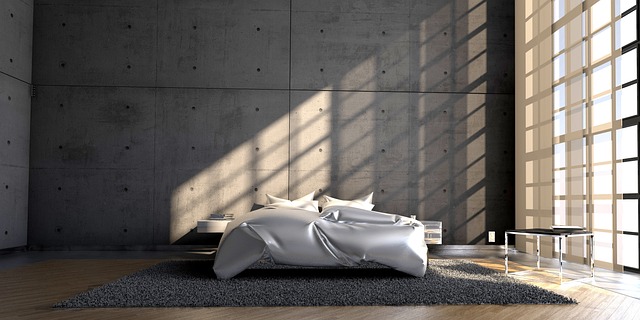
The luxury tier of minimalism creates a financial anxiety dynamic that is distinctive and largely unacknowledged within the movement because it operates through the pressure to maintain the material standard that the lifestyle’s visual and philosophical identity requires rather than through the straightforward consumption pressure of conventional consumer culture. Owning fewer objects at a luxury minimalist standard means that each object must be of significantly higher quality and therefore significantly higher cost than its conventional equivalent and the financial commitment required to maintain a curated collection of genuinely excellent things is substantially greater than the financial commitment required to maintain a larger collection of adequate ones. The minimalist practitioner who cannot afford to replace a worn or damaged item with a quality equivalent faces a choice between accepting a visible degradation of their curated environment and stretching their financial resources to maintain a standard whose maintenance has become part of their identity rather than a practical preference. This financial pressure is structurally identical to the keeping-up-with-the-Joneses anxiety that luxury minimalism rhetorically positions itself against and differs only in the philosophical language through which the consumption imperative is justified.
Spatial Perfectionism
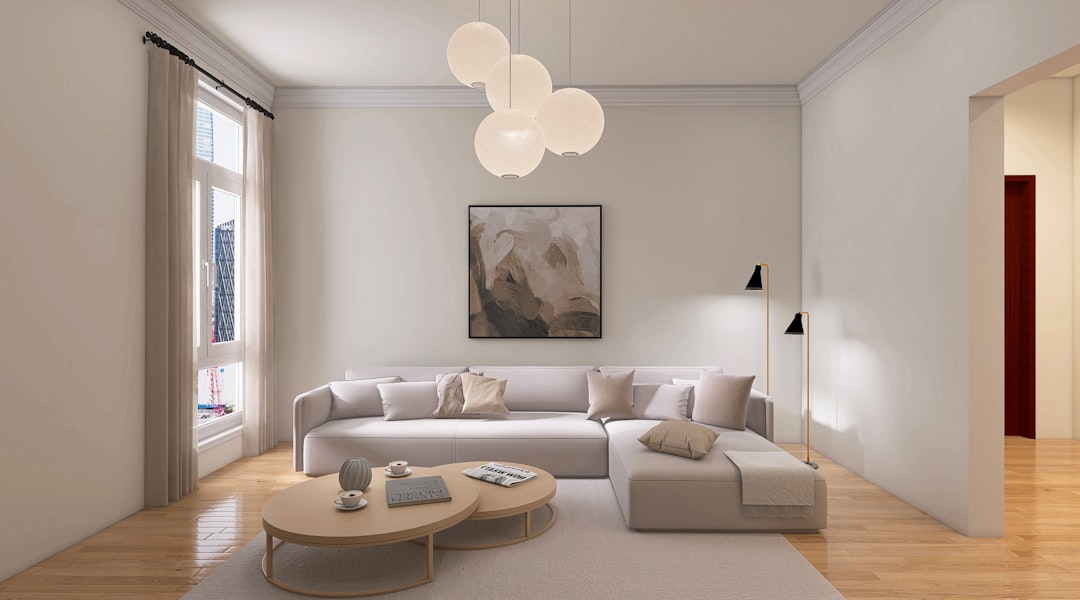
The minimalist aesthetic requires a relationship with domestic space that functions as a continuous performance environment rather than as a flexible and forgiving backdrop for the full complexity of human activity and this performative relationship with the home produces a form of spatial perfectionism that significantly elevates the psychological cost of ordinary domestic life. Cooking a meal, completing a project, caring for a sick child, hosting friends spontaneously, or pursuing a creative hobby all generate the temporary visual disorder that is a normal and healthy feature of an inhabited home but that registers as a violation of the minimalist standard in ways that introduce guilt, anxiety, and corrective urgency into the most ordinary activities of daily life. The home that must look a specific way to confirm its occupant’s identity cannot be fully used as a home without producing the anxiety of impermanence and disruption and the energy directed toward maintaining its appearance competes with the energy available for the living that the home is meant to support. Spatial perfectionism converts the domestic environment from a resource that supports human activity into a standard that human activity continuously threatens and the chronic low-level anxiety this produces is one of the most significant hidden costs of the luxury minimalist lifestyle.
Guilt Architecture
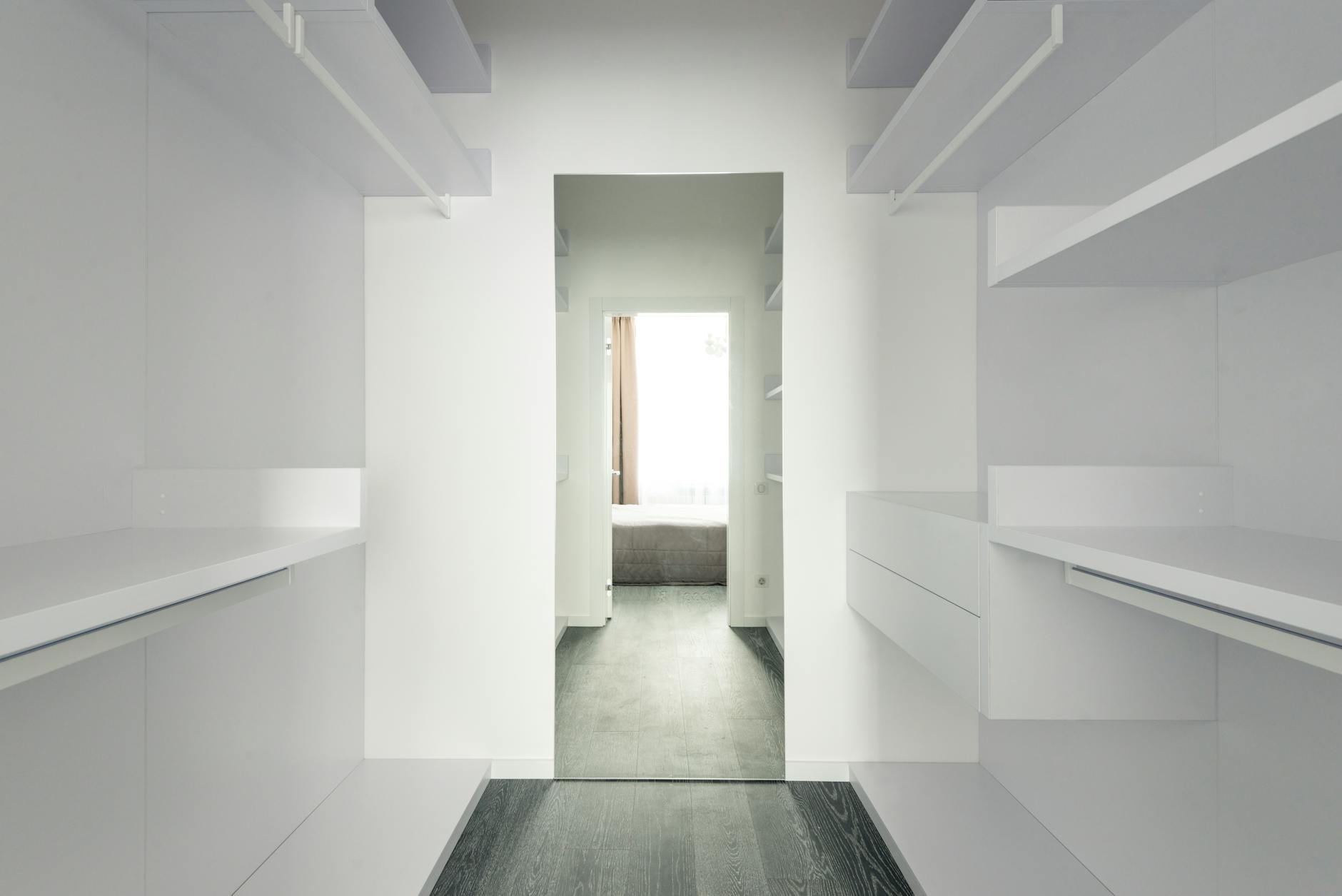
Luxury minimalism constructs an elaborate guilt architecture around ordinary human experiences of wanting, accumulating, gifting, and enjoying objects in ways that pathologize the normal relationship between people and their material environment while offering the lifestyle itself as both the diagnostic framework and the therapeutic solution. The practitioner who receives a gift that does not meet their minimalist standard, who experiences desire for an object whose acquisition cannot be justified through the movement’s values framework, or who finds genuine pleasure in material abundance is positioned by the ideology as experiencing a failure of consciousness that requires correction rather than as having a healthy and normal human experience. Guilt as a motivational tool is among the most psychologically costly regulatory strategies available and its chronic application to the domain of material life produces the persistent low-level shame that clinical psychologists associate with the anxious rather than the flourishing end of wellbeing research. The movement that promises freedom from the guilt of excess consumption has in many cases replaced it with a more sophisticated guilt framework whose targets are more specific, whose standards are more demanding, and whose ideological justification is more difficult to reject because it is framed in the language of values and consciousness rather than social status.
Hospitality Anxiety
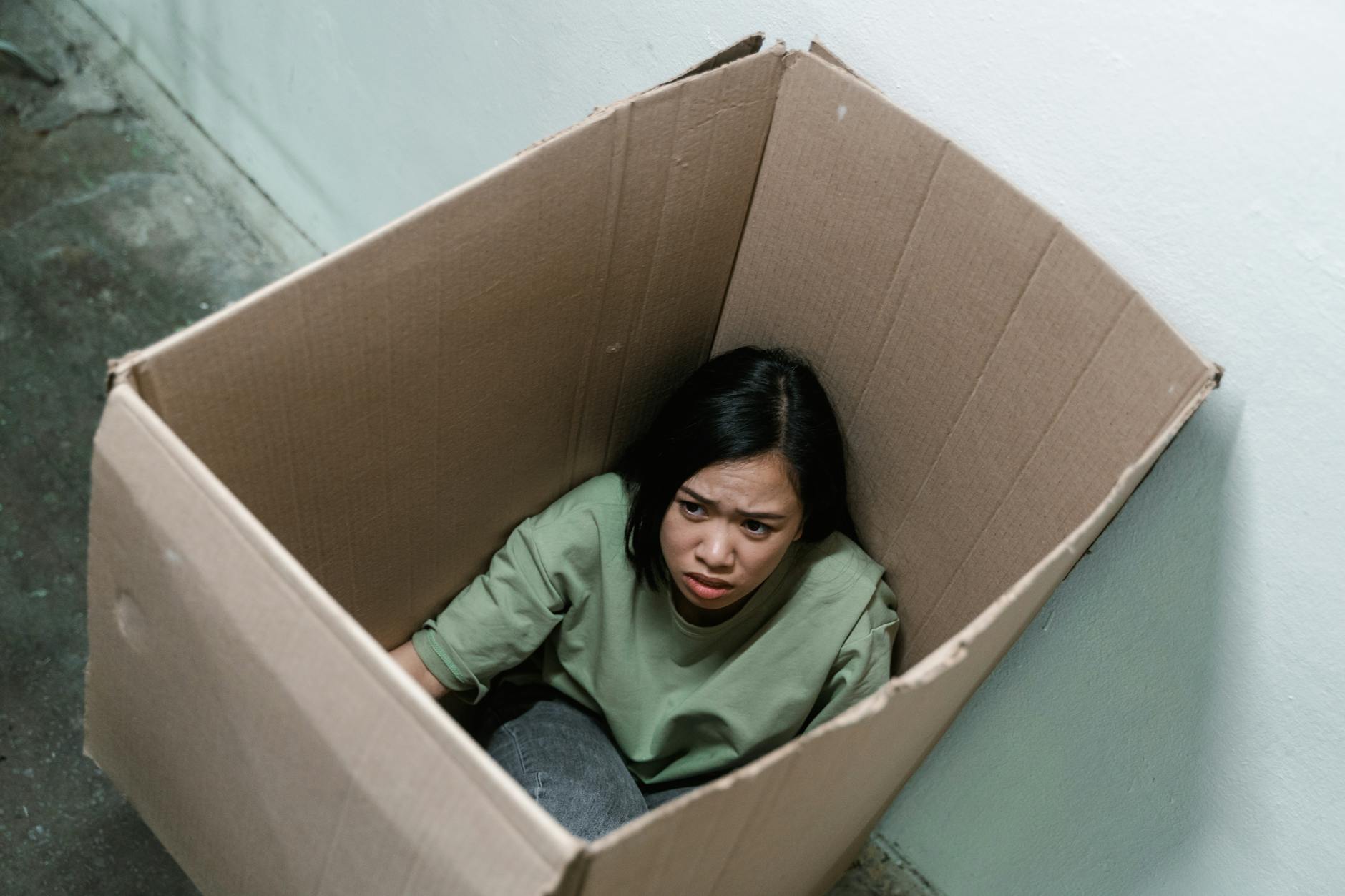
The minimalist home creates a specific and rarely discussed form of social anxiety around hospitality because the gap between a space designed for photographic representation and a space genuinely configured to accommodate the comfort, needs, and clutter-tolerance of guests produces either the anxiety of compromising the curated environment or the anxiety of being an inadequate host. A home with no visual excess has no visual buffer for the objects that guests introduce through their presence including bags, coats, additional food, children’s belongings, and the general visual complexity of multiple people occupying a space designed for the aesthetic preferences of its permanent minimalist occupant. The hospitality anxiety produced by luxury minimalism is socially isolating in ways that the movement rarely acknowledges because genuine domestic hospitality requires a home environment that can absorb the presence of others without generating the corrective impulse that a precisely maintained minimalist space triggers in its occupant. The beautiful home that cannot be comfortably inhabited by guests is not a home in the fullest sense but a gallery that happens to be slept in and the social withdrawal that maintains its integrity represents a meaningful cost to the relational wellbeing that domestic environments are meant to support.
Emotional Suppression
The minimalist emphasis on clarity, order, and the deliberate curation of one’s environment extends in its psychological applications to an emotional framework that values regulation, intentionality, and the elimination of excess feeling in ways that parallel the physical decluttering practice and that carry significant mental health implications for practitioners who apply the minimalist aesthetic to their inner life. Emotional minimalism as a practice of eliminating relationships, feelings, and psychological complexity that do not meet a standard of intentionality and clarity produces the suppression of ambivalent, contradictory, and difficult emotional experience that psychological research consistently identifies as a risk factor for anxiety and depression rather than a protective factor against them. The person who has successfully minimized their external environment and who applies the same curatorial logic to their emotional life is engaged in a form of experiential avoidance that maintains the appearance of psychological order while accumulating the suppressed emotional complexity that surfaces as the anxiety and emptiness that many long-term minimalist practitioners describe encountering beneath the visual calm of their curated lives. Genuine psychological wellbeing requires the full range of emotional experience rather than its minimization and the minimalist framework applied to inner life produces a psychological environment as sterile and as anxiety-producing as the perfectly maintained white room applied to domestic space.
Scarcity Mindset
The deliberate maintenance of a minimal material environment paradoxically activates the psychological scarcity mindset that research associates with impaired decision-making, increased anxiety, and the tunnel vision that reduces cognitive bandwidth across life domains beyond the immediate domain of scarcity. Living with a carefully limited material environment requires a continuous awareness of what is absent, what has been deliberately excluded, and what the maintenance of the limited environment costs in terms of forgone options that keeps the mind oriented toward absence rather than abundance in ways that are structurally incompatible with the psychological spaciousness the minimalist aesthetic promises to produce. The scarcity mindset activated by deliberate material limitation is not neutralized by the philosophical framework that frames the limitation as choice rather than circumstance because the neurological experience of operating with fewer material resources than the environment makes available does not distinguish between chosen and imposed constraint at the level of the cognitive and emotional systems that generate the anxiety response. Practitioners who find themselves experiencing a disproportionate stress response to the loss or damage of one of their few valued objects are encountering the scarcity effect that limited material resources produce regardless of the voluntary nature of the limitation.
Performance Exhaustion

The luxury minimalist identity requires a continuous performance of effortlessness that is among the most exhausting identity maintenance projects available precisely because its apparent ease must conceal the significant labor, financial investment, aesthetic vigilance, and behavioral discipline that its maintenance actually requires. The performance of minimalist effortlessness is more cognitively and emotionally demanding than the performance of maximalist abundance because abundance has a natural visual logic that requires no explanation while restraint must be continuously curated to remain legible as intentional rather than merely sparse. The practitioner who maintains a minimalist home, wardrobe, and public identity while managing the full complexity of a real life involving children, professional demands, creative projects, and social relationships is engaged in a gap management project of extraordinary scope whose psychological cost accumulates in the form of the chronic performance exhaustion that researchers identify as a significant contributor to identity-based anxiety. The lifestyle that looks most effortless in its published form is often the lifestyle whose backstage maintenance demands the most relentless effort from the person whose identity depends on keeping the backstage invisible.
Creativity Suppression
The minimalist home environment optimized for visual calm, ordered surfaces, and the absence of material complexity removes the conditions of productive disorder, accessible material abundance, and sensory richness that creative cognition research consistently identifies as conducive to the generative thinking, spontaneous connection, and exploratory play that creativity requires. The creative individual who adopts luxury minimalism as a lifestyle framework and applies its principles to their working and living environment is removing the environmental scaffolding that supports their most generative cognitive states while constructing an environment optimized for a form of focused execution that represents only one phase of the creative process. Anxiety about creativity, creative blocks, and the persistent feeling of having lost access to a previously available generative capacity are experiences that many creatives who have adopted minimalist aesthetics describe in terms that map closely onto the environmental creativity suppression that research on the cognition-environment relationship predicts. The beautifully ordered creative studio that produces exceptional social media content about the creative process is often an environment that actively impedes the messy, accumulative, and materially rich conditions under which the creative work itself is most naturally generated.
Relationship Tension
The imposition of minimalist standards on shared domestic environments creates a relationship dynamic in which one partner’s lifestyle identity generates continuous low-level governance of the shared space that the other partner experiences as controlling, invalidating, and incompatible with their own legitimate relationship with their possessions and their home. The minimalist partner in a mixed-preference household is structurally positioned as the standard-setter against whose preferences the other partner’s domestic behavior is continuously evaluated and found wanting in ways that produce the resentment, shame, and defensive reactivity that relationship researchers associate with environments of chronic implicit criticism. Anxiety generated by the anticipation of a partner’s response to domestic disorder, acquisition decisions, and sentimental object retention is a form of relationship anxiety that luxury minimalism produces in the non-minimalist partner but also in the minimalist partner who experiences the continuous frustration of maintaining a standard in an environment they do not fully control. The lifestyle that promises personal freedom and psychological spaciousness frequently produces in shared domestic contexts a relational constriction whose anxiety cost is distributed across both partners rather than eliminated through the adoption of the minimalist framework.
Sentimental Suppression

The minimalist framework’s functional treatment of sentimental objects as clutter that fails to justify its spatial occupation on the basis of beauty or utility requires practitioners to suppress or override the genuine emotional value that attachment objects carry in ways that research on grief, memory, and emotional processing suggests is psychologically costly rather than liberating. Objects that connect people to significant relationships, formative experiences, deceased loved ones, and meaningful life chapters serve a legitimate psychological function in the architecture of identity and memory that the minimalist curation framework has no category for because its evaluative criteria are aesthetic and functional rather than relational and psychological. The anxiety that minimalist practitioners experience around sentimental objects that they have retained despite their failure to meet the movement’s standards and around sentimental objects they have released in compliance with it reflects the genuine psychological work that attachment object management requires and that the movement’s decluttering guidance consistently underestimates. The sentimental object that has been eliminated from a minimalist home does not cease to carry psychological weight and the absence it creates in the material record of a life can generate a form of grief that the framework provides no language or space for processing.
Maintenance Tyranny
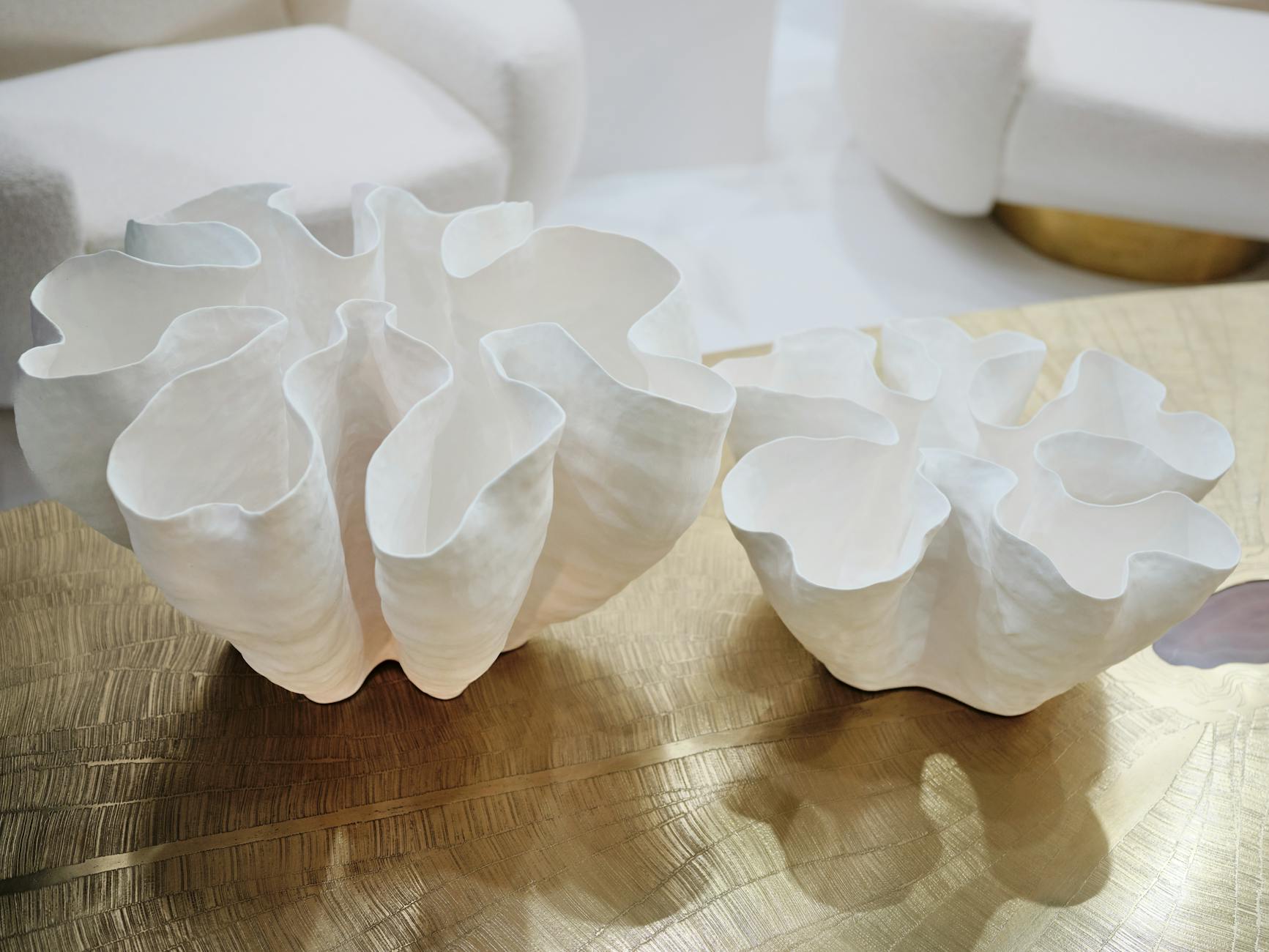
The material investment that luxury minimalist objects represent creates a maintenance obligation of unusual intensity because the high cost and careful selection of each item converts its care into a moral and financial responsibility that ordinary object maintenance does not carry. A person who owns one exceptional linen shirt rather than ten ordinary ones has concentrated their entire linen-shirt resource into a single item whose laundering, storage, and protection from damage carries a correspondingly concentrated anxiety load that the distributed ownership of multiple less precious items would never generate. The minimalist principle of owning fewer better things produces a material environment in which each item’s failure, loss, or damage represents a proportionally larger disruption to the curated whole than the same event would produce in a more abundant material environment and this disproportionate fragility of the minimalist material world generates a maintenance vigilance that is experienced as a continuous low-level anxiety about the integrity of the carefully assembled collection. The fewer possessions that must each be perfect create more anxiety per object than the many possessions that can each be ordinary.
Trend Vulnerability

The luxury minimalist aesthetic is subject to the same cycles of fashion and cultural currency that govern all aesthetically defined lifestyle categories and the practitioner who has built their identity and material environment around a specific aesthetic vocabulary is exposed to the anxiety of obsolescence that affects any identity framework whose validity is partly dependent on its cultural currency. Minimalist aesthetic standards have shifted measurably since the movement’s peak cultural moment and the warm minimalism, wabi-sabi inflections, and maximalist reactions that have emerged in the design culture that surrounds luxury minimalism create a continuous updating pressure on practitioners whose curated environments reflect an earlier iteration of the aesthetic. The anxiety of being identified as a practitioner of an outdated version of the minimalist aesthetic is a form of social anxiety that is specific to identity frameworks whose validity is aesthetic rather than philosophical and that affects minimalism with particular intensity because its aesthetic claims are inseparable from its identity claims. The person whose carefully curated home looks like last decade’s minimalism rather than this decade’s version has not merely fallen behind a trend but has had the philosophical identity framework they built around their material environment quietly invalidated by the same cultural forces that originally granted it its authority.
Abundance Shame
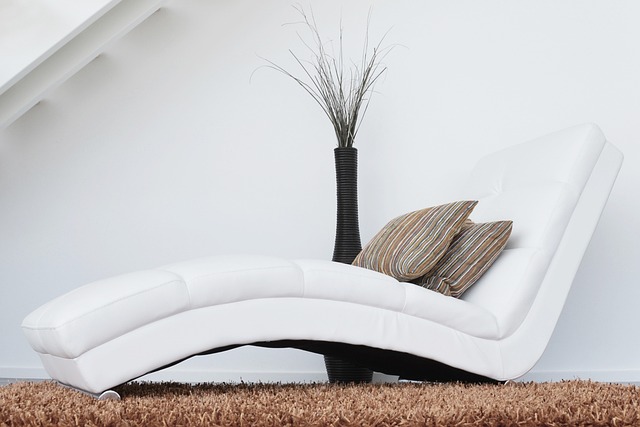
Luxury minimalism creates a framework in which the experience of genuine pleasure in material abundance, sensory richness, and the visual complexity of a fully inhabited environment is pathologized as a failure of consciousness that requires explanation, apology, or corrective minimizing in ways that introduce shame into one of the most natural and historically universal human experiences. The enjoyment of richly furnished environments, abundant food, layered textiles, accumulated collections, and the visual density of a life fully expressed in its material dimension is a human experience with deep cultural, psychological, and neurological roots that luxury minimalism frames as evidence of an undeveloped relationship with consumption regardless of the context, intention, or genuine pleasure that the experience produces. Shame about abundance enjoyment is a form of emotional restriction that reduces the range of environments and experiences that a person can inhabit without self-judgment and that contracts rather than expands the psychological freedom that the minimalist framework promises to produce. The practitioner who cannot enjoy a richly furnished hotel room, a plentiful feast, or a visually complex art environment without experiencing the self-critical activation that their framework has conditioned them to associate with excess has not achieved freedom from materialism but has substituted one form of consumption-related anxiety for a more philosophically sophisticated one.
Uncertainty Intolerance

The minimalist framework’s emphasis on clarity, intention, and the deliberate resolution of ambiguity through systematic elimination trains a relationship with uncertainty that reduces tolerance for the unresolved, the undecided, and the in-progress states that real life is predominantly composed of and that psychological flexibility research identifies as essential to genuine wellbeing and anxiety resilience. The practitioner who has developed a low tolerance for visual and material ambiguity through the systematic application of minimalist principles to their environment progressively develops a lower tolerance for psychological and situational ambiguity in domains beyond the domestic because the regulatory habits developed in one domain generalize to others through the same mechanism that makes any repeated practice shape the practitioner’s default cognitive orientation. Life’s most significant domains including relationships, career, health, and personal development are characterized by extended periods of unresolvable ambiguity and the person whose anxiety management strategy is organized around elimination and resolution is poorly equipped for the conditions that matter most. The minimalist framework that produces clarity in the domain of objects produces a longing for equivalent clarity in domains that structurally cannot provide it and the anxiety of this unmet need is one of the movement’s most consistent and least examined psychological costs.
Aspiration Trap
Luxury minimalism functions as an aspiration framework whose destination is permanently displaced from the practitioner’s current position by the movement’s own internal logic in ways that ensure the state of serene sufficiency it promises remains perpetually just beyond the next decluttering session, the next quality acquisition, and the next level of intentional living. The aspiration trap of any improvement framework is that the criteria for success shift in proportion to the practitioner’s progress and luxury minimalism is particularly effective at this displacement because its philosophical ambitions expand alongside its practical ones ensuring that the psychological arrival that the lifestyle promises is always conditional on further refinement. The anxiety of perpetual incompletion that aspiration frameworks produce is well documented in research on perfectionism and goal pursuit and luxury minimalism generates it with unusual efficiency because it combines the concrete measurability of physical possession counts with the unmeasurable philosophical aspirations of conscious living and intentional existence. The practitioner who has decluttered their home, curated their wardrobe, and simplified their commitments discovers that the peace the framework promised is located not in these achievements but in a further simplification that the movement is always prepared to specify.
Failure Visibility

The minimalist environment makes the evidence of lifestyle failures, behavioral inconsistencies, and standard violations exceptionally visible because the visual order against which deviations register is so precisely defined that even minor disruptions are immediately apparent in ways that equivalent deviations would be completely invisible in a less curated environment. The coffee cup left on a white oak surface in a minimalist interior is as visually prominent as a stack of dishes in an ordinary kitchen and the heightened visibility of minor failures converts routine behavioral inconsistencies into conspicuous evidence of identity failure that produces a frequency and intensity of self-critical response that a more forgiving environment would never generate. Research on the relationship between environmental standards and self-regulatory resources consistently finds that high-standard environments deplete self-regulatory resources more rapidly than low-standard ones because the frequency of standard violations increases the frequency of the self-monitoring and corrective responses that self-regulation requires. The beautiful environment that makes every imperfection visible is an environment that makes its occupant’s relationship with their own ordinary human inconsistency a source of continuous anxiety rather than a background condition of normal life.
Therapeutic Displacement
Luxury minimalism is adopted by a significant proportion of its practitioners as a response to psychological distress including anxiety, grief, loss of control, traumatic life disruption, and the overwhelm of complex circumstances and it functions effectively as a temporary therapeutic displacement activity that provides a sense of agency, clarity, and control in a domain that is genuinely manageable when the domains that are generating the distress are not. The therapeutic value of this displacement is real in the short term and the sense of order, agency, and intentionality that an intensive decluttering project produces during a period of personal crisis is a genuine and valuable psychological resource. The long-term disruption occurs when the displacement becomes a permanent coping strategy that prevents engagement with the underlying distress by providing an inexhaustible and always available substitute domain for control-seeking behavior and the anxiety that was temporarily relieved by the first round of decluttering returns in a form that requires progressively more radical minimizing to address because the underlying source of the anxiety remains unexamined and unchanged. The lifestyle that began as a healthy response to a difficult period becomes a maintenance system for avoiding the psychological work that the difficult period required and the anxiety it was intended to relieve becomes the anxiety that its continuation perpetuates.
If any of these dynamics have appeared in your own relationship with minimalism or with the aesthetics of intentional living share your thoughts in the comments.




