The mouth is one of the most revealing diagnostic windows in the entire human body, and dentists are trained to read it with a precision that most patients never anticipate. What feels like a routine checkup is, from a clinical perspective, an extraordinarily detailed examination of lifestyle, habits, stress levels, and even relationship dynamics. Patients often walk into the chair believing they are there for a simple cleaning, unaware that the professional leaning over them is quietly assembling a detailed picture of how they live, what they consume, and what they are going through emotionally. The revelations can be startling, occasionally uncomfortable, and sometimes medically significant. Here are 25 genuinely surprising things dentists can determine about your private life from a single look inside your mouth.
Nail Biting

The repetitive pressure and movement pattern created by chronic nail biting leaves a distinctive wear signature on the upper and lower front teeth that dentists recognize immediately. The incisal edges of the teeth develop a characteristic flattening and chipping pattern that differs markedly from wear caused by food or grinding. Dentists can often determine not just that nail biting is occurring but roughly how long the habit has been established based on the degree of enamel loss. The habit also introduces unusually high bacterial loads from the fingers into the oral environment, which can influence gum health in the anterior region. Patients frequently express surprise when dentists identify this habit without being told.
Oral Sex

Certain patterns of soft tissue trauma, bruising on the palate, and the presence of specific sexually transmitted infections detectable in the oral cavity allow dentists and oral medicine specialists to draw reasonable inferences about sexual behavior. Petechiae, which are small pinpoint bruises on the soft palate, can result from specific types of sexual activity and are a recognized clinical finding. The presence of oral gonorrhea, herpes lesions in particular distributions, or HPV-related tissue changes are detectable during a thorough oral examination. Dentists are trained to distinguish these findings from other causes and to refer patients appropriately when warranted. This aspect of oral examination is one of the most medically significant and least discussed dimensions of routine dental care.
Eating Disorders

The oral cavity displays some of the most reliable physical evidence of purging behaviors associated with bulimia nervosa, and dentists are frequently the first healthcare providers to identify the signs. Stomach acid introduced repeatedly into the mouth through self-induced vomiting creates a very specific erosion pattern on the lingual surfaces of the upper front teeth, a location that normal dietary acids do not typically reach. The erosion has a characteristic smooth, glassy appearance that distinguishes it from mechanical wear or decay. Swollen salivary glands, particularly the parotid glands visible near the jaw hinge, are another commonly associated finding. Dentists are trained to raise this observation sensitively and to connect patients with appropriate support resources.
Smoking

Tobacco use in all its forms leaves a comprehensive and layered record in the oral cavity that extends well beyond the commonly known effects of staining. Chronic smokers develop a characteristic pattern of melanin pigmentation changes in the gum tissue, a condition known as smoker’s melanosis, that reflects years of chemical exposure. Leukoplakia, which presents as white patches on the mucosa, is strongly associated with tobacco use and carries a risk of malignant transformation that dentists monitor carefully. The specific distribution of staining, the texture of the gingival tissue, and the pattern of bone loss visible on radiographs all contribute to a detailed picture of smoking history. Dentists can often estimate duration and intensity of tobacco use based on the cumulative presentation of these findings.
Alcoholism

Heavy and chronic alcohol consumption produces a constellation of oral signs that experienced dentists recognize as a coherent pattern rather than isolated findings. Severe dry mouth resulting from alcohol’s dehydrating and salivary-suppressing effects creates an environment in which decay progresses with unusual speed and in locations atypical for standard dietary decay. The breath presentation associated with chronic alcohol use differs chemically from the smell of recent consumption and is identifiable to trained clinicians. Nutritional deficiencies common in alcohol dependence produce visible changes in the tongue, oral mucosa, and gum tissue. The combination of rampant decay, tissue changes, and dry mouth in a specific clinical pattern is a well-recognized indicator of problematic alcohol use.
Stress Levels

The oral manifestations of chronic psychological stress are numerous and produce a recognizable pattern that dentists assess even without being told about a patient’s mental state. Bruxism, the grinding and clenching of teeth during sleep or periods of tension, leaves flattened cusps, cracked tooth syndrome, and hypertrophied masseter muscles visible at the jaw angle. Aphthous ulcers, commonly known as canker sores, increase in frequency and severity during periods of elevated stress, and a patient presenting with multiple active lesions suggests recent or ongoing psychological strain. Gum disease progression is also accelerated by stress through immune suppression, meaning a sudden deterioration in periodontal health can reflect life circumstances as much as oral hygiene changes. Dentists piece these findings together to form a broader picture of a patient’s current wellbeing.
Drug Use

Different substances leave distinctive oral signatures that allow dentists to identify not just the presence of drug use but often the specific substance involved. Methamphetamine use produces a catastrophic and highly specific pattern of decay known as meth mouth, characterized by severe destruction concentrated on the buccal surfaces of the teeth alongside extreme dry mouth and gum disease. Cocaine applied topically to the gums, a practice used to test product purity, creates localized tissue erosion and bone loss in the area of contact. Marijuana use is associated with specific patterns of dry mouth, uvular changes, and an increased rate of periodontal disease. MDMA use often correlates with severe bruxism and jaw clenching, producing wear patterns that dentists can distinguish from stress-related grinding.
Diet Quality

A thorough dental examination provides a detailed account of a patient’s dietary habits that goes far beyond simply identifying sugar consumption. The location, pattern, and morphology of cavities communicate specific information about eating behaviors including frequency of snacking, preference for acidic beverages, and the habitual positioning of certain foods in the mouth. Erosion on the palatal surfaces of the upper teeth is closely associated with frequent consumption of citrus and carbonated drinks, while decay between the back teeth often reflects regular consumption of sticky or fermentable carbohydrates. A diet very high in refined sugar produces a distinctive pattern of generalized decay that differs in distribution from decay caused by isolated dietary habits. Dentists use these patterns to provide specific dietary counseling rather than generic advice.
Thumb Sucking History

The skeletal and dental changes produced by prolonged thumb sucking in childhood leave structural evidence in the adult mouth that persists for decades and is immediately recognizable to a trained clinician. A characteristic anterior open bite, where the upper and lower front teeth do not meet when the back teeth are closed, combined with a narrow, high-arched palate, reflects the sustained pressure of digit sucking during developmental years. The proclination of the upper front teeth and the retroclination of the lower front teeth create a distinctive angulation pattern. Orthodontic treatment can correct some of these effects but often leaves residual skeletal signatures in jaw width and arch form. Dentists can estimate the duration and intensity of the habit from the degree of skeletal involvement present.
Pen Chewing

The habitual chewing of pens, pencils, and similar objects creates a localized and highly specific wear pattern that dentists distinguish easily from other forms of dental attrition. The wear is typically concentrated on one side of the mouth in a small group of teeth that habitually grip the object, producing notching or indentation at the incisal or occlusal edge. The pattern is asymmetrical in a way that reflects both the preferred side and the typical position of the object during chewing. Dentists also observe corresponding soft tissue changes in the cheek and lip area adjacent to the habitual contact point. This habit is particularly common among people who work at desks or engage in concentrated mental tasks and is often entirely unconscious.
Sleep Quality

The oral cavity provides multiple indicators of sleep disturbance and sleep-disordered breathing that dentists are specifically trained to identify and act upon. Scalloping of the lateral tongue borders, where the tongue presses repeatedly against the teeth during sleep, is associated with sleep apnea and airway restriction during sleep. A large tongue relative to the oral airspace, combined with a low soft palate and crowded posterior throat anatomy, constitutes a recognizable risk profile for obstructive sleep apnea. The wear patterns associated with sleep bruxism, which differs in character from awake grinding, provide additional evidence of disrupted sleep architecture. Dentists increasingly play a frontline role in screening for sleep disorders and referring patients for formal sleep studies.
Pregnancy

The hormonal changes of pregnancy produce a well-documented set of oral changes that dentists can often identify before a patient has mentioned or even confirmed their pregnancy. Elevated progesterone and estrogen levels create an exaggerated inflammatory response in the gum tissue, producing a condition called pregnancy gingivitis characterized by pronounced redness, swelling, and a tendency to bleed with minimal provocation. Pregnancy epulis, a benign overgrowth of gum tissue at a specific interproximal location, is a highly characteristic finding associated almost exclusively with pregnancy. Morning sickness-related acid exposure creates a specific erosion pattern on the teeth that differs from dietary acid erosion. These findings collectively suggest pregnancy with a degree of clinical confidence that often precedes formal medical confirmation.
Gastric Reflux
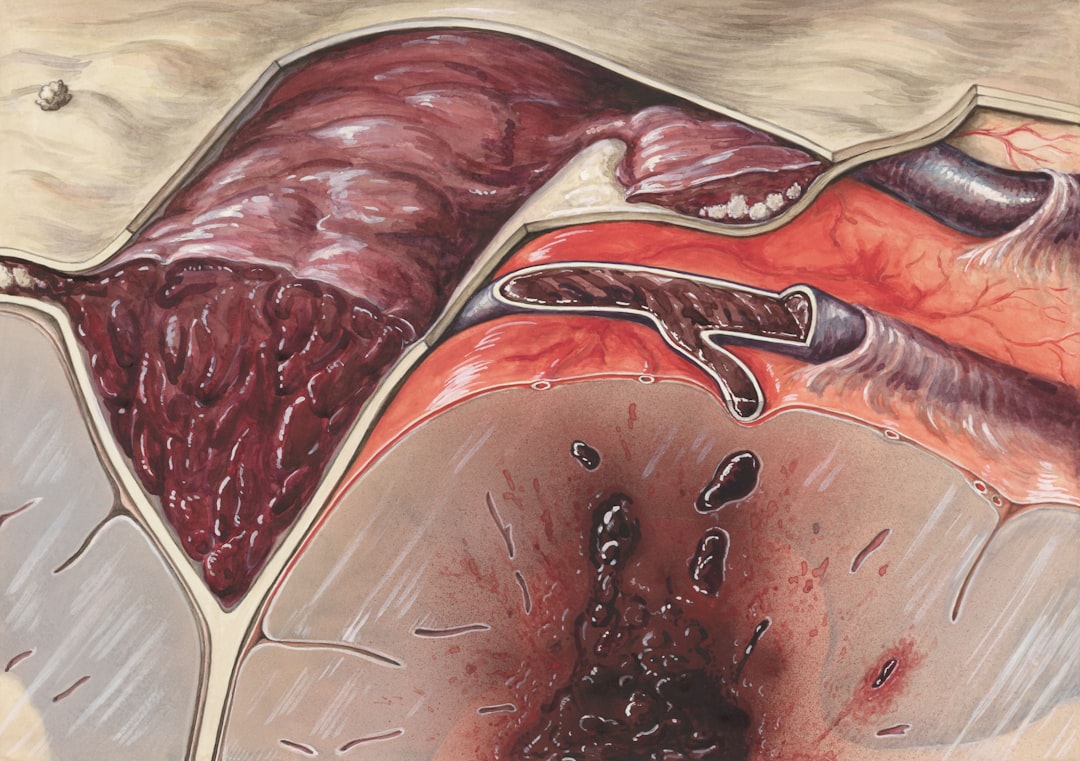
Chronic gastroesophageal reflux disease leaves a distinctive acid erosion pattern on the teeth that dentists can identify and differentiate from erosion caused by dietary acids or purging behaviors. The erosion associated with GERD typically affects the occlusal and lingual surfaces of the back teeth and the palatal surfaces of the upper front teeth, reflecting the pathway stomach acid takes as it pools in the oral cavity during reflux episodes. The erosion has a characteristic cupped or hollowed appearance on biting surfaces and a smooth dissolution pattern on smooth surfaces. Many patients present with this erosion pattern without a formal GERD diagnosis, and dental findings frequently prompt the referral that leads to medical treatment. The severity of erosion provides a rough proxy for both the duration and the frequency of reflux events.
Anxiety Disorders

Beyond the stress indicators visible in grinding and soft tissue changes, certain oral patterns point more specifically toward chronic anxiety rather than situational stress. Chronic cheek biting produces a distinctive white, shredded appearance along the occlusal line of the inner cheek mucosa that reflects a repetitive self-soothing behavior strongly associated with anxiety disorders. Lip biting creates corresponding changes on the labial mucosa and the vermilion border of the lips. The combination of cheek biting, lip biting, and bruxism occurring together in a single patient creates a recognizable anxiety profile that dentists note in their clinical records. Patients are often unaware of how much information these unconscious behaviors communicate during an examination.
Mouth Breathing
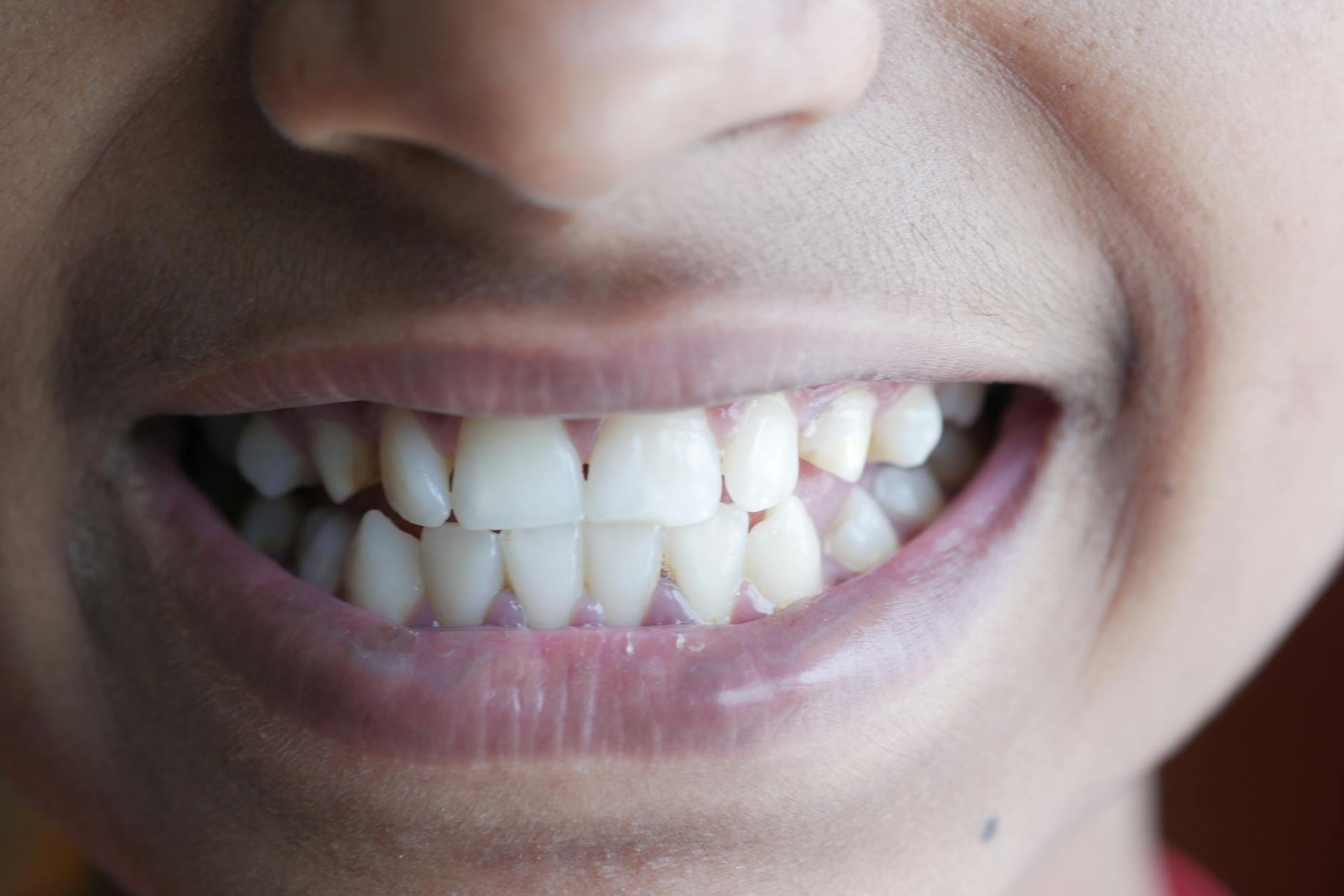
The habitual breathing through the mouth rather than the nose creates a distinctive and immediately recognizable set of oral changes that dentists identify within moments of examination. Chronic dry mouth resulting from mouth breathing dramatically alters the decay risk profile, gum health, and soft tissue appearance of the oral cavity. The gum tissue in the upper front region of the mouth becomes chronically inflamed, fibrotic, and darkened in a pattern directly corresponding to the area of greatest air exposure. Arch development in children who mouth breathe follows a narrower and higher trajectory than in nasal breathers, leaving skeletal evidence of the habit that persists into adulthood. The combination of tissue changes, arch form, and decay patterns creates a coherent clinical picture that dentists recognize as a breathing pattern signature.
Chewing Ice

The compulsive chewing of ice, a condition known as pagophagia, leaves a very specific pattern of dental damage and is also recognized as a potential indicator of iron deficiency anemia. The extreme hardness of ice causes microfractures, cusp chipping, and a distinctive craze line pattern in the enamel that differs from wear caused by food or other habits. Dentists can often identify not just that ice chewing is occurring but how frequently based on the extent of fracturing across the dental arch. The association between ice chewing and iron deficiency is strong enough that dentists who identify this pattern often recommend blood work to investigate anemia. This is one of the more striking examples of a dental finding pointing toward a systemic medical condition.
Teeth Whitening Overuse
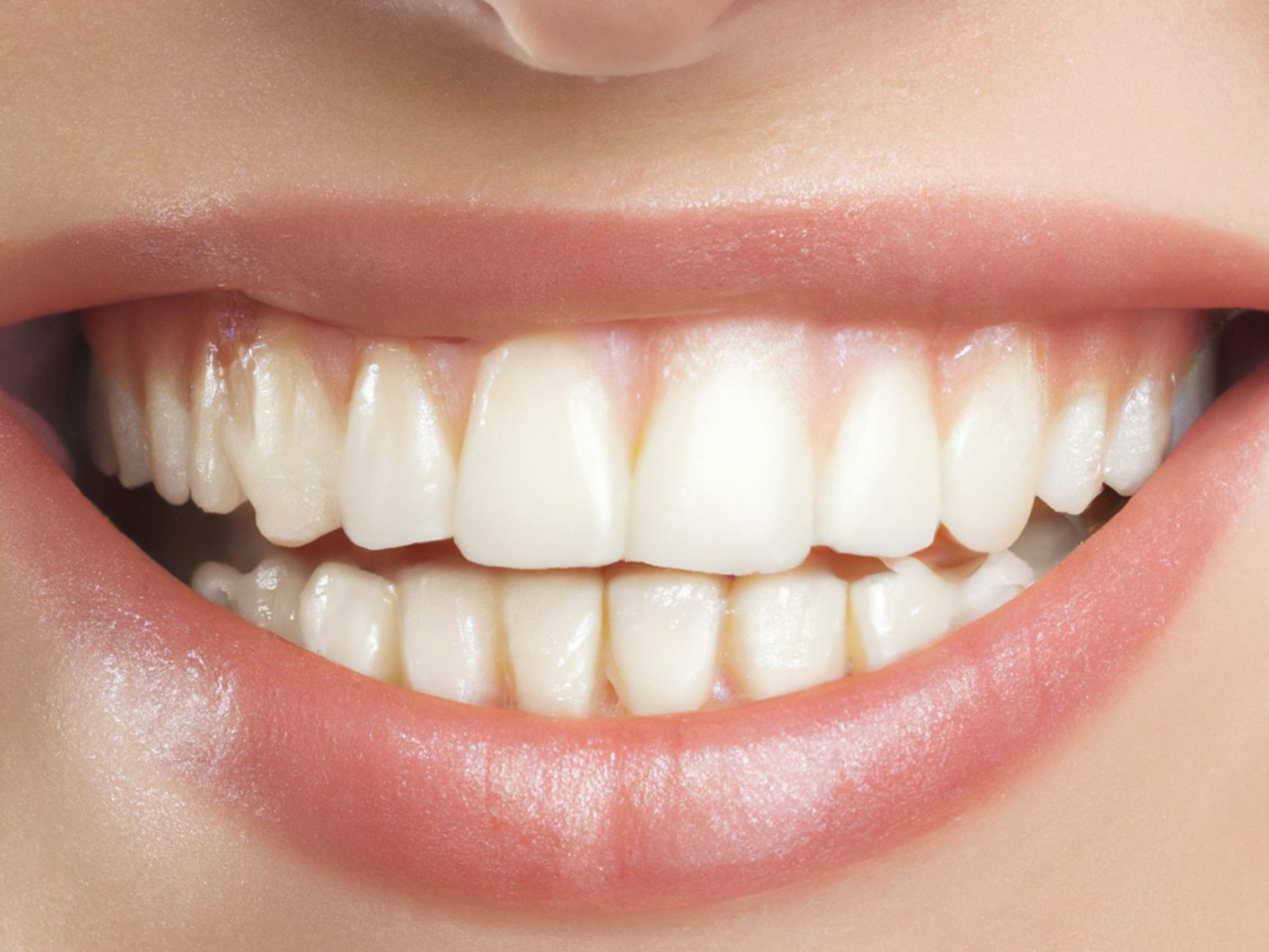
Excessive use of over-the-counter whitening products leaves a recognizable signature of enamel hypersensitivity, gum blanching, and uneven demineralization that trained dentists can distinguish from natural tooth coloration changes. Patients who over-whiten often present with a bluish-white translucency at the incisal edges of the front teeth, a finding associated with enamel thinning from peroxide overuse. Gum tissue adjacent to areas of excessive product contact may show chemical irritation, recession, or altered texture. The distribution of these changes often reflects the application method used, with tray-based overuse producing different patterns than strip-based products. Dentists can estimate the duration and frequency of whitening misuse from the pattern and severity of tissue involvement.
Vitamin Deficiencies

The soft tissues of the mouth are among the most metabolically active in the body and respond visibly to nutritional deficiencies with a speed and clarity that makes the oral cavity a valuable diagnostic site. Vitamin B12 deficiency produces a smooth, atrophic, and often painful tongue with loss of the normal papillae texture, a condition called glossitis that is immediately apparent on examination. Iron deficiency creates pale oral mucosa, angular cheilitis at the corners of the mouth, and a similarly smooth tongue surface. Vitamin C deficiency, though rare in developed countries, produces a characteristic hemorrhagic gingivitis with spontaneous bleeding and tissue friability. Dentists who observe these tissue changes document them and recommend appropriate medical follow-up for nutritional assessment.
Pen Cap Biting

Habitual biting of pen caps and small plastic objects creates a distinctive localized wear pattern that dentists differentiate from general bruxism or nail biting based on its concentration and morphology. The wear is typically found on a single tooth or small group of adjacent teeth in a position that reflects the habitual grip of the object. Indentations matching the diameter of common pen caps are occasionally visible in the enamel of patients who engage in this habit heavily. The habit is strongly associated with concentrated cognitive work and is frequently observed in students, writers, and professionals who engage in extended periods of focused thinking. Like nail biting, patients are often completely unaware of the habit until the dental evidence is presented to them.
Swimming Habits

Regular swimmers, particularly those who train in chlorinated pools, develop a set of oral changes that dentists recognize as a coherent pattern associated with aquatic exercise. Prolonged exposure to pool water, which is typically maintained at a pH that can be erosive to enamel, produces a chalky brown staining and erosion pattern on the front teeth known colloquially as swimmer’s calculus or swimmer’s erosion. The erosion tends to be concentrated on the upper and lower front teeth, reflecting the areas most exposed during lap swimming. Elite and competitive swimmers who train daily can show significant enamel loss within a single season. Dentists who identify this pattern often advise patients on protective measures including fluoride applications and limiting time with open mouth in pool water.
Pen Lid Sucking

The habitual sucking rather than chewing of pen lids and similar objects creates soft tissue changes at the lips and anterior mouth that differ from the wear patterns associated with chewing the same objects. Repeated suction creates a localized irritation and subtle tissue thickening at the point of habitual contact on the lip and labial mucosa. The behavior often leaves a faint discoloration or surface irregularity on the labial mucosa corresponding to the habitual position of the object. It is frequently observed alongside other oral habits and contributes to the broader picture of habitual oral behaviors that dentists document. Patients are often more embarrassed than concerned when this finding is raised in a clinical context.
Relationship Conflict

Dentists observe a strong correlation between a sudden onset or significant worsening of bruxism and major interpersonal or relational stressors in a patient’s life. The jaw muscles respond to unresolved psychological tension with sustained contraction that can intensify dramatically during periods of relationship difficulty, separation, or conflict. Patients who present with new fractures, acute tooth sensitivity, and a worsening wear pattern since their last visit are often in the middle of a stressful relational event. The timing of clinical deterioration relative to previous examination findings gives dentists a reasonably precise window into when a period of elevated stress began. This correlation is strong enough that some dentists gently acknowledge the possibility of a stressful period when presenting these findings to patients.
Occupation

Certain occupations leave characteristic and recognizable oral signatures that dentists learn to identify through clinical experience and professional training. Professional musicians who play wind instruments develop specific bite adaptations, tooth wear patterns, and soft tissue calluses that reflect years of embouchure positioning. Athletes who compete in contact sports without consistent mouthguard use present with fracture patterns, crown loss, and displacement injuries concentrated in the anterior teeth. Individuals in occupations involving prolonged exposure to acidic environments, including wine tasters, battery factory workers, and some food industry professionals, develop erosion patterns with an occupational distribution. Dentists piece together these occupational signatures as part of a comprehensive understanding of a patient’s overall oral health risk profile.
Hydration Habits

The quantity and quality of saliva present during a dental examination communicates detailed information about a patient’s hydration status and long-term fluid intake patterns. Chronically dehydrated patients present with thick, ropy, or reduced saliva that is visibly distinct from normal salivary flow and creates a characteristically dry mucosal appearance. The decay pattern associated with chronic dehydration reflects the loss of saliva’s protective buffering, remineralizing, and cleansing functions, producing decay in locations typically protected in well-hydrated mouths. The tongue surface of a chronically dehydrated patient often shows deep fissuring and a dry, coated texture that differs from the appearance associated with hydrated tissue. Dentists use saliva characteristics as one component of a broader assessment of a patient’s systemic health and lifestyle habits.
Age Concealment

While patients may be reluctant to disclose their age, the cumulative record preserved in the teeth and supporting structures allows experienced dentists to estimate a patient’s biological age with reasonable accuracy regardless of what cosmetic interventions may have been undertaken elsewhere. The degree of enamel wear, the extent of secondary dentin deposition visible on radiographs, the level of bone height around the teeth, and the recession pattern of the gum tissue all advance along broadly predictable timelines. Cosmetic dentistry including veneers and crowns can mask some of these signals but the underlying bone and root structures continue to age visibly on imaging. Patients who have invested significantly in facial cosmetic procedures to appear younger than their biological age often retain oral structures that reflect their actual age quite accurately. Dentists are rarely surprised by a patient’s true age because the mouth has typically already told them.
Have any of these revelations changed the way you think about your next dental visit? Share your thoughts and reactions in the comments.




