The fitness industry has spent decades convincing people that serious strength building requires expensive equipment, gym memberships, and hours of structured training under professional supervision. A quieter but increasingly evidence-supported school of thought challenges nearly every one of these assumptions, proposing that the human body is itself a sufficiently sophisticated piece of resistance equipment when used intelligently. These ideas remain controversial not because they lack scientific grounding but because they contradict the financial interests of an industry built on selling complexity back to people who already possess everything they need. The rules that follow sit at the intersection of exercise science, minimalism, and practical application. Here are 23 controversial quick workout rules that serious practitioners use to build genuine strength without ever setting foot in a gym.
Progressive Overload

The single most important principle in all of strength training applies with identical force to bodyweight training, yet the fitness industry rarely emphasizes this because it removes the justification for constantly purchasing new equipment. Progressive overload means systematically increasing the demand placed on the muscles over time, which in a bodyweight context means advancing through harder exercise variations, increasing repetition density, or reducing rest periods rather than adding plates to a bar. A push-up becomes a close-grip push-up becomes an archer push-up becomes a one-arm push-up, and each transition represents a meaningful increase in mechanical demand. Research consistently demonstrates that the stimulus for muscular hypertrophy and strength gain is the progressive challenge itself rather than the specific implement used to create it. Ignoring this principle is the single most common reason bodyweight training fails to produce lasting results.
Short Sessions
The controversial claim that workouts lasting between ten and twenty minutes can produce strength adaptations equivalent to much longer sessions is supported by a growing body of research into training density and intensity. The critical variable is not session duration but the ratio of productive mechanical stress to total time, and short high-density sessions frequently outperform long moderate-effort workouts on this measure. Many of the most effective no-equipment training protocols in the scientific literature involve sessions that most gym-goers would dismiss as insufficient warm-ups. The cultural association between workout length and workout value is a perception bias rather than a physiological reality. Committing fully to a brief session produces better outcomes than half-committing to a long one.
Daily Training

The conventional wisdom that muscles require forty-eight hours of rest between training sessions before they can be trained again is a principle derived primarily from heavy barbell training and does not translate automatically to bodyweight exercise at moderate intensities. Gymnasts, martial artists, and military personnel across multiple traditions have trained the same movement patterns daily for centuries without the overtraining consequences that gym culture predicts. The key distinction lies in managing volume and intensity so that daily sessions accumulate stimulus without accumulating damage. Lower-intensity daily practice builds movement quality, tendon resilience, and neural efficiency in ways that intermittent heavy training does not replicate. The rest requirement is not a biological absolute but a variable that shifts with training load and recovery capacity.
Slow Negatives

Deliberately slowing the lowering phase of any bodyweight exercise to three to five seconds or longer is one of the most effective and most underused methods for increasing muscular demand without changing the exercise itself. The eccentric or lowering phase of movement is where the greatest mechanical tension is placed on muscle fibers and where the stimulus for strength and hypertrophy is most concentrated according to exercise physiology research. A slow lower-body squat performed over five seconds creates substantially more muscular demand than a standard squat performed at normal speed with the same bodyweight. This technique requires no equipment modification, no additional time investment beyond the slowdown itself, and no coaching beyond understanding the principle. Its neglect in popular fitness content is largely explained by the fact that it is free and simple.
Tension Focus

Actively squeezing and maximally contracting the target muscles throughout an exercise rather than simply moving through the range of motion is a training approach with roots in bodybuilding science that transforms the effectiveness of basic bodyweight movements. The mind-muscle connection, once dismissed as pseudoscientific, has been validated by electromyography research showing that deliberate muscular focus measurably increases motor unit recruitment during exercise. A push-up performed with active chest contraction, deliberate shoulder depression, and intentional tricep engagement at the top is neurologically and mechanically distinct from a push-up performed as a movement task. This distinction becomes increasingly significant at lower repetition counts where total volume is limited. Treating every repetition as a deliberate muscular event rather than a movement to be completed transforms the training quality of simple exercises.
Fasted Training

Training in a fasted state, typically defined as exercising before the first meal of the day following an overnight fast, remains controversial in popular fitness culture despite a reasonable evidence base suggesting it can support body composition goals without compromising strength output in trained individuals. The hormonal environment of fasted exercise, characterized by elevated growth hormone and heightened catecholamine activity, may support fat oxidation and adaptive responses to training stimulus. Short-duration strength-focused sessions are particularly well-suited to fasted conditions because they do not rely on glycogen availability to the same degree as endurance work. Individuals who train fasted consistently often report improved mental clarity and a sharpened mind-muscle connection during sessions. The controversy around this approach is driven more by supplement industry interests than by the available science.
Isometric Holds

Holding static positions under muscular tension, a training method used in disciplines ranging from yoga to elite gymnastics, builds strength through a mechanism that dynamic repetition-based training does not fully replicate. Isometric contractions develop strength at the specific joint angle held, build tendon and connective tissue resilience, and improve the neural recruitment patterns that underpin dynamic strength expression. The wall sit, the plank, the L-sit, and the iron cross all represent isometric challenges that demand significant muscular output without a single repetition being performed. Research shows that isometric training produces strength gains comparable to dynamic training when applied at appropriate intensities and durations. The perception that holds and static positions are less serious than repetition-based training reflects a cultural bias rather than a physiological reality.
Barefoot Training

Performing strength and movement training without shoes is a practice that podiatric and biomechanical research increasingly supports but that mainstream fitness culture has been slow to adopt. The foot contains twenty-six bones, thirty-three joints, and over one hundred muscles, tendons, and ligaments designed to function as a dynamic sensory and load-bearing system that is substantially compromised by conventional footwear. Training barefoot activates the intrinsic foot muscles, improves proprioception, and enhances the stability of the ankle and knee in ways that cushioned training shoes actively suppress. Strength built on a more stable and sensory-rich foot contact is more transferable to real-world movement demands than strength built on an insulated, elevated platform. The transition to barefoot training should be gradual to allow adaptation in tissues that have been underloaded for years.
Compound Movements

The principle that nearly all productive strength training can be organized around a small number of fundamental movement patterns is well established in exercise science but remains underappreciated by people who have been conditioned to seek variety and complexity. The push, pull, squat, hinge, and carry patterns encompass the complete functional demand profile of human movement and can each be expressed across a broad spectrum of difficulty using bodyweight alone. A training program built entirely around mastering these five patterns through progressively demanding variations produces comprehensive strength development without duplication of effort. The fitness industry profits from the perception that more exercises mean better results, when evidence consistently supports the opposite relationship between simplicity and long-term progress. Mastering a small number of movements deeply produces better outcomes than sampling a large number of movements superficially.
Morning Priming
Performing a brief but intense movement session within the first hour of waking activates the nervous system, elevates core temperature, and establishes a hormonal environment that research associates with improved cognitive performance and metabolic activity throughout the day. This approach treats the morning session not as the primary training stimulus of the day but as a primer that enhances the quality of everything that follows. The session need not be long, with five to fifteen minutes of targeted movement producing measurable effects on alertness and physical readiness. Athletes and military personnel from multiple traditions have used morning movement practice for its systemic effects rather than purely its strength-building contribution. The controversy lies in challenging the culturally embedded idea that a workout is only valuable if it is exhausting.
Rest Minimization

Reducing rest periods between sets and exercises to sixty seconds or less is a training variable that significantly increases metabolic and cardiovascular demand without changing the exercises themselves, effectively doubling the training stimulus of a given session. Extended rest periods between sets are appropriate for maximal strength work with heavy loads but are largely unnecessary in bodyweight training where the load is fixed and the progressive variable is movement difficulty rather than absolute weight. Short rest periods increase the hormonal response to training, improve muscular endurance, and create the kind of sustained effort that produces body composition changes alongside strength gains. The discomfort associated with reduced rest is the point rather than a design flaw to be managed. Embracing this discomfort consistently is one of the clearest differentiators between training that produces results and training that maintains the status quo.
Single Leg Work
Unilateral lower body training, meaning exercises performed on one leg at a time, is consistently undervalued in no-equipment training discussions despite producing strength demands that rival loaded bilateral exercises. A pistol squat performed on a single leg requires the management of load, balance, and range of motion simultaneously, creating a total demand on the leg musculature that many loaded bilateral squat variations do not match. Single leg training also identifies and corrects asymmetries between sides that bilateral training masks, producing a more balanced and injury-resistant foundation of strength. The stabilizing demands placed on the hip, knee, and ankle during unilateral work develop connective tissue resilience that transfers directly to athletic and functional movement. Neglecting single leg training in favor of bilateral movements leaves a significant portion of available adaptation untapped.
Grease The Groove
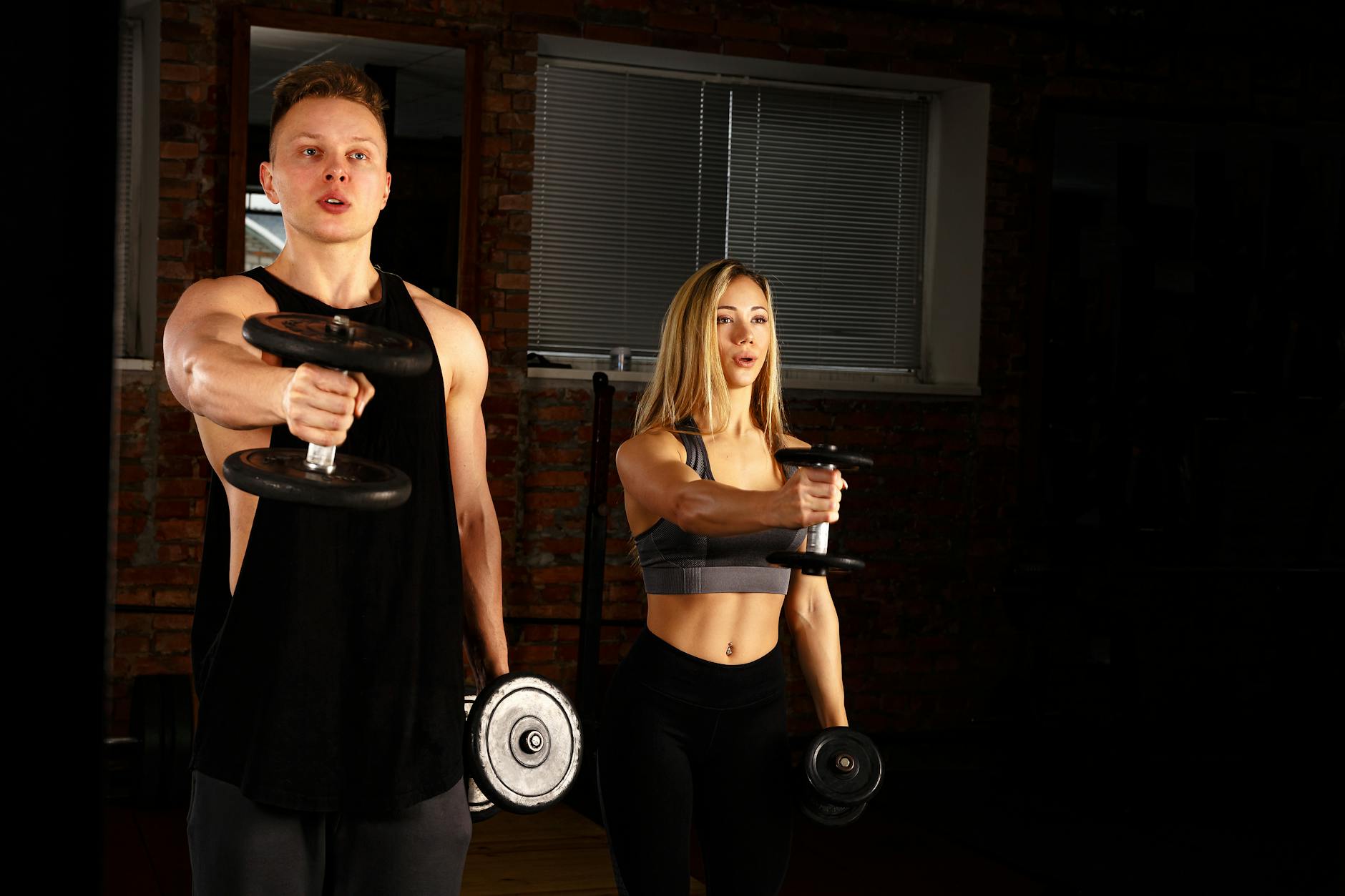
The training methodology of performing multiple submaximal sets of a target movement distributed throughout the day, developed and popularized within strength training communities, builds specific strength through neural adaptation rather than through the metabolic fatigue of conventional workouts. The principle involves performing a movement at approximately fifty percent of maximum effort in frequent short sets across waking hours, accumulating substantial volume without ever approaching fatigue. This approach is particularly effective for skill-strength movements like pull-ups, dips, and handstand presses where neurological efficiency is the primary limiting factor. Research into motor learning supports the principle that frequent low-fatigue practice produces faster neural adaptation than infrequent high-fatigue practice. The controversy is that it looks nothing like a conventional workout and therefore struggles to gain credibility in environments that equate effort with exhaustion.
Cold Exposure

Brief cold water exposure following training, whether through cold showers or immersion, remains a genuinely contested topic in exercise science with research findings that depend significantly on the training goal being pursued. Evidence suggests that cold exposure reduces acute inflammation and accelerates subjective recovery, which is valuable for athletes training multiple sessions daily. However, research also indicates that excessive cold suppression of post-exercise inflammation may blunt some of the adaptive signaling that drives strength and hypertrophy gains over time. The practical application of this controversy is that strategic rather than reflexive cold exposure, timed thoughtfully in relation to training goals, represents a more sophisticated approach than blanket adoption or rejection. Understanding the mechanism makes the tool more precise rather than simply choosing a side.
Hunger Training
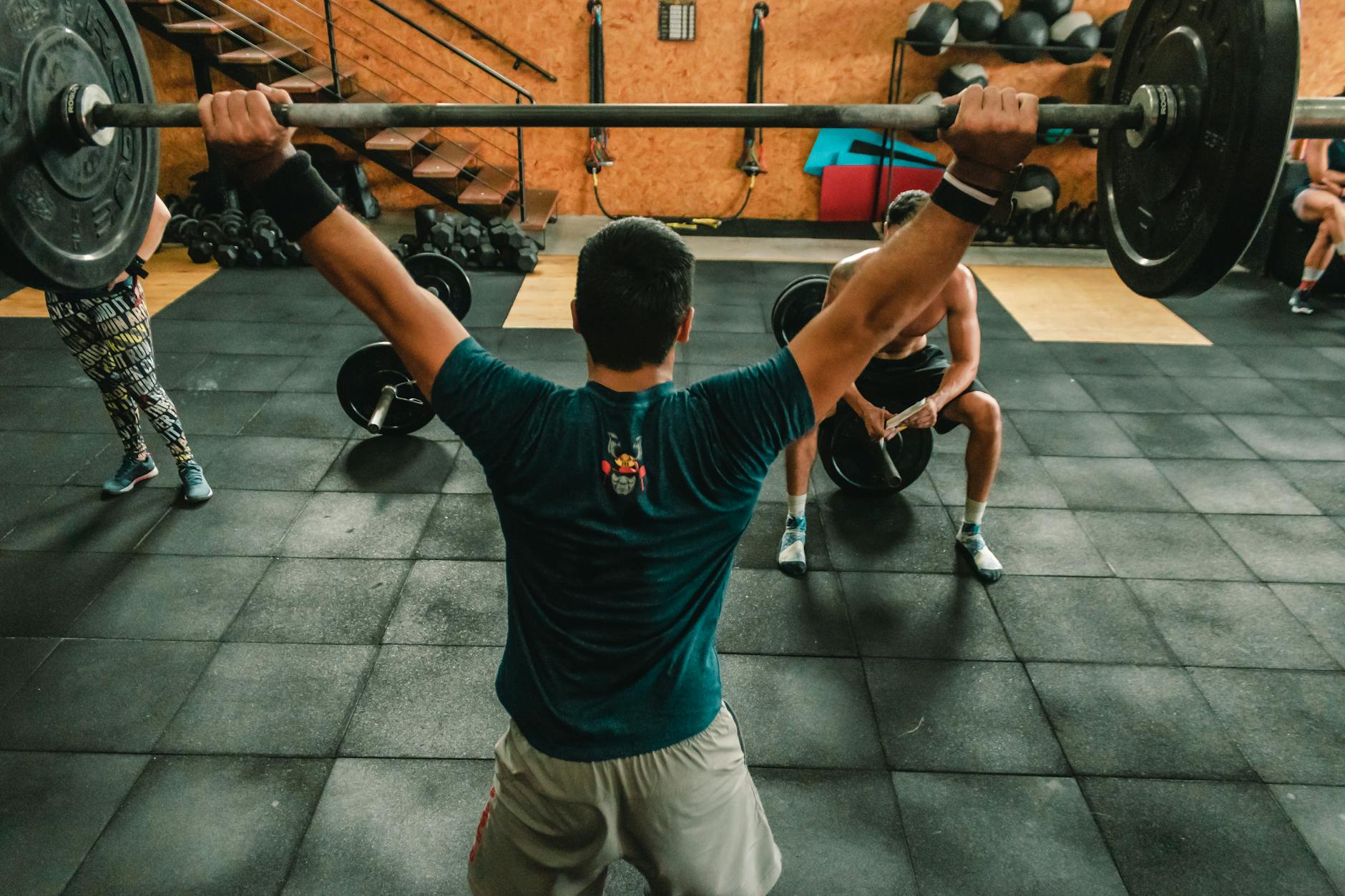
The counterintuitive practice of allowing mild hunger to be present during training sessions rather than strategically fueling immediately before every workout is supported by research into hormonal responses to exercise in a partially fasted state. Ghrelin, the hunger hormone, interacts with growth hormone secretion and neural reward pathways in ways that may enhance the adaptive response to training stimulus when present in elevated concentrations. This does not mean training in a severely depleted state, which demonstrably impairs performance and recovery, but rather that the cultural habit of fueling aggressively before every session may not be universally necessary or beneficial. Athletes in weight-class sports and intermittent fasting practitioners have applied versions of this principle for decades with competitive results. Reconsidering the reflexive pre-workout meal is a low-cost experiment with potentially meaningful outcomes.
Floor Work
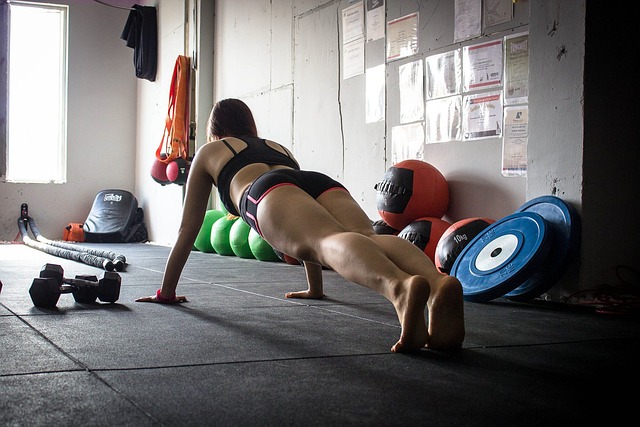
Training that takes place on the floor, including crawling patterns, rolling, ground-based pushing and pulling, and locomotion-based strength work, develops qualities of strength and coordination that upright exercise cannot replicate and that transfer directly to real-world physical capability. The developmental movement patterns embedded in crawling, rolling, and transitioning between ground positions build rotational strength, scapular stability, and hip mobility through integrated patterns rather than isolated muscle actions. This approach draws from martial arts conditioning, physical therapy, and animal movement training traditions, all of which demonstrate the functional completeness of ground-based movement as a strength modality. The stigma around floor-based exercise in conventional gym culture reflects aesthetic preferences rather than any deficit in its adaptive value. Including consistent floor work transforms the movement quality and injury resilience that upright training alone cannot address.
Explosive Work
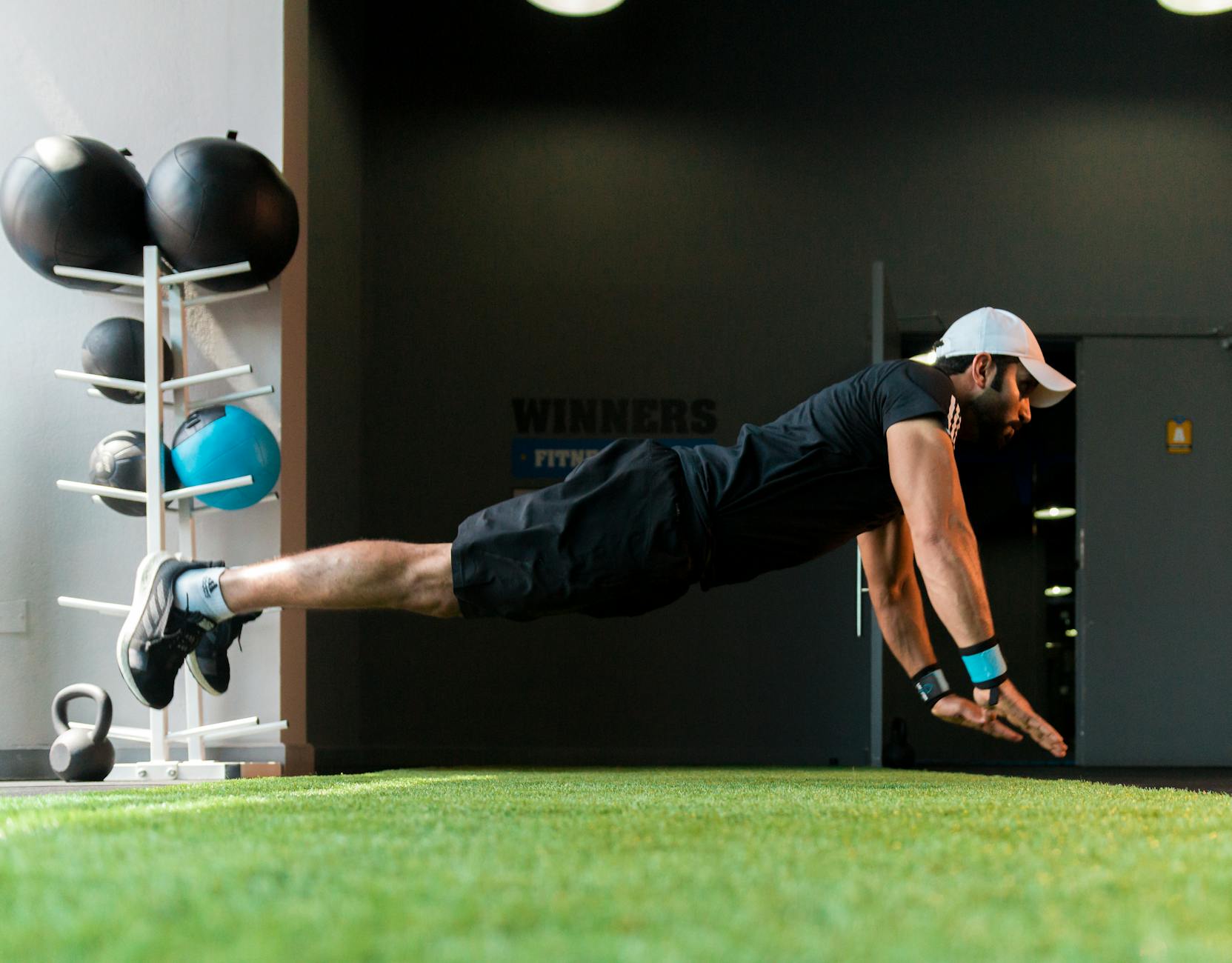
Incorporating explosive movements including jumping, bounding, and rapid direction changes into a strength training program develops the fast-twitch muscle fiber recruitment and rate of force development that slow controlled strength work alone does not produce. Power, defined as the ability to express force rapidly, is a trainable quality distinct from maximal strength and one that declines with age faster than any other physical attribute when left untrained. Jump squats, explosive push-ups, and bounding lunges require no equipment and create a training stimulus that complements tension-based strength work in ways that produce a more complete physical profile. The controversy around explosive work in home training contexts typically involves concerns about joint impact that are manageable with appropriate surface selection and progressive introduction. Omitting explosive work from a strength program leaves a significant physical quality underdeveloped regardless of how advanced the strength training becomes.
Breathing Patterns

The deliberate manipulation of breathing during exercise, including breath holds, pressurization techniques, and rhythmic breathing patterns, is a performance variable that most casual exercisers never engage with and that produces measurable differences in strength expression and training quality when applied correctly. Intra-abdominal pressure generated through a proper breath hold and brace during maximal effort movements stabilizes the spine and transfers force more efficiently between the upper and lower body. Nasal breathing during submaximal effort training has been associated with improved oxygen utilization, lower heart rate at equivalent workloads, and enhanced recovery capacity between sets. Breathing training techniques drawn from yoga, freediving, and combat sports traditions represent a genuinely high-return investment for anyone serious about optimizing bodyweight performance. The controversy lies in the perception that breathing is a passive background process rather than a trainable foreground variable.
Consistency Over Intensity

The principle that showing up for moderate training every day produces superior long-term results compared to sporadic intense training sessions is supported by exercise science but contradicts the cultural narrative of the transformative workout. Adaptation to training stimulus is a cumulative biological process that responds more favorably to consistent moderate input than to irregular extreme input followed by extended recovery periods. The fitness industry profits from intensity because it is dramatic, memorable, and sellable in a way that consistent moderate practice is not. Elite performers across almost every physical discipline structure their training around sustainable daily practice rather than the punishing sessions that tend to be celebrated in popular fitness media. The most controversial implication of this principle is that the legendary workout is less valuable than the unremarkable one that simply happens reliably.
Tendon Training

Deliberately targeting tendon and connective tissue adaptation through slow, heavy, loaded stretching and isometric work represents one of the most neglected dimensions of bodyweight strength training. Tendons adapt more slowly than muscles and respond to different loading parameters, requiring longer time under tension and lower velocities than the protocols typically used for muscle hypertrophy. Neglecting tendon adaptation while aggressively training muscle strength creates a progressive mismatch that is a primary driver of overuse injury in people who advance their training too quickly. Slow eccentrics, loaded stretching, and prolonged isometric holds at end-range positions address the tendon adaptation gap that standard training programs leave open. Building tendon resilience alongside muscle strength is one of the most significant and least publicized advantages of intelligently programmed bodyweight training.
Skill Prioritization

Treating advanced bodyweight movements as skills to be practiced rather than exercises to be performed shifts the entire training mentality in a direction that produces faster and more sustainable progress. Skills are approached with patience, deliberate practice, and an understanding that neurological adaptation precedes physical expression, meaning the body must first learn a movement pattern before it can fully express strength within it. The handstand, the front lever, the one-arm push-up, and the pistol squat are each skill-strength expressions that reward patient technical development over brute force attempts. This framing is controversial because it is slower and less immediately gratifying than the effort-reward dynamic that conventional training provides. Athletes who adopt a skill-based approach to bodyweight training consistently outperform those who approach the same movements as pure strength tasks.
Lifestyle Integration
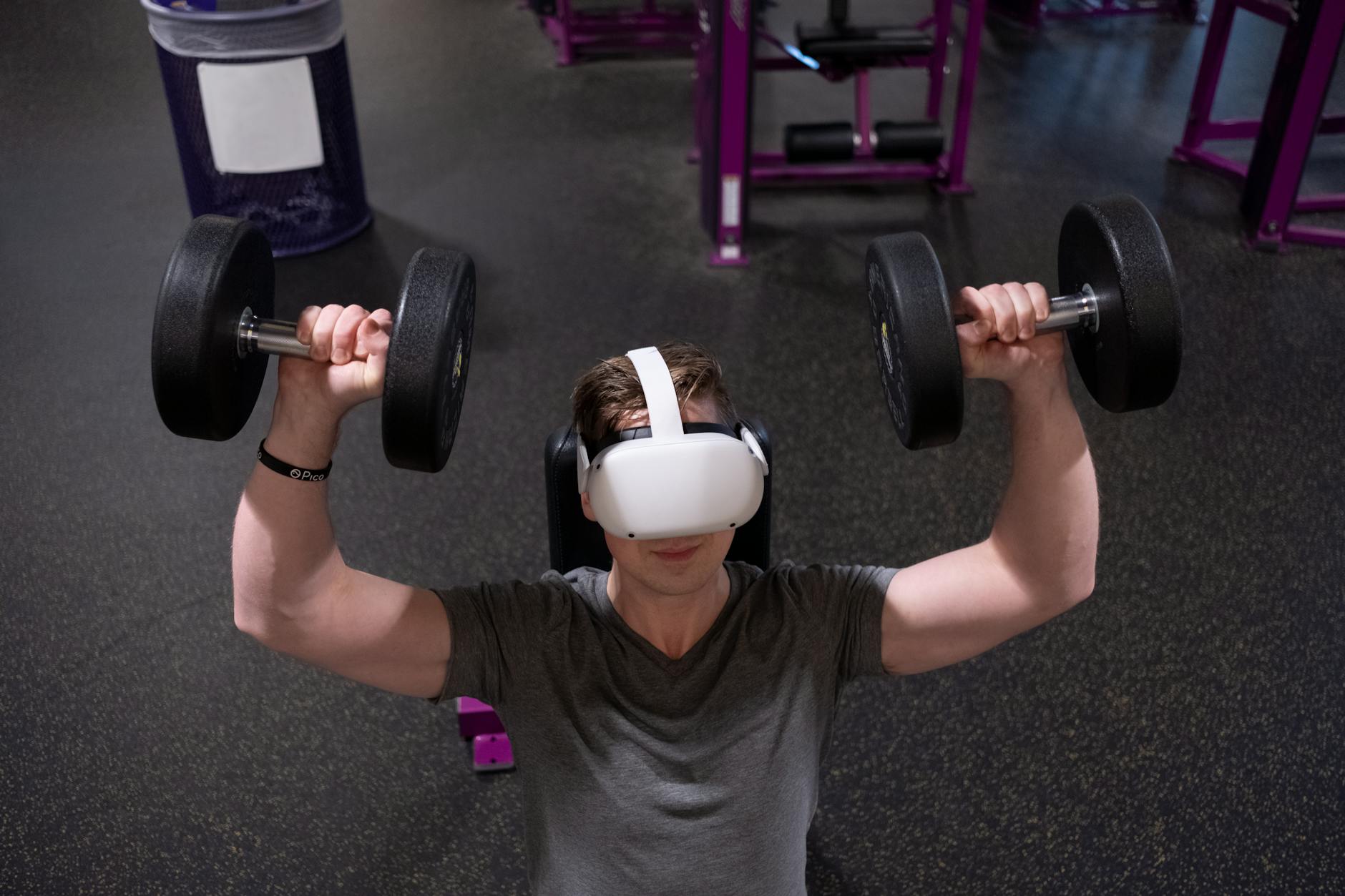
Distributing physical effort throughout the daily routine rather than confining it to a dedicated workout window is a training philosophy with deep historical roots and a growing evidence base in movement science. The concept of non-exercise activity thermogenesis and the broader research into sedentary behavior suggests that the human body performs optimally under conditions of frequent distributed movement rather than concentrated exercise followed by prolonged stillness. Taking the stairs with deliberate power, performing sets of push-ups between tasks, hanging from door frames, and walking with intentional posture all constitute genuine training stimuli when approached with consistency and intention. Blue Zone population research consistently identifies distributed daily movement rather than structured exercise as a characteristic of the longest-lived and most physically capable aging populations. This approach is controversial because it is invisible, unsexy, and impossible to photograph for social media.
Output Tracking
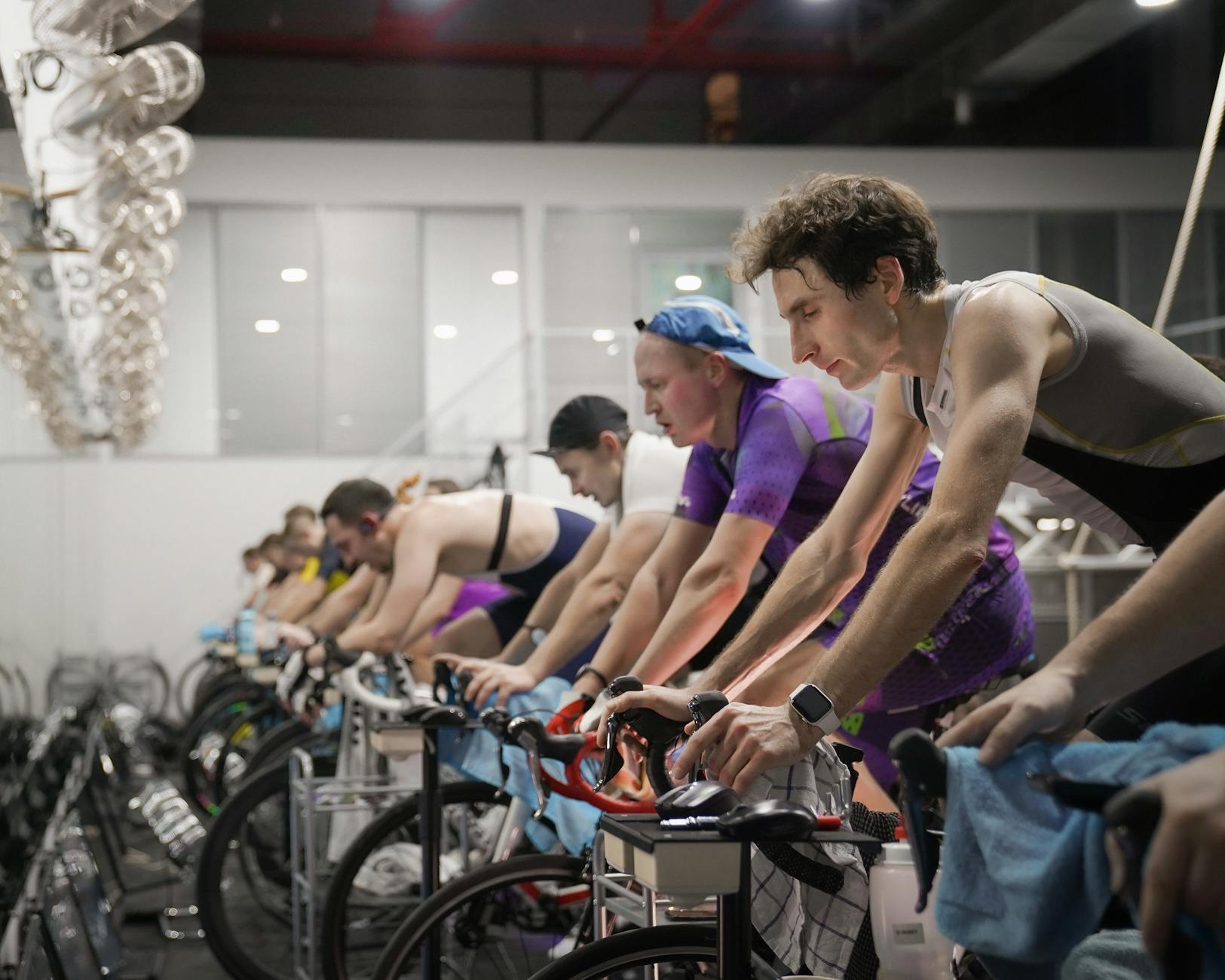
Measuring training progress through objective performance metrics rather than subjective effort perception is a discipline that separates productive training from activity that feels productive without producing measurable adaptation. Tracking maximum repetitions, time to completion, rest period duration, and movement quality benchmarks creates an accountability structure that drives progressive overload in the absence of the external feedback provided by adding weight to a bar. Without systematic tracking, bodyweight training defaults easily into comfortable repetition of familiar efforts at familiar intensities, which produces maintenance rather than development. The data does not need to be sophisticated, with a simple notebook or note-taking application providing sufficient structure for most training purposes. What matters is that performance is measured against its own history rather than against an abstract standard.
Failure Avoidance
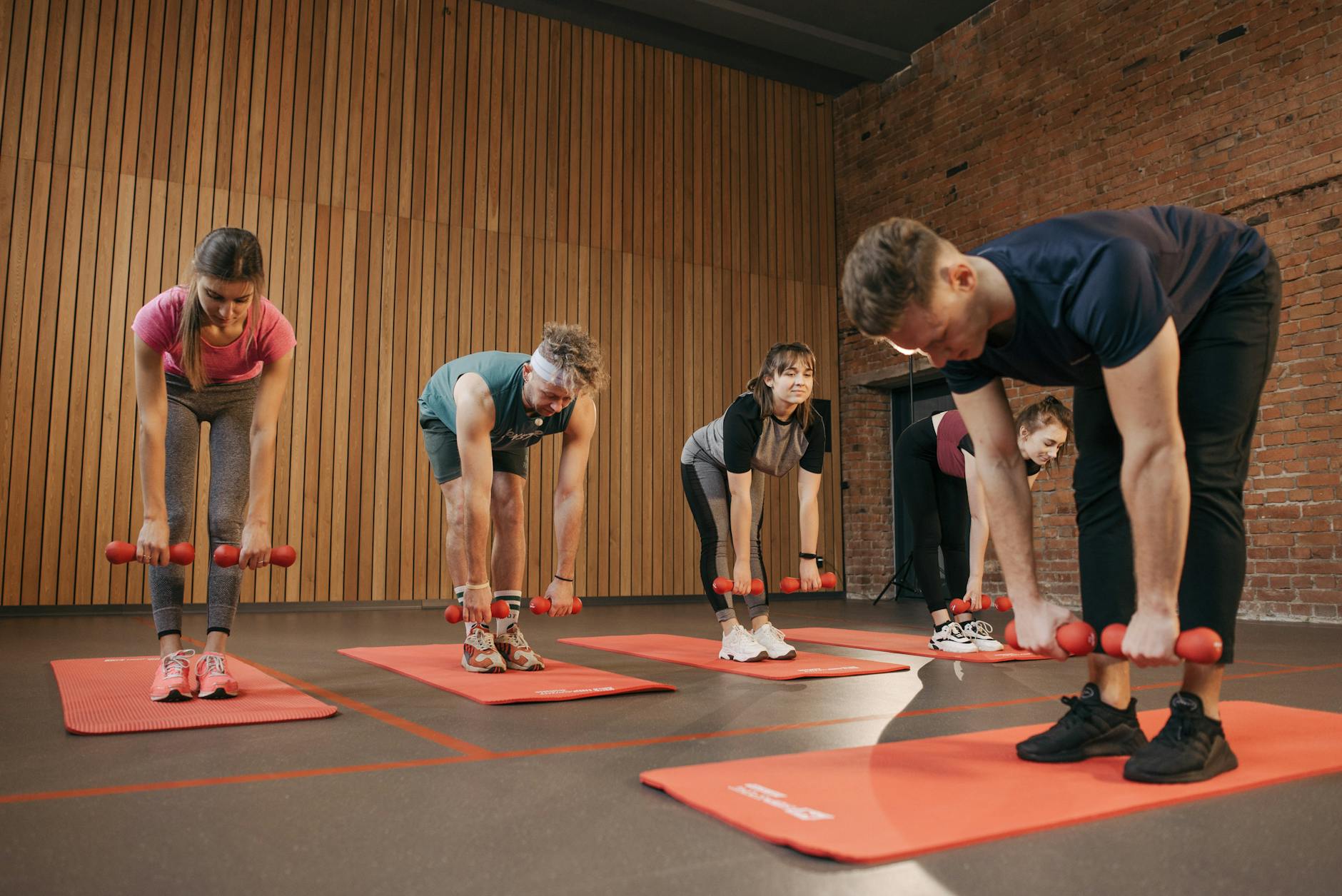
Training consistently to just below muscular failure rather than pushing to complete exhaustion on every set is a training principle that contradicts the popular cultural narrative of the all-out effort as the gold standard of serious training. Research into training to failure demonstrates that the additional repetitions performed at the edge of muscular exhaustion add disproportionate fatigue relative to their adaptive contribution, reducing the quality and quantity of training that can be performed in subsequent sessions and across subsequent days. Stopping two to three repetitions short of failure preserves the nervous system’s capacity to generate high-quality effort across multiple sets and multiple sessions, accumulating more total high-quality volume over time. Elite strength coaches across multiple disciplines structure training to manage fatigue rather than maximize it in any single session. The discomfort of leaving repetitions in reserve is psychological rather than physiological, which makes it one of the most difficult training principles to adopt despite being one of the most evidence-supported.
If these training principles challenge what you thought you knew about building strength, share your experiences and questions in the comments.