Visiting a newborn is a joyous occasion that requires significant sensitivity toward the recovering parents and the fragile infant. Friends and family members often feel eager to meet the new addition but may unintentionally cross boundaries that cause stress. Understanding proper etiquette ensures the safety of the baby and supports the mental well-being of the parents. This guide outlines essential behaviors to avoid so your visit remains a helpful and positive experience for everyone involved.
Kissing the Baby

Newborns have underdeveloped immune systems that make them highly susceptible to viruses and bacteria. A simple cold sore virus from an adult can cause life-threatening complications for an infant. Medical professionals strongly advise against kissing a baby on the face or hands during the first few months. Visitors must keep their lips away from the baby to prevent the spread of germs.
Arriving Unannounced

New parents operate on a grueling daily schedule involving frequent feeding and diaper changes. Showing up at the front door without a scheduled time creates unnecessary stress for the exhausted family. You must text or call ahead to ensure the parents are up for company before heading over. Respecting their time boundary ensures the visit is a blessing rather than a burden.
Visiting While Sick

Even a minor sniffle or scratchy throat can pose a serious threat to a newborn baby. You should stay home if you feel even slightly unwell or have been exposed to illness recently. Parents will appreciate your caution and honesty more than your presence during a time of recovery. Reschedule the visit for when you are fully healthy to protect the infant’s health.
Wearing Strong Perfume or Cologne

Infants have sensitive respiratory systems that can be easily irritated by strong synthetic fragrances. Heavy scents can cause allergic reactions or respiratory distress in very young children. It is best to arrive with a neutral scent and freshly washed clothes. Avoiding perfumes ensures the baby stays comfortable and can bond with the natural scent of their parents.
Touching the Baby Without Washing Hands

Our hands carry thousands of invisible germs from door handles and mobile phones. The very first thing you must do upon entering the home is wash your hands thoroughly with warm soap and water. Parents notice this simple act of hygiene and it puts them at ease immediately. Skipping this step is a major breach of newborn safety etiquette.
Overstaying Your Welcome

Newborns and their parents need substantial amounts of rest to recover from birth and sleepless nights. A typical visit should last no longer than forty-five minutes to an hour unless you are specifically asked to stay longer. Keeping the visit short prevents the parents from feeling the need to entertain you while exhausted. Watch for signs of fatigue and excuse yourself promptly.
Waking a Sleeping Baby

The phrase never wake a sleeping baby exists for a practical reason. Newborns need massive amounts of sleep for brain development and physical growth. Waking an infant just so you can hold them disrupts their schedule and can lead to a cranky baby later. You should admire the baby from afar if they are resting peacefully.
Expecting to Be Hosted

New parents do not have the energy to prepare coffee or serve snacks to guests. You should never arrive expecting food or beverages to be provided for you. It is actually polite to bring food for the parents or a coffee for yourself. This reverses the hosting dynamic and provides much needed support to the family.
Bringing Uninvited Guests

The parents have likely agreed to see you specifically and not a larger group of people. Bringing along a partner or friend without clearing it first can overwhelm the new mother. Small homes can feel crowded quickly when extra people occupy the space. Always ask permission before adding anyone else to your visiting party.
Taking Photos Without Permission
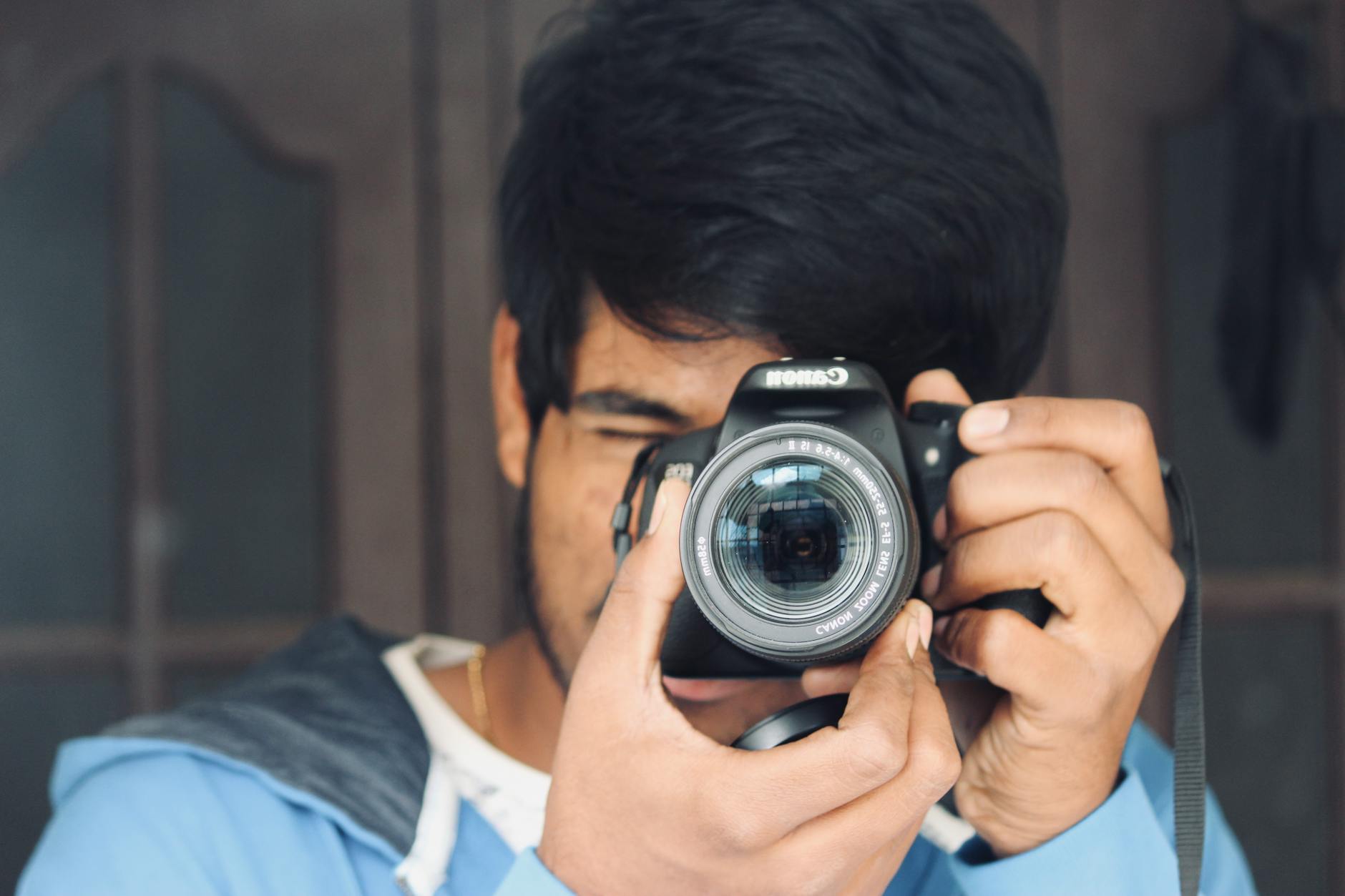
Privacy is a major concern for many modern parents regarding their children. You should always ask clearly before snapping any pictures of the infant or the parents. Some families prefer to keep their child’s face off of camera rolls that are not their own. Respecting this boundary establishes trust between you and the family.
Posting on Social Media

Sharing images of a minor on the internet is a decision that belongs solely to the parents. You must never post photos of the newborn on Facebook or Instagram without explicit consent. Even if you have permission to take a photo it does not imply permission to publish it. Always check specifically if they are comfortable with online sharing.
Offering Unsolicited Advice
New parents are often inundated with conflicting information and are trying to find their own way. Telling them how to feed or swaddle their baby can come across as critical rather than helpful. It is best to offer support and encouragement rather than critiques of their methods. Keep your opinions to yourself unless the parents specifically ask for your input.
Commenting on the Mother’s Appearance

A woman’s body goes through immense changes during pregnancy and childbirth. Comments about weight or how tired she looks are hurtful and unnecessary. You should focus on telling her she is doing a great job or that she looks happy. Positive reinforcement helps build confidence during a vulnerable postpartum period.
Hovering During Feeding

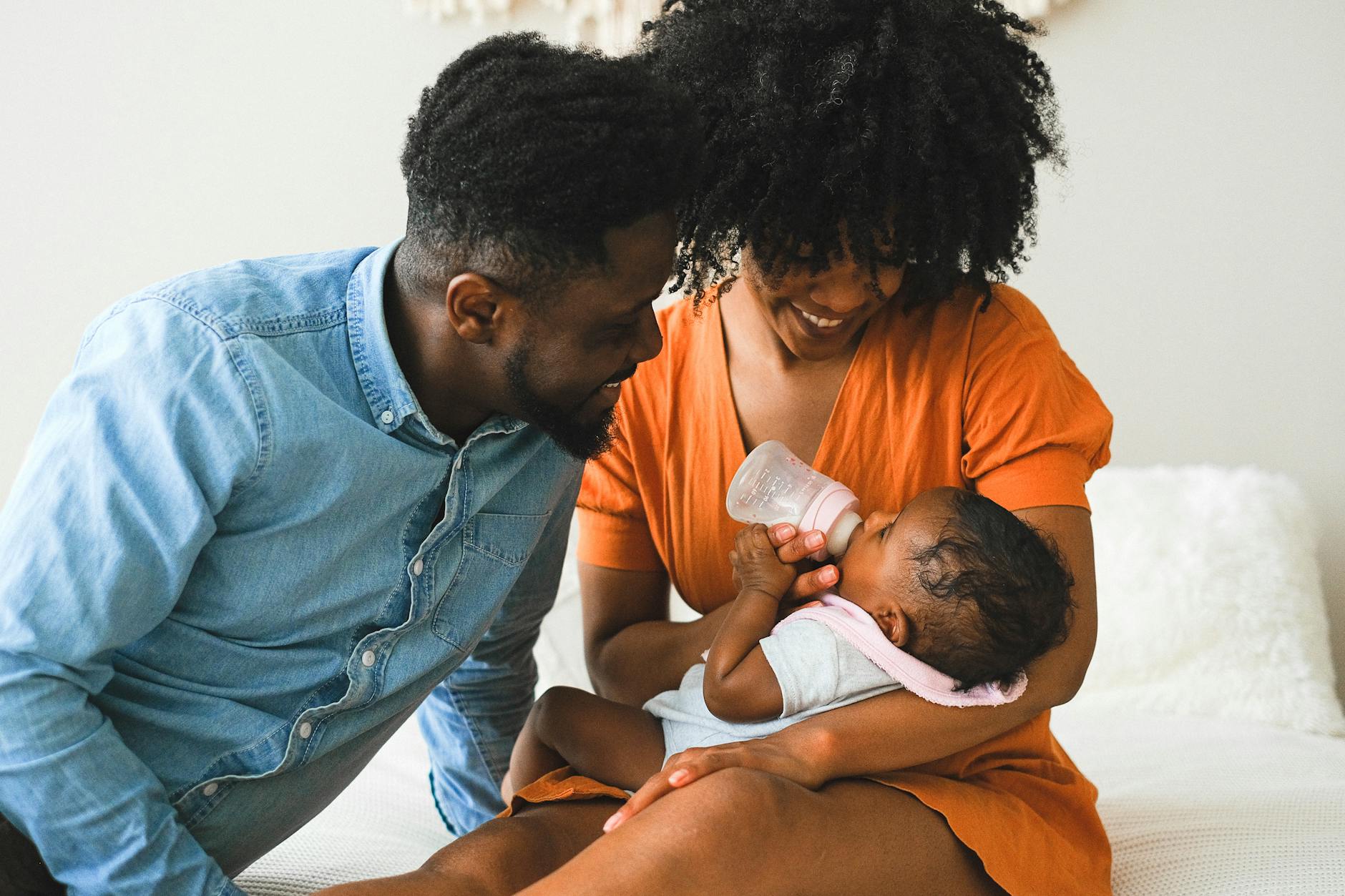
Feeding a newborn can be a difficult and intimate process for both breast and bottle-feeding parents. Staring or staying in the room without offering privacy can make the mother feel self-conscious. It is polite to offer to leave the room or turn your attention elsewhere during feeding times. This gives the parent and child the space they need to focus.
Bringing Your Own Young Children

Toddlers and young children are often carriers of germs from schools and playgrounds. They are also naturally loud and unpredictable which can disrupt the calm environment a newborn needs. Unless the parents have specifically invited your children it is best to leave them with a sitter. This allows for a quieter and safer visit for the infant.
Expecting a Tidy House

The priority for new parents is caring for their child rather than maintaining a spotless home. You should ignore piles of laundry or unwashed dishes in the sink without judgment. Commenting on the mess adds guilt to parents who are already stretched thin. A truly helpful visitor might even offer to wash a few dishes before leaving.
Smoking Before Entering
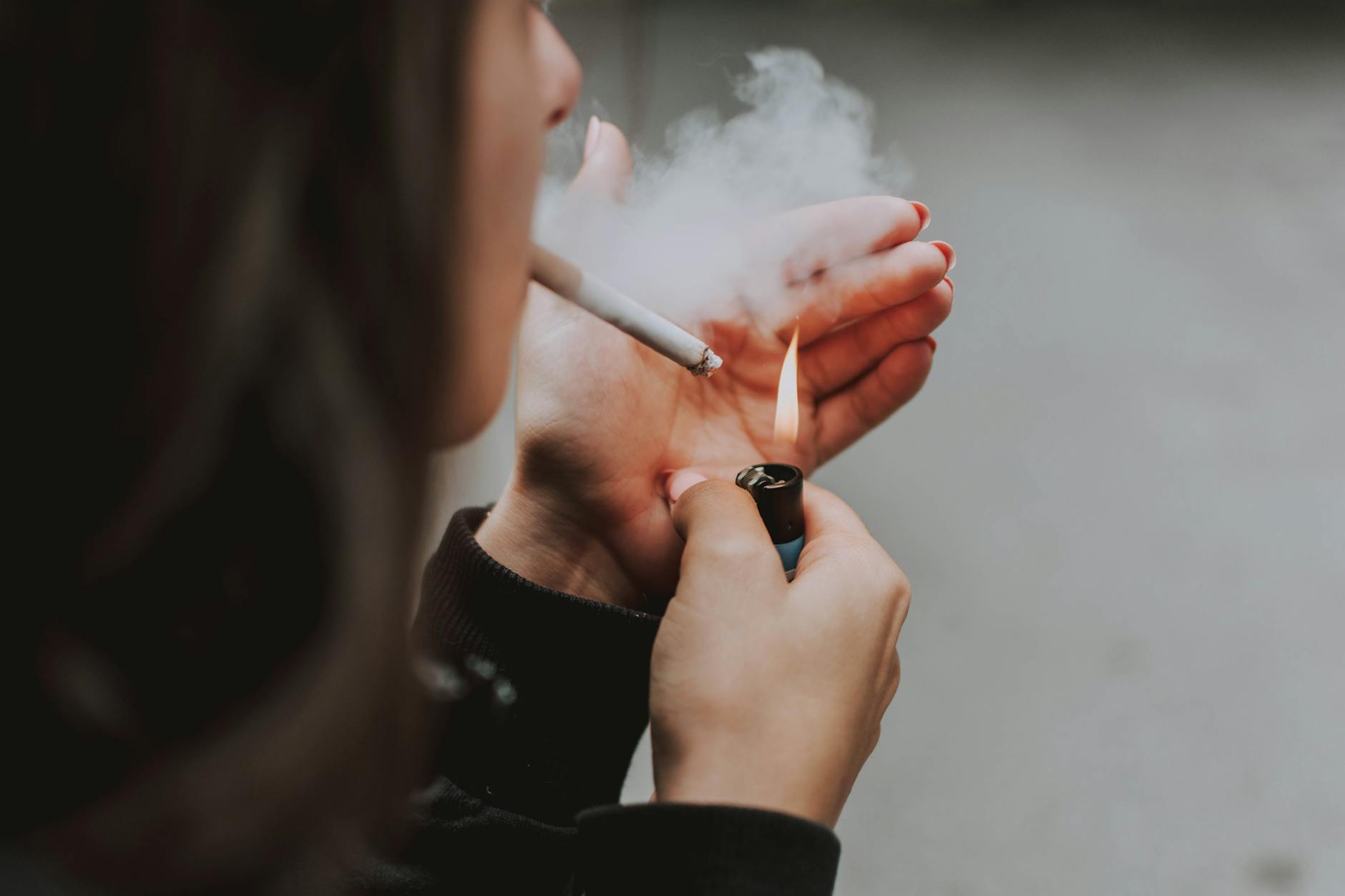
Third-hand smoke clings to hair, skin, and clothing long after a cigarette is finished. Exposure to these toxins is dangerous for a newborn’s developing lungs and overall health. Smokers should shower and change into fresh clothes before visiting a newborn. Never smoke immediately before entering the home or holding the baby.
Ignoring Cues to Leave

Parents are often too polite to ask a guest to leave even when they are desperate for sleep. You must pay close attention to body language such as yawning or checking the clock. If the baby starts crying or the parents look distracted it is time to say goodbye. Initiating your own departure takes the burden off the hosts.
Snatching the Baby

Walking in and immediately taking the baby from the parent’s arms is invasive. You should wait for the parent to offer to let you hold the infant. The baby feels safest with their parents and may not want to be passed around. Always ask gently if it is a good time to hold the baby before reaching out.
Making Loud Noises

Newborns have a startle reflex that can be triggered by sudden loud sounds. Shouting in excitement or having a loud ringtone can frighten the baby and cause tears. You should speak in soft tones and keep your phone on silent mode during the visit. A calm atmosphere helps the baby stay relaxed and asleep.
Criticizing the Baby’s Name

Once a name is on the birth certificate it is permanent and meaningful to the parents. Making jokes or questioning the spelling of the name is rude and hurtful. You should simply say the name is lovely and suits the baby perfectly. Acceptance of their choice shows respect for their parental authority.
Leaving a Mess Behind
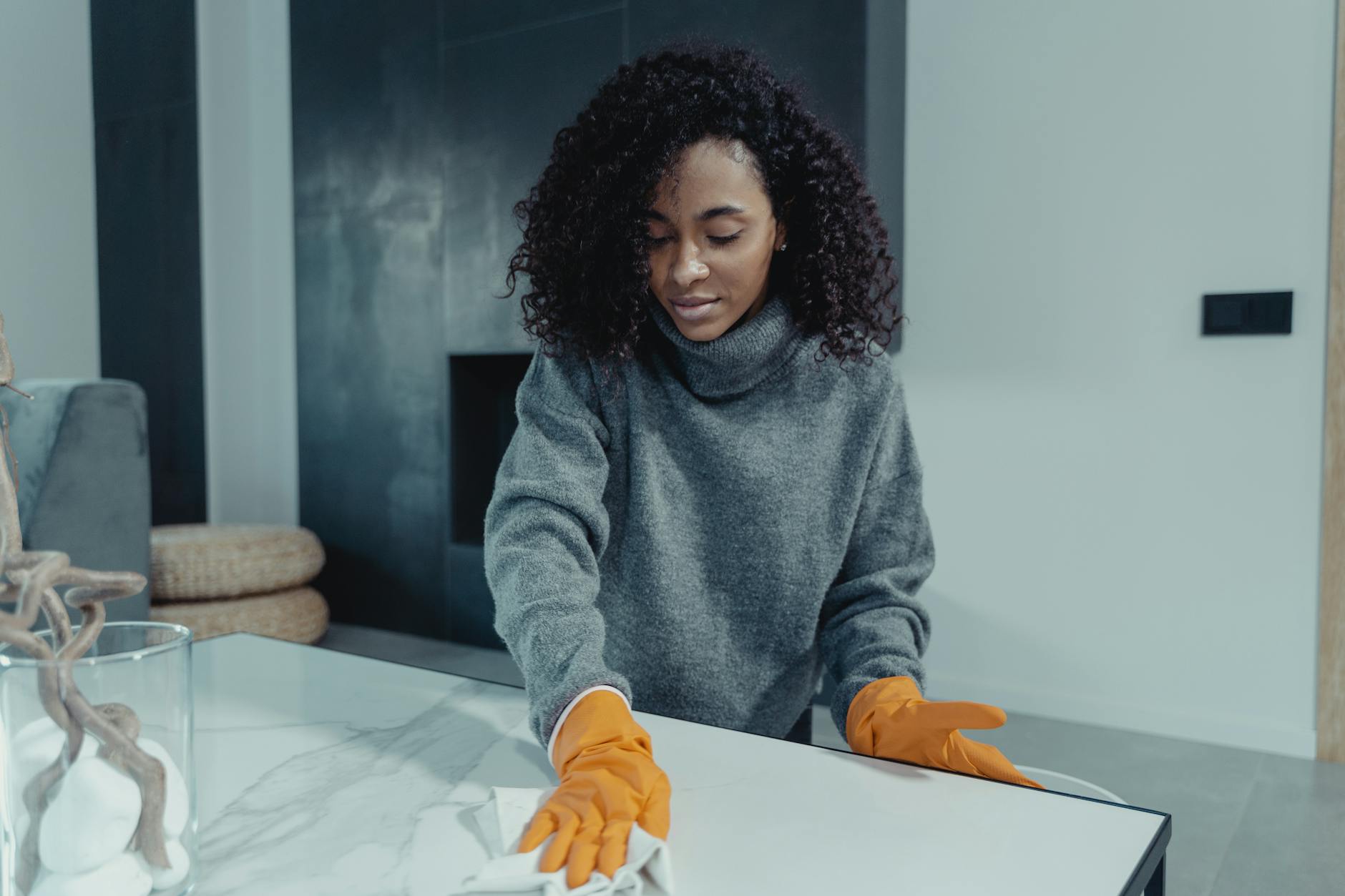
New parents have zero extra energy to clean up after guests. You must clear away your own water glasses or trash before you walk out the door. Leaving a tidy space behind is a small act of kindness that makes a big difference. Ensure you leave the room exactly as you found it.
Skipping the Tdap Vaccine

Whooping cough is a highly contagious respiratory tract infection that can be fatal for infants. The CDC recommends that anyone who will be around a newborn receive the Tdap vaccine at least two weeks prior. Visiting without this protection puts the baby at unnecessary risk. You should verify your vaccination status with a doctor before scheduling a visit.
Asking Invasive Medical Questions

Details regarding the birth or the mother’s physical recovery are private medical matters. Asking specific questions about tearing or stitches can make the mother feel exposed and uncomfortable. Let the parents volunteer whatever information they wish to share. Polite conversation focuses on the baby’s well-being rather than medical specifics.
Touching the Baby’s Face or Hands
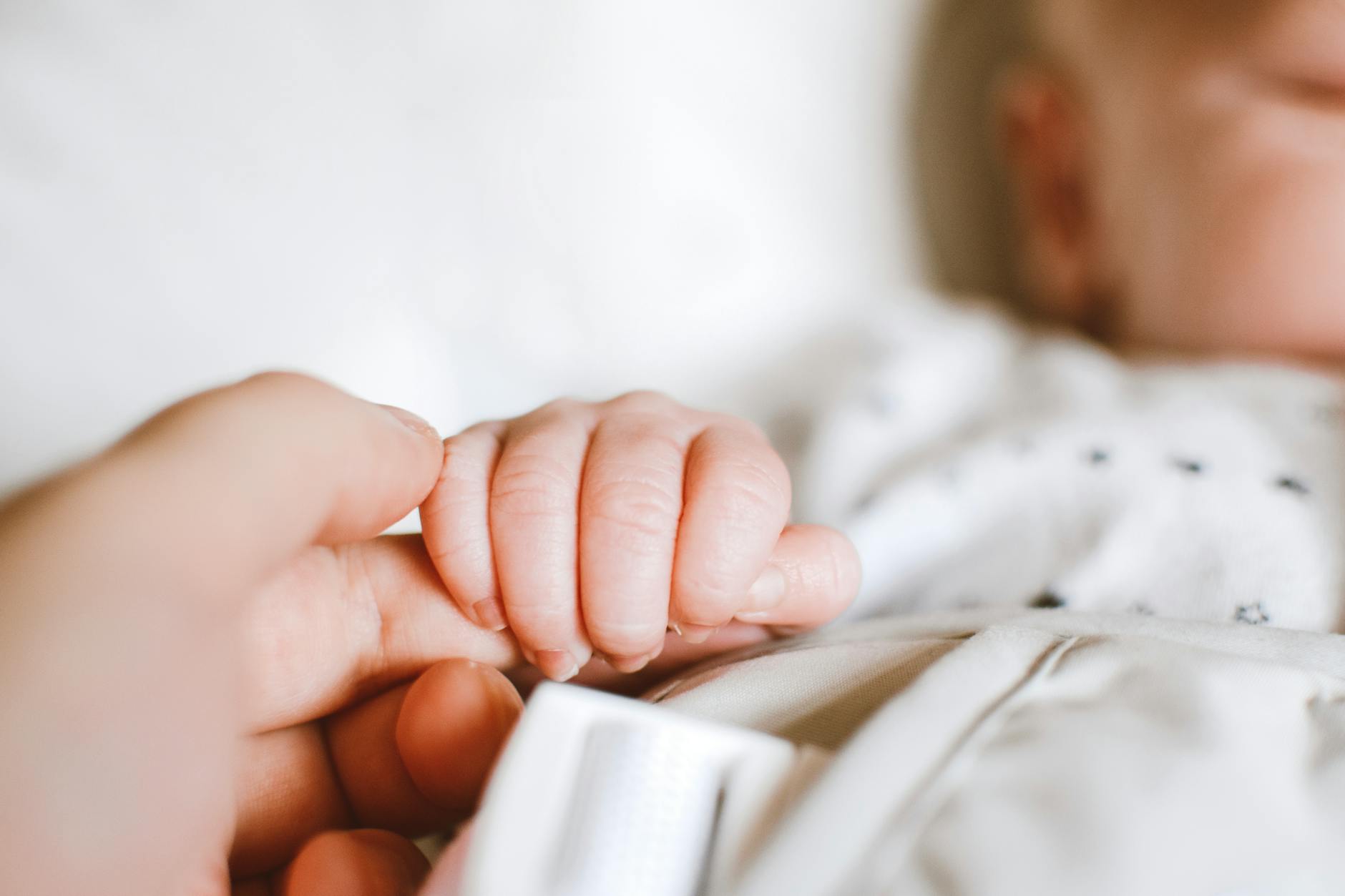
Even with washed hands it is safer to touch only the baby’s feet or covered tummy. Babies constantly put their hands in their mouths which creates a direct pathway for germs. Touching their face risks transferring bacteria near their eyes and nose. Sticking to their feet is a universally accepted safe way to interact physically.
Please share your own experiences or additional tips for visiting new parents in the comments.




