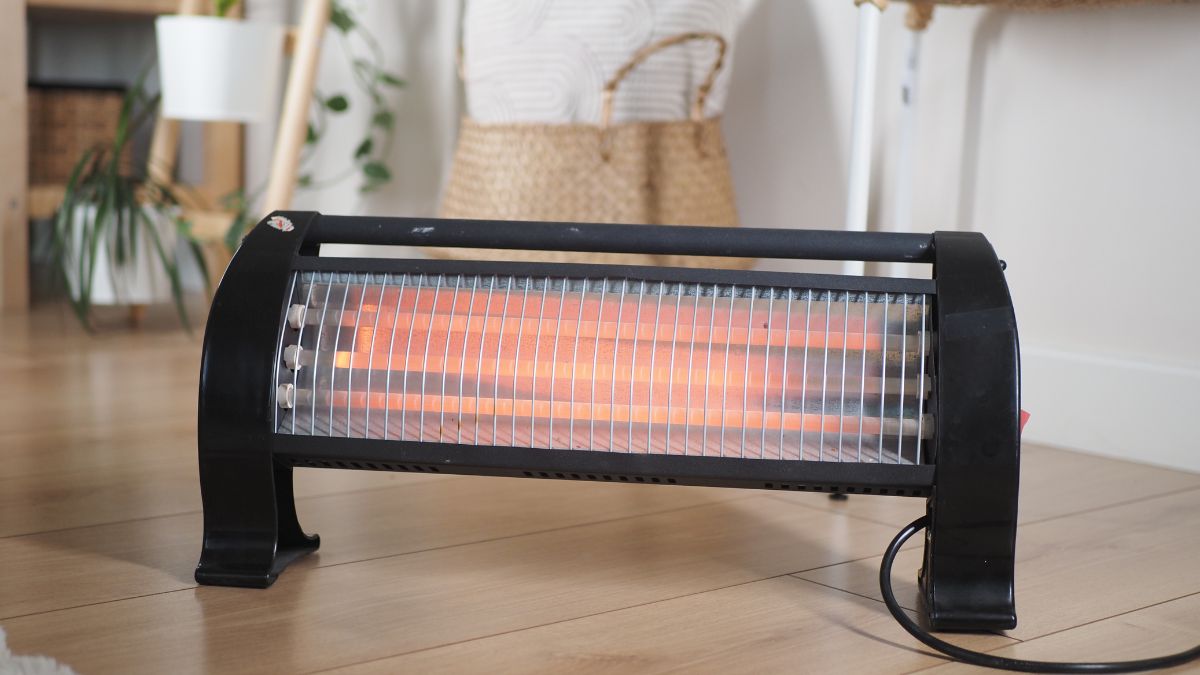
Space heaters are among the most common household appliances and also among the most frequently misused. Each year thousands of residential fires are traced back to a single portable heating unit that was placed, operated or maintained incorrectly. The danger is not always dramatic or obvious and that is precisely what makes it so serious. Many of the behaviors that lead to fires feel routine or harmless until the moment they are not. Understanding the specific actions that create ignition risk is the most effective way to protect a home and everyone in it.
Extension Cords
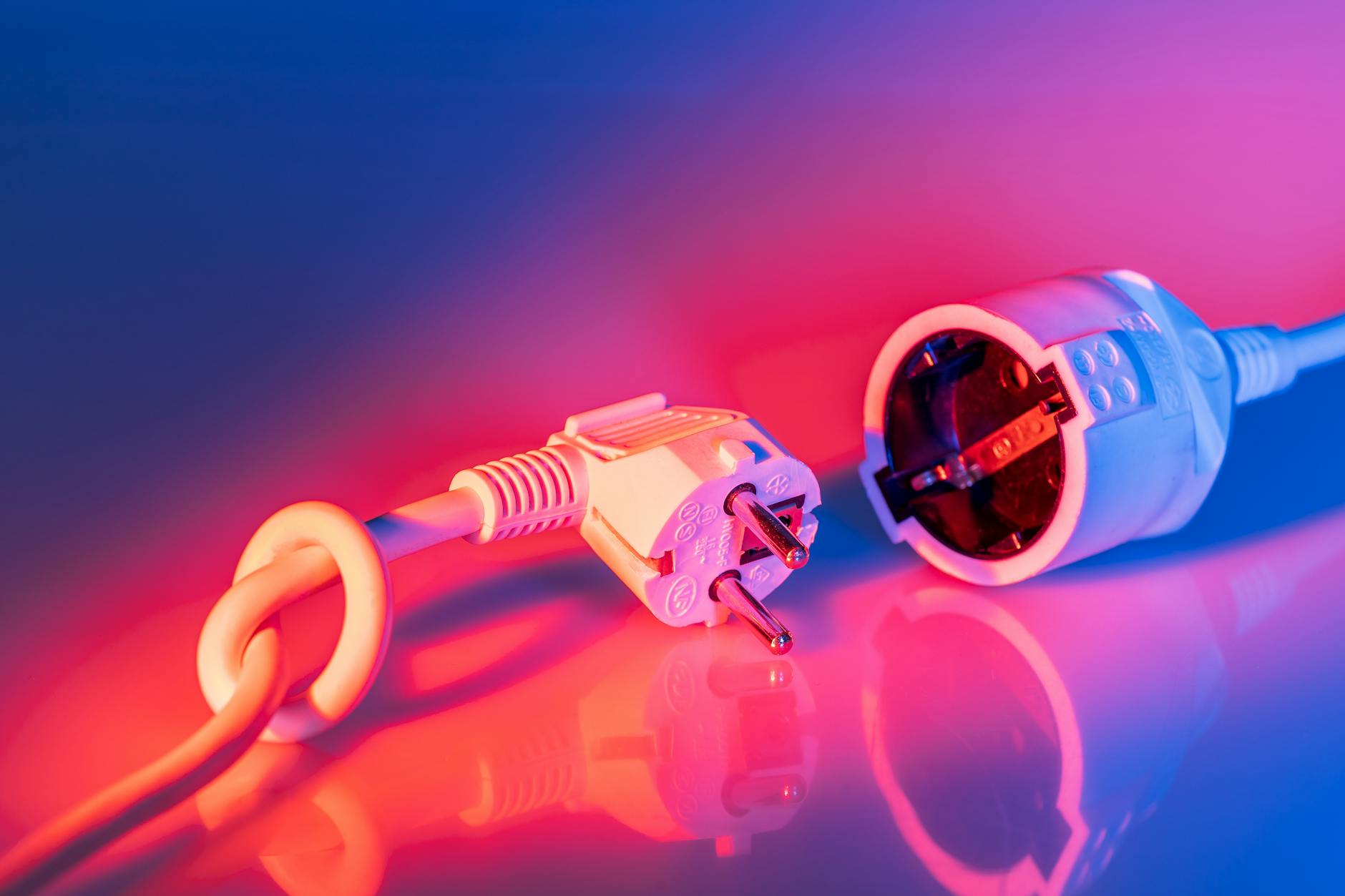
Plugging a space heater into an extension cord is one of the most widespread and dangerous habits in residential heating. Extension cords are not designed to handle the sustained high electrical draw that space heaters require during continuous operation. The cord can overheat along its entire length and ignite surrounding materials before any visible warning sign appears. This risk applies to heavy-duty extension cords as well as standard ones and is not eliminated by the cord’s age or brand. Space heaters should always be plugged directly into a wall outlet rated for their power requirements.
Outlet Overloading
Connecting a space heater to a power strip or surge protector alongside other appliances creates an immediate overload risk. Power strips are designed for low-draw electronics and cannot safely sustain the electrical demands of a heating element running at full capacity. The strip itself can melt, arc or ignite within the wall without producing obvious external warning signs in the early stages. Many residential fires begin inside the wall cavity where an overloaded connection has been smoldering undetected. A space heater should always operate as the sole device on any outlet it uses.
Curtain Proximity

Positioning a space heater near floor-length curtains or drapes creates a direct pathway for ignition. Fabric materials can catch fire at relatively low temperatures and curtains frequently shift position due to air movement from vents or open windows. A curtain that brushes against or falls across a heater coil or ceramic element can ignite within seconds. This risk is amplified in older homes where curtains hang close to baseboard outlets and floor-level heating units. A minimum clearance of three feet is the standard safety recommendation between any space heater and fabric window treatments.
Unattended Operation
Leaving a space heater running in a room without anyone present is one of the leading behavioral causes of heater-related fires. Most residential fires involving space heaters occur overnight or during periods when occupants are asleep or absent. Without a person present to observe early warning signs such as burning smells or unusual sounds a small problem can escalate rapidly. Many modern space heaters include automatic shutoff features but these are not a substitute for human oversight. The safest practice is to turn off any space heater before leaving the room or going to sleep.
Bathroom Use

Operating a space heater in a bathroom exposes the unit to moisture levels it is not designed to handle unless it carries a specific bathroom-safe rating. Steam and humidity can infiltrate the heating element and internal components creating short circuit conditions and ignition risk. Water and electricity interact dangerously even in small quantities and bathroom environments concentrate both simultaneously. Many people bring standard room heaters into bathrooms during cold months without checking whether the unit is moisture-rated. Only heaters with an appropriate ingress protection rating should ever be used in bathrooms or any other high-humidity space.
Carpet Placement

Setting a space heater directly on carpet or thick rugs creates a combination of heat accumulation and fuel proximity that significantly raises fire risk. Carpet fibers can restrict airflow to the base of the unit and cause internal temperatures to rise beyond safe operating thresholds. Some carpets will begin to scorch before any flame appears giving the false impression that the situation is manageable. The heating element’s radiant output directed downward onto synthetic carpet materials can trigger ignition with sustained exposure. Space heaters should always be placed on hard flat non-flammable surfaces such as tile or hardwood.
Clothing Drying
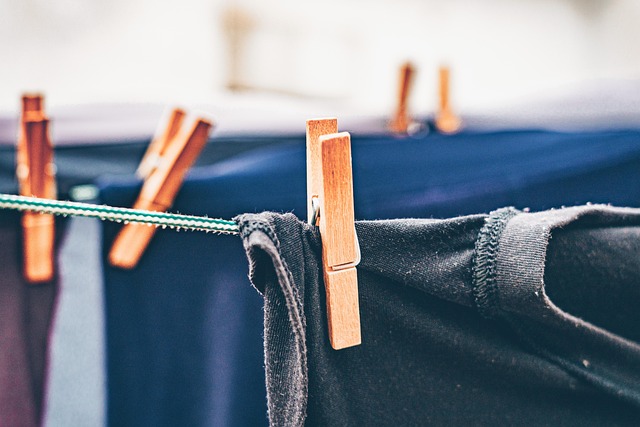
Using a space heater as an improvised drying rack for wet clothing is an extremely common and hazardous practice. Garments placed over or draped near a heater can reach ignition temperature quickly especially synthetic fabrics that melt before they visibly burn. The habit often develops during winter months when outdoor drying is impractical and indoor radiators are insufficient. Clothing can shift or fall onto the heating element without warning particularly when placed loosely on surrounding furniture. This combination of proximity, fabric type and heat intensity creates one of the most rapid ignition scenarios associated with portable heaters.
Child Bedrooms

Placing an unsupervised space heater in a child’s bedroom introduces risks that compound the standard fire hazard with behavioral unpredictability. Children may place toys, blankets or clothing near the unit without understanding the danger. A child who wakes during the night may interact with the heater in ways that an adult would not. The enclosed environment of a bedroom also allows heat to accumulate more rapidly than in open living spaces. If supplemental heating is necessary in a child’s room it should involve a unit with full protective casing, cool-touch exterior surfaces and an automatic shutoff function.
Flammable Liquids
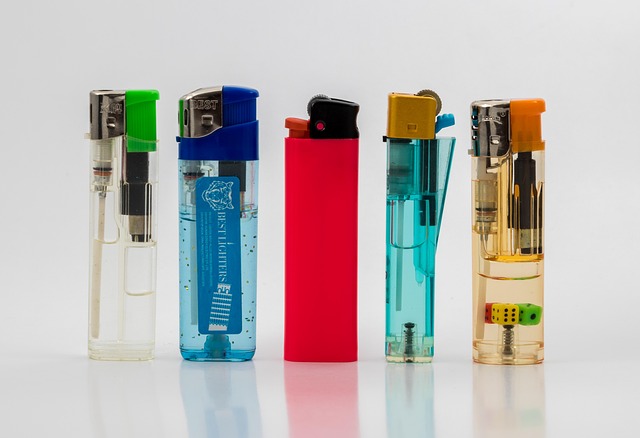
Storing or using flammable liquids such as cleaning products, paint thinner or aerosol sprays in the vicinity of an operating space heater creates explosive ignition potential. Many flammable liquids produce vapors that travel along floor level and can reach an ignition source several feet away from where the liquid is stored. This risk is particularly acute in garages, workshops and utility rooms where both heaters and flammable materials are commonly present. A single spark from a faulty heating element is sufficient to ignite concentrated vapors. Flammable materials must always be stored in sealed containers in a separate location from any heat-producing appliance.
Garage Heating

Using a residential-grade space heater in a garage creates a risk environment the unit is not built to manage. Garages typically contain gasoline, oil, paint and other ignition-sensitive substances that drastically raise the ambient danger level. Dust accumulation inside a heater’s vents is also accelerated in garage environments and can cause internal combustion. The open floor space of a garage allows cords to become tripping hazards that can pull units from surfaces or damage connections. Only heaters specifically rated for garage or workshop use should be operated in these environments.
Pet Interaction

Household pets present an underappreciated ignition risk in homes with space heaters. Cats in particular are drawn to heat sources and may press against or tip over units while seeking warmth. A knocked-over heater that remains operational on a carpeted surface can begin scorching within a short period. Pet bedding placed near heaters by owners trying to keep animals warm adds combustible material to an already high-risk zone. Heaters used in homes with pets should have an anti-tip shutoff mechanism and should never be placed where animals can physically access the unit.
Heater Stacking
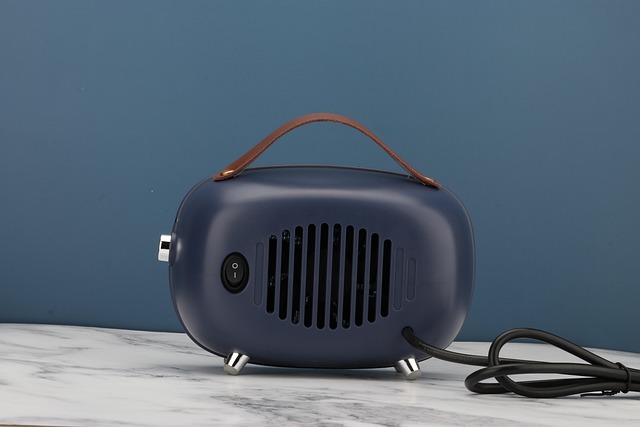
Running multiple space heaters simultaneously on the same circuit is a practice that overwhelms residential electrical infrastructure. Most home circuits are designed to manage a finite amperage load and a single large space heater often approaches that limit on its own. Operating two or more units on the same circuit causes sustained overload conditions that heat wiring inside walls to dangerous temperatures. The damage to wiring insulation that results from repeated overload can persist and create future ignition risk even after the heaters are removed. Electrical fires that originate inside walls are among the most dangerous because they are invisible until well advanced.
Old Wiring Homes
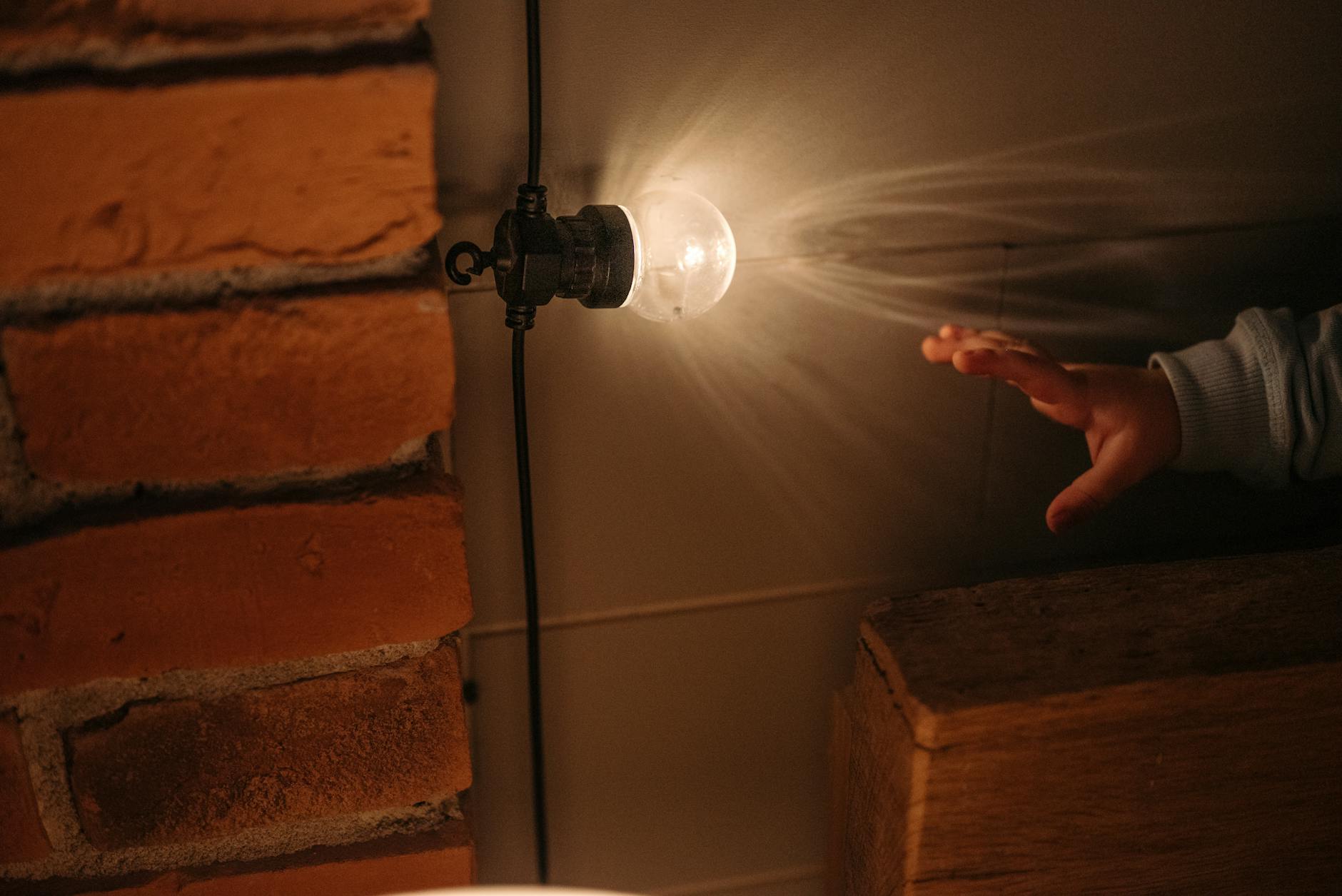
Operating high-draw appliances like space heaters in homes with aging or ungrounded electrical systems dramatically increases fire risk. Older wiring systems including knob-and-tube or aluminum wiring are not rated for the sustained load that modern space heaters produce. The connection between the heater’s plug and an older outlet can arc repeatedly before any external sign of trouble appears. Homes built before modern electrical codes were standardized may have circuits that appear functional but are structurally inadequate for contemporary heating appliances. An electrician’s assessment of a home’s wiring capacity is a necessary step before regularly using portable heating in older structures.
Blocked Vents
Placing objects in front of or on top of a space heater’s intake and exhaust vents prevents the airflow the unit needs to regulate its internal temperature. When a heater cannot dissipate heat properly its internal components reach temperatures that exceed safe operating ranges. This thermal overload can damage the unit’s safety mechanisms including its thermostat and automatic cutoff features. Furniture, books, decorative items and storage boxes are commonly positioned against heaters without awareness of the ventilation requirement. Adequate clearance on all sides of a space heater is not optional and is a fundamental safety condition for operation.
Sleeping With Heaters
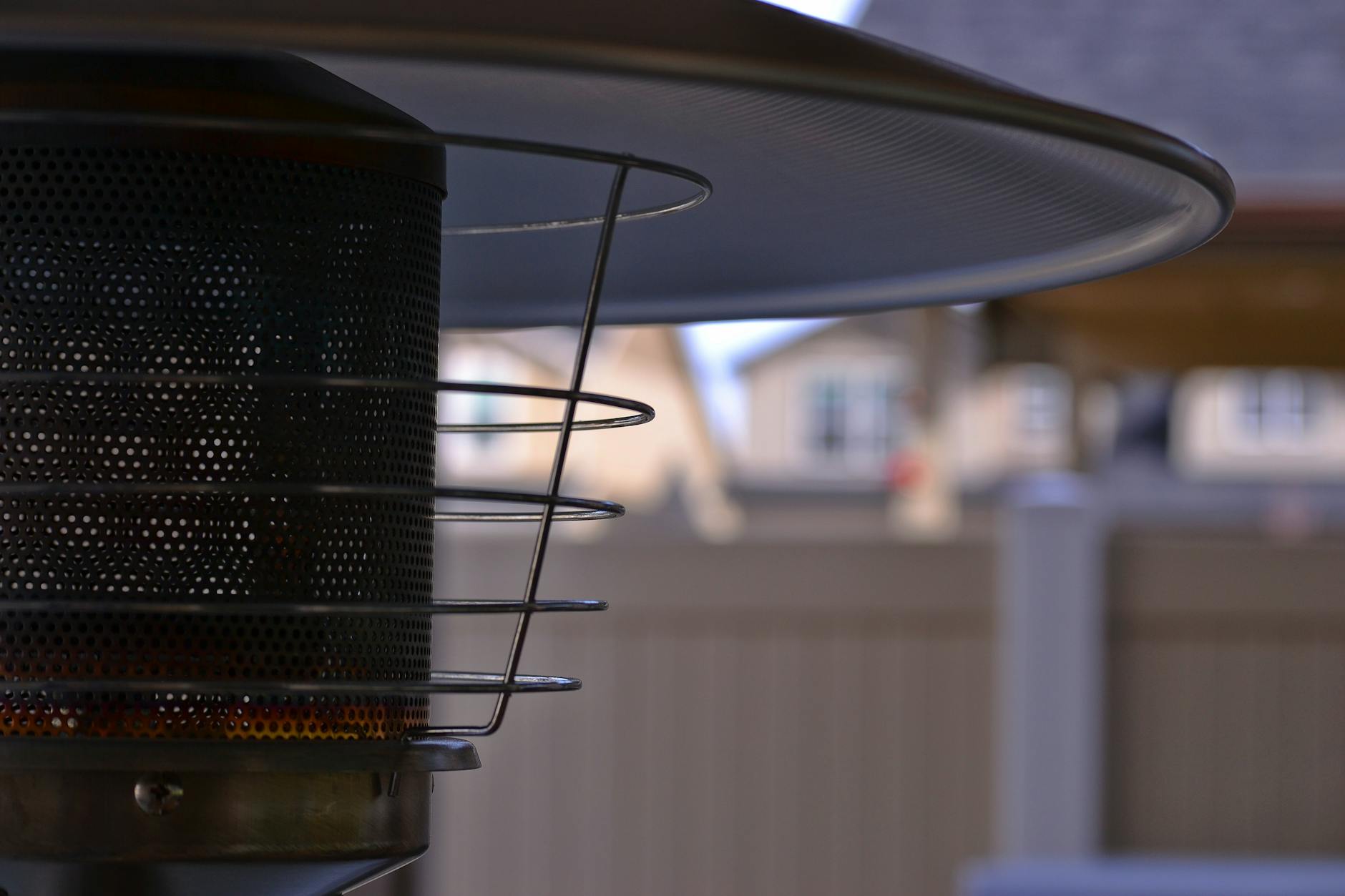
Falling asleep with a space heater running at full power is a behavior associated with a disproportionate number of fatal residential fires. Sleep removes the human capacity to respond to early fire indicators such as smell, sound or visible smoke. Nighttime conditions in a bedroom create exactly the combination of unattended operation, enclosed space and abundant soft furnishings that accelerates fire spread. Even heaters with timer functions can malfunction or fail to shut off as programmed. The safest approach is to warm a sleeping space before sleep begins and then turn the unit off completely before getting into bed.
Daisy Chaining
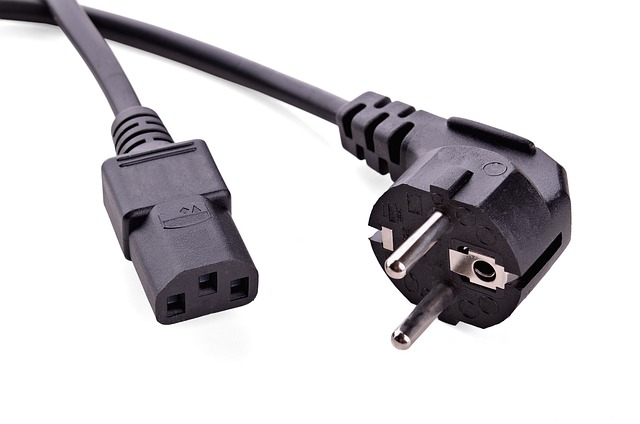
Connecting multiple extension cords together to extend a heater’s reach to an outlet is a practice that compounds electrical risk at every junction point. Each connection point in a daisy chain introduces resistance, potential arcing and heat generation independent of the cord’s rated capacity. The total load carried across multiple joined cords generates heat along the full length of the connection. This arrangement is particularly dangerous because the heat buildup occurs at floor level behind furniture where it is invisible to occupants. No space heater should ever operate at the end of a chain of connected extension cords regardless of the individual ratings of each cord.
Propane Indoors
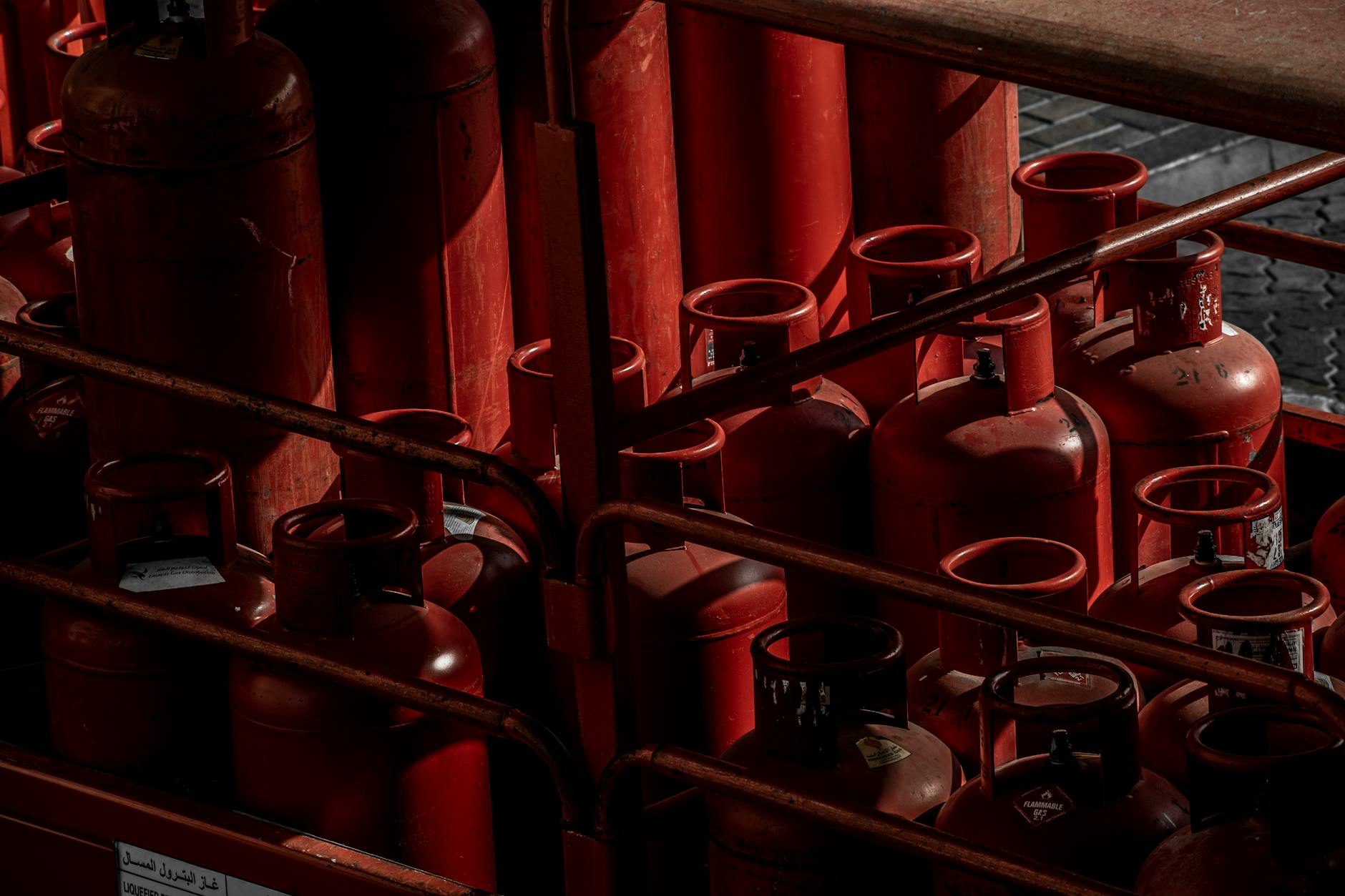
Using propane or fuel-burning heaters designed for outdoor use inside a residential space creates both fire and carbon monoxide hazards simultaneously. These units produce open flame and generate combustion byproducts that require outdoor ventilation to dissipate safely. Indoors the accumulation of carbon monoxide and the proximity of an open flame to household materials creates a compound emergency risk. Propane canisters stored indoors alongside an operating heater introduce the additional danger of canister rupture under thermal stress. Only heaters specifically designed and certified for indoor residential use should ever be operated inside enclosed living spaces.
Dusty Interiors
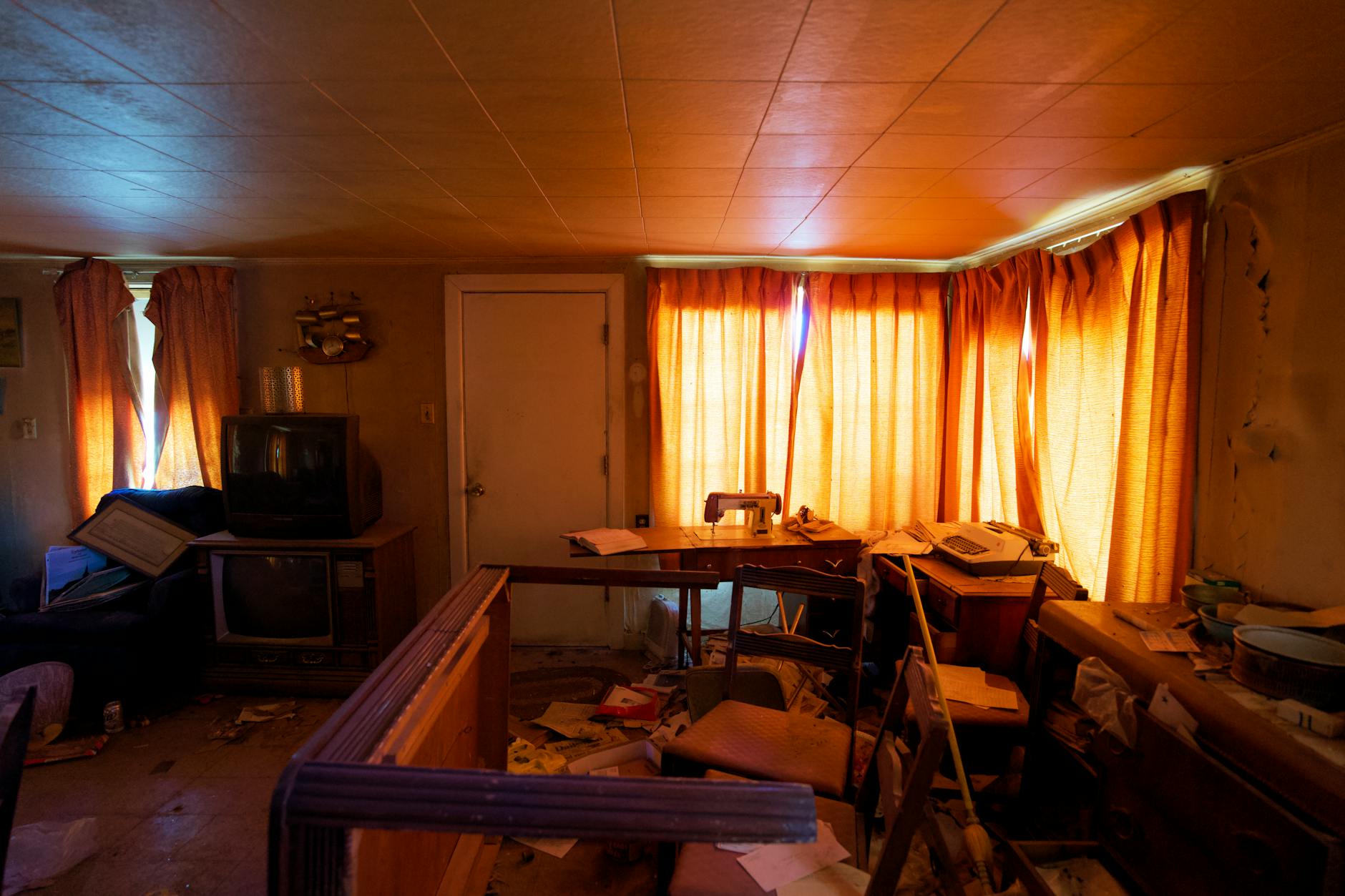
Failing to clean the interior vents and components of a space heater allows dust and fiber accumulation to build up directly on and around the heating element. Dust is combustible and when it accumulates on a hot surface it can smolder or ignite without producing immediate visible flame. This form of ignition is particularly insidious because it may begin inside the unit’s housing where it is not externally visible. Regular vacuuming of exterior vents and periodic professional inspection of internal components reduces this risk significantly. A heater that has been stored unused for a season should always be cleaned before being returned to operation.
Furniture Proximity

Placing a space heater within close range of upholstered furniture including sofas, armchairs and mattresses creates an extreme ignition scenario. Upholstered furniture contains foam padding and fabric coverings that ignite rapidly and produce toxic smoke during combustion. The radiant heat output of a space heater can warm nearby furniture surfaces to ignition temperature through sustained proximity even without direct contact. This risk is amplified when furniture has been treated with certain flame-retardant chemicals that degrade over time and reduce their effectiveness. The three-foot clearance rule applies to furniture as strictly as it does to curtains and bedding.
Timer Misuse
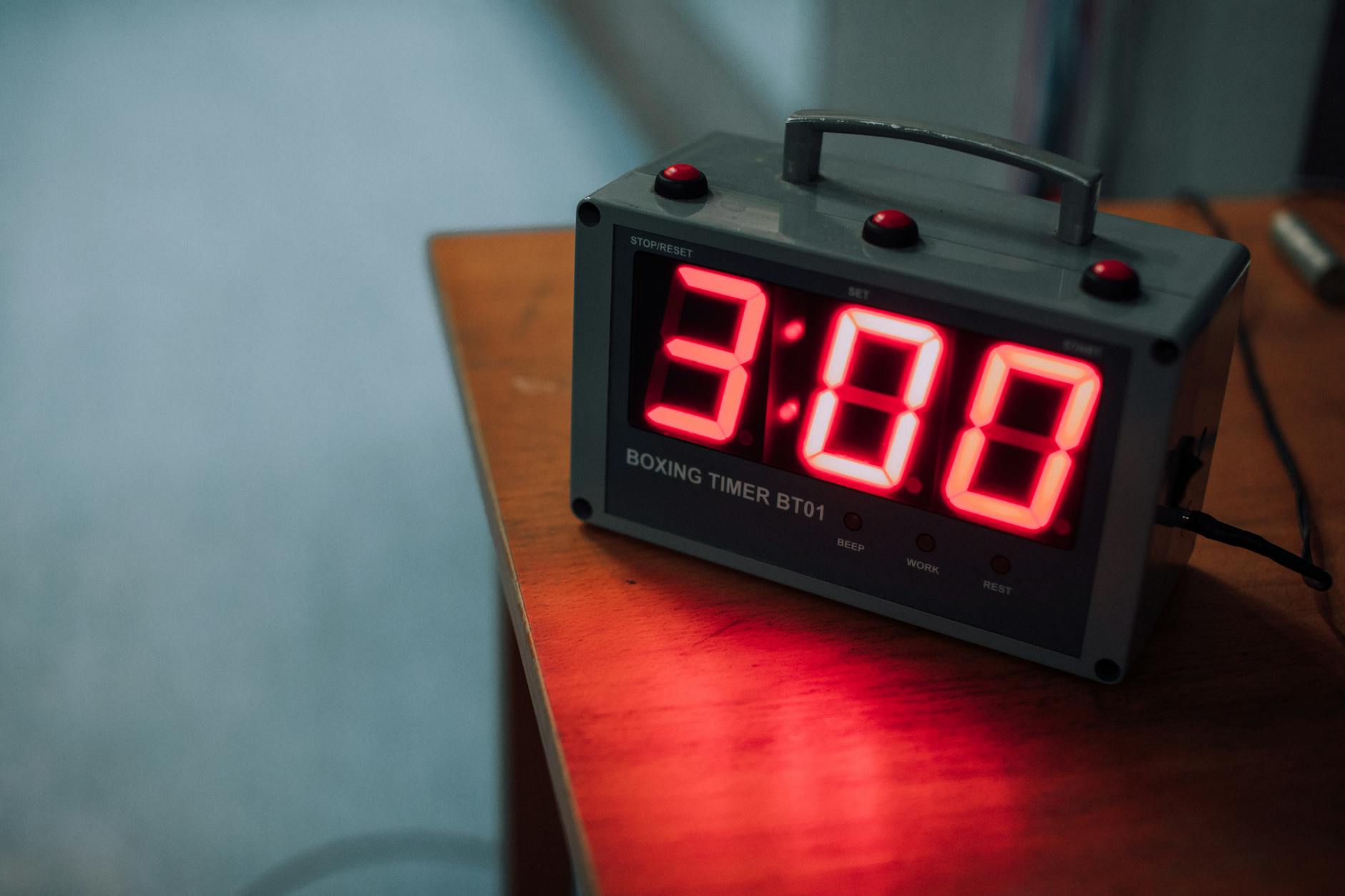
Using an external timer device to automatically turn a space heater on before waking or returning home creates a period of unattended operation that most safety guidelines explicitly warn against. The timer itself introduces an additional electrical connection point that can arc or fail. A heater that activates in an unoccupied room has no human oversight during the period when a malfunction is most likely to go undetected. Some heaters are incompatible with timer devices and the interaction between the two can cause irregular power cycling that stresses the unit’s internal components. Space heaters should be activated manually by a present and alert occupant.
Cord Damage
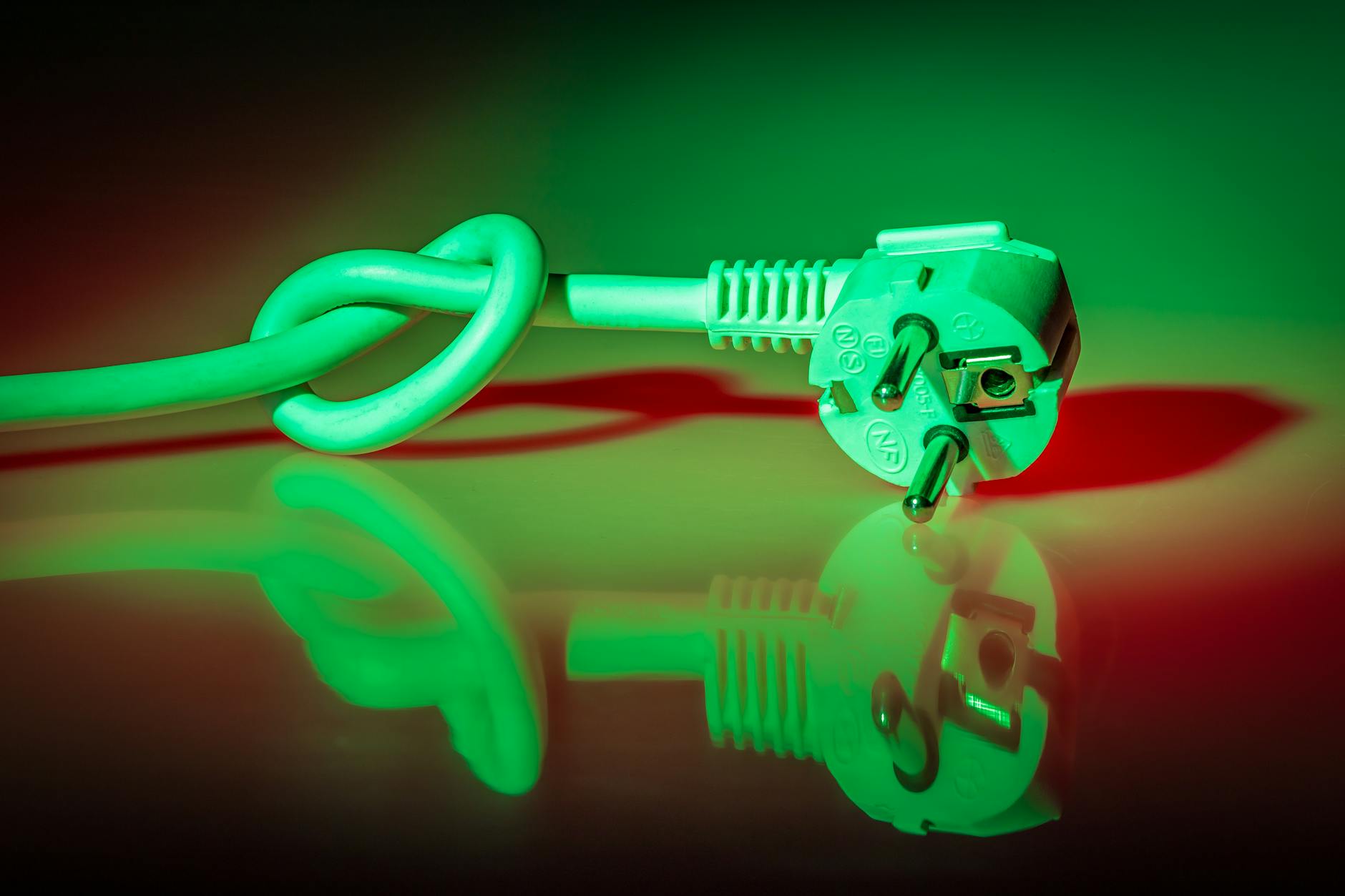
Continuing to use a space heater with a frayed, kinked or visibly damaged power cord is a direct ignition risk that many people underestimate. Cord damage exposes conductive wiring that can arc against nearby materials or create ground faults that generate intense localized heat. A cord that has been pinched under furniture legs or run through doorways over time develops internal wire damage that may not be visible from the outside. The connection point between the cord and the heater body is particularly susceptible to internal fraying from repeated bending. Any space heater with cord damage of any kind should be taken out of service immediately and replaced rather than repaired.
Kerosene Misuse

Using the wrong type of fuel or an impure fuel grade in kerosene heaters is a source of both fire and toxic fume exposure. Only highly refined kerosene rated specifically for indoor heater use should be used and even then only in units designed for it. Substituting similar-looking fuels such as diesel or camp fuel creates combustion conditions the unit is not designed to manage. Overfilling a kerosene heater’s reservoir beyond its marked capacity allows fuel to contact heated components during the thermal expansion that occurs with operation. Fuel-based indoor heaters require a level of operational precision that many casual users do not apply consistently.
Recall Ignorance
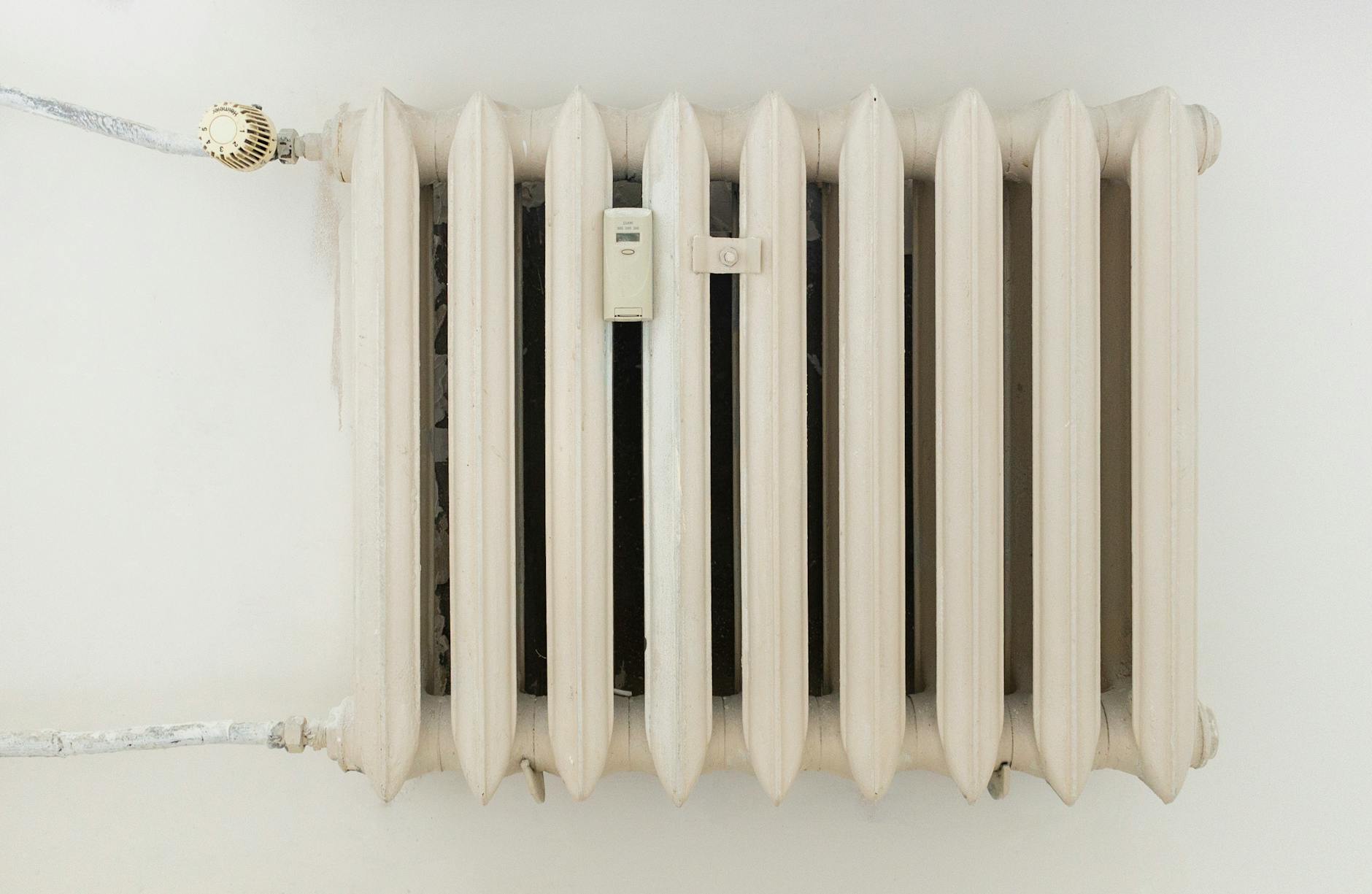
Continuing to operate a space heater that has been subject to a product recall is a hazardous and surprisingly common practice. Heater recalls are issued when manufacturers or regulatory agencies identify defects that create fire or electrical hazards in real-world use conditions. Many recalled units remain in active use because owners never registered the product or missed the recall notification. The defects that trigger recalls including faulty thermostats, defective wiring and inadequate overheat protection are precisely the failures most likely to cause fires. Consumers should periodically verify their appliances against current recall databases maintained by product safety authorities.
Renovation Spaces
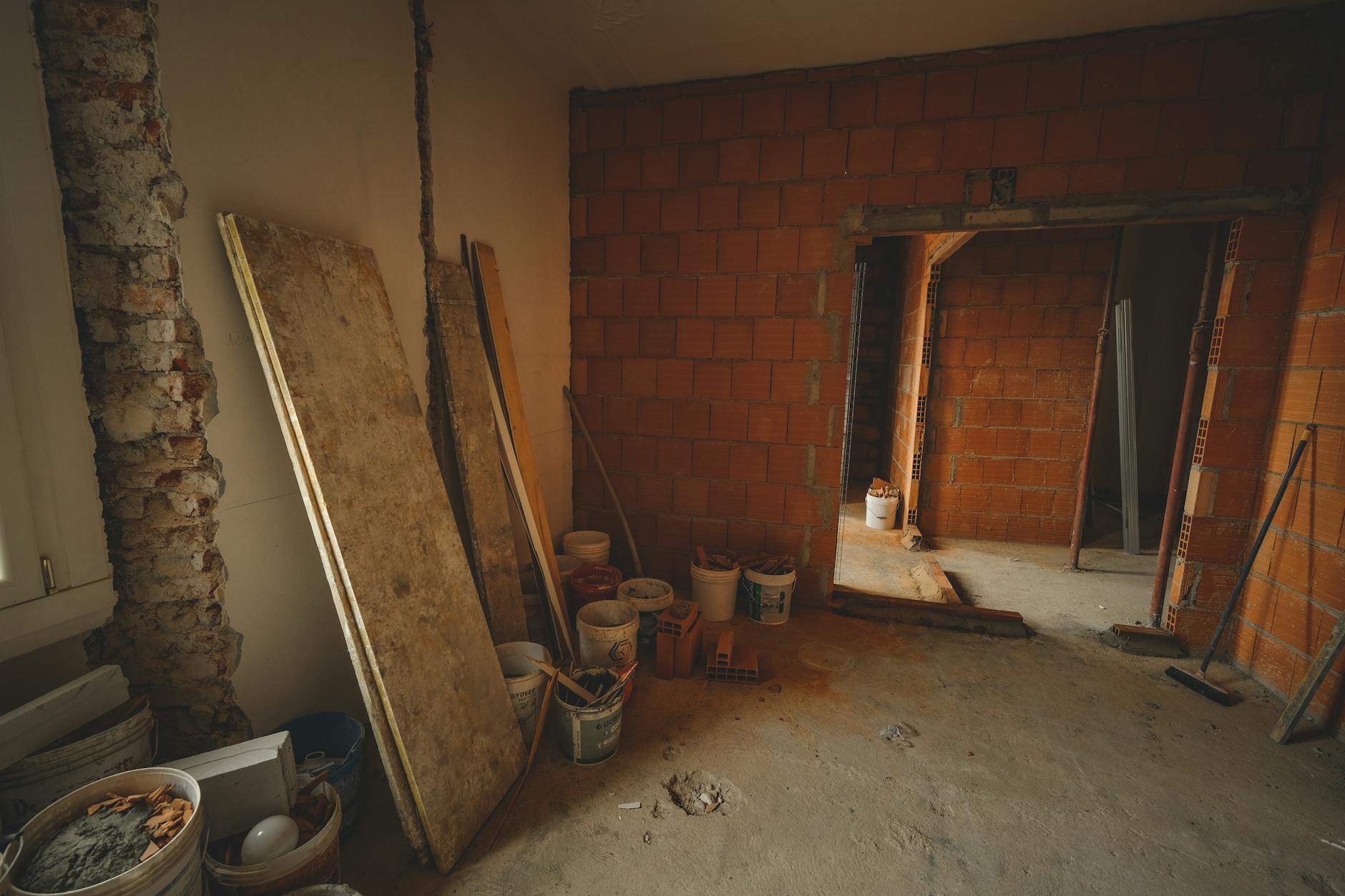
Operating a space heater in a room undergoing renovation or construction work introduces a concentration of ignition risks that vastly exceeds normal residential conditions. Renovation environments typically contain sawdust, paint fumes, adhesive vapors, exposed wiring and quantities of scrap wood and fabric that transform a standard heater into an acute fire hazard. Construction dust can enter and accumulate in the heater’s internal components far more rapidly than in a finished living space. Workers frequently use space heaters to maintain comfortable temperatures in unheated renovation zones without accounting for the altered risk profile of the environment. Temporary heating in active construction or renovation spaces should involve only purpose-built construction site heating equipment.
If you have witnessed or experienced a close call with a space heater share what happened in the comments.




