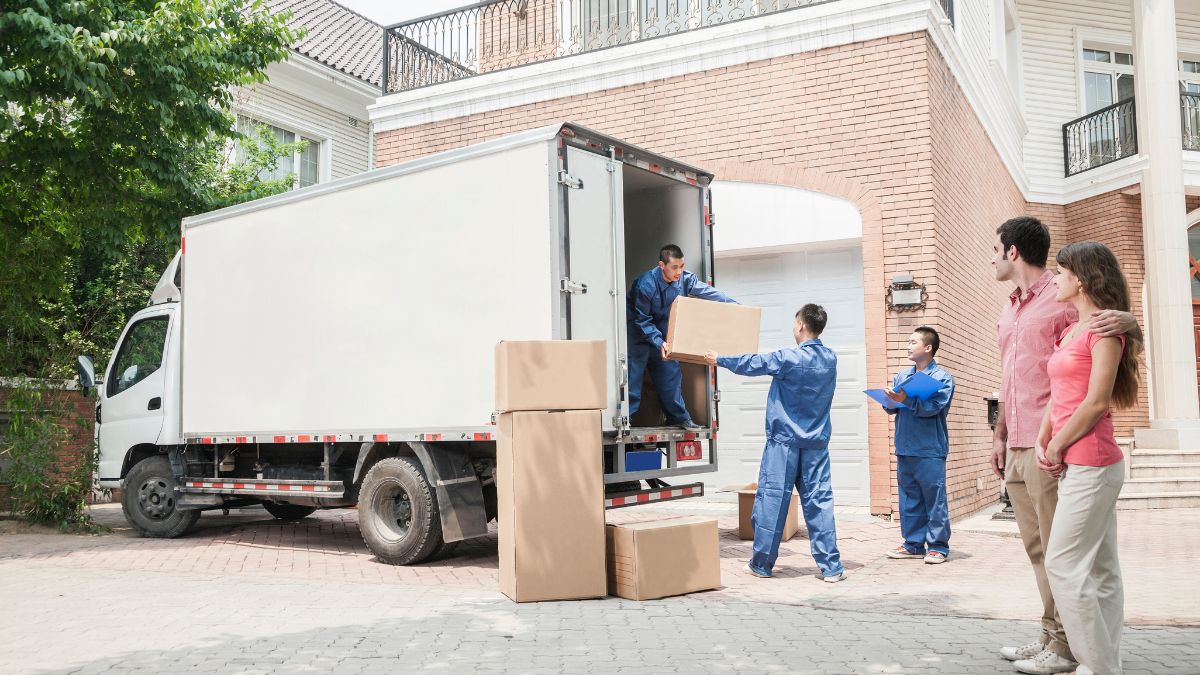
When you hand over your belongings to a moving crew, you assume they will be handled with the same care you would give them yourself. The reality is that time pressure and tight schedules can push even experienced movers into habits that put your furniture at serious risk. Understanding what actually happens behind the scenes on a rushed moving day can help you protect your most valuable pieces. These are the 26 worst things movers secretly do to your furniture when they are running behind schedule.
Dragging

When movers are short on time, lifting heavy furniture properly becomes a lower priority and pieces get dragged across floors instead. This causes deep scratches on hardwood and gouges in tile that are often impossible to repair without professional refinishing. The legs and feet of sofas, tables and cabinets suffer the most damage during dragging and frequently snap or splinter under the pressure. Felt pads and protective caps are often knocked off entirely during this process and rarely replaced.
Corner Cutting
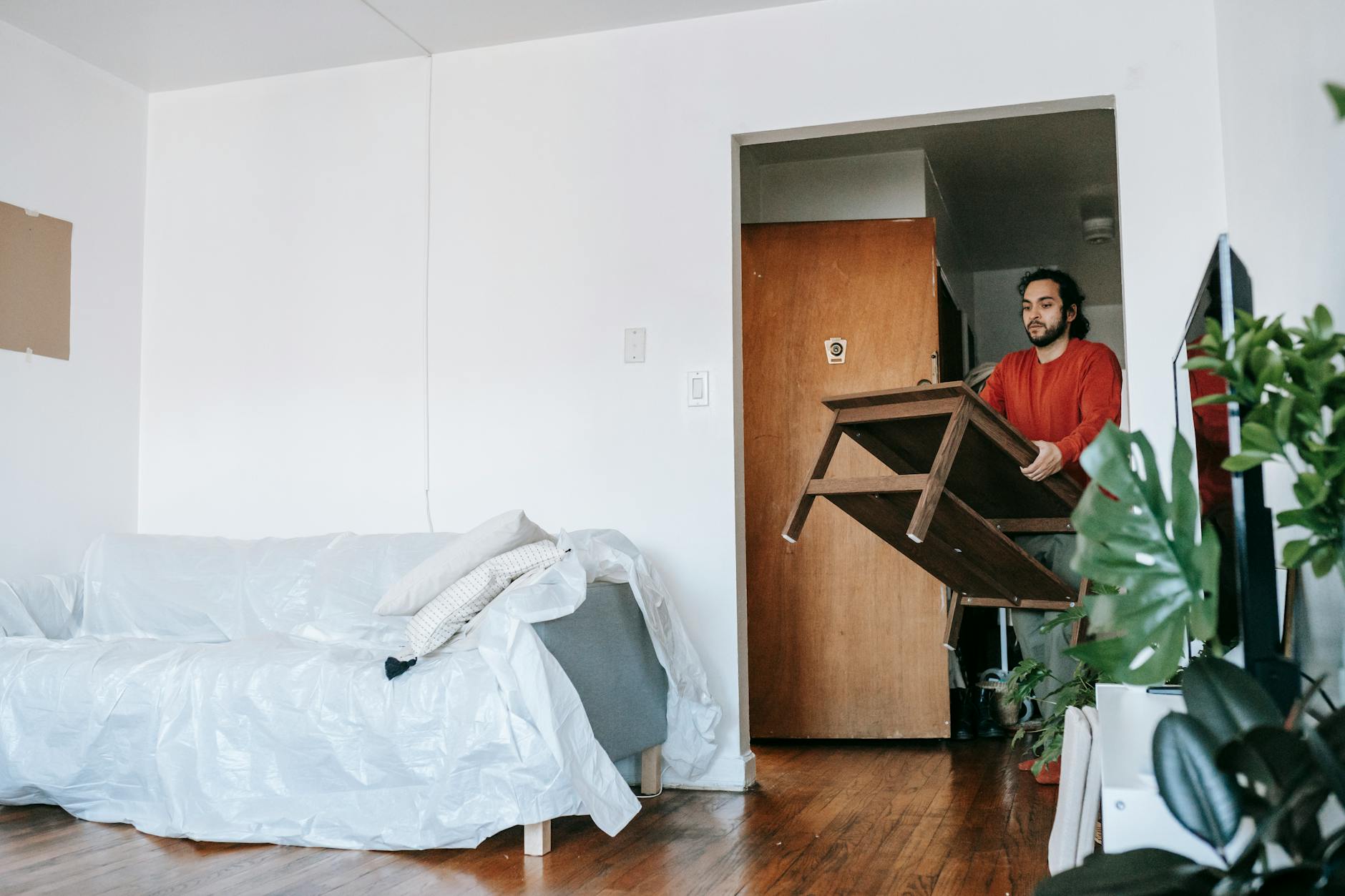
Tight doorframes and narrow hallways are meant to be navigated slowly and carefully but rushed movers force furniture through without adequate clearance. The edges and corners of wooden dressers, bed frames and cabinets take the brunt of this and chip away with each rough pass. Upholstered furniture is particularly vulnerable as fabric snags and tears on doorframe edges and exposed nails. The damage is often hidden on the underside or back of pieces and goes unnoticed until furniture is placed in its new position.
Blanket Skipping

Moving blankets exist specifically to protect furniture surfaces during transport but applying them properly takes several minutes per item. Under time pressure movers frequently skip this step entirely and load pieces directly onto the metal truck interior. Wood finishes scratch against corrugated metal walls and glass surfaces contact hard edges without any buffer. Antique and lacquered pieces are especially susceptible to the kind of surface marring that results from unpadded transport.
Overstacking
To save trips and make up for lost time movers stack far more items on top of one another than weight limits safely allow. Chairs get stacked on top of glass-topped tables and heavy boxes are placed directly onto upholstered cushions. This excessive weight causes structural stress on joints and frames that may not show immediate signs of failure but weakens furniture significantly over time. Cushion foam compresses permanently under extreme weight and loses its original shape.
Tape Damage
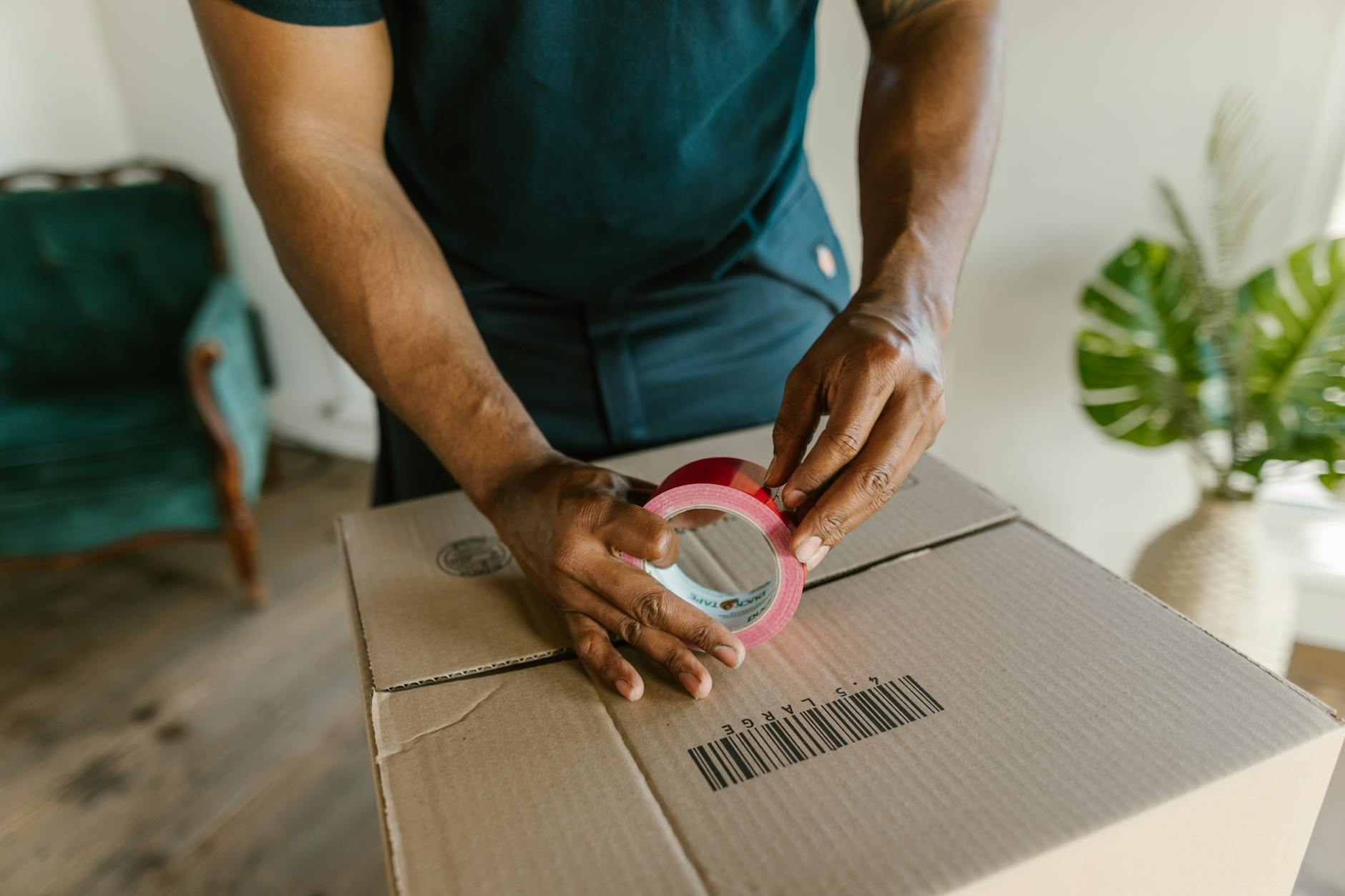
Protective wrap is supposed to be secured with tape applied only to itself but rushed movers apply packing tape directly onto wood and fabric surfaces. When the tape is removed it pulls off varnish and finish leaving dull discolored patches that are costly to restore. Fabric upholstery develops permanent marks where tape adhesive bonds with the fibers during transit. This shortcut is one of the most common causes of damage that movers attribute to pre-existing wear.
Tilting

Large furniture pieces like wardrobes and refrigerators require specific tilting angles to navigate stairs and tight spaces safely. When movers are rushing they tilt pieces at incorrect angles that shift internal components and stress joints far beyond their design tolerance. Drawers slide open during tilting and strike walls or the mover’s hands causing both cosmetic and structural damage. Mirrors mounted inside wardrobe doors crack or shatter when pieces are tilted too steeply without internal bracing.
Strap Neglect
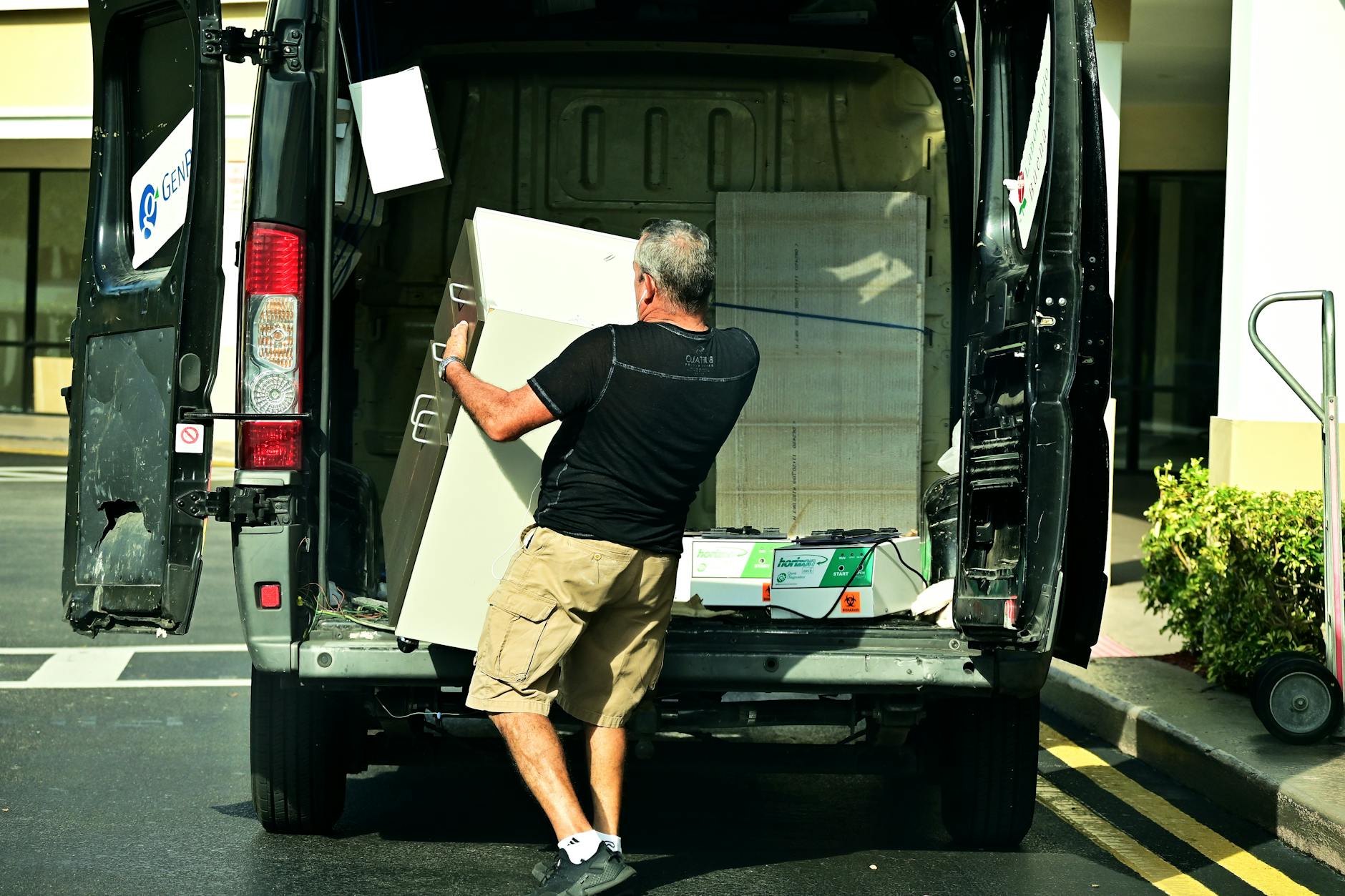
Furniture straps inside the truck are what prevent shifting during transit and each piece should be individually secured before the vehicle moves. Rushed crews often strap only the largest items and leave smaller furniture and chairs loose in the remaining space. Every turn, brake and bump causes unsecured items to collide with one another and with the truck walls. By the time the truck arrives at the destination multiple pieces have traded scratches and dents through preventable contact.
Floor Dropping

Setting furniture down gently requires coordination between movers and that coordination slows down considerably when the team is stressed and rushing. Heavy items like bed frames and bookshelves are frequently dropped the final few inches onto hard floors rather than lowered in a controlled manner. The impact sends shockwaves through joints and can crack structural connections that are invisible from the outside. Repeated dropping throughout a single move accumulates damage that shortens the functional life of solid wood furniture dramatically.
Disassembly Rushing
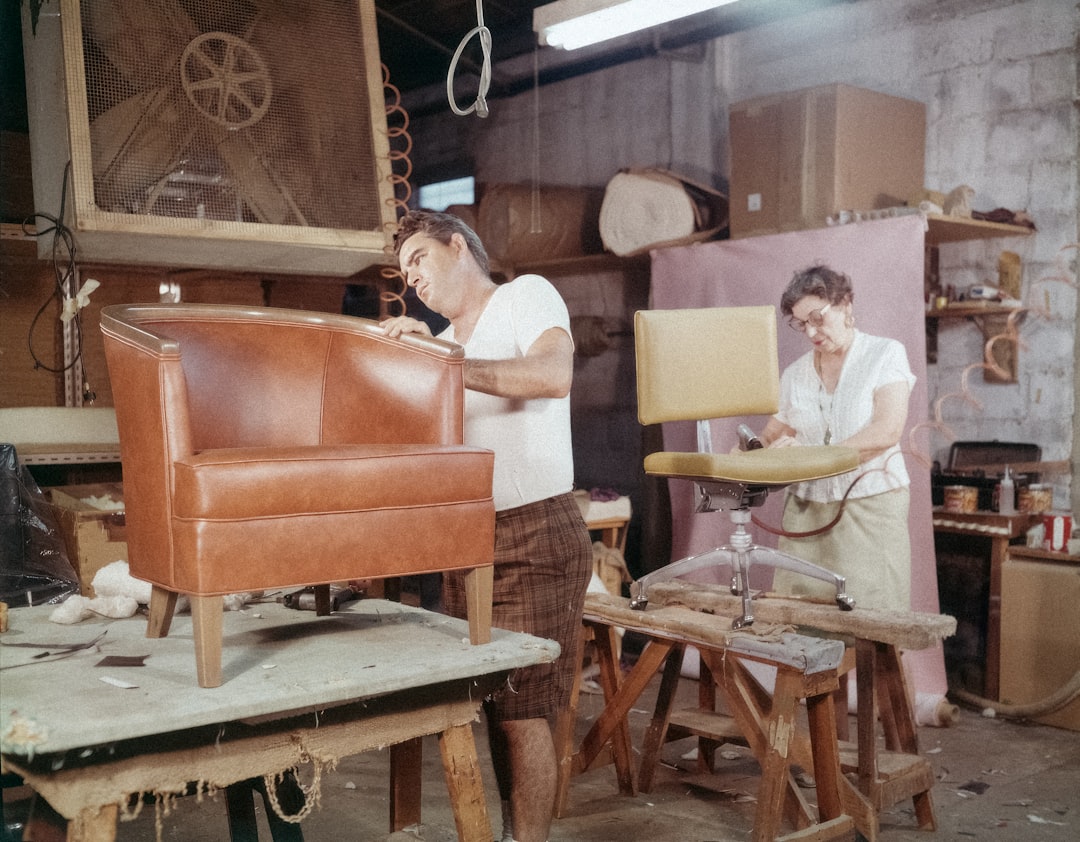
Some furniture must be disassembled to fit through doorways and stairwells and this process should be methodical and careful. Rushed movers strip screws by applying too much torque and crack wooden dowels by forcing them rather than tapping them free. Hardware bags are frequently left unsealed and screws scatter across the truck floor and are never recovered. Reassembly at the destination becomes a problem when key fasteners are missing and movers improvise with incorrect replacements.
Glass Ignoring

Glass tabletops, cabinet doors and mirror panels require specialized handling including vertical transport and padded separation from all other surfaces. Time-pressured movers often lay glass pieces flat and stack other items on top in direct violation of safe handling practice. The weight distribution on a flat glass surface creates stress fractures that radiate from the center and may not break completely until the piece is moved again. Tempered glass shatters suddenly under this kind of mishandling and cannot be repaired.
Wrap Reusing
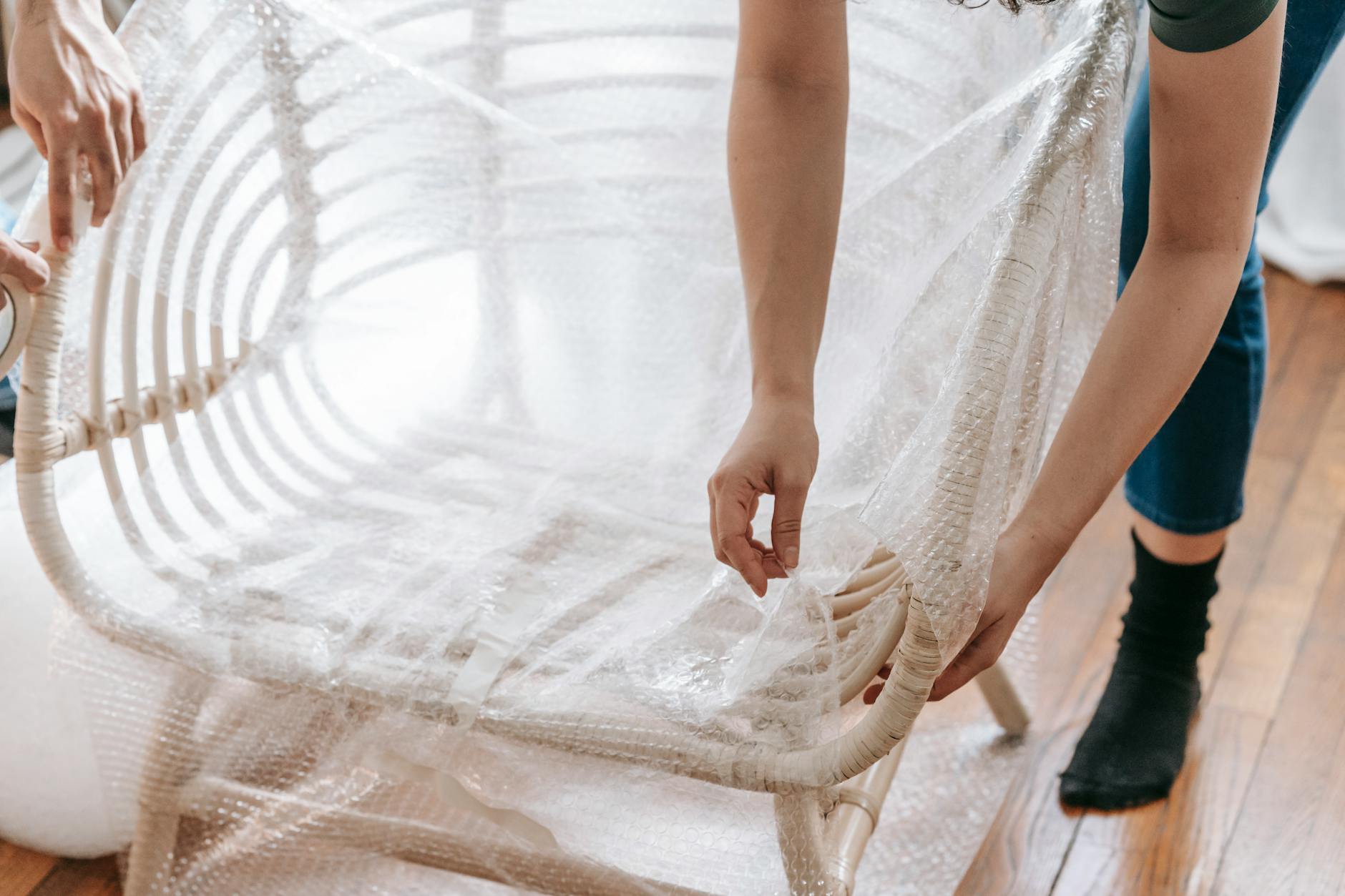
Proper packing involves fresh protective wrap applied generously to every vulnerable surface on each piece of furniture. Movers in a hurry frequently reuse partially unwrapped sections of stretch film or use pieces too small to cover the surface adequately. Reused wrap has lost its cling and slides out of position during transit leaving furniture edges exposed precisely when contact occurs. The false sense of protection it provides means damage is often more surprising and more extensive than expected.
Elevator Rushing
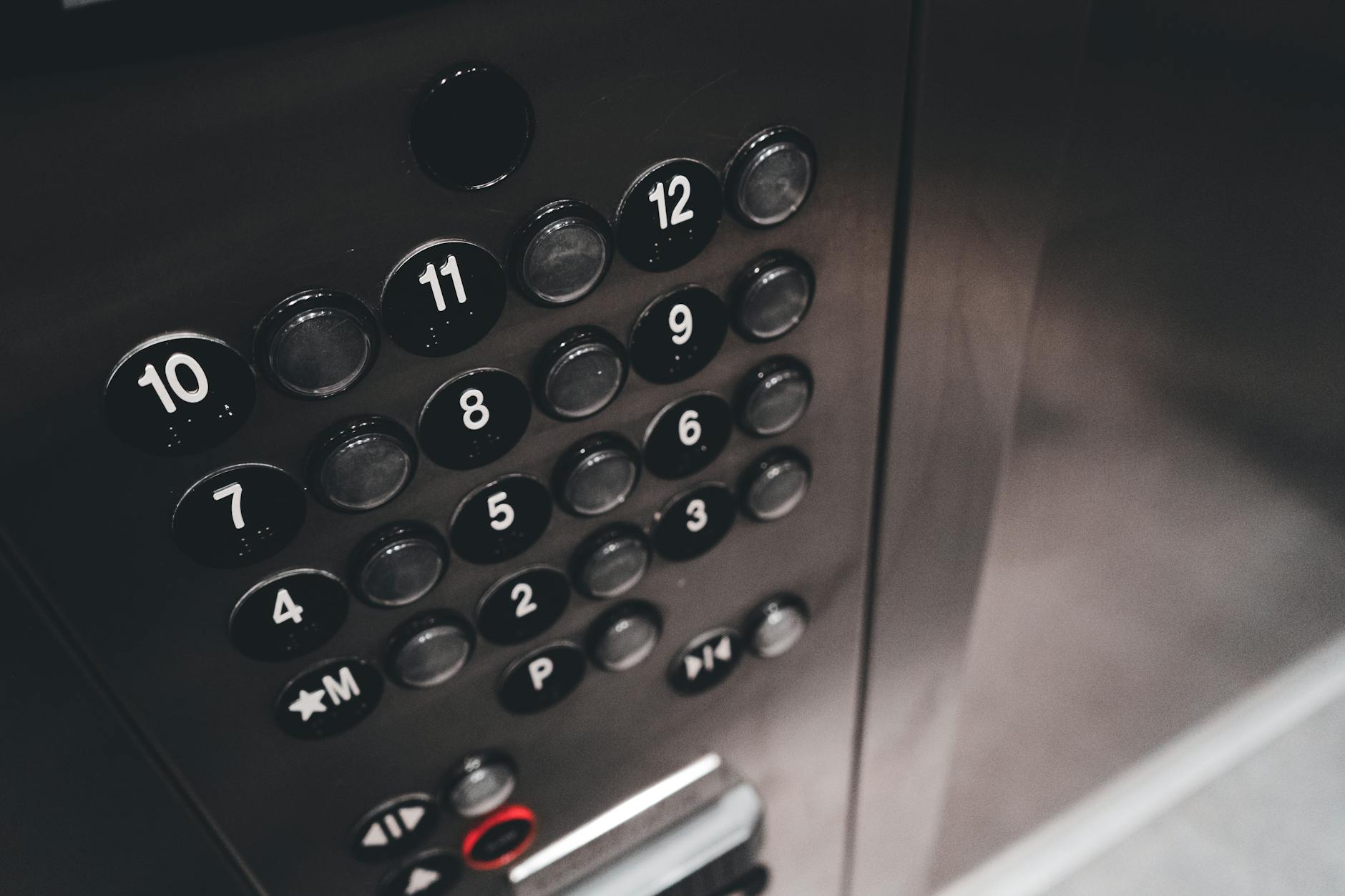
In apartment buildings the elevator must be properly propped and pads must be placed on its interior walls before large furniture enters. Rushed movers skip the interior padding step and force furniture in before the doors are fully open causing impact damage on entry and exit. The elevator’s metal door edges are particularly destructive to wood veneer and painted surfaces under these conditions. Building management complaints about elevator damage frequently trace back to furniture corners and not the movers’ equipment.
Label Ignoring

Fragile labels and directional arrows on wrapped furniture exist to communicate handling instructions to every member of the crew. When movers are under time pressure these labels are routinely ignored and marked pieces are handled identically to unmarked ones. Furniture labeled as fragile gets tossed into the truck with the same force applied to metal filing cabinets and plastic storage bins. The result is that the most delicate and expensive items receive the least differentiated care during the entire move.
Shrink Wrapping

Shrink wrap applied directly to raw wood or fabric without a protective layer underneath traps moisture and causes significant surface damage. Rushed movers skip the initial blanket layer and apply plastic wrap directly onto fine wood surfaces creating conditions for condensation buildup during temperature changes in transit. Fabric pieces wrapped tightly in plastic without breathable protection develop mildew patches on long distance moves especially in warm weather. The damage from improper wrapping often appears days after delivery when the wrap has been removed and the surface has dried unevenly.
Surface Resting

When movers need a break they set items down on whatever surface is nearest rather than taking time to find a safe resting spot. Finished tabletops and painted cabinet fronts get placed face-down on gravel driveways and rough concrete surfaces. Even brief contact with abrasive ground materials during rest stops creates deep scratches across the most visible surfaces of a piece. Moving blankets placed on the ground first would eliminate this entirely but the extra thirty seconds that takes becomes a casualty of the schedule.
Truck Jamming
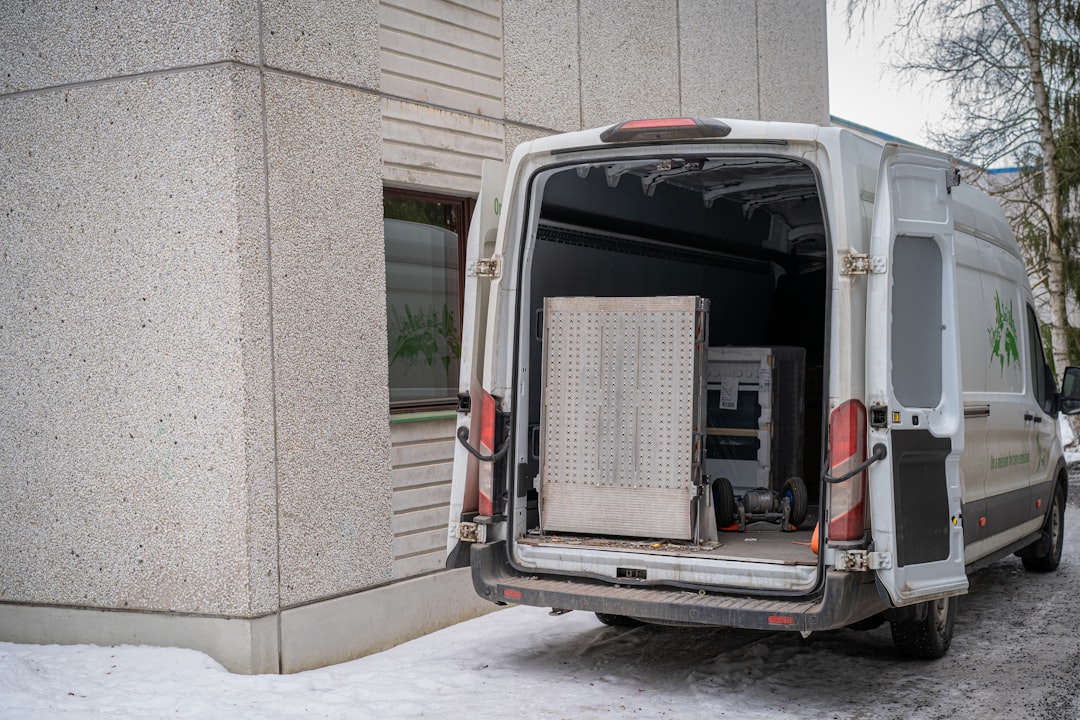
The truck packing stage is where the most significant preventable damage occurs on a rushed moving day. Movers under pressure jam pieces in wherever they fit rather than organizing the load by weight, fragility and shape. Soft furniture ends up beneath heavy boxes and wooden pieces wedge against metal appliances without any buffer between them. A properly loaded moving truck is a structured puzzle and a rushed load is chaos that punishes every item inside equally.
Dolly Scraping
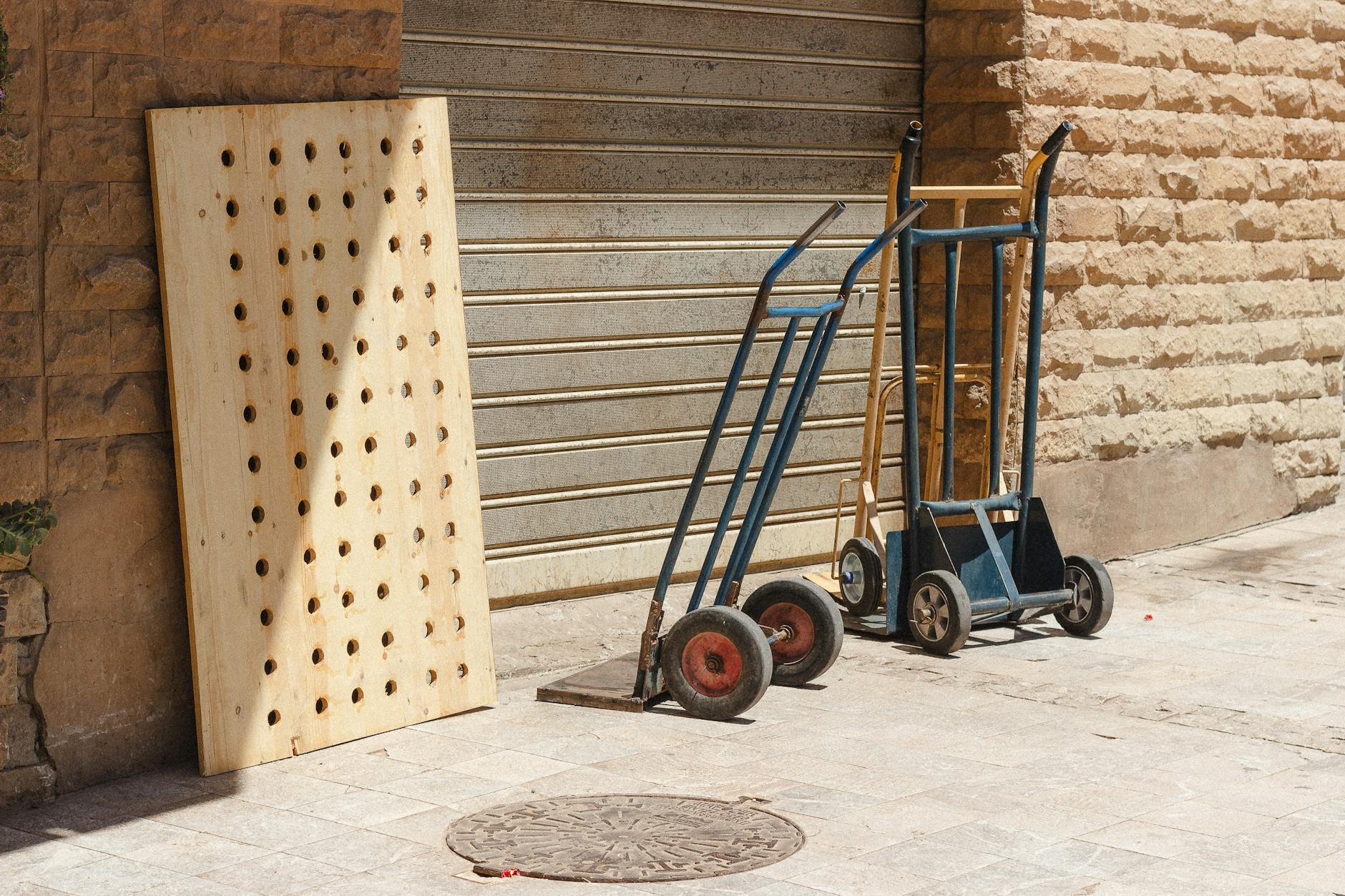
Moving dollies are essential tools but when used carelessly they create their own category of damage. The metal edge of a dolly platform slides under furniture by force when movers are rushing and gouges the underside of wooden frames and cabinet bases. Repeated dolly contact on the same piece during a single move creates cumulative damage to legs and structural bases that compromises stability. Fine furniture with carved or decorative base details is especially vulnerable to dolly edge contact and rarely survives a rushed move without marking.
Weather Ignoring

Moving in rain or extreme heat requires additional precautions including waterproof covers and adjusted handling protocols for temperature-sensitive materials. Rushed movers frequently dispense with weather precautions entirely and carry uncovered upholstered furniture through rain without any waterproofing. Wood expands and contracts with moisture exposure and pieces moved through wet conditions without protection can warp permanently within hours of delivery. Leather furniture is also highly susceptible to rain damage and water staining that sets before it can be treated.
Pallet Skipping
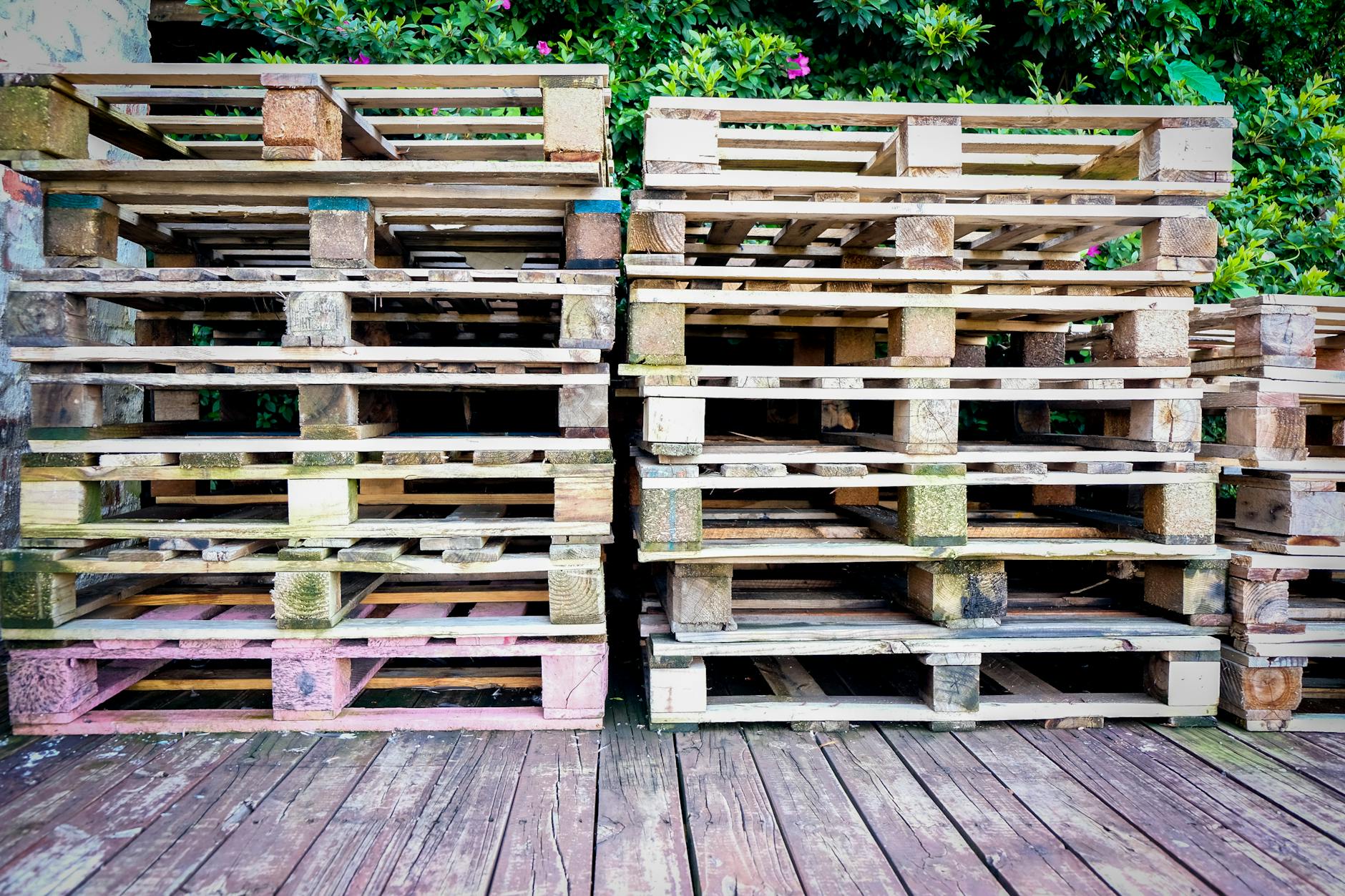
Furniture stored in the truck overnight during long-distance moves should rest on pallets or padded platforms to prevent moisture wicking from the metal floor. Movers skipping this step place wooden furniture directly on the cold metal truck bed where condensation accumulates overnight. The absorbed moisture causes swelling in drawer joints and can delaminate veneer from particleboard furniture within a single night of contact. This particular form of damage is almost never covered under standard moving insurance because it is classified as environmental rather than accidental.
Communication Failing

A well-coordinated moving crew communicates constantly about how to angle, lift and carry each piece safely through the space. Under time pressure this communication breaks down and movers proceed independently without coordinating with the person on the other end of a heavy piece. One mover turns while the other holds steady and the torque stress on a joint or frame concenteds at a single point. Beds and sofas are the most common casualties of this kind of uncoordinated handling and often arrive with cracked rails or bent frames.
Inventory Skipping
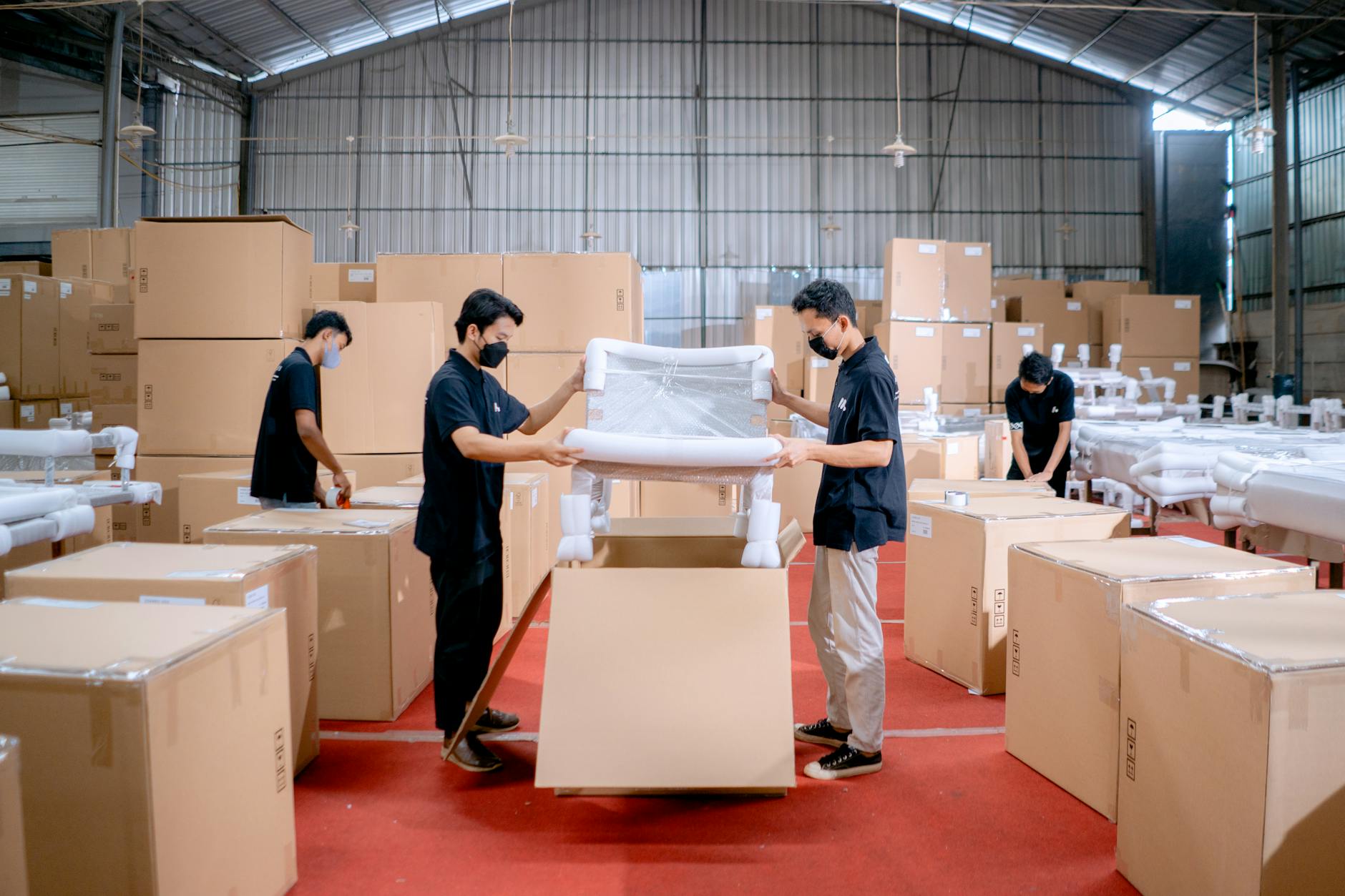
Before a move begins a responsible crew documents the existing condition of each piece of furniture including pre-existing scratches and damage. Rushed movers skip this step entirely and leave both parties with no agreed-upon baseline condition record. When damage is discovered at the destination there is no documentation to determine whether it occurred during the move or existed beforehand. This creates disputes that are almost always resolved in the mover’s favor since the burden of proof falls on the customer.
Protective Footwear
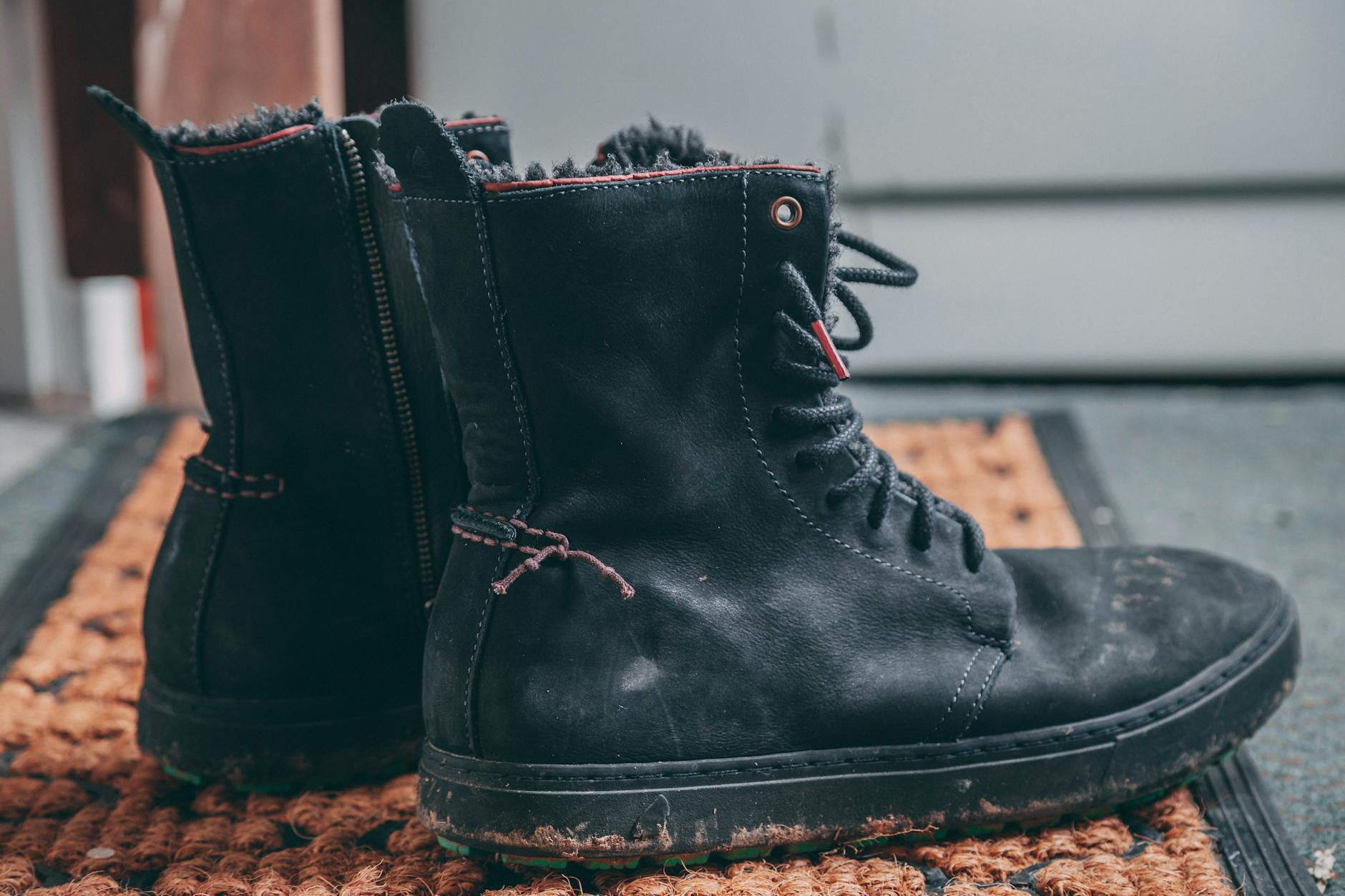
Movers carrying large furniture frequently step directly onto wrapped pieces or use furniture surfaces as stepping platforms when they need height. Shoes with hard soles and grip patterns leave permanent impressions on foam cushions and can crack decorative wood veneer under the right amount of concentrated pressure. This behavior escalates significantly when crews are tired and rushing through the final stages of a long moving day. Upholstered headboards and cushioned benches are the most common victims of this particular shortcut.
Assembly Guessing
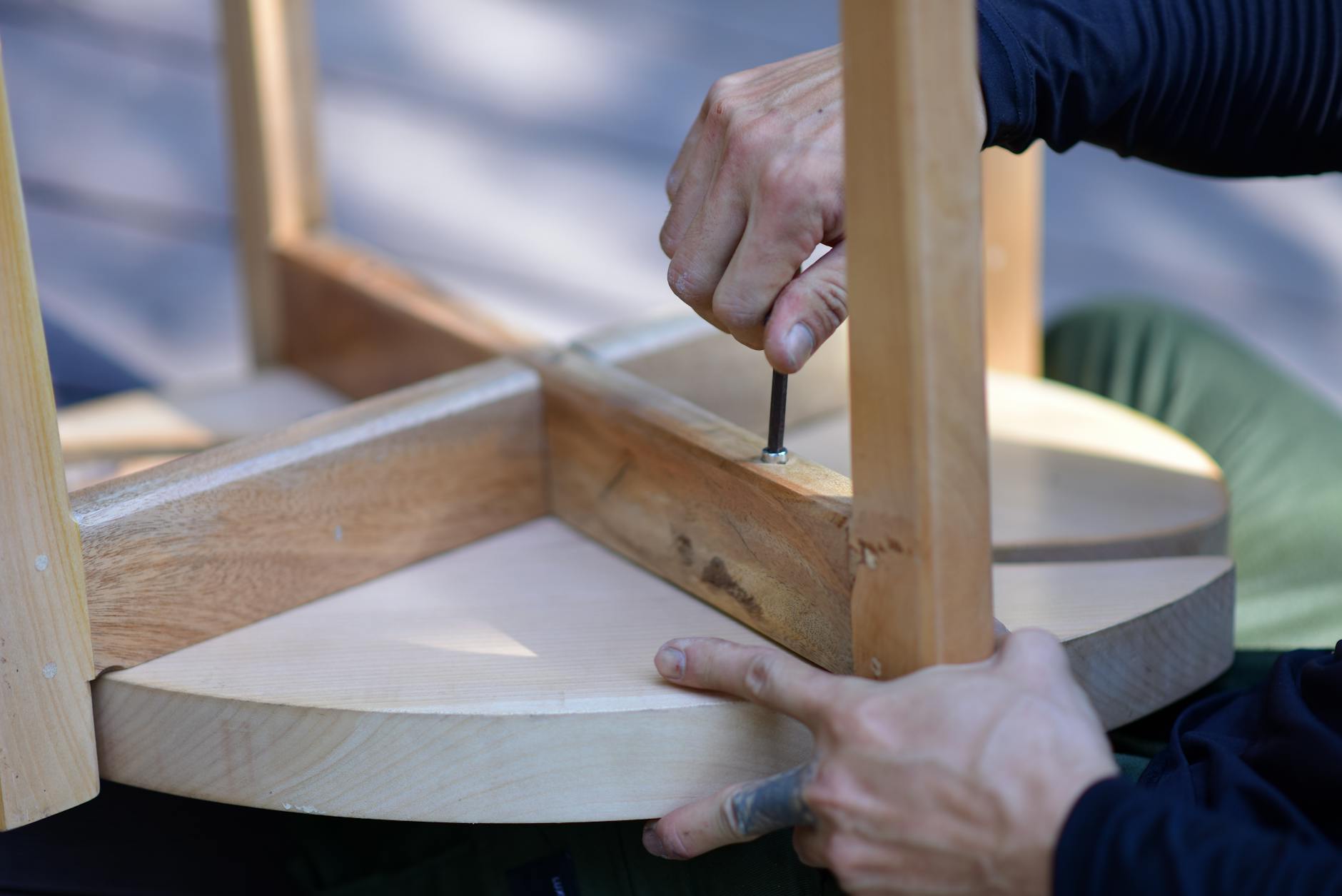
When furniture is reassembled at the destination without the original manual movers in a hurry often guess at the correct configuration. Incorrectly reassembled bed frames place structural stress on joints that were never designed to bear load in that orientation. Shelving units assembled in the wrong sequence have unstable backs and can collapse when loaded with books or decor. The error is often not discovered until weeks later when the piece fails under normal use and the connection to the move is no longer obvious.
Garage Staging

Rushed movers frequently stage furniture in garages or outdoor areas at the destination while they sort out the truck rather than carrying pieces directly inside. Outdoor staging exposes finished wood to direct sunlight which causes rapid and uneven fading of stains and painted surfaces. Pieces left outside on humid days absorb moisture into their undersides and backs where ventilation is poorest. Even an hour of outdoor exposure in the wrong conditions can cause permanent color changes that no amount of polishing will correct.
Hardware Mixing
When multiple pieces of flat-pack or modular furniture are disassembled for a move their hardware bags should be individually labeled and kept with the piece they belong to. Rushed movers throw all hardware into a single bag or box and the result at reassembly is a confusing mixture of nearly identical screws and fittings from different manufacturers. Using the wrong hardware during reassembly stresses the material around connection points and creates weak joints that fail prematurely. Cam locks and proprietary fittings from modular furniture are especially problematic when mixed as they appear similar but are functionally incompatible.
Goodbye Inspection
A final walkthrough of the truck with the customer present is standard practice and gives both parties a chance to verify that nothing is left behind or visibly damaged. Movers running behind on their next job skip this step and drive away before the customer has examined the delivered items closely. Damage discovered after the truck leaves is dramatically harder to attribute to the move and is routinely denied by moving companies on those grounds. This final missing step removes the last opportunity to hold a rushed crew accountable for everything that happened between pickup and delivery.
If you have ever experienced moving day damage or spotted any of these behaviors firsthand, share your story in the comments.




