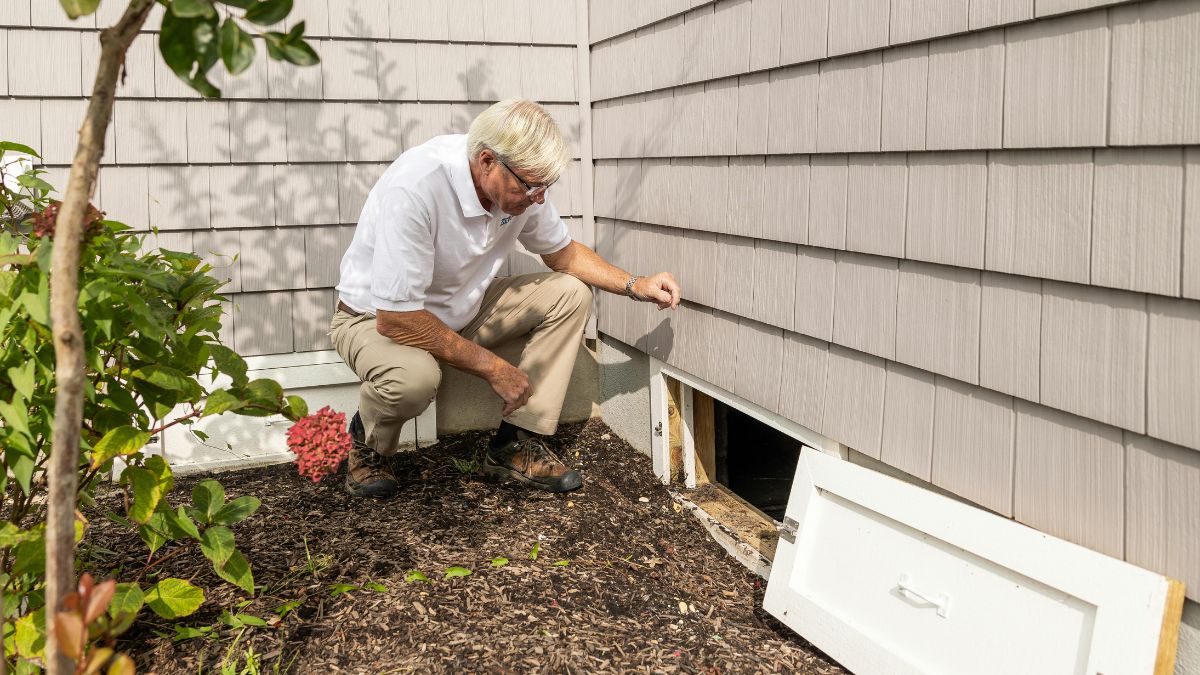
New construction homes carry an assumption of safety and quality that experienced home inspectors know to challenge at every turn. The pressure of tight building timelines, rotating subcontractor crews, and minimal oversight during finishing stages creates conditions where serious problems can be sealed permanently behind drywall. What lies hidden inside the walls of a brand new house can range from minor code violations to genuinely dangerous structural and safety hazards. Understanding what inspectors routinely uncover gives buyers the knowledge to ask the right questions before signing anything.
Knob and Tube Wiring
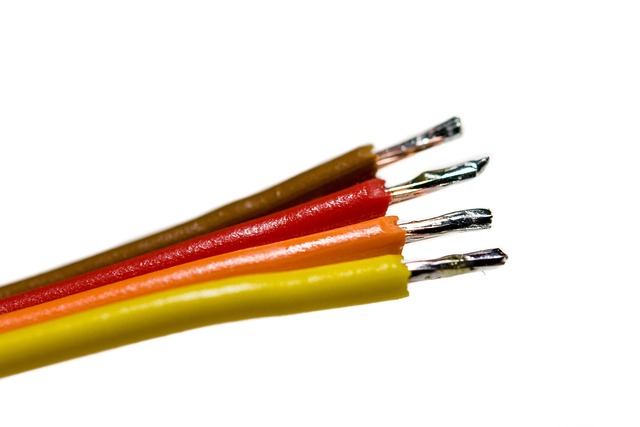
Some new builds in older neighborhoods incorporate portions of existing structure from previous demolitions, occasionally leaving obsolete electrical systems embedded within new framing. This wiring type lacks a ground wire and is entirely incompatible with modern electrical loads and safety standards. Insurance companies frequently refuse coverage on homes where this system is discovered. An inspector who finds it inside what was marketed as new construction has uncovered a serious disclosure issue alongside the safety concern.
Active Wasp Nests
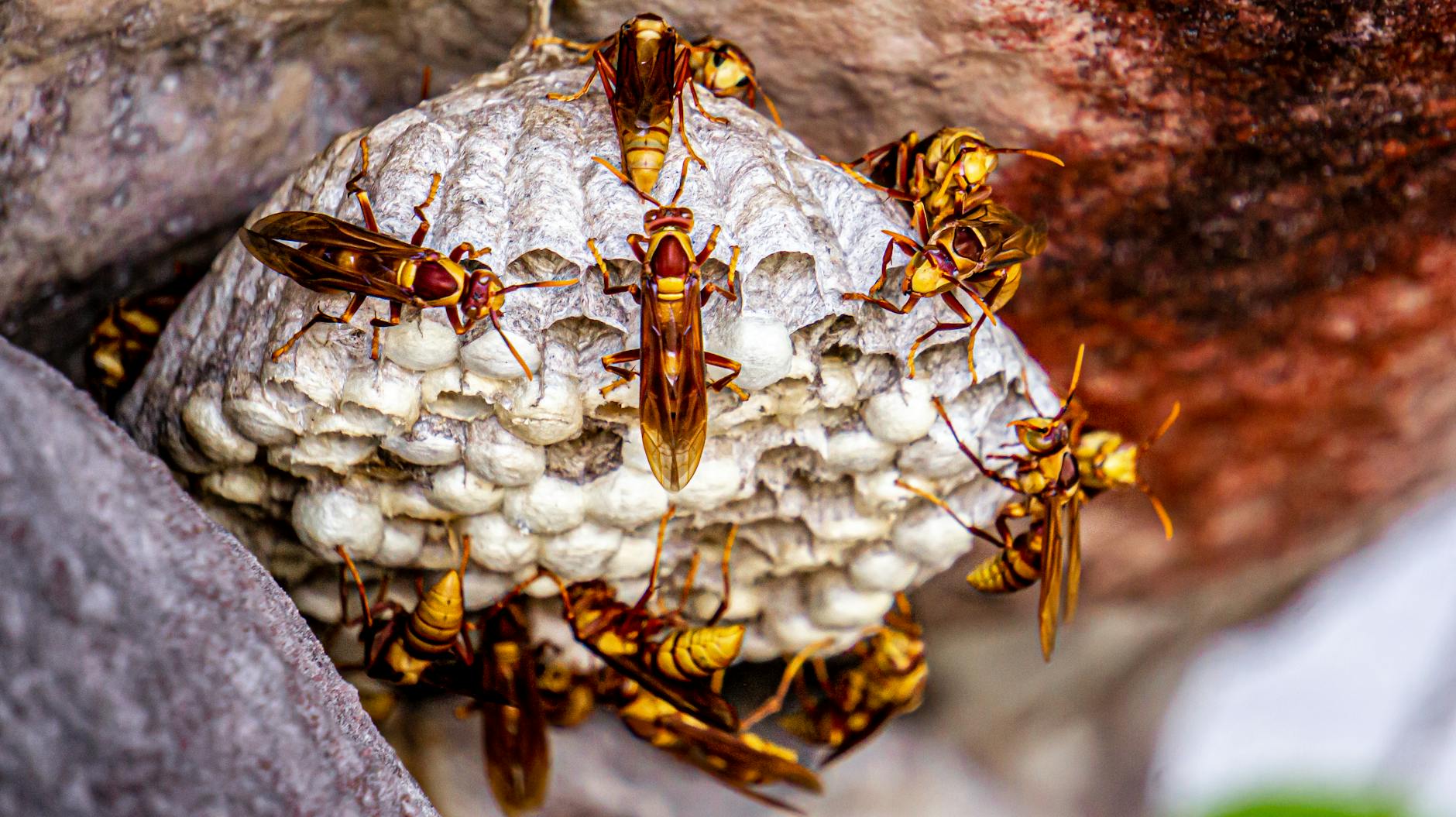
Cavities within wall framing provide ideal protected conditions for wasps, hornets, and yellow jackets to establish colonies during the construction period. New builds sit partially open for weeks or months during the framing and rough-in phases, giving insects unobstructed access to interior wall spaces. By the time drywall is installed, a colony can be well established and completely invisible from any interior surface. Homeowners often discover the infestation only when temperatures rise and buzzing becomes audible from inside finished walls.
Spray Foam Gaps
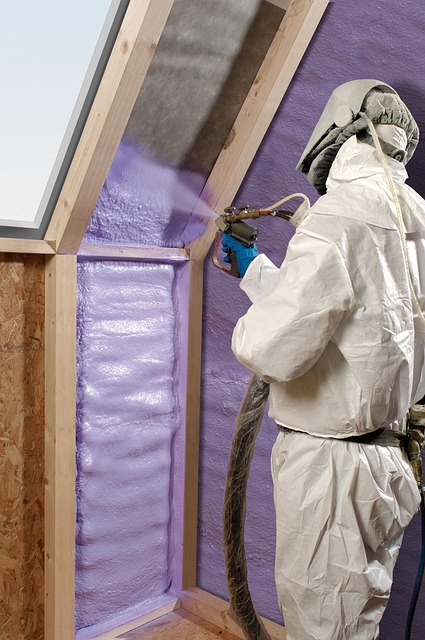
Spray foam insulation is widely used in new construction for its thermal performance and air-sealing properties but its effectiveness depends entirely on correct and complete application. Installers working quickly across large wall areas frequently leave uncovered gaps, thin spots, or sections where the foam pulled away from framing as it cured. These voids become thermal bridges that dramatically reduce energy efficiency while creating condensation pathways that promote mold growth over time. Because the insulation is invisible once drywall is installed, gaps are almost never discovered without a thermal imaging camera.
Rodent Nesting Material
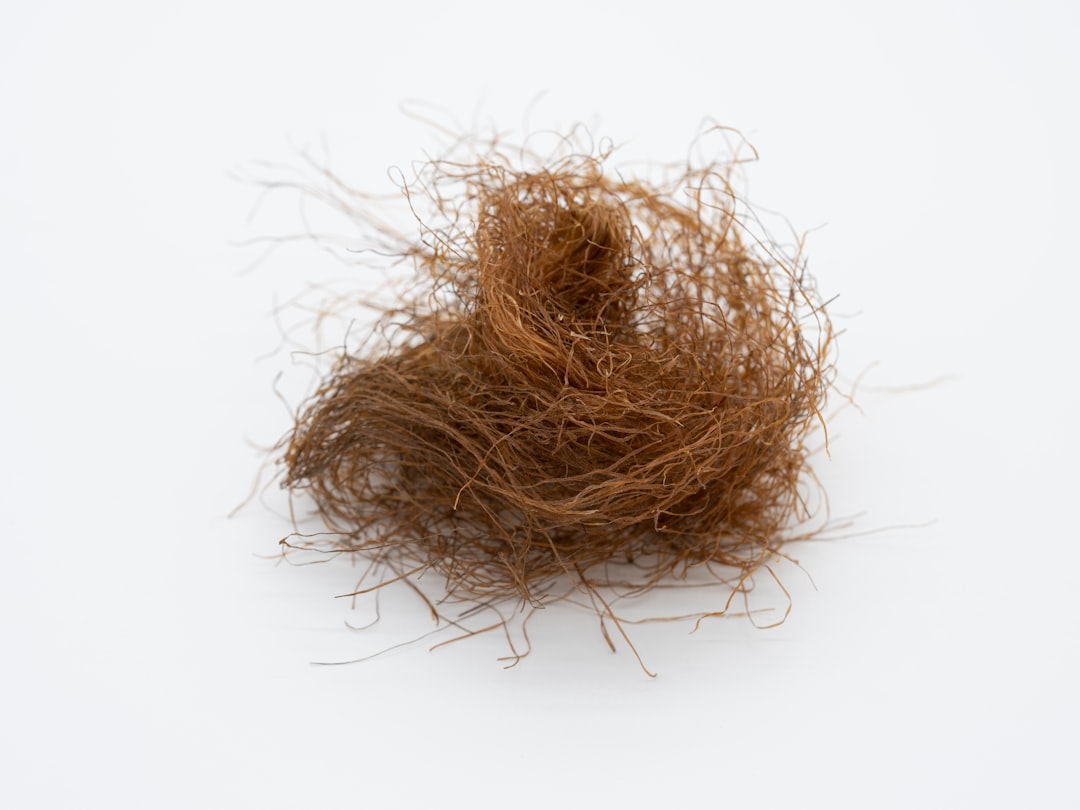
Construction sites remain open and accessible to wildlife for extended periods and wall cavities offer rodents exactly the protected nesting environment they seek. Inspectors using borescope cameras inside wall cavities have documented nests built from insulation material, paper waste, and plant debris left by mice and rats during the construction window. The presence of nesting material confirms that entry points exist somewhere in the building envelope that have not been sealed. Rodent activity inside walls also introduces urine and fecal contamination into insulation that cannot be cleaned without full wall removal.
Improperly Supported Pipes
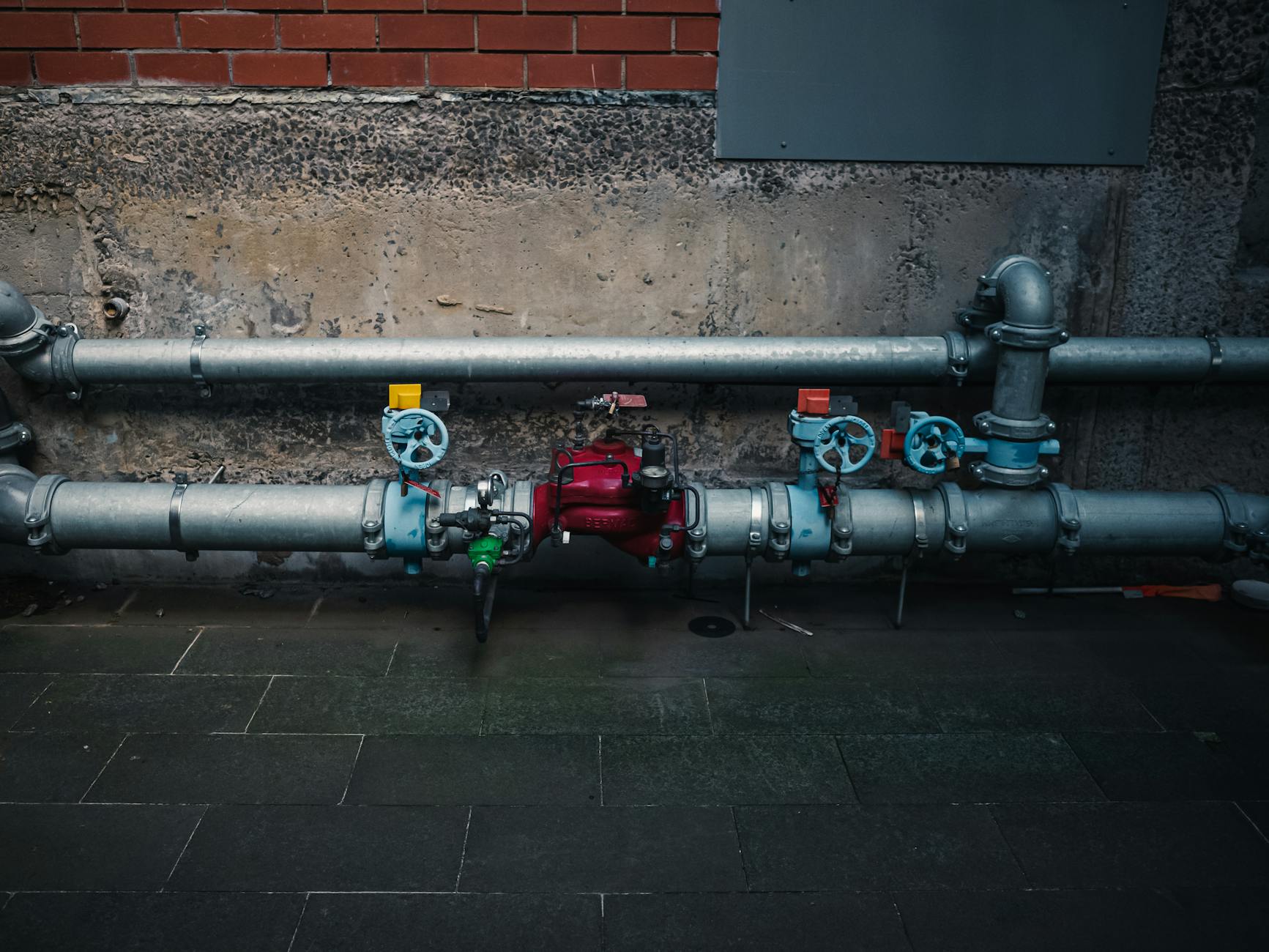
Plumbing runs inside wall cavities require specific support intervals using pipe hangers or clamps to prevent movement, vibration, and long-term stress on joints. Inspectors routinely find supply and drain pipes running through new construction walls with no support hardware at all across spans that exceed safe limits by significant margins. Unsupported pipes shift with pressure changes and temperature fluctuations, gradually stressing the joints where leaks eventually develop. By the time water damage becomes visible on finished surfaces, the joint failure has often been progressing for months.
Mold on Framing Lumber
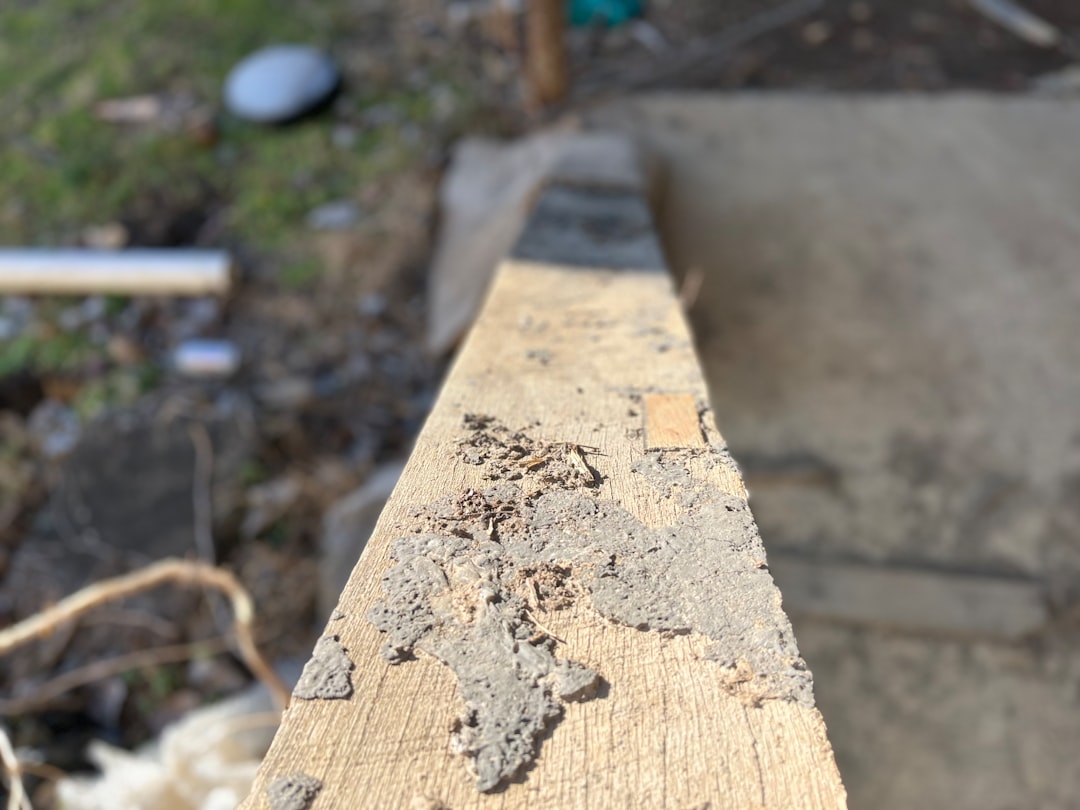
Framing lumber delivered to construction sites and left exposed during the build phase frequently develops surface mold growth when rain or humidity reaches it before the building is dried in. Responsible builders will sand or treat affected lumber before enclosing it but inspectors regularly find black or green mold colonies on framing members that were simply covered over during drywall installation. Enclosing active mold growth does not stop it and the sealed humid environment inside an insulated wall cavity is highly conducive to continued spread. Air movement through wall penetrations can then distribute spores throughout the entire home ventilation system.
Missing Fire Blocking
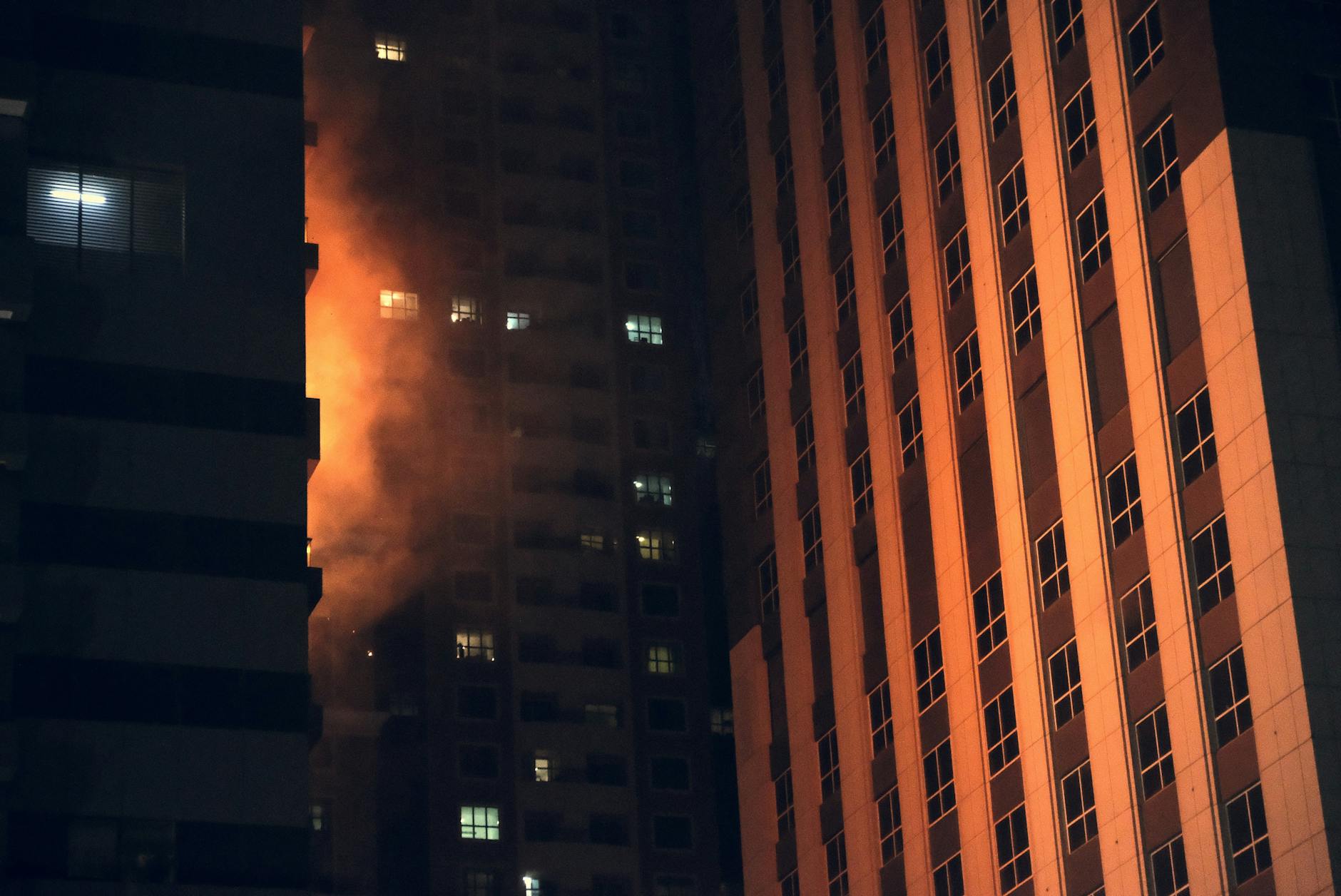
Building codes in virtually every jurisdiction require horizontal blocking installed between wall studs at specific intervals to slow the vertical travel of fire through wall cavities. This blocking is a critical passive fire suppression measure that buys occupants additional evacuation time in the event of a structural fire. Inspectors find missing fire blocking in new construction with striking regularity, typically because it is installed during framing before any inspection occurs and is difficult to verify once walls are closed. A wall cavity without proper blocking functions as a vertical chimney that can carry fire from one floor to another in minutes.
Abandoned Tools
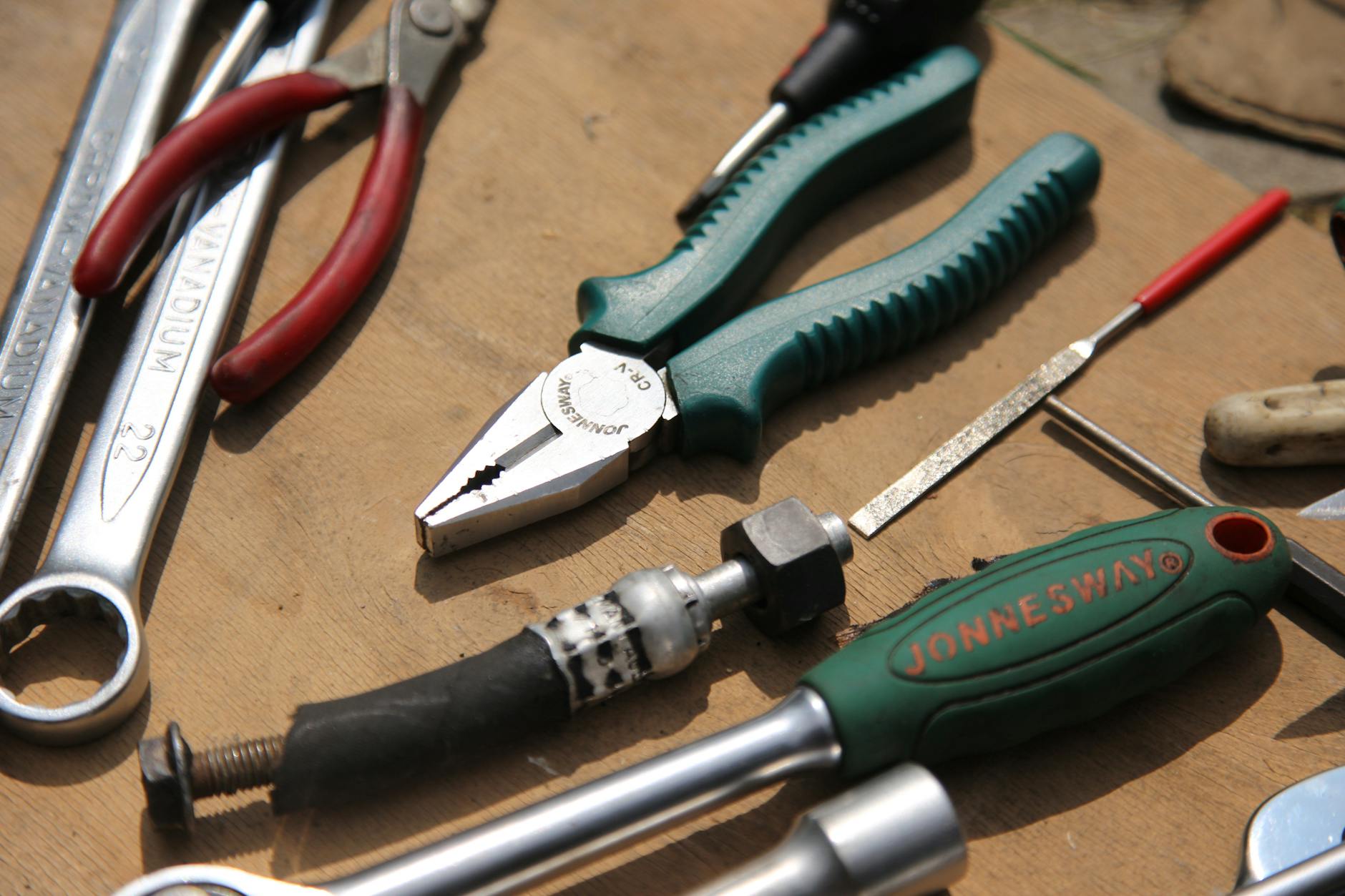
Power tools, hand tools, fasteners, and cutting debris left inside wall cavities during construction are among the more unexpected discoveries inspectors make with borescope cameras. A circular saw blade, a hammer, or a collection of loose screws rattling inside a finished wall represents both the carelessness of the construction crew and a potential hazard if the object contacts electrical wiring or plumbing over time. Metal objects left in contact with pipes accelerate corrosion at the point of contact. These discoveries are also useful documentation when evaluating the overall quality standards of a particular building crew.
Reversed Electrical Wiring
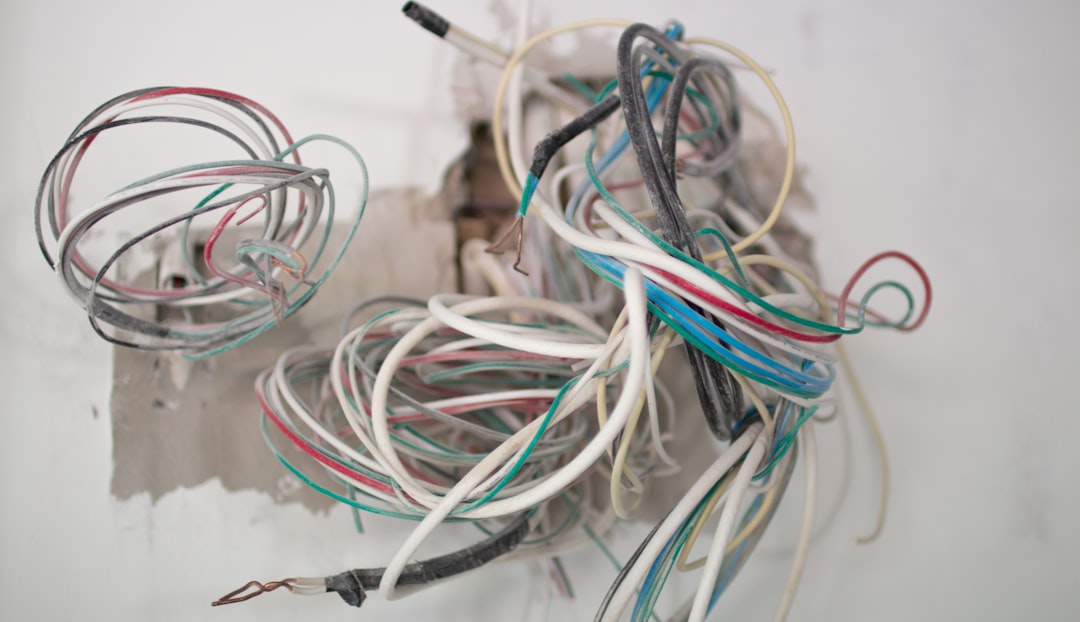
Hot and neutral wires connected to the wrong terminals in outlets, switches, and junction boxes represent one of the more dangerous and invisible electrical defects found in new construction. A reversed outlet will power devices normally and pass a basic visual inspection but creates shock hazard conditions that can be lethal under specific circumstances. The error occurs when electricians work quickly and without adequate verification at each device location. A proper inspection with an outlet tester and panel review will identify reversed polarity but a cursory walkthrough by a builder will miss it entirely.
Unsealed Penetrations
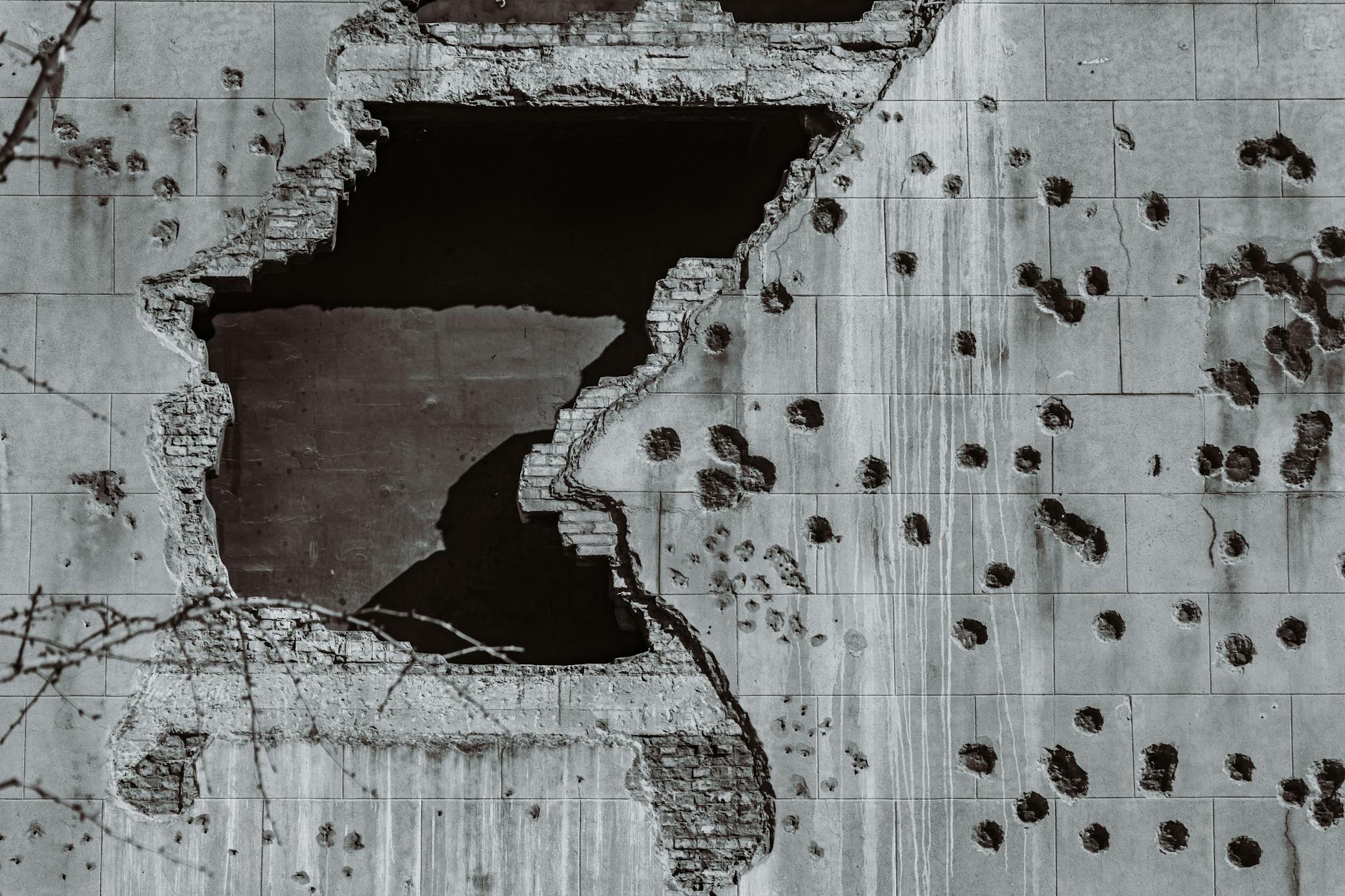
Every pipe, wire, duct, and structural element that passes through a wall cavity creates a penetration that must be properly sealed to maintain the building’s fire rating, air barrier, and pest resistance. Inspectors consistently find bundles of electrical conduit, plumbing rough-ins, and HVAC connections passing through top and bottom plates in new construction without any sealant applied around them. Each unsealed opening is simultaneously a pathway for fire travel, conditioned air loss, moisture migration, and pest entry. The cumulative effect of dozens of unsealed penetrations across a typical new home can account for significant energy loss and structural vulnerability.
Improper Flashing
Wall assemblies where exterior cladding meets windows, doors, rooflines, and foundation transitions require precisely installed flashing to redirect water away from the structural framing. Inspectors regularly find flashing installed backwards, overlapped in the wrong sequence, or simply absent in new construction wall assemblies. Water that bypasses improperly installed flashing saturates the wall cavity framing and insulation without producing any visible interior sign for months or years. By the time paint bubbling or drywall staining alerts the homeowner, the framing behind the wall surface has often sustained significant rot damage.
Live Electrical Splices
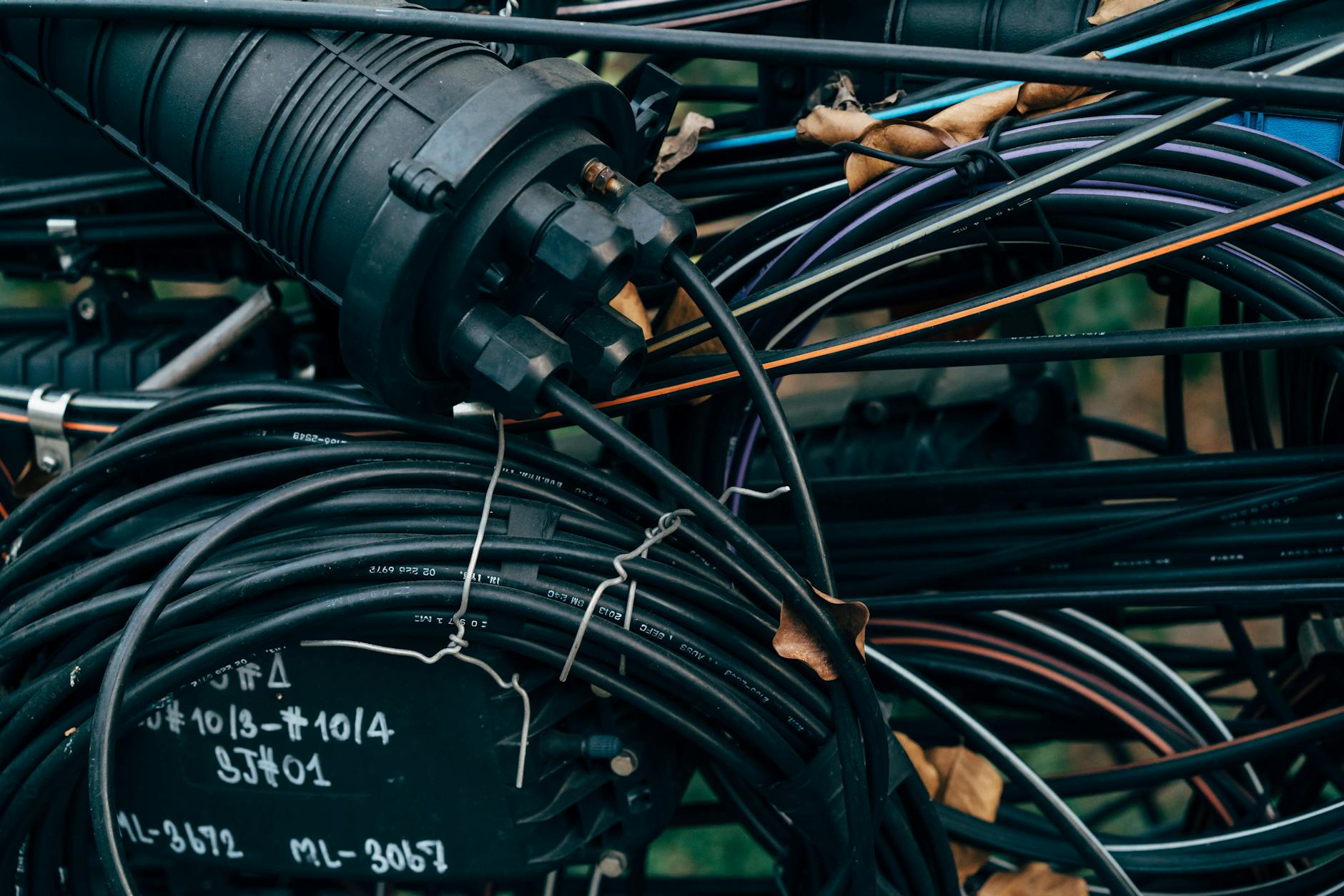
Electrical code requires that all wire connections be made inside accessible junction boxes with proper covers installed. Inspectors find wire splices made directly inside wall cavities in new construction, twisted together and wrapped in electrical tape or connected with wire nuts and then simply enclosed behind drywall. These connections have no protection from physical disturbance, no moisture barrier, and no means of inspection or maintenance. A failed splice inside a sealed wall cavity is a fire ignition source with no accessible means of detection until smoke becomes visible.
Nails Through Pipes

The speed at which finish carpenters and drywall crews work creates consistent opportunities for fasteners to penetrate water supply or drain pipes running through wall cavities. A nail or screw driven through a copper or PVC pipe may not cause an immediate leak if the fastener itself temporarily plugs the hole it creates. Over months of pressure cycling and temperature change, the material around the fastener fatigues and the slow leak begins. By that point the source of the moisture damage visible on interior surfaces can be difficult to trace without significant demolition.
Incorrectly Sized Ducts
HVAC ductwork running inside wall cavities must be sized according to load calculations specific to each room and the distances involved in the distribution system. Inspectors find supply and return ducts in new construction that were installed based on available material rather than engineered specifications, resulting in rooms that cannot achieve design temperatures regardless of system output. Undersized supply ducts also create pressure imbalances that force conditioned air through unintended pathways including ceiling and wall cavities. The resulting energy waste and comfort problems are frequently misdiagnosed as equipment failure when the actual cause is sealed inside the wall system.
Structural Notching Violations
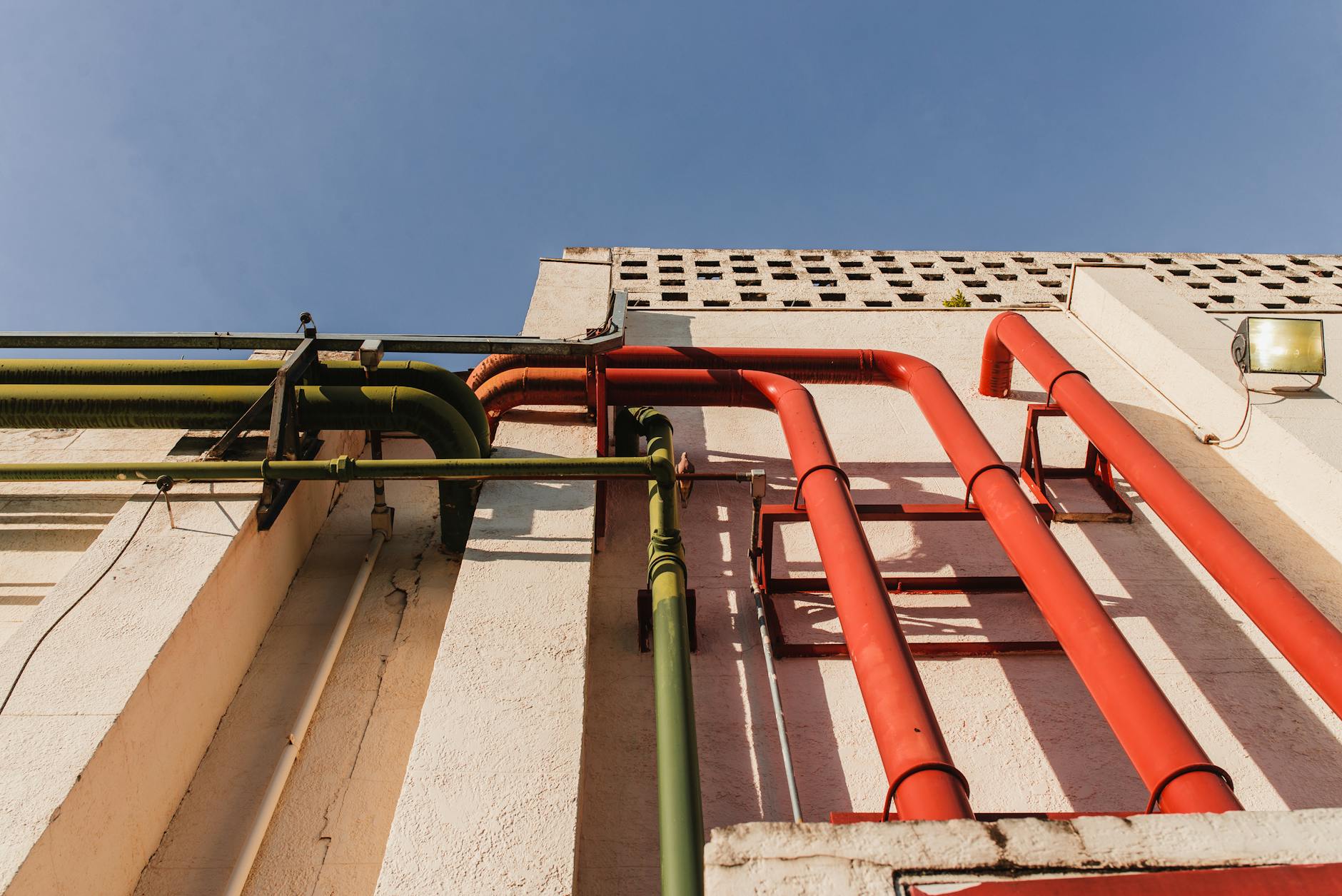
Plumbers and electricians routing pipes and wires through load-bearing wall studs are required to follow strict limits on the depth and placement of notches and holes to preserve structural integrity. Inspectors document notches cut too deep, holes drilled too close to stud edges, and multiple penetrations clustered in positions that compromise the load-carrying capacity of structural members. A stud weakened beyond code allowances in a load-bearing wall transmits abnormal stress to adjacent members. The consequences range from nail pops and cracking finishes in minor cases to progressive structural movement in more serious ones.
Compressed Insulation
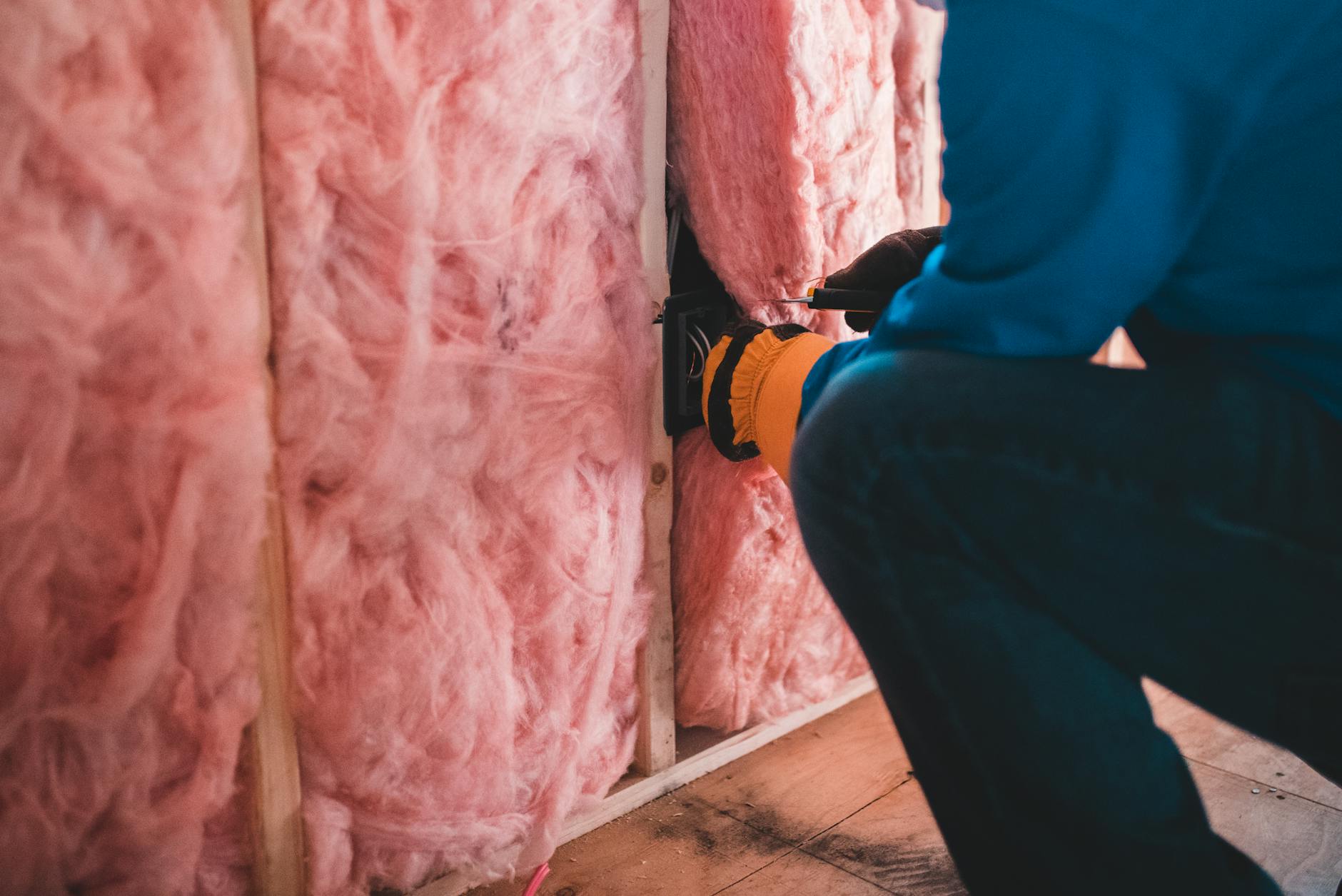
Batt insulation installed inside wall cavities must maintain its designed thickness to achieve its rated thermal resistance value. Inspectors find batt insulation forced into cavities that are too narrow, folded around obstacles, or compressed behind pipes and electrical boxes throughout new construction wall systems. Compressed fiberglass or mineral wool insulation loses thermal resistance in direct proportion to the degree of compression and the loss is not recoverable without reinstallation. Energy modeling used to certify a new home’s efficiency rating assumes full and correct insulation installation throughout the building envelope.
Missing Vapor Barriers

Climate zones with significant heating or cooling demands require vapor retarder membranes installed on the appropriate side of wall insulation to prevent moisture-laden air from condensing inside the wall assembly. Inspectors find vapor barriers missing entirely, installed on the wrong side of the insulation for the climate, or torn and patched with no attention to continuity across the wall surface. A wall assembly without correct vapor control in a cold or mixed climate will accumulate interstitial condensation during seasonal temperature differentials. The resulting moisture load feeds mold growth and wood decay from within the wall cavity where it remains invisible for years.
Disconnected Exhaust Ducts
Bathroom and kitchen exhaust fans vented into wall cavities rather than through to the exterior are a persistently common finding in new construction home inspections. A disconnected or improperly terminated exhaust duct deposits warm humid air directly into the wall or ceiling assembly it was designed to remove moisture from. The insulated wall cavity traps that moisture against framing and sheathing at temperatures that accelerate both mold growth and wood decay. Inspectors frequently find the interior fan operating perfectly while the exhaust terminates into a wall cavity just inches behind the finished ceiling.
Buried Clean-Outs
Plumbing drain lines require accessible clean-out fittings at specified intervals to allow drain clearing equipment to access the system when blockages occur. Finish work crews in new construction sometimes install drywall and tile over clean-out caps that were correctly roughed in by the plumbing crew, eliminating access without any record of the location. When the drain line eventually blocks, a plumber arriving to service the system has no accessible entry point and the homeowner faces exploratory demolition just to reach the fitting that was already there. This is a building code violation that passes unnoticed through most builder walkthroughs.
Cardboard Formwork
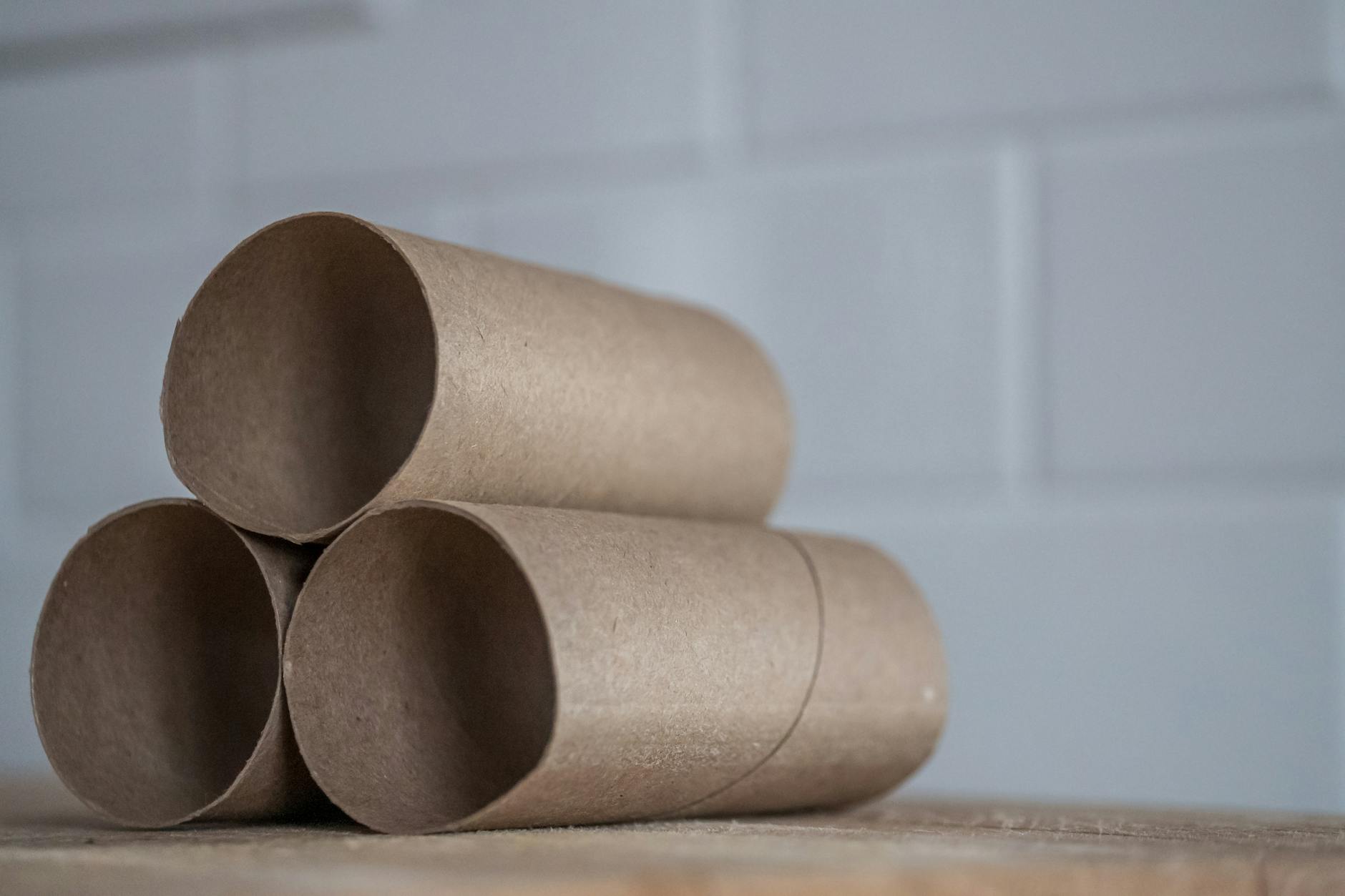
Cardboard tubes and sheet forms used during concrete pours as temporary structural formwork are intended to be removed before wall framing and enclosure proceeds. Inspectors using borescope cameras regularly find sections of cardboard left inside wall bases and floor assemblies in new construction. Organic material left in contact with concrete and framing absorbs moisture and provides a cellulose food source that supports mold growth and attracts wood-destroying insects. The presence of abandoned formwork also indicates the level of site supervision and quality control applied during the construction process.
Incorrect Anchor Bolts
The connection between a home’s wood sill plate and its foundation is made through anchor bolts embedded in concrete at code-specified intervals and with specific embedment depths. Inspectors find anchor bolts missing between required spacing intervals, bolts that were set too shallow in the concrete to achieve design holding strength, and nuts installed without washers in new construction foundations. This connection is the primary structural link resisting lateral forces from wind and seismic events. Deficient anchor bolt installation is a life-safety issue that is completely invisible once the wall framing and interior finishes are in place.
Blocked Weep Screed
Stucco and other cementitious exterior wall systems require a weep screed at the base of the wall assembly to allow any water that penetrates behind the cladding to drain safely to the exterior. Finish grading crews and landscapers frequently bury the weep screed under soil or mulch during site completion, blocking the drainage function entirely. Water that enters the wall assembly from above and cannot exit at the base saturates the base of the wall framing and bottom plate from below. Foundation sill rot in stucco-clad new construction is one of the most consistently documented findings in California home inspections.
Gas Line Stress Cracks
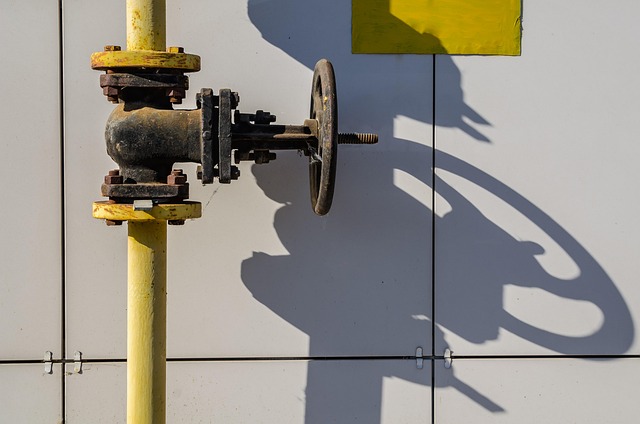
Flexible gas connectors and rigid gas supply lines routed through wall cavities in new construction are subject to physical stress from improper routing, tight bends, and contact with rough framing surfaces. Inspectors find gas lines kinked, bearing against the sharp edges of metal framing studs, or exhibiting visible deformation at bends that exceed the manufacturer’s minimum radius. A cracked or compromised gas line inside a sealed wall cavity creates an accumulation risk where leaked gas collects without detection until a source of ignition is reached. Gas line installation quality in new construction warrants specific attention during every inspection.
Misaligned Fire Sprinkler Heads
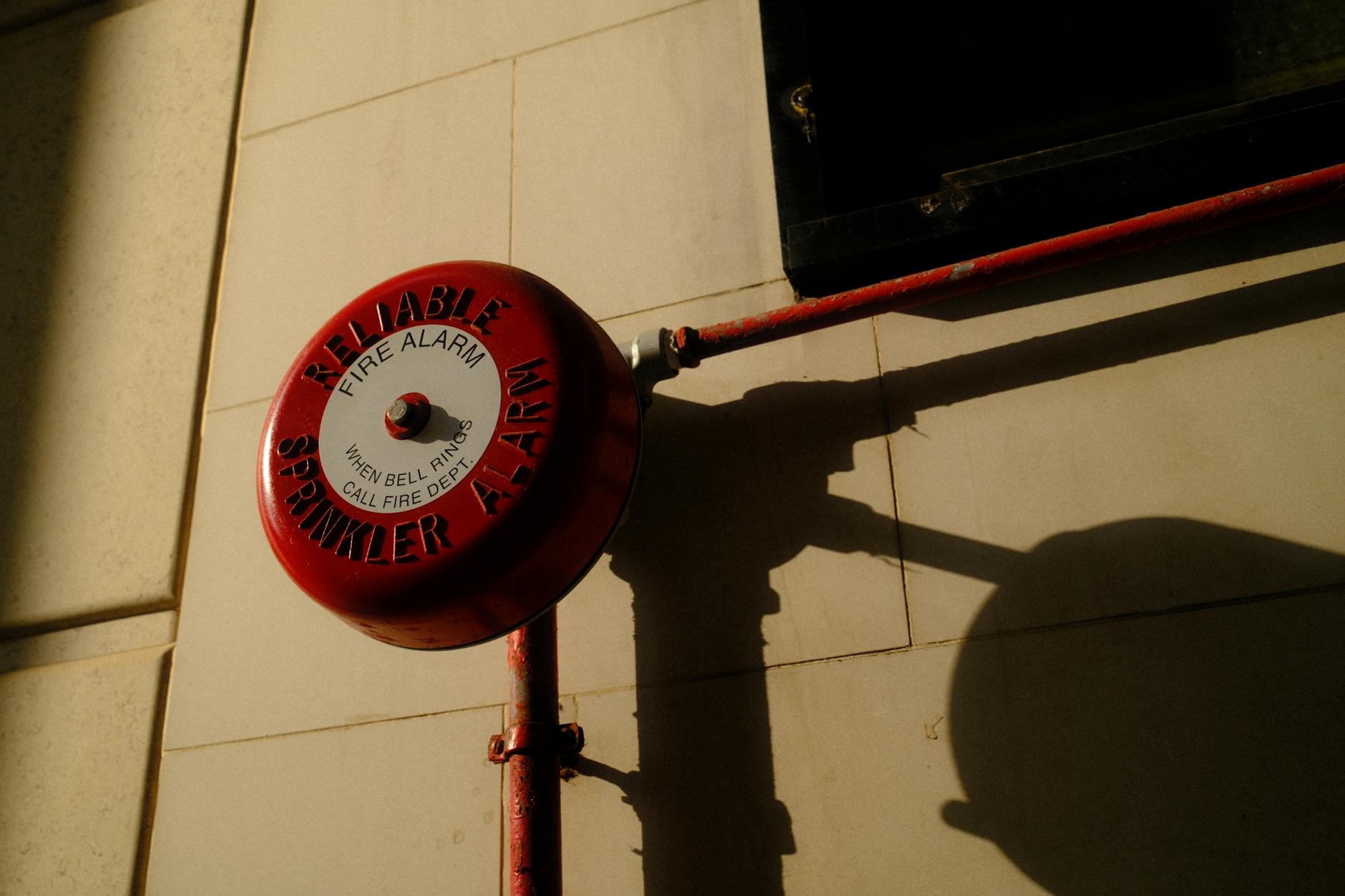
New construction homes built with residential fire suppression systems require sprinkler heads positioned and oriented precisely to achieve the coverage pattern specified in the system design. Inspectors find sprinkler heads in wall and ceiling locations where finish work was completed around them without regard for the manufacturer’s clearance and orientation requirements. An obstructed or misaligned sprinkler head will not achieve its designed coverage pattern and the protected area directly below will receive insufficient suppression during a fire event. Sprinkler system certification requires verification of every head but that verification does not always occur before occupancy.
Abandoned Plumbing Rough-Ins
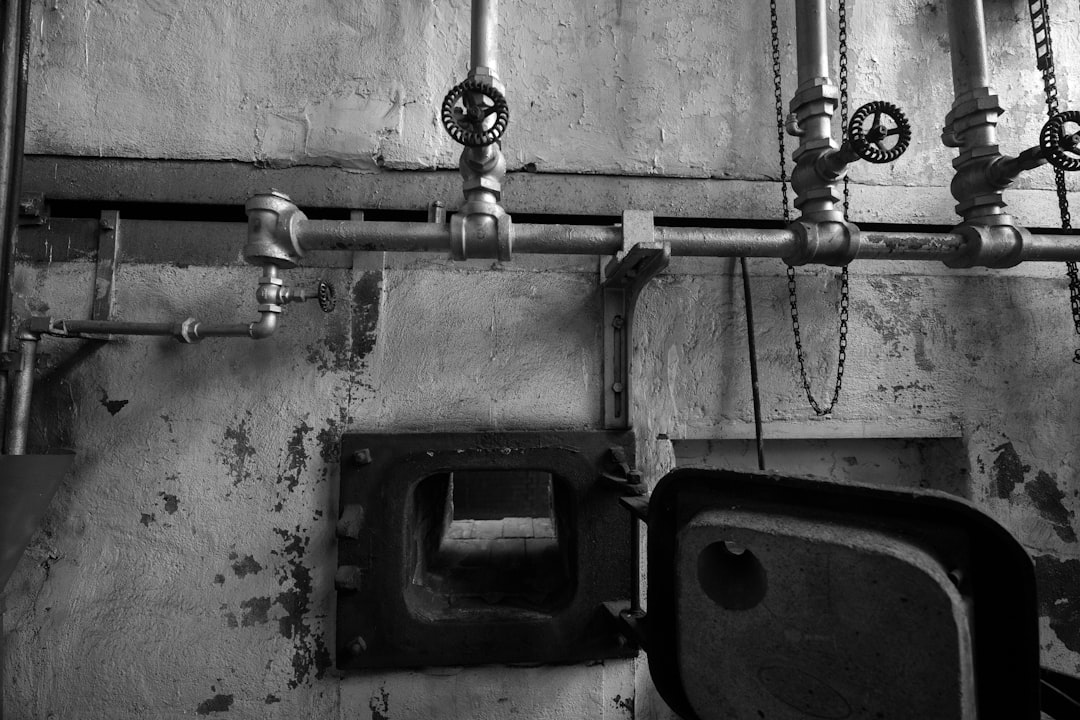
Design changes during construction frequently result in plumbing rough-in pipes that were stubbed into wall cavities for fixtures that were subsequently relocated or eliminated from the plan. Inspectors find capped pipes inside finished walls that were never properly pressure-tested after capping or that were sealed with temporary caps not rated for permanent installation. An abandoned rough-in left with a friction-fit temporary cap inside a wall cavity has no secondary containment and no means of inspection. Cap failures on abandoned plumbing have caused significant water damage events inside finished new construction.
Drywall Screw Overdrives
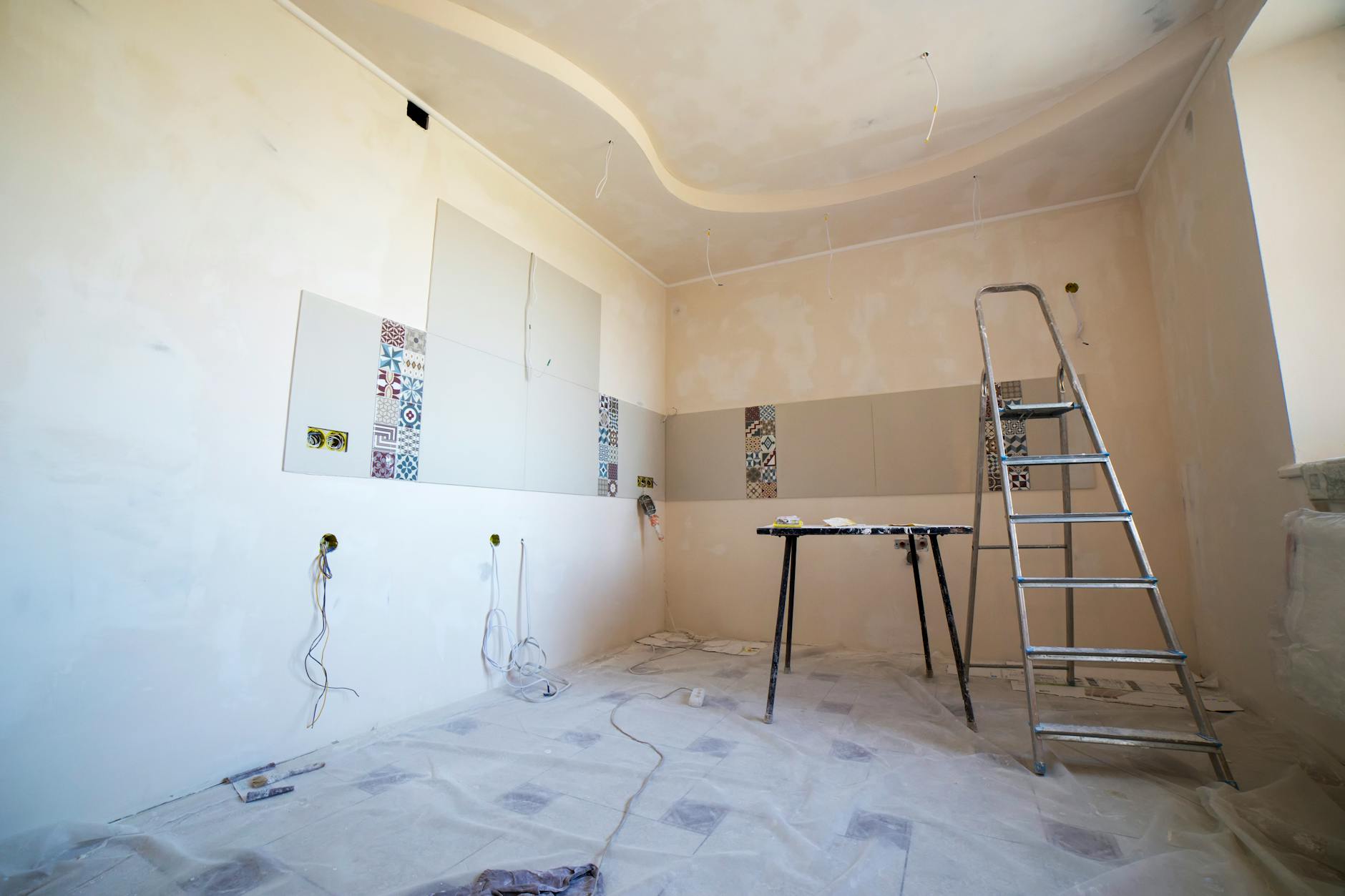
Drywall installation in new construction is performed at production speed and the consistent over-driving of screws through the drywall paper face is one of the most widespread quality defects inspectors document. A screw driven through the paper face rather than into it breaks the structural skin of the drywall panel and creates a fastener that holds the panel primarily through friction rather than tensile strength. In walls where multiple rows of overdriven screws are present, the drywall has significantly reduced resistance to impact damage, moisture, and long-term fastener pull-through. This defect is invisible under paint and primer but documentable during inspection before finish coats are applied.
Improperly Sloped Drain Lines
Horizontal drain pipes running inside wall and floor cavities must maintain a consistent downward slope toward the main stack to allow gravity drainage and prevent solids from settling in the line. Inspectors find new construction drain lines running level, sloped in the wrong direction, or with inconsistent pitch created by inadequate support across the run. A drain line with insufficient slope will accumulate solids and organic material at low points, producing chronic slow-drain conditions and recurring blockages that no amount of chemical treatment will permanently resolve. Correcting improperly sloped drain lines inside finished wall and floor assemblies typically requires significant demolition.
Missing Joist Hangers
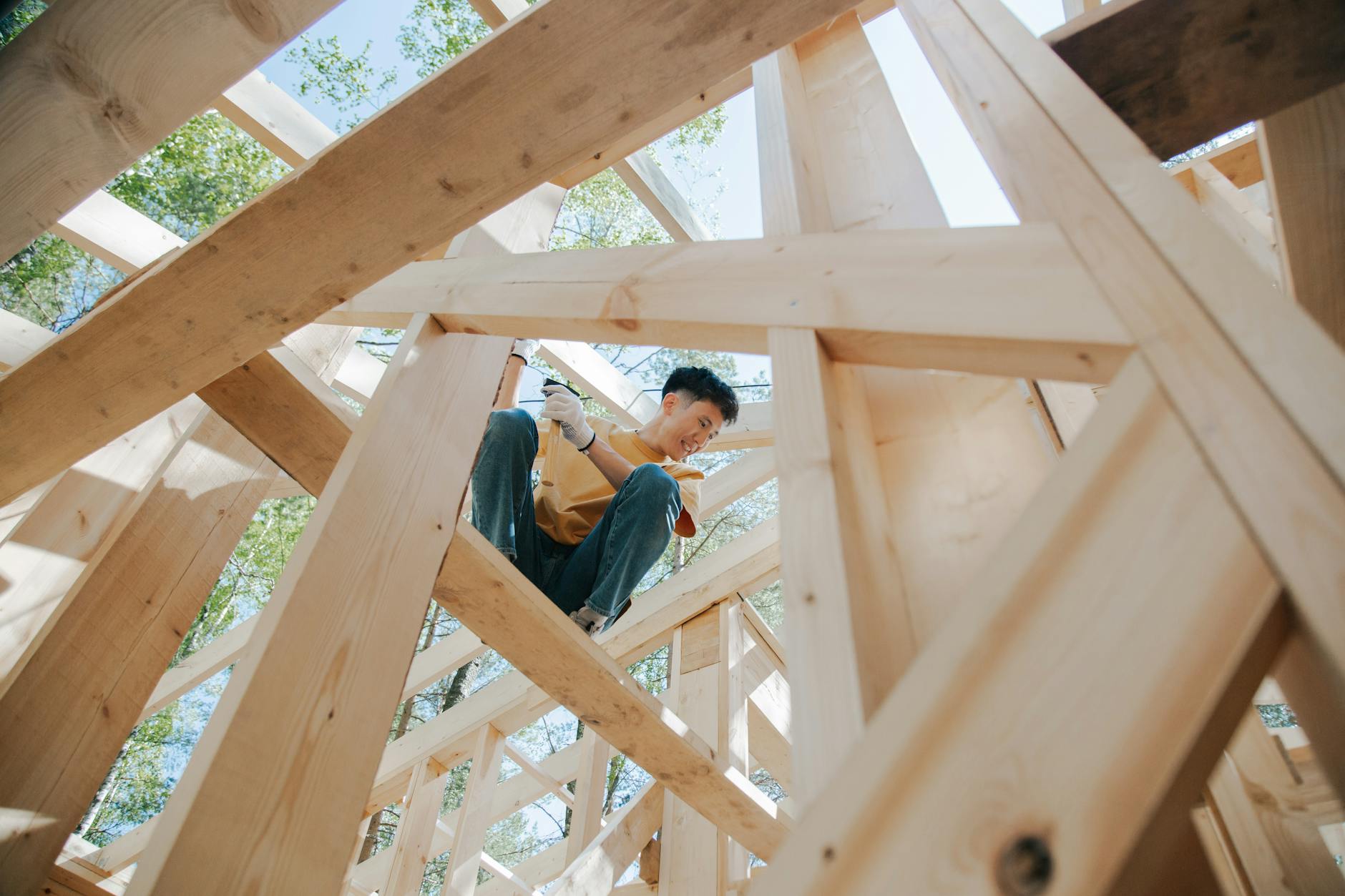
Structural connections between floor joists and supporting beams require metal joist hangers installed with the full complement of specified fasteners to transfer loads correctly between members. Inspectors find new construction framing where joist hangers are missing entirely at connection points, installed with only a fraction of the required nails, or used in a configuration that does not match the load requirements of the span. A joist supported by inadequate hardware relies on toe-nailing or simple bearing, both of which are insufficient for code-compliant load transfer. Hanger deficiencies are completely hidden once subfloor and wall finishes enclose the framing.
Cellulose in Wrong Cavities
Blown cellulose insulation intended for attic floor applications is occasionally misdirected into wall cavities during installation when technicians work quickly or without adequate job documentation. Wall cavities filled with loose-fill cellulose rather than the specified batt or spray product will settle over time, leaving uninsulated voids at the top of the wall that grow larger with each seasonal humidity cycle. Settled insulation also adds moisture-holding mass to the wall assembly that exceeds the vapor management capacity of the wall design. Thermal imaging during an energy audit is typically the first indication that wall cavity insulation has settled or is missing.
Incorrect Stud Spacing
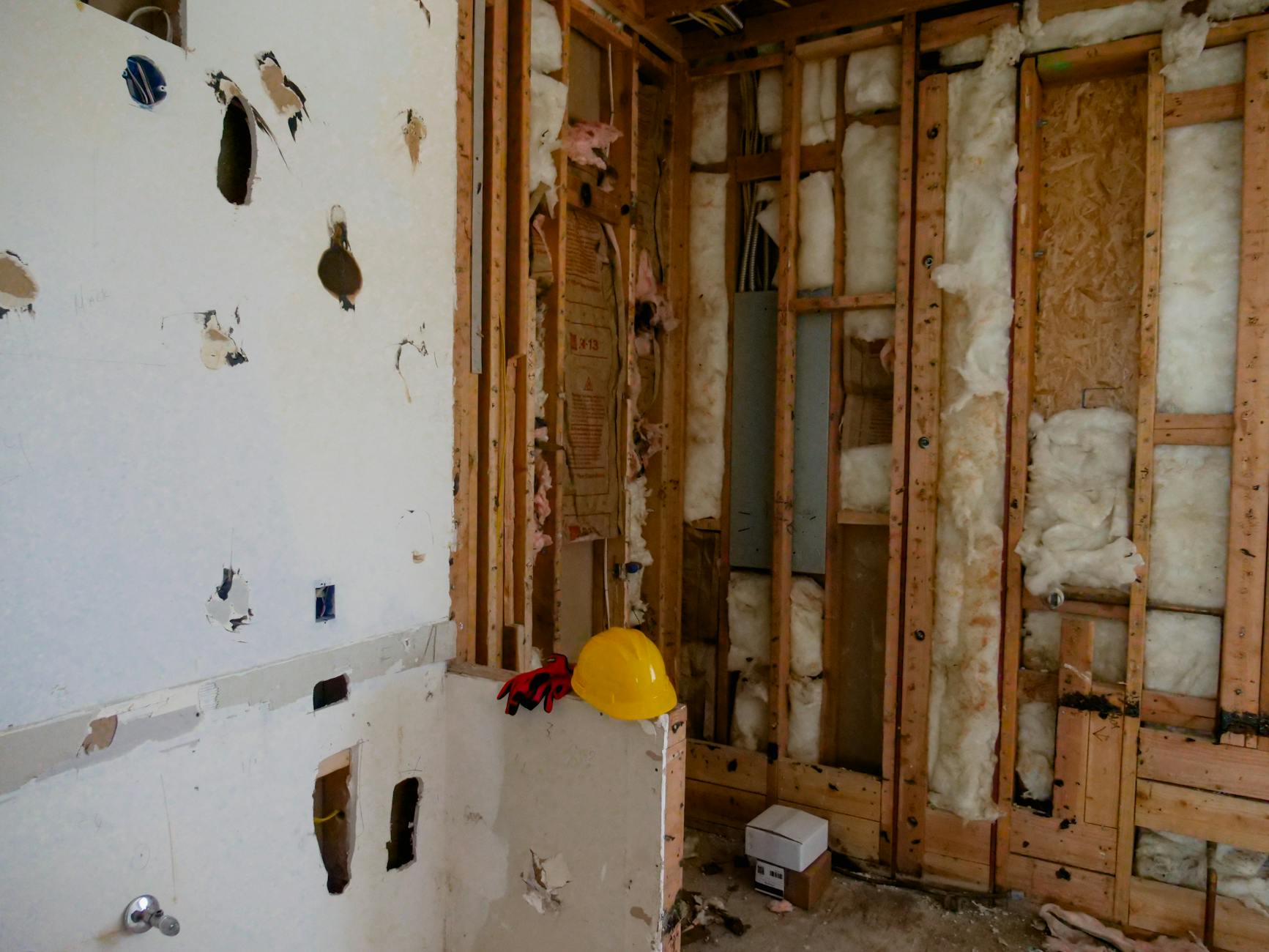
Standard wall framing specifications call for studs placed at either 16 or 24 inches on center depending on the structural and cladding requirements of the wall assembly. Inspectors find new construction walls where stud spacing is inconsistent, exceeded beyond allowable limits, or incorrectly transitioned at corners and intersections in ways that compromise the structural continuity of the framing. Drywall and exterior sheathing are both engineered for specific maximum span distances between fastener points. Excessive stud spacing results in sheathing that flexes under load and drywall that cracks at the midspan between studs under normal occupancy conditions.
Trapped Construction Debris
Sawdust, wood shavings, cut lumber ends, beverage containers, food wrappers, and fastener packaging routinely accumulate on wall bottom plates during active construction before drywall is installed. When site cleanup is inadequate before enclosure, this combustible debris is sealed permanently inside wall cavities throughout the home. Sawdust and wood waste in direct contact with electrical wiring, pipe chase heat, or any ignition source creates a fire risk that is proportional to the quantity of material present. Inspectors using borescope cameras document debris accumulations in new construction wall cavities on a regular basis.
Wrong Caulk Type
Exterior wall penetrations sealed with interior-grade caulk or paintable latex products rather than specified exterior elastomeric compounds are a widespread defect in new construction. Interior caulks lack the UV resistance, temperature range, and adhesion properties required for exterior applications and begin failing within the first weathering season. Once the caulk seal fails, the penetration it was covering becomes an open pathway for water infiltration into the wall assembly behind it. The failure is invisible from inside the home until water has already traveled through the wall framing and produced visible damage on interior surfaces.
Hidden Hose Bibs
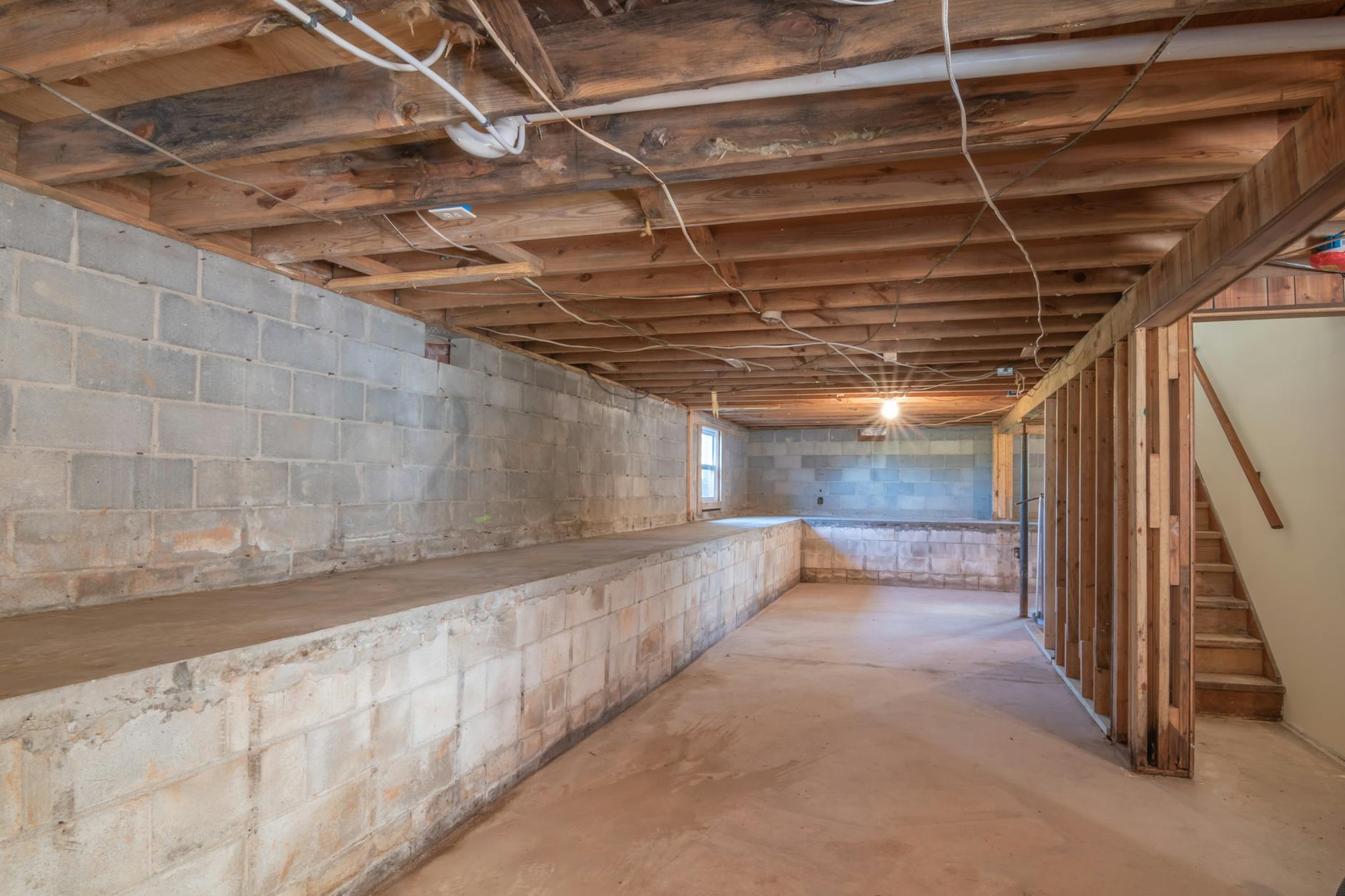
Exterior hose bib connections are occasionally roughed into wall cavities and then covered over during exterior cladding installation when the design is changed or the outlet location is relocated to a different wall. An active water supply line capped inside a finished wall cavity without documentation creates a future liability when the home is renovated or the plumbing system is serviced. Inspectors also find hose bib rough-ins inside walls that were capped with compression fittings rather than soldered or glued connections rated for permanent service. The compression cap holds under static pressure but can fail under the repeated pressure cycling of normal water service.
Cracked Concrete Lintels
Wall openings for windows and doors in concrete block or masonry construction are spanned by lintels that transfer the load from above the opening to the wall on either side. Inspectors find cracked or improperly cured lintels inside wall assemblies in new construction where the concrete was poured in low temperatures or without adequate mix specification. A cracked lintel transfers load unevenly to the jamb below and will produce progressive cracking in the surrounding wall assembly as settlement continues. The visible signs above door and window frames that homeowners notice as the home ages frequently trace back to lintel defects that were present from the day of construction.
Improperly Bonded Neutrals
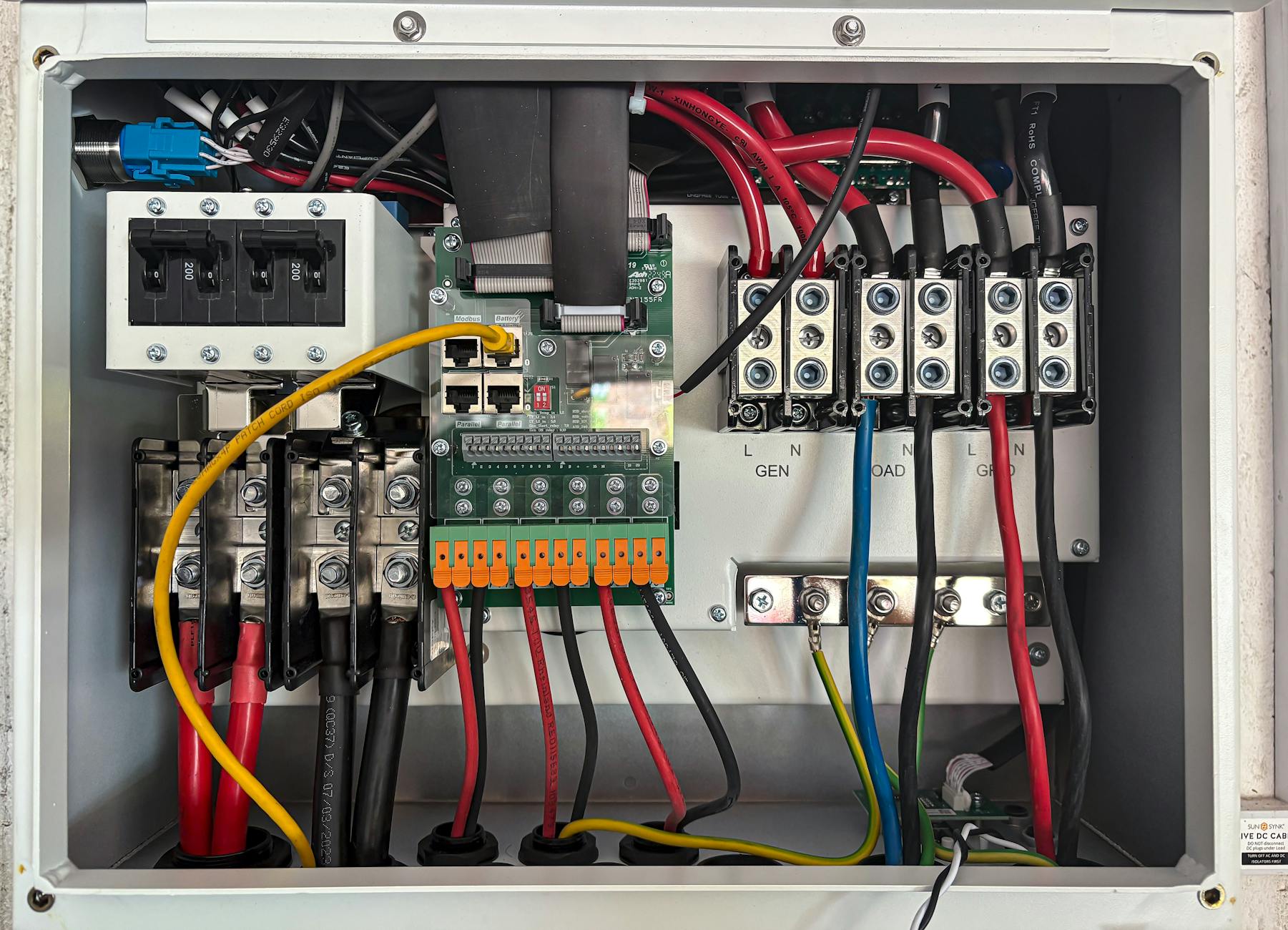
Electrical panel wiring in new construction requires a specific and precise separation between neutral and ground conductors in subpanels and a specific bonding arrangement in the main service panel. Inspectors find neutral and ground buses improperly bonded in subpanels and improperly separated in main panels with significant regularity in new construction. These errors create ground current pathways that can energize normally safe metal surfaces throughout the home including plumbing, appliances, and structural components. The defect requires no observable event to be dangerous and produces no symptoms that a homeowner would associate with an electrical problem.
Air Gap Violations
Plumbing fixtures that supply potable water require air gaps or approved backflow prevention devices at all points where the supply outlet is positioned below the flood rim of the receiving fixture. Inspectors find dishwasher drain connections, ice maker supply lines, and sink faucet installations in new construction where air gap requirements were ignored during installation. A cross-connection without backflow protection allows contaminated water from a fixture to siphon back into the potable supply under negative pressure conditions. Municipal water systems can experience negative pressure events during main breaks and high-demand periods when backflow risk is highest.
Rotted Bottom Plates
Wood bottom plates installed directly on concrete slab surfaces without adequate moisture isolation are vulnerable to rot that can begin during the construction phase before occupancy. Inspectors find new construction wall bottom plates with visible decay, fungal growth, or moisture staining in areas where the concrete slab moisture barrier was improperly installed or where concrete curing moisture was not allowed to dissipate before framing began. A rotted bottom plate compromises the structural connection between the wall framing and the foundation throughout its affected length. Because the defect is enclosed between the floor finish and the wall drywall, it progresses without any visible indication until structural movement becomes apparent.
Improper Shear Wall Nailing
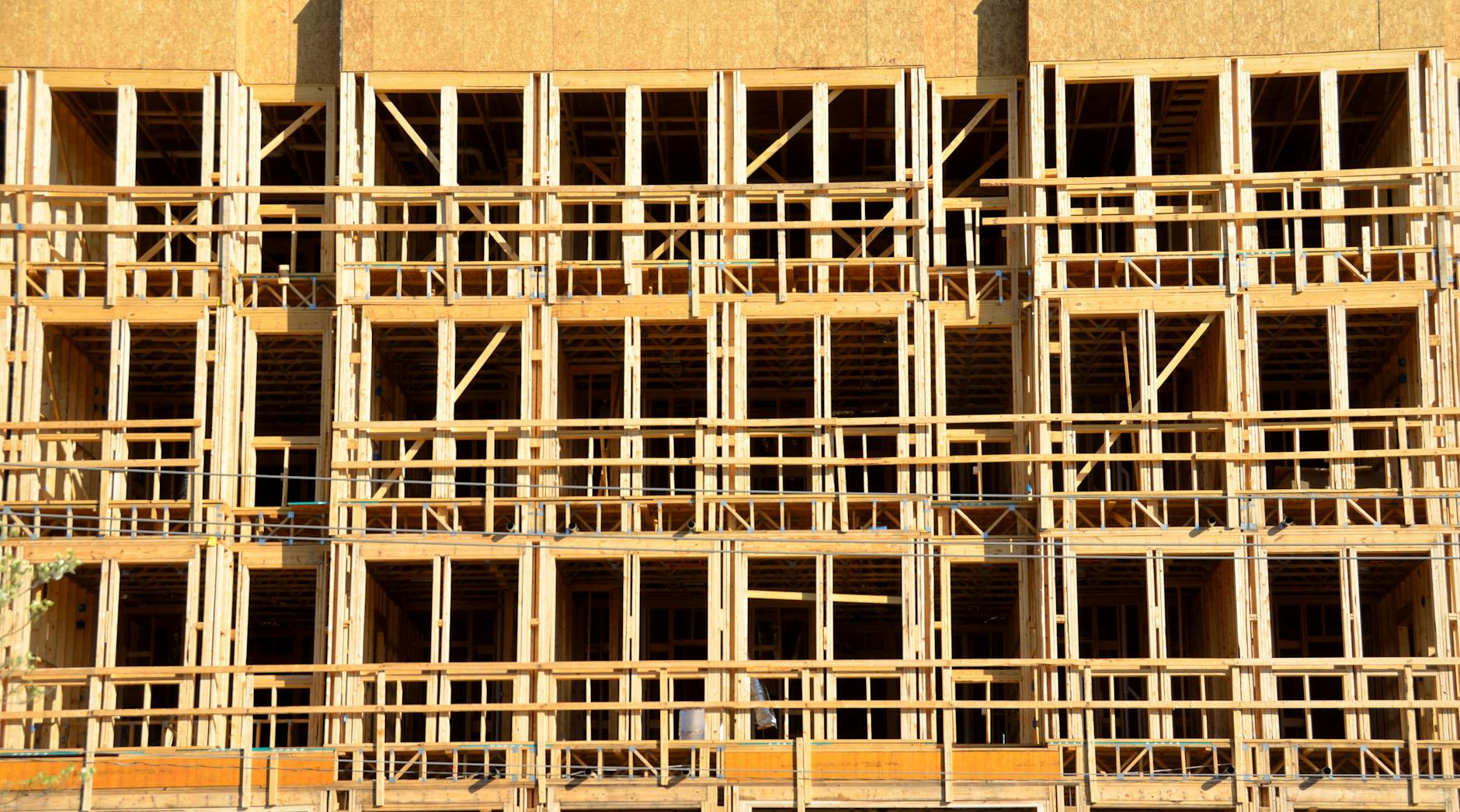
Walls designated as shear panels in the structural design of a new home resist lateral forces through a specifically engineered nailing pattern applied to structural sheathing. Inspectors find new construction shear walls where the nailing schedule was applied incorrectly, nails were spaced too far apart, or the wrong nail size was used throughout the sheathing installation. A shear wall with inadequate nailing may appear structurally complete from any visual inspection but will perform significantly below its designed capacity under lateral loading from wind or seismic events. This is among the most consequential invisible defects in new construction in high wind and seismic zones.
Uncapped Flue Liners
Masonry chimneys built into new construction exterior walls require properly fitted caps at the crown to prevent water infiltration, animal entry, and downdraft conditions inside the flue. Inspectors find uncapped flue liner tiles inside chimney chases built into new construction walls where the masonry was completed but the chimney cap installation was overlooked before the exterior was finished. An open flue collects rainwater that migrates down the liner and into the wall cavity at the base of the chimney chase. Bird and squirrel nests built inside uncapped flues during the construction window are a consistent borescope finding in new homes with masonry chimney features.
Doubled Neutral Wires
Electrical panels in new construction frequently exhibit the practice of connecting two neutral conductors under a single terminal screw on the neutral bus bar, a condition known as a doubled neutral. Each neutral conductor must have its own dedicated terminal to ensure reliable continuity of the return path for that circuit. When two neutrals share a terminal, loosening of one can affect both circuits and intermittent contact at the terminal creates a resistance heating point inside the panel enclosure. This defect is invisible behind the panel cover and is found only during a proper inspection that includes panel cover removal and internal examination.
If any of these findings have you reconsidering your assumptions about new construction, share what surprised you most in the comments.




