Social gatherings often present a complex challenge for individuals who experience feelings of unease or nervousness in group settings. These emotions can range from mild hesitation to physical symptoms that make interaction difficult. Developing a reliable set of coping strategies helps transform these events into manageable and even enjoyable experiences. The following methods offer practical tools to navigate social dynamics with greater confidence and composure.
Arrive Early
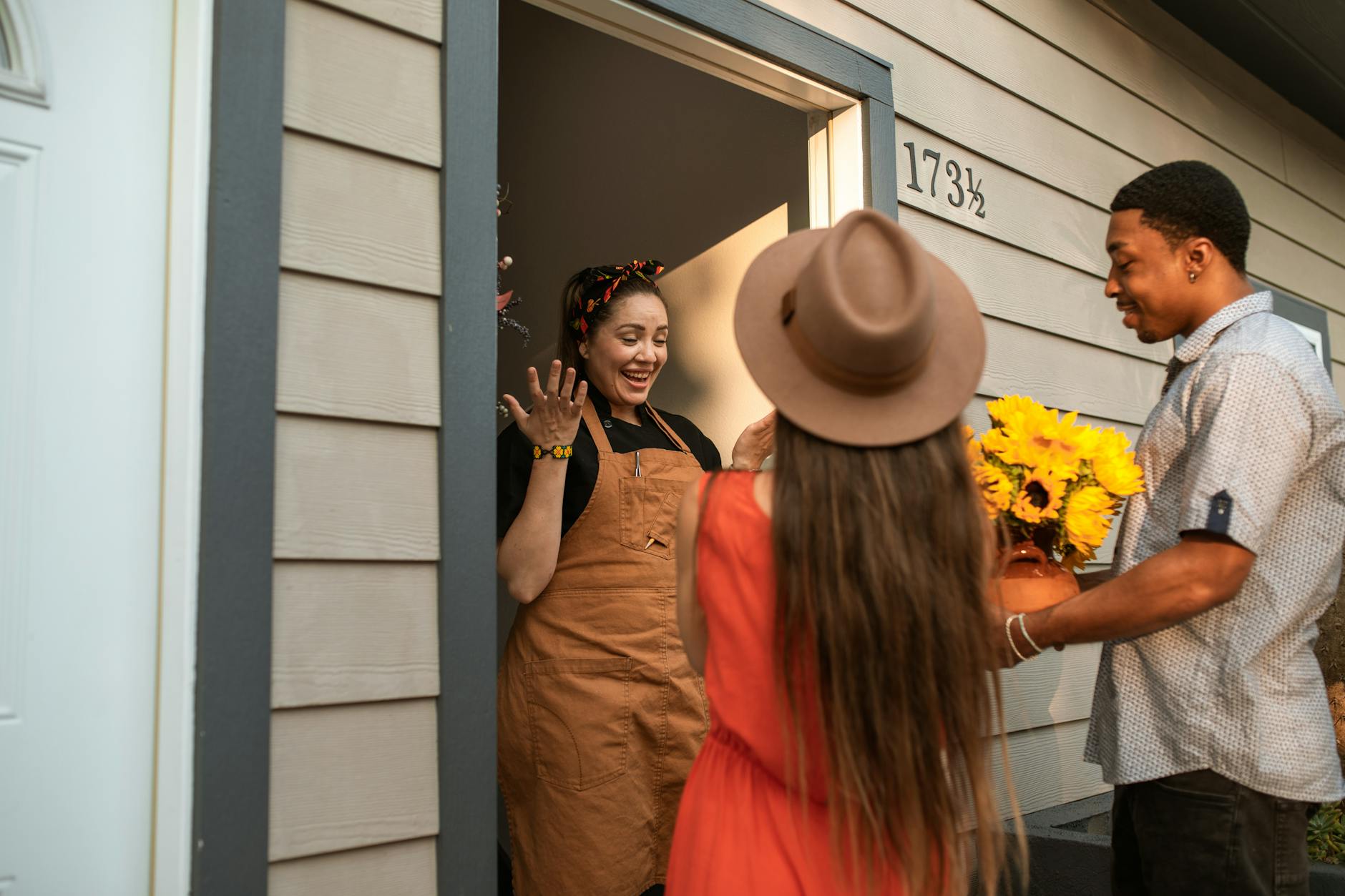
Entering a room that is not yet crowded allows you to acclimate to the environment at your own pace. You can greet the host and establish a comfortable base before the noise level increases. This tactic provides an opportunity to meet other guests one by one as they arrive at the venue. Establishing a presence before the rush helps you feel more grounded and less overwhelmed by the collective energy of the group.
Set a Time Limit
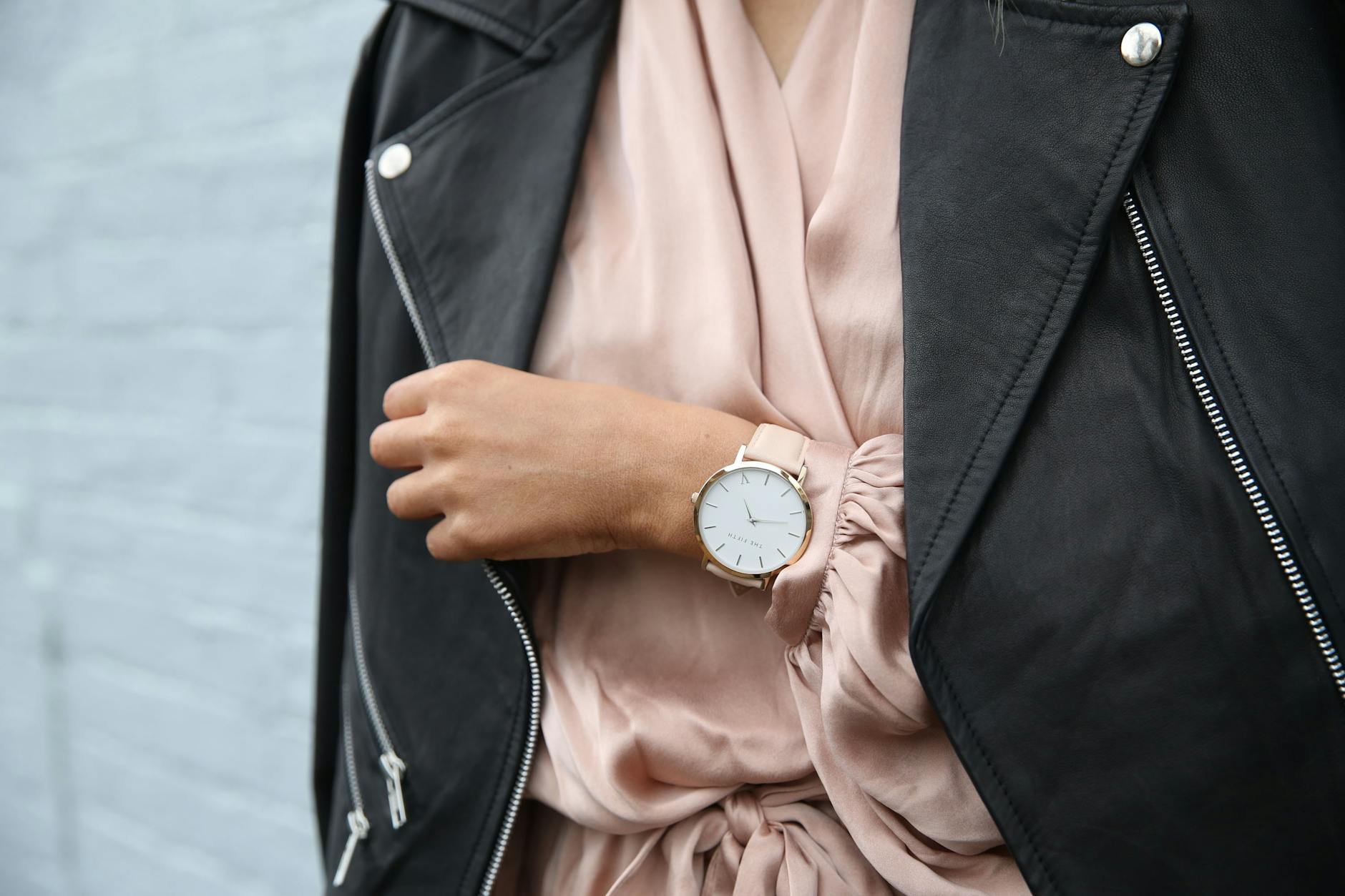
Deciding on a specific departure time before leaving your home creates a comforting safety net. You can tell yourself that you only need to sustain social interaction for one or two hours. This predetermined boundary reduces the feeling of being trapped in an indefinite situation. Knowing exactly when you will leave often makes the time spent at the party feel much more manageable.
Bring a Prop

Holding a physical object can act as a grounding mechanism when you feel your hands shaking or fidgeting. A drink or a small plate of food gives you a legitimate reason to occupy your hands while you observe the room. This simple action prevents body language that might signal nervousness to others. It also provides a natural pause in conversation as you take a sip or a bite.
Focus on Others

shifting your attention away from your internal dialogue effectively reduces self-consciousness. You can achieve this by observing the people around you and becoming curious about their stories. Asking questions about their interests moves the spotlight off yourself and onto them. This approach naturally makes you a better listener and relieves the pressure to perform.
Deep Breathing Techniques

Controlled breathing signals your parasympathetic nervous system to calm down during moments of high stress. You can discreetly inhale for four counts and exhale for four counts while standing in a quiet corner. This physiological reset lowers your heart rate and clears mental fog almost immediately. practicing this technique in the car before entering the venue sets a calm baseline for the evening.
Wear Comfortable Clothing

Physical discomfort often exacerbates mental unease during stressful social situations. Choosing an outfit that fits well and makes you feel confident eliminates one potential source of anxiety. You should avoid adjusting straps or pulling at tight fabric while trying to converse. When your body feels at ease it becomes much easier for your mind to relax.
Prepare Conversation Starters

Having a few reliable topics ready in advance prevents the panic of sudden silence. You might look up current events or popular movies to have fresh material for discussion. These pre-planned subjects act as a safety net when natural conversation flows stall. relying on these scripts can bridge the gap until a genuine connection forms.
Find a Safe Spot

Identifying a quieter area in the venue gives you a place to retreat when stimulation becomes too intense. This could be a balcony or a hallway or even a less crowded corner of the main room. Knowing this refuge exists provides mental relief even if you never actually use it. You can retreat there for a few minutes to recharge before rejoining the group.
Limit Alcohol Consumption

Reliance on liquid courage often leads to increased anxiety once the initial effects wear off. Sticking to one or two drinks ensures you remain in full control of your words and actions. Drinking water between alcoholic beverages helps maintain hydration and mental clarity throughout the event. Staying clear-headed allows you to read social cues accurately and respond appropriately.
Help the Host

Assigning yourself a task provides a structured way to participate without the pressure of constant conversation. You might offer to pass hors d’oeuvres or refill the ice bucket at the drink station. This gives you a clear purpose and a reason to move around the room. It also naturally facilitates brief and low-pressure interactions with other guests.
Bring a Support Friend

Attending with someone who understands your anxiety provides a crucial emotional anchor. You can agree on a secret signal that indicates you need a break or want to leave. This person can also help introduce you to others and keep conversations flowing smoothly. Their presence alone often reduces the perceived threat of the social environment.
Challenge Negative Thoughts

Cognitive reframing involves catching irrational fears and replacing them with logical statements. You might remind yourself that most people are focused on their own behavior rather than judging yours. Recognizing that everyone makes minor social errors helps normalize your own experiences. This internal correction prevents a spiral of self-criticism during the event.
Use the Restroom Reset

The bathroom offers a private sanctuary where you can escape the public eye for a few moments. You can use this time to check your appearance and take several deep breaths in solitude. Splashing cold water on your wrists can also help cool down your body temperature. A brief pause in this private space helps reset your energy for the next round of socializing.
Visualize Success

Spending a few minutes imagining a positive outcome before the party primes your brain for confidence. You can picture yourself smiling and nodding and having pleasant exchanges with others. This mental rehearsal reduces the fear of the unknown by creating a familiar neurological pathway. detailed visualization helps lower anticipation anxiety leading up to the event.
Keep Your Phone Away

Checking your phone constantly can become a crutch that isolates you from the present moment. It sends a signal to others that you are unavailable or uninterested in connection. Keeping your device in your pocket or bag encourages you to engage with the immediate environment. You will likely find that people are more approachable when you look ready to interact.
Ask Open-Ended Questions

Queries that require more than a yes or no answer keep the conversation flowing with less effort from you. You can ask people how they know the host or what they have been doing recently. These types of questions encourage the other person to tell a story or share an opinion. This strategy places the burden of talking on them while you actively listen.
Adopt a Power Pose

Standing tall with your shoulders back affects your hormonal balance and increases feelings of power. You can practice this posture in private before entering the room to boost testosterone and lower cortisol. Maintaining good posture during the party also projects confidence to those around you. This physical adjustment often tricks your brain into feeling more secure.
Acknowledge Familiar Faces

Scanning the room for people you already know provides an immediate sense of belonging. You can start your evening by reconnecting with these acquaintances to build momentum. A brief and friendly interaction with a known person can serve as a warm-up for meeting strangers. It establishes a social foundation that makes the rest of the room seem less intimidating.
Accept the Anxiety

Fighting against nervous feelings often creates a secondary layer of stress and panic. Acknowledging that your heart is racing or your palms are sweating takes the power away from the symptoms. You can simply label the feeling as excitement or energy rather than fear. Allowing the sensations to exist without judgment often causes them to dissipate faster.
Eat Something Beforehand
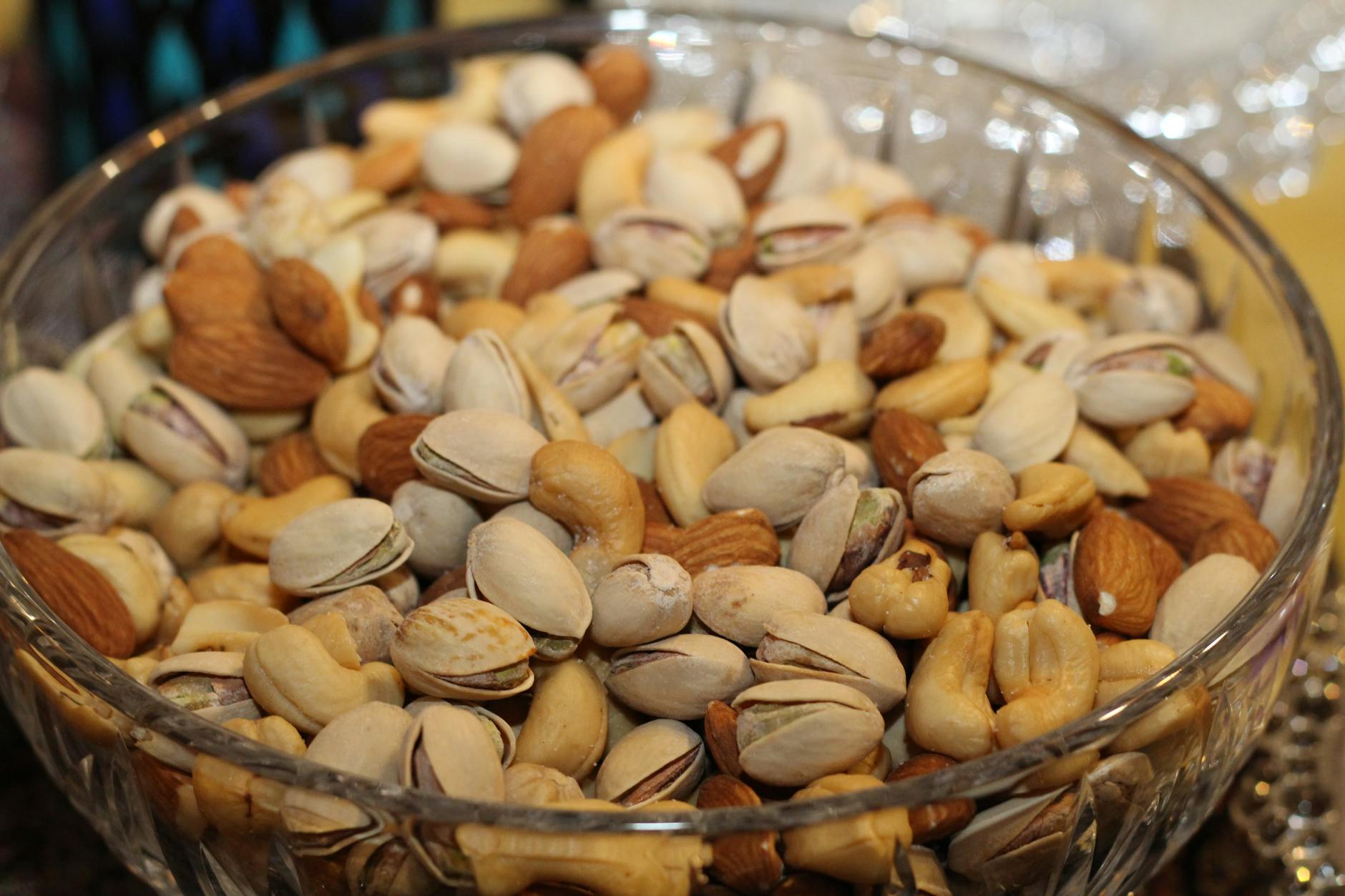
Going to a party on an empty stomach can lead to low blood sugar and increased irritability or jitteriness. specific foods containing protein and complex carbohydrates provide sustained energy for the evening. Eating at home ensures you are not dependent on the potentially sparse food options at the event. A nourished body handles stress hormones much more effectively than a hungry one.
Give Genuine Compliments

Noticing something positive about another person creates an instant and friendly connection. You might mention their shoes or a piece of jewelry or their choice of drink. This breaks the ice immediately and usually elicits a warm response. It also shifts your focus outward to appreciation rather than inward to worry.
Avoid Caffeine

Stimulants like coffee or energy drinks can mimic or exaggerate the physical symptoms of anxiety. skipping these beverages on the day of the party keeps your heart rate lower and steady. You should opt for herbal tea or water to stay hydrated without the jitters. keeping your physiological baseline calm makes mental regulation significantly easier.
Plan Your Exit Strategy

Knowing exactly how you will leave prevents the stress of getting stuck at the venue. You might drive your own car or have a rideshare app ready on your phone. If you are riding with friends you should discuss the departure plan in advance. Having autonomy over your mobility provides a strong sense of security.
Observe Before Engaging

Taking a moment to watch the room helps you identify approachable groups or individuals. You can see where the food is located and where people are congregating most densely. This observational period allows you to strategize your movement through the space. You can then choose to enter a conversation that looks open and inviting.
Practice Active Listening

Concentrating fully on what the other person is saying prevents your mind from wandering to anxious thoughts. You can nod and make eye contact to show you are engaged in the dialogue. reflecting back what they said proves you are paying attention and validates their feelings. This intense focus on the external input blocks out internal self-doubt.
Wear a Conversation Piece

Putting on a unique accessory can serve as a natural hook for others to approach you. This could be an interesting vintage watch or a colorful scarf or a unique pin. It relieves you of the burden of starting the conversation because others will comment on it. This passive strategy invites interaction without requiring you to make the first move.
Set Small Goals

Breaking the evening down into manageable objectives makes the event feel less daunting. You might aim to talk to three new people or stay for at least forty-five minutes. achieving these micro-goals provides a sense of accomplishment and progress. You can then grant yourself permission to leave or relax once the targets are met.
Reframe Nervousness as Excitement

The physiological signs of anxiety and excitement are remarkably similar in the body. You can tell yourself that your racing heart means you are ready for a fun evening. This cognitive shift changes your relationship with the physical sensations you are experiencing. It turns a negative threat response into a positive anticipation response.
Join Open Circles
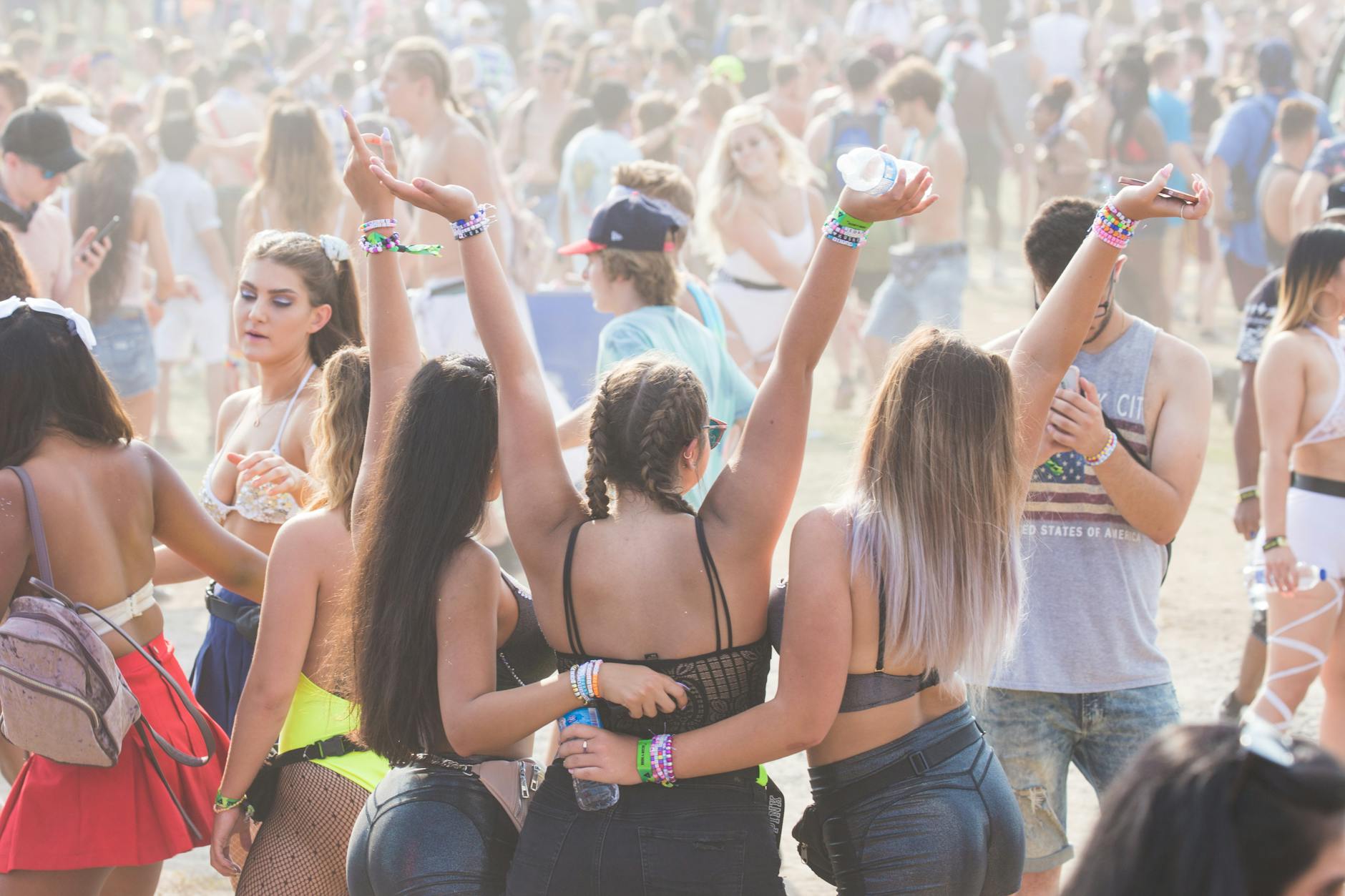
Groups of people standing in a U-shape rather than a closed circle are physically signaling they are open to new members. You can approach these formations and simply stand at the edge to listen. usually someone in the group will eventually acknowledge you and include you in the discussion. This is less intimidating than trying to interrupt a closed conversation between two people.
Stay Hydrated

Dehydration can cause fatigue and headaches which lower your resilience to stress. sipping water throughout the evening keeps your energy levels stable and your mind sharp. It also helps pace your alcohol intake if you choose to drink. holding a water glass is just as effective as holding a cocktail for keeping your hands busy.
Assume Positive Intent

believing that others are friendly and want to have a good time changes your approach to the room. You can remind yourself that most guests are there to connect and not to judge. This positive assumption reduces defensiveness and makes your body language more open. It creates a self-fulfilling prophecy where you interpret interactions as welcoming.
Focus on the Present Moment

Grounding yourself in the sensory details of the party pulls you out of catastrophic thinking. You can notice the music playing or the smell of the food or the colors of the decor. This mindfulness technique anchors you in reality rather than hypothetical disasters. It creates a mental break from the internal narrative of worry.
Smile Gently

A soft and natural smile makes you appear approachable and triggers positive feedback loops in your brain. You do not need to beam constantly but a pleasant expression invites others in. People are naturally drawn to those who look content and friendly. This simple facial adjustment can significantly alter how the room reacts to you.
Avoid Comparisons

Measuring your social performance against the most extroverted person in the room is a recipe for inadequacy. You must accept that your social style is valid even if it is quieter or more reserved. focusing on your own authentic connections matters more than being the life of the party. celebrating your own small wins is healthier than envying others.
Talk to the Wallflowers

Seeking out other individuals who look alone or uncomfortable provides mutual relief. You can approach someone standing by themselves and introduce yourself simply. They will likely be grateful for the company and the rescue from isolation. These interactions are often deeper and more genuine than those in loud groups.
Use the Three-Second Rule

Hesitation often breeds anxiety so acting quickly can bypass the fear response. When you see someone you want to talk to you should approach them within three seconds. This prevents your brain from generating excuses or worst-case scenarios. rapid action builds confidence and momentum for the rest of the night.
Practice Self-Compassion

Treating yourself with kindness if an interaction goes poorly prevents a shame spiral. You can acknowledge that social skills are difficult and that everyone has awkward moments. forgiving yourself quickly allows you to move on and enjoy the rest of the event. Being your own best friend is essential for long-term confidence.
Prepare a Brief Introduction

Having a succinct sentence ready to describe who you are and what you do saves mental energy. You can practice saying this introduction in the mirror until it feels natural. This preparedness eliminates the stumbling that often happens during first impressions. It gives you a solid platform to start any new interaction.
Stand Near the Food

The food station is a high-traffic area where conversation happens naturally and casually. You can comment on the appetizers as a low-stakes way to speak to someone next to you. It also gives you a valid activity to focus on while you survey the crowd. This location guarantees a steady stream of potential social partners.
Reward Yourself After

Planning a treat for when you return home gives you something positive to look forward to. You might decide to watch your favorite show or have a specific dessert. This reward system reinforces the brave behavior of facing your social fears. It ensures the night ends on a high note regardless of how the party went.
Tell us which of these strategies you plan to try at your next event in the comments.




