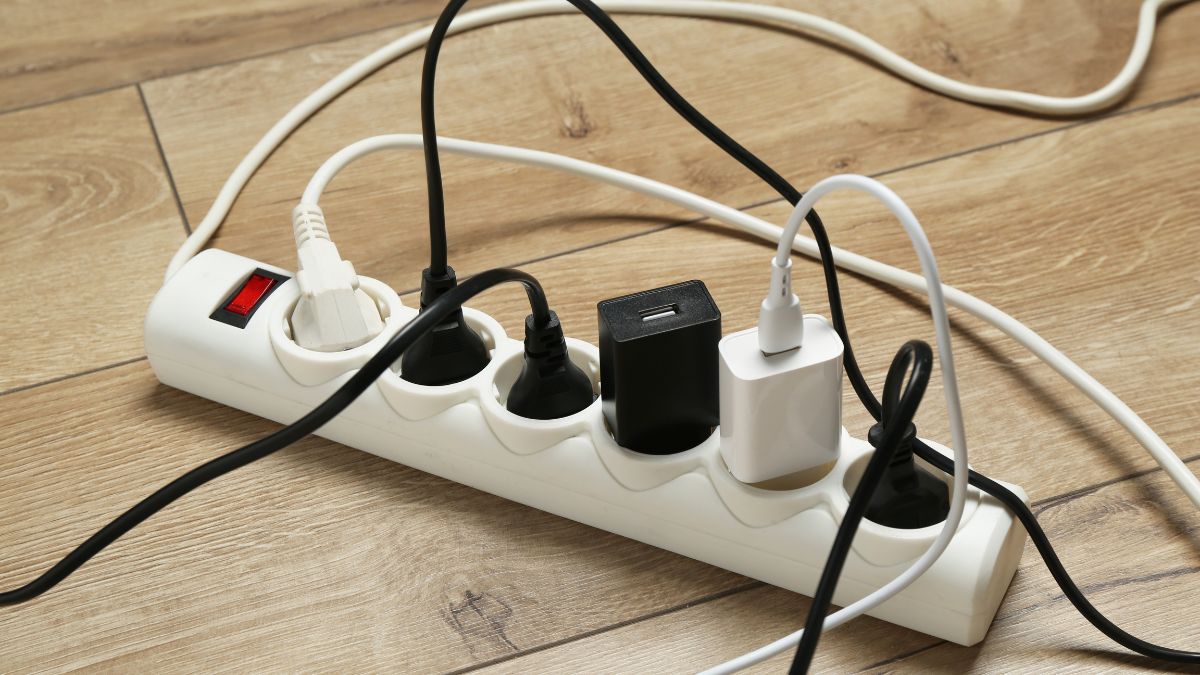
Extension cords are among the most misused pieces of electrical equipment in the average home, and the gap between how people use them and how they are designed to be used is where house fires begin. The danger is compounded by the fact that the damage accumulates invisibly inside walls, under carpets, and behind furniture long before any smoke or heat becomes detectable. Electrical fires caused by extension cord misuse are responsible for a significant portion of residential fire fatalities each year, and the majority of them were preventable. Understanding exactly how these fires start is the first step toward eliminating the habits that cause them.
Daisy Chaining
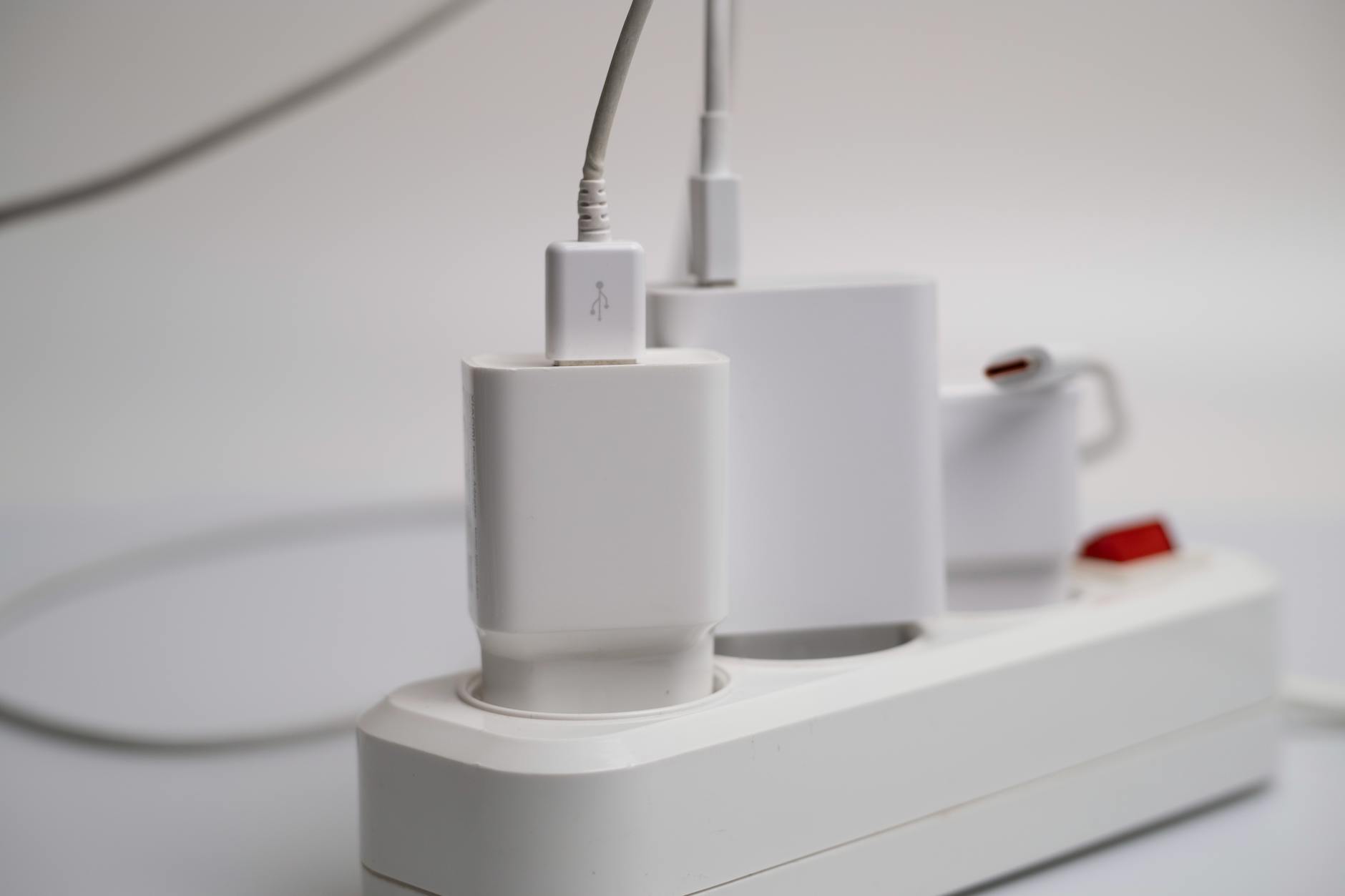
Connecting multiple extension cords end to end to reach a distant outlet multiplies the resistance in the circuit while the total amperage demand on the original outlet remains unchanged. Each connection point between cords is a potential arc point where imperfect contact between plug prongs and receptacle contacts generates heat that accumulates with every hour of use. The combined length of daisy-chained cords also exceeds the voltage drop tolerance of the wire gauge being used, generating resistive heat along the entire run. Most residential fires traced to extension cord chains begin at one of the intermediate connection points where the heat concentration is highest and the location is least likely to be monitored.
Under Rugs

Routing an extension cord beneath a carpet or area rug is one of the most consistently documented causes of residential electrical fires investigated by fire marshals. Carpet and rug fibers act as insulation that traps the heat generated by normal current flow through the cord, preventing the dissipation that the cord’s thermal design depends on. Foot traffic compresses the cord repeatedly, eventually cracking the insulation and bringing conductors closer together or into direct contact with the carpet fibers above them. The smoldering combustion that results can progress for hours inside the carpet layers before producing any visible smoke at the room surface.
Nailing and Stapling
Securing an extension cord to a wall, baseboard, or floor surface using nails, staples, or cable clips not rated for flexible cord creates pinch points where the insulation is compressed or penetrated by the fastener. A staple driven through the insulation of a live cord creates a conductive bridge between the fastener and the wire beneath it, a condition that energizes any metal fastener or surface it contacts. Even a staple that does not penetrate the conductor compresses the insulation at the fastened point, generating concentrated heat as current flows through the narrowed cross-section. This practice is explicitly prohibited by electrical codes in every jurisdiction and is among the leading causes of cord-related fires in older housing stock.
Pinched in Doors

Running an extension cord through a closed door or window creates a pinch point where the door or window frame compresses the cord each time it is closed. Repeated compression at the pinch point eventually breaks conductor strands within the insulation without producing any visible external damage to the cord surface. A cord with broken internal strands carries the same current load across fewer conducting pathways, generating heat proportional to the increased resistance in the damaged section. The damage is invisible, the cord continues to function normally to all outward appearances, and the heat accumulation at the pinch point eventually reaches ignition temperature.
Overloaded Power Strips
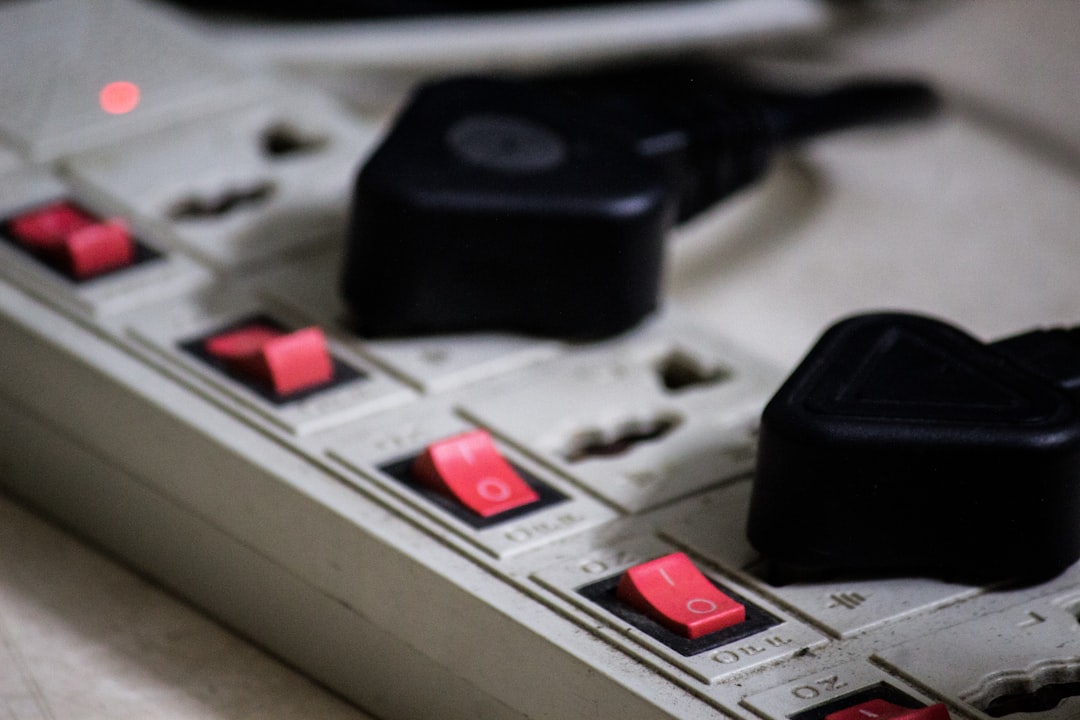
Connecting a power strip to an extension cord and then loading the strip with multiple high-draw appliances concentrates an electrical demand on a cord that was rated for a specific maximum load applied across its full length. The extension cord feeding the power strip carries the combined amperage of every device plugged into the strip simultaneously, regardless of whether the strip itself has surge protection or a built-in breaker. High-draw appliances including space heaters, air conditioners, and kitchen equipment connected through this arrangement can push the extension cord well beyond its rated capacity. The cord heats along its entire length under sustained overload, and the failure point is wherever the insulation is thinnest or most compromised.
Wrong Gauge Selection
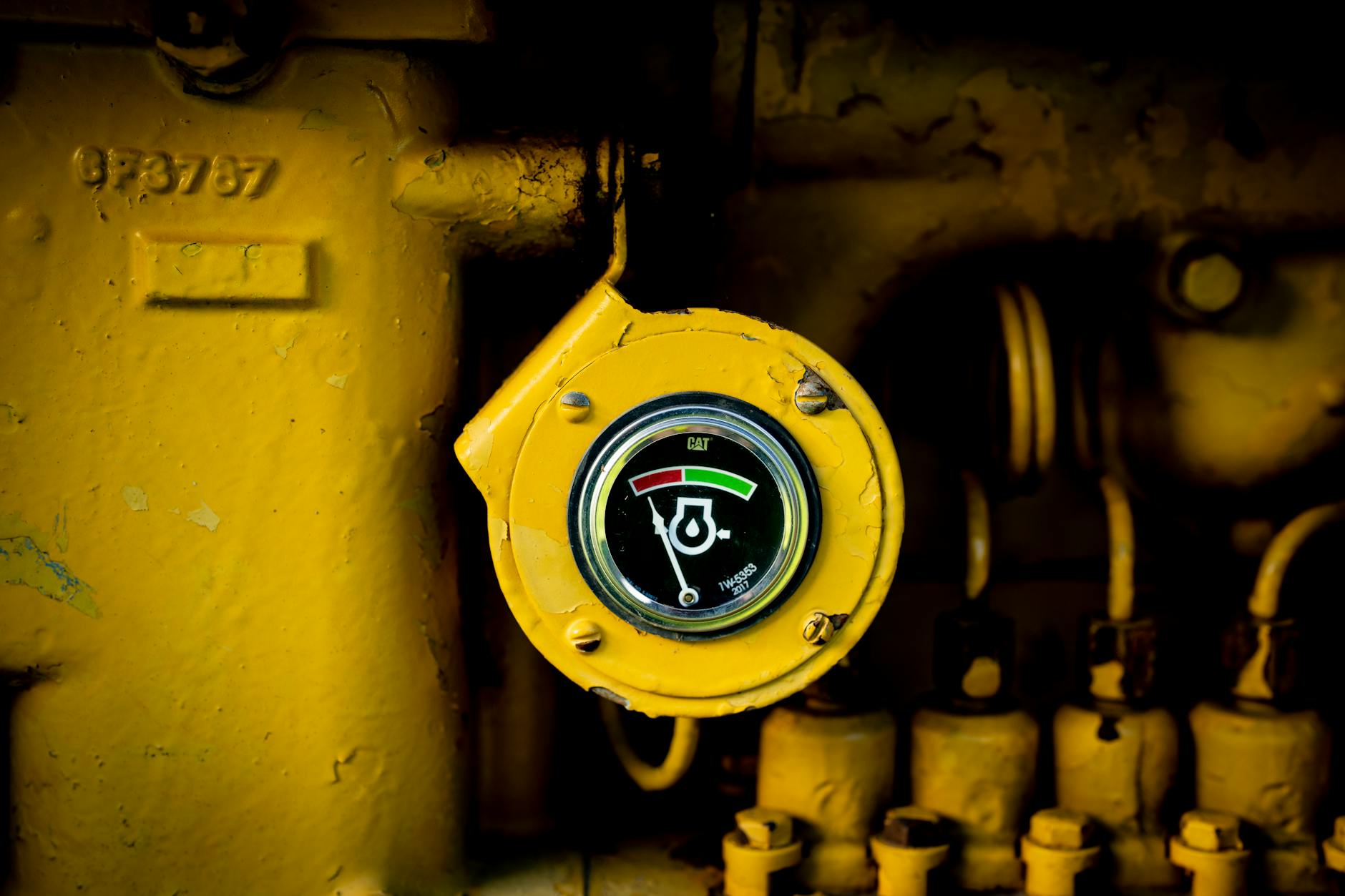
Extension cords are manufactured in multiple wire gauges identified by AWG numbers, and the gauge determines the maximum current the cord can safely carry without generating dangerous heat. A lightweight lamp cord with thin 16 or 18 gauge wire connected to a power tool, space heater, or kitchen appliance drawing ten or more amps is carrying a load that its conductor cross-section was never designed to handle. The cord will function initially without any visible sign of distress while resistive heating builds inside the insulation along its full length. Consumers who select extension cords based on length availability or price rather than amperage rating are consistently matching inadequate wire gauges to demanding applications.
Coiled During Use
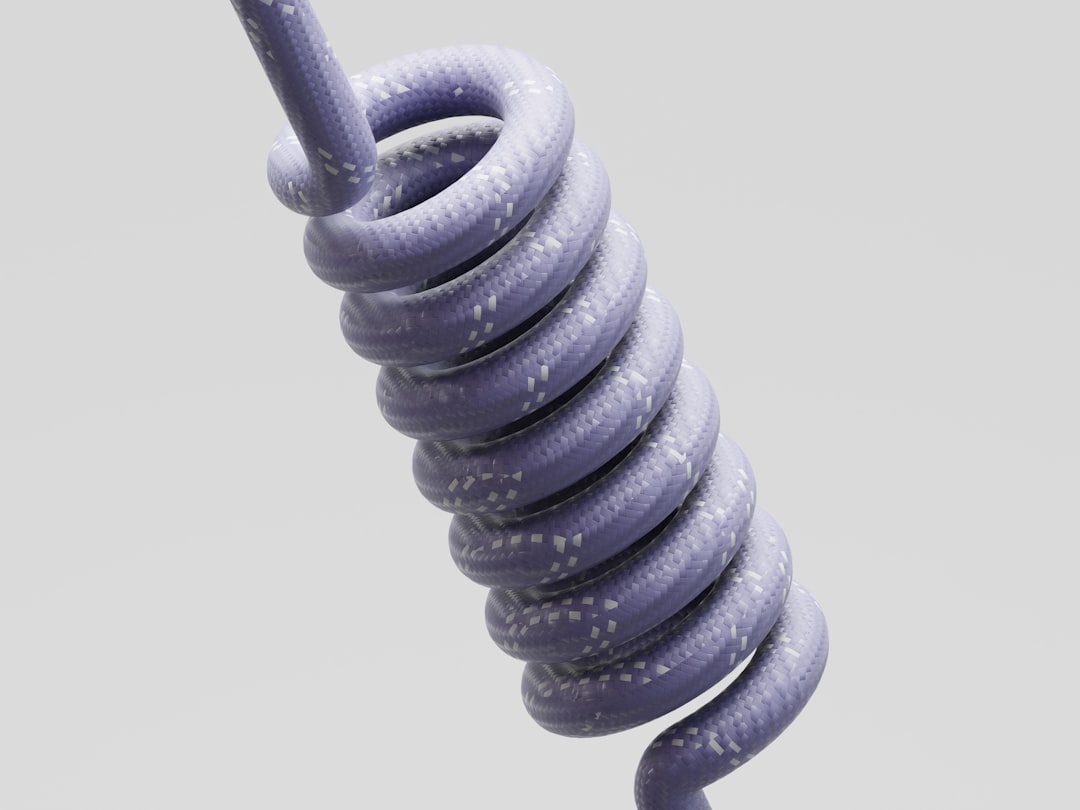
Extension cords used while coiled in their storage configuration or loosely wound in a pile generate heat that cannot dissipate into surrounding air because the coils insulate each other. A cord carrying significant current while coiled concentrates the thermal output of its entire length into the compact coil volume, raising temperatures far beyond what the insulation was rated to sustain. The thermal damage to insulation that results from repeated use while coiled is cumulative and invisible, progressively reducing the insulation’s dielectric strength until it can no longer prevent arcing between conductors. Fully unrolling every extension cord before use is a basic safety requirement that is almost universally ignored.
Outdoor Cords Used Inside
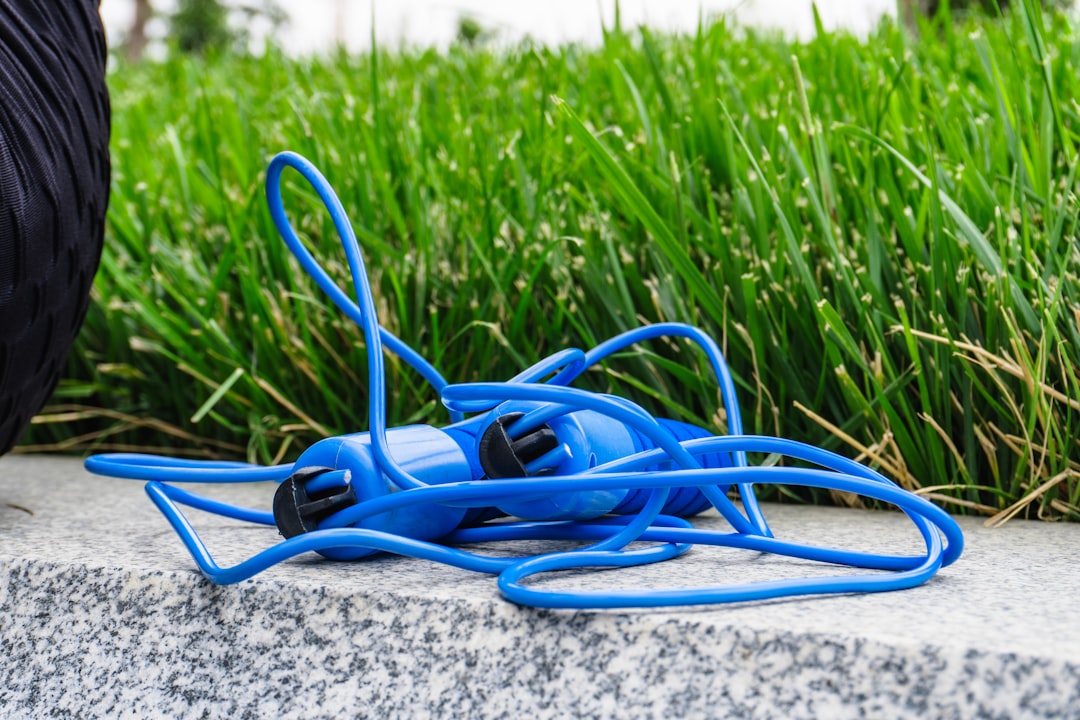
The distinction between indoor and outdoor extension cord ratings reflects meaningful differences in insulation compound, moisture resistance, and conductor quality that matter in ways that are not visible during normal use. Using an outdoor-rated cord indoors creates no hazard but the reverse situation does. Indoor extension cords lack the moisture-resistant insulation required for exterior use and will absorb ambient humidity and precipitation over time, compromising the dielectric properties of the insulation at the molecular level. A wet or moisture-degraded insulation allows current leakage between conductors that produces arcing and heat generation invisible to the user until the insulation fails completely.
Furniture Placement

Resting heavy furniture legs on an extension cord traps the cord under sustained compressive load that progressively deforms the insulation and bends the conductors within. Unlike a door pinch that occurs intermittently, furniture compression applies constant pressure that maintains a sustained stress concentration on the conductor bundle at the contact point. The affected section of cord generates heat proportional to the resistance increase created by the deformed conductor geometry under current flow. Furniture placement over cords is particularly hazardous because the compressed section is completely inaccessible for visual inspection and the cord is typically considered a permanent installation once furniture is positioned over it.
Aging Cords
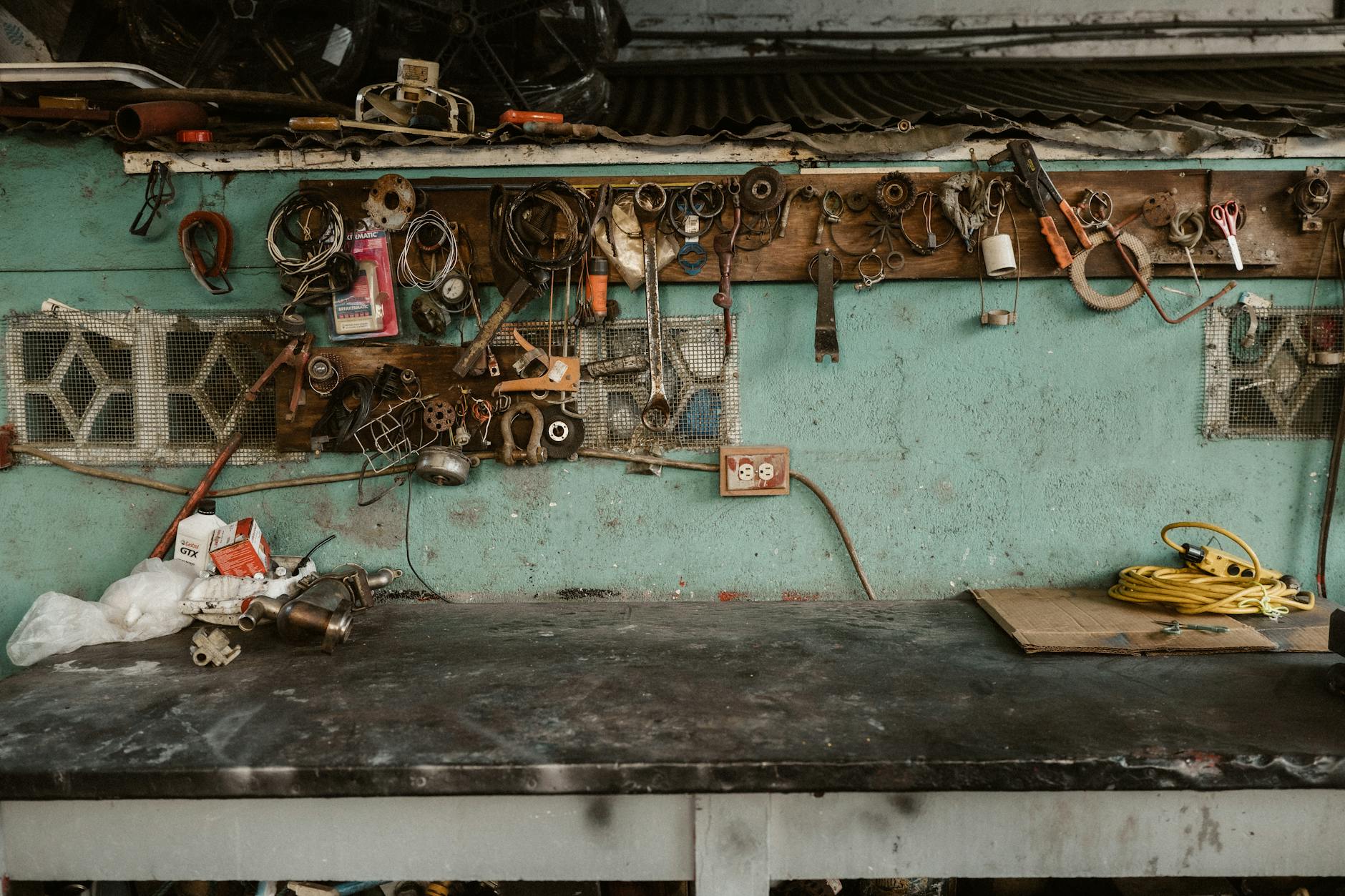
Extension cords degrade through a combination of ultraviolet exposure, repeated flexing, chemical contact, and thermal cycling that progressively embrittles the insulation compound over time. A cord that has been in service for a decade or more may have insulation that cracks when flexed, exposing conductors at the bend points, even if the cord has never been visibly damaged or abused. The brittleness of aged insulation is not detectable without physical manipulation and most households use aged cords without any awareness that the insulation has lost its original protective properties. Replacing extension cords on a regular cycle rather than waiting for visible damage is a practice that almost no household follows despite being the only reliable safeguard against age-related insulation failure.
Three-to-Two Adapters
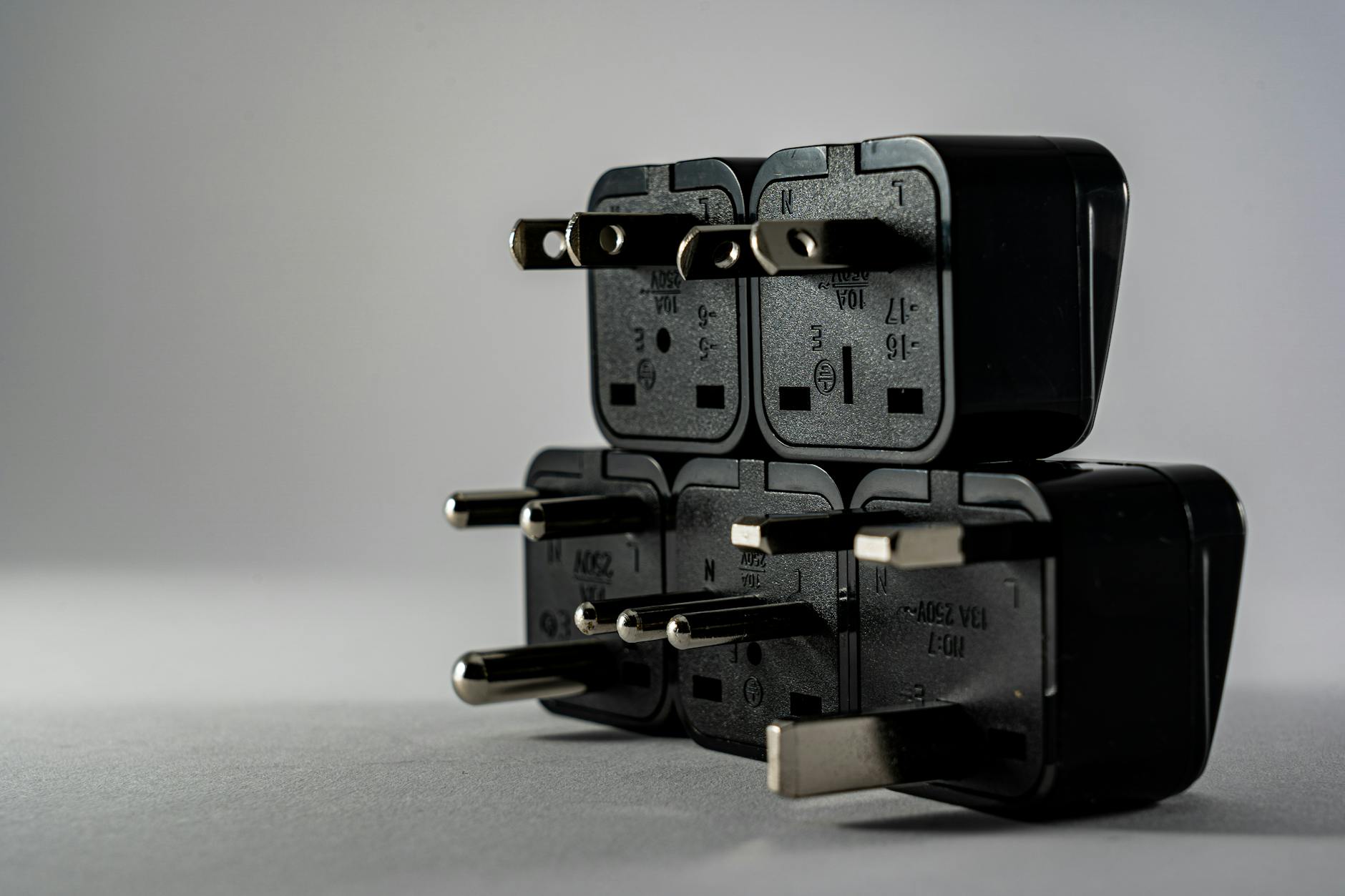
Using a three-to-two prong adapter to connect a grounded three-prong extension cord to a two-slot outlet defeats the grounding conductor that provides a safe fault current path in the event of an internal wiring failure. A grounded appliance connected through an ungrounded adapter operates with its chassis and any connected metal surfaces at an indeterminate voltage relative to true ground. When a wiring fault occurs inside the appliance or cord, the fault current has no dedicated return path and will seek ground through whatever conductive pathway is available, including the user’s body or surrounding combustible materials. Removing the ground pin from a grounded cord eliminates the protection the entire three-conductor system was designed to provide.
Heat Source Proximity
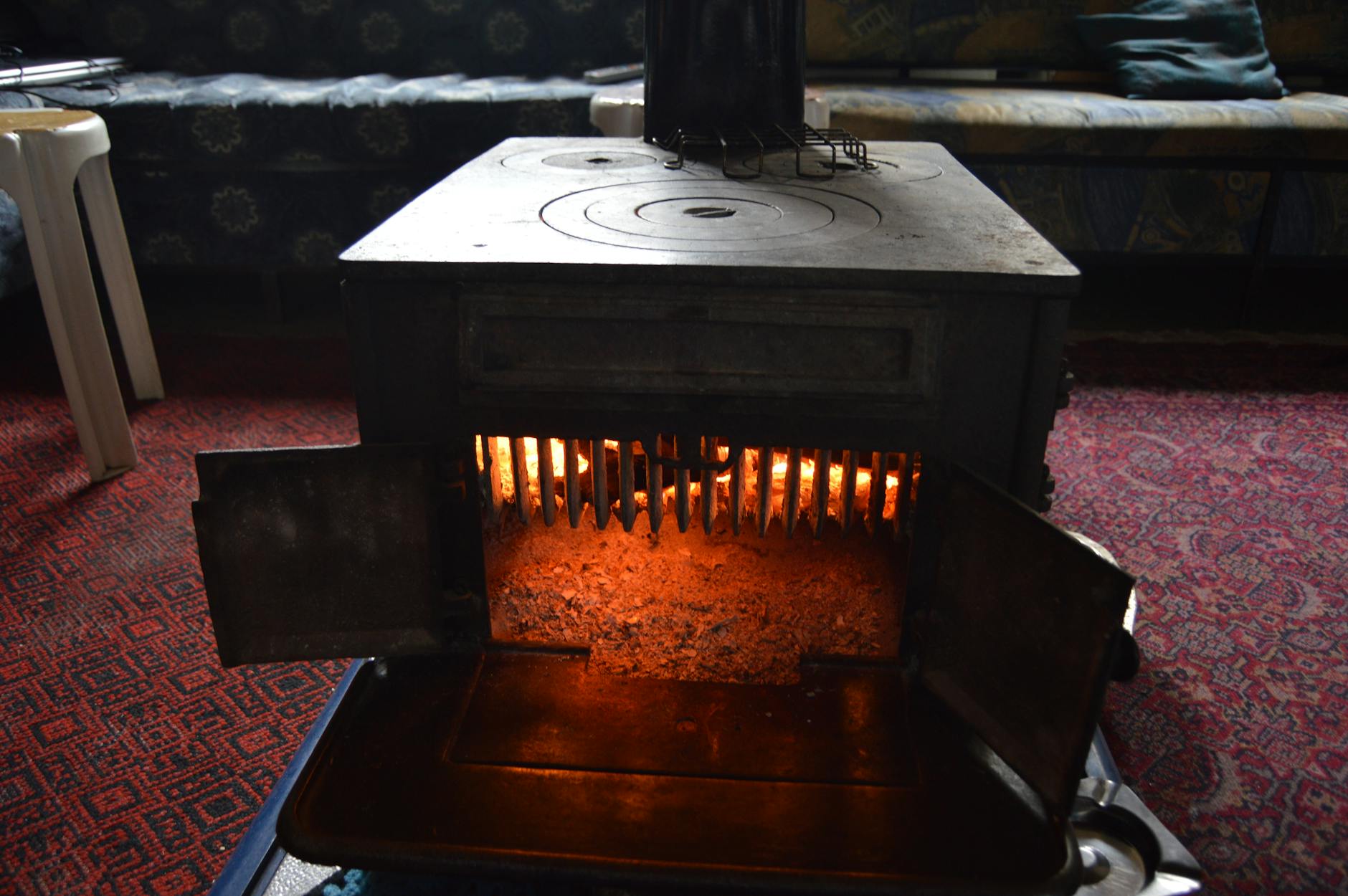
Routing extension cords near radiators, baseboard heaters, heat registers, or other thermal sources exposes the insulation to sustained elevated temperatures that accelerate the degradation process that eventually leads to failure. Insulation compounds are rated for a maximum continuous operating temperature that includes the heat generated by the cord itself under load plus the ambient temperature of the surrounding environment. A cord operating near a heat source simultaneously generates its own resistive heat while absorbing radiant or convective heat from the external source, pushing total insulation temperature beyond the rated limit. The combined thermal load shortens the effective service life of the insulation by years with each season of use in a heated environment.
Extension Cords as Permanent Wiring
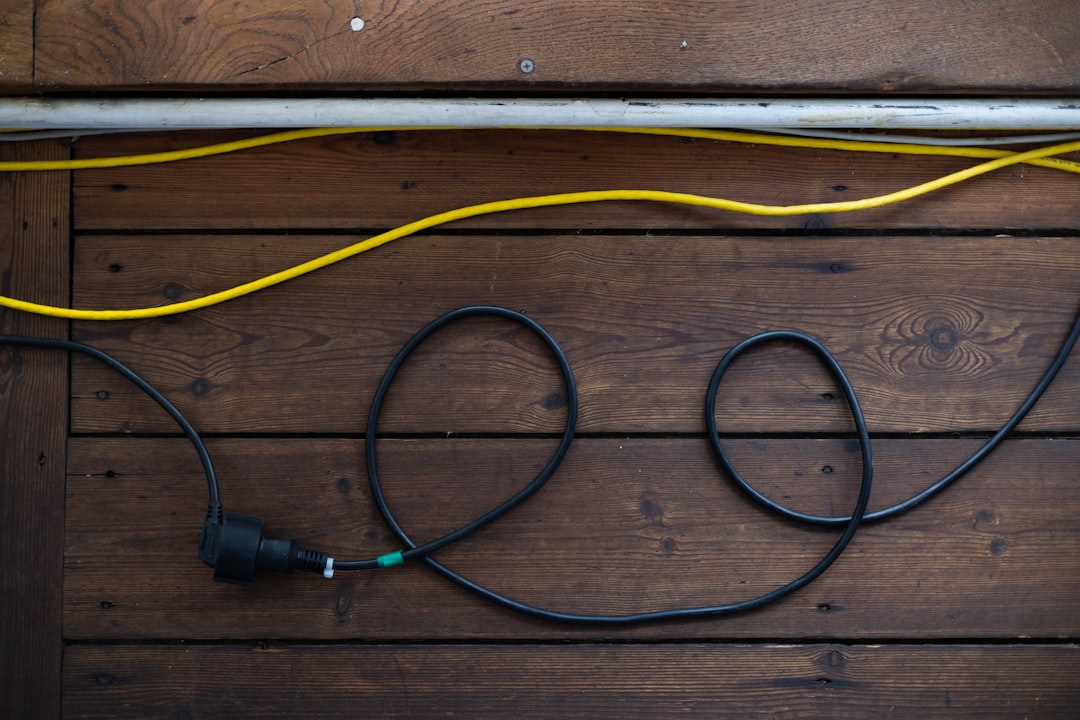
Using an extension cord as a permanent solution to an insufficient number of wall outlets is explicitly prohibited by electrical codes because extension cords are designed and rated for temporary occasional use rather than continuous sustained current flow. A cord carrying load continuously for months or years operates in a thermal environment that its materials were not engineered to sustain indefinitely. The repeated thermal cycling of daily use progressively fatigues both the conductor connections at each end and the insulation along the cord body. Homes where extension cords have been in the same location and continuous service for years are carrying a fire risk that grows with every additional month of use.
Bathroom and Kitchen Use
Extension cords used in wet or damp environments including bathrooms, kitchens, garages, and laundry areas are exposed to moisture conditions that standard indoor cord insulation is not rated to resist. Water contact with an energized cord creates a conductive pathway between the live conductor and any grounded surface or person completing the circuit. Ground fault circuit interrupter protection installed at the outlet does not eliminate the hazard of a moisture-compromised cord because the fault current pathway through a wet cord may not reach the threshold required to trip the GFCI before causing injury or ignition. The appropriate solution in all wet area applications is a properly installed GFCI-protected outlet at the required location rather than a cord reaching from a dry area.
Knotted Cords
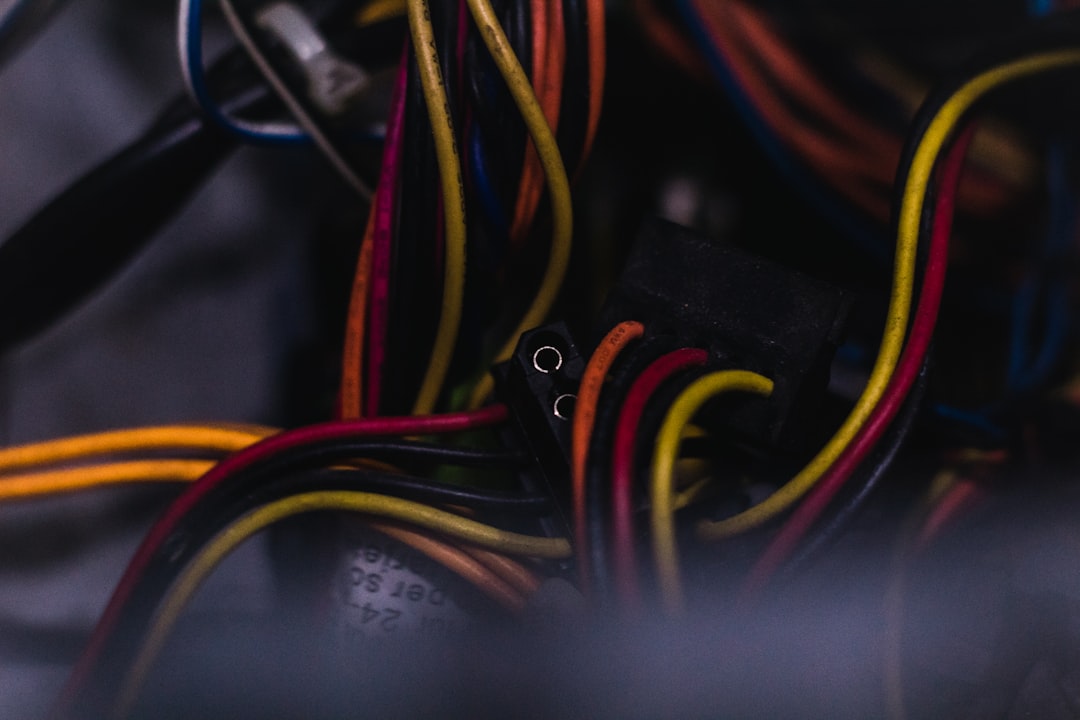
Tying knots in an extension cord to take up excess length or to keep cords bundled together creates acute bend points where conductor strands are subjected to stress concentrations that progressively break individual strands with each use and storage cycle. A knot maintained in a cord under load concentrates both the mechanical stress of the bent conductor geometry and the thermal output of resistive heating at the knot location simultaneously. Broken conductor strands increase resistance at the knot point, which increases heat generation, which further degrades the insulation in exactly the location where it is most physically compromised. The correct solution for excess cord length is a properly coiled and secured storage loop rather than a knot.
High-Wattage Appliances
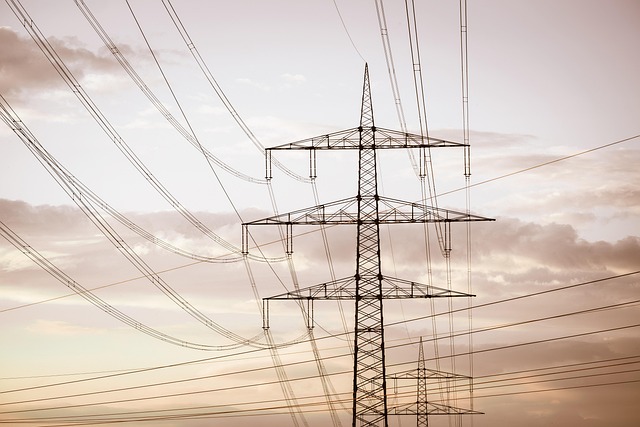
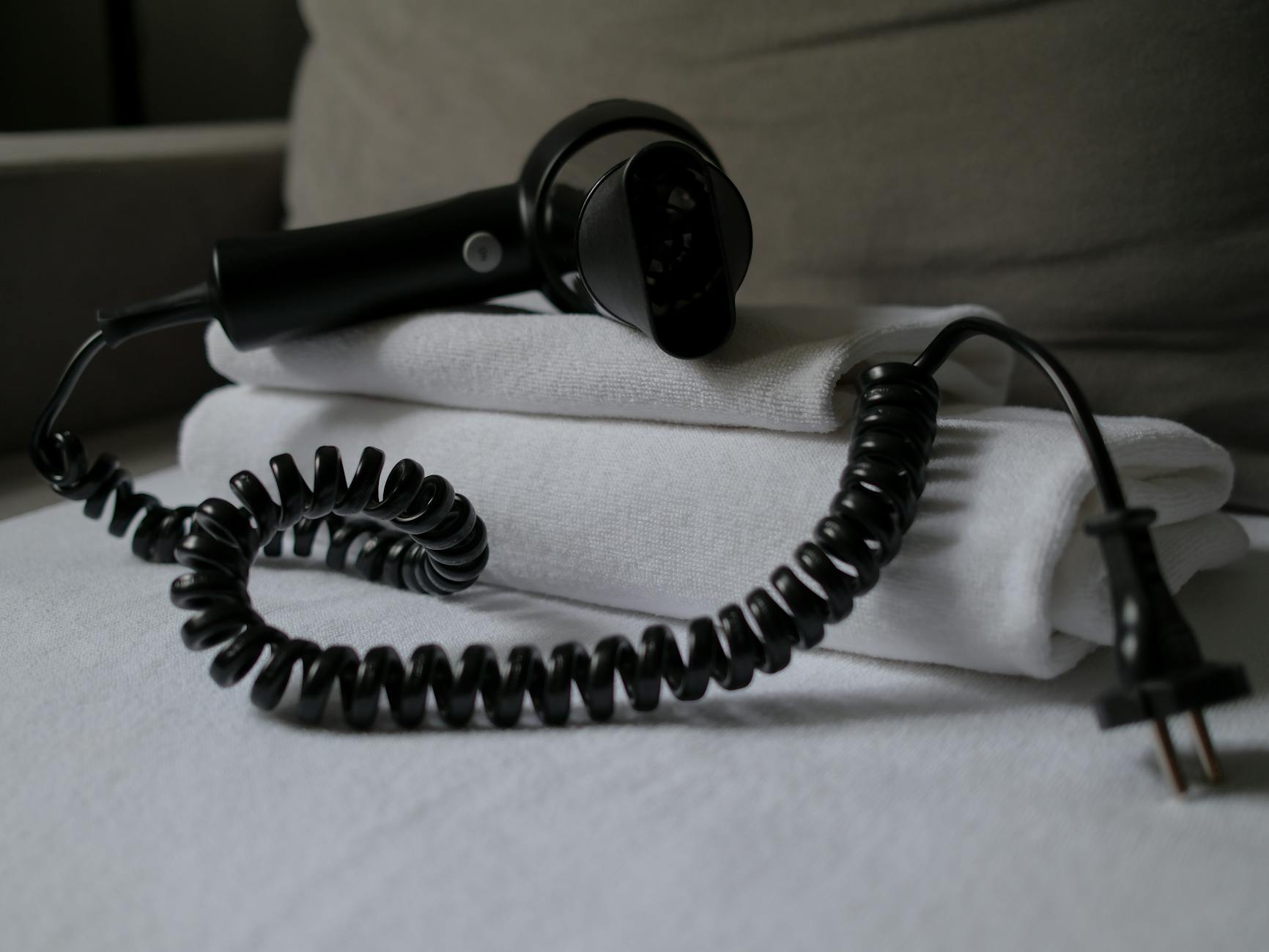
Space heaters, window air conditioners, electric kettles, toasters, and hair dryers draw amperage loads that exceed the rating of standard household extension cords sold in the general consumer market. These appliances are designed to be plugged directly into wall outlets precisely because the branch circuit wiring in walls is sized to carry their current demands safely over sustained periods. An extension cord interposed between a high-wattage appliance and the wall outlet adds resistance to the circuit that the appliance’s motor or heating element will compensate for by drawing marginally higher current, which generates additional heat in the cord. Appliance manufacturers and electrical codes consistently specify direct outlet connection for all high-wattage devices, a specification that the consumer market routinely ignores.
Cord in Conduit

Routing a flexible extension cord through conduit, inside walls, or through other enclosed pathways converts a product designed for open-air use with natural convective cooling into a thermally trapped conductor. The enclosed environment prevents the heat dissipation that the cord’s insulation rating assumes will occur during operation. A cord in conduit operating at its rated load capacity in an enclosed pathway will reach insulation temperatures that exceed the material’s design limit because the thermal environment was never part of the original rating calculation. This practice also makes inspection, replacement, and fault detection impossible without demolition of the enclosing structure.
Covering with Materials
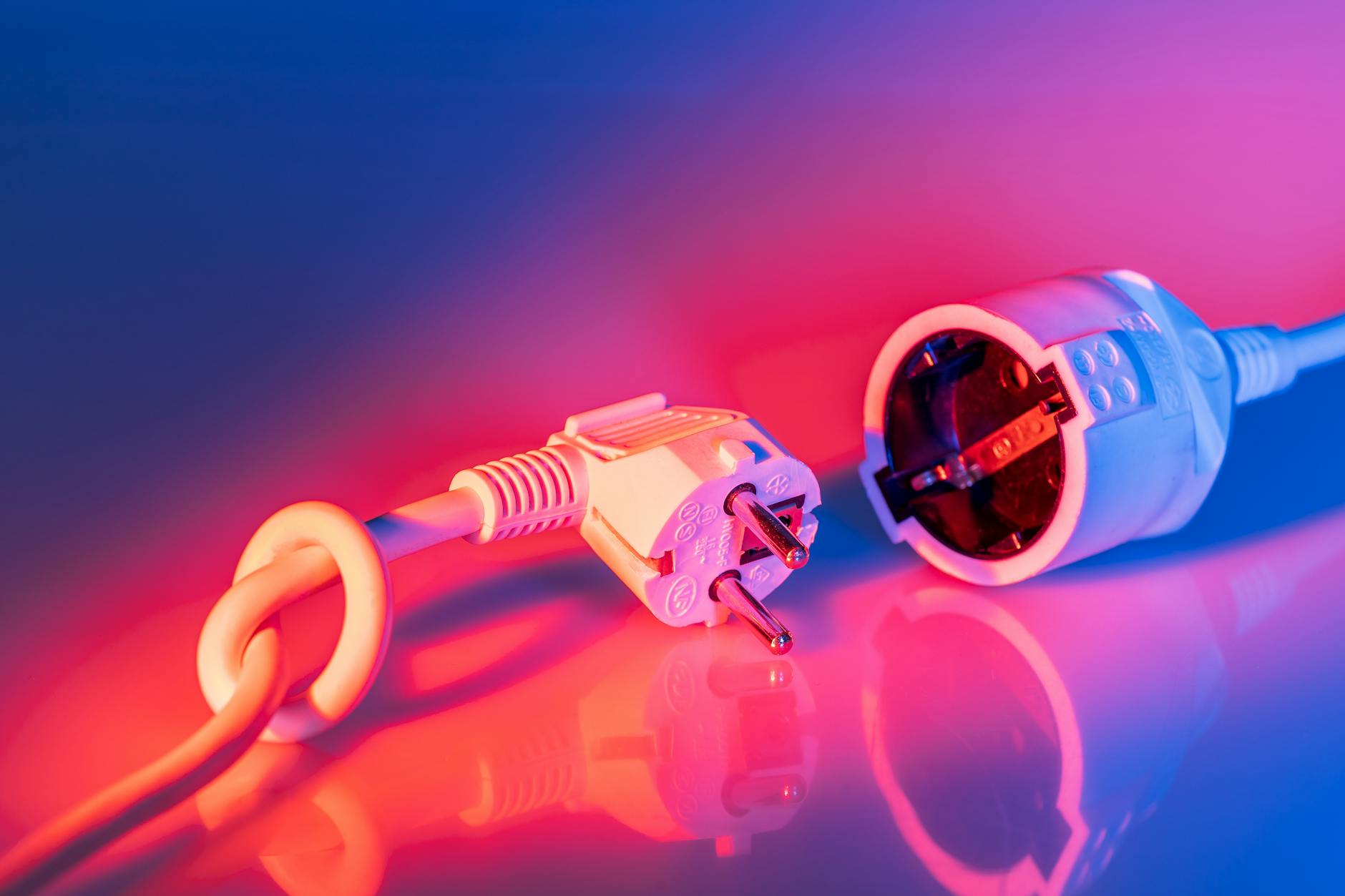
Placing blankets, clothing, papers, or other combustible materials over an extension cord in use creates an insulating layer that replicates the thermal trap of a rug or carpet in a less permanent but equally hazardous configuration. The covered section of the cord cannot dissipate resistive heat into surrounding air and the temperature rise in the insulation at the covered location is directly proportional to the current load being carried. Combustible materials in contact with an overheating cord section will reach ignition temperature in a timeframe that depends on the load, the ambient temperature, and the insulating properties of the covering material. This scenario is particularly common in bedrooms where cords run beneath or behind bedding without any awareness that a thermal hazard is being created.
Indoor Extension Cords Outside
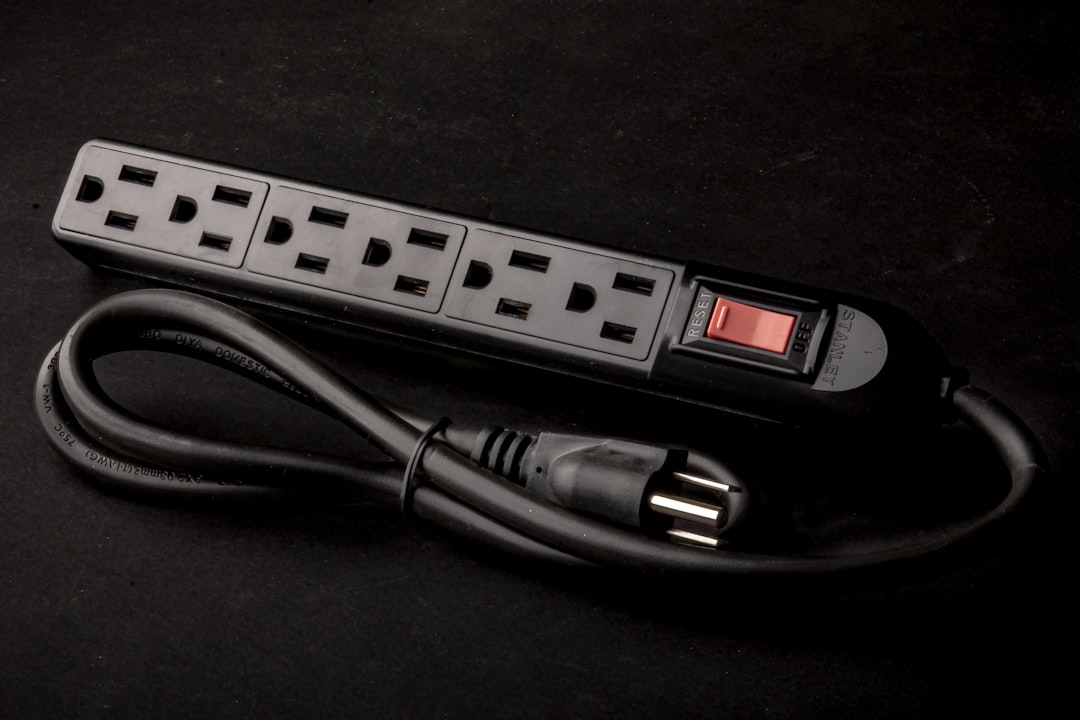
Using an indoor-rated extension cord for outdoor applications exposes the insulation compound to ultraviolet radiation, temperature extremes, precipitation, and ground moisture that the insulation material was not formulated to resist. Ultraviolet degradation of indoor insulation compounds proceeds rapidly in direct sun exposure, producing surface cracking that allows moisture infiltration to the conductor level. Ground contact introduces both moisture and chemical exposure from soil compounds that further accelerate insulation breakdown. An indoor cord used outdoors through a single summer season can accumulate insulation damage sufficient to make it hazardous for any subsequent indoor use as well.
Improper Storage
Wrapping an extension cord tightly around a fixed object such as a tool handle, nail, or furniture leg for storage creates permanent set bends in the conductor bundle that maintain stress concentrations on the insulation at each wrap point. The conductor strands within a tightly wrapped cord are deformed to a bend radius that exceeds the material’s elastic limit, permanently displacing strand geometry that then generates heat concentrations at those points during subsequent use. Storage wrapping that is too tight also stresses the insulation at regular intervals along the cord length, creating multiple potential failure points distributed across the full cord rather than a single identifiable damage location. Loose figure-eight coiling is the only storage method that preserves conductor and insulation integrity across the full cord length.
Unrated Multi-Tap Adapters
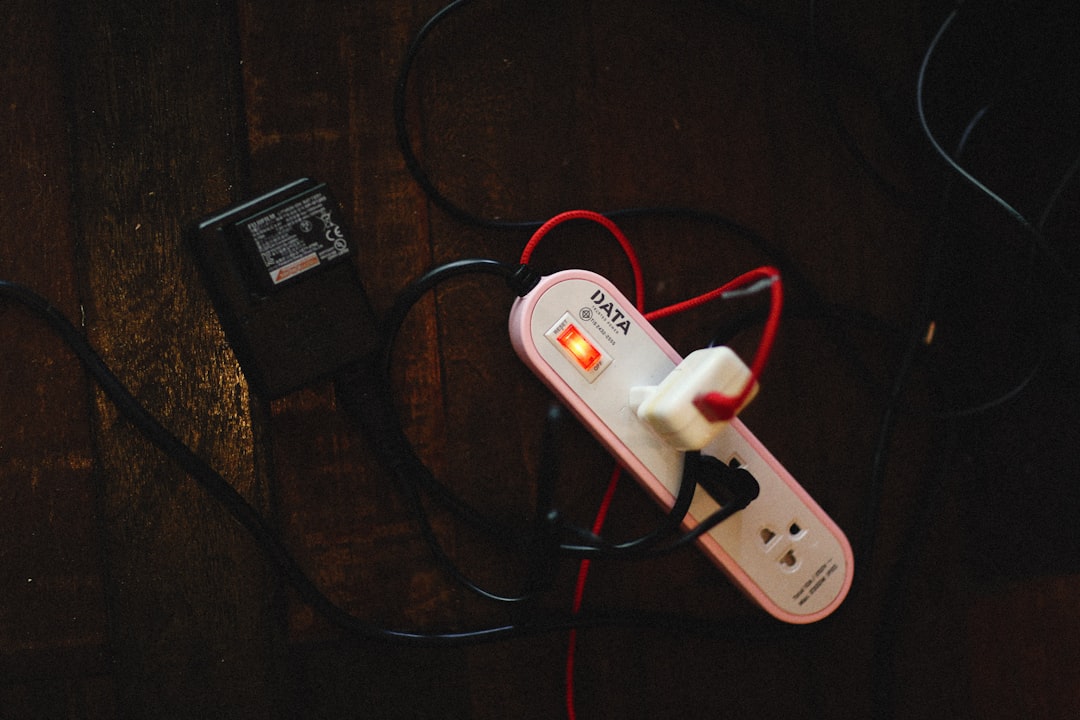
Cube tap adapters that convert a single outlet into three or more receptacles without any amperage rating or surge protection multiply the potential load on a single circuit point without any protective mechanism between the incoming current and the connected devices. These devices are manufactured without the wiring standards required for listed electrical equipment and their internal contacts are frequently made from materials that generate significant resistance heating under even moderate current loads. Connecting multiple devices through an unrated cube tap on an extension cord creates a resistance heating point at the adapter itself in addition to the load heating in the cord. The adapter location is typically hidden behind furniture and never examined for heat or physical degradation.
Mixing Indoor and Outdoor Appliances

Connecting outdoor power tools including lawn equipment, pressure washers, and electric trimmers through indoor extension cords introduces tool vibration, outdoor temperature swings, and mechanical stress to a cord not designed to manage those conditions simultaneously. The repeated coiling, dragging, and mechanical impact that outdoor tool use imposes on an extension cord accelerates insulation fatigue at a rate that indoor use never approaches. Conductor strand breakage from mechanical fatigue in a cord used for outdoor tool operation progresses invisibly and produces increasing resistance at the damaged locations. The cord that was used to run an outdoor power tool is then returned to indoor service carrying damage that makes it unsafe for the sustained low-level loads of household use.
Extension Cords in Attics
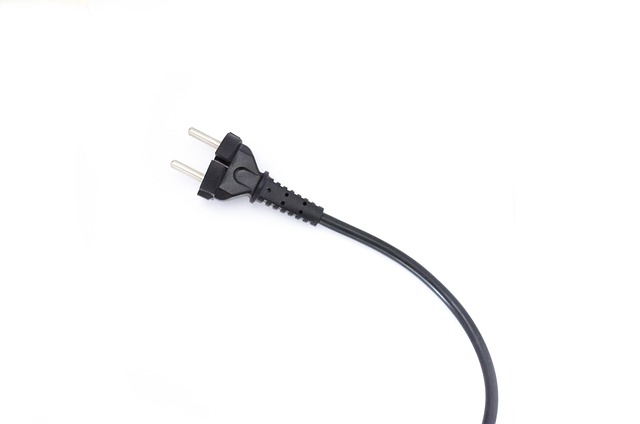
Using extension cords to power lighting or equipment in attic spaces exposes the cord to temperature extremes that exceed the insulation’s rated operating range during summer months in most climate zones. Attic temperatures in direct sun exposure can reach levels that soften standard insulation compounds, accelerating age-related embrittlement and reducing the insulation’s resistance to electrical stress. Attic environments also present rodent exposure risks that are higher than in occupied living spaces, and rodent damage to extension cord insulation in an attic is unlikely to be discovered before a fault condition develops. Proper attic electrical installations use permanent wiring methods specifically rated for the temperature conditions involved.
Cut or Spliced Cords
Repairing a damaged extension cord by cutting out the damaged section and splicing the ends together with wire nuts and electrical tape creates a connection that lacks the insulation continuity, mechanical protection, and environmental sealing of the original factory cord construction. Wire nut connections in a flexible cord application are subjected to the mechanical stress of cord movement and flexing that eventually loosens the connection and increases contact resistance at the splice. Electrical tape used as insulation over a splice is not rated for the operating temperatures generated by a loaded conductor and will soften, flow, and lose adhesion under sustained heat. The correct response to a damaged extension cord is replacement of the entire cord rather than repair of the affected section.
Ignoring Warm Cords

A warm or hot extension cord during normal use is communicating a specific and actionable warning that the current load is generating heat faster than the insulation can safely dissipate it. Most households interpret cord warmth as normal behavior and continue using the cord at the same load level indefinitely. A cord that is warm to the touch along its length is operating at a sustained temperature that is progressively degrading the insulation material with every hour of continued use at that load. The appropriate response to a warm cord is immediate load reduction, not continued operation combined with a mental note that it seems fine.
If any of these habits exist somewhere in your home right now, share what you discovered in the comments.




