
The veterinary industry operates within a financial structure that most pet owners never examine until a bill arrives that bears no relationship to what they expected to pay. The conflict between genuine medical care and revenue generation is not unique to veterinary medicine but it is particularly acute in an industry where the patient cannot speak, the emotional stakes are high, and most clients have no medical knowledge with which to evaluate recommendations. Understanding the specific mechanisms through which unnecessary testing is sold to well-meaning pet owners does not make anyone a better diagnostician but it does make them a more informed consumer. The patterns below repeat across practices of every size and price point.
Wellness Panels
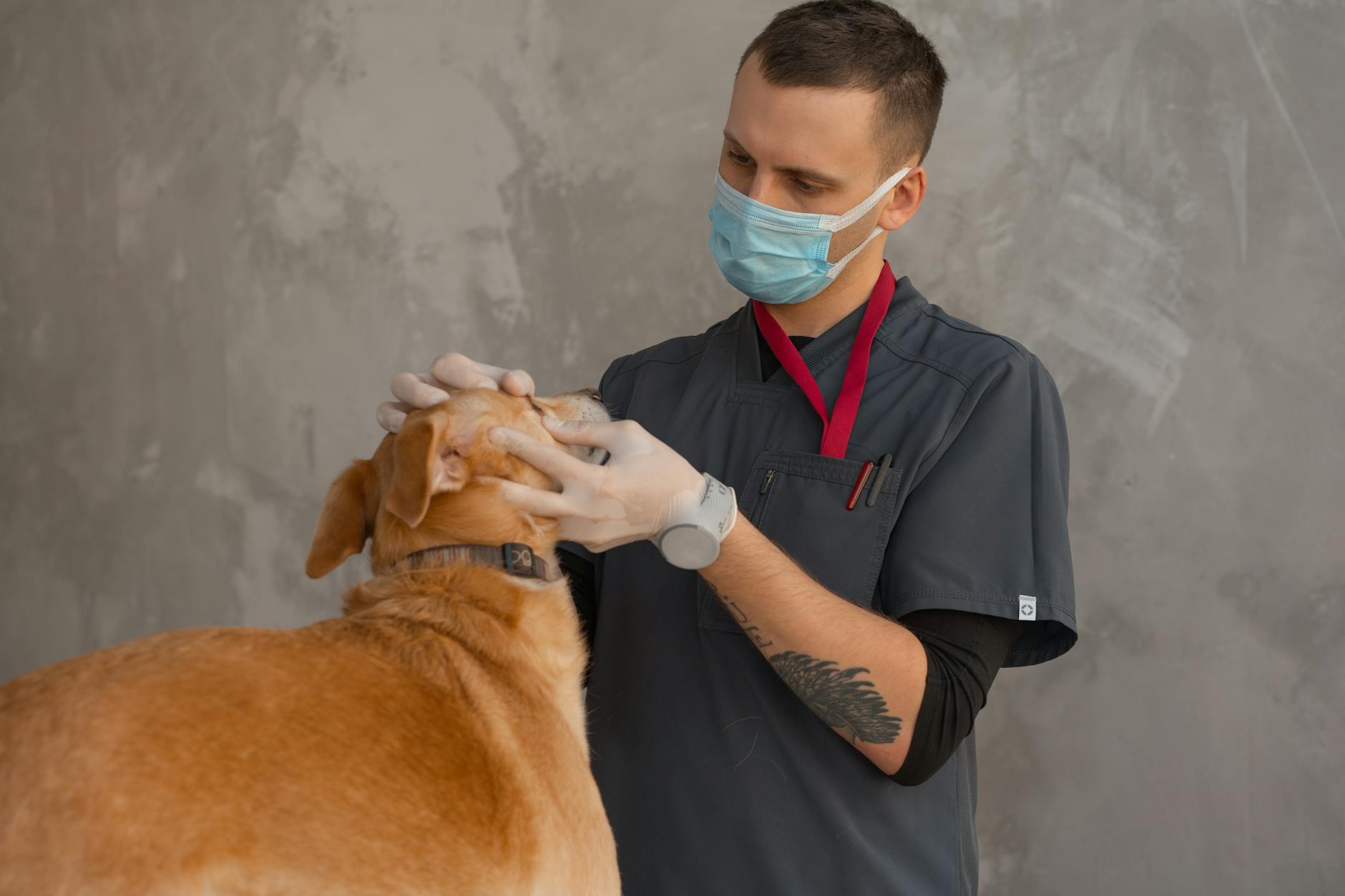
Annual comprehensive blood panels marketed as essential preventive care for young healthy adult pets represent one of the most consistent sources of low-necessity revenue in routine veterinary practice. A genuinely healthy two or three year old dog or cat with no symptoms, no risk factors, and no relevant history has a very low pre-test probability of showing meaningful abnormalities on a comprehensive metabolic panel. When panels are run on healthy young animals at this frequency, the statistical likelihood of a false positive result that triggers additional testing actually exceeds the likelihood of a true clinically significant finding. Targeted testing based on specific clinical findings or genuine risk factors produces far more actionable information than reflexive annual panels applied uniformly across all age groups.
Duplicate Imaging

Recommending new radiographic or ultrasound imaging for a condition that was already imaged at a recent prior visit without a specific clinical reason to expect meaningful change is a pattern that generates significant charges with limited diagnostic return. Imaging results for stable chronic conditions including certain joint changes, known masses, and previously characterized organ appearances do not change on timescales of weeks to a few months in the absence of new symptoms. Practices that recommend repeat imaging at every visit for patients with known stable findings are generating revenue from studies whose results are predictable before the images are taken. Asking specifically what clinical change or new symptom is prompting the recommendation for repeat imaging is a reasonable question that every client is entitled to ask.
Pre-Anesthetic Panels
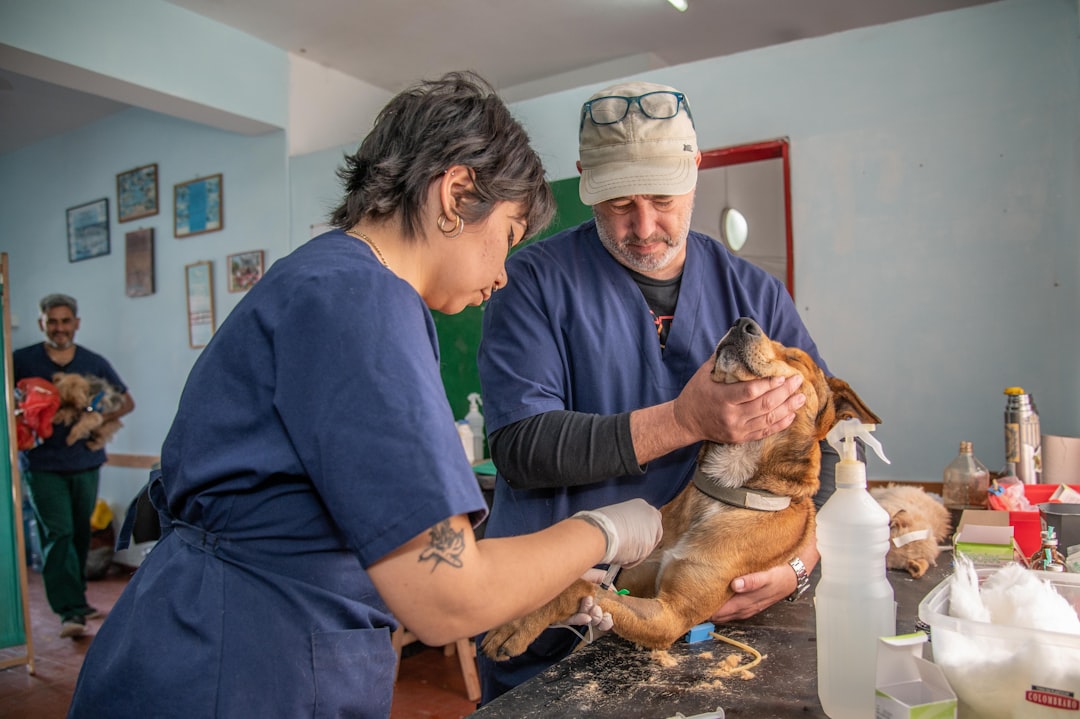
Pre-anesthetic blood screening has genuine clinical value in older patients, pets with known health conditions, and animals showing any symptoms that might indicate compromised organ function. The same testing applied as a non-negotiable requirement to healthy young adult pets undergoing routine procedures including spay, neuter, and dental cleaning produces abnormal results at a rate consistent with normal statistical variation rather than true clinical significance. A healthy two year old dog presenting for a routine neuter has a baseline organ function probability that does not meaningfully change the anesthetic protocol regardless of the panel result in the overwhelming majority of cases. Practices that present pre-anesthetic panels as mandatory for all ages and health statuses without clinical justification are applying a revenue-generating protocol rather than an evidence-based one.
Fecal Testing Frequency

Fecal parasite screening has clear value when an animal has gastrointestinal symptoms, known exposure to parasites, or lives in a high-risk environment with outdoor access and contact with other animals. Running fecal panels on every pet at every wellness visit regardless of symptoms or lifestyle factors applies a testing frequency that exceeds what the parasite prevalence in most urban and suburban pet populations actually justifies. Many practices run fecal panels as a default add-on to every appointment without raising the question of whether the individual patient’s lifestyle creates meaningful exposure risk. A primarily indoor cat with no outdoor access and no contact with other animals has a parasite exposure profile that does not support the same testing frequency as a dog with regular dog park attendance and wildlife contact.
Tick Panel Overkill

Vector-borne disease panels testing for multiple tick-transmitted diseases simultaneously are appropriate and valuable for dogs with known tick exposure, symptoms consistent with tick-borne illness, or residence in high-prevalence geographic areas. The same comprehensive multi-disease panels applied annually to dogs with minimal outdoor exposure in low-prevalence geographic regions generate a high ratio of false positive results relative to true clinical findings. A positive result on a tick panel in a low-prevalence population is statistically more likely to represent a false positive or a resolved past exposure than an active clinically significant infection. The appropriate response to a positive screening result in a low-probability patient is confirmatory testing rather than immediate treatment, a distinction that is not always clearly communicated at the time of the initial recommendation.
Urinalysis Add-Ons
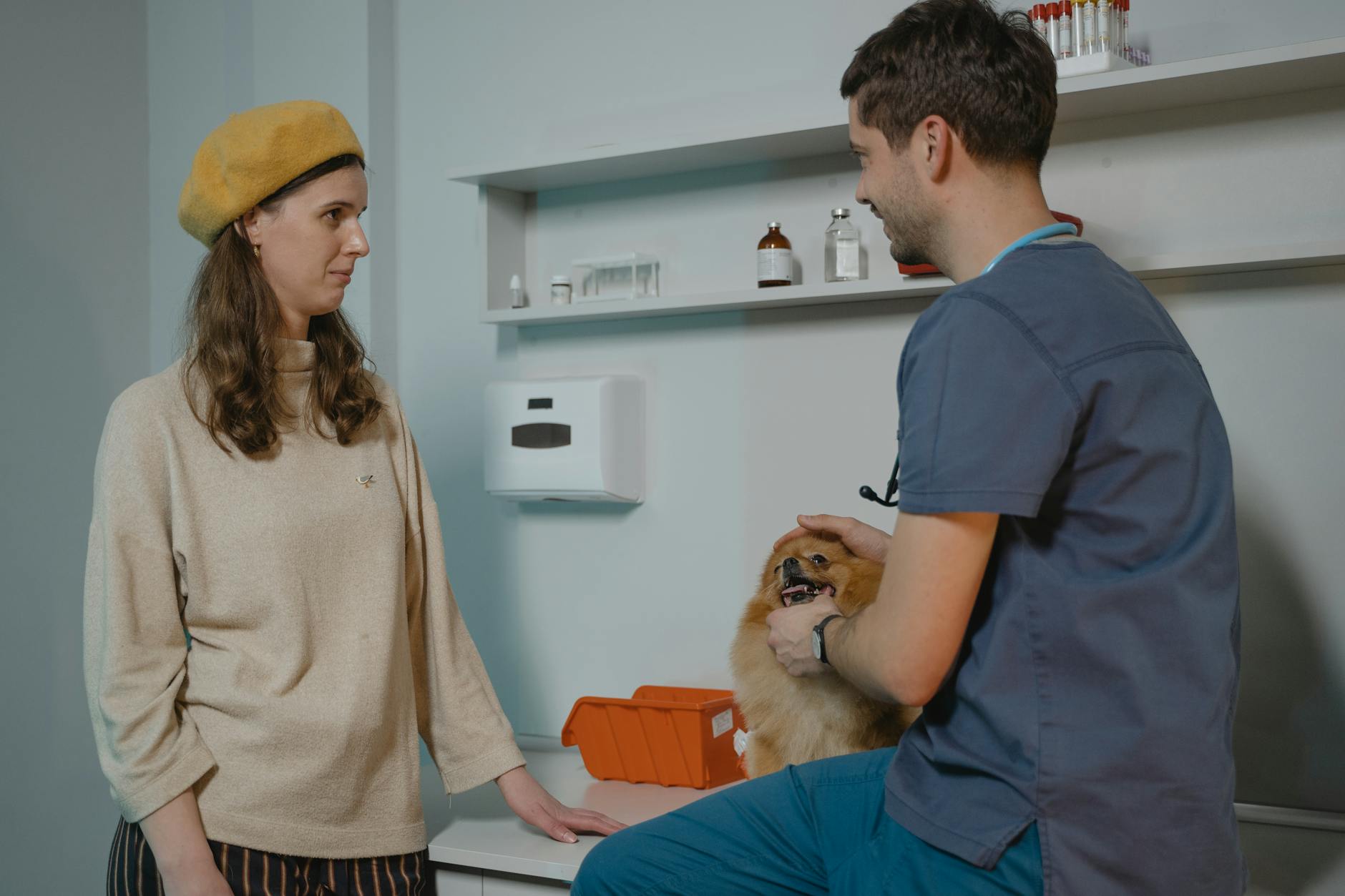
Urinalysis added to a wellness visit for a young adult pet showing no urinary symptoms, no increased thirst or urination, and no history of urinary disease is a low-yield test whose results are unlikely to change the clinical management of a healthy animal. The test is frequently presented as a routine component of comprehensive wellness care without a specific clinical indication driving the recommendation. Practices that run urinalysis on every wellness patient regardless of age, history, or symptoms are applying a blanket revenue protocol rather than responding to individual patient presentations. Urinalysis becomes genuinely valuable as a targeted tool when a patient presents with symptoms or risk factors that create a clinical question the test can answer.
Thyroid Screening Age

Thyroid disease in cats is a condition of middle-aged to older cats, with prevalence rising significantly after age ten and being uncommon before age eight in the absence of specific symptoms. Annual thyroid screening applied to cats under seven with no symptoms of thyroid dysfunction, no weight changes, no behavioral changes, and no cardiovascular findings generates testing in a population with a very low pre-test probability of disease. The resources spent on reflexive thyroid screening in young healthy cats produce a very low rate of clinically meaningful findings relative to targeted screening applied to older cats or those showing symptoms consistent with thyroid disease. Age-appropriate targeted screening is the evidence-based standard that blanket annual panels routinely exceed.
Cytology on Normal Lumps
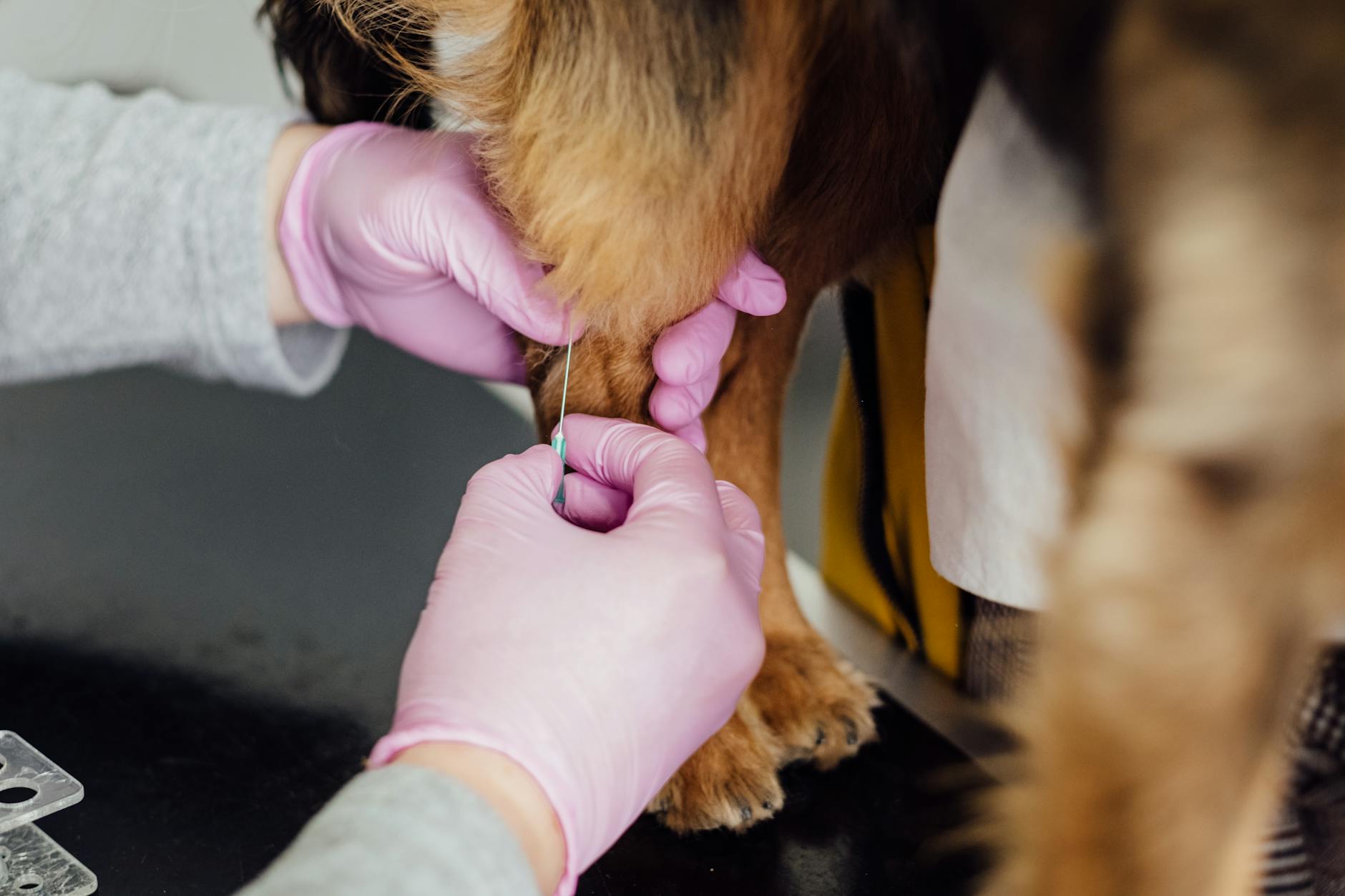
Recommending fine needle aspirate cytology on every new lump, bump, or skin tag found on a patient during a physical examination generates significant per-visit charges that are not always justified by the clinical characteristics of the lesion. Experienced clinicians can identify the majority of benign common lesions including lipomas, sebaceous cysts, and skin tags with high confidence through physical examination alone without requiring laboratory analysis. Aspirating and sending for cytology every palpable change regardless of clinical appearance applies a diagnostic step to lesions whose benign character is already probable from examination. Asking whether a specific lump’s characteristics warrant cytology or whether watchful waiting with remeasurement is appropriate is a reasonable question that can prevent unnecessary expenditure on predictably benign findings.
Allergy Testing Premiums

Intradermal and serum allergy testing panels represent significant charges that are appropriate when a pet has failed to respond to systematic elimination trials and conservative management of suspected environmental or food allergies. The same testing recommended at a first or second presentation for itching, before any dietary elimination trial has been attempted and before basic antiparasitic treatment has been completed, is being offered before the diagnostic hierarchy has been followed. Flea allergic dermatitis is the most common cause of itching in dogs and cats in most geographic regions and must be ruled out completely before allergy testing adds meaningful information. Comprehensive allergy testing performed before completing a proper food elimination trial and ruling out ectoparasites is a sequence that benefits the revenue column more than the diagnostic process.
Cardiac Biomarker Testing
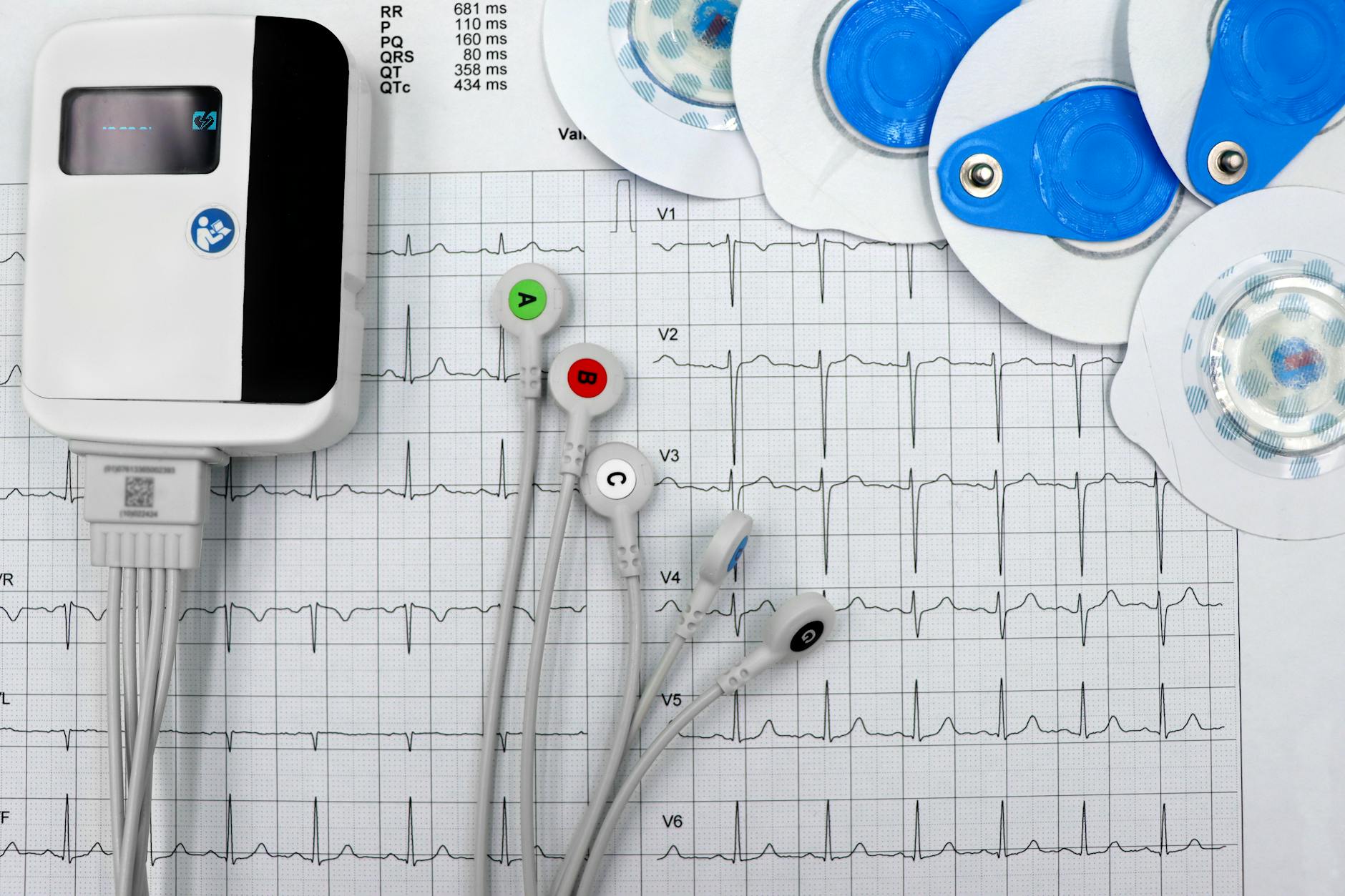
Cardiac biomarker blood tests including proBNP assays have validated clinical utility in patients with known or suspected cardiac disease, respiratory symptoms, or breeds with high genetic predisposition to specific cardiac conditions at appropriate ages. Running these panels on young healthy pets with clean cardiac auscultation findings, no respiratory symptoms, and no breed-specific risk factors represents testing in a population where the probability of meaningful findings is low and the result is unlikely to alter management. The tests are marketed effectively as a reassurance tool, and reassurance has genuine value for anxious owners, but that value does not represent the clinical utility that justifies the cost as a medical necessity. Distinguishing between tests that provide medical guidance and tests that provide owner comfort is a conversation the recommending veterinarian should be willing to have transparently.
Infectious Disease Panels
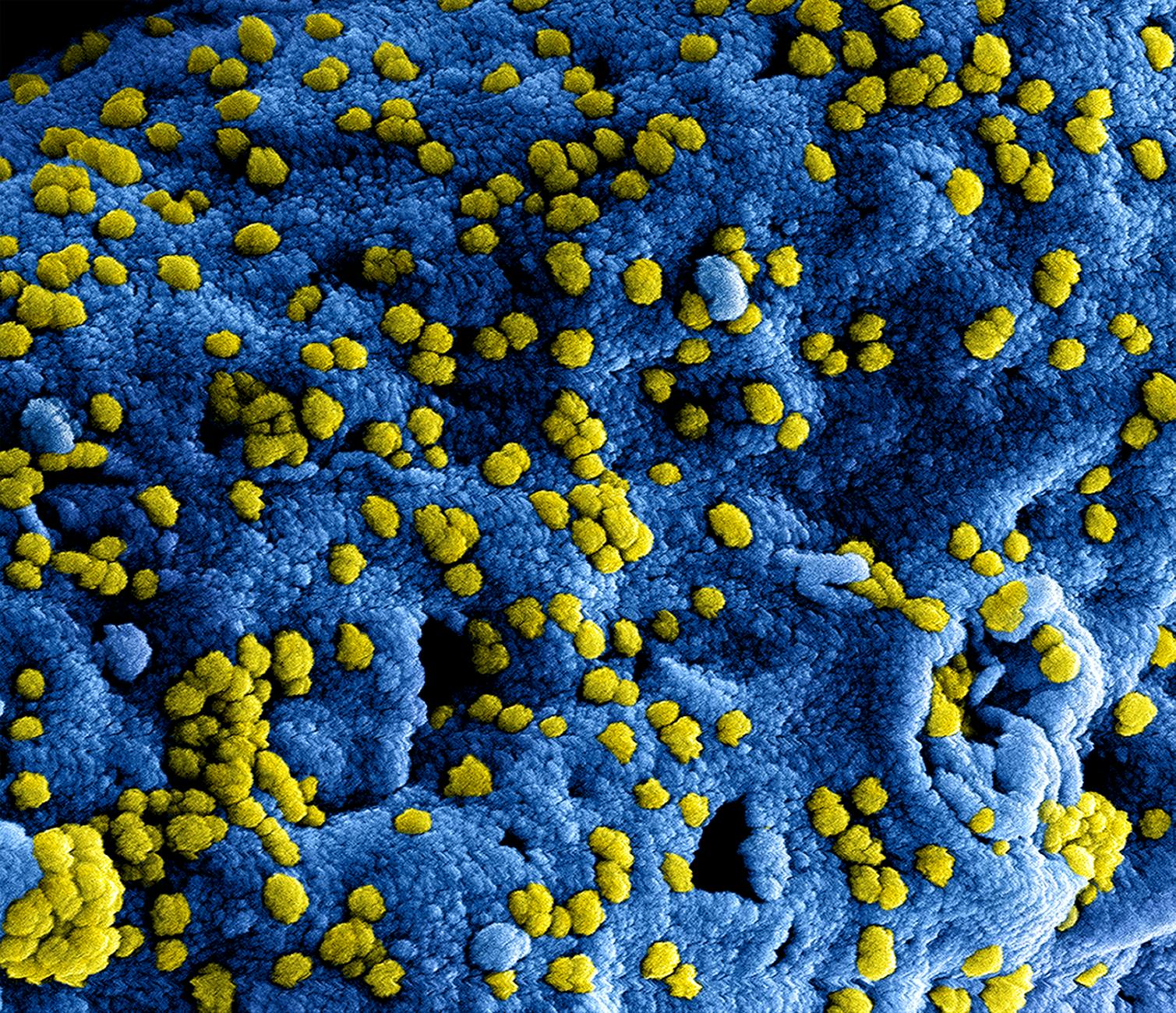
Comprehensive respiratory or gastrointestinal infectious disease panels testing for multiple pathogens simultaneously are appropriate for patients with severe symptoms, outbreak situations, or cases where the causative agent genuinely affects treatment selection. The same panels applied to mild self-limiting gastrointestinal or upper respiratory episodes in otherwise healthy adult pets generate results that frequently do not change the clinical management of a patient who would recover with supportive care regardless of which specific pathogen is identified. Many mild infections in healthy adult animals resolve with fluid support, rest, and symptomatic management before pathogen panel results return from the laboratory. The clinical question the panel is being asked to answer must be one whose answer will actually change what is done for the patient to justify the cost.
Repeat Ear Cytology
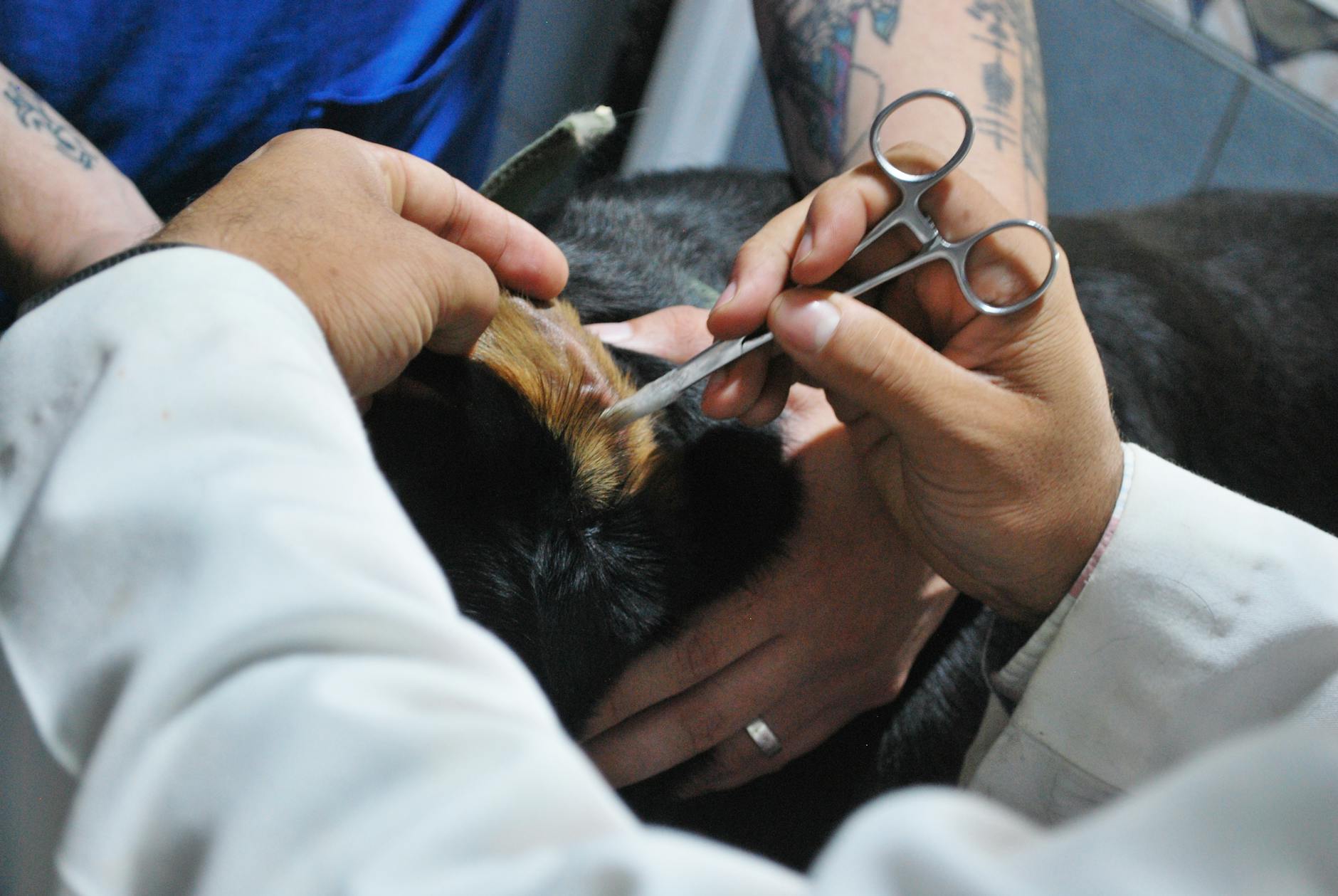
Ear cytology examining discharge for the type and quantity of organisms present is valuable at the initiation of treatment for an ear infection and at reassessment when a patient is not responding as expected to treatment. Running new cytology at every recheck appointment for a patient who is responding normally to treatment and whose clinical signs are clearly improving does not produce information that changes the management of an infection that is already resolving. The organism type identified at the beginning of treatment remains the relevant guide unless clinical failure raises a specific question about treatment efficacy or secondary infection. Practices that perform cytology at every ear recheck as a default rather than a clinically indicated step are generating laboratory charges that the improving clinical picture does not require.
Vaccine Titer Overkill

Titer testing to measure circulating antibody levels for core vaccines is a legitimate tool for assessing immune status in pets whose vaccine history is unknown, who have medical conditions making vaccination inadvisable, or whose owners have evidence-based concerns about over-vaccination. Running titer panels annually in pets with documented complete vaccine histories and no medical contraindications to vaccination generates significant charges for information that documented vaccination history already provides with reasonable reliability for core antigens. The more significant issue is that titer testing is occasionally recommended as an expensive alternative to simply following evidence-based vaccination interval guidelines rather than as a tool applied when those guidelines cannot be used. Understanding the specific clinical question a titer test is answering before authorizing the expense is a reasonable consumer position.
Orthopedic Survey Radiographs

Full orthopedic survey radiograph series covering multiple joints simultaneously are appropriate for patients presenting with specific lameness complaints, known breed predispositions under structured screening programs, or prior to specific surgical interventions. The same multi-joint radiographic surveys applied during wellness visits to young pets with normal gait, no pain response on orthopedic examination, and no owner-reported mobility concerns apply significant imaging costs to patients with a low pre-test probability of meaningful findings. A thorough orthopedic physical examination by an experienced clinician provides a high proportion of the diagnostic information that radiographs are subsequently used to confirm in symptomatic patients. Imaging that is recommended before a physical examination finding creates a specific question for it to answer is generating revenue ahead of its diagnostic justification.
Dental Radiograph Packages
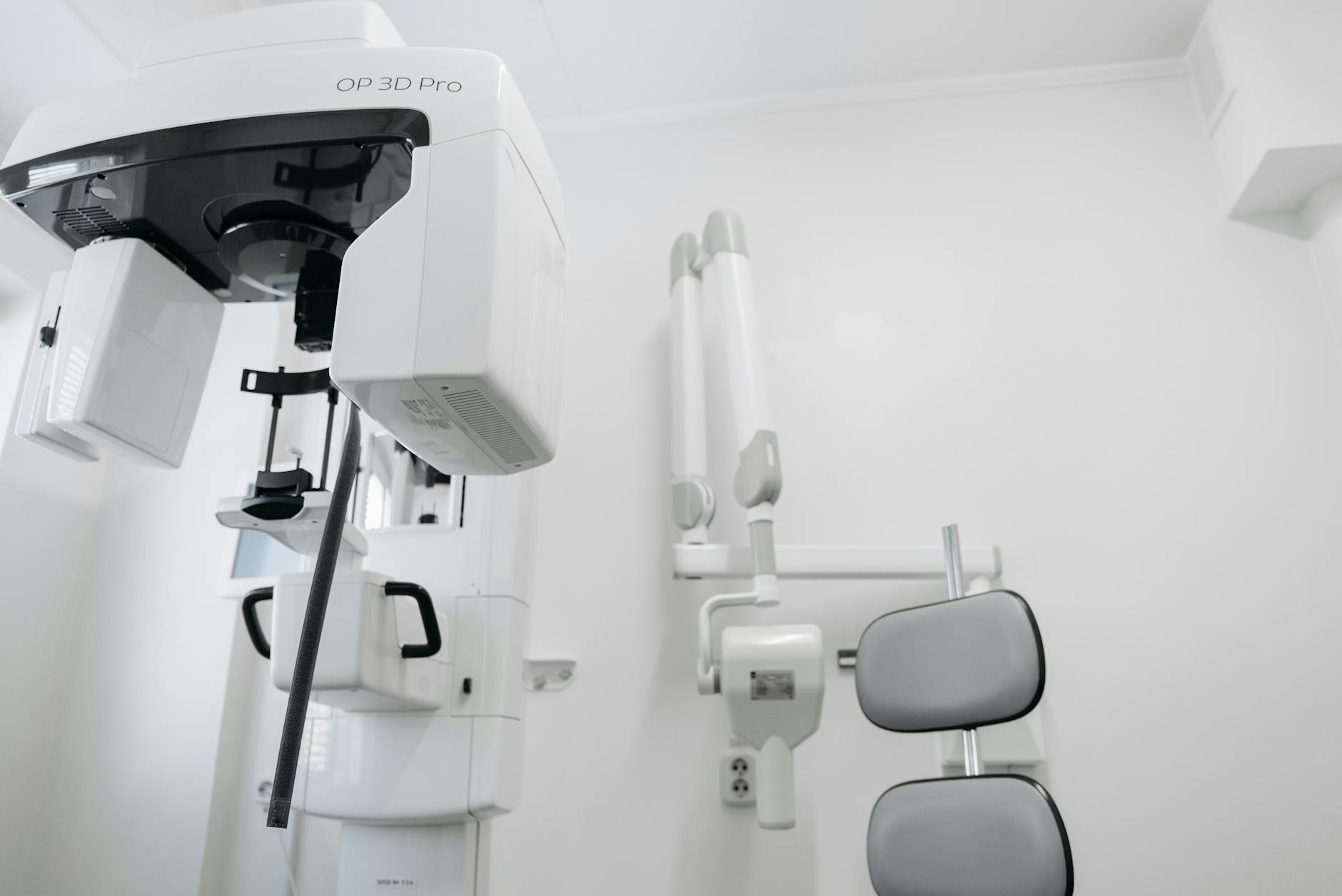
Full mouth dental radiography under anesthesia is a genuinely valuable diagnostic tool that reveals pathology invisible to visual oral examination and is considered the standard of care in veterinary dentistry. The concern arises when comprehensive dental radiograph packages are presented as a non-negotiable component of every routine dental cleaning regardless of the patient’s dental history, age, and visual oral health status. A young adult patient with a complete visual oral examination showing no evidence of periodontal disease, no retained roots, no resorptive lesions on visible surfaces, and no swelling requires a different level of radiographic scrutiny than an older patient with advanced periodontal changes. Asking specifically what the radiographic findings are expected to contribute to the treatment plan for an individual patient’s oral health status is a reasonable question.
Ophthalmology Referrals

Referral to a veterinary ophthalmologist is appropriate and often genuinely necessary for complex ocular conditions, surgical candidates, and patients failing to respond to primary care treatment. The same referral generated at a first presentation for a mild conjunctivitis or a superficial corneal change in an otherwise healthy patient with no prior ocular history bypasses the primary care diagnostic and treatment steps that would resolve the majority of such presentations without specialist involvement. Specialist consultation generates a separate specialist examination fee and frequently a specialist-level diagnostic workup that duplicates assessment already performed at the primary care level. Understanding whether the specific presentation genuinely requires specialist involvement or whether a primary care treatment trial is the appropriate next step preserves both the referral relationship and the client’s financial resources for situations that genuinely require it.
Pain Assessment Add-Ons
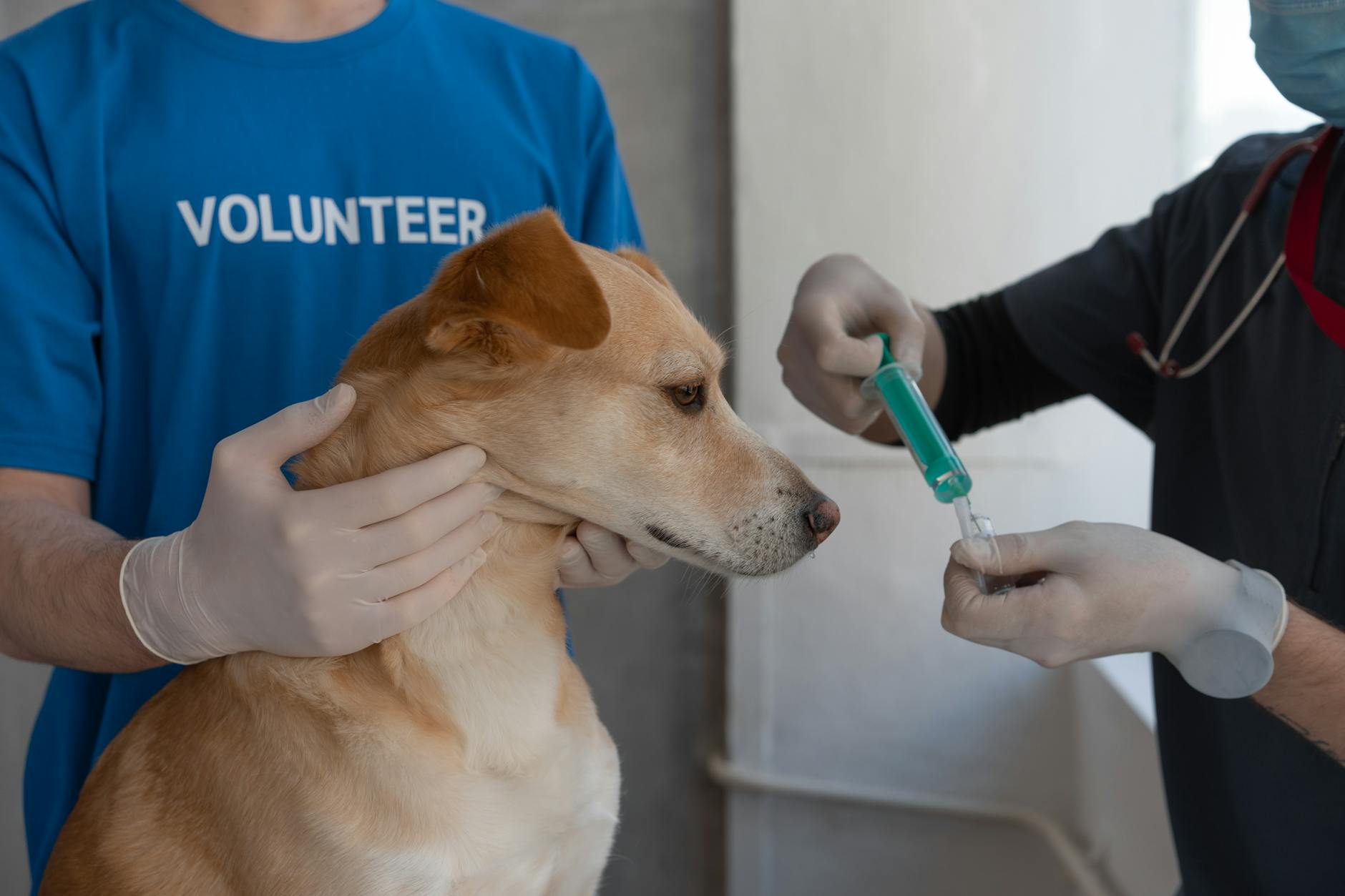
Structured pain assessment scoring applied as a billable service line item during routine wellness visits for patients with no owner-reported pain symptoms, no gait abnormalities, and no physical examination findings suggesting discomfort generates charges for a clinical activity that should be integrated into the physical examination without separate billing. A physical examination that includes orthopedic palpation, range of motion assessment, and gait observation is already performing pain assessment as part of its standard scope. Separating these components into a named billable service for a healthy asymptomatic patient creates a charge for an activity that the examination fee already covers in standard practice. Pain assessment as a distinct billable service has genuine value when it involves validated scoring instruments applied to patients with known chronic pain conditions or post-surgical status.
Nutritional Consultation Upselling

Nutritional consultation offered as a structured billable appointment for a healthy adult pet presenting at a routine wellness visit with no weight concerns, no gastrointestinal symptoms, and no chronic disease requiring dietary management is a revenue-generating service applied to a patient population with limited clinical need for it. General feeding guidance for a healthy adult pet is a component of wellness care that does not require a separately billed consultation in the absence of a specific clinical indication. The service has genuine value when a patient has a diagnosed condition that dietary management materially affects, when significant obesity requires structured intervention, or when a client has made dietary choices that create documented health risks. Distinguishing between billable nutritional consultation that addresses a clinical need and a upsell applied to healthy patients without specific dietary concerns is a distinction worth making before accepting the appointment.
Microbiome Testing

Gut microbiome analysis panels marketed for companion animals represent an emerging category of diagnostic testing whose clinical utility and evidence base in veterinary practice is substantially less developed than the marketing surrounding it suggests. Recommending these panels for patients with mild or resolving gastrointestinal symptoms generates charges for tests whose results currently lack the validated clinical interpretation frameworks needed to translate findings into specific actionable treatment decisions. The science of companion animal gut microbiome analysis is genuinely advancing but the gap between what these tests can currently tell a clinician and what the marketing implies they reveal is significant. A test whose results cannot be reliably interpreted into a specific treatment recommendation is not yet functioning as a clinical tool regardless of its future potential.
Behavior Consultation Bundling
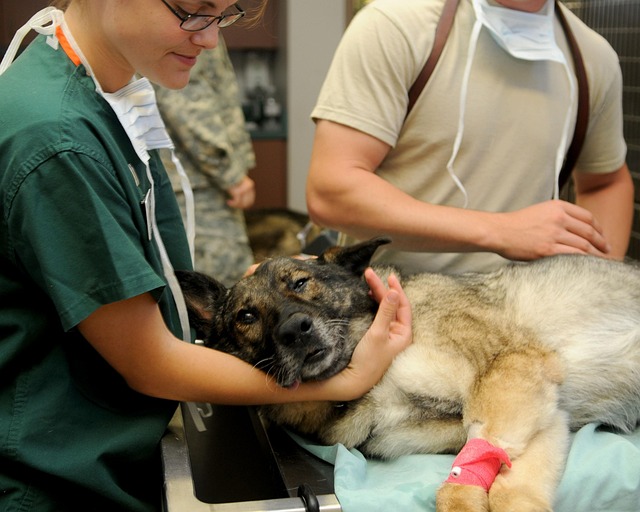
Bundling a behavior consultation into a routine wellness visit as an automatic add-on service for pets with no owner-reported behavioral concerns and no clinically observed behavioral abnormalities during the examination generates a service charge for a consultation that was not requested and addresses no identified problem. Behavior consultation is a valuable and often underutilized resource when a pet has documented behavioral concerns that are affecting its quality of life or owner relationship. The same service applied reflexively as a bundled line item to every wellness visit regardless of behavioral history is generating revenue from a service category whose value depends entirely on the presence of a specific behavioral concern to address. Reviewing the itemized invoice before payment and asking about the clinical basis for each service line is a standard consumer practice that veterinary billing often goes unchallenged on.
Parasite Prevention Tiering
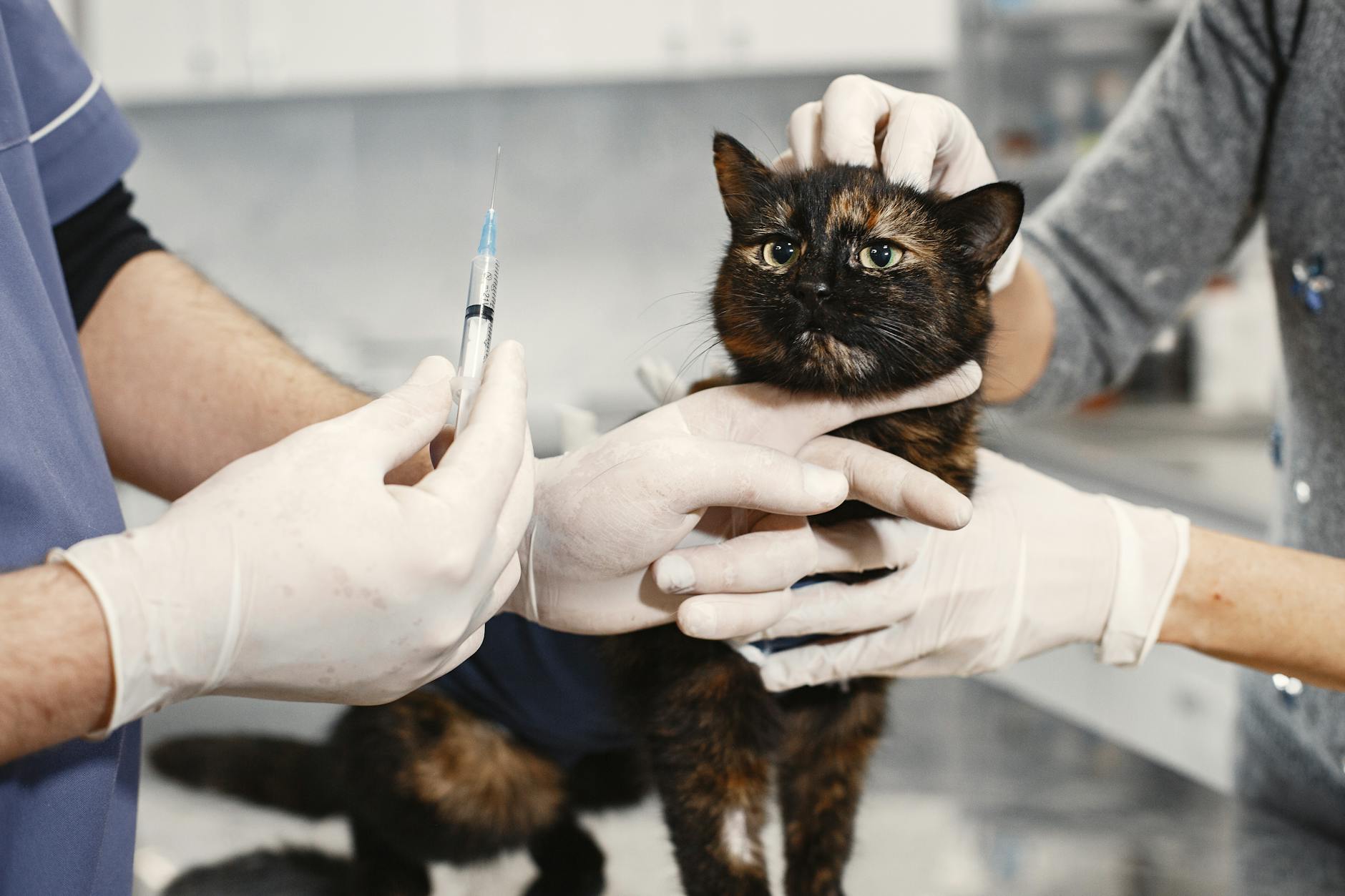
Presenting the most comprehensive and expensive parasite prevention products as the standard recommendation regardless of an individual patient’s actual exposure profile is a prescribing pattern that benefits practice revenue and pharmaceutical relationships more than it reflects individualized patient risk assessment. A primarily indoor urban cat has a parasite exposure profile that is categorically different from a rural dog with wildlife contact, regular swimming, and tick habitat exposure. Both patients may benefit from some level of parasite prevention but the comprehensiveness and cost of the appropriate protocol should reflect the actual exposure risk of the individual animal. Asking specifically which parasites represent a genuine risk for a specific pet’s lifestyle and environment before accepting the broadest coverage product is a question that produces a more honest clinical conversation than most clients think to initiate.
Genetic Testing Panels

Breed-specific genetic disease panels have genuine predictive value for breeding animals, for pets from breeds with high prevalence of specific heritable conditions, and for cases where a genetic diagnosis would materially affect treatment decisions. The same panels marketed as standard wellness additions for mixed breed pets or for purebred pets from breeds without documented high prevalence of the tested conditions generate significant charges for information whose clinical utility is limited by the low pre-test probability of the conditions being screened. A genetic panel that identifies a low-penetrance variant of uncertain significance in a healthy pet creates anxiety without actionable clinical guidance. Asking what specific management decision would change based on the result of a proposed genetic test is the most efficient way to evaluate whether the test serves the patient or the invoice.
Senior Wellness Frequency

Increasing wellness visit frequency to every six months for all pets above a certain age threshold applied uniformly regardless of individual health status generates doubled examination fees for a patient population that is heterogeneous in its actual health monitoring needs. A healthy ten year old dog with normal recent bloodwork, no chronic conditions, no medications, and no owner-reported changes in appetite, weight, or activity does not have the same monitoring requirement as a ten year old dog managing hyperthyroidism, diabetes, or cardiac disease. Age is a risk factor that appropriately increases clinical vigilance but it does not automatically justify doubled visit frequency for every patient above an arbitrary age threshold without individual health status consideration. Semi-annual wellness is appropriate for senior pets with active health conditions and warrants a conversation rather than an automatic protocol for those without them.
Post-Treatment Recheck Panels
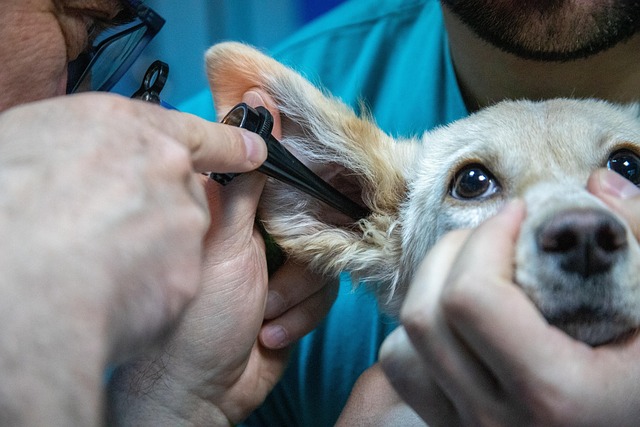
Scheduling post-treatment blood panels after completing a short course of medication for a minor self-limiting condition generates laboratory charges for monitoring that the clinical severity of the original condition does not require. A young healthy dog treated for a mild gastrointestinal upset with a brief course of medication does not have the organ function monitoring requirement of a patient on long-term hepatotoxic medications or a patient managing a chronic systemic disease. Recheck bloodwork has clear clinical value when the treatment involved carries documented organ system risks over the treatment duration or when the patient has baseline organ function concerns that the medication could exacerbate. Applying post-treatment panel protocols uniformly across all treated patients regardless of the medication, the duration, and the patient’s baseline health status generates charges that the clinical picture does not consistently support.
Specialist Imaging Packages
Referral imaging performed at specialty facilities frequently includes comprehensive package pricing that bundles multiple imaging modalities together as a standard workup for a presenting complaint. A patient referred for evaluation of a specific orthopedic concern may receive a package that includes full survey radiographs, computed tomography, and ultrasound as a standard referral workup bundle when the specific clinical question may be answerable with one of those modalities alone. Specialty imaging facilities operate at significantly higher per-study costs than primary care practices and the bundling of multiple modalities into standard packages amplifies that cost differential. Requesting a prioritized imaging sequence that starts with the modality most likely to answer the specific clinical question, with additional studies ordered based on initial findings, is a medically sound and financially rational approach to specialty imaging referrals.
If any of these patterns have changed the way you think about your next vet visit, share your experience in the comments.




