
Courtship is a performance with a costume, a script, and a stage that gets dismantled the moment the audience becomes a permanent resident. The behaviors that emerge after a wedding are rarely new developments but rather existing habits that were successfully suppressed during the audition period, maintained just long enough to secure the commitment before the real domestic personality arrived with the moving boxes. The gap between the person someone dated and the person they married is one of the most consistent sources of post-wedding shock across cultures and relationship structures. What follows are the habits that survive the engagement precisely because they were never visible during it.
Sink Abandonment

The revelation that a partner deposits used dishes, glasses, and utensils in the sink rather than the dishwasher located directly beside it, and considers this action equivalent to cleaning up, arrives for many newlyweds within days of returning from the honeymoon. The sink as a transitional holding zone for dishes that will eventually migrate to the dishwasher at an unspecified future point represents an entire domestic philosophy that was invisible during the dating period because the sink in question belonged to someone else. The behavior is accompanied by a genuine belief that the dishes are not technically dirty once they are in the sink, a position that their partner will spend years failing to successfully challenge. The dishwasher remains perpetually half-loaded and the sink perpetually occupied by items that are almost but not quite clean.
Towel Abandonment

The post-shower towel’s final resting place reveals a domestic personality that courtship successfully concealed through the simple mechanism of the date never being present for the post-shower period. A damp towel deposited on the bed, the bathroom floor, or draped over the closest available door handle rather than returned to its designated rack is a declaration of spatial philosophy that the new spouse encounters as a permanent feature of the shared environment. The towel will be moved by one partner indefinitely while the other maintains genuine puzzlement about why this is considered a problem requiring resolution. No amount of designated towel hooks, special towel bars, or direct conversation produces lasting behavioral change in the committed towel abandoner.
Midnight Snacking

The full scope of a partner’s relationship with food between the hours of eleven at night and three in the morning is information that the dating period structurally prevents from being gathered because those hours are spent either asleep or engaged in activities incompatible with the solo refrigerator excavation that the behavior actually involves. The new spouse who wakes to the sound of packaging, the refrigerator light, and the specific acoustic signature of someone eating standing up in a kitchen at two in the morning has discovered a personality that existed throughout the entire relationship without ever being introduced. The midnight snacker is typically unaware that the behavior is audible, visible through the light under the door, or in any way a shared household event rather than a private one.
Nail Clipping Location
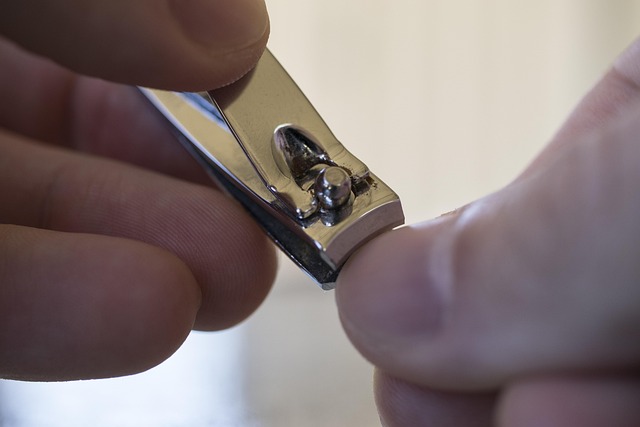
The chosen venue for fingernail and toenail maintenance reveals a domestic boundary philosophy that the dating period never provided an opportunity to observe. The marriage certificate has not been signed by people who clip their nails at the kitchen table, on the couch during television viewing, or in any room other than a bathroom with a trash receptacle within reach because these people manage the behavior’s visibility during courtship with the same instinct that conceals other habits identified as potentially problematic. The first post-wedding nail clipping session establishes whether the partner’s chosen venue for this activity is compatible with shared space cohabitation or whether it will become a recurring negotiation point throughout the marriage.
Toilet Seat Philosophy
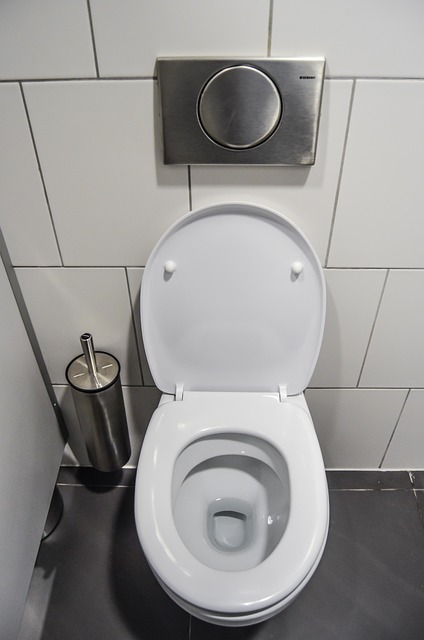
The toilet seat as a marital flashpoint is culturally so well documented that its appearance on any list of post-wedding discoveries risks feeling like a cliché, and yet its persistence as a genuine source of domestic friction for newly married couples across every demographic confirms that the familiarity of the complaint has not reduced the frequency of the behavior. The seat is left in whatever position the last user found it most convenient to leave it in, which is a position that demonstrates an orientation toward personal convenience over shared domestic protocol that extends well beyond the bathroom and into every subsequent negotiation about shared space management. The toilet seat is not actually about the toilet seat and both parties typically understand this within the first year.
Expiration Date Relationships

The discovery that a spouse has an entirely different philosophical relationship with food expiration dates than the one that was implied during the dating period arrives through the refrigerator rather than through conversation. One partner believes that the printed date is a legal and biological fact beyond which consumption is genuinely dangerous while the other treats it as a manufacturer’s conservative suggestion subject to sensory evaluation on a case by case basis. Items that one partner would have discarded on the date printed on the package are consumed by the other days or weeks later with complete comfort and no apparent consequence. The resulting negotiation about what constitutes spoiled food versus edible food is never actually resolved and instead becomes a permanent feature of the household’s relationship with its own refrigerator.
Volume Calibration

The default volume at which a spouse conducts their daily life including speaking, watching content, listening to music, closing cabinets, and moving through the house is information that the dating period provides only in edited form because the person being observed is performing a version of themselves calibrated for an audience. The natural resting volume of a person who lives alone and has no reason to manage their noise output is typically substantially higher than the version encountered during courtship. Every cabinet in the shared home closes at a volume that implies a different relationship with the structural integrity of the cabinet than the one the quieter partner would prefer. The television volume that the louder partner considers normal registers as the louder partner being inconsiderate to the person trying to have a conversation in the next room.
Laundry System Collapse

The full extent of a partner’s relationship with clean and dirty laundry exists on a spectrum between two extremes that the dating period never maps with any precision. The floor between the hamper and the closet occupies a category in some domestic philosophies that is neither clean nor dirty but rather a transitional zone for items that have been worn once and do not yet require washing but are not clean enough to be returned to the closet. This category of clothing, which exists in some marriages as an enormous floor-based wardrobe system, was entirely invisible during courtship because it lived in a space the date never entered. The chair in the bedroom that serves the same transitional clothing function is an alternative geography for the same philosophical position.
Snoring Disclosure

The acoustic experience of sharing a bedroom with a significant snorer is information that the dating period successfully withholds through the simple fact that the couple did not consistently share a sleeping environment across enough consecutive nights for the full scope of the situation to be assessed. Individual nights of observed snoring are mentally filed as anomalies attributable to alcohol, fatigue, or sleeping position rather than as representative samples of the nightly experience that marriage will deliver on a permanent basis. The first weeks of shared sleeping as a married couple produce a sleep deprivation experience for the lighter sleeper that no amount of advance warning from the snorer’s prior partners, family members, or the snorer themselves adequately prepares them for.
Grocery Receipt Archaeology

The discovery that a spouse relates to grocery shopping as an optimization exercise involving price comparison across multiple stores, loyalty card management across competing programs, and a relationship with weekly circulars that constitutes a genuine hobby arrives as a complete surprise to the partner who believed grocery shopping was a logistics task rather than a pursuit. The optimization shopper does not consider this behavior time-consuming, complicated, or in any way unusual because the reference group they are comparing themselves to is the mental model of a rational economic actor rather than the actual spouse standing in the third grocery store of the afternoon. The weekly grocery run becomes a three-store operation with a coordinated list organized by store section that the non-optimization partner finds baffling in its complexity.
Thermostat Sovereignty
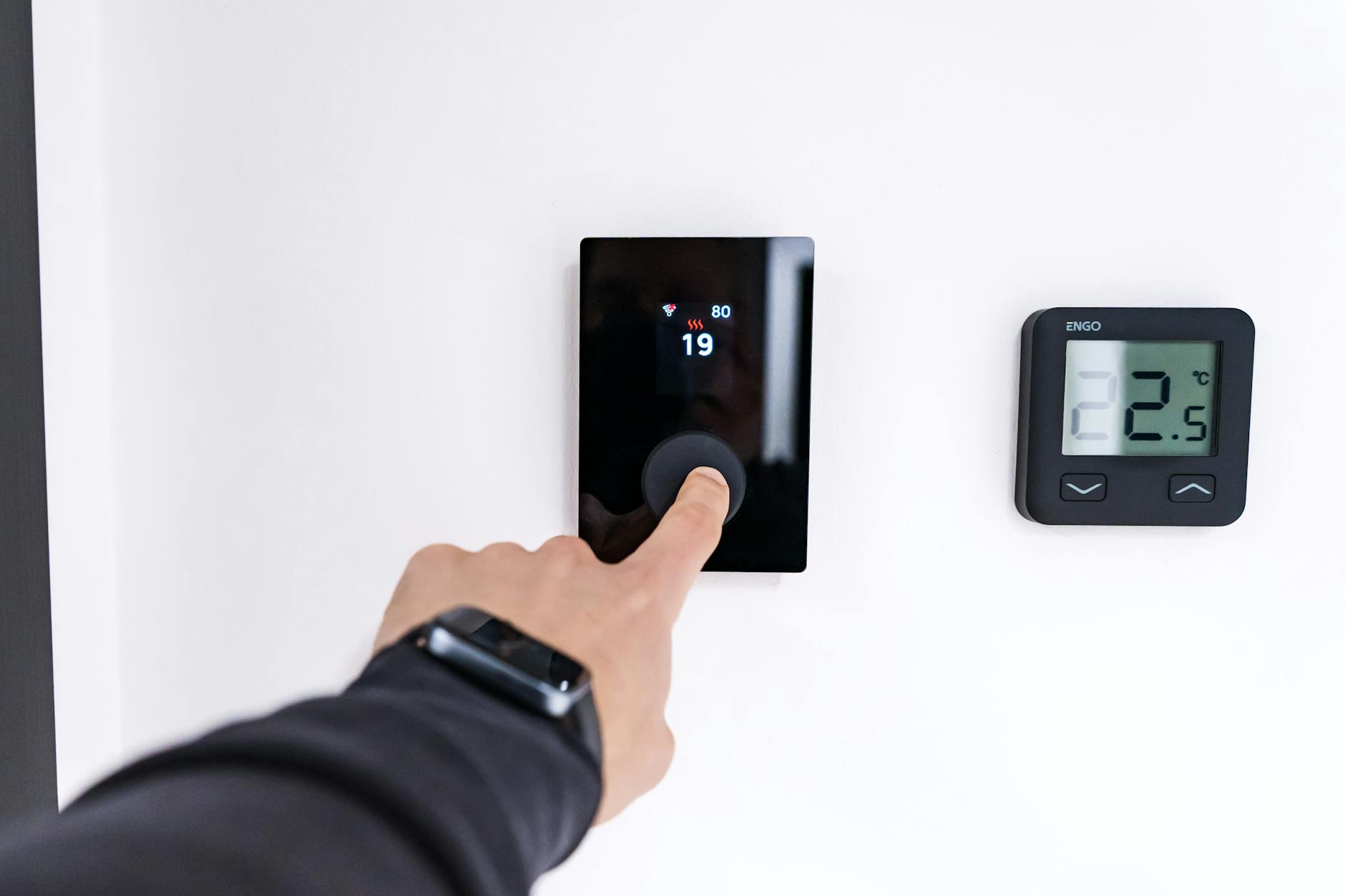
The temperature at which a person is genuinely comfortable existing in an indoor environment is a data point that the dating period never accurately captures because both parties are managing physical comfort displays along with every other performance of the courtship. The first winter and summer of a shared home reveal that the partners occupy different points on the thermal comfort spectrum that were never disclosed during the relationship and that cannot be resolved by any thermostat setting that satisfies both occupants simultaneously. One partner is cold at temperatures that cause the other to perspire. The thermostat becomes the physical object around which an ongoing negotiation about whose physical experience of the shared environment takes precedence is conducted indefinitely.
Internet History Honesty

The full range of content a person searches for, watches, reads, and engages with online is information that a relationship conducted across separate residences with separate devices never makes available. Shared internet infrastructure in a marriage eventually surfaces search histories, recommendation algorithms shaped by viewing habits, and auto-complete suggestions that reveal interests, preoccupations, and consumption patterns that were maintained privately throughout the entire dating period. The algorithm’s memory of what a person has watched and searched is a more complete record of their private media consumption than any self-report would produce and it becomes shared information the moment browsing activity is conducted on shared devices or networks.
Alarm Relationship

The number of alarms a person sets to achieve a single waking event and the relationship between those alarms and the actual time at which rising occurs is information about domestic time management that sharing a bedroom makes impossible to conceal. The partner who sets fourteen alarms beginning forty-five minutes before the required waking time and then sleeps through each of them in sequence while the other partner lies awake absorbing each alarm has introduced a sleep disruption system into the shared bedroom that was never part of the relationship’s terms as understood during the dating period. The snooze button philosophy, which to its practitioner represents a harmless personal system for gradual waking, registers to the partner as forty-five minutes of interrupted sleep delivered on a schedule every morning indefinitely.
Singing in Residence

The full vocal expression of a person who lives comfortably in their own space, including continuous singing, humming, and musical commentary delivered at performance volume throughout daily domestic activities, is a personality dimension that courtship successfully suppresses through the social monitoring that the presence of an audience activates. The singing occurs in the car, in the shower, while cooking, while cleaning, and as an ambient accompaniment to activities that most people conduct in silence when alone. Its continuous and unselfconscious presence in the shared home is a personality revelation delivered not as a single moment but as an ongoing environmental feature that the non-singing partner must decide whether to negotiate or simply absorb as the acoustic texture of the marriage.
Condiment Philosophy

The number of open condiment containers a person maintains simultaneously in a refrigerator, and their relationship with the commitment of opening a new container before the previous one has been fully used, is domestic information that the dating period never surfaces. The condiment collector who maintains four open varieties of the same basic category of sauce, opened in sequence according to a logic that is entirely clear to them and opaque to their partner, has filled a refrigerator door with partially used containers that the other partner must navigate around to reach the items they actually use. The position that a new mustard can be opened before the current mustard is finished is a philosophical stance with implications for shared refrigerator management that extends across every condiment category indefinitely.
Reading Material Distribution

The locations throughout a shared home where a spouse deposits partially read books, magazines, printed articles, and other reading material in progress reveals a spatial relationship with their own intellectual consumption that becomes a permanent feature of the shared environment from the first week of cohabitation. Reading material placed on a nightstand is an expected domestic element but reading material that migrates to the kitchen counter, the bathroom, the couch arm, and every horizontal surface with sufficient space for a periodical communicates a relationship with the physical artifacts of reading that the partner must either accommodate or continuously relocate. The reading material distribution system makes every surface in the home a potential library annex.
Hot Water Duration

The length of a spouse’s shower and their relationship with the shared household’s hot water supply is information that the dating period never provides opportunity to assess in a shared infrastructure context. The person who considers a forty-five minute shower a reasonable and normal daily event has calibrated their expectations against a private water heater that served only their own consumption demands. The shared water heater that must subsequently supply a second person’s shower requirements delivers the first concrete domestic consequence of the hot water duration philosophy on the morning it produces the second shower of the day at a temperature below what the second showerer considers acceptable. The negotiation about shower duration that follows is the first of many conversations about resource consumption in a shared system.
Sleep Schedule Divergence

The natural sleep and waking schedule of a person who has never been required to synchronize their biological rhythms with another person’s is information that surfaces as a genuine compatibility variable within the first weeks of sharing a bedroom. The owl and the lark who dated successfully because their schedules produced pleasant evening meetings and were never required to share a waking environment discover in marriage that one person’s preferred sleeping time is the other person’s most alert and socially engaged period of the day. The night person who wants to discuss plans, watch content, and interact at eleven at night is encountering a morning person who is cognitively finished for the day and being asked to perform social engagement at what their biology registers as the middle of the night.
Mispronunciation Inventory

The specific collection of words a person mispronounces consistently because they encountered them first in reading rather than in speech is a personal linguistic inventory that the dating period never fully catalogs because casual conversation does not reliably surface every word in the collection. The marriage provides a comprehensive conversational environment across every topic domain that eventually surfaces the complete mispronunciation inventory in the context of daily discourse. Each discovery is an individual moment requiring a decision about whether to correct or absorb, and the policy adopted for the first mispronunciation encountered tends to establish the pattern applied to all subsequent ones regardless of whether the adopter consciously intended to establish a policy.
Decorative Pillow Position

The relationship a spouse has with decorative pillows, specifically the degree to which they believe decorative pillows should be removed from a bed before sleep and replaced upon waking, is a domestic compatibility variable that the dating period never measures because it requires sharing a bed in a home where both parties have equal ownership of the space and its surfaces. The decorative pillow maximalist who has assembled a specific layered pillow arrangement on the bed discovers in marriage that their partner’s relationship with the arrangement ranges from complete indifference to active resentment of the daily disassembly and reassembly requirement. The pillow arrangement that one partner considers the finished state of a made bed is the obstacle course the other partner must navigate before sleeping.
Parking Validation Pursuit
The lengths to which a spouse will travel, wait, circle, and negotiate to avoid a parking fee that is modest relative to the overall cost of the outing they are undertaking communicates a specific financial preoccupation that the dating period successfully conceals because the person managing the parking situation during courtship manages it before or after the date rather than during it, preventing the behavior from being observed in real time. The marriage produces a shared experience of circling a parking structure for twenty-five minutes to avoid a fee that would have cost less than the combined time value of both people in the car. The parking validation pursuit is conducted with an intensity that communicates the fee’s psychological significance is entirely disproportionate to its financial one.
Phone Charging Geography
The location chosen for overnight phone charging and the cable management philosophy applied to that location is domestic information that becomes shared environmental reality from the first night of marriage. The charger that belongs on a nightstand makes its way to the floor, to the bed surface within the sleep zone, or to a location that requires a cable running across a shared pathway in ways that the sole occupant of a private space never had reason to consider problematic. The phone charging arrangement also reveals the bedtime phone use duration, the screen brightness setting preferred for nighttime use, and the notification silencing philosophy, all of which become shared bedroom environmental variables from the night the shared bedroom begins.
Food Sharing Assumptions

The assumption that food purchased, prepared, or acquired by one partner in a marriage is automatically available for consumption by the other without any explicit offering or discussion represents a domestic philosophy about shared resources that collides with its opposite the first time the person who made no such assumption discovers that their specifically desired item has been consumed. The food sharer who considers the pantry and refrigerator a common resource operating on a first available basis encounters a partner who made a specific mental reservation of a specific item for a specific future consumption and experiences its absence as a discrete event requiring explanation. The negotiation about which household food items are common resources and which are personal reservations is never fully completed in the marriages where it begins.
If any of these revelations feel uncomfortably familiar, share which habit surprised you most in the comments.




