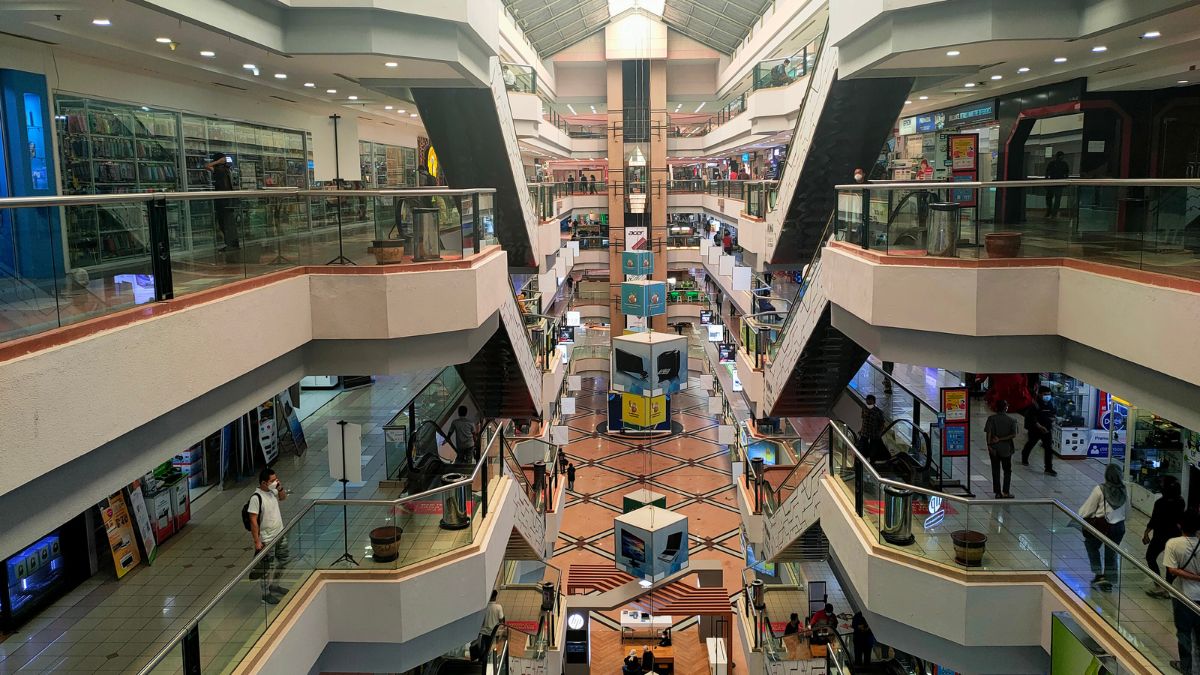
From loud confrontations to suspicious browsing habits, certain shopper behaviors consistently catch the attention of mall security personnel across retail environments worldwide. Understanding what draws unwanted scrutiny can help everyday shoppers navigate public spaces with greater awareness and social consideration. These 25 behaviors range from mildly inconsiderate to genuinely disruptive and reflect broader patterns that trained security professionals are specifically taught to monitor.
Loitering

Spending an extended period in one spot without making any purchases or browsing purposefully is one of the most frequently flagged behaviors in retail environments. Security personnel are trained to distinguish between shoppers who are resting and those who appear to be monitoring store activity or waiting for an opportunity. Repeated circuits through the same areas without entering stores also contribute to this pattern. Most malls have informal time thresholds after which stationary individuals attract radio communication between guards.
Baggy Clothing

Wearing oversized coats, hoodies, or layered clothing inside a climate-controlled shopping center is a well-documented trigger for loss prevention attention. Retail security training programs specifically highlight concealment-friendly garments as a visual cue worth monitoring. This does not apply to shoppers arriving from cold outdoor temperatures who remove layers upon entry. The concern arises when the clothing choice appears disproportionate to the environment and is paired with other suspicious movements.
Empty Stroller

Arriving at a mall with a stroller that contains no child and no visible reason for its presence is a recognized flag among loss prevention professionals. The stroller compartment beneath the seat and the canopy area are commonly used concealment spaces during organized retail theft. Security personnel are trained to observe whether items placed into a stroller are later brought to a register. An empty stroller combined with frequent store entries and exits significantly elevates monitoring attention.
Receipt Refusal
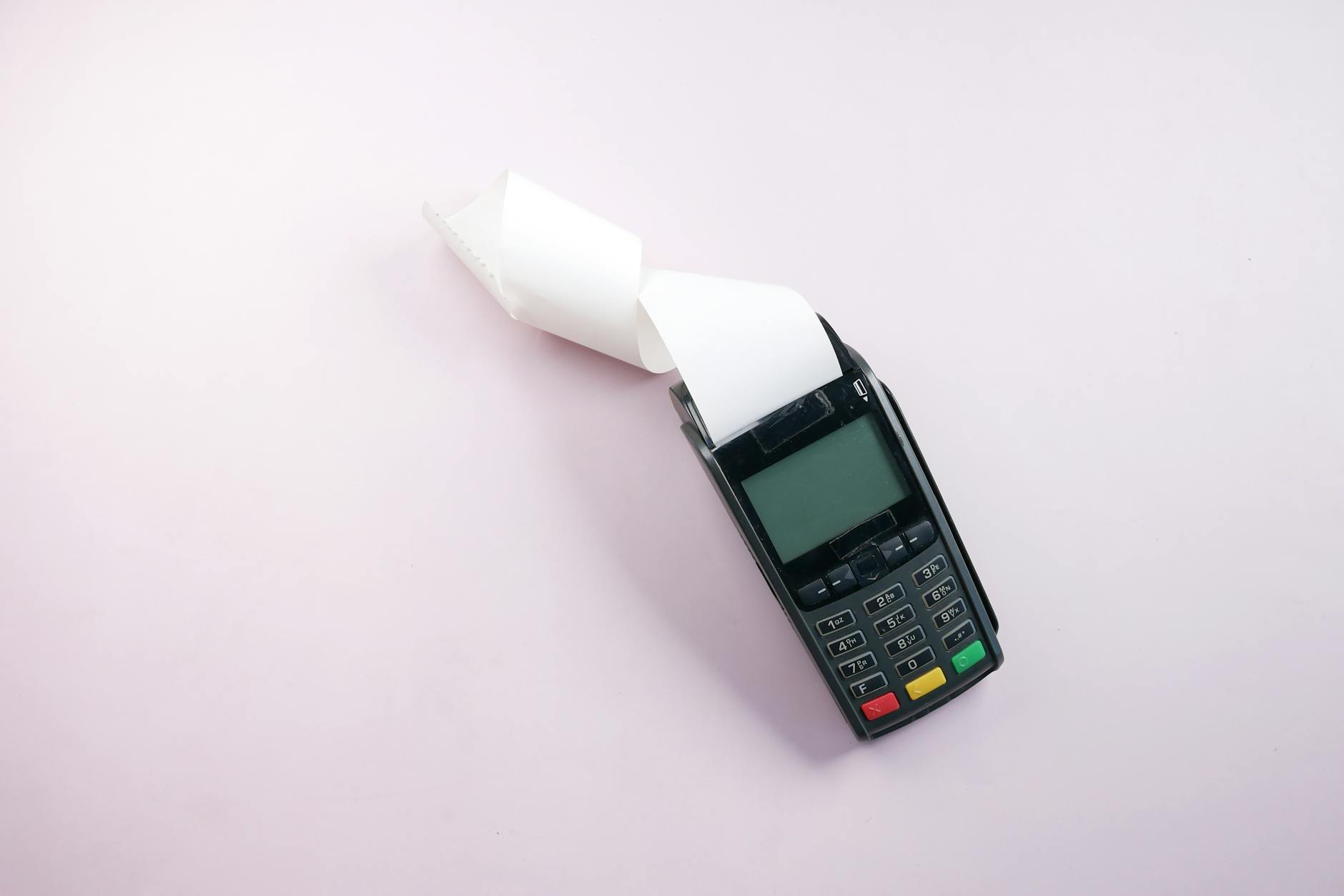
Declining a receipt at checkout and then later attempting to return or exchange a product is a pattern strongly associated with fraudulent return schemes. Security and retail staff communicate internally when customers refuse documentation at the point of sale. This behavior becomes more significant when it is repeated across multiple stores within the same mall visit. Many retail chains now log receipt refusals in their internal databases alongside transaction records.
Constant Phone Use

Filming store interiors, staff positions, or security camera placements under the guise of a phone call is a behavior that experienced guards quickly identify. Some organized retail crime groups use phone video to map store layouts and identify blind spots before a coordinated theft attempt. Standing still while appearing to film shelving arrangements rather than conducting a conversation raises immediate concern. Security teams in larger malls now use counter-surveillance techniques specifically developed in response to this pattern.
Tag Swapping

Switching price tags between products to pay a lower price is considered fraud and is one of the most commonly prosecuted retail offenses in shopping centers. Many stores now use tamper-evident labels and barcode verification at checkout to detect this behavior. Security cameras in high-value merchandise sections are specifically positioned to capture hand movements near product labels. Customers observed bending over products for extended periods near shelving units without selecting items often attract closer attention.
Aggressive Haggling

Attempting to negotiate prices in fixed-price retail environments creates disruption and is noted by staff who then communicate with security. This behavior is particularly flagrant in chain stores where pricing is set at a corporate level and individual employees have no authority to alter it. Repeated insistence, raised voices, and demands to speak with managers escalate the situation from a customer service issue to a security concern. Staff are trained to summon security discreetly when a customer becomes persistently confrontational over pricing.
Dressing Room Stacking

Taking an unusually large number of items into a fitting room beyond posted limits is a well-known precursor to tag removal and concealment. Most stores enforce item limits and conduct counts upon entry and exit precisely because this behavior has been so consistently associated with theft. Security personnel pay close attention to the weight and shape of bags carried out of fitting room areas. Staff are often positioned near dressing room entrances specifically to monitor item counts and customer behavior.
Distraction Tactics

Working in pairs where one person engages a staff member in lengthy conversation while another moves freely through the store is a classic organized retail theft technique. Security training programs dedicate significant time to identifying coordinated distraction patterns. The decoy conversation is typically designed to occupy the most senior or most attentive floor staff member. Guards watching CCTV feeds are specifically alert to this dynamic and will radio floor staff to disengage from prolonged interactions.
Merchandise Sniffing

Repeatedly opening, smelling, and resealing product packaging without any apparent purchasing intent is a behavior that draws staff attention in cosmetics and food retail sections. Beyond the hygienic concerns it creates for other shoppers, it suggests a customer who is unfamiliar with standard shopping norms. Security guards are also aware that this behavior can be used as a cover for closer inspection of packaging for removal purposes. Retail staff are trained to approach and offer assistance in these situations as a deterrent measure.
Floor Eating

Consuming food purchased elsewhere while walking through a mall or opening and consuming store products before paying for them is prohibited in most shopping center policies. Eating unpaid merchandise is classified as theft under retail law regardless of the shopper’s intent to pay at checkout. Many grocery sections within large malls have faced significant losses from this behavior and have responded by repositioning security. Shoppers who consume food products while shopping attract immediate attention from both floor staff and surveillance personnel.
Loud Arguments

Engaging in heated verbal disputes with a partner, family member, or friend in public retail spaces immediately attracts security presence. Guards are trained to assess whether the argument poses a risk to other shoppers or is likely to escalate into physical confrontation. Even arguments conducted on speakerphone that disturb surrounding shoppers are considered a security matter in most mall protocols. Noise disturbances in retail corridors are prioritized because they can rapidly affect foot traffic patterns and store operations.
Trolley Blocking
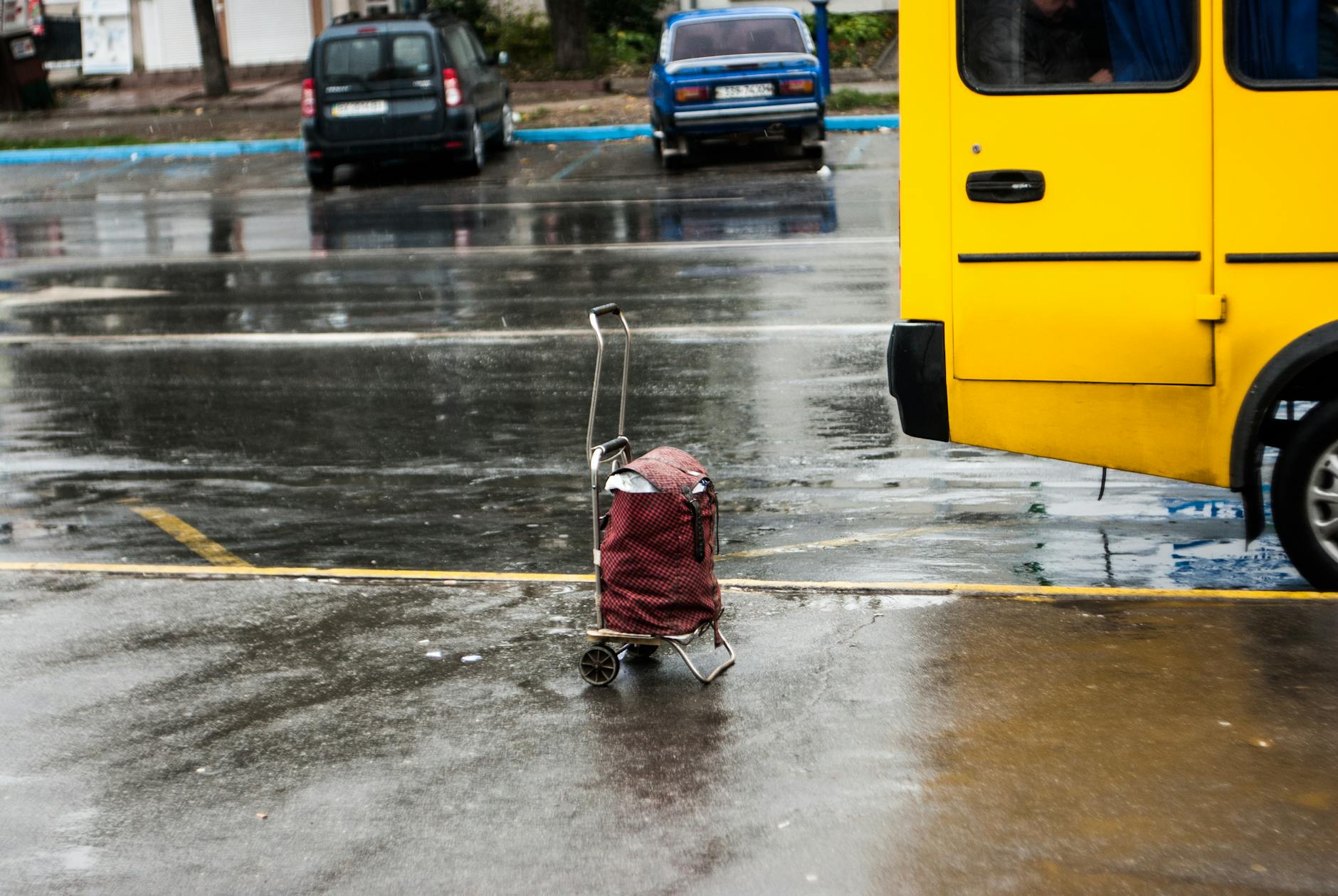
Deliberately or carelessly positioning a cart to obstruct store entrances, aisle paths, or checkout lanes is noted by staff and reviewed in CCTV audits. While often unintentional, repeated repositioning of a cart to create barriers in high-traffic areas aligns with patterns used to create chaos during organized theft. Security personnel distinguish between shoppers who are simply inattentive and those who are using obstruction strategically. Persistent blocking after staff intervention is escalated to security management.
Bulging Waistbands

Exiting a fitting room with a visibly altered body silhouette compared to upon entry is one of the most reliable visual indicators used by loss prevention teams. Security training courses use before-and-after silhouette comparisons as a primary detection method for concealment under clothing. Tight waistbands, unnatural stiffness in movement, and reluctance to bend or reach are secondary indicators that accompany this behavior. Guards are trained to approach such individuals with a greeting that naturally draws attention to any concealment.
Return Fraud
Attempting to return merchandise that was clearly purchased at a different retailer or obtained outside normal sales channels is flagged immediately by customer service staff. Many return fraud schemes involve items stolen from one location being returned for store credit at a different branch. Security teams are briefed on known return fraud patterns and maintain communication with loss prevention networks across multiple retail brands. Customers who visit the returns desk early in a mall visit before making any visible purchases attract particular scrutiny.
Flash Mob Entry

Arriving as part of a large, coordinated group that disperses rapidly across different sections of the same store is the signature behavior of a flash mob theft event. Security teams across global retail networks have developed specific response protocols for this pattern following a significant rise in incidents over the past decade. Staff are trained to immediately contact backup and position themselves near high-value merchandise when this entry pattern is observed. Most large malls now have direct communication links with local law enforcement for rapid response to this scenario.
Garbage Bag Use

Carrying large plastic garbage bags or laundry bags into retail stores is an immediately conspicuous behavior that triggers monitoring. These bags are not standard shopping vessels and have been documented as primary concealment tools in large-scale organized retail theft operations. Security personnel are trained to note the entry of any non-standard carrying container and to track the individual’s movement through the store. Most retailers post signage prohibiting oversized bags and use this as a reasonable basis for requesting bag checks upon exit.
Backpack Grazing
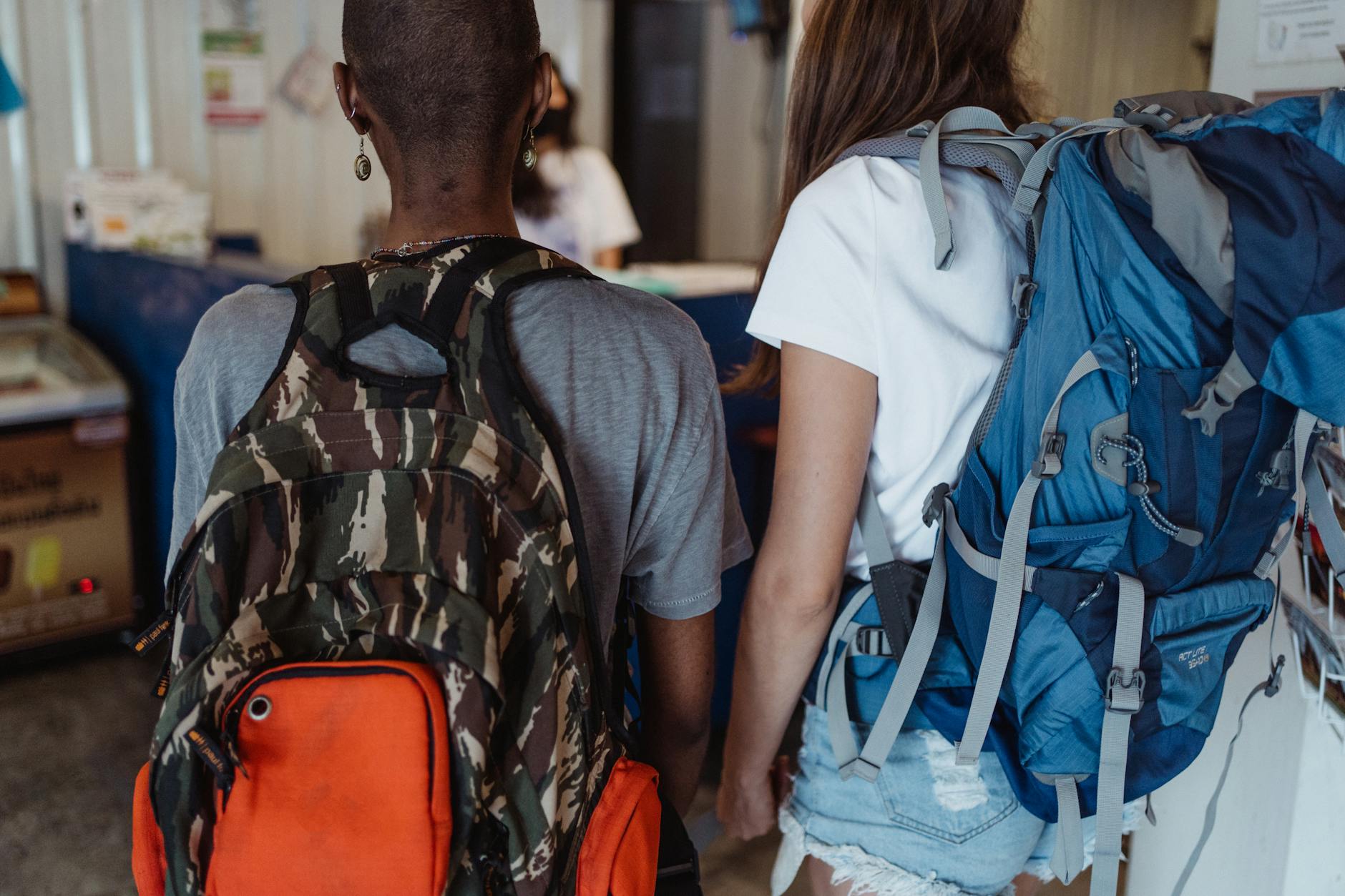
Repeatedly passing close to display tables or shelves while wearing a large open or partially zipped backpack is a recognized theft technique documented in retail security literature. Items can be brushed or dropped into an open bag without the shopper needing to use their hands in a visible way. Security cameras positioned above merchandise displays are specifically calibrated to capture this kind of lateral movement. Guards watching live feeds are trained to zoom in on backpack openings when a shopper makes multiple passes near the same display.
Fake Baby
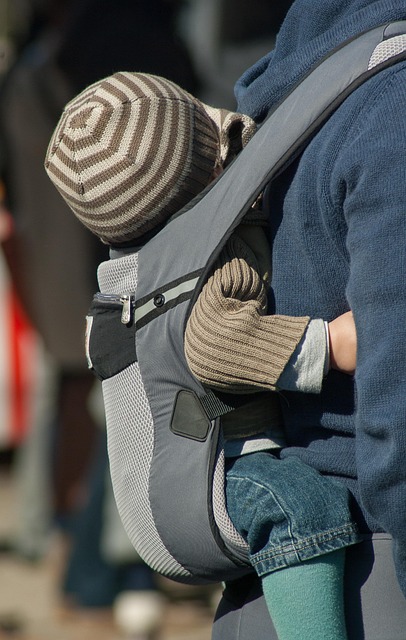
Wrapping non-infant items beneath a blanket in a baby carrier or using a realistic infant doll as a prop to conceal merchandise is an extreme behavior that has been documented in loss prevention reports across multiple countries. While rare, this method has been used in high-value theft operations and is taken seriously by mall security teams. Baby carriers and prams receive specific attention at store exits in retail environments where this pattern has previously occurred. Security protocols in such stores often include mandatory receipt checks at the door regardless of whether an alarm sounds.
Tag Collection

Gathering discarded price tags from the floor, trash bins near fitting rooms, or returns desks and keeping them for later use is a preparatory behavior associated with organized retail fraud. These tags are later used to price-swap merchandise on future visits or to validate false return claims. Security cameras near fitting room exits and waste bins are now a standard installation in many mid-to-large retail environments specifically because of this behavior. Staff are trained to regularly clear fitting room trash and document any unusual tag accumulations they discover.
Perfume Spraying

Excessively spraying fragrance testers on clothing and fabric within a store disrupts the shopping environment for other customers and damages merchandise. Security staff and store assistants are both empowered to intervene when a shopper is using tester products in a way that goes beyond reasonable trial. This behavior has also been documented as a distraction technique used to draw attention away from a nearby theft. In high-end department stores, overuse of fragrance testers is formally noted in staff incident logs.
Lip Product Testing

Directly applying lipstick, gloss, or other lip testers to the mouth without using provided applicator tools is a hygiene violation and a breach of store policy enforced across most major cosmetics retailers. Security and beauty consultants are trained to intervene immediately when this occurs both for health compliance reasons and because it degrades tester product value. This behavior has increased scrutiny in cosmetics sections which now often have staff stationed specifically at tester displays. Stores that have experienced repeated violations frequently remove tester products entirely and replace them with sealed display units.
Changing On Floor

Removing clothing and trying on garments in the open sales floor rather than using designated fitting rooms is a behavior that triggers both staff and security intervention. Beyond violating store policy, it creates discomfort for surrounding shoppers and can be associated with attempts to switch worn clothing for new merchandise. Security guards are called to escort floor-changers to fitting rooms or to exit them from the store depending on the severity of the situation. This behavior is consistently ranked among the most disruptive non-violent incidents in retail security incident reports.
Kid Abandonment

Leaving young children unattended for extended periods while shopping in distant sections of the mall is flagged by security as a child welfare concern as well as a tactical observation. In some documented cases, children have been used unknowingly to carry concealed merchandise past store exits while parents move separately. Mall security protocols require staff to approach unattended children and initiate welfare checks after a set time threshold. This situation results in an announcement over the public address system and the involvement of mall management.
Emergency Exit Use
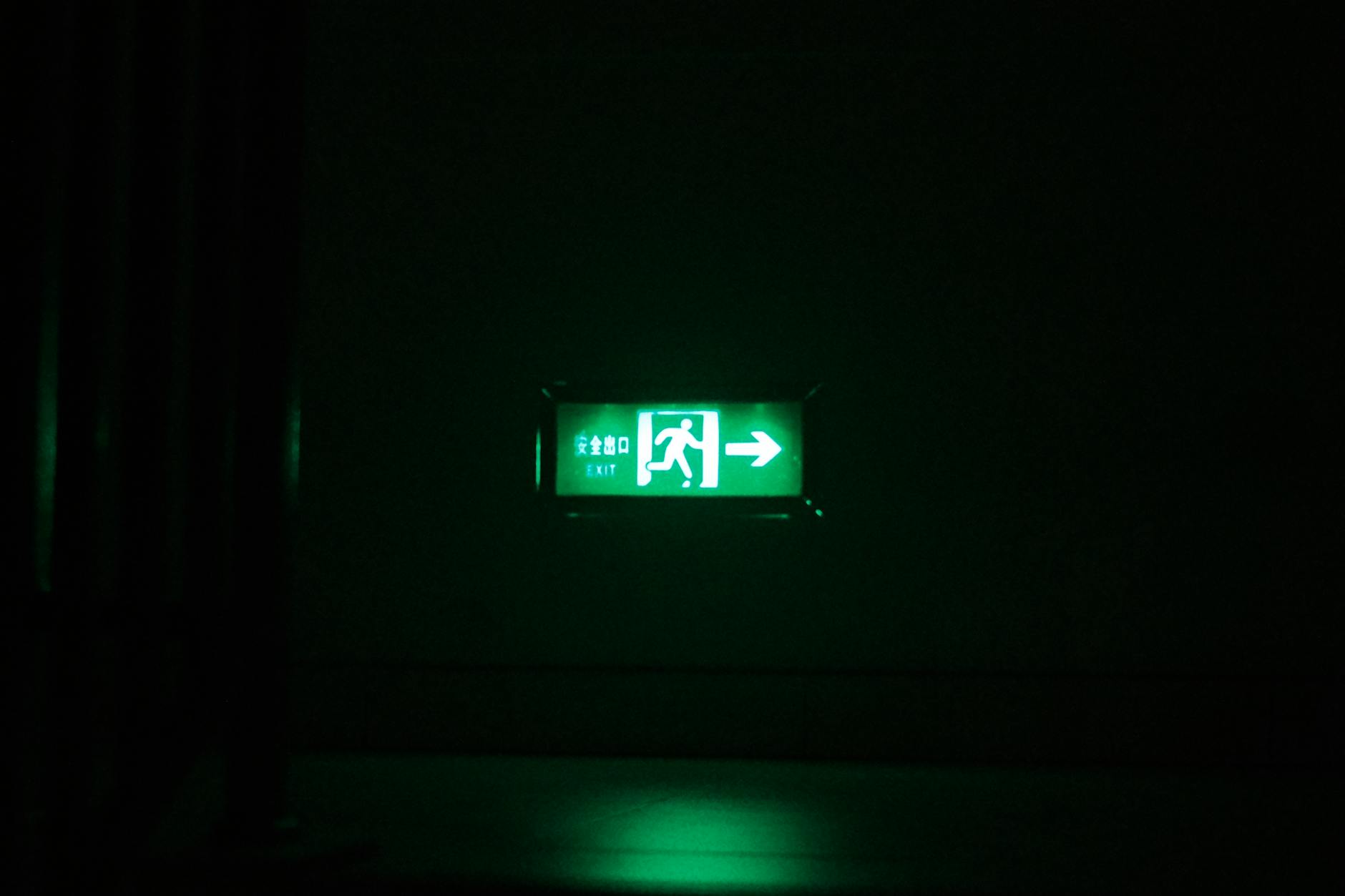
Using emergency exit doors as a convenient shortcut rather than for genuine evacuation purposes is one of the most frequently observed policy violations in shopping centers worldwide. Beyond triggering alarms and disrupting surrounding shoppers, it signals to security a possible attempt to exit without passing through monitored checkout zones. Repeat use of emergency exits by the same individual across a single mall visit is documented and reviewed in post-shift security reports. Mall management takes this behavior seriously because it compromises the integrity of evacuation procedures designed for genuine emergencies.
Have you witnessed any of these behaviors at your local mall? Share your thoughts in the comments.




