Cats are notorious for masking their discomfort as a survival mechanism inherited from their wild ancestors. This instinctual behavior makes it incredibly difficult for even the most attentive owners to recognize when something is wrong. Identifying the subtle cues of distress requires a keen eye for changes in routine and body language. Early detection of these signals can lead to faster treatment and a better quality of life for your pet. Learning to speak their silent language of pain is a vital part of responsible ownership.
Hiding Or Withdrawal

Cats act as masters of disguise when they feel vulnerable or unwell in their environment. An instinctive drive forces them to seek out secluded spots like closets or under beds to avoid potential predators. You might notice your usually social feline spending hours in isolation away from family activities. This behavior often signals a desire to protect themselves while they deal with internal discomfort or physical distress. Paying attention to these sudden shifts in location preference provides a crucial clue about their wellbeing.
Changes In Grooming Habits

A sudden decline in coat quality often points to an underlying issue with flexibility or general malaise. Painful arthritis or dental disease can make the twisting motions required for grooming too difficult to perform. Some cats may go to the opposite extreme and lick a specific area obsessively until the skin becomes raw. This localized over-grooming usually indicates an attempt to soothe a specific painful joint or wound. Keeping track of coat condition helps owners identify physical limitations early on.
Decreased Appetite
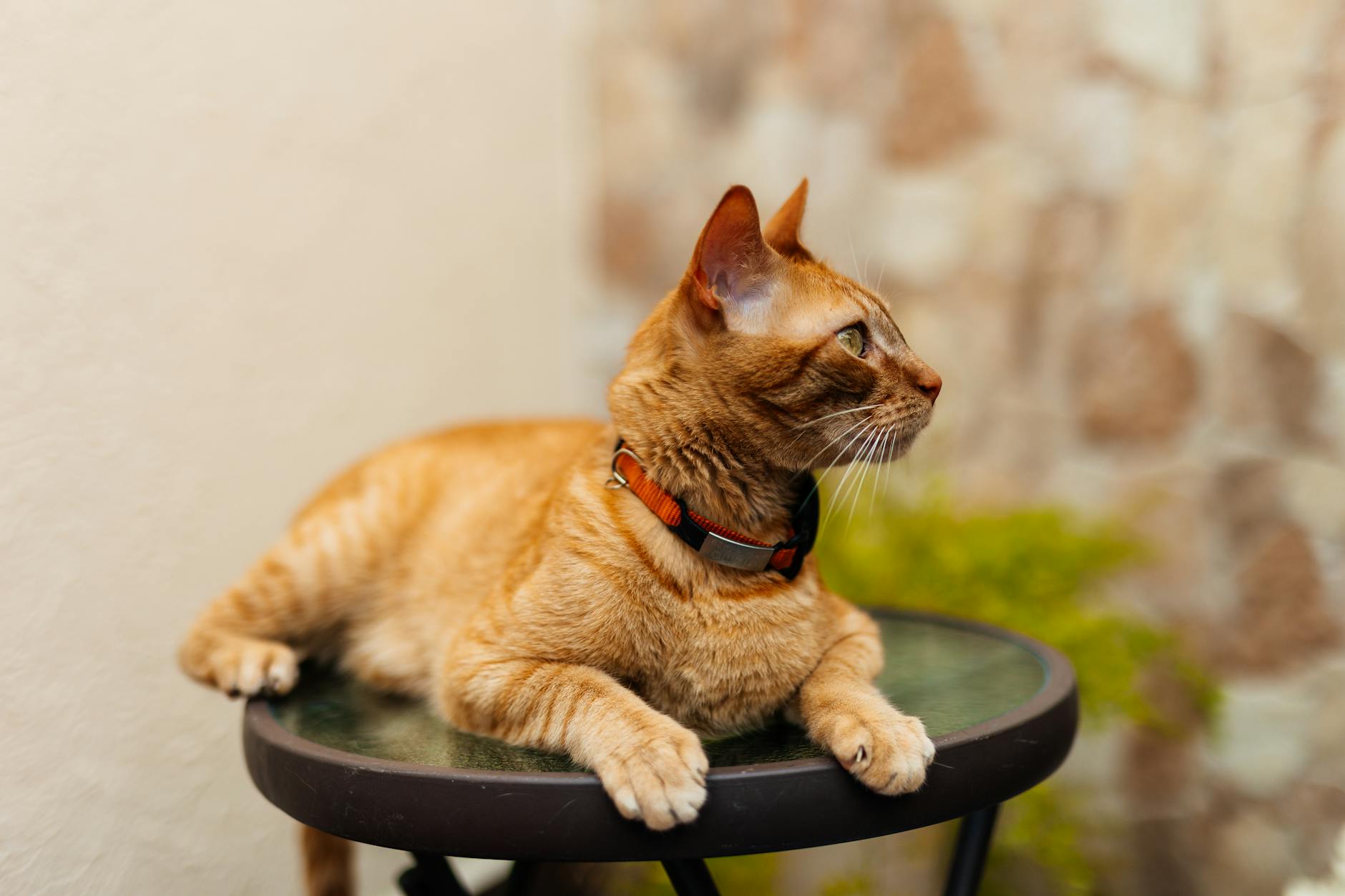
Food motivation often drops significantly when a cat experiences nausea or oral pain. You might observe them approaching the bowl with interest but turning away after a single sniff. Dental issues often cause food to drop from the mouth or result in chewing on only one side. Weight loss naturally follows this decreased caloric intake and can happen quite rapidly. Monitoring daily consumption remains one of the most effective ways to gauge physical health.
Aggression Or Irritability

A previously affectionate pet might hiss or swat when approached or handled gently. Pain triggers a defensive mechanism that interprets even loving touch as a potential threat. You may notice this behavioral shift specifically when picking them up or petting certain areas. This uncharacteristic irritability serves as a clear warning to back away and assess their physical state. Sudden mood swings usually indicate that something physical is bothering your companion.
Litter Box Issues

Stiff joints or internal discomfort can make climbing into a high-sided litter box an agonizing task. Cats may choose to eliminate right next to the box or on soft surfaces like laundry piles instead. This issue is frequently mistaken for behavioral rebellion rather than a physical limitation. Urinary tract infections also create an association between the box and pain that drives them elsewhere. Observing bathroom habits reveals much about mobility and internal comfort.
Changes In Vocalization
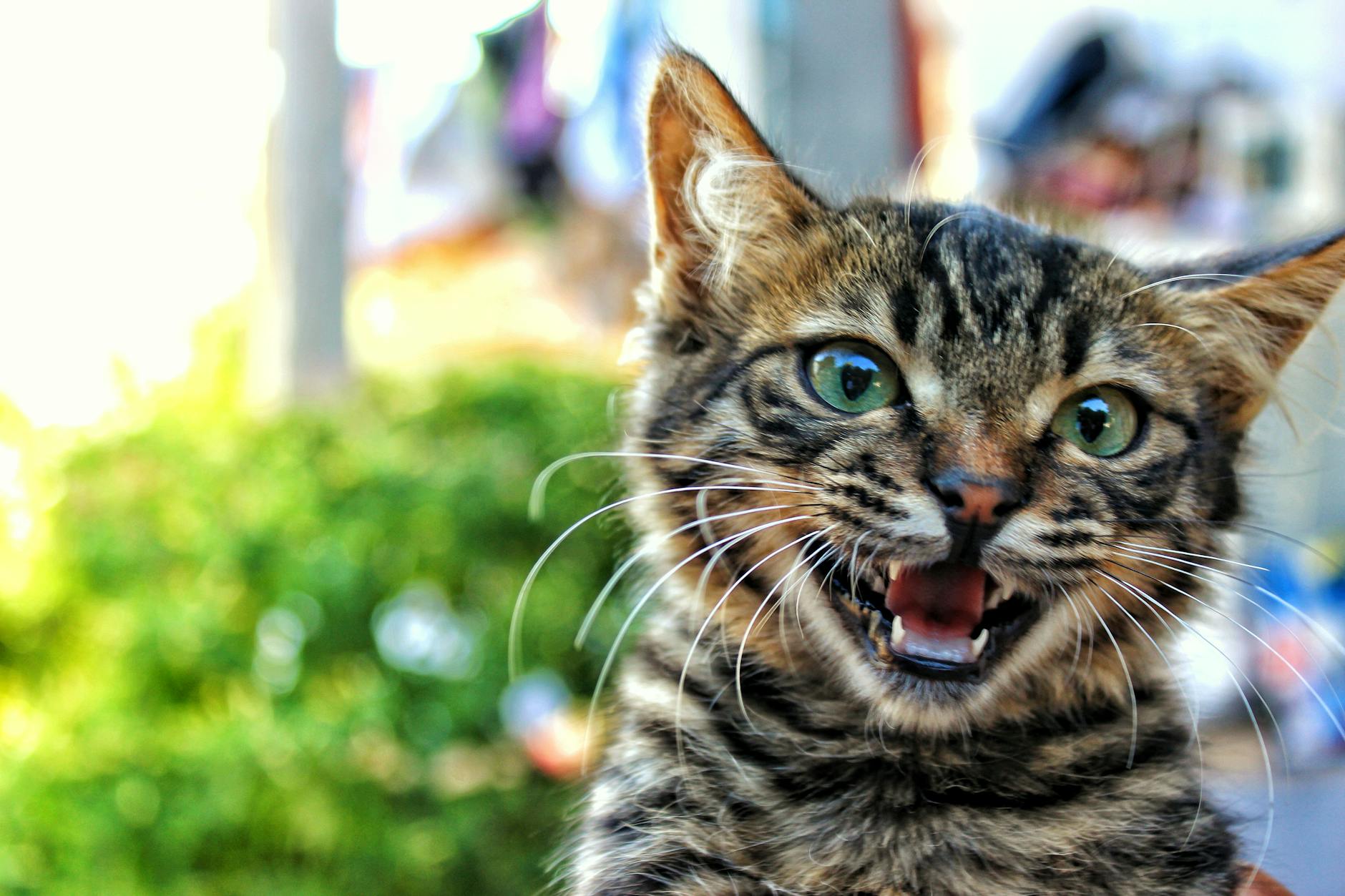
Silent cats may suddenly become vocal while chatty cats might go completely quiet. A low and guttural growl or a persistent yowl often indicates deep distress or confusion. These auditory signals serve as a direct communication attempt when physical cues go unnoticed. You should pay close attention to the timing of these sounds such as when they eat or move. Changes in pitch and frequency often correlate with the intensity of their discomfort.
Difficulty Jumping Or Climbing

Senior cats often hesitate before jumping onto surfaces they previously reached with ease. You might see them using intermediate steps like a chair to reach a table or counter. They may stop climbing cat trees altogether and prefer to stay on the ground level. Reluctance to use stairs or a stiff gait when walking also suggests joint inflammation. Reduced activity levels usually stem from the physical pain of movement rather than simple aging.
Hunched Posture

A cat in pain often adopts a hunched or guarded stance while sitting or lying down. They may tuck their paws tightly underneath them and keep their head lowered below their shoulders. This position protects their abdomen and minimizes the need for movement or stretching. The position looks different from a loaf when accompanied by tension and a lack of relaxation. Recognizing this rigid body language helps differentiate between a nap and physical guarding.
Restlessness Or Inability To Settle
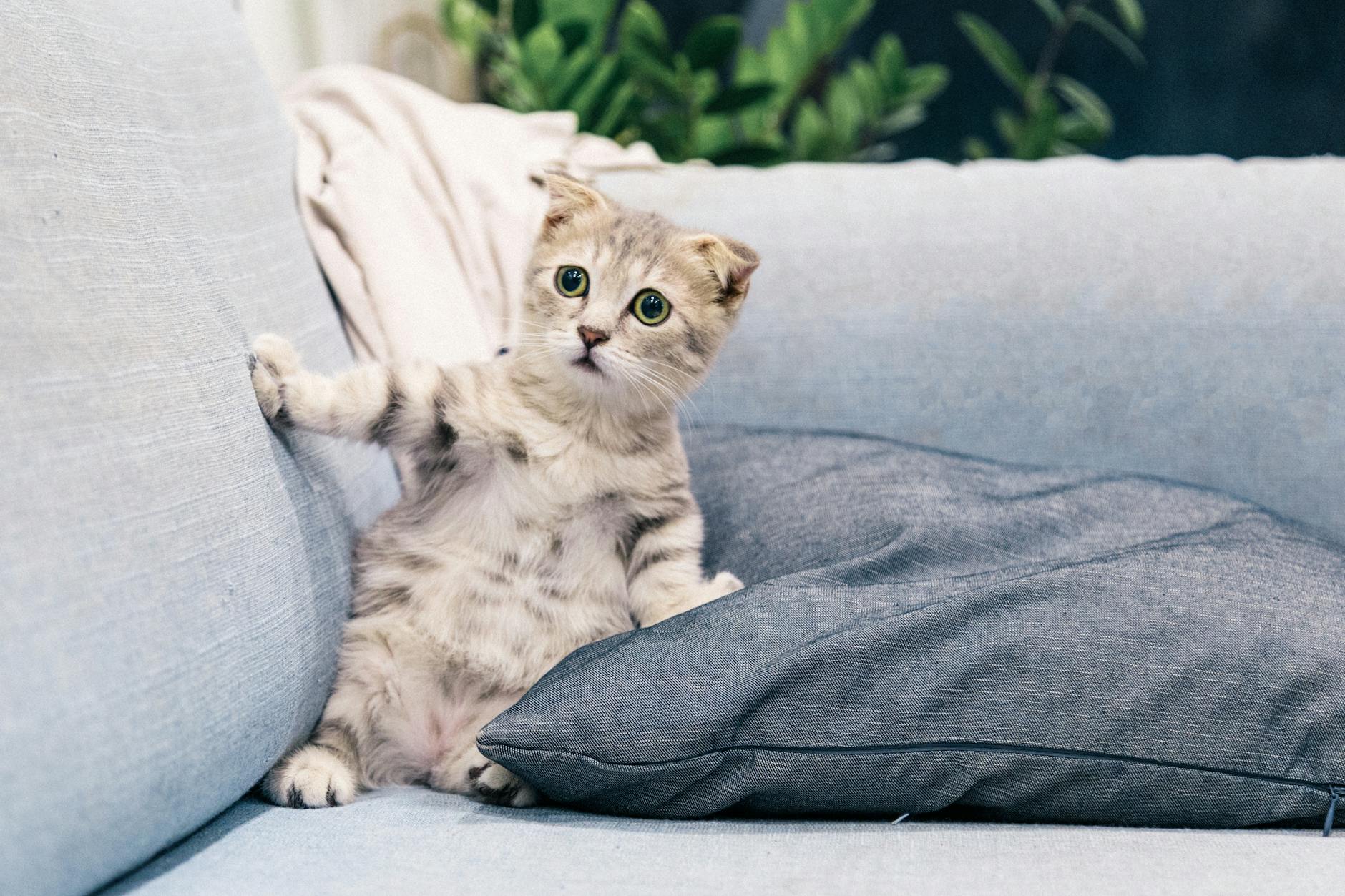
Inability to find a comfortable position often leads to constant pacing or shifting. You might watch your pet lie down only to stand up again immediately. This agitation suggests that settling down puts pressure on a sore spot or injury. They may wander aimlessly around the house without engaging in their normal routines. Restlessness serves as a clear indicator that they cannot find relief from their physical sensations.
Dilated Pupils

Dilated pupils in a brightly lit room can signify a high level of stress or physical pain. The autonomic nervous system responds to intense discomfort by widening the eyes involuntarily. You might notice their gaze appears distant or unfocused even when you try to engage them. This physiological response often accompanies other subtle signs like rapid breathing. Checking their eyes provides immediate feedback on their internal stress levels.
Heavy Panting Or Breathing Changes
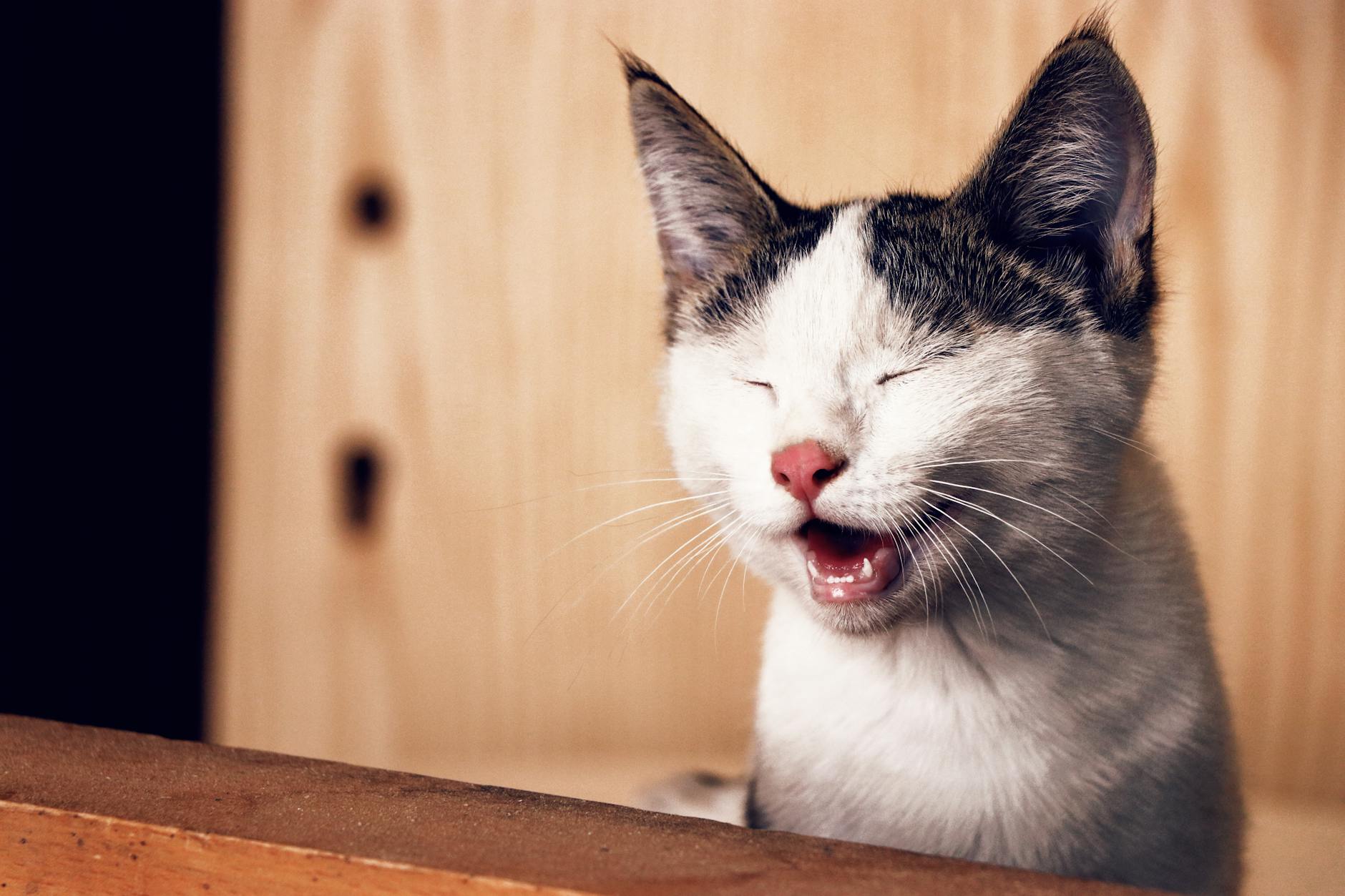
Open-mouth breathing is highly unusual for felines and often signals a medical emergency or severe pain. Heavy panting after minimal exertion indicates that the body is under significant stress. This respiratory change often accompanies a rapid heart rate and visible abdominal effort. You should treat this particular symptom with urgency as it represents a system in distress. Immediate professional assessment is necessary when a cat begins panting without heat or exercise triggers.
Squinting Or Closed Eyes

Eyes that remain partially closed or squinted can indicate facial pain or a severe headache. This expression often looks like a grimace rather than the slow blink of a contented cat. The tension in the facial muscles pulls the eyelids down and the whiskers back against the face. You might see this expression coupled with a lack of interest in their surroundings. Facial grimacing scales are actually used by experts to quantify pain levels.
Changes In Sleeping Patterns

An injured animal may sleep significantly more than usual to conserve energy for healing. Conversely some cats sleep less because they cannot relax enough to enter deep sleep cycles. You might find them sleeping in unusual locations where they are less likely to be disturbed. A disruption in their circadian rhythm often points to underlying health issues. Any drastic deviation from their established sleep schedule warrants closer inspection.
Reaction To Touch

Flinching or rippling skin when you pet the back often indicates sensitivity in the spine or muscles. This condition known as hyperesthesia can make even light touch feel overwhelmingly intense or painful. Your cat may bite at your hand or run away immediately after contact is made. Avoiding touch in specific areas usually highlights the exact location of the injury or inflammation. Observing these reflexive reactions helps pinpoint the source of their trouble.
Purring While In Distress

Many owners mistakenly believe that a purr always signifies happiness and contentment. Cats also purr as a self-soothing mechanism when they are frightened or in severe pain. You might hear a purr that sounds harder or more urgent than their typical happy rumble. This behavior releases endorphins that help them manage their own physical distress levels. Context is vital when interpreting why your feline companion is vibrating.
Please share your own experiences with spotting these subtle signs in your pets in the comments.




