
Not every weekend leaves you feeling recharged, even when it looks lively on the surface. Some social plans are wrapped in the language of fun but quietly drain the energy right out of you. These subtle signs reveal that your weekend agenda may be doing more harm than good.
Social Overload

Agreeing to back-to-back gatherings from Friday night through Sunday evening leaves little room for the body to reset. Even enjoyable events require social energy, and stacking them without gaps creates a cumulative fatigue that builds quietly. By Sunday night, a sense of dread about the week ahead is often mistaken for general anxiety. The body has simply not had a chance to be still, and that stillness is what true rest requires.
Forced Enthusiasm

Feeling the need to perform excitement you do not genuinely feel is one of the clearest signs a plan is more obligation than joy. You find yourself rehearsing enthusiasm in the mirror or on the drive over, coaching yourself to seem more engaged. Genuine fun does not require internal pep talks or mental preparation to endure. When excitement feels like a costume you put on rather than a feeling that arises naturally, the event is working against your energy.
Sunday Dread

A knot in the stomach that appears Sunday afternoon is not just about the workweek ahead. It often signals that the weekend failed to deliver the restoration the body was hoping for. Bracing for Monday while still technically in the weekend suggests the past two days provided stimulation rather than genuine downtime. Rest that actually works tends to make Monday feel approachable rather than ominous.
Constant Noise
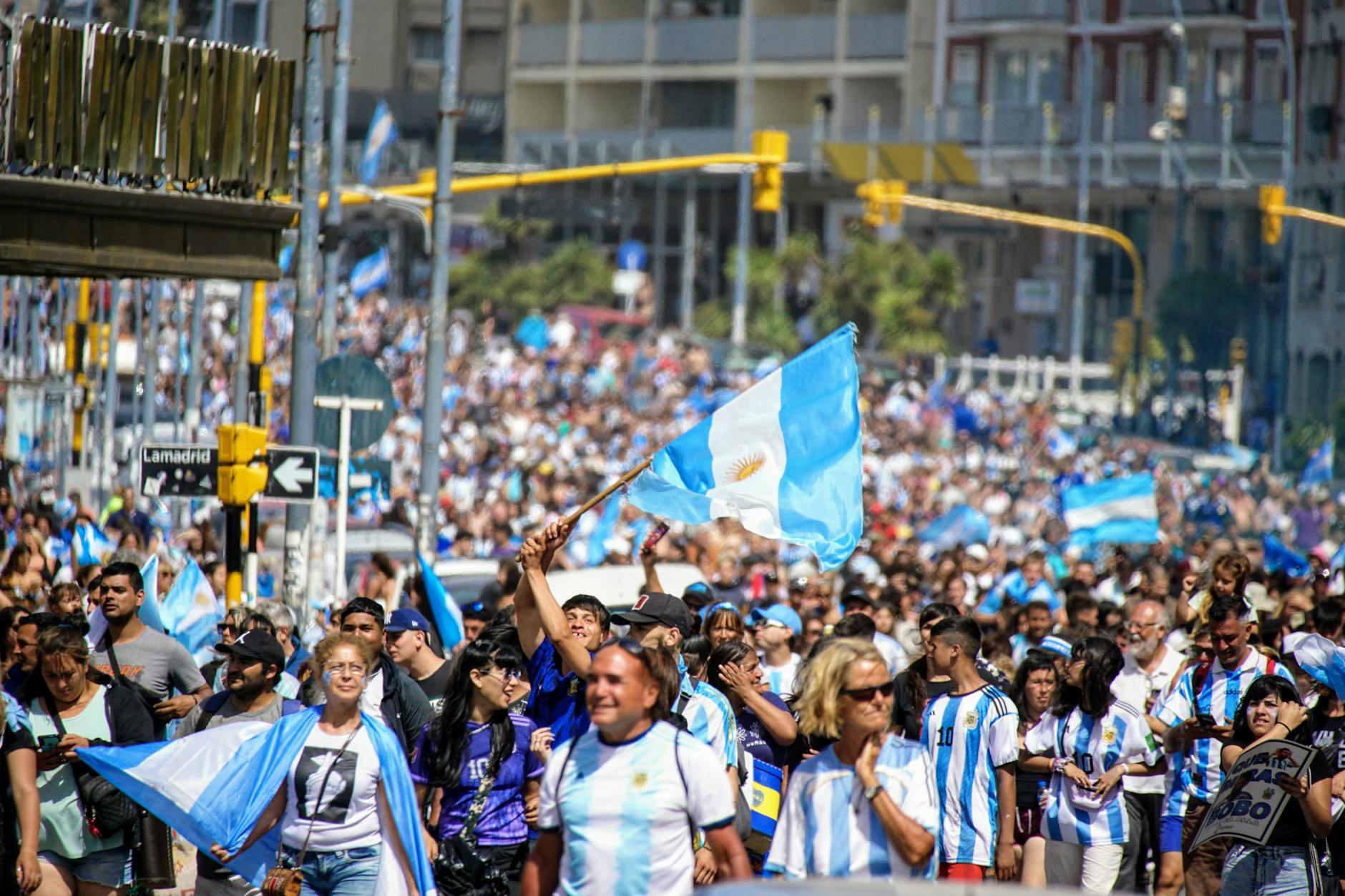
Weekends filled with loud venues, crowded spaces, and high-stimulation environments can exhaust the nervous system even when the activities themselves are enjoyable. The brain works harder to process sensory input in busy, noisy settings, and that effort accumulates over hours. People who are sensitive to sound and crowds may not realize how much cognitive energy is being spent simply managing their environment. A weekend dominated by noise leaves the body in a low-grade state of alert rather than calm.
Screen Fatigue

Spending evenings doom-scrolling, binge-watching, or staying glued to a phone after a full day of plans does not count as rest. The eyes remain strained, the mind stays engaged, and the nervous system never gets the signal to fully power down. Sleep that follows prolonged screen exposure tends to be lighter and less restorative. What feels like unwinding is often just a passive continuation of stimulation in a more horizontal position.
Obligation Attendance

Showing up to events primarily because canceling feels worse than going is a reliable indicator that a plan was never truly wanted. The anticipatory relief of imagining yourself back home is a telling emotional cue. Plans attended out of guilt or social pressure tend to leave you feeling emptier than if you had simply stayed in. Genuine enjoyment rarely begins from a foundation of reluctant compliance.
Post-Plan Crash

Needing a nap or a full quiet evening to recover after a supposedly fun outing is a signal worth paying attention to. Fun that works for your energy should leave you feeling pleasantly tired rather than hollowed out. A crash that requires recovery time suggests the activity was pulling from reserves rather than replenishing them. The body is quite direct about what actually feels good and what simply looked good on paper.
People Pleasing

Choosing activities based entirely on what others want rather than what you genuinely enjoy is an invisible source of weekend fatigue. You spend the outing managing other people’s moods, facilitating their fun, and ensuring everyone else is comfortable. Your own preferences get quietly set aside, often without you consciously registering the cost. Consistently abandoning your own needs in social settings is tiring in a way that is hard to name but easy to feel.
FOMO Planning

Packing a weekend full of plans out of a fear of missing out rather than genuine desire is exhausting before it even begins. The underlying anxiety that drives this kind of scheduling does not disappear once you arrive at each event. You may find yourself mentally at the next plan while still at the current one, never fully present anywhere. Weekends driven by fear rather than enthusiasm tend to feel both busy and somehow empty at the same time.
Uncomfortable Settings
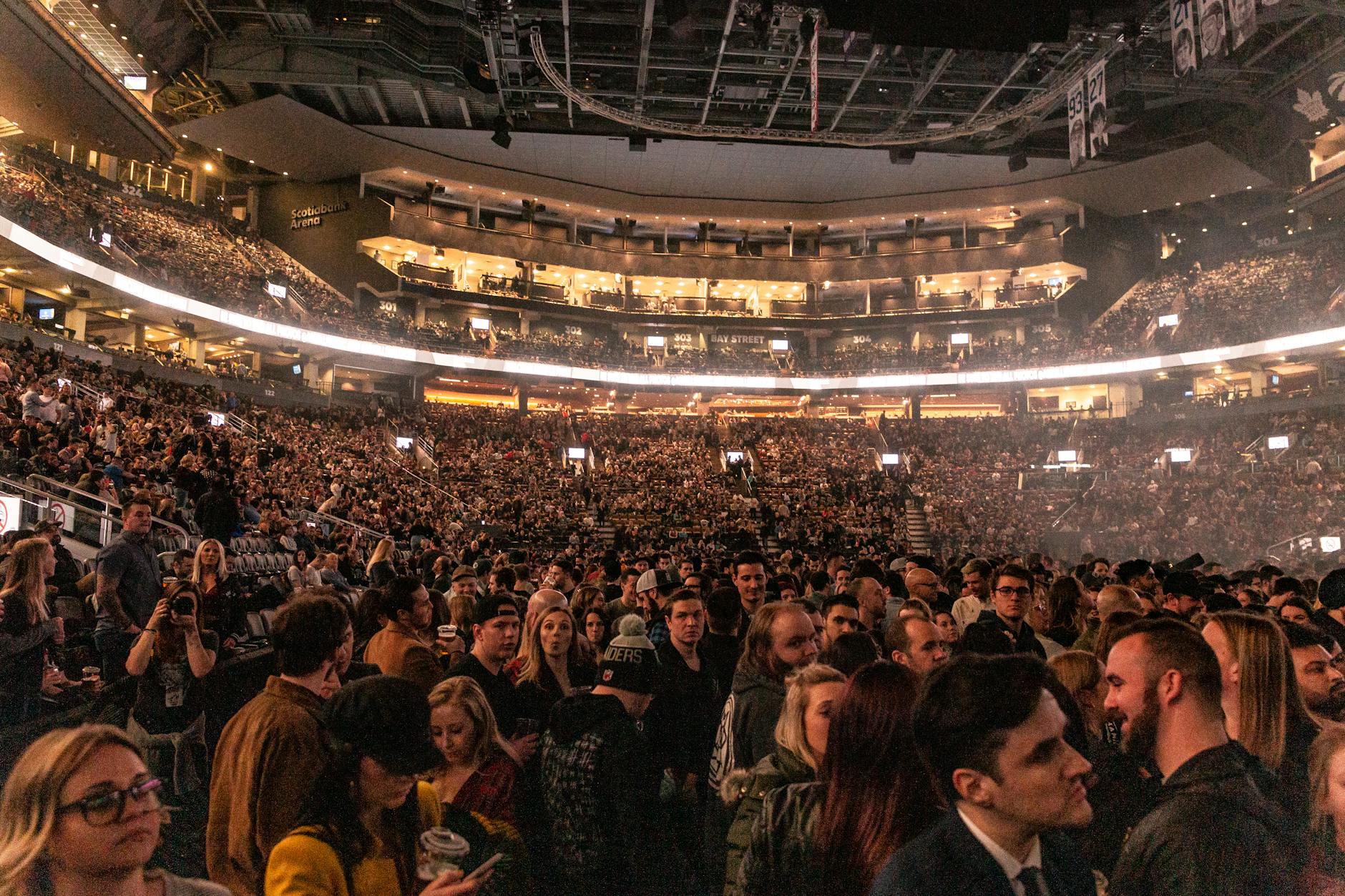
Spending hours in venues that are too hot, too crowded, or physically uncomfortable quietly erodes your enjoyment and energy. The body is continuously sending low-level stress signals that you learn to push past in the moment. Over time this kind of physical tolerance becomes normalized as part of socializing, even though it carries a genuine cost. Fun that requires you to ignore what your body is telling you is rarely as enjoyable as it appears in hindsight.
Performative Outings

Activities chosen because they look interesting on social media rather than because they genuinely appeal to you often fall flat in person. The gap between the curated image and the lived experience can leave you feeling oddly flat and vaguely disappointed. You end up focused on capturing the moment rather than inhabiting it. Weekends built around aesthetics tend to deliver documentation rather than actual satisfaction.
Lack of Downtime

A weekend with zero unscheduled time is not a full weekend but rather a continuation of the workweek in different clothing. The body needs stretches of genuine nothingness to consolidate experience and recover from stimulation. Even introverts who enjoy socializing require pockets of solitude to feel fully themselves. When every hour is accounted for, rest becomes something you schedule rather than something you actually have.
Hangover Effects

Waking up Monday with lingering tiredness, mild headaches, or foggy thinking that traces directly back to weekend choices is a quiet but honest report card. The body does not lie about whether the weekend was genuinely restorative. Alcohol, late nights, rich food, and overstimulation all carry a physiological cost that arrives on schedule. Weekends that consistently leave you feeling behind before the week begins deserve a second look.
Social Anxiety Spikes

Noticing an uptick in low-level anxiety before, during, or after weekend social plans is the nervous system flagging a mismatch. This anxiety is often dismissed as shyness or a personality trait rather than recognized as useful information. When the anticipation of a plan feels heavier than the enjoyment of it, the plan is probably not serving you well. Genuine fun tends to reduce anxiety rather than generate it.
Skipping Self-Care

Weekend plans that consistently push out exercise, proper meals, sleep, and quiet personal rituals are borrowing from your wellbeing without returning anything. You arrive at Monday having missed the habits that typically keep you grounded and regulated. The weekend becomes a period of depletion rather than maintenance. Self-care skipped in the name of fun tends to show up later in the week as irritability, poor focus, or a vague emotional flatness.
Comparison Fatigue

Spending time in social settings that frequently trigger comparison to others drains confidence and mental energy in a slow, subtle way. You leave gatherings preoccupied with what others have, earn, weigh, or accomplish rather than feeling good about your own life. This kind of mental churn continues well after the plan has ended and quietly undermines your mood for days. An outing that reliably sends you home feeling smaller than when you left is not functioning as fun.
Overcommitting

Saying yes to multiple plans in a single day because you wanted to keep everyone happy is a setup for depletion. The mental labor of transitioning between different social groups, energy levels, and expectations multiplies the fatigue of each individual event. You never fully arrive anywhere because part of your attention is always managing the logistics of what comes next. Overcommitting is often mistaken for being sociable when it is closer to being unable to disappoint.
Emotional Labor

Weekends that require you to counsel, support, mediate, or emotionally carry others for extended periods are not restful regardless of how much laughter is also present. Providing consistent emotional support is meaningful but tiring, and doing it primarily on your days off leaves you with less to give yourself. You may genuinely care for the people involved while still returning home feeling quietly wrung out. Recognizing the weight of emotional labor is not selfish; it is accurate.
Decision Fatigue

Making continuous low-stakes decisions throughout a social weekend, from where to eat to what to do next to whose suggestion to follow, accumulates into a form of mental exhaustion that is easy to overlook. Each small choice requires a tiny expenditure of cognitive energy, and by evening the cumulative cost becomes noticeable. You find yourself snapping at minor things or feeling disproportionately overwhelmed by simple choices. Decision fatigue is a real physiological phenomenon that a busy social weekend can quietly generate at scale.
Noise Sensitivity

Returning home with ringing ears, a tight jaw, or a dull tension headache after a loud social outing is the body’s way of communicating that it took on more stimulation than it could comfortably process. Many people normalize this physical aftermath as simply part of going out. But recurring physical symptoms after social plans are worth examining rather than dismissing. The body’s sensory threshold is a legitimate factor in what constitutes genuinely restful versus genuinely draining recreation.
Travel Exhaustion

Day trips and weekend getaways that require several hours of driving or transit each way consume a significant portion of the available rest time before and after the destination itself. Arriving somewhere tired and leaving even more so is a pattern that makes travel feel like a chore rather than a pleasure. The promise of a change of scenery can override the realistic math of how much energy the journey actually costs. Not all distance from home translates into genuine mental distance from the demands of daily life.
Alcohol Dependency

Weekends where alcohol becomes the primary vehicle for relaxing or engaging socially may be masking an underlying discomfort with the activities themselves. If the events feel flat or anxiety-inducing without a drink in hand, the social situation may not actually be a good match for your temperament. Relying on substances to make plans enjoyable is a signal that the plans themselves may not be serving you. Rest and genuine fun do not typically require chemical assistance to be bearable.
Unresolved Conflict

Spending weekend time with people toward whom you carry unresolved tension or resentment is quietly exhausting in a way that has nothing to do with the activity itself. The social performance of normalcy on top of genuine emotional discomfort doubles the cognitive and emotional load. You return home not just tired but vaguely unsettled without always being able to articulate why. Relationship tension has a persistent energetic cost that does not pause just because the occasion is meant to be fun.
Poor Sleep Timing

Late nights on Friday and Saturday that disrupt your body clock create a rolling deficit that shapes the entire feel of the weekend. The grogginess, moodiness, and reduced motivation that follow poor sleep are often attributed to personality rather than physiology. Sleep timing affects cortisol, mood regulation, and cognitive function in ways that color everything that follows. A weekend that consistently erodes your sleep is not resting your body regardless of how enjoyable the late hours might feel in the moment.
Guilt About Rest

Feeling uncomfortable or vaguely guilty whenever you spend time alone or do nothing signals that rest has been socially framed as laziness rather than necessity. This guilt drives people toward plans they do not actually want in search of a sense of productivity or social legitimacy. The underlying belief that being busy equals being worthy quietly fills weekends with activity that does not nourish. Rest pursued without guilt is one of the most genuinely restorative things a weekend can contain.
Missing Yourself

The clearest sign that weekend plans are draining rather than energizing is a consistent feeling of disconnection from yourself by the time Monday arrives. You spent two days with other people, in other spaces, performing other versions of yourself, and lost track of what you actually think, want, or feel. Genuine leisure should return you to yourself rather than remove you further from that place. When weekends leave you feeling like a stranger in your own life, it is worth asking what kind of rest you actually need.
What does your ideal restorative weekend look like, and do you think your current plans actually deliver that? Share your thoughts in the comments.




