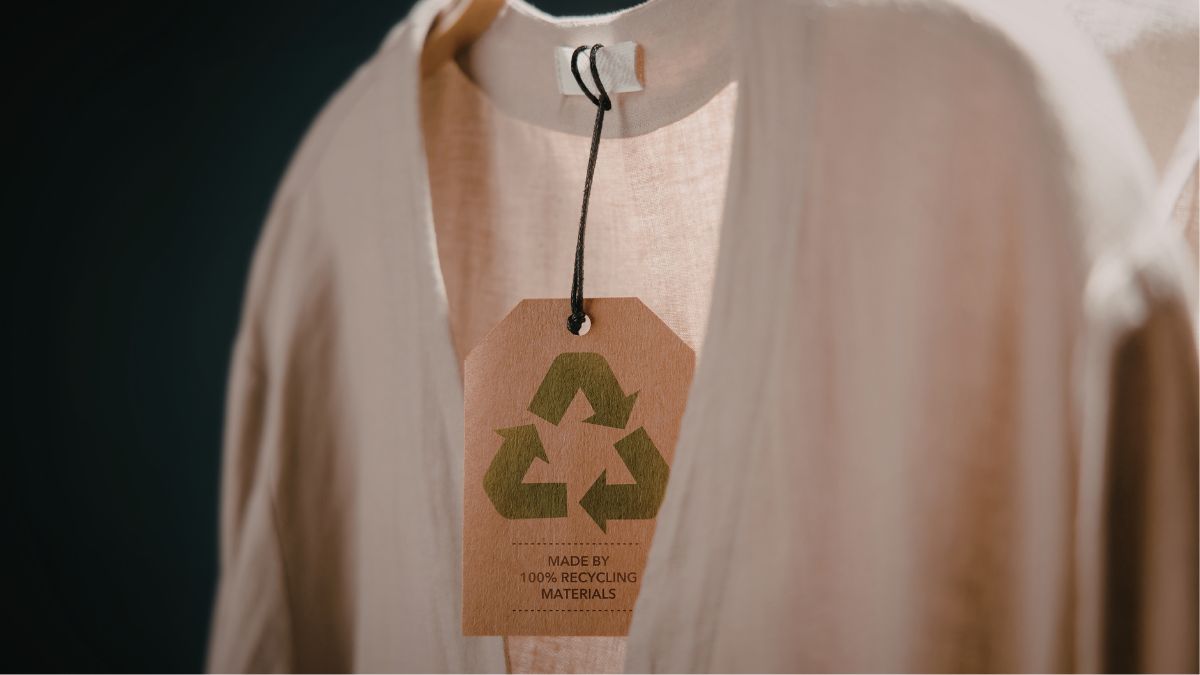
The sustainable fashion movement has exploded in popularity, with brands rushing to attach eco-friendly labels to their collections. But not everything marketed as green is as responsible as it appears. From misleading certifications to hidden supply chain practices, the gap between perception and reality is wider than most shoppers realize. These twenty-five revealing truths pull back the curtain on the sustainability claims that deserve a second look.
Greenwashing

Many fashion brands use environmental language in their marketing without making any meaningful changes to how their products are made. Terms like “conscious,” “eco-friendly,” and “green” carry no legal definition and require no verification before a brand can use them. A company can launch a small capsule collection made from recycled materials while the vast majority of its production remains unchanged. This selective framing allows brands to capture sustainability-minded consumers without committing to systemic reform.
Fast Fashion

The fast fashion model is fundamentally incompatible with sustainability regardless of how individual products are labeled. Brands that release dozens of collections per year generate enormous volumes of textile waste that outpaces any recycling or upcycling effort. The sheer speed of production encourages disposable consumption habits that negate the environmental benefit of any single sustainable piece. Buying one organic cotton tee from a fast fashion retailer does not offset the environmental cost of that retailer’s broader output.
Organic Cotton

Organic cotton is widely promoted as a cleaner alternative to conventional cotton, but its environmental footprint is more complex than its reputation suggests. It typically requires significantly more water and land to produce the same yield as conventionally farmed cotton. The absence of synthetic pesticides does not mean the growing process is without environmental consequence. Without broader context about water use and farming location, the organic label alone tells an incomplete story.
Recycled Polyester
Recycled polyester is frequently positioned as a sustainability win because it diverts plastic bottles from landfills, but the fabric comes with its own serious drawbacks. Every time a garment made from recycled polyester is washed, it sheds microplastics that pass through most filtration systems and enter waterways. The recycling process itself is energy-intensive and does not produce a material that can be easily recycled again at end of life. The result is a fiber that solves one problem while quietly creating another.
Certifications

Third-party certifications like GOTS, Oeko-Tex, and Bluesign are useful but limited tools for evaluating a garment’s true sustainability. A certification may apply only to a specific component of a product rather than the entire supply chain. Some certifying bodies have faced criticism for inconsistent auditing standards or conflicts of interest with paying brand members. Shoppers who rely solely on certification logos without understanding what they actually cover may be getting less assurance than they think.
Linen

Linen is often held up as one of the most sustainable natural fibers available, but the finished garment rarely reflects the raw material’s promise. Most linen sold in Western markets is processed and dyed using chemical treatments that introduce environmental harm during production. The fiber’s natural credentials can be significantly undermined by the finishing processes that happen long after the flax plant is harvested. A linen shirt marketed as natural may have traveled through a highly polluting supply chain before reaching the shelf.
Capsule Collections

Luxury and mid-range brands frequently release limited sustainable capsule collections as a way to generate positive press without committing to brand-wide change. These collections often represent a tiny fraction of total production volume and serve primarily as a marketing mechanism. The attention they receive is disproportionate to their actual environmental impact within the brand’s overall footprint. Consumers drawn in by a well-publicized capsule collection may not realize that the rest of the brand’s output operates under very different standards.
Deadstock Fabric

Using deadstock or surplus fabric is presented as a resourceful and sustainable choice, but the practice has significant limitations. Deadstock sourcing is inherently unpredictable, making it difficult to scale or maintain consistency in production. Some brands have been found purchasing fabric that was manufactured specifically to be sold as deadstock, undermining the entire premise. While small independent designers often use it meaningfully, the term has been adopted loosely enough that it no longer guarantees the environmental benefit it implies.
Vegan Leather

Vegan leather is embraced as an ethical alternative to animal-derived materials, but most commercial versions are made from polyurethane or PVC, both of which are petroleum-based plastics. These materials are not biodegradable and can be more difficult to recycle than conventional leather at end of life. The environmental case for vegan leather is heavily dependent on which material is used and how it is produced. Plant-based alternatives made from cork, apple waste, or cactus exist but remain a niche segment of a market dominated by synthetic plastics.
Carbon Offsetting

Some fashion brands advertise carbon-neutral status through the purchase of carbon offset credits rather than through actual emissions reductions. Carbon offsetting is a widely criticized mechanism that allows companies to continue polluting while paying to fund projects elsewhere. The quality and effectiveness of offset programs vary enormously, and many have faced scrutiny over whether they deliver the promised environmental benefit. Neutrality claims based on offsets rather than structural change offer consumers a misleading picture of a brand’s true climate impact.
Bamboo Fabric

Bamboo is one of the fastest-growing plants on earth, which makes it appear to be an ideal sustainable textile source. However, the process of converting bamboo into soft wearable fabric typically involves harsh chemical processes that are damaging to both workers and the environment. The resulting fabric, usually sold as bamboo viscose or bamboo rayon, retains very little of the plant’s natural environmental advantage. The raw material may be renewable, but the manufacturing process frequently is not.
Clothing Swaps

Clothing swap events are promoted as a cornerstone of sustainable fashion participation, but their actual environmental impact depends heavily on what happens to unclaimed items. Garments that do not find a new owner at a swap event are often donated in bulk to thrift stores already overwhelmed with excess inventory. A significant proportion of donated clothing globally ends up in landfills or is shipped to developing nations where it disrupts local textile markets. Swapping is a positive habit, but it does not resolve the underlying overproduction problem driving fashion waste.
Take-Back Programs

Brand-operated take-back and recycling programs sound like a responsible end-of-life solution, but the infrastructure to process returned garments often does not exist at scale. Many collected items are sent to landfill or incineration rather than being meaningfully recycled or repurposed. Fiber-to-fiber textile recycling technology is still in early development stages and cannot yet handle the volume that major brands generate. These programs can function more effectively as a customer retention and marketing strategy than as a genuine waste solution.
Slow Fashion

The slow fashion movement promotes buying less and choosing well, but the term has increasingly been adopted by brands that produce at relatively high volumes. Some brands use slow fashion language to justify premium pricing without meaningfully limiting production or committing to transparent supply chain practices. The philosophical foundation of slow fashion is at odds with growth-oriented business models, yet many brands attempt to occupy both positions simultaneously. Consumers should examine production volumes and pricing structures alongside the language a brand uses to describe its values.
Thrifting
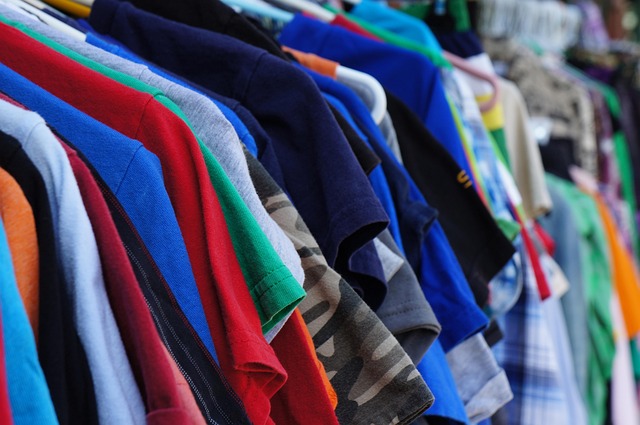
Secondhand shopping is one of the most genuinely impactful choices a consumer can make, but its environmental credentials have been complicated by the rise of resale platforms that commodify thrifting. High-volume resellers who buy cheap and flip at markup contribute to increased demand for secondhand goods in ways that can price out lower-income shoppers who depend on thrift stores. The commercialization of thrifting has also increased shipping emissions as individual items are mailed across countries for single transactions. The environmental math changes significantly depending on how and where secondhand shopping is practiced.
Natural Dyes
Natural dyes are perceived as an inherently clean alternative to synthetic dyes, but the process of fixing natural color to fabric often requires metallic mordants that can be toxic and difficult to safely dispose of. Large-scale natural dyeing also requires significant quantities of plant material, which can create its own resource demands. The results tend to be less colorfast than synthetic dyes, potentially leading to faster visible wear and earlier disposal of the garment. Natural dyeing at an artisan level is very different from industrial natural dyeing, and the two should not be assumed to have the same environmental profile.
Transparency Reports

Annual sustainability reports published by fashion brands have become standard practice, but the information they contain is largely self-reported and unverified. Brands choose which metrics to highlight and which to omit, creating reports that emphasize progress while obscuring areas of stagnation or decline. The absence of standardized reporting requirements means that comparing sustainability performance across brands is extremely difficult. A polished report with ambitious language is not the same as a verifiable commitment to measurable change.
Tencel

Tencel, also known as lyocell, is made from wood pulp in a closed-loop process that recaptures most of the solvents used in production, making it one of the more genuinely low-impact manufactured fibers. However, its sustainability is contingent on responsible forestry sourcing for the wood pulp it requires. Tencel garments blended with synthetic fibers lose much of their biodegradability advantage and become more difficult to recycle at end of life. The fiber’s strong reputation sometimes leads consumers to overlook how it is blended, dyed, and finished in final products.
Supply Chains

Most fashion brands, including those with strong sustainability messaging, do not have full visibility into their own supply chains beyond the first or second tier of suppliers. Labor and environmental violations tend to occur deepest in the chain, at the level of raw material processing and farming, where oversight is least robust. A brand can truthfully claim that its manufacturer meets certain standards while being unaware of conditions several steps upstream. True supply chain transparency requires resources and commitment that most brands have not yet demonstrated.
Upcycling
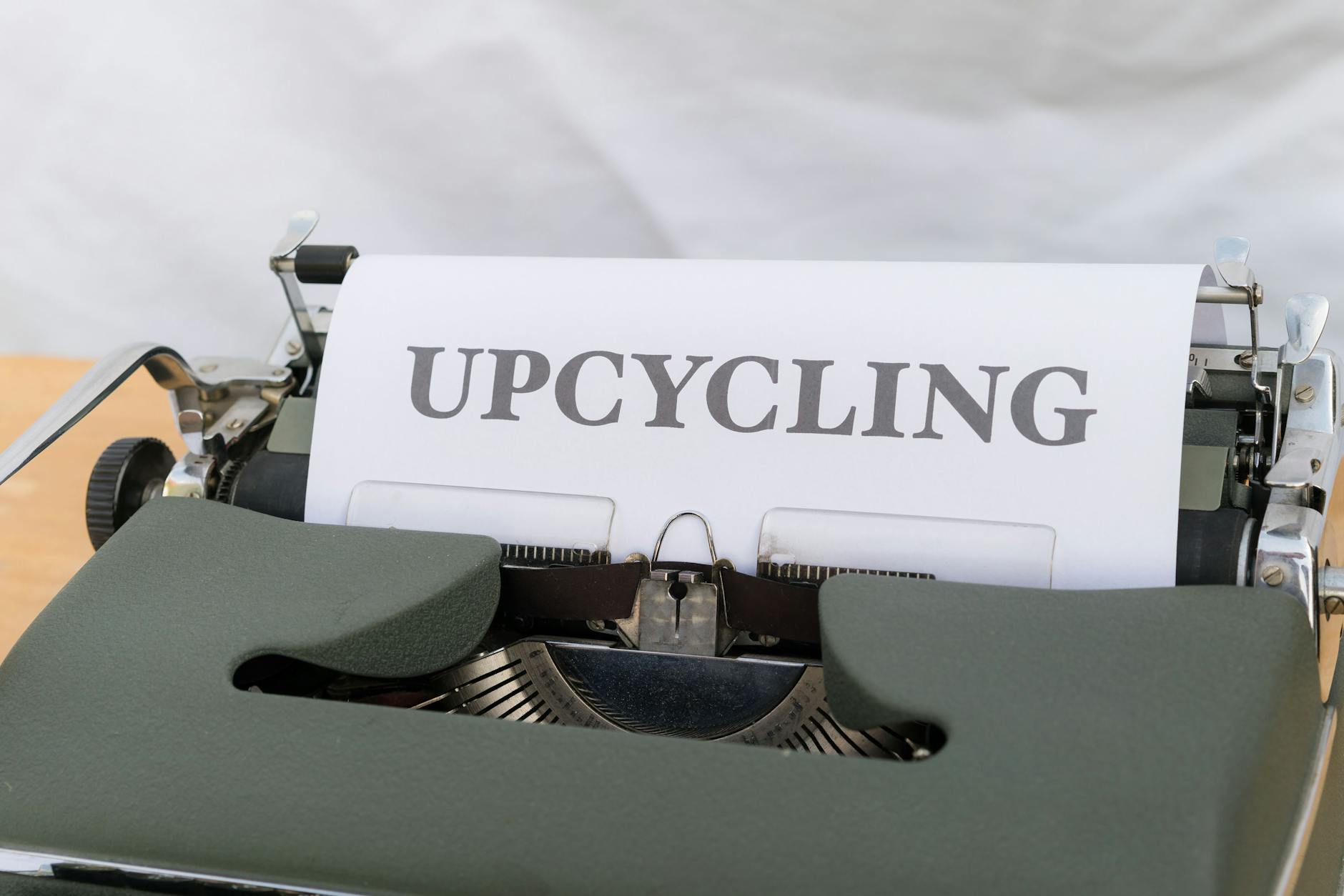
Upcycling has a strong reputation as a sustainable creative practice, but at commercial scale it presents significant challenges around consistency, labor, and waste ratios. Producing upcycled garments requires more skilled handwork than conventional production, which can drive up prices in ways that limit accessibility. The supply of appropriate waste material is unpredictable, making it difficult for brands to grow upcycling programs without eventually supplementing with virgin materials. What works beautifully as an independent design practice does not automatically translate into a scalable sustainable business model.
Rental Fashion
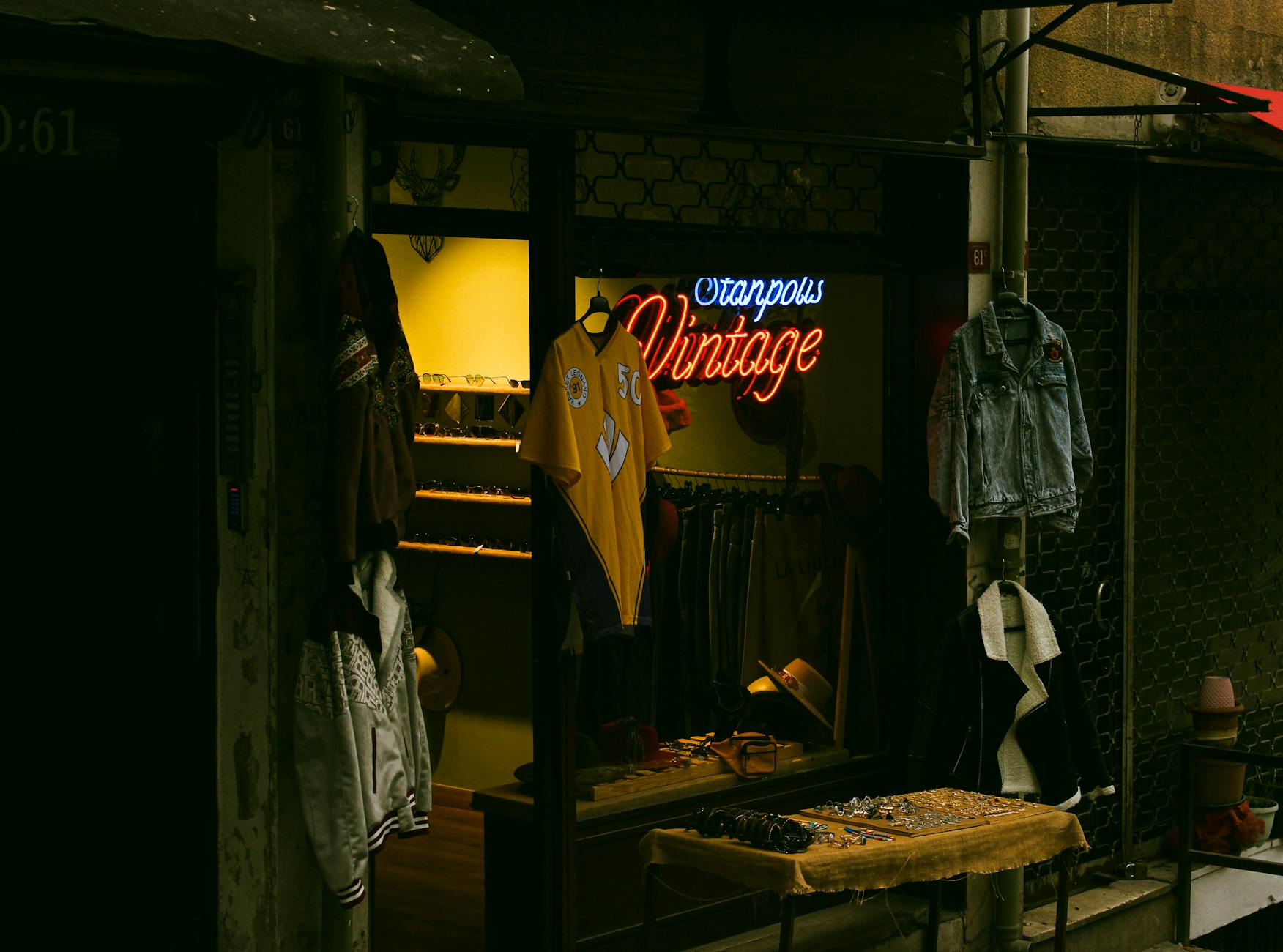
Fashion rental platforms position themselves as a solution to overconsumption by extending the life of garments across multiple wearers. However, research has found that the transportation, cleaning, and packaging involved in rental logistics can result in a higher carbon footprint per wear than simply purchasing and keeping a garment long-term. Dry cleaning chemicals used to maintain rental inventory introduce additional environmental costs not always factored into platform sustainability claims. Rental makes the most environmental sense for occasion wear used infrequently rather than as a wholesale replacement for building a personal wardrobe.
Loom Innovation
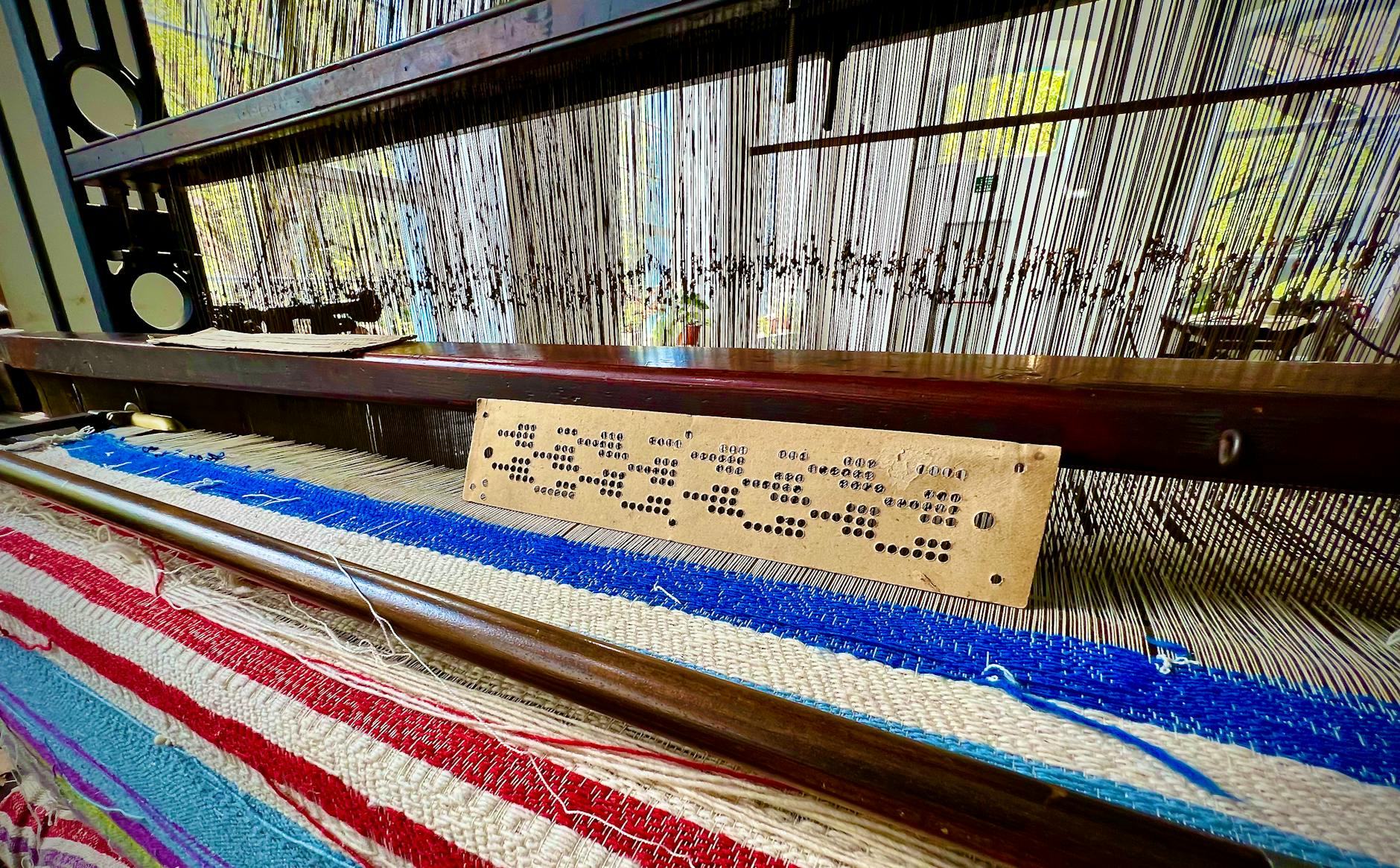
New weaving and production technologies are frequently marketed as revolutionary steps toward sustainable manufacturing, but innovation alone does not address the systemic issue of overproduction. A more efficient loom that produces fabric with less water still contributes to environmental harm if it enables faster and higher volume output. Technological improvement in isolation can create a rebound effect where gains in efficiency are offset by increases in scale. Meaningful progress in sustainable fashion requires pairing innovation with genuine restraint in production volume.
Packaging

Brands that have invested heavily in sustainable packaging often use this as a centerpiece of their environmental communication, even when packaging represents a minor fraction of their total footprint. Switching to recycled tissue paper or biodegradable mailers is a visible and relatively inexpensive change that generates outsized goodwill with consumers. The carbon and water impact of manufacturing a single garment dwarfs the impact of how it is packaged for shipping. Packaging improvements are a worthwhile step but should not be mistaken for meaningful progress on the larger emissions and waste challenges fashion faces.
B Corp Status

B Corp certification is one of the more rigorous standards a company can pursue, requiring performance benchmarks across governance, workers, community, and environment. However, the certification evaluates a company’s overall business practices rather than guaranteeing that every product it sells is sustainable. A B Corp certified fashion brand may still produce garments using conventional manufacturing methods for parts of its range. The certification reflects a commitment to responsible business at a structural level, which is meaningful, but it does not function as a per-product sustainability guarantee.
Influencer Hauls

The rise of sustainability-focused influencer content has created a new paradox in which sustainable fashion becomes another category to consume aspirationally. Influencers who build audiences around ethical fashion still generate content that encourages purchasing, often showcasing multiple new items per video or post. The format of haul culture, even when applied to secondhand or ethical brands, normalizes high-frequency acquisition as a mode of audience engagement. The most environmentally significant consumer behavior is buying less overall, which is a message that rarely drives the engagement metrics that sustain influencer platforms.
If you have ever paused before reaching for something labeled sustainable and wondered whether the claim holds up to scrutiny, share your thoughts in the comments.




