
Essential oils occupy a uniquely trusted space in the wellness world, marketed overwhelmingly through the language of nature, purity, and ancient wisdom in ways that obscure a surprisingly complex risk profile. The aromatherapy industry has grown into a multi-billion dollar global market with minimal regulatory oversight, meaning that millions of enthusiastic users apply, inhale, and ingest highly concentrated botanical compounds with little awareness of their documented hazards. From hormone disruption to fatal toxicity in pets, the following 25 oils carry dangers that dedicated aromatherapy communities consistently underestimate or ignore entirely.
Eucalyptus Oil
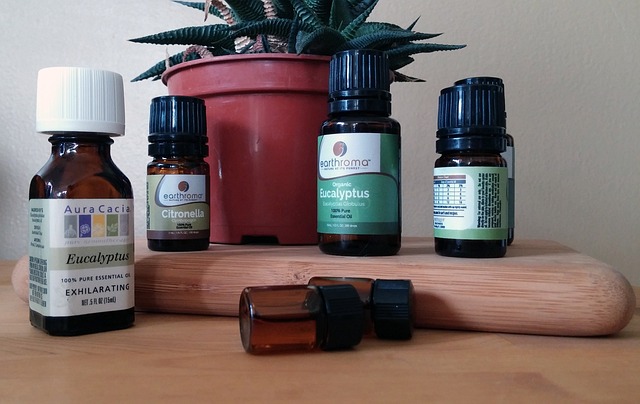
Eucalyptus oil is one of the most widely used essential oils in respiratory wellness routines and is found in countless diffuser blends, chest rubs, and steam inhalation protocols. The primary active compound cineole is a potent central nervous system depressant that has been linked to serious neurological symptoms including seizures and loss of consciousness in children exposed to even small amounts. Poison control centers across Australia, the United States, and the United Kingdom record a disproportionate number of eucalyptus oil ingestion cases involving children under six compared to other essential oils. Direct application to the face or chest of infants and toddlers is formally contraindicated by pediatric medical bodies in multiple countries.
Tea Tree Oil
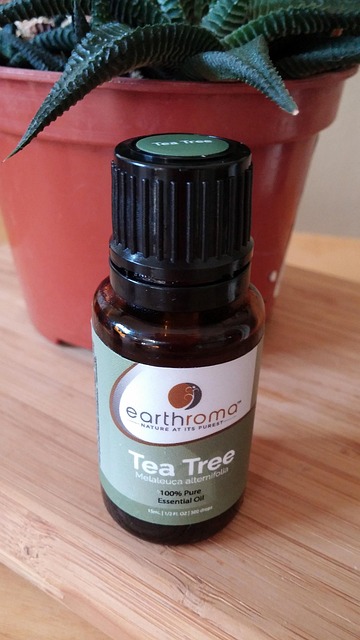
Tea tree oil is among the most globally popular essential oils and is routinely applied undiluted to skin by users who consider its natural origin a guarantee of safety. Repeated topical exposure has been associated with contact sensitization meaning the immune system develops an increasingly reactive response that can eventually cause severe allergic dermatitis even at very low concentrations. Research published in endocrinology literature has identified lavender and tea tree oil as containing compounds with endocrine-disrupting activity specifically linked to gynecomastia in prepubertal males. Ingestion of even a few milliliters has caused serious toxicity events including confusion, ataxia, and altered consciousness in documented case reports.
Lavender Oil
Lavender oil enjoys perhaps the most benign public reputation of any essential oil and is frequently recommended without any safety caveats in mainstream wellness content. The endocrine-disrupting properties of linalool and linalool acetate present in lavender have been identified in peer-reviewed research as potential contributors to hormonal imbalance when exposure is prolonged and repeated. Studies conducted at research institutions have found that lavender oil components demonstrate estrogenic and anti-androgenic activity in cell culture models. Continuous overnight diffusion in unventilated bedrooms represents a level of inhalation exposure that most casual aromatherapy guidance fails to address.
Wintergreen Oil

Wintergreen oil contains methyl salicylate at concentrations of approximately ninety-nine percent making it essentially a concentrated liquid form of aspirin. A single teaspoon of pure wintergreen oil contains a methyl salicylate dose equivalent to approximately twenty-one adult aspirin tablets. This makes accidental ingestion one of the most rapidly dangerous scenarios in essential oil toxicology with documented fatalities in children following very small exposures. Users who apply it liberally to large skin surface areas in homemade muscle rubs also risk systemic salicylate absorption at levels that can trigger toxicity particularly in individuals with aspirin sensitivity.
Pennyroyal Oil
Pennyroyal oil has a long historical association with herbal medicine and was traditionally used as an emmenagogue to stimulate menstrual flow. The compound pulegone present in high concentrations in pennyroyal is extensively metabolized by the liver into highly reactive toxic intermediates that cause direct hepatotoxic and nephrotoxic damage. Multiple documented fatalities have occurred in individuals who consumed pennyroyal oil in attempts to induce abortion, with liver failure developing within days of ingestion. It remains available through many online essential oil retailers with minimal warning labeling despite its established lethal potential.
Camphor Oil

Camphor oil has a familiar nostalgic association with traditional cold and muscle remedies but the pure essential oil form contains camphor at concentrations far exceeding those found in regulated over-the-counter products. Oral ingestion of camphor oil causes rapid onset neurological toxicity including tremors and convulsions and has a particularly narrow margin between an apparently small dose and a seizure-inducing one. Topical application over large body surface areas especially under occlusive dressings or plastic wrap as sometimes recommended in DIY detox body wraps allows significant transdermal absorption. Camphor crosses the placental barrier and its use in any form is formally contraindicated during pregnancy.
Clove Oil

Clove oil is widely used in DIY dental pain relief applications and is a common ingredient in natural toothache remedies sold through wellness retailers. The primary compound eugenol constitutes up to ninety percent of clove oil and is a potent hepatotoxin at elevated doses with documented liver damage cases in the medical literature. Applied undiluted to gum tissue over repeated sessions it causes chemical burns and progressive damage to the oral mucosa that can compromise gum integrity over time. Systemic absorption of eugenol through the highly vascular oral mucosa is significantly faster than through intact skin and raises particular concerns for prolonged oral applications.
Sage Oil
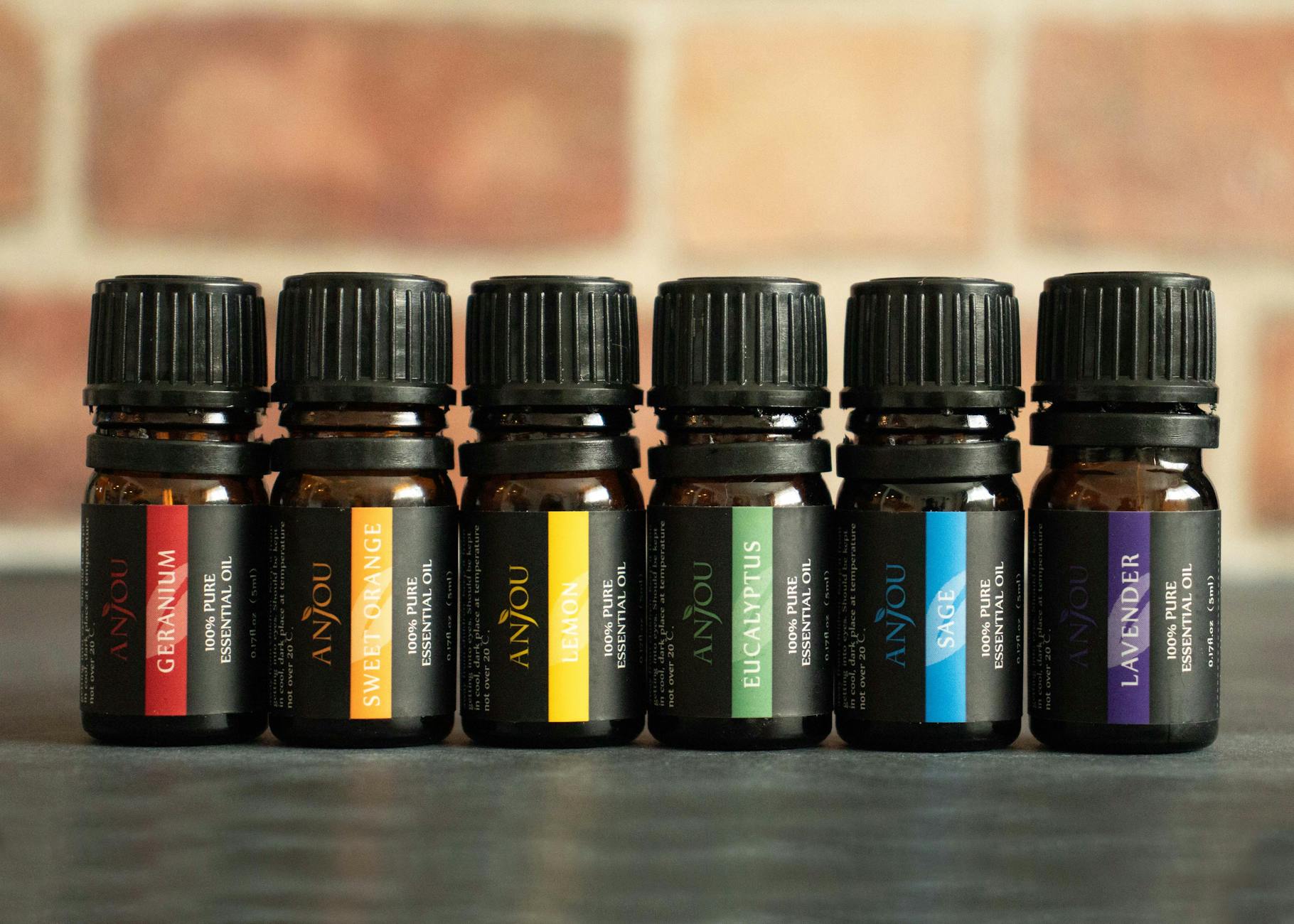
Sage essential oil and particularly the dalmatian sage variety contains thujone a compound classified as a convulsant that acts on GABA receptors in the central nervous system in a manner that can lower the seizure threshold. Regular inhalation or topical use of thujone-containing sage oil is considered a meaningful risk factor for individuals with any personal or family history of epilepsy or seizure disorders. The culinary use of dried sage involves negligible thujone levels but the essential oil concentrates this compound to levels that have pharmacological activity. Sage oil is also a potent uterotonic agent and its use during pregnancy is associated with a documented risk of inducing uterine contractions.
Hyssop Oil

Hyssop oil is less commonly discussed in mainstream aromatherapy circles but appears frequently in herbal remedy and natural medicine communities as a respiratory and digestive aid. Like sage oil it contains significant concentrations of thujone and pinocamphone both of which are neurotoxic at elevated doses and have been associated with epileptiform seizures in clinical literature. The seizure risk associated with hyssop oil is considered high enough that it is listed as a contraindicated oil for epileptic individuals in formal aromatherapy safety texts. Its presence in some commercial respiratory blends without adequate warning labeling represents a genuine concern for vulnerable populations.
Oregano Oil
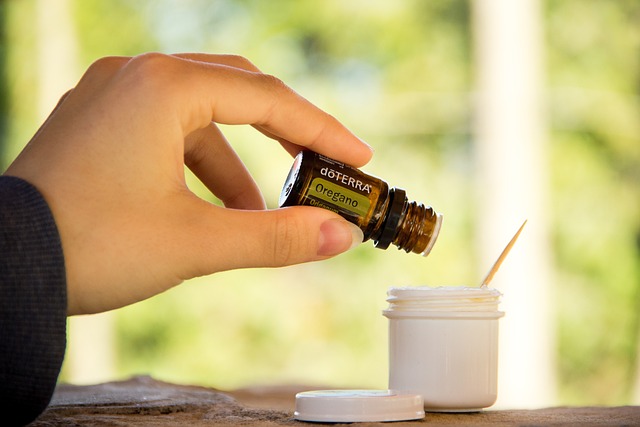
Oregano oil is aggressively marketed through natural health channels as a broad-spectrum antimicrobial and immune support supplement and is widely consumed orally in capsule or drop form. The primary phenolic compounds carvacrol and thymol are caustic to mucous membranes and have been documented causing chemical burns to the esophageal and gastric lining when ingested in undiluted or poorly diluted form. Prolonged oral use disrupts the gut microbiome in a non-selective manner destroying beneficial bacterial populations alongside any pathogens targeted by the user. Skin application of undiluted oregano oil consistently produces chemical burns and is among the most frequently reported essential oil dermal injury cases in clinical literature.
Citrus Oils

Cold-pressed citrus essential oils including bergamot, lemon, lime, and grapefruit contain furanocoumarins most notably bergapten and psoralen which are potent photosensitizers that dramatically increase ultraviolet radiation absorption in skin. Applying these oils topically before sun exposure can produce phototoxic burns that are disproportionately severe relative to the UV exposure involved, leaving hyperpigmented marks that can persist for months. The reaction does not require direct sunlight and has been triggered by UV lamp exposure in tanning facilities and phototherapy settings. Steam-distilled versions of citrus oils have significantly lower furanocoumarin content but most commercially sold citrus essential oils are cold-pressed and carry the full phototoxicity risk.
Cinnamon Bark Oil

Cinnamon bark oil contains cinnamaldehyde at concentrations that make it one of the most irritating essential oils to skin and mucous membrane tissue in the entire botanical repertoire. Patch testing studies consistently rank cinnamon bark oil among the top sensitizing agents in cosmetic and aromatherapy applications with reactions occurring even at dilutions considered low by general essential oil standards. Once sensitization to cinnamaldehyde develops it extends to cross-reactive responses to cinnamon in food, dental products, and cosmetics creating a broadly disruptive allergic profile. Its widespread inclusion in holiday-themed diffuser blends and topical warming products means large numbers of users are unknowingly exposed to a significant sensitization risk.
Thyme Oil
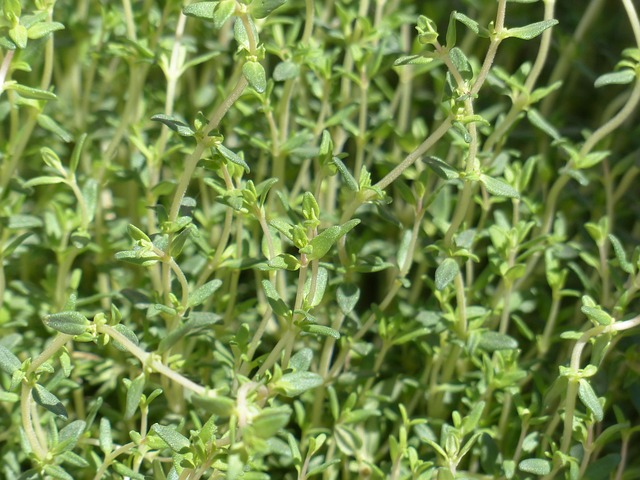
Thyme oil high in thymol is marketed primarily as an antimicrobial and immune support oil but is classified as a dermal and mucous membrane irritant at levels that require very careful dilution discipline rarely communicated in general wellness content. Thymol-rich thyme chemotypes are among the most aggressive skin irritants in the essential oil category and cause sensitization reactions that compound with repeated exposure over time. Inhalation of concentrated thyme oil vapor has been documented causing respiratory irritation and bronchospasm particularly in asthmatic individuals. The compound also inhibits platelet aggregation at elevated doses raising concerns about use concurrent with anticoagulant medications.
Nutmeg Oil

Nutmeg oil contains myristicin and elemicin compounds that are structurally related to amphetamine precursors and exert documented psychoactive effects at elevated doses. Cases of nutmeg intoxication involving tachycardia, hallucinations, severe anxiety, and prolonged sedation are well-documented in toxicology literature with most involving ingestion of the spice in large quantities rather than the oil. The essential oil form concentrates these compounds significantly beyond the dried spice and its occasional appearance in natural mood support blends marketed through wellness channels represents an underappreciated risk. Repeated exposure at sub-intoxicating doses raises unresolved questions about cumulative neurological effects that have not been studied longitudinally.
Juniper Berry Oil

Juniper berry oil carries a widespread reputation as a kidney support and detoxification oil and is recommended through numerous natural health platforms for urinary tract and renal wellness. The terpene-rich composition of juniper oil is in fact nephrotoxic with direct irritant effects on kidney tubule tissue that make it contraindicated for anyone with existing kidney disease or reduced renal function. Historical use of juniper oil as an abortifacient is consistent with its documented stimulant effects on uterine smooth muscle tissue making it formally contraindicated throughout pregnancy. Despite these well-documented risks it continues to be sold without meaningful safety warnings in combination kidney support formulations through the supplement and essential oil market.
Wormwood Oil
Wormwood oil is the botanical source of thujone that historically contributed to the neurological effects associated with absinthe consumption and has experienced a revival in herbal medicine communities as an antiparasitic agent. Pure wormwood essential oil contains thujone at concentrations many times higher than those historically present in absinthe making direct therapeutic use a significant neurological risk. Regular exposure to thujone at the concentrations present in wormwood oil has been associated with cognitive impairment, personality changes, and seizure activity in historical and modern clinical accounts. Its sale through mainstream essential oil retailers as a wellness product with minimal thujone content warnings represents a meaningful regulatory gap.
Birch Oil

Birch essential oil derived from the bark of sweet birch trees shares the same overwhelming methyl salicylate composition as wintergreen oil with all the associated acute toxicity implications. Many consumers are unaware of this chemical equivalence and approach birch oil as a milder or more sophisticated alternative to wintergreen without recognizing that the toxicological profile is essentially identical. The pleasant wintergreen-adjacent scent of birch oil makes accidental ingestion by children a documented risk in households where it is stored alongside other more benign aromatic products. It is formally contraindicated for individuals taking anticoagulant medications due to systemic salicylate absorption contributing to bleeding risk.
Tansy Oil

Tansy oil contains thujone and camphor in a combination that creates a compounded neurotoxic profile beyond either compound in isolation. It has been documented as a cause of toxic poisoning events in historical herbal medicine literature across European traditions where it was used as a strong vermifuge and emmenagogue. Modern toxicology classifies tansy oil as among the most hazardous essential oils available and several formal aromatherapy safety bodies list it as an oil that should not be used in any therapeutic application by anyone outside highly controlled clinical research settings. Its occasional appearance in online herbal remedy formulations reflects the degree to which dangerous botanical compounds continue to circulate without meaningful regulatory intervention.
Mugwort Oil

Mugwort essential oil contains thujone and is additionally rich in 1,8-cineole and camphor creating a complex neurologically active chemical profile that makes it unsuitable for routine aromatherapy use. It is strongly contraindicated in pregnancy due to its documented abortifacient activity and uterine stimulant properties which have been recorded across both traditional medicine literature and modern toxicology reports. Individuals with ragweed, chrysanthemum, or daisy allergies face a high risk of cross-reactive allergic responses to mugwort oil due to shared botanical family compounds. It continues to circulate in lucid dreaming and spiritual wellness communities as a diffuser oil without adequate acknowledgment of its neurological and reproductive risks.
Sassafras Oil
Sassafras oil is derived from the root bark of the sassafras tree and contains safrole as its primary compound at concentrations exceeding eighty percent in some distillations. Safrole was banned as a food additive by the United States Food and Drug Administration in 1960 following research demonstrating its hepatocarcinogenic activity in animal models. It also serves as a precursor chemical in the illicit synthesis of MDMA which has led to international regulatory controls on sassafras oil trade and distribution in many countries. Despite these designations sassafras oil continues to circulate through certain herbal and essential oil vendor networks with its carcinogenic and regulatory status either absent from or buried within product labeling.
Horseradish Oil

Horseradish essential oil contains allyl isothiocyanate the same compound responsible for the acute nasal and mucosal irritation associated with the fresh condiment, but in a concentration that makes direct contact with skin or mucous membranes immediately destructive. Even brief skin contact with undiluted horseradish oil causes chemical burns and vapor exposure at close range is highly irritating to the respiratory tract eyes and nasal passages. It is classified as a vesicant at higher concentrations meaning it is capable of causing blistering of exposed tissue. Its occasional appearance in natural pest deterrent and respiratory stimulant formulations sold through wellness channels rarely communicates the severity of its direct contact hazard.
Boldo Oil

Boldo oil extracted from the leaves of the boldo tree native to South America contains ascaridole a highly reactive unstable peroxide compound that is explosive under certain storage and heating conditions. Ascaridole is also hepatotoxic and has been associated with severe liver damage in documented ingestion cases making boldo oil one of the most hazardous oils available through online herbal retailers. The instability of ascaridole means that improperly stored boldo oil carries a physical hazard risk beyond standard essential oil safety considerations. Despite this profile it circulates in digestive health and liver support herbal communities without the level of safety communication its chemical composition demands.
Parsley Seed Oil
Parsley seed essential oil contains high concentrations of apiol a compound with documented abortifacient and uterotonic properties that make it explicitly contraindicated throughout pregnancy. Historical use of concentrated parsley seed preparations as an illegal abortion-inducing agent resulted in documented maternal fatalities in the pre-modern medical era. Beyond reproductive risks apiol is nephrotoxic and hepatotoxic at elevated doses with liver and kidney damage recorded in clinical literature following excessive consumption of parsley seed preparations. Its marketing through aromatherapy and herbal wellness platforms as a digestive and detoxifying oil frequently omits these well-established hazards entirely.
Calamus Oil

Calamus oil derived from the rhizome of Acorus calamus contains beta-asarone as a primary constituent which the FDA banned from use in food products in 1968 following studies demonstrating its carcinogenic and mutagenic activity in animal models. The diploid varieties of calamus contain the highest beta-asarone concentrations and are the most commonly processed into essential oil despite their classification as among the most hazardous botanical compounds available through the herbal market. Calamus oil also has psychoactive properties at elevated doses and has historically been consumed in raw rhizome form for its stimulant and hallucinogenic effects. Its ongoing availability through essential oil and herbal remedy retailers in many jurisdictions reflects the substantial gap between food additive regulation and botanical product oversight.
Ylang Ylang Oil

Ylang ylang oil is one of the most heavily used oils in commercial perfumery and aromatherapy blending and is almost universally presented as a gentle floral oil appropriate for relaxation and mood enhancement. It is in fact one of the most frequent causes of contact sensitization identified in fragrance allergy research, appearing consistently in the top ten most allergenic fragrance compounds assessed in European dermatological patch testing studies. Prolonged inhalation of concentrated ylang ylang oil or diffusion in unventilated spaces has been documented causing headaches, nausea, and dizziness even in individuals with no prior sensitivity. Its extremely high ester and sesquiterpene content means that even properly diluted topical use carries a meaningful sensitization risk for individuals with existing fragrance allergy profiles.
If you use essential oils regularly in your wellness routine, share your thoughts and experiences in the comments.




