The clean beauty movement has positioned itself as a consumer-driven revolution against the chemical-laden formulations of conventional cosmetics, building a multi-billion dollar market on the promise of safety, transparency, and botanical purity. Yet the term clean carries no legal definition in any major regulatory jurisdiction, meaning that brands apply it with complete freedom and zero accountability to any external standard. Behind the carefully designed minimalist packaging and the reassuring language of non-toxic living lies a landscape riddled with misleading claims, under-studied ingredients, genuine environmental harm, and in some cases products that are measurably less safe than their conventional counterparts. The following 23 truths reveal what the clean beauty industry consistently fails to tell its customers.
Greenwashing
The absence of any legal or regulatory definition for the word clean in cosmetics means that any brand can apply it to any product regardless of its actual formulation. Major regulatory bodies including the FDA in the United States and the European Medicines Agency have no jurisdiction over marketing language used on cosmetic packaging unless a specific false claim can be proven. Brands exploit this gap systematically, with some of the most prominently marketed clean products containing ingredient lists that would not meet even the internal standards of the brands promoting them under a different product line. Independent cosmetic chemists who review ingredient lists of best-selling clean beauty products routinely find the distinction from conventional formulations to be negligible or nonexistent.
Natural Fragrance
The phrase natural fragrance on an ingredient list is a single entry that legally conceals an undisclosed mixture of potentially hundreds of individual aromatic compounds under trade secret protections. Many consumers who carefully scrutinize ingredient lists for synthetic fragrance correctly identified as a common allergen and irritant accept natural fragrance as a safe alternative without recognizing that it carries an equivalent or greater allergenic potential. The European Scientific Committee on Consumer Safety has identified dozens of individual fragrance compounds as confirmed or probable sensitizers that appear in natural fragrance blends derived from botanical sources. A product containing natural fragrance is not required to disclose its constituent aromatic chemicals regardless of their individual safety profiles.
Essential Oil Risks
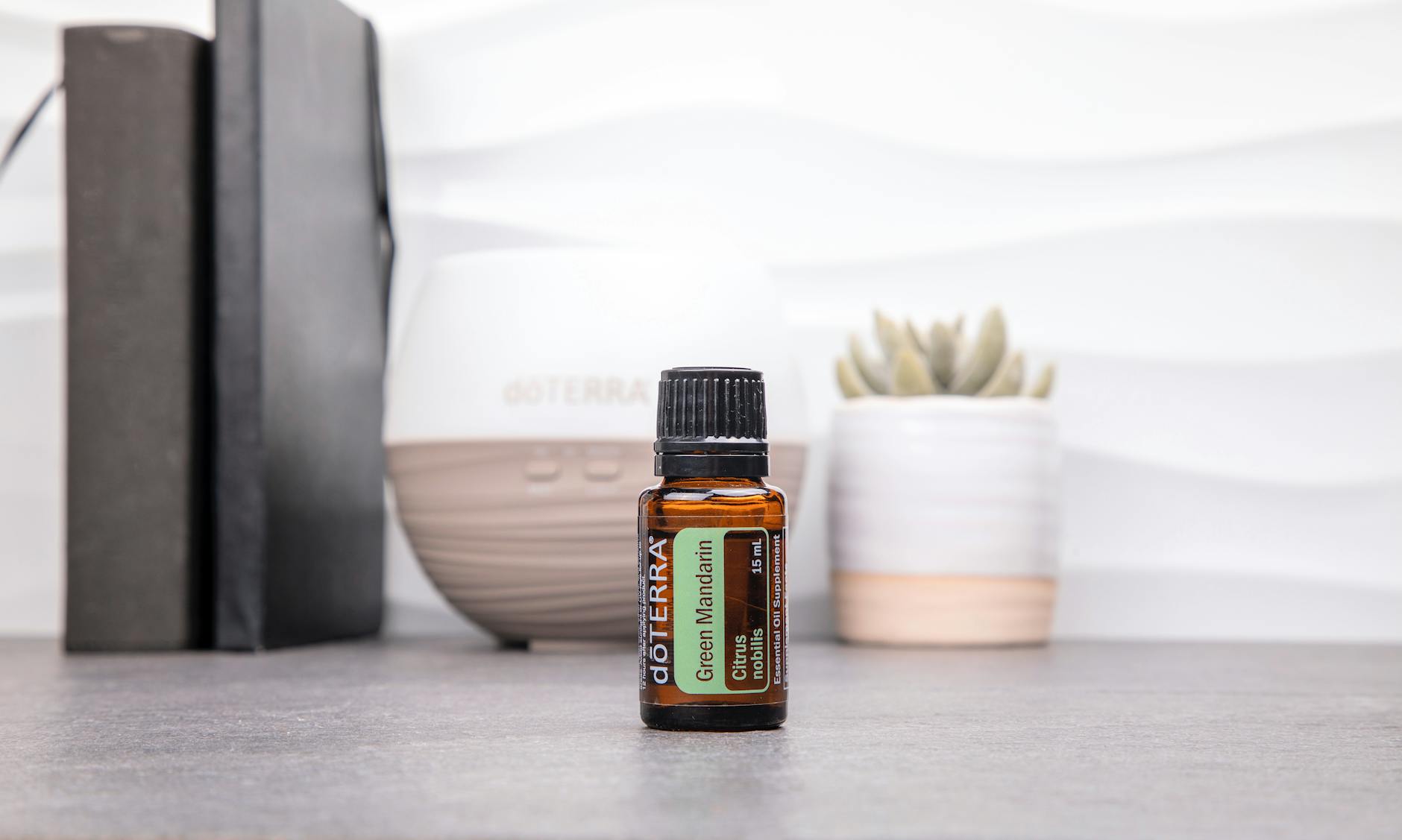
Clean beauty formulations rely heavily on essential oils as functional and fragrance ingredients in a manner that treats their botanical origin as a proxy for safety without clinical justification. Many of the most commonly used essential oils in clean skincare including tea tree, lavender, citrus oils, and cinnamon bark are among the most frequently identified contact sensitizers in dermatological patch testing research. Repeated application of essential oil-containing products builds sensitization over time meaning that a product tolerated well initially can eventually trigger significant allergic reactions after months or years of use. Dermatologists increasingly report a rise in essential oil-related contact dermatitis cases that correlates directly with the growth of the clean beauty market.
Preservative Paradox
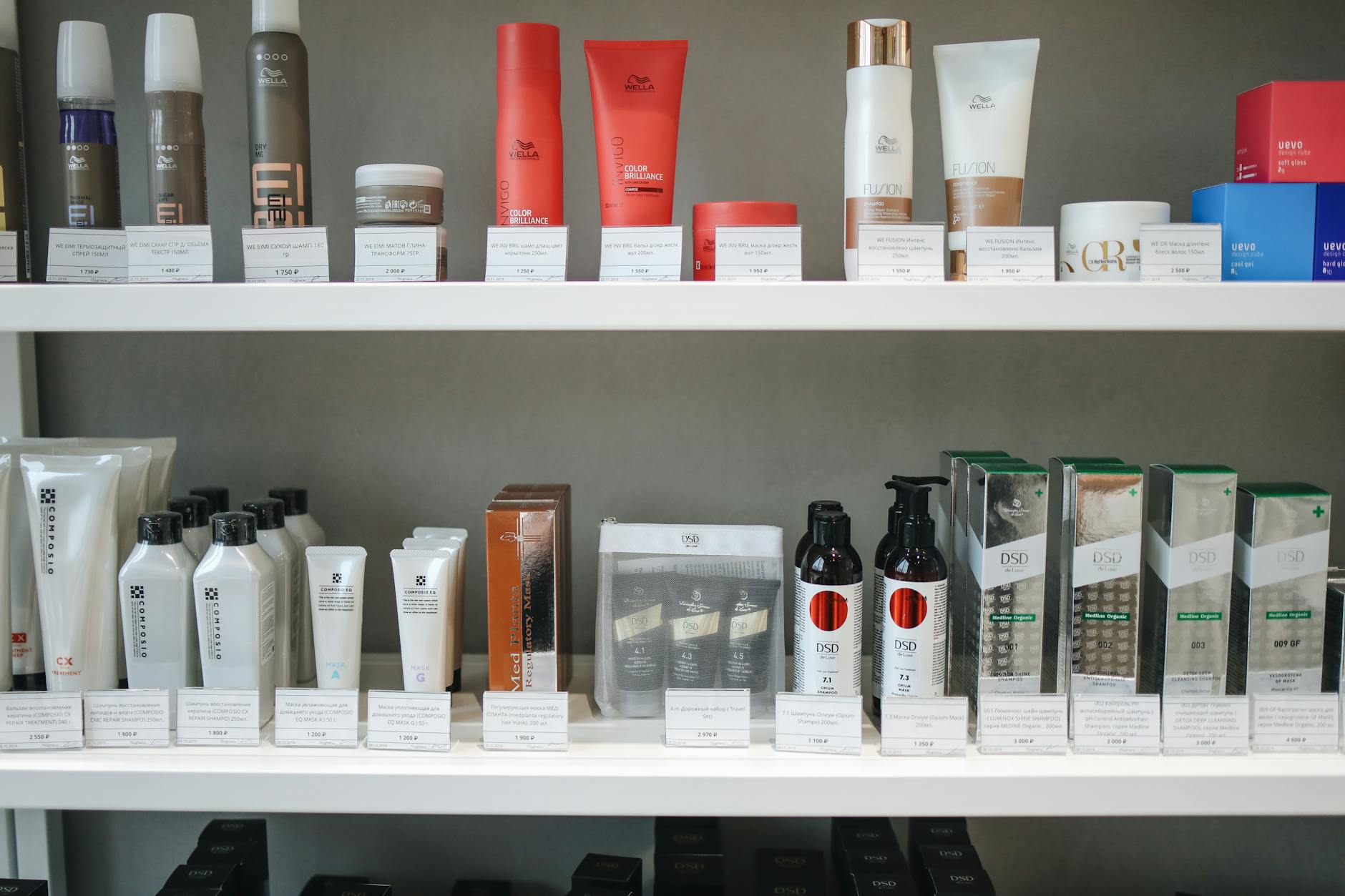
One of the central marketing claims of the clean beauty movement involves the removal of conventional preservatives particularly parabens from product formulations based on concerns about their endocrine-disrupting potential. The alternative preservatives used in place of parabens including phenoxyethanol, sodium benzoate, potassium sorbate, and various natural antimicrobials have in several cases demonstrated a higher rate of skin sensitization in comparative research. Products that use insufficient preservation in the name of clean formulation present a genuine microbiological contamination risk with documented cases of bacterial and fungal growth in inadequately preserved natural cosmetics leading to serious skin infections. The parabens that clean beauty replaced have one of the most extensively studied safety profiles in cosmetic chemistry and regulatory toxicologists in both the EU and US have concluded they are safe at the concentrations used in cosmetics.
Organic Certification
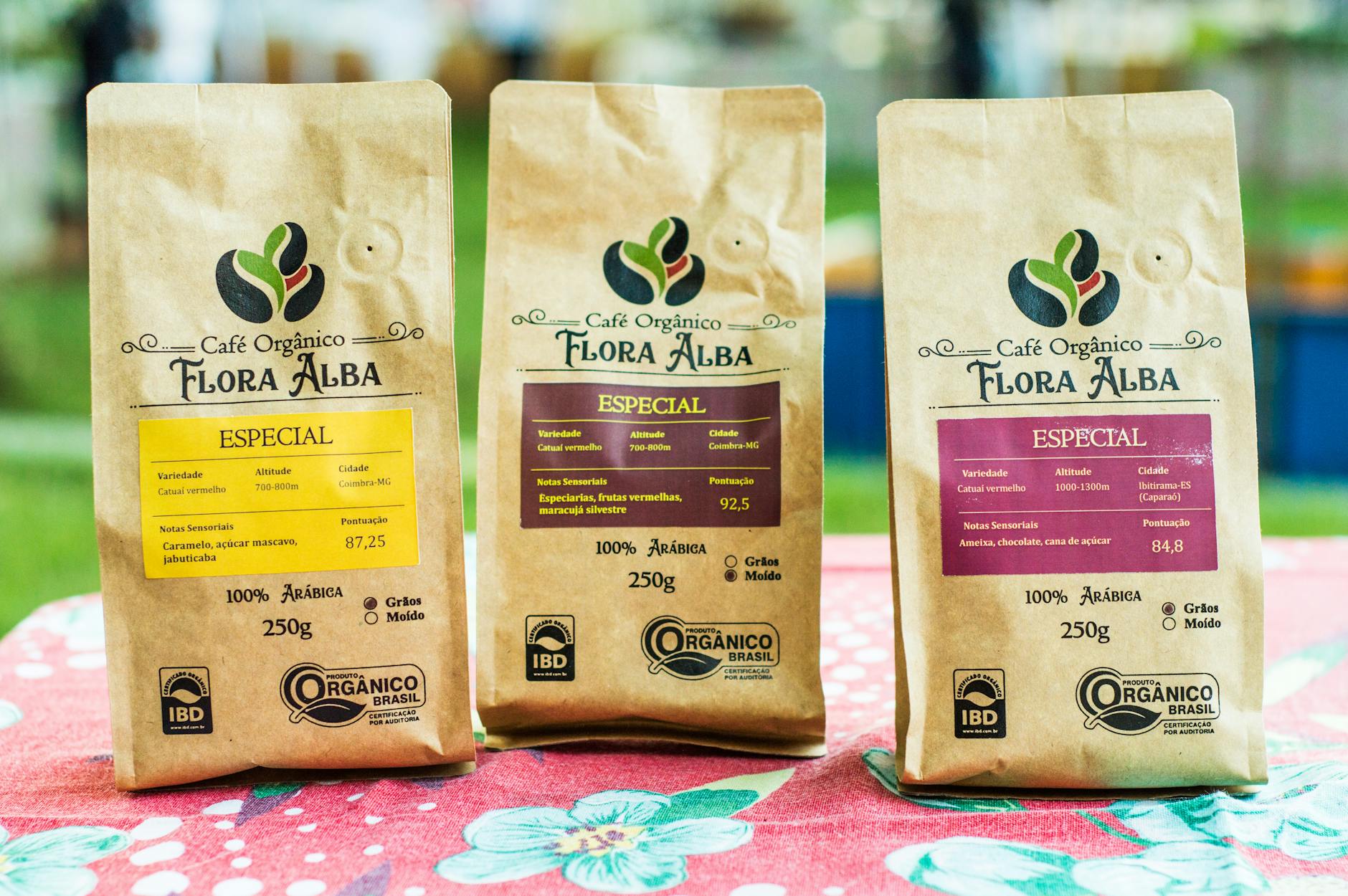
The presence of an organic certification seal on a beauty product refers exclusively to the agricultural origin of certain plant-derived ingredients and communicates nothing about the safety, efficacy, or overall formulation quality of the finished product. A product can carry a prominent organic certification while containing a minority percentage of certified organic material alongside a majority of uncertified synthetic or natural ingredients. Multiple organic certification bodies operate with different standards and thresholds meaning that the same certification logo on two different products can represent very different levels of organic content. Consumers consistently interpret organic certification as a comprehensive product safety endorsement in consumer research studies when it functions only as an agricultural sourcing descriptor.
Botanical Extracts
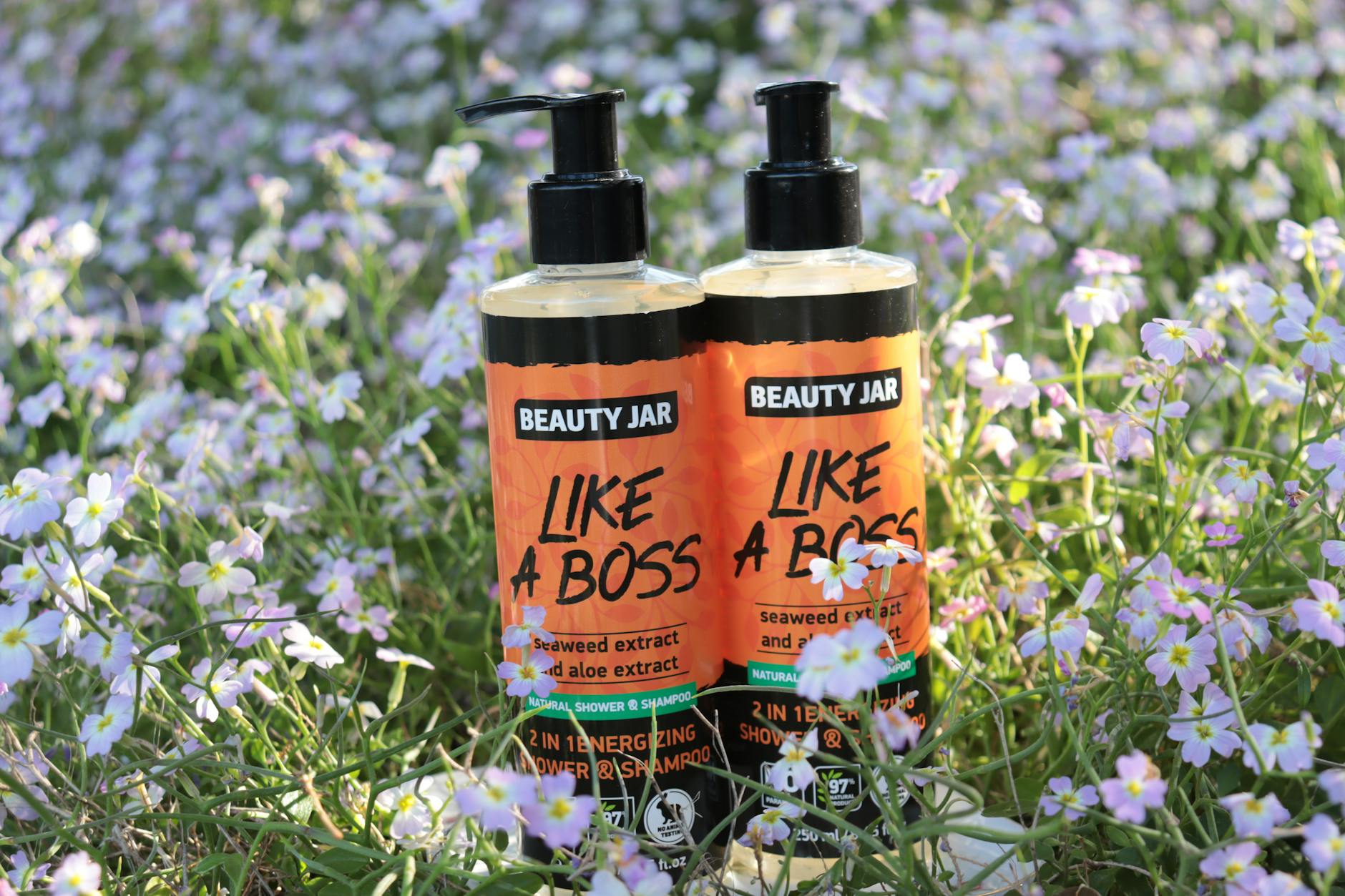
Plant-derived extracts are the foundational ingredient category of clean beauty and are marketed almost universally as gentle, nourishing, and inherently compatible with human skin due to their natural origin. Botanicals are in fact among the most chemically complex ingredients in any cosmetic formulation, containing hundreds of individual phytochemical compounds many of which have pharmacological activity, allergenic potential, or photosensitizing properties. Regulatory toxicologists note that the natural origin of a compound is entirely irrelevant to its safety profile and that some of the most acutely toxic substances known to science are of botanical origin. The clean beauty industry’s framing of botanical as synonymous with gentle and safe represents a fundamental misapplication of toxicological principles.
Crystal Deodorants
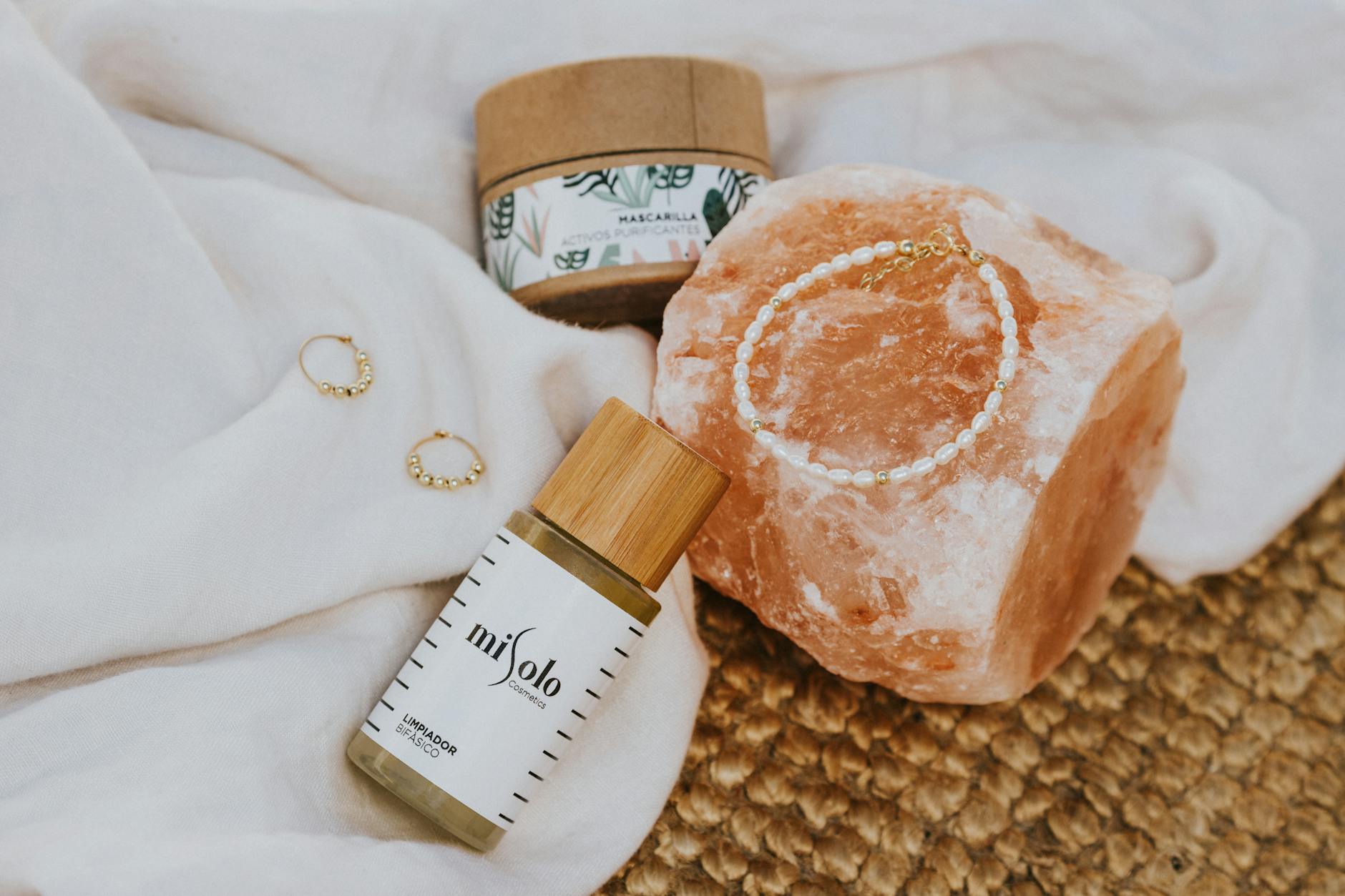
Crystal deodorants made from potassium alum or ammonium alum are marketed as a clean alternative to conventional antiperspirants with particular emphasis on their freedom from aluminum compounds. Alum is itself an aluminum salt meaning that crystal deodorants do contain aluminum in a different ionic form than the aluminum chlorohydrate used in conventional antiperspirants. The argument made by proponents that alum molecules are too large to penetrate the skin has some limited supporting evidence but has not been validated in rigorous controlled trials comparing aluminum absorption from different deodorant formats. The marketing of crystal deodorants as aluminum-free is formally misleading by chemical definition regardless of the mechanistic argument offered in its defense.
Reef Safe Claims

The label reef safe on sunscreen products has no legal definition or regulatory enforcement mechanism in any major jurisdiction making it a marketing phrase with no binding content requirement. Products marketed as reef safe frequently contain oxybenzone alternatives including octocrylene and homosalate which emerging research suggests may also carry aquatic toxicity concerns at environmentally relevant concentrations. Some zinc oxide sunscreens marketed as reef safe use non-nano zinc oxide specifically to avoid the concerns raised about nano-particle marine toxicity but the environmental fate of non-nano particles in marine ecosystems also lacks a comprehensive evidence base. A 2021 review of reef safe sunscreen claims found that the majority of products using the label could not substantiate it against any defined scientific standard.
Charcoal Products

Activated charcoal became one of the defining ingredient trends of the clean beauty movement and was incorporated into cleansers, masks, toothpastes, and detox formulations based on its well-documented adsorptive properties in clinical oral poisoning treatment. The adsorptive mechanism that makes activated charcoal effective in emergency medicine operates in an aqueous internal environment under specific conditions that do not translate to topical skincare application. Applied to skin surface charcoal has no documented ability to extract toxins from pores as the pore detox marketing narrative describes, since the compound cannot penetrate the skin barrier to reach sebaceous material within follicles. Charcoal toothpastes have attracted specific concern from dental researchers who note their abrasive index can exceed recommended levels leading to enamel wear with regular use.
pH Imbalance
Many clean beauty formulations prioritize the use of naturally derived thickeners, botanical actives, and minimally processed ingredients without adequate attention to the finished product’s pH level, which is a critical determinant of both skin barrier compatibility and preservative efficacy. Healthy skin maintains an acidic pH of approximately 4.5 to 5.5 and products significantly outside this range disrupt the acid mantle, impair barrier function, and alter the skin microbiome regardless of how naturally derived their ingredients are. Several popular clean beauty cleansers and toner formulations have been independently tested and found to have pH levels well outside the optimal skin range. The clean beauty industry’s ingredient-focused safety narrative rarely addresses formulation chemistry fundamentals like pH despite their direct impact on product safety and performance.
Mica Sourcing
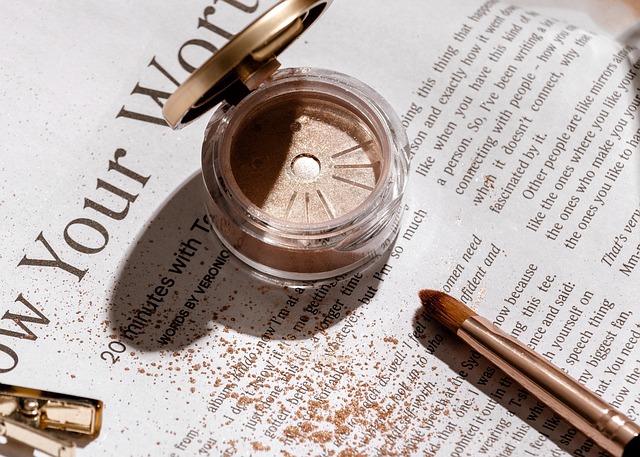
Mica is the mineral ingredient responsible for the luminous shimmer finish ubiquitous in clean beauty makeup products and is frequently highlighted as a natural alternative to synthetic shimmer agents derived from petrochemical processes. The global mica supply chain has been extensively documented by investigative journalism and human rights organizations as one of the most ethically compromised in the cosmetics industry with significant reliance on child labor in informal mines in Jharkhand and Bihar in India. A 2016 investigation found that children as young as five were working in hazardous unregulated mica mining conditions supplying raw material that enters the cosmetics supply chain through opaque trading networks. Brands that highlight the natural origin of mica without addressing supply chain transparency are presenting an ethically incomplete picture of their clean credentials.
Hyaluronic Acid Origins
Hyaluronic acid is one of the most widely used humectant ingredients in both conventional and clean beauty skincare and is marketed in natural beauty contexts as a skin-identical ingredient compatible with clean formulations. The majority of commercially produced hyaluronic acid used in cosmetics is derived through bacterial fermentation processes involving genetically modified organisms which sits in direct tension with the non-GMO and natural sourcing values that many clean beauty consumers prioritize. Brands that market hyaluronic acid as a clean or natural ingredient without disclosing its fermentation origin and GMO status are presenting an incomplete picture of its production pathway. Some premium brands have moved to plant-derived alternatives to hyaluronic acid but these are considerably more expensive and remain a minority of the market.
SPF Avoidance
A documented pattern within clean beauty consumer communities involves the distrust or outright rejection of chemical UV filters alongside a reluctance to use the mineral alternatives zinc oxide and titanium dioxide due to concerns about white cast and cosmetic elegance. The consequence of this pattern is a subset of clean beauty users who apply elaborate multi-step skincare routines designed around skin health while routinely skipping or inadequately applying the one intervention with the strongest evidence base for preventing both photoaging and skin cancer. Dermatological research consistently identifies insufficient sunscreen use as the primary modifiable risk factor for premature skin aging and skin cancer development. The clean beauty movement’s fraught relationship with sunscreen formulation has in several documented cases actively worked against skin health outcomes.
Waterless Products
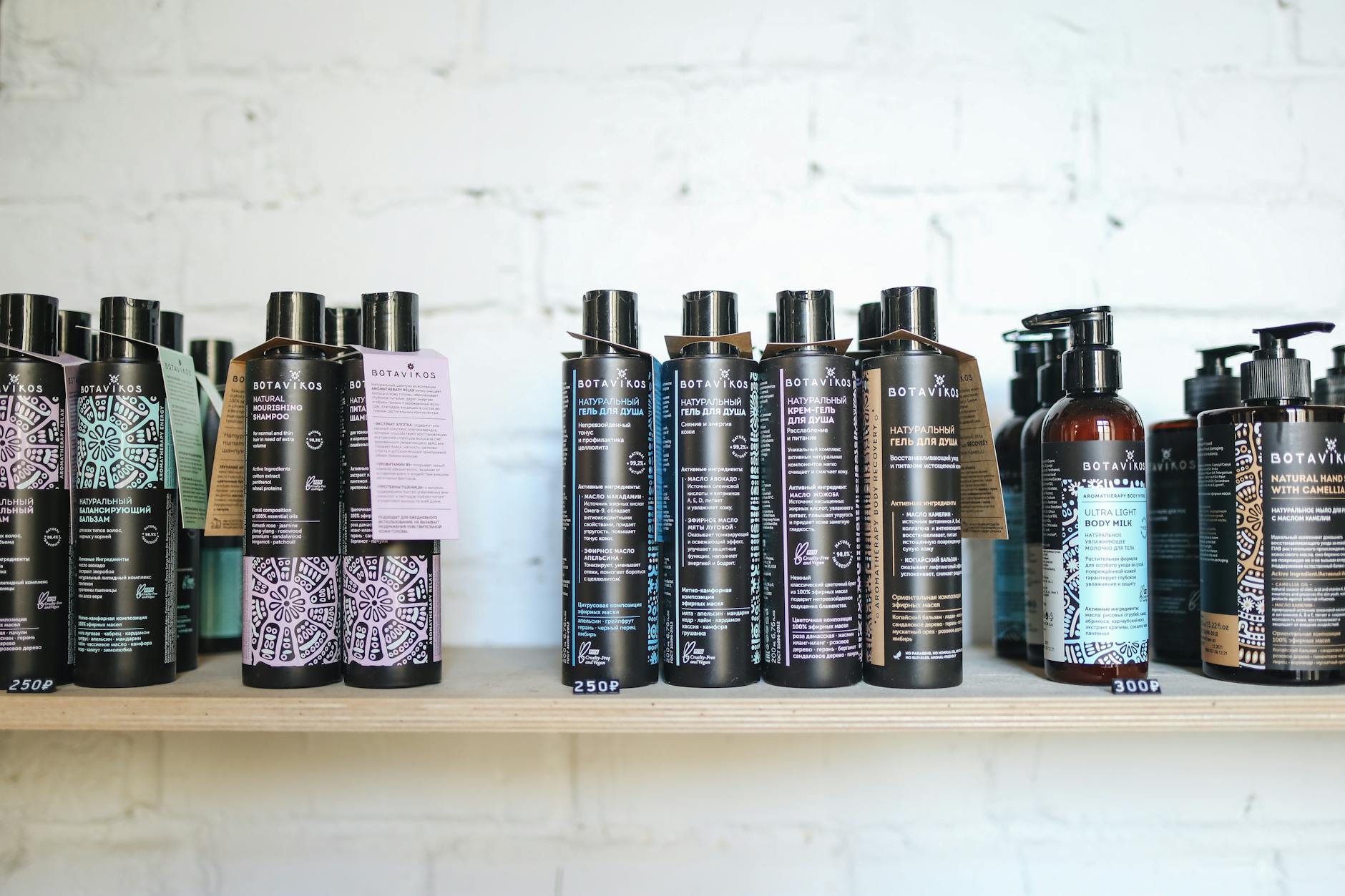
Waterless or anhydrous beauty products are marketed as a clean innovation based on their elimination of water as an ingredient, with brands framing this as a removal of a filler ingredient that dilutes active content. Water is not a filler in cosmetic formulation but a functional vehicle and solvent that facilitates the delivery, stability, and skin penetration of active ingredients, and its removal fundamentally changes the performance profile of a product. Waterless formats also eliminate the primary driver of microbial growth in cosmetics which paradoxically can make them more stable without preservation but also changes the entire risk profile in ways that most consumers do not understand. The marketing of water-free as inherently more natural or more concentrated than water-containing products misrepresents the role of water in cosmetic formulation chemistry.
Expiry Negligence
Clean and natural beauty products that rely on naturally derived or reduced preservative systems have a significantly shorter functional shelf life than their conventionally preserved counterparts and are considerably more vulnerable to contamination once opened. Research into consumer behavior in the natural beauty space has found that users of natural products are less likely to observe period-after-opening guidelines and more likely to continue using products past their functional stability date than users of conventional cosmetics. Expired natural cosmetics have been found to harbor pathogenic bacteria including Pseudomonas aeruginosa and Staphylococcus aureus at levels capable of causing eye, skin, and mucous membrane infections. The clean beauty industry’s emphasis on minimal preservation without equivalent emphasis on shortened product life and storage discipline creates a meaningful consumer safety gap.
Packaging Waste
The clean beauty movement positions itself as inherently more environmentally responsible than conventional beauty partly through its rejection of synthetic chemistry and partly through explicit sustainability messaging around packaging. Independent lifecycle analyses of clean beauty packaging have found that the amber glass bottles, kraft paper boxes, and artisanal reusable containers favored by the category frequently carry a higher carbon and resource footprint in manufacturing and transport than the lightweight plastic packaging used by conventional mass-market brands. Glass recycling rates in most markets remain low enough that glass packaging cannot be reliably counted as recyclable in lifecycle calculations. The environmental premium that consumers pay for clean beauty packaging often does not translate into the reduced impact the aesthetic communicates.
Skin Microbiome Disruption
A growing body of research into the skin microbiome has established that the balance of microbial communities on healthy skin plays a critical role in barrier function, immune modulation, and protection against pathogenic colonization. Many clean beauty products contain high concentrations of antimicrobial botanical extracts including tea tree oil, oregano, thyme, and rosemary that disrupt the skin microbiome in a non-selective manner comparable to the synthetic antimicrobials they are marketed as replacing. The clean beauty narrative around biome-friendly formulation is rarely grounded in actual microbiome research and is more commonly a marketing positioning than a formulated and tested product property. Dermatological researchers studying the skin microbiome have noted that aggressive botanical antimicrobial exposure may be contributing to the rising incidence of compromised barrier function and sensitization reactions in natural beauty users.
Nanoparticle Use
Zinc oxide and titanium dioxide the mineral UV filters used in clean sunscreen formulations are increasingly processed into nanoparticle form to improve their cosmetic elegance and reduce the white cast that makes mineral sunscreens less acceptable to many users. The same nanoparticle technology that improves the aesthetics of mineral sunscreen raises unresolved questions about dermal penetration and systemic absorption that are not present with non-nano mineral UV filters. Regulatory agencies including the European Commission’s Scientific Committee on Consumer Safety have requested additional safety data on nanoparticle penetration in damaged or compromised skin where the barrier function that normally limits absorption is reduced. Consumers who choose mineral sunscreen specifically to avoid the perceived risks of chemical UV filters are frequently unaware that their product may contain nano-scale mineral particles with their own open safety questions.
Ingredient Transparency
The clean beauty industry positions itself as fundamentally more transparent than conventional cosmetics but the full disclosure practices of many brands fall substantially short of this positioning when examined against their supply chain realities. Contract manufacturing is widespread in the natural beauty space with many boutique clean brands having no direct visibility into the sourcing, processing, and quality testing of the raw materials in their formulations. The finished product ingredient list required by regulatory labeling rules discloses ingredient names but communicates nothing about the origin, processing method, contaminant testing status, or supply chain ethics of those ingredients. Transparency as practiced by most clean beauty brands refers to the avoidance of a curated list of flagged synthetic chemicals rather than to genuine supply chain and formulation accountability.
Hormone Disruption Claims
The clean beauty movement was substantially built on consumer anxiety about endocrine-disrupting chemicals in conventional cosmetics particularly parabens and phthalates and this anxiety has been leveraged to drive purchasing decisions toward natural alternatives. The regulatory and academic toxicology consensus on parabens at cosmetic-use concentrations does not support the hormone disruption narrative that clean beauty marketing relies on with EU and US regulatory bodies concluding that exposure through cosmetic use does not produce clinically meaningful hormonal effects. Several of the botanical ingredients used as alternatives in clean formulations including lavender oil, tea tree oil, and certain phytoestrogen-rich plant extracts have a stronger documented case for estrogenic activity than the parabens they replaced. The endocrine disruption narrative in clean beauty marketing has in a number of cases moved consumers away from well-studied low-risk ingredients toward less-studied alternatives with more genuine hormonal activity.
Oxidation Risk
Cold-pressed plant oils including rosehip, marula, sea buckthorn, and bakuchiol-infused carrier oils are among the most popular active ingredients in clean facial oil formulations and are marketed for their high content of beneficial fatty acids and fat-soluble antioxidants. These oils are inherently unstable and highly susceptible to oxidative degradation meaning that improperly stored products or those past their functional shelf life contain oxidized lipid compounds that are pro-inflammatory and comedogenic rather than skin-benefiting. Research in cosmetic stability has found that many small-batch natural oil products available through clean beauty retailers show evidence of lipid oxidation at the time of retail sale due to inadequate production, storage, and distribution conditions. The same antioxidant-rich fatty acid profile that makes these oils appealing from a marketing perspective is precisely what makes them chemically unstable and potentially harmful when oxidized.
DIY Hazards
The clean beauty ecosystem actively encourages consumers to make their own skincare products at home using raw botanical ingredients with the implicit message that simpler and more natural formulations made without industrial chemicals are inherently safer than commercial products. Home formulation without access to stability testing, microbial challenge testing, pH measurement, or preservative efficacy testing produces products that carry microbiological, chemical stability, and dermal irritation risks that commercial products are required to address before reaching consumers. Reported injuries from DIY clean beauty recipes shared through social media and wellness blogs include chemical burns from improperly diluted essential oils, serious eye infections from inadequately preserved homemade mascara and eye cream, and phototoxic reactions from topical citrus oil applications. The regulatory consumer protection mechanisms that govern commercially sold cosmetics do not apply to home-formulated products regardless of the ingredients used.
Cruelty Free Confusion
The cruelty free certification displayed on many clean beauty products communicates specifically that the finished product and its ingredients were not tested on animals by the brand, but it does not address the practices of ingredient suppliers, contract manufacturers, or parent companies in the brand’s corporate structure. Some of the most prominently certified cruelty free clean beauty brands are owned by parent corporations that conduct animal testing on other products in their portfolio or sell in markets that legally require animal testing for foreign cosmetics. The certification bodies that issue cruelty free designations use different standards for auditing supplier chains meaning that the same logo on two products can represent very different levels of supply chain accountability. Consumer research consistently shows that cruelty free certification is interpreted as a broader ethical guarantee than the narrow technical definition the certification actually covers.
Have you reconsidered any products in your clean beauty routine after learning these truths? Share your thoughts in the comments.




