
People who seem effortlessly calm in the face of chaos are not simply lucky. They have quietly built a set of small, repeatable habits that regulate their nervous system and protect their mental bandwidth throughout the day. These rituals are rarely dramatic or time-consuming, yet their cumulative effect shapes an entirely different relationship with stress. Understanding what these people do differently can offer a practical blueprint for anyone seeking more steadiness in daily life.
Morning Pages

Many calm people begin their day by writing three pages of unfiltered thoughts before doing anything else. This practice, often done immediately after waking, empties the mental clutter that would otherwise accumulate throughout the day. It creates a private space where worries, ideas, and anxieties can be released without judgment. The act of writing by hand slows the mind and encourages a more intentional start to the morning. Over time it becomes a form of emotional maintenance that prevents overwhelm from building beneath the surface.
Phone Delay

Resisting the urge to check a phone first thing in the morning is one of the most consistent habits found among composed individuals. The first moments of the day set the neurological tone for hours that follow, and immediate screen exposure introduces cortisol-spiking information before the brain has fully transitioned out of sleep. Many calm people wait at least thirty minutes before engaging with any digital device. This window is used for quiet activities that ease the mind into wakefulness rather than jolt it into reactivity. The discipline is simple but its effect on emotional regulation throughout the day is significant.
Breathwork
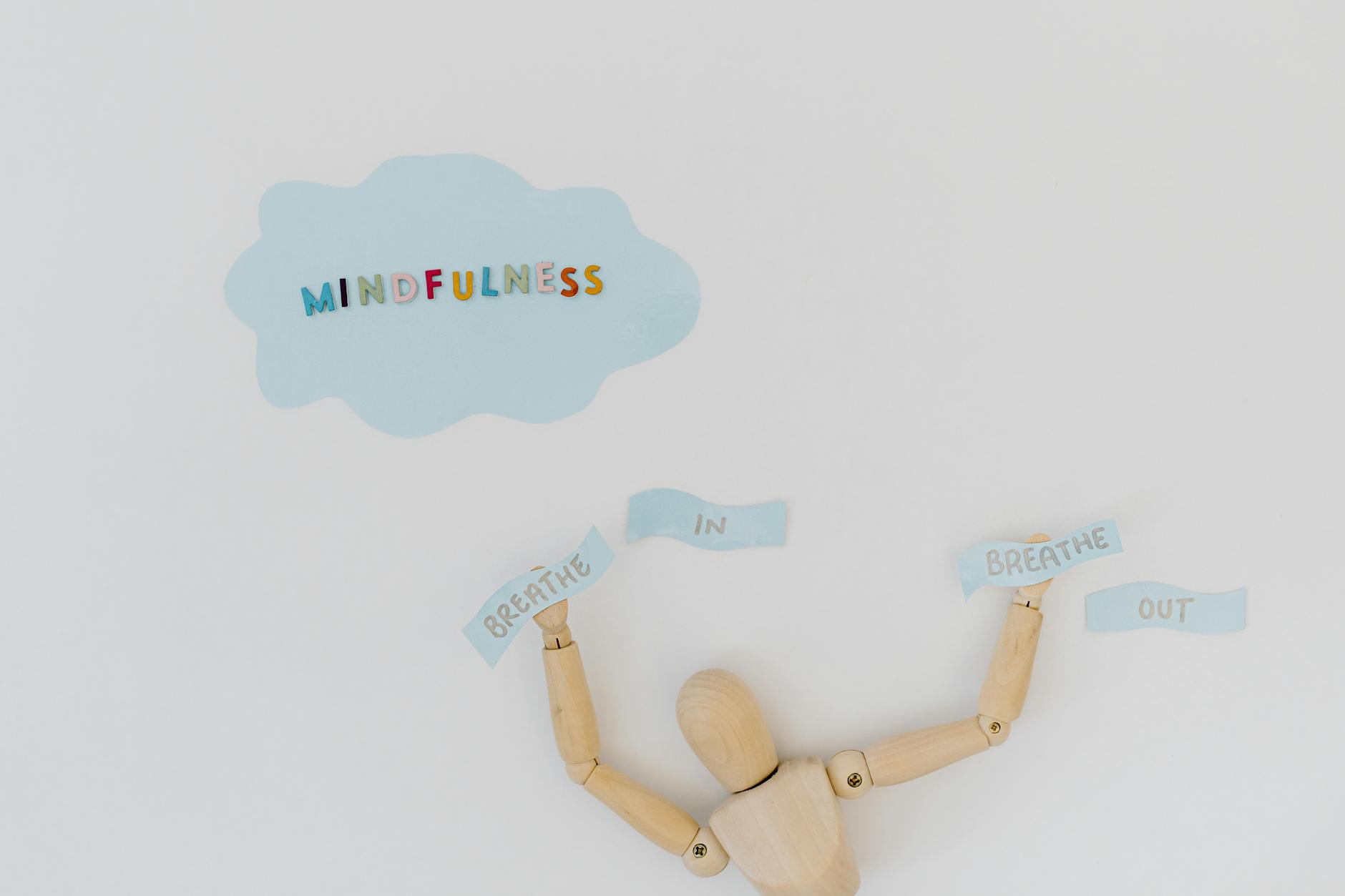
Structured breathing exercises are a cornerstone ritual for people who maintain composure under pressure. Techniques such as box breathing or the 4-7-8 method activate the parasympathetic nervous system and reduce the physiological markers of stress within minutes. Many practitioners take just five minutes each morning or during transitions between tasks to complete a short breathwork session. The ritual requires no equipment and can be performed anywhere, making it one of the most accessible tools for nervous system regulation. Regular practice over time rewires the body’s default stress response toward calm.
Cold Water

A brief cold water exposure, whether a full shower or simply splashing the face, is a morning ritual common among people who report high levels of daily resilience. Cold water activates the vagus nerve and triggers a release of norepinephrine, which sharpens alertness and elevates mood. The shock of cold also trains a mild form of stress tolerance, teaching the body to recover quickly from discomfort. Many practitioners describe it as a reset that makes the rest of the day feel more manageable by comparison. Even thirty seconds of cold exposure appears to produce a meaningful physiological shift.
Hydration First

Drinking a full glass of water before consuming anything else is a ritual that underpins the morning routines of consistently calm individuals. Overnight dehydration can contribute to low-grade fatigue and cognitive fog that masquerades as anxiety or irritability. Beginning the day with hydration restores cellular function and supports clearer thinking from the first hour onward. Many people add a pinch of sea salt or a squeeze of lemon to enhance mineral absorption and digestive readiness. This small act of physical care signals to the body that the day is beginning with intention rather than urgency.
Walking

A short daily walk, even ten to fifteen minutes, is one of the most frequently cited rituals among people who rarely appear flustered or overwhelmed. Walking at a moderate pace has been shown to lower cortisol levels and increase the production of mood-stabilizing neurotransmitters. The gentle rhythmic movement of bipedal locomotion also creates a bilateral stimulation effect that helps process unresolved emotional tension. Many calm people schedule their walk for the same time each day to create a reliable psychological anchor. The ritual works whether done in nature or through an ordinary neighborhood street.
Task Batching

Organizing similar tasks into grouped time blocks prevents the mental fatigue that comes from constant context-switching throughout the workday. People who rarely seem overwhelmed tend to dedicate specific windows of time to email, creative work, administrative tasks, and meetings rather than moving chaotically between them. This approach reduces the cognitive overhead associated with repeatedly reorienting the brain to new types of demands. It also creates a clearer sense of progress since each block has a defined beginning and end. The result is a workday that feels more controlled and less reactive.
Analog Mornings

Spending the first portion of the day entirely without screens is a ritual that many calm and focused individuals describe as foundational to their mental state. Reading physical books, writing in paper notebooks, or simply sitting quietly with a hot drink creates a quality of attention that digital engagement consistently disrupts. The absence of notifications and algorithmically curated content allows the prefrontal cortex to wake up on its own terms. Analog mornings tend to produce a more grounded and less scattered inner state that carries forward into the rest of the day. The practice requires no special tools beyond the willingness to leave devices in another room.
Micro Meditation

Brief meditation sessions of two to five minutes, scattered throughout the day rather than confined to a single long sitting, are a hallmark ritual of people with strong emotional regulation. These micro-sessions can happen between meetings, after completing a task, or during any natural pause in the day. Even a short period of focused attention on the breath creates a neurological reset that reduces accumulated stress. Research consistently shows that frequency of practice matters more than duration when it comes to building meditative benefits over time. People who meditate in small doses throughout the day report fewer emotional spikes and a more stable baseline mood.
Tidy Desk

Clearing and organizing a physical workspace at the end of each day or the beginning of the next is a ritual that reduces environmental stress before it accumulates. A cluttered desk creates a persistent background demand on working memory as the brain unconsciously processes the unfinished signals each object represents. People who maintain tidy workspaces report finding it easier to concentrate and transition between tasks without a sense of drag. The act of tidying itself functions as a brief mindfulness practice that creates a clear boundary between different parts of the day. Even a two-minute surface reset can produce a measurable improvement in focus and calm.
Sunlight Exposure

Stepping outside or sitting near a window to receive natural light within the first hour of waking is a biological ritual that regulates circadian rhythm and mood. Morning sunlight exposure triggers serotonin production and sets the internal clock that governs sleep quality, energy levels, and emotional stability throughout the day. People who consistently get morning light report fewer afternoon energy crashes and a more even emotional tone from morning to evening. The practice requires no more than ten to fifteen minutes of outdoor time or proximity to a bright window. Its effects compound over time, making it one of the most impactful low-effort rituals on this list.
Journaling

Evening journaling, distinct from morning pages, is a reflective practice used by calm individuals to process the events of the day before sleep. Writing down what happened, how it felt, and what was learned prevents unresolved thoughts from cycling through the mind during the night. Many practitioners use a simple format of three things that went well and one thing they would approach differently. This structure keeps the practice brief while still delivering the cognitive benefits of narrative processing. Over time it builds emotional intelligence and a more balanced perspective on daily challenges.
Worry Time

Designating a specific ten-minute window each day for worrying sounds counterintuitive, but it is a clinically supported strategy used by people who manage anxiety with unusual effectiveness. Rather than suppressing anxious thoughts throughout the day, practitioners acknowledge them and deliberately postpone engagement until the designated window arrives. When the worry time begins, concerns are written down and examined briefly before being consciously set aside. This approach trains the brain to stop treating every anxious thought as an emergency requiring immediate attention. People who practice it consistently report a significant reduction in free-floating anxiety throughout the rest of the day.
Single Tasking

Deliberately doing one thing at a time with full attention is a rare and powerful ritual in an era that glorifies multitasking. People who seem calm and productive in equal measure tend to complete tasks sequentially rather than simultaneously, giving each activity a defined start and finish. The practice reduces the sense of being pulled in multiple directions at once, which is one of the primary triggers of overwhelm. It also improves the quality of work produced and creates a more satisfying sense of completion throughout the day. Single tasking is a discipline that must be actively chosen against the default cultural pressure to fragment attention constantly.
Nature Breaks

Taking short breaks in natural settings or even simply looking at trees, sky, or plants has measurable effects on stress hormone levels and attention restoration. People who work in demanding environments and still maintain composure often describe a habit of stepping outside for a few minutes between intensive work periods. Natural environments activate what researchers call involuntary attention, which allows the directed attention used in focused work to recover and replenish. Even a view of greenery through a window has been shown to lower blood pressure and reduce psychological tension. The ritual costs nothing and requires only the intention to pause and look outward rather than inward.
Digital Sunset

Establishing a consistent time in the evening after which all screens are put away is a ritual that significantly improves sleep quality and reduces the residual stimulation that makes people feel wired and overwhelmed. Blue light from screens suppresses melatonin production and keeps the nervous system in an alert state that is incompatible with genuine rest. People who observe a digital sunset of even one hour before bed report falling asleep faster, waking more refreshed, and feeling more emotionally regulated the following day. The ritual creates a clear psychological threshold between the active portion of the day and the recovery portion. Many people fill the screen-free time with reading, stretching, or quiet conversation.
Meal Prep

Preparing simple, nourishing meals in advance removes one of the most common sources of daily decision fatigue and reactive eating. People who feel consistently grounded tend to eat regular, predictable meals rather than scrambling to find food when hunger strikes and cognitive resources are already depleted. Setting aside time once or twice a week to prepare core ingredients removes the daily friction of deciding what to eat and reduces reliance on processed or takeaway food. Blood sugar stability, which meal preparation supports directly, is closely linked to emotional regulation and stress tolerance. The ritual transforms eating from a source of chaos into a reliable anchor of self-care.
Transition Rituals

Creating a brief ritual to mark the transition between major parts of the day prevents different roles and demands from bleeding into one another. People who manage work and personal life without chronic overwhelm often describe a symbolic act that closes one chapter and opens the next, such as a short walk, a cup of tea, a change of clothing, or five minutes of silence. These transitions give the nervous system permission to shift gears rather than dragging the energy of one context into another. Without them, the mind remains partially activated by whatever came before, reducing presence and increasing cognitive load. The specific ritual matters less than the consistency with which it is practiced.
Boundary Scripts

Having pre-prepared phrases for declining requests or redirecting conversations is a practical ritual that calm people use to protect their time and energy without prolonged deliberation. Common examples include simple responses such as letting someone know that a particular time does not work or that a request needs to wait until later in the week. Having these phrases ready removes the need to improvise under social pressure, which often leads to overcommitment and subsequent overwhelm. People who maintain clear boundaries report higher daily energy and a greater sense of autonomy over their schedule. The ritual is as much about mental preparation as it is about communication.
Gratitude Practice

A brief daily gratitude practice, whether written or simply thought through, has been extensively studied as a tool for shifting baseline emotional state toward positivity and stability. People who rarely appear overwhelmed frequently report some form of gratitude ritual, typically practiced at a consistent time such as upon waking or before sleep. The practice works by directing attention toward what is present and sufficient rather than what is missing or threatening, which reduces the background hum of anxiety. It does not require elaborate journaling and can be as simple as mentally noting three specific things that were genuinely appreciated during the day. Over time it restructures the lens through which daily experience is interpreted.
Evening Walk

A gentle walk taken after dinner is a ritual with both physiological and psychological benefits that support a calmer end to the day. The light movement aids digestion, lowers blood sugar, and helps metabolize the cortisol that may have accumulated during a demanding day. Many calm individuals describe the evening walk as a form of moving meditation that allows the mind to decompress without the effort of formal practice. The rhythm of walking and the shift in environment create a natural separation between the demands of the day and the stillness of the evening. Even a fifteen-minute loop around the block can meaningfully alter mood and sleep readiness.
Weekly Reviews

Setting aside time once a week to review what was accomplished, what was left undone, and what needs attention in the days ahead is a planning ritual that prevents the accumulation of forgotten commitments and mental clutter. People who maintain a calm relationship with their responsibilities rarely rely on memory alone to track obligations. A brief review session externalizes this information onto paper or a digital system, freeing the brain from the exhausting work of constantly holding it all in mind. The practice also creates a regular opportunity to realign priorities before reactive urgency takes over. Many calm and effective people describe this as the single most important organizational ritual they maintain.
Sleep Anchoring

Going to bed and waking at consistent times, even on weekends, is one of the most impactful biological rituals for sustained emotional resilience. Sleep timing regulates the circadian system that governs cortisol rhythms, mood stability, immune function, and cognitive clarity. People who allow their sleep schedule to drift on weekends experience a phenomenon known as social jet lag, which produces the same physiological stress as crossing multiple time zones. Calm and grounded people tend to treat sleep consistency as non-negotiable, understanding that everything else in their routine depends on adequate and well-timed rest. The ritual requires no cost or special equipment and delivers outsized returns on every other area of daily functioning.
Clutter Clearing
Spending five minutes each day returning objects to their designated places prevents the slow accumulation of environmental disorder that quietly taxes mental energy. People who maintain orderly living spaces report lower baseline stress and a greater sense of control over their daily life. The practice is not about perfectionism but about maintaining a threshold of order that allows the home or workspace to feel like a place of rest rather than another source of demands. Many calm individuals complete a brief clutter pass as part of their evening wind-down, leaving the space reset for the following morning. The act is quick enough to be sustainable yet impactful enough to noticeably affect mood and focus.
Saying No

Practicing the consistent and guilt-free use of the word no is a foundational ritual of people who protect their energy with quiet confidence. Overcommitment is one of the most common causes of chronic overwhelm, and the inability to decline requests is often rooted in habitual people-pleasing rather than genuine availability. Calm individuals treat their time and attention as finite resources that require active management rather than passive allocation. They say no to requests that do not align with their current priorities without extensive justification or apology. This ritual is practiced repeatedly until it becomes a reflex rather than a deliberation.
Nervous System Resets

Brief physical interventions such as stretching, shaking out the limbs, splashing cold water on the face, or doing five slow deep breaths are used throughout the day by composed individuals as quick nervous system resets. These micro-interventions interrupt the physiological buildup of stress before it reaches a threshold that becomes difficult to manage. The body holds tension that the mind may not consciously register, and these resets create a regular release valve for accumulated physical stress. Many practitioners pair them with existing habits such as completing a task, finishing a call, or returning from a meeting. The consistency of the reset matters more than any single technique chosen.
Analog Hobbies

Engaging daily in a hobby that requires physical presence and does not involve screens, such as cooking, knitting, drawing, gardening, or playing an instrument, provides a form of active restoration that digital leisure cannot replicate. People who remain calm and creative under pressure often describe an analog hobby as a non-negotiable part of their daily or weekly rhythm. These activities engage the hands and the senses simultaneously, creating a state of absorbed focus that quiets mental noise without requiring deliberate effort. The tactile and sensory dimensions of analog hobbies activate neural pathways associated with calm, pleasure, and competence. Even thirty minutes of absorbed creative engagement can reset the emotional register for the hours that follow.
Intentional Transitions

The final ritual on this list is the practice of pausing for a single breath before beginning any new activity, conversation, or task. This micro-pause, lasting no more than a few seconds, creates a moment of conscious choice before momentum carries a person forward. People who practice it report that it reduces impulsive reactions, improves presence in conversations, and creates a subtle but consistent sense of being in charge of their own attention. It requires no time, no tools, and no preparation, only the repeated decision to pause before proceeding. Over time this seemingly insignificant habit reshapes the entire texture of a day from reactive to intentional.
Which of these tiny rituals resonates most with you, and do you already practice any of them? Share your thoughts in the comments.




