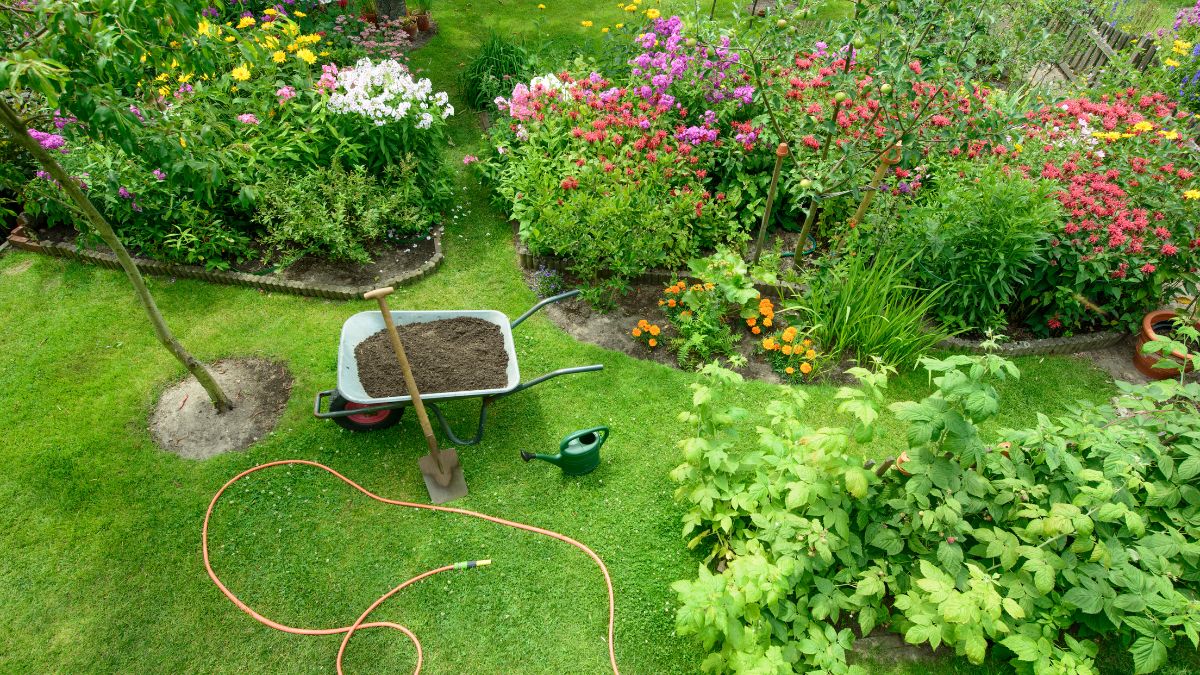
Professional landscapers carry a surprising collection of unconventional wisdom that rarely makes it into mainstream gardening guides. Many of these techniques have been passed down through decades of hands-on experience and quiet experimentation. The methods often look strange to the untrained eye yet consistently produce healthier plants and more vibrant outdoor spaces. Once you know these secrets you will begin to see your garden as a living system full of unexpected possibilities.
Banana Peels

Banana peels buried directly beneath rose bushes release potassium and phosphorus slowly into the surrounding soil over several weeks. This boosts bloom production and strengthens root development in ways that commercial fertilizers often struggle to replicate. Landscapers have used this trick for generations while maintaining the illusion of expensive feeding programs. The peels also attract beneficial microorganisms that improve overall soil structure. It costs nothing and the results consistently outperform many mid-range garden products.
Rusty Nails
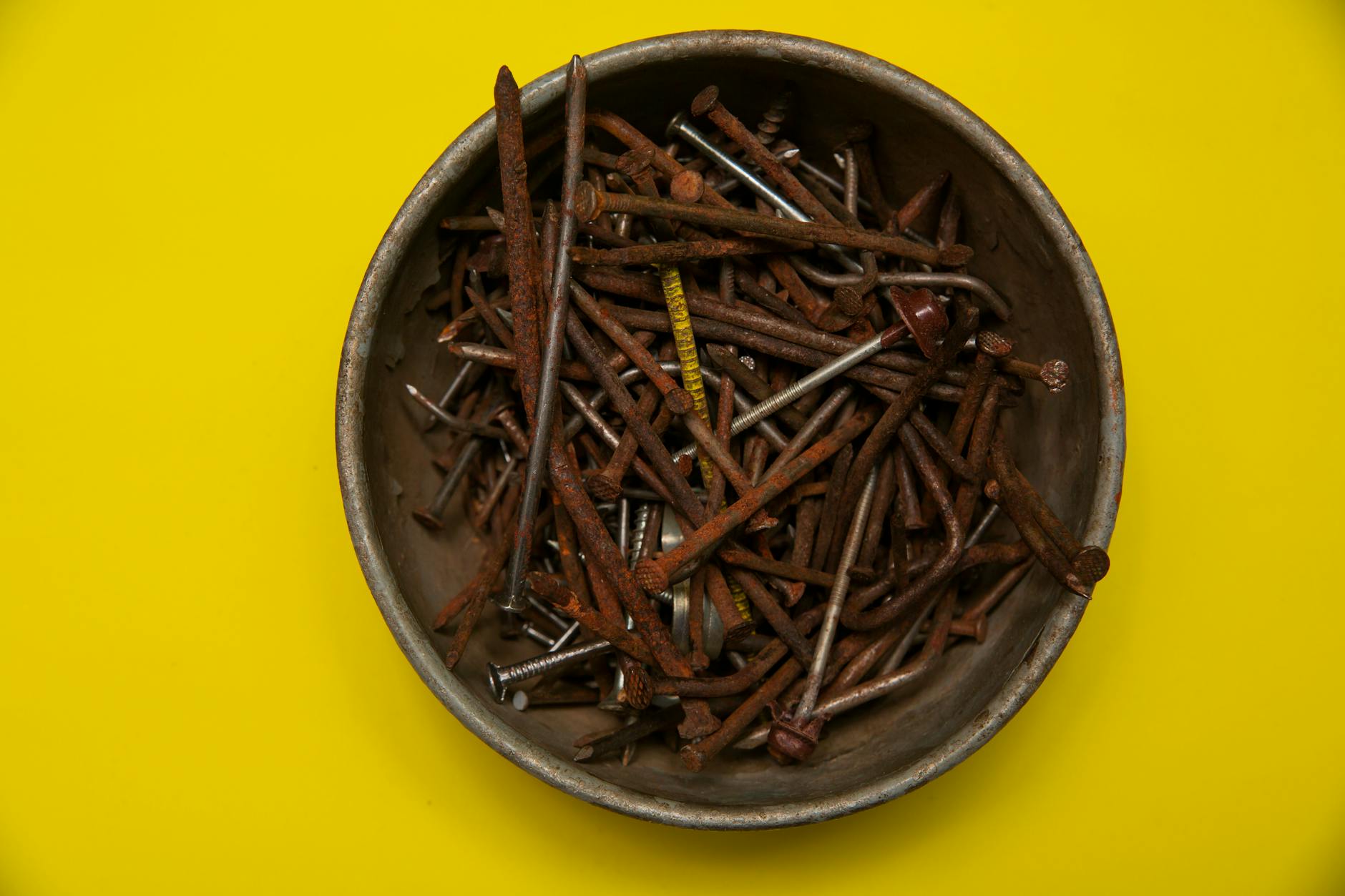
Dropping a handful of old rusty nails into the soil around acid-loving plants provides a slow and steady release of iron oxide into the root zone. Gardenias and hydrangeas respond particularly well showing deeper leaf colour and stronger flowering cycles. The oxidation process mimics the natural mineral deposits found in certain high-performing soils around the world. Landscapers often keep a jar of old hardware purely for this purpose. The technique requires no measurement and no specialist knowledge to apply effectively.
Cornmeal

Sprinkling dry cornmeal across garden beds acts as a natural fungal suppressant that targets harmful pathogens without disturbing beneficial soil life. It works by stimulating a specific group of microorganisms that outcompete the fungi responsible for root rot and damping off. Professional landscapers apply it quietly before handing over a finished project to ensure long-term plant health. It is widely available and inexpensive yet almost never appears in standard gardening advice columns. A light application every few months keeps fungal pressure consistently low throughout the growing season.
Molasses
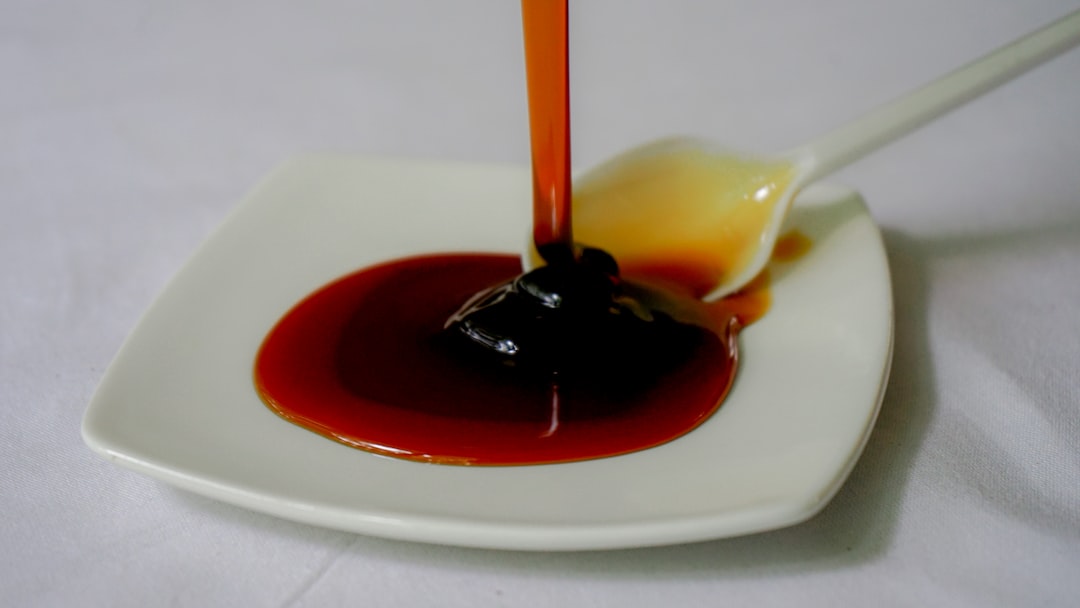
Unsulfured blackstrap molasses diluted in water and applied to garden beds feeds the beneficial microbial communities living in the soil. These microbes break down organic matter more efficiently and make nutrients more accessible to plant root systems. The sugar content accelerates bacterial activity in ways that create noticeably faster decomposition and richer compost integration. Landscapers working on high-end organic projects rely on this method to deliver results that look effortless to their clients. A tablespoon per gallon of water applied monthly is typically enough to create a measurable difference in plant vigour.
Vodka

A diluted vodka solution sprayed onto annual flowers before transplanting slows their vertical growth and encourages the plant to focus energy on root establishment instead. This produces stockier more resilient transplants that survive the shock of being moved far better than untreated specimens. The technique is used carefully and sparingly since over-application can damage foliage and stress the plant unnecessarily. Landscapers preparing display gardens for high-profile events often rely on this to ensure plants stay compact and visually uniform. A mixture of one tablespoon to several cups of water applied once is generally considered the working standard.
Newspaper

Laying sheets of plain newspaper directly on soil before applying mulch creates a biodegradable weed barrier that outperforms many plastic alternatives. The paper breaks down over a single growing season and adds carbon-rich organic matter back into the soil beneath. It suppresses germination of weed seeds without blocking water or air movement through the surface. Landscapers use it routinely in new planting areas to reduce maintenance costs and keep projects looking clean between client visits. Multiple overlapping layers around established plants can eliminate hand weeding almost entirely for months at a time.
Aspirin

Dissolving an uncoated aspirin tablet in water and applying it to plants triggers a biochemical response that activates their natural disease resistance pathways. The salicylic acid in the tablet mimics compounds that plants produce internally when they detect stress or infection. Regular low-dose applications have been shown to reduce the incidence of blight and fungal disease across a wide range of vegetable and ornamental plants. Professional growers in commercial settings have used this approach quietly for years while billing clients for premium protective treatments. One tablet per gallon of water applied every few weeks during the growing season produces consistent protective results.
Epsom Salt
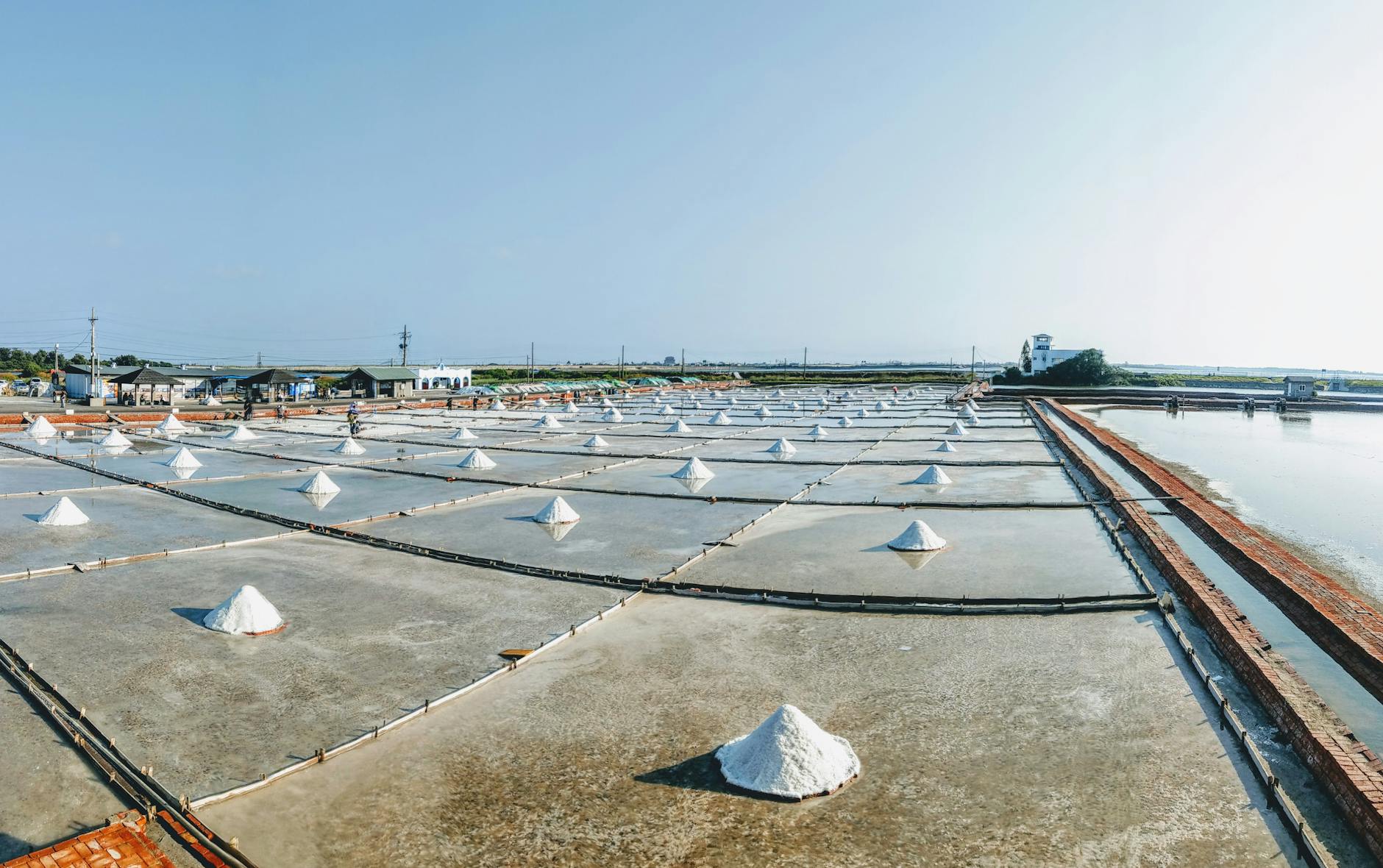
Magnesium sulphate sold as Epsom salt addresses one of the most commonly misdiagnosed deficiencies in garden plants and it does so at a fraction of the cost of branded supplements. Yellowing leaves between green veins are a reliable sign that magnesium levels in the soil have dropped below productive thresholds. A tablespoon dissolved in water and applied directly to the root zone restores colour and vigour within days in responsive plants. Tomatoes peppers and roses show some of the most dramatic improvements following a targeted application program. Landscapers keep it stocked in their supply kits as a fast and reliable corrective tool for struggling plants.
Hydrogen Peroxide

A diluted hydrogen peroxide solution applied to soil and roots introduces extra oxygen into the root zone and eliminates anaerobic bacteria that cause rot and poor growth. It is particularly useful when dealing with waterlogged beds or plants recovering from overwatering damage. The solution breaks down quickly into water and oxygen leaving no harmful residue in the soil or on plant surfaces. Landscapers use it as a first response treatment when diagnosing root problems in established planting schemes. A three percent solution diluted further with water to around one part in thirty is a commonly used working concentration.
Eggshells

Crushed eggshells worked into garden soil provide calcium over a long decomposition period and create a physical deterrent to soft-bodied pests moving across the surface. The jagged edges discourage slugs and snails without the use of chemical pellets or traps that can harm ground-feeding wildlife. Eggshells also improve drainage in heavy clay soils by introducing small gaps and channels as they break down beneath the surface. Landscapers working on organic-certified projects favour this approach for its zero-waste credentials and reliable long-term results. Collecting and drying shells before crushing them produces a finer material that incorporates into soil more evenly.
Cinnamon
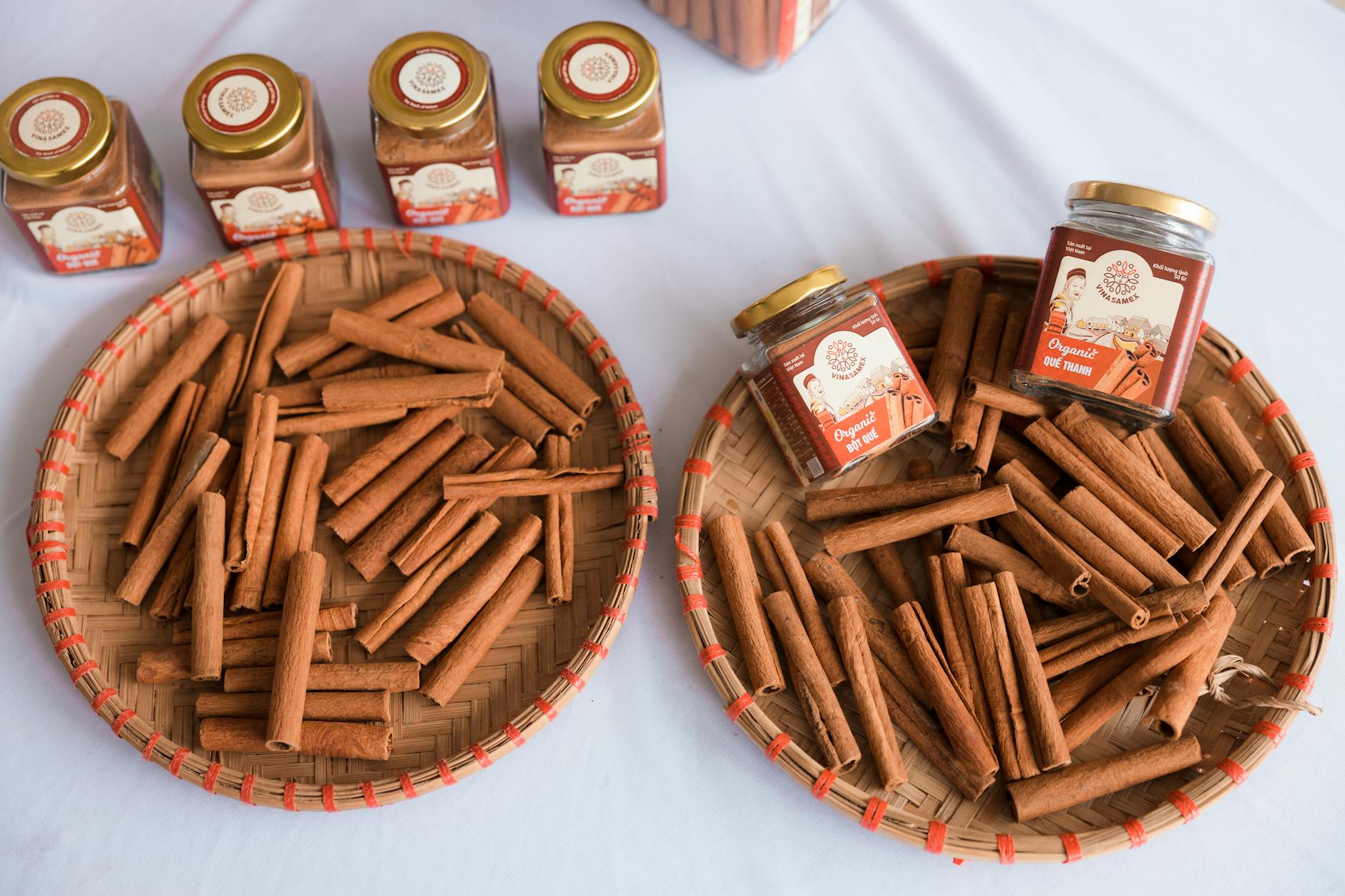
Ground cinnamon applied directly to seed trays and young seedlings acts as a natural antifungal agent that prevents damping off without inhibiting germination or early growth. It contains compounds that disrupt the cell membranes of harmful fungi while leaving the surrounding soil biology largely intact. Landscapers use it in propagation houses where humidity levels make fungal outbreaks a constant management challenge. A light dusting across the soil surface is all that is required and it can be reapplied after watering without building up to harmful concentrations. It also acts as a mild deterrent to ants and other surface-foraging insects near vulnerable young plants.
Vinegar

White vinegar applied undiluted to the centre of persistent weeds growing through paving and gravel paths kills them effectively without leaving harmful chemical residues in the surrounding environment. The acetic acid disrupts the plant’s cellular structure rapidly and most weeds show visible wilting within hours of a direct application. Landscapers favour it in situations where chemical herbicides are restricted or where clients have specifically requested natural management approaches. It works best during warm dry weather when the solution can remain concentrated on plant tissue long enough to cause full dieback. Repeated applications a week apart are usually necessary for deeply rooted perennial weeds with established underground systems.
Wood Ash
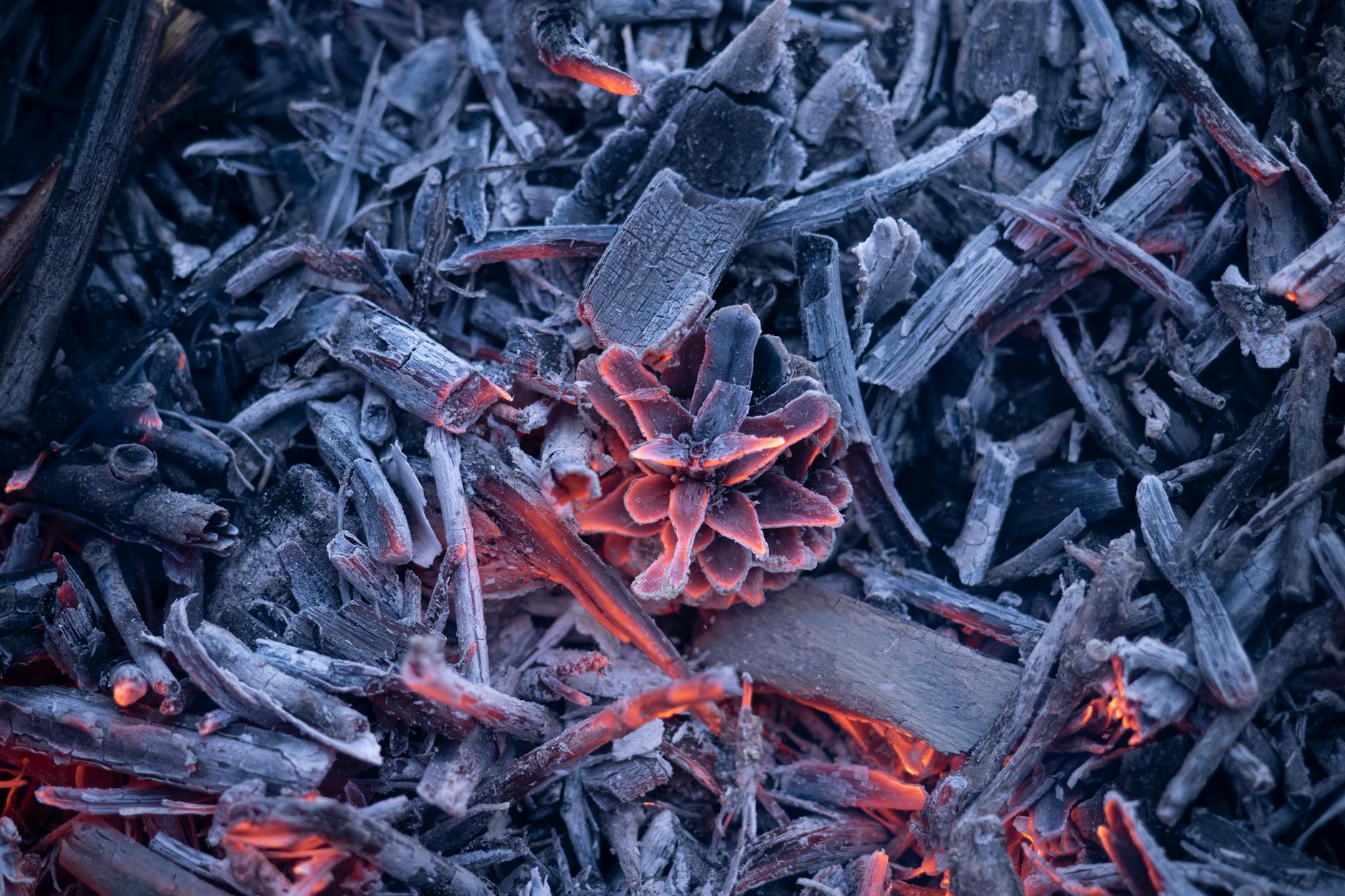
Storing and spreading wood ash from fireplaces or fire pits across garden beds raises soil pH and delivers a broad spectrum of minerals including potassium calcium and trace elements. It works as a lime substitute in acidic soils and produces results that are often faster than commercial soil amendment products. Landscapers building new planting areas on known acidic ground apply it during soil preparation to create the right conditions before plants even go in. It also repels slugs and certain soil pests when applied in a ring around vulnerable plants during wet periods. Only ash from untreated wood should be used since painted or treated timber can introduce harmful compounds into the growing environment.
Club Soda
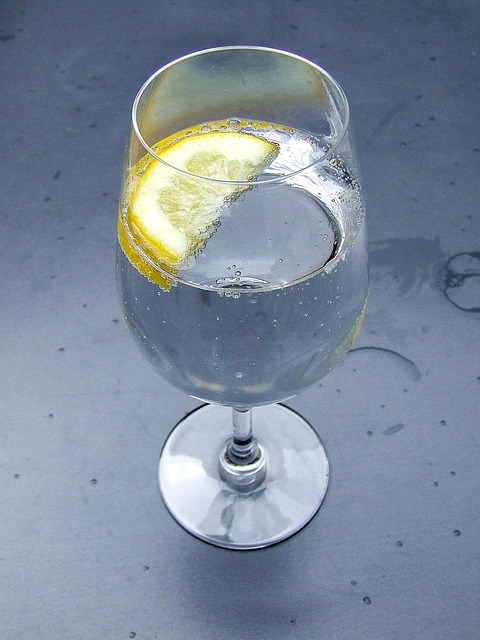
Flat or sparingly carbonated club soda used as an occasional substitute for tap water delivers dissolved minerals including calcium magnesium and potassium directly to plant roots in a readily available form. Houseplants and outdoor container specimens show measurable improvements in growth rate and leaf lustre with regular applications. The carbonation itself has been observed in some studies to stimulate root activity though the mineral content is considered the primary driver of the effect. Landscapers working on interior planting installations sometimes recommend this approach to building managers looking for simple low-effort maintenance improvements. It works best as a supplement rather than a complete replacement for regular watering routines.
Dish Soap
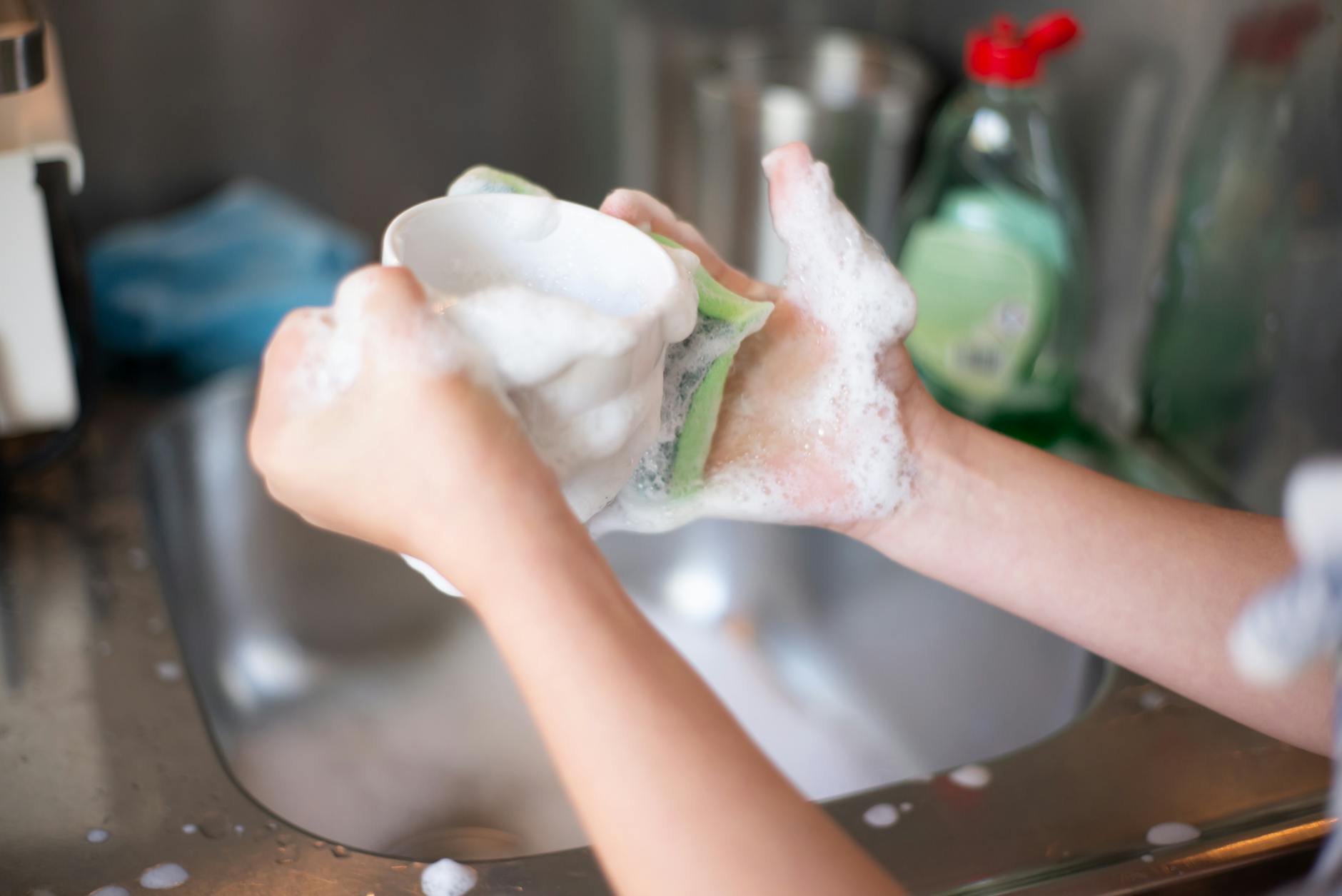
A few drops of plain liquid dish soap added to a spray bottle of water creates an effective contact insecticide for soft-bodied pests including aphids spider mites and whitefly. The soap disrupts the waxy coating on the insect’s body causing dehydration and death without leaving toxic residues on edible crops or nearby flowering plants. Landscapers use it as a first-line intervention before escalating to stronger treatments and many find it resolves infestations entirely when applied consistently. The solution should be rinsed off after an hour to prevent leaf scorch particularly on plants in direct sunlight. Plain unscented soap without added moisturisers or antibacterial agents produces the most reliable results.
Seaweed

Liquid seaweed extract applied as a foliar spray or soil drench introduces a complex range of natural hormones and micronutrients that stimulate plant growth and strengthen resistance to environmental stress. It contains cytokinins and auxins which influence cell division and root development in ways that synthetic fertilizers do not replicate. Landscapers use it as a finishing treatment on newly planted schemes to help plants establish quickly in challenging conditions. It is also widely applied before and after periods of extreme heat or frost to help plants manage the physiological stress of temperature fluctuations. The extract is derived from sustainably harvested seaweed and breaks down cleanly in soil without accumulation.
Coffee Grounds
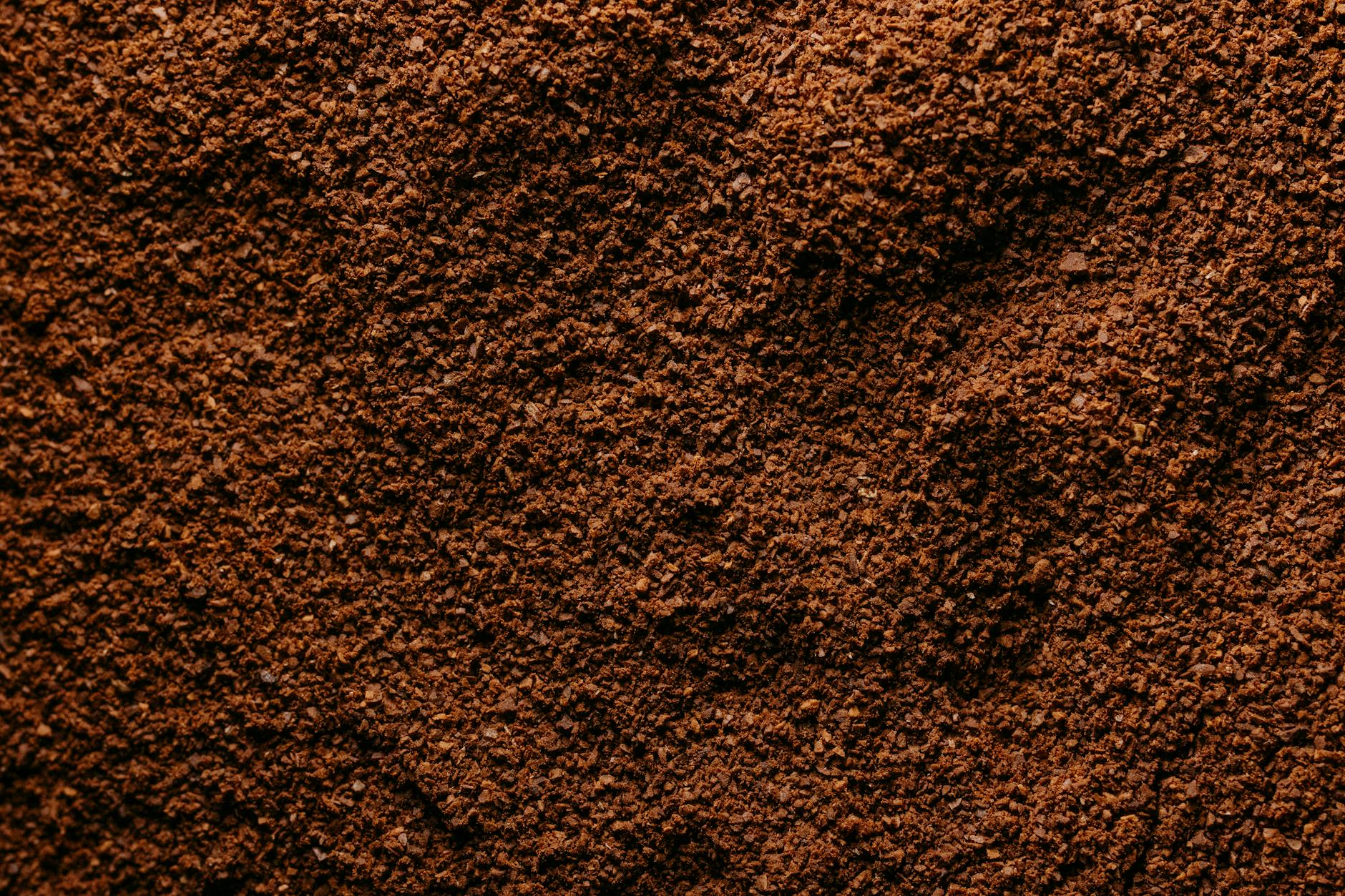
Used coffee grounds added to garden beds and compost heaps provide a slow-release source of nitrogen and attract earthworms in significant numbers when incorporated into the upper soil layer. They also improve drainage in dense clay soils and water retention in sandy ones making them a surprisingly versatile soil amendment. Landscapers collect grounds from cafes and offices in bulk as a no-cost resource that delivers consistent results across a wide range of growing conditions. They work particularly well around acid-loving plants such as blueberries azaleas and camellias where they contribute to both nutrition and pH management. Moderation is important since very heavy applications can compact over time and create a surface layer that repels rather than absorbs water.
Baking Soda
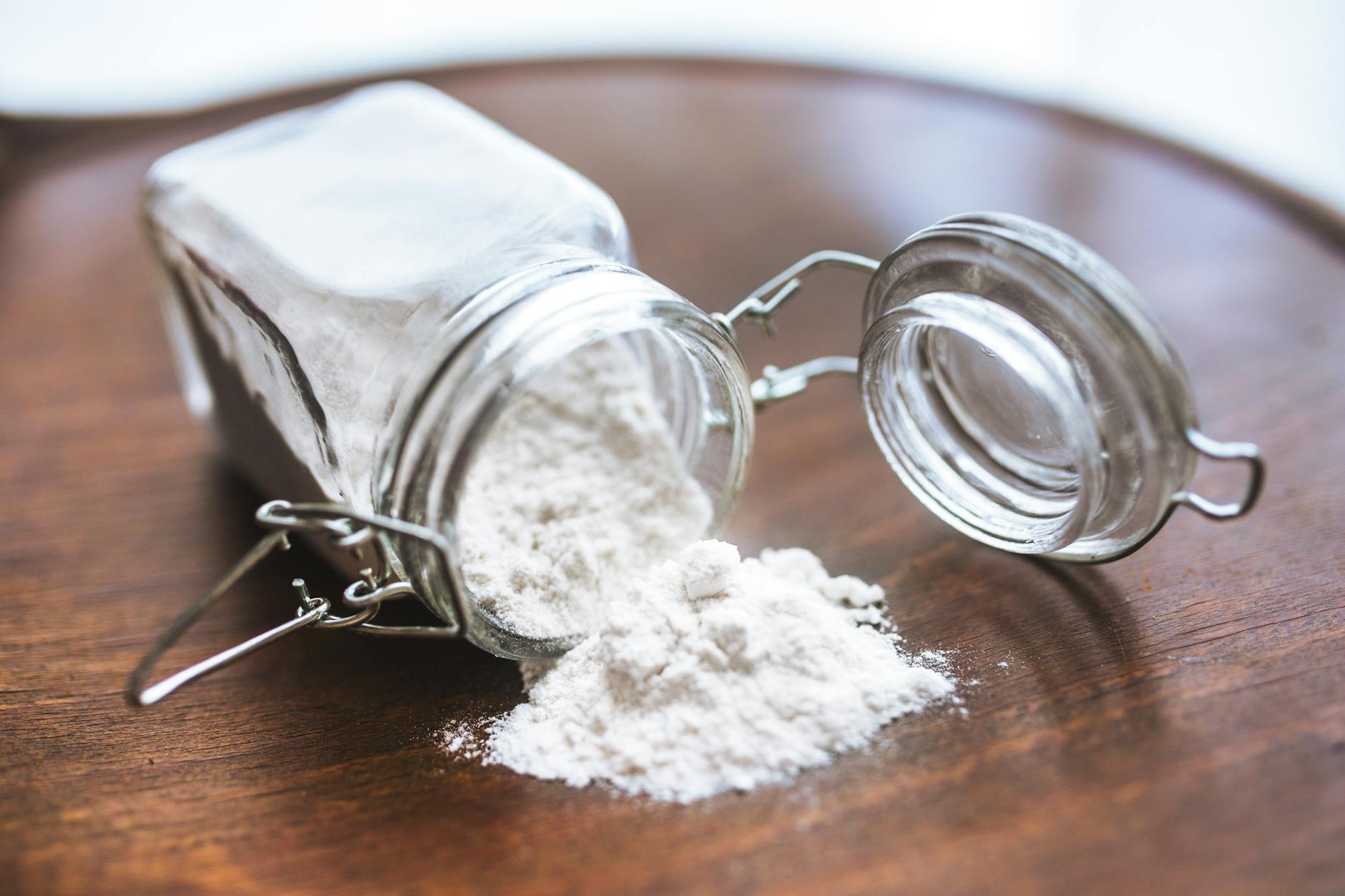
A diluted baking soda solution sprayed on roses and other susceptible plants raises the surface pH of leaves temporarily making conditions unfavourable for powdery mildew and certain other fungal pathogens. It is one of the oldest known preventative treatments in ornamental horticulture and remains reliably effective when used consistently throughout the growing season. Landscapers apply it as a preventative measure rather than a cure focusing applications on plants with known susceptibility before symptoms appear. A teaspoon per litre of water combined with a small amount of liquid soap to aid adhesion produces the standard working solution. It is safe around pollinators and wildlife and leaves no harmful residue on flowers or foliage.
Urine
Diluted human urine applied to compost heaps accelerates breakdown by introducing nitrogen and beneficial bacteria in a highly bioavailable form. A ratio of roughly ten parts water to one part urine keeps the nitrogen concentration safe for plants while providing a meaningful nutritional input. Some landscapers apply it directly to heavy-feeding plants such as sweetcorn and brassicas during periods of active growth to supplement regular feeding programs. The practice is ancient and its effectiveness is well documented in agricultural research even if it remains socially unconventional in modern garden culture. Using it on edible crops requires careful hygiene management and is generally recommended only for application to soil rather than directly onto plant tissue.
Chilli Powder
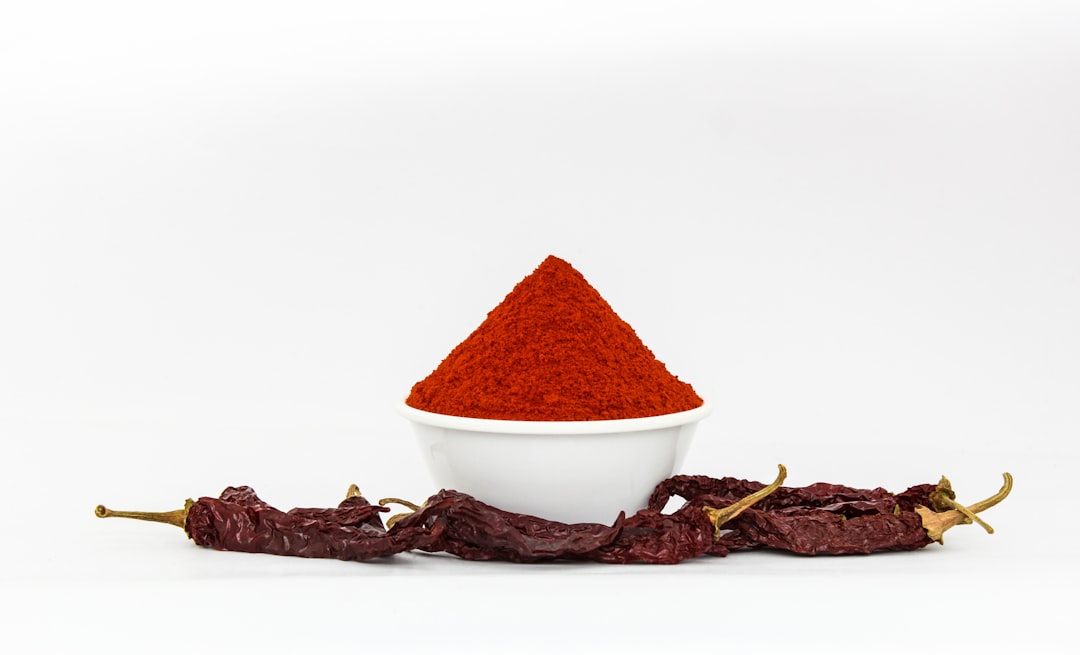
Dusting chilli powder or cayenne pepper around the base of plants and along garden borders acts as a natural repellent for mammals including cats rabbits and squirrels. The capsaicin compounds irritate mucous membranes without causing lasting harm and most animals learn quickly to avoid treated areas. Landscapers use it to protect bulb plantings and newly seeded areas where animal disturbance is a persistent problem during establishment. It needs to be reapplied after rain since moisture dilutes and disperses the active compounds rapidly across the soil surface. Hot pepper sprays made by steeping dried chillies in water can also be applied to foliage to deter browsing insects and leaf-chewing pests.
Aloe Vera
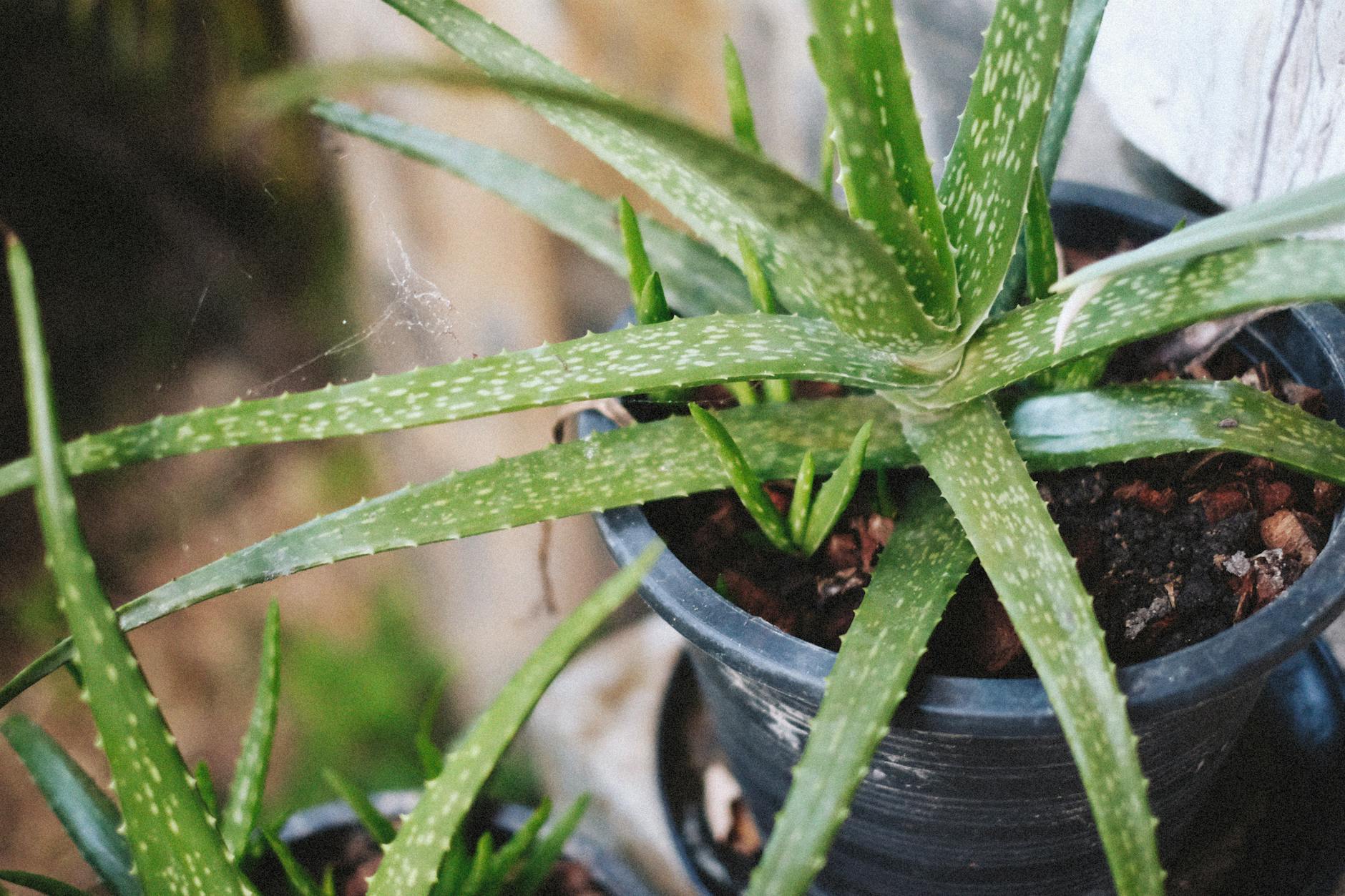
Fresh aloe vera gel extracted from a broken leaf and applied directly to plant cuttings before propagation has been shown to stimulate root development at a rate comparable to commercial rooting hormones. The gel contains salicylic acid enzymes and natural growth stimulants that encourage rapid callus formation and early root emergence. Landscapers working in tropical and subtropical climates have long used this approach for its effectiveness with woody and succulent cuttings in particular. It can also be diluted in water and applied as a soil drench to support plants recovering from transplant shock or root disturbance. The gel is completely biodegradable and introduces no foreign chemicals into the growing environment.
Milk
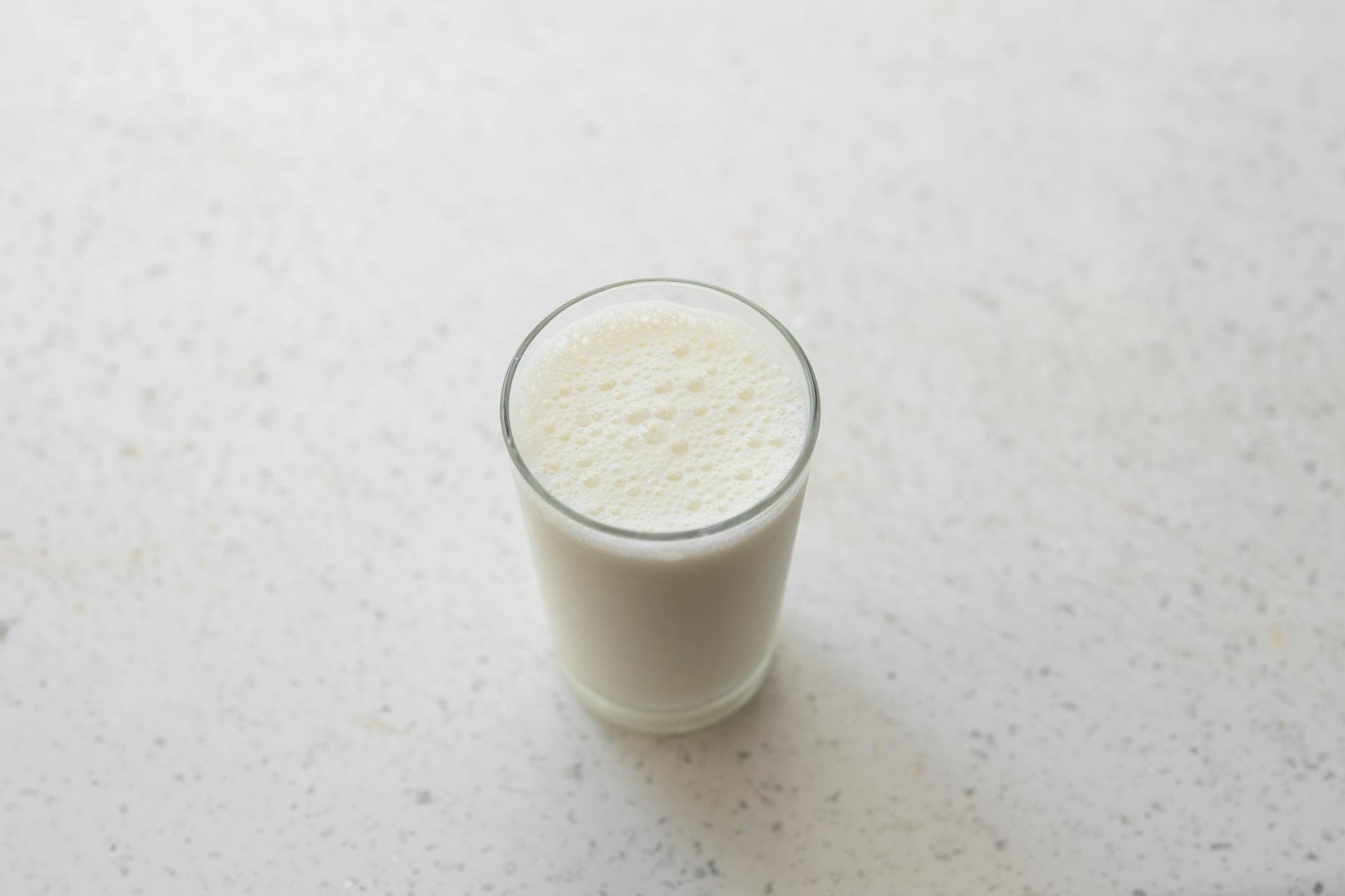
A diluted milk solution sprayed onto plant foliage functions as an effective preventative treatment against viral diseases including mosaic virus which is a common problem in vegetable gardens. The proteins in milk have been found to trigger an immune-like response in plant tissue making it more resistant to viral infection. Landscapers managing organic kitchen gardens and allotment projects use it as part of a rotation of natural preventative sprays applied through the growing season. A solution of roughly one part full-fat milk to two parts water produces consistent results without causing the odour problems associated with stronger concentrations. It also has mild antifungal properties making it useful as a broad-spectrum protective treatment for a range of common garden diseases.
Gravel Mulch
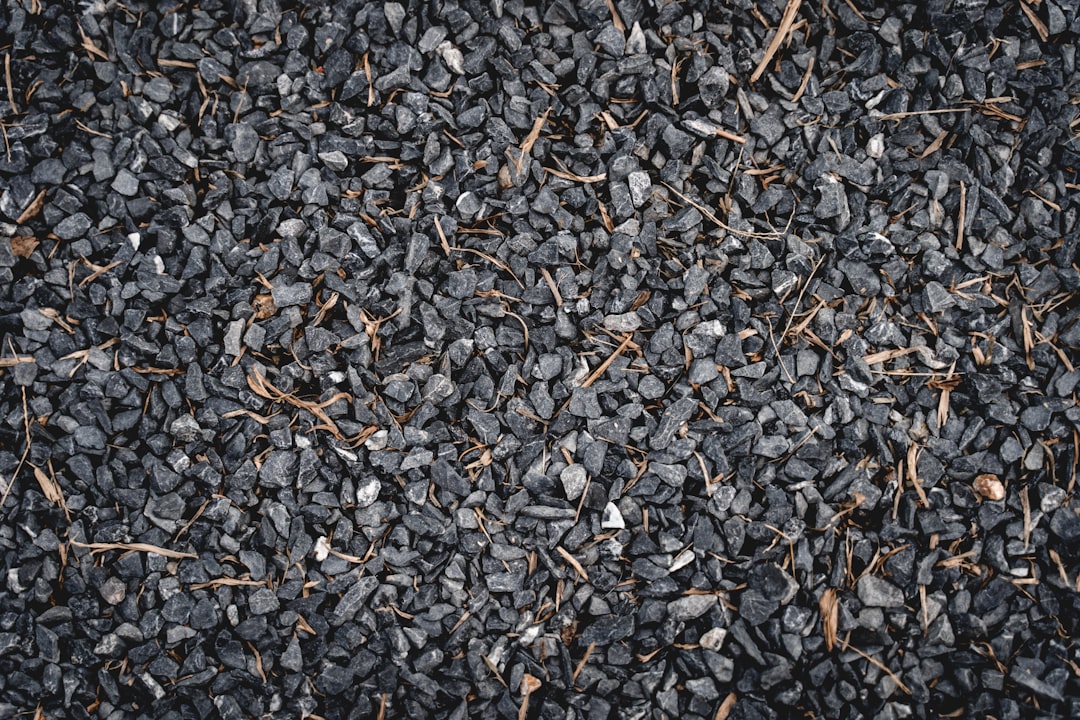
Covering soil around drought-tolerant plants with a layer of fine gravel or grit mulch reduces moisture evaporation more effectively than organic mulches in certain soil types. It also prevents the soil surface from compacting under heavy rainfall which improves infiltration and reduces surface runoff during wet periods. Landscapers designing low-maintenance Mediterranean-style gardens use it extensively to create conditions that closely mimic the natural growing environments of plants like lavender cistus and agapanthus. The gravel layer also prevents mud splash onto lower foliage which is a common route for soil-borne fungal infections to reach plant tissue. Pale-coloured gravel reflects light back up into the plant canopy which can improve fruit ripening in sun-hungry crops and ornamentals.
Glycerine
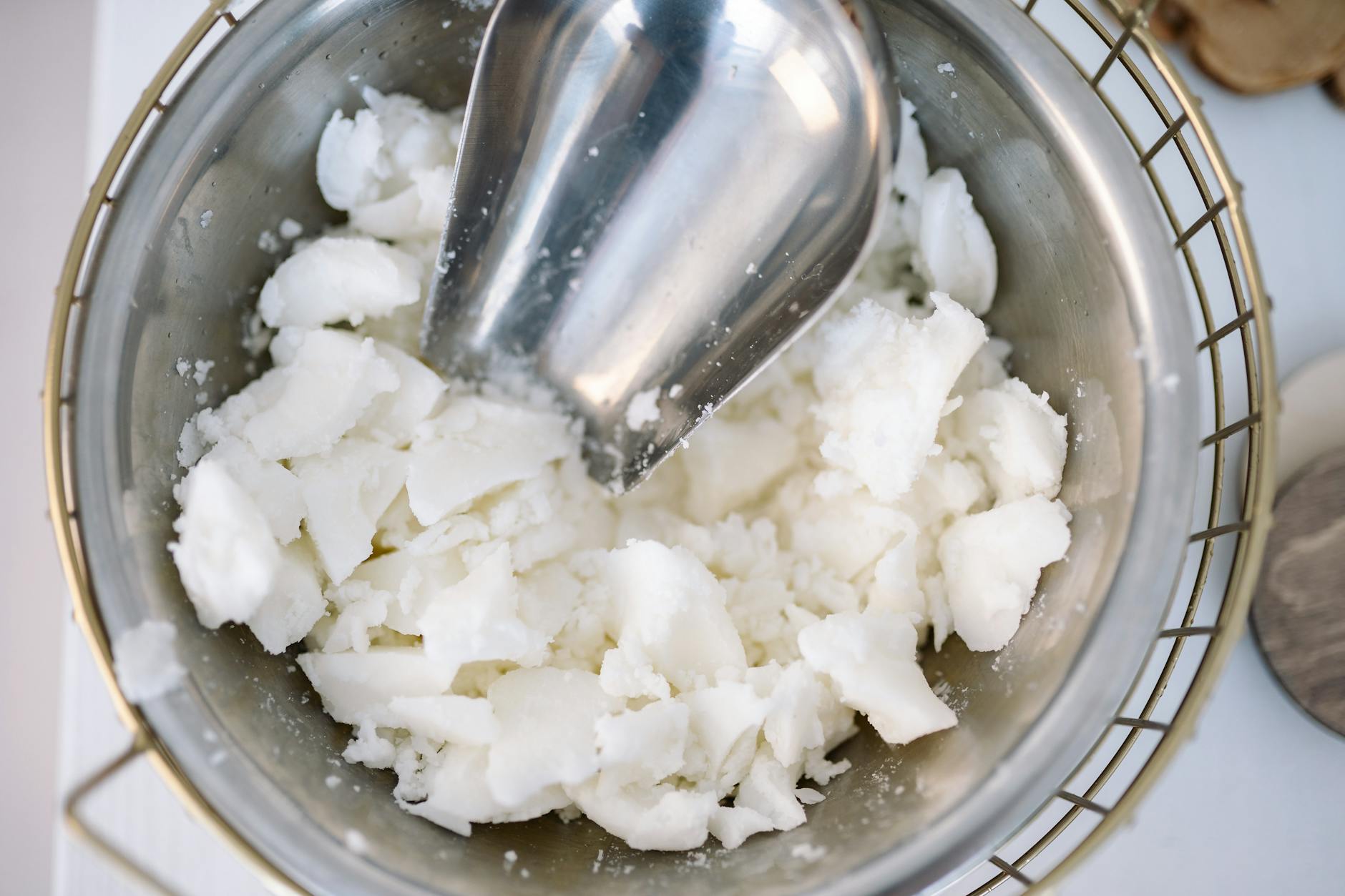
Adding a small amount of food-grade glycerine to the water used for cut flowers significantly extends vase life by helping stems maintain hydration and slowing the bacterial growth that causes premature wilting. The same principle is applied by some landscapers when transporting large specimen plants over long distances keeping root balls moist and reducing stress during transit. It is also used in the preparation of pressed botanical specimens where it replaces water in plant tissue and produces a flexible preserved leaf that does not become brittle. A few drops added to foliar sprays can improve the adhesion of liquid treatments to waxy or hairy leaf surfaces making pesticides and fungicides more effective. It is non-toxic biodegradable and widely available from pharmacies and food supply outlets at minimal cost.
Toothpaste

A small amount of plain white toothpaste applied to minor wounds and pruning cuts on woody plants acts as a temporary sealant that reduces moisture loss and blocks entry points for fungal spores and pest insects. The mild antiseptic compounds found in basic toothpaste formulas help prevent infection during the critical period immediately following cutting or physical damage. Landscapers working on ornamental trees and established shrubs sometimes use it as an emergency field dressing when specialist pruning sealants are unavailable. It should be used sparingly and only on clean cuts since excessive application can trap moisture and encourage rot rather than prevent it. Non-gel non-whitening varieties without strong chemical additives produce the safest and most reliable results on garden plants.
Share your most surprising garden techniques and unconventional favourites in the comments.




