
There is a particular kind of domestic horror that only reveals itself once the moving boxes are unpacked and the front door closes for the first time. People are extraordinarily skilled at concealing their true household behaviour during the courtship and cohabitation trial phases of a relationship. The habits that emerge after a joint mortgage is signed represent a category of personal revelation that no amount of dating or short-term living together fully prepares you for. What follows is a documented taxonomy of the domestic truths that partners have been quietly sitting on until ownership made retreat considerably more complicated.
Dish Soaking
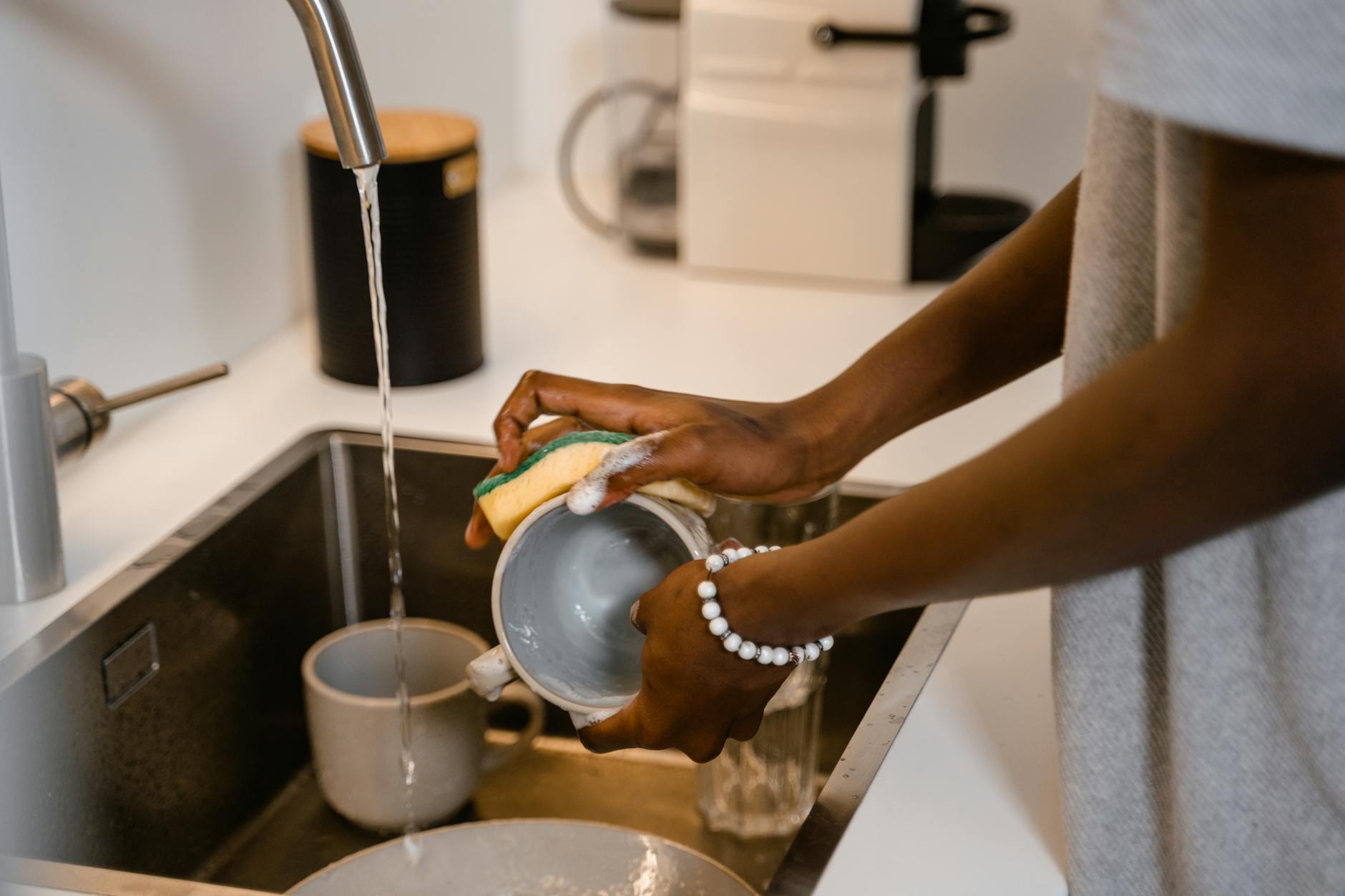
The habit of leaving dishes submerged in a grey lukewarm soup of food particles and dish soap for periods ranging from several hours to multiple days operates under a private logic that the soaker genuinely believes constitutes a legitimate stage of the cleaning process. To the non-soaker the filled sink represents a blocked communal resource and a steadily worsening hygiene situation that defeats the entire purpose of washing up. The soaker meanwhile experiences the filled sink as a completed task requiring only a brief finishing step that they will get to at an unspecified but imminent future moment. This temporal gap between the soaker’s perceived completion and the actual completion of the task is where a significant proportion of new homeowner conflict originates. No amount of pre-purchase relationship discussion appears to surface this habit reliably before the keys are handed over.
Toilet Hovering
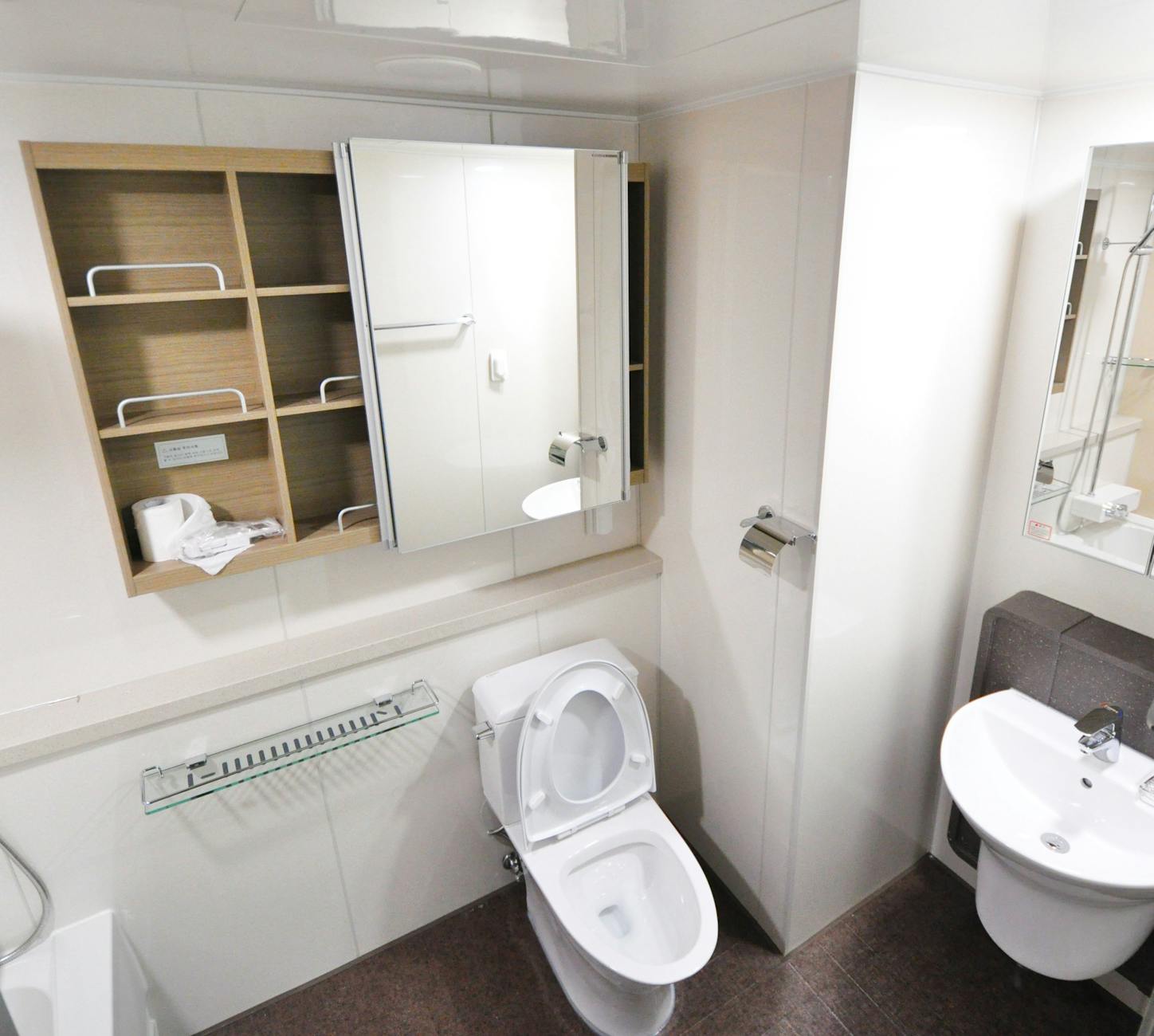
The practice of hovering above rather than sitting on a toilet seat produces splatter patterns on the seat and rim that the hoverer neither acknowledges nor cleans because from their standing position the evidence of the act is not visible to them. The partner who discovers the aftermath encounters it from a seated position and experiences the full unmediated reality of what hovering actually produces on a shared bathroom surface. The hoverer typically defends the practice on hygiene grounds with complete sincerity unaware of the acute irony of the position they are taking. This habit is almost never disclosed during the pre-purchase relationship phase because it occurs in private and its consequences are cleaned up as part of general bathroom maintenance during visits. Moving in together transfers that maintenance obligation permanently and without announcement to whoever enters the bathroom next.
Mouldy Tupperware
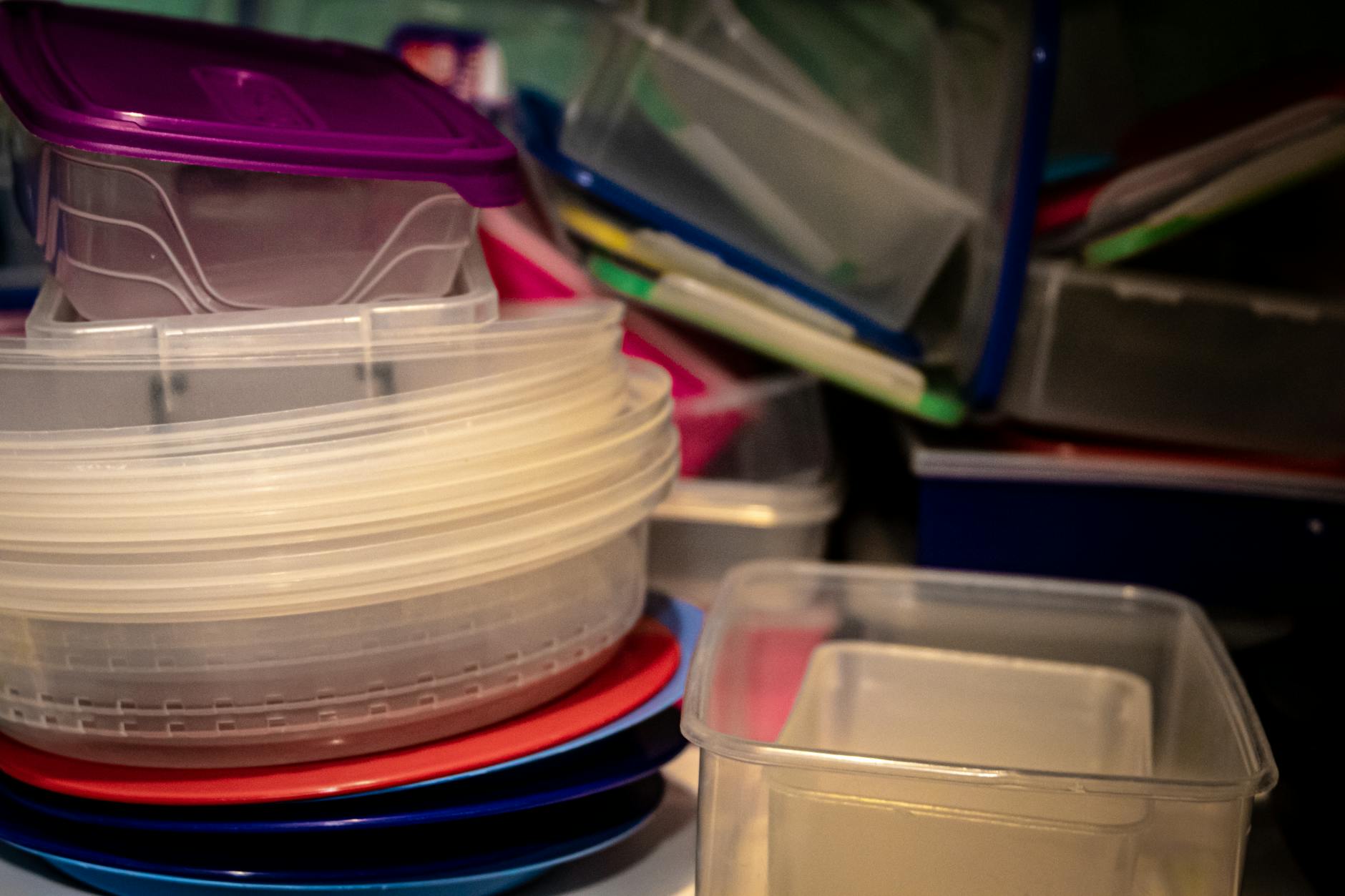
The behaviour of storing leftover food in sealed containers and then placing those containers in the back of a refrigerator shelf with a private intention to deal with them at a later point produces a rolling inventory of forgotten biology experiments that eventually requires protective equipment to address. The container originator rarely initiates the retrieval and disposal process and in many cases appears to have genuinely forgotten that the container exists once it has passed out of their direct line of sight. Opening a container that has been sealed for three or more weeks produces an olfactory experience that bonds permanently with the memory of whoever is unfortunate enough to be responsible for it. Partners who discover that their new co-owner maintains a significant back-catalogue of forgotten food containers report a specific quality of disillusionment that differs meaningfully from other domestic disagreements. The containers themselves are often perfectly good quality items that the owner is reluctant to discard which compounds the situation further.
Hair Catcher Avoidance

The accumulation of shed hair in shower drain catchers plug holes and on bathroom surfaces reaches a threshold in solo living that never becomes visible to the person producing it because familiarity normalises its presence entirely. Moving in together removes that normalisation instantly for one party while leaving it completely intact for the other. The non-producing partner encounters hair in quantities and locations that suggest a level of daily shedding that seems medically implausible until research confirms it is entirely within the normal human range. The producing partner experiences the same hair accumulation as background domestic reality and cannot understand why its removal should be considered an urgent or frequent priority. Drain clearing bathroom surface wiping and hair removal from communal spaces become the subject of negotiations that neither party anticipated having when they signed the mortgage paperwork.
Nail Clipping
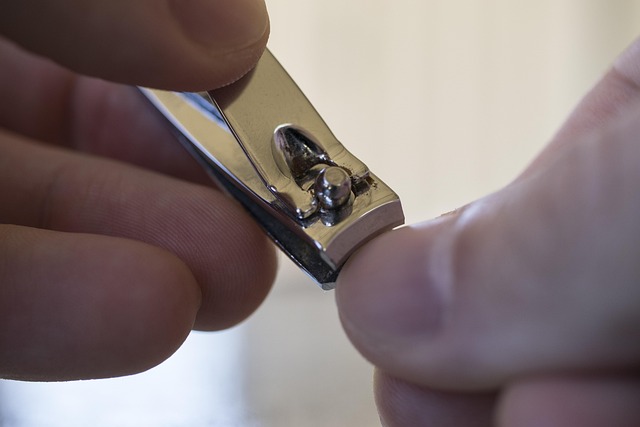
The act of clipping fingernails or toenails in shared living spaces including sofas beds and in extreme cases dining areas occurs with a frequency and geographic distribution that partners who have not cohabited full-time with the clipper have no basis for predicting. The resulting nail fragments travel distances and land in locations that make their later discovery surprising and deeply unwelcome. The clipper often performs the act during television viewing or other relaxing activities as a natural extension of personal grooming that they have always conducted in whatever space felt comfortable at the time. The non-clipper’s discovery of nail fragments between sofa cushions or worse within bedding represents one of the more viscerally specific domestic grievances reported by new cohabitants. No version of the pre-purchase relationship involves sufficient sofa time to surface this habit before it becomes a matter of shared property.
Expired Food Hoarding
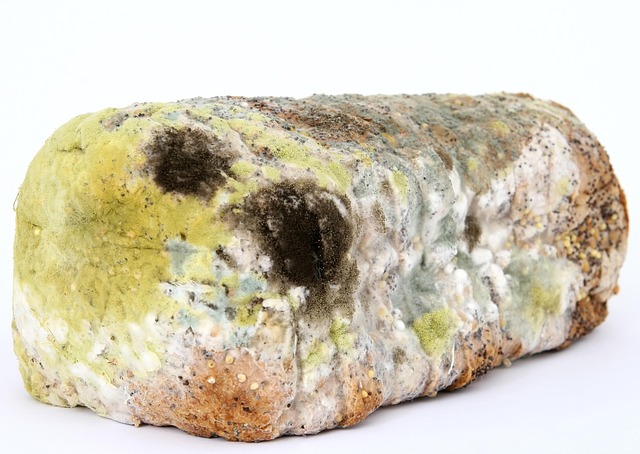
The maintenance of a pantry and refrigerator section containing food items well past their expiry dates rests on a private taxonomy of which dates are legally mandated safety thresholds and which are merely manufacturer suggestions that a person of robust constitution can comfortably ignore. The hoarder knows this taxonomy intimately and applies it with confidence to their own consumption decisions while never communicating the system to their incoming co-owner. The partner who opens the cupboard and finds a collection of items stamped with dates from the previous calendar year experiences a moment of domestic archaeology for which moving day did not prepare them. Attempts to rationalise the disposal of clearly expired items are met with a detailed and surprisingly coherent defence of each individual product. The freezer section of this habit is typically the most extreme since the combination of cold temperature and opaque packaging makes long-term retention feel consequence-free until defrost day arrives.
Plunger Reluctance
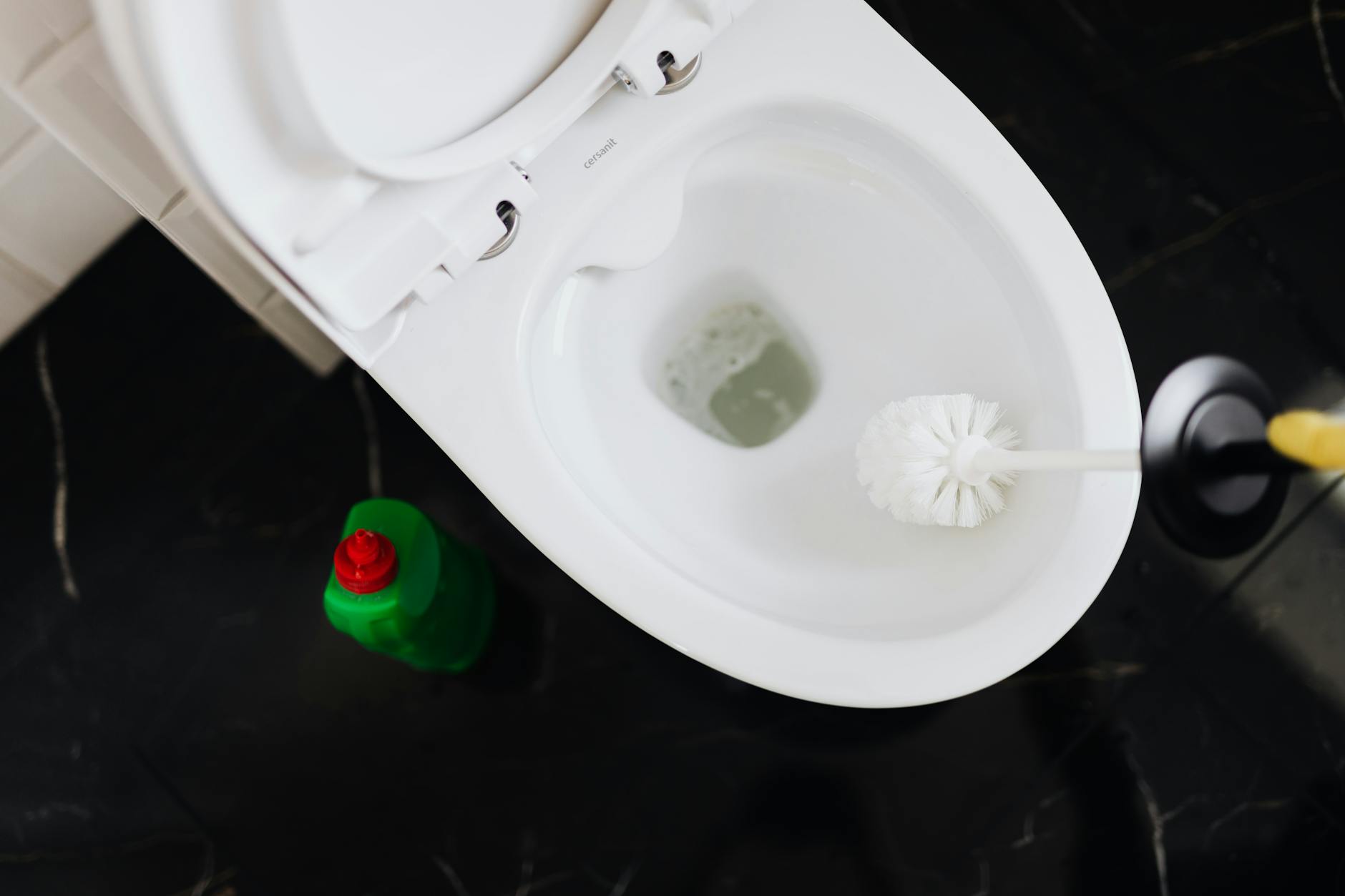
The discovery that a partner has been managing recurring drain and toilet blockages through a combination of repeated flushing vigorous stirring and patient waiting rather than through the direct application of a plunger reveals a relationship with plumbing intervention that represents a distinct philosophical position rather than a simple skills gap. The reluctant plunger user has developed a private practice of workarounds that function just adequately enough in solo living to never force a confrontation with the actual tool. Moving into shared ownership introduces a witness to the workaround process for the first time and the witness is rarely impressed by what they observe. Purchasing a plunger and placing it in the bathroom does not automatically transfer the knowledge or willingness to use it to the partner who has spent years proving it unnecessary. This is a habit that reveals itself with particular urgency and in particularly inconvenient circumstances.
Bread Bag Resealing

The failure to reseal a bread bag after use through any of the several available mechanisms including the wire twist tie the clip provided or even a simple double fold produces stale bread at a rate that the non-resealer appears genuinely surprised by every time it occurs. The non-resealer is typically aware at some level that bread requires sealing to remain fresh but performs a mental calculation in the moment that prioritises the ten seconds saved over the two-day freshness reduction that follows. Partners who operate strict bread sealing practices and encounter an open bag on the counter experience a specific low-grade frustration that is disproportionate in intensity to the objective scale of the offence. The frequency of the behaviour rather than any single instance is what transforms it from a minor oversight into a defining domestic characteristic. New homeowners report that the bread bag situation surfaces reliably within the first week and establishes the template for a category of small recurring disputes that will shape the texture of shared domestic life indefinitely.
Laundry Limbo
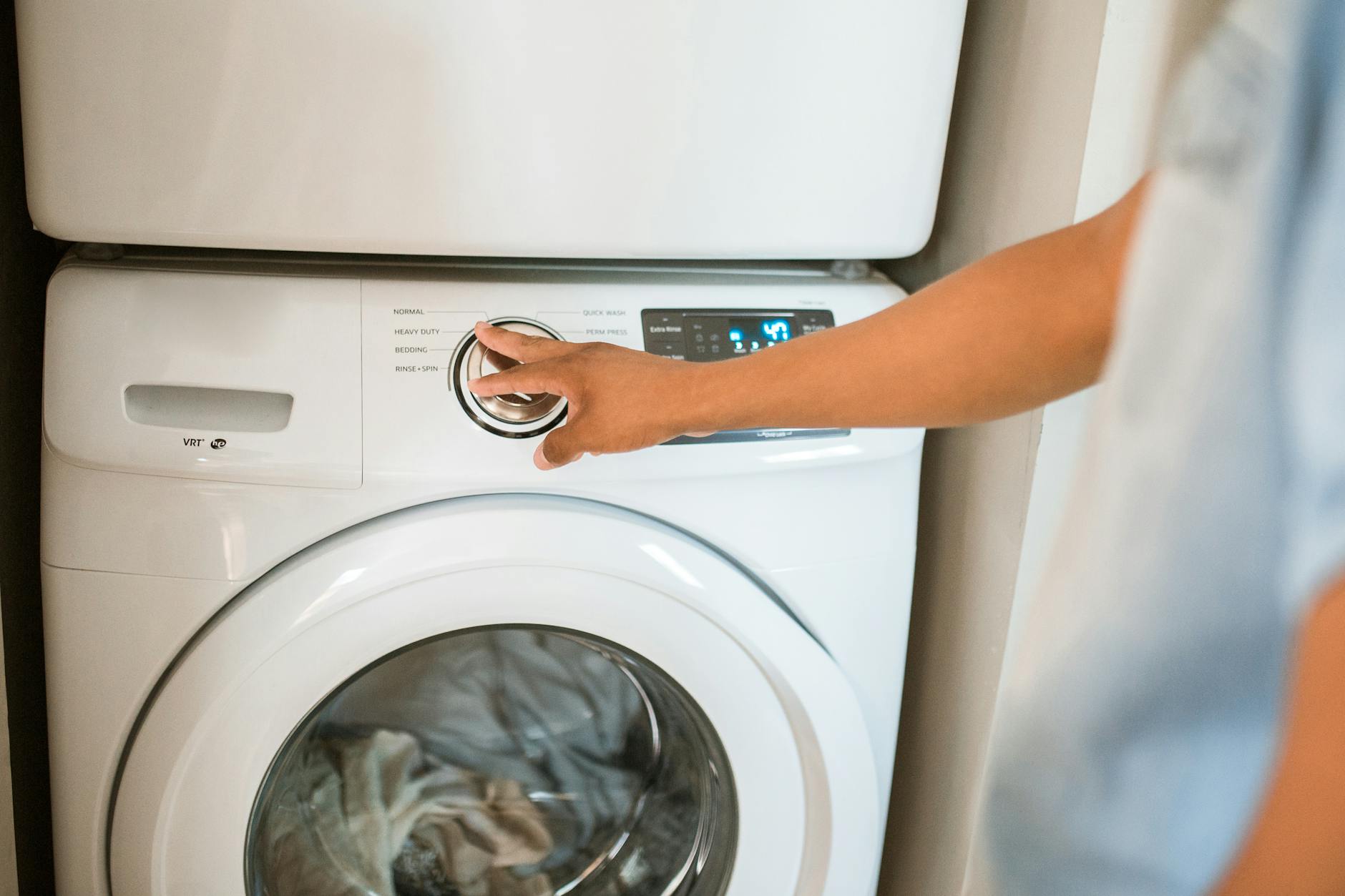
The practice of moving clean laundry from the washing machine to a clothes airer or laundry basket and then leaving it in that intermediate state for periods of between three days and two weeks before it is either worn directly from the pile or returned to the machine for a second wash occupies a domestic grey zone that the practitioner does not classify as disorder. The laundry exists in a state of completion that satisfies the practitioner’s internal definition of done while failing entirely to meet any external standard involving folding drawers or wardrobes. Partners who operate a wash-fold-put-away system within a defined time window encounter the laundry limbo approach as a fundamental incompatibility rather than a stylistic difference. The pile on the airer or in the basket gradually acquires a slightly musty character that the practitioner has learned to manage by shaking garments vigorously before wearing them. Moving in together makes the intermediate pile a permanent fixture in a shared visual space for the first time.
Toothpaste Squeezing
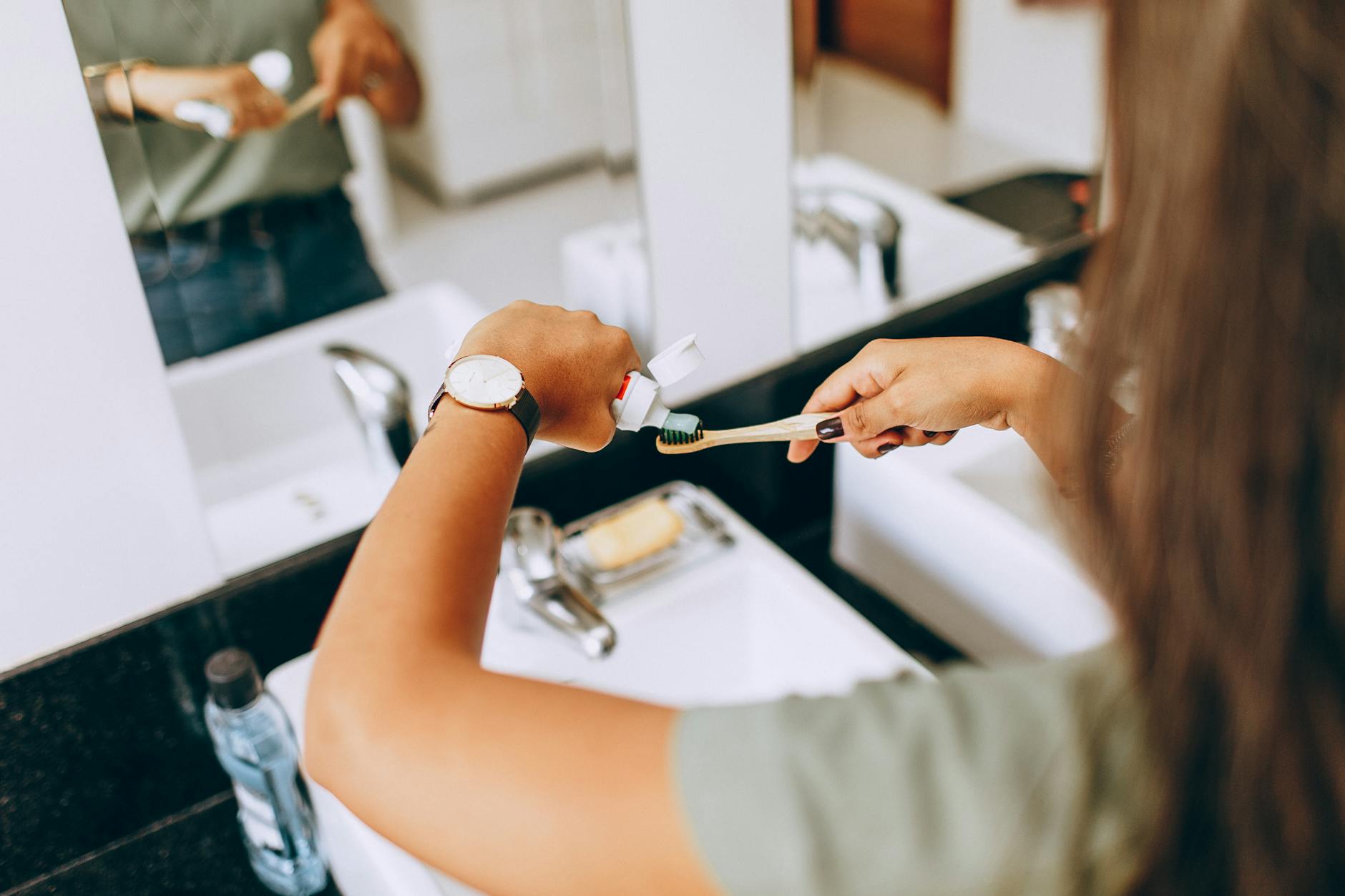
The method of extracting toothpaste from a tube by squeezing at any point along the tube’s body rather than rolling from the sealed end upward produces a misshapen depleted tube from which extracting the final third of the product requires significant lateral pressure and creative tube manipulation. The middle-squeezer does not experience this as a problem because they have developed unconscious compensatory squeezing techniques that extract adequate paste under any tube geometry. The end-roller encounters the misshapen tube as an act of minor domestic violence against both the product and the principle of systematic resource management. This habit predates moving in together but its daily visibility in a shared bathroom elevates it from personal quirk to household policy dispute within the first fortnight of joint ownership. The toothpaste tube condition at any given moment becomes a visible and recurring referendum on two incompatible worldviews about how finite shared resources should be managed.
Sheet Changing

The internal schedule by which a person determines that bed sheets have reached the threshold requiring washing operates on a highly variable timetable that partners discover differs from their own by a margin sufficient to produce genuine discomfort. The person with the longer change interval has developed a sensory normalisation to the accumulated warmth skin cells and general biological residue of several additional weeks of occupancy that a partner arriving with a shorter interval has not built up. Sharing a bed makes the longer-interval partner’s schedule the de facto household standard unless the shorter-interval partner takes unilateral responsibility for the entire bedding laundry operation. New homeowners report that the sheet-changing frequency question emerges as a matter of surprising emotional weight within the first month of cohabitation. The negotiated frequency that results from the first explicit conversation about it is rarely adhered to with perfect consistency by the partner whose natural schedule it exceeds.
Bathroom Counter Sprawl
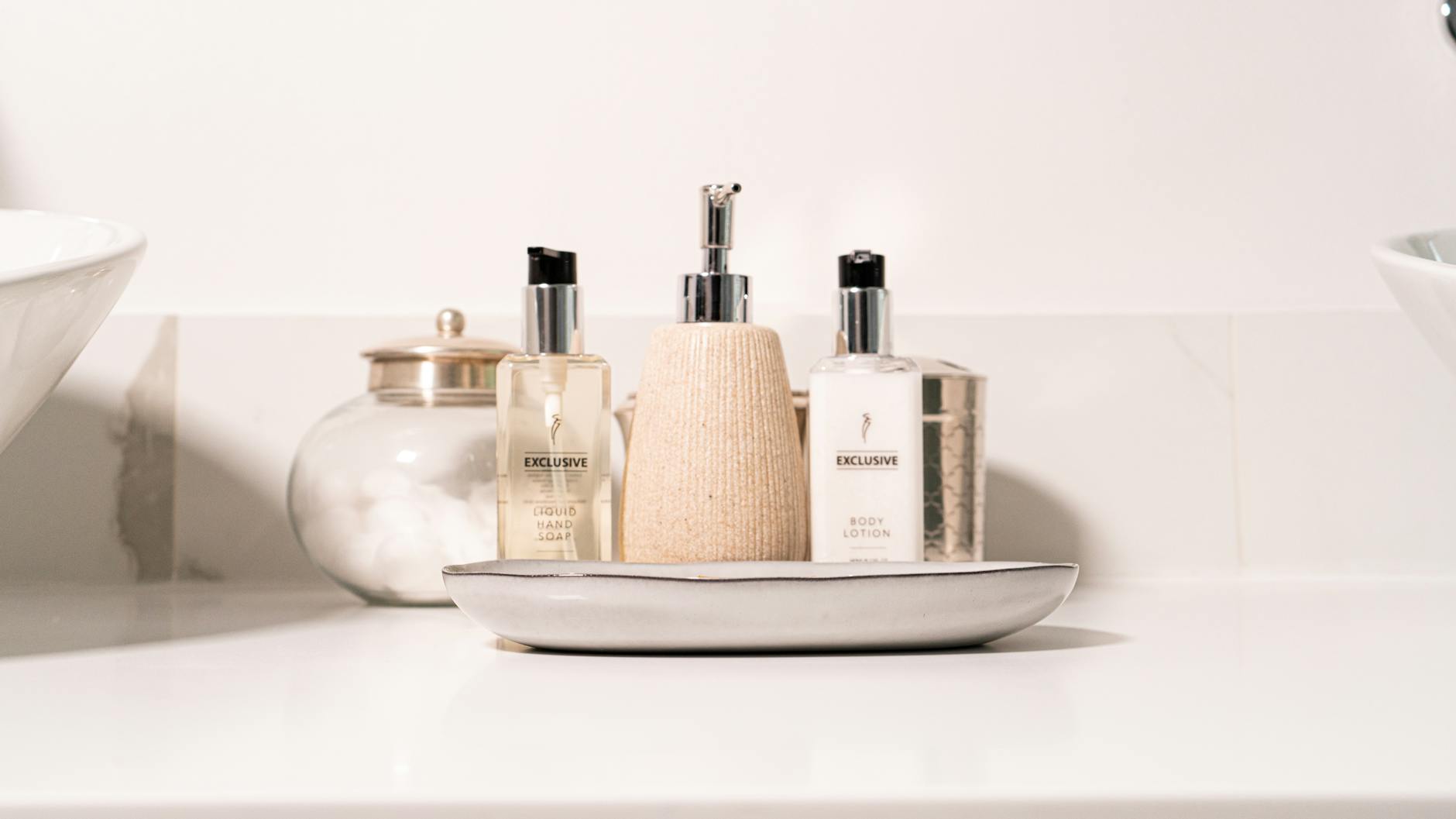
The colonisation of shared bathroom counter space by one partner’s grooming products personal care items and miscellaneous cosmetic acquisitions proceeds at a rate that the coloniser experiences as reasonable organic growth and the colonised partner experiences as a slow territorial annexation with no natural endpoint. Products are added to the counter when needed and remain there permanently as the concept of returning them to storage does not form part of the coloniser’s relationship with objects that are used on a daily or near-daily basis. The available counter surface shrinks steadily until the non-colonising partner’s single allotted zone becomes the only unclaimed territory remaining between two sinks. Moving into a jointly owned property where both parties believe themselves to be equal stakeholders in shared surfaces reveals the counter sprawl habit as one of the most consistently reported first-month discoveries. The coloniser is typically genuinely surprised by the partner’s description of the situation because from inside the sprawl it has always looked completely normal.
Toilet Roll Positioning
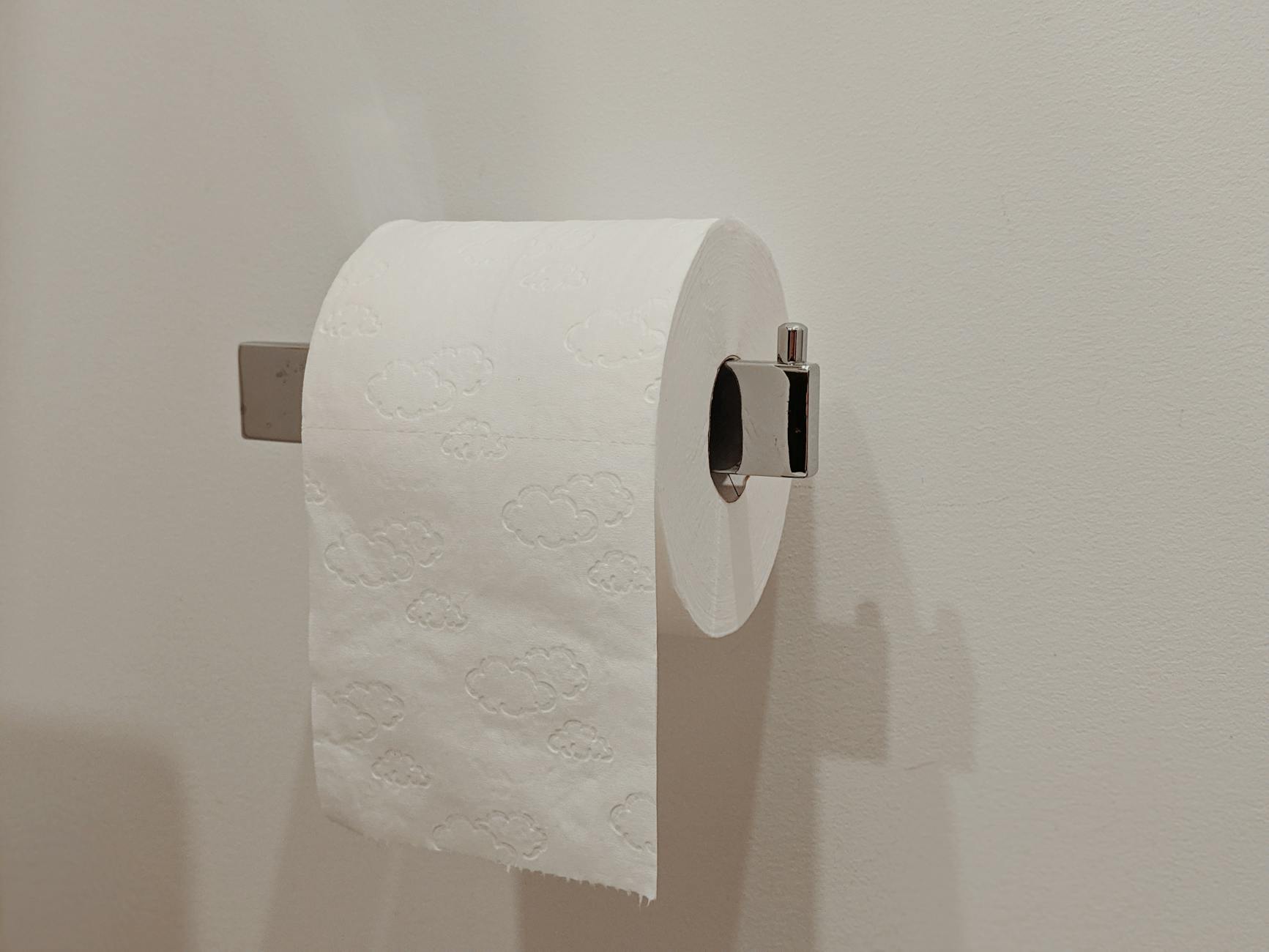
The question of whether toilet roll should feed over the top of the holder or under from beneath carries an intensity of feeling in both camps that bears no rational relationship to the practical consequences of either orientation. Partners who have not shared a bathroom long-term before buying together discover for the first time that their co-owner holds a position on this question that is not only different from their own but held with a conviction that makes compromise feel philosophically untenable. The over-feeder who encounters an under-fed roll will often quietly correct it without mentioning the intervention. The under-feeder who finds their correction reversed experiences this as a form of domestic gaslighting that reveals something essential and previously hidden about the person they now share a mortgage with. New homeowners report with some regularity that the toilet roll orientation dispute is the first genuinely entrenched disagreement they have in their new property.
Bin Liner Replacement

The failure to replace a bin liner immediately after the bin has been emptied means that subsequent waste is deposited directly into the bare bin creating a secondary cleaning obligation that the non-replacer appears not to anticipate or register as their responsibility. The non-replacer empties the bin and considers the task complete at the moment the bag leaves the kitchen which is technically accurate but operationally incomplete from the perspective of anyone who next approaches the bin with waste in hand. New liners are typically within arm’s reach of the bin which removes the logistical barrier as an explanation and leaves personal habit as the only remaining account of why the replacement step is consistently skipped. Partners who maintain a strict empty-and-reline discipline encounter the bare bin as evidence of a worldview in which completing sixty percent of a task constitutes completion of the task. This habit is harmless in solo living because the non-replacer manages the consequence of their own practice without inconveniencing anyone else.
Residue Leaving

The act of rinsing a pan or dish inadequately and leaving a film of cooking residue dried food or grease in the basin of a kitchen sink or on a rinsed plate creates a secondary cleaning task for whoever comes to the sink next that the rinser does not acknowledge as having created. The rinser’s internal standard for the word rinsed is calibrated to a significantly lower threshold of cleanliness than the partner’s standard which makes the gap between them invisible to the rinser and immediately apparent to everyone else. A rinsed plate that still carries visible food residue represents a complete rinse in one domestic framework and a failed rinse requiring immediate repetition in another. New homeowners discover this discrepancy with particular clarity because the jointly owned kitchen sink is a high-frequency shared surface where the consequences of differing standards are encountered multiple times daily. The residue-leaver is rarely acting with indifference but genuinely perceives the result of their rinsing as adequate which makes the disagreement one of incompatible standards rather than incompatible effort.
Condiment Archipelago

The accumulation of condiment jars sauce bottles and dressing containers at various stages of depletion in a refrigerator door or pantry shelf reaches a density and archaeological depth in some households that the accumulator experiences as a well-stocked and resourceful pantry. The incoming partner who attempts to locate a specific condiment navigates a collection in which numerous near-identical products at different stages of use coexist without apparent reason for their parallel existence. Multiple open jars of the same product in different states of depletion represent the accumulator’s disinclination to use the older jar to completion before opening a new one combined with their equal disinclination to discard the older jar before it is technically empty. The refrigerator door of a dedicated accumulator often contains condiments from previous residential addresses carried through multiple moves as investments in contingency that have never paid off. New homeowners who attempt a condiment consolidation exercise on their first week in the property are advised to approach the conversation about disposal with significantly more preparation than the task itself requires.
Shower Temperature Monopoly

The practice of running a shared shower to a temperature that represents the top of one partner’s comfortable range requires the other partner to either endure a setting calibrated for someone with a measurably different thermal tolerance or to re-adjust the temperature every time they enter after the first user. The partner who runs the shower hot experiences this temperature as simply correct and cannot easily conceptualise a reason why anyone would want less heat than the maximum comfortable amount. The partner who follows them into what is effectively a domestic steam environment experiences the adjustment process as a daily reminder that the shower was calibrated by someone who did not consider that it would be used by two people with different physiologies. This incompatibility is entirely invisible before cohabitation because shower use is a private solo act that leaves no observable evidence of its specific thermal history. The first week in a jointly owned property is typically when the temperature gap reveals itself with its full daily regularity.
Snack Debris

The trail of snack packaging crumbs wrappers and empty containers left in the wake of between-meal eating in sofas beds home office chairs and any other surface where snacking takes place privately represents one partner’s relationship with snacking as a mobile and ambient activity rather than a fixed table-based one. The debris producer does not experience crumbs in the sofa as a problem because their own body produced them and their sensory familiarity with the specific crumbs reduces the psychological weight of their presence to zero. The partner who encounters the crumbs in the sofa is working with no such familiarity and experiences the discovery as an encounter with someone else’s discarded biological material in a space they assumed was clean. The mobile snacking habit is almost entirely concealed during the pre-purchase relationship phase because visits involve social eating rather than private ambient snacking. Shared ownership introduces the full private snacking ecology of another person into your living space for the first time and without prior warning.
Sink Spitting
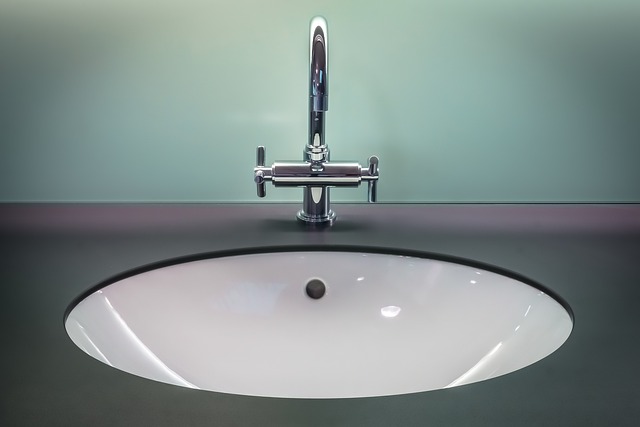
The practice of leaving toothpaste residue spittle and rinsed debris in the basin of a bathroom sink after use rather than running water across the entire basin surface to clear it before leaving produces a sink condition that the next user encounters as the unprocessed aftermath of someone else’s oral hygiene routine. The non-clearer considers the act of rinsing their mouth and brush as the completion of toothbrushing and does not extend their concept of the task to include the state of the basin itself. The partner who uses the sink after them experiences the residue as evidence that the shared bathroom surface is being treated as a single-occupancy space despite now being shared between two equal stakeholders in the property. This habit is invisible during pre-purchase dating because bathroom use during visits is private and any residue left is encountered and managed by the host alone. Moving in together means encountering the full forensic evidence of a partner’s morning routine for the first time every single day.
Volume Creep

The gradual and unconscious increase in television or music volume over the course of an evening by one partner represents that partner’s incremental compensation for the ambient background noise of their own domestic activity which they stop noticing as it accumulates. The other partner who has not been engaged in the noise-generating activity registers each incremental volume increase as a discrete upward movement and experiences the final evening volume as substantially louder than any level either of them would have chosen consciously at the start. The volume-creeper genuinely does not notice the increase because each individual increment is too small to register as a change against the continuously rising baseline they are hearing. This dynamic is entirely invisible before moving in together because the domestic activity patterns that drive the ambient noise accumulation only emerge in a shared home over shared evenings. The volume control becomes a remote control that gets picked up in silence and put down in mutual incomprehension with notable regularity in the first weeks of joint ownership.
Freezer Archaeology
The accumulation of unlabelled freezer items including unidentified protein parcels ice-crystallised mystery containers and foods frozen beyond any reasonable consumption window creates a freezer environment that the accumulator navigates using a private mental index that they never externalise or document. The partner who opens the freezer and encounters this index-free repository of unidentifiable frozen objects has no map and cannot distinguish between an item frozen last Tuesday and something that was transferred from the previous address in a cool bag two years ago. The accumulator’s resistance to disposing of unlabelled items rests on a sincere belief that they will remember what each parcel contains at the moment they choose to use it which experience does not consistently support. New homeowners who attempt a joint freezer audit in the first month of ownership encounter the freezer archaeology habit at full scale for the first time. The negotiation about what constitutes a reasonable retention period for an unlabelled frozen item turns out to be more philosophically demanding than either party expected when they were viewing the property.
Plug Hole Management

The tolerance for and management strategy regarding shower and bath plug hole hair accumulation varies between individuals on a spectrum wide enough to make the two ends of that spectrum functionally incompatible in a shared bathroom without explicit and recurring negotiation. The high-tolerance partner has calibrated their acceptance threshold to a level of accumulation that produces noticeably reduced drainage before it triggers an intervention response. The low-tolerance partner operates a removal schedule timed to a much earlier point in the accumulation cycle and encounters the high-tolerance partner’s threshold as a material that should not have been permitted to exist. The plug hole itself becomes a slow daily record of whose removal schedule is governing the shared bathroom on any given week. Moving in together introduces this incompatibility into daily life in a space that both parties now equally own and neither can retreat from without going outside.
Share your most spectacularly ill-timed domestic revelations and the habits that only revealed themselves after the ink dried in the comments.




