
The automotive repair industry operates on an almost total information asymmetry between the person holding the spanner and the person holding the invoice. Most car owners hand over their vehicle with a level of trust that would be considered extraordinary in any other financial transaction of equivalent value. The substitution of new or functional parts with inferior used or counterfeit replacements is not a theoretical risk confined to back-alley operations but a documented practice that occurs in otherwise respectable-looking workshops around the world. Knowing the signs changes the dynamic of every service interaction you will ever have and the knowledge costs nothing to acquire.
Unusual Smell

A car that returns from a service or repair smelling differently than it did when it was dropped off carries information that most owners process as background sensory noise rather than diagnostic data. A burning smell that was not present before a brake job suggests that incorrect or inferior pad material is heating beyond its designed operating range during normal driving. A new chemical smell after an oil change can indicate that a cheap or incorrect viscosity oil has been used rather than the manufacturer-specified grade. Rubber and plastic odours that emerge after suspension or steering work suggest that components are under stress or misaligned in ways that correctly fitted quality parts would not produce. The nose is one of the most reliable early warning instruments available to a car owner and its evidence is worth taking seriously before it becomes something visible.
Fresh Grease Patterns
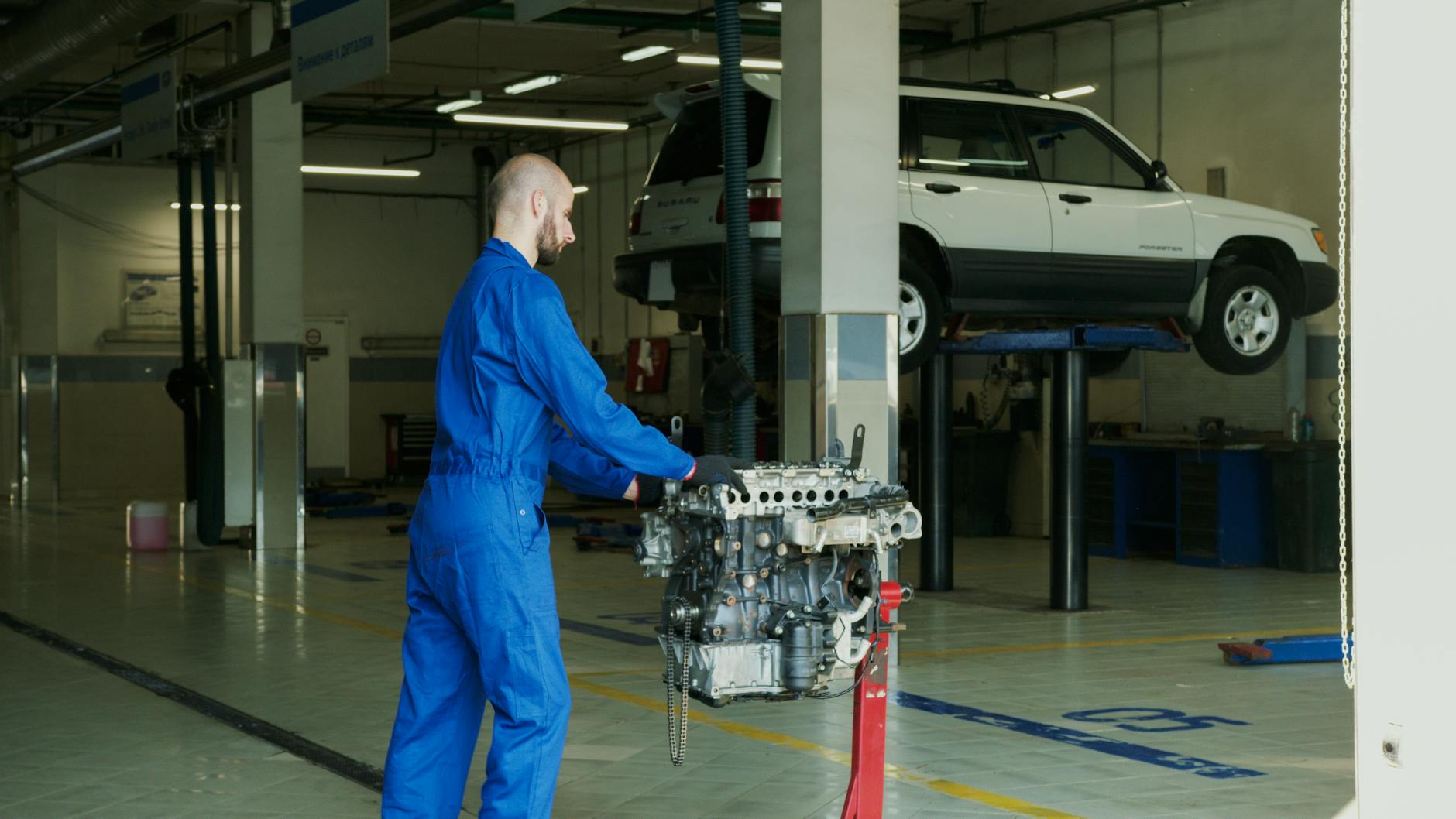
Legitimate repair work produces specific and localised grease marks tool impressions and disturbed surface grime in exactly the areas where the documented work was performed and nowhere else. A car returned after a wheel bearing replacement should show evidence of work around the hub assembly and nowhere near the engine bay unless additional work was authorised. Fresh grease or fingerprints in areas unrelated to the stated repair suggest that components were accessed without disclosure which is the physical prerequisite for unauthorised substitution. Photographing the undercarriage and engine bay in detail before dropping a car off creates a reference record that can be compared directly to the car’s condition on collection. The comparison takes minutes and produces evidence that is difficult to argue against in any subsequent dispute about what was and was not touched during the service visit.
Paint Transfer

New components including brake callipers suspension arms and exhaust components arrive from reputable manufacturers with a specific factory finish that differs visibly from the worn painted or corroded surface of an old part. A brake calliper that was supposedly replaced with a new unit but shows paint that is scratched worn and consistent with years of heat and road exposure is not a new part regardless of what the invoice states. Factory paint on new metal components has a uniform colour density and surface quality that used parts cannot replicate even after cleaning. Checking the visual condition of any replaced component against what a new equivalent should look like requires only a photograph of the new part from any online retailer for comparison purposes. The paint condition tells a clear story about the age and service history of a component that verbal reassurance from the workshop cannot override.
Invoice Vagueness
An itemised invoice that describes replaced parts in general categorical terms rather than by specific part number manufacturer name and unit cost is withholding information that a legitimate repair operation has no reason to conceal. Descriptions such as brake components suspension parts or filter replaced without accompanying part numbers make it impossible to verify whether the specified part was actually used or whether a cheaper substitute was installed in its place. Reputable workshops provide part numbers as standard because they source parts from traceable suppliers and have no reason to obscure the origin of what they install. Requesting a full parts breakdown before authorising any work establishes the expectation of transparency before the vehicle changes hands. An invoice that cannot be cross-referenced against a specific purchasable part is an invoice that cannot be verified and that absence of verifiability is itself meaningful information.
Tyre Tread Discrepancy
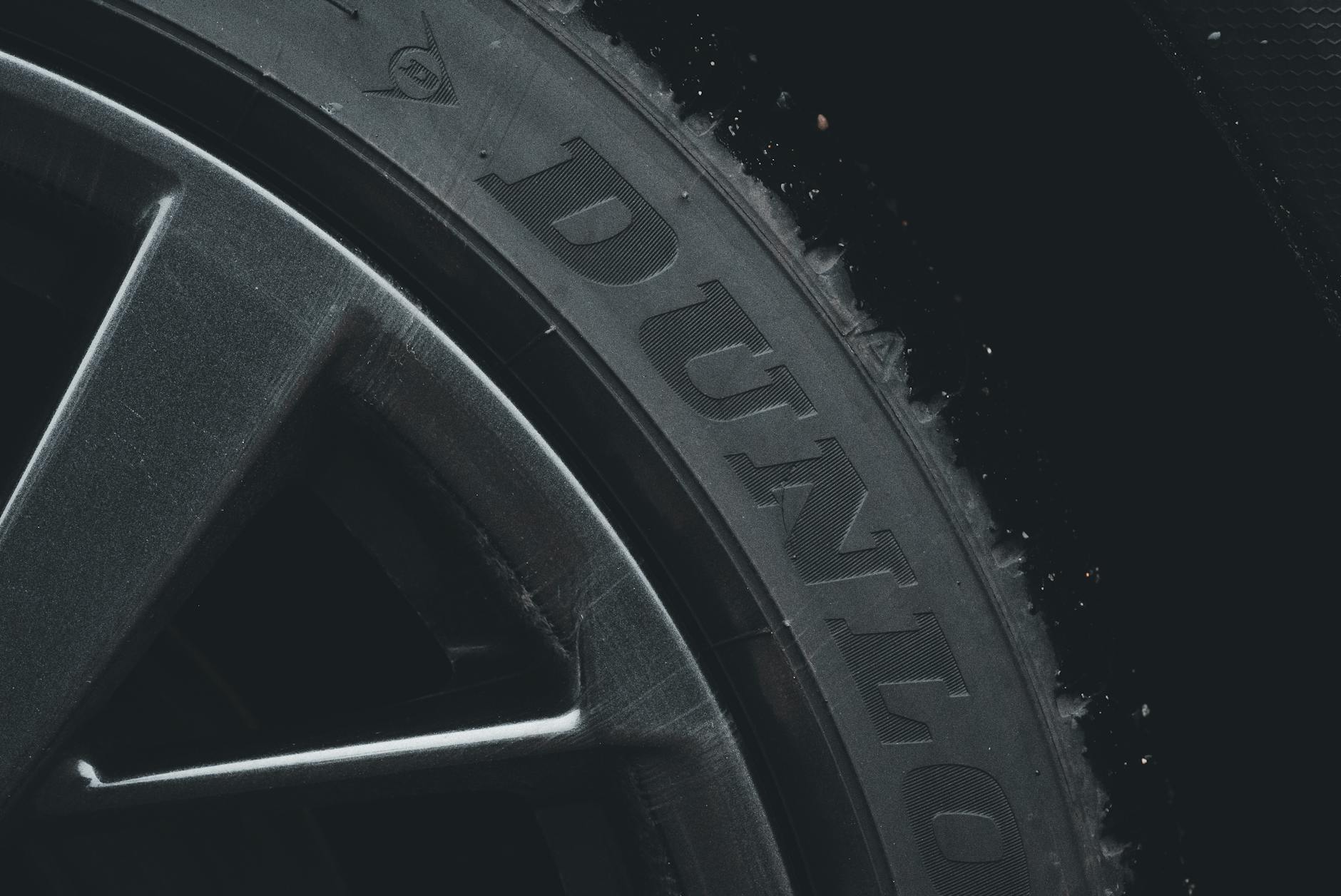
A vehicle booked in for tyre replacement that returns with tyres showing a tread depth inconsistent with new rubber is carrying evidence that the tyres installed are not new regardless of what was charged. New tyres from any mainstream manufacturer arrive with a tread depth of between seven and eight millimetres and this can be verified with an inexpensive tread depth gauge available from any motor factors outlet. Part-worn tyres installed in place of new ones represent a safety risk in addition to a financial one because their structural integrity unknown service history and potential internal damage cannot be assessed from tread depth alone. The date codes moulded into the tyre sidewall indicate the week and year of manufacture and any tyre with a date code more than a few months old cannot credibly be described as new stock. Checking tread depth and date codes on collection takes under two minutes per tyre and produces definitive evidence of whether what was charged for was what was installed.
Mismatched Components
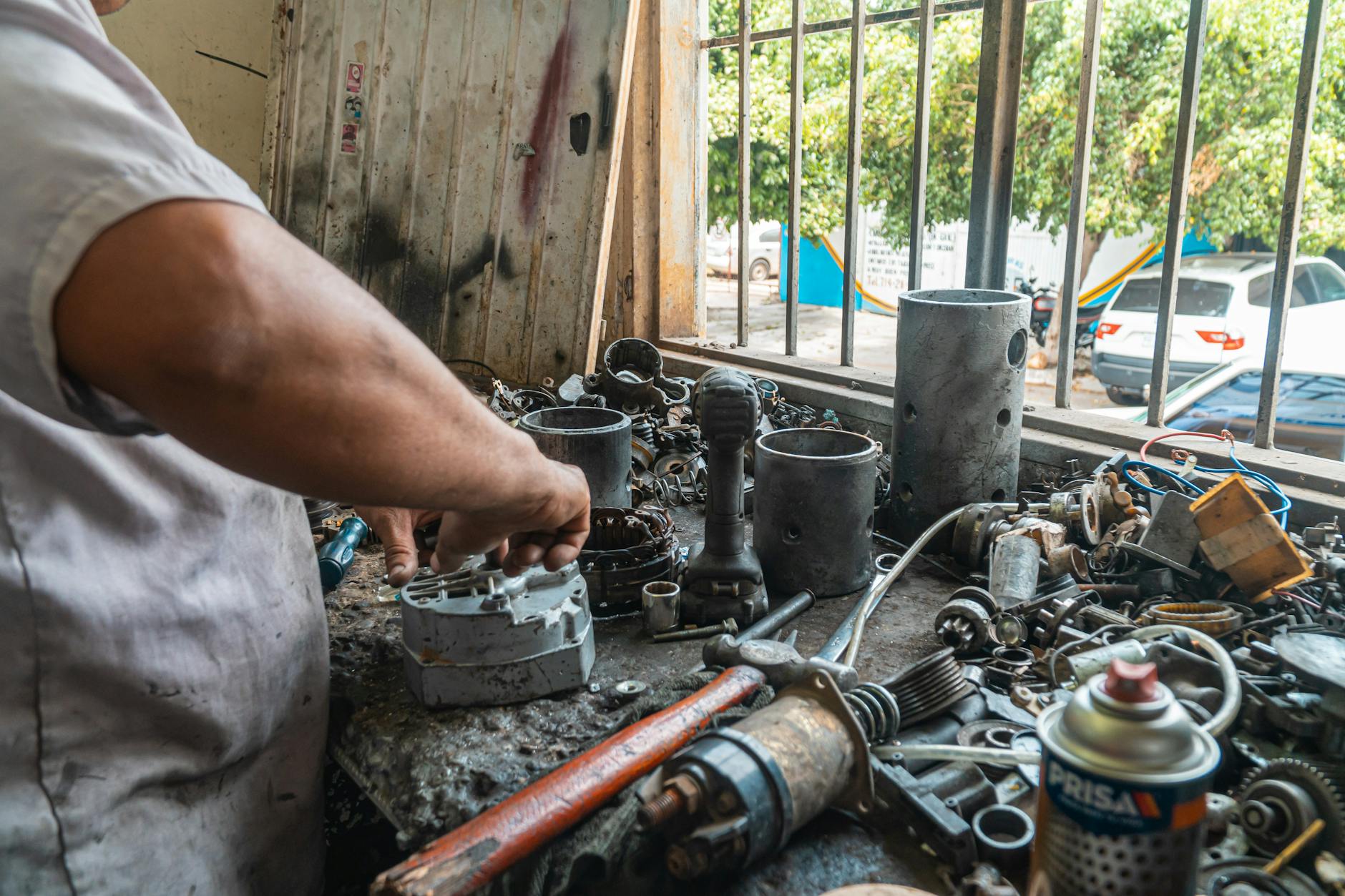
A vehicle that returns from repair with components that do not match each other visually or by specification when they should be identical reveals that at least one of the components is not what it is claimed to be. Brake pads on a single axle should be from the same manufacturer batch and show the same colour material composition and wear indicator position on both sides of the vehicle. Shock absorbers replaced in pairs should bear matching manufacturer markings part numbers and visual specifications when inspected side by side. A mismatch in component appearance across an axle or paired fitting position indicates that one part may be new and the other may be a reused original or a substitute of different specification. Checking for visual symmetry in replaced components requires no technical knowledge and produces immediate evidence of inconsistency that warrants direct questioning of the workshop before payment is made.
Premature Wear

Components that were described as new at the point of replacement but begin showing signs of performance degradation within a fraction of the service life that new parts from reputable manufacturers reliably deliver are communicating their actual origin through their behaviour. New brake pads from a quality manufacturer should deliver between thirty thousand and seventy thousand kilometres of service life under normal driving conditions depending on the vehicle and driving style. Pads that begin squealing vibrating or showing visible wear after ten thousand kilometres or fewer were not new at the time of installation or were of a quality grade so inferior as to be effectively unsafe. Keeping a simple written record of the mileage at which each component was replaced creates a reference point that makes premature wear immediately identifiable rather than something that gets rationalised as normal deterioration. The record does not need to be detailed and a note in a phone or glove box is sufficient to establish the evidence baseline.
Old Packaging Claims
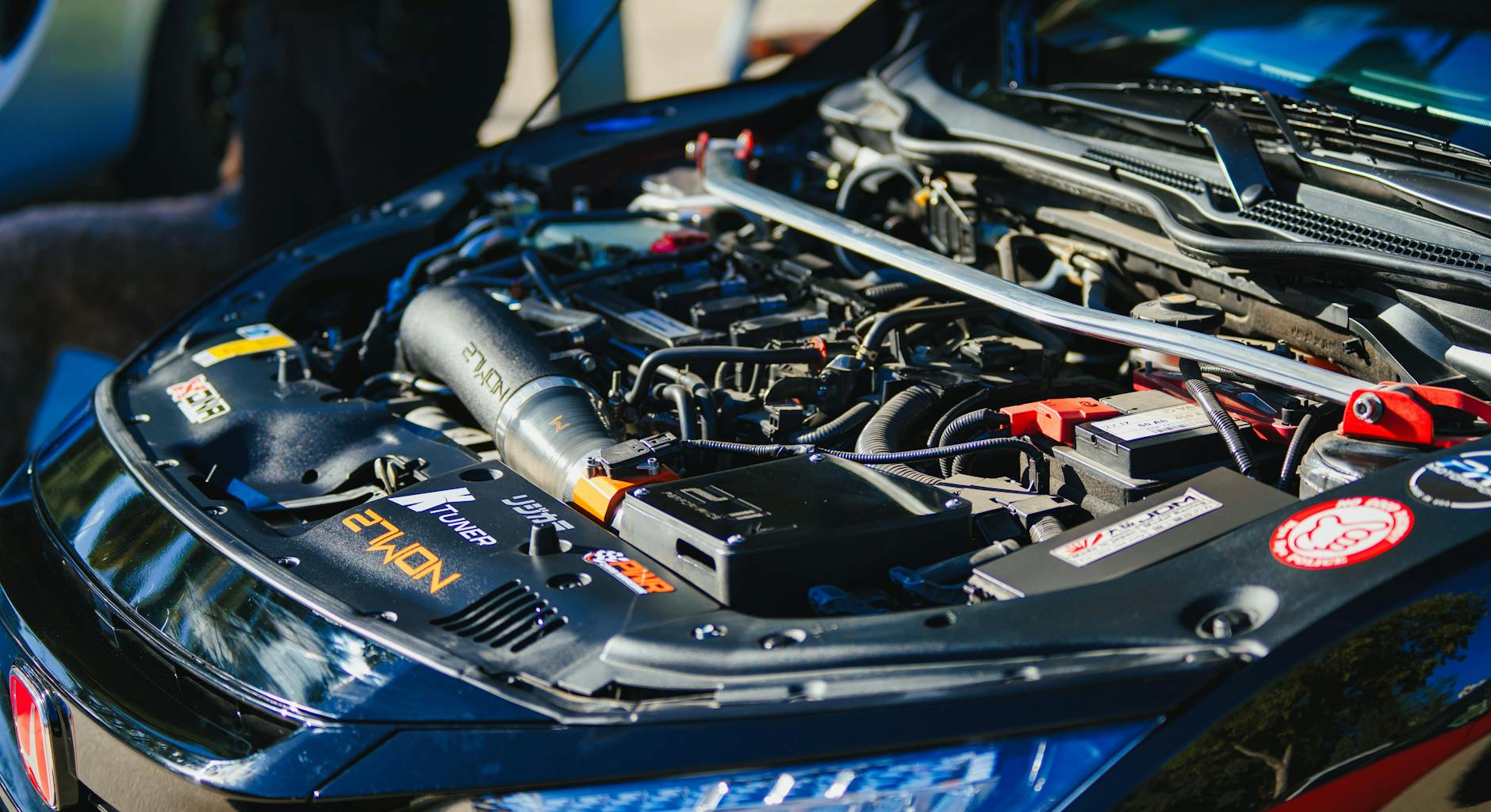
A workshop that produces empty packaging from a named manufacturer as evidence that a specific part was used is producing evidence that is entirely disconnected from the actual installation event and that can be sourced separately from the part it supposedly contained. Empty boxes can be retained from previous legitimate jobs and presented alongside a substitute installation with very little risk of challenge from an owner who does not know to question the practice. The packaging should match the part in every specific including part number country of manufacture and any production codes that appear on both the box and the component itself. Cross-referencing the code on the installed component with the code on the presented packaging is a check that takes thirty seconds and immediately reveals any mismatch. Owners who perform this check routinely report that workshops are aware they are dealing with an informed customer which itself influences the quality of the work that follows.
Fluid Colour Issues
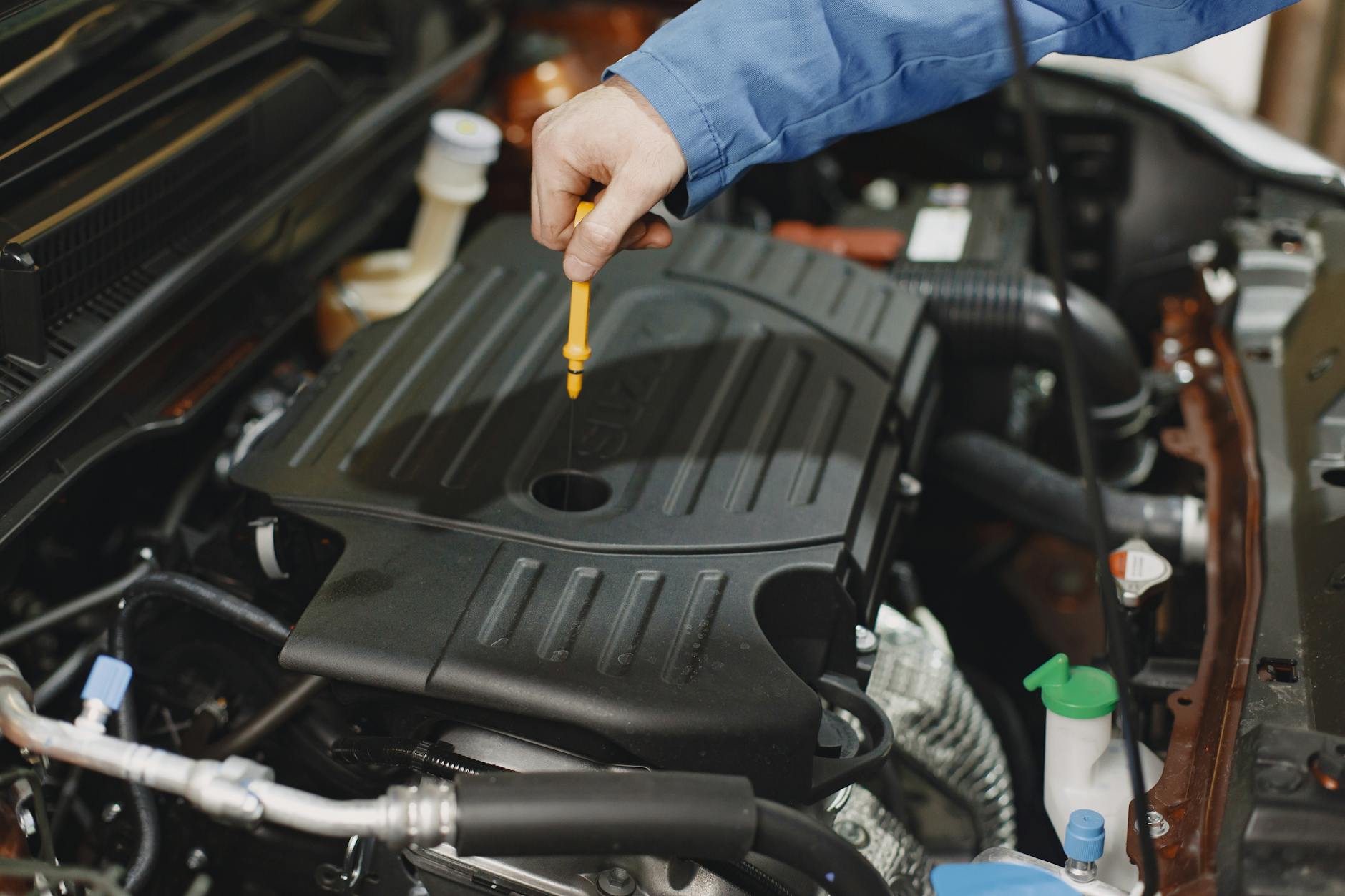
Engine oil transmission fluid brake fluid and coolant each have a specific colour and viscosity profile when new that degrades in a predictable and documented way through service use. An oil change performed with the correct specified oil produces oil that appears a clean amber or light brown colour on the dipstick immediately after the service and does not show the dark or opaque appearance of significantly used oil until many thousands of kilometres of driving have elapsed. Pulling the dipstick or checking a fluid reservoir within hours of a workshop visit and finding fluid that appears aged discoloured or contaminated is direct physical evidence that a fresh fluid change either did not occur or used already-degraded product. Coolant should appear clean and brightly coloured in the reservoir after a system flush rather than murky brown or rust-tinged. Photographing fluid condition on collection and again after a short drive creates a record that is difficult to explain away if the colour profile is inconsistent with fresh product.
Retained Original Parts
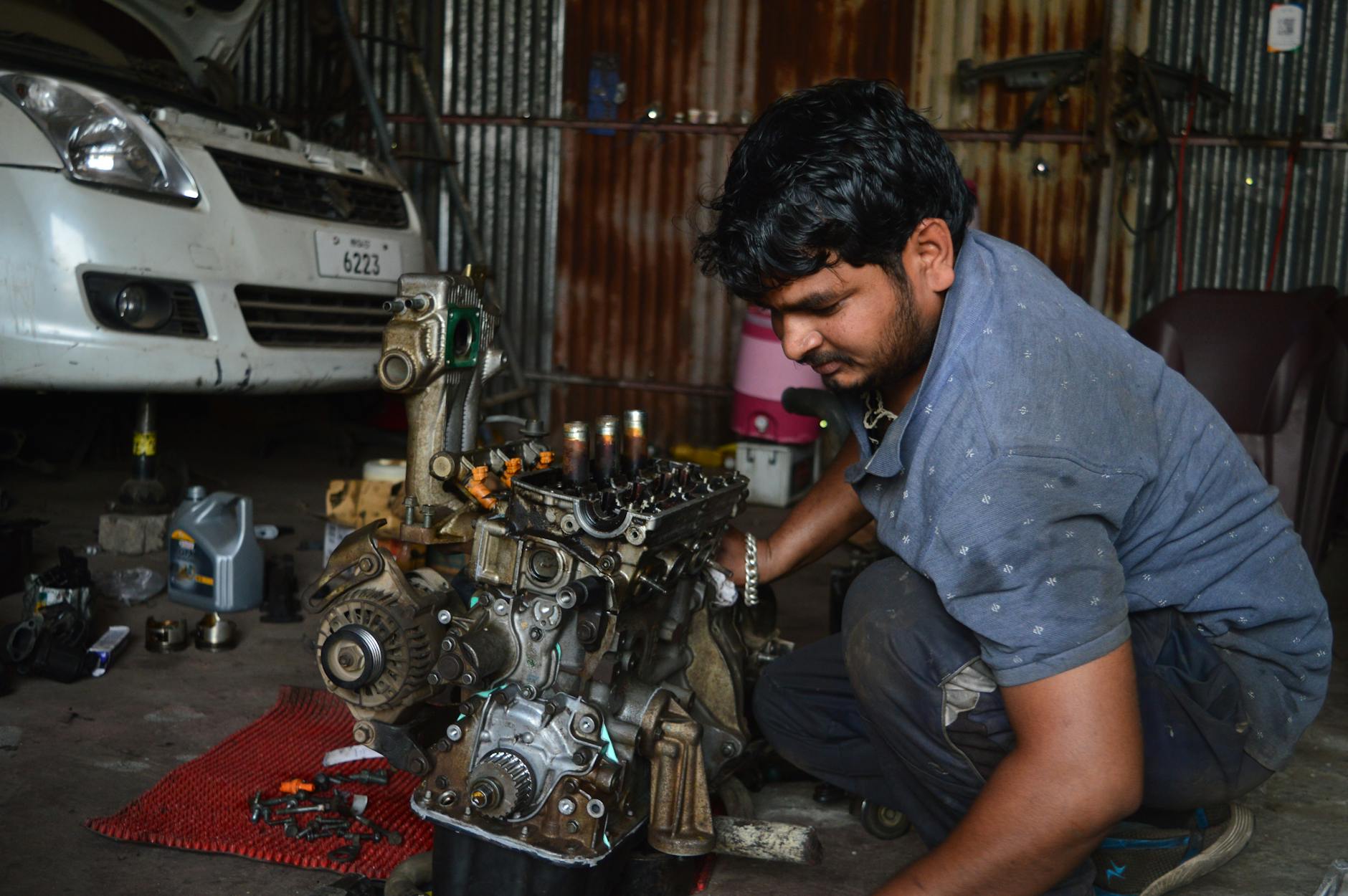
A workshop that replaces a component but cannot or will not return the original part when asked has removed the primary evidence that would confirm whether a replacement was necessary and what was actually installed in its place. Reputable workshops routinely offer to return removed parts and many make this offer without prompting as a standard demonstration of transparency in their work process. A workshop that declines to return an original part citing disposal policy contamination concerns or administrative difficulty is citing reasons that do not withstand scrutiny for components that were in the vehicle at drop-off. Requesting the return of all replaced parts at the time of booking creates a documented expectation that shapes the entire interaction before any work begins. The presence of the original part on collection also allows independent assessment of whether the replacement was genuinely necessary based on the actual condition of what was removed.
Diagnostic Overlap
A workshop that reports multiple simultaneous failures across unrelated vehicle systems following a single-issue booking is statistically worthy of independent verification before authorising the additional work. Genuine mechanical failures do cluster in aged or high-mileage vehicles but an alternator fault a wheel bearing failure and a coolant leak presenting simultaneously in a vehicle that drove in under its own power for a minor service warrants a second opinion. The pressure applied during the presentation of multiple urgent findings creates a decision environment in which owners often authorise work they would not sanction if given time to reflect and research. Requesting a written list of all identified issues and taking the vehicle to a second independent workshop for a verification inspection before committing to major additional work is a standard practice among experienced vehicle owners. The second inspection either confirms the findings and provides confidence or reveals discrepancies that are themselves diagnostic of the first workshop’s practices.
Torque Inconsistencies
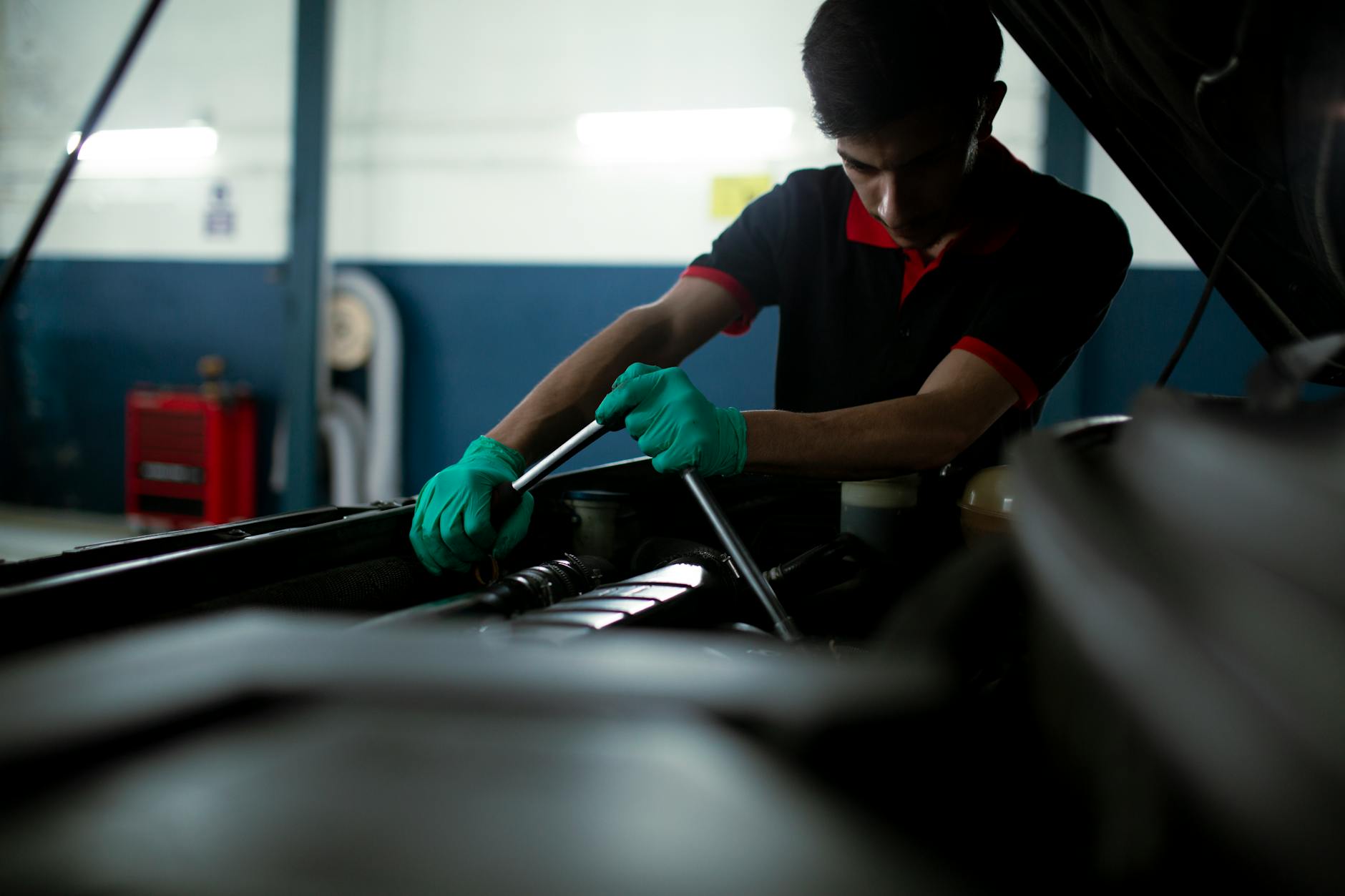
Wheel nuts and bolts that have been correctly reinstalled after tyre or brake work should be tightened to the manufacturer-specified torque setting using a calibrated torque wrench and should show no signs of either under or over-tightening when checked. Wheel nuts tightened by hand or with an uncalibrated impact gun without a final torque check are a direct safety risk and their condition after collection can be checked with a simple torque wrench by any owner or at any independent tyre shop. Over-tightened wheel nuts that require extraordinary force to remove during the next tyre change indicate that power tools were used without a torque check which is standard bad practice at cost-cutting operations. Under-tightened fasteners identified by movement or audible feedback when a torque wrench is applied to them indicate that the reinstallation was completed without proper verification. Checking wheel nut torque after any service involving wheel removal is a two-minute safety verification that every owner can perform regardless of their broader mechanical knowledge.
Labour Time Mismatch
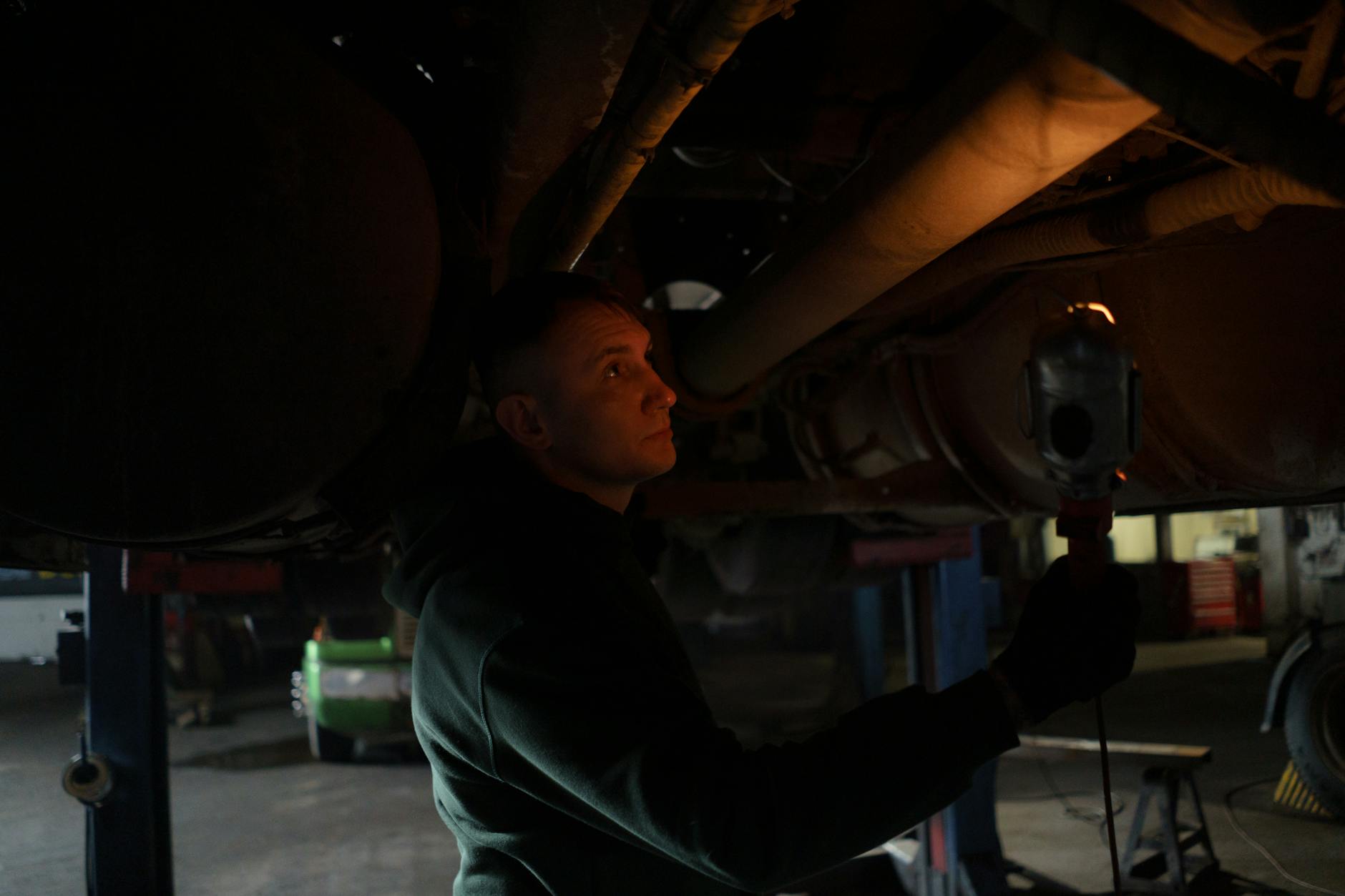
An invoice billing for a quantity of labour hours that exceeds the industry-standard time allocation for the documented work by a significant margin is charging for time that was not spent on the vehicle or is accounting for complications that should have been communicated and authorised during the job. Published labour time guides provide specific hour allocations for every standard repair procedure on every mainstream vehicle and these figures are available to any owner through online databases or direct enquiry. A brake pad replacement billed at three hours on a vehicle for which the standard allocation is forty-five minutes is not a clerical error but a systematic overcharge that should be challenged with reference to the published standard. Reviewing the labour charges on an invoice against the published standard times before making payment is straightforward and produces either confirmation that the billing is correct or clear evidence that it is not. Workshops that know their customers check labour times against published standards apply those standards accurately as a default.
Suspicious Timing
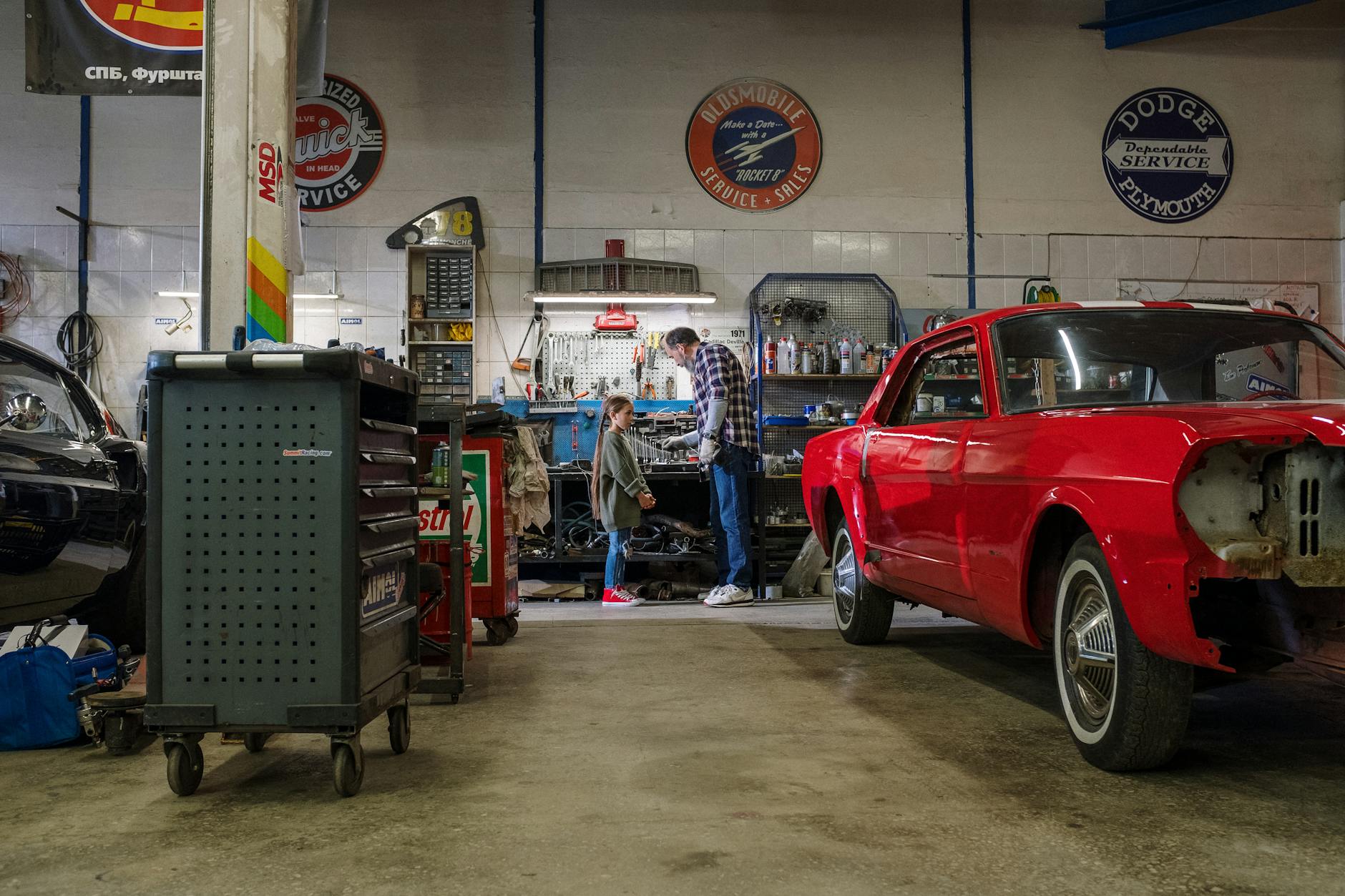
A fault that develops in a system or component that was not the subject of the current service visit but was accessed or adjacent to the area of work creates a specific category of suspicion that warrants direct and specific questioning of the workshop before additional repair costs are authorised. A power window that stops working after a door panel was removed for speaker installation was functioning when the vehicle was dropped off and its failure is directly connected in time and location to the workshop’s access. A new oil leak that appears below the engine immediately after an oil change relates directly to the service that was just performed and should not be attributed to coincidence without evidence. Documenting the operating condition of every vehicle system before dropping the car off by testing each function and noting any pre-existing issues creates a clear before-and-after record. Any new fault that appears within the system or proximity zone of the completed work should be returned to the workshop as a warranty issue rather than accepted as an unrelated coincidence.
Abnormal Sounds Post-Service
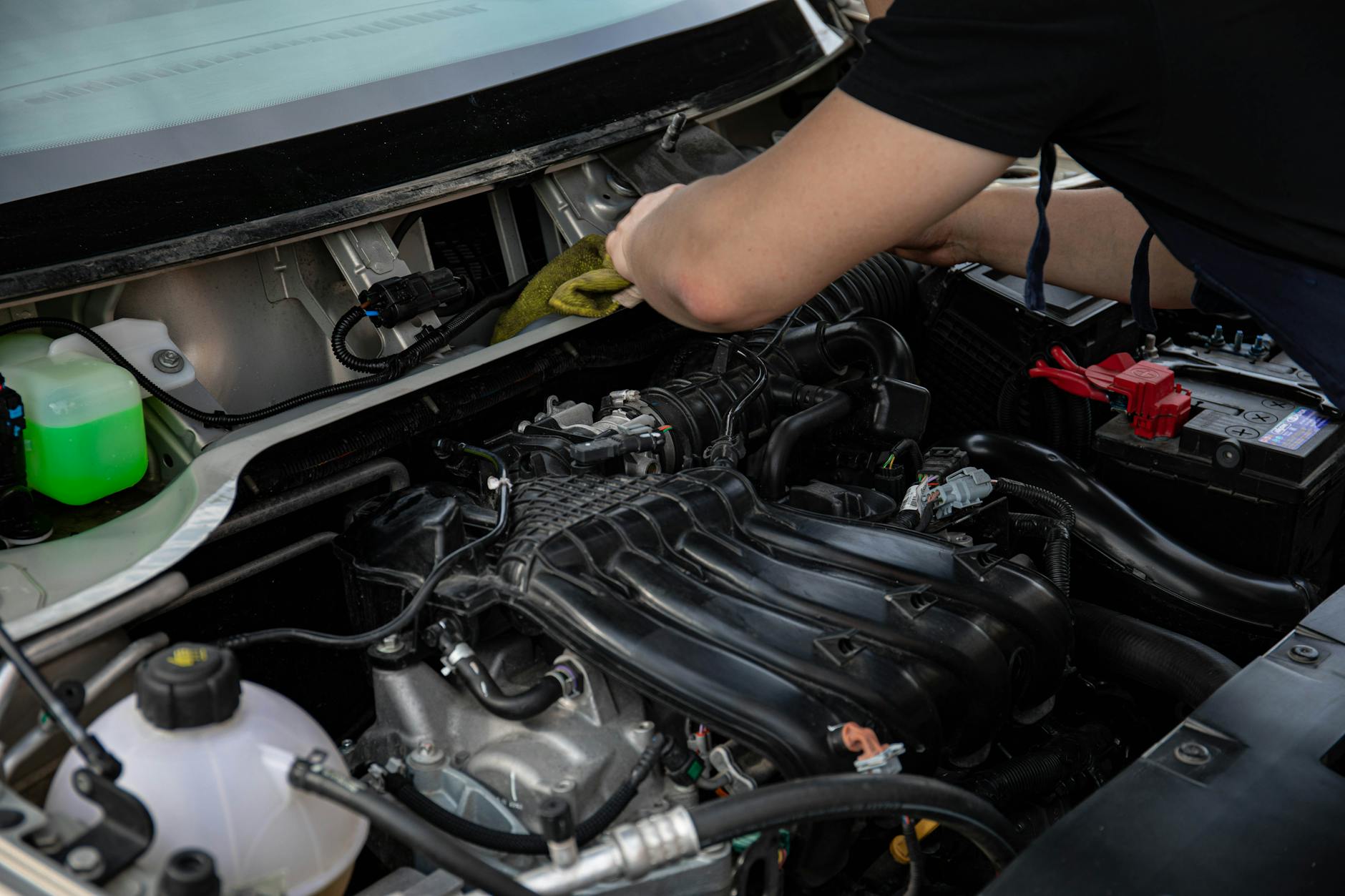
A vehicle that develops a new and previously absent sound after a repair or service has returned with a mechanical story that the workshop has left unresolved or created through inadequate reassembly. A knocking sound from the suspension after a bush replacement indicates that the new component is loose incorrectly seated or of insufficient quality to perform its function under normal road loads. A new whine from the gearbox after a transmission fluid change can indicate that incorrect fluid specification was used which immediately begins degrading the internal components it was supposed to protect. Scraping or grinding from brakes after a pad replacement suggests that the pads were installed without cleaning the calliper slides or that a component was reassembled without the anti-squeal shim that prevents metal-to-metal resonance. Returning a vehicle to the workshop within hours of collection while sounds are fresh and reproducible puts the responsibility for explaining and resolving them squarely on the operation that last had access to the relevant system.
Batch Number Absence

Genuine manufacturer parts carry batch production numbers quality certification marks and country of manufacture information in formats that are specific to each manufacturer and that counterfeit or grey-market parts frequently omit or reproduce inaccurately. A brake component bearing a well-known manufacturer’s logo but lacking the batch number format specific to that manufacturer’s genuine product is a reproduction rather than an original regardless of how convincingly the logo is presented. Learning to identify the specific marking format of the parts that are standard fitment for a particular vehicle requires only a brief online search using the vehicle’s parts database and the manufacturer’s own documentation. Counterfeit parts enter the supply chain through grey-market distributors and are often physically indistinguishable from genuine items without close inspection of their identification markings. Workshops sourcing from verified distributors can provide purchase documentation that traces any installed part to a legitimate supply chain and the inability to provide that documentation is itself informative.
Alignment After Steering Work

A vehicle that pulls to one side or requires the steering wheel to be held off-centre to maintain a straight line after suspension or steering component replacement has either had the geometry disturbed during the repair or had a component installed that is not to the correct specification for that vehicle. Steering and suspension work that disturbs the geometry of the front axle requires a wheel alignment check and adjustment as a mandatory final step that represents both a safety requirement and a quality assurance measure. Billing for suspension work without including or recommending a post-work alignment check indicates either a cost-cutting approach to the job or an expectation that the vehicle will return with a complaint that generates a secondary billing opportunity. A car that drives straight and requires no steering correction immediately after collection confirms that the alignment step was either performed correctly or was unnecessary for the specific work completed. Vehicles that begin pulling within the first hundred kilometres after suspension or steering work should be returned immediately as the behaviour is directly attributable to the most recent intervention.
Warranty Deflection
A workshop that is reluctant to provide written warranty terms for parts and labour on completed work is declining to make a commitment that every reputable operation should make as a standard condition of doing business. Verbal assurances of standing behind the work are not enforceable and are worth nothing in any subsequent dispute about part failure or workmanship quality. Written warranty documentation specifying the covered components the duration of coverage and the remedy available in the event of failure is standard practice in legitimate automotive repair and its absence is not an administrative oversight. Counterfeit and grey-market parts cannot be warranted by the workshop because they were not purchased through legitimate supply channels that would honour a warranty claim. The refusal or evasion of a written warranty request is among the clearest available signals that the components installed are not what they were represented to be on the invoice.
Excessive Upselling
A workshop that consistently identifies additional work requirements at the point of collection when the owner is present and emotionally invested in retrieving their vehicle is exploiting a decision environment specifically designed to reduce scrutiny and accelerate authorisation. The discovery of urgent additional work at the moment of payment is a structural feature of the upselling model rather than a coincidental pattern of vehicle faults presenting at convenient moments. Genuine additional findings should be communicated during the job with photographs documentation and time given for the owner to consider the recommendation and seek a second opinion if desired. A policy of authorising only the originally booked work on collection and requesting a written summary of any additional recommendations to review before a return visit removes the time pressure that the upselling environment depends on. Owners who consistently apply this policy report a dramatic reduction in the frequency with which urgent additional work is identified at the collection point.
Part Weight Difference
A replaced component that feels noticeably lighter than the original when handled directly is communicating information about its material composition that its manufacturer branding and packaging cannot override. Quality automotive parts are engineered to specific weight tolerances because their mass relates directly to their structural performance thermal characteristics and service life under operating conditions. A brake calliper an alternator or a suspension component that is conspicuously lighter than its predecessor when held in the hand has achieved that weight reduction through material substitution that typically involves replacing iron or quality steel with alloy compositions of inferior strength. Asking to handle both the removed original and the new replacement before installation is authorised provides a direct physical comparison that requires no technical knowledge to interpret. The weight difference between a genuine quality part and a counterfeit or inferior substitute is often immediately apparent to anyone who picks them up in sequence.
Coolant Cap Evidence

The condition of the coolant reservoir cap and the area around the coolant filler neck after a cooling system service provides direct evidence of whether the system was opened and serviced or whether the work was billed without being performed. A coolant flush that was actually completed leaves the filler neck area clean the cap seal free of old crusty residue and the reservoir containing fresh brightly coloured coolant at the correct level. A filler cap that shows the same accumulated mineral deposits and dried coolant residue after a flush as it did before indicates that the system was not opened during the service period. The underside of the coolant cap in a system that has been running on aged coolant accumulates a specific pattern of white crystalline deposits that disappears entirely when the system is properly flushed and refilled with new product. Checking the cap condition and reservoir colour immediately on collection takes under thirty seconds and provides immediate verification of one of the most commonly billed but inadequately performed cooling system services.
Sensor Substitution
Electronic sensors including oxygen sensors mass airflow sensors and crankshaft position sensors are small relatively inexpensive items that produce significant diagnostic codes when they fail and that are easily substituted with used or counterfeit units that may temporarily clear a fault code without providing the performance and longevity of a new genuine part. A workshop that replaces a sensor to resolve a diagnostic warning light but uses a unit pulled from a salvage vehicle can clear the immediate symptom while billing for a new part at full price. New sensors should carry manufacturer markings consistent with their specification and should not show signs of connector wear heat discolouration or physical contact marks that indicate previous installation. The diagnostic code that prompted the sensor replacement should remain absent for a period consistent with the service life of the replacement used which for a used sensor will typically be considerably shorter than for a new genuine equivalent. Returning a vehicle where the original fault code reappears within weeks of a sensor replacement and requesting that the replacement be sourced from a verifiable new parts supplier is a reasonable and documentable response to the situation.
Exhaust Patch Evidence

An exhaust system repair billed as a section replacement but performed as a weld patch or temporary seal uses labour and materials that cost a fraction of the billed replacement while delivering a result that will fail significantly sooner than the new section it was charged as. A section-replaced exhaust joint should show clean new metal at the point of replacement with weld seams consistent with factory or professional fabrication rather than the irregular discoloured bead of a field repair weld applied over an existing pipe. The sound profile of a patched exhaust often differs subtly from a properly replaced section and changes character as the patch ages and the repair degrades under thermal cycling. Requesting that any exhaust work be performed with the vehicle on a lift and asking to view the completed repair before the vehicle is lowered allows direct visual inspection of whether the work matches what was authorised. A new exhaust section should look new and a workshop that has performed the work as charged should have no objection to demonstrating the result before collection is completed.
Fluid Level Deception

A workshop that tops fluid levels to the correct mark on the dipstick or reservoir sight glass without performing the full drain-and-refill service that was authorised and billed produces a vehicle that appears to have received the service while retaining the aged and degraded fluid that the service was intended to remove. Engine oil that has been topped rather than changed contains the accumulated combustion byproducts metal particles and oxidation products of the previous service interval mixed into fresh oil added only to reach the correct level mark. The colour and viscosity of topped oil on a dipstick differs from the colour of freshly changed oil in a way that is immediately visible in good light when the dipstick is drawn and held against a white surface. Drain plug condition on the engine sump should show fresh tool marks and the absence of dried old oil residue around the plug threads if a drain-and-refill was actually performed. Checking both dipstick colour and drain plug condition within an hour of collection provides evidence that cannot be explained away by settling time or short driving distance.
Panel Gap Changes

A vehicle returned from bodywork or mechanical repair with panel gaps that do not match the factory specification around doors bonnets or boot lids has had its structure disturbed in a way that was either not present before the visit or that has been inadequately corrected during the repair process. Factory panel gaps on modern vehicles are engineered to tolerances of millimetres and their consistency around the perimeter of each panel is a direct indicator of whether the surrounding structure is correctly aligned. A bonnet that sits noticeably higher on one side after engine bay work indicates that the bonnet hinges or slam panel were disturbed and not correctly realigned during reassembly. Photographing panel gaps on all four corners of each major panel before a workshop visit creates a reference that makes post-visit changes immediately documentable. A workshop that returns a vehicle with measurably different panel gaps from those present at drop-off has an obligation to explain and correct the discrepancy before payment is finalised.
Share your most revealing workshop experiences and the warning signs that saved you money in the comments.




