
Every online purchase leaves a data trail that extends far beyond the transaction itself and into a surveillance infrastructure most consumers never think about until the consequences arrive uninvited. The delivery address the payment method the search history that preceded the purchase and the behavioural profile assembled from your browsing patterns combine to create a portrait of your life that is bought sold and analysed by parties you will never meet and never agreed to share your information with. Some categories of purchase create data exposures that are qualitatively different from the routine commercial tracking that accompanies most online shopping and those categories deserve specific and deliberate consideration before the checkout button is pressed.
Fertility Products

Purchases of ovulation tests fertility supplements pregnancy tests and conception tracking devices create a data profile that insurance companies employers and data brokers have documented commercial interest in acquiring and that once created cannot be reliably deleted from the commercial data ecosystem it enters. The data generated by fertility product purchases combines with location data browsing history and demographic information to produce inferences about reproductive intent that are sold to advertisers before the products have been delivered. In jurisdictions where reproductive rights are legally contested the purchase history of fertility and pregnancy-related products has been identified by legal researchers as a potential source of evidence in enforcement contexts that purchasers did not anticipate at the time of buying. Purchasing these items with cash at a physical retailer eliminates the data trail at source rather than relying on the privacy policies of online retailers whose terms permit the sharing of purchase data with third-party partners. The sensitivity of this category has increased materially in recent years and the commercial appetite for the data it generates has grown correspondingly.
Genetic Test Kits
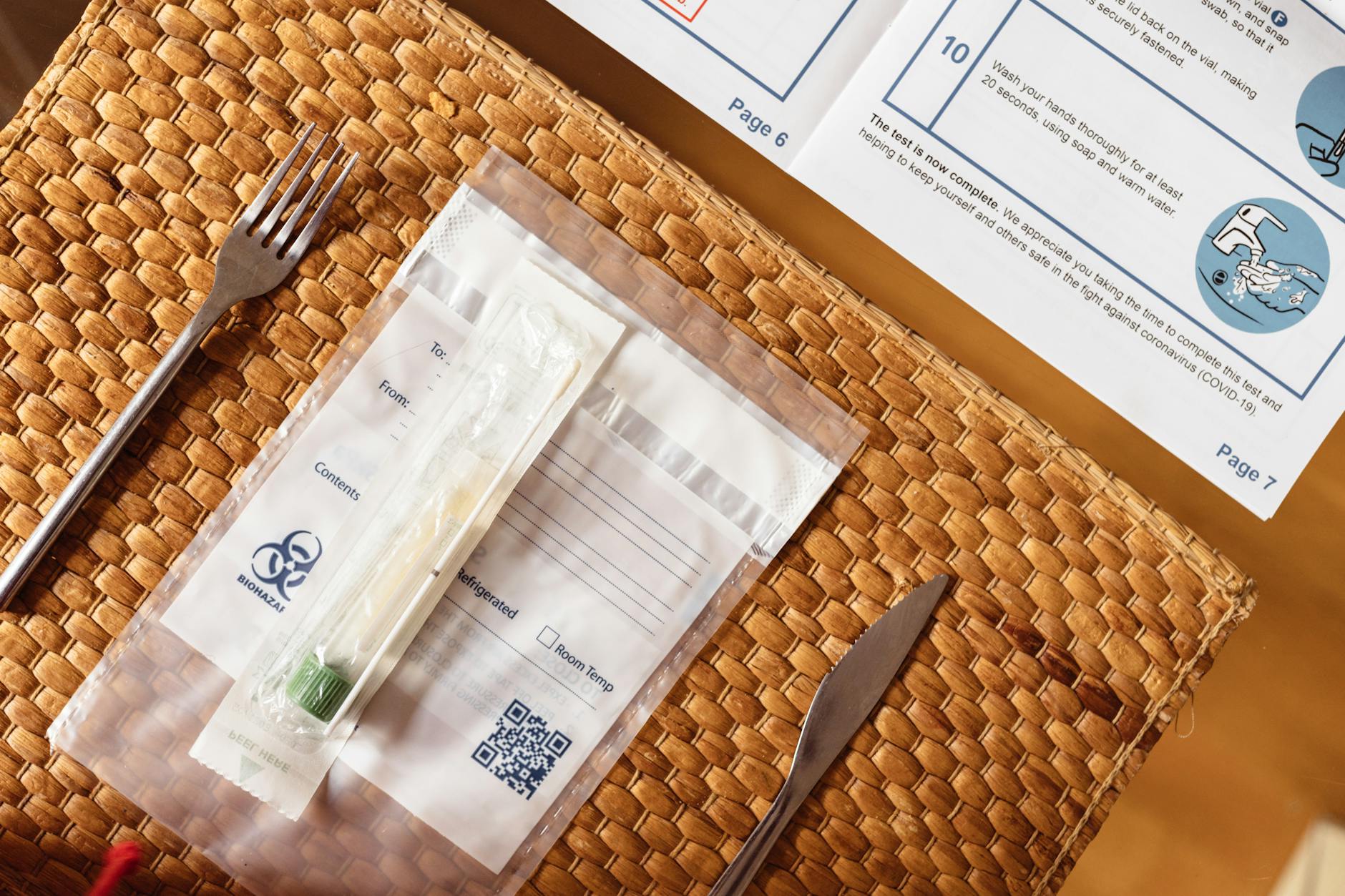
A consumer DNA testing kit purchased online creates a data record that extends beyond the purchaser to encompass their biological relatives who have made no decision about sharing their own genetic information with a commercial entity. The genetic data submitted to consumer testing companies is governed by privacy policies that can be amended unilaterally and that in many jurisdictions permit sharing with research partners insurance actuaries and in documented cases law enforcement agencies operating under applicable legal frameworks. The biological information contained in a genetic sample is permanently identifying in a way that no password reset or account deletion can address and its commercial value ensures that multiple parties have incentive to acquire and retain it. Several major consumer genetic testing companies have been acquired by larger corporations whose privacy practices differ materially from those of the original company at the time of customer enrolment. Purchasing a kit online creates an additional layer of purchase record before the biological data exposure even begins and the combination of the two represents one of the most durable privacy commitments available in the consumer marketplace.
Mental Health Supplements

Purchases of supplements marketed specifically for anxiety depression mood support and cognitive decline signal information about the purchaser’s mental health status to data brokers who aggregate purchase records across retailers and sell derived inferences to insurers employers and financial institutions. The product names and categories in this space are explicit enough that algorithmic classification of the purchase requires no human interpretation and the resulting mental health inference is attached to the purchaser’s commercial profile within the standard data processing cycle. Employer background screening services and insurance underwriting platforms have documented commercial relationships with data brokers whose inventory includes health-inferred purchase data acquired from retail sources. The inference drawn from a single purchase of a named anxiety supplement is less precise than a clinical record but it is sufficient to influence automated scoring systems that operate invisibly in hiring insurance and credit contexts. Physical cash purchases at independent health stores eliminate the data record entirely and produce no inference that can travel beyond the transaction.
Security Vulnerability Research

Books courses software and hardware related to security research penetration testing and vulnerability assessment purchased online create a purchase record that intelligence agencies and law enforcement databases in multiple jurisdictions treat as a risk indicator within automated flagging systems regardless of the purchaser’s legitimate professional or academic context. The purchase record travels through the retailer’s data systems the payment processor’s records and the shipping company’s manifest before arriving at the purchaser’s address creating multiple simultaneous records in separate commercial databases. Researchers who have examined watchlist composition in several countries have identified consumer purchase data including book and software purchases as a documented input to automated risk scoring systems. The presence of security research material in a purchase history does not create legal jeopardy for most buyers but it does contribute to a profile that intersects with surveillance infrastructure in ways that are not visible to the person being profiled. Academic libraries institutional procurement systems and physical bookshops represent lower-exposure acquisition routes for this category of material.
Addiction Recovery Products

Products marketed for nicotine alcohol or substance dependency management including patches gums prescription assistance medications ordered through online pharmacies and recovery supplements generate a purchase record that infers addiction history to any data broker with access to the retail transaction record. The commercial value of addiction history data to life insurers health insurers and financial product providers is well established and the inference generated by a single identifiable purchase in this category can persist in a commercial data profile indefinitely. Online pharmacy records operate under different privacy regulations in different jurisdictions and the protections applicable to a prescription medication order do not universally extend to the commercial transaction record held by the retail platform through which the order was placed. The stigma attached to addiction history in employment insurance and financial contexts makes the privacy exposure created by online purchases in this category more consequential than many buyers calculate at the time of ordering. Physical pharmacy collection with cash payment creates a record only at the point of dispensing which in many jurisdictions carries stronger legal privacy protections than a commercial retail transaction record.
Surveillance Detection Equipment

Counter-surveillance products including radio frequency detectors hidden camera finders signal jammers and similar devices purchased online create a purchase record that generates automatic flags in commercial and government data systems designed to identify individuals with an operational interest in evading monitoring. The purchaser’s intent in acquiring these products is irrelevant to the automated classification applied to the purchase record which treats the transaction as a behavioural signal rather than a considered individual decision. Several categories of counter-surveillance equipment are restricted or prohibited in specific jurisdictions and online purchase records have been used in documented legal cases as evidence that the purchaser was aware of and actively working to circumvent monitoring. Privacy researchers who advise on personal security consistently recommend acquiring counter-surveillance equipment through channels that do not create an electronic purchase record associated with a home delivery address. The specific irony of generating a surveillance-visible record in the process of purchasing surveillance-avoidance equipment is not lost on security professionals who work in this space.
Immigration Legal Resources

Books forms guides and document preparation services related to immigration status appeals and visa processes purchased with a traceable identity create records that exist in commercial databases accessible to data brokers who supply information to government agencies through commercial data sharing arrangements that do not require a subpoena or judicial oversight. The purchase record itself is innocuous but its combination with location data browsing history and demographic information creates a composite profile that intelligence analysts describe as pattern-of-life data which is actionable in enforcement contexts. Immigration advocates working in jurisdictions with active enforcement environments consistently advise community members to access legal resources through community organisations legal aid services and libraries rather than through online retail channels that generate commercially accessible purchase records. The distinction between what requires judicial process to access and what is commercially available through data broker relationships is not well understood by most online shoppers in this category. Understanding that distinction changes the risk calculus of an apparently routine online book purchase significantly.
Sleep Monitoring Devices
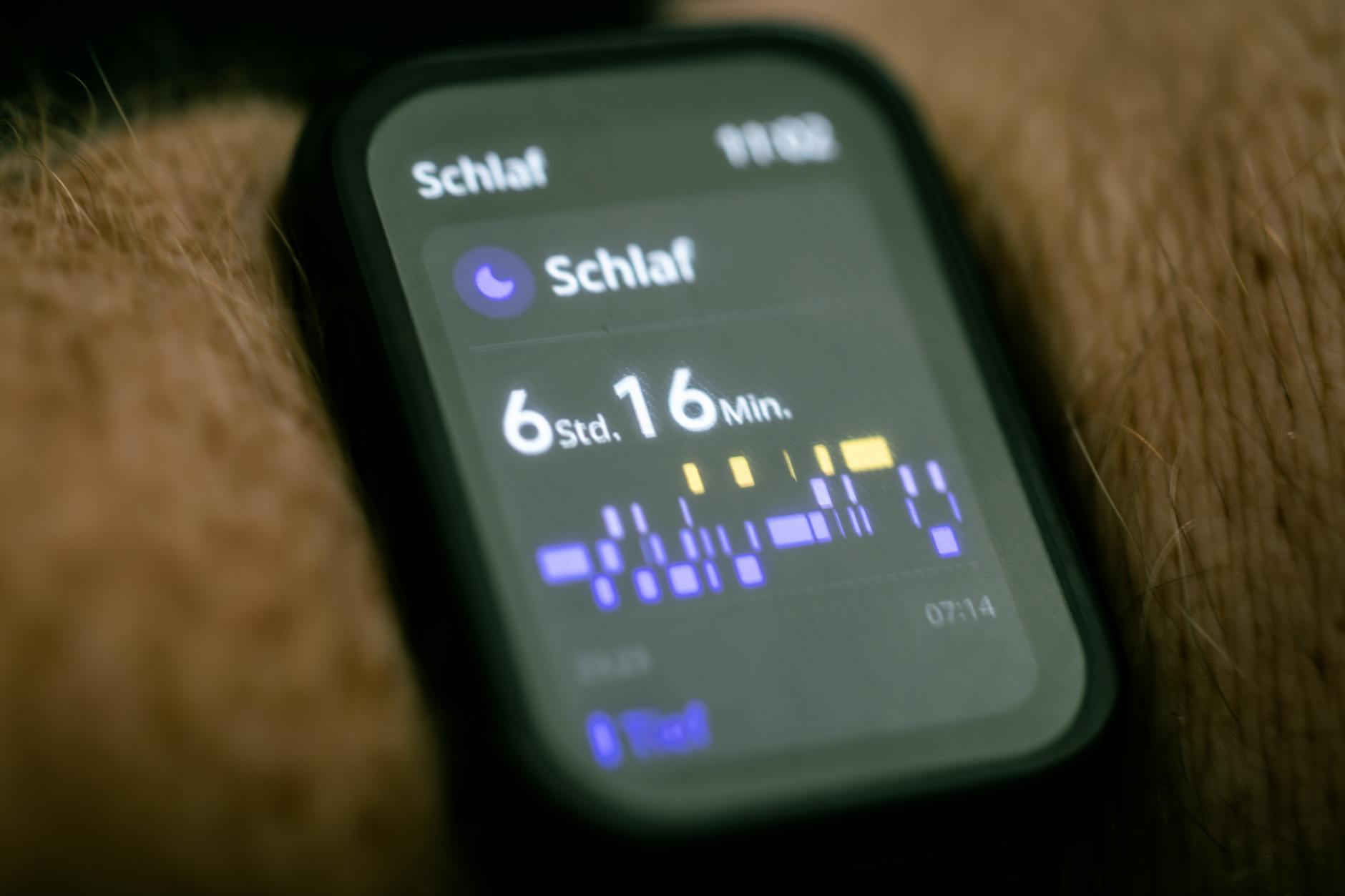
Wearable and bedside sleep monitoring devices purchased online generate a data category that their manufacturers describe in consumer terms as health optimisation data and that insurers actuaries and pharmaceutical companies describe as longitudinal physiological surveillance data with significant commercial value. Sleep quality duration and pattern data collected by consumer devices is governed by the privacy policies of the device manufacturer which in most cases permit commercial use of aggregated and in some formulations individual data with third-party research and commercial partners. The purchase record alone creates a signal that the purchaser has an identified interest in monitoring their own sleep which when combined with other health-inferred purchase data contributes to a health profile that exists entirely outside the legal protections applicable to medical records. Several major sleep monitoring device companies have been acquired by health insurance and pharmaceutical entities whose commercial interest in the underlying data was a documented motivation for the acquisition. The device you purchase to improve your sleep may also be the instrument through which your sleep becomes a commercially traded asset.
Relationship Difficulty Books

Books and digital resources addressing relationship breakdown infidelity divorce preparation and co-parenting conflicts purchased through online retailers with delivery to a home address create a purchase record that data brokers classify within a life event and emotional state inference category that has documented commercial value to legal services advertisers financial product providers and in contested divorce proceedings potentially to opposing legal counsel. The inference generated by a purchase in this category is explicit enough that targeted advertising for divorce attorneys financial separation services and housing products reliably follows within the standard advertising retargeting window. In jurisdictions where digital evidence is admissible in family court proceedings legal professionals have used online purchase records to support arguments about a party’s state of mind and intentions during the period immediately preceding a separation. Accessing this category of resource through a library a borrowed copy or an anonymised digital account creates the same informational benefit without the associated purchase record. The timing and specificity of purchases in this category are the factors that create the most significant privacy exposure and both are visible in the commercial data record.
Religious Practice Items

Purchases of items specific to minority religious practices including prayer materials ritual objects and denomination-specific texts create a purchase record that identifies the purchaser’s religious affiliation to any data broker with access to the retail transaction and that in several documented cases has been used to infer religious identity for targeting by both commercial and non-commercial actors. Religious identity inferred from purchase data is a legally protected characteristic in many jurisdictions but the commercial data systems that hold purchase-inferred religious profiles are not governed by the same protections as employment or housing records. The combination of religious identity inference with location data produces a profile that identifies where specific religious communities live and worship at a granularity that community members have not consented to make visible. Intelligence researchers examining data broker inventories have documented the presence of religion-inferred consumer profiles available for commercial purchase in multiple major markets. Physical cash purchases from community-specific retailers or direct community supply networks eliminate the commercial data record while supporting the economic ecosystem of the relevant community.
Chronic Pain Management

Products specifically marketed for chronic pain management including prescription-strength over the counter medications pain relief devices and condition-specific supplements create an inferred health profile that life insurers disability insurers and financial product underwriters have documented commercial interest in acquiring from data broker sources. A purchase history containing multiple products in the chronic pain category generates an automated inference of ongoing health limitation that can influence insurance pricing in jurisdictions where purchase data is a permitted underwriting input. The online pharmacy sector in particular generates health data that exists in a commercial framework rather than a medical records framework and the protections applicable to medical records do not automatically extend to the retail transaction record of the same medication purchased through an online pharmacy. Pain management products purchased with cash at a physical pharmacy remain within the medical records framework in most jurisdictions whereas the same products purchased online generate a commercial data record with entirely different privacy characteristics. The regulatory gap between medical privacy and commercial privacy is one of the most consequential and least understood distinctions in consumer health data management.
Political Books and Materials

Books pamphlets and materials representing specific political positions particularly those associated with movements that are subject to government monitoring in the purchaser’s jurisdiction create a purchase record that intelligence databases in multiple countries treat as a behavioural indicator regardless of the purchaser’s academic journalistic or simply curious intent. The purchase of political material has been used in documented cases in multiple countries as evidence of political affiliation or sympathy in employment security clearance and immigration proceedings where the purchaser’s framing of the purchase as intellectual curiosity is not the interpretive framework applied by the reviewing authority. Library borrowing records carry stronger legal privacy protections in most jurisdictions than commercial purchase records and represent a lower-exposure route to politically sensitive reading material. The chilling effect on intellectual engagement with political ideas that results from awareness of purchase surveillance is itself a documented harm distinct from any concrete legal consequence the purchase record might generate. Acquiring political material through channels that do not create a commercial record associated with your identity and home address is a practice that journalists researchers and civil liberties advocates consistently recommend regardless of the specific political content involved.
Biometric Security Products
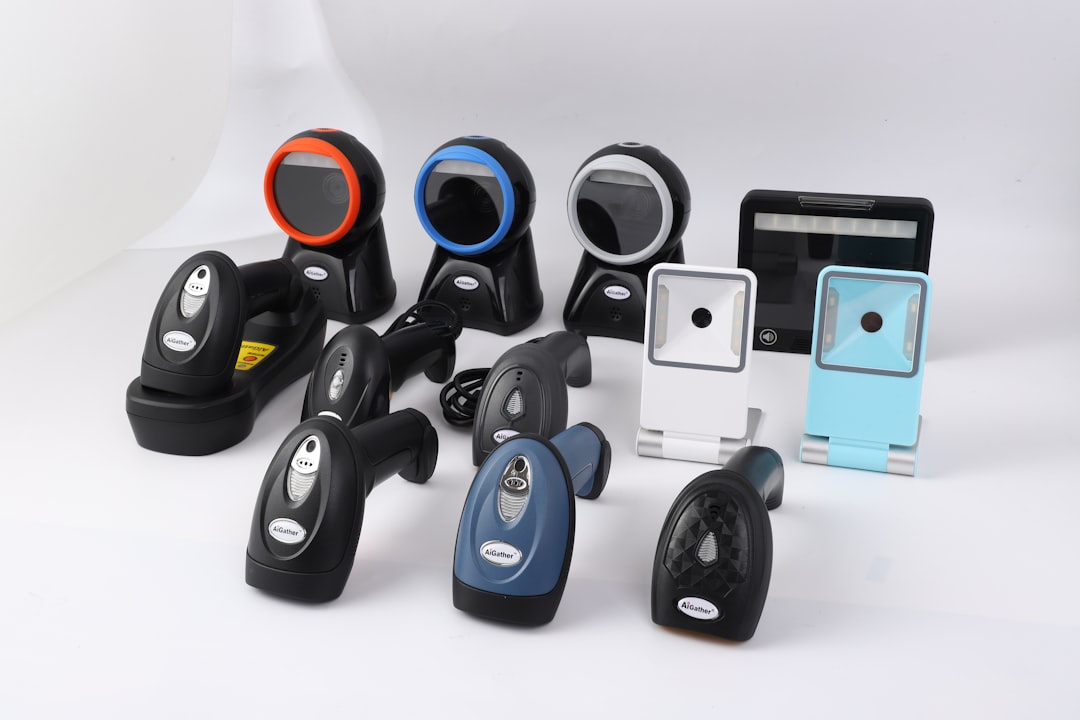
Fingerprint scanners facial recognition hardware and other biometric authentication devices purchased online register both as a security-conscious behaviour indicator and as a signal of interest in identity concealment that automated profiling systems in commercial and government data environments treat as a compound risk indicator. The purchase record for biometric security products is held simultaneously by the retailer the payment processor the shipping company and the manufacturer’s product registration system creating a minimum of four separate commercial records of a single transaction. Biometric data itself is the most sensitive category of personal data recognised in most contemporary privacy frameworks because it is permanently identifying and cannot be changed in the event of compromise in the way that a password or account number can. The devices purchased to protect biometric identity generate their own data exposure at the point of purchase that the privacy benefit of the device may not fully offset depending on the threat model the purchaser is working from. Security professionals advising on personal threat models consistently treat the purchase record of security-sensitive hardware as a component of the overall security assessment rather than as background noise.
Debt Management Resources

Books guides services and software specifically addressing debt management bankruptcy preparation and financial distress recovery create a purchase record that credit reference agencies data brokers and financial product providers classify as a financial stress indicator and that can influence automated credit scoring lending decisions and insurance pricing in jurisdictions where alternative data sources are permitted inputs to financial assessments. The inference generated by a purchase in this category is particularly consequential because it combines with existing financial data in ways that can amplify existing credit disadvantages rather than simply adding a new data point to a neutral profile. Financial counselling services accessed through non-profit community organisations charitable debt advisors and government financial guidance services operate within frameworks that do not generate commercially accessible transaction records and provide the same informational benefit without the associated data exposure. The timing of purchases in this category relative to credit applications loan renewals and insurance renewals is significant because automated systems weight recent signals more heavily than historical ones in most scoring frameworks. Understanding that the research you conduct while managing a financial difficulty can itself worsen the data environment you are navigating is one of the most counterintuitive privacy insights available in this space.
Menopause Products

Products specifically marketed for menopause symptom management including hormone support supplements cooling products and condition-specific health devices purchased online generate an age and health status inference that combines with other demographic data to produce a profile of particular commercial value to insurers financial product providers and a broad category of health-adjacent advertisers. The menopause inference is explicit enough in product naming and categorisation that it requires no analytical sophistication to extract from a standard retail transaction record and its combination with existing age and health data creates a compound inference that is more consequential than any single component. Health data inferred from consumer purchases occupies a legal grey zone in most jurisdictions that places it outside the stronger protections applicable to medical records while allowing its commercial use in contexts that would be prohibited if the same information had originated in a clinical setting. The advertising retargeting that follows a purchase in this category is immediate and extensive and it provides direct evidence to the purchaser of how explicitly their purchase has been classified. Physical pharmacy purchases with cash payment create no commercially accessible record of the transaction and deliver the product without the associated data exposure.
Firearms Accessories

Legal firearm accessories and maintenance products purchased online generate a purchase record that exists in commercial data systems accessible to insurers employers and in specific circumstances law enforcement agencies through commercial data broker relationships that operate independently of the legal framework governing firearm registration and ownership records. The commercial data record of firearm accessory purchases is not subject to the same legal protections as the firearm registration record in most jurisdictions creating a data exposure that is legally distinct from and less protected than the underlying ownership record it relates to. Insurance companies have used firearm ownership inferred from purchase data as an underwriting factor in homeowners and life insurance products in documented cases where the policyholder had no awareness that the inference was being made or applied. The combination of firearm accessory purchase records with home address data and household demographic information creates a profile that has commercial value to multiple categories of actor with varying degrees of benign intent. Physical purchase from licensed retailers with cash payment is the standard recommendation of privacy-conscious firearm owners for accessories and maintenance products where online convenience does not justify the associated data exposure.
LGBTQ Resources and Products

Products books and resources that identify the purchaser’s sexual orientation or gender identity create a data record in jurisdictions where that identification carries legal social or employment risk that the purchaser may not have fully calculated at the time of placing the order. Even in jurisdictions with strong legal protections for LGBTQ individuals the commercial data record of purchases in this category is held in systems that are accessible across borders and that cannot be deleted from the commercial data ecosystem once they have been created. Young people purchasing in this category from a family home address create a record associated with that address rather than with a personal identity which carries implications for household members who have not consented to the associated inference. The combination of purchase data with location data browsing history and social media signals creates a composite identity inference that data brokers make available for commercial purchase regardless of the legal protections applicable to the underlying characteristic in the purchaser’s jurisdiction. Community organisations bookshops and LGBTQ centres provide the same resources through channels that do not generate commercially accessible purchase records and that operate within communities that understand the privacy implications of the information they handle.
Cognitive Enhancement Products
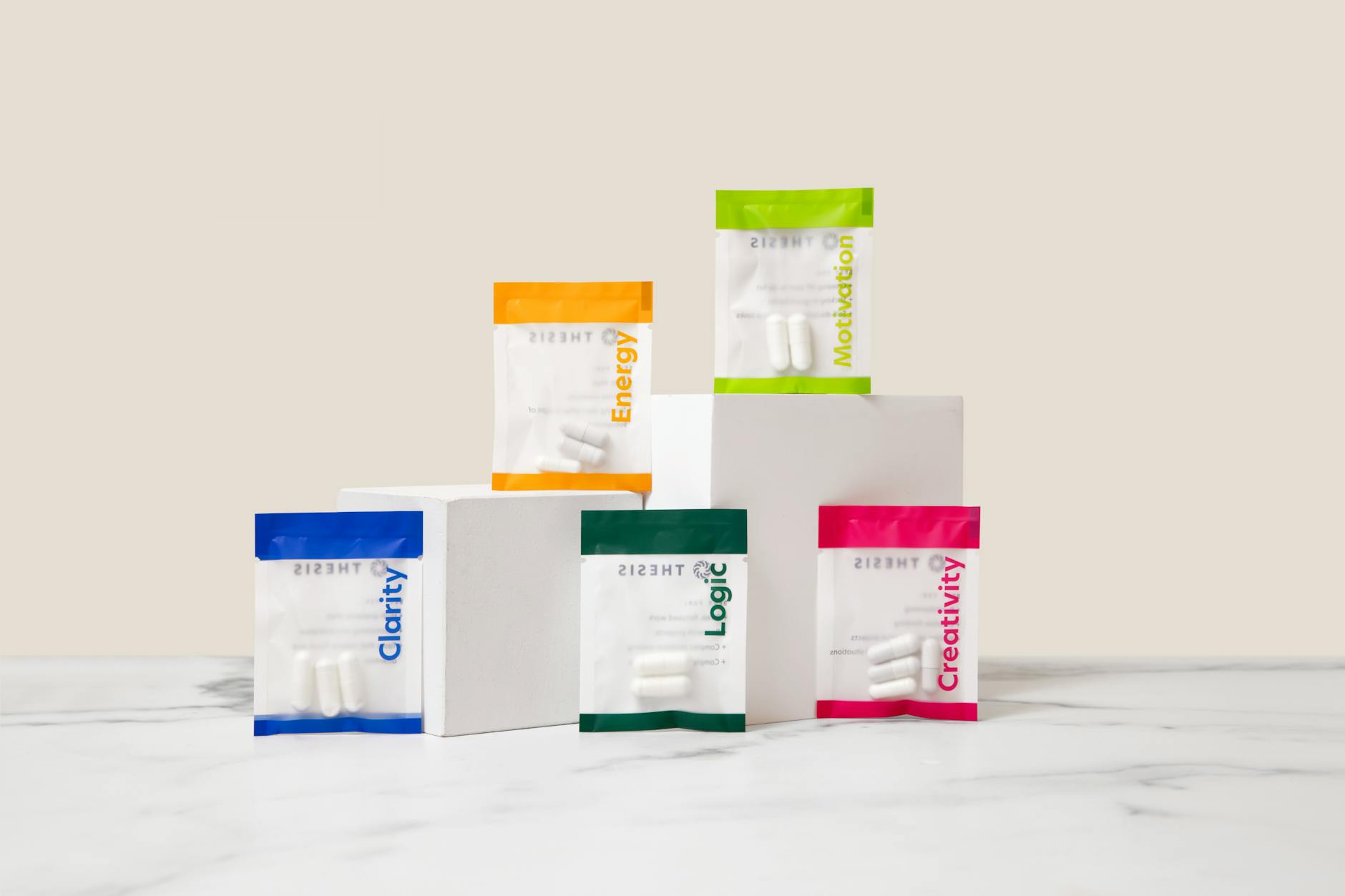
Nootropic supplements smart drugs and cognitive enhancement products purchased online signal information about the purchaser’s interest in mental performance optimisation that when combined with professional profile data creates an inference relevant to employment insurance and financial contexts where cognitive capacity is a material consideration. The inference generated by purchases in this category is less immediately consequential than inferences about physical health but it contributes to a health and lifestyle profile whose cumulative implications extend beyond any single category. Products marketed with specific claims about memory enhancement focus improvement and neurological support are classified by automated systems in ways that overlap with the broader mental health inference category creating a compound inference more significant than the individual product category alone would generate. The market for cognitive enhancement products has grown significantly and the data broker interest in purchase records from this category has grown proportionally as the derived inferences have demonstrated commercial value in multiple downstream markets. Purchasing this category of product through physical retailers with cash payment produces no commercially accessible record while delivering the same product at comparable or lower cost than online equivalents.
Alcohol Delivery

Regular online alcohol delivery purchases create a longitudinal consumption pattern record that is qualitatively different from the data generated by a single in-store purchase because the frequency volume category and timing of purchases are all captured in a commercially accessible transaction history that documents drinking behaviour over time rather than at a single point. Insurance actuaries have identified online alcohol purchase pattern data as a commercially available input to health and life insurance underwriting in markets where alternative data sources are permitted and the pattern inference from regular delivery records is more actuarially significant than a single purchase would be. The delivery address associated with regular alcohol purchases is the home address in the majority of cases which connects the consumption pattern directly to the household rather than to an anonymous transaction. Employment screening services in certain industries have used social and commercial data inferences about alcohol consumption patterns as inputs to assessments in documented cases where the assessed party was unaware of the data source being applied. Physical purchase from local retailers produces no longitudinal pattern record and no delivery address association while delivering the same product without the privacy cost of a documented consumption history.
Pregnancy Loss Products

Products specifically associated with pregnancy loss miscarriage management and related health needs purchased online generate one of the most sensitive health inferences available in the consumer purchase data ecosystem and their purchase record can exist in commercial data systems in jurisdictions where the associated health circumstances carry legal implications that the purchaser did not anticipate. Legal researchers examining data availability in contested reproductive rights jurisdictions have specifically identified purchase records in this category as a potential evidence source in legal proceedings that would not have been contemplated by the purchaser at the time of the transaction. The commercial data record of a purchase in this category is created at the point of transaction and enters a data ecosystem that neither the purchaser nor the retailer fully controls once the initial data sharing has occurred. Healthcare providers operating under medical privacy frameworks represent a more protected route to the same products and services than online retail channels whose transaction records exist in commercial rather than medical privacy frameworks. The gap between what most online purchasers believe about the privacy of their health-related purchases and what the actual data practices of the platforms they use permit is one of the most consequential misunderstandings in contemporary consumer privacy.
Home Security Assessments

Online tools services and questionnaires that assess home security vulnerability including those offered by insurance companies security product retailers and smart home platforms gather detailed information about home layout entry point locations current security measures and daily occupancy patterns that represents a comprehensive target profile for burglary whether or not that is the intent of the service provider collecting the information. The data collected in a home security assessment has commercial value to smart home product advertisers insurance providers and in the event of a data breach to parties with more directly harmful intent than commercial targeting. Several major home security assessment platforms have experienced documented data breaches in which detailed home information including occupancy patterns and security measure inventories became accessible to unauthorised parties. The information gathered in a detailed home security assessment is more sensitive than most participants recognise because it combines physical access information with behavioural pattern data in a way that few other consumer data categories replicate. Conducting a home security assessment using a local qualified security professional who does not store assessment data digitally produces equivalent security guidance without the associated data exposure.
Chronic Illness Management

Subscription purchases of products associated with the ongoing management of specific chronic conditions including diabetes monitoring equipment autoimmune condition supplements and condition-specific dietary products create a longitudinal health record in commercial data systems that documents not just the inference of the condition but the trajectory of its management over time. The longitudinal dimension of subscription purchase data is more valuable to health insurers and actuaries than single purchase data because it provides evidence about condition stability progression and treatment approach that single purchases cannot supply. Several data broker companies have built specific chronic condition inference products based on subscription retail data that are marketed explicitly to health insurance and financial product providers as alternative underwriting inputs. The subscription model that makes chronic condition management products convenient to purchase online is the same model that creates the most durable and detailed commercial health record associated with that condition. Converting subscription purchases to regular physical cash purchases from local pharmacies and health retailers eliminates the longitudinal commercial record while maintaining the convenience of regular supply through a planned purchasing schedule.
Extremism Research Materials

Academic journalistic and policy research materials related to extremist movements radicalisation processes and terrorism purchased online create a purchase record that automated surveillance systems in multiple jurisdictions classify as a risk indicator regardless of the professional or academic context in which the research is conducted. The classification is applied algorithmically to the transaction record rather than contextually to the purchaser’s identity and the professional legitimacy of the research purpose does not automatically travel with the purchase record into the surveillance database where the flag is created. Researchers journalists and policy professionals who have found their purchase records cited in security screening and border crossing contexts report that the professional context they believed would protect them from misclassification did not consistently do so in the automated systems where their records were processed. Library acquisition interlibrary loan and academic database access represent lower-exposure routes to extremism research material that carry stronger legal protections and do not generate commercially accessible purchase records in most jurisdictions. The distinction between what is legally protected in a research context and what is technically visible in a commercial data context is one that automated classification systems do not reliably observe.
Weight Loss Products

Regular purchases of weight loss supplements meal replacement products and related management tools create a health and body image profile in commercial data systems that is used by insurers pharmaceutical companies and a broad category of health-adjacent advertisers in ways that combine with medical record data where legally permissible to create a composite health inference more detailed than either source alone would generate. The weight management category is one of the highest-volume consumer health data categories available to data brokers and the commercial appetite for the derived inferences is correspondingly large and well-funded. Products purchased in this category trigger extensive advertising retargeting that provides immediate visible evidence of how explicitly the purchase has been classified and shared with third-party advertising platforms. The longitudinal pattern of weight management product purchases is more commercially valuable than individual transactions because it documents the duration intensity and approach of management behaviour over time in ways that single purchases do not. Physical cash purchases from local pharmacies and health stores produce no commercially accessible record while delivering the same products without the associated data trail that online purchase inevitably generates.
Share your most revealing discoveries about online purchase tracking and the categories that changed how you shop in the comments.




