
Confidence in dressing is rarely the product of following the rules most carefully. It emerges from a specific quality of decisiveness that conventional style advice systematically discourages by prioritising safety over self-expression and approval over authenticity. The fashion choices that project the most immediate and legible confidence are frequently the ones that conventional guidance identifies as risky excessive or simply wrong. Understanding why they work and how to execute them transforms the way you approach every wardrobe decision and produces results that safe dressing simply cannot replicate regardless of how carefully it is assembled.
Statement Collar
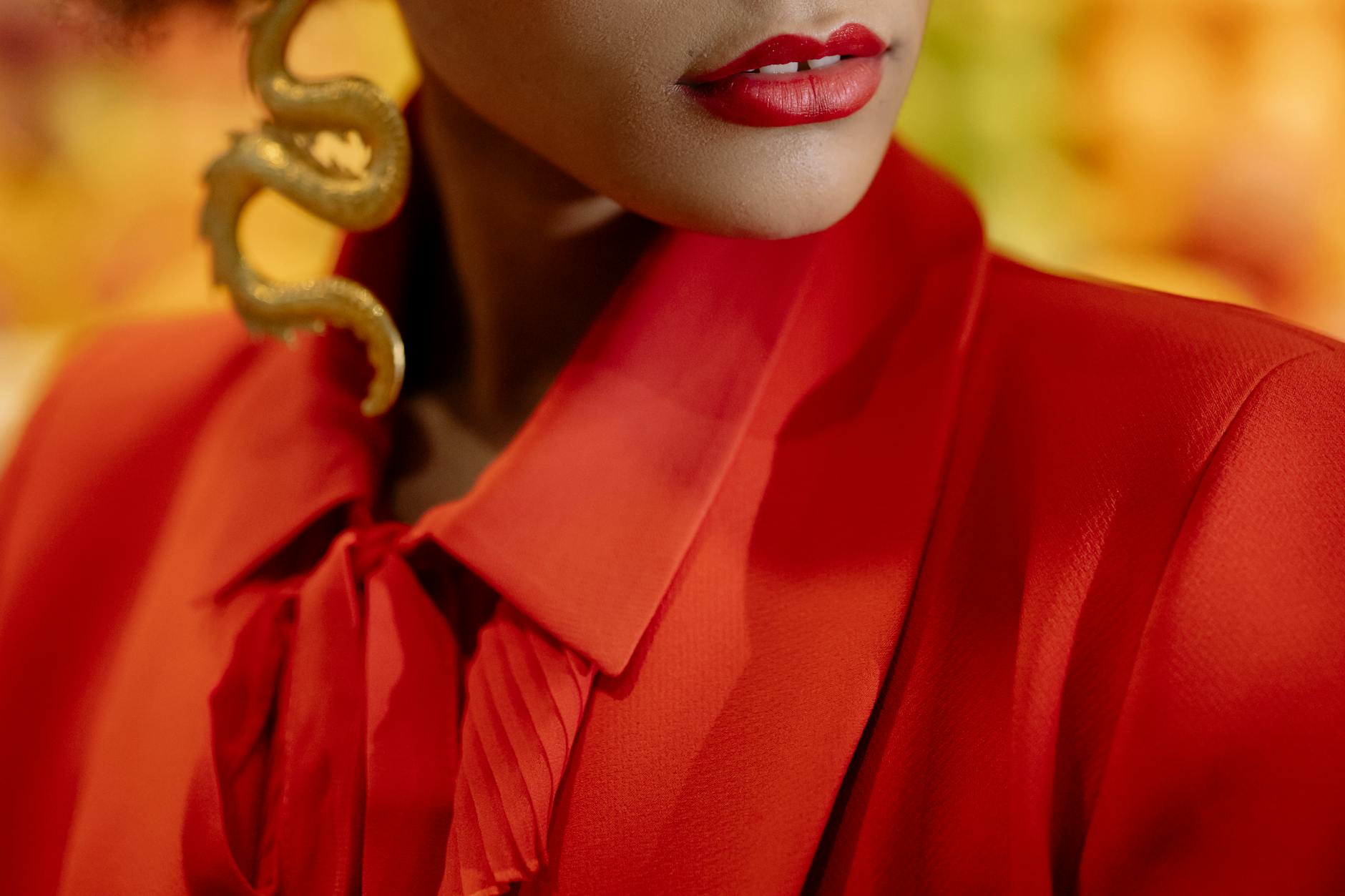
A dramatically oversized or architecturally structured collar worn as the dominant visual element of an outfit immediately establishes that the wearer made an active and deliberate choice rather than defaulting to the safest available option. The collar frames the face more powerfully than any jewellery equivalent and creates a visual hierarchy that draws attention upward to the wearer’s expression and presence rather than distributing it across the outfit. Structured statement collars in stiff cotton organza or architectural fabric carry a history of powerful dressing that connects contemporary wear to a long tradition of collar as authority marker across multiple cultural contexts. Wearing one with an otherwise minimal outfit prevents competition between elements and allows the collar to perform its full visual function without dilution. The confidence signal produced by a statement collar operates because it demonstrates comfort with being looked at directly which is itself one of the most legible markers of self-assurance available in personal presentation.
Single Bold Colour
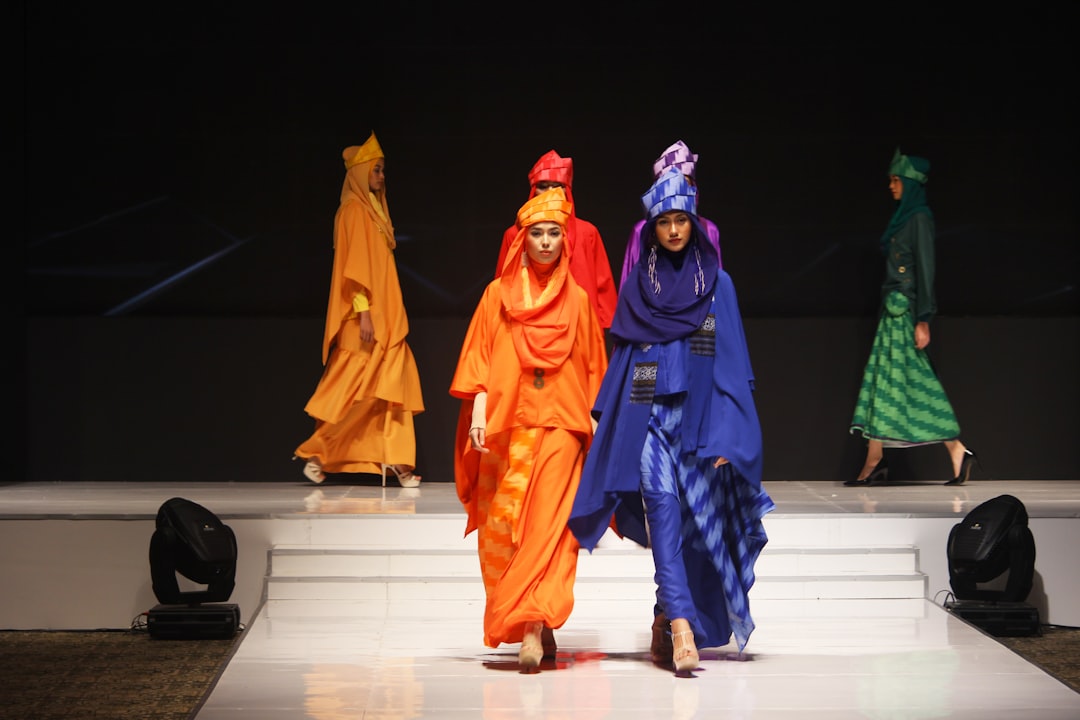
Dressing entirely in one saturated bold colour from head to toe including shoes and bag communicates a level of commitment to a visual decision that hedged multi-colour outfits structurally cannot replicate. The deliberateness required to execute a complete bold monochrome look is immediately readable to anyone who encounters it because the coordination involved makes accidental assembly impossible. Colours that conventional advice marks as difficult including cobalt red burnt orange and acid yellow produce the strongest confidence signal when worn as a complete head-to-toe commitment precisely because their difficulty is visible and the wearer has met it without flinching. The effect is strongest when the specific shade is consistent across all pieces rather than varying across a range of tones within the same colour family. A complete bold monochrome outfit requires less overall effort than a carefully balanced multi-colour combination while producing a dramatically stronger impression of intentionality and visual authority.
Visible Bra Straps
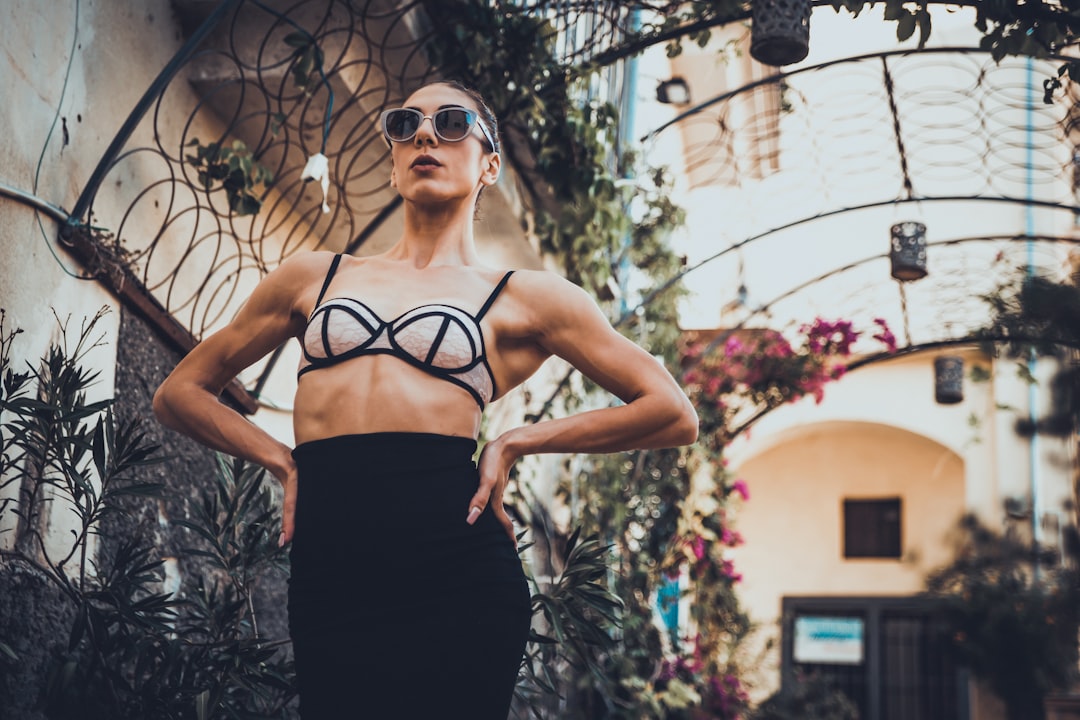
Allowing bra straps to be deliberately visible rather than concealed or managed as an imperfection transforms a feature that conventional dress codes treat as a wardrobe malfunction into a deliberate style element that projects physical ease and comfort with the reality of the body underneath the clothes. The confidence communicated by visible straps comes from the absence of anxiety about whether they are showing which is immediately distinguishable from the energy produced by actively managing or concealing them. Coloured straps worn visibly against a contrasting garment colour or a thick architectural strap that reads as a design feature rather than an undergarment element are the most legible versions of this choice. The same principle applies to visible bralette edges beneath a blazer or structured top where the layering reads as intentional composition rather than inadequate concealment. Wearing this combination with the same ease applied to any other styling choice is the execution requirement that determines whether the result reads as confident or self-conscious.
Wide Leg Trousers
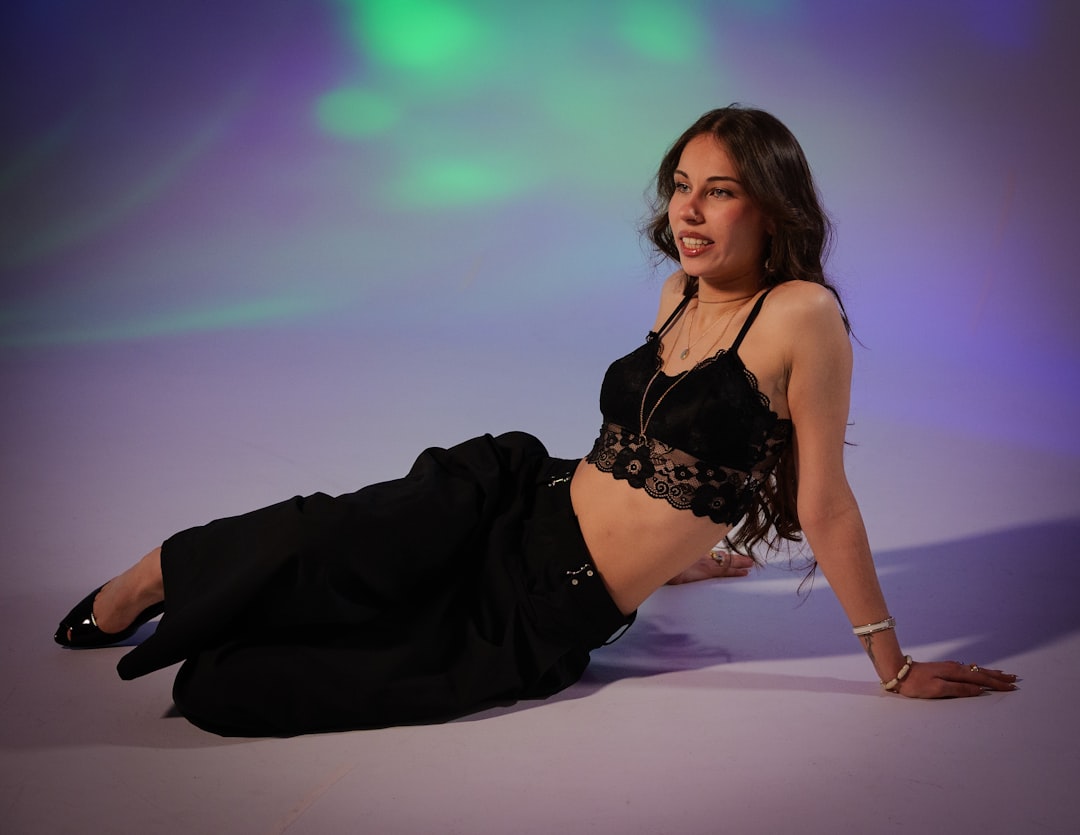
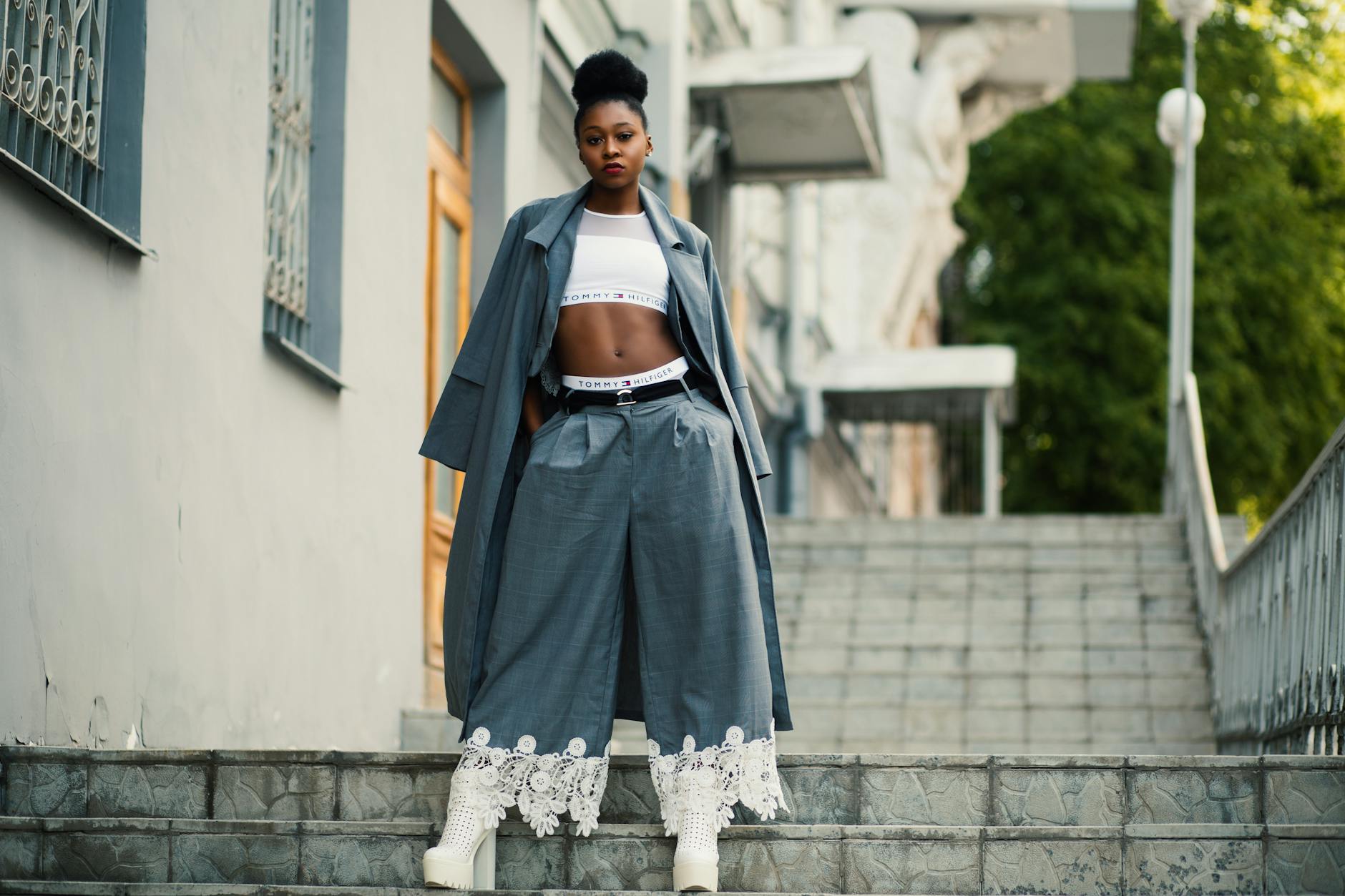
An extreme wide leg trouser silhouette that substantially exceeds the proportions of standard wide leg cuts creates a dramatic floor-grazing volume that commands physical space in a way that fitted or straight-leg alternatives cannot produce. The wide leg silhouette requires the wearer to move with deliberateness because the fabric volume responds visibly to pace and posture which itself produces a more considered and commanding physical presence than clothing that requires no postural adjustment. Palazzo trousers culottes at extreme width and pleated wide leg trousers in structured fabrics each carry a different character but share the common quality of making presence undeniable rather than quietly neutral. Pairing extreme width at the bottom with a fitted or tucked top maintains the proportion logic that keeps the silhouette legible as a choice rather than an oversight. The confidence signal of extreme wide leg trousers is strengthened by footwear that grounds the volume whether a flat mule a pointed toe or a substantial heel that anchors the sweep of fabric above it.
No Bag
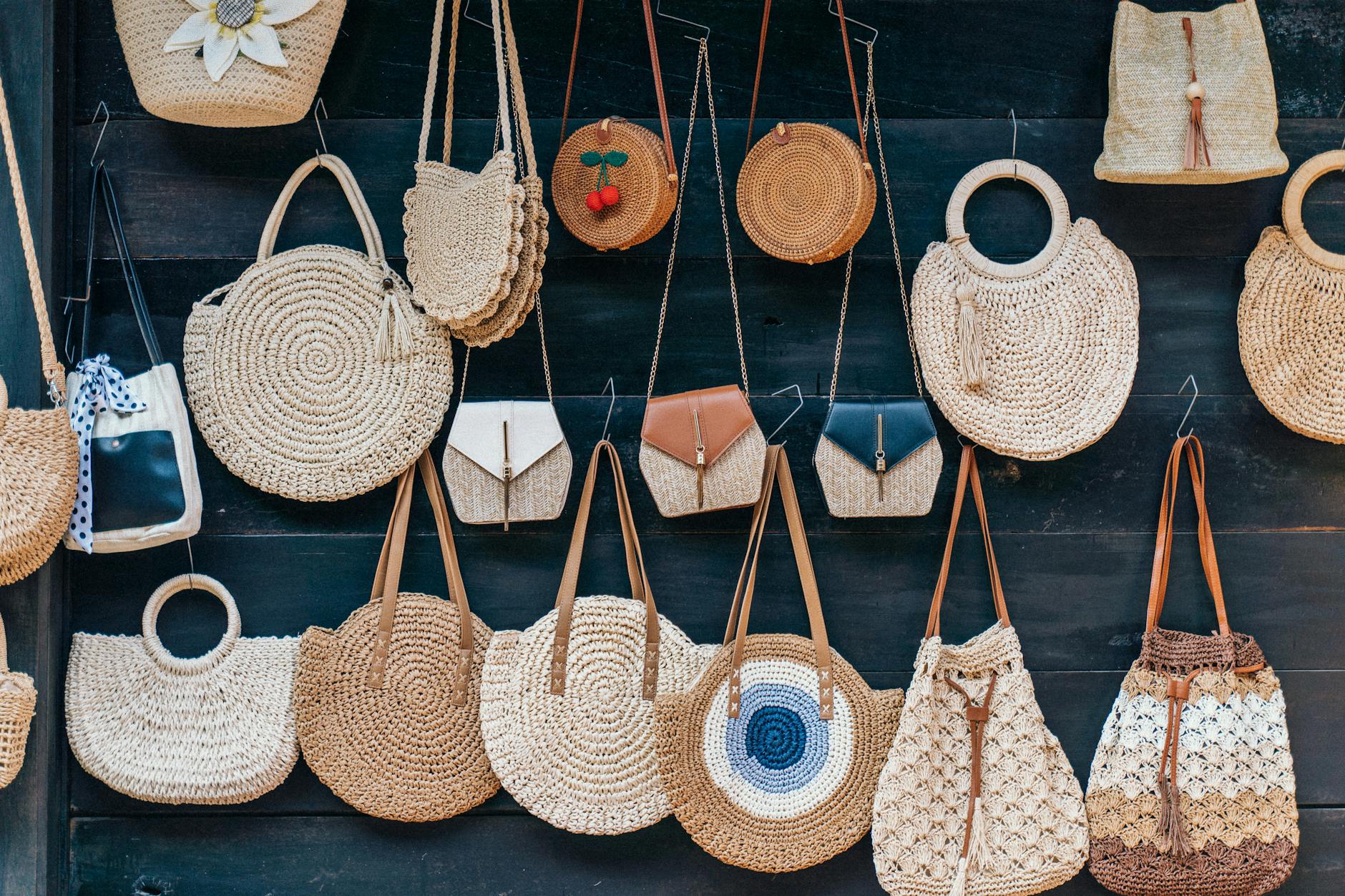
Leaving the house without a bag in contexts where a bag would conventionally be expected communicates a specific quality of freedom and self-sufficiency that carrying even a beautiful bag cannot replicate because the bag itself signals preparedness management and the carrying of other people’s needs alongside your own. The no-bag choice concentrates all visual attention on the outfit and the person wearing it without the secondary focal point that a carried object always creates. Pockets used visibly for the minimal items required or hands kept entirely free produce a physical bearing that is noticeably less burdened and more present than the same outfit worn with a shoulder bag. The choice requires genuine editing of what you carry which is itself a confidence practice that extends beyond the aesthetic outcome it produces. In social and professional contexts where a bag is the default accessory its absence reads as a deliberate statement of sufficiency that the most expensive bag in the room cannot match.
Clashing Prints
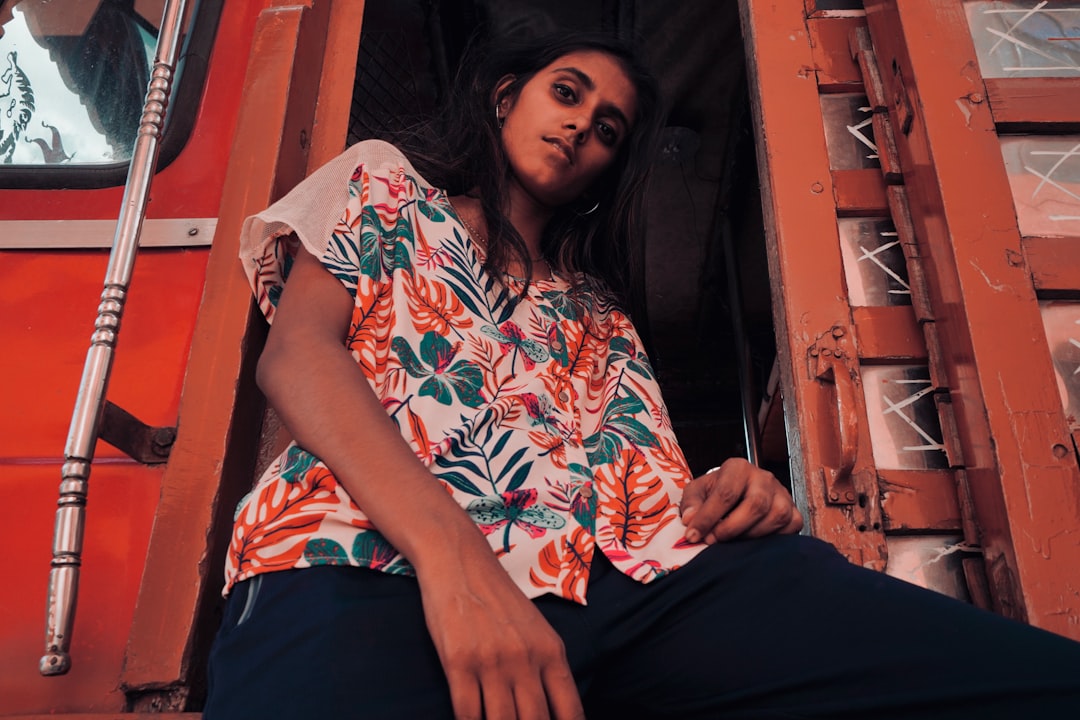
Combining two or more prints that share no obvious coordinating logic including florals with geometrics stripes with animal print and checks with abstract patterns produces an outcome that reads as deeply personal and visually sophisticated when the colour palette maintains internal coherence across the combination. The confidence signal of print clashing comes from its complete immunity to the approval-seeking that single-print safety dressing represents. A person who has combined a leopard print skirt with a floral blouse and made it work has demonstrated a visual intelligence that no single well-chosen print can signal because the challenge of the combination is visible in the result. The execution requirement is that the colours across both prints must share at least two tones which creates cohesion without eliminating the creative tension that makes the combination interesting. Print clashing worn with complete ease and without the apologetic body language that self-conscious dressing produces is one of the most immediately confidence-legible choices available in personal style.
Maximalist Jewellery
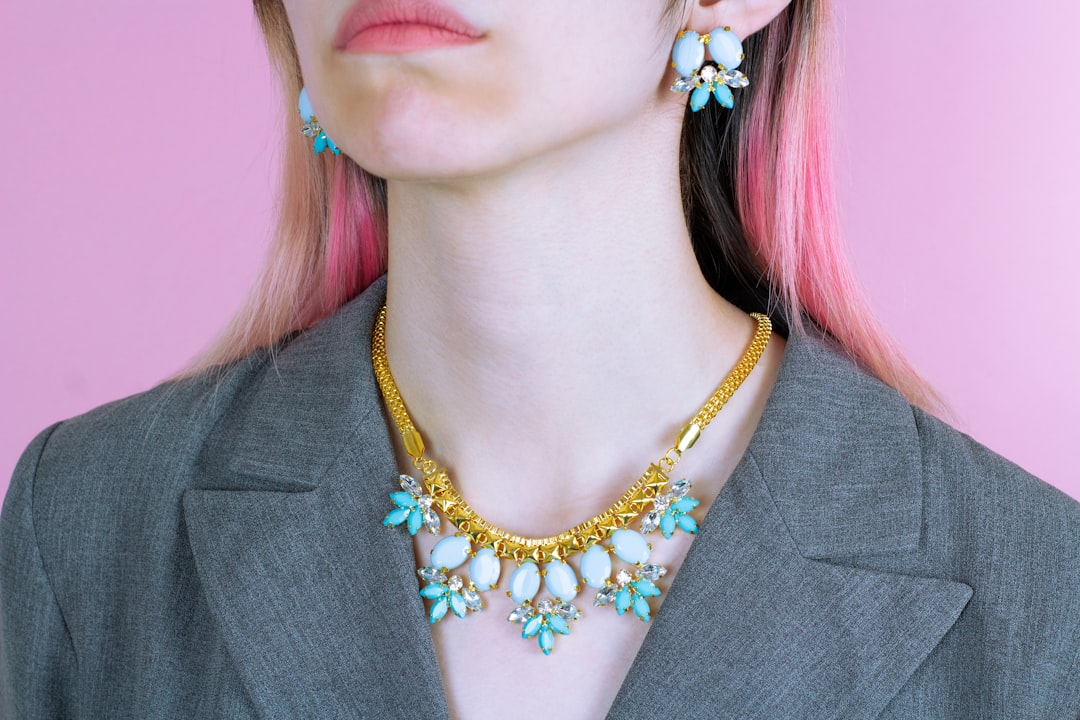
Wearing multiple significant jewellery pieces simultaneously including stacked necklaces at different lengths layered rings across multiple fingers and bold earrings that would conventionally be considered sufficient statement alone creates a visual richness that minimal jewellery editing cannot produce and that reads as a complete and intentional personal aesthetic rather than an incomplete outfit awaiting its final element. The maximalist jewellery approach has deep roots in multiple cultural traditions of decorative self-expression and its confidence signal comes from the absence of the restraint that conventional Western styling advice makes a proxy for sophistication. Mixing metals mixing scales and mixing eras of jewellery within a single maximalist arrangement adds depth that matched set jewellery never achieves. The coherence that makes maximalist jewellery read as confident rather than chaotic comes from a consistent aesthetic register across the pieces whether that register is vintage architectural organic or boldly graphic. Wearing it without touching adjusting or drawing attention to it through self-conscious gesture is the execution requirement that determines the result.
Tailored Shorts
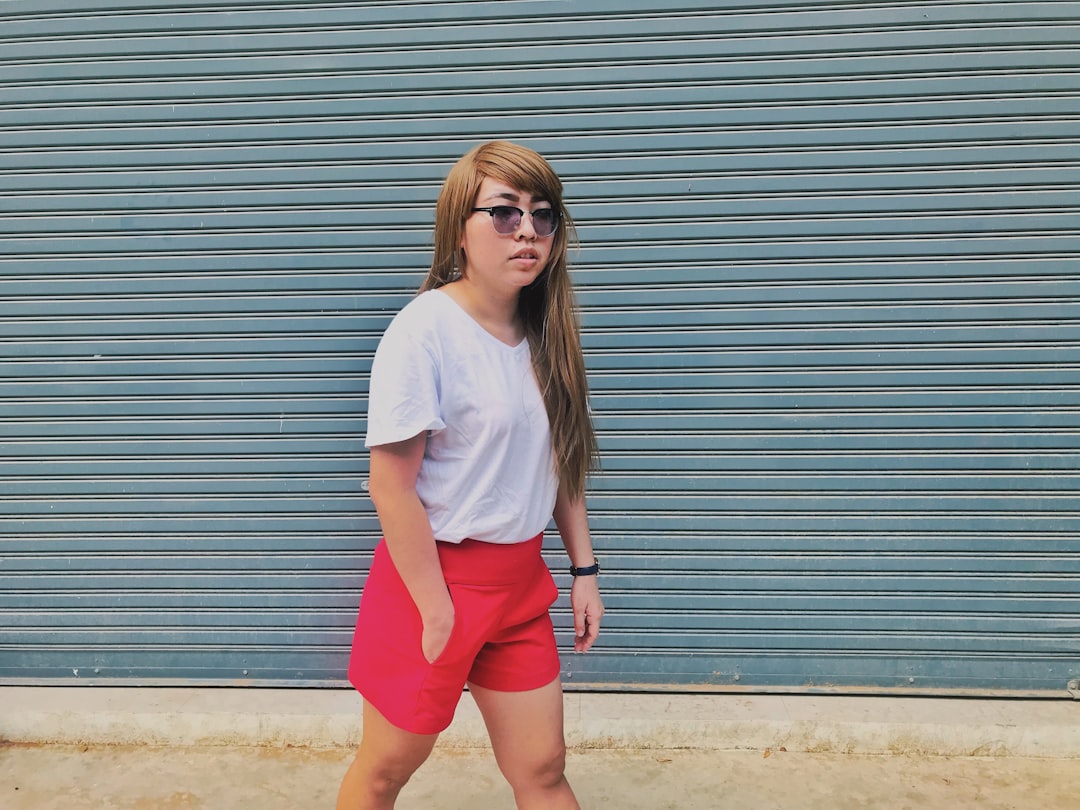
Wearing tailored shorts in formal or smart-casual contexts where trousers or a skirt would be the conventional choice communicates a confident indifference to formality prescriptions that reads as authority rather than ignorance when the shorts are impeccably cut and worn with elevated accompanying pieces. The confidence signal comes specifically from the combination of formal tailoring quality with a length that convention reserves for casual contexts because the juxtaposition is only available to someone who has decided that their own comfort and aesthetic judgement outrank the dress code. High-waisted tailored shorts in structured wool crepe or heavy cotton worn with a fitted blazer and quality footwear produce an outfit that is simultaneously more interesting and more authoritative than the trouser version of the same combination. The length should be long enough to read as deliberately tailored rather than as casual shorts dressed up which is a proportion judgement that depends on the specific garment and the accompanying elements. This combination has been a consistent feature of the wardrobes of the most confidently dressed figures across several decades of fashion and its power to communicate self-assurance has not diminished with repetition.
Unconventional Workwear

Wearing clothing in professional contexts that clearly originates in a non-professional aesthetic register including bold colour unexpected silhouette or overtly creative styling communicates that the wearer’s professional identity does not require the costume of convention to establish its authority. The confidence signal is produced by the implicit statement that competence is not located in conformity and that the wearer’s professional standing is secure enough to accommodate personal expression without institutional permission. A dramatically printed dress in a boardroom context a sculptural sleeve in a client meeting or an unexpected texture combination in a formal presentation each communicates the same underlying message through different specific choices. The execution requirement is that the quality of the garment must be unambiguous because unconventional workwear read through inferior fabric or poor fit becomes eccentricity rather than authority. Wearing unconventional workwear with the same physical ease and professional focus applied to conventional dress is what determines whether the result reads as confident self-expression or as a bid for attention that undermines rather than enhances presence.
Head Covering

Choosing a head covering as a deliberate style element rather than a functional or religious requirement including turbans structured head scarves architectural hats and dramatic hair accessories that substantially alter the head’s silhouette creates an immediate visual authority that no other accessory category replicates because it operates at the highest point of the body and commands the most socially significant zone of the silhouette. The confidence required to wear a dramatic head covering in contexts where it is unexpected is itself the signal because the choice is impossible to make accidentally or half-heartedly. A precisely tied turban a sculptural wide-brim hat or an architectural fascinator worn with complete ease produces a presence that is disproportionate to the size of the item relative to the outfit. The eye travels to the face first and a deliberate and confident head covering directs that travel with an intention that bare-headed dressing cannot engineer. Wearing it as a matter of personal style rather than as a statement that requires explanation is the execution condition that produces the confidence reading rather than the self-conscious one.
Exposed Lining
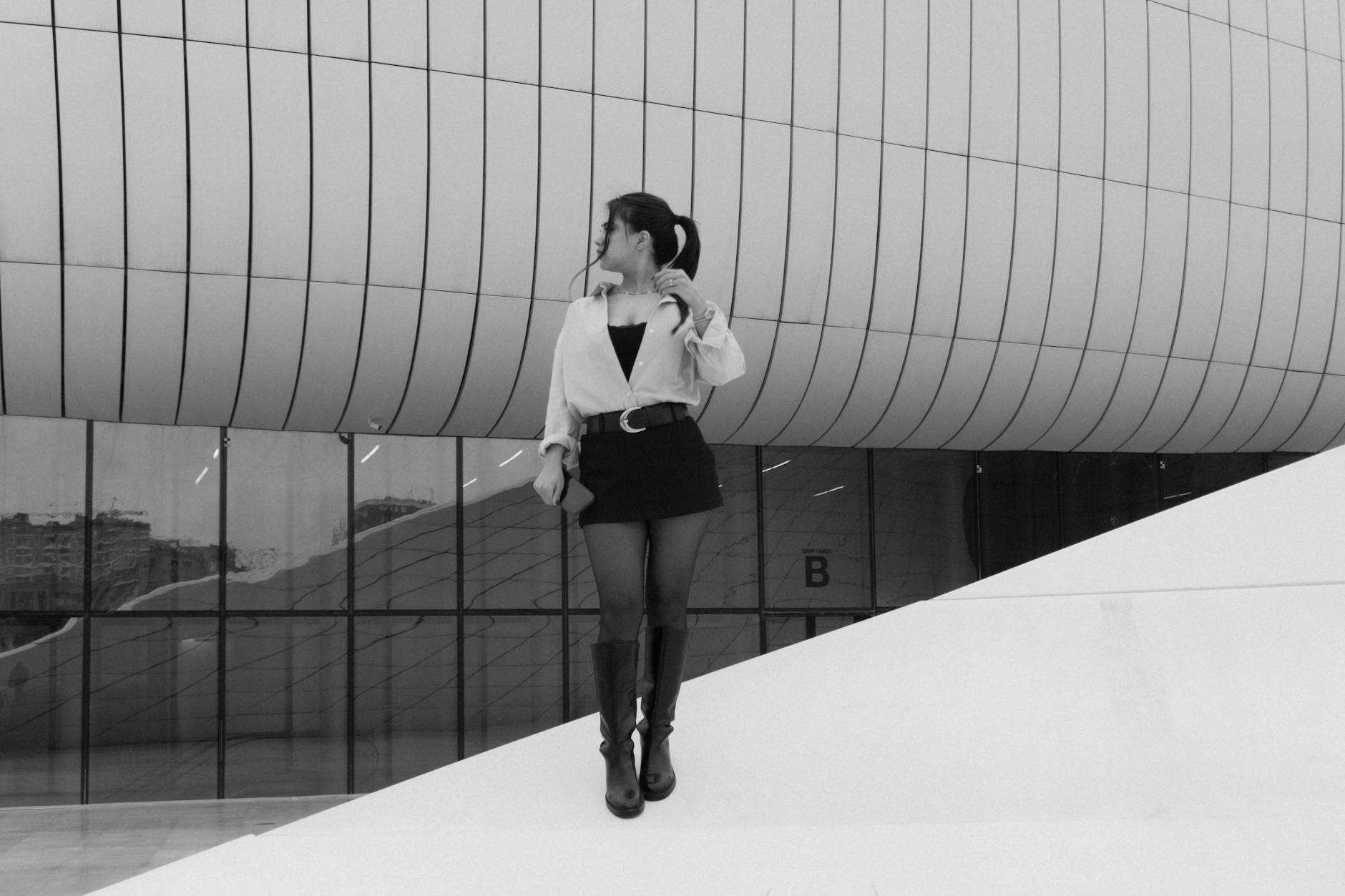
Wearing a jacket coat or skirt with the lining deliberately visible whether through a turned-back hem a deconstructed seam finish or a garment specifically constructed to show its lining as a design feature creates an insider fashion signal that communicates knowledge of garment construction and an ease with wearing clothing in ways that exceed their conventional intended use. The lining of a well-made garment is often as beautiful as its exterior and the decision to expose it is an act of appreciation for construction quality that reads as deeply informed personal style rather than as an error in dressing. Suit jackets with the lining turned back at the cuff skirts with a dramatically different lining fabric visible at a split hem and coats worn with the lining side partially outward each create different effects but share the common quality of revealing the wearer’s relationship with clothing as a constructed object rather than a finished product. The confidence this projects comes from the implicit knowledge required to make the choice intentionally rather than accidentally. Only someone with a sophisticated relationship with clothing wears their lining deliberately.
Dramatic Sleeve
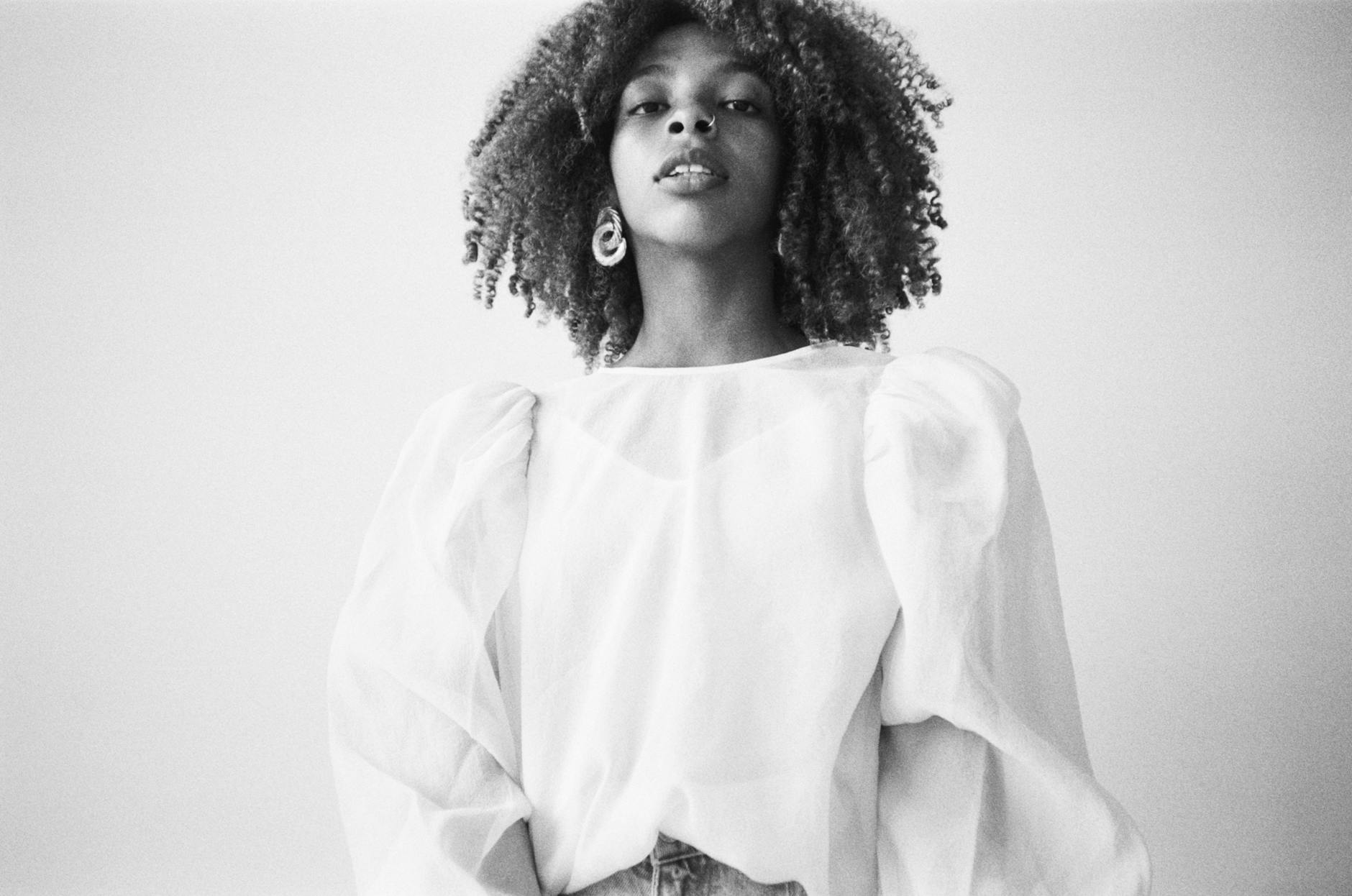
A sleeve that substantially exceeds the proportions of standard tailoring including bishop sleeves with extreme volume balloon sleeves at dramatic width and structured sleeves that create a significant silhouette extension beyond the shoulder line commands space and attention in a way that standard sleeve construction never achieves and that projects a specific quality of theatrical confidence that conventional workwear silhouettes structurally prevent. The dramatic sleeve has a history in formal and ceremonial dress across multiple cultures that connects its contemporary use to a long tradition of sleeve as status and authority marker. Wearing a dramatic sleeve with a simple fitted body and clean bottom prevents proportion confusion and allows the sleeve to perform its full visual function without competition. The confidence signal comes from the physical reality that a dramatic sleeve requires the wearer to move differently and occupy more space which itself produces a more deliberate and commanding physical presence. A person who has decided to wear significant sleeves and wears them without self-consciousness is projecting a quality of physical authority that the same person in a standard sleeve would not generate.
Floor Length Everyday
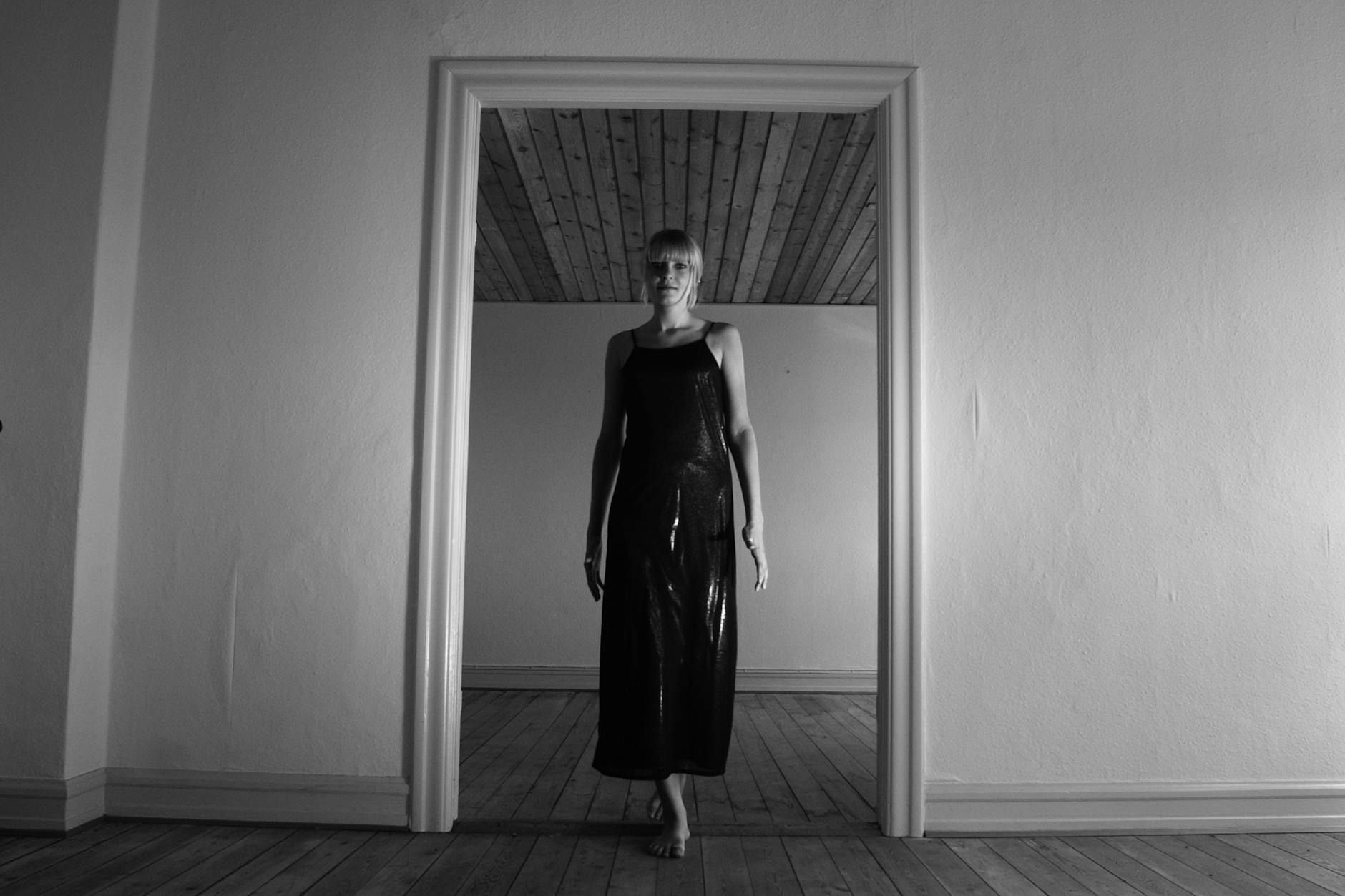
Wearing floor-length garments including maxi skirts full-length wide trousers and dramatic gowns in everyday non-occasion contexts communicates a complete independence from the practical dress codes that govern most people’s daily clothing decisions and signals a commitment to personal aesthetic that is entirely self-referential rather than context-dependent. The confidence projected by a floor-length garment on a Tuesday morning that is not a special occasion is produced by the absence of any apparent need for the occasion to justify the choice. A dramatic floor-length skirt worn to run errands a full-length linen dress worn to a weekday lunch and a sweeping wide trouser worn to a casual meeting each project the same underlying message that the wearer’s aesthetic standards are not governed by social occasion thresholds. The execution requirement is wearing the length with the ease that comes from genuine comfort in it rather than the performative careful movement that makes formal length read as costume in casual contexts. Everyday floor length worn as simply the clothes you are in rather than as an event you are dressed for is one of the most powerful confidence signals available in daily dressing.
Sculptural Footwear
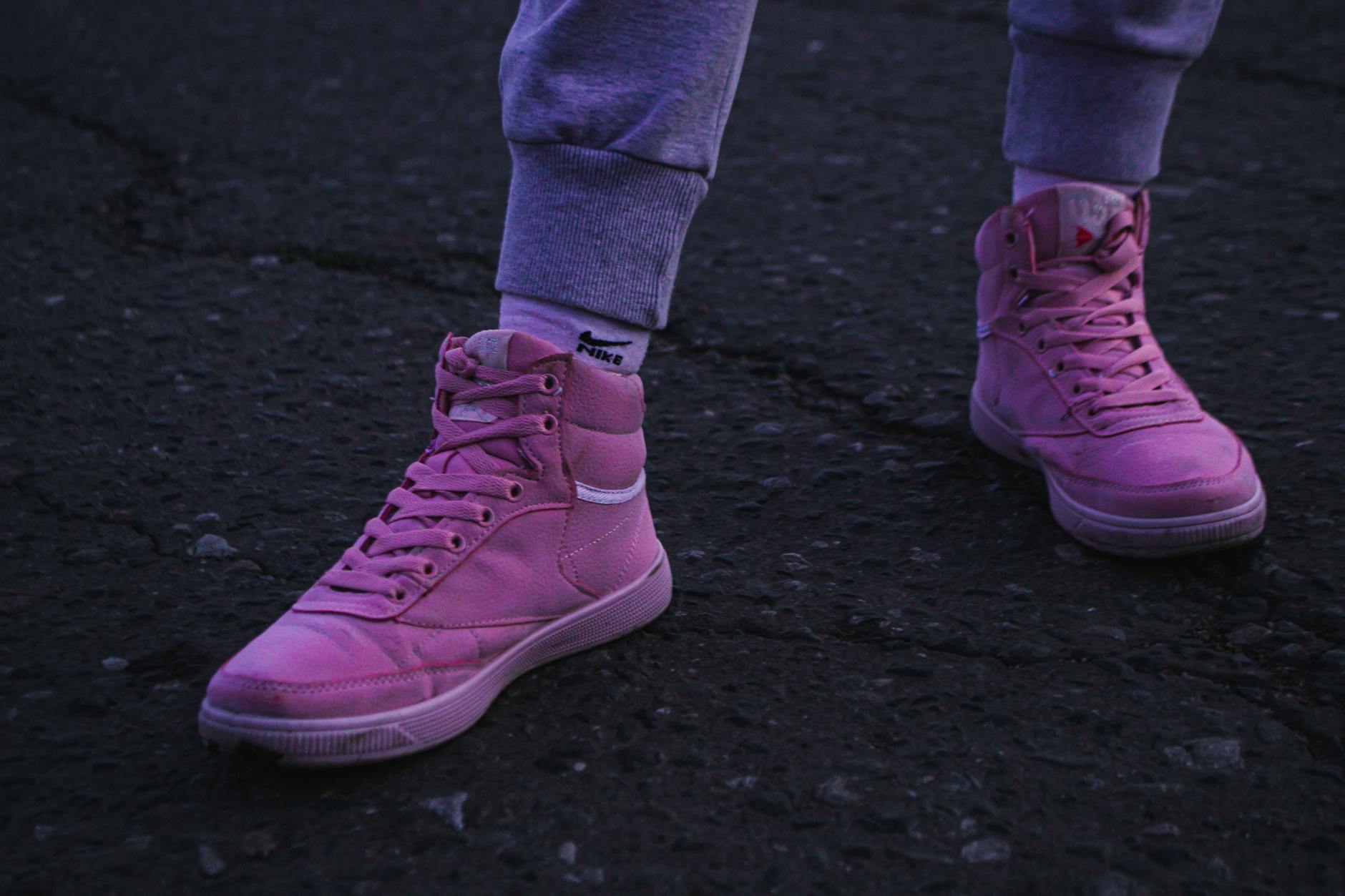
Wearing shoes that function as sculptural objects rather than as conventional footwear including architecturally shaped heels dramatically structured flats and boots with significant design features that exceed the proportions of standard footwear creates a foundation for the entire outfit that projects deliberate aesthetic commitment from the ground up. The confidence signal of sculptural footwear comes from the risk of drawing sustained attention to the feet which most conventional style advice attempts to manage or minimise. A person who has chosen footwear that invites direct and sustained scrutiny has implicitly communicated comfort with that scrutiny which is one of the most legible confidence signals available in personal presentation. Sculptural footwear worn with a restrained outfit allows the shoes to perform as the singular statement element and produces a more sophisticated result than pairing them with other strong elements that compete for the same visual attention. The quality of the sculptural element is crucial because poorly executed drama in footwear reads as novelty rather than as the considered aesthetic investment that confident sculptural dressing represents.
Bold Lip No Eyes
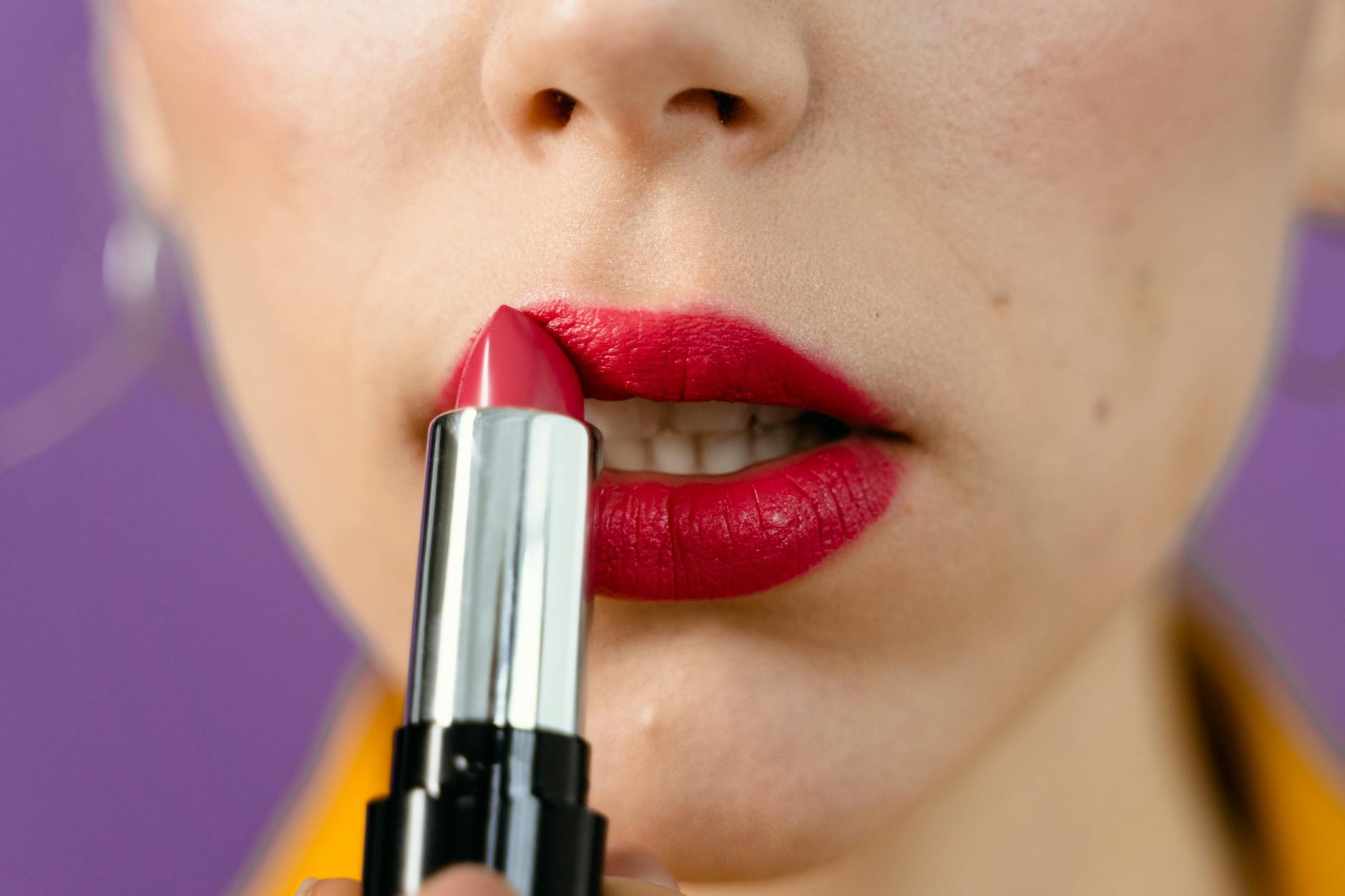
Wearing a bold saturated lip colour as the sole point of facial emphasis with minimal or no eye makeup creates a confident and stripped-back face that projects a specific quality of directness that heavily emphasised eyes with a neutral lip cannot replicate. The bold lip without eye competition draws attention immediately to the mouth and to spoken communication rather than distributing attention across the face in the way that emphasised eyes redirect it toward expression and emotion. The confidence required to let a single bold colour stand entirely alone on the face without the support of additional makeup is legible to anyone who looks because it requires a decision to be made and committed to rather than hedged with complementary emphasis. A true red a deep berry a saturated coral or a statement brick lip worn with bare or barely-there skin and unadorned eyes produces a face that reads as entirely intentional and entirely sufficient. The execution condition is applying the lip colour with precision because the absence of surrounding makeup removes every element that might soften or contextualise an imprecise application.
Contrasting Texture
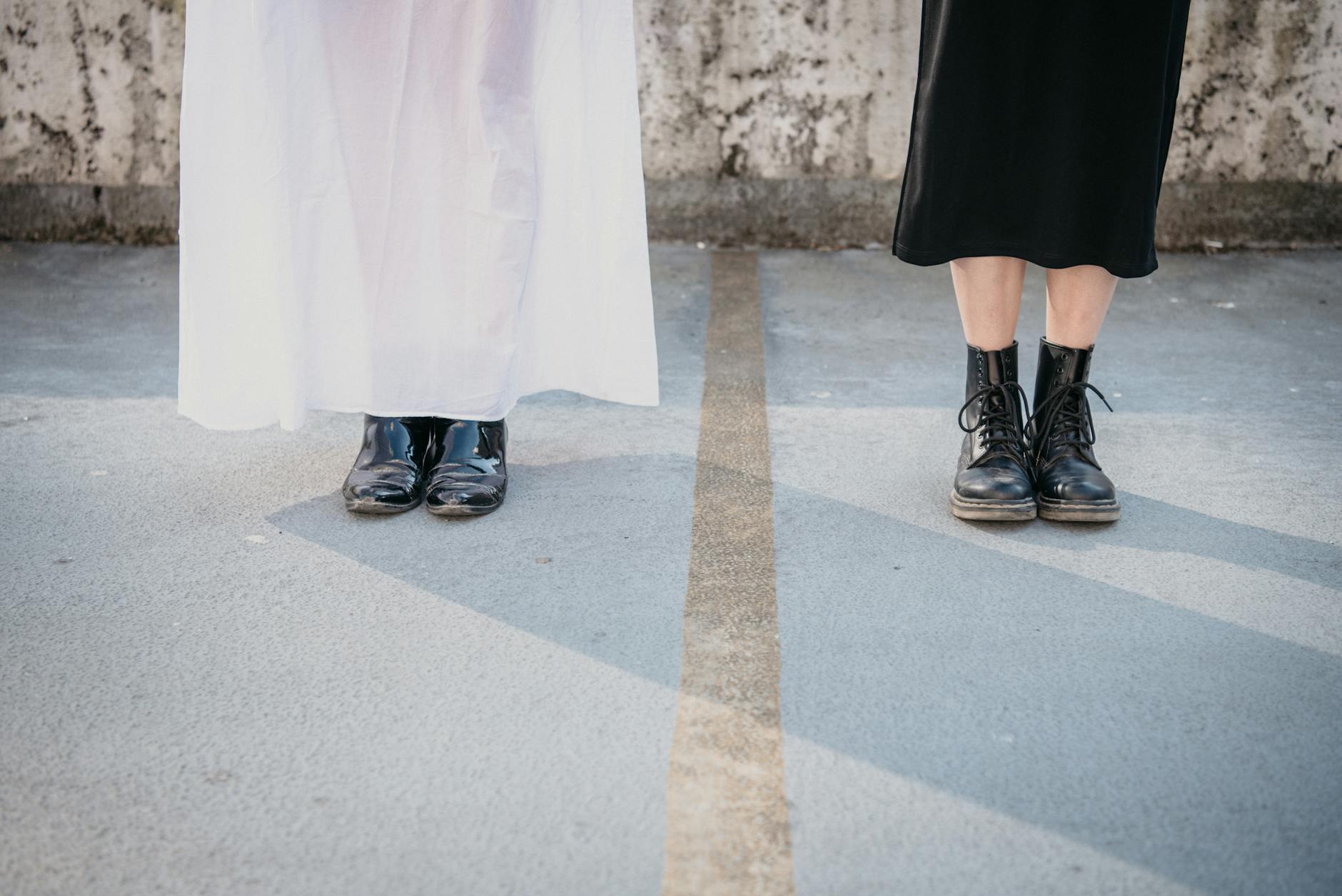
Combining fabrics whose textures are in deliberate and visible contrast including silk worn against denim velvet paired with cotton poplin and leather worn alongside chiffon creates a tactile visual complexity that tonal or coordinated texture dressing never achieves and that reads as a sophisticated and confident manipulation of fabric character rather than as a safe coordination of similar materials. The contrast between a rough and a refined texture in a single outfit creates a tension that draws the eye and communicates an ease with apparent contradiction that is one of the most consistently admired qualities in confident personal style. Leather trousers worn with a silk blouse a velvet blazer worn with heavy cotton jeans and a sheer organza skirt worn with a chunky knit top each create different versions of the same confidence signal through their specific texture contrast. The coherence that makes texture contrast read as intentional rather than accidental comes from consistency in the colour palette rather than in the material register. A single colour story across dramatically different textures produces an outfit that reads as deeply considered and entirely self-assured.
Androgynous Dressing
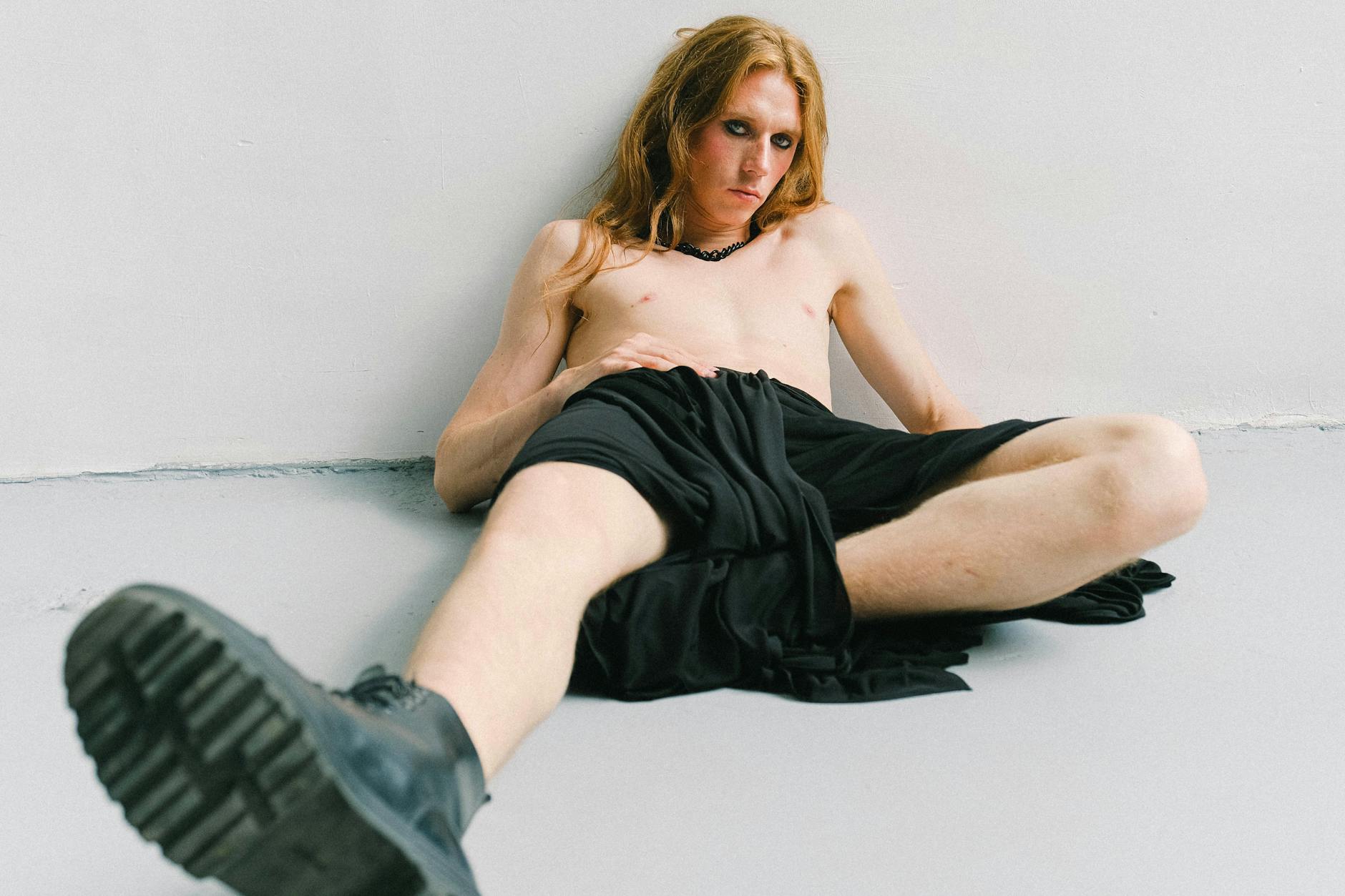
Incorporating garments that originate in menswear or womenswear conventions opposite to the wearer’s own including oversized men’s shirts on women tailored women’s suiting on men and gender-neutral garments styled against their intended demographic creates an outfit that projects freedom from the approval structures that gender-coded dressing enforces and that reads as confident self-definition rather than as confusion about convention. The confidence signal comes from the implicit statement that the wearer’s sense of identity is not dependent on clothing that performs expected gender signals and that their self-assurance is sufficient to accommodate the ambiguity that androgynous dressing introduces. An oversized men’s Oxford shirt belted over wide trousers produces a completely different quality of ease than a women’s blouse in the same outfit context. Structured women’s suiting worn by a man with a relaxed fit and confident styling reads as fashion authority rather than as transgression when it is worn with the ease of someone who has genuinely made a decision rather than someone performing one. Androgynous dressing worn as a natural expression of personal aesthetic rather than as a visible statement produces the strongest confidence reading available in this approach.
Unexpected Proportions
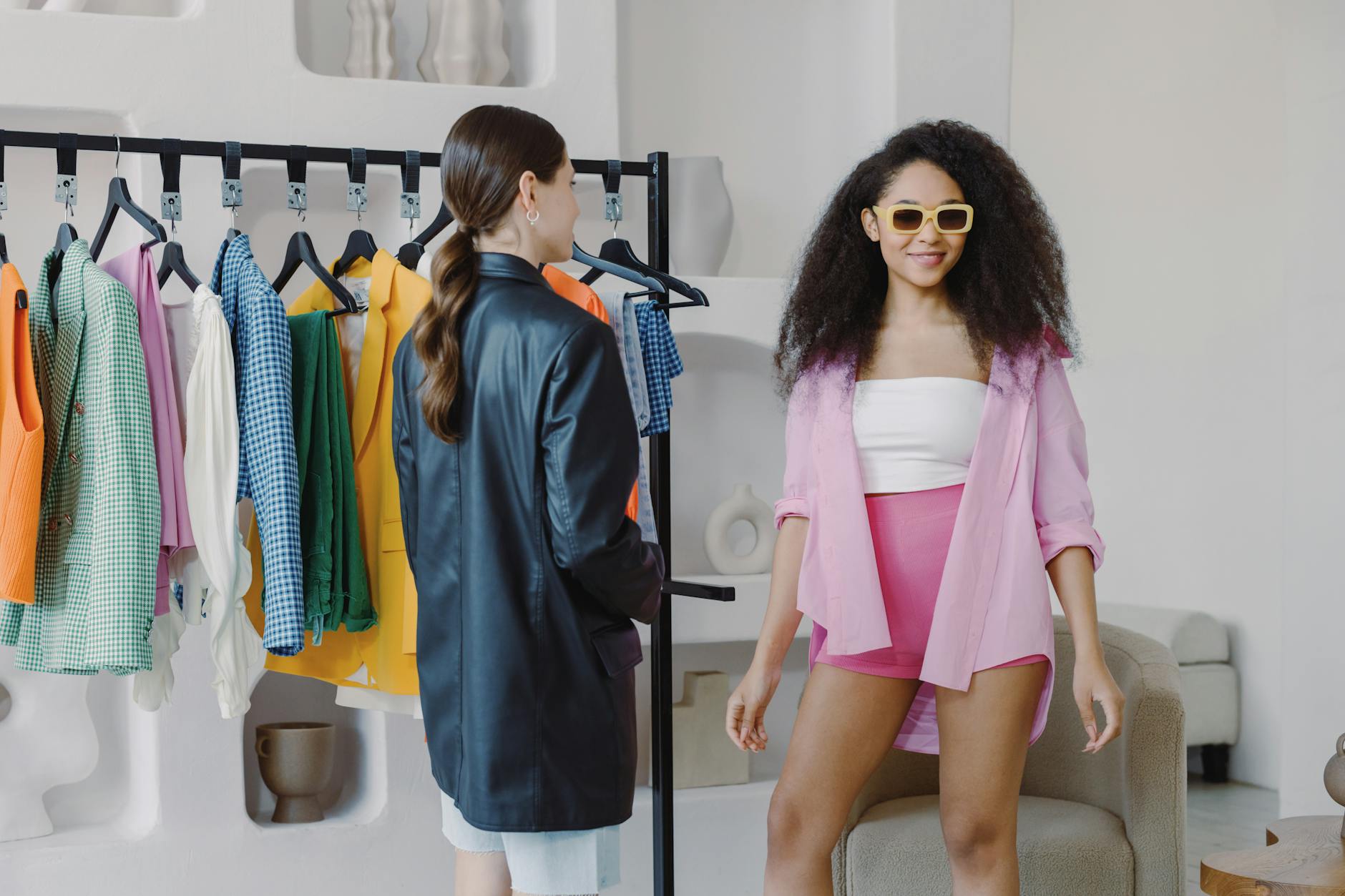
Deliberately pairing garments whose proportions are in obvious and intentional conflict including a cropped top with a very high waisted and voluminous bottom an oversized top with a minimal bottom and a tiny fitted jacket over a dramatically full skirt creates a silhouette that reads as architecturally considered rather than accidentally assembled and projects a confidence in manipulating proportion that safe even-matched sizing never demonstrates. The confidence signal comes from the risk of the proportion experiment being visible as a failure if executed without commitment because the boldness of the mismatch makes ambiguous execution immediately legible as self-consciousness. Extreme proportion contrasts that work share the quality of having a clear logic to the volume relationship even when that logic challenges conventional balance. A cropped jacket whose shortness is so deliberate it creates its own proportion rule rather than simply being too short is an example of the commitment level required for unexpected proportions to read as confident rather than incomplete. The execution condition is wearing the proportion as if it were the only logical choice rather than as if it were an experiment whose results are still being evaluated.
Dramatic Outerwear

Choosing outerwear that is substantially more dramatic than the outfit beneath it including coats with extreme volume theatrical length sculptural construction or bold colour that exceeds the register of the clothes it covers projects a specific quality of confidence that treating outerwear as a practical layer rather than a dominant style statement never produces. The coat as the primary style statement worn over deliberately understated clothing beneath creates a hierarchy in which the outerwear performs all the expressive work and the clothes beneath provide a clean ground that amplifies rather than competes with the coat’s impact. A floor-length opera coat over jeans a structural cocoon coat over a simple dress and a dramatically coloured oversized coat over a minimal monochrome outfit each create different versions of the same confidence signal. The practical context in which dramatic outerwear is worn including public transport ordinary errands and everyday commuting strengthens rather than diminishes the confidence signal because the absence of a special occasion to justify the drama is itself the statement. Wearing a spectacular coat as simply what you wear because it is what you have and what you chose is the execution condition that distinguishes genuine confidence from occasion-dependent performance.
Visible Underlay
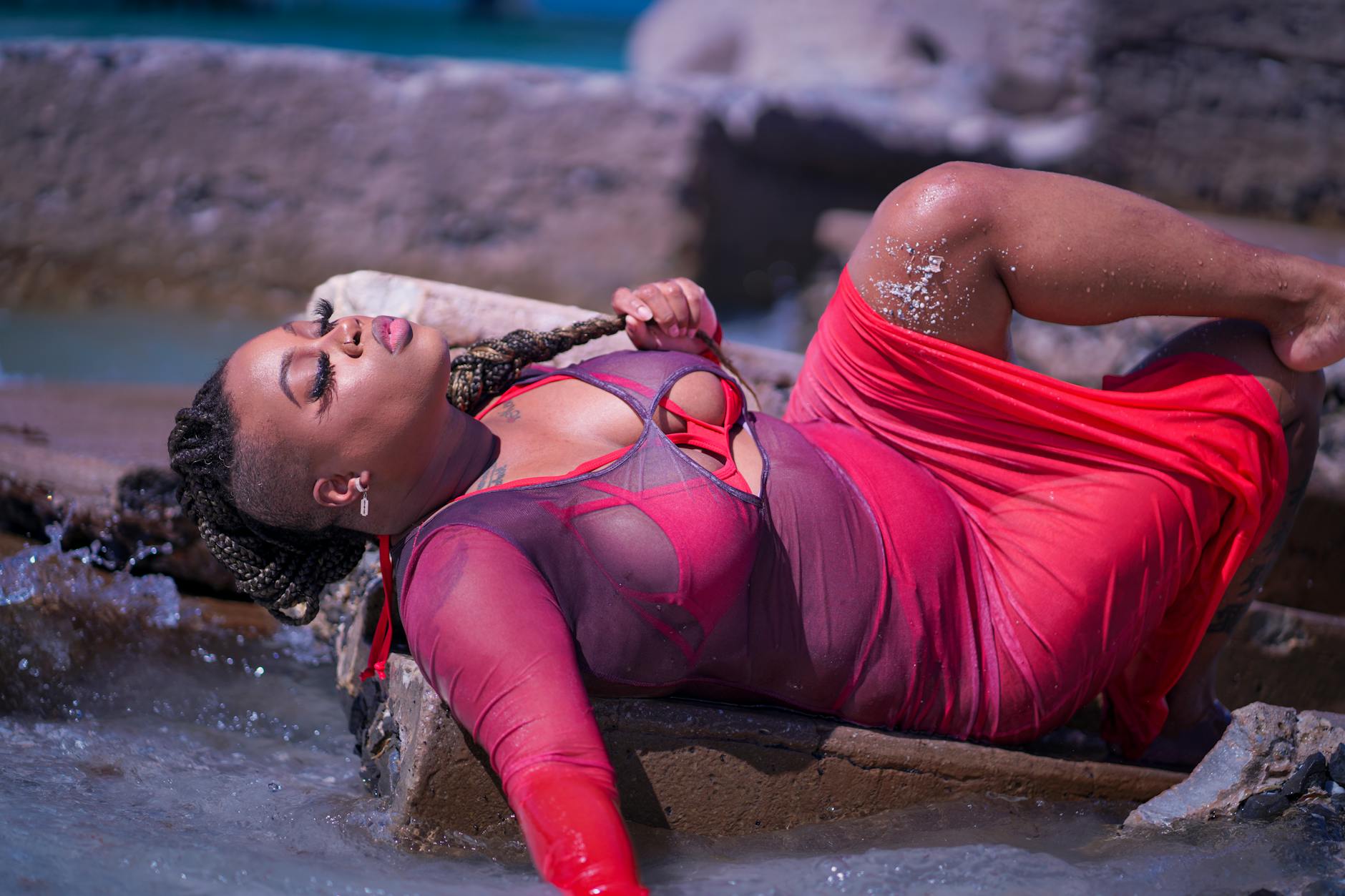
Deliberately allowing a significant portion of an underlayer to extend below or beyond the outer garment including a long shirt worn beneath a shorter jacket a slip dress worn under an open button-down and a turtleneck worn under a garment not designed to accommodate it creates an intentional layering complexity that reads as considered personal styling rather than as an incomplete outfit or a dressing error. The visible underlay extends the outfit’s visual interest downward or outward from the primary garment and creates a depth of composition that single-layer dressing cannot achieve. A white dress shirt extending significantly below a blazer hem a silk slip showing deliberately below a wool dress and a fine knit layer extending past the sleeve of a jacket each produce different effects but share the common quality of demonstrating that the wearer has made an active and considered decision about every visible layer rather than defaulting to the conventional finishing point of the outer garment. The execution requirement is that the underlay must be cleaner or more refined in its own right than the garment covering it which prevents the combination from reading as inadvertent rather than intentional. Confident visible underlaying is one of the most reliably sophisticated styling techniques available and requires no special garments beyond what most wardrobes already contain.
Transparent Fabric
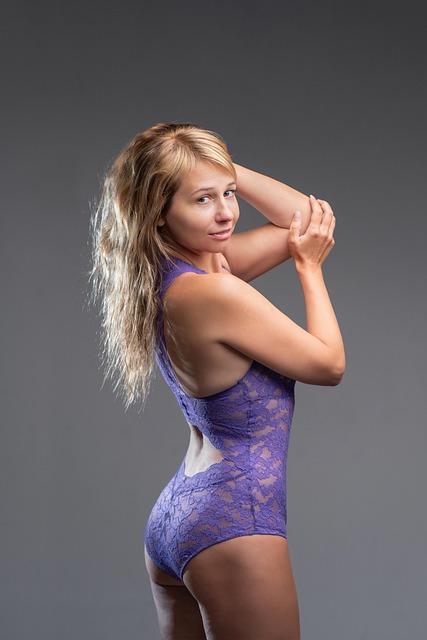
Wearing garments made from sheer or transparent fabrics in everyday contexts where opacity is the conventional expectation projects a specific quality of physical ease and comfort with visibility that is one of the most direct and legible confidence signals available in personal dressing. The sheer garment requires the wearer to have genuinely decided what will and will not be visible rather than relying on fabric density to make that decision automatically and the evident comfort with the result of that decision is what produces the confidence reading. A sheer blouse worn over a deliberate and considered underpiece a transparent overlay worn over a simple base and a mesh or organza garment used as the primary rather than secondary layer each communicate the same underlying quality of physical self-assurance. The confidence signal is strongest when the wearer’s ease with the visibility is complete rather than managed through strategic movement or self-conscious positioning. Transparent fabric worn with the same ease as opaque fabric demonstrates a relationship with the body and with being seen that produces an immediate and unmistakable impression of genuine self-possession.
Unusual Hemline
A hemline that is deliberately asymmetric handkerchief-pointed dramatically hi-lo or architecturally shaped in a way that draws direct attention to its own construction communicates that the wearer’s relationship with clothing extends to an appreciation of cut as a design element rather than simply fabric and colour as the relevant variables in a dressing decision. The unusual hemline creates movement and interest at the point where the garment meets the air around it and the confidence signal it produces comes from the choice to make the edge of the garment a visible and active design feature rather than a neutral finishing detail. A dramatically asymmetric hem on a skirt or dress creates a different silhouette from every viewing angle which itself projects a confidence with being observed from multiple perspectives simultaneously. The execution condition is that the hemline must be clearly intentional rather than merely unusual which requires the construction quality to be sufficient to make the shape read as designed rather than damaged or incorrectly altered. Unusual hemlines worn as a natural feature of a garment that fits and moves well produce one of the most quietly powerful confidence signals available in the construction details of personal dress.
Share your most confidence-transforming style decisions and the controversial choices that changed how you carry yourself in the comments.




