For anyone who has spent hours staring at the ceiling while their mind races through tomorrow’s to-do list, the search for a reliable sleep solution can feel endless and increasingly desperate. Chronic insomniacs often exhaust conventional advice long before discovering the unconventional environmental adjustments that genuinely shift their nervous system into rest mode. Many of these tweaks sound strange on paper but are grounded in sensory science, circadian biology, and the psychology of the sleep-wake transition. Sleep researchers and behavioral specialists have documented how small but precise changes to the physical sleep environment can override a hyperactive mind and signal the body that safety and rest are available. Here are 24 bizarre but effective sleep environment tweaks that insomniacs swear by, ordered from the most impactful down to the subtly surprising.
Weighted Blankets
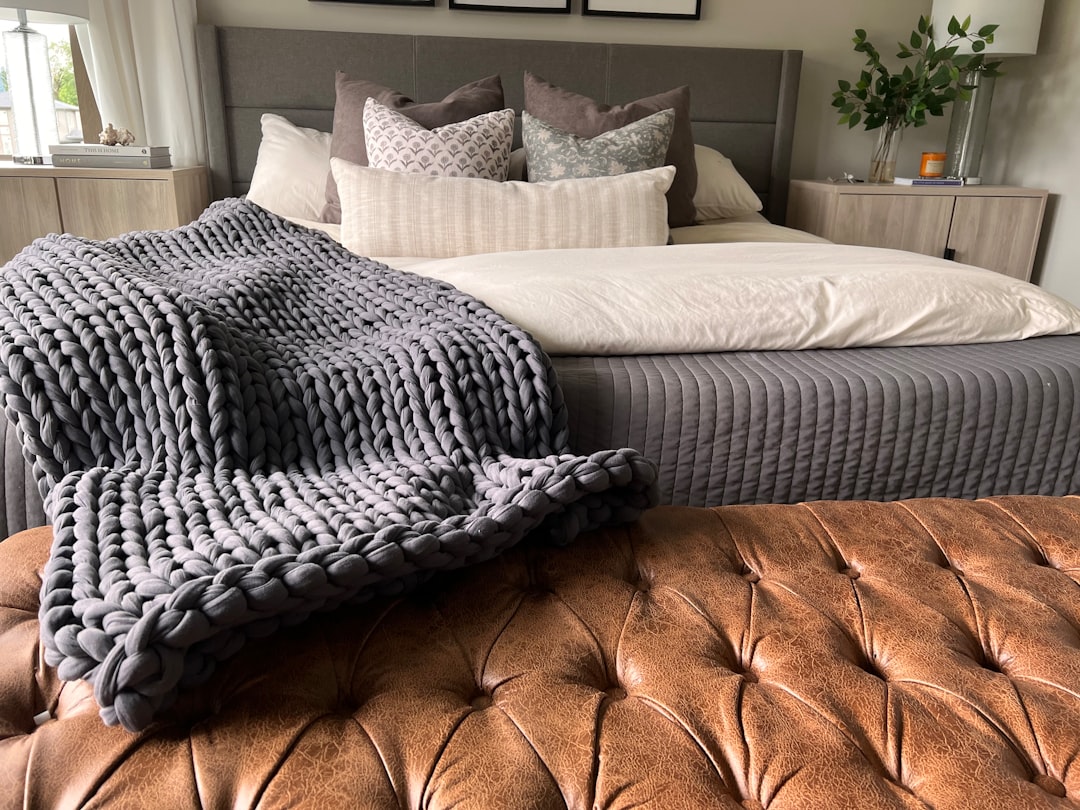
Weighted blankets apply deep pressure stimulation across the body in a way that mimics the calming neurological effect of being held or swaddled. This pressure activates the parasympathetic nervous system and triggers the release of serotonin and dopamine while simultaneously reducing cortisol levels. Research published in sleep and occupational therapy literature has documented measurable reductions in anxiety and improved sleep onset in adults using blankets weighted at approximately ten percent of their body weight. The effect is particularly pronounced in individuals with anxiety-driven insomnia where a dysregulated nervous system prevents the natural transition into sleep. Blankets ranging from five to twenty-five pounds are commercially available and the correct weight is a highly individual variable worth experimenting with carefully.
Pink Noise
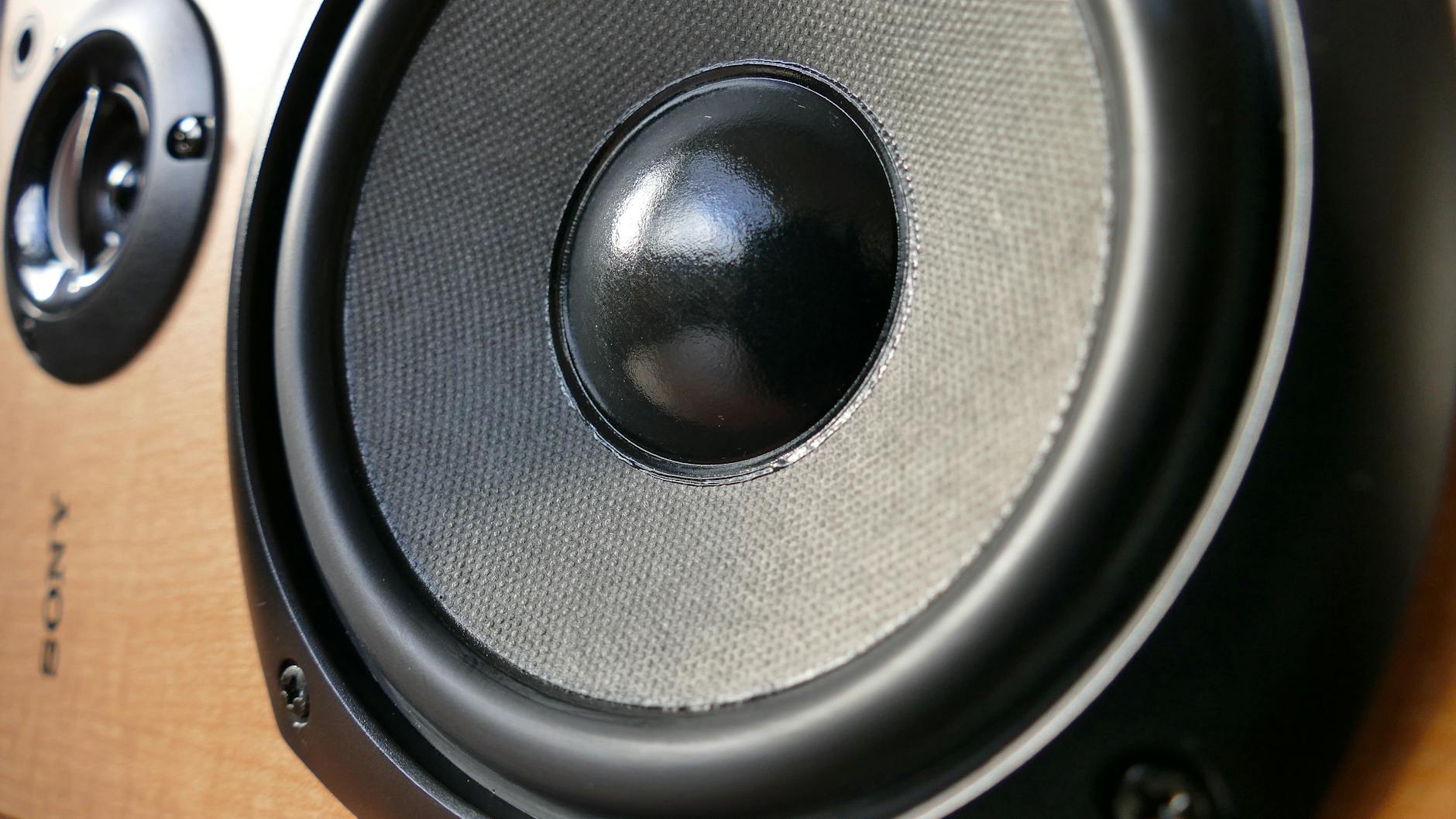
Pink noise is a specific frequency blend in which lower frequencies carry more power than higher ones, producing a sound that is warmer and less harsh than the more commonly known white noise. Studies conducted at Northwestern University and other sleep research institutions have found that pink noise synchronizes brain waves during sleep and extends the duration of deep slow-wave sleep stages. Unlike white noise which some individuals find fatiguing over time, pink noise more closely resembles naturally occurring sounds such as steady rainfall or wind moving through trees. It works by masking sudden acoustic intrusions that would otherwise trigger a startle response and interrupt sleep onset. Dedicated pink noise apps and sleep sound machines allow precise volume control which is important as the sound should be audible but not dominant in the room.
Grounding Sheets
Grounding or earthing sheets are conductive bedding products woven with silver or carbon threads that connect via a wire to the grounding port of a standard electrical outlet. The underlying concept draws from research suggesting that direct contact with the earth’s natural electrical charge reduces physiological stress markers and normalizes circadian cortisol rhythms. A study published in the Journal of Alternative and Complementary Medicine found that grounded subjects showed measurable changes in cortisol secretion patterns that aligned more closely with natural day-night cycles. Users frequently report a distinct physical sensation of heaviness and calm when first lying on a grounded sheet that they describe as unlike any other sleep aid. While the research base is still growing the reported sleep improvements among insomniacs are consistent enough to make this one of the more discussed unconventional options.
Blackout Curtains
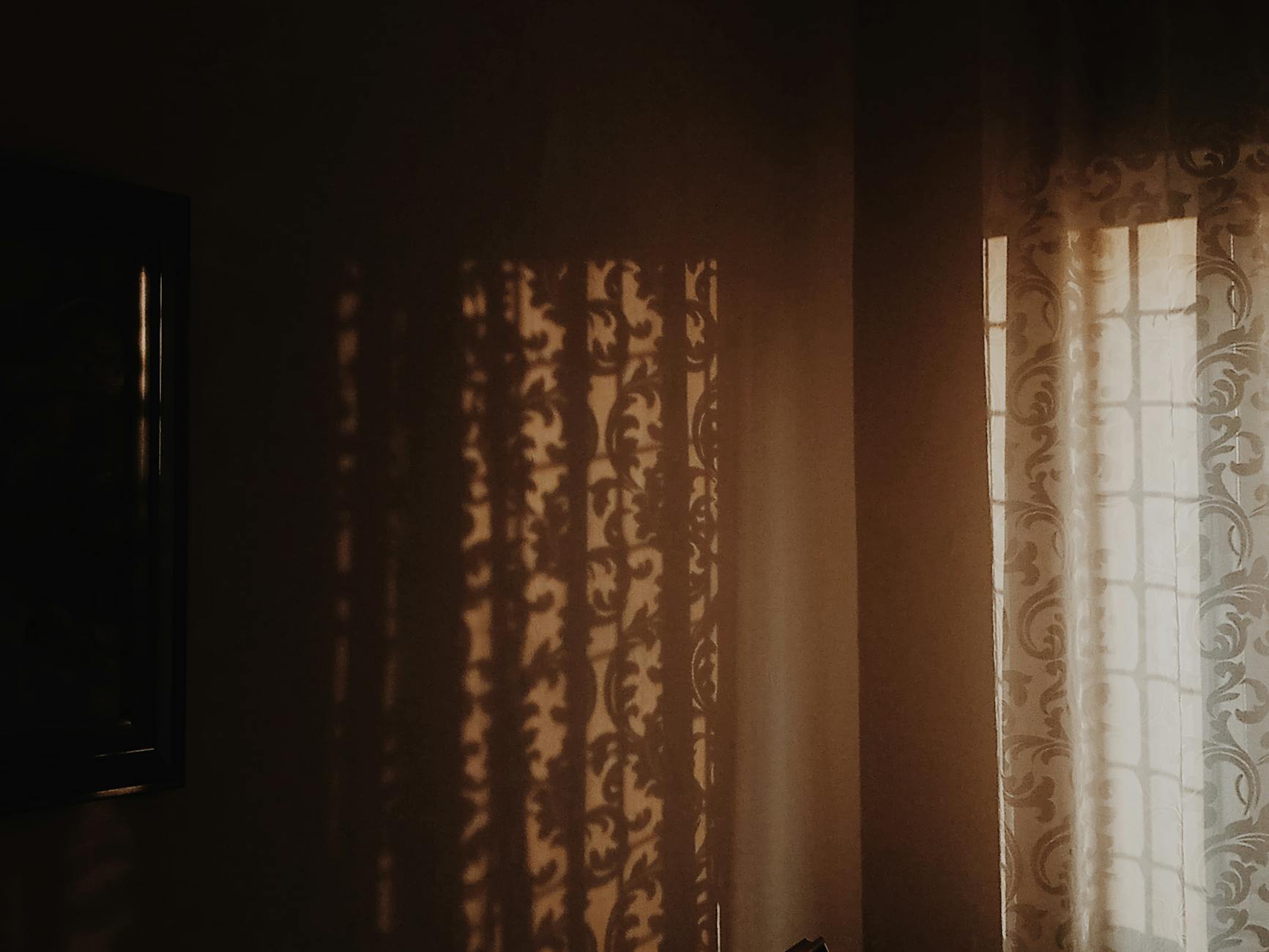
Blackout curtains eliminate all external light intrusion from streetlamps, passing vehicles, and early morning dawn, preserving the darkness that the brain requires to maintain melatonin production. Even minimal light exposure during sleep has been shown in research to suppress melatonin and shift the body toward wakefulness by activating light-sensitive retinal cells called intrinsically photosensitive retinal ganglion cells. Many insomniacs who believe they are unaffected by ambient light discover a dramatic improvement in both sleep onset and sleep maintenance after installing true blackout window coverings. The quality difference between standard heavy curtains and purpose-made blackout curtains is significant as only the latter reliably prevents light bleeding around edges. Installing blackout curtains is also one of the most cost-effective sleep environment modifications available.
Red Light Bulbs
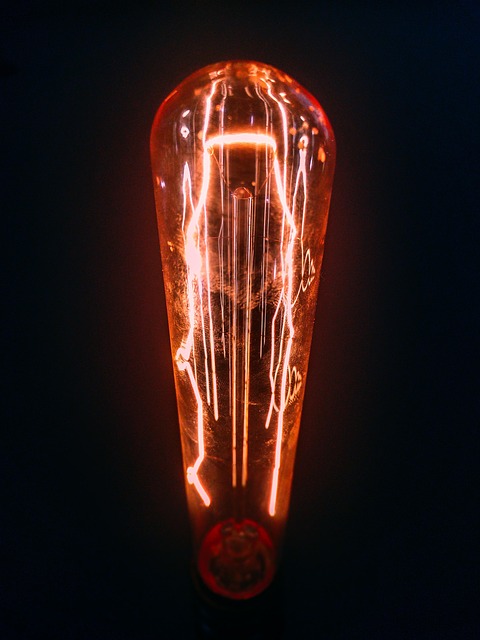
Replacing standard bedroom lighting with low-wattage red or amber bulbs in the hour before sleep removes the short-wavelength blue and green light frequencies that most strongly suppress melatonin production. Red light occupies the longest wavelength range in the visible spectrum and has a negligible effect on the circadian clock compared to white, cool, or blue-toned light sources. Insomniacs who adopt a red light evening routine report that the visual shift creates an almost immediate psychological cue for the body to begin winding down. Smart bulb systems can be programmed to automatically transition to red spectrum lighting at a set evening time removing the need for deliberate action. The difference becomes particularly noticeable in winter months when artificial lighting dominates the entire waking evening.
Cold Room Temperature
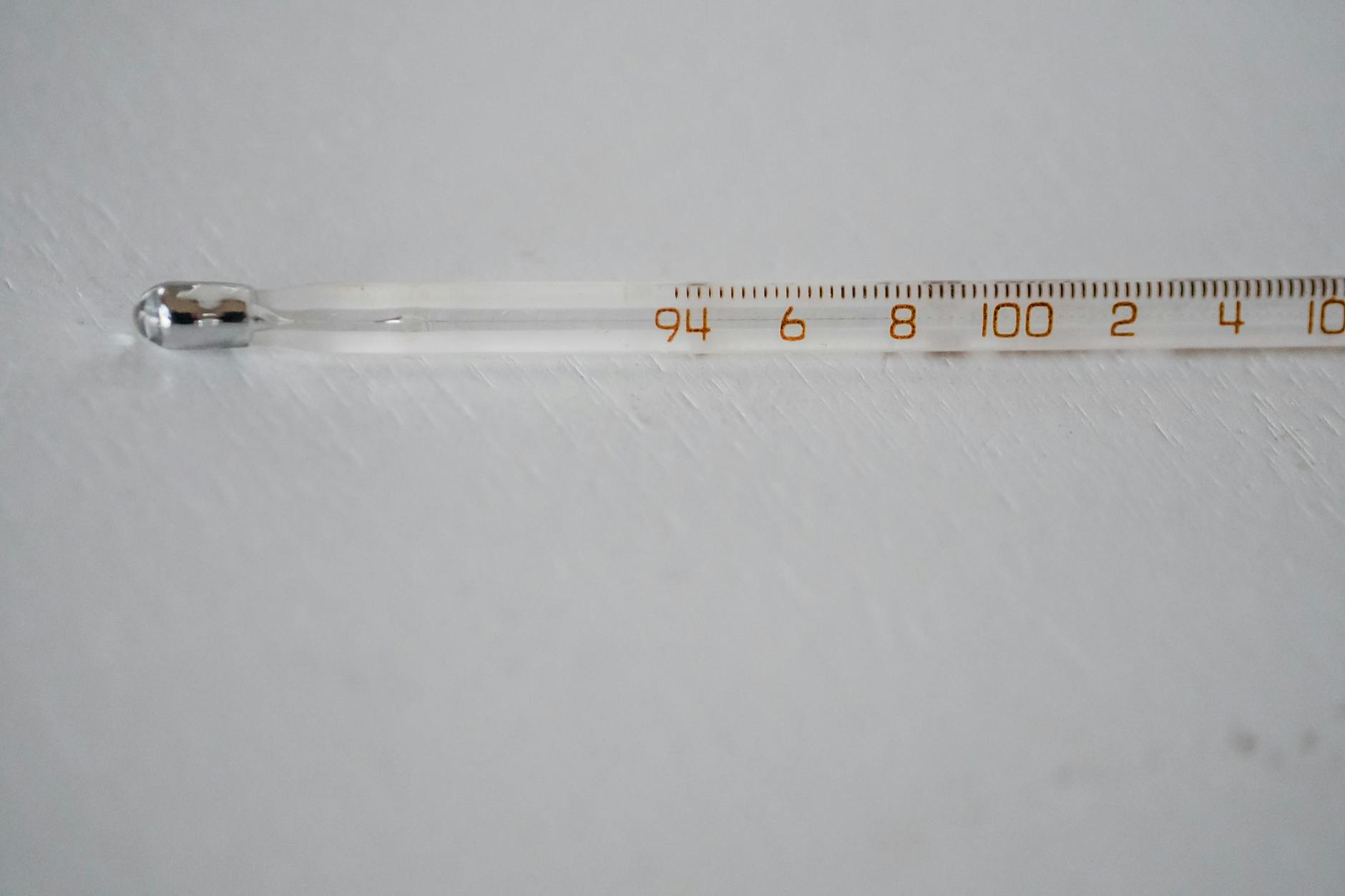
Maintaining bedroom temperature between 15 and 19 degrees Celsius is consistently identified in sleep science literature as the range most conducive to initiating and sustaining sleep. Core body temperature must drop by one to two degrees to trigger sleep onset and a cool room accelerates this process by facilitating heat dissipation from the hands, feet, and face. Insomniacs who sleep in rooms warmer than 21 degrees often experience fragmented sleep and increased wakefulness in the second half of the night when temperature regulation becomes more active. The interaction between environmental temperature and sleep architecture is among the most robustly documented findings in sleep research. Smart thermostats that lower temperature automatically at a set bedtime remove the reliance on memory and make cool-room sleeping consistently accessible.
Sand Trays

Keeping a small desktop Zen sand garden or a shallow tray of fine kinetic sand on the bedside table gives the hyperactive insomniac mind a tactile and visual focal point that gently absorbs ruminative thinking. The slow and repetitive motion of drawing patterns in sand activates a mild meditative state by occupying the prefrontal cortex just enough to interrupt the loop of anxious thought without producing alertness. Occupational therapists have used sand-based sensory tools in therapeutic contexts for decades, recognizing their particular effectiveness in reducing cognitive hyperarousal. The absence of any screen, sound, or stimulation beyond the physical sensation of the sand makes it one of the most low-tech interventions available. Insomniacs report that three to five minutes of sand interaction is often sufficient to produce a noticeable shift toward drowsiness.
Hammock Sleeping

Sleeping in a hammock rather than a conventional flat mattress produces a gentle rocking motion that research has shown accelerates sleep onset and deepens non-REM sleep stages. A landmark study published in Current Biology found that rocking at a frequency of approximately 0.25 hertz synchronized brain oscillations associated with deep sleep and improved memory consolidation. The slight incline created by hammock sleeping also reduces airway obstruction and can benefit individuals whose insomnia is partly driven by mild sleep-disordered breathing. The cocooning sensation of a hammock activates pressure receptors along the full length of the body producing a passive deep-pressure effect similar in mechanism to weighted blanket use. Indoor hammock setups using wall-mounted stands have made this option accessible without requiring outdoor space.
Salt Lamps
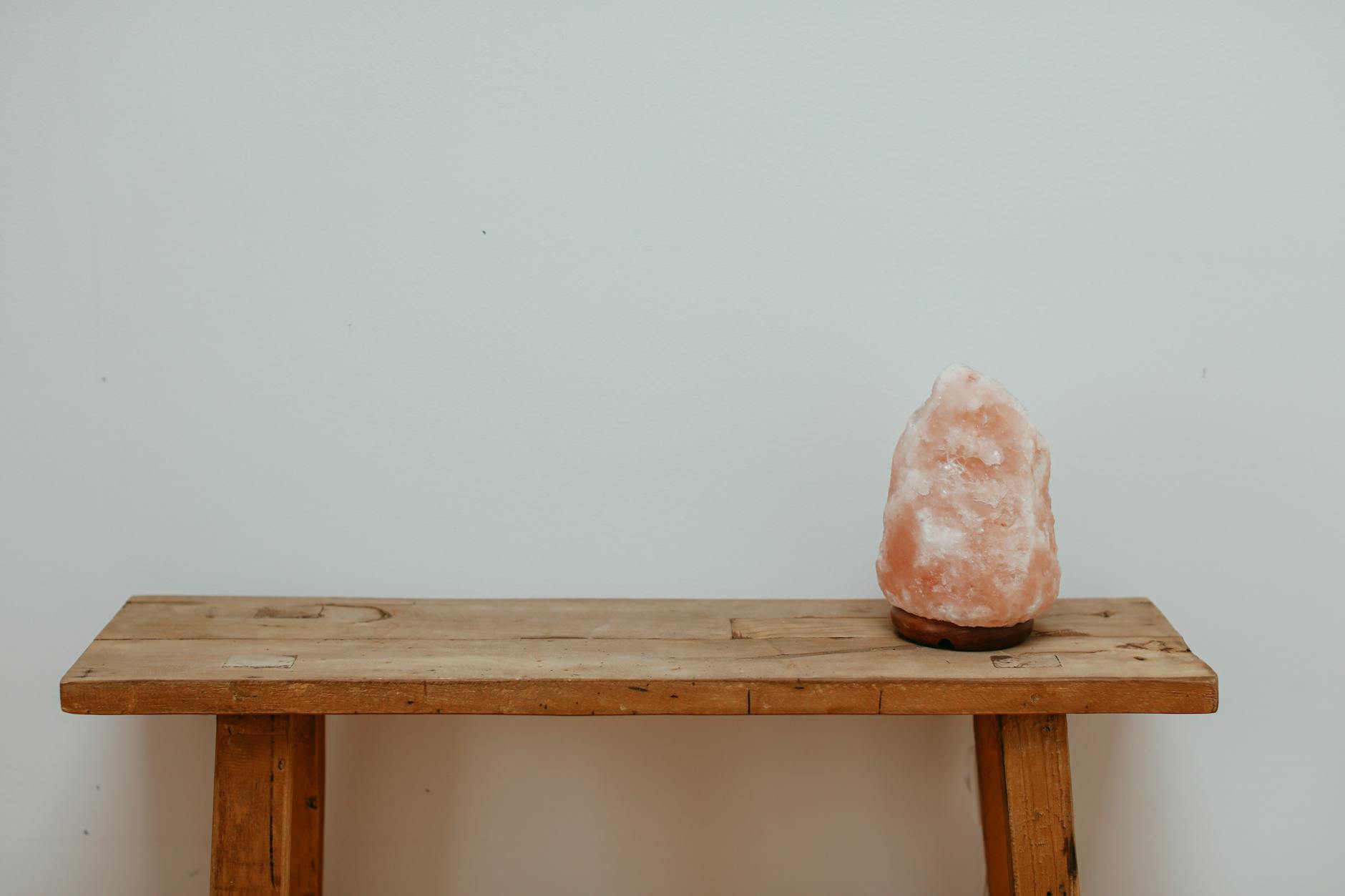
Himalayan salt lamps emit a warm amber-orange glow that functions as a low-intensity red-spectrum light source suitable for use in the hour before sleep. The gentle luminosity provides just enough ambient light for pre-sleep reading or movement without activating the blue-light-sensitive pathways that delay melatonin onset. Anecdotal reports from insomniacs frequently describe the visual warmth of salt lamp light as producing an immediate psychological sense of cave-like safety and enclosure. While claims about negative ion production and air purification attributed to salt lamps are not scientifically supported, their function as a melatonin-preserving light source has practical merit. Pairing a salt lamp with other wind-down cues creates a multisensory sleep ritual that the brain gradually learns to associate with imminent rest.
Weighted Eye Masks
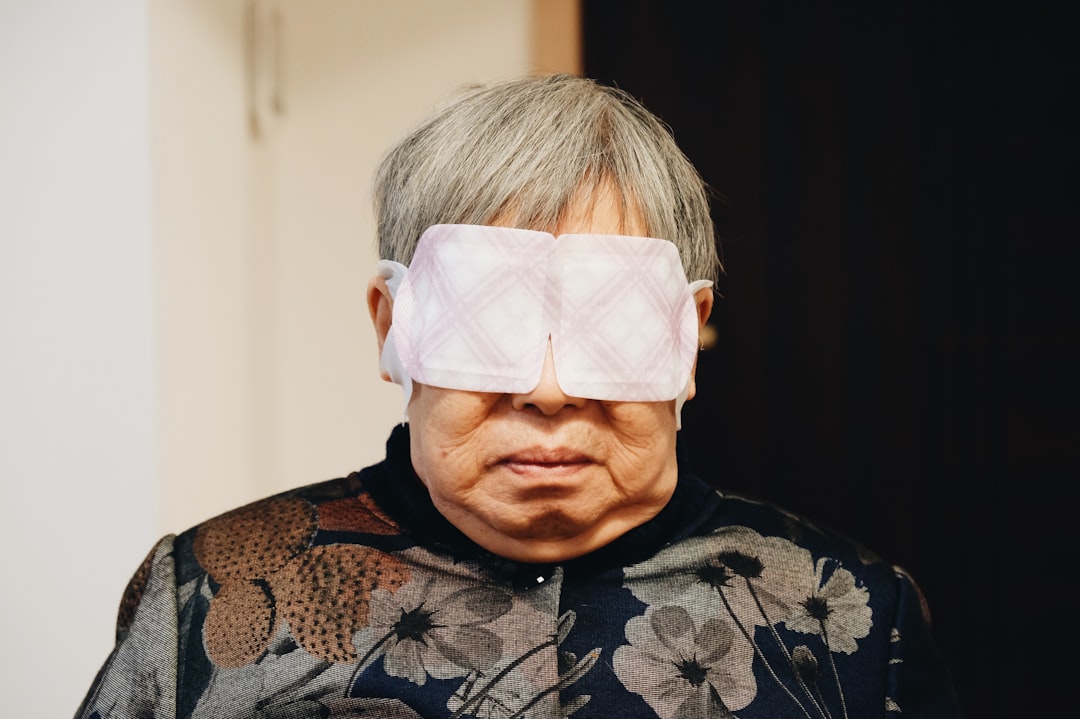
Weighted eye masks combine complete light blocking with gentle pressure applied directly to the orbital area around the eyes and forehead. The acupressure-like effect of the mask’s weight on the brow and eye socket area stimulates the vagus nerve and promotes a drop in heart rate associated with relaxation. Users report that the pressure creates a sensation of the eyes being too heavy to open, which competes directly with the physical restlessness that characterizes sleep-onset insomnia. Unlike standard sleep masks which address only light, weighted versions deliver simultaneous sensory input that occupies the nervous system’s arousal pathways. They are particularly effective for insomniacs who wake in the early morning hours when ambient light begins to increase.
ASMR Audio
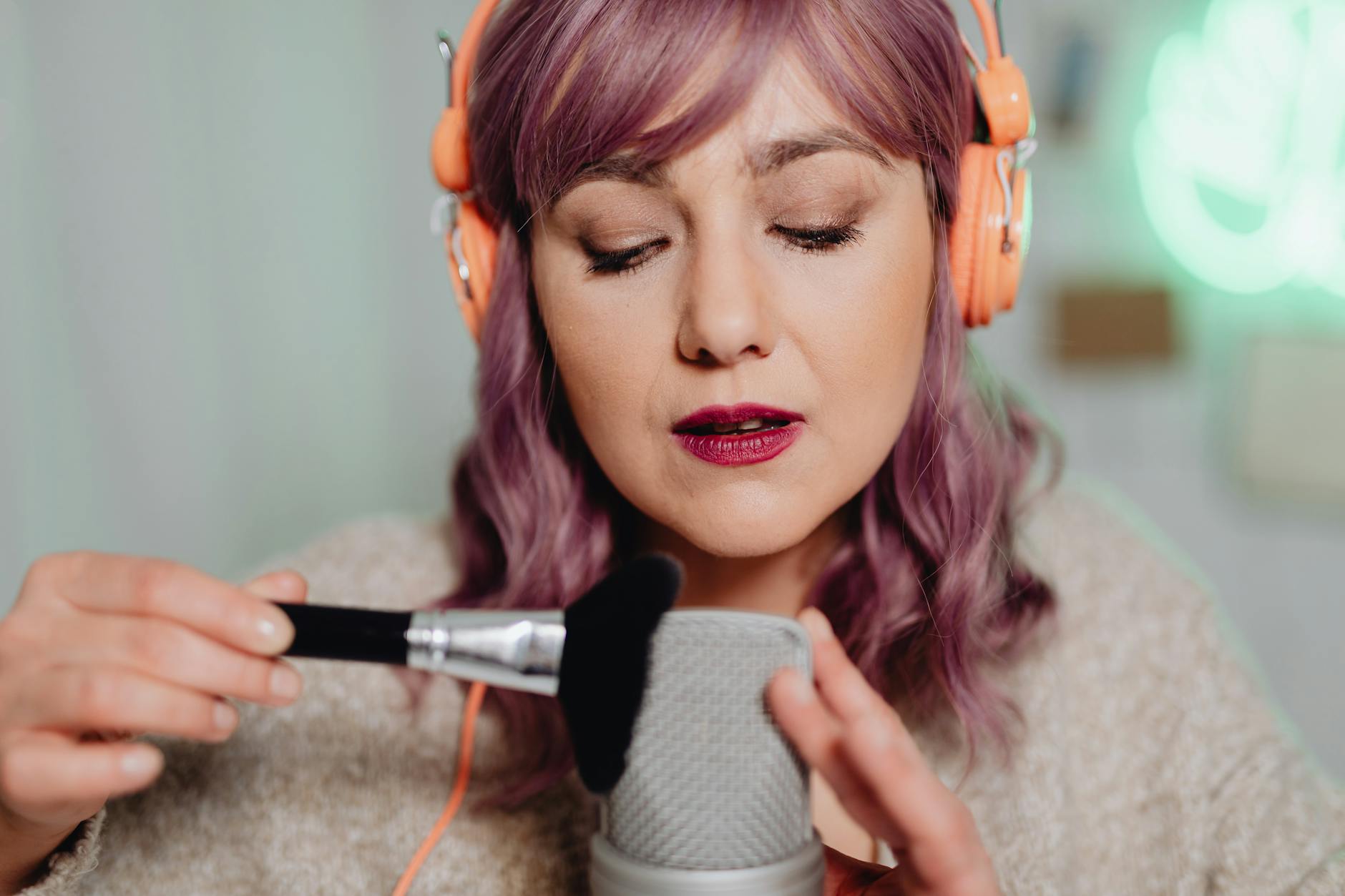
Autonomous sensory meridian response audio involves recordings of soft, deliberate sounds such as quiet tapping, slow page turning, whispered speech, and gentle crinkling that trigger a distinctive tingling relaxation response in susceptible listeners. Neuroimaging research has identified patterns of brain activity during ASMR that overlap significantly with meditative and pre-sleep states including reduced frontal lobe activity and increased default mode network engagement. The highly specific and personal nature of ASMR triggers means that individuals must explore different content categories to find the sounds that produce their particular relaxation response. A substantial subgroup of chronic insomniacs report that ASMR audio is the only sleep aid that consistently quiets the cognitive hyperarousal that prevents them from falling asleep. The widespread availability of ASMR content on streaming platforms makes it one of the most accessible and zero-cost sleep environment additions possible.
Infrared Sauna
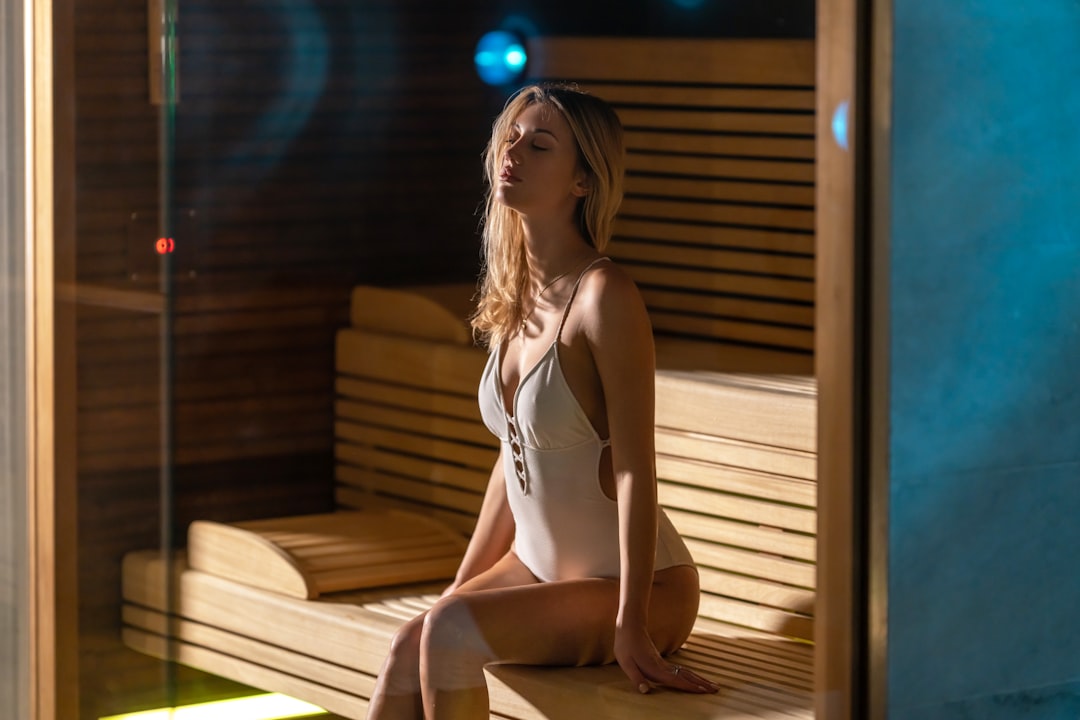
Brief infrared sauna sessions conducted one to two hours before bedtime trigger a powerful rebound drop in core body temperature as the body works to return to baseline after the heat exposure. This temperature drop closely mirrors the natural thermal shift that accompanies sleep onset and effectively shortcuts the time it takes the nervous system to enter a sleep-ready state. Infrared saunas operate at lower temperatures than traditional saunas making them more tolerable for regular use and accessible for home installation in compact pod or blanket formats. Research on heat exposure and sleep consistently finds that the timing of the session is critical with the beneficial temperature rebound occurring most strongly in the sixty to ninety minute window after exiting the sauna. Chronic insomniacs who incorporate infrared sauna into a regular pre-sleep routine report some of the most dramatic improvements in sleep onset time.
Copper Pillowcases

Copper-infused pillowcases are woven with copper oxide fibers originally developed for clinical wound care applications and have since entered the sleep wellness market. The antimicrobial properties of copper reduce the microbial load on the sleep surface which some researchers have proposed may lower the low-grade inflammatory signaling that contributes to nighttime restlessness. The fabric tends to have a cool, smooth texture that is particularly well tolerated by individuals whose insomnia is aggravated by overheating around the head and neck. Some users report that the physical sensation of the cool metallic-blend fabric is itself a distinct and calming sensory cue that anchors pre-sleep relaxation. While the evidence base for copper pillowcases as a direct sleep intervention is limited, the combination of thermal and antimicrobial properties makes them a logical addition to a comprehensive sleep environment strategy.
Forest Sound Machines

Dedicated forest soundscape machines reproduce layered natural audio environments including birdsong at low volume, distant water movement, light wind, and insect ambience, creating a multidimensional acoustic backdrop that differs meaningfully from single-tone white or pink noise machines. Evolutionary biology researchers have proposed that the human nervous system is primed to interpret natural soundscapes as signals of environmental safety, triggering a physiological relaxation response that is less reliably triggered by artificial sounds. Studies on the restorative effects of natural environments have consistently found reductions in cortisol and sympathetic nervous system activity associated with nature sound exposure. The layered complexity of a forest soundscape also provides sufficient auditory engagement to prevent the mind from generating its own intrusive content, a key driver of sleep-onset insomnia. High-quality forest sound machines use field recordings rather than synthesized audio which produces a distinctly more effective response in regular users.
Cooling Mattress Pads
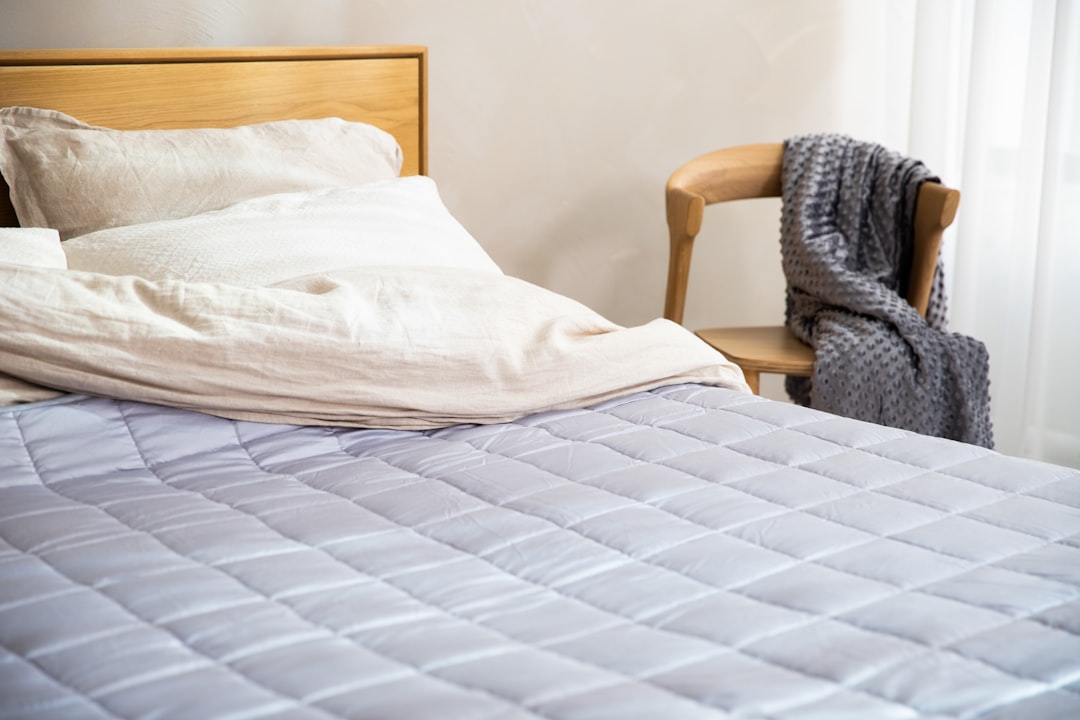
Active cooling mattress pads circulate chilled water through a network of tubes embedded in the pad surface maintaining a consistent low temperature across the sleep surface throughout the night. Unlike passive cooling mattress toppers that absorb heat and become warm over time, active systems maintain their temperature independently of the sleeper’s body heat output. Research has shown that maintaining a cool sleep surface reduces nighttime waking frequency and increases the proportion of restorative deep sleep stages compared to sleeping on a thermally neutral or warm surface. Insomniacs who are prone to waking in the second half of the night, when body temperature naturally rises, report the most significant benefit from active cooling systems. The temperature can be calibrated to individual preference and some systems allow each side of a shared bed to be set independently.
Moonlight Alarm Clocks
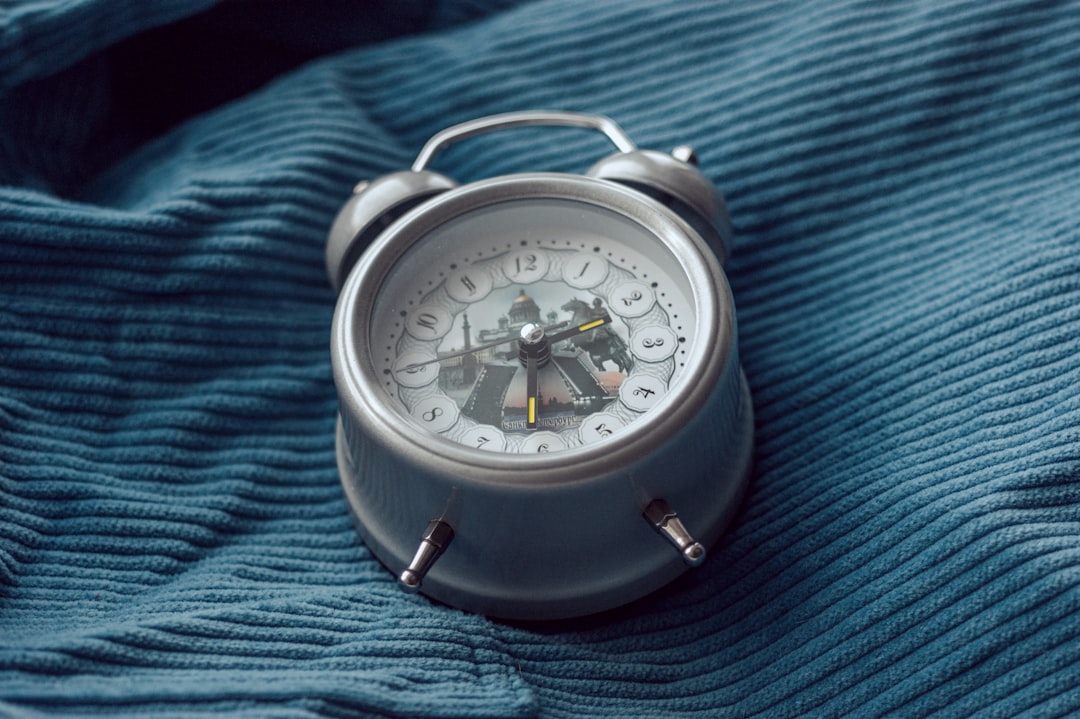
Moonlight simulation alarm clocks work in reverse to conventional dawn simulation devices by emitting a gradually dimming cool light in the thirty to sixty minutes before the target sleep time, mimicking the visual transition from dusk to full darkness. This progressive darkening sends a timed environmental cue to the suprachiasmatic nucleus, the brain’s circadian pacemaker, that night has arrived and melatonin production should increase. Insomniacs whose sleep problems are rooted in circadian phase disruption, common in shift workers and heavy screen users, respond particularly well to this form of light-based environmental cueing. The automation removes the reliance on behavioral discipline and instead embeds the circadian cue directly into the physical environment. Combining a moonlight clock with red-spectrum lighting creates a coordinated light environment that addresses multiple pathways of sleep inhibition simultaneously.
Lavender Diffusers
Lavender essential oil contains linalool and linalyl acetate, compounds that have demonstrated sedative and anxiolytic effects in multiple controlled studies by acting on GABA receptors in the central nervous system. Ultrasonic diffusers that continuously release a fine lavender mist into the bedroom air create a sustained olfactory environment that maintains these calming effects across the sleep onset period. Research conducted at Wesleyan University found that participants exposed to lavender before sleep showed increased slow-wave sleep and reported feeling more refreshed upon waking compared to a control condition. The olfactory system has a uniquely direct anatomical connection to the limbic system, the brain’s emotional and arousal regulation center, making scent one of the fastest routes to modifying emotional state without cognitive effort. Choosing a high-quality single-origin lavender oil rather than a synthetic fragrance is important as synthetic versions do not contain the bioactive compounds responsible for the sedative effect.
Sensory Deprivation Pods
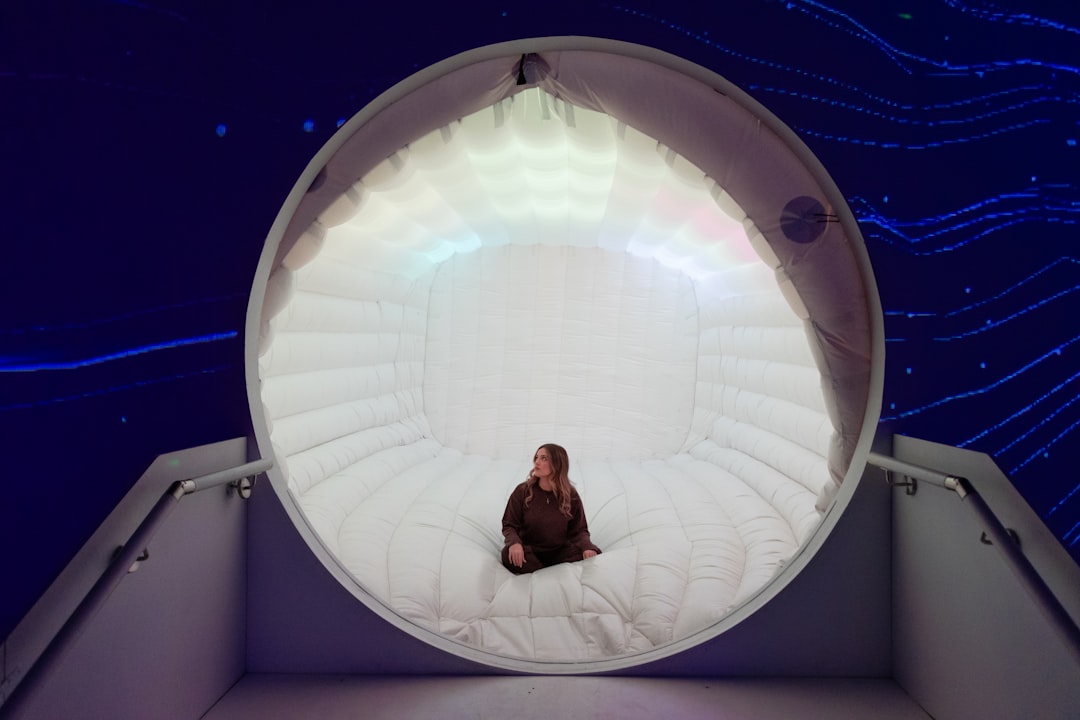
Home-adapted sensory deprivation or float tank setups involve lying in a shallow body-temperature saltwater solution in a completely darkened and sound-isolated enclosure, removing virtually all external sensory input from the nervous system. The elimination of gravitational pressure through flotation in highly concentrated Epsom salt solution reduces the constant stream of proprioceptive signals the brain processes during ordinary wakefulness. Research at the Laureate Institute for Brain Research has found measurable reductions in anxiety and increases in calm across float sessions, with effects that persist into subsequent sleep periods. Insomniacs who use float facilities before sleep report that the nervous system reset produced by a sixty-minute session dramatically reduces the cognitive hyperarousal that normally prevents them from falling asleep. Compact home float pods have become increasingly available making regular pre-sleep floating more practical outside of commercial float spa settings.
Magnetic Therapy Pads
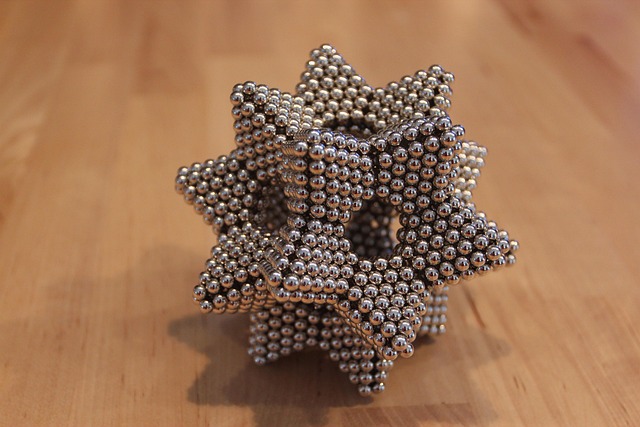
Magnetic therapy sleep pads contain arrays of static magnets positioned to align with major body regions and are used by some insomniacs as a passive sleep environment addition based on the premise that magnetic fields influence cellular ion channel activity and circulation. Some researchers have proposed that static magnetic fields may influence melatonin production by the pineal gland, which is sensitive to geomagnetic variation. Users who report benefit describe a distinctive heaviness and warmth in the muscles overlying the magnetic arrays that they associate with accelerated physical relaxation. The evidence base for magnetic therapy in sleep is mixed and largely drawn from small studies, making strong clinical conclusions premature. The absence of any known mechanism for harm makes magnetic pads a low-risk addition to a broader sleep environment strategy for those who respond to them.
Ticking Clocks
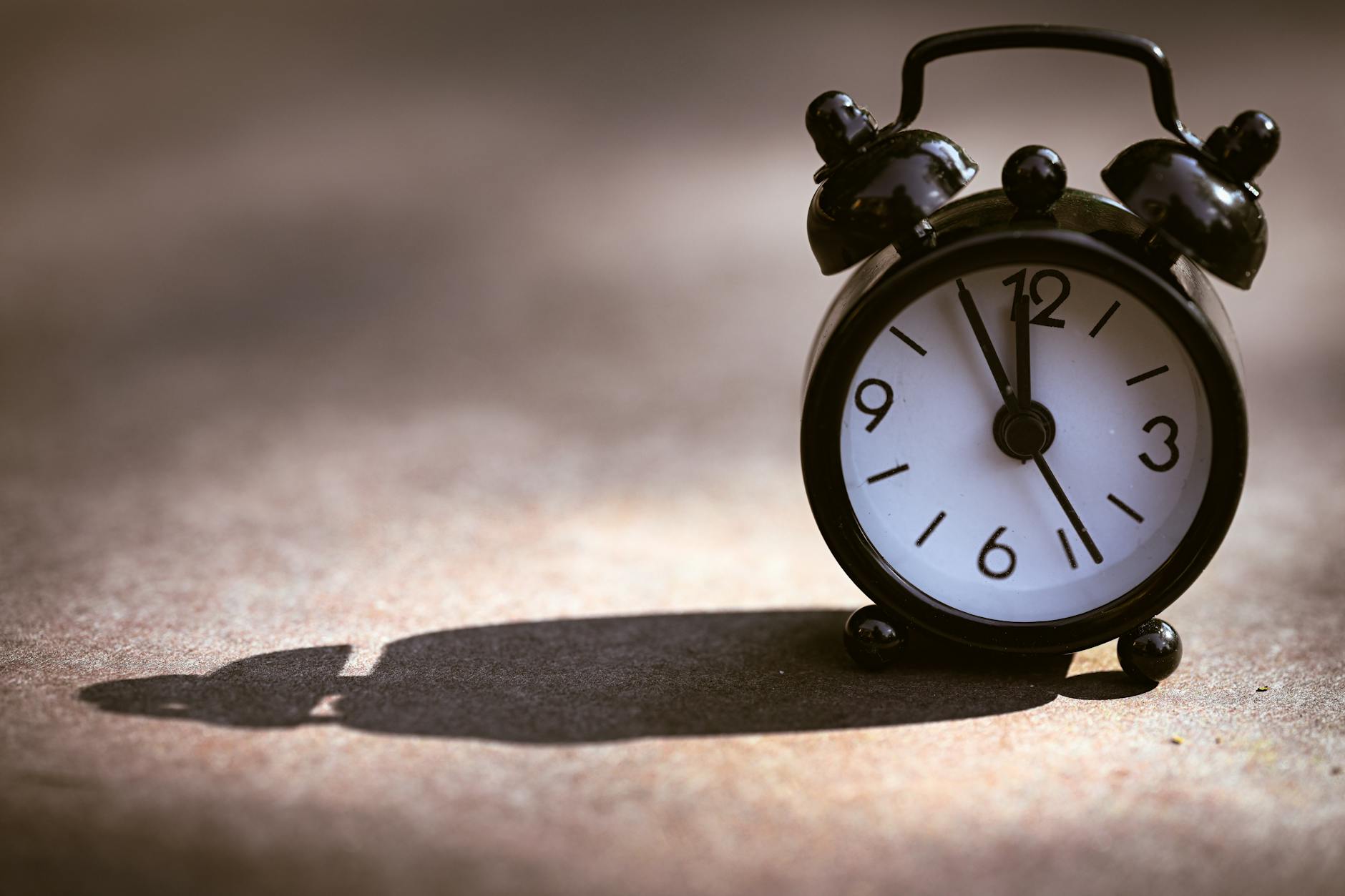
The steady mechanical tick of an analog clock or metronome set to a slow tempo of approximately fifty to sixty beats per minute provides a rhythmic auditory anchor that the resting mind can passively follow without stimulation or cognitive demand. This entrainment effect, in which the brain’s electrical rhythms gradually synchronize to an external rhythmic stimulus, is well documented in neuroscience and forms the basis of binaural beat and rhythmic sound sleep interventions. Unlike music or speech, a metronomic ticking carries no informational content and therefore does not activate the language or emotional processing centers that contribute to insomnia-driving mental activity. Victorian-era physicians frequently recommended the sound of a clock for sleepless patients, a practice that now has a modest but growing body of neuroscientific explanation behind it. Insomniacs who find silence itself anxiety-provoking report that a slow tick gives the mind something harmless to follow rather than a void to fill with rumination.
Silk Pajamas

The thermal and tactile properties of natural silk create a sleep surface microclimate that differs substantially from cotton or synthetic fabrics in ways that are directly relevant to sleep physiology. Silk’s protein fiber structure regulates temperature passively by wicking moisture away from the skin surface during the periods of perspiration that accompany normal sleep-stage transitions. The smooth texture of silk against the skin eliminates the low-level tactile friction that can maintain a subtle baseline of sensory arousal in individuals with heightened somatosensory sensitivity. Dermatologists note that silk causes less mechanical irritation than woven cotton for individuals with eczema or sensitive skin conditions, both of which can generate the nocturnal itching that disrupts sleep maintenance. The combination of thermal regulation, moisture management, and reduced tactile stimulation makes silk sleepwear a multifunctional sleep environment modification despite its deceptively simple nature.
Soundproof Curtains
Acoustic or soundproof curtains use dense multilayer fabric construction with mass-loaded vinyl cores to attenuate external noise across a broad frequency range, reducing the intrusion of street traffic, neighbors, and urban ambient sound into the sleep environment. Unlike earplugs which block sound at the ear canal and can cause discomfort or pressure over a full night’s use, soundproof curtains reduce noise at the source before it enters the acoustic environment of the room. The combination of sound attenuation and light blocking available in premium acoustic curtains means a single installation addresses two of the most common environmental sleep disruptors simultaneously. Chronic insomniacs living in urban environments frequently identify unpredictable nocturnal noise as the primary trigger of their sleep fragmentation and acoustic curtains reduce the frequency and intensity of these events. The psychological benefit of knowing the environment is acoustically managed also reduces anticipatory anxiety about noise, which is itself a significant driver of sleep-onset difficulty.
Cerulean Blue Bedrooms
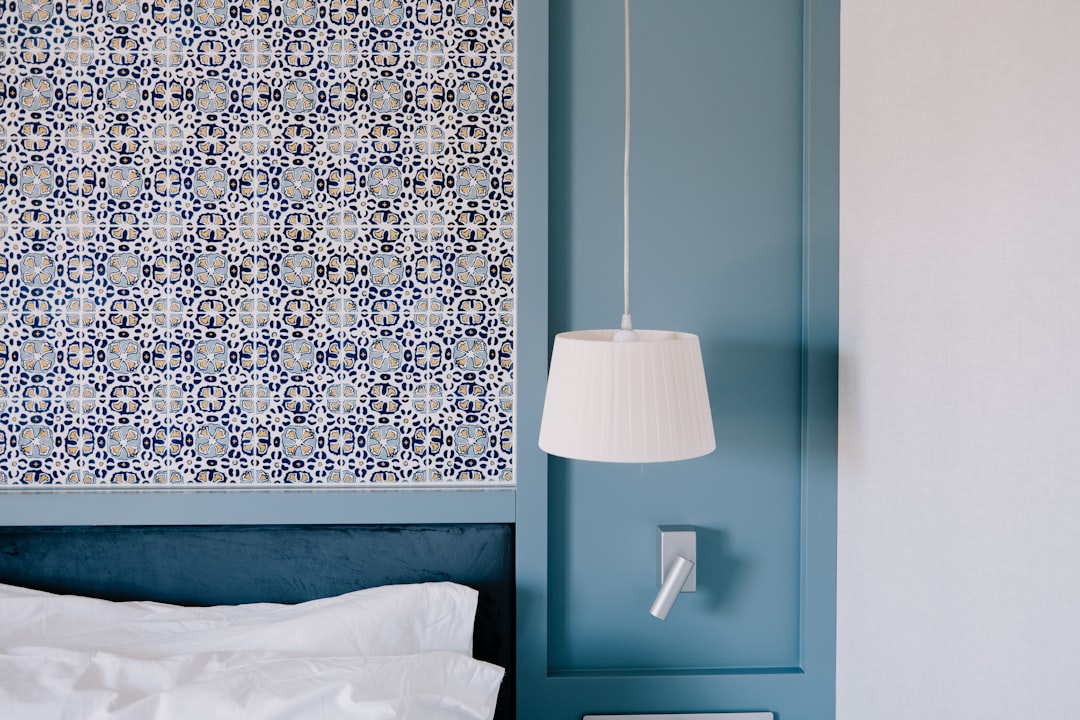
Painting bedroom walls in specific shades of cerulean or muted slate blue has been associated with longer average sleep durations in research examining the relationship between interior color and sleep behavior. A widely cited study conducted in collaboration with hotel chain Travelodge surveying thousands of participants found that individuals sleeping in blue rooms reported the longest average sleep duration among all color categories examined. Blue tones are processed by the visual cortex as recessive and cool, reducing the perceived temperature and visual stimulation of the room environment. The specific mechanism is thought to involve the psychological association of blue with sky, water, and open space, which activates an innate sense of environmental safety and openness in the nervous system. Choosing a matte rather than reflective finish amplifies the calming effect by eliminating any visual dynamism from the wall surface.
Mylar Emergency Blankets

Mylar emergency blankets, the thin metallic sheets carried in survival kits, are used by some insomniacs as an unconventional reflective sleep layer placed between the mattress and bed sheets. The reflective surface redirects body heat back toward the sleeper in a precisely controlled thermal loop that some users describe as producing an unusually even and stable warmth quite different from the directional heat generated by electric blankets. The subtle crinkling sound produced by minor movements on the Mylar surface provides a low-level white noise effect that functions as an acoustic backdrop. The practice has circulated in long-distance hiking and survival communities where improvised sleep optimization under difficult conditions has produced a substantial body of informal experiential knowledge. The combination of thermal reflection, sound generation, and the unusual sensory novelty of the material appears to work through multiple simultaneous pathways for a subset of insomniacs who have exhausted conventional options.
If you have tried any of these sleep environment tweaks or discovered your own unconventional solutions, share your experience in the comments.




