
Morning light is one of the most powerful and underutilized tools for regulating mood, energy, and mental clarity throughout the day. The human circadian system is exquisitely sensitive to the timing, intensity, and duration of light exposure in the first hours after waking. Small, deliberate adjustments to how and when you encounter light each morning can create measurable shifts in hormone balance, sleep quality, and emotional resilience. The following changes range from immediate habit shifts to simple environmental upgrades, each supported by circadian biology and behavioral research. Even adopting a handful of these practices can reset the internal clock and bring a noticeable lift to your overall sense of wellbeing.
Blackout Curtains
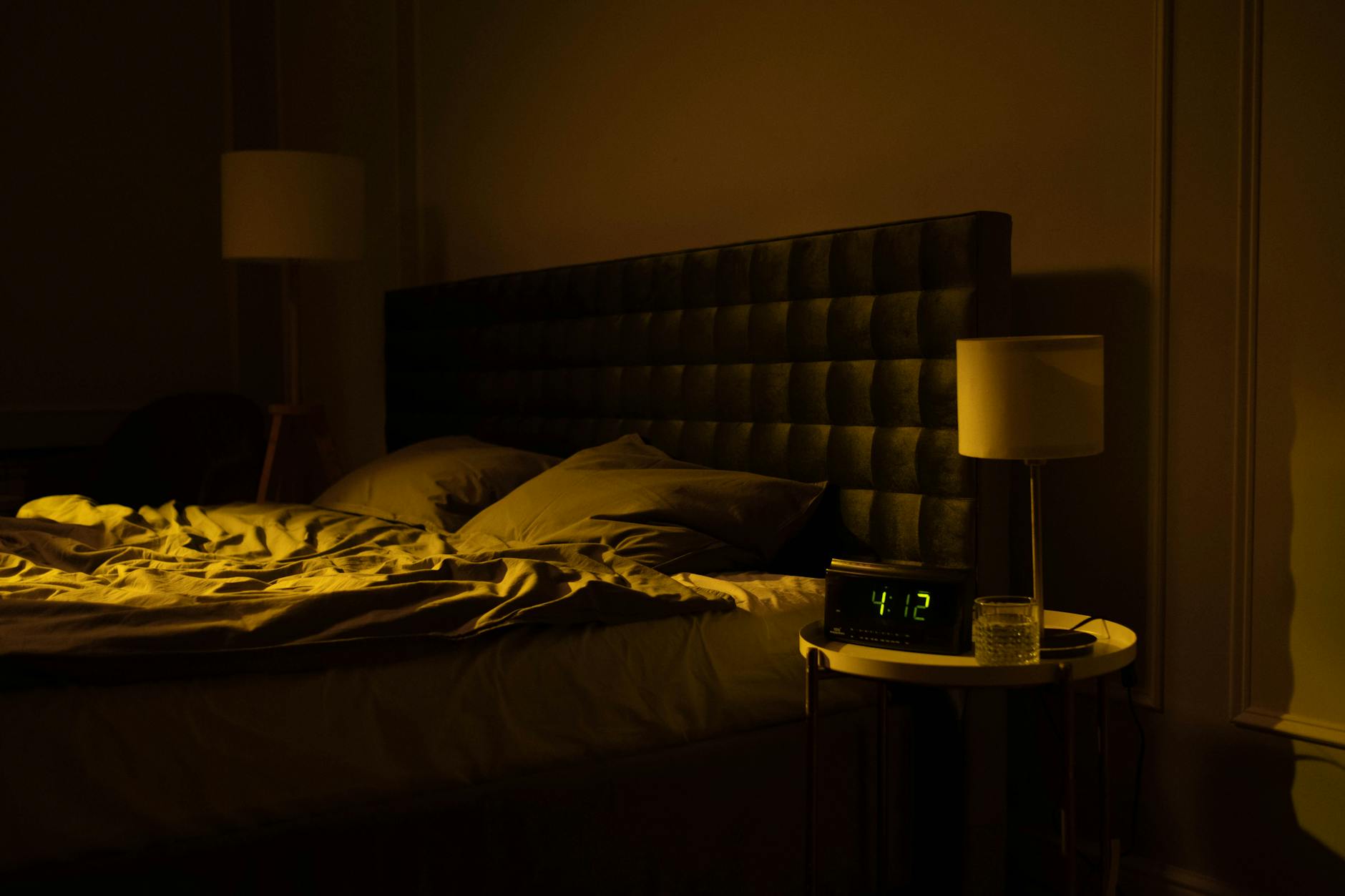
Sleeping in complete darkness primes the brain to respond more powerfully to the light signal that arrives at wake time. When the bedroom remains dark through the night, melatonin suppression in the morning becomes sharper and more effective. This contrast between nighttime darkness and morning brightness amplifies the circadian signal the body depends on. Blackout curtains are one of the most passive and consistent ways to set this contrast in motion every single day.
Window Position
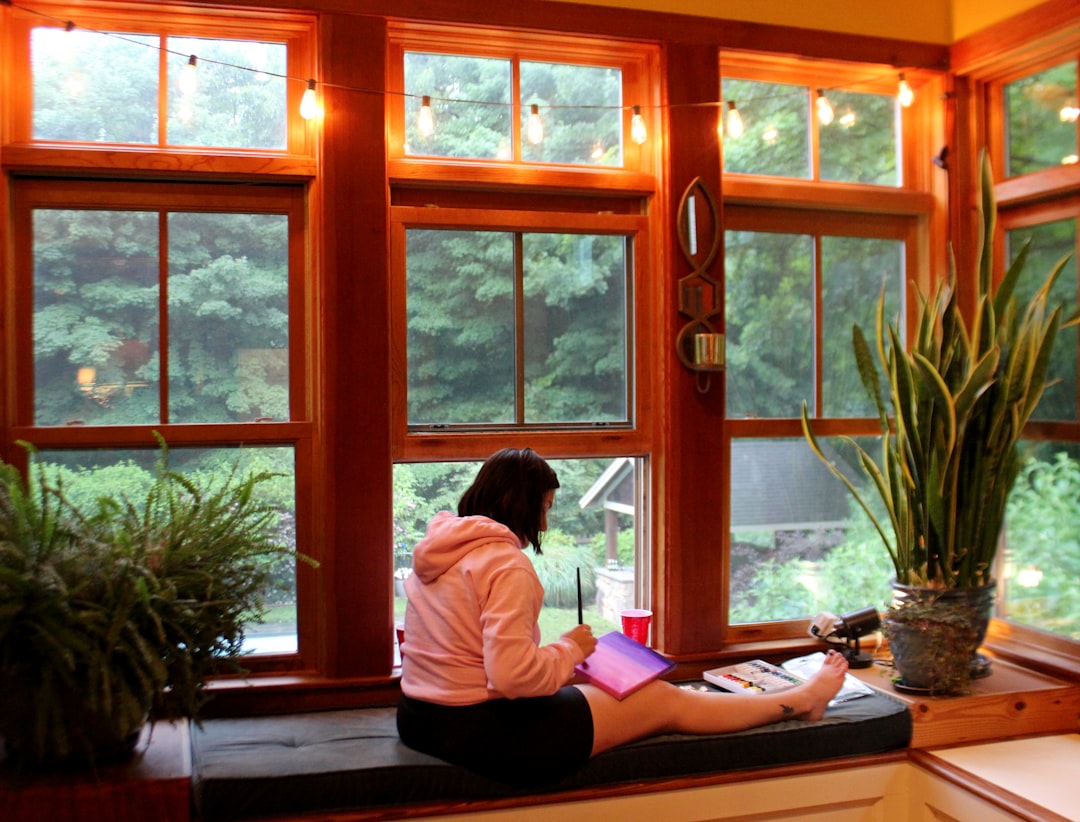
Where you sit or stand in the first thirty minutes after waking matters far more than most people realize. A position near an east-facing window delivers direct early-morning sunlight at its most biologically potent angle. The light receptors in the lower retina are most sensitive to light coming from slightly above the horizon, which is exactly where early sun arrives. Adjusting your chair, breakfast table, or morning reading spot toward that window requires no extra time but produces a meaningful shift in cortisol and serotonin levels.
Sunrise Alarm

A sunrise alarm clock simulates the gradual brightening of natural dawn by slowly increasing light intensity over twenty to forty minutes before the set wake time. This gentle escalation helps the body begin the waking process without the jarring cortisol spike triggered by a loud traditional alarm. The body interprets the brightening light as a natural signal to reduce melatonin and warm up core temperature. Studies in sleep research consistently show that people who use dawn simulators report better mood, reduced grogginess, and greater alertness in the morning hours.
Outdoor Walk

Stepping outside within the first hour of waking is one of the single most effective ways to anchor the circadian rhythm. Outdoor light, even on overcast days, delivers ten to fifty times more lux than typical indoor lighting. That volume of light exposure suppresses residual melatonin and triggers a robust cortisol awakening response that peaks around thirty minutes after waking. A ten-minute walk is sufficient to produce measurable neurochemical benefits that carry through the afternoon and improve sleep the following night.
Blue Light Glasses

Avoiding blue light blocking glasses in the morning is just as important as wearing them at night. Blocking the blue wavelengths that outdoor and bright indoor light provide in the morning can delay the circadian signal and blunt the cortisol response the body needs to feel energized. Many people unknowingly wear tinted lenses or screen filters during morning hours, which inadvertently suppresses the light cues that regulate mood. Removing this barrier allows the full spectrum of morning light to reach the retina and do its biological work.
Porch Breakfast

Eating breakfast outdoors, even for just fifteen minutes, combines two powerful circadian anchors at once. Food timing and light exposure together send the body a synchronized message about the start of the active phase of the day. The relaxed pace of outdoor eating also reduces morning cortisol spikes associated with rushing and screen use. Research in chronobiology suggests that eating in natural light shortly after waking can improve insulin sensitivity, mood regulation, and afternoon energy levels.
Skylight Positioning
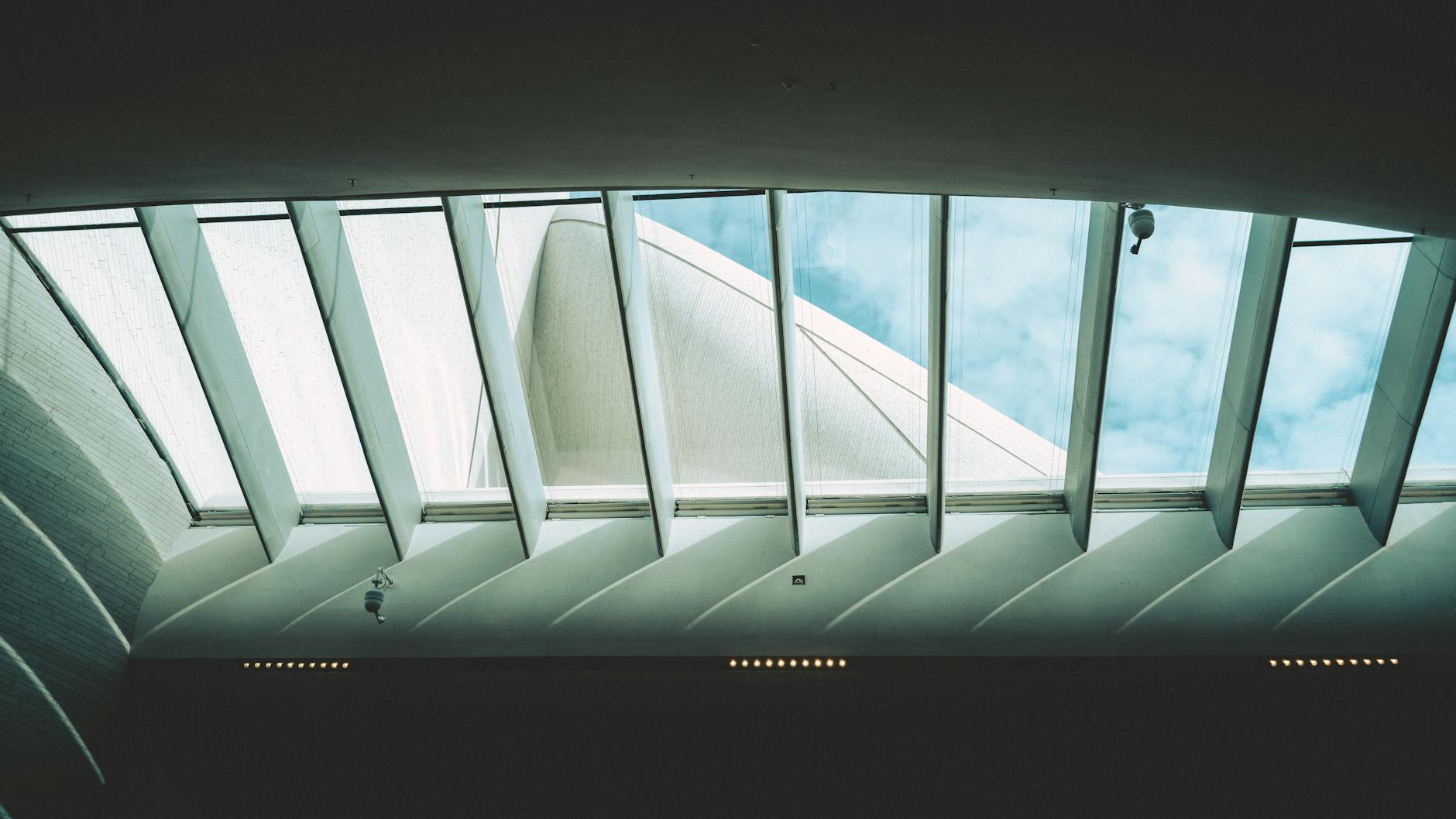
Skylights deliver overhead light that closely mimics the spectral quality of natural sky illumination throughout the morning. Positioning your morning routine beneath a skylight, whether for yoga, stretching, or simply drinking coffee, provides sustained light exposure without requiring any outdoor time. The diffuse quality of skylight also reaches both eyes evenly, which improves the efficiency of the retinal light signal reaching the suprachiasmatic nucleus. Even a few minutes of skylight exposure can meaningfully accelerate the transition from sleep inertia to full morning alertness.
Eye Opening
The simple act of opening the eyes fully and facing toward a bright light source within the first sixty seconds of waking begins the circadian cascade immediately. Many people wake and immediately look at a phone screen held close to the face, which provides very little lux and the wrong angle of light. Deliberately opening the eyes wide and turning toward a window or bright lamp overrides the urge to squint and engages the melanopsin-containing retinal cells most responsible for circadian signaling. This costs zero extra time and requires no equipment.
Light Therapy Lamp
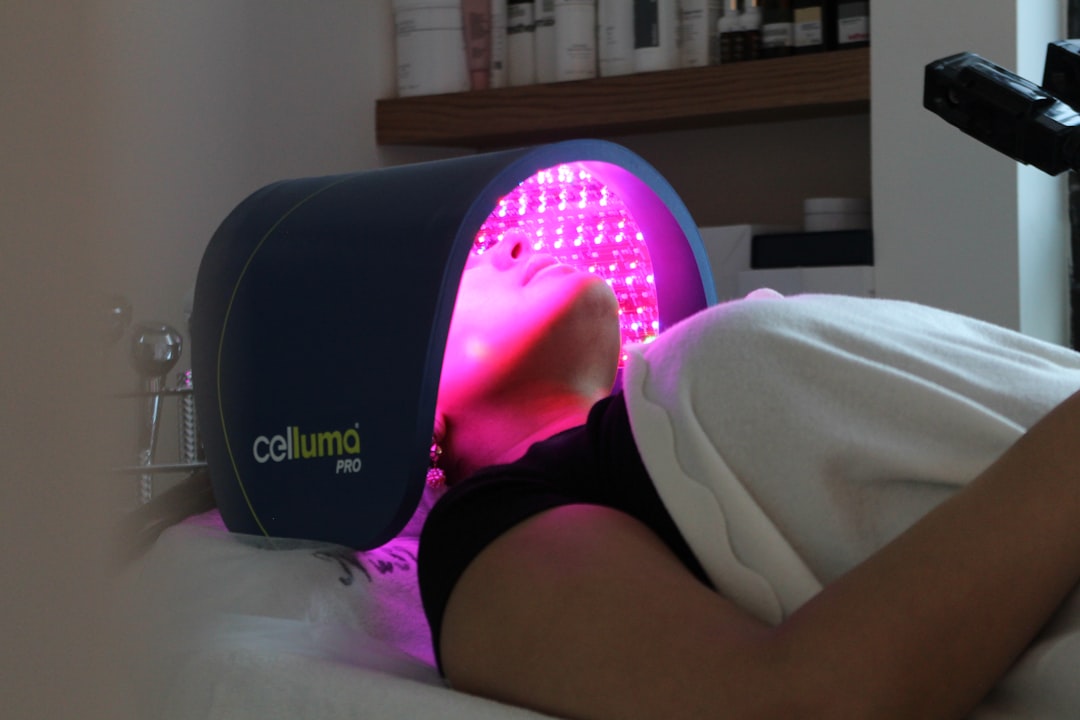
A full-spectrum light therapy lamp delivering ten thousand lux can replicate the effects of outdoor morning sunlight for people who wake before sunrise or live in cloudy climates. Sitting within two feet of the lamp for twenty to thirty minutes while eating, reading, or journaling delivers a clinically validated dose of circadian-regulating light. Research on seasonal affective disorder and general mood dysregulation consistently shows improvement with consistent morning lamp use. The key is positioning the lamp slightly above eye level and to the side rather than directly in front of the face.
Gym Placement
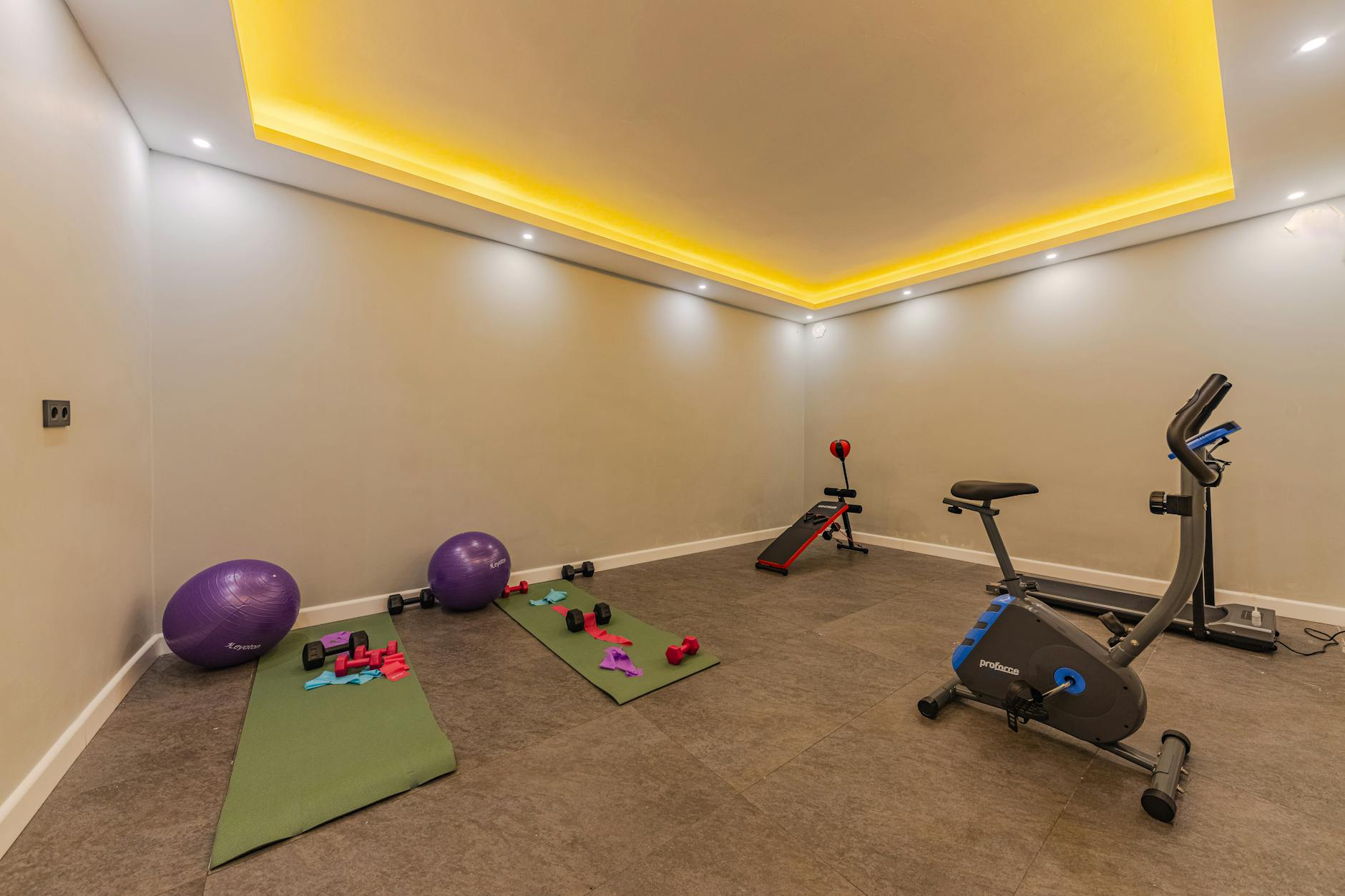
If morning exercise happens indoors, choosing a gym or exercise space with large windows facing east or south makes a significant difference to the light dose received during the workout. Physical activity already stimulates serotonin and dopamine production, and pairing that process with natural light amplifies both effects simultaneously. Many people exercise in windowless rooms or basements and miss the opportunity to stack these two powerful mood levers together. Moving the workout to a brighter space requires no change to the routine itself but meaningfully upgrades its neurochemical impact.
Mirror Placement
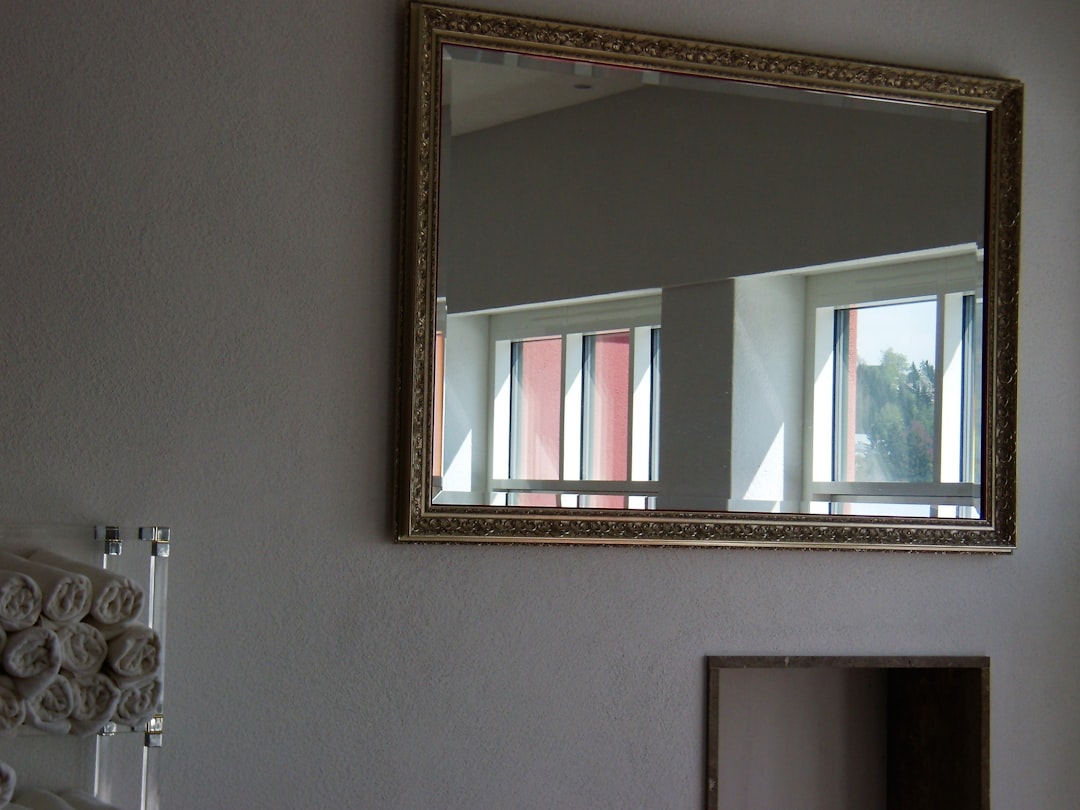
Strategically positioning a large mirror to reflect outdoor light deeper into an interior space is a simple architectural trick that increases morning light exposure without stepping outside. Placing a mirror opposite a window can nearly double the effective brightness of a room during morning hours. This technique is particularly useful in north-facing apartments or homes where direct sunlight rarely enters. The reflected light still carries sufficient lux and spectral quality to support the circadian signal, especially during the golden hour after sunrise.
Screen Distance
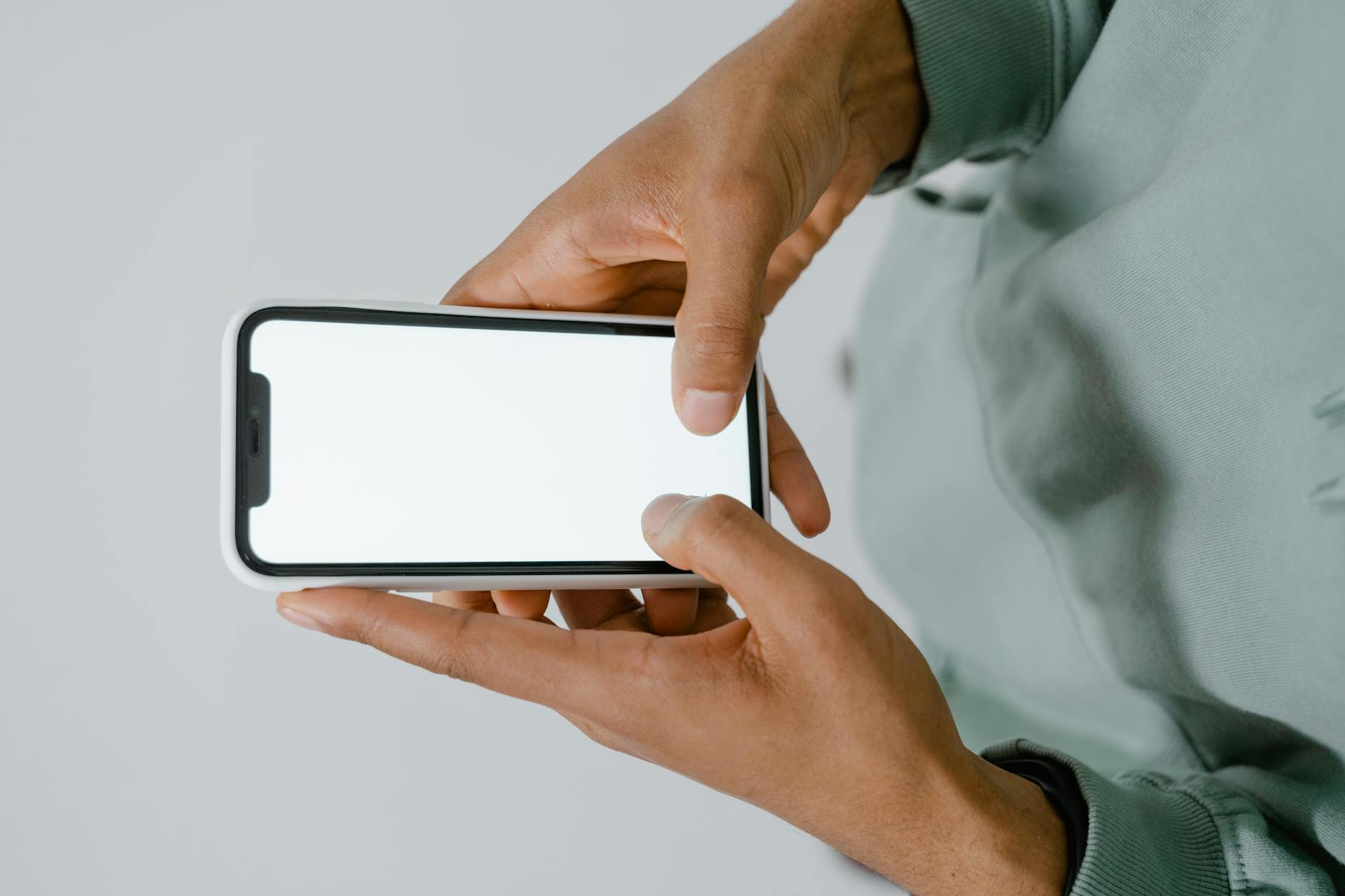
Holding a phone or tablet at arm’s length rather than close to the face significantly increases the lux reaching the eyes from screen light, though it still falls far short of natural sunlight. More importantly, maintaining greater screen distance in the morning discourages the hunched, absorbed posture that prevents people from noticing and responding to ambient window light. Creating a physical habit of keeping devices farther away nudges the body toward a more upright, light-aware morning posture. This small postural shift can redirect the eyes toward windows and bright spaces rather than a glowing rectangle held six inches from the face.
Curtain Timing

Programming or habitually opening curtains immediately upon waking rather than leaving them closed during the morning routine is one of the simplest light changes available. Many people shower, dress, and prepare breakfast in artificially lit rooms simply because opening curtains is not part of their automatic morning sequence. Making curtain-opening the first physical act of the morning floods the space with natural light during the exact window when the circadian system is most receptive. This costs nothing and requires only a minor resequencing of existing habits.
Commute Window
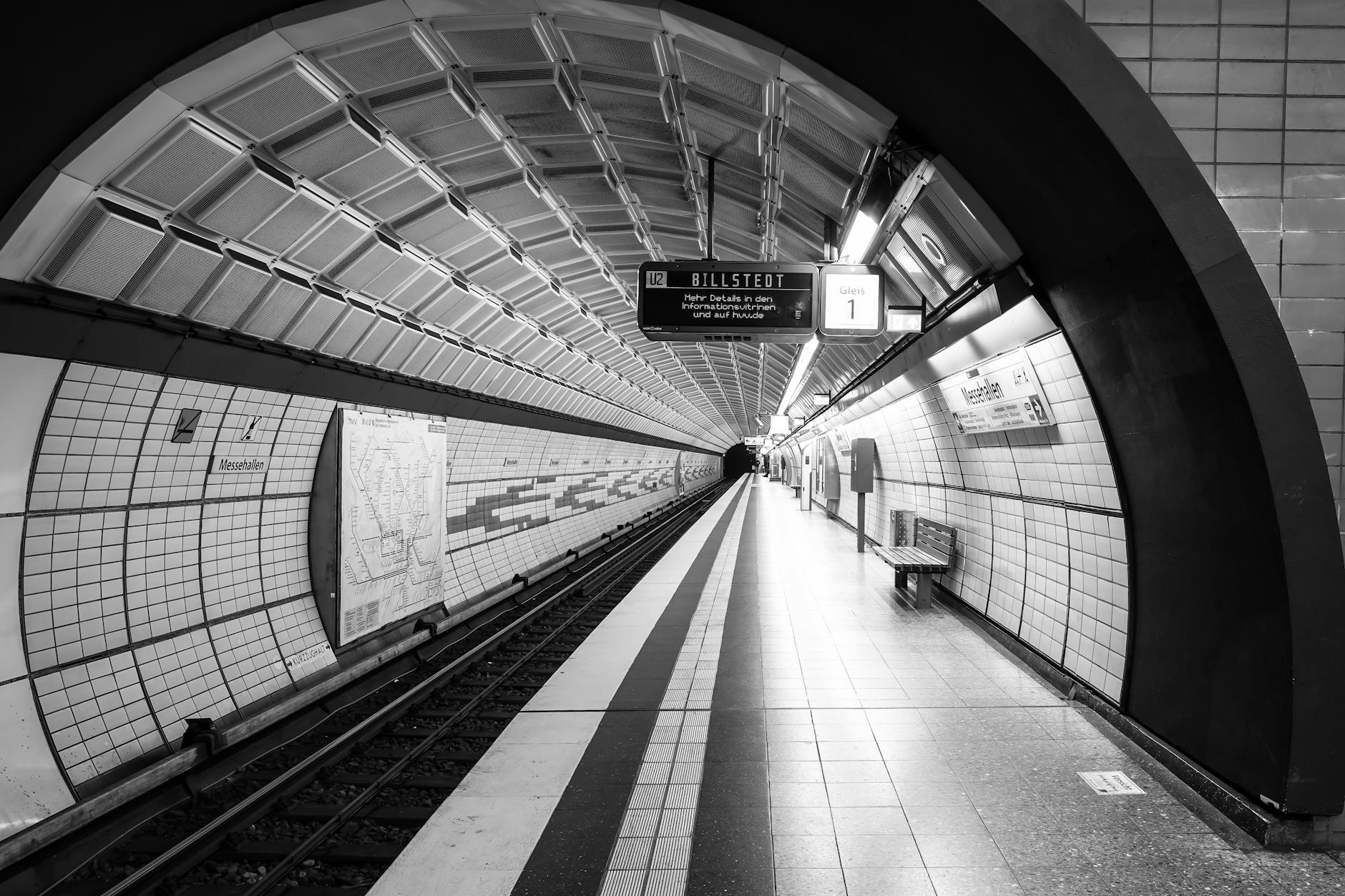
For people who commute by car or train, choosing the window seat or removing a hat and sunglasses for the first ten minutes of the journey maximizes light exposure during a time that is often wasted. The light environment during a commute, particularly on sunny mornings, can deliver a meaningful portion of the total morning light dose. Sitting by the window rather than an aisle and keeping sunglasses off until after the first fifteen minutes allows the eyes to receive full-spectrum light during travel. This requires no additional time and converts an existing habit into a circadian advantage.
Coffee Timing

Delaying the first cup of coffee by sixty to ninety minutes after waking and pairing it with a period of light exposure produces a significantly sharper and more sustained energy response than drinking coffee immediately upon rising. Adenosine, the chemical that creates the sensation of sleepiness, naturally clears from the brain during the cortisol awakening response that light exposure helps trigger. Drinking coffee before this process completes partially blunts its effectiveness and leads to an earlier afternoon energy crash. Moving the coffee window slightly later and combining it with a bright, well-lit environment enhances both the caffeine effect and the circadian light signal simultaneously.
Hat Removal

Wearing a hat or cap with a brim during morning outdoor time significantly reduces the amount of light reaching the retina by casting shadow across the upper visual field. The melanopsin-containing cells responsible for circadian signaling are concentrated in the lower retina and respond to light coming from above, which a brimmed hat directly blocks. Removing the hat for the first ten to fifteen minutes of outdoor morning exposure, even in sunny conditions, allows the retina to receive the full circadian dose before replacing it for comfort. This small adjustment to existing outdoor habits requires no additional time.
Room Lighting
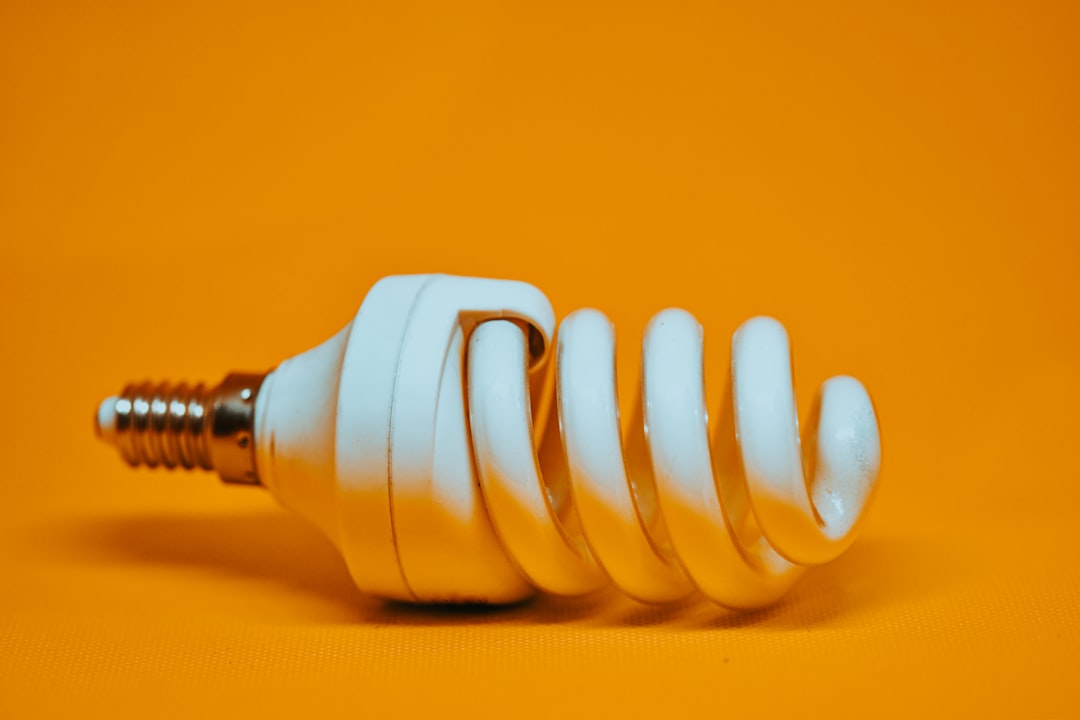
Upgrading morning room lighting from warm yellow bulbs to bright daylight-spectrum bulbs of five thousand to six thousand five hundred kelvin provides a meaningfully better light environment for people who rise before dawn. The color temperature of standard household incandescent and warm LED bulbs is too low to effectively signal the circadian system, which is calibrated to respond to the blue-enriched light of a clear morning sky. Swapping bulbs in the bathroom, kitchen, and primary morning living areas is a one-time change that improves every subsequent morning automatically. This is particularly valuable during winter months when sunrise occurs well after most people’s wake time.
Journaling Spot

Choosing to do morning journaling or planning at a table positioned directly beside or in front of a window exposes the eyes to ambient outdoor light passively throughout the activity. Many people do reflective morning practices in dim, comfortable corners of the home that feel cozy but provide almost no circadian benefit. Relocating the journaling spot to the brightest area of the home stacks a meaningful habit with a powerful light signal. The practice itself remains unchanged while the physiological benefit of the morning routine increases substantially.
Glasses Cleaning
A simple and frequently overlooked detail is that dirty or smudged glasses and contact lenses reduce the amount and quality of light reaching the retina each morning. Fingerprints, dust, and coating degradation on lenses can scatter and absorb enough light to reduce effective lux by a measurable percentage. Cleaning glasses as the first step of the morning routine ensures that all subsequent light exposure is received at full efficiency. For people who wear prescription eyewear throughout the morning, this is one of the easiest and most overlooked optimizations available.
Bedroom Lamp Height
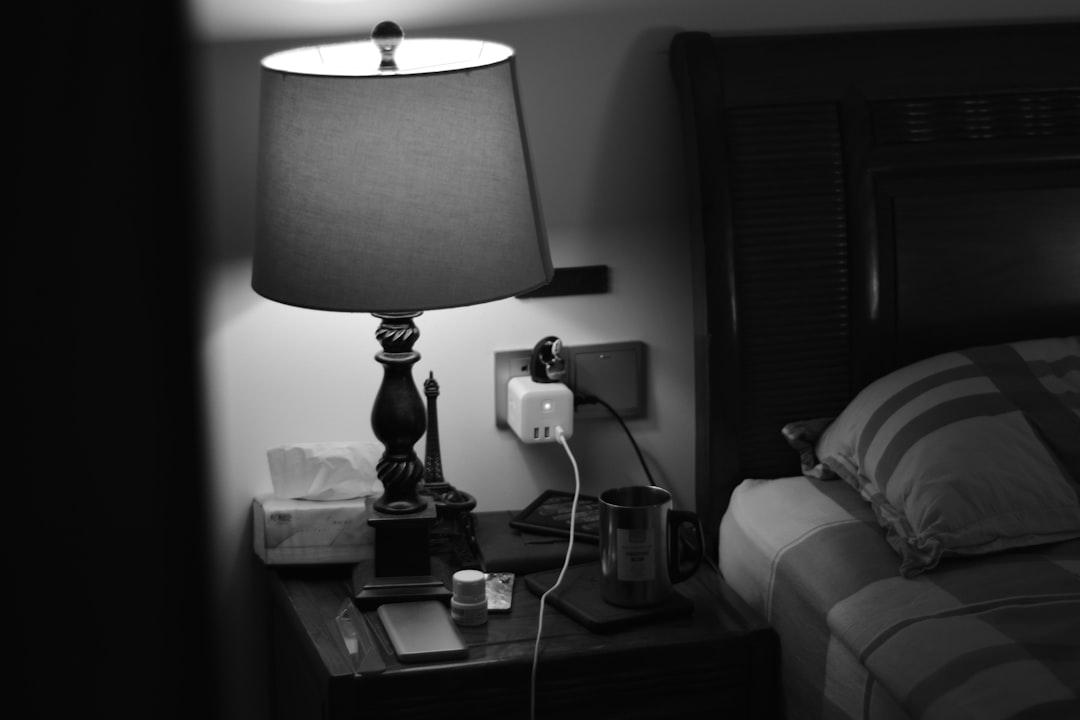
The height at which a bedside lamp or morning reading light is positioned affects how much light reaches the lower retina, where the most photosensitive circadian cells are located. Lamps placed at desk height or above are far more effective for morning light signaling than floor lamps or low ambient lights. Elevating a bedside lamp so it sits at or slightly above eye level when seated creates a much more effective morning light environment without purchasing additional equipment. This simple repositioning can noticeably reduce the duration of sleep inertia after waking.
Plant Proximity

Placing a morning routine near windows that are lined with plants creates an indirect but real benefit by encouraging more frequent glances toward the light source. The visual interest and care routine associated with indoor plants draws attention toward windows and natural light multiple times during the morning. Beyond the psychological benefits of greenery, this habit consistently repositions the body and eyes toward the brightest area of the home. Research in environmental psychology shows that proximity to plants and natural light together produce additive improvements in morning mood and cognitive clarity.
Waking Consistency
Waking at the same time every day, including weekends, is the single most powerful amplifier of every other morning light habit on this list. The circadian system learns to anticipate the light signal and begins preparing the body for waking approximately one hour before the expected rise time. Irregular wake times create what researchers call circadian misalignment, which dulls the sensitivity of the light response and weakens the mood-regulating effects of morning light exposure. Consistent timing means the body meets every light intervention with maximum biological receptivity.
Eye Care Routine
Performing the eye care routine, including washing the face and rinsing the eyes, near a bright window or under a high-kelvin light rather than a dim bathroom mirror provides an easy opportunity to accumulate morning light during an existing habit. The simple act of looking up and slightly toward a light source while washing the face positions the eyes to receive the most effective angle of light for circadian signaling. Converting this two to five minute daily habit into a light exposure opportunity requires zero additional time. Small accumulations of light across multiple morning habits add up to a substantially larger total circadian dose.
Desk Orientation
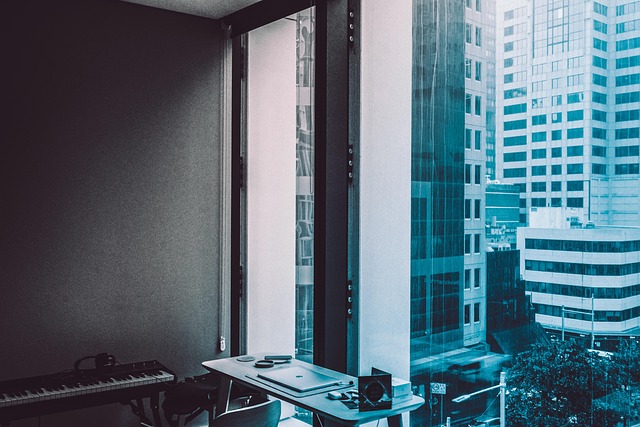
For people who begin work shortly after waking, orienting the desk so that a window is in front of or to the side of the workstation rather than behind it ensures that morning computer work does not compete with light exposure. A window behind the monitor creates glare that forces the eyes away from the brightest part of the room, while a window in the peripheral or direct visual field delivers passive light exposure throughout the early work session. This single piece of furniture arrangement can dramatically increase the total morning light dose for remote workers and home office users. The change costs nothing and requires only a one-time reconfiguration.
Eyelid Exposure
On days when outdoor time is limited, sitting with closed eyes turned toward a bright window or light source for two to five minutes after waking allows a meaningful amount of light to penetrate the eyelids and reach the retina. While eyelids filter out significant light intensity, sufficient photons still pass through to partially engage the melanopsin system and provide a mild circadian stimulus. This technique is particularly useful on cold or rainy mornings when opening the window or going outside is impractical. It requires no equipment, no movement, and can be combined with breathing exercises or meditation to make the most of the morning’s first quiet minutes.
Napping Window

Avoiding naps after mid-afternoon and particularly avoiding any light exposure to the eyes in the form of screens or bright lamps in the ninety minutes before sleep preserves the sharpness of the next morning’s light signal. When the circadian system receives light at the wrong time of day, it shifts the timing of the melatonin curve and dulls the sensitivity of morning light receptors. Protecting the evening light environment is technically a nighttime habit, but its effects land squarely on the quality and potency of every morning light intervention that follows. Treating the evening as preparation for the next morning’s circadian reset is one of the most underappreciated principles in chronobiology.
Share your experience with morning light habits and any changes that have transformed your mood in the comments.




