
Most people associate anxiety with major life events or ongoing stressors, but research increasingly points to small daily habits as significant contributors to rising anxiety levels. The choices made from the moment of waking to the final scroll before sleep can quietly accumulate into a pattern that keeps the nervous system in a state of low-grade alert. Many of these behaviors feel completely normal or even productive, which makes them especially difficult to identify and address. Understanding the hidden impact of routine decisions is the first step toward making changes that genuinely support mental calm and emotional resilience.
Alarm Snoozing

Hitting the snooze button repeatedly fragments the final phase of sleep, which is essential for emotional regulation. Each false start triggers a mini stress response in the body as the brain cycles in and out of alertness without fully committing to wakefulness. This physiological disruption can elevate cortisol levels before the day has even properly begun. The grogginess that follows is not simply tiredness but a measurable state of cognitive impairment that makes managing stress significantly harder. Starting the day in this fragmented state sets a reactive rather than grounded tone for the hours ahead.
Phone Checking

Reaching for a smartphone within minutes of waking floods the brain with information before it has had time to fully transition from sleep. Social media feeds, news alerts, and unread messages immediately activate the brain’s threat-detection systems, which were designed for physical danger rather than digital input. This early-morning overstimulation has been linked in multiple studies to elevated anxiety throughout the day. The habit teaches the nervous system to expect urgency and reactivity as a default state. Even a short buffer of phone-free time in the morning can meaningfully reduce this cumulative effect.
Caffeine Timing

Consuming caffeine immediately upon waking amplifies the body’s naturally elevated morning cortisol rather than supplementing it strategically. Cortisol follows a predictable daily rhythm and peaks shortly after waking, meaning early coffee consumption can push stress hormone levels higher than necessary. Over time this pattern can disrupt the cortisol curve, leaving individuals feeling wired in the morning and depleted by mid-afternoon. Caffeine also has a half-life of several hours, meaning consumption at any point in the day can interfere with sleep quality long after the cup has been finished. Delaying the first cup by sixty to ninety minutes allows cortisol to peak naturally and fall before caffeine enters the equation.
Skipping Breakfast

Going without breakfast after an overnight fast keeps blood sugar levels low during a period when the brain requires steady glucose to function optimally. Low blood sugar activates the adrenal system, triggering the release of adrenaline and cortisol as the body attempts to compensate. These same hormones are central to the anxiety response, meaning hunger and stress become physiologically intertwined. The mental fog and irritability that accompany low blood sugar are frequently misattributed to personality or mood rather than their true nutritional cause. A protein-rich breakfast that stabilizes glucose levels can have a measurable calming effect on the nervous system.
Multitasking

Attempting to handle multiple tasks simultaneously fragments attention in ways that are cognitively costly and neurologically stressful. The brain does not actually multitask but rather switches rapidly between tasks, and each switch carries a cognitive load that accumulates over time. This constant context-switching keeps the prefrontal cortex in a state of high demand, which reduces its capacity to regulate emotional responses effectively. Research consistently shows that people who multitask frequently report higher levels of perceived stress and lower feelings of accomplishment despite working longer hours. Single-tasking with deliberate transitions between activities allows the nervous system to operate more efficiently and with less residual tension.
News Consumption

Consuming news continuously throughout the day keeps the threat-detection systems of the brain in a near-constant state of activation. The 24-hour news cycle is structured to prioritize alarming, urgent, and emotionally provocative content because that is what captures and sustains attention. Regular exposure to this content has been directly linked to increases in generalized anxiety, sleep disturbance, and a distorted perception of personal safety. The brain struggles to distinguish between threats that are geographically distant or statistically unlikely and those that are immediate and relevant. Limiting news intake to one or two specific windows per day can significantly reduce this accumulated physiological arousal.
Poor Posture
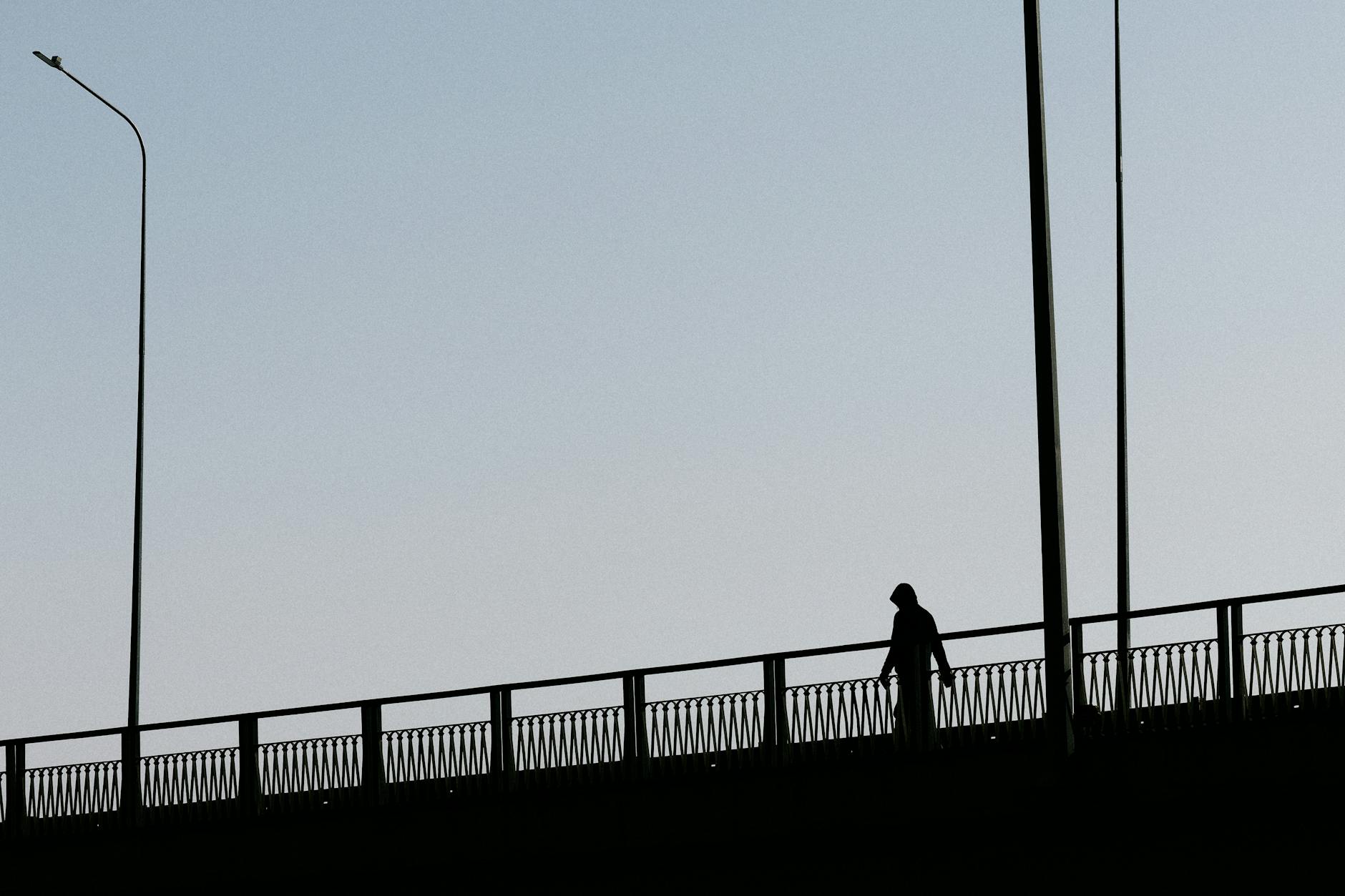
Spending extended hours in a slumped or forward-curved posture affects more than musculoskeletal health. Research in embodied cognition demonstrates that collapsed postures are associated with increased feelings of helplessness and negative emotional states. Shallow chest breathing, which is a natural consequence of poor posture, reduces oxygen intake and activates the sympathetic nervous system in ways that mimic a low-level stress response. The vagus nerve, which is central to the body’s calming parasympathetic response, is particularly sensitive to postural pressure. Upright and open postures have been shown to support more regulated breathing patterns and a measurably calmer physiological state.
Dehydration

Mild dehydration, even at levels below what triggers thirst, has been shown in clinical studies to impair mood, concentration, and stress tolerance. The brain is approximately seventy-five percent water, and even small reductions in hydration affect its ability to regulate neurotransmitter production and signal transmission. Anxiety symptoms including heart palpitations, dizziness, and difficulty concentrating can all be exacerbated by insufficient fluid intake. Many people interpret the fatigue and cognitive slowdown of dehydration as a need for caffeine, inadvertently compounding the problem. Maintaining consistent water intake throughout the day is a foundational and frequently underestimated component of emotional regulation.
Inbox Overload

Keeping an email inbox perpetually open and responding to messages as they arrive creates a constant state of reactive interruption. Each notification represents a micro-demand on attention and frequently introduces new tasks, problems, or emotional content before existing ones have been processed. This pattern prevents the kind of deep, focused work that produces the psychological reward of accomplishment and momentum. The cognitive load of tracking dozens of open threads and pending obligations contributes significantly to a background sense of overwhelm. Designated times for checking and processing email, rather than continuous monitoring, reduce this accumulated mental burden considerably.
Clutter
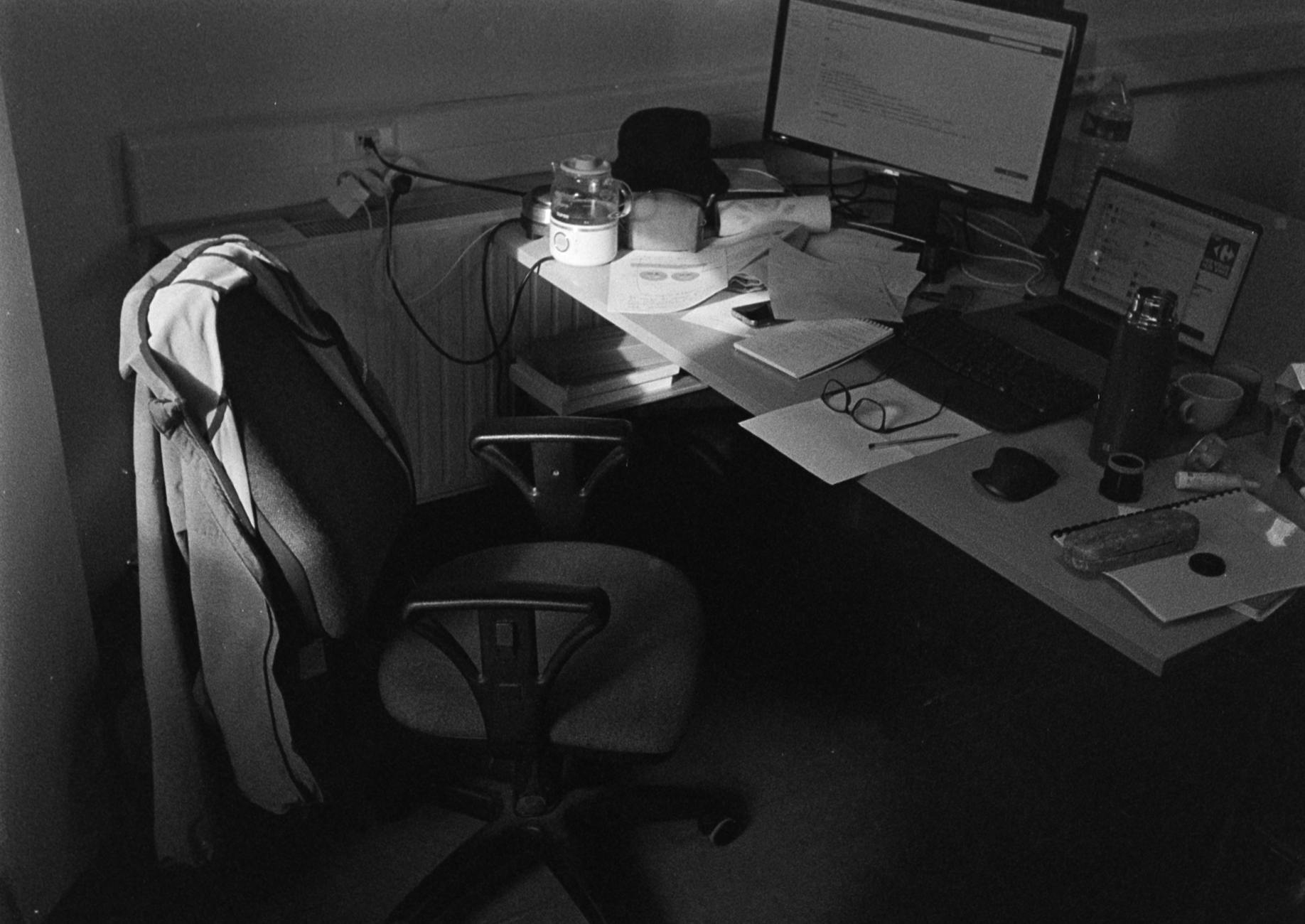
Living and working in cluttered environments places a subtle but measurable tax on the brain’s cognitive resources. Visual complexity requires the brain to continuously filter and deprioritize irrelevant stimuli, a process that consumes attentional bandwidth and contributes to mental fatigue. Studies using neuroimaging have shown that clutter activates the stress response and is associated with elevated cortisol levels in the people who inhabit those spaces. The sense of unfinished business that physical disorder conveys can create a persistent low-level anxiety even when individuals are not consciously aware of its source. Clearing and organizing a space has a quantifiable calming effect that extends beyond the aesthetic.
Overcommitting

Agreeing to more obligations than time and energy realistically allow is one of the most normalized anxiety-generating habits in modern life. The gap between what has been promised and what can reasonably be delivered creates a chronic state of low-grade guilt and anticipatory stress. Overcommitment frequently stems from difficulty with boundaries, fear of disappointing others, or an unrealistic optimism about available time. Over time it erodes the quality of work and relationships, as attention is perpetually divided across too many competing demands. Learning to build realistic limits into scheduling decisions is a skill that directly and substantially reduces daily anxiety.
Sedentary Behavior

Extended periods of physical inactivity allow stress hormones to accumulate in the body without the metabolic outlet that movement provides. The human stress response is designed to be discharged through physical action, and when that discharge does not occur, tension remains stored in the body’s tissues and nervous system. Research consistently demonstrates that sedentary individuals report significantly higher rates of anxiety and depression than those who incorporate regular movement into their routines. Even short bouts of walking have been shown to reduce circulating cortisol and increase calming neurotransmitters such as serotonin and GABA. Movement functions as one of the most reliable and accessible tools for biological stress regulation available.
Perfectionism

Holding every task to an impossibly high standard generates a continuous cycle of stress, self-criticism, and avoidance. Perfectionism is not a commitment to quality but rather a fear-based pattern in which the threat of failure or criticism drives behavior in counterproductive ways. The result is often procrastination, since beginning a task carries the implicit risk of not completing it perfectly. This unresolved tension between the desire to act and the fear of falling short keeps the nervous system in a prolonged state of anticipatory stress. Research identifies perfectionism as one of the most reliable predictors of chronic anxiety across a wide range of populations and life domains.
Social Comparison

Regularly measuring one’s own life, achievements, or appearance against others activates the brain’s threat and reward systems in ways that generate persistent dissatisfaction. Social media platforms are structurally designed to amplify this tendency by presenting curated highlight reels as representative of everyday experience. The resulting perception of relative inadequacy triggers the same neurological stress pathways as more concrete threats to status or resources. Frequent social comparison has been consistently linked to reduced self-esteem, increased depressive symptoms, and heightened anxiety across age groups. Consciously redirecting attention toward personal progress rather than external benchmarks reduces this form of ongoing emotional drain.
Processed Sugar

Diets high in refined sugar create rapid spikes and crashes in blood glucose that directly destabilize mood and anxiety levels. In the hours following a sugar spike, the body’s correction mechanism often overshoots, producing a hypoglycemic state associated with irritability, fatigue, and heightened stress sensitivity. Chronic high-sugar consumption has also been linked to inflammation, gut microbiome disruption, and impaired serotonin production, all of which have measurable effects on mental health. The temporary mood elevation associated with sugar consumption trains the brain to seek it as a coping mechanism, creating a cyclical pattern that deepens over time. Replacing refined sugar with complex carbohydrates and healthy fats produces more stable energy and a calmer neurological baseline.
Poor Sleep Hygiene

Inconsistent sleep schedules, stimulating pre-bed activities, and inadequate sleep duration are among the most powerful and reversible drivers of elevated anxiety. The brain processes emotional experiences during sleep, and insufficient or disrupted sleep leaves the emotional regulatory systems depleted and reactive. Research shows that even one night of poor sleep significantly increases the amygdala’s reactivity to negative stimuli, making ordinary stressors feel disproportionately threatening. Over time chronic sleep disruption alters the architecture of stress hormone cycles, creating a self-reinforcing loop of anxiety and sleeplessness. Consistent sleep and wake times, even on weekends, are among the highest-impact changes available for anxiety reduction.
Alcohol

Alcohol is widely used as an anxiety management tool, but its biochemical effects make it a reliable amplifier of anxiety over time. While it produces short-term sedation, alcohol disrupts sleep architecture, suppresses REM sleep, and causes rebound activation of the central nervous system as it is metabolized. This rebound effect, which occurs in the hours after consumption, frequently presents as elevated heart rate, racing thoughts, and heightened anxiety. Regular consumption also depletes B vitamins and disrupts GABA receptor sensitivity, both of which are foundational to neurological calm. The temporary relief it appears to offer consistently reinforces the anxiety it ultimately worsens.
Vague Planning

Going through the day without clear priorities or a defined structure places the brain in a state of continuous low-level decision-making that consumes cognitive resources and generates stress. Decision fatigue accumulates rapidly when individuals must repeatedly determine what to do next rather than executing against a predetermined plan. The absence of structure also makes it harder to experience the psychological reward of completion, since undefined tasks can expand indefinitely without resolution. This sense of perpetual incompleteness is a significant and frequently overlooked contributor to background anxiety. Even a brief daily planning session that identifies the three to five most important priorities dramatically reduces this cognitive burden.
Rumination

Mentally replaying past events, mistakes, or conversations in repetitive and unproductive ways is one of the most well-documented contributors to anxiety and depression. Rumination keeps the brain locked in a threat-assessment mode long after the triggering event has passed, maintaining elevated stress hormone levels without any corresponding benefit. It is neurologically distinct from productive reflection, which involves processing an experience and extracting actionable insight before moving forward. Research shows that ruminators exhibit higher baseline anxiety, are more susceptible to depressive episodes, and recover more slowly from stressful events than non-ruminators. Mindfulness-based interventions and behavioral activation techniques have strong evidence bases for interrupting this pattern.
Isolation

Withdrawing from social connection, whether due to busyness, low mood, or social anxiety itself, reliably intensifies anxiety over time. Human nervous systems are wired for co-regulation, meaning that proximity to trusted others has a measurable calming effect on physiological stress responses. Social isolation removes access to this biological resource while simultaneously allowing anxious thoughts to circulate without external check or perspective. Research on loneliness has found that it activates the same neurological threat systems as physical pain, making it a significant and independent risk factor for anxiety disorders. Even minimal but consistent social contact has been shown to provide meaningful neurological protection against anxiety escalation.
Avoidance

Consistently avoiding situations, tasks, or conversations that provoke discomfort provides short-term relief while systematically expanding the domain of perceived threat. Every successful avoidance teaches the brain that the avoided thing is genuinely dangerous, reinforcing the anxiety rather than diminishing it. Over time the range of situations that trigger avoidance typically grows, and the sense of agency and capacity in the individual’s life correspondingly shrinks. Behavioral science identifies avoidance as the primary mechanism that maintains and intensifies anxiety disorders across all subtypes. Gradual, supported exposure to avoided situations remains one of the most robustly effective interventions available for breaking this cycle.
Shallow Breathing

Most people breathe in a shallow, chest-dominant pattern throughout the day without awareness, and this pattern has a direct and continuous effect on the nervous system. Shallow breathing activates the sympathetic nervous system and signals a state of alertness or danger even in the absence of any actual threat. The vagal tone, which is the measure of parasympathetic nervous system activity associated with calm and safety, is directly suppressed by this breathing pattern. Diaphragmatic breathing, by contrast, stimulates the vagus nerve and produces measurable reductions in heart rate and cortisol within minutes. The body and mind are in a continuous feedback loop, and chronic shallow breathing keeps that loop oriented toward stress.
Negative Self-Talk

The internal narrative running continuously in the background of daily life has a powerful and largely underestimated effect on baseline anxiety levels. Habitual self-critical commentary activates the same stress pathways as external criticism or social rejection, and the brain responds to it with the same physiological alarm. Over time negative self-talk shapes expectations, narrows perceived options, and creates a persistent internal environment of threat and inadequacy. Cognitive behavioral research consistently identifies negative automatic thoughts as a central mechanism in the development and maintenance of anxiety disorders. Developing awareness of this internal dialogue and gradually shifting its tone is a foundational skill in anxiety reduction.
Overcaffeination

Consuming more caffeine than the body can metabolize within a given period pushes stimulation into territory that mimics and reinforces anxiety symptoms. Racing heart, muscle tension, restlessness, and difficulty concentrating are effects common to both caffeine excess and anxiety, and the two can become neurologically entangled over time. People with a genetic variation affecting caffeine metabolism are particularly susceptible to this effect, experiencing anxiety symptoms at doses that others tolerate without difficulty. The brain can come to associate the physical sensations of caffeine with anxiety through a conditioning process, meaning the ritual of coffee itself can eventually become a trigger. Moderating intake and monitoring individual sensitivity is a straightforward but meaningful adjustment for anxiety-prone individuals.
Ignoring Nature

Spending the majority of waking hours indoors and removed from natural environments is a relatively recent development in human experience with measurable neurological consequences. Research across multiple populations and cultures consistently finds that exposure to natural settings reduces cortisol, lowers heart rate, and decreases activity in the areas of the brain associated with rumination and self-referential worry. The Japanese practice of forest bathing has been studied extensively, with findings showing significant reductions in stress biomarkers after even brief periods in natural settings. Indoor environments, by contrast, typically involve artificial lighting, reduced air quality, and a density of screens and information that collectively keep the nervous system in a state of mild alert. Incorporating even short periods of outdoor exposure into daily routines provides meaningful neurological restoration.
Screen Time at Night

Using screens in the hours before sleep suppresses melatonin production through blue light exposure while simultaneously stimulating the brain with information and social comparison. This combination delays sleep onset, reduces sleep quality, and leaves the nervous system in an activated state that persists into the night. The content consumed during evening screen time, including social media and news, frequently introduces emotional material that the brain then processes in a stimulated rather than restful state. Research links heavy evening screen use not only to poorer sleep but to higher baseline anxiety the following day through a mechanism involving both sleep disruption and emotional overstimulation. Establishing a consistent screen-free wind-down period is one of the most evidence-supported recommendations in sleep and anxiety research.
Meal Skipping

Going extended periods without eating, whether through deliberate fasting or unintentional neglect, subjects the nervous system to repeated cycles of metabolic stress. Each period of low blood sugar activates the adrenal system, which releases stress hormones to mobilize energy reserves in the absence of dietary input. This hormonal pattern overlaps substantially with the anxiety response, and for many people the two become difficult to distinguish. Irregular eating patterns also disrupt circadian rhythms and affect gut microbiome diversity, both of which have documented effects on mood regulation. Consistent, balanced meals at regular intervals support a more stable neurochemical environment throughout the day.
Ignoring Gut Health

The gut and brain are connected through the vagus nerve and a bidirectional communication pathway known as the gut-brain axis, making digestive health inseparable from mental health. Disruptions to the gut microbiome, through diet, antibiotic use, or chronic stress, directly affect the production of serotonin, of which approximately ninety percent is manufactured in the gastrointestinal tract. A depleted or imbalanced microbiome has been linked in clinical research to elevated anxiety, mood dysregulation, and heightened sensitivity to stress. Diets high in processed foods and low in fiber progressively reduce microbial diversity in ways that compound over time. Prioritizing fermented foods, prebiotic fiber, and reduced processed food intake supports the gut-brain relationship in measurable ways.
Suppressing Emotions

Habitually pushing difficult emotions aside rather than processing them does not eliminate those emotions but stores them in the body as unresolved physiological tension. Research on emotional suppression consistently shows that it increases the physiological cost of stress responses rather than diminishing it, meaning the body works harder to manage emotions that are not consciously acknowledged. Over time suppression reduces emotional granularity, the ability to identify and articulate what one is feeling, which is itself a protective factor against anxiety. Unexpressed or suppressed emotions tend to resurface through the body as tension, fatigue, or physical symptoms, adding a somatic layer to existing psychological stress. Practices that support emotional expression and processing, including journaling, therapy, and honest conversation, are consistently associated with lower anxiety and greater resilience.
Constant Connectivity

Remaining digitally reachable and responsive at all hours removes the natural periods of mental rest that the nervous system requires for recovery and regulation. The expectation of constant availability, whether self-imposed or structurally encouraged, keeps the brain in a low-grade state of readiness that is physiologically indistinguishable from vigilance. This sustained alertness prevents the downshifting of the autonomic nervous system that occurs naturally during periods of genuine disengagement and rest. Research on always-on work culture links it not only to burnout but to chronically elevated anxiety, reduced cognitive flexibility, and impaired emotional regulation. Deliberate and consistent disconnection from devices creates the neurological space necessary for the nervous system to fully restore itself.
Financial Avoidance

Consistently ignoring financial realities, whether avoiding account balances, postponing budgeting, or deferring decisions about debt, creates a background of unresolved uncertainty that feeds anxiety continuously. The brain perceives unresolved threats as ongoing dangers, and financial uncertainty is one of the most potent forms of perceived threat for most adults. Avoidance of the problem does not reduce the anxiety it produces but instead adds a layer of shame and helplessness to the original concern. Research on financial stress demonstrates that the act of engaging directly with finances, even when the picture is difficult, reliably reduces anxiety more than continued avoidance. Clear information, even when uncomfortable, gives the nervous system something concrete to work with rather than the open-ended threat that uncertainty produces.
Share your thoughts on which of these habits hit closest to home in the comments.




