
The pursuit of an affluent image is a global pastime, but certain habits consistently reveal more effort than elegance. Across fashion, lifestyle, and social behavior, researchers and image consultants have identified patterns that tend to signal insecurity rather than genuine prosperity. True wealth, according to sociologists who study class signaling, is most often expressed through restraint and understatement rather than volume and visibility. The following habits are widely recognized as telltale signs of performative wealth rather than the real thing.
Logo Overload

Wearing multiple high-visibility logos at once is one of the most studied forms of status signaling in consumer psychology. Luxury houses themselves have shifted toward quieter branding in recent decades precisely because their most established clientele prefer discretion. Items covered in repeated monograms or oversized brand marks tend to appeal to aspirational buyers rather than those with generational wealth. The truly affluent are far more likely to invest in unbranded or subtly marked pieces from the same houses.
Fake Accents

Adopting a vague mid-Atlantic or pseudo-European accent without genuine cultural roots is a behavior documented extensively in social linguistics. It tends to emerge in professional or social settings where the speaker perceives a status advantage in sounding foreign or cosmopolitan. Listeners with genuine exposure to international environments typically identify the affectation immediately. Authentic confidence in one’s natural speaking voice is consistently associated with higher social credibility across cultures.
Name Dropping

Casually inserting the names of wealthy acquaintances or exclusive establishments into conversation is a classic marker of social insecurity. Sociologists refer to this as reflected glory seeking, a behavior driven by the desire to borrow status from external associations. Those who are genuinely embedded in affluent social circles rarely feel the need to announce it. The habit tends to have the opposite of its intended effect among those who are familiar with actual elite environments.
Rental Flaunting

Photographing rented supercars, private jets, or luxury villas without disclosing the rental aspect is a phenomenon that has grown significantly alongside social media culture. Hourly and daily rental services for aspirational props have built entire business models around this behavior. Image analysts and financial journalists have written extensively about the gap between curated online personas and actual net worth. The practice is increasingly recognized and discussed openly in mainstream media.
Cheap Perfume Excess

Applying heavily synthetic or mass-market fragrance in large quantities is a habit that fragrance experts consistently associate with a lack of olfactory education rather than luxury taste. Fine perfumery operates on the principle of projection and sillage rather than volume. Overapplication of any fragrance, including expensive ones, is considered poor form in most European social codes where perfume culture is deeply embedded. Restraint in scent is one of the quietest and most reliable markers of genuine refinement.
Flashy Tipping

Making a visible production of leaving a generous tip or announcing the amount to companions is a behavior studied in the psychology of generosity and status. Authentic generosity in wealthy circles is almost always practiced quietly and without an audience. Public tipping displays are more commonly associated with the desire to be perceived as wealthy than with habitual philanthropic behavior. Etiquette educators consistently teach that true magnanimity requires no witnesses.
Nouveau Furniture
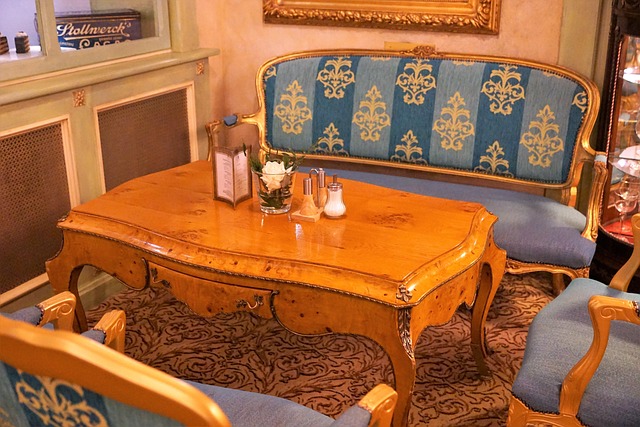
Furnishing a home exclusively with shiny, oversized, or heavily ornamented pieces that prioritize visual impact over comfort or craftsmanship is a recognized interior design pattern. Established wealth tends to accumulate furniture gradually over generations, mixing periods and provenances in ways that reflect genuine history. The matching showroom aesthetic, particularly when it features excessive gold or mirrored surfaces, signals a recent and concentrated purchasing effort. Interior designers who work with high-net-worth clients consistently note this distinction.
Loud Jewelry

Wearing an abundance of large, heavily embellished, or brightly colored statement jewelry simultaneously is a habit that fine jewelers and image consultants frequently address. The old-money approach to jewelry is heavily influenced by the edit-before-you-leave philosophy attributed to style icons of the mid-twentieth century. A single significant piece is considered far more impactful than several competing ones. Jewelry volume tends to dilute the perceived value of each individual item when worn in excess.
Receipt Sharing

Photographing and sharing restaurant bills, shopping receipts, or payment confirmations as social media content is a behavior that digital culture analysts have tracked since the early days of Instagram. The intent is typically to signal spending power, but the effect is almost universally the opposite among socially sophisticated audiences. Those accustomed to high spending have no incentive to document it because it carries no novelty for them. The behavior is widely recognized as one of the clearest indicators of performative rather than habitual affluence.
Unnecessary Entourages
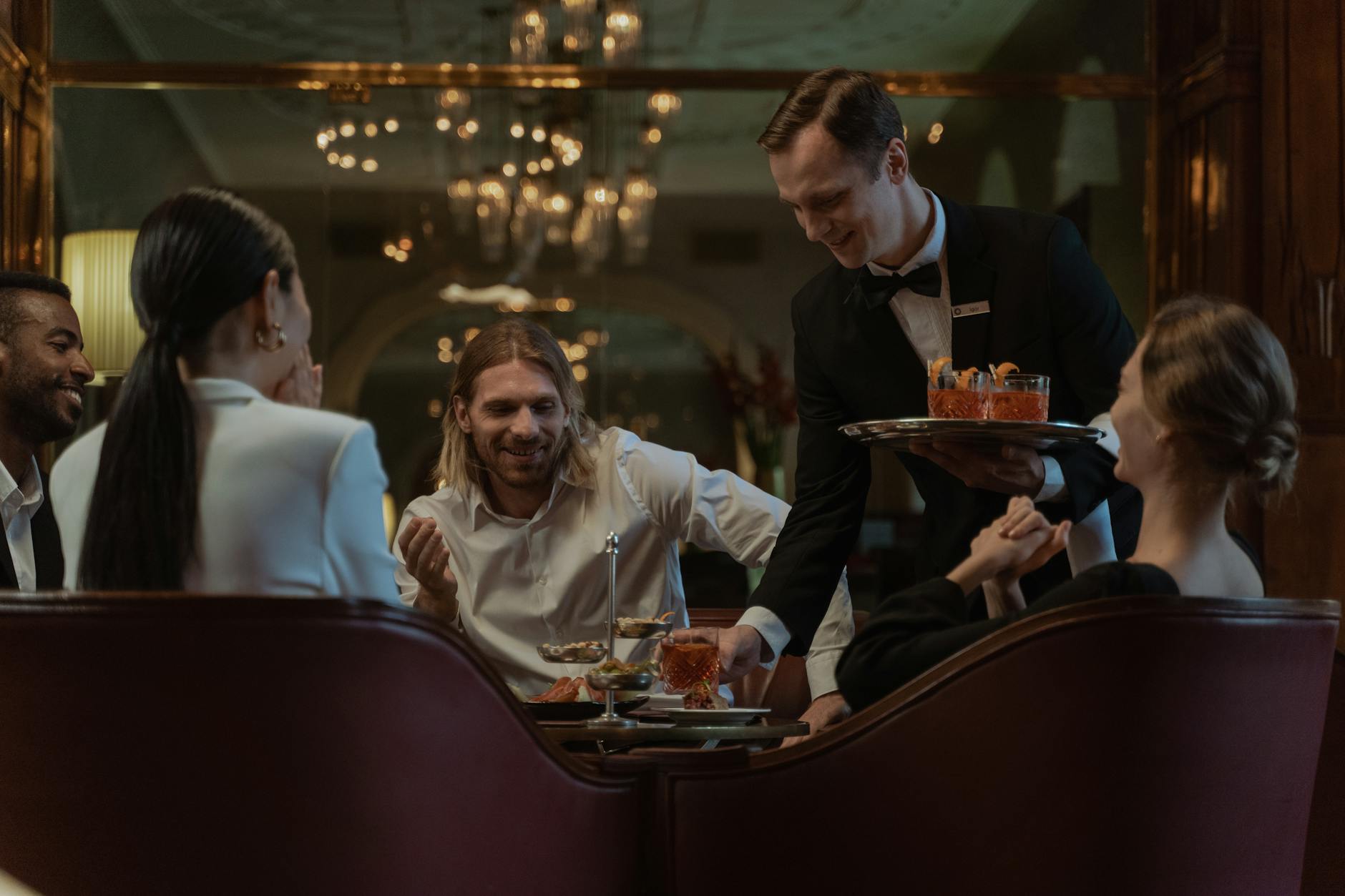
Surrounding oneself with a large group of companions at social events or public outings in a way that mimics celebrity culture is a documented status performance behavior. Genuine high-status individuals typically move with efficiency and selectivity, preferring smaller and more purposeful social units. Large entourages in non-professional contexts often serve a psychological function for the person at the center rather than a practical one. Social researchers note that this habit can actively undermine credibility in genuinely elite environments.
Overpriced Bottles

Ordering the most expensive bottle of wine or spirits at a restaurant with no knowledge of what it is or why it is considered superior is a recognized pattern in hospitality industry research. Sommeliers and service professionals are trained to identify this behavior and note that it rarely correlates with genuine appreciation for what is being consumed. Educated drinkers in affluent circles are far more likely to ask for a recommendation based on profile and occasion than to point at the highest price. The habit signals a desire to be seen spending rather than a developed palate.
Constant Upgrades

Replacing functional possessions with newer versions at a pace that exceeds any practical need is a consumer behavior extensively documented in studies of status consumption. The continuous public announcement of upgrades, particularly on social media, signals that the individual’s identity is tied to having the latest rather than the best. Those with established wealth are more likely to use items until they genuinely need replacing and to prioritize craftsmanship that improves with age. The upgrade cycle is primarily a marketing construct that disproportionately appeals to aspirational rather than satisfied consumers.
Title Obsession

Insisting on the use of professional titles or honorifics in social and casual settings where they are contextually inappropriate is a behavior that etiquette scholars have long associated with status anxiety. Established professionals in most elite fields tend to operate on a first-name basis in informal contexts and reserve formal address for specific ceremonial or institutional purposes. Correcting people about titles at a dinner party or social gathering tends to create discomfort rather than the impression of authority. Genuine prestige typically does not require ongoing verbal reinforcement.
Uninvited Opinions
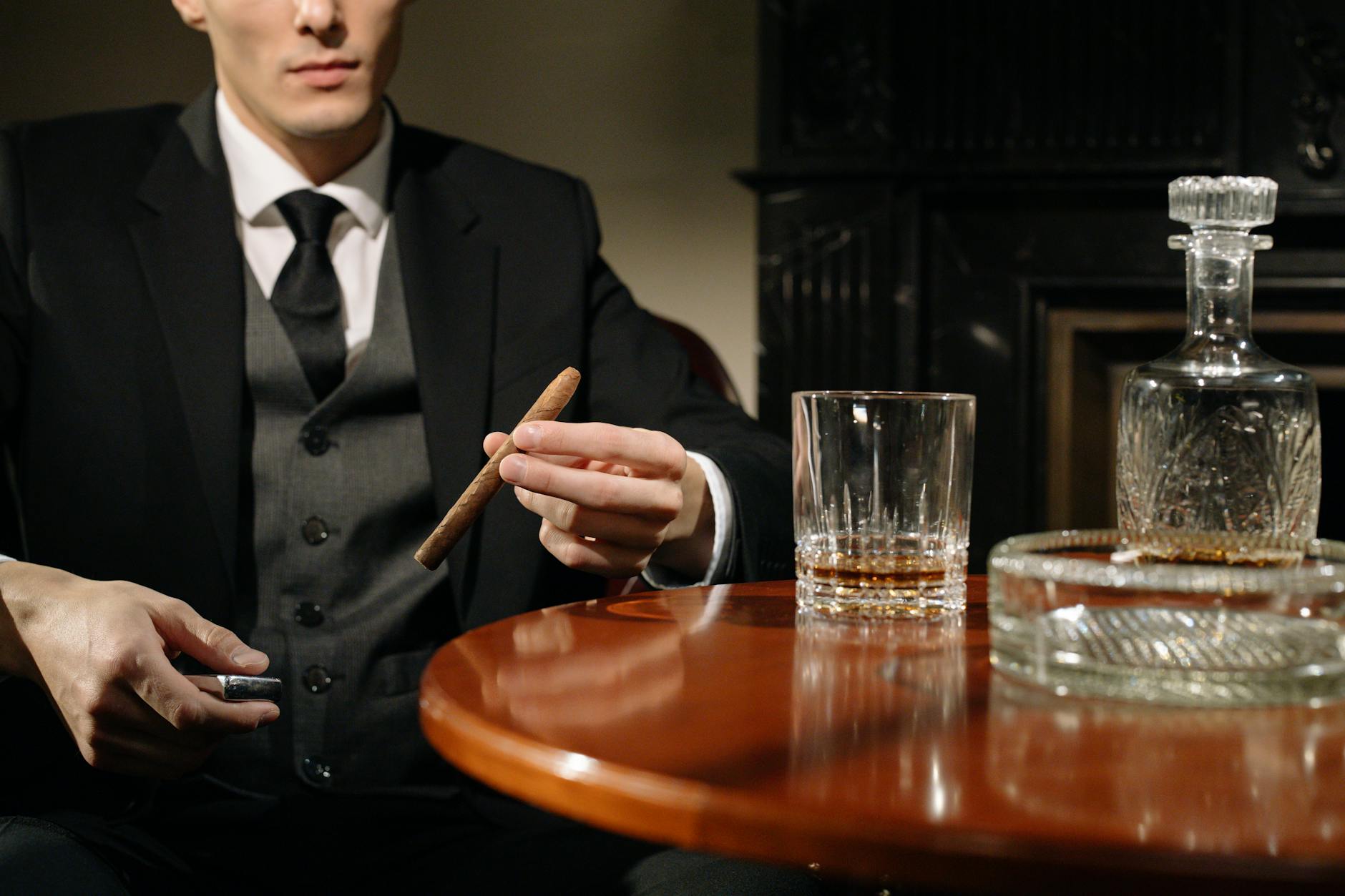
Volunteering unsolicited opinions about the quality of other people’s possessions, choices, or lifestyle decisions is a habit that social psychologists associate with comparative status evaluation. The impulse to point out that someone’s watch, car, or neighborhood is inferior is driven by a need to establish dominance through contrast rather than genuine expertise. Those who are comfortable in their own financial position have little motivation to rank themselves against others in conversation. The habit is widely recognized as a form of insecurity rather than sophistication.
Yacht Namedropping

Referencing access to yachts, private islands, or other hyper-exclusive experiences in contexts where the information is irrelevant is a social behavior extensively covered in lifestyle and etiquette journalism. The specificity of these references, particularly when delivered casually, suggests that the speaker assigns them higher social currency than their audience typically does. Frequent travelers and genuinely wealthy individuals tend to discuss experiences in terms of what they meant rather than what they cost or how exclusive they were. Contextually irrelevant luxury references are a reliable signal of social performance.
Dramatic Gifting

Giving gifts in ways that prioritize the giver’s visibility over the recipient’s experience is a behavior that gift psychology researchers study as a form of public generosity theater. Presenting an expensive item with an audience, filming the reaction, or referencing the cost either before or after giving shifts the focus from the recipient to the giver. Genuine gift-giving cultures among established wealthy families tend to emphasize thoughtfulness and personal meaning over monetary value. Philanthropic advisors note that the most respected donors in any community are typically the least visible ones.
Fake Busyness

Performing busyness by constantly referencing meetings, deadlines, or travel schedules in social conversation is a documented status behavior in organizational psychology. The logic behind it is that busyness signals demand, and demand signals importance, but the behavior has become so widespread that it now carries the opposite connotation in many educated circles. Researchers at Harvard Business School published findings suggesting that the performance of busyness is most common among those who feel their status is not yet secure. Those with genuinely high-value professional lives rarely need to narrate them in casual settings.
Visible Wealth Tracking
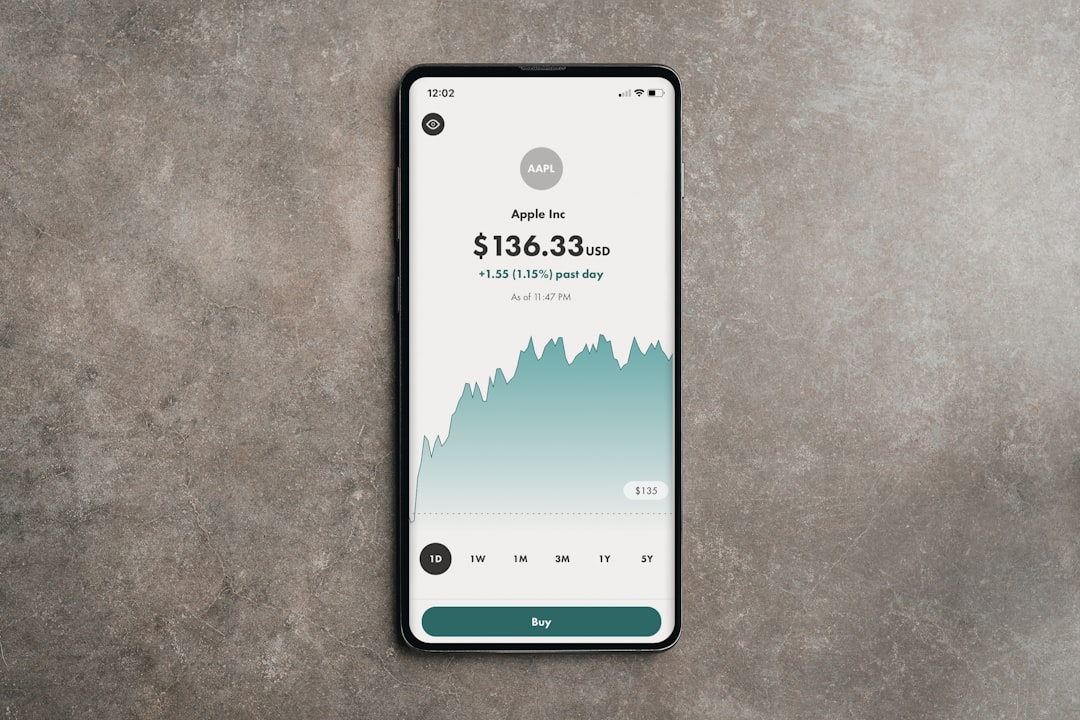
Using apps, spreadsheets, or social media content to publicly track and display net worth, investment returns, or asset accumulation is a behavior that financial educators and wealth managers consistently flag as counterproductive. Established wealthy individuals and families are almost universally characterized by a strong culture of financial privacy. The motivation to make wealth metrics visible is rooted in validation-seeking rather than financial strategy. Wealth management literature across cultures consistently identifies discretion as one of the primary characteristics of sustainable prosperity.
Dress Code Misreads

Arriving overdressed to casual or business-casual environments in a way that ignores clearly stated or widely understood social codes is a recognized etiquette failure in lifestyle journalism. The choice to wear black-tie attire to a garden party or full business formal to a creative agency reflects poor social reading rather than elevated standards. Etiquette educators note that knowing how and when to dress down is actually a more sophisticated skill than always dressing up. True style fluency includes the ability to read a room accurately and dress in proportion to its energy.
Subscription Signaling

Announcing memberships to exclusive clubs, subscription services, or elite programs in contexts where the information serves no relevant purpose is a form of status disclosure studied in consumer behavior research. The impulse to mention a private members club, an ultra-premium streaming tier, or an invitation-only credit card unprompted signals that the individual assigns high social value to being recognized as a member. Those for whom such memberships are routine have little incentive to reference them in conversation. The behavior tends to highlight novelty rather than familiarity with the lifestyle being performed.
Thin Philanthropy

Making charitable donations that are sized to generate maximum visibility rather than meaningful impact is a phenomenon that philanthropy researchers refer to as reputational giving. The motivation in these cases is primarily social positioning rather than genuine concern for a cause. Development officers at major nonprofit institutions are trained to distinguish between donors who give to be seen and those who give to create change. The distinction becomes visible over time through giving patterns, level of engagement, and willingness to support causes that offer no social reward.
Luxury Pet Culture

Dressing pets in branded clothing, carrying them in designer bags, or publicizing the cost of veterinary treatments and grooming as social media content is a behavior that cultural analysts have tracked as a subset of performative wealth display. The pets themselves are used as props to signal a lifestyle rather than as companions whose comfort and wellbeing are the primary concern. Legitimate animal welfare advocates and veterinarians frequently note that expensive accessories rarely correlate with quality of care. The practice tends to generate skepticism rather than admiration among audiences familiar with genuine pet culture.
Constant Comparisons

Habitually framing personal choices in direct comparison to cheaper or lower-status alternatives is a conversational pattern that social psychologists link to ongoing status insecurity. Explaining that one chose a particular restaurant because it was far superior to the one down the road, or that one’s watch is a significant step above a particular mass-market brand, reveals a need to justify rather than simply enjoy. Those who are genuinely comfortable with their choices rarely feel compelled to contextualize them against inferior options. The comparison habit inadvertently signals that the speaker is still negotiating their own sense of worth.
Event Hijacking
Redirecting conversations at social gatherings toward one’s own achievements, possessions, or experiences regardless of the topic at hand is a behavior studied in social psychology as status interruption. The pattern involves consistently finding ways to make oneself the most interesting or accomplished person in the room through conversational redirection. Genuine social confidence allows others to hold the floor without the need to reclaim attention. Hosts and experienced social observers consistently identify this habit as one of the most reliably off-putting behaviors in any gathering.
Bargain Embarrassment

Expressing visible discomfort or embarrassment when others discover that something one owns was purchased at a discount, from a chain retailer, or secondhand is a behavior that image researchers connect to a fragile relationship with social identity. Those with genuine financial security and aesthetic confidence are typically proud of a good find regardless of its origin. The resale and vintage market has been enthusiastically embraced by some of the most credible style voices in the world precisely because it reflects knowledge and patience rather than spending power. The need to conceal a bargain is itself the most revealing thing about the person concealing it.
Share your thoughts on which of these habits you find most telling in the comments.




