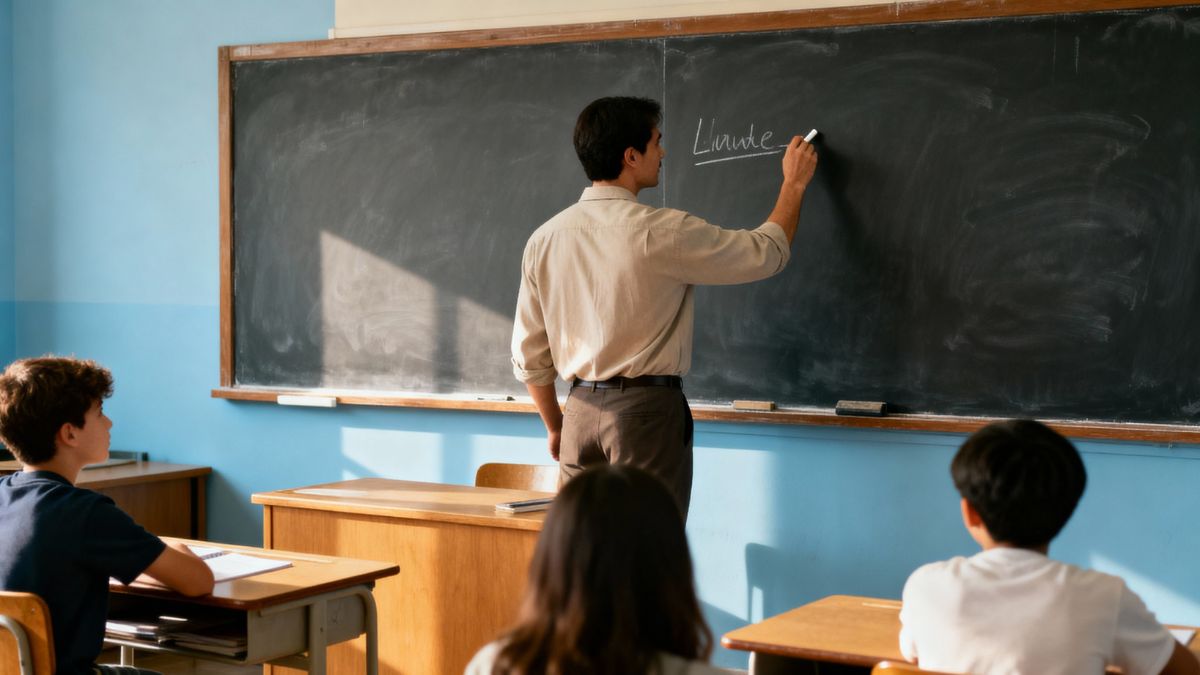
Every classroom has its social dynamics, and the relationship between a teacher and a student is one of the most formative and consequential of early life. Child psychologists and education researchers have long documented how teacher attitudes can shape academic outcomes, self-esteem, and long-term learning trajectories. While most educators maintain professional conduct regardless of personal feelings, certain behavioral patterns can reveal an underlying negative bias toward a specific child. Parents who understand these signals are better equipped to advocate effectively for their children.
Cold Greetings
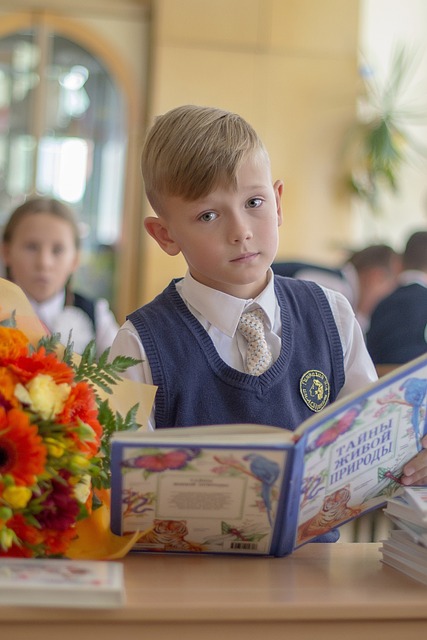
Teachers who genuinely enjoy their students tend to acknowledge them warmly at the start of each school day, a behavior extensively documented in early childhood education research. A child who is consistently met with a flat or perfunctory greeting while classmates receive warmer responses may be experiencing differential treatment. Child development specialists note that the morning greeting ritual is one of the clearest windows into a teacher’s emotional relationship with individual students. A pattern of cool or distracted acknowledgment is worth observing over several weeks before drawing conclusions.
Seating Placement
Research in classroom management consistently shows that teachers unconsciously seat students they find challenging at the periphery of the room or near the door. While seating decisions are sometimes justified on behavioral or logistical grounds, a child placed consistently away from the center of activity may be experiencing spatial marginalization. Educational psychologists note that proximity to the teacher during instruction is directly linked to engagement, attention, and perceived belonging. A child who is repeatedly moved further from the teaching area without clear explanation warrants closer attention.
Skipped Turns
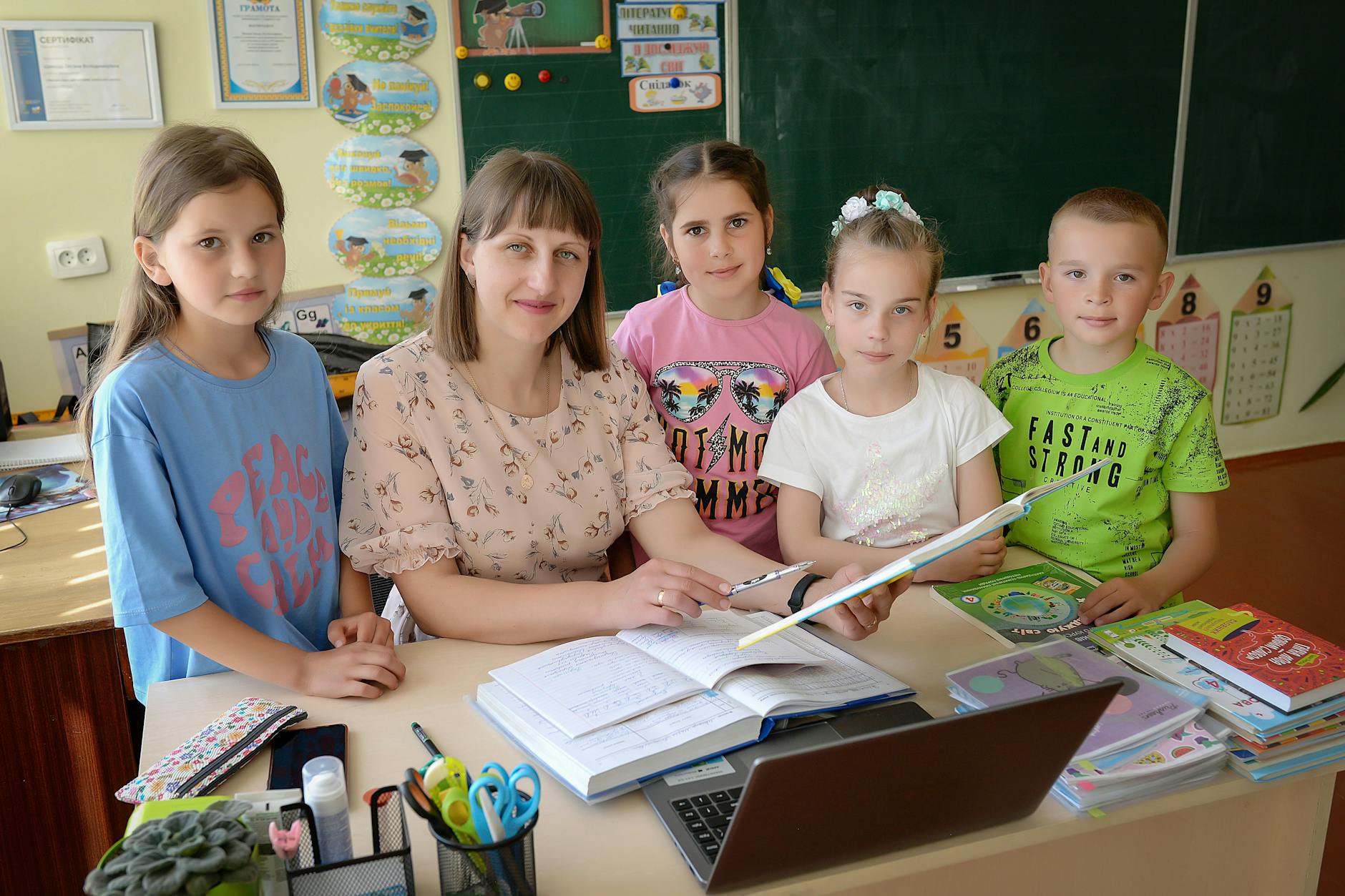
Teachers who harbor negative feelings toward a student often unconsciously pass over that child during classroom participation activities. Studies in educational equity show that call patterns during instruction are one of the most reliable indicators of teacher preference and bias. A child who raises their hand consistently but is overlooked in favor of others is receiving a quiet but powerful message about their perceived value in the classroom. Parents can ask their child directly and regularly about how often they are called upon during lessons.
Minimal Feedback

Written feedback on assignments is one of the most direct expressions of a teacher’s investment in a student’s growth. Children who receive single-word or purely critical comments while their peers receive detailed and constructive notes are experiencing an unequal standard of engagement. Education researchers have found that the quantity and quality of written feedback correlates strongly with teacher expectation, and teacher expectation is one of the most powerful predictors of student performance. A consistent pattern of thin or dismissive feedback is a meaningful signal worth tracking over time.
Public Correction
Choosing to correct a child’s behavior or academic errors in front of the class rather than privately is a practice that child psychologists associate with punitive rather than supportive teaching styles. All children make mistakes, but the decision of when and how to address them reveals a great deal about the teacher’s underlying attitude toward that particular student. Research on shame and learning consistently shows that public correction damages confidence and creates classroom anxiety without improving behavior. A child who is regularly singled out for correction in front of peers deserves a thoughtful conversation with the school.
Praise Disparity
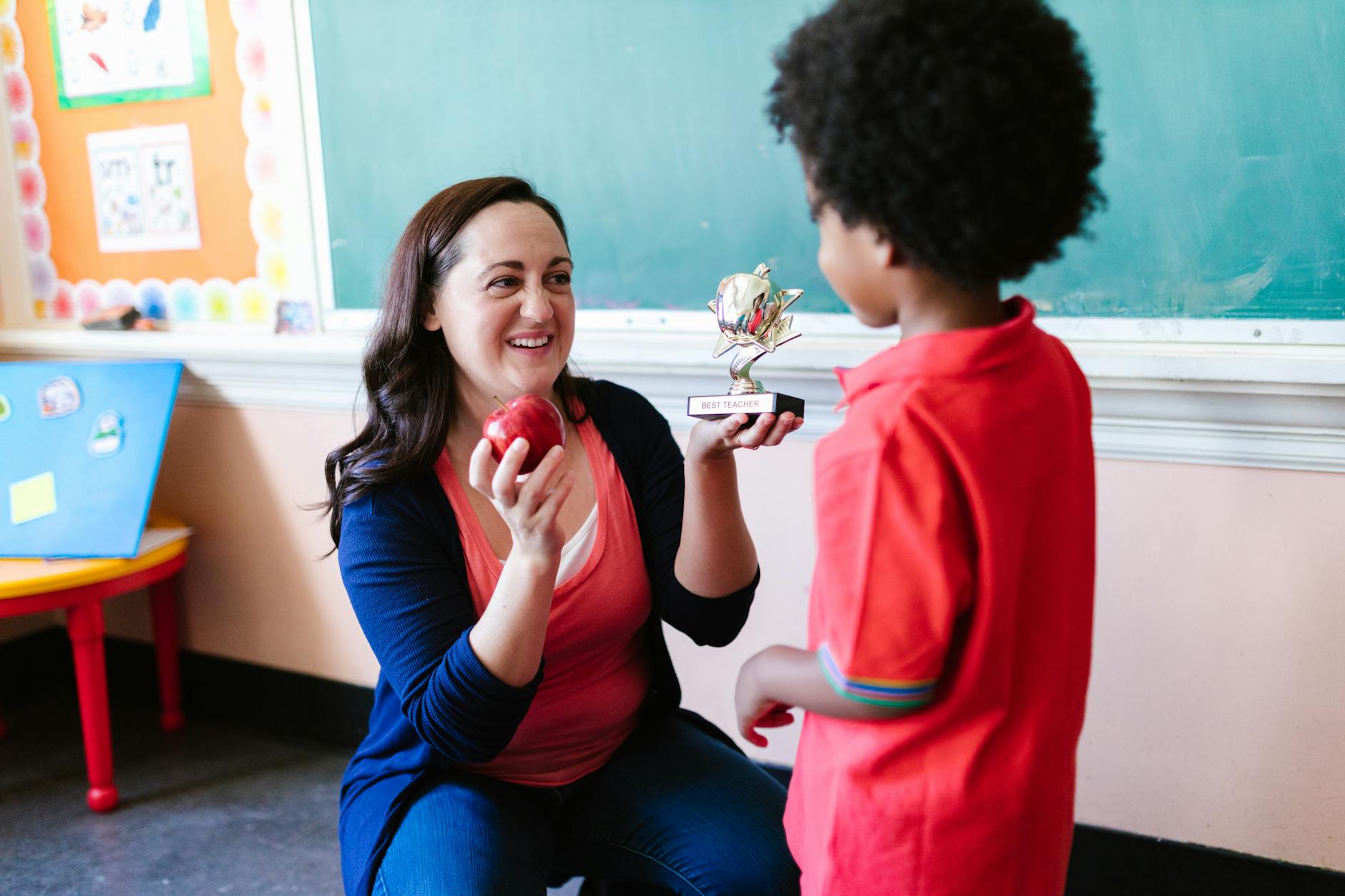
Observational studies in classroom settings have repeatedly found that teachers distribute praise unevenly along lines of perceived favorability. A child who performs well but receives little or no positive reinforcement while peers with similar performance are celebrated is experiencing a meaningful imbalance. Positive reinforcement is not simply encouragement but a fundamental mechanism of behavioral and academic development recognized across all major educational frameworks. Parents who volunteer in the classroom or attend open observations can often identify this disparity firsthand.
Art Display Bias
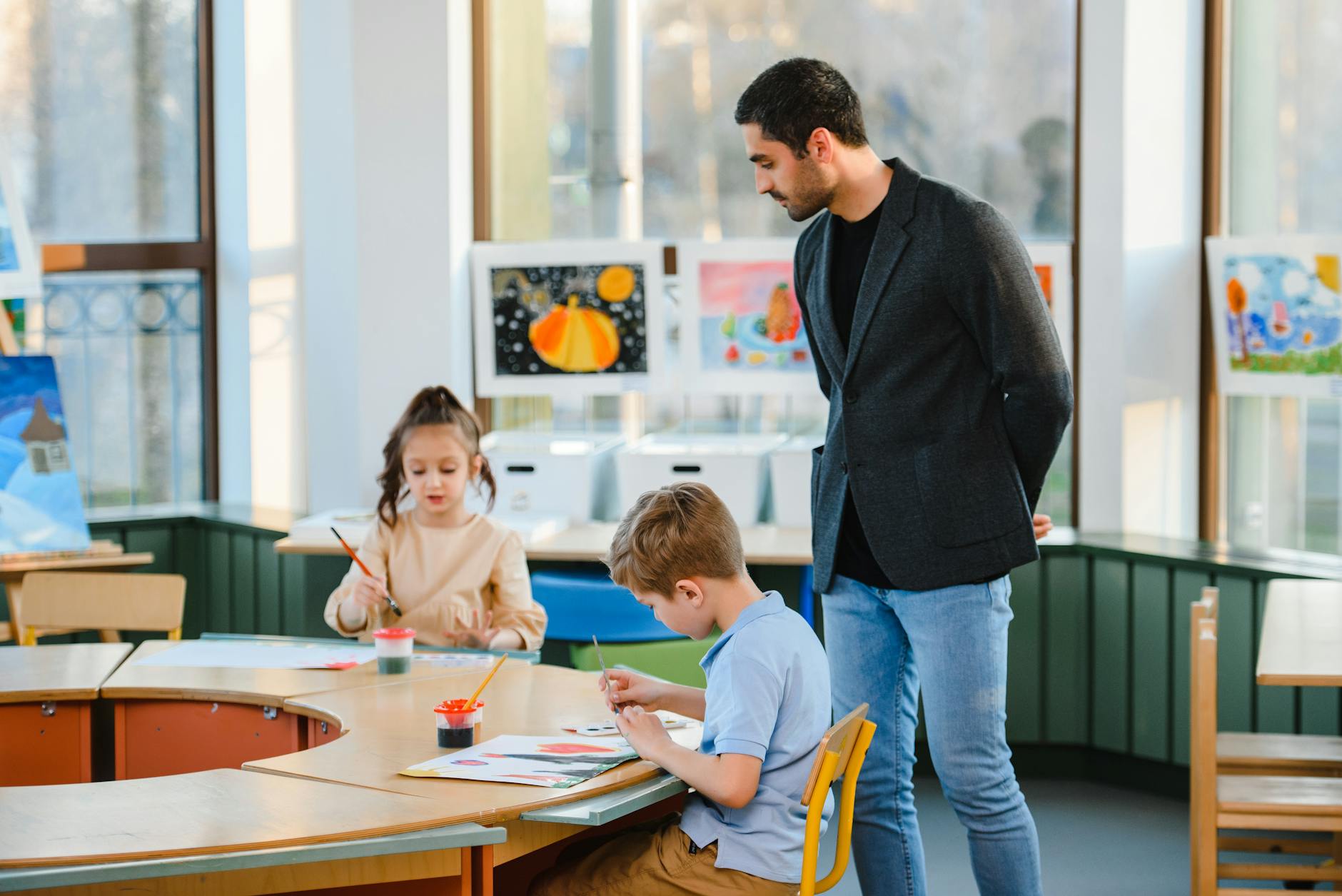
The selection of student work for classroom display is a curatorial decision that communicates value and belonging. Teachers who consistently exclude a particular child’s work from bulletin boards, gallery walls, or shared displays are sending a message that may not be consciously intended but is nonetheless received. Research in arts education notes that public display of student work is a significant contributor to identity formation and sense of academic community. A child who never sees their work on the wall while others’ work appears regularly may begin to internalize a sense of invisibility.
Vague Progress Reports

Progress reports and parent communications that lack specificity about a child’s strengths and areas for growth can indicate a teacher’s limited emotional investment in that student. Detailed progress reporting requires close observation and genuine engagement with a child’s individual learning journey. Education consultants note that vague or formulaic comments like “could try harder” or “needs to focus” without supporting context suggest the teacher may not have a clear picture of the child as an individual learner. Comparing the depth of one sibling’s report to another in the same school can sometimes illuminate the difference in approach.
Group Exclusion
How a teacher structures group work reveals a great deal about their underlying social map of the classroom. A child who is consistently assigned to groups last, placed with less engaged peers, or excluded from high-performing collaborative clusters may be experiencing deliberate or unconscious social sorting by the teacher. Educational equity researchers note that group assignment is one of the most impactful and least examined forms of classroom bias. The long-term social effects of repeated group exclusion extend well beyond the academic task at hand.
Dismissive Body Language

Nonverbal communication from teachers toward students is one of the most studied areas in educational psychology precisely because it operates largely below the level of conscious awareness. Eye rolls, turned backs, crossed arms, and minimal eye contact directed consistently at one child while warmer physical engagement is offered to others represent a clear behavioral pattern. Children are exquisitely sensitive to nonverbal signals and process them as reliable information about how they are perceived by authority figures. A child who describes feeling like the teacher does not like looking at them is often reporting something real.
Homework Inequality

Inconsistent application of homework standards, where one child is held to stricter deadlines or penalized more heavily for late submissions than peers, is a documented form of differential treatment in education research. Teachers who apply rules more rigorously to disliked students often do so without conscious awareness of the inconsistency. Comparing notes with other parents about how homework expectations and consequences are applied across the class can reveal whether a child is being treated according to a different standard. A pattern of disproportionate consequences for the same infractions that others face lightly is a meaningful indicator.
Story Time Neglect
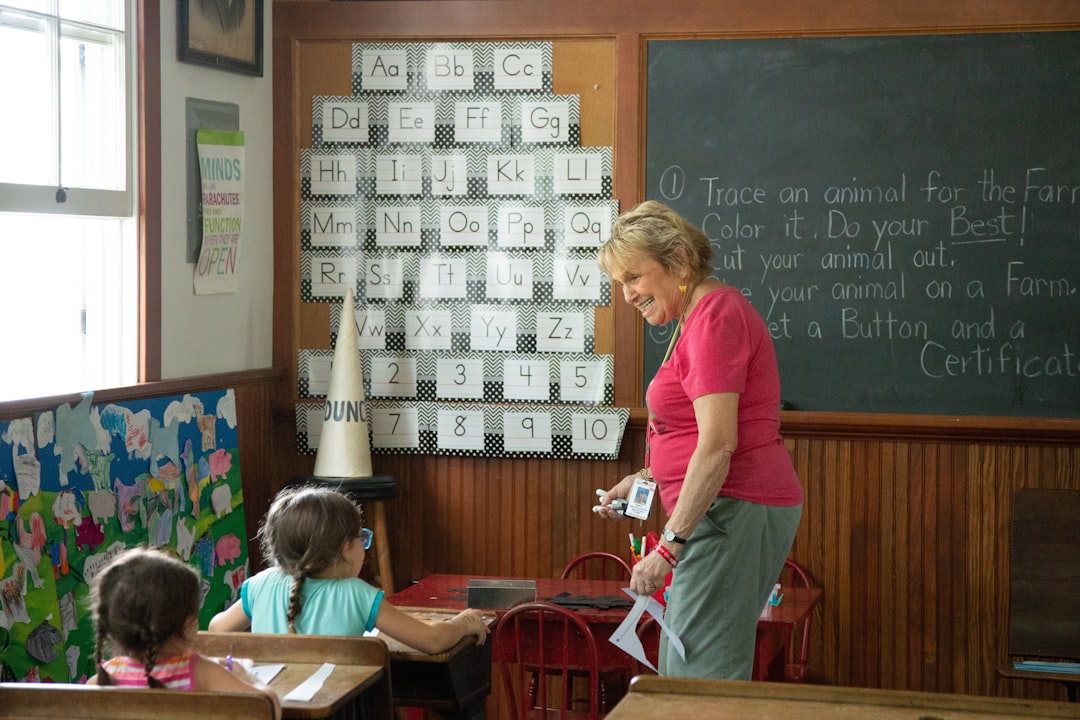
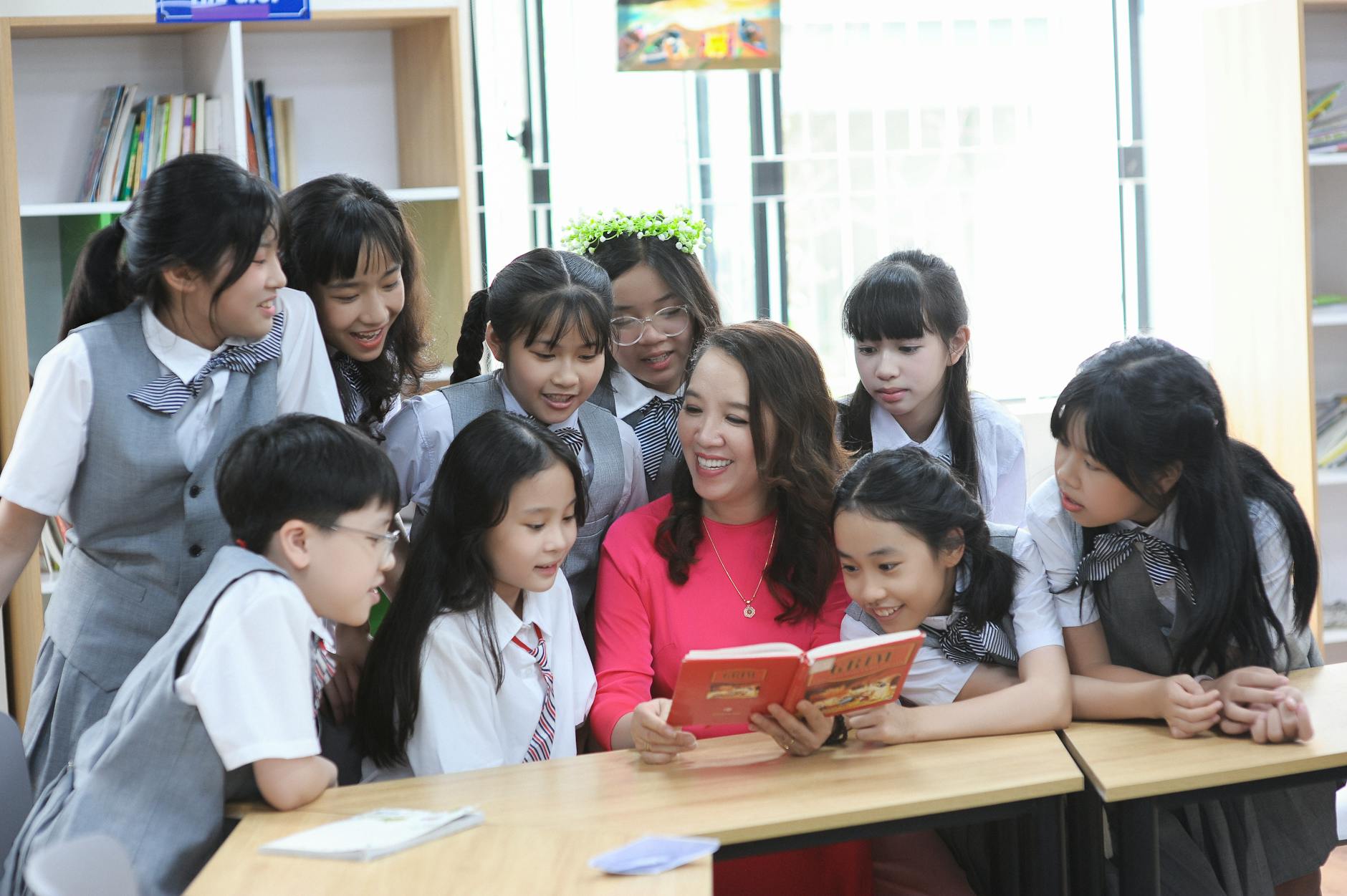
In early years and primary classrooms, read-aloud and storytelling sessions are rich opportunities for inclusion and connection. Teachers who consistently choose children other than a particular student to hold props, turn pages, choose the next book, or take a special role during these activities are making repeated micro-decisions that add up to a pattern of exclusion. Child development researchers note that participation in shared literacy rituals contributes significantly to a sense of classroom belonging. A child who reports never being chosen for these moments across many weeks deserves a gentle inquiry.
Lunch and Recess Bias
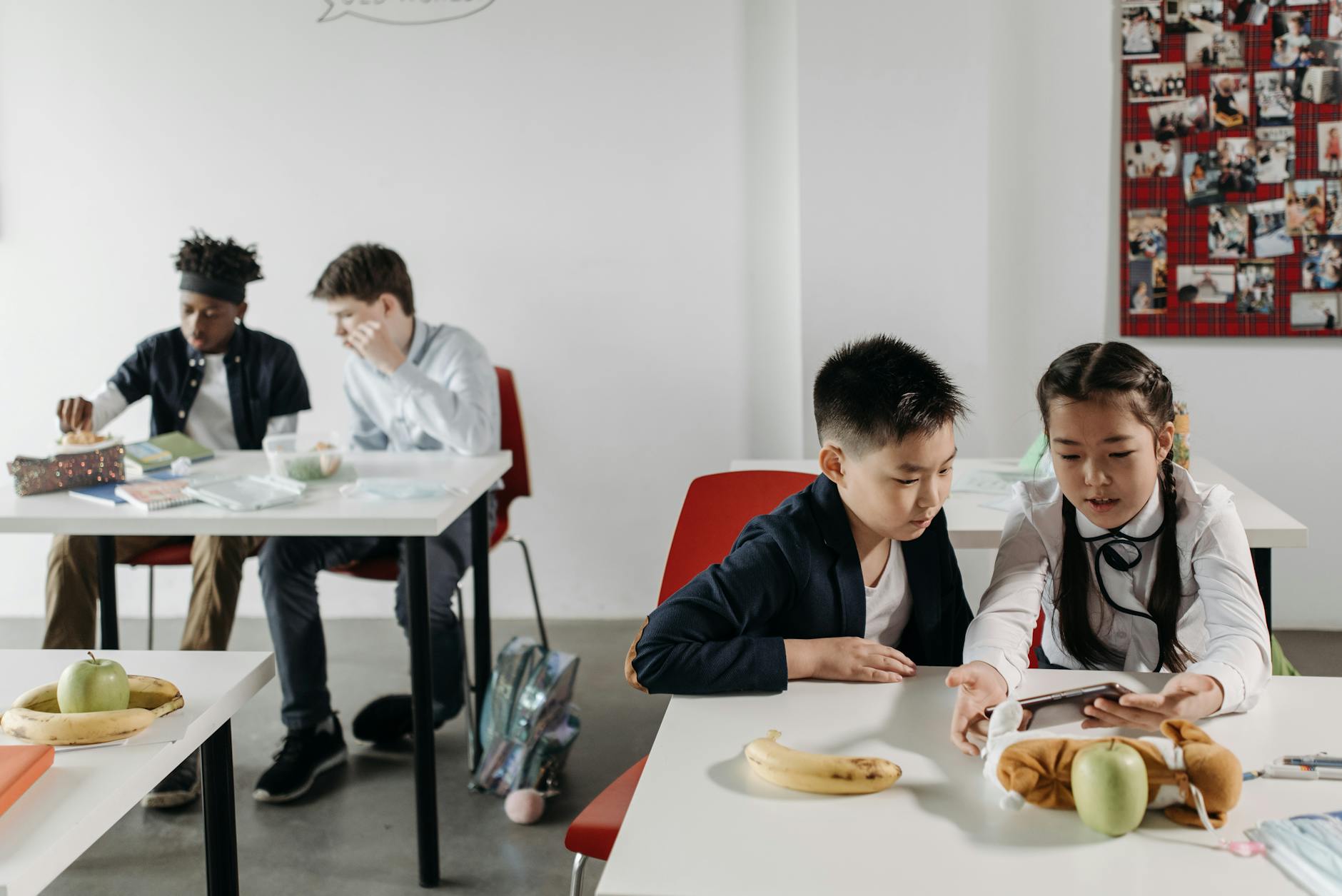
Teacher attitudes toward students often become most visible during unstructured time when professional performance pressure is reduced. A teacher who supervises lunch or recess and consistently overlooks a particular child’s social struggles, fails to intervene when that child is excluded, or shows less concern for their wellbeing during free periods may be revealing an underlying indifference. Studies in school climate research consistently link teacher attentiveness during unstructured time to overall student sense of safety and belonging. Children who feel unseen during these periods often report it as more distressing than academic exclusion.
Tone Differences
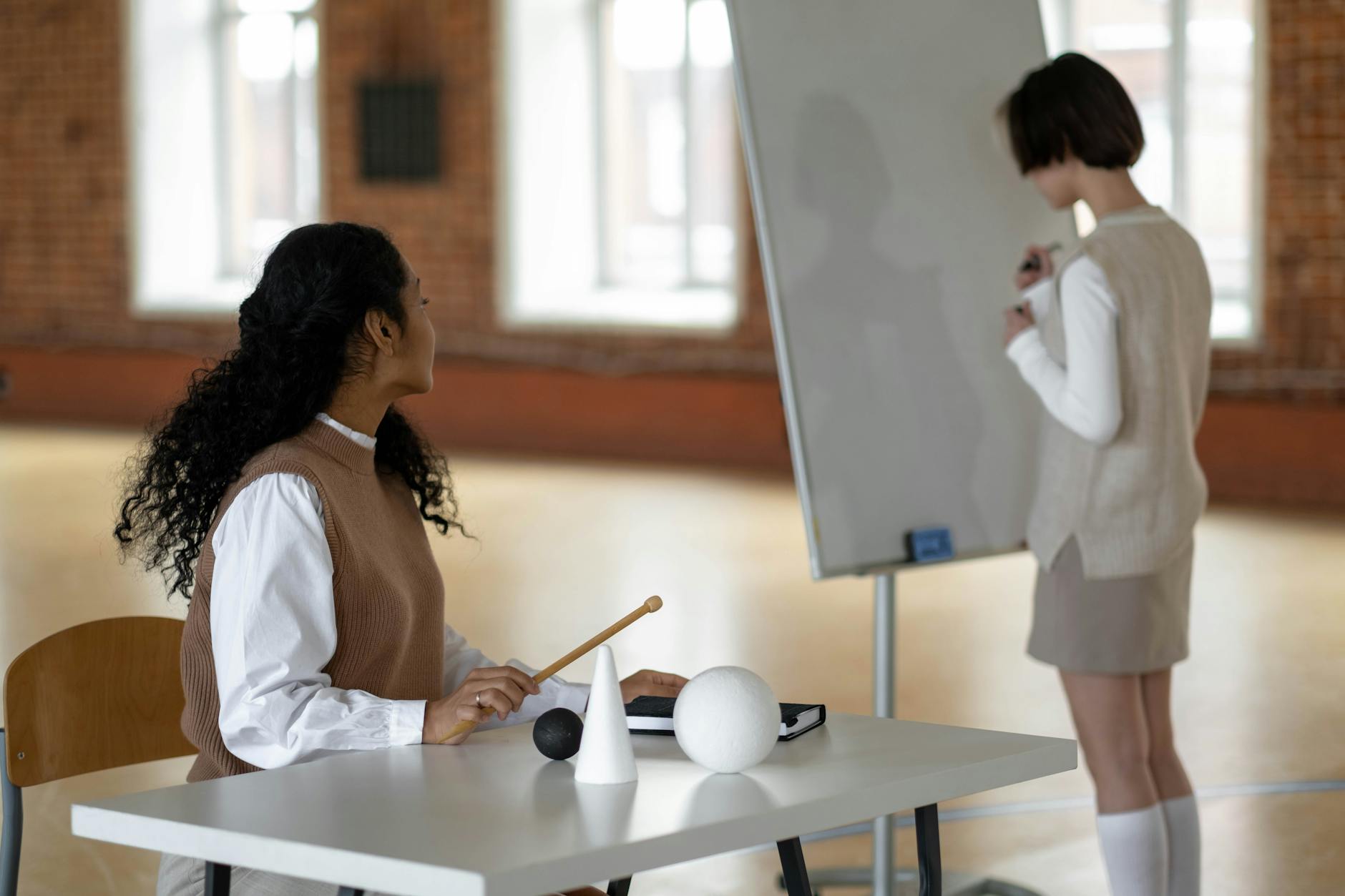
The tone a teacher uses when speaking to different students is one of the subtler but more powerful forms of differential treatment. A child who is addressed in clipped, impatient, or flat tones while classmates are spoken to warmly and with humor is absorbing a clear emotional message about their standing. Linguists who study classroom interaction have identified consistent tone patterns as one of the strongest predictors of student-teacher relationship quality. Children who describe feeling like their teacher sounds annoyed whenever they speak are often making an accurate observation.
Assignment Complexity

Teachers sometimes unconsciously assign less intellectually stimulating or lower-complexity tasks to students they perceive negatively, a behavior that education researchers link to the well-documented Pygmalion effect. Receiving simpler work than peers can limit a child’s intellectual development and signal low academic expectations in ways the child eventually internalizes. Gifted education specialists note that under-challenge is just as damaging as academic struggle in terms of long-term engagement and self-belief. A child who consistently brings home work that seems below their known ability level is worth a careful conversation.
Parent Communication Style
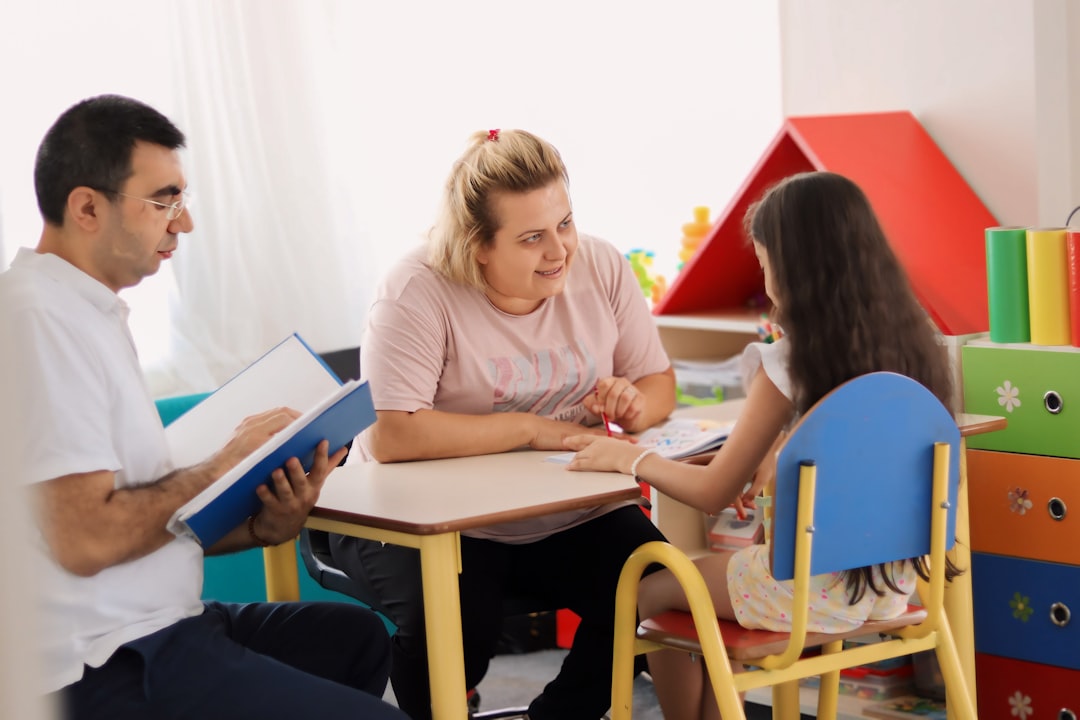
The way a teacher communicates with a particular child’s parents over time reveals much about their underlying attitude. Frequent negative reports, a pattern of contacting home only when problems arise, or a notably cooler tone in written communications compared to what other parents describe experiencing are all meaningful signals. School counselors note that teachers who genuinely value a student tend to share positive observations proactively rather than using communication channels exclusively to report difficulties. A communication log kept by the parent over a semester can reveal patterns that individual messages obscure.
Award Invisibility

Classroom awards, certificates, and recognition moments are discretionary acts that reflect a teacher’s priorities and perceptions. A child who is consistently overlooked during recognition rituals despite meeting or exceeding the criteria that earn other students acknowledgment is experiencing a quiet but persistent form of exclusion. Positive psychology research in educational settings consistently shows that recognition has a compounding effect on motivation, effort, and self-concept. The child who watches peers receive awards term after term without ever being included begins to form conclusions about their own worth.
Laughter Exclusion
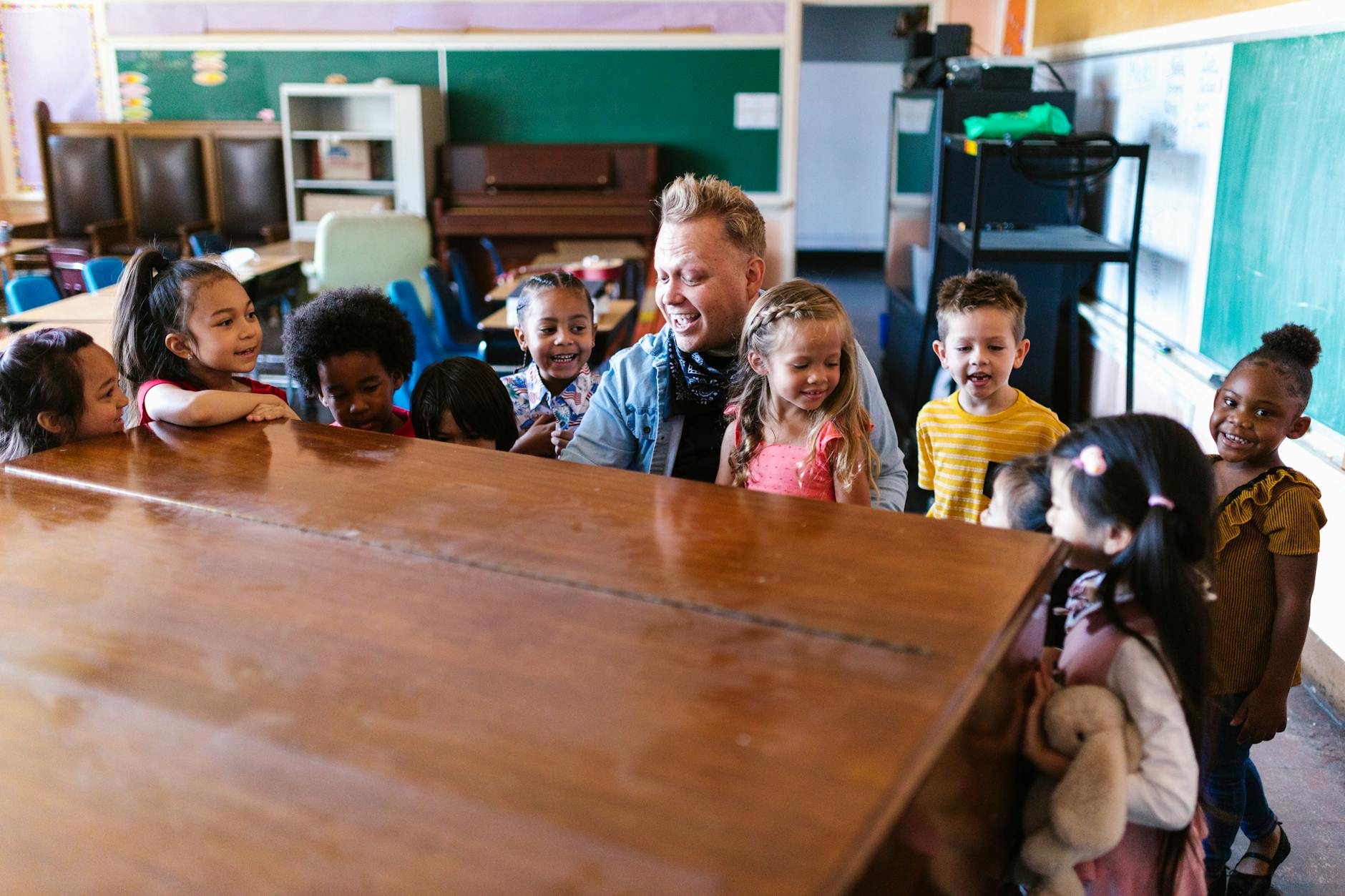
Classroom humor and the shared laughter it generates are powerful social bonding mechanisms that teachers control and direct. A teacher who laughs easily with most students but maintains a consistently serious or flat demeanor specifically around one child is drawing an invisible social boundary. Research on belonging in educational settings identifies shared humor as one of the primary indicators of relational warmth between teachers and students. A child who never experiences moments of lightness or laughter with their teacher is operating in a relationally impoverished environment.
Field Trip Roles
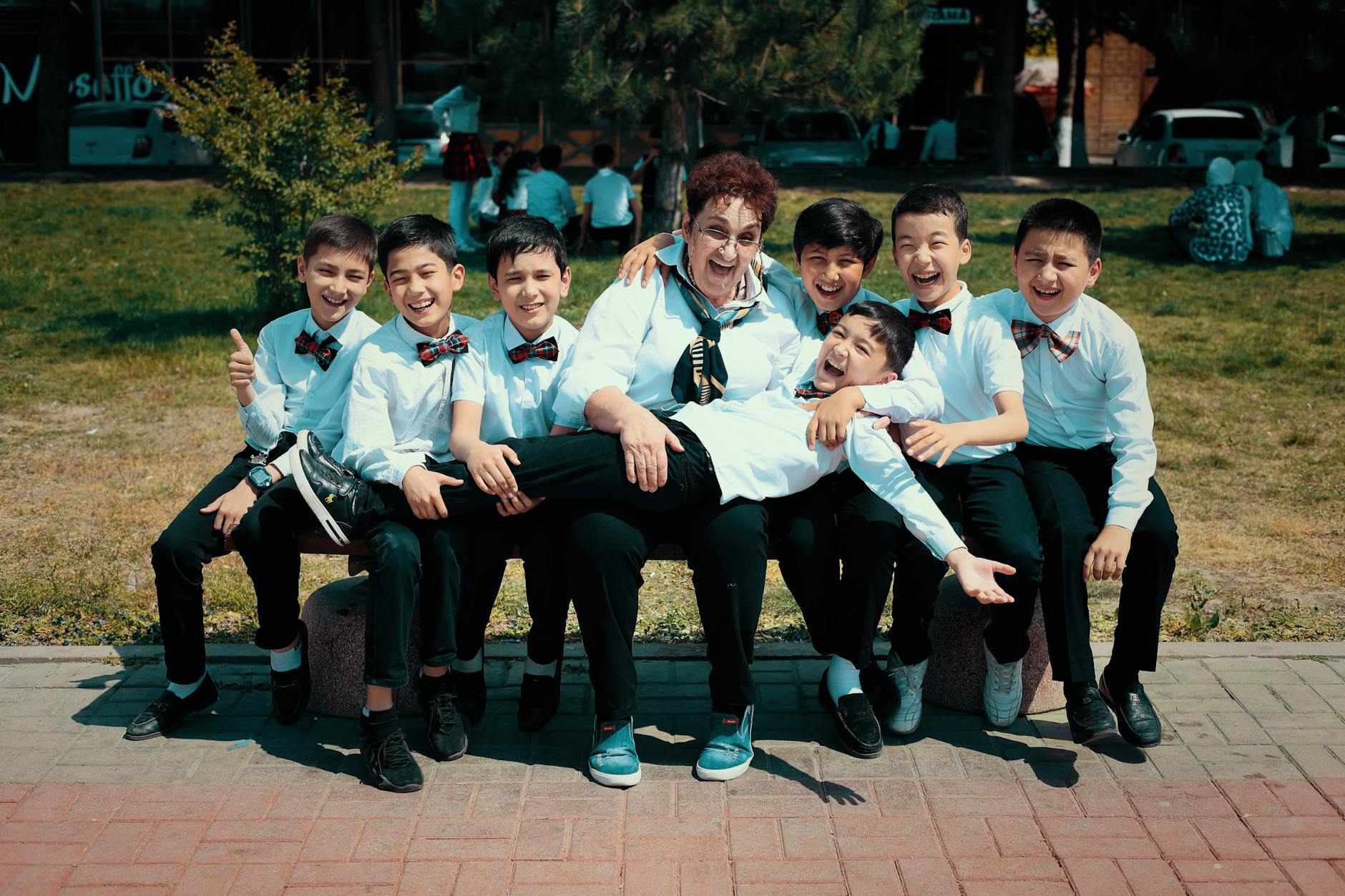
School excursions and special events involve a series of small decisions about who walks with whom, who holds the clipboard, who leads the group, and who is paired with an adult. A child who is consistently placed with the least preferred partner, assigned a supervisory adult rather than a peer group, or given no meaningful role during these events is experiencing a pattern of quiet exclusion. Educational researchers note that field trip dynamics often reveal classroom social hierarchies more clearly than daily routines because the usual structural rules are relaxed. How a teacher manages a child’s experience during these special occasions is deeply telling.
Comparison Comments
Teachers who make direct or implied comparisons between a disliked student and higher-performing or better-behaved peers are engaging in a practice that educational psychologists universally identify as damaging. Phrases that suggest a child should be more like their sibling, a friend in the class, or a previous student in that grade communicate rejection of the child’s individuality. Research on academic motivation consistently shows that comparative criticism reduces intrinsic motivation and increases performance anxiety without producing the improvement it implies it seeks. A child who reports being compared unfavorably to others by their teacher is experiencing a recognized form of classroom harm.
Special Role Exclusion
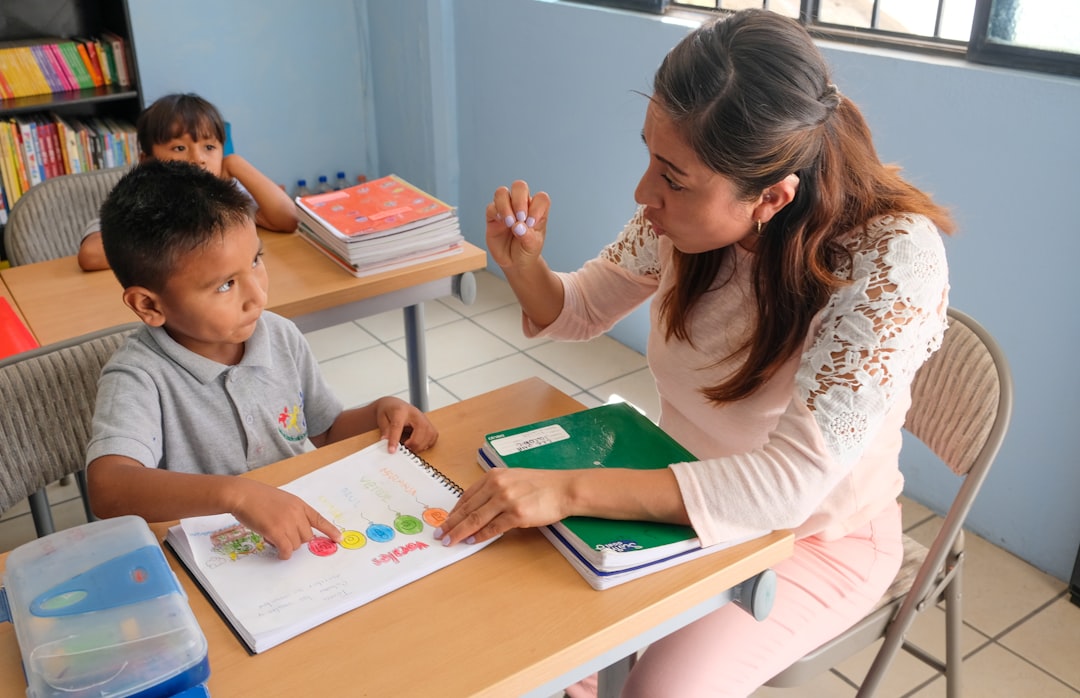
Most classrooms have a rotation of coveted special roles such as line leader, class helper, message carrier, or board assistant that teachers assign at their discretion. A child who is systematically skipped in these rotations or who only ever receives the least desirable roles is receiving a consistent message about their perceived status in the classroom community. Child development researchers note that these small responsibilities carry enormous social and psychological weight for young children and are taken very seriously as indicators of trust and approval. Parents who ask their child regularly which jobs they have been given can track this pattern over time.
Storytelling Omissions
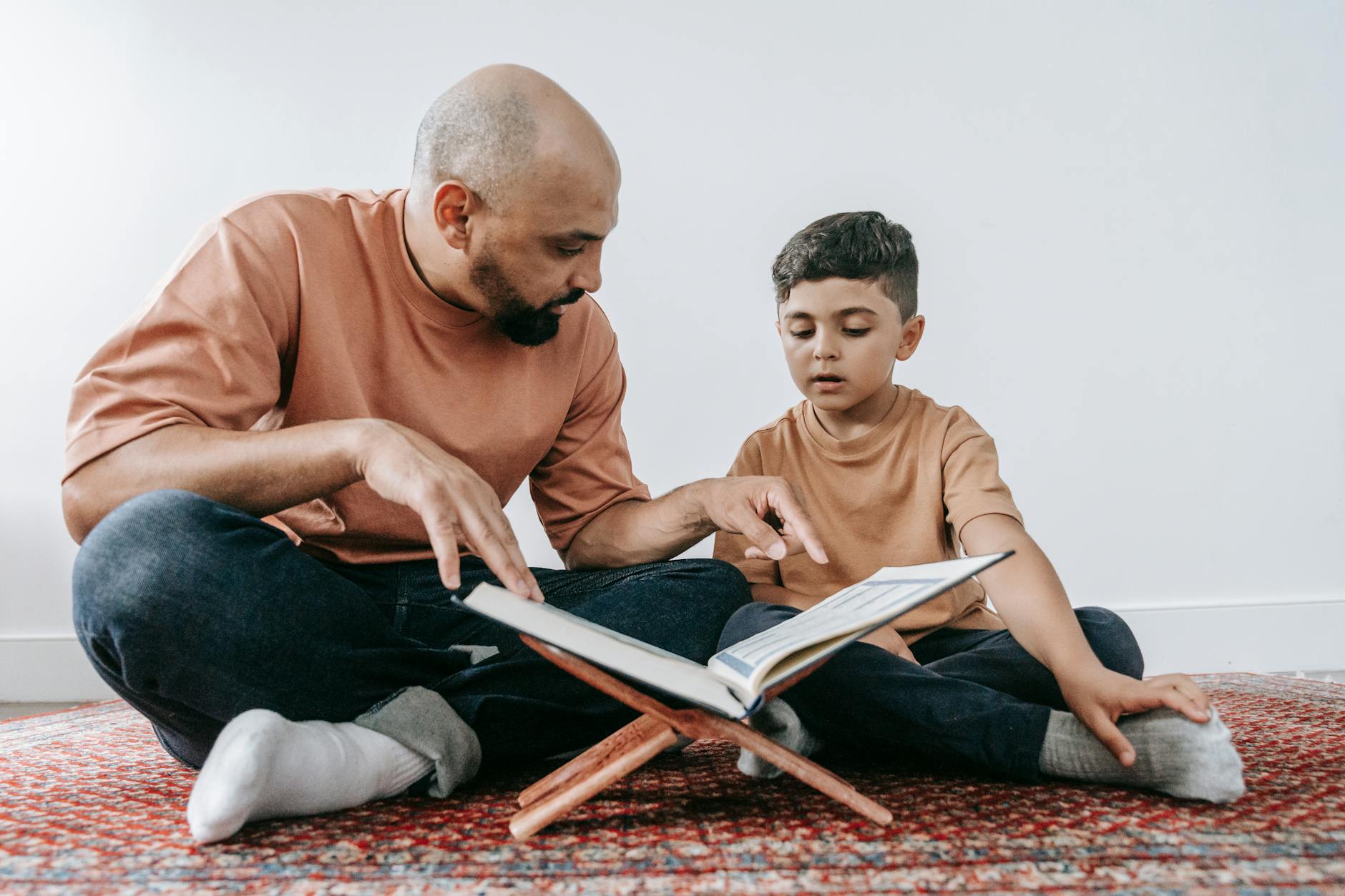
When teachers share anecdotes, examples, or celebratory stories about their students with the class or with parents, the children they choose to feature reveal their emotional investment. A child who is never the subject of a warm story, a proud mention, or a shared classroom memory is absent from the teacher’s narrative of the year in a way that becomes noticeable over time. Narrative inclusion in a teacher’s professional storytelling is a recognized indicator of the relational bond that teacher has formed with a student. Parents who listen carefully to what teachers say at events, pickup, and conferences can gauge how often and how warmly their child appears in those accounts.
Conflict Resolution Bias
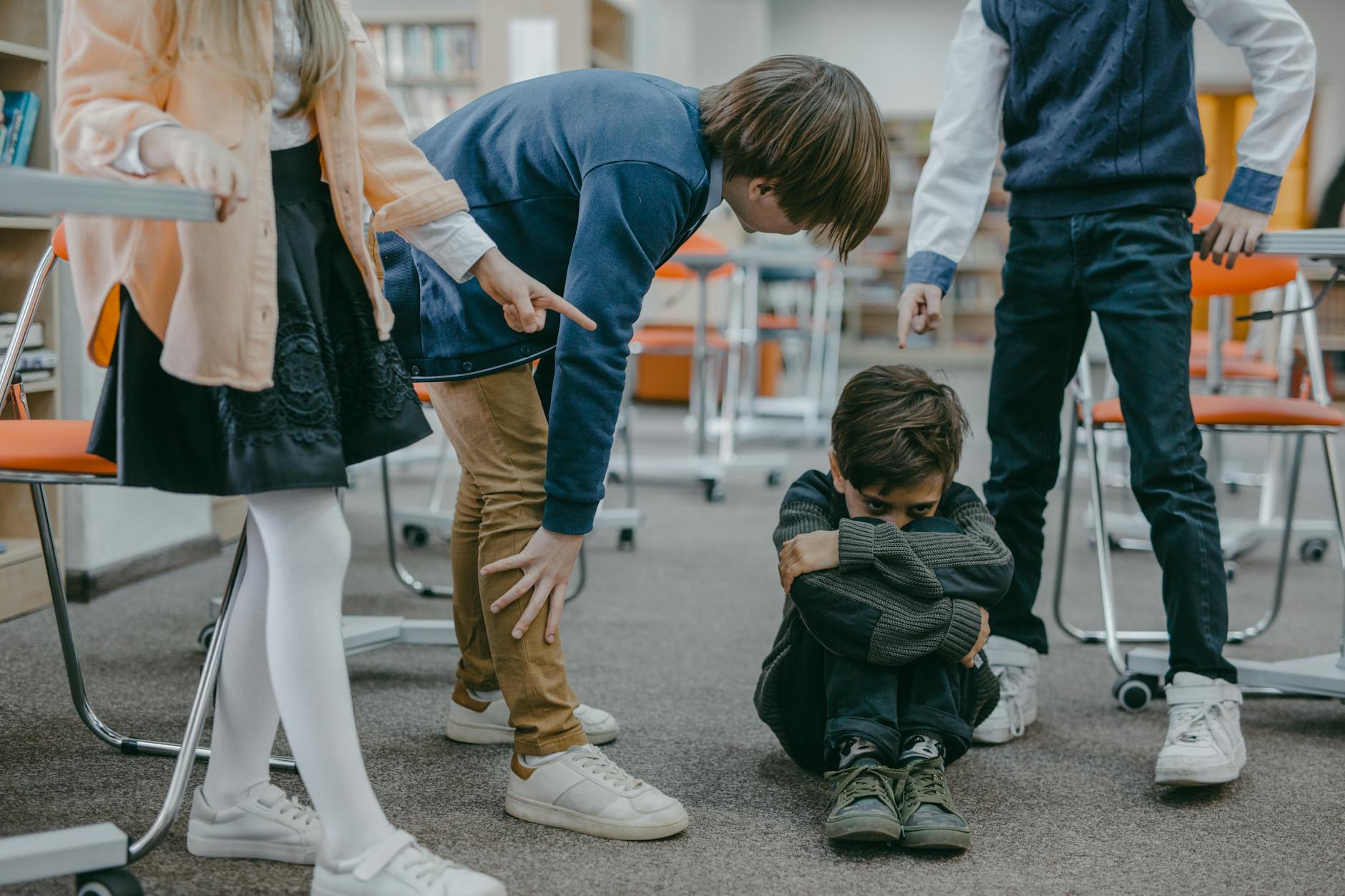
How a teacher handles disputes between students is one of the clearest windows into their underlying biases and preferences. A child who is consistently assigned blame in conflicts, asked to apologize first regardless of circumstances, or treated as the instigator without investigation is experiencing a prejudged dynamic. Conflict resolution researchers in educational settings note that fair mediation requires the adult to suspend prior assumptions about each child’s character and evaluate each situation independently. A pattern of one-sided conflict resolution that consistently disadvantages the same child is a serious concern that warrants direct conversation with school leadership.
If any of these patterns resonate with your experience as a parent, share your thoughts and stories in the comments.




