
Financial infidelity is a recognized and extensively studied phenomenon that relationship psychologists and forensic accountants place alongside emotional and physical betrayal in terms of its long-term damage to trust and stability. Research published across multiple financial wellness and relationship journals consistently shows that hidden financial behavior is one of the leading contributors to marital breakdown and post-divorce legal disputes. The signs are rarely obvious at first, operating instead as a quiet accumulation of small inconsistencies that individually seem explainable but collectively form a damning pattern. Understanding what to look for empowers individuals to ask the right questions before damage becomes irreversible.
Cash Withdrawals

A sudden increase in ATM withdrawals or a pattern of consistent cash extraction from joint accounts is one of the earliest and most reliable signals that forensic accountants look for when investigating financial concealment. Cash is the preferred instrument of hidden financial behavior precisely because it leaves no digital trail once it leaves the account. A partner who previously relied on card payments and suddenly begins carrying and withdrawing significant amounts of cash without a clear explanation is exhibiting a behavioral shift that warrants attention. Financial therapists recommend reviewing joint account statements monthly and noting any withdrawal patterns that deviate from established household norms.
Mail Interception

A partner who suddenly becomes possessive about collecting the mail, who redirects certain correspondence to a work address, or who becomes visibly anxious when someone else brings in the post may be managing the arrival of statements from accounts the other party does not know exist. Hidden credit cards, investment accounts, and savings accounts all generate paper correspondence that must be intercepted or suppressed to maintain concealment. Digital statement enrollment is a common secondary step taken by the concealing partner to eliminate paper trails entirely after the initial account is established. A household member who has historically been indifferent to the mail and suddenly monitors it closely is exhibiting a meaningful behavioral change.
Vague Income Reports

A partner who is evasive about the details of their income, who cannot clearly explain their pay structure, or whose described earnings do not align with visible deposits into shared accounts may be redirecting a portion of their compensation to a separate account. This is particularly common among self-employed individuals, commissioned salespeople, and those who receive irregular bonus payments that are easy to underreport to a partner without obvious detection. Forensic accountants who specialize in divorce proceedings identify income diversion as one of the most common and difficult-to-detect forms of financial concealment between partners. Requesting to review pay stubs together as a routine transparency practice is one of the most effective preventive measures financial therapists recommend.
Unexplained Receipts

Receipts for purchases, transfers, or services that cannot be connected to any identifiable household expense or personal need represent a classic indicator investigated in financial infidelity cases. A partner who becomes defensive or evasive when asked about a specific receipt rather than offering a simple explanation may be managing a financial activity they do not wish to disclose. Forensic accountants note that small and irregular transactions are often more revealing than large ones because they suggest habitual concealment rather than a single impulsive decision. Reviewing expense receipts together as part of a shared budgeting practice removes the tension from individual inquiries and makes concealment significantly harder to sustain.
New Email Accounts

The discovery of an email address that a partner has not disclosed and that receives financial correspondence is a significant indicator of concealed account activity. Online banking, investment platforms, and digital payment services all require an email address for account management, and a concealing partner must use an address their spouse cannot access to receive these communications privately. Technology security researchers note that the creation of secondary email accounts for financial concealment is among the most common digital behaviors identified in financial fraud investigations between intimate partners. A partner who cannot explain why they have an active email account that they have never mentioned warrants a direct and calm conversation.
Overstated Expenses

Consistently claiming that household expenses, work costs, or personal bills are higher than they actually are is a method of extracting money from shared finances that financial therapists refer to as expense inflation. The difference between the stated cost and the actual cost is quietly redirected to a separate account or held in cash for later deposit. This behavior is particularly difficult to detect in relationships where one partner handles most of the financial administration, as the other has no independent baseline against which to measure reported figures. Requesting receipts and invoices for significant expenses as a standard household practice rather than a reactive measure is the most effective way to close this particular gap.
Secretive Phone Behavior

A partner who angles their phone away, immediately closes applications when approached, or becomes defensive about banking notifications visible on their screen may be managing financial communications they do not want observed. Mobile banking apps, investment platforms, and digital payment services all send push notifications that can inadvertently reveal account activity to an observant partner. Behavioral researchers who study deception in intimate relationships consistently identify sudden increases in phone privacy as one of the earliest observable signals of concealed activity of any kind. The combination of increased phone secrecy with other financial irregularities significantly strengthens the case for a more formal inquiry.
Work Bonus Silence

A partner who receives workplace bonuses, commissions, or incentive payments without those amounts appearing in shared accounts or household conversations may be directing supplemental income to a separate account before the partner has any opportunity to expect it. Employers rarely communicate directly with a partner’s spouse about compensation, making bonus payments one of the easiest forms of income to conceal within a relationship. Financial planners who work with couples note that establishing a shared norm of transparency around all income events including one-time payments is one of the most effective safeguards against this form of concealment. A partner who is vague or dismissive about whether a bonus period resulted in any payment deserves a calm and specific follow-up.
Loan Repayments

Discovering that a partner is making payments on a loan that has never been discussed is a significant financial disclosure failure that may indicate the existence of a credit account opened without the other partner’s knowledge. Loans taken out in one partner’s name without disclosure are sometimes used to generate lump sums that are then deposited into hidden accounts under the cover of borrowed funds. Credit attorneys who handle marital financial disputes note that undisclosed loans are among the most damaging discoveries because they represent both a concealment of assets and an undisclosed liability that affects the household’s overall financial position. Annual joint credit report reviews are one of the most practical tools for identifying loans that one partner has not disclosed to the other.
Freelance Secrecy

A partner who undertakes freelance work, consulting projects, or side income activities without disclosing the earnings may be accumulating a separate income stream that feeds directly into a hidden account. The informal nature of freelance payment, often received via digital transfer, PayPal, or check, makes it relatively easy to deposit into an account the other partner does not know exists. Forensic accountants who work on divorce asset cases identify undisclosed freelance income as a common and moderately sophisticated concealment strategy. A partner who is open about the work they do on the side but consistently vague about whether it generates payment warrants a direct conversation about household income transparency.
Sudden Generosity

A partner who begins giving unusually generous gifts to friends or family members using funds that cannot be accounted for from known shared resources may be moving money through social generosity as a concealment mechanism. Transferring funds to a trusted third party such as a sibling or close friend who holds them temporarily is a documented strategy in financial concealment cases identified by forensic accountants. The social difficulty of questioning a partner’s generosity toward loved ones makes this method particularly effective at avoiding scrutiny. Gifts of significant monetary value made without joint discussion in a relationship that previously managed finances collaboratively represent a meaningful departure from established norms.
Investment Deflection

A partner who becomes evasive, dismissive, or irritable when asked about investment account balances or portfolio performance may be managing assets in accounts that are not part of the shared financial picture. Investment accounts are particularly useful for long-term financial concealment because their balances fluctuate naturally with market conditions, making it easy to explain away discrepancies as losses or volatility. Financial advisors who work with divorcing couples consistently recommend that both partners maintain direct access to all investment platform logins and receive copies of all account statements. A partner who insists on managing all investment communications alone without offering transparency into balances and activity is creating conditions that enable concealment regardless of whether concealment is the intent.
Employer Overpayment Claims
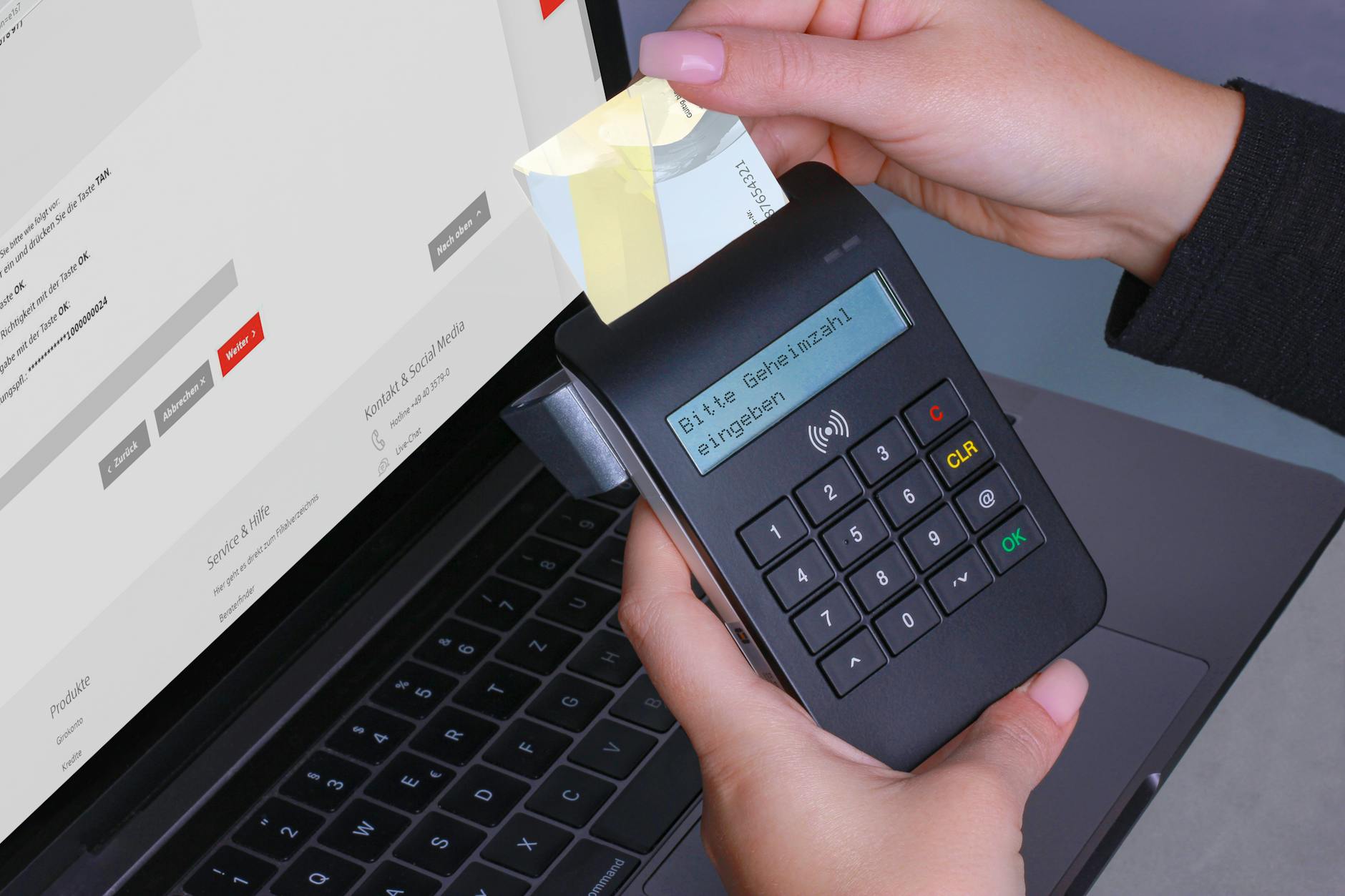
A partner who mentions that they have been overpaid by their employer and are returning funds, or who describes an administrative payroll adjustment, may be using a fabricated or exaggerated employer communication to explain money leaving shared accounts. This technique creates a plausible paper trail for fund movements that are actually being redirected to a concealed account. Employment law attorneys note that genuine overpayment situations are documented by employers in writing and can be verified directly. A partner who describes this type of financial event but cannot produce supporting documentation from their employer warrants a respectful but specific request for evidence.
Inconsistent Spending Power

A partner who appears to have access to spending power that cannot be accounted for by their known income or shared resources may be drawing on a concealed account for personal expenditures. New clothing, hobby equipment, restaurant visits, or travel costs that do not appear on any shared account statement suggest the existence of a separate payment instrument. Behavioral finance researchers note that lifestyle inflation that is inconsistent with known income is one of the most observable external signals of hidden financial resources. Approaching the conversation from a place of curiosity about budgeting rather than accusation is the strategy most commonly recommended by relationship therapists for this type of inquiry.
Tax Return Secrecy

A partner who insists on handling tax returns alone, who is vague about refund amounts, or who directs refund deposits to an account the other partner cannot access is managing a financial event that should be entirely transparent in a shared household. Tax refunds represent a significant annual cash event for many families and their quiet diversion to a separate account is a documented method of asset concealment. Tax attorneys who specialize in marital financial disputes recommend that both partners review all tax filings before submission and have joint visibility into refund deposits. A partner who treats the annual tax return as a private administrative matter rather than a shared financial event is establishing a norm that facilitates concealment.
Unusual Transfers

Small but regular transfers to accounts that cannot be explained by known bills, subscriptions, or household expenses represent a classic pattern in financial concealment investigations. Forensic accountants refer to the technique of making transfers small enough to avoid triggering scrutiny while large enough to accumulate meaningful balances over time as structuring, and it is a recognized red flag in both personal and business financial forensics. A partner who cannot clearly identify the recipient or purpose of recurring transfers that appear on shared statements is failing a basic transparency test. Setting up a shared household budget that accounts for every regular transfer by name and purpose is the most practical way to make unexplained transfers immediately visible.
Storage Unit Payments

A payment to a storage facility that cannot be explained by any known household storage need may indicate that a partner is maintaining a physical space for documents, cash, or assets connected to concealed financial activity. Storage units are documented in financial fraud investigations as locations used to hold physical evidence of hidden wealth including bank statements, title documents, and cash. A partner who rents a storage unit without a clear household explanation and who is reluctant to share its location or contents is exhibiting behavior that warrants a direct conversation. The existence of a storage unit is easily verifiable through shared bank or credit card statements if a systematic review is undertaken.
Paycheck Routing Changes

A partner who changes the direct deposit routing for their paycheck without disclosing the destination account may be redirecting their primary income stream entirely or splitting it between a shared account and a concealed one. Most employers allow employees to split direct deposit between multiple accounts, a feature that is legitimate in its intended use but easily exploited for financial concealment purposes. HR and payroll specialists note that routing changes are exclusively controlled by the employee and leave no notification to the other account holder. A partner who cannot clearly explain a change in the timing or amount of their visible paycheck deposits has created a meaningful discrepancy that deserves a specific and direct inquiry.
Cryptocurrency Interest

A sudden and intense interest in cryptocurrency that is not accompanied by transparency about purchase amounts, wallet addresses, or platform account access may indicate that digital assets are being used as a vehicle for financial concealment. Cryptocurrency is identified by forensic accountants and divorce attorneys as one of the most rapidly growing methods of asset concealment in intimate partner financial disputes precisely because its valuation is volatile and its ownership is difficult to trace. A partner who becomes enthusiastic about crypto as a concept but evasive about their personal holdings is exhibiting a combination of behaviors that specialists consider a significant red flag. Both partners in a committed financial relationship should have full visibility into all digital asset accounts regardless of who manages them.
Business Expense Inflation

A partner who runs a business or operates as a sole trader and who claims business expenses that seem disproportionate to the scale or nature of their work may be creating legitimate-looking transactions that transfer personal funds into a business account outside the household’s shared financial view. Business accounts are one of the most commonly exploited concealment vehicles in marital financial fraud cases because their complexity provides natural cover for transactions that would otherwise appear suspicious in a personal account. Forensic accountants specifically examine the relationship between claimed business expenses and actual business revenue when investigating financial concealment between partners. A partner who is unwilling to share basic business financial statements with a spouse who has a legitimate interest in household finances is creating an opacity that enables concealment.
New Financial Advisors

A partner who begins working with a financial advisor, accountant, or wealth manager that the other partner has never met and whose contact information is not shared represents a meaningful exclusion from shared financial planning. Professional financial relationships generate account statements, planning documents, and correspondence that would reveal the existence of assets under management. Financial planning ethicists note that advisors working with one partner in a committed relationship are not obligated to disclose information to the other partner unless both are named clients. A partner who insists on maintaining a separate and undisclosed advisory relationship is structuring their financial life in a way that is architecturally suited to concealment.
Overpayment to Creditors

Deliberately overpaying a credit card or personal loan generates a credit balance that can be refunded to any account the borrower chooses, a technique that financial fraud investigators identify as a method for moving money out of shared view. The concealing partner makes an apparently responsible financial gesture by overpaying a known debt, then quietly requests a refund to a separate account that their partner does not know exists. Credit forensics specialists note that this technique is sophisticated enough to be overlooked in a casual review of shared finances but visible upon closer examination of credit account statement histories. Requesting access to the full statement history of all credit accounts in a partner’s name is the most direct way to identify whether this pattern has occurred.
Property Purchase Research

A partner who researches real estate, investment properties, or land purchases in ways that are not connected to any shared housing conversation may be in the process of acquiring assets in their name alone using funds accumulated in a hidden account. Property purchase research leaves digital traces including saved listings, correspondence with real estate agents, and browser history that may be visible on shared devices before a concealing partner takes steps to clear them. Real estate attorneys who work on marital property disputes note that solo property acquisition during a relationship is one of the most significant forms of financial concealment because the asset itself must eventually be disclosed or hidden in an increasingly complex way. A partner who cannot explain an interest in property listings that do not relate to any shared conversation about moving or investing deserves a direct and specific discussion.
Subscription Anomalies

Subscriptions to financial platforms, investment apps, trading services, or account management tools that appear on shared statements but cannot be explained by any disclosed financial activity represent a direct window into concealed account management. Every financial account requires ongoing platform access, and the subscription fees for the services used to manage hidden accounts must be paid from somewhere. Consumer finance researchers note that the proliferation of subscription-based financial services has inadvertently created a new category of concealment evidence that is more accessible to a suspicious partner than traditional account statements. A methodical review of all recurring charges on shared accounts is one of the most practical first steps recommended by forensic accountants investigating potential financial concealment.
Defensive Budget Discussions

A partner who becomes consistently irritable, dismissive, or emotionally escalatory when routine budget conversations arise is exhibiting a behavioral pattern that relationship and financial therapists associate with the psychological stress of maintaining financial concealment. Healthy financial partnerships involve regular and relatively comfortable conversations about shared resources regardless of the complexity of the financial picture. A partner who has nothing to hide typically welcomes transparency as a natural expression of shared commitment rather than experiencing it as an intrusion. The emotional temperature a partner brings to financial conversations is one of the most consistently cited early indicators identified by therapists working with couples affected by financial infidelity.
Beneficiary Changes

A partner who quietly changes the beneficiary designations on life insurance policies, retirement accounts, or investment accounts without disclosure may be restructuring their financial architecture in ways that reveal a long-term concealment or exit strategy. Beneficiary designations do not appear on standard account statements and are only discoverable through a direct request to the holding institution, making them one of the least visible forms of financial decision-making in a relationship. Estate planning attorneys consistently recommend that both partners review all beneficiary designations together on an annual basis as part of routine financial housekeeping. A partner who resists this practice or who cannot explain a beneficiary change that has already occurred is managing their financial future in a way that excludes their partner by design.
If this topic resonates with your experience or if you have encountered any of these signs in your own relationship, share your thoughts and questions in the comments.




