
Career coaches, hiring managers, and human resources professionals consistently identify a short window of first impression time during which most interview outcomes are effectively decided. Research in organizational psychology suggests that interviewers form lasting judgments within the first few minutes of meeting a candidate, making everything that enters the room alongside that candidate a meaningful part of the overall assessment. While most job seekers focus their preparation on what to say, the objects they carry and the habits they bring with them communicate an equally powerful message about their judgment, professionalism, and cultural awareness. The following items and behaviors are among those most consistently cited by hiring professionals as immediate red flags.
Fast Food

Arriving at an interview with fast food packaging, a takeaway cup from a casual chain, or any form of street food signals a fundamental misreading of the formality and significance of the occasion. Hiring managers surveyed across multiple industries consistently rank visible food consumption immediately before or during an interview among the most jarring candidate behaviors they encounter. The smell alone can create a lasting sensory association that overshadows everything the candidate subsequently says or does in the room. Even if the interview is scheduled at a mealtime, eating beforehand and arriving without visible food evidence is the universally recommended approach from career counselors.
Worn Portfolios

A portfolio case or document folder that is visibly damaged, stained, peeling, or held together with improvised fastening sends an immediate message about the candidate’s attention to detail and their investment in the opportunity. Hiring professionals in creative and design fields note that the condition of a portfolio carrier is often interpreted as a preview of how the candidate treats their work and their professional materials more broadly. The content inside may be exceptional, but the first physical impression is of the container, and that impression is formed before a single page is turned. A clean and presentable document case is one of the least expensive and most impactful investments a candidate can make before an interview.
Chewing Gum
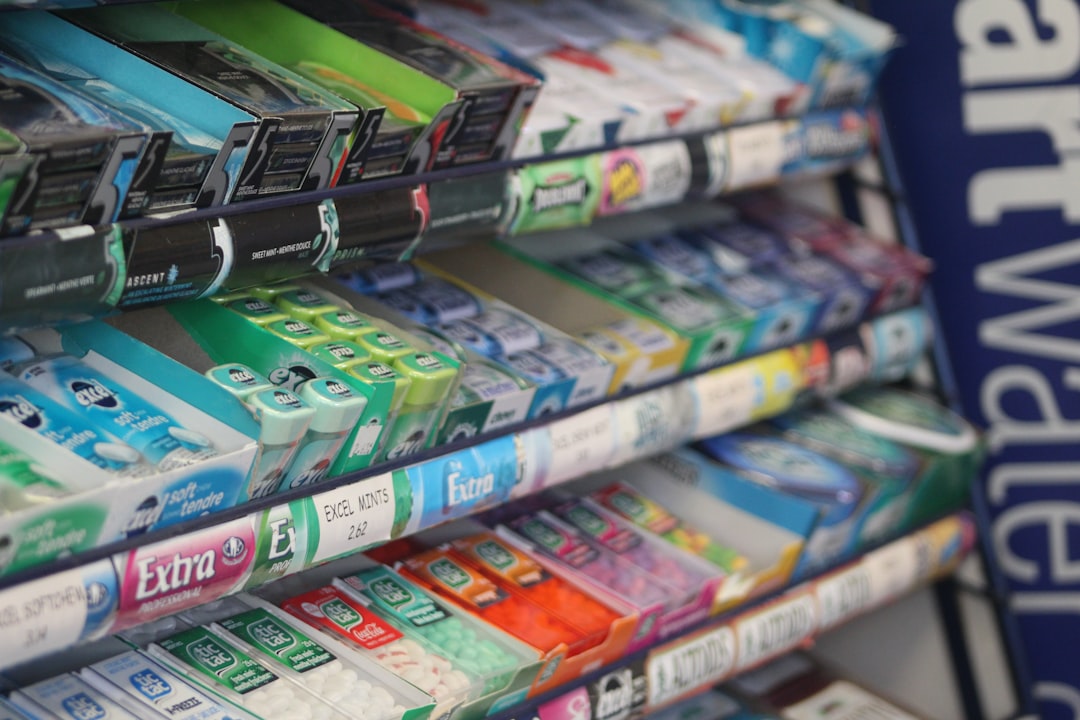
Chewing gum during an interview is identified by human resources professionals across virtually every industry as one of the most consistently off-putting candidate behaviors, combining the appearance of casual indifference with a physical distraction that competes with verbal communication. The act of chewing creates involuntary facial expressions and sounds that subtly undermine the gravity of the conversation and signal that the candidate is not fully present in the moment. Career coaches note that gum is frequently used by nervous candidates as a self-soothing mechanism without any awareness of how it reads from the other side of the table. Disposing of gum before entering the building rather than at reception or in the waiting room is the minimum standard that professional etiquette advisors recommend.
Overpowering Fragrance
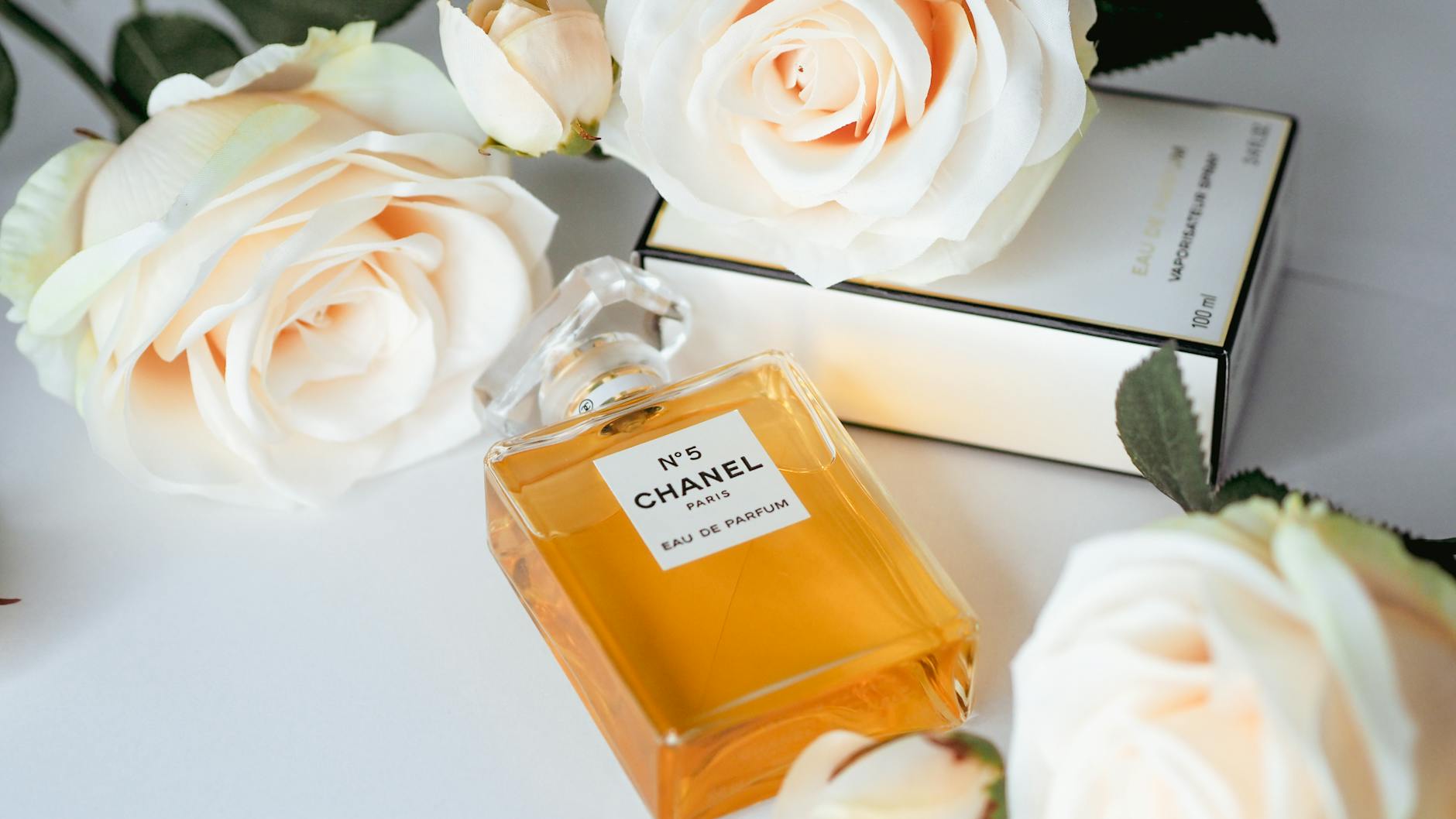
Arriving at an interview wearing fragrance in quantities that are detectable from across a room or that linger after the candidate has left creates a sensory experience that hiring managers consistently describe as distracting and occasionally physically uncomfortable. Many office environments maintain fragrance-free policies precisely because strong scents trigger allergic reactions and migraines in a significant portion of the workforce. A candidate who arrives enveloped in perfume or cologne signals either a lack of awareness of professional environment norms or a degree of self-focus that raises questions about their sensitivity to colleagues and clients. Career advisors uniformly recommend wearing no fragrance or an extremely restrained amount to any professional meeting.
Unlocked Phones
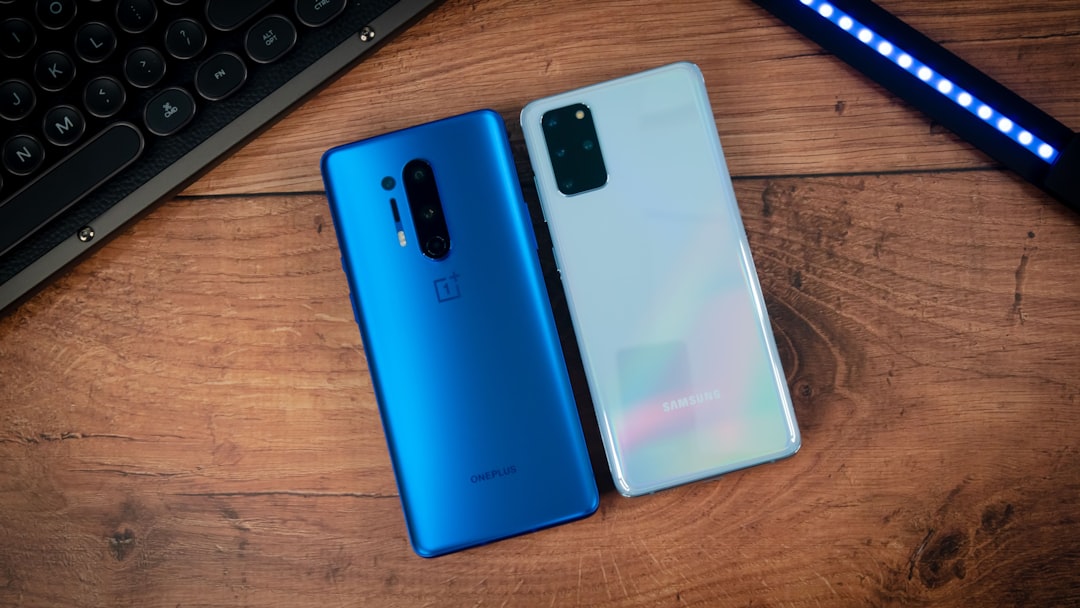
Placing an unlocked and active phone on the interview table face-up is a behavior that sends an immediate message about the candidate’s priorities and their expectation of interruption. Hiring managers report that the mere presence of a visible screen creates a psychological distraction for everyone in the room regardless of whether the phone actually activates during the conversation. The gesture of placing a phone on the table signals that the candidate considers whatever might arrive on that screen to be of comparable importance to the interview itself. Phones should be switched to silent mode and placed entirely out of sight before entering any interview room regardless of how informal the setting appears.
Excessive Bags
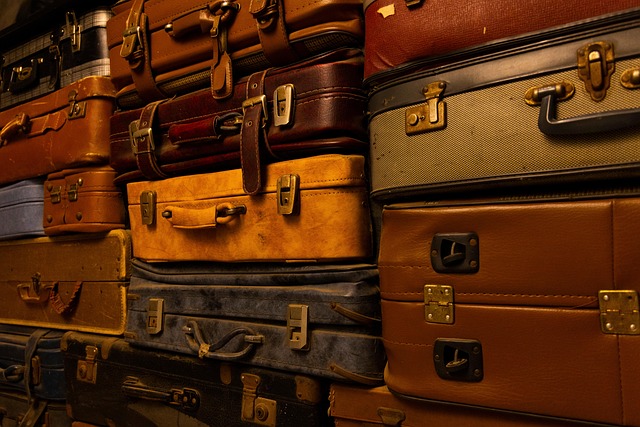
Arriving with multiple bags, an oversized tote alongside a handbag alongside a document folder, creates a logistical and visual impression of disorganization that hiring managers in structured environments find immediately concerning. The physical management of multiple items during greetings, seating, and document retrieval creates awkward interruptions to the flow of professional interaction. Executive recruiters note that candidates who travel light and organized to interviews project the kind of clarity and intentionality that employers associate with effective professional judgment. A single well-chosen bag that contains everything the candidate needs is both practically and symbolically the correct approach.
Visible Tattoos on Hands
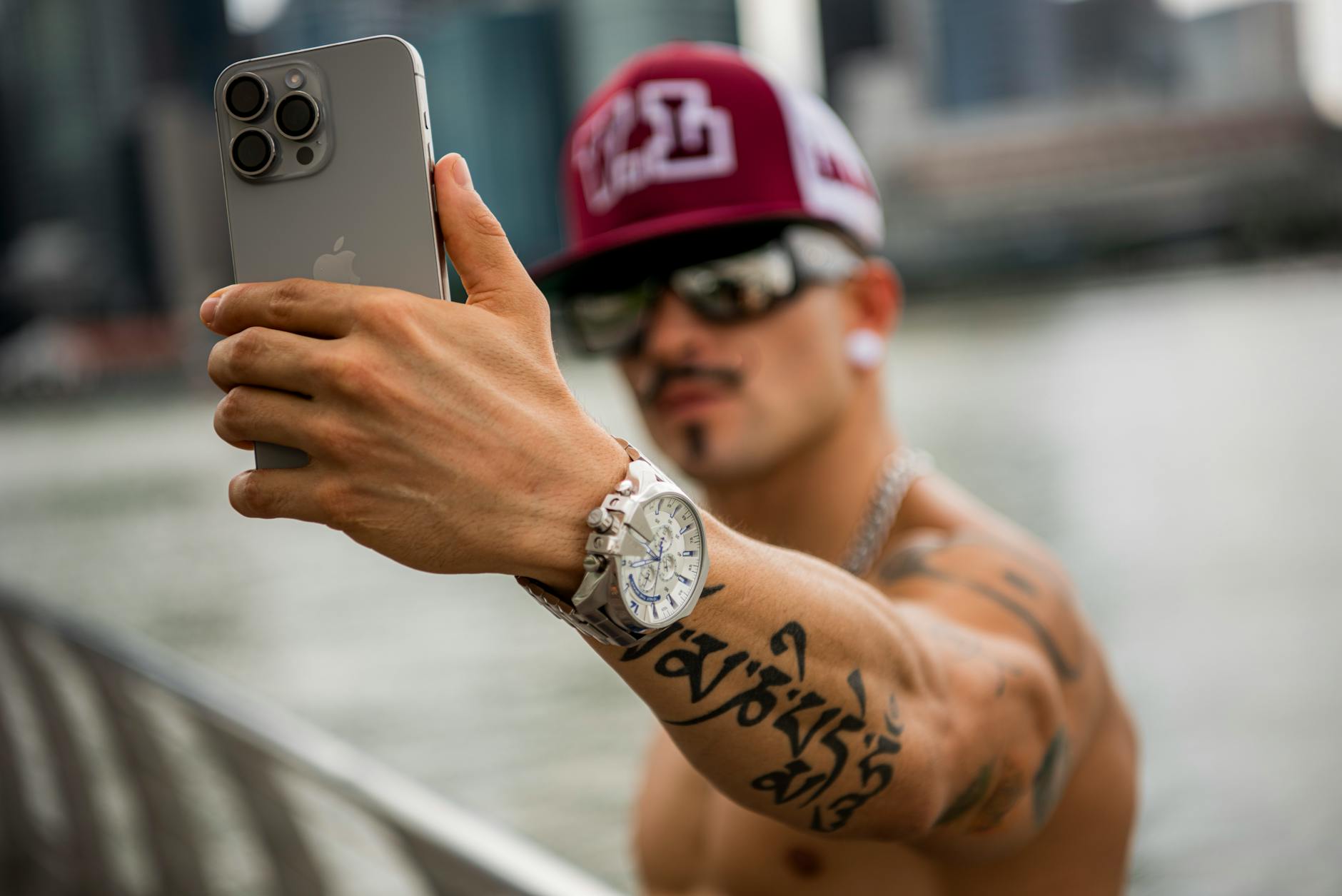
While attitudes toward tattoos in professional settings have evolved significantly and vary enormously across industries and cultures, hand and finger tattoos that feature explicit language, graphic imagery, or symbols associated with extremist groups remain a consistent source of concern among hiring managers in client-facing roles. The hands are one of the most visible and active parts of the body during a professional conversation, and imagery in that location is impossible to avoid or contextualize. Career consultants who advise candidates with visible tattoos recommend researching the specific cultural norms of each target employer before the interview rather than applying a universal assumption in either direction. The issue is not tattoos categorically but imagery that a reasonable professional audience would find alarming or offensive.
Outdated Resumes

Presenting a resume that has been printed on low-quality paper, formatted with outdated design conventions, riddled with typographical errors, or physically damaged by folding or moisture signals an investment in the opportunity that falls well short of what the role demands. Human resources professionals who review hundreds of resumes consistently identify the physical quality of a printed document as an immediate signal of the care a candidate brings to professional output. A resume that has been carried loosely in a bag rather than protected in a folder arrives creased and compromised in a way that undermines the content it contains. Printing fresh copies on quality paper immediately before the interview and transporting them flat in a document protector is the standard that career coaches recommend without exception.
Political Merchandise
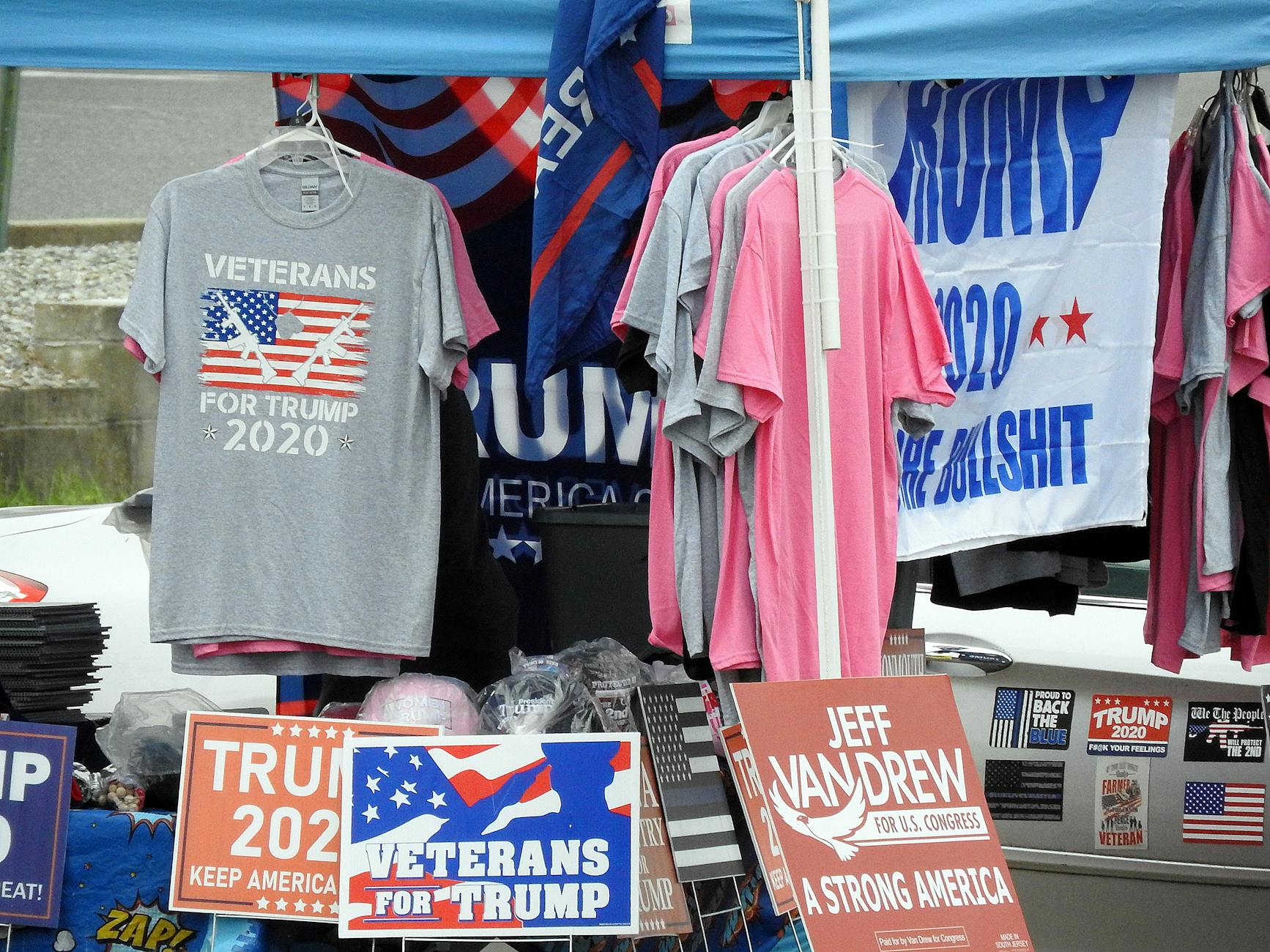
Wearing or carrying items that display political affiliations, campaign slogans, party symbols, or ideologically charged messaging to a job interview introduces a divisive element that has no place in a professional assessment context. Hiring managers across industries consistently note that politically branded items force them into an awareness of a candidate’s personal views that creates discomfort regardless of whether those views are shared. Human resources training programs specifically address the importance of keeping interviews free from political content, and a candidate who arrives having already introduced it has placed their interviewer in an awkward position before a word has been spoken. Professional interview presentation should be deliberately neutral on all matters of political identity.
Handwritten Notes on Napkins
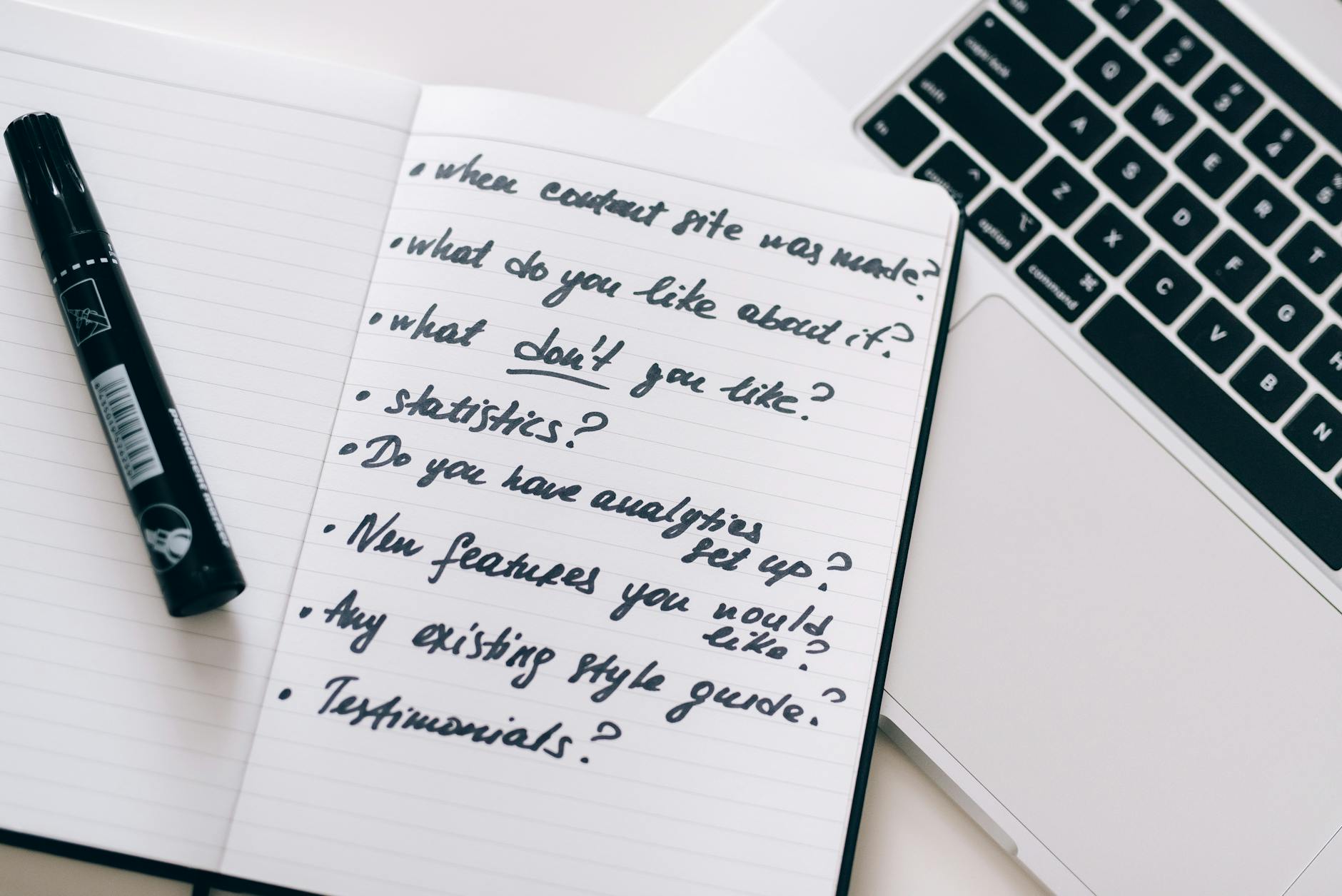
Arriving with questions, talking points, or reference material scrawled on napkins, torn notebook pages, or other informal surfaces signals a level of preparation that falls significantly short of professional expectations. Hiring managers who see a candidate pull out a crumpled napkin to reference a question they wanted to ask describe an immediate recalibration of their expectations for that candidate’s organizational habits. Preparation materials brought to an interview should be neat, purposeful, and presented in a format that reflects the same standards the candidate would apply in the role they are seeking. A small professional notepad or the notes section of a clean portfolio achieves this standard without any additional effort.
Other Companies’ Branded Items
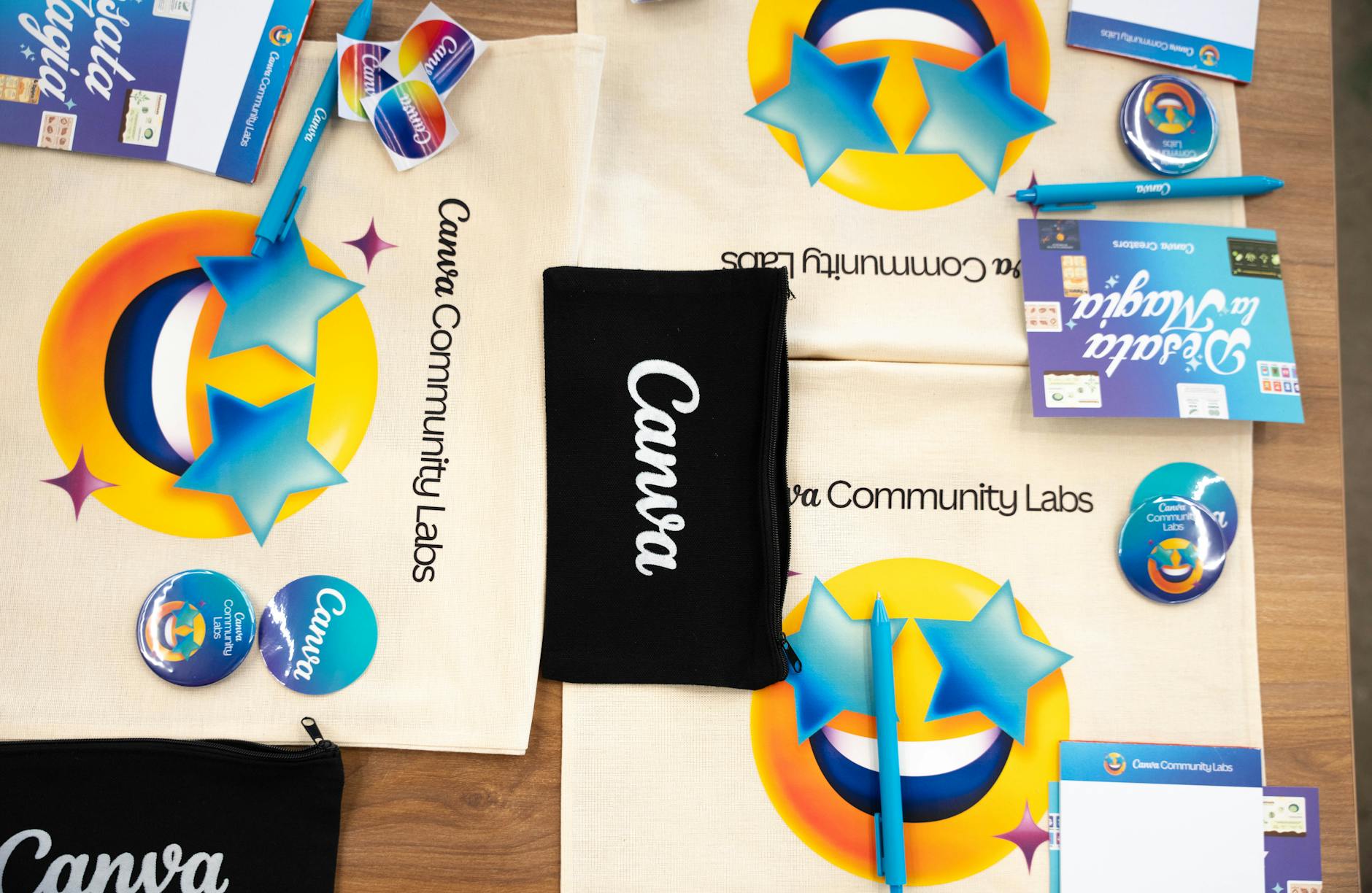
Arriving at an interview carrying a water bottle, tote bag, notebook, or pen prominently branded with the logo of a competitor or of a previous employer signals a carelessness about how the candidate presents themselves in a new professional context. While the item itself may be entirely functional, its visible branding creates an awkward dynamic that shifts the interviewer’s attention in an unhelpful direction. Recruitment specialists note that candidates who appear at interviews visibly representing another organization’s brand have not fully thought through the symbolic dimensions of professional self-presentation. Neutral or entirely unbranded items are the appropriate choice for all materials brought into any interview setting.
Worn Shoes
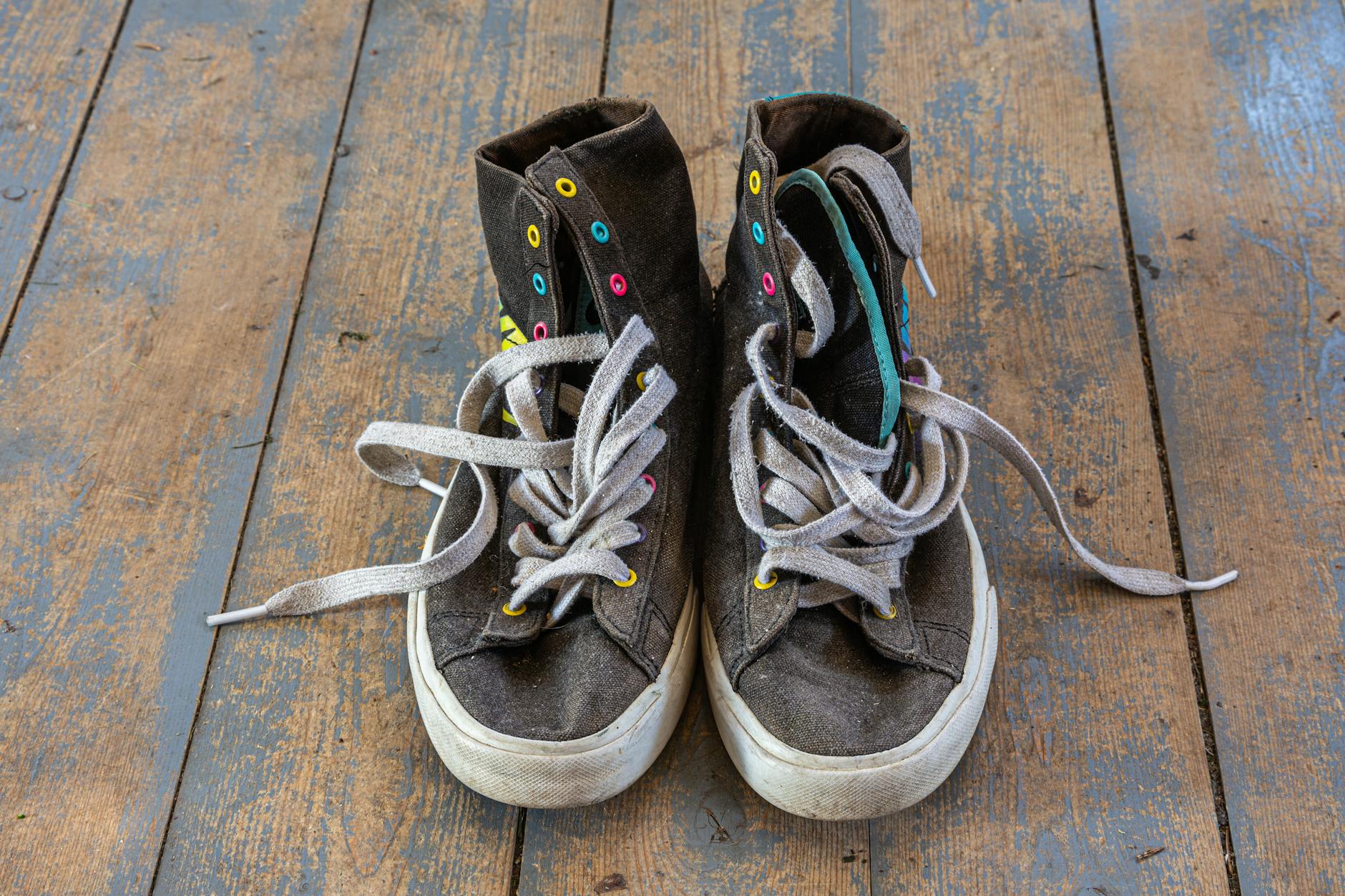
The condition of a candidate’s shoes is one of the most consistently cited details in hiring manager surveys about candidate presentation precisely because it reveals the extent to which a person has attended to the details of their overall appearance rather than focusing exclusively on the most visible elements. Career image consultants note that scuffed, unpolished, or structurally compromised footwear communicates that a candidate’s attention to detail has a visible ceiling beyond which they do not extend. The investment required to polish or replace shoes before an interview is modest, but the signal it sends about professional thoroughness is disproportionately significant. Many experienced interviewers admit to making an early and lasting judgment based on footwear before the conversation has properly begun.
Visible Earbuds
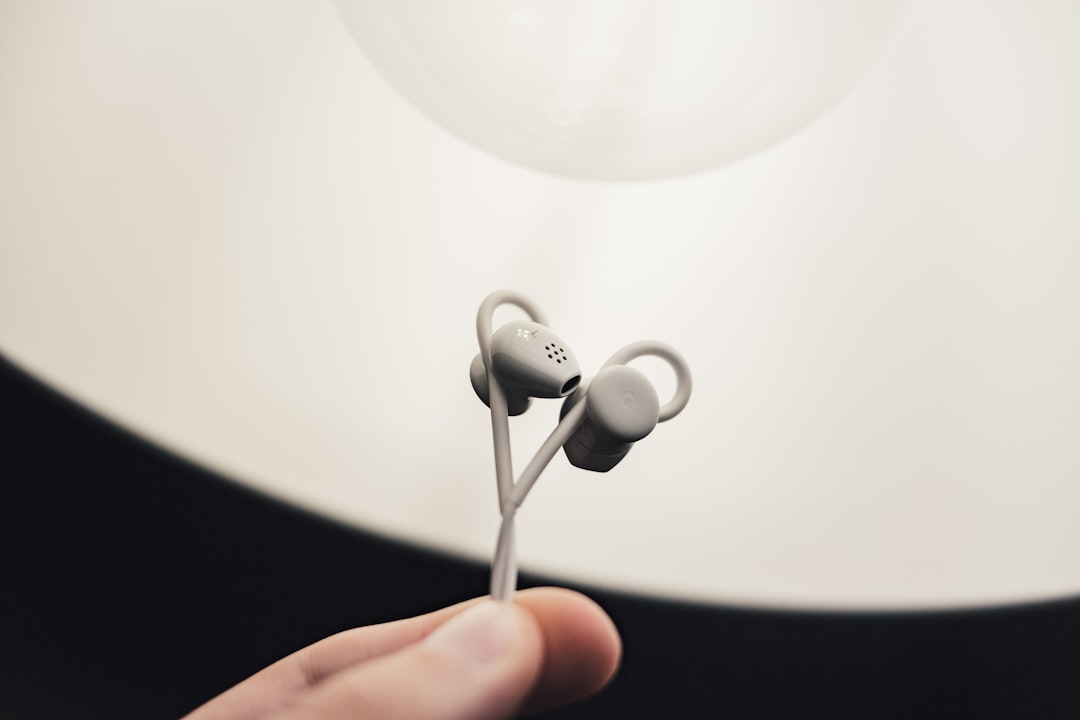
Arriving with wireless earbuds in one or both ears, even if they are not actively playing anything, creates an immediate impression of divided attention and casual disregard for the formality of the occasion. The technology itself sends a signal that the candidate has come from a context they have not fully left behind, whether a commute playlist, a phone call, or a podcast that was playing until moments before entering the building. Human resources professionals consistently note that earbuds in an interview setting create the same psychological effect as a phone on the table, signaling that the candidate’s attention is shared between the room and something else. Both earbuds should be removed and stored out of sight before approaching the building’s reception area.
Damp Umbrellas

Carrying a dripping or visibly wet umbrella into an interview room and placing it against furniture or on the floor without regard for the mess it creates is a lapse in situational awareness that reflects poorly on a candidate’s sensitivity to shared professional spaces. Hiring managers in office environments note that how a candidate treats a space that does not belong to them during an interview is interpreted as a preview of how they will treat shared resources as an employee. Shaking out and collapsing an umbrella properly before entering, and asking reception where it may be left, is the minimum standard of environmental consideration that professional etiquette advisors recommend. Small acts of spatial awareness carry disproportionate weight in a first impression context.
Irrelevant Certificates
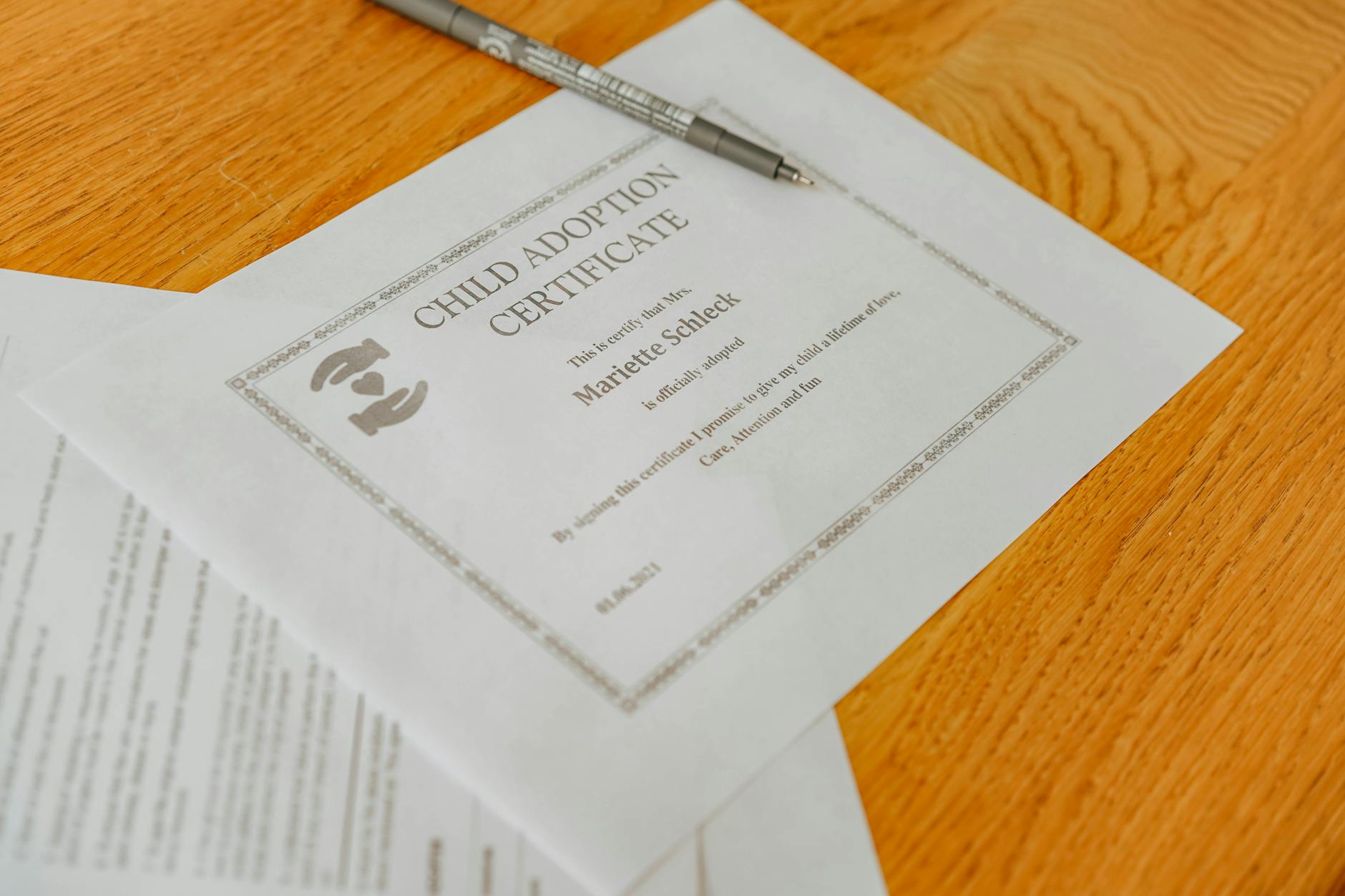
Presenting unsolicited certificates, awards, or credentials that have no connection to the role being discussed signals a misunderstanding of what the employer is evaluating and can inadvertently communicate an inability to prioritize relevant information. Career coaches note that candidates who bring folders full of every qualification they have ever earned, from a high school drama award to a decade-old first aid certificate, create the impression that they have not carefully considered what the specific role requires. The discipline of selecting only the most relevant supporting documents before an interview is itself a demonstration of the analytical judgment that most employers are explicitly trying to assess. A curated and purposeful selection of credentials is significantly more impressive than an exhaustive archive.
Energy Drinks
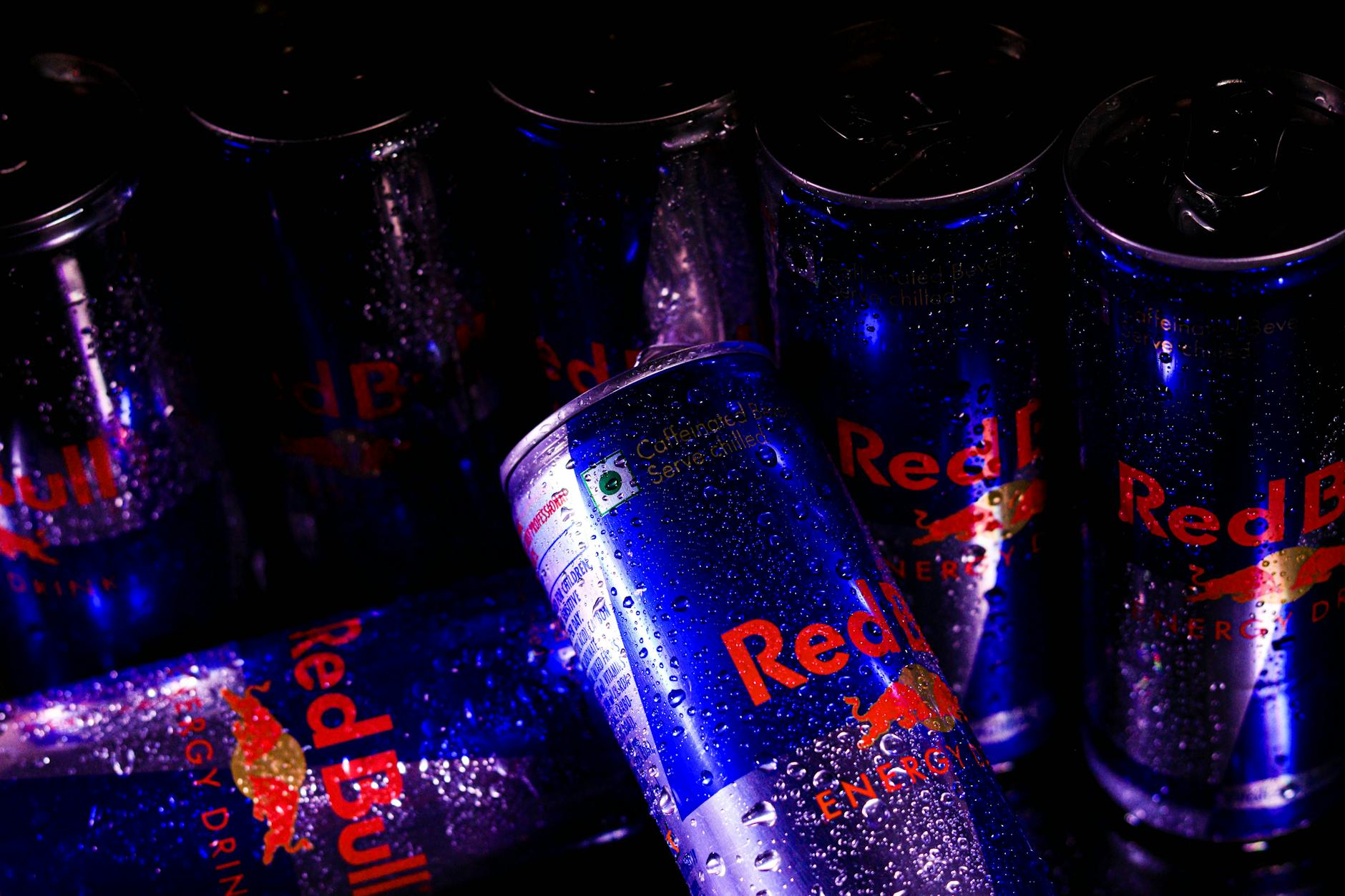
Arriving at an interview visibly consuming or carrying an energy drink introduces an association with stress management and lifestyle habits that many hiring managers find concerning in a professional context. The branding and visual identity of most energy drink products is specifically designed to signal a youth and counterculture orientation that conflicts with the professional register most interview environments expect. Beyond the cultural signal, the visible consumption of a stimulant before a professional assessment raises implicit questions about the candidate’s baseline energy management and composure under ordinary circumstances. Water in a plain bottle or a simple travel coffee cup from a neutral source is the appropriate beverage to carry into any interview environment.
Casual Tote Bags

Arriving with a promotional tote bag, a canvas shopping bag, or any form of bag more commonly associated with a farmers market or a music festival than a professional environment signals a misalignment between the candidate’s understanding of the occasion and the employer’s expectations. The bag a candidate carries functions as an extension of their overall professional presentation and is assessed with the same implicit criteria applied to their clothing and grooming. Human resources professionals who conduct interviews in formal or client-facing environments consistently note that the choice of bag is one of the more reliable indicators of a candidate’s professional self-awareness. A structured leather or synthetic leather bag in a neutral color represents the minimum standard of professional appropriateness across most industries.
Poorly Maintained Nails
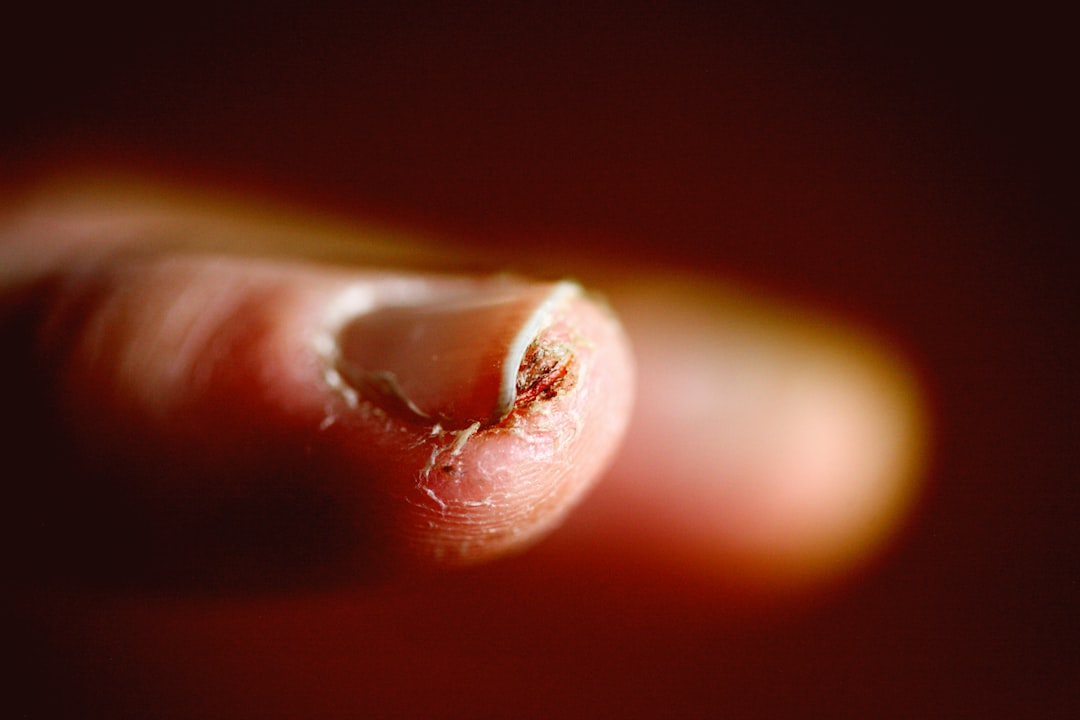
Nail presentation is one of the more personal and therefore more revealing dimensions of professional grooming, and hiring managers in client-facing industries consistently identify unkempt, excessively long, or visibly dirty nails as a significant mark against a candidate’s overall presentation score. The hands are in constant motion during any professional conversation, exchanging documents, gesturing, and shaking hands, making nail presentation one of the most frequently observed details of the interaction. Image consultants who prepare candidates for senior interviews note that nail grooming is one of the most commonly overlooked elements of interview preparation among candidates who otherwise present very well. Clean, trimmed, and neutral nails represent a standard of personal care that professional environments across virtually all industries implicitly expect.
Cluttered Wallets

Retrieving identification or a business card from a wallet that is visibly stuffed with receipts, loyalty cards, and loose papers creates an impression of disorganization that conflicts with the professional image most candidates are working to project. The moment of presenting identification or exchanging cards is a small but observed micro-event in a professional interaction, and the condition of the wallet from which those items are retrieved contributes to the cumulative impression being formed. Professional image consultants note that the internal organization of the items a candidate carries reveals something real about the way they manage complexity in their daily professional life. A clean and organized wallet or card holder is a minor detail that costs nothing to address and contributes measurably to an overall impression of professional order.
Personal Photos

Voluntarily producing personal photographs during an interview, whether of family members, pets, travel experiences, or personal achievements unrelated to the role, introduces a familiarity that is inappropriate for the stage of professional relationship represented by a first interview. Human resources professionals note that candidates who share personal photographs are often attempting to create warmth and likability through personal disclosure, but the effect in a formal assessment context is typically the opposite. The interview is a professional evaluation rather than a social introduction, and materials brought into it should reflect that distinction clearly. Personal warmth is most effectively communicated through engaged listening, thoughtful responses, and appropriate professional humor rather than physical personal artifacts.
Borrowed Interview Clothes

Clothing that visibly does not fit the wearer, whether because it is too large, too small, or styled for a different body type, creates an impression of unpreparedness that undermines even the most impressive verbal performance during an interview. Career image specialists note that ill-fitting clothing is one of the most immediately observable and distracting elements of a candidate’s presentation because it shifts the interviewer’s attention from what is being said to the physical discomfort that the ill-fitting garment is visibly creating. Borrowing interview attire is not inherently problematic, but ensuring that borrowed items fit correctly and have been appropriately adjusted or altered beforehand is an essential step that many candidates skip. Interview clothing should fit the wearer’s body with the same precision expected of professional attire in the target work environment.
Stale Printed Work Samples
Presenting work samples that are visibly dated, printed on yellowed paper, formatted in obsolete styles, or that reference employers and projects from many years prior signals that a candidate has not refreshed their professional portfolio to reflect current standards and capabilities. Hiring managers in creative and technical fields note that outdated work samples can actually damage a candidate’s case more than the absence of samples because they suggest the candidate considers old work to represent their current best. A portfolio should be curated specifically for each interview to include the most recent and most relevant examples of the candidate’s capabilities in a format that reflects current professional standards. Printing fresh and selecting deliberately for each opportunity is the baseline expectation that experienced recruiters hold for senior candidates.
Overfilled Notebooks
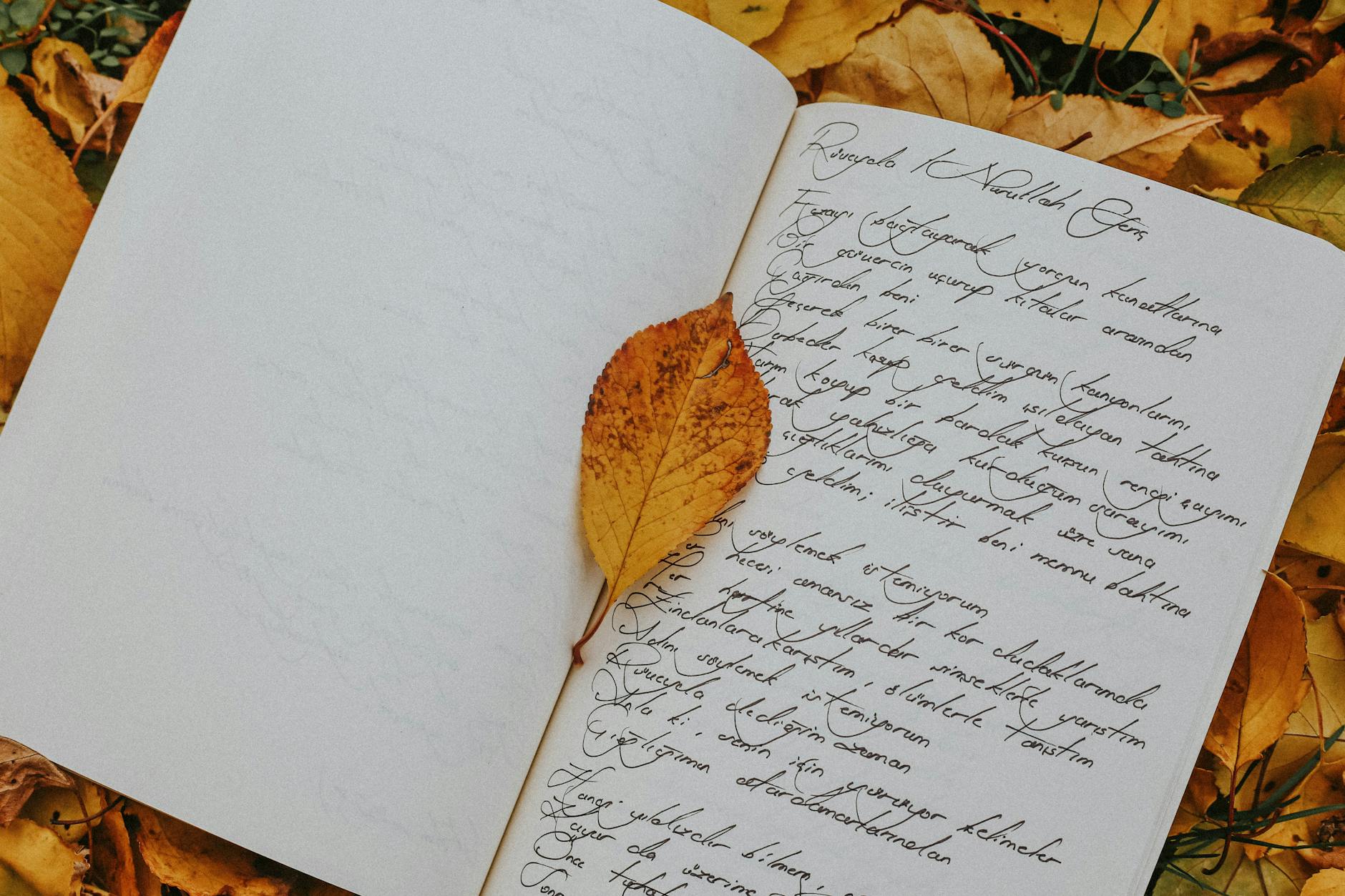
Arriving with a notebook that is visibly stuffed with previous meeting notes, personal to-do lists, grocery reminders, and miscellaneous personal content from daily life signals a lack of preparation and a casual attitude toward the distinction between professional and personal contexts. Interview notes and preparation materials should be organized in a clean section or a fresh notebook so that any reference made during the conversation presents an impression of purposeful preparation rather than excavation. Career coaches who prepare candidates for competitive interview processes consistently instruct them to use a dedicated notebook for interview preparation rather than repurposing a general daily journal. The act of opening a fresh, organized notebook during an interview communicates intentionality before a single word written in it has been read.
Visible Medication
Having prescription medication bottles visibly displayed in an open bag or on the table during an interview creates an inadvertent disclosure of personal health information that introduces a dynamic the candidate cannot control and that serves no professional purpose in the assessment context. Employment law experts note that candidates have strong legal protections around health information in hiring processes, and voluntarily displaying medication undermines those protections while simultaneously creating an awkward situation for the interviewer. All personal health items including medication, supplements, and medical devices should be stored in a discreet inner compartment of a bag and should never be visible during a professional assessment. Managing personal health needs privately and discreetly during an interview day is a straightforward logistical step that career coaches include in all comprehensive interview preparation guidance.
Unsolicited References

Bringing printed reference letters that have not been requested and presenting them during a first interview suggests a misunderstanding of the hiring process and an eagerness to compensate for something the candidate perceives as a weakness through preemptive social proof. Human resources professionals note that unsolicited reference documentation introduced during an initial interview creates a procedural awkwardness because the interviewer has no established framework for receiving or evaluating it at that stage of the process. References are requested at a specific and deliberate point in the hiring process for a reason, and candidates who preempt that process signal unfamiliarity with how professional hiring typically unfolds. Preparing an impeccable reference list and having it ready to submit promptly when requested is the correct approach that career advisors recommend universally.
Share your own interview experiences and the most surprising things you have seen candidates bring into the room in the comments.




