
People who remain composed in high-stress situations rarely possess some mysterious gift. Instead, they have quietly built a set of small, repeatable habits that act as anchors when everything around them feels chaotic. Science consistently shows that minor behavioral patterns, practiced over time, fundamentally reshape how the nervous system responds to pressure. These thirty-one habits are the quiet foundation beneath every person who seems unshakable.
Box Breathing
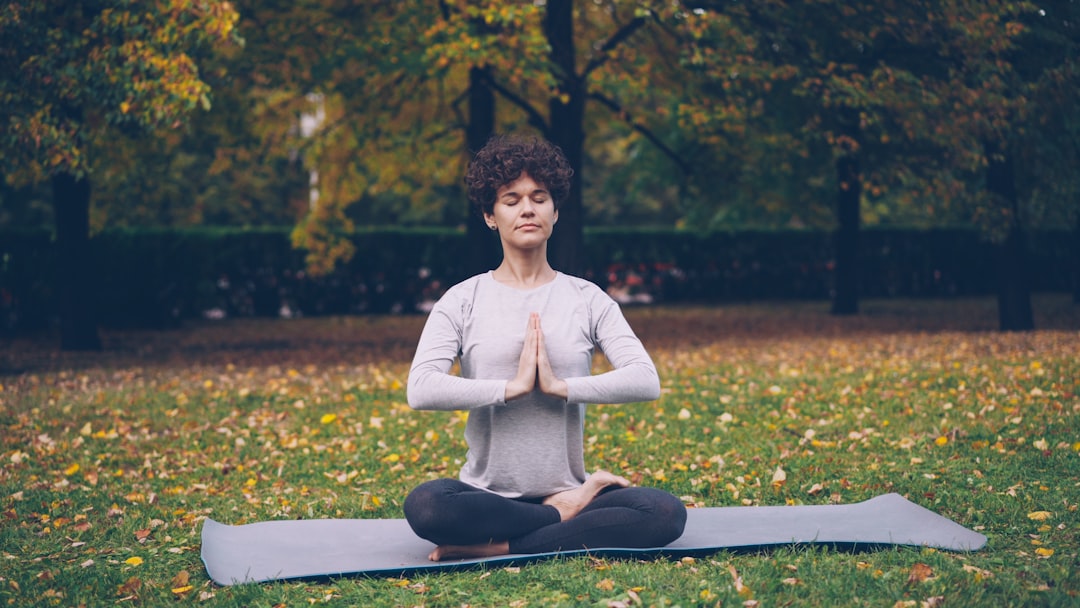
Box breathing is a structured technique used by Navy SEALs, surgeons, and athletes to rapidly lower physiological stress responses. The practice involves inhaling for four counts, holding for four, exhaling for four, and holding again for four before repeating the cycle. Even a single minute of this pattern significantly reduces cortisol levels and returns heart rate to a manageable baseline. It requires no equipment and can be performed invisibly in any environment, from a boardroom to a crowded train. Regular practitioners report that the technique eventually becomes automatic whenever stress is detected.
Morning Journaling

Writing freely for five to ten minutes each morning gives the brain a structured outlet for anxious or scattered thoughts before the day intensifies. This practice, sometimes called a brain dump, reduces the cognitive load carried into high-pressure moments. Research in affective neuroscience suggests that naming emotions on paper reduces their intensity by activating the prefrontal cortex over the amygdala. Calm people often write without agenda, allowing unfiltered thoughts to surface and lose their charge on the page. The habit creates a daily emotional reset that compounds meaningfully over weeks and months.
Cold Water

Splashing cold water on the face or ending a shower with thirty seconds of cold water activates the mammalian dive reflex, which immediately slows the heart rate. This physiological response is involuntary, making it one of the fastest tools available for interrupting a stress spiral. People who practice this consistently report a marked improvement in their ability to stay grounded during unexpected crises. The discomfort of cold exposure also builds a mild form of stress tolerance that transfers to non-physical challenges. Over time, the body becomes more efficient at returning to calm after a spike of adrenaline.
Single-Tasking

Calm people resist the cultural pressure to multitask and instead commit their full attention to one task at a time. Research from Stanford University confirms that heavy multitaskers perform worse on cognitive tasks and experience higher baseline anxiety than focused workers. By completing one thing before moving to the next, they reduce the mental residue that accumulates from constantly switching contexts. This habit also produces a stronger sense of accomplishment, which reinforces emotional stability throughout the day. Single-tasking is a quiet act of self-respect that protects both performance and peace of mind.
Phone Boundaries

People who stay calm under pressure are deliberate about when and how they engage with their devices. They typically avoid checking messages or social media within the first thirty minutes of waking, protecting the early morning as a space free from external demands. Notification management is treated as a non-negotiable hygiene practice rather than a luxury. Studies consistently link high notification frequency to elevated cortisol and fragmented attention, both of which erode stress resilience. These individuals understand that every unnecessary interruption borrows from the mental reserve needed for genuine pressure situations.
Slow Walking
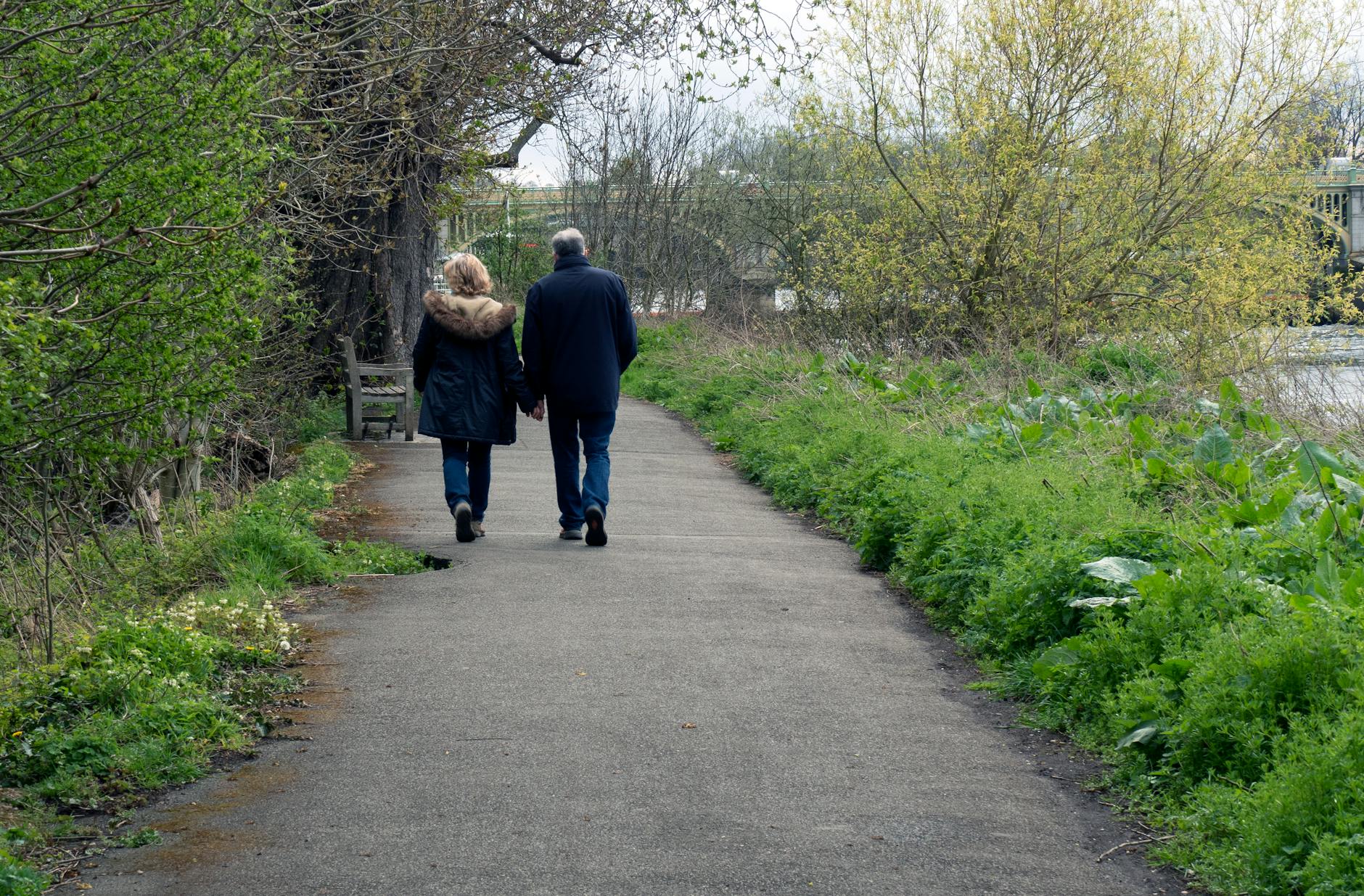
Deliberately slowing the pace of walking, particularly between tasks or meetings, is a habit that interrupts the physical momentum of stress before it becomes psychological. Fast walking signals urgency to the nervous system, sustaining the fight-or-flight response even when no real threat exists. Calm individuals use transitions between locations as brief reset opportunities rather than extensions of the pressure they just left. This micro-habit costs nothing and requires no scheduling, yet its cumulative effect on daily composure is substantial. Ancient philosophical traditions, including Stoicism and Zen Buddhism, have long recognized the value of deliberate, unhurried movement.
Gratitude Practice
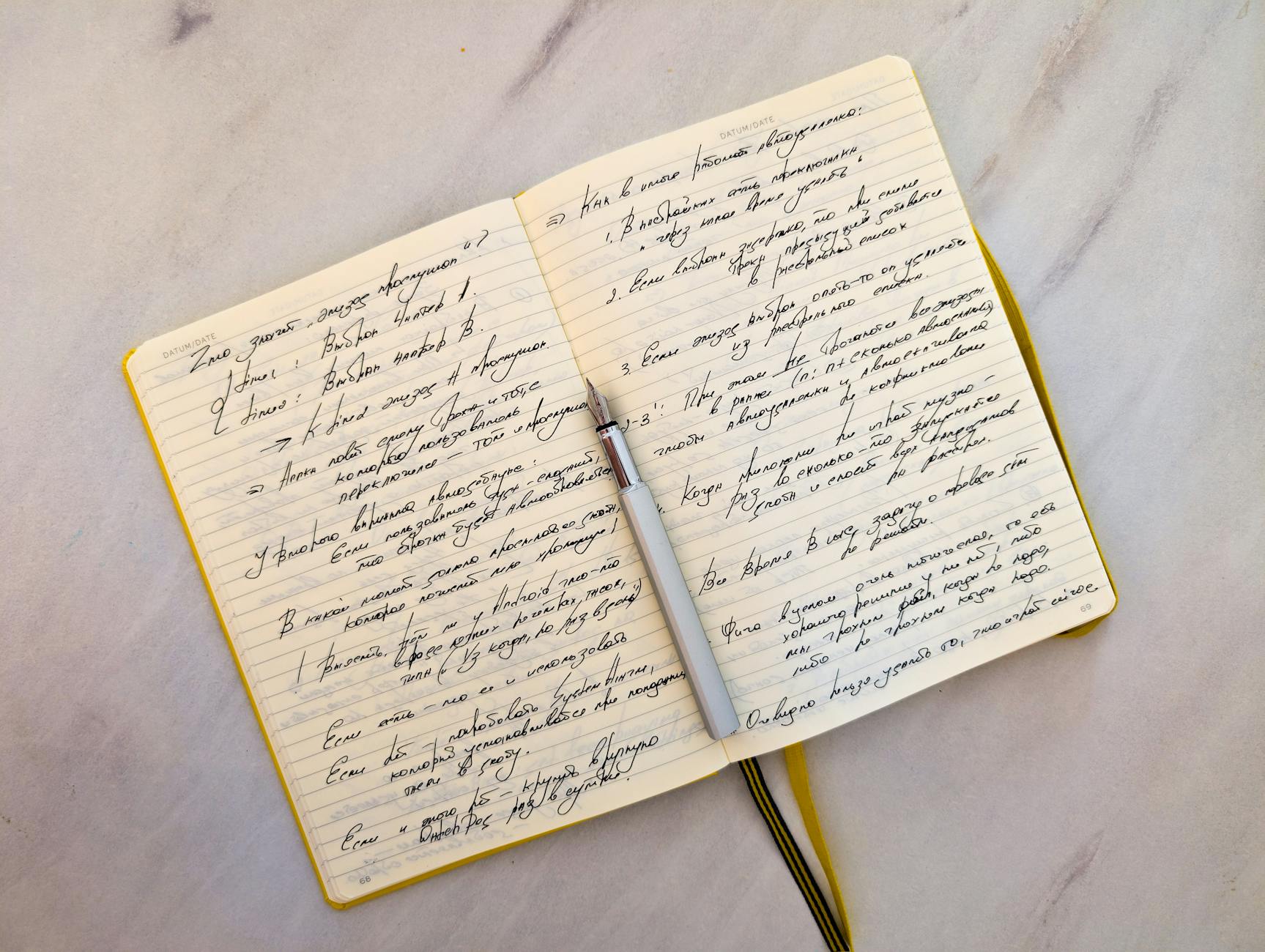
A brief daily gratitude practice, often consisting of writing three specific things to appreciate, trains the brain to scan the environment for stability rather than threat. This is not wishful thinking but a documented neurological process involving the rewiring of attentional bias over time. People who practice gratitude regularly show lower baseline levels of anxiety and recover more quickly from stressful events. The specificity of what is noted matters, as vague gratitude produces weaker effects than detailed, concrete appreciation. This habit works most powerfully when practiced at a consistent time each day, particularly in the evening.
Hydration Habits

Chronic mild dehydration is a widely underestimated contributor to irritability, mental fatigue, and heightened stress sensitivity. Calm people tend to maintain consistent hydration throughout the day rather than drinking reactively when thirst becomes acute. Keeping water visible and within reach acts as a behavioral cue that dramatically increases daily intake without requiring willpower. Studies show that even a one to two percent drop in hydration impairs cognitive function and emotional regulation. This simple physical habit creates a physiological baseline that supports clearer thinking and steadier emotional responses under pressure.
Deliberate Pausing
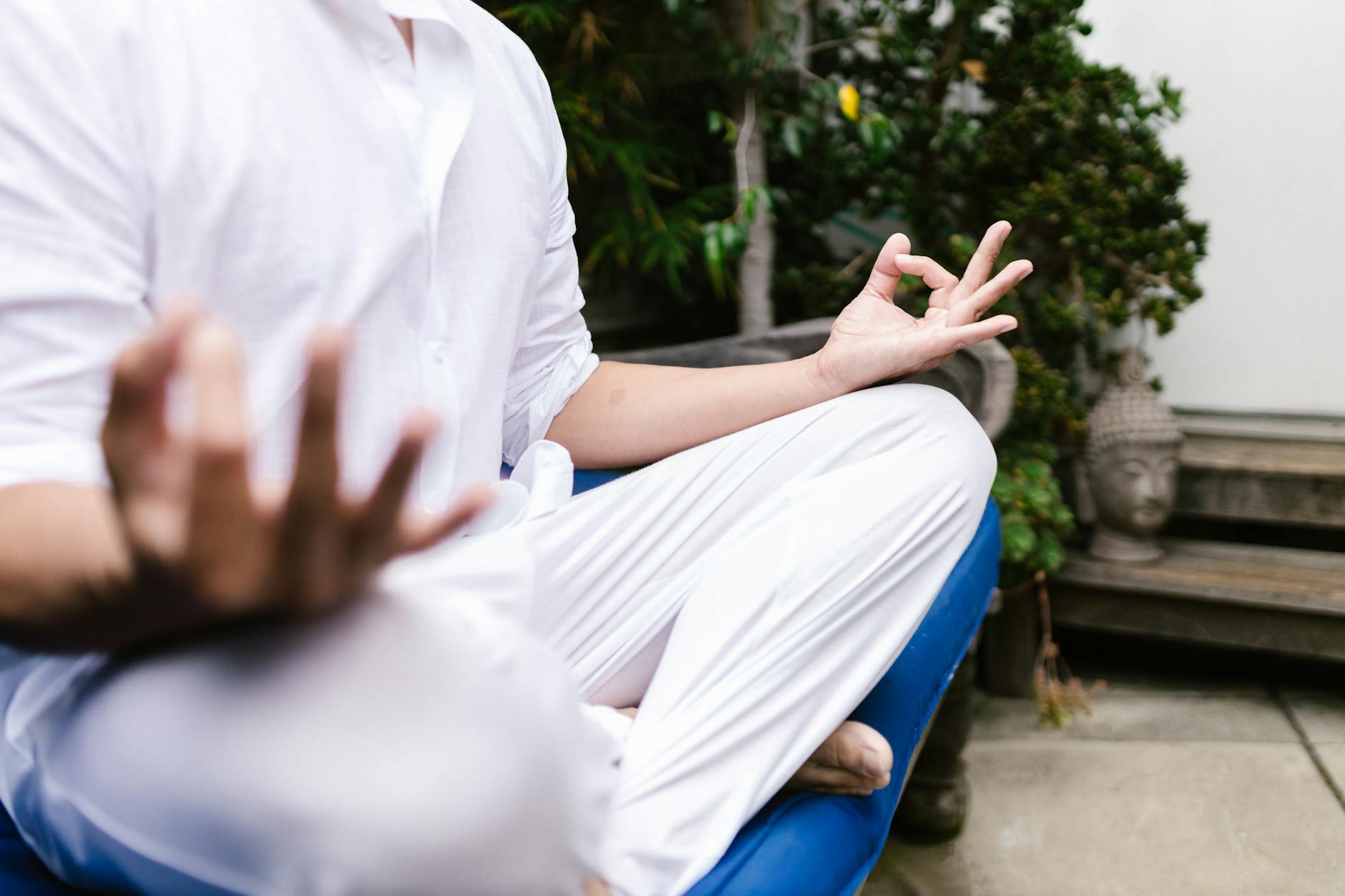
Before responding in a tense conversation or making a decision under pressure, calm people habitually insert a brief pause. This pause, which may last only two to five seconds, interrupts the automatic reactive pathway and allows the rational brain to engage. It is one of the most consistently recommended habits among conflict resolution professionals, executive coaches, and therapists. Over time, the pause becomes a conditioned reflex that activates precisely when it is most needed. Observers often interpret this habit as confidence and authority, though its primary function is emotional regulation.
Nature Exposure

Regular, brief exposure to natural environments measurably reduces cortisol levels, lowers blood pressure, and restores depleted attention resources. Calm people prioritize time outdoors not as leisure but as a practical maintenance habit for their stress response system. Even ten minutes in a park or garden produces clinically meaningful reductions in anxiety compared to equivalent time spent indoors. Research conducted across multiple countries confirms that urban dwellers who access green space regularly report higher emotional resilience. This habit requires no financial investment and scales easily into almost any daily schedule.
Sleep Rituals

People who handle pressure well treat their sleep preparation as a structured, non-negotiable routine rather than something that happens by default. A consistent wind-down sequence, typically beginning sixty to ninety minutes before bed, signals the nervous system that the day’s demands are finished. This often includes dimming lights, avoiding screens, and engaging in a quiet activity such as reading or light stretching. Quality sleep is the single most important physiological resource for emotional regulation, impulse control, and stress recovery. Those who protect it consistently outperform their peers in high-pressure environments over the long term.
Acceptance Thinking
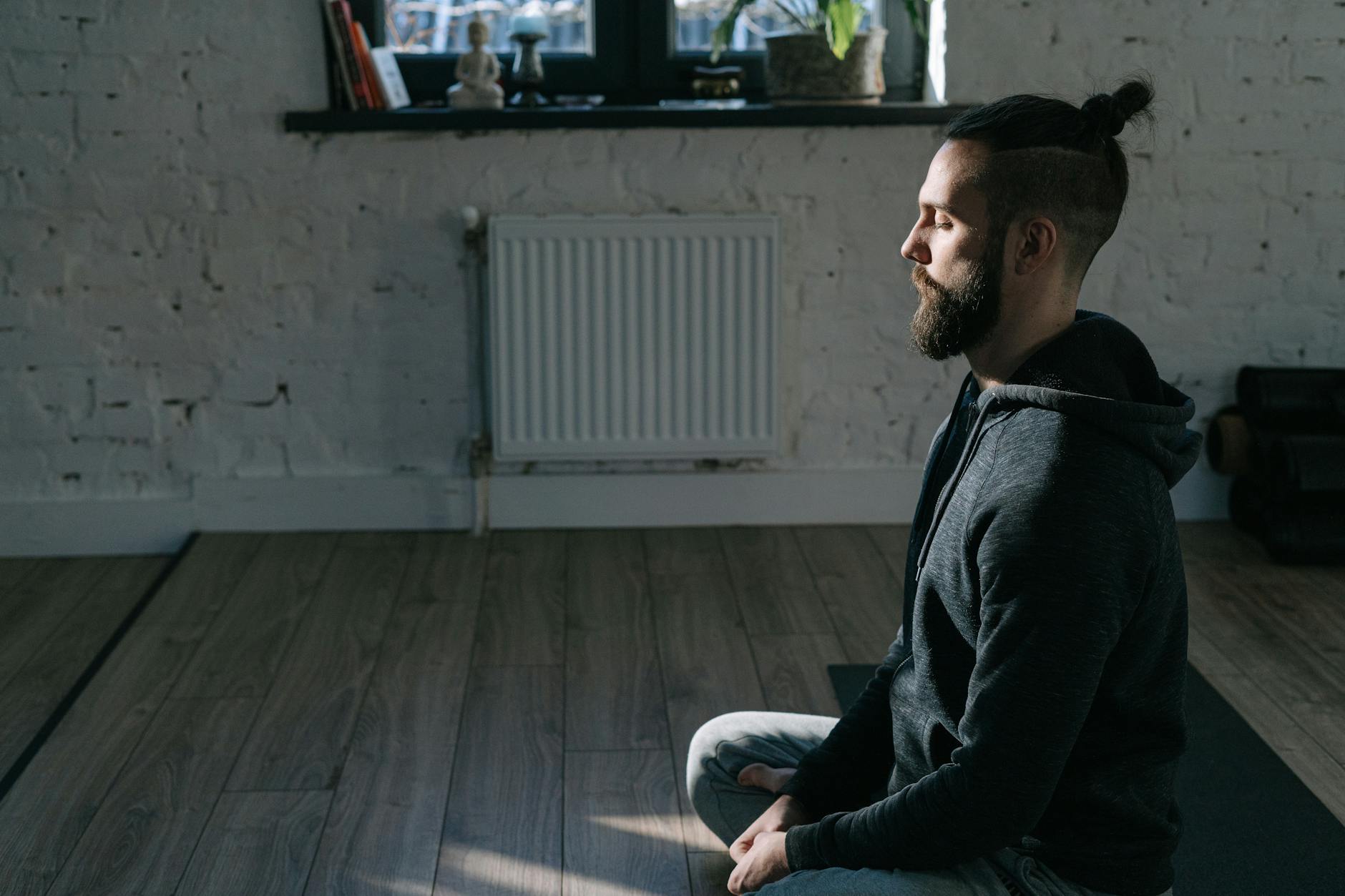
A foundational habit of calm people is regularly distinguishing between what is within their control and what is not. This cognitive practice, rooted in Stoic philosophy and validated by modern cognitive behavioral therapy, reduces the energy wasted on uncontrollable outcomes. They train themselves to direct attention and action only toward variables they can genuinely influence. When facing pressure, this mental filter prevents the catastrophizing spiral that overwhelms those without the habit. Acceptance thinking does not produce passivity but rather focused, efficient action aimed at what actually matters.
Bilateral Tapping

Bilateral tapping, which involves alternately tapping the knees or shoulders in a slow, rhythmic pattern, is drawn from EMDR therapy and used to calm an overactivated nervous system. The alternating left-right stimulation engages both hemispheres of the brain simultaneously, producing a rapid reduction in emotional intensity. Many therapists recommend this technique as a portable, discreet tool for managing acute stress in real time. Clinical research supports its effectiveness for anxiety reduction even outside of a formal therapeutic context. People who learn this habit often describe it as one of the fastest tools available for interrupting a stress response mid-event.
Meal Timing

Skipping meals or eating irregularly creates blood sugar volatility that directly impairs mood stability and stress tolerance. Calm people tend to eat at consistent intervals throughout the day, prioritizing this as a performance habit rather than a matter of preference. Stable blood glucose supports steady production of neurotransmitters including serotonin and dopamine, which are essential for emotional regulation. The habit also eliminates the cognitive irritability commonly known as being hungry and angry, which lowers the threshold for stress reactions. Treating meal timing as a mental health habit rather than a logistical afterthought produces measurable improvements in daily composure.
Deep Listening
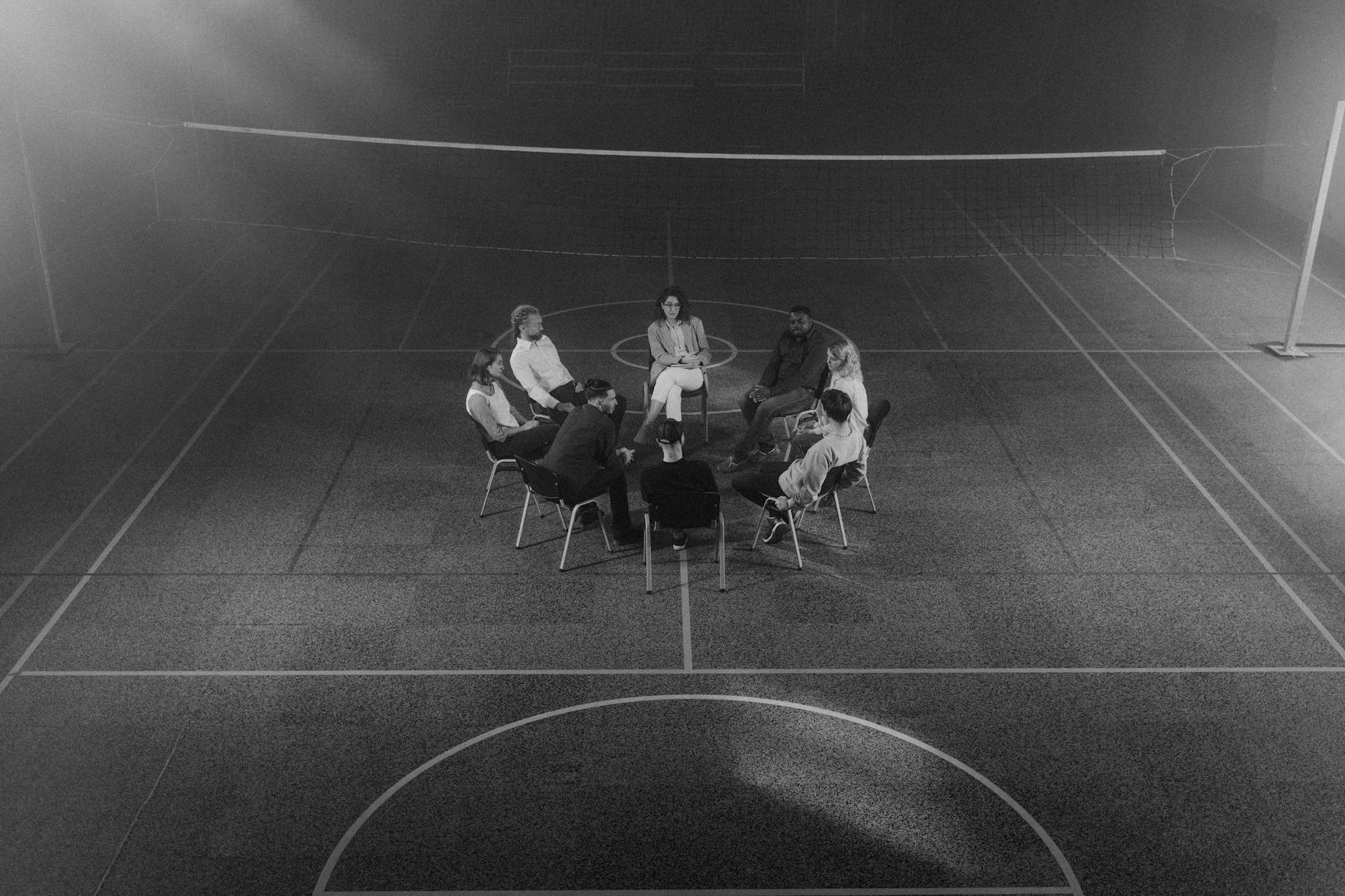
Calm people develop the habit of listening fully in conversations rather than preparing their next response while the other person is still speaking. This practice reduces interpersonal friction and prevents misunderstandings that often escalate into unnecessary stress. It also signals respect and attentiveness, which tends to de-escalate tense interactions before they intensify. Neurologically, active listening keeps the brain engaged in processing rather than threat-scanning, which maintains a calmer physiological state. The habit builds stronger relationships over time, which themselves serve as a significant buffer against stress.
Weekly Planning
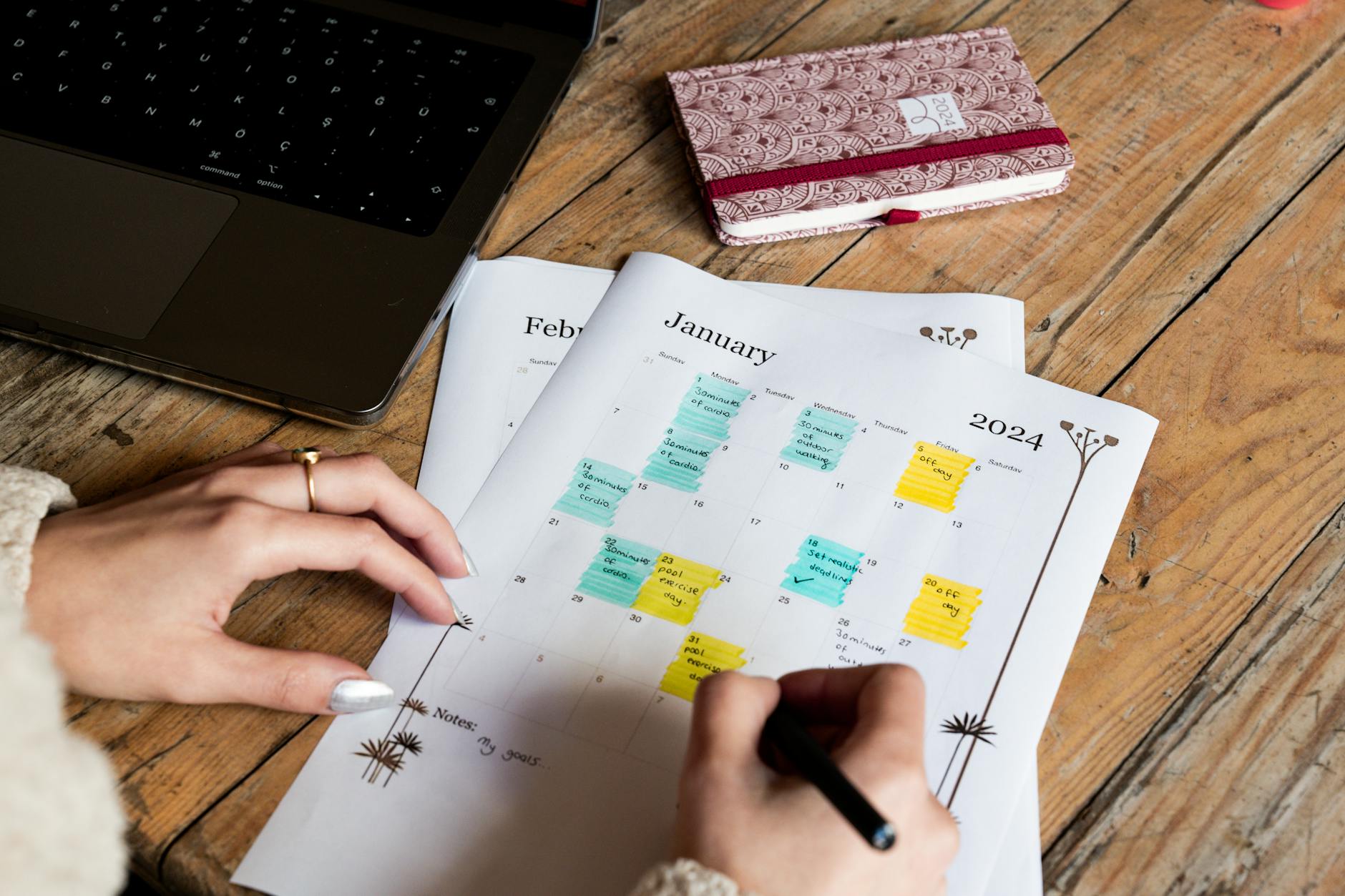
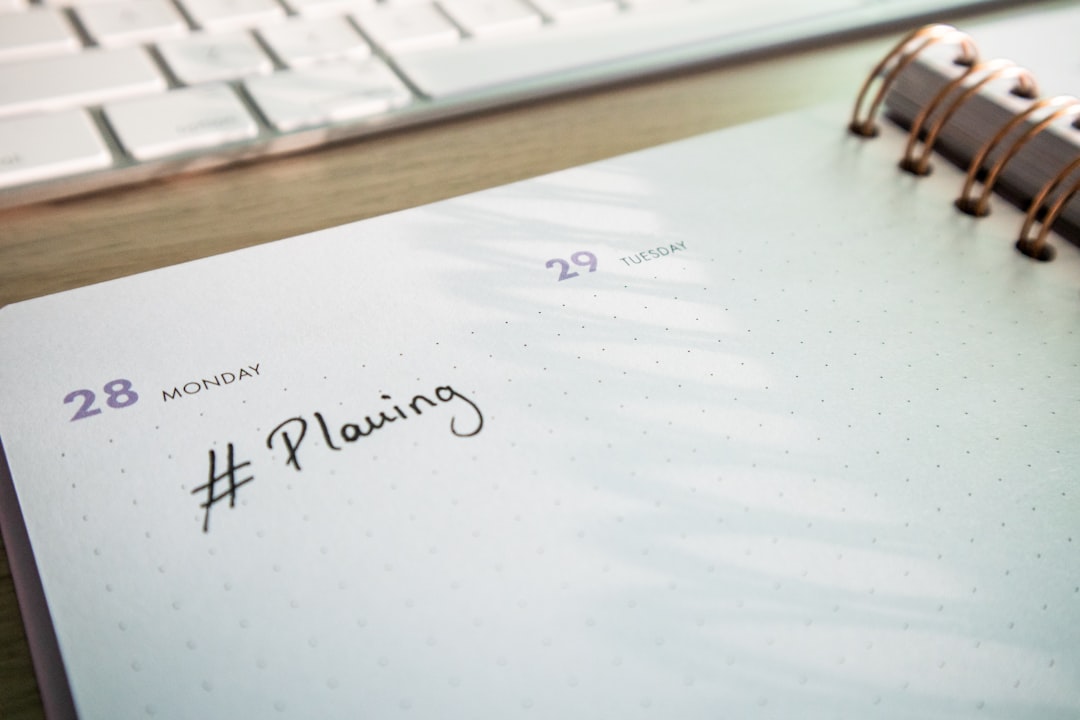
Setting aside time at the start of each week to map out priorities, appointments, and potential challenges reduces the cognitive burden carried daily. Calm people rarely feel blindsided because they have already mentally rehearsed the week ahead and identified its pressure points. This forward-looking habit converts vague anxiety about the future into specific, manageable tasks with allocated time. Research on planning behavior consistently links structured weekly review with lower reported stress and higher productivity. The habit also creates a sense of agency over time, which is one of the strongest psychological protectors against pressure-induced overwhelm.
Conscious Breathing

Beyond formal techniques like box breathing, calm people maintain a general awareness of their breath throughout the day and use it as a real-time stress indicator. When they notice shallow or rapid breathing, they treat it as a signal to pause and intentionally slow and deepen their inhale. This continuous self-monitoring creates an early warning system that catches stress escalation before it reaches a difficult-to-manage level. Breath awareness is central to mindfulness traditions spanning thousands of years and is now supported by extensive neuroscientific research. The habit is always available, costs nothing, and can be practiced without anyone nearby being aware of it.
Limit-Setting
People who stay calm under pressure have developed a consistent habit of saying no to requests that exceed their actual capacity. They treat their time and energy as finite resources to be allocated intentionally rather than distributed reactively out of obligation. This habit requires confronting the discomfort of disappointing others, which calm people have learned to tolerate without excessive guilt. Research on burnout consistently identifies poor boundary maintenance as a primary driver, making limit-setting one of the most protective habits available. Over time, clear limits reduce chronic overcommitment and preserve the mental space needed to perform well when real pressure arrives.
Mindful Transitions

The moments between activities, such as finishing a meeting, completing a task, or arriving home, are used by calm people as intentional reset points rather than frictionless transitions into the next demand. A brief pause of even thirty seconds allows the nervous system to close one chapter before opening another. This prevents the accumulative stress bleed that occurs when pressure from one context spills unprocessed into the next. The habit also improves presence and performance in each new activity because the mind arrives without residual tension from the last. Mindful transitions are one of the most underutilized and highest-impact habits in stress management practice.
Digital Detox Windows

Calm people build predictable, recurring periods into each day when they are entirely offline and unreachable. These windows, which might last thirty minutes to several hours depending on the person, allow the nervous system to recover from the constant low-grade alertness that digital connectivity demands. Research from the University of California confirms that email-free periods significantly reduce cortisol and improve sustained attention. The habit also rebuilds the capacity for boredom tolerance, which is closely linked to creativity and emotional resilience. Consistent digital detox windows function as a daily nervous system reset that accumulates significant benefits over time.
Physical Grounding
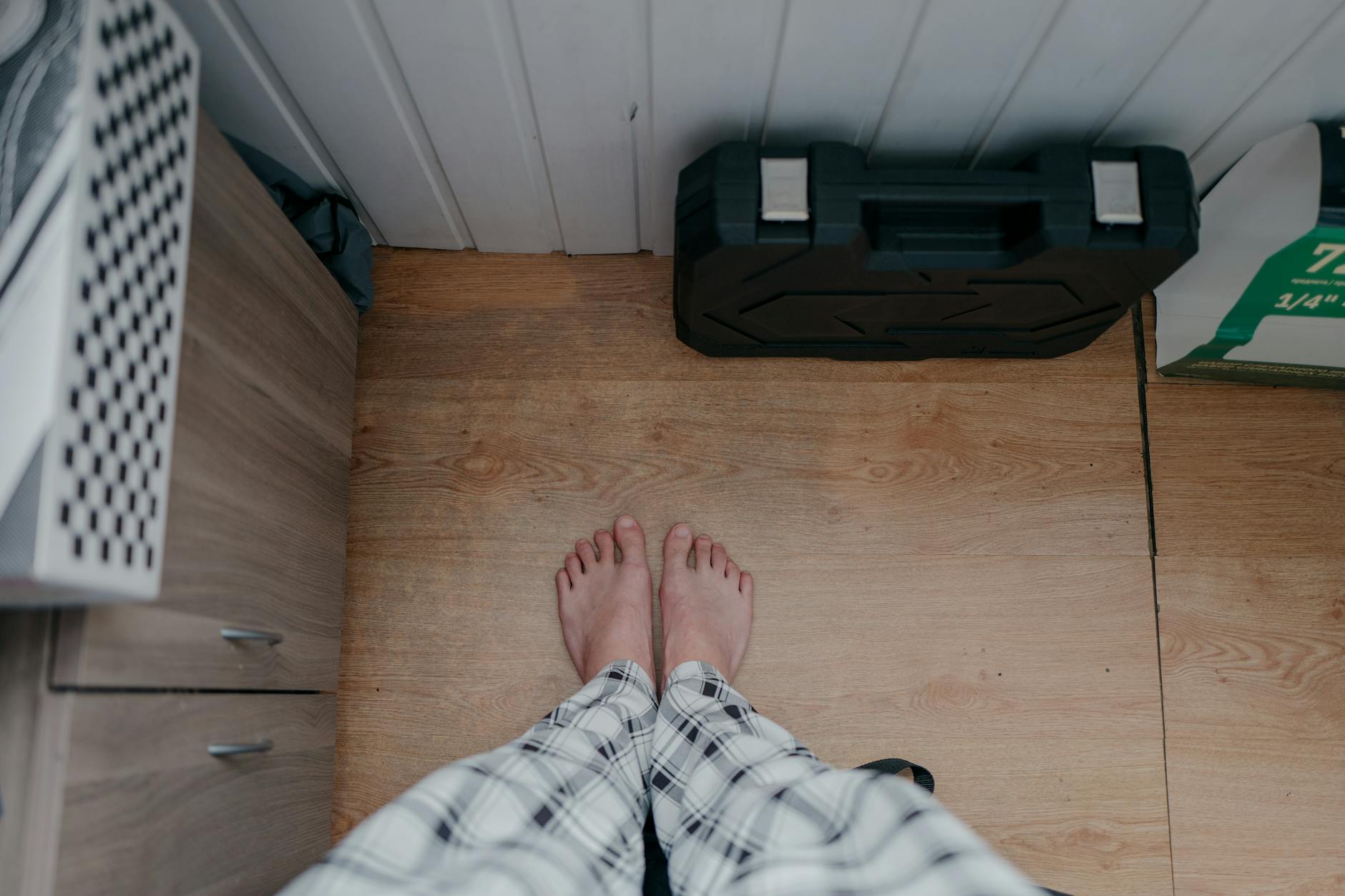
When stress peaks, calm people use grounding techniques that anchor awareness in the physical body and present environment. A common practice involves pressing feet firmly into the floor, feeling the weight of the body in a chair, or holding a cool or textured object. These sensory anchors interrupt the mental abstraction that fuels anxiety and redirect attention to concrete, immediate experience. The technique is supported by somatic psychology and is widely taught in trauma-informed therapeutic settings. Its power lies in its immediacy and the fact that it can be performed anywhere without drawing attention.
Abbreviated Exercise

Even five to ten minutes of brisk physical movement significantly reduces circulating stress hormones and increases the production of mood-stabilizing neurotransmitters. Calm people do not treat exercise as something that requires a full session to be worthwhile and instead find value in abbreviated movement throughout the day. Short walks, brief stretching sequences, or a few minutes of bodyweight movement between demanding tasks reliably interrupt stress accumulation. This habit is particularly effective because it addresses the physiological component of stress that purely cognitive strategies cannot fully resolve. Consistency across brief sessions produces greater long-term resilience than occasional intense workouts separated by days of sedentary behavior.
Humor Cultivation
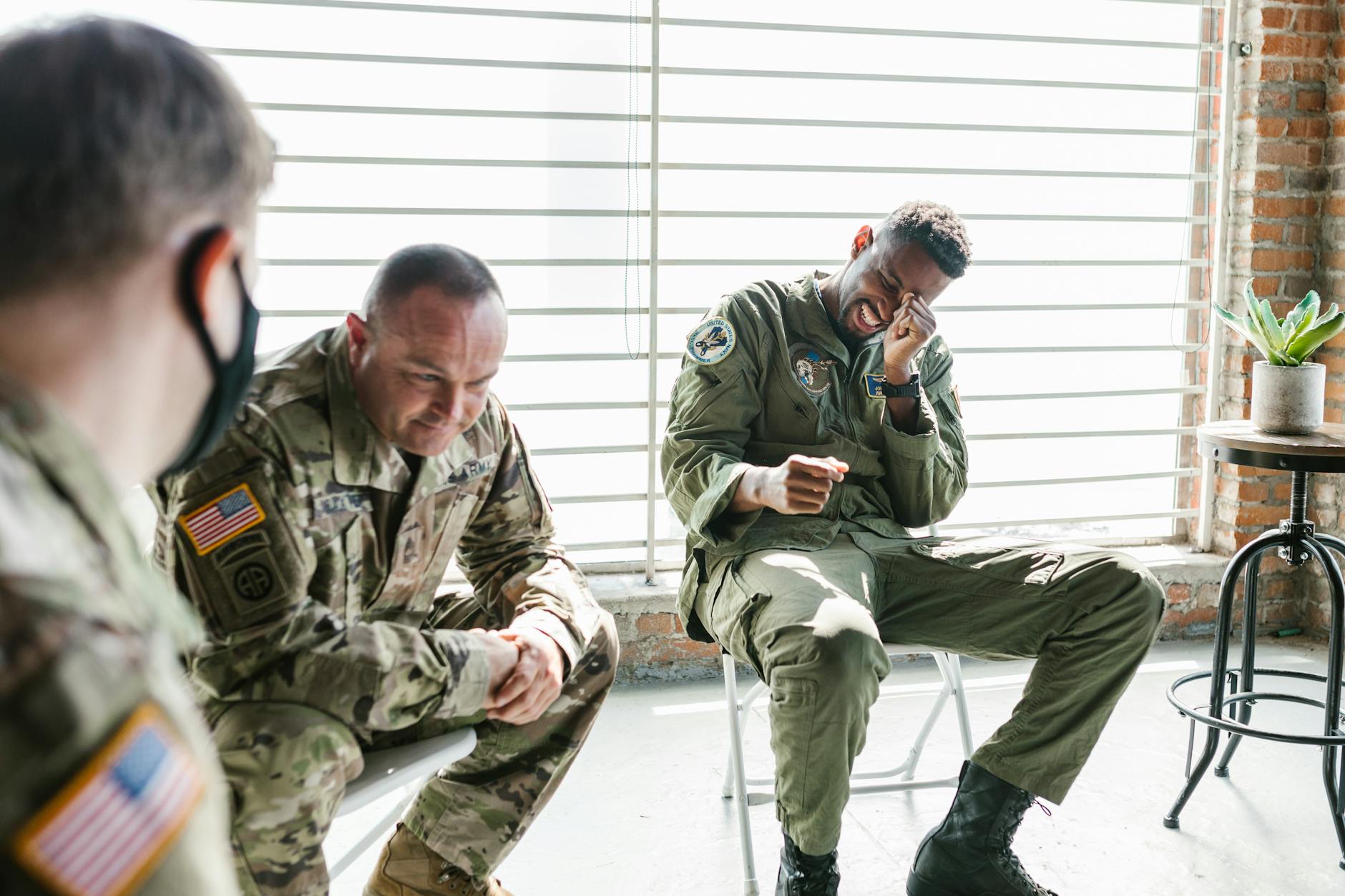
People who remain composed under pressure tend to maintain an active sense of humor and use levity strategically to reduce tension in themselves and those around them. Laughter triggers the release of endorphins and temporarily suppresses cortisol, producing a rapid physiological shift away from the stress state. Calm people have often cultivated relationships with others who share their capacity for finding humor in difficulty, reinforcing the habit socially. This is not avoidance or denial but a documented cognitive reframing skill that preserves perspective during genuinely difficult circumstances. Humor also signals to the nervous system that the current situation is survivable, which physiologically reduces threat response intensity.
Reframing Practice

Cognitive reframing is the habit of consciously examining a stressful situation from a different perspective to reduce its perceived threat level. Calm people do this automatically and rapidly, asking themselves what else could be true about a situation beyond the most alarming interpretation. This is a core skill in cognitive behavioral therapy and has been shown to reduce anxiety responses across a wide range of high-pressure scenarios. The habit does not minimize genuine problems but rather prevents the brain from catastrophizing beyond what the facts actually support. Regular reframing practice literally changes the neural pathways associated with threat appraisal over time.
Clutter Management
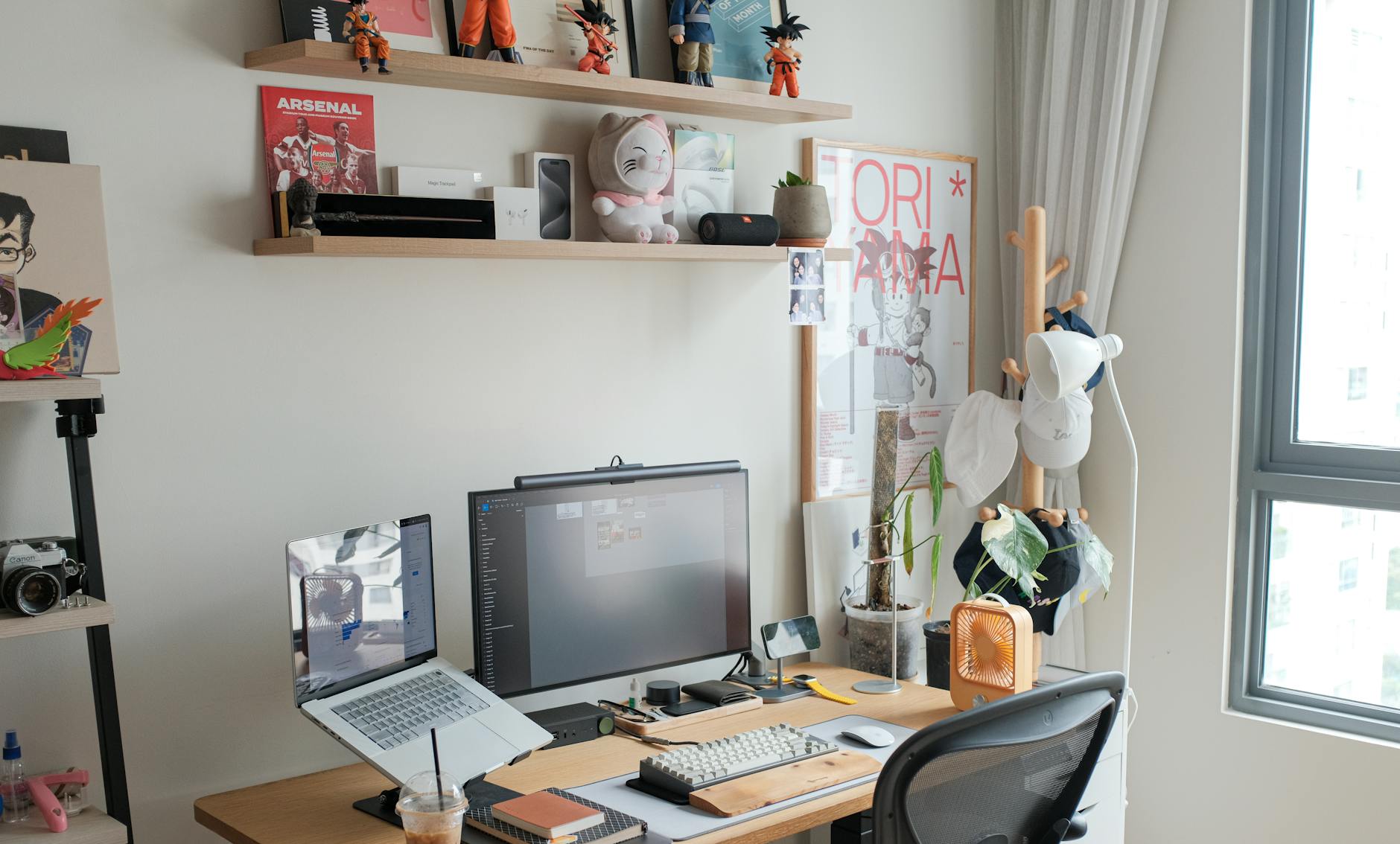
A consistently organized physical environment reduces the cognitive load imposed on the brain during daily functioning, leaving more capacity available for genuine pressure situations. Calm people tend to maintain low-clutter spaces not for aesthetic reasons but because visual disorder competes for attention and signals incompleteness to the brain. Research from the Princeton Neuroscience Institute confirms that physical clutter limits the brain’s ability to focus and increases background stress levels. The habit involves brief, daily tidying rather than periodic deep cleaning, keeping environmental entropy consistently low. Over time, a calm environment reinforces a calm internal state through a bidirectional relationship between surroundings and nervous system regulation.
Positive Self-Talk
The internal narrative calm people maintain during pressure differs significantly from that of those who struggle under stress. Rather than catastrophizing or criticizing themselves, they have developed the habit of speaking to themselves with the measured, encouraging tone they would use with a trusted friend. This is not self-delusion but a deliberately constructed cognitive habit that reduces the secondary stress caused by harsh self-judgment. Studies in sports psychology consistently show that constructive self-talk improves performance and emotional regulation under high-stakes conditions. The habit is built gradually through catching negative internal commentary and consciously replacing it with realistic, compassionate alternatives.
Social Connection
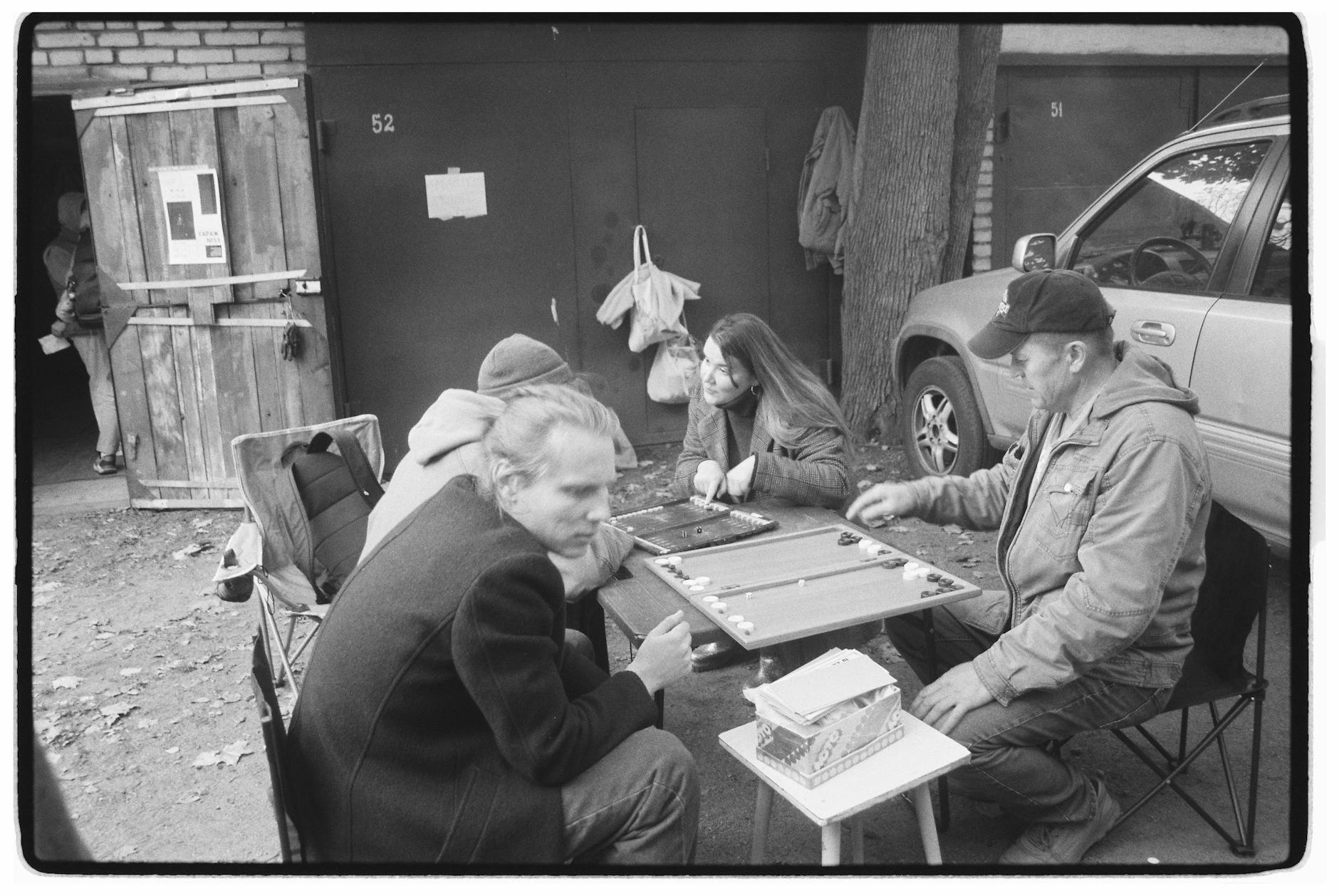
Calm people prioritize maintaining meaningful relationships and reach out to their social network proactively rather than only during crisis. Strong social connection is one of the most robustly documented buffers against stress in the psychological literature, with effects comparable to other major lifestyle factors. The habit involves brief, regular contact with trusted people rather than infrequent marathon conversations. Knowing that reliable support exists reduces the perceived magnitude of challenges before they are even encountered. This social maintenance habit builds a safety net that fundamentally changes how threatening new pressures feel when they arise.
Purposeful Rest
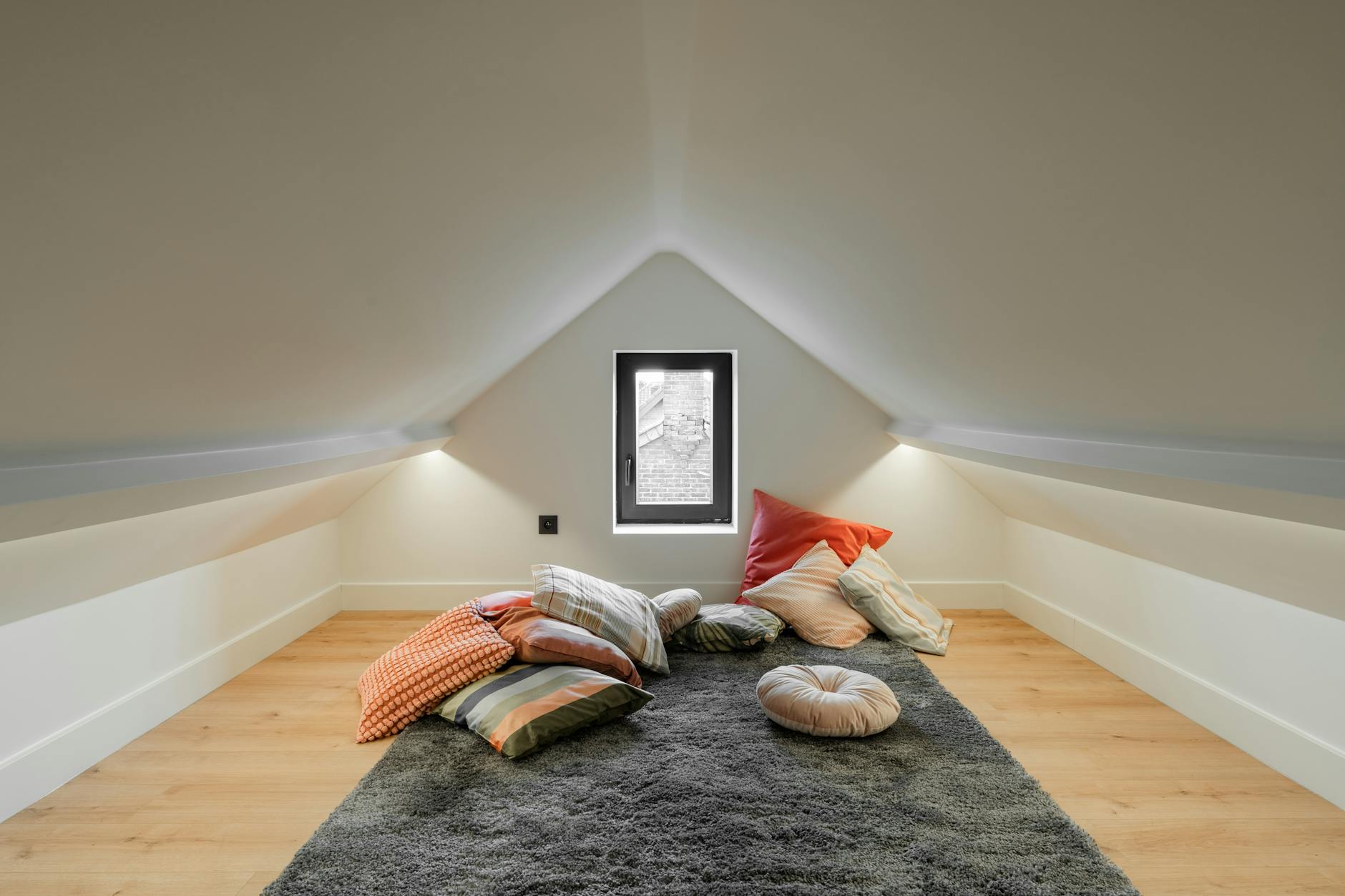
Deliberate, guilt-free rest is a habit that distinguishes consistently calm people from those who eventually buckle under accumulated pressure. They treat rest not as earned reward but as a non-negotiable input that sustains performance and emotional regulation over the long term. This includes both adequate nightly sleep and intentional rest periods during the day such as short breaks away from screens and demanding cognitive tasks. Research on ultradian rhythms suggests the brain naturally cycles through approximately ninety-minute focus periods and requires recovery time between them. Purposeful rest is one of the most counterintuitive habits in high-performance circles and simultaneously one of the most impactful.
Routine Anchoring

Calm people rely on consistent daily routines to reduce the number of decisions required under baseline conditions, preserving cognitive and emotional resources for genuine pressure moments. These routines function as behavioral scaffolding that keeps the nervous system oriented even when external circumstances become unpredictable. Morning and evening routines are the most commonly cited anchors, providing stability at the start and close of each day regardless of what occurs in between. Decision fatigue is a well-documented phenomenon in which repeated choices erode self-control and stress tolerance, and consistent routines directly counter this effect. The more predictable the structure of ordinary days, the more capacity remains available for navigating extraordinary ones.
Proactive Problem-Solving
Rather than waiting for pressure to arrive fully formed, calm people habitually identify potential challenges in advance and take small preventive actions to reduce their eventual impact. This forward-facing habit is sometimes called defensive pessimism when used constructively, and research shows it reliably lowers anxiety by converting abstract worry into concrete preparation. They ask themselves regularly what could go wrong and what can be done now, before the situation becomes urgent. This does not produce a fearful or pessimistic mindset but rather a confident one, rooted in the knowledge that common challenges have already been partially addressed. Proactive problem-solving is the habit that most directly prevents the kind of compounding crises that overwhelm people who operate only in reactive mode.
Forgiveness Practice

Holding onto resentment, grievances, or self-blame is a significant and often overlooked source of chronic background stress that erodes resilience over time. Calm people have cultivated the habit of practicing forgiveness not as a moral gesture but as a practical stress management tool that releases them from sustained emotional burden. Research from Stanford’s Forgiveness Project demonstrates that forgiveness training produces measurable reductions in stress, anger, and physical symptoms of anxiety. This habit does not require reconciliation with others or excusing harmful behavior but simply the internal act of releasing the emotional charge attached to past events. People who practice forgiveness regularly describe a lighter baseline emotional state that makes them substantially more resilient when new pressure arrives.
Share your thoughts on these habits in the comments.




