
Coffee is one of the most widely consumed beverages in the world, and for many people it feels like an essential part of daily life. While moderate consumption is generally considered safe, the caffeine and other bioactive compounds in coffee can have a meaningful impact on the body’s delicate hormonal systems. These effects often build gradually and go unnoticed until they begin to interfere with energy, mood, sleep, and overall wellbeing. The following signs may indicate that your daily coffee intake is quietly shifting your hormonal balance in ways worth paying attention to.
Morning Fatigue

Waking up feeling exhausted despite a full night of sleep is one of the more overlooked early signals of hormonal disruption related to caffeine. Coffee stimulates cortisol production, and when consumed too early or in excess, it can blunt the body’s natural cortisol awakening response that is meant to energize you at the start of the day. Over time this blunting effect leaves the adrenal system working harder to compensate, which contributes to a cycle of reliance on caffeine rather than natural energy reserves. The result is a morning grogginess that feels counterintuitive for someone who considers themselves a regular coffee drinker. Tracking whether tiredness persists even after your first cup can be a useful first indicator.
Cortisol Dysregulation

Cortisol is the body’s primary stress hormone, and caffeine is one of the most potent dietary stimulants of its release. When coffee is consumed frequently throughout the day, cortisol levels can remain artificially elevated for extended periods beyond what the body would naturally produce. Chronically high cortisol is linked to weight gain around the midsection, blood sugar imbalances, and increased anxiety, all of which are downstream hormonal effects. Research in endocrinology suggests that the timing of coffee consumption relative to natural cortisol peaks plays a significant role in how disruptive caffeine can be. Shifting coffee consumption to mid-morning when cortisol begins to naturally dip may help reduce this pattern.
Sleep Disruption

Caffeine has a half-life of approximately five to seven hours in most adults, meaning a late afternoon cup can still be active in the system well into the night. This interference with sleep onset and sleep quality has a direct impact on hormonal regulation, since many critical hormones including growth hormone and melatonin are primarily secreted during deep sleep phases. Poor sleep then triggers elevated cortisol the following morning, creating a feedback loop that compounds hormonal imbalance over time. Those who find themselves lying awake longer than usual or waking during the night may not immediately connect the pattern to their coffee consumption hours earlier. Evaluating cutoff times for caffeine is one of the most effective early interventions.
Estrogen Imbalance

Emerging research has explored the relationship between caffeine metabolism and estrogen levels, with findings suggesting that coffee can influence how estrogen is processed and cleared by the body. In some individuals, particularly those with certain genetic variants affecting caffeine metabolism, high coffee intake has been associated with altered estrogen levels that can affect menstrual regularity and cycle length. Elevated estrogen caused by slower caffeine clearance may contribute to symptoms such as bloating, breast tenderness, and heightened premenstrual symptoms. The liver plays a central role in metabolizing both caffeine and estrogen, and placing additional demand on this organ through high coffee intake can slow estrogen detoxification. This connection is particularly worth considering for those who already experience hormonal sensitivity.
Thyroid Sensitivity

The thyroid gland is highly sensitive to stimulants, and caffeine can interfere with the absorption of thyroid medication when the two are consumed in close proximity. Beyond medication interactions, some researchers have noted that high caffeine intake may contribute to disruptions in thyroid hormone conversion, particularly the conversion of the inactive T4 hormone into the active T3 form. Symptoms such as persistent fatigue, temperature sensitivity, and unexplained weight fluctuations that do not resolve with lifestyle changes may reflect a thyroid system under stress. Those with existing thyroid conditions are often advised to monitor their caffeine intake as part of a broader management strategy. Consulting with a healthcare provider about timing and quantity is advisable for anyone with thyroid concerns.
Insulin Resistance
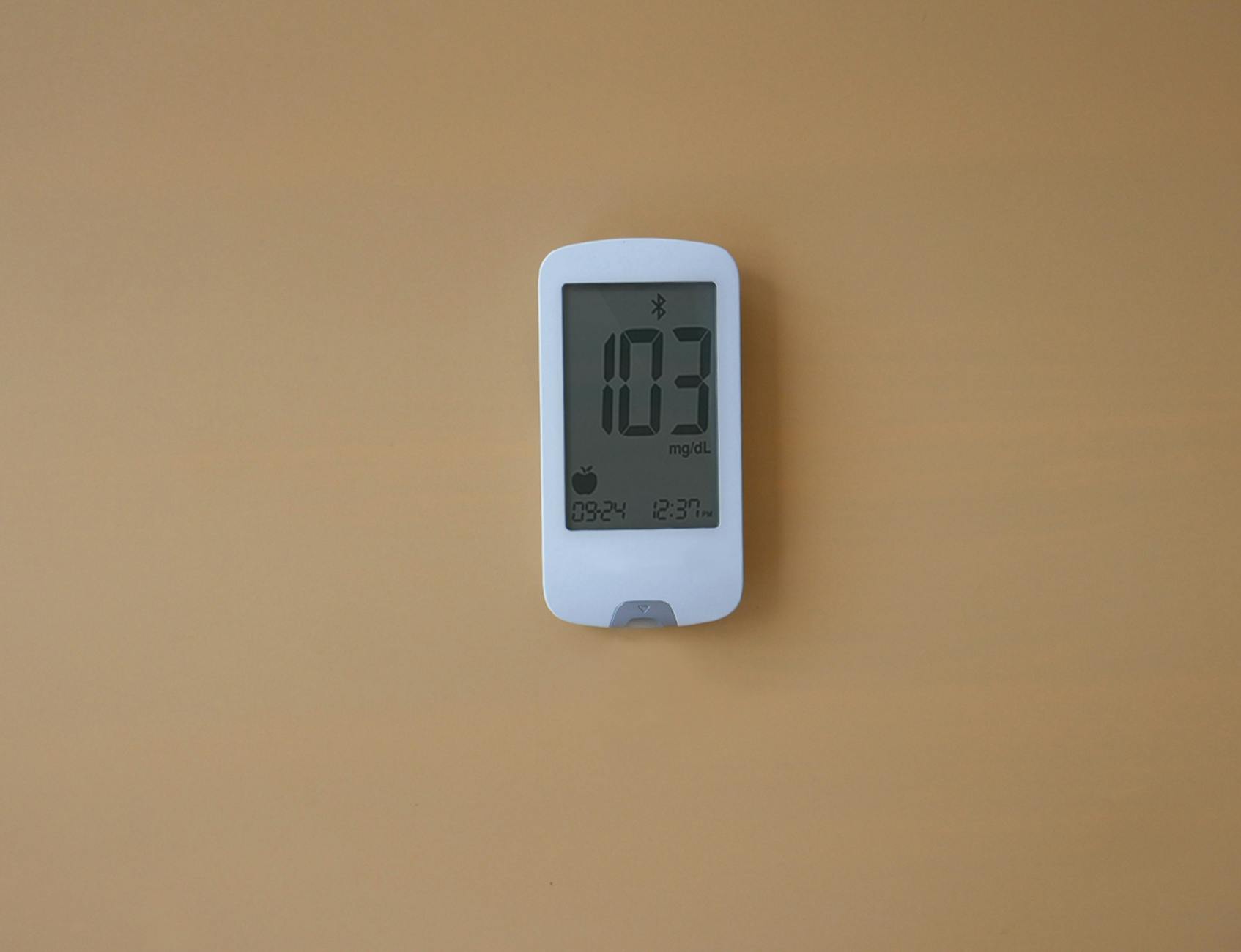
Caffeine has been shown in clinical studies to temporarily impair insulin sensitivity, meaning that glucose is less efficiently moved from the bloodstream into cells following caffeine consumption. Over time, chronic impairment of insulin sensitivity can contribute to patterns of blood sugar dysregulation that place strain on the pancreas and metabolic system. Signs of this effect include energy crashes shortly after meals, cravings for sugar or refined carbohydrates in the mid-afternoon, and difficulty maintaining steady energy throughout the day. The combination of caffeine and sugar-sweetened coffee beverages compounds this effect significantly, as the added sugars place further demand on insulin response. Choosing unsweetened coffee and pairing it with food rather than consuming it on an empty stomach may help moderate this impact.
Adrenal Fatigue

The adrenal glands produce cortisol and adrenaline in response to stress, and caffeine activates both of these pathways by mimicking a stress signal in the nervous system. When caffeine is consumed habitually and in large quantities, the adrenal glands are repeatedly stimulated in a way that can eventually lead to a state of reduced responsiveness and exhaustion. This pattern, often referred to in functional medicine as adrenal fatigue, manifests as a persistent inability to feel alert without stimulants, difficulty handling stress, and a general sense of depletion that does not resolve with rest alone. While the terminology remains debated in conventional medicine, the underlying mechanism of chronic overstimulation of the stress response system is well established. Reducing or cycling caffeine intake is frequently recommended as a first step in adrenal recovery protocols.
Testosterone Disruption

Testosterone plays important roles in both male and female physiology, influencing muscle mass, libido, mood, and overall vitality. Some research has suggested that high caffeine consumption can lead to modest reductions in testosterone levels, particularly in men who consume multiple servings daily. The mechanism is thought to involve cortisol’s well-documented suppressive effect on testosterone production, since the two hormones exist in a reciprocal relationship within the endocrine system. Symptoms such as reduced motivation, decreased muscle recovery, lower libido, and mood instability may reflect this hormonal interplay rather than any single isolated cause. Monitoring overall stimulant intake alongside lifestyle factors such as sleep and exercise provides a more complete picture of testosterone health.
Melatonin Suppression

Melatonin is the hormone responsible for regulating the sleep-wake cycle, and caffeine can suppress its production in ways that extend well beyond the immediate stimulant effect. Studies have found that caffeine consumption in the afternoon is sufficient to delay melatonin onset by more than an hour in some individuals, effectively pushing the internal clock later and reducing sleep quality. This suppression is particularly problematic for those who are already light-sensitive or who work irregular hours, as the hormonal disruption compounds existing circadian challenges. Reduced melatonin is also associated with impaired immune function and reduced antioxidant activity, both of which are governed by broader hormonal and cellular signaling systems. Establishing a consistent caffeine cutoff time is one of the most research-supported ways to protect melatonin production.
Progesterone Levels

Progesterone is a key hormone in the menstrual cycle and plays an essential role in mood regulation, sleep quality, and reproductive health. High caffeine intake has been associated in some observational studies with lower progesterone levels, which can contribute to symptoms of luteal phase deficiency including shortened cycles, spotting, and difficulty sleeping in the second half of the menstrual cycle. Progesterone is also naturally calming due to its interaction with GABA receptors in the brain, so when levels drop, anxiety and poor sleep often follow. The stress-elevating effect of caffeine on cortisol creates a hormonal environment that is not conducive to healthy progesterone production. Paying close attention to cycle changes alongside shifts in coffee consumption can help identify a potential connection.
Gut Microbiome Shifts

The gut microbiome plays a far greater role in hormonal health than was understood even a decade ago, with gut bacteria influencing estrogen metabolism, cortisol regulation, and the production of mood-related neurotransmitters. Coffee is a known gut motility stimulant and can alter the pH environment of the gastrointestinal tract in ways that shift the balance of beneficial and less beneficial bacterial populations. While some compounds in coffee have prebiotic properties, excessive consumption can irritate the gut lining and contribute to dysbiosis in sensitive individuals. A disrupted microbiome reduces the body’s ability to effectively process and eliminate hormones after they have been used, leading to recirculation and accumulation. Gut symptoms such as irregular digestion, bloating, and increased reactivity to foods may be early signs of this hormonal-gut feedback loop.
Mood Swings

The stimulating and then depressive cycle that follows caffeine consumption has a direct neurochemical and hormonal basis that affects emotional regulation. Caffeine temporarily increases dopamine availability, creating a sense of alertness and pleasure, but as it is metabolized the drop in dopamine and the simultaneous rise in adenosine can produce irritability, low mood, and heightened emotional reactivity. This cycle interacts with stress hormones in ways that make the nervous system more reactive to everyday stressors, amplifying emotional responses beyond what a person might otherwise experience. People who notice pronounced mood shifts tied to the timing of their coffee consumption may be observing a hormonal and neurochemical pattern rather than an emotional one. Understanding this mechanism can help individuals make more informed decisions about quantity and timing.
Anxiety Patterns
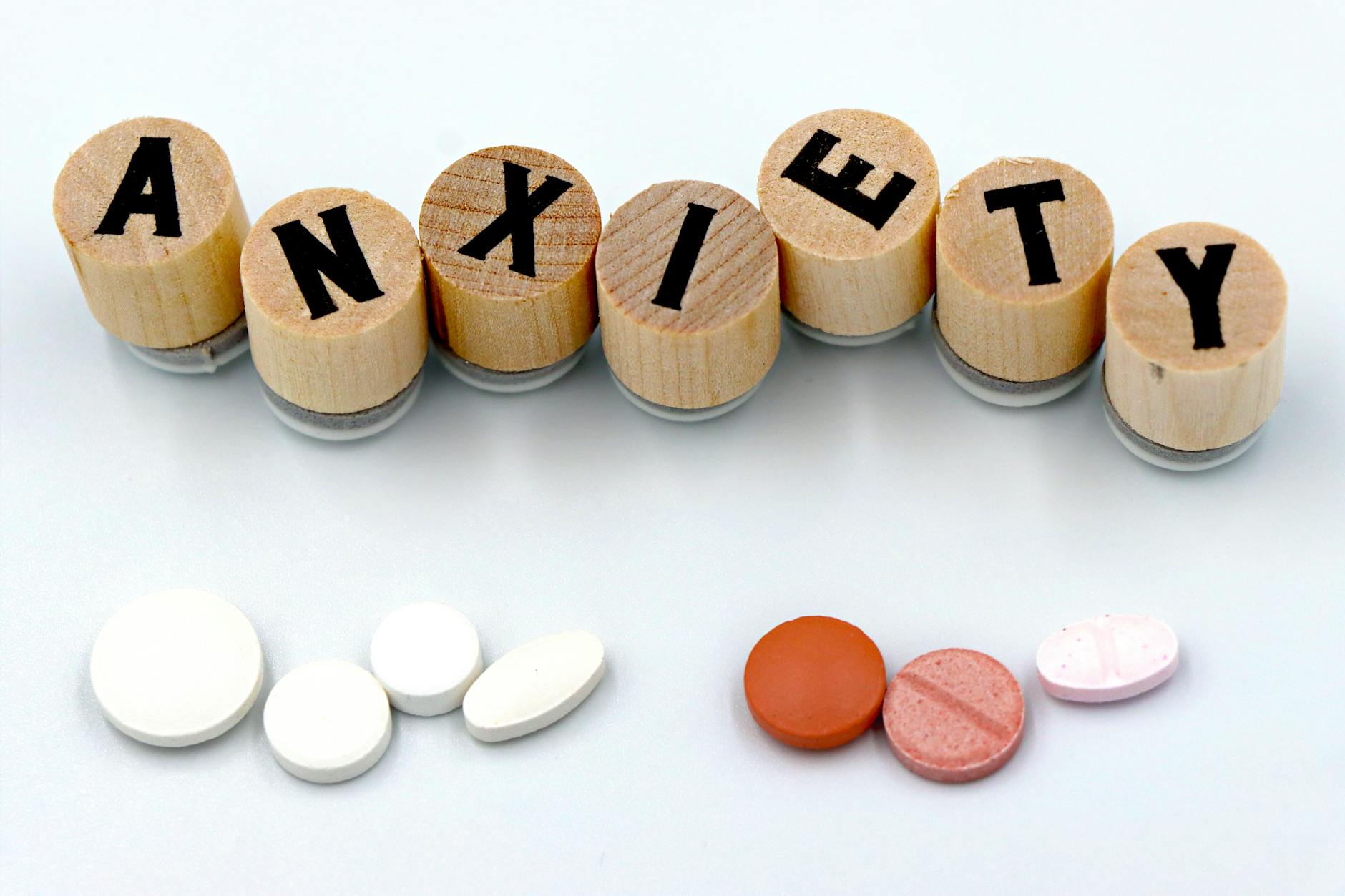
Caffeine is a well-established anxiogenic compound, meaning it reliably produces anxiety-like symptoms in the body by stimulating the same physiological pathways activated during a stress response. The release of cortisol and adrenaline triggered by caffeine creates sensations of heightened alertness that in excess can tip into racing thoughts, tension, and a persistent sense of unease. For individuals with pre-existing anxiety or elevated baseline cortisol, even modest amounts of caffeine can create a hormonal environment that amplifies these sensations. Research in psychiatry consistently identifies caffeine as a variable worth addressing in anxiety management, often before pharmaceutical interventions are considered. Recognizing a pattern of anxiety that fluctuates with coffee intake is one of the more direct signals that hormonal sensitivity to caffeine may be present.
Heart Palpitations

The sensation of a racing or irregular heartbeat following coffee consumption is a well-documented response to caffeine’s stimulating effect on the cardiovascular system and the hormones that regulate it. Adrenaline released in response to caffeine increases heart rate and heightens the electrical activity of the heart in ways that sensitive individuals may perceive as palpitations or a fluttering sensation in the chest. While these episodes are often benign, their frequency and intensity can signal that the adrenal response to caffeine is exaggerated in a way that warrants attention. Hormonal fluctuations related to the menstrual cycle, menopause, or thyroid dysfunction can amplify caffeine sensitivity and make palpitations more pronounced during specific life phases. Consulting a physician is advisable when palpitations are frequent or accompanied by dizziness or shortness of breath.
Skin Changes

The skin is often one of the first external indicators of hormonal imbalance, and shifts in coffee consumption can contribute to visible changes through multiple pathways. Elevated cortisol driven by caffeine increases sebum production and promotes inflammation, both of which are known contributors to acne and skin congestion particularly along the jawline and chin. Caffeine also has mild diuretic properties that can contribute to dehydration when intake is high and water consumption is not proportionally increased, resulting in dullness, fine lines, and reduced skin elasticity. Hormonal disruptions related to estrogen and progesterone imbalance, which caffeine can influence, are frequently associated with cyclical skin breakouts and uneven texture. Noticing consistent patterns between skin flare-ups and periods of increased coffee intake is worth tracking as part of a broader hormonal health assessment.
Hair Thinning

Hair follicles are sensitive to hormonal shifts, particularly those involving cortisol, androgens, and thyroid hormones, all of which can be influenced by caffeine over time. Elevated cortisol suppresses the hair growth cycle by pushing follicles into the resting phase prematurely, contributing to increased shedding and reduced density. In individuals with androgenic sensitivity, caffeine-driven hormonal changes may also amplify the effect of dihydrotestosterone on the scalp, accelerating a hereditary pattern of thinning. Thyroid disruptions associated with high caffeine intake can also contribute to diffuse hair loss that is often attributed to other causes before the dietary connection is explored. Hair thinning that coincides with periods of high stress and high coffee consumption is worth bringing to the attention of both a dermatologist and an endocrinologist.
Bone Density

Caffeine has been shown to moderately increase urinary calcium excretion, meaning that consistent high intake may contribute over time to a gradual reduction in calcium available for bone maintenance. This effect is most significant in individuals who already have low dietary calcium intake or who have risk factors for osteoporosis including low estrogen levels, a sedentary lifestyle, or a family history of bone loss. The interplay between cortisol and bone density is also relevant here, as chronically elevated cortisol directly inhibits bone-forming cells and reduces the absorption of calcium from the gut. Postmenopausal women and those with thyroid conditions are considered particularly vulnerable to the cumulative effects of caffeine on skeletal health. Ensuring adequate calcium and vitamin D intake alongside mindful caffeine consumption is a widely recommended preventive approach.
Blood Pressure Spikes

Caffeine causes a temporary but measurable increase in blood pressure by stimulating the adrenal glands to release adrenaline, which constricts blood vessels and increases the force of the heart’s contractions. In habitual drinkers some degree of tolerance to this effect develops, but in those who are hormonally sensitive or who have underlying cardiovascular risk factors the response can remain pronounced. Cortisol’s role in blood pressure regulation means that any dietary factor which chronically elevates this hormone can contribute to sustained hypertension over time rather than isolated spikes. Women experiencing perimenopause or menopause may find that their blood pressure response to caffeine becomes more noticeable as estrogen levels decline and vascular flexibility decreases. Monitoring blood pressure at different points in the day relative to coffee consumption provides useful data for identifying a hormonal connection.
Weight Fluctuations

Unexplained weight changes, particularly accumulation of fat around the abdomen, are one of the more common and frustrating signs of hormonal disruption, and caffeine’s influence on cortisol and insulin sensitivity can both contribute to this pattern. Cortisol promotes fat storage in visceral adipose tissue as a survival mechanism during perceived stress, and when caffeine repeatedly triggers this stress response the body may respond accordingly even in the absence of actual danger. Disrupted insulin sensitivity linked to caffeine consumption can cause erratic blood sugar that leads to hunger signals and cravings disproportionate to actual caloric need. Additionally, poor sleep quality driven by caffeine further disrupts hunger-regulating hormones including leptin and ghrelin, creating an environment where appetite control becomes more difficult. Addressing sleep quality and caffeine timing together often produces more meaningful results than dietary restriction alone.
Libido Changes

Libido is regulated by a constellation of hormones including testosterone, estrogen, progesterone, and cortisol, all of which can be affected by consistent high caffeine intake. When cortisol remains chronically elevated, the body deprioritizes reproductive hormone production in a response sometimes described in endocrinology as the cortisol-progesterone steal, where precursor hormones are diverted away from sex hormone production toward stress hormone synthesis. The resulting reduction in testosterone and progesterone can translate into noticeable decreases in sexual interest, arousal, and satisfaction that may seem unrelated to any dietary factor at first glance. Poor sleep quality compounded by caffeine’s melatonin-suppressing effect further reduces testosterone production, which primarily occurs during deep sleep phases. Considering libido as a hormonal barometer rather than purely a psychological or relational factor opens the door to more targeted and effective interventions.
Cycle Irregularity

Changes in menstrual cycle length, flow, or predictability are among the clearest signals that hormonal balance is being disrupted, and caffeine’s multi-pathway influence on the endocrine system makes it a meaningful variable to consider. Research has found associations between high caffeine intake and altered levels of sex hormones across the menstrual cycle, including fluctuations in estrogen and progesterone that affect cycle timing and symptom severity. The stress response triggered by caffeine can suppress the hypothalamic-pituitary-ovarian axis, which is the hormonal command chain governing ovulation and cycle regulation. Women who notice changes in cycle regularity following periods of increased coffee consumption have a straightforward experiment available to them in gradually reducing intake and observing the response. Discussing persistent menstrual irregularity with a gynecologist or endocrinologist ensures that caffeine-related factors are considered alongside other potential causes.
If any of these signs sound familiar, share your experience with coffee and hormonal health in the comments.




