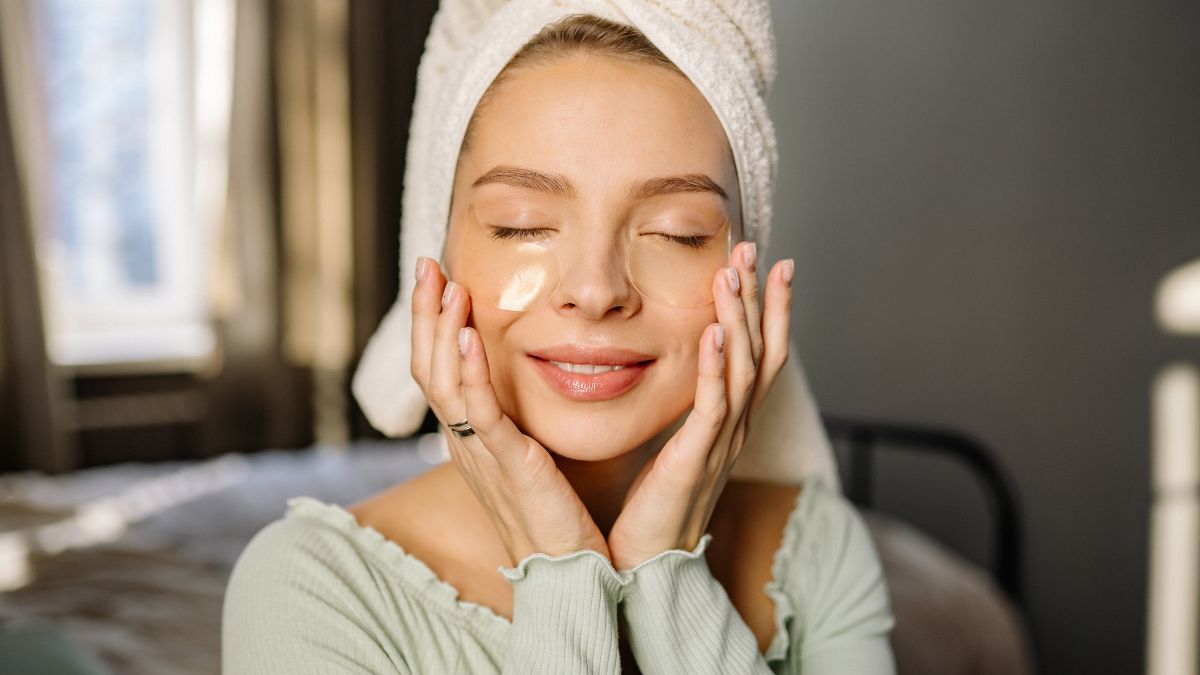
Dermatologists spend their careers advising patients on evidence-based skincare, but behind closed doors many of them quietly practice rituals that fall outside standard clinical recommendations. These are the habits they maintain with conviction yet rarely broadcast in consultations, perhaps because they resist easy explanation or sit in a gray zone between science and personal experimentation. From unconventional ingredient pairings to surprisingly low-tech approaches, their private routines reveal a more nuanced relationship with skincare than their professional messaging often suggests. What dermatologists do on their own skin tells a story worth paying attention to.
Ice Rolling

Many dermatologists begin their mornings by rolling a chilled jade or stainless steel tool across their face straight from the freezer. The cold temperature causes temporary vasoconstriction, which visibly reduces puffiness and tightens the appearance of pores within minutes. While dermatologists rarely prescribe this as a clinical treatment, the physiological response to cold is well understood and genuinely effective for short-term depuffing. The ritual also has a lymphatic drainage component when performed with deliberate upward strokes along the jaw and cheekbones. It is inexpensive, requires no active ingredients, and produces immediate visible results that practitioners quietly appreciate.
Slugging
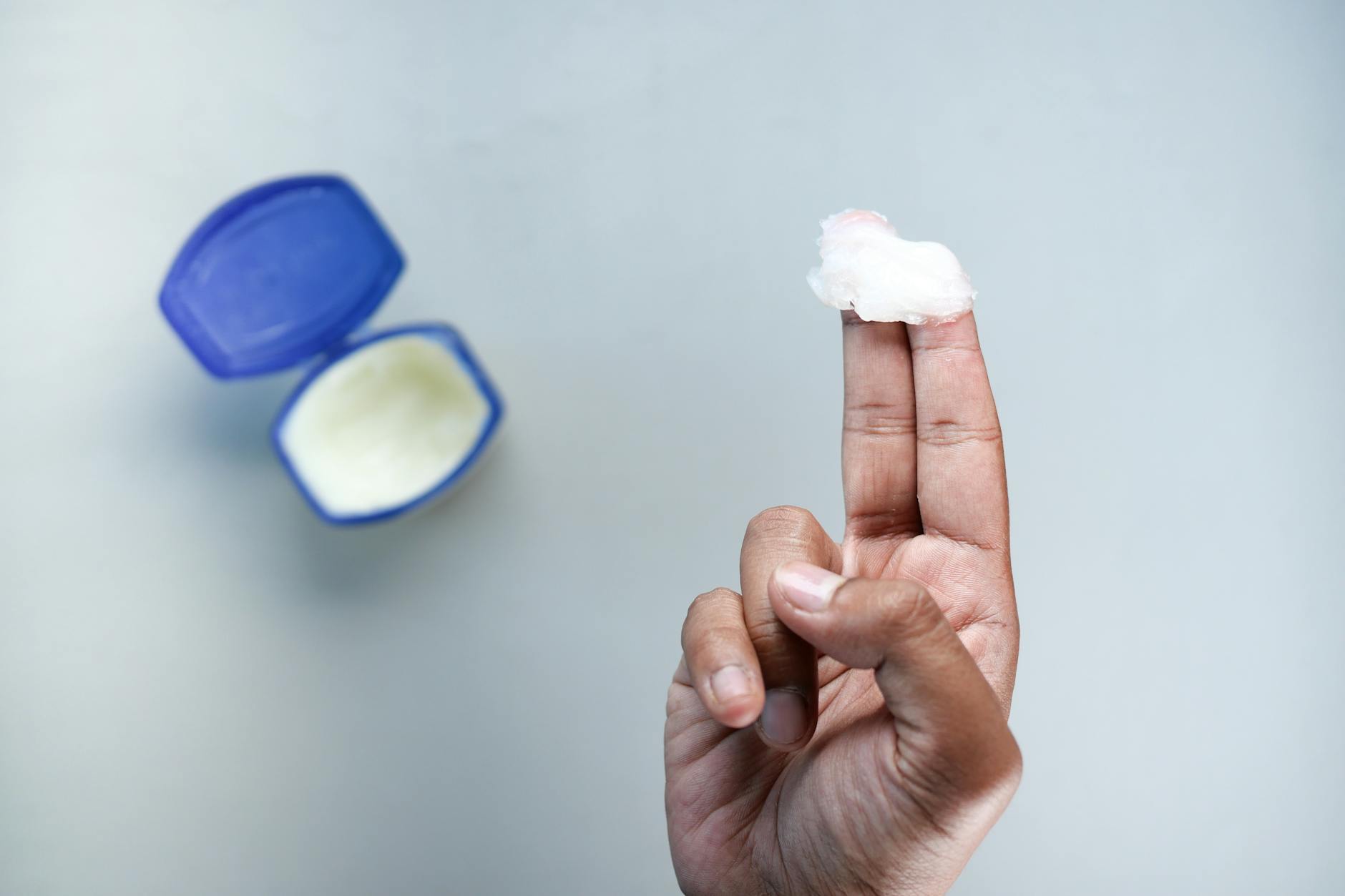
Slugging involves applying a thick layer of pure petroleum jelly as the final step of a nighttime skincare routine to lock in all preceding moisture. Dermatologists have long understood the occlusive science behind petrolatum, yet they seldom recommend it outright because patients tend to find the texture off-putting or associate it with old-fashioned medicine cabinet staples. Those who practice it regularly report dramatically softer skin and a significant reduction in transepidermal water loss overnight. The barrier it creates also protects skin from environmental irritants during the hours it is most vulnerable to dehydration. It works most effectively on skin that has already been treated with humectants like hyaluronic acid or glycerin.
Raw Honey Masking
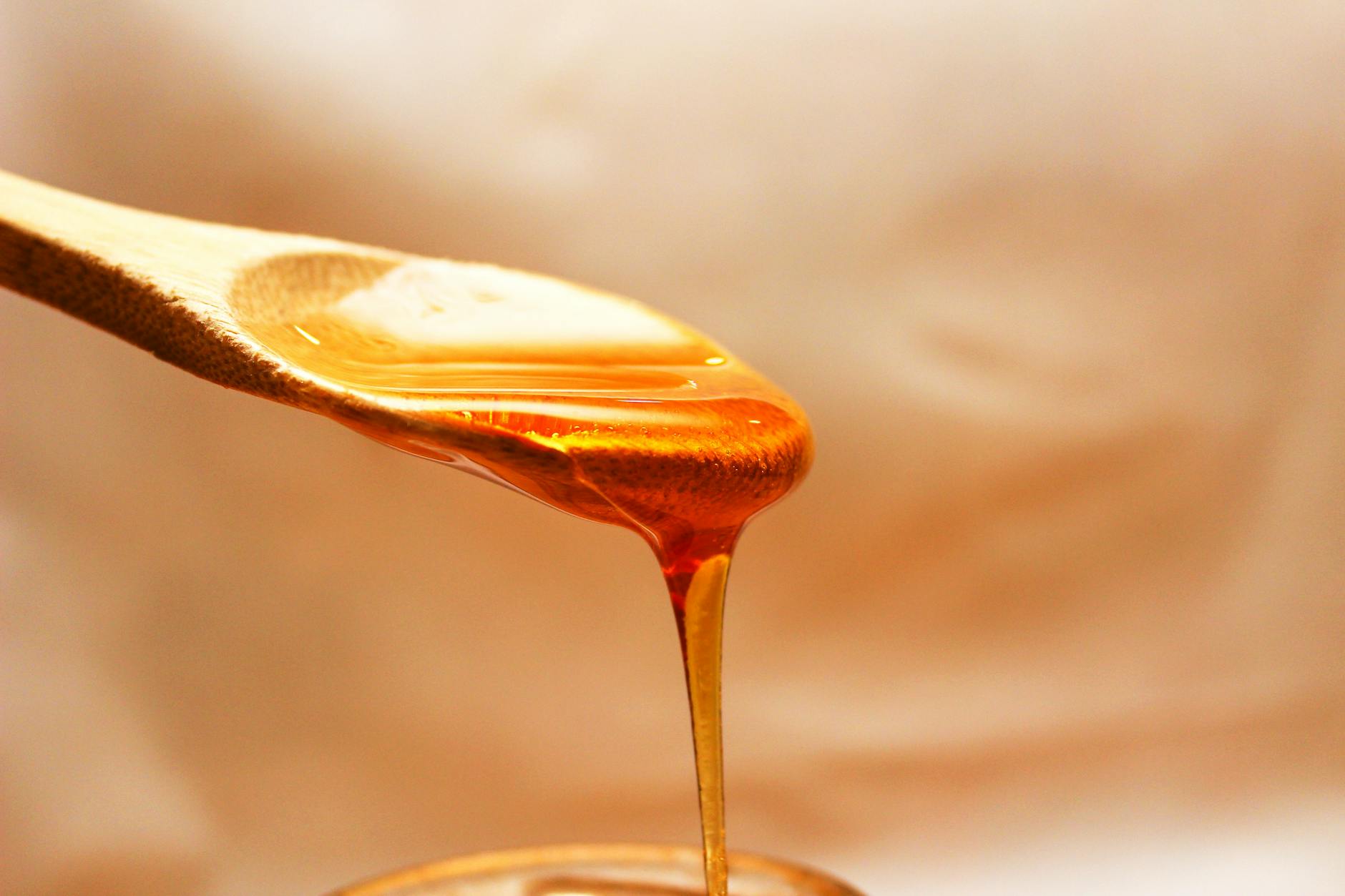
Some dermatologists apply raw unprocessed honey directly to their face and leave it on for twenty to thirty minutes before rinsing. Raw honey contains naturally occurring hydrogen peroxide at low levels along with antimicrobial compounds that have legitimate antibacterial properties documented in wound care literature. It also acts as a humectant by drawing moisture into the skin from the surrounding environment. Dermatologists who use it tend to do so quietly because recommending food-based skincare can undermine clinical credibility in a field that values formulated and tested products. The ritual is particularly popular among those who treat acne-prone skin and have found the gentleness of honey superior to harsher prescription alternatives for personal maintenance.
Niacinamide Layering
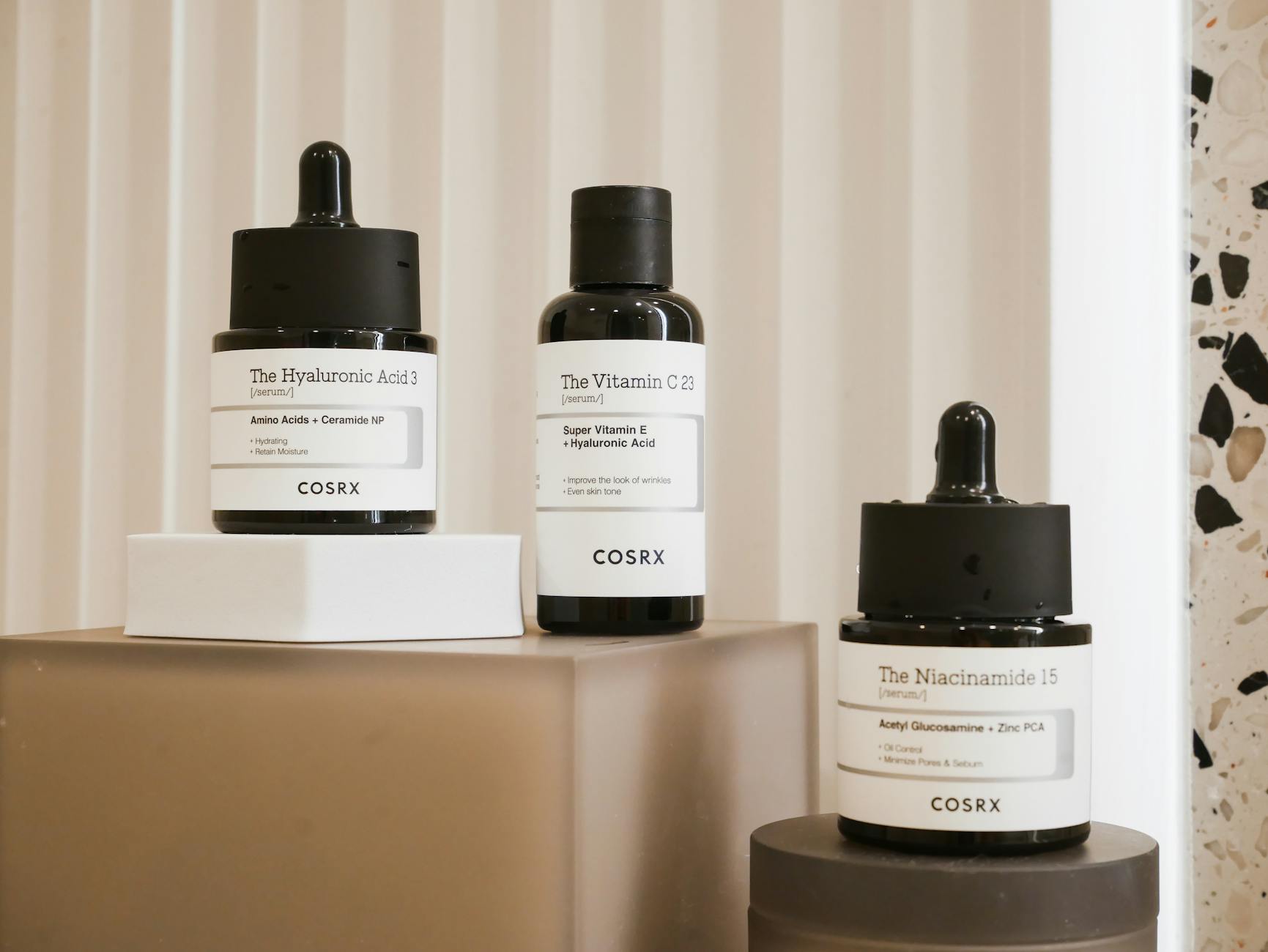
Rather than using a single niacinamide product, some dermatologists layer multiple formulations at different concentrations across their routine. This might involve a low-percentage niacinamide toner followed by a higher-percentage serum and a moisturizer that also contains the ingredient. Niacinamide is one of the most extensively studied skincare actives and is known to regulate sebum production, fade hyperpigmentation, and support the skin barrier simultaneously. The layering strategy allows for cumulative exposure without the irritation risk associated with high single-dose applications of more aggressive actives. Dermatologists tend to underplay this practice because explaining ingredient stacking to patients without creating confusion requires time that clinical appointments rarely allow.
Sunscreen Reapplication
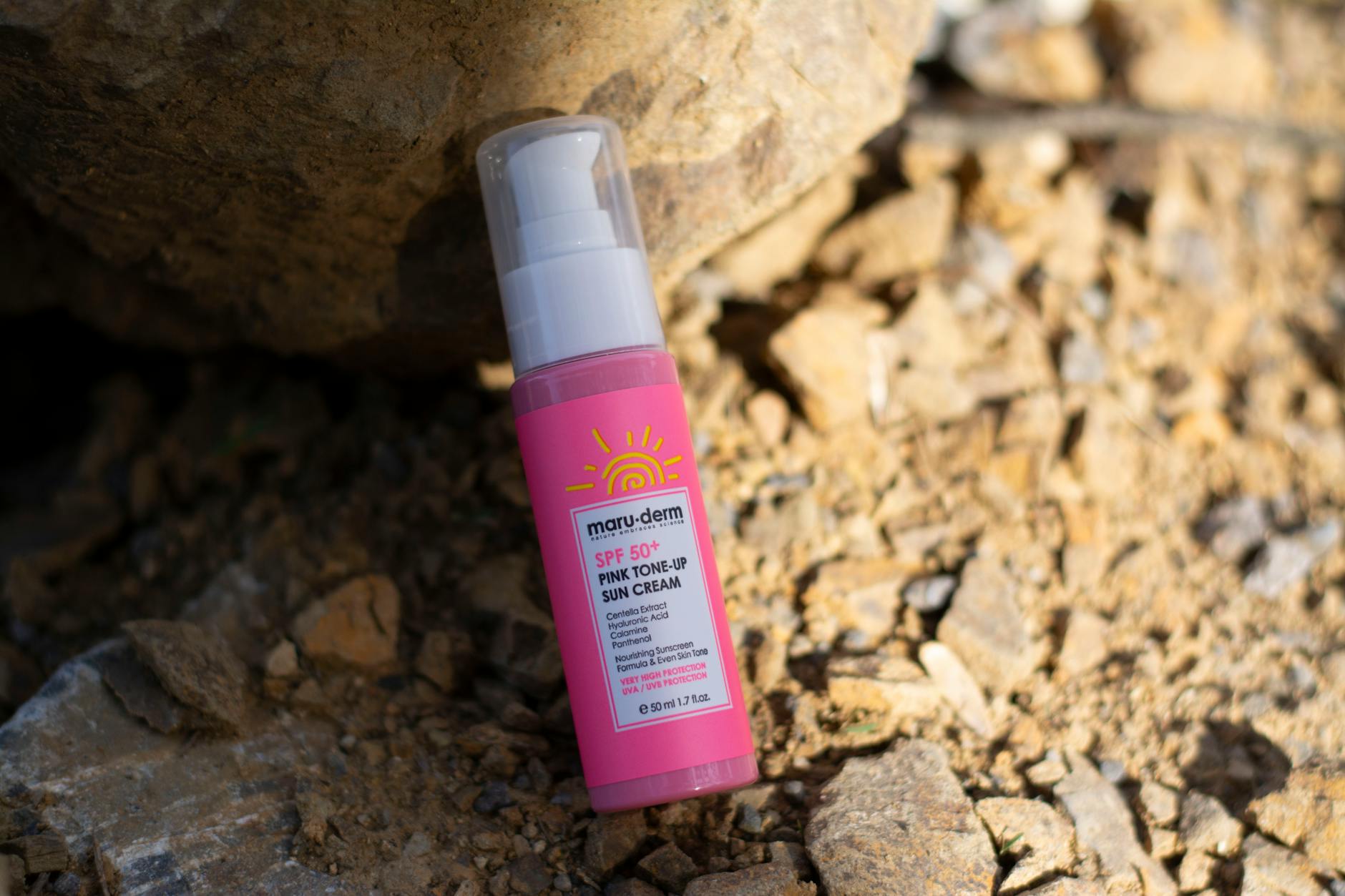
Many dermatologists reapply sunscreen every two hours throughout the day even when they are primarily indoors near windows or working under artificial lighting. UV-A radiation penetrates standard window glass and contributes to photoaging through cumulative low-level daily exposure that most patients underestimate. While dermatologists universally recommend morning sunscreen application, they rarely discuss the critical importance of reapplication with equal emphasis during patient consultations. Those who are most rigorous about their own photoprotection tend to carry a powder or mist sunscreen for touch-ups that do not disturb makeup. The habit reflects a level of discipline around UV exposure that exceeds what they typically feel comfortable prescribing to patients who already struggle with once-daily application.
Skin Fasting
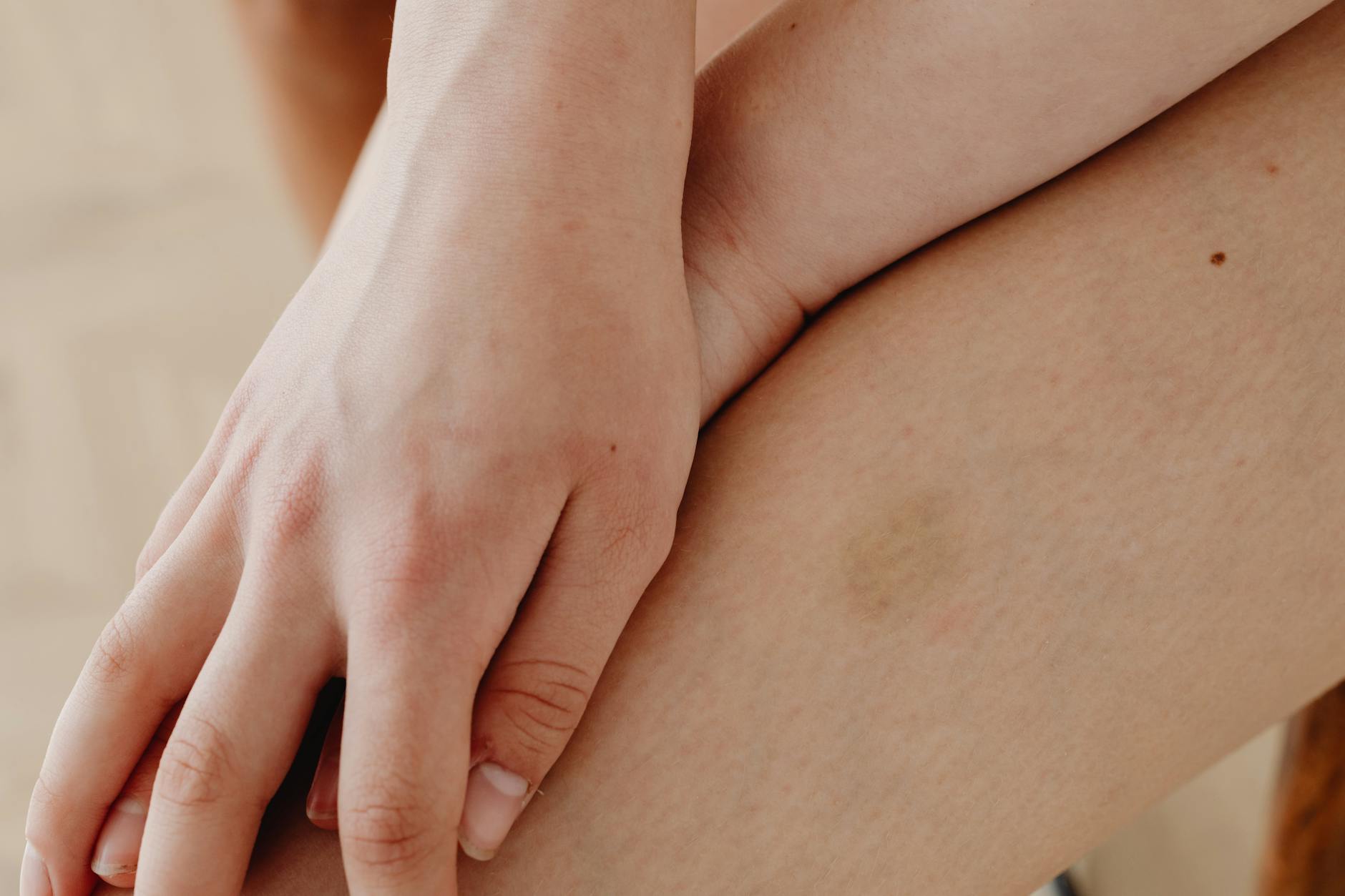
Certain dermatologists periodically strip their routine back to nothing for several days at a time, using only water to cleanse and applying no products whatsoever. The theory behind this practice centers on allowing the skin’s microbiome to rebalance and its natural lipid production to normalize after periods of heavy product use. It is particularly practiced after holidays or conference travel when skin has been exposed to unusual climates, stress hormones, and excessive product layering. Dermatologists tend to downplay this practice professionally because recommending that patients stop using prescribed treatments even temporarily carries clinical liability. Those who observe skin fasting personally report that their complexion often clarifies and becomes less reactive in the days that follow.
Gua Sha

Gua sha is an ancient East Asian practice involving a flat polished stone tool being pressed and dragged across the face in deliberate upward motions to stimulate circulation. Dermatologists who use it privately acknowledge that the technique encourages lymphatic drainage and can temporarily sculpt the appearance of the jawline and cheekbones through mechanical manipulation of soft tissue. The practice has deep roots in traditional Chinese medicine and has experienced a significant revival in modern wellness culture over the past decade. Clinical dermatology tends to keep it at arm’s length because the evidence base does not meet the standards required for formal recommendation. Practitioners who use it personally tend to frame it as a self-care ritual rather than a treatment when colleagues inquire.
Tret Micro-Dosing
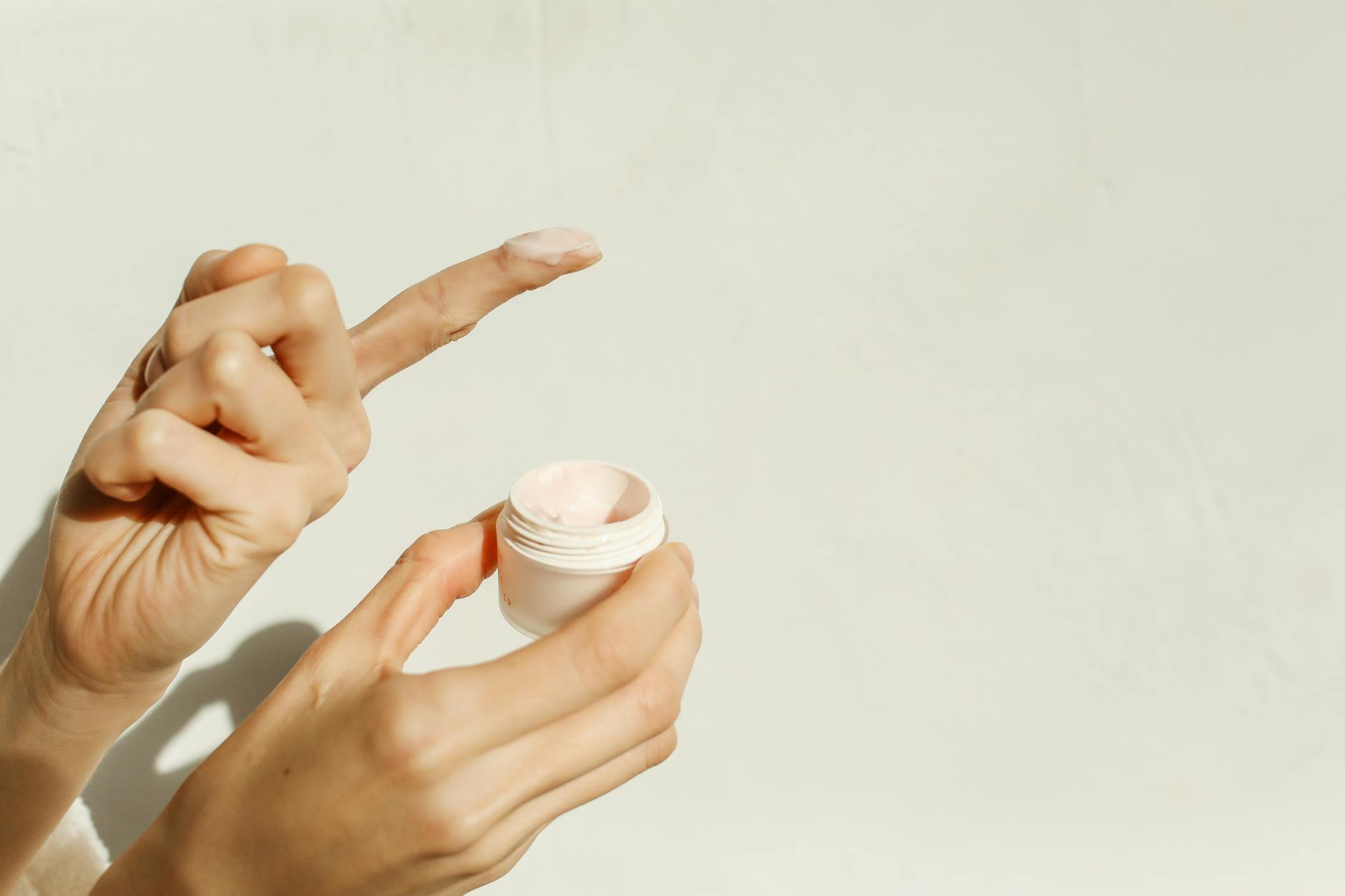
Rather than applying retinoid treatments as prescribed, some dermatologists micro-dose tretinoin by using an extremely small amount blended into their moisturizer to reduce irritation while maintaining long-term efficacy. Tretinoin is the most clinically validated topical retinoid for anti-aging and acne, but its irritation potential causes many patients to abandon it prematurely. By diluting the concentration through mixing, dermatologists create a gentler delivery system that allows for nightly use without the peeling and redness that drive discontinuation. This practice is almost never formally recommended because it deviates from standard prescribing instructions and could complicate dosage accountability in a clinical setting. Those who micro-dose report sustained long-term tolerance and skin improvement without the disruption period associated with standard application protocols.
Breast Milk

A small number of dermatologists who have been nursing mothers report experimenting with applying breast milk topically to reactive or inflamed skin. Breast milk contains immunoglobulins, lauric acid, and epidermal growth factor among other bioactive compounds that are known to have anti-inflammatory and antimicrobial properties in clinical contexts. The practice is extraordinarily niche and largely anecdotal even within dermatological communities, but those who have tried it often describe a calming effect on irritated or compromised skin. It is never formally recommended and rarely admitted to publicly because the clinical evidence for topical application is essentially nonexistent. The willingness to experiment with it reflects a broader pattern among dermatologists who treat their own skin as a low-stakes testing ground for curiosity-driven hypotheses.
Chlorophyll Drops
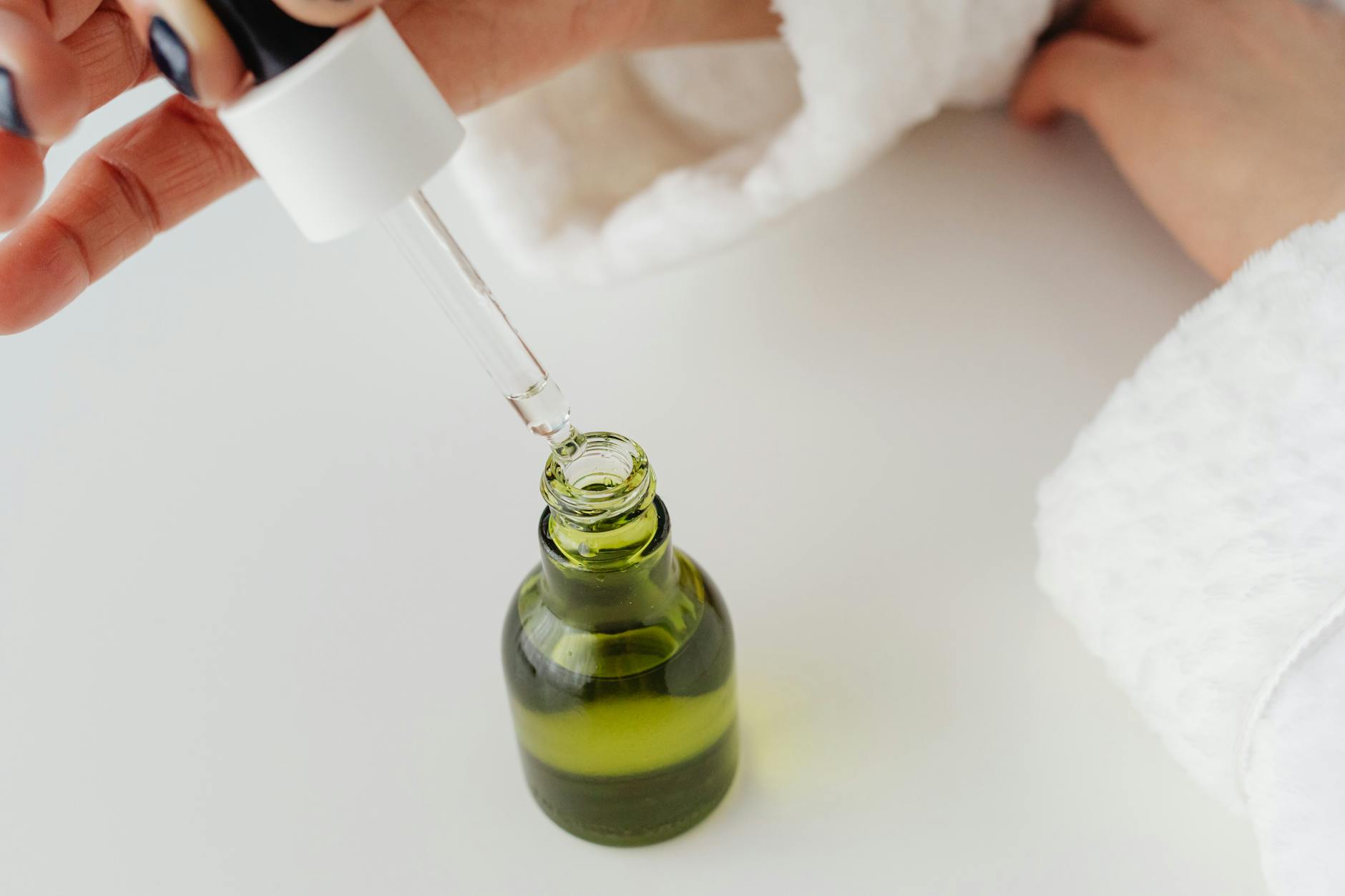
Some dermatologists add liquid chlorophyll drops to their water and credit the habit with improvements in skin clarity and reduction of inflammatory breakouts. Chlorophyll is a potent antioxidant and has demonstrated some antibacterial properties in early research contexts, though robust clinical trials for skin benefit through oral consumption remain limited. The trend gained significant traction in wellness communities and dermatologists who engage with it tend to appreciate the antioxidant rationale even while acknowledging the evidence is preliminary. It is rarely brought up in professional consultations because recommending supplements that lack rigorous skin-specific trial data sits uncomfortably within evidence-based medicine frameworks. Those who use it regularly report it as a low-risk addition to hydration habits with observable if unproven skin benefits.
Facial Acupuncture
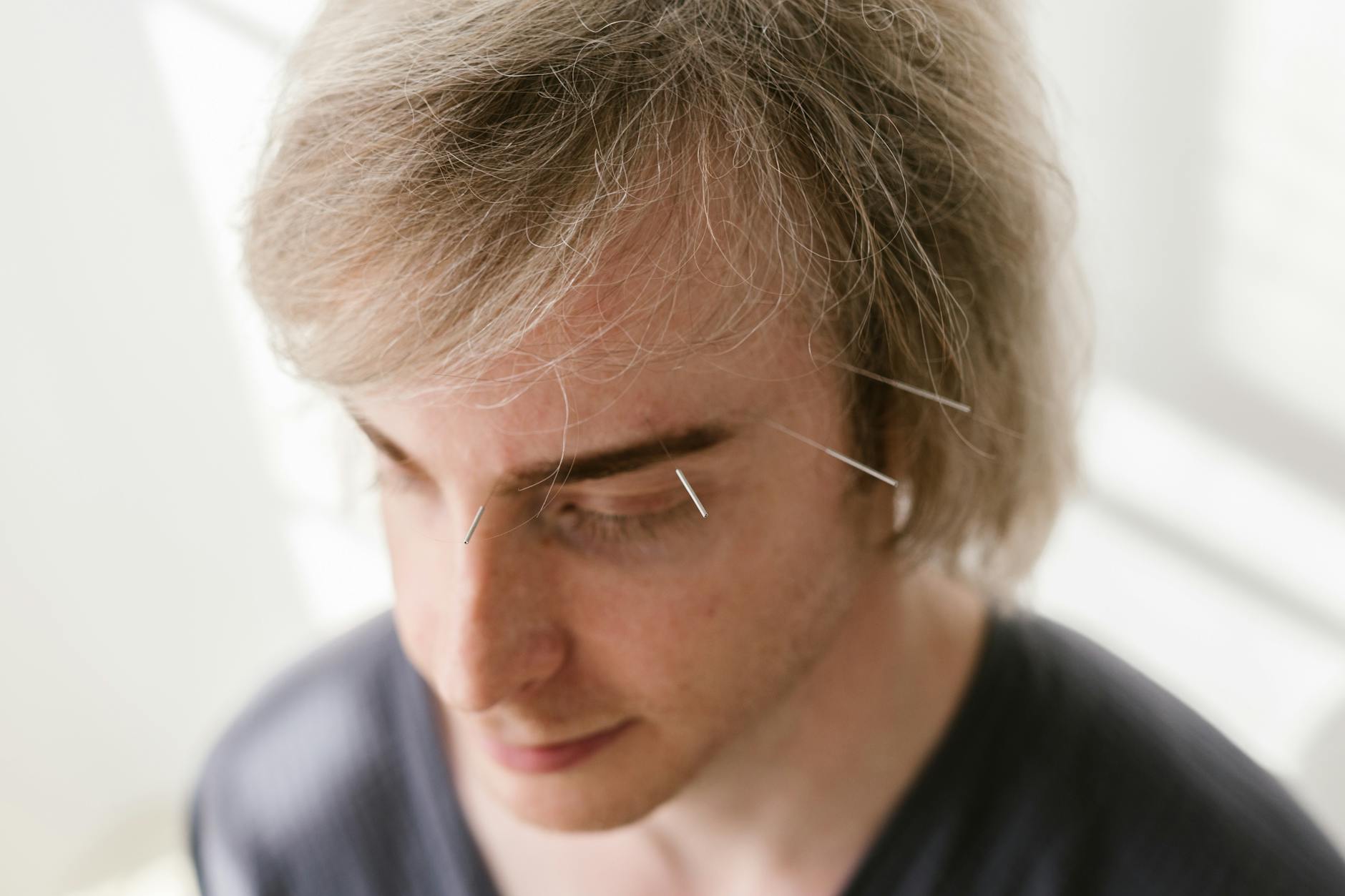
A subset of dermatologists seek out facial acupuncture as a complement to their conventional skincare routines, visiting practitioners outside their own specialty for the treatment. The technique involves inserting fine needles at specific points believed to stimulate collagen production, improve circulation, and address muscle tension that contributes to expression lines. Some dermatologists appreciate the controlled micro-injury mechanism which parallels the logic behind their own clinical treatments like microneedling. The practice is downplayed professionally because endorsing non-dermatological practitioners to patients can be seen as stepping outside scope and risks directing patients toward providers without skin-specific training. Those who attend sessions privately tend to cite stress reduction as an equally valued component alongside any aesthetic benefit.
Oil Cleansing
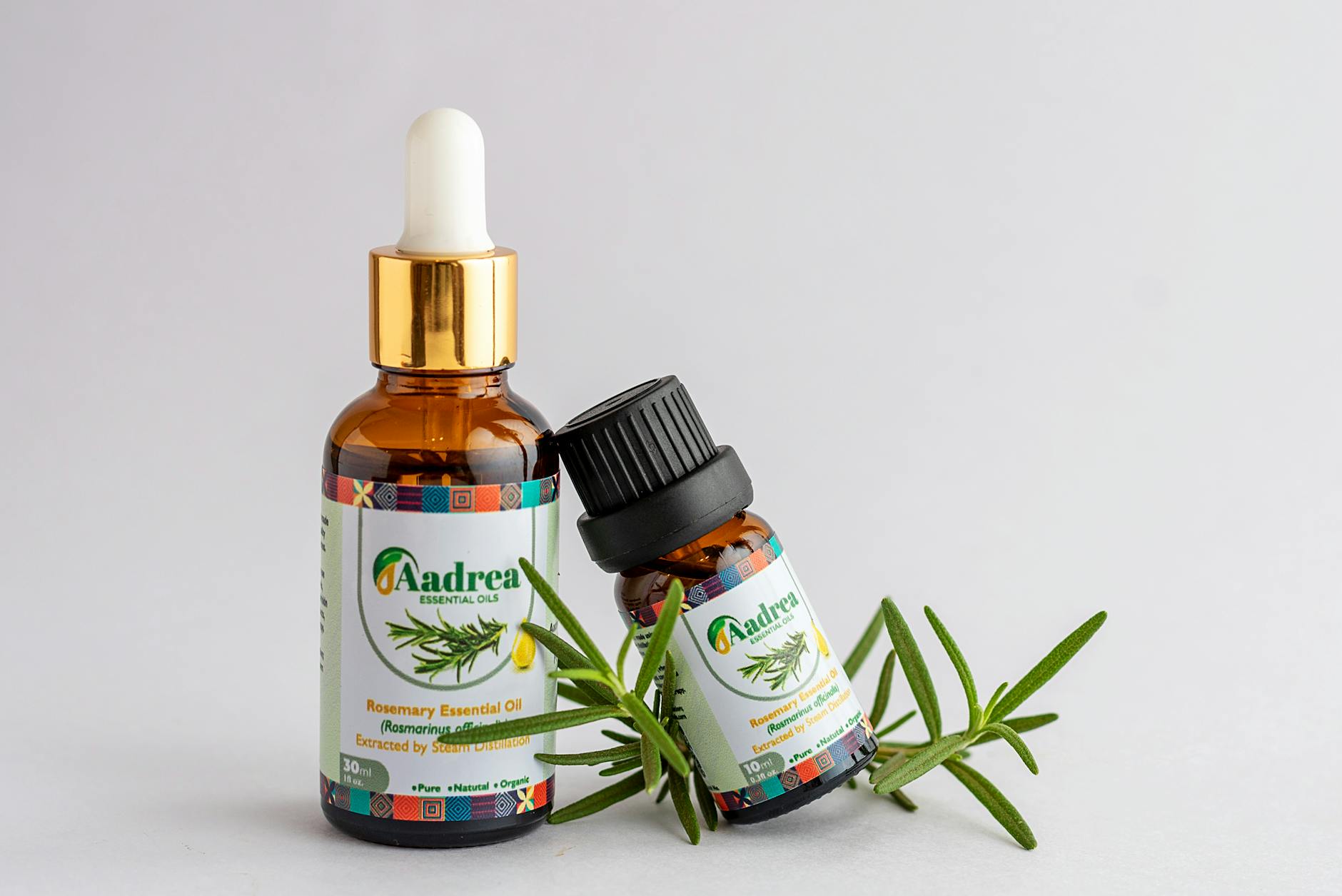
Many dermatologists cleanse their face with pure plant oils rather than conventional foaming or gel cleansers, relying on the principle that oil dissolves oil to break down sebum and sunscreen effectively. Oils such as jojoba, squalane, and marula are commonly used by practitioners who find traditional cleansers too stripping for daily use, particularly in the evening. The oil cleansing method preserves the skin’s natural lipid barrier in a way that surfactant-heavy formulas often cannot, and dermatologists with dry or sensitive skin frequently find the results superior. It is not commonly recommended in clinical settings because the variability in individual skin response to different oils makes blanket guidance unreliable. Dermatologists who practice it personally tend to have refined their specific oil choice through years of personal trial rather than following a standardized protocol.
Sleep Taping
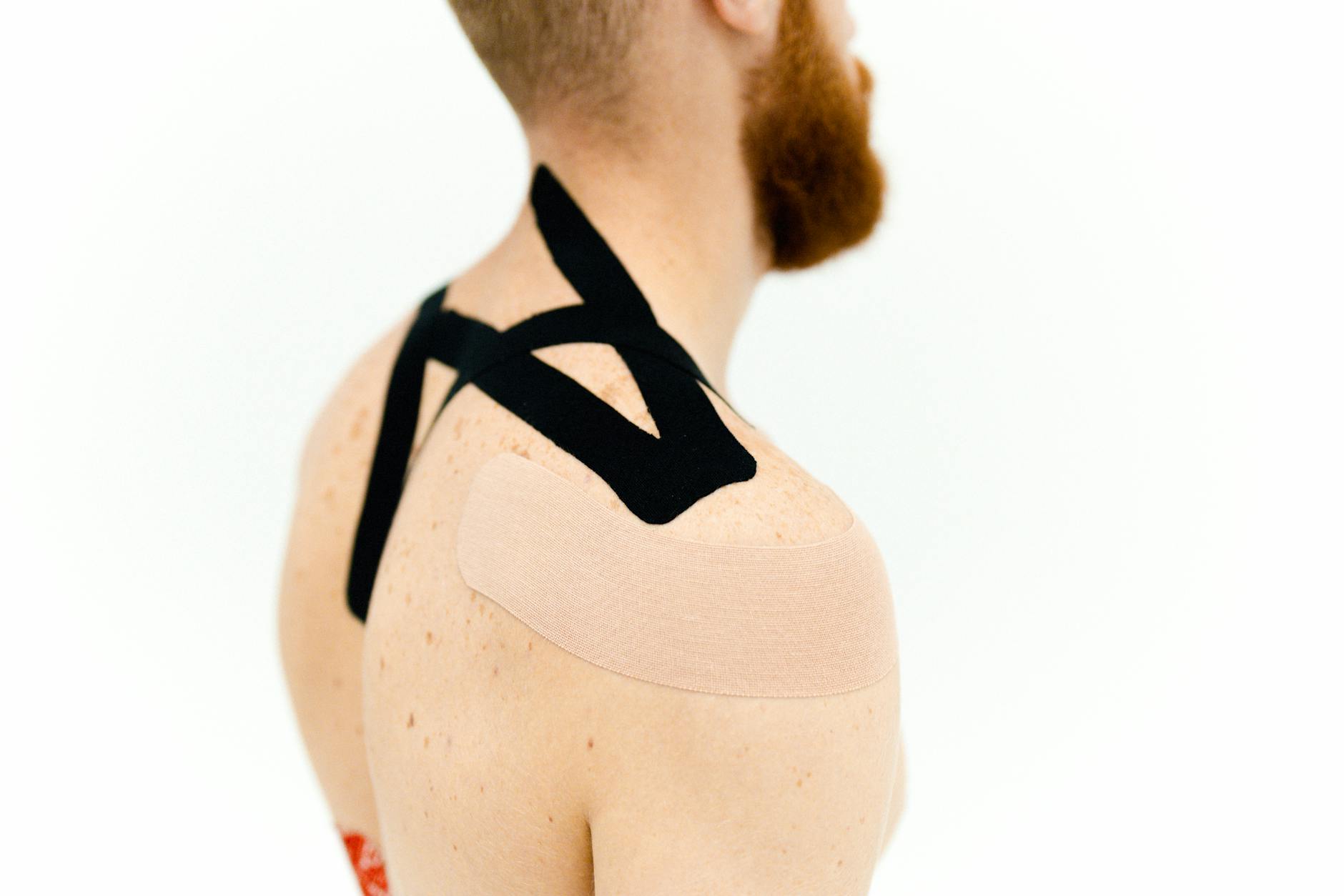
Some dermatologists apply medical-grade tape or silicone patches to areas prone to sleep creases such as the chest, forehead, or space between the brows before bed. The tape physically restricts facial movement and prevents the mechanical folding of skin that occurs during sleep, which over years contributes to permanent line formation in predictable locations. It is one of the more eccentric-looking habits in any practitioner’s nighttime routine and is almost universally omitted from patient discussions for that reason alone. The science behind sleep position and crease formation is well established in dermatological literature even if the taping solution remains on the fringes of mainstream recommendation. Practitioners who use it tend to treat it as an extension of their broader commitment to prevention-first skincare philosophy.
DIY Fermented Toners

Certain dermatologists ferment their own toners at home using ingredients like rice water or green tea left to culture over several days before being strained and applied to the skin. Fermented skincare has a legitimate scientific basis rooted in the skin microbiome research that has grown substantially over the past decade. The fermentation process produces postbiotics including lactic acid and short-chain fatty acids that support barrier function and can have gentle exfoliating effects. Dermatologists who engage in DIY fermentation at home do so with a level of scientific literacy that makes the process reasonably controlled even if it lacks standardization. The practice is rarely discussed professionally because recommending homemade skincare to patients creates liability concerns and opens conversations that are difficult to manage within a clinical framework.
Cold Shower Finishing

Many dermatologists end their daily shower with a thirty to sixty second blast of cold water directed at the face and body before stepping out. The cold exposure triggers a vascular response that temporarily strengthens capillary resilience and stimulates circulation across the skin surface. Regular cold finishing is also associated with reduced systemic inflammation and improved autonomic nervous system regulation, both of which have downstream effects on skin health. The habit is downplayed in dermatological consultations primarily because cold shower protocols are associated with wellness culture rather than clinical medicine and practitioners are cautious about blurring those lines. Those who maintain the habit consistently cite noticeably improved skin tone and a reduction in baseline redness as the outcomes they value most.
Which of these behind-the-scenes rituals surprised you the most? Share your thoughts in the comments.




