Veterinary toxicologists, emergency animal care specialists, and pet safety researchers have identified the household cabinet space beneath the kitchen and bathroom sink as one of the most consistently dangerous environments in any home that shares its space with companion animals. The combination of chemical storage convenience, inadequate containment, curious animal behavior, and owner unawareness creates a toxicological risk landscape that the American Society for the Prevention of Cruelty to Animals poison control center and equivalent organizations in other countries document through tens of thousands of annual emergency calls, a significant proportion of which trace back to substances stored in exactly this location. The danger is compounded by the chronic low-dose exposure dynamic, in which animals who do not consume products directly are nonetheless affected by residues on paws, vapors in enclosed spaces, and secondary contact with treated surfaces that their owners have not recognized as a route of exposure. The following substances represent the most comprehensively documented hazards identified by veterinary professionals across companion animal medicine.
Bleach Products
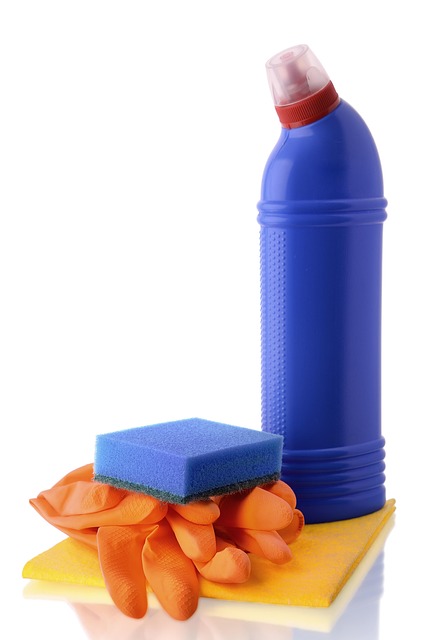
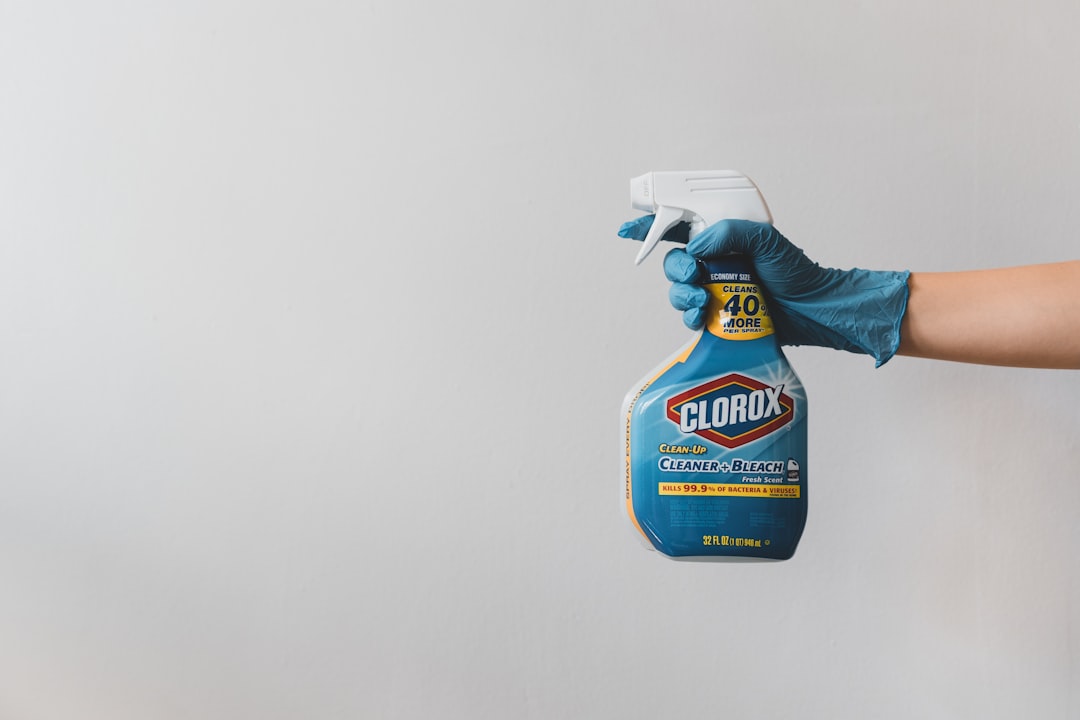
Sodium hypochlorite in household bleach concentrations is a respiratory and gastrointestinal irritant that affects cats and dogs through multiple simultaneous exposure routes including vapor inhalation in enclosed spaces, paw contact with treated surfaces, and direct ingestion from accessible containers. Veterinary toxicologists note that cats are particularly vulnerable because their grooming behavior converts paw surface contact into oral ingestion with a reliability and frequency that effectively makes any surface exposure a potential ingestion event. Emergency veterinary case records consistently show that bleach exposure symptoms including drooling, vomiting, lethargy, and respiratory distress are among the most commonly reported toxicological presentations in companion animal emergency medicine. The concentration of vapors in the enclosed under-sink cabinet space creates a chronic low-level inhalation exposure for animals who investigate the cabinet regularly that operates independently of any direct product contact.
Drain Cleaners
Chemical drain clearing products containing sodium hydroxide or sulfuric acid in concentrations sufficient to dissolve organic blockages represent some of the most caustic substances routinely stored in household environments and are identified by veterinary emergency specialists as capable of causing severe chemical burns to oral, esophageal, and gastric tissue within seconds of contact. The viscous gel formulations of many modern drain cleaners are particularly dangerous because their consistency allows them to adhere to tissue surfaces and continue their caustic action for extended periods after initial contact, a property that maximizes tissue damage in animals who investigate spilled product or lick contaminated surfaces. Veterinary toxicology case studies document drain cleaner exposures as among the most rapidly progressing and treatment-resistant toxic presentations in companion animal medicine. The storage of these products in leaking or poorly sealed containers under the sink creates a surface contamination risk that extends well beyond the container itself to include the cabinet floor, adjacent surfaces, and any object or animal that contacts the area.
Dishwasher Pods
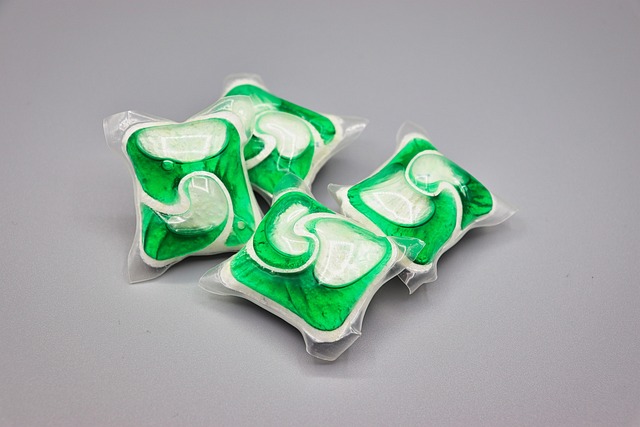
Concentrated dishwasher detergent pods present a specific toxicological hazard profile that differs significantly from liquid detergent because their solid, colorful, and textured exterior is particularly attractive to investigating animals while their concentrated polyvinyl alcohol membrane contains multiple chemical agents at significantly higher concentrations than equivalent liquid products. Veterinary poison control specialists have documented a substantial increase in pod-specific ingestion cases coinciding with the product category’s market growth, with cases involving dogs who have located pods stored in accessible under-sink locations representing a significant proportion of reported incidents. The surfactant concentration in dishwasher pods is sufficient to cause severe gastrointestinal irritation, vomiting, and systemic effects that differ qualitatively from exposure to diluted dishwasher liquids. The tendency of animals to puncture rather than fully ingest pods means that the concentrated contents are often released directly into the oral cavity, maximizing mucosal contact with the undiluted chemical mixture.
Furniture Polish
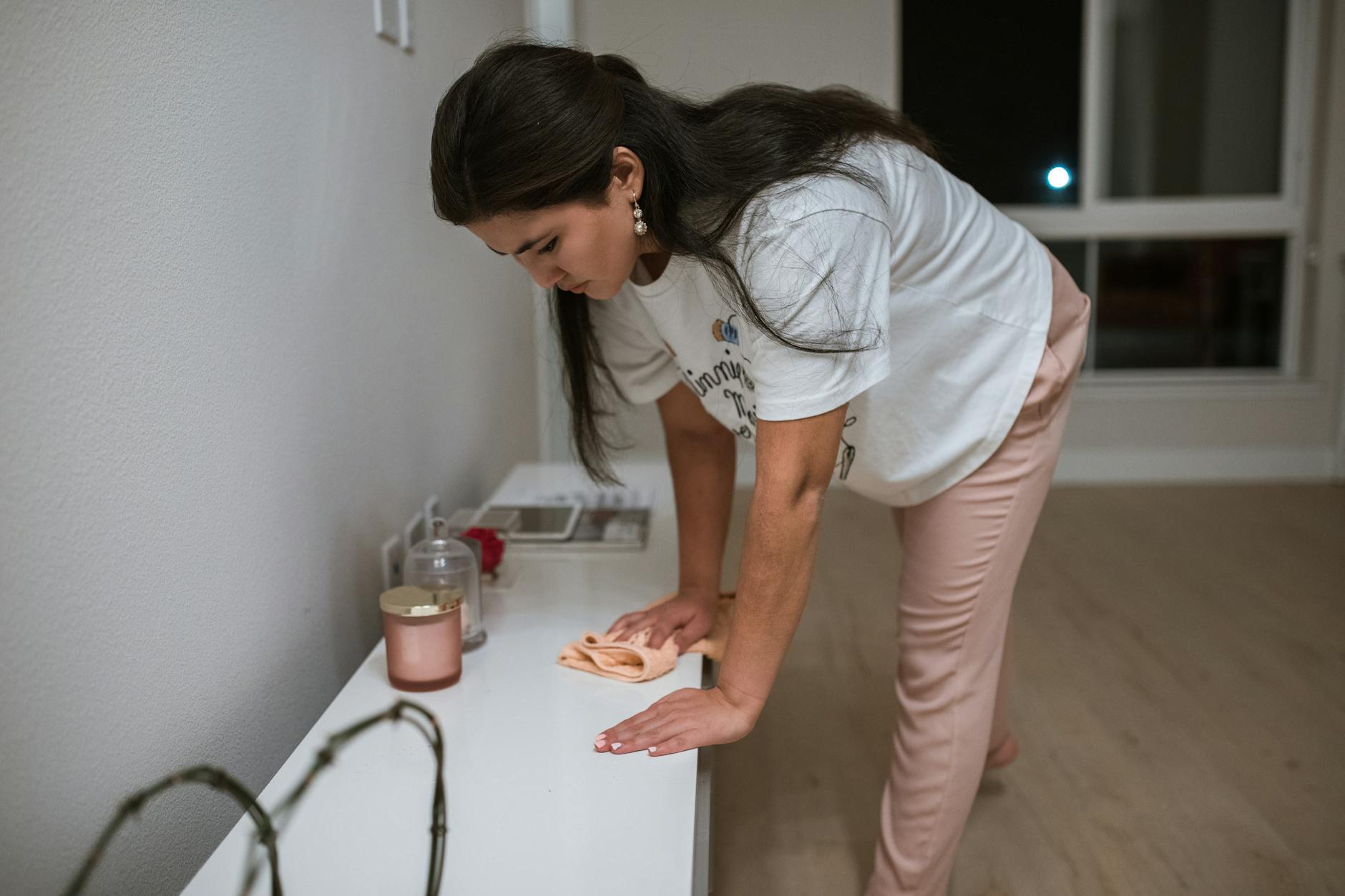
Hydrocarbon-based furniture polishes and wood treatment products contain petroleum distillates that veterinary toxicologists identify as particularly dangerous because of their tendency to cause aspiration pneumonia when ingested, a life-threatening condition that develops when petroleum compounds enter the respiratory tract during swallowing or vomiting rather than remaining confined to the gastrointestinal system. The pleasant fragrance profiles of many furniture polish products, designed to make them appealing for human use, can inadvertently attract animal investigation, and the aerosol and spray residues that settle on under-sink cabinet surfaces after use create chronic contact exposure for animals who regularly access the storage space. Veterinary respiratory specialists note that hydrocarbon aspiration pneumonia progresses rapidly and can be fatal within hours of significant exposure, making rapid veterinary response critical for animals showing respiratory symptoms following furniture polish contact. The oil-based residues left by these products on cabinet surfaces persist significantly longer than water-based product residues and continue to represent a contact exposure risk long after the application event.
Ant and Roach Killers
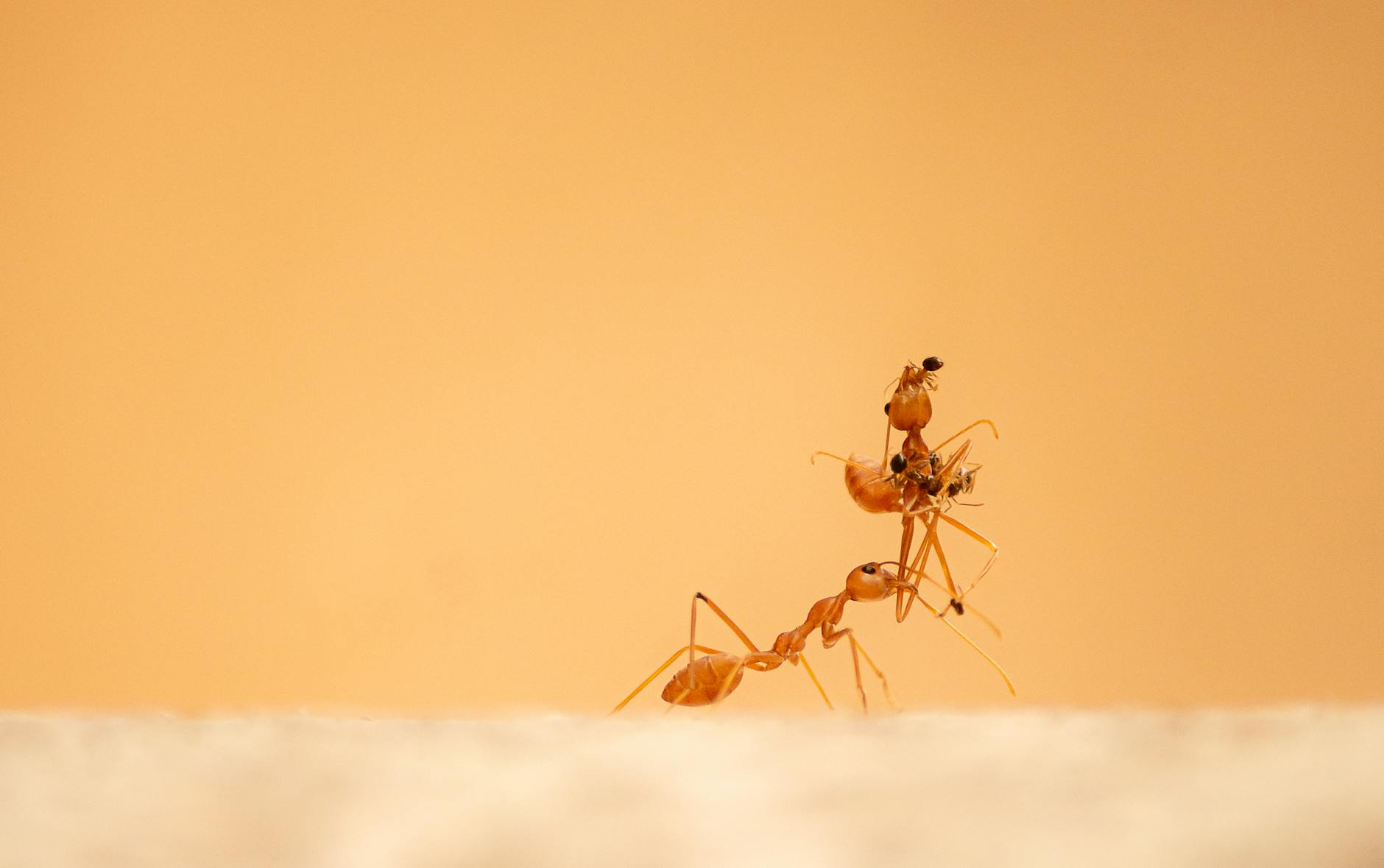
Insecticidal products formulated for household pest control contain active compounds including pyrethroids, organophosphates, and boric acid at concentrations calibrated for arthropod toxicity that nonetheless produce significant mammalian effects, particularly in cats whose hepatic enzyme deficiency severely limits their capacity to metabolize pyrethroid compounds that dogs and humans process with relative efficiency. Veterinary toxicology researchers consistently identify pyrethroid sensitivity in cats as one of the most important and least understood risk factors in household pesticide storage, noting that product formulations considered safe for use around dogs may cause severe neurological effects in cats exposed through the same routes at equivalent doses. Under-sink pesticide storage creates a chronic low-level exposure through container seepage, aerosol residue settling, and bait station access that operates continuously rather than episodically in homes where pets have regular cabinet access. The delay between pyrethroid exposure and symptom onset in cats, which can extend from minutes to several hours depending on exposure level and route, frequently prevents owners from connecting the neurological symptoms they observe with a cabinet investigation that occurred hours earlier.
Mold and Mildew Removers
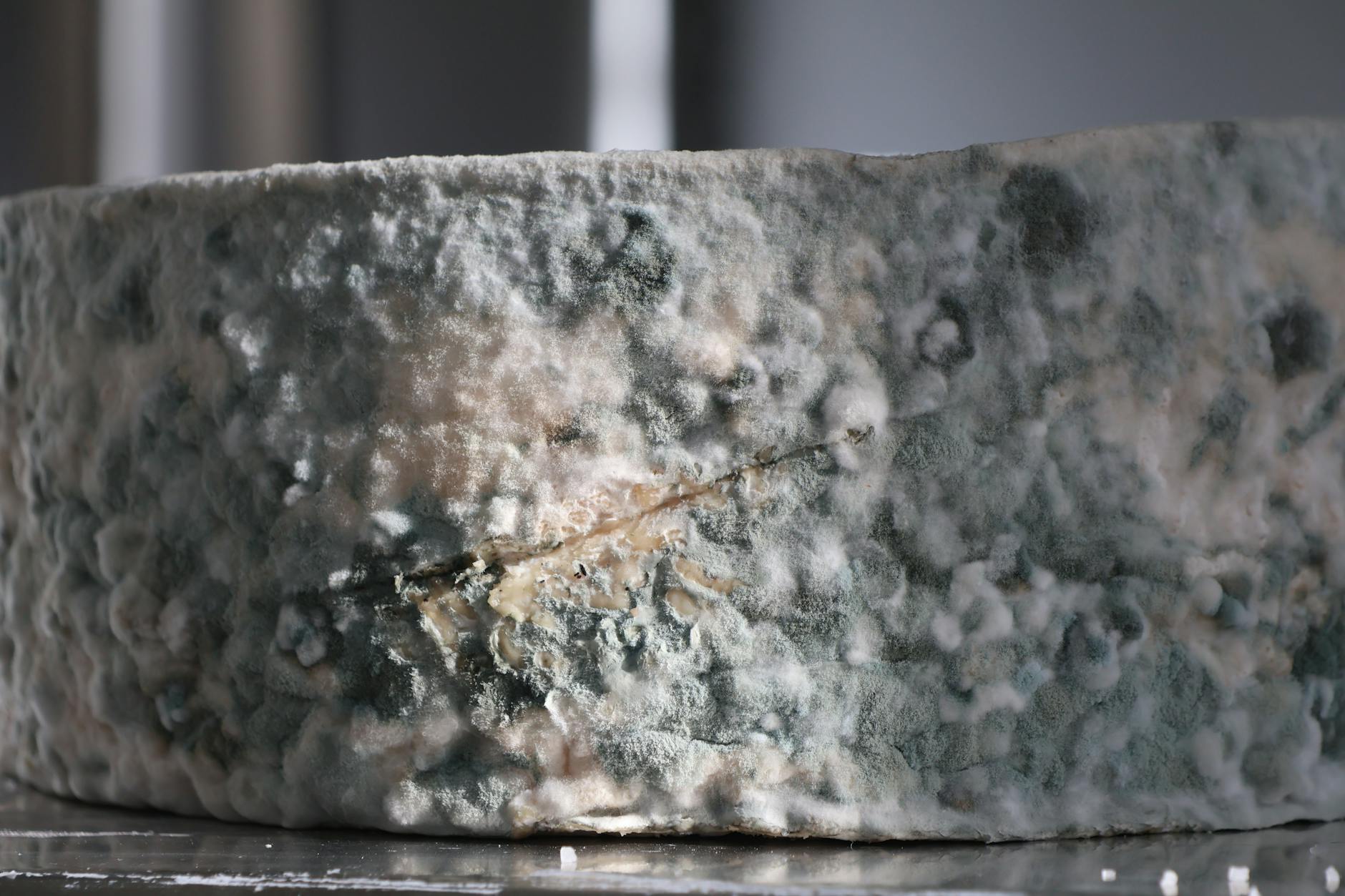
Quaternary ammonium compounds and chlorine-based active ingredients in mold and mildew removal products create both immediate and chronic toxicological risks for companion animals through mechanisms that include direct mucosal irritation, respiratory sensitization from volatile compound inhalation, and systemic effects from repeated low-level contact with treated surfaces. Veterinary dermatologists who study contact dermatitis in companion animals note that quaternary ammonium compounds are among the most common chemical causes of paw pad irritation and oral mucosal inflammation in dogs and cats whose contact with bathroom surfaces follows the application of mold removal products. The bathroom under-sink environment where these products are most commonly stored coincides with the bathroom surfaces most frequently treated with them, creating a spatial overlap between chemical storage and chemical application residue that maximizes the probability of animal contact. Respiratory veterinary specialists identify the volatile organic compounds released by chlorine-based mold removers in enclosed bathroom spaces as a source of chronic respiratory inflammation in companion animals who spend significant time in those environments.
Ammonia Cleaners
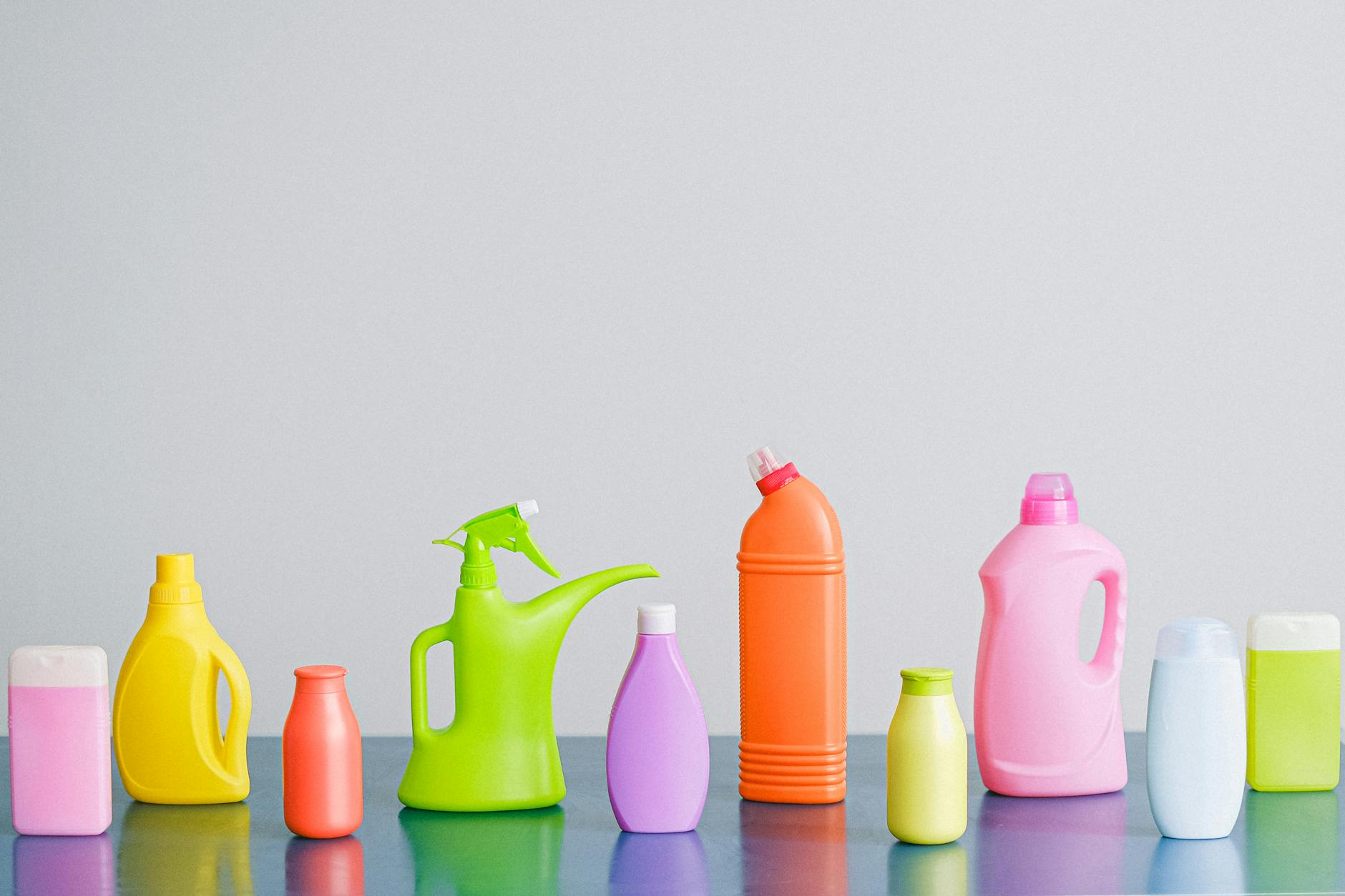
Household cleaning products containing ammonia present a dual inhalation and ingestion risk that veterinary toxicologists particularly associate with cats because the pungent odor of ammonia mimics certain biological scents that trigger investigative behavior in feline olfactory processing, potentially increasing the probability of direct sniffing contact with containers or treated surfaces. Ammonia vapor at concentrations well below those detectable by humans causes significant respiratory tract irritation in companion animals whose smaller lung volume and higher respiratory rate create proportionally greater vapor exposure relative to body mass than humans experience in the same environment. Veterinary ophthalmologists note that ammonia exposure through direct contact or high-concentration vapor is a documented cause of corneal and conjunctival irritation in companion animals and that ocular symptoms following cleaning product use are among the more commonly underdiagnosed secondary exposure presentations in general veterinary practice. The persistence of ammonia odor on under-sink cabinet surfaces and the adjacent floor area creates an olfactory attraction that continues to draw animal investigation long after the source container has been closed.
Rust Removers
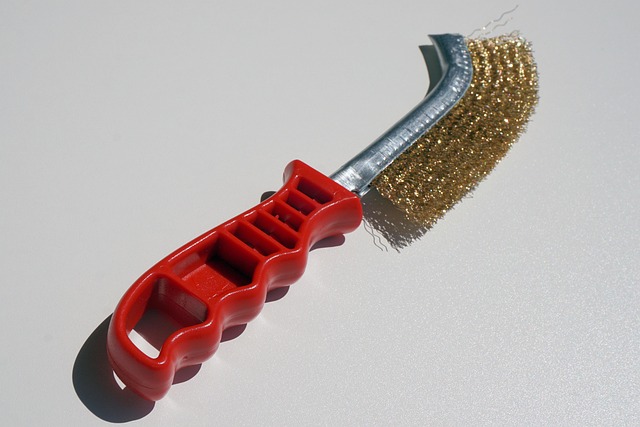
Phosphoric and oxalic acid-based rust removal products create significant chemical burn risks for companion animals through oral contact, paw exposure, and vapor inhalation in enclosed storage spaces. Veterinary toxicology case records document rust remover exposures as particularly concerning because the initial tissue contact may appear mild before delayed-onset inflammatory responses produce more severe symptoms that owners have difficulty connecting to a prior exposure event. The metallic and mineral scent profiles of rust removal products can attract dogs with scavenging behavioral tendencies, and the often inadequately sealed containers in which these products are stored under sinks represent a regular spill and leak risk in cabinet environments subject to the vibration and disturbance of routine household use. Veterinary internists who treat acid-related gastrointestinal injuries note that the esophageal damage produced by acid ingestion is among the most treatment-resistant sequelae of household chemical exposure in companion animals and that its long-term consequences can include permanent scarring and stricture formation that affects nutritional intake for the life of the animal.
Oven Degreasers
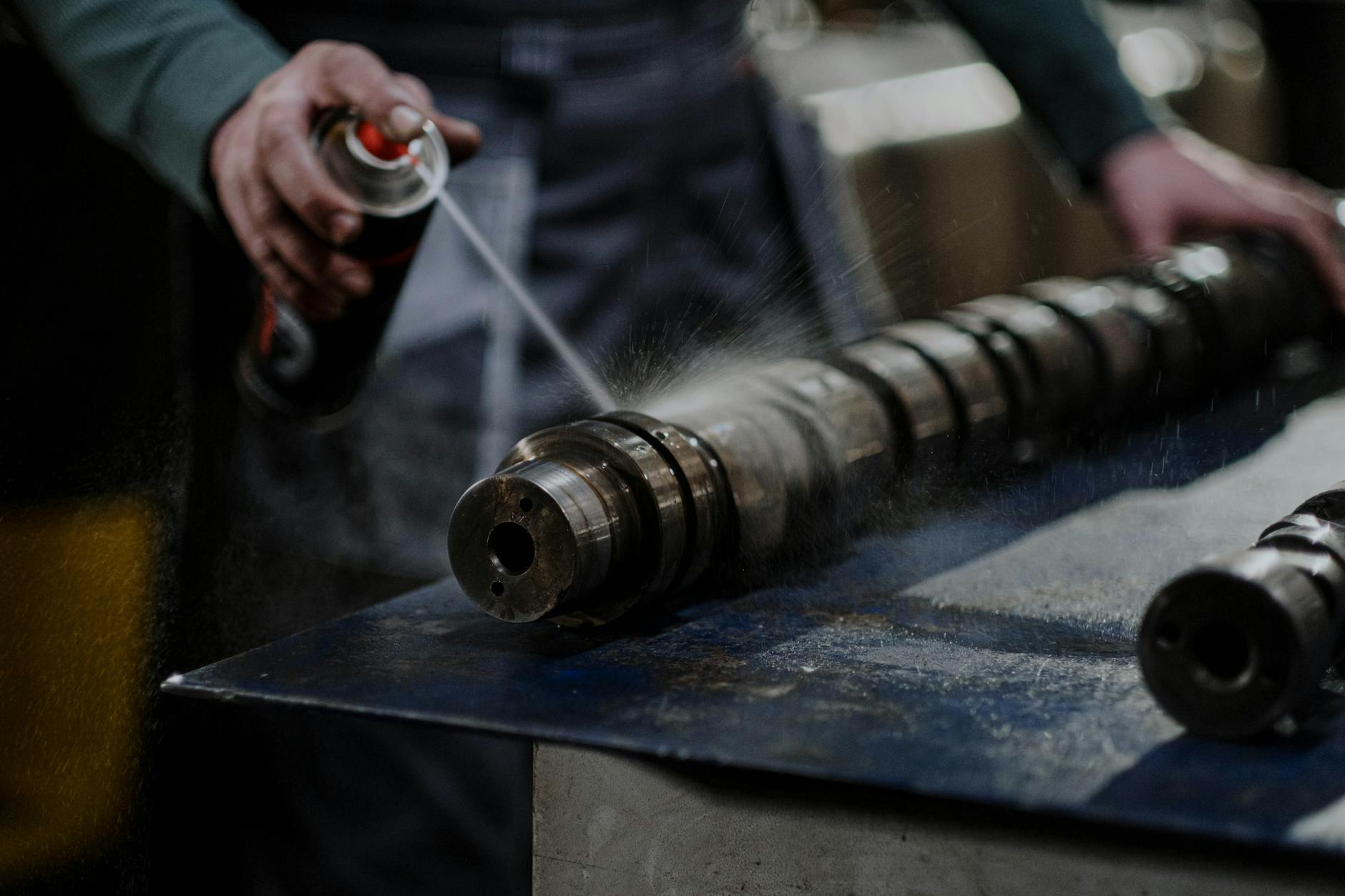
Heavy-duty degreasing products formulated for oven and kitchen surface cleaning contain concentrated surfactants, alkaline compounds, and solvent agents at levels designed to dissolve baked-on carbon and fat residues, levels that represent a significant chemical burden for companion animals who contact them through paw investigation, surface licking, or aerosol inhalation in enclosed cabinet spaces. Veterinary gastroenterologists note that the highly alkaline pH of most oven degreasing products produces a gastrointestinal irritation profile similar to that of drain cleaners at lower concentrations and that the dose-response relationship in companion animals is significantly more sensitive than product safety assessments based on human exposure data would suggest. The storage of oven degreasing products under the kitchen sink places them in close proximity to food preparation and pet feeding areas in a way that increases the probability of product residue entering the animal’s environment through secondary transfer on owner hands, clothing, and the kitchen surfaces that companion animals routinely contact. Veterinary toxicology researchers identify the combination of concentrated alkaline chemicals, volatile solvent components, and surfactant agents in degreasing products as a multi-mechanism toxicological hazard that affects more biological systems simultaneously than exposure to any single-agent product.
Toilet Bowl Cleaners
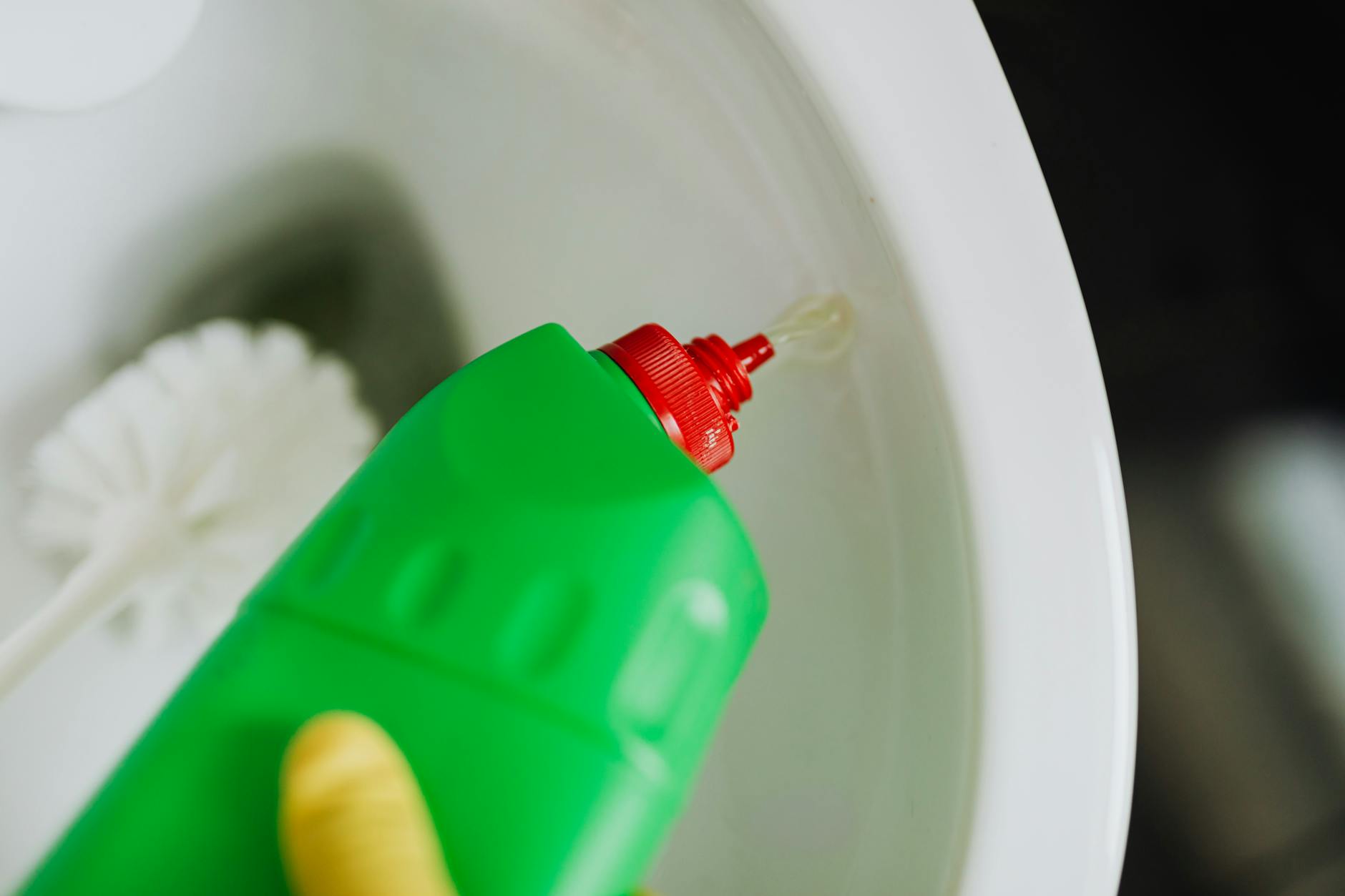
Acidic toilet bowl cleaning products containing hydrochloric acid or sodium bisulfate and alkaline alternatives containing sodium hypochlorite are both identified by veterinary toxicologists as significant hazards, and their storage under the bathroom sink combined with their application to surfaces that some animals are attracted to investigate creates a particularly direct route from storage location to exposure event. Dogs who drink from toilet bowls are a well-documented veterinary presentation category, and the residual chemical concentration in recently cleaned toilet water, combined with the under-sink storage of the cleaning products themselves, creates a bathroom environment with multiple simultaneous exposure vectors for animals with toilet-investigating behavior. Veterinary emergency specialists note that toilet bowl cleaner ingestion through toilet water is frequently underestimated in its severity because the dilution of the product in toilet water volume leads owners to assume that the concentration is negligible, when in fact even diluted residues of strongly acidic or alkaline cleaners can cause significant gastrointestinal irritation in companion animals. The in-tank tablet formulations of continuous toilet bowl cleaning products create a persistent low-level chemical exposure in toilet water that represents a chronic rather than acute toxicological risk for animals with consistent toilet-drinking behavior.
Fabric Softener Sheets
Used and unused dryer sheet and fabric softener products stored under the sink contain cationic surfactants and fragrance compounds that veterinary toxicologists identify as causing both acute gastrointestinal effects following ingestion and chronic neurological effects associated with repeated low-level exposure to the fragrance chemical mixtures used in their formulation. The textured surface and appealing scent of fabric softener sheets make them particularly attractive to dogs who investigate under-sink storage areas, and their size and flexibility make them capable of causing gastrointestinal obstruction in addition to their chemical toxicity. Veterinary neurologists who have studied cationic surfactant exposure in companion animals note that the neurological symptoms produced by significant fabric softener ingestion, including muscle weakness, excessive salivation, and altered mental status, are frequently misidentified in initial veterinary assessment as signs of other neurological conditions because the connection to fabric care product ingestion is not immediately apparent. The fragrance compounds in fabric softener products include multiple volatile organic chemical categories that create chronic inhalation exposure risks in enclosed storage spaces independently of any direct product contact.
Dishwashing Liquid
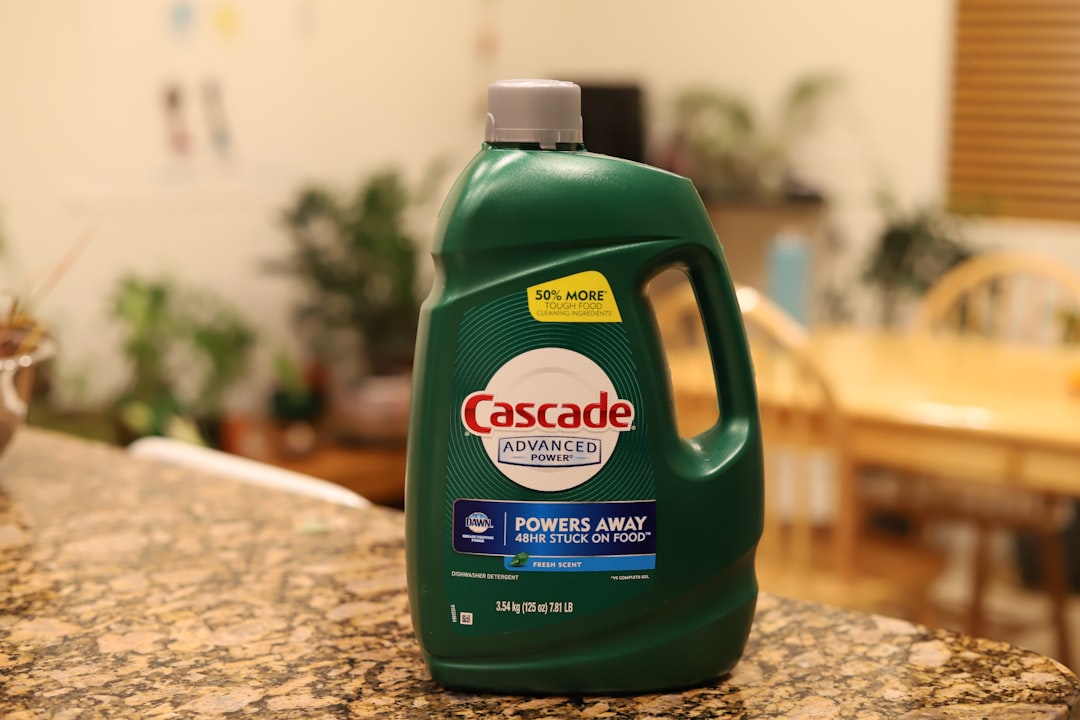
Standard liquid dish soap products, while significantly less acutely toxic than many other under-sink items, present chronic toxicological risks through the surfactant compounds they contain that disrupt the gastrointestinal mucosal barrier with repeated exposure, and the fragrance and preservative chemicals added to most commercial formulations that include compounds associated with endocrine disruption effects in companion animals at lower exposure levels than acute toxicity thresholds. Veterinary gastroenterologists note that the chronic gastrointestinal microbiome disruption associated with repeated detergent exposure in animals who regularly contact residue-contaminated surfaces is a poorly documented but clinically significant contributor to the inflammatory bowel presentations that are among the more common chronic conditions managed in companion animal internal medicine. The antibacterial agents added to many dish soap formulations, particularly triclosan and benzalkonium chloride, carry specific toxicological profiles that veterinary toxicologists have identified as of particular concern in cats. The volume in which dish soap is typically stored and the frequency with which leaking containers and spills occur in the under-sink environment make it a chronic rather than episodic exposure risk for household pets.
Carpet Shampoo
Carpet and upholstery cleaning products stored under the sink contain surfactant mixtures, optical brighteners, fragrance compounds, and preservative chemicals whose combined toxicological profile for companion animals is significantly more complex than any single-agent assessment would capture. Veterinary dermatologists identify carpet shampoo residues on treated floor surfaces as one of the primary environmental causes of paw pad contact dermatitis in dogs, particularly in homes where carpet cleaning is performed regularly and residue removal through rinsing is incomplete. The extended surface contact that carpeted floor environments create between chemically treated textile fibers and the paw pads, coat, and ventral body surface of companion animals means that carpet shampoo application creates a post-treatment exposure window that persists for hours to days depending on the product formulation and the drying and rinsing thoroughness. Veterinary toxicology researchers note that the optical brightening agents used in carpet shampoo formulations include compounds that accumulate in biological tissue with repeated exposure and whose long-term companion animal health effects have received significantly less research attention than their acute toxicity profiles.
Paint Thinner
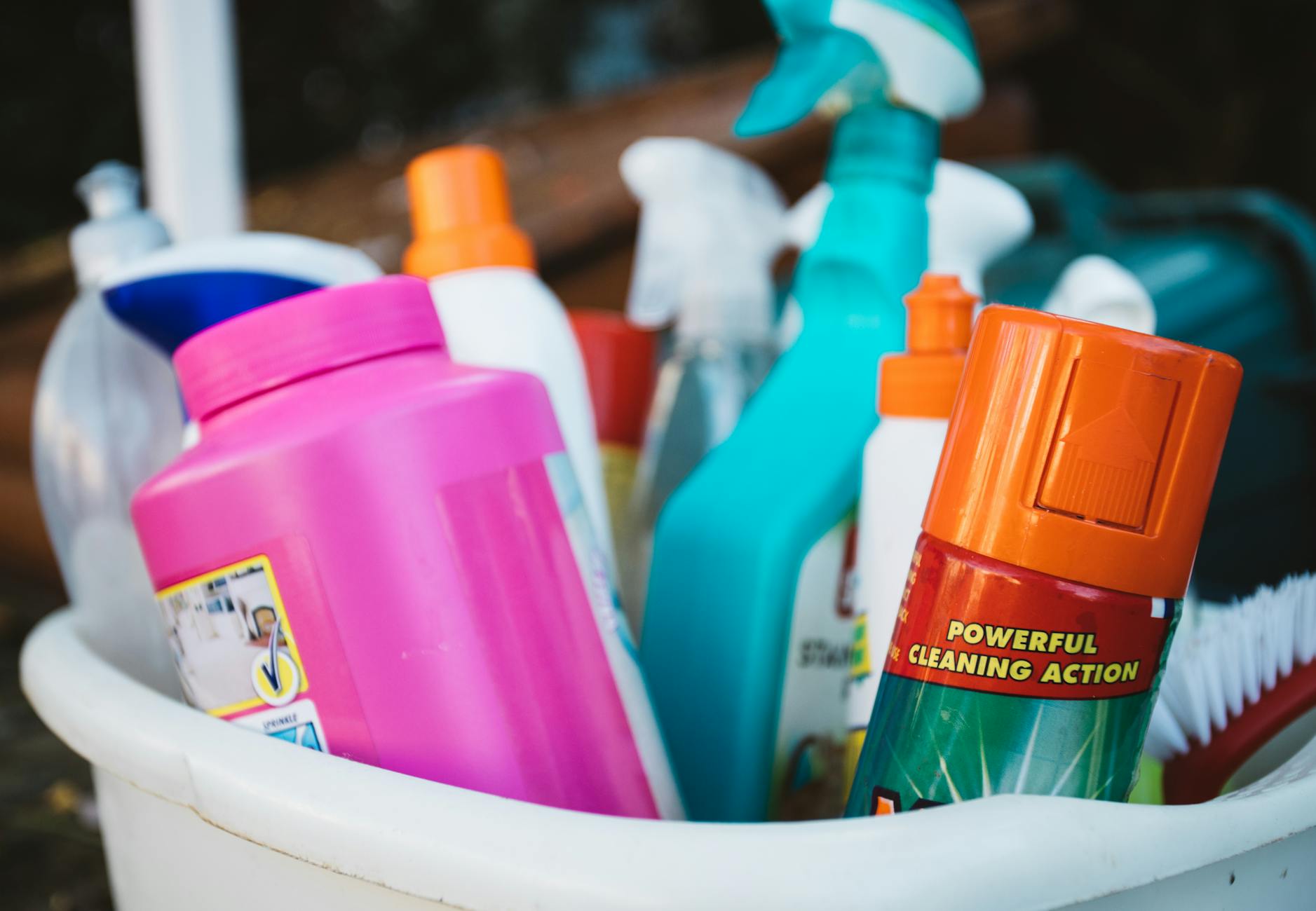
Petroleum-based solvents used for paint thinning and brush cleaning stored under the sink represent one of the most acutely dangerous chemical categories in the household environment for companion animals due to their combination of high vapor pressure, which creates significant inhalation exposure in enclosed spaces, and their capacity to cause rapid central nervous system depression, aspiration pneumonia, and hepatic damage through multiple simultaneous exposure routes. Veterinary toxicologists identify paint thinner compounds including mineral spirits, turpentine, and naphtha as capable of causing aspiration pneumonia through the same mechanism as petroleum-based furniture polish, with the additional acute central nervous system effects that distinguish solvent exposure from most other household chemical presentations. The storage of paint thinner under the sink rather than in a dedicated outdoor chemical storage location is identified by veterinary safety researchers as a risk management failure that places a high-hazard industrial chemical in one of the most pet-accessible household storage environments. Emergency veterinary case records document paint thinner exposures as producing among the most rapidly progressing and treatment-intensive presentations seen in household chemical toxicology.
Disinfectant Sprays
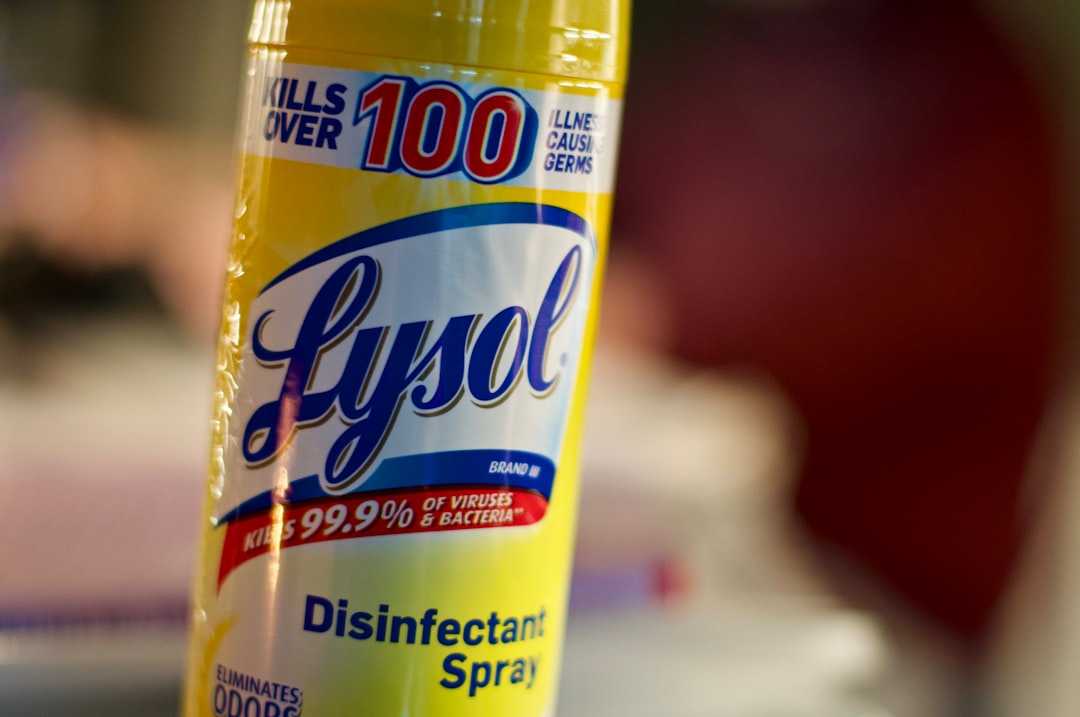
Quaternary ammonium and phenolic disinfectant spray products present a specific and well-documented toxicological hazard for cats whose hepatic metabolism cannot efficiently process phenolic compounds, creating a cumulative toxicity dynamic in which repeated low-level paw contact with disinfectant-treated surfaces produces liver damage that progresses over weeks and months before becoming clinically apparent. Veterinary hepatology specialists consistently identify phenol-based disinfectant exposure as a primary environmental risk factor in cats presenting with unexplained hepatic dysfunction and note that the connection between under-sink disinfectant storage and the chronic low-level exposure that produces clinical disease is rarely identified by owners without specific veterinary inquiry into household chemical storage practices. The broad-spectrum antimicrobial efficacy of quaternary ammonium disinfectants reflects their biological activity against a range of cellular systems that extends beyond their bacterial targets to include the mucosal, respiratory, and hepatic tissues of companion animals exposed at sub-acute concentrations. Surface residues from disinfectant spray application persist on treated household surfaces for significantly longer than the product application event and continue to represent a contact exposure source for paw-grooming animals throughout the post-treatment period.
Shoe Polish
Nitrobenzene-based shoe polishing products present a specific methemoglobin-forming toxicological risk for companion animals that veterinary toxicologists identify as one of the more acutely dangerous and diagnostically challenging chemical presentations in household toxicology because the methemoglobinemia it produces causes oxygen transport failure at the cellular level through a mechanism that standard antidotes for other toxic exposures do not address. The pleasant solvent scent of many shoe polish formulations attracts animal investigation, and the wax and solvent carrier systems used in both paste and liquid shoe polish formulations create contact exposure risks through paw contamination that convert to oral ingestion through grooming behavior in both cats and dogs. Veterinary emergency specialists note that the blue-gray mucous membrane discoloration characteristic of methemoglobinemia is a diagnostic indicator that many owners do not recognize as an emergency presentation, leading to treatment delays that significantly worsen outcomes. The storage of shoe care products under the sink places them in a location where their container seepage and residue create a chronic low-level nitrobenzene exposure risk for animals who regularly access the cabinet space.
Scouring Powder
Abrasive cleaning powders containing chlorine bleach compounds, silica abrasives, and alkaline surfactants create both inhalation and contact exposure risks for companion animals in the under-sink storage environment, with the fine powder particle size of these products generating respiratory exposure whenever containers are disturbed or opened in the vicinity of animals. Veterinary respiratory specialists identify fine chemical powder inhalation as a cause of acute respiratory irritation in companion animals that may be misattributed to infectious respiratory conditions when the chemical exposure history is not part of the veterinary assessment. The chlorine releasing compounds in scouring powder formulations generate chlorine gas in the presence of moisture, a reaction that can occur within a cabinet environment where condensation and cleaning product residue moisture are frequently present and that creates a chronic low-level gas exposure for animals who regularly access the storage space. Veterinary dermatology case records document scouring powder contact dermatitis in companion animals who contact residue on under-sink cabinet surfaces and floors as a presentation that is frequently misdiagnosed as allergic dermatitis without a thorough household chemical exposure history.
Laundry Detergent
Concentrated laundry detergent products stored under the kitchen or bathroom sink contain nonionic surfactants, proteolytic enzymes, optical brighteners, and fragrance compounds whose combined toxicological profile for companion animals includes gastrointestinal irritation from surfactant ingestion, respiratory sensitization from enzyme inhalation, and potential endocrine disruption from optical brightener accumulation. Veterinary toxicologists note that the enzymatic components of biological laundry detergents present a specific respiratory sensitization risk that is less commonly discussed than the surfactant and alkaline components because the enzymes are designed to break down protein structures and create a respiratory sensitization pathway through exactly the protein tissue of the respiratory mucosa that they contact during inhalation exposure in enclosed spaces. The concentrated pod formulations of laundry detergent present all of the same hazards documented for dishwasher pods with the addition of higher fragrance compound concentrations and the specific surfactant mixtures optimized for fabric rather than hard surface cleaning. Under-sink laundry detergent storage creates a particularly direct exposure risk in homes where laundry products are kept near the kitchen or bathroom floor areas where companion animals spend significant time.
Mothballs
Naphthalene and paradichlorobenzene mothball products stored under the sink for household pest prevention or fabric protection represent one of the most well-documented companion animal toxicological hazards in the veterinary literature, with both active compounds capable of causing hemolytic anemia, hepatic damage, and central nervous system effects in dogs and cats through inhalation of their high vapor pressure volatile emissions as well as through direct ingestion. Veterinary hematology specialists identify naphthalene-induced hemolytic anemia as a presentation with a characteristic latency period between exposure and clinical manifestation that frequently prevents owners from connecting the presenting symptoms to the mothball exposure event that caused them. Cats are particularly sensitive to paradichlorobenzene due to the hepatic enzyme deficiency that limits their capacity to metabolize certain aromatic compounds, making them more vulnerable than dogs to equivalent exposure levels from the same product. The high vapor pressure of both mothball active compounds means that enclosed under-sink storage creates a vapor concentration in the cabinet environment that exceeds the safe inhalation threshold for companion animals even in the absence of any direct product contact.
Grout Cleaner
Acidic and oxidizing grout cleaning products contain phosphoric acid, hydrogen peroxide at concentrated formulations, or chlorine-releasing compounds at concentrations designed to remove mineral deposits and biological growth from porous stone and ceramic surfaces. These concentrations create contact burn risks for companion animal mucosal tissue through paw contact, surface licking, and vapor inhalation in enclosed spaces where the volatile components of these products accumulate. Veterinary dermatology case records document grout cleaner contact burns on paw pads as a presentation that is frequently misattributed to hot surface exposure or infectious paw conditions when the household chemical exposure history is not specifically investigated. The alkaline oxidizing formulations of peroxide-based grout cleaners present a specific eye exposure risk for low-bodied companion animals who move through bathroom environments immediately after product application, as residual aerosol droplets from spray application settle at floor level where they can contact the eyes of animals at floor height. Veterinary ophthalmological specialists note that oxidizing compound corneal burns in companion animals are among the more rapidly progressing ocular emergencies encountered in small animal practice.
Air Freshener Refills
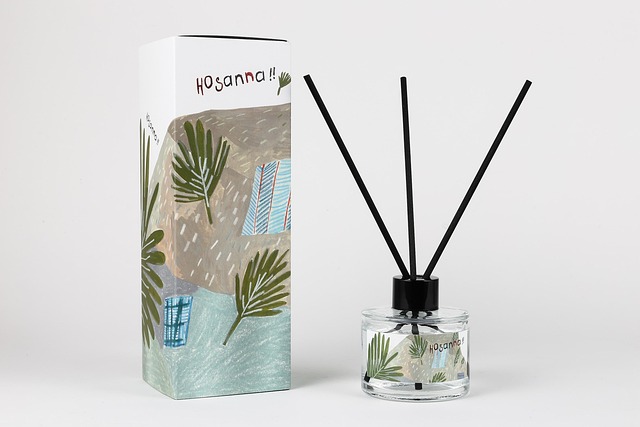
Concentrated liquid air freshener refill cartridges stored under the sink contain fragrance compound mixtures, solvent carriers, and preservative chemicals at concentrations significantly higher than those found in the diluted in-use product. Veterinary toxicologists identify these concentrated refill products as presenting a substantially higher acute toxicity risk than the diluted air freshener product itself and note that the liquid formulation of most refill cartridges makes spillage and paw contact more likely than the in-use dispenser format. The fragrance compound mixtures used in air freshener products include multiple volatile organic chemical categories including synthetic musks, phthalate solvent carriers, and terpene compounds. These are identified in companion animal research as sources of respiratory sensitization and endocrine disruption effects at the chronic low-level exposure concentrations that are characteristic of air freshener use in enclosed household environments. Veterinary respiratory specialists note that the terpene compounds in citrus and pine fragrance formulations, which include limonene and pinene, are processed differently by feline hepatic metabolism than by canine metabolism in ways that create a species-specific respiratory and hepatic risk profile for cats that dog-focused toxicity data does not capture.
Automatic Toilet Cleaners
In-tank and in-bowl automatic toilet cleaning products containing sodium dichloroisocyanurate, para-dichlorobenzene, or concentrated surfactant mixtures create a persistent chemical modification of toilet water that represents a chronic low-level toxicological exposure for companion animals who drink from toilets, a behavior documented across a significant proportion of the companion dog population and in certain feline behavioral profiles. Veterinary toxicology researchers note that the chronic cumulative exposure to toilet bowl chemical residues in regular toilet-drinking animals differs qualitatively from the acute exposure associated with direct product ingestion and produces a different toxicological profile that develops more gradually and is therefore more difficult to connect clinically to the exposure route. The cesium surface coatings applied by some automatic toilet cleaner formulations to reduce mineral and organic deposits create a persistent chemical surface modification that remains biologically active between cleaning cycles and that companion animals contact through tongue and lip tissue during drinking. Veterinary nephrology specialists note that certain automatic toilet cleaner chemical components are associated with chronic low-level renal irritation in animals with consistent toilet-drinking behavior and that this association is rarely investigated in animals presenting with subclinical changes in renal function markers.
Vinegar Concentrates
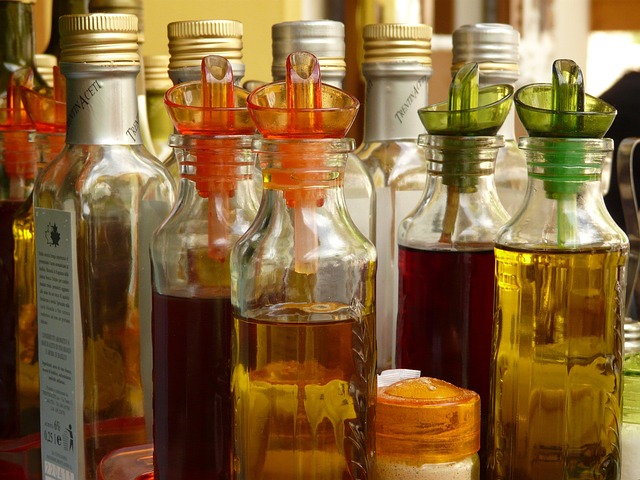
While diluted household vinegar is generally regarded as a low-toxicity cleaning alternative, concentrated acetic acid formulations used for heavy cleaning and limescale removal stored under the sink present a significantly different toxicological profile that veterinary toxicologists note is often underestimated by owners who associate the product category with the safety profile of culinary vinegar. Concentrated acetic acid at cleaning-grade concentrations is sufficient to cause significant chemical burns to oral and esophageal tissue and respiratory irritation from vapor inhalation in enclosed spaces. The acidic vapor concentration generated by cleaning-grade vinegar in enclosed cabinet environments can cause respiratory mucosal irritation at exposure levels below those associated with any detectable odor for human observers, meaning that owners may not be aware that the cabinet environment is generating a respiratory irritant exposure for animals who investigate the space. Veterinary toxicology educators who use vinegar concentration products in toxicology training scenarios note that the cultural association of vinegar with food safety creates a systematic underestimation of concentrated formulation risk among both owners and some general practice veterinarians who may not specifically inquire about vinegar product concentration during chemical exposure history taking.
Boric Acid Products
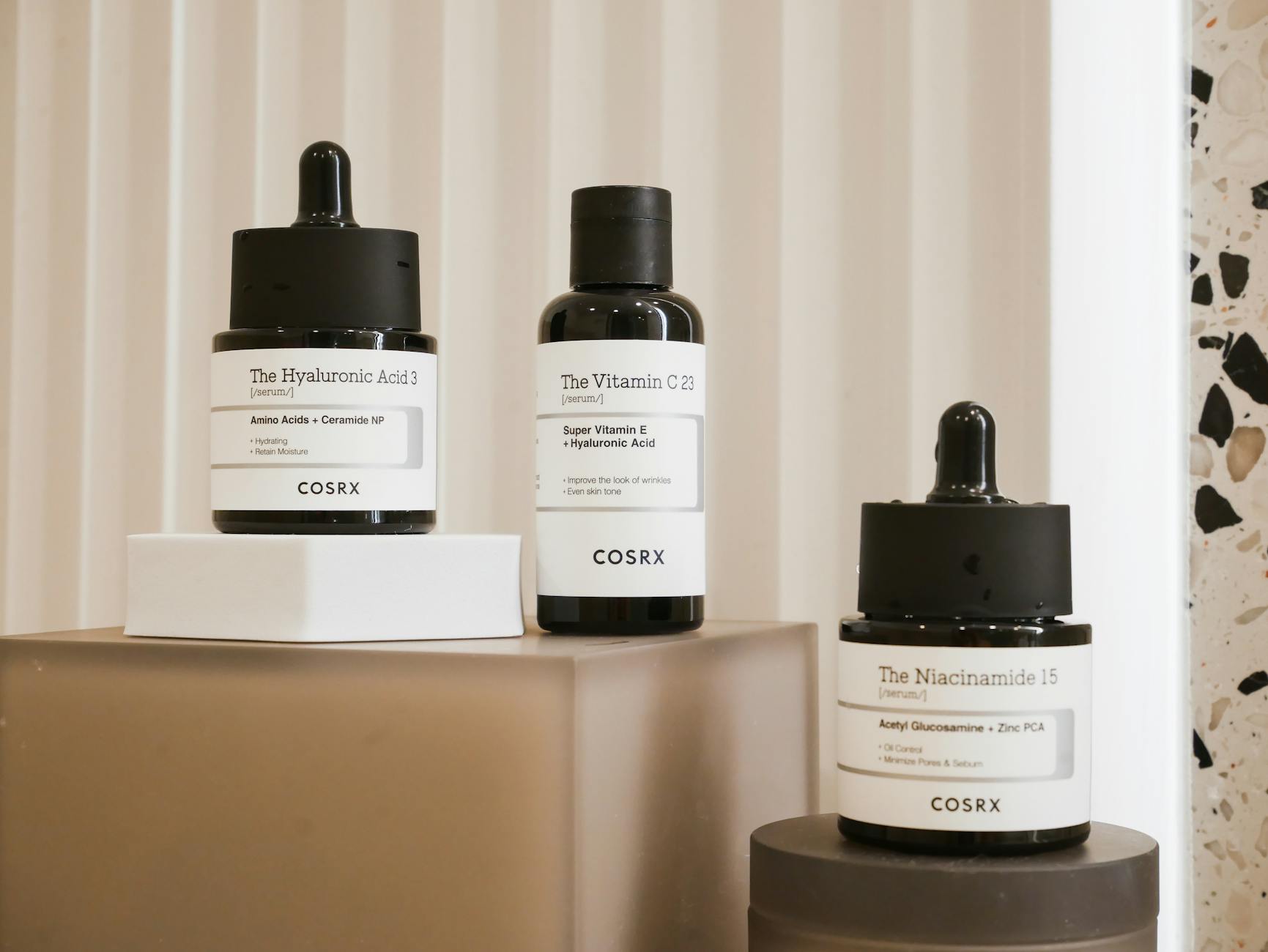
Boric acid roach-killing and pest control products stored under the sink present both acute ingestion toxicity and chronic low-level exposure risks for companion animals through a toxicological mechanism that affects multiple organ systems including the gastrointestinal tract, the kidneys, and the central nervous system at doses that are proportionally much lower relative to body weight in companion animals than the same absolute doses would be in adult humans. Veterinary toxicologists note that the powdered boric acid formulations used in many under-sink pest control applications create an environmental residue that adheres to paw pads, coat surfaces, and any object that contacts the treatment area and that the grooming behavior of cats and dogs then converts into oral ingestion at a rate and quantity that is essentially impossible to estimate or monitor. The chronic kidney toxicity associated with repeated low-level boric acid exposure is identified in veterinary nephrology literature as a particularly important concern because the renal changes develop over extended periods during which the owner has no indication that a toxicological process is ongoing. The combination of ubiquitous under-sink use for pest control and the specific vulnerability of companion animal renal tissue to boric acid’s mechanisms of action makes this product category one of the more significant chronic toxicological risks in the household under-sink environment.
Hydrogen Peroxide
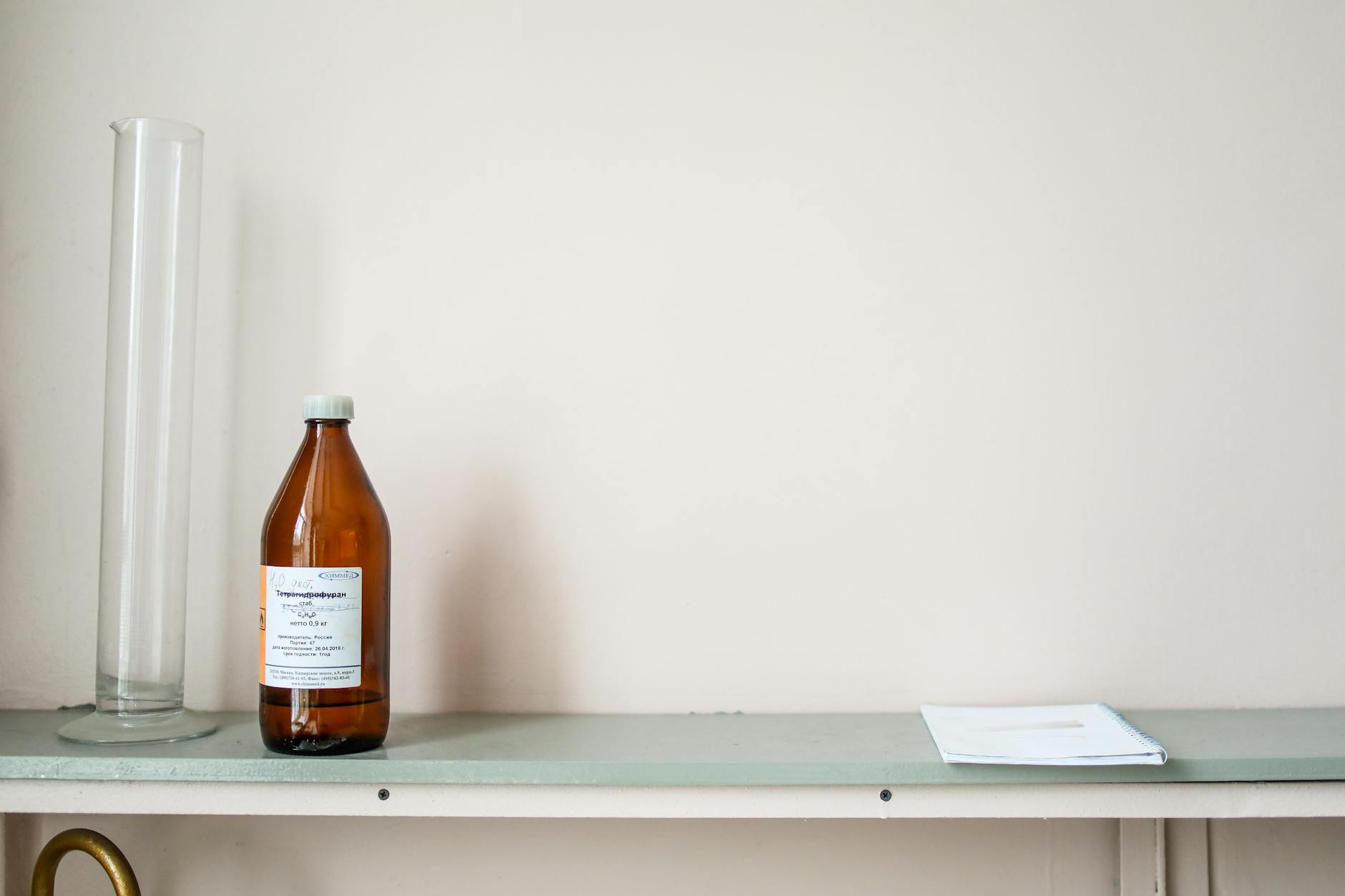
Concentrated hydrogen peroxide products stored under the sink for cleaning and disinfection purposes present a significantly different toxicological risk profile from the three percent concentration sold in pharmacies for wound care, with higher concentration cleaning formulations capable of causing oxidative damage to gastrointestinal mucosa, producing oxygen gas embolism through intragastric decomposition following ingestion, and generating respiratory oxidant exposure through vapor inhalation in enclosed spaces. Veterinary emergency specialists note that hydrogen peroxide ingestion is one of the more counterintuitive toxicological presentations in companion animal medicine because dilute three percent hydrogen peroxide is actually used therapeutically to induce vomiting in some poisoning scenarios, creating a widespread owner misperception that hydrogen peroxide is a safe household substance for animals across all concentrations and formulations. Concentrated cleaning-grade hydrogen peroxide at thirty percent or higher produces immediate and severe oxidative mucosal damage that the therapeutic three percent formulation does not cause, and the storage of these products under the sink without concentration labeling that distinguishes them from pharmacy-grade product creates a specific misidentification risk. Veterinary toxicology emergency protocols for concentrated hydrogen peroxide ingestion differ significantly from those for dilute formulation ingestion in ways that make accurate concentration information critical for appropriate emergency management.
Potpourri Oil

Liquid potpourri products and essential oil mixtures stored under the sink for household fragrance purposes contain concentrated plant-derived aromatic compounds at levels that veterinary toxicologists identify as significantly more dangerous than the diluted diffuser concentrations from which most owners derive their sense of essential oil safety for companion animals. Cats represent the companion animal population of greatest concern because phenolic essential oil compounds including tea tree oil, clove oil, thyme oil, and oregano oil are processed by feline hepatic metabolism through pathways that produce toxic intermediate compounds rather than the detoxification products that human and canine metabolism generate from equivalent exposures. Veterinary toxicology case records document liquid potpourri and concentrated essential oil ingestion as among the more severe hepatotoxic presentations seen in feline emergency medicine and note that the case fatality rate for significant feline essential oil ingestion exceeds that for many other household chemical exposures. The storage of concentrated liquid potpourri under the sink places products with severe feline hepatotoxic potential in a location regularly accessed by the companion animal species most specifically vulnerable to their mechanism of toxicity.
Swimming Pool Chemicals

Chlorine tablets, shock treatment granules, and pH adjustment chemicals intended for swimming pool maintenance but stored under the sink due to space convenience present industrial-grade chemical hazards in a domestic pet-accessible environment that veterinary toxicologists identify as representing a significant mismatch between the chemical’s hazard profile and its storage context. Pool shock products containing calcium hypochlorite at concentrations of sixty five percent or higher represent one of the most acutely hazardous chemical categories that residential households routinely handle, with contact burns, severe respiratory irritation from chlorine gas generation, and acute systemic toxicity following ingestion representing the primary veterinary emergency presentations associated with this product category. The vapor generation from chlorine-releasing pool chemicals in enclosed cabinet environments exceeds that of household bleach products by a margin that reflects their fundamentally different concentration and formulation purpose, creating an inhalation exposure risk for cabinet-investigating animals that can cause acute respiratory distress without any direct product contact. Veterinary toxicology emergency specialists who treat pool chemical exposures in companion animals consistently note that the severity of presentations from these products significantly exceeds owner expectations based on their experience with other household cleaning chemical exposures.
Contact Lens Solution
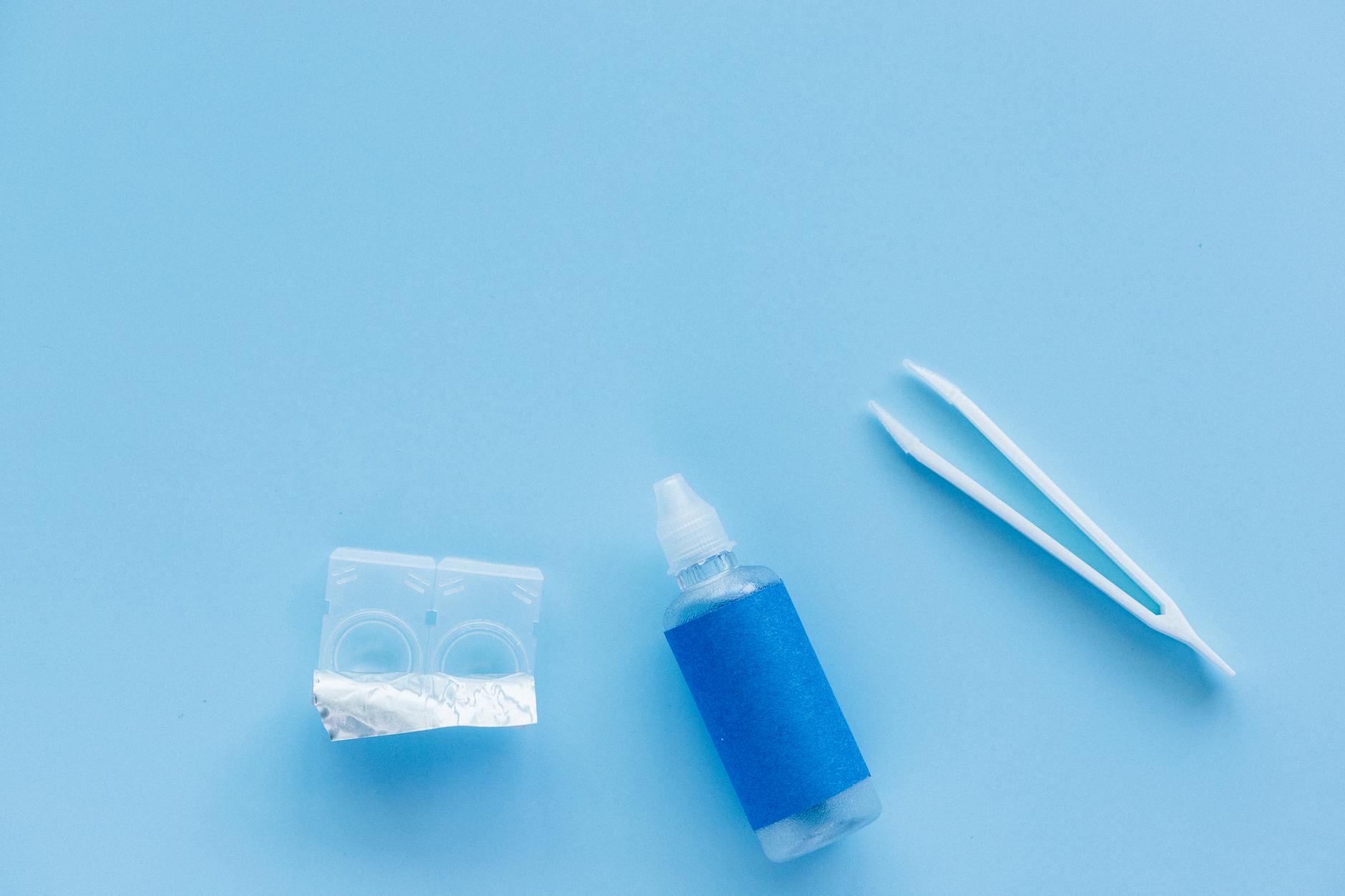
Hydrogen peroxide-based contact lens disinfecting solutions stored under the bathroom sink present a concentrated oxidative chemical risk that owners frequently underestimate because of the small container size and the benign personal care product context in which these solutions are encountered. The three percent hydrogen peroxide formulation of contact lens disinfecting solution is the same concentration used therapeutically to induce emesis in some veterinary poisoning scenarios and causes significant oral and gastrointestinal mucosal irritation in companion animals who ingest meaningful quantities. The small container size of contact lens solution products means that an animal who accesses and consumes an entire container has ingested a quantity of concentrated oxidizing solution relative to body weight that produces more significant gastrointestinal effects than the dilution of the product in the animal’s gastrointestinal volume would suggest. Veterinary toxicology educators note that the household context of contact lens solution systematically underrepresents its chemical hazard in owner risk perception relative to products with more obviously industrial or chemical product identities.
Acetone
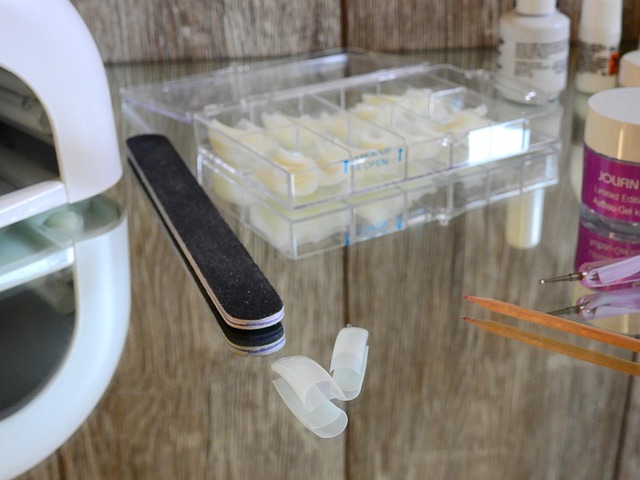
Nail polish remover and paint preparation products containing acetone stored under the bathroom or kitchen sink create both acute central nervous system depression risks from vapor inhalation in enclosed spaces and gastrointestinal irritation risks from ingestion, with the high vapor pressure of acetone generating significant inhalation exposure concentrations in closed cabinet environments that exceed occupational safety thresholds for human workers with far smaller body mass than companion animals of equivalent size. Veterinary toxicology case records document acetone inhalation in companion animals as producing lethargy, incoordination, and in significant exposures, respiratory depression through a central nervous system mechanism that is particularly rapid in onset due to acetone’s high lipid solubility and consequent rapid blood-brain barrier penetration. The common storage of acetone-containing nail care products alongside other personal care items under the bathroom sink places a volatile industrial solvent in a storage environment designed for personal care products whose hazard profile differs significantly from the acetone’s. Veterinary emergency specialists note that the sweet characteristic odor of acetone that humans sometimes find pleasant can attract animal olfactory investigation in ways that increase the probability of direct container contact with the vapor source.
Sealants and Caulks
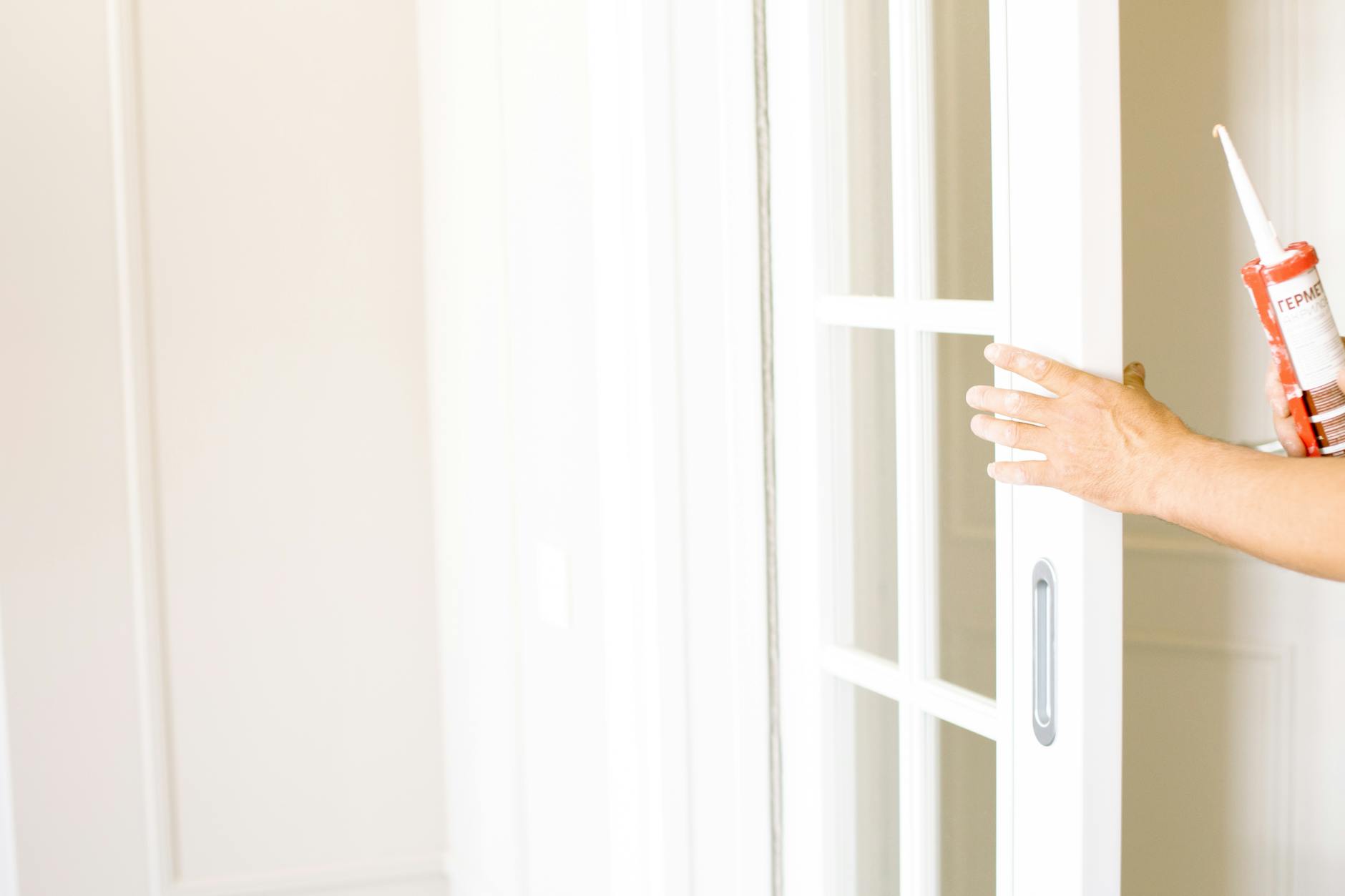
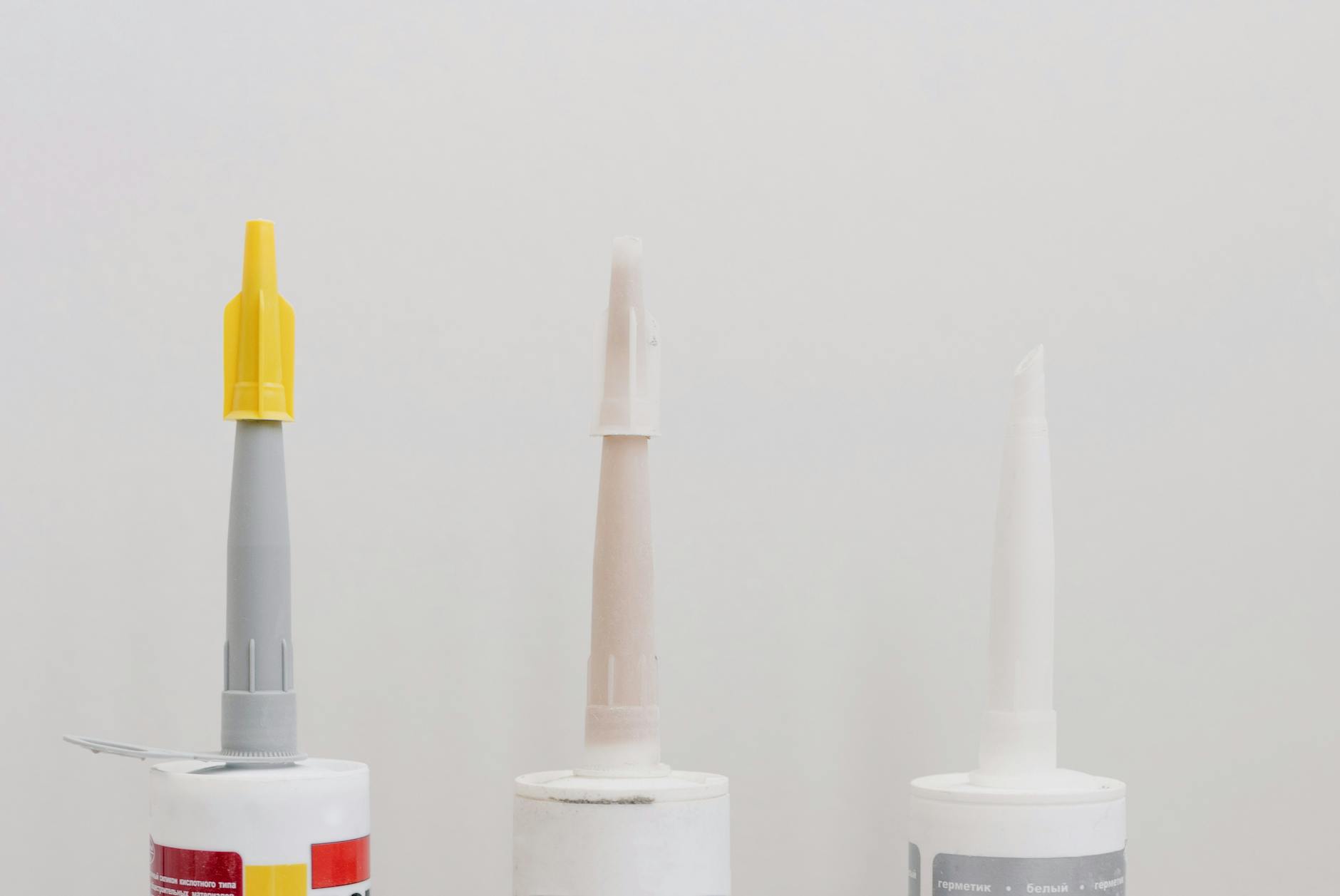
Silicone, polyurethane, and acrylic sealant products stored under the sink for household maintenance purposes contain solvent carriers, plasticizer compounds, and curing catalyst chemicals that veterinary toxicologists identify as presenting both acute ingestion toxicity and chronic low-level vapor inhalation risks in companion animals who access the under-sink storage environment. The isocyanate compounds used as curing agents in some polyurethane sealant formulations are identified in veterinary toxicology literature as particularly hazardous respiratory sensitizers that cause inflammatory airway responses at exposure concentrations significantly below those associated with acute toxic presentations. The curing and off-gassing period of recently applied sealant products creates a chemical vapor exposure in the immediate application environment that can persist for hours to days and that represents a significant inhalation risk for companion animals who inhabit spaces where sealant application has recently occurred. Veterinary respiratory specialists who encounter companion animals with idiopathic inflammatory airway disease frequently identify recent household sealant application as a historical environmental factor in a significant proportion of cases when a thorough household chemical use history is obtained.
Enzyme Drain Treatments
Biological enzyme drain treatment products stored under the sink contain concentrated proteolytic, lipolytic, and amylolytic enzyme mixtures at levels designed to break down the organic materials that cause drain blockages. These enzyme concentrations present a specific respiratory sensitization risk for companion animals who inhale them in the enclosed under-sink environment because the enzymes are biologically active against the same protein structures found in respiratory mucosal tissue. Veterinary respiratory specialists note that enzyme inhalation sensitization in companion animals produces an inflammatory airway response that can progress to chronic respiratory disease with repeated exposure and that the biological mechanism of enzyme-induced airway inflammation differs from the chemical irritation produced by cleaning compound inhalation in ways that influence both clinical presentation and treatment approach. The liquid formulations of biological drain treatments create paw contact exposure risks through cabinet floor residue that convert to oral ingestion through grooming behavior, delivering the enzyme mixture to gastrointestinal tissues where their concentrated proteolytic activity can cause mucosal irritation at doses that are proportionally significant relative to companion animal body weight.
Superglue
Cyanoacrylate adhesive products stored under the sink for household repairs create a rapid polymerization hazard for companion animal tissue that veterinary emergency specialists describe as producing some of the most dramatic acute presentations seen in household toxicology because the adhesive’s instantaneous bonding on contact with moisture means that oral tissue, paw pad surfaces, and eyelid margins can be bonded within seconds of contact. Veterinary ophthalmology emergency case records document cyanoacrylate eyelid bonding in companion animals as a presentation requiring surgical separation under anesthesia and as one of the more common superglue-related veterinary emergencies encountered in general small animal practice. Beyond the mechanical bonding hazard, cyanoacrylate monomers in the pre-cured liquid state present a respiratory sensitization risk through vapor inhalation in enclosed spaces that is particularly relevant in the under-sink cabinet environment where these products are stored. Veterinary dermatology specialists note that cyanoacrylate adhesive contact with paw pads can cause a foreign body inflammatory response in the tissue beneath the bonded surface that requires veterinary intervention for resolution.
Toilet Tank Tablets
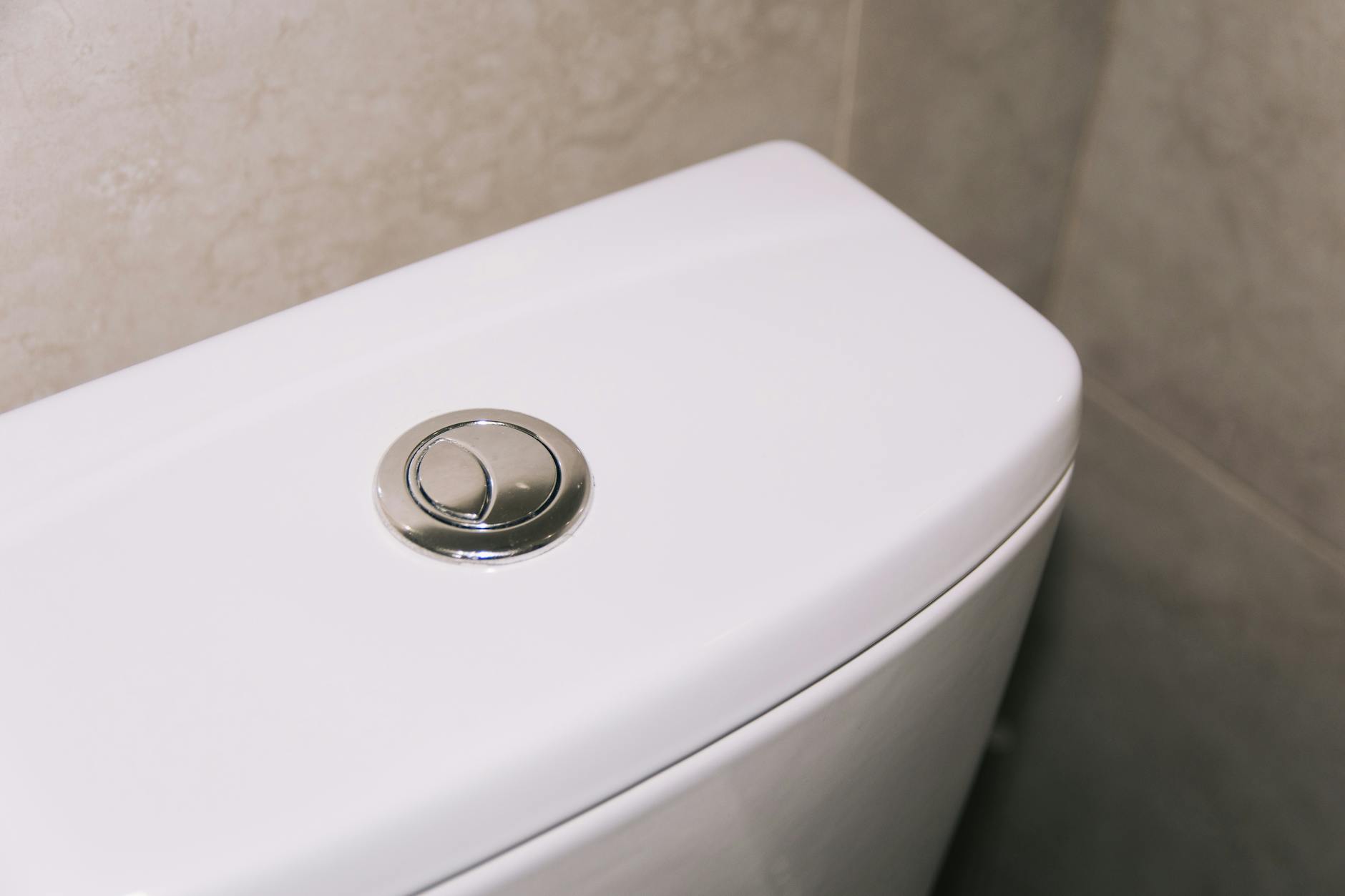
Drop-in toilet tank cleaning tablets containing chlorine-releasing compounds, fragrances, and surfactants modify the chemistry of tank water in ways that create a persistent chemical exposure source for companion animals who drink from toilet bowls or who make contact with the toilet tank water during investigation of the bathroom environment. Veterinary toxicology researchers note that the chlorine concentration maintained in toilet tank water by continuous-release tablet formulations, while lower than that of direct cleaning product application, exceeds safe drinking water thresholds for companion animals by a margin that creates meaningful chronic gastrointestinal exposure in animals who consistently access toilet water as a supplementary drinking source. The fragrance compounds in toilet tank tablet formulations are present at concentrations sufficient to cause olfactory attraction in companion animals and include synthetic musk compounds and terpene derivatives whose chronic low-level exposure effects in companion animals have received less research attention than their acute toxicity profiles. Veterinary internal medicine specialists who evaluate companion animals with chronic gastrointestinal inflammatory conditions as part of a differential diagnosis process increasingly include toilet water chemical exposure as an environmental factor in the history-taking process for patients whose household configuration includes accessible toilet facilities.
Dehumidifier Tablets
Calcium chloride moisture absorption tablets and similar desiccant products stored under the sink for cabinet humidity management present both oral ingestion and paw contact toxicity risks for companion animals, with calcium chloride’s highly hygroscopic and exothermic properties creating tissue damage through a dual mechanism of chemical irritation and thermal injury from the heat generated by its rapid moisture absorption from biological tissue surfaces. Veterinary toxicologists identify calcium chloride as capable of causing significant oral mucosal burns in companion animals who directly contact or ingest the product and note that the exothermic reaction that makes these products effective at moisture absorption produces the same heat release on contact with oral and esophageal mucosa that makes the product effective at drying enclosed spaces. The saturated calcium chloride brine solution produced by these products as they absorb moisture represents a secondary exposure risk distinct from the dry tablet, with the brine solution capable of causing skin and mucosal irritation through prolonged contact and presenting an ingestion hazard through the pooled liquid that accumulates in the product’s collection reservoir. Veterinary emergency specialists note that the thermal component of calcium chloride tissue injury requires a treatment approach that differs from purely chemical burn management and that underrecognition of the thermal injury mechanism can result in incomplete treatment of the tissue damage.
Tile Grout

Dry and pre-mixed tile grout and mortar products stored under the sink for home improvement purposes contain Portland cement compounds whose highly alkaline pH in the wet state creates significant chemical burn risks for paw pad and mucosal tissue contact, and whose fine silica dust particles in the dry state present a respiratory hazard that veterinary pulmonology specialists identify as a cause of silicosis in companion animals with significant inhalation exposure. The strong alkalinity of wet cement and grout products, with pH values typically exceeding twelve, places them in the same chemical burn risk category as concentrated alkaline cleaning products and drain cleaners despite their construction material identity. Companion animals who contact wet grout or cement during or after tile work and who then lick their paws or coat surfaces can receive significant oral and gastrointestinal alkaline exposure that progresses from initial mucosal irritation to more significant tissue damage depending on the exposure duration and quantity. Veterinary toxicology case records document cement and grout exposure in companion animals as a presentation that is systematically underreported because owners rarely connect tile installation or repair work with subsequent gastrointestinal or dermatological symptoms in their animals.
Photographic Chemicals
Darkroom photographic developing chemicals stored under the sink by photography enthusiasts contain hydroquinone, acetic acid, sodium sulfite, and heavy metal compounds including silver that veterinary toxicologists identify as presenting a multi-agent toxicological hazard profile that is rarely encountered in veterinary practice but that produces severe acute presentations when companion animals contact developer, stop bath, or fixer solutions at the concentrations used in photographic processing. The hydroquinone in photographic developer formulations is identified in veterinary toxicology literature as a compound that causes methemoglobinemia in companion animals through the same mechanism as nitrobenzene in shoe polish, with comparable potential for causing oxygen transport failure that standard resuscitation approaches do not address without specific antidote treatment. The heavy metal silver compounds in photographic fixer solutions present cumulative toxicity risks through repeated low-level exposure with tissue accumulation properties that differ significantly from the acute toxicity profile of the other photographic chemical components. Veterinary toxicology specialists who encounter photographic chemical exposures in companion animals note that the multi-agent nature of the exposure creates a clinical presentation that is difficult to manage with single-agent antidote protocols and that requires careful supportive care addressing each toxicological mechanism independently.
Drain Snakes
Chemical drain snake products containing sodium hydroxide in gel formulations designed to penetrate drain blockages present the same caustic chemical hazard as standard drain cleaners with the additional risk of their gel consistency allowing them to adhere to surfaces, containers, and cabinet floors in ways that create persistent contact exposure sources long after any initial spill or application event. Veterinary toxicologists note that the gel formulation of chemical drain snake products makes paw contact adhesion more likely than liquid formulations and that the adhesive persistence of the gel on paw surfaces extends the duration of contact exposure beyond what would occur with a liquid chemical of equivalent alkalinity. The sodium hydroxide concentration in drain snake gel products is typically higher than in standard liquid drain cleaners because the gel formulation must maintain sufficient alkaline activity after the dilution that occurs on contact with water and organic material in the drain environment. Veterinary emergency specialists who treat sodium hydroxide oral and gastrointestinal burns in companion animals note that the severity of tissue damage from alkaline burns continues to progress after initial contact due to the saponification reaction that alkaline compounds undergo with lipid tissue components, making rapid veterinary intervention critical for limiting the extent of injury.
Insecticide Concentrates

Concentrated insecticide products intended for dilution before application, stored under the sink in their undiluted commercial formulation, present pyrethroid, organophosphate, or neonicotinoid active ingredients at concentrations that are orders of magnitude higher than those in the ready-to-use formulations whose safety profiles most owners use as their reference point for the product category. Veterinary toxicology researchers consistently identify concentrated insecticide storage in accessible household locations as one of the most significant preventable companion animal poisoning risk factors in the household environment because the dilution ratio required to create the ready-to-use product means that the concentrate presents a proportionally greater acute toxicity risk than the finished product whose safety labeling the owner has read. Organophosphate concentrates in particular present an acute cholinergic crisis risk in companion animals that veterinary emergency specialists identify as one of the most rapidly fatal toxicological presentations encountered in small animal emergency medicine. The storage of any insecticide concentrate under the sink rather than in a locked outdoor chemical storage facility represents a risk management decision that veterinary toxicology guidelines uniformly advise against regardless of the specific active ingredient or concentration level.
Share your own experiences with pet safety concerns and the steps you have taken to protect your companion animals in the comments.




